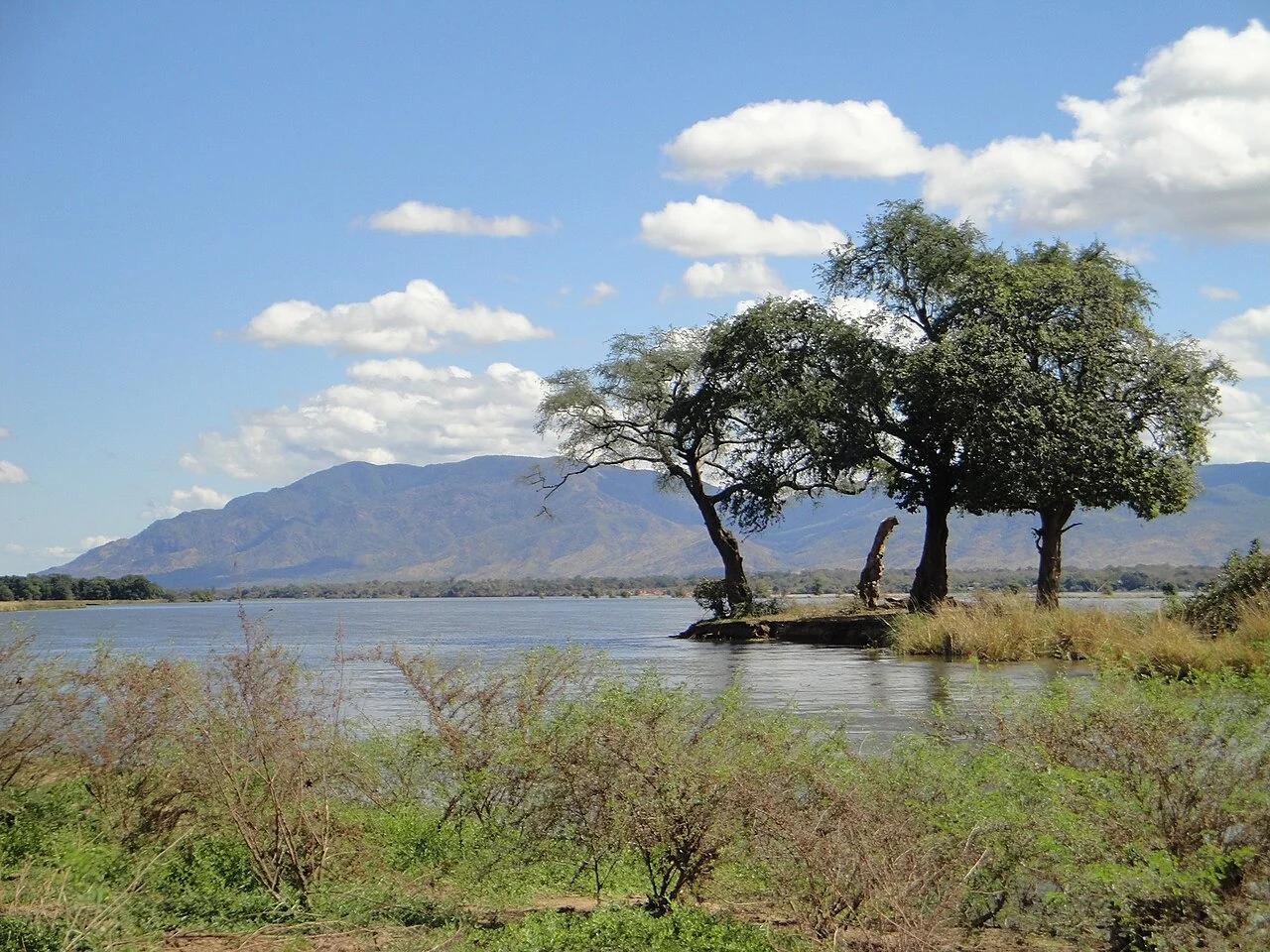
The Zambezi at Mana Pools, Zimbabwe, looking towards the escarpment in Zambia.

Zimbabwe · Habitat field guide

Rivers, lakes & wetlands

The national account identifies impacts on aquatic environments from mining, fragmentation and other land uses. Local waterbody evidence remains necessary.

The Zambezi at Mana Pools, Zimbabwe, looking towards the escarpment in Zambia.

Photograph: Babakathy · Image source · CC0. Cropped to fill the hero; darkened for text legibility.

Understanding the environment

A sense of the habitat.

The national account identifies impacts on aquatic environments from mining, fragmentation and other land uses. Local waterbody evidence remains necessary.

Geographic scope
Zimbabwe; named examples and source scope matter.
Evidence scale
Landscape context is separate from species locality evidence.
Source chronology
Consult the original publication date; checked 12 October 2026.

Explore the structure · Select a layer to compare the details a locality record can preserve.

Read the setting in three layers.

Select a zone to see what changes.

Waterbody

Waterbody

Retain the name and distinguish rivers, lakes, marshes and reservoirs.

Compare this detail with the original field or museum record before assigning a habitat association.

These reading prompts explain how to interpret evidence; they do not assert that every feature occurs at every site.

Sources: Convention on Biological Diversity · Zimbabwe national profile

Field notes · 01

The documented landscape

The national account identifies impacts on aquatic environments from mining, fragmentation and other land uses. Local waterbody evidence remains necessary.

Sources: Convention on Biological Diversity · Zimbabwe national profile

Field notes · 02

Connect habitat and locality

Use the species account to check whether a habitat statement applies to this country or elsewhere in the species’ range. A landscape photograph illustrates its own named place; it is not evidence of snake presence.

Pressures on Zimbabwe’s habitats

What is at risk?

A site-specific assessment of pressures has not yet been extracted for this guide. The landscape sources below provide context; they do not establish a current threat level for each snake species.

What helps this habitat

Retain natural vegetation and water connections where local conservation evidence supports them. Consult the linked national or site account for the pressures and management actions actually reported there.

The connected collection

Snakes with habitat evidence.

These 12 species have supported country occurrence and an explicit habitat association in the shared account. The association may come from elsewhere in their range. This is not a complete local habitat inventory; the places above are landscape examples, not asserted collecting sites.

12 species · showing 12

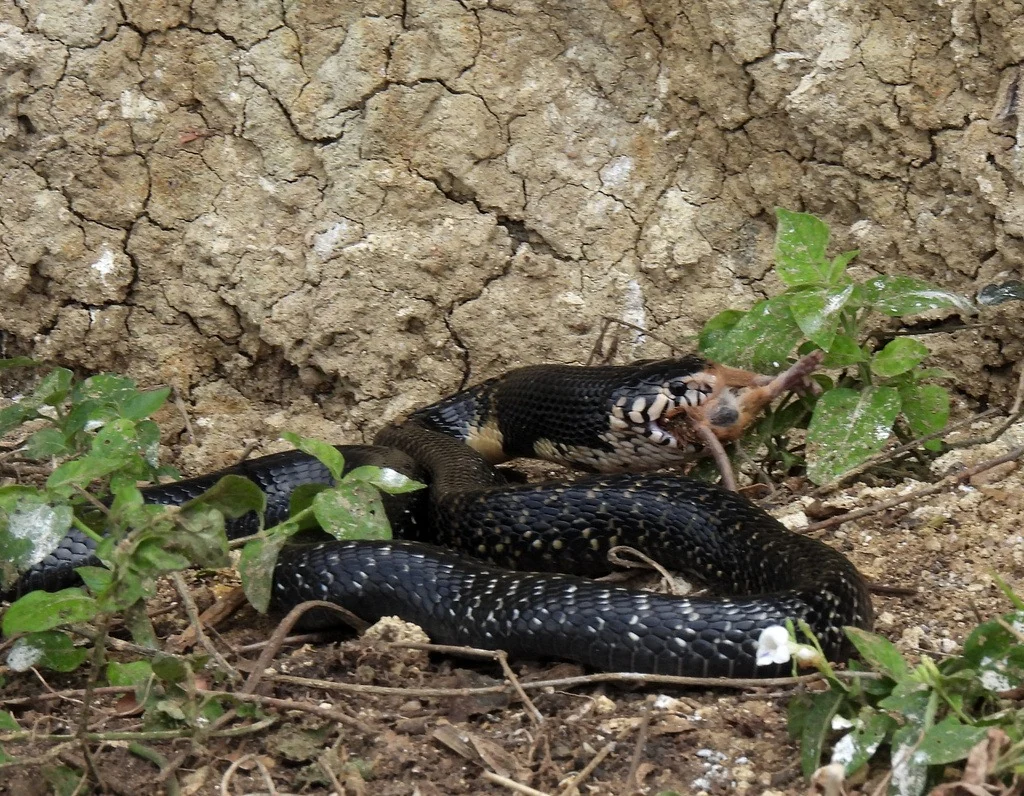
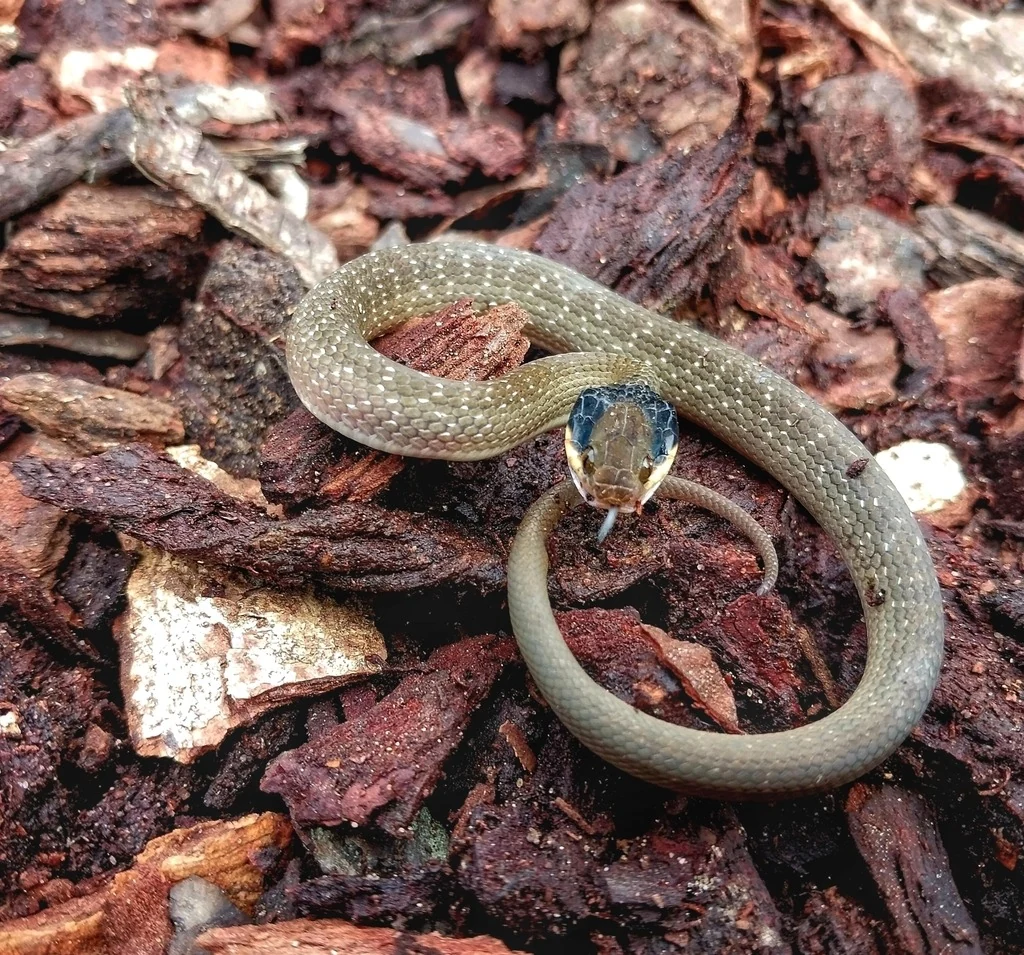
Crotaphopeltis hotamboeia; Campher's Drift, George, 6529, South Africa; photographed 2023-10-13.

001 · Colubridae

White-lipped Herald Snake, Red-lipped Snake

Crotaphopeltis hotamboeia

(LAURENTI, 1768)

Venom unknownNot yet assessed

The current taxonomic treatment explicitly lists this country. This is country-scale checklist evidence, not a claim of continuous occupancy or a complete regional inventory. Bulawayo: observation 376612733, 2026-06-29. Bulawayo: observation 339740842, 2026-02-22. Harare: observation 269979894, 2022-10-24. Harare: observation 269979760, 2022-10-24.…

Read the species account →

no rights reserved · CC0 · https://creativecommons.org/publicdomain/zero/1.0/
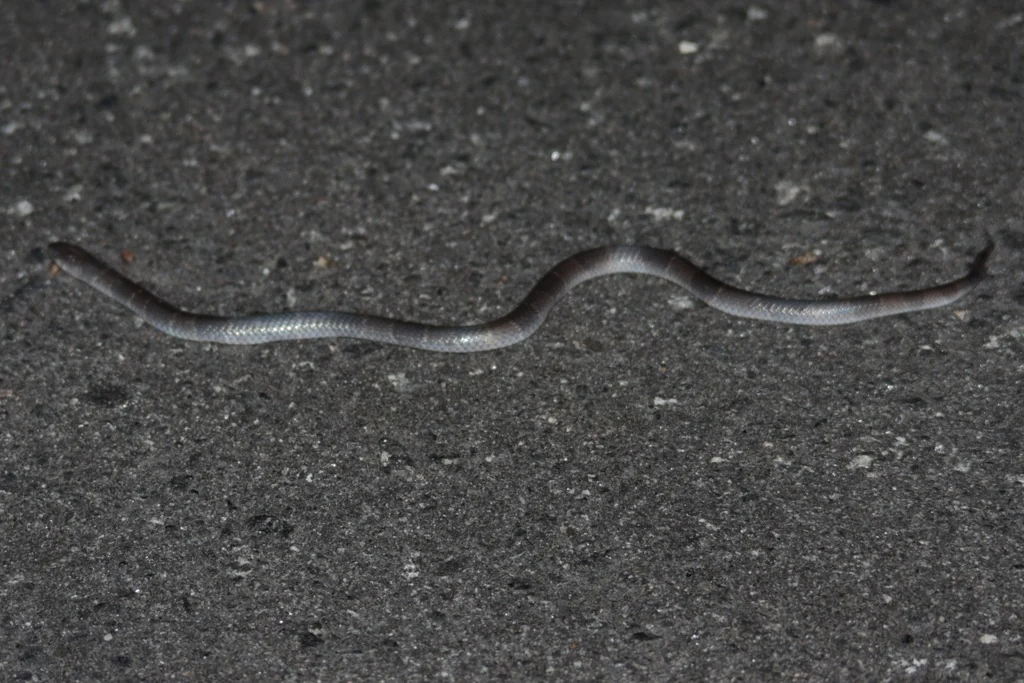
Elapsoidea semiannulata; Yankari, Nigéria; photographed 2008-07-15.

002 · Elapidae

Angolan Garter Snake

Elapsoidea semiannulata

BOCAGE, 1882

VenomousClinical severity not established

The current taxonomic treatment explicitly lists this country. This is country-scale checklist evidence, not a claim of continuous occupancy or a complete regional inventory.

Read the species account →

Fábio Olmos · CC BY 4.0 · https://creativecommons.org/licenses/by/4.0/

Hemachatus haemachatus, photographed 2019-09-05. Identification follows the linked research-grade observation.

003 · Elapidae

Rinkhals, Ring-necked Spitting Cobra, Ringhals

Hemachatus haemachatus

(BONNATERRE, 1790)

VenomousClinical severity not established

The current taxonomic treatment explicitly lists this country. This is country-scale checklist evidence, not a claim of continuous occupancy or a complete regional inventory.

Read the species account →

Sam McCarren · CC BY 4.0 · https://creativecommons.org/licenses/by/4.0/

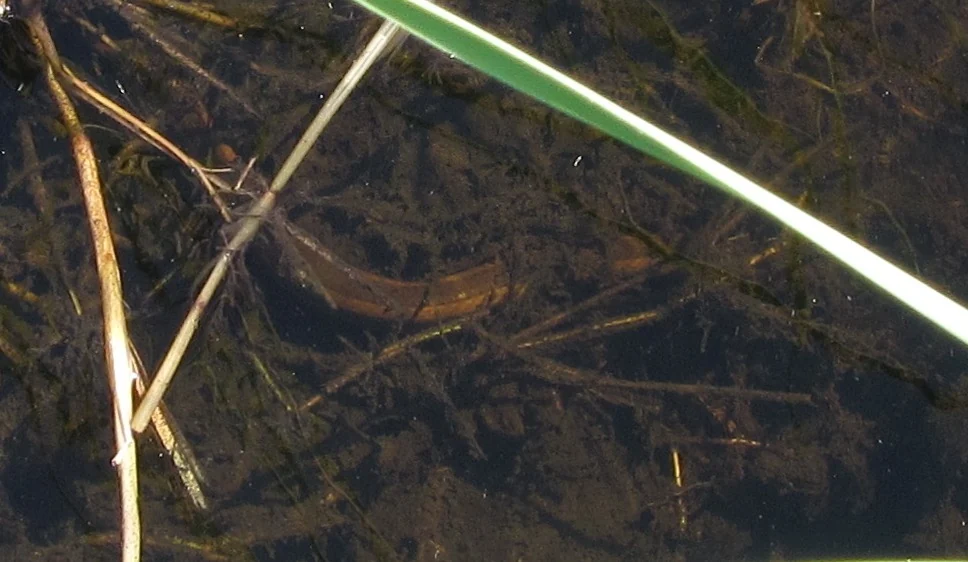
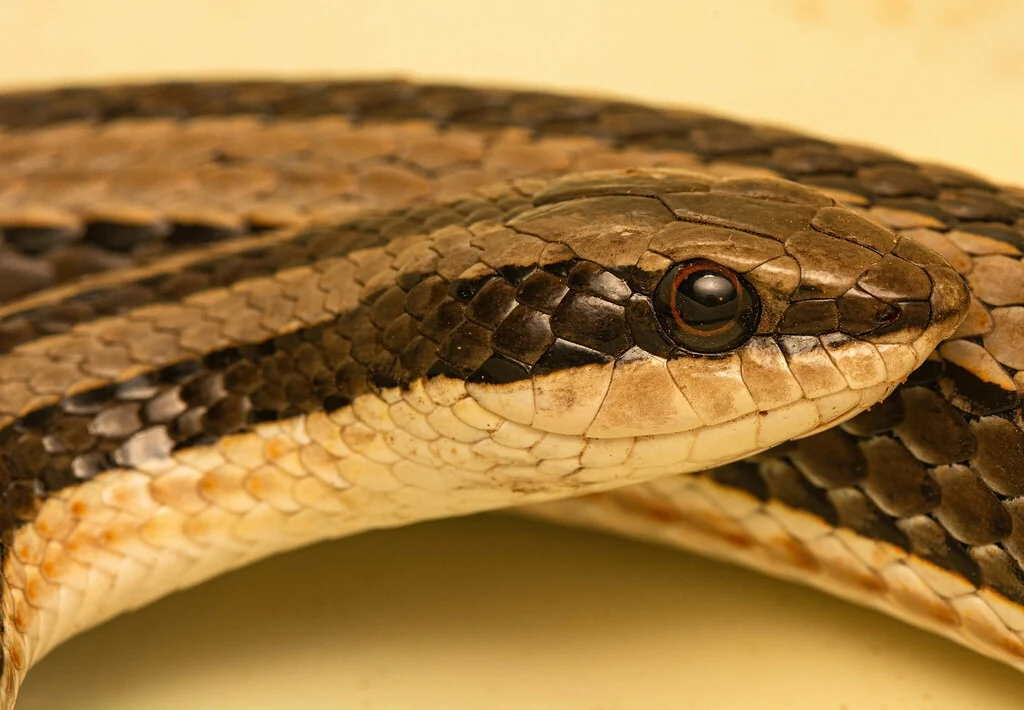
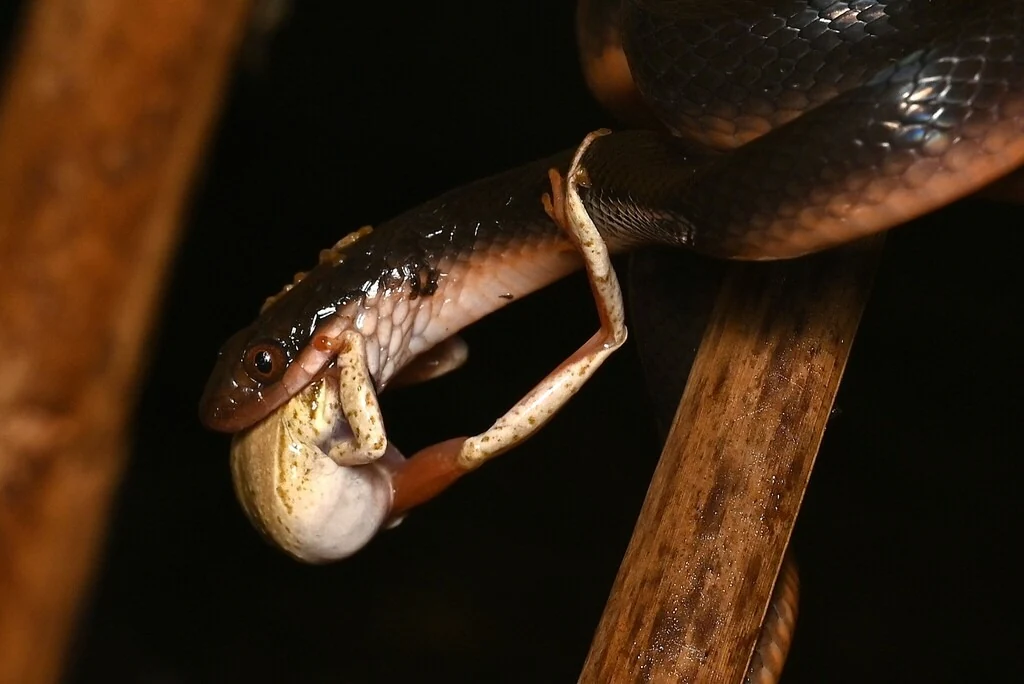
Lycodonomorphus mlanjensis. Photographed in Malawi; the complete original frame is retained. Original observation dated 1983-12-24; this portrait does not establish occurrence in other countries.

004 · Lamprophiidae

Mlanje White-bellied Water-Snake

Lycodonomorphus mlanjensis

LOVERIDGE, 1953

Non-venomous

The current taxonomic treatment explicitly lists this country. This is country-scale checklist evidence, not a claim of continuous occupancy or a complete regional inventory.

Read the species account →

no rights reserved · CC0 1.0 · https://creativecommons.org/publicdomain/zero/1.0/
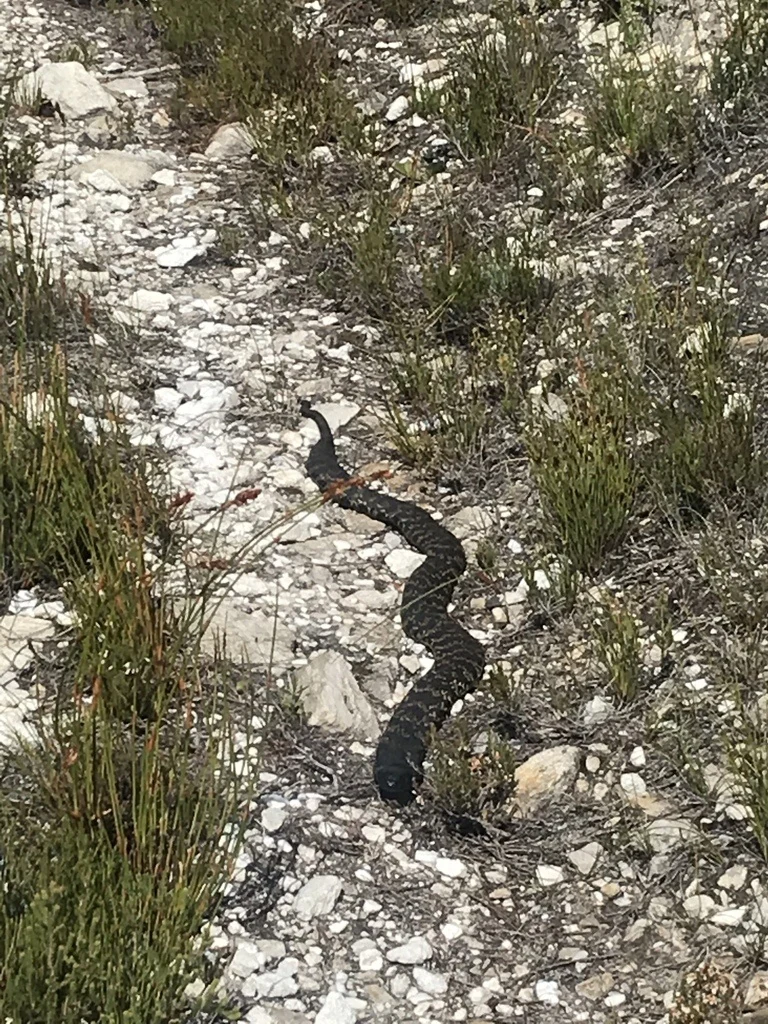
Lycodonomorphus rufulus; 292G+5R Keurboomstrand, South Africa; photographed 2025-11-30.

005 · Lamprophiidae

Common Water Snake, Common Brown Water Snake, Olive-brown Water-Snake, South African Rufous Snake

Lycodonomorphus rufulus

(LICHTENSTEIN, 1823)

Non-venomous

The current taxonomic treatment explicitly lists this country. This is country-scale checklist evidence, not a claim of continuous occupancy or a complete regional inventory.

Read the species account →

no rights reserved · CC0 · https://creativecommons.org/publicdomain/zero/1.0/
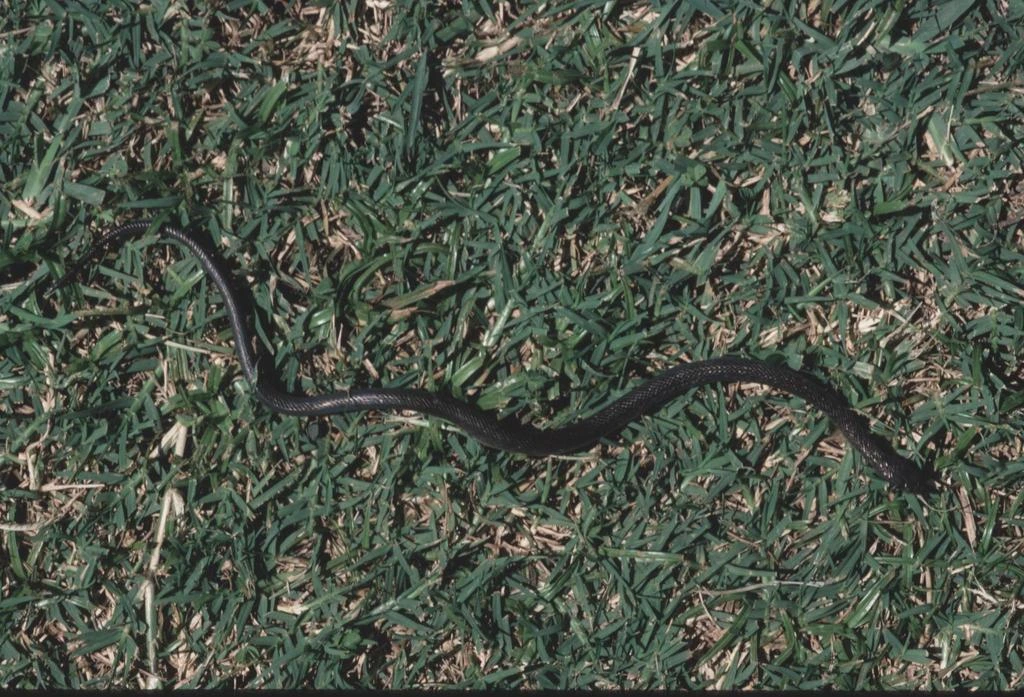
Naja subfulva; Katunguru Queen Elizabeth National Park, Katunguru, Uganda; photographed 2023-03-05.

006 · Elapidae

Brown forest cobra

Naja subfulva

LAURENT, 1955

VenomousClinical severity not established

The current taxonomic treatment explicitly lists this country. This is country-scale checklist evidence, not a claim of continuous occupancy or a complete regional inventory.

Read the species account →

Sidnei Dantas · CC BY-SA 4.0 · https://creativecommons.org/licenses/by-sa/4.0/

Natriciteres olivacea; Ngamiland North, Botswana; photographed 2018-12-15.

007 · Colubridae

Olive Marsh Snake

Natriciteres olivacea

(PETERS, 1854)

Venom unknownNot yet assessed

The current taxonomic treatment explicitly lists this country. This is country-scale checklist evidence, not a claim of continuous occupancy or a complete regional inventory.

Read the species account →

Robert Taylor · CC BY 4.0 · https://creativecommons.org/licenses/by/4.0/

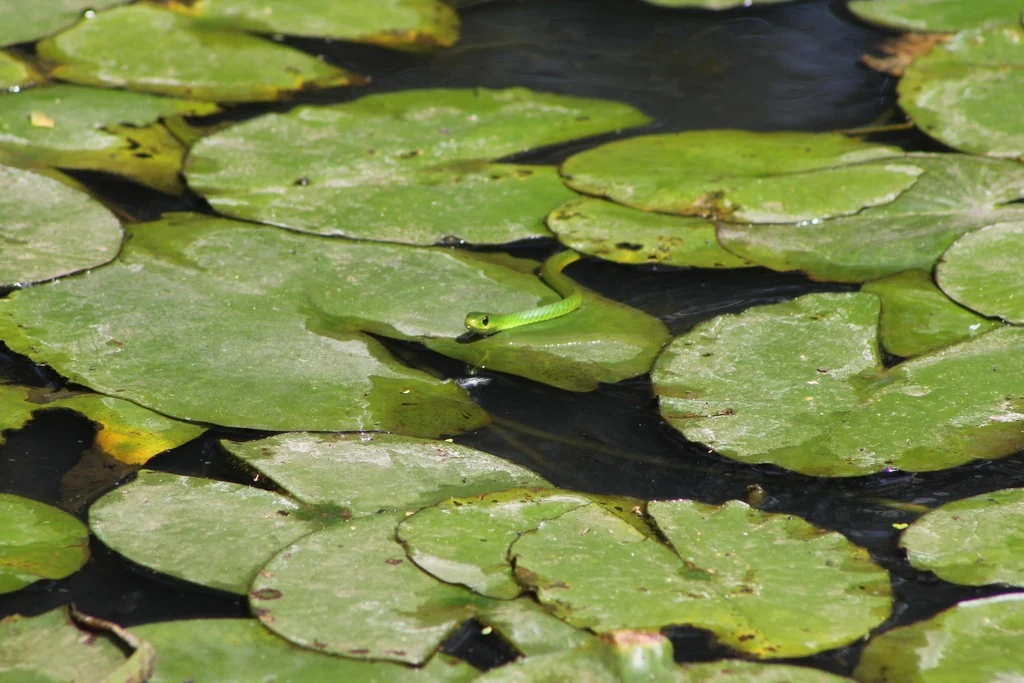
Philothamnus hoplogaster; National Park, Nairobi, Kenya; photographed 2017-07-01.

008 · Colubridae

Southeastern Green snake, Green Water Snake

Philothamnus hoplogaster

(GÜNTHER, 1863)

Venom unknownNot yet assessed

The current taxonomic treatment explicitly lists this country. This is country-scale checklist evidence, not a claim of continuous occupancy or a complete regional inventory. Matabeleland South: observation 403268363, 2026-09-20. Midlands: observation 322556156, 2025-10-06. Midlands: observation 278319037, 2025-04-13. Original records have agreeing…

Read the species account →

Ryan Donnelly · CC BY 4.0 · https://creativecommons.org/licenses/by/4.0/

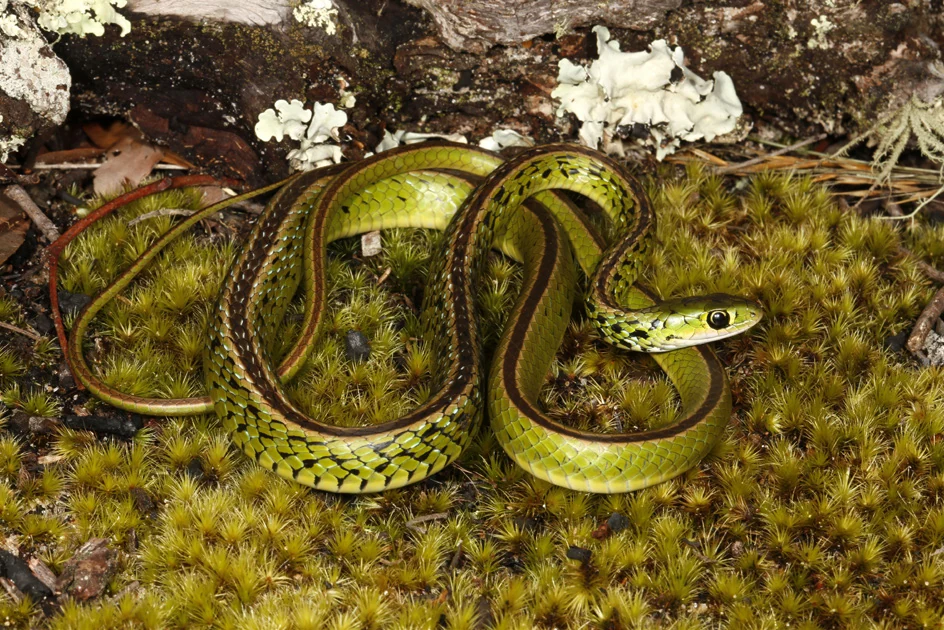
Philothamnus ornatus from Cuito River source, Angola. Fig. 15 in Conradie et al. (2021), Amphibian & Reptile Conservation 15(2):244–278.

009 · Colubridae

Ornate Green Snake

Philothamnus ornatus

BOCAGE, 1872

Venom unknownNot yet assessed

The current taxonomic treatment explicitly lists this country. This is country-scale checklist evidence, not a claim of continuous occupancy or a complete regional inventory.

Read the species account →

Werner Conradie · CC BY 4.0 · https://creativecommons.org/licenses/by/4.0/

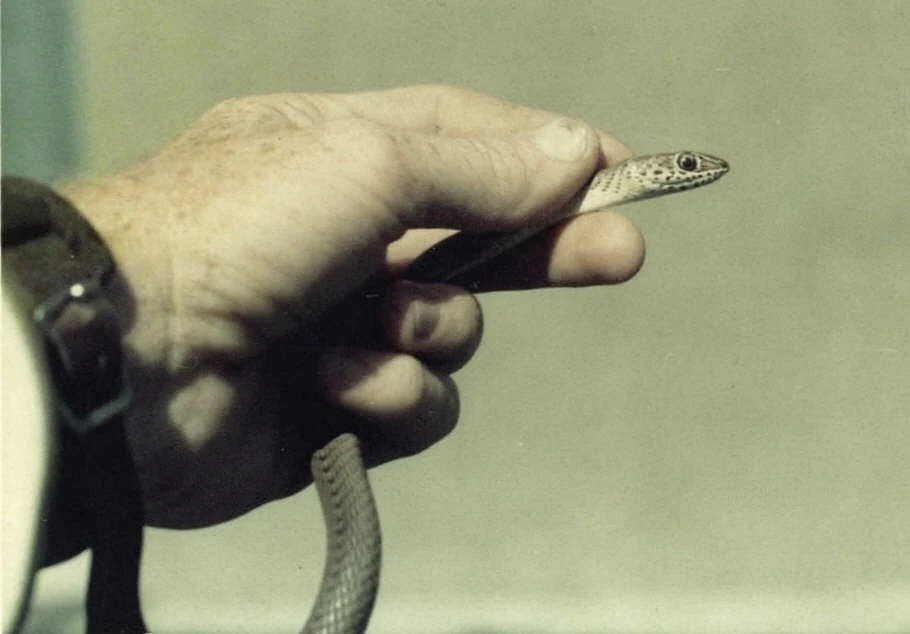
Psammophis mossambicus; Chizarira National Park; photographed 1980-11-30.

010 · Psammophiidae

Olive Whip Snake, Olive Grass Snake,

Psammophis mossambicus

PETERS, 1882

VenomousClinical severity not established

The current taxonomic treatment explicitly lists this country. This is country-scale checklist evidence, not a claim of continuous occupancy or a complete regional inventory. Bulawayo: observation 265384486, 2025-03-15. Bulawayo: observation 177818555, 2023-08-11. Harare: observation 269981290, 2022-12-29. Harare: observation 132574469, 2022-08-28.…

Read the species account →

i_c_riddell · CC BY 4.0 · https://creativecommons.org/licenses/by/4.0/

Psammophylax tritaeniatus; Spitskop Small Holdings, Bloemfontein, 9301, South Africa; photographed 2023-02-26.

011 · Psammophiidae

Three-lined Grass Snake, Striped Skaapsteker

Psammophylax tritaeniatus

(GÜNTHER, 1868)

Venom unknownNot yet assessed

The current taxonomic treatment explicitly lists this country. This is country-scale checklist evidence, not a claim of continuous occupancy or a complete regional inventory. Bulawayo: observation 61131991, 2020-09-28. Harare: observation 170408381, 2023-07-01. Matabeleland South: observation 121863694, 2022-06-05. Original records have agreeing…

Read the species account →

Rudolph Steenkamp · CC BY-SA 4.0 · https://creativecommons.org/licenses/by-sa/4.0/

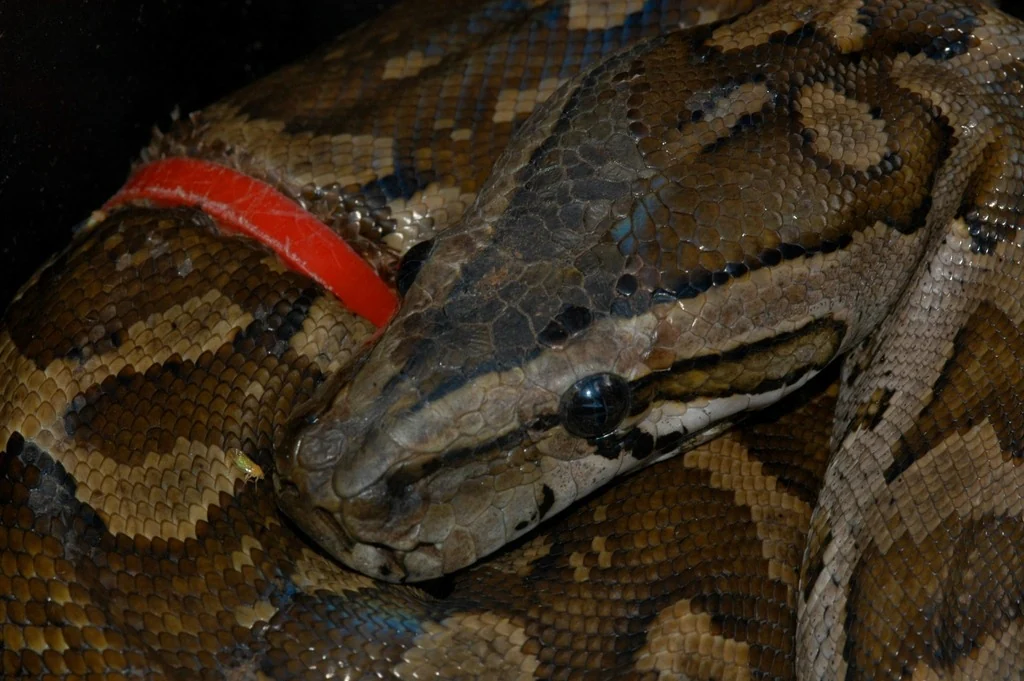
Python natalensis; Rooibos Street, Phalaborwa; photographed 2010-12-10.

012 · Pythonidae

Southern African Python, Lesser African Python

Python natalensis

SMITH, 1840

Non-venomous

The current taxonomic treatment explicitly lists this country. This is country-scale checklist evidence, not a claim of continuous occupancy or a complete regional inventory. Mashonaland Central: observation 338427473, 2026-02-12. Harare: observation 212253110, 2024-04-02. Harare: observation 160351329, 2023-05-07. Mashonaland East: observation…

Read the species account →

no rights reserved · CC0 · https://creativecommons.org/publicdomain/zero/1.0/
All 86 species in the country collection →

Read further

Evidence & sources.

Guide reviewed 12 October 2026. Source dates and geographic scope matter; landscape photographs do not establish species occurrence.

  1. Convention on Biological Diversity · Zimbabwe national profile

    Historical draft prepared by the CBD Secretariat; awaiting Party approval. Used for landscape context; older statistics are not presented as current monitoring or a snake inventory.

Continue through Zimbabwe

Explore another habitat.

01

Forest & woodland

Forests and woodlands form a major part of Zimbabwe’s vegetation. The national account distinguishes state reserves from other land uses.