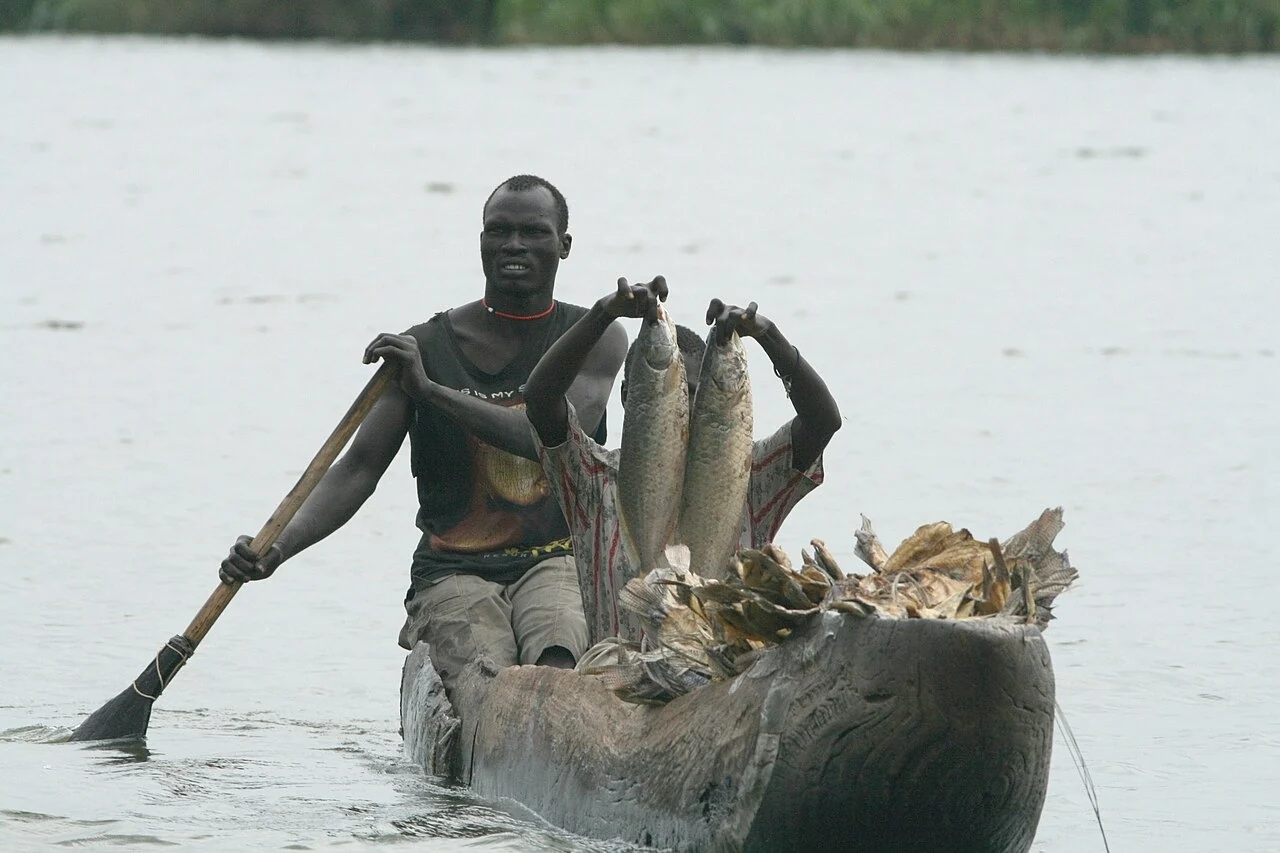
Fishing in the Sudd wetland, South Sudan; source photograph from the Nile Basin project.

South Sudan · The country atlas

South Sudan

South Sudan’s Sudd wetland illustrates the connection between the White Nile, permanent marsh and seasonal flooding.

127species with extracted evidence
12families
10region guides

Fishing in the Sudd wetland, South Sudan; source photograph from the Nile Basin project.

Photograph: Water, food and livelihoods in River Basins, Photographer: Karen Conniff · Image source · CC BY 2.0. Cropped to fill the hero; darkened for text legibility.

Geography & biotopes

Discover South Sudan.

South Sudan’s Sudd wetland illustrates the connection between the White Nile, permanent marsh and seasonal flooding.

Historical administrative outlines are grouped for navigation. They are not ecological boundaries, species ranges or a statement of present administrative arrangements. Pre-2011 Sudan labels cannot alone establish occurrence in either present-day country. Abyei boundaries are geographic references only.

Map boundaries, snapshot and group membership →

Ramsar · Sudd information sheet →

Geography is part of the record

Find your way through South Sudan.

Select a named region to open its evidence page. The complete directory below keeps every guide accessible, including places where locality evidence has not yet been extracted.

17 of 127 listed species have at least one indexed region record. 110 remain country-only. Even a nonzero count is not a complete regional inventory.

Habitats & living landscapes

Explore the living
landscapes.

Explore 2 guides to the environments, places and conservation pressures that shape this country. Each guide connects to the regional map and shared species accounts.

Landscape photographs & credits

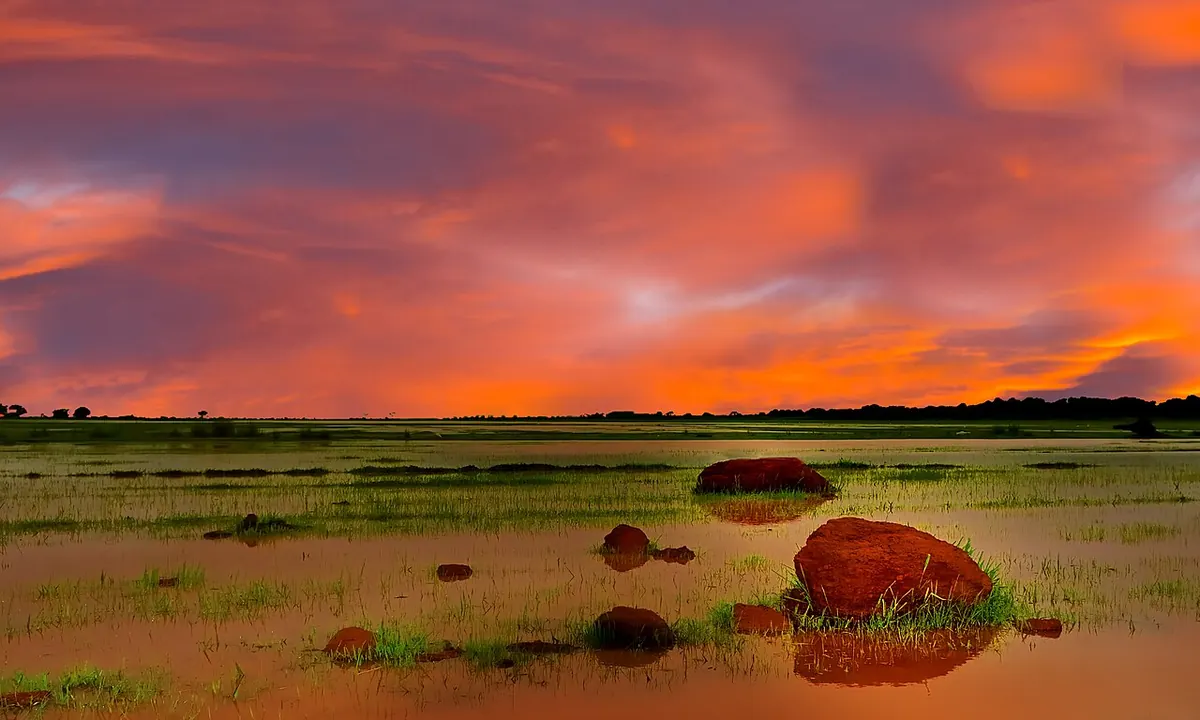
Shallow water and grass-covered floodplain beside the Jur River, in the upper Bahr al-Ghazal system of South Sudan, photographed in June 2008. This is a named national example of flooded grassland, not a photograph identified as the Sudd. — Michael Walsh. Original photograph · CC BY 3.0. Cropped for the cards; photographs do not establish snake occurrence.

Fishing in the Sudd wetland, South Sudan; source photograph from the Nile Basin project. — Water, food and livelihoods in River Basins, Photographer: Karen Conniff. Original photograph · CC BY 2.0. Cropped for the cards; photographs do not establish snake occurrence.

The species catalogue

Meet the snakes of South Sudan.

Search scientific names, historical names, common names and families. Every card opens one shared account across its documented countries.

127 species · showing 24

Afrotyphlops lineolatus; Hoima, Ouganda; photographed 2022-09-21.

002 · Typhlopidae

Common Lined Worm Snake, Lineolate Blind Snake

Afrotyphlops lineolatus

(JAN, 1864)

Non-venomous

The current taxonomic treatment explicitly lists this country. This is country-scale checklist evidence, not a claim of continuous occupancy or a complete regional inventory.

Read the species account →

Tommy Andriollo · CC BY 4.0 · https://creativecommons.org/licenses/by/4.0/

Afrotyphlops punctatus; Atiwa West, Ghana; photographed 2025-02-27.

003 · Typhlopidae

Spotted Blind Snake

Afrotyphlops punctatus

(LEACH, 1819)

Non-venomous

The current taxonomic treatment explicitly lists this country. This is country-scale checklist evidence, not a claim of continuous occupancy or a complete regional inventory.

Read the species account →

Zac Peterson · CC BY 4.0 · https://creativecommons.org/licenses/by/4.0/

Aparallactus jacksonii; Lungalunga, KE-KW, KE; photographed 2016-05-30.

004 · Atractaspididae

Jackson’s centipede-eater

Aparallactus jacksonii

(GÜNTHER, 1888)

VenomousClinical severity not established

The current taxonomic treatment explicitly lists this country. This is country-scale checklist evidence, not a claim of continuous occupancy or a complete regional inventory.

Read the species account →

Ewout Knoester · CC BY-SA 4.0 · https://creativecommons.org/licenses/by-sa/4.0/

Aparallactus lunulatus; Mopani, South Africa; photographed 2014-01-05.

005 · Atractaspididae

Plumbeous or Reticulated Centipede Eater

Aparallactus lunulatus

(PETERS, 1854)

VenomousClinical severity not established

The current taxonomic treatment explicitly lists this country. This is country-scale checklist evidence, not a claim of continuous occupancy or a complete regional inventory.

Read the species account →

Cole Wolf · CC BY 4.0 · https://creativecommons.org/licenses/by/4.0/

Aparallactus modestus; Jaedae, Liberia; photographed 2021-11-04.

006 · Atractaspididae

Western Forest Centipede-eater

Aparallactus modestus

(GÜNTHER, 1859)

Venom unknownEvidence inconclusive

The current taxonomic treatment explicitly lists this country. This is country-scale checklist evidence, not a claim of continuous occupancy or a complete regional inventory.

Read the species account →

Ryan van Huyssteen · CC BY 4.0 · https://creativecommons.org/licenses/by/4.0/

Atractaspis aterrima; Man, Côte d'Ivoire; photographed 2019-11-19.

007 · Atractaspididae

Mole Viper, Slender Burrowing Asp

Atractaspis aterrima

GÜNTHER, 1863

VenomousClinical severity not established

The current taxonomic treatment explicitly lists this country. This is country-scale checklist evidence, not a claim of continuous occupancy or a complete regional inventory.

Read the species account →

Dérozier Violette · CC BY 4.0 · https://creativecommons.org/licenses/by/4.0/

Atractaspis fallax; Kajiado, Kajiado, Rift Valley, KE; photographed 2020-12-09.

008 · Atractaspididae

Eastern Small-scaled Burrowing Asp, Peters’ Burrowing Asp, Mole Viper

Atractaspis fallax

PETERS, 1867

VenomousClinical severity not established

The current taxonomic treatment explicitly lists this country. This is country-scale checklist evidence, not a claim of continuous occupancy or a complete regional inventory.

Read the species account →

Stephanie Dolrenry · CC BY-SA 4.0 · https://creativecommons.org/licenses/by-sa/4.0/

Atractaspis irregularis; Central, Kenya; photographed 2021-04-30.

009 · Atractaspididae

Variable Burrowing Asp, Mole Viper

Atractaspis irregularis

(REINHARDT, 1843)

VenomousClinical severity not established

The current taxonomic treatment explicitly lists this country. This is country-scale checklist evidence, not a claim of continuous occupancy or a complete regional inventory.

Read the species account →

James Christian · CC BY 4.0 · https://creativecommons.org/licenses/by/4.0/

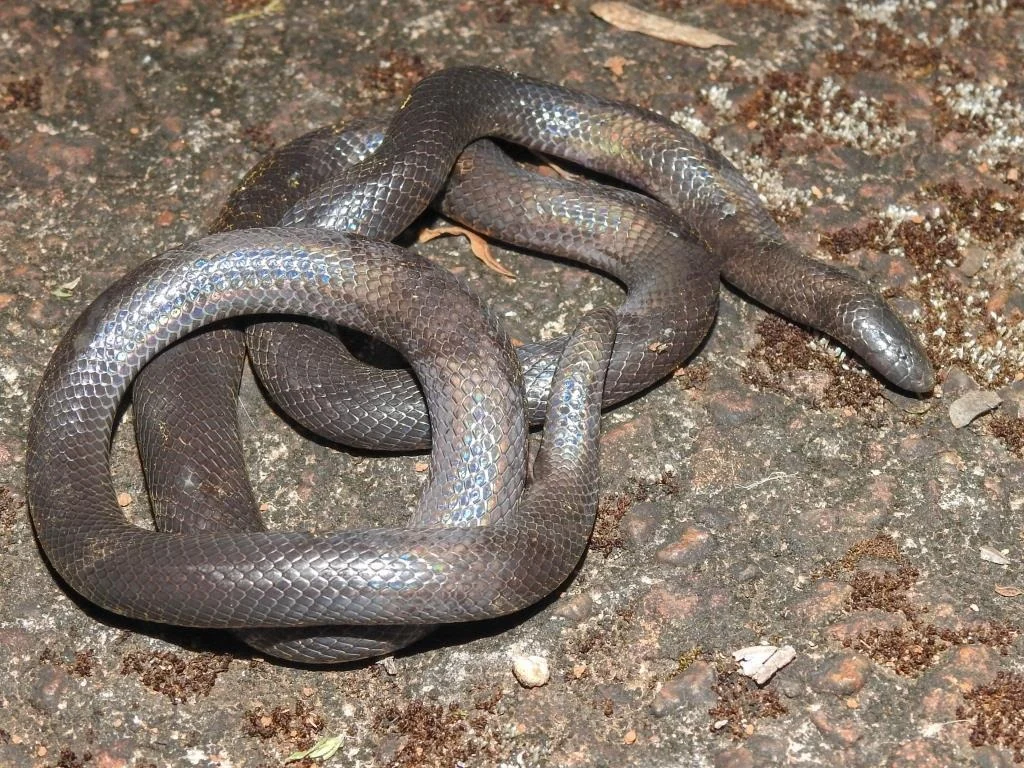
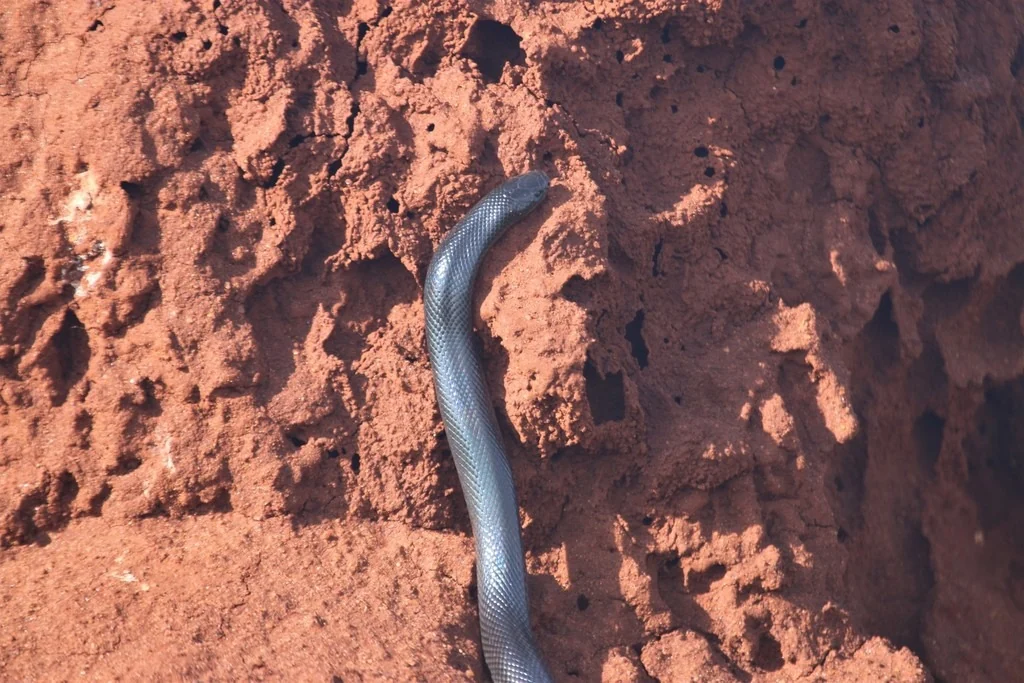
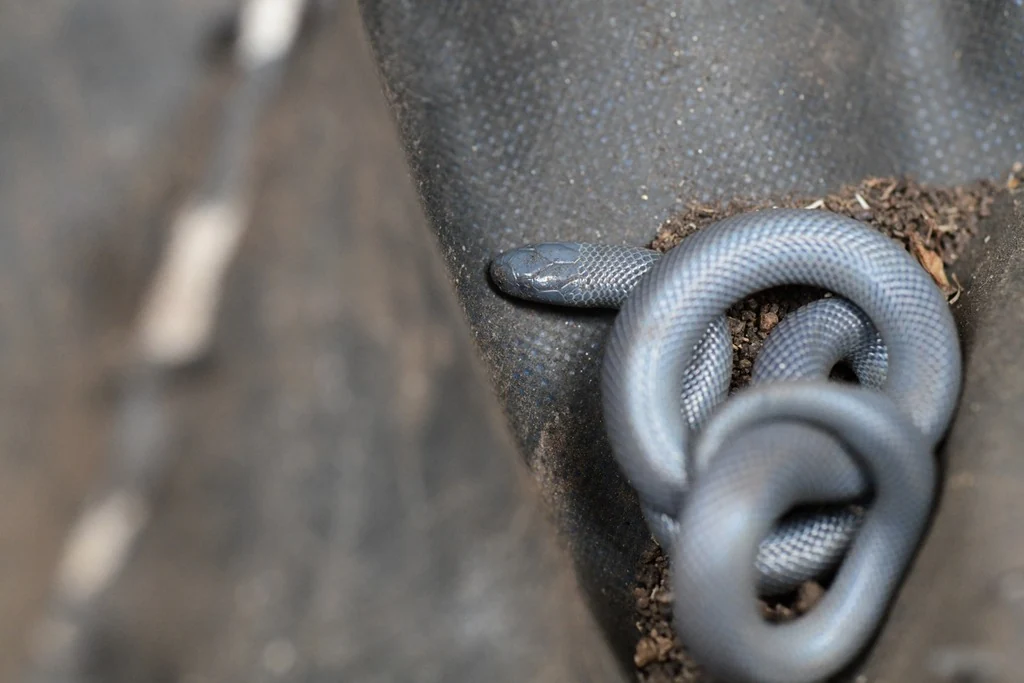
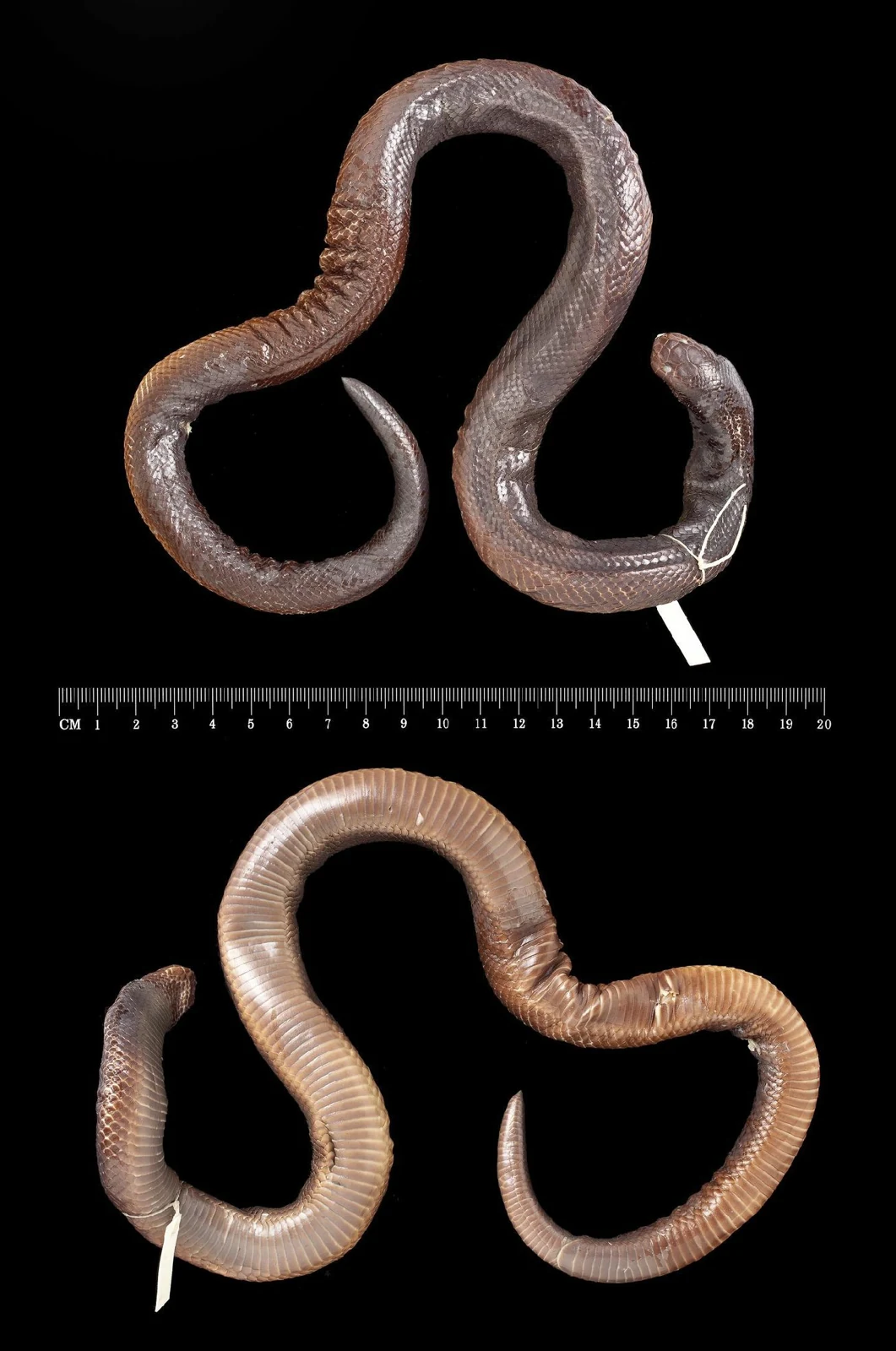
Atractaspis watsoni. Preserved museum specimen, Natural History Museum, London, 1946.1.18.5. Colours may have changed in preservative. This collection image adds no geographic occurrence record.

012 · Atractaspididae

Watson’s Burrowing Asp

Atractaspis watsoni

BOULENGER, 1908

VenomousClinical severity not established

The current taxonomic treatment explicitly lists this country. This is country-scale checklist evidence, not a claim of continuous occupancy or a complete regional inventory.

Read the species account →

Patrick Campbell / The Trustees of the Natural History Museum, London · CC BY 4.0 · https://creativecommons.org/licenses/by/4.0/

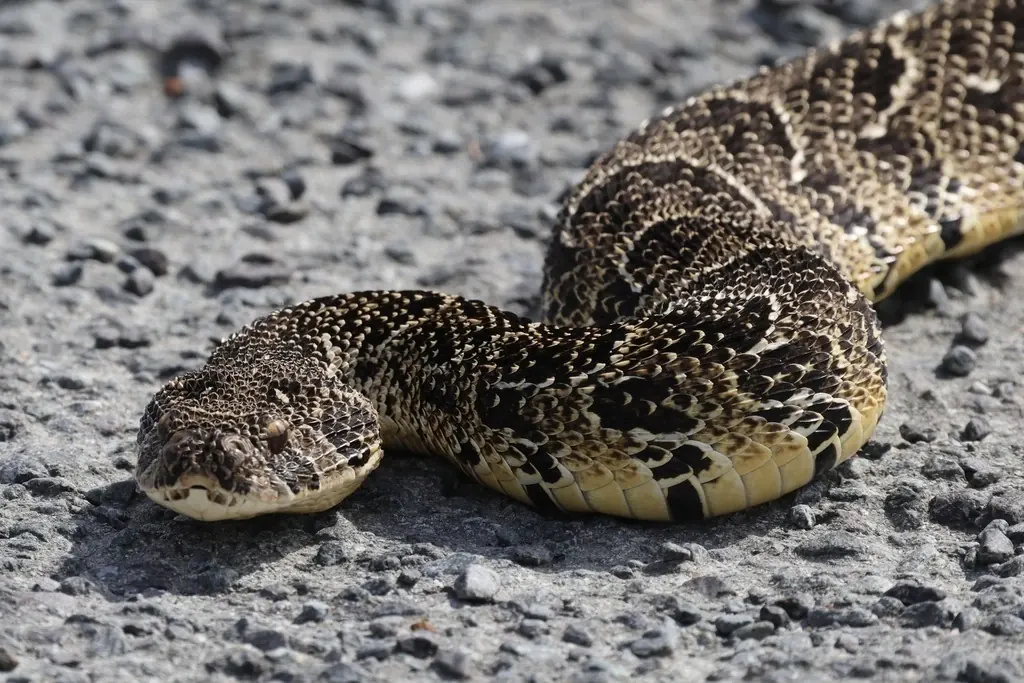
Bitis arietans. Identification follows the linked source community.

013 · Viperidae

Puff Adder

Bitis arietans

(MERREM, 1820)

VenomousClinical severity not established

Explicit country record in the current species treatment. The current taxonomic treatment explicitly lists this country. This is country-scale checklist evidence, not a claim of continuous occupancy or a complete regional inventory. Central Equatoria: iNaturalist observation 277041214, recorded 2025-04-30. The current original record has agreeing…

Read the species account →

Cricket Raspet · CC BY 4.0 · https://creativecommons.org/licenses/by/4.0/

Bitis gabonica; Lake Tissongo, Cameroon; photographed 2016-05-18.

014 · Viperidae

Gaboon Adder, Gaboon Viper

Bitis gabonica

(DUMÉRIL, BIBRON & DUMÉRIL, 1854)

VenomousClinical severity not established

The current taxonomic treatment explicitly lists this country. This is country-scale checklist evidence, not a claim of continuous occupancy or a complete regional inventory.

Read the species account →

Lucy Keith-Diagne · CC BY 4.0 · https://creativecommons.org/licenses/by/4.0/

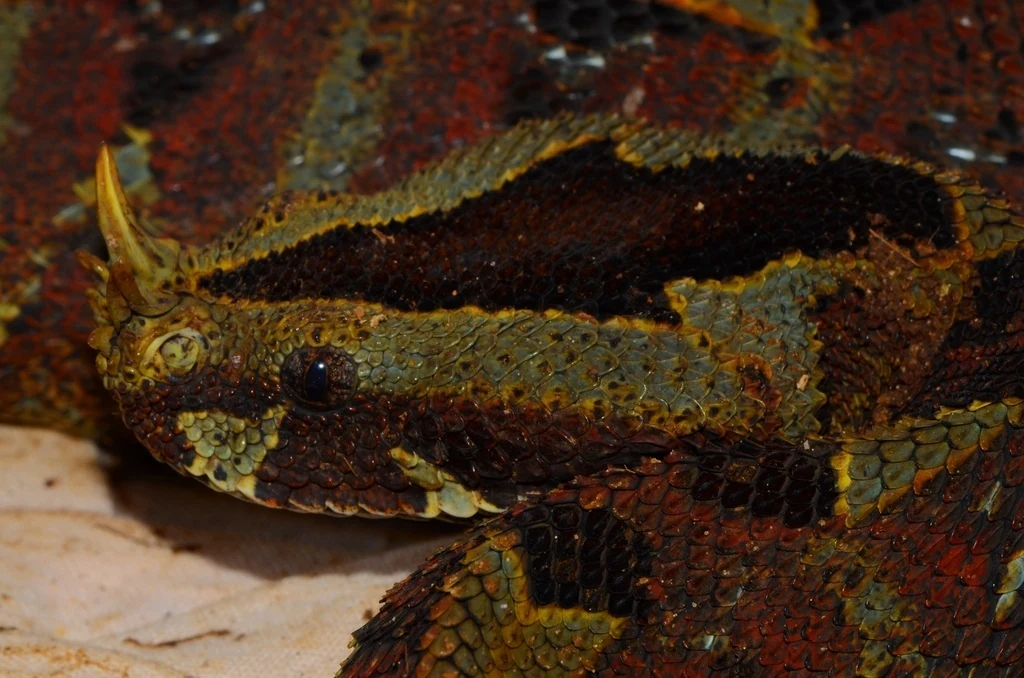
Bitis nasicornis, photographed 2012-10-08. Identification follows the linked research-grade observation.

015 · Viperidae

Rhinoceros Viper

Bitis nasicornis

(SHAW & NODDER, 1792)

VenomousClinical severity not established

The current taxonomic treatment explicitly lists this country. This is country-scale checklist evidence, not a claim of continuous occupancy or a complete regional inventory.

Read the species account →

Marius Burger (iNaturalist contributor) · CC0 1.0 · https://creativecommons.org/publicdomain/zero/1.0/

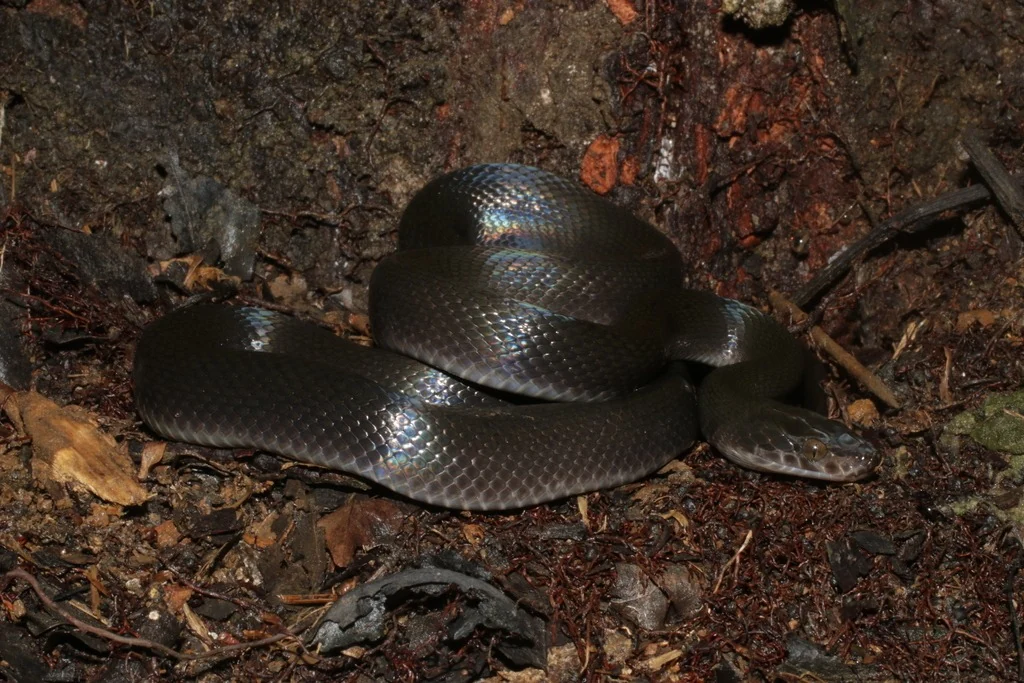
Boaedon perisilvestris; Lekoko, Gabon; photographed 2022-10-02.

018 · Lamprophiidae

Species account

Boaedon perisilvestris

TRAPE & MEDIANNIKOV, 2016

Non-venomous

The current taxonomic treatment explicitly lists this country. This is country-scale checklist evidence, not a claim of continuous occupancy or a complete regional inventory. Jonglei: iNaturalist observation 253602081, recorded 2024-11-29. The current original record has agreeing research-grade identification, wild status and unrestricted coordinates;…

Read the species account →

Ryan van Huyssteen · CC BY 4.0 · https://creativecommons.org/licenses/by/4.0/

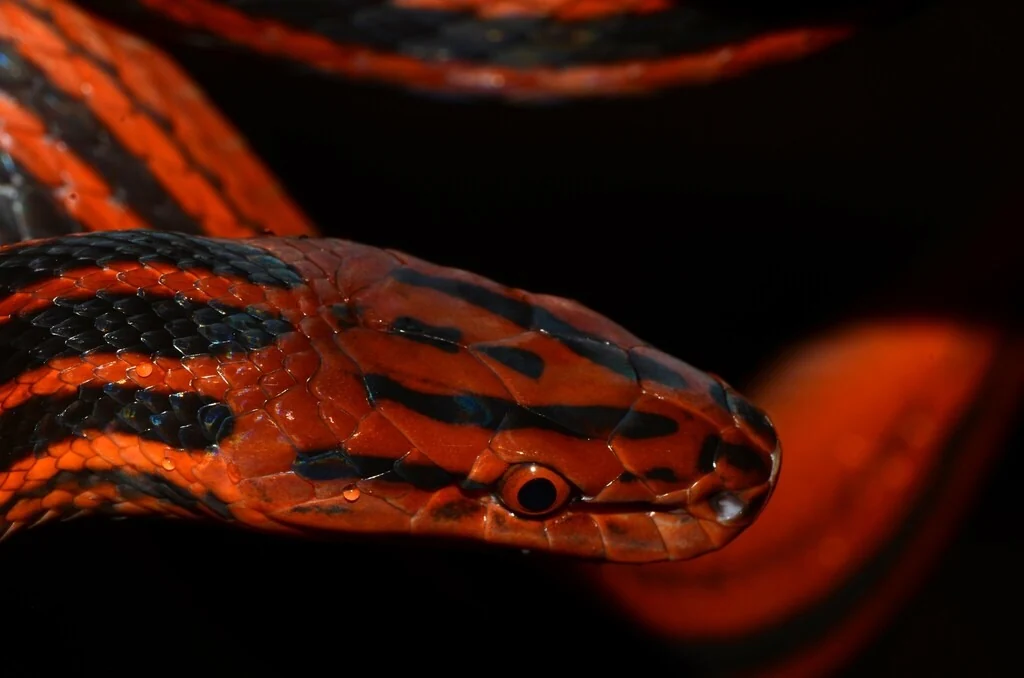
Bothrophthalmus lineatus; 3FM6+29 Koakpo, Liberia; photographed 2021-10-24.

020 · Lamprophiidae

Red-Black Striped Snake

Bothrophthalmus lineatus

(PETERS, 1863)

Non-venomous

The current taxonomic treatment explicitly lists this country. This is country-scale checklist evidence, not a claim of continuous occupancy or a complete regional inventory.

Read the species account →

no rights reserved · CC0 · https://creativecommons.org/publicdomain/zero/1.0/

Causus lichtensteinii; Karuma Fr, Buruli, Western, UG; photographed 2022-07-29.

021 · Viperidae

Forest night adder

Causus lichtensteinii

(JAN, 1859)

VenomousClinical severity not established

The current taxonomic treatment explicitly lists this country. This is country-scale checklist evidence, not a claim of continuous occupancy or a complete regional inventory.

Read the species account →

tlaloc27 · CC BY 4.0 · https://creativecommons.org/licenses/by/4.0/

Causus maculatus; Lesio-Louna Reserve - Iboubikro, Republic of the Congo; photographed 2006-07-20.

022 · Viperidae

Spotted Night Adder, West-African Night Adder

Causus maculatus

(HALLOWELL, 1842)

VenomousClinical severity not established

The current taxonomic treatment explicitly lists this country. This is country-scale checklist evidence, not a claim of continuous occupancy or a complete regional inventory. Central Equatoria: iNaturalist observation 401459897, recorded 2026-09-19. The current original record has agreeing research-grade identification, wild status and unrestricted…

Read the species account →

Tony King · CC BY 4.0 · https://creativecommons.org/licenses/by/4.0/

Causus resimus; C14, Kenia; photographed 2020-11-18.

023 · Viperidae

Green Night Adder

Causus resimus

(PETERS, 1862)

VenomousClinical severity not established

The current taxonomic treatment explicitly lists this country. This is country-scale checklist evidence, not a claim of continuous occupancy or a complete regional inventory.

Read the species account →

le0p0ld_d · CC BY 4.0 · https://creativecommons.org/licenses/by/4.0/

Causus rhombeatus, photographed 2014-11-21. Identification follows the linked research-grade observation.

024 · Viperidae

Common or Rhombic Night Adder

Causus rhombeatus

(LICHTENSTEIN, 1823)

VenomousClinical severity not established

The current taxonomic treatment explicitly lists this country. This is country-scale checklist evidence, not a claim of continuous occupancy or a complete regional inventory.

Read the species account →

Nigel Voaden · CC BY 4.0 · https://creativecommons.org/licenses/by/4.0/

The research library

Sources & the checklist.

This edition lists 127 species with supported country records from checked taxonomic treatments and cited field studies. It is not a claim of a complete national inventory. Each account retains its source and check date; individual evidence entries retain their own review dates.

Range and taxonomy review

Country links use a single accepted species identity. Revised names and disputed records are kept visible here; uncertain records do not enter the listed collection or regional totals.

Psammophis sibilans

Uncertain — excluded from the listed total

The checked treatment contains a conflicting, superseded or insufficiently corroborated country report. It is retained for review and excluded from positive counts; this is not an assertion of absence.

Source 1 ↗
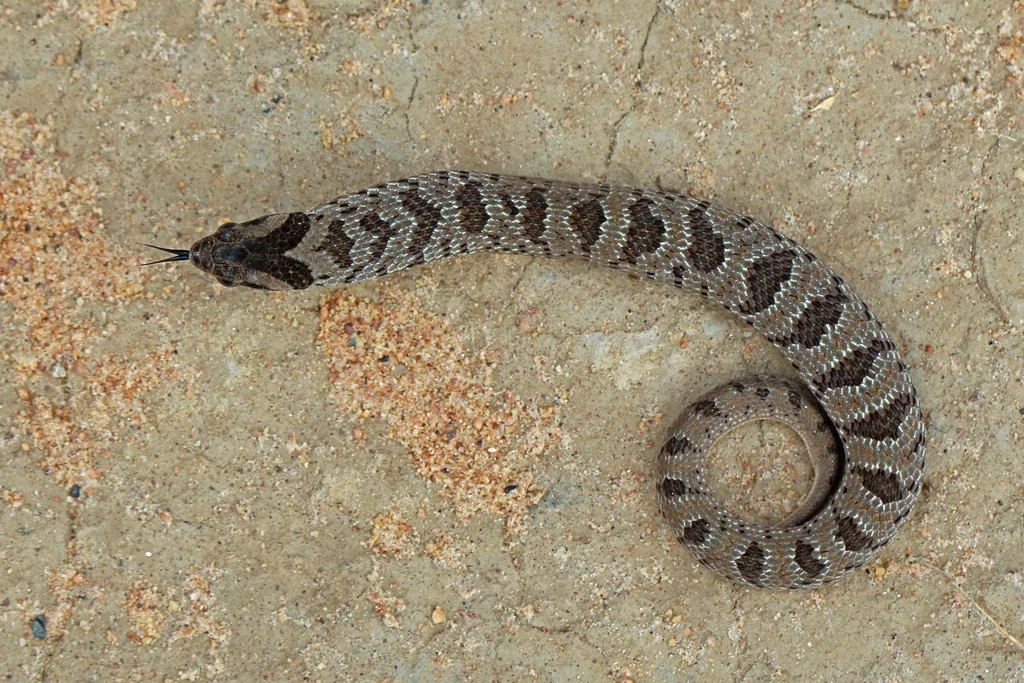
Amblyodipsas unicolor

Uncertain — excluded from the listed total

The checked treatment contains a conflicting, superseded or insufficiently corroborated country report. It is retained for review and excluded from positive counts; this is not an assertion of absence.

Source 1 ↗
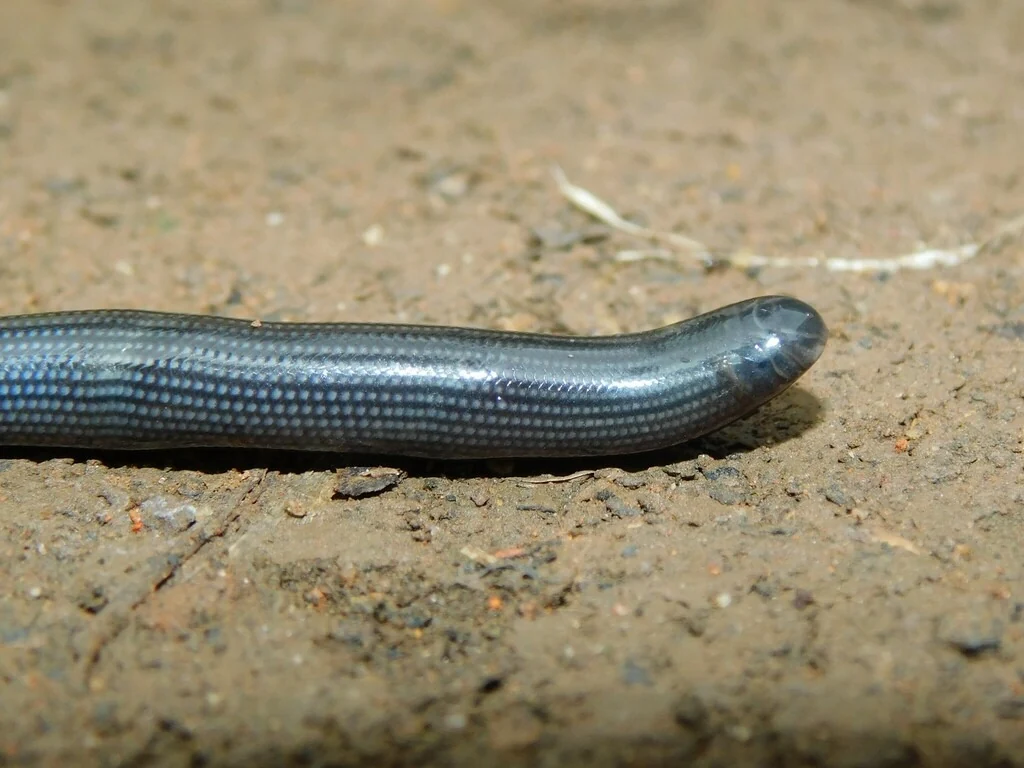
Atheris squamigera

Uncertain — excluded from the listed total

The checked treatment contains a conflicting, superseded or insufficiently corroborated country report. It is retained for review and excluded from positive counts; this is not an assertion of absence.

Source 1 ↗
Dasypeltis fasciata

Uncertain — excluded from the listed total

The checked treatment contains a conflicting, superseded or insufficiently corroborated country report. It is retained for review and excluded from positive counts; this is not an assertion of absence.

Source 1 ↗
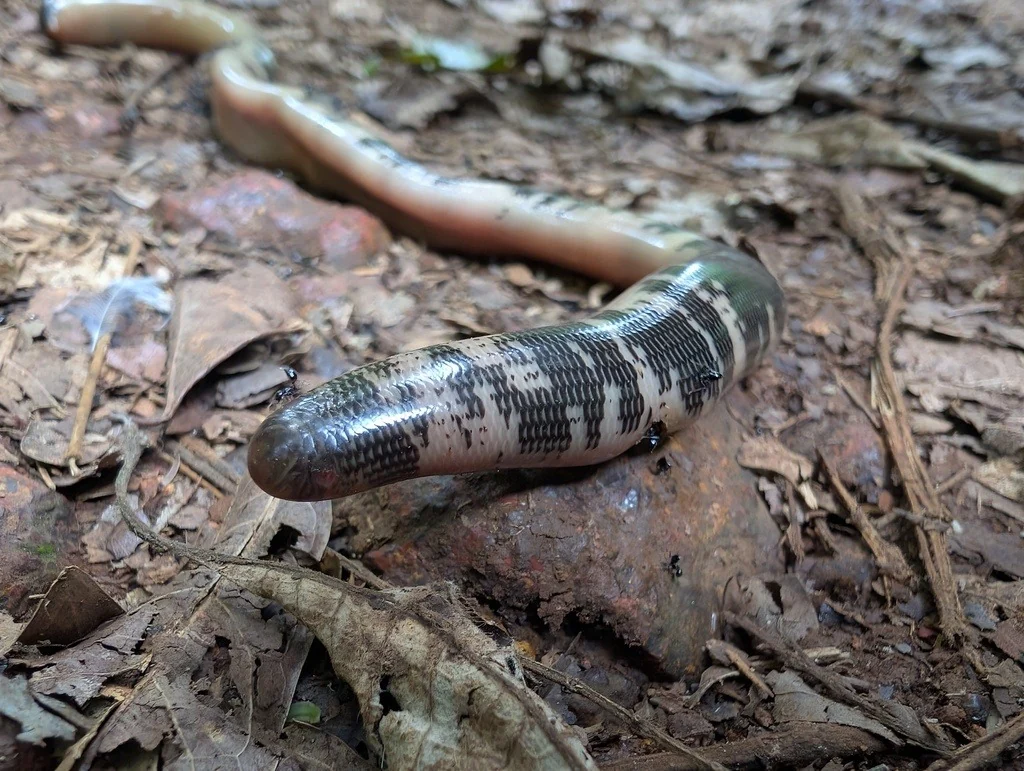
Polemon christyi

Uncertain — excluded from the listed total

The checked treatment contains a conflicting, superseded or insufficiently corroborated country report. It is retained for review and excluded from positive counts; this is not an assertion of absence.

Source 1 ↗
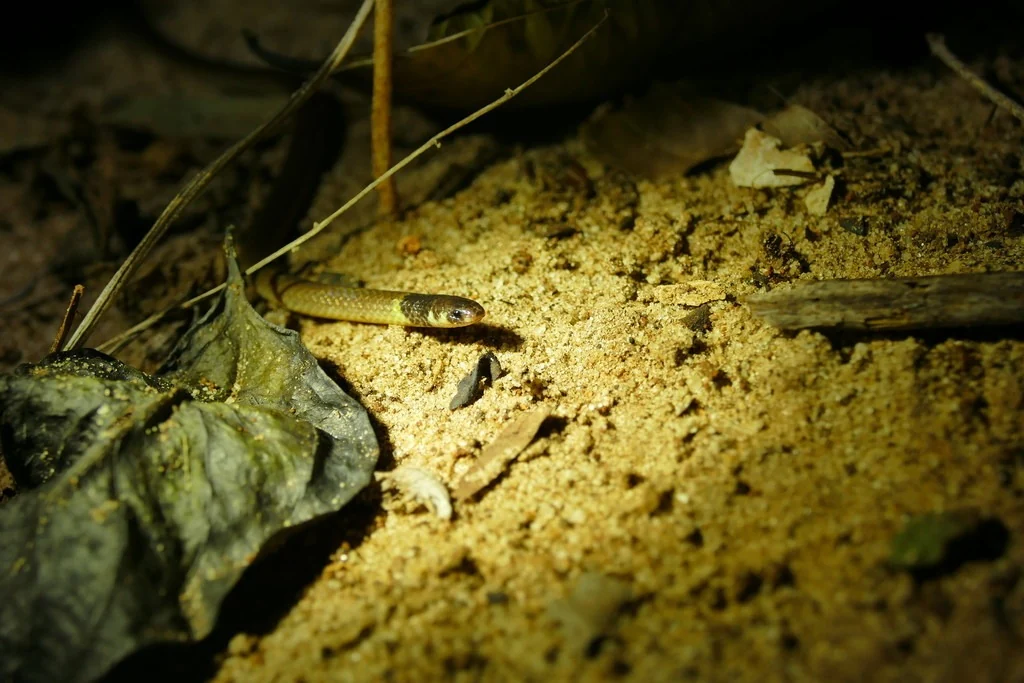
Telescopus variegatus

Uncertain — excluded from the listed total

The checked treatment contains a conflicting, superseded or insufficiently corroborated country report. It is retained for review and excluded from positive counts; this is not an assertion of absence.

Source 1 ↗
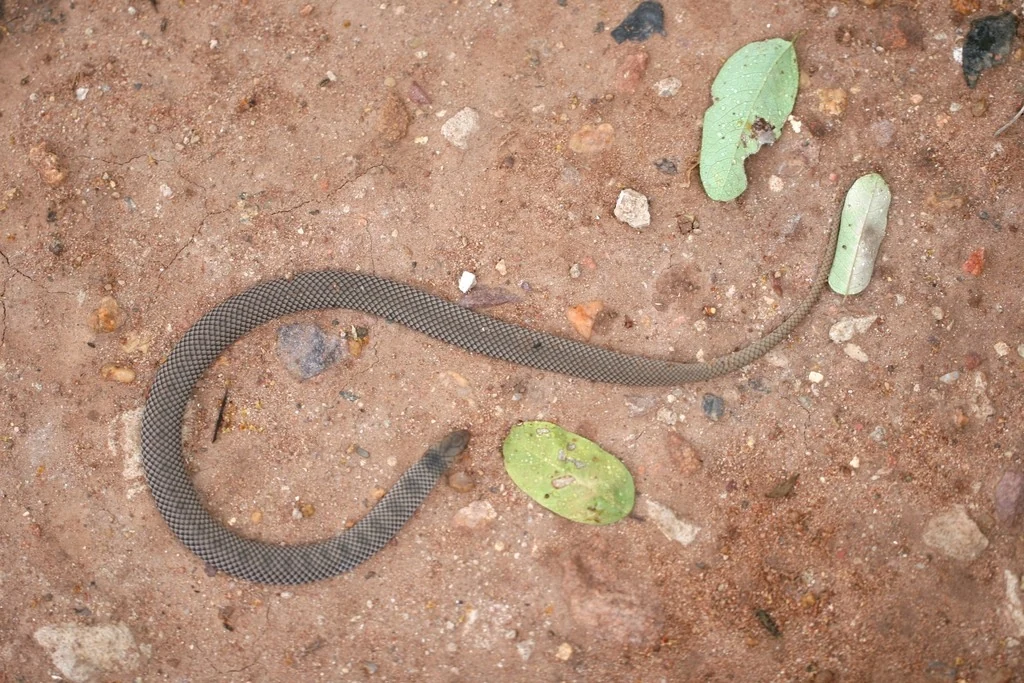
Toxicodryas pulverulenta

Uncertain — excluded from the listed total

The checked treatment contains a conflicting, superseded or insufficiently corroborated country report. It is retained for review and excluded from positive counts; this is not an assertion of absence.

Source 1 ↗
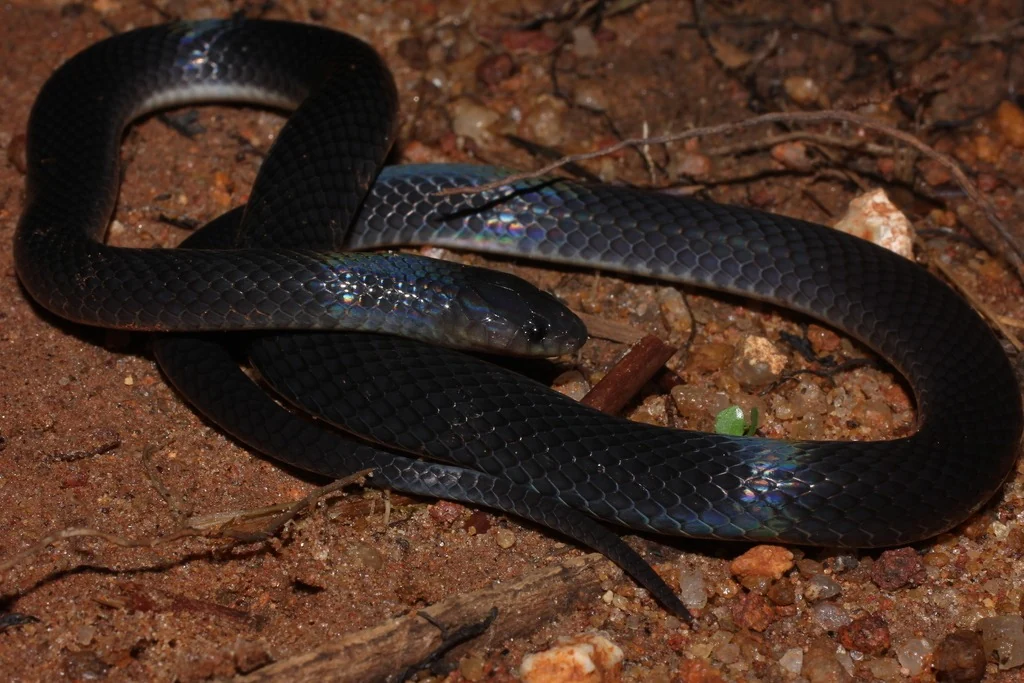
How the map and counts work

Search results were checked against distribution text and taxonomic qualifications. A geographic name alone does not establish a political country: New Guinea, the Solomon archipelago and Micronesia span more than one country or territory. Introduced and unresolved records require separate interpretation.

Place counts require explicit named localities, including valid type localities. Counts can overlap where sources name multiple places. Regional maps group historical boundary snapshots for navigation, while island outlines use Natural Earth; neither is a species range or an observation map. Small islands can be below the outline dataset’s resolution, so geographic reference markers and the directory remain available.

South Sudan Information Management Working Group (IMWG), National Bureau of Statistics (NBS), and OCHA, OCHA South Sudan; geoBoundaries gbOpen ADM1, 2020 snapshot; Creative Commons Attribution 3.0 Intergovernmental Organisations (CC BY 3.0 IGO). Map provenance →

Exclusions & qualifications (7)

Amblyodipsas unicolor

The checked treatment contains a conflicting, superseded or insufficiently corroborated country report. It is retained for review and excluded from positive counts; this is not an assertion of absence.

Read source 1 ↗

Atheris squamigera

The checked treatment contains a conflicting, superseded or insufficiently corroborated country report. It is retained for review and excluded from positive counts; this is not an assertion of absence.

Read source 1 ↗

Dasypeltis fasciata

The checked treatment contains a conflicting, superseded or insufficiently corroborated country report. It is retained for review and excluded from positive counts; this is not an assertion of absence.

Read source 1 ↗

Polemon christyi

The checked treatment contains a conflicting, superseded or insufficiently corroborated country report. It is retained for review and excluded from positive counts; this is not an assertion of absence.

Read source 1 ↗

Psammophis sibilans

The checked treatment contains a conflicting, superseded or insufficiently corroborated country report. It is retained for review and excluded from positive counts; this is not an assertion of absence.

Read source 1 ↗

Telescopus variegatus

The checked treatment contains a conflicting, superseded or insufficiently corroborated country report. It is retained for review and excluded from positive counts; this is not an assertion of absence.

Read source 1 ↗

Toxicodryas pulverulenta

The checked treatment contains a conflicting, superseded or insufficiently corroborated country report. It is retained for review and excluded from positive counts; this is not an assertion of absence.

Read source 1 ↗
  1. Map boundaries, snapshot and group membership ↗
  2. Ramsar · Sudd information sheet ↗
  3. The Reptile Database

    Individual treatments and locality evidence are linked from each species account.

  4. Meiri (2024): SquamBase 1.0

    Species-level literature measurements and ecological traits. Exact-name matches only; imputed or ambiguous fields are omitted. These summaries are not local observations.

  5. Natural Earth: public-domain geographic data

Continue through the Africa atlas →