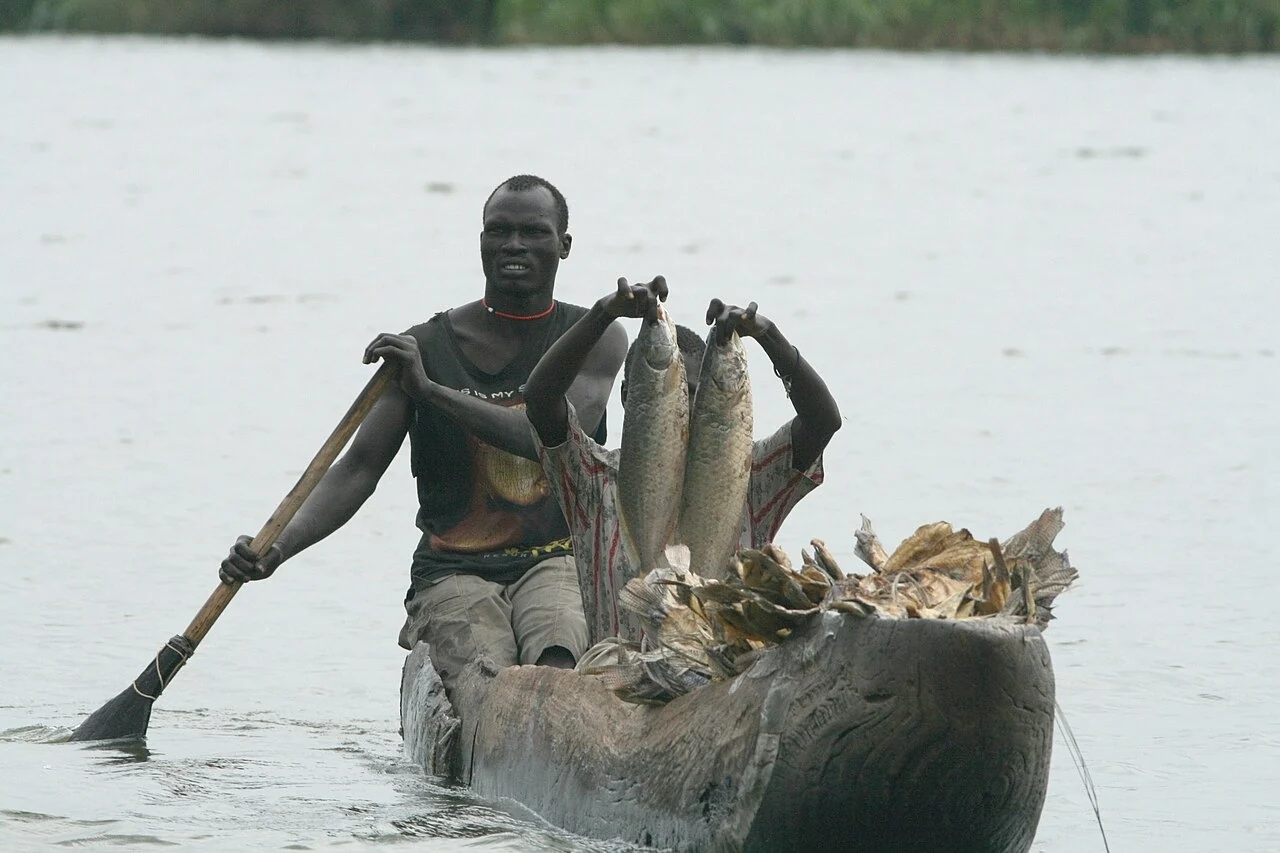
Fishing in the Sudd wetland, South Sudan; source photograph from the Nile Basin project.

South Sudan · Habitat field guide

Rivers, lakes & wetlands

The Sudd follows the Bahr el Jebel section of the White Nile. Permanent swamp and seasonally flooded ground form different habitats.

Fishing in the Sudd wetland, South Sudan; source photograph from the Nile Basin project.

Photograph: Water, food and livelihoods in River Basins, Photographer: Karen Conniff · Image source · CC BY 2.0. Cropped to fill the hero; darkened for text legibility.

Understanding the environment

A sense of the habitat.

The Sudd follows the Bahr el Jebel section of the White Nile. Permanent swamp and seasonally flooded ground form different habitats.

Geographic scope
South Sudan; named examples and source scope matter.
Evidence scale
Landscape context is separate from species locality evidence.
Source chronology
Consult the original publication date; checked 12 October 2026.

Explore the structure · Select a layer to compare the details a locality record can preserve.

Read the setting in three layers.

Select a zone to see what changes.

Waterbody

Waterbody

Retain the name and distinguish rivers, lakes, marshes and reservoirs.

Compare this detail with the original field or museum record before assigning a habitat association.

These reading prompts explain how to interpret evidence; they do not assert that every feature occurs at every site.

Sources: Ramsar · Sudd information sheet

Field notes · 01

The documented landscape

The Sudd follows the Bahr el Jebel section of the White Nile. Permanent swamp and seasonally flooded ground form different habitats.

Sources: Ramsar · Sudd information sheet

Field notes · 02

Connect habitat and locality

Use the species account to check whether a habitat statement applies to this country or elsewhere in the species’ range. A landscape photograph illustrates its own named place; it is not evidence of snake presence.

Pressures on South Sudan’s habitats

What is at risk?

A site-specific assessment of pressures has not yet been extracted for this guide. The landscape sources below provide context; they do not establish a current threat level for each snake species.

What helps this habitat

Retain natural vegetation and water connections where local conservation evidence supports them. Consult the linked national or site account for the pressures and management actions actually reported there.

The connected collection

Snakes with habitat evidence.

These 21 species have supported country occurrence and an explicit habitat association in the shared account. The association may come from elsewhere in their range. This is not a complete local habitat inventory; the places above are landscape examples, not asserted collecting sites.

21 species · showing 21

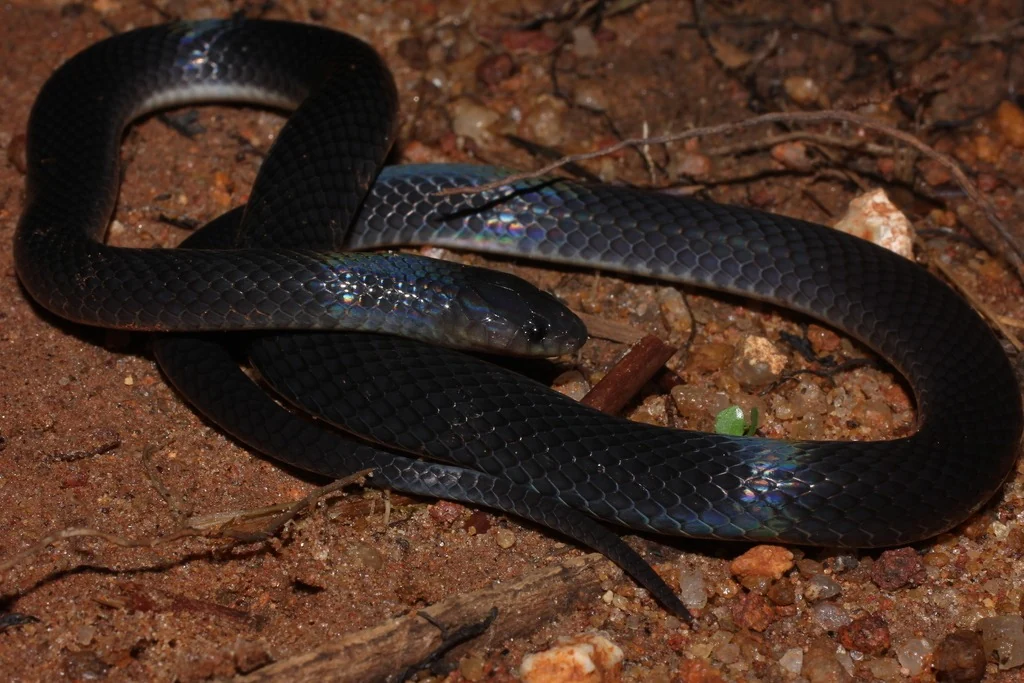
Aparallactus modestus; Jaedae, Liberia; photographed 2021-11-04.

001 · Atractaspididae

Western Forest Centipede-eater

Aparallactus modestus

(GÜNTHER, 1859)

Venom unknownEvidence inconclusive

The current taxonomic treatment explicitly lists this country. This is country-scale checklist evidence, not a claim of continuous occupancy or a complete regional inventory.

Read the species account →

Ryan van Huyssteen · CC BY 4.0 · https://creativecommons.org/licenses/by/4.0/
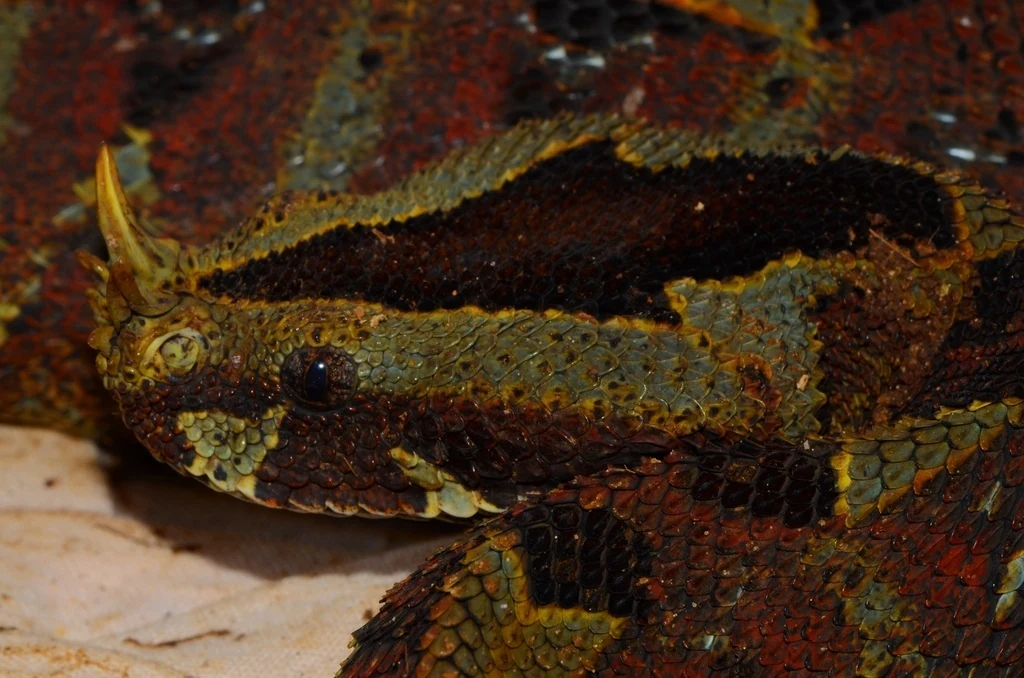
Bitis nasicornis, photographed 2012-10-08. Identification follows the linked research-grade observation.

002 · Viperidae

Rhinoceros Viper

Bitis nasicornis

(SHAW & NODDER, 1792)

VenomousClinical severity not established

The current taxonomic treatment explicitly lists this country. This is country-scale checklist evidence, not a claim of continuous occupancy or a complete regional inventory.

Read the species account →

Marius Burger (iNaturalist contributor) · CC0 1.0 · https://creativecommons.org/publicdomain/zero/1.0/

Crotaphopeltis hotamboeia; Campher's Drift, George, 6529, South Africa; photographed 2023-10-13.

004 · Colubridae

White-lipped Herald Snake, Red-lipped Snake

Crotaphopeltis hotamboeia

(LAURENTI, 1768)

Venom unknownNot yet assessed

The current taxonomic treatment explicitly lists this country. This is country-scale checklist evidence, not a claim of continuous occupancy or a complete regional inventory. Eastern Equatoria: iNaturalist observation 382687536, recorded 2026-07-18. The current original record has agreeing research-grade identification, wild status and unrestricted…

Read the species account →

no rights reserved · CC0 · https://creativecommons.org/publicdomain/zero/1.0/

Dendroaspis jamesoni, photographed 2025-06-28. Identification follows the linked research-grade observation.

005 · Elapidae

Jameson’s (Green) Mamba

Dendroaspis jamesoni

(TRAILL, 1843)

VenomousClinical severity not established

The current taxonomic treatment explicitly lists this country. This is country-scale checklist evidence, not a claim of continuous occupancy or a complete regional inventory.

Read the species account →

Kristof Zyskowski · CC BY 4.0 · https://creativecommons.org/licenses/by/4.0/
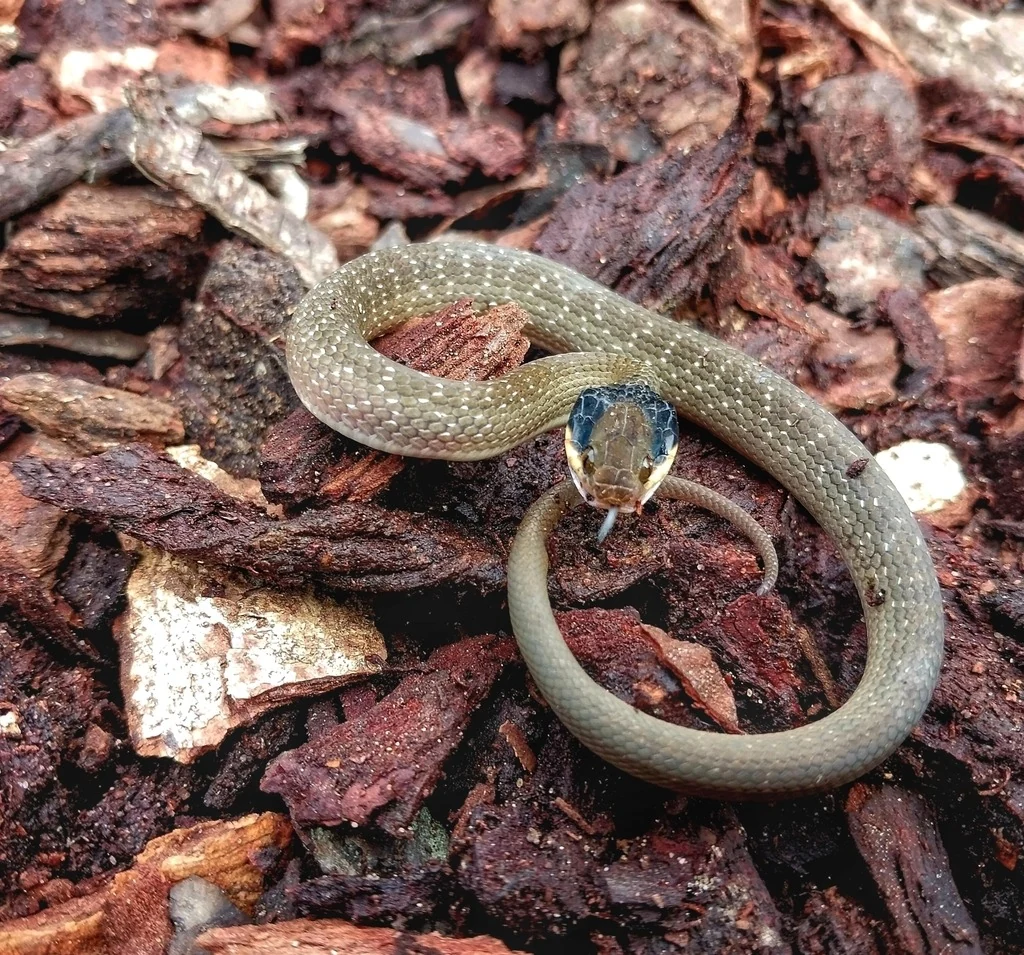
Elapsoidea semiannulata; Yankari, Nigéria; photographed 2008-07-15.

006 · Elapidae

Angolan Garter Snake

Elapsoidea semiannulata

BOCAGE, 1882

VenomousClinical severity not established

The current taxonomic treatment explicitly lists this country. This is country-scale checklist evidence, not a claim of continuous occupancy or a complete regional inventory.

Read the species account →

Fábio Olmos · CC BY 4.0 · https://creativecommons.org/licenses/by/4.0/
Grayia smithii; Forêt Classée du Kou, Burkina Faso; photographed 2010-02-09.

007 · Colubridae

Smith's African Water Snake

Grayia smithii

(LEACH, 1818)

Venom unknownNot yet assessed

The current taxonomic treatment explicitly lists this country. This is country-scale checklist evidence, not a claim of continuous occupancy or a complete regional inventory.

Read the species account →

martin ingemansson · CC BY 4.0 · https://creativecommons.org/licenses/by/4.0/
Hapsidophrys smaragdina, photographed 2022-06-25. Identification follows the linked research-grade observation.

008 · Colubridae

Emerald Snake

Hapsidophrys smaragdina

(SCHLEGEL, 1837)

Venom unknownNot yet assessed

The current taxonomic treatment explicitly lists this country. This is country-scale checklist evidence, not a claim of continuous occupancy or a complete regional inventory.

Read the species account →

Roland Godon · CC BY 4.0 · https://creativecommons.org/licenses/by/4.0/
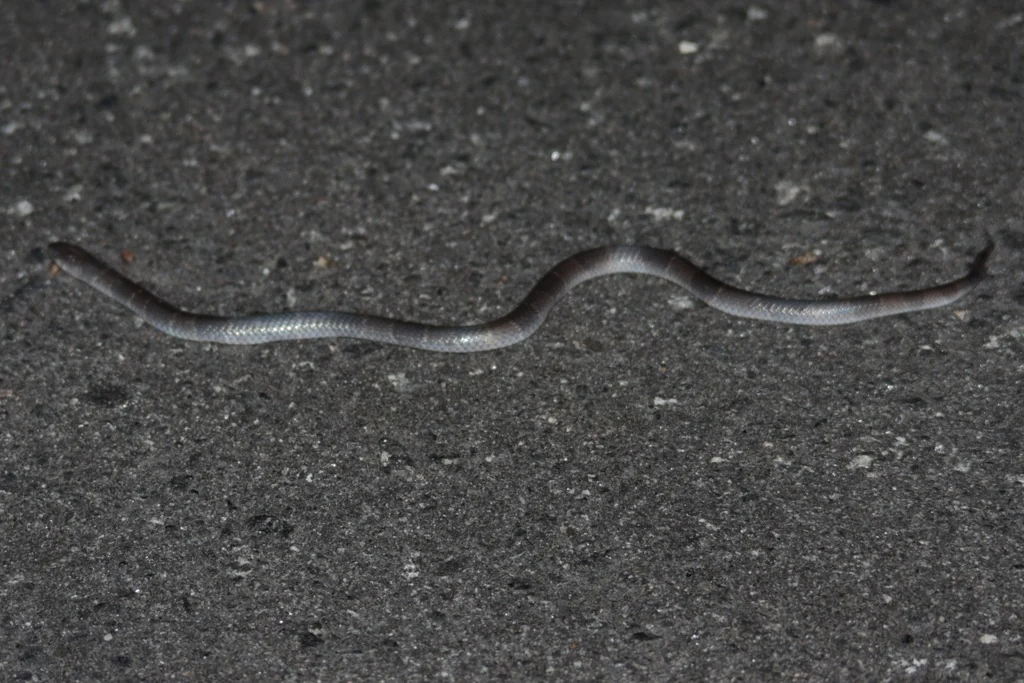
Mehelya poensis; Lekoko, Gabon; photographed 2022-10-08.

010 · Lamprophiidae

Western Forest File Snake

Mehelya poensis

(SMITH, 1849)

Non-venomous

The current taxonomic treatment explicitly lists this country. This is country-scale checklist evidence, not a claim of continuous occupancy or a complete regional inventory.

Read the species account →

Ryan van Huyssteen · CC BY 4.0 · https://creativecommons.org/licenses/by/4.0/
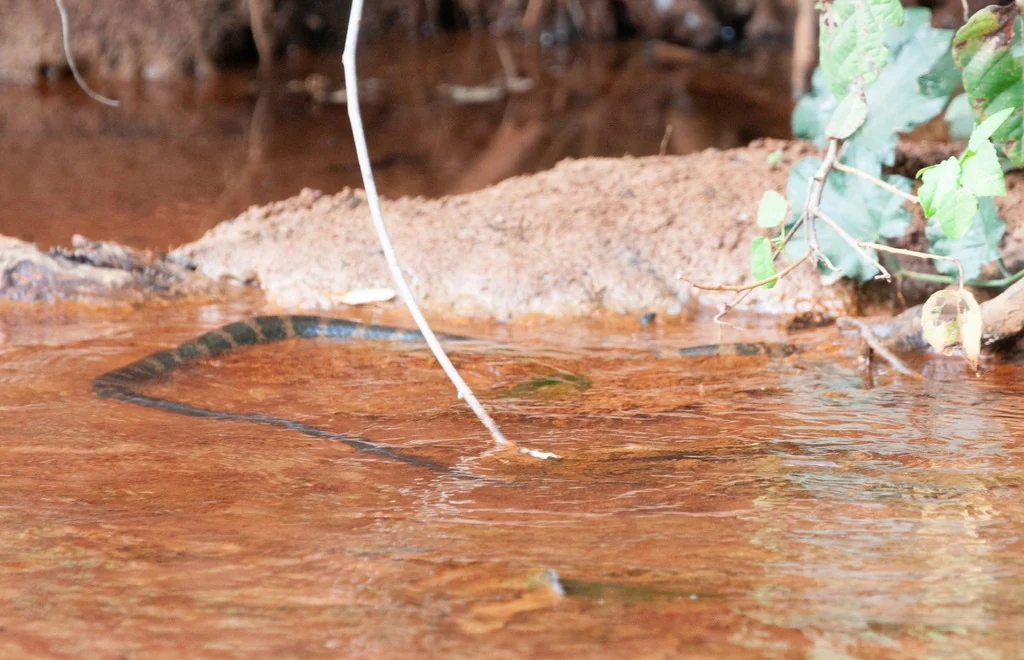
Naja annulata at San Diego Zoo, California (captive specimen).

011 · Elapidae

Ringed Water Cobra

Naja annulata

PETERS, 1876

VenomousClinical severity not established

The current taxonomic treatment explicitly lists this country. This is country-scale checklist evidence, not a claim of continuous occupancy or a complete regional inventory.

Read the species account →

Ruff tuff cream puff · CC0 · https://creativecommons.org/publicdomain/zero/1.0/deed.en

Naja nigricollis; Katanga Province, Democratic Republic of Congo; photographed 2014-08-20.

012 · Elapidae

Black-necked Spitting Cobra

Naja nigricollis

REINHARDT, 1843

VenomousClinical severity not established

The current taxonomic treatment explicitly lists this country. This is country-scale checklist evidence, not a claim of continuous occupancy or a complete regional inventory.

Read the species account →

Nigel Voaden · CC BY 4.0 · https://creativecommons.org/licenses/by/4.0/
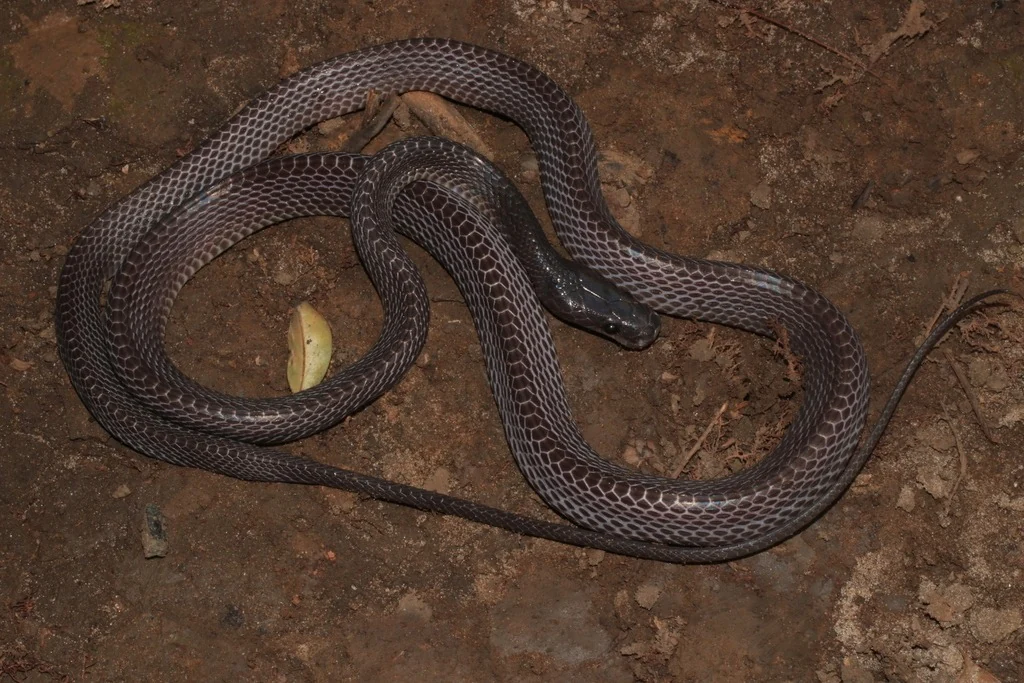
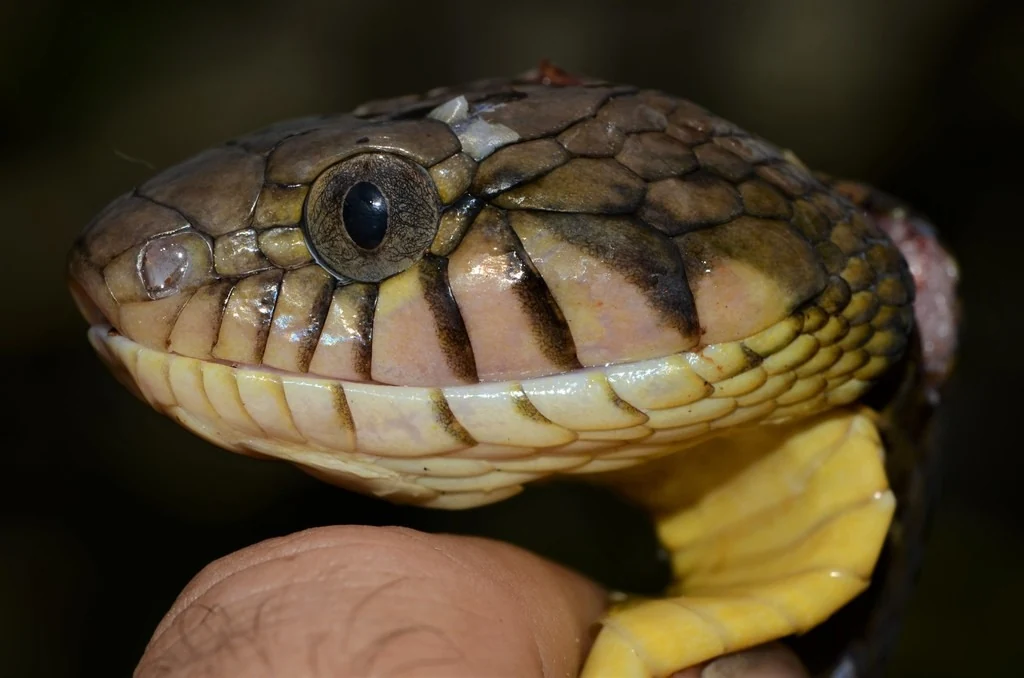
Natriciteres olivacea; Ngamiland North, Botswana; photographed 2018-12-15.

013 · Colubridae

Olive Marsh Snake

Natriciteres olivacea

(PETERS, 1854)

Venom unknownNot yet assessed

The current taxonomic treatment explicitly lists this country. This is country-scale checklist evidence, not a claim of continuous occupancy or a complete regional inventory.

Read the species account →

Robert Taylor · CC BY 4.0 · https://creativecommons.org/licenses/by/4.0/
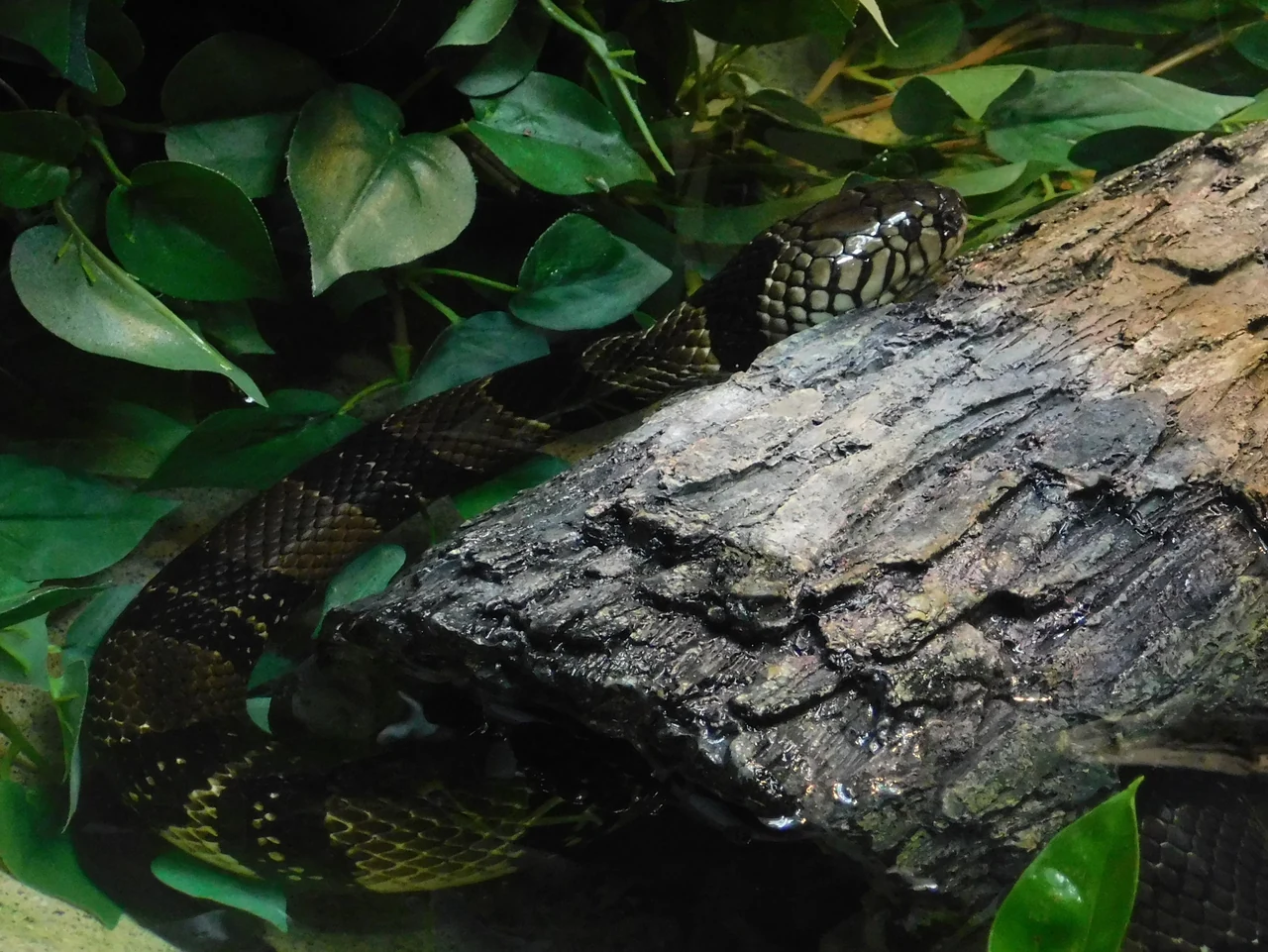
Natriciteres variegata. Specimen portrait from Ghana; the complete original frame is retained. Original observation dated 2010-08-06; this portrait does not establish occurrence in other countries.

014 · Colubridae

Variable Marsh Snake

Natriciteres variegata

(PETERS, 1861)

Venom unknownNot yet assessed

The current taxonomic treatment explicitly lists this country. This is country-scale checklist evidence, not a claim of continuous occupancy or a complete regional inventory.

Read the species account →

Dan Riley · CC BY 4.0 · https://creativecommons.org/licenses/by/4.0/
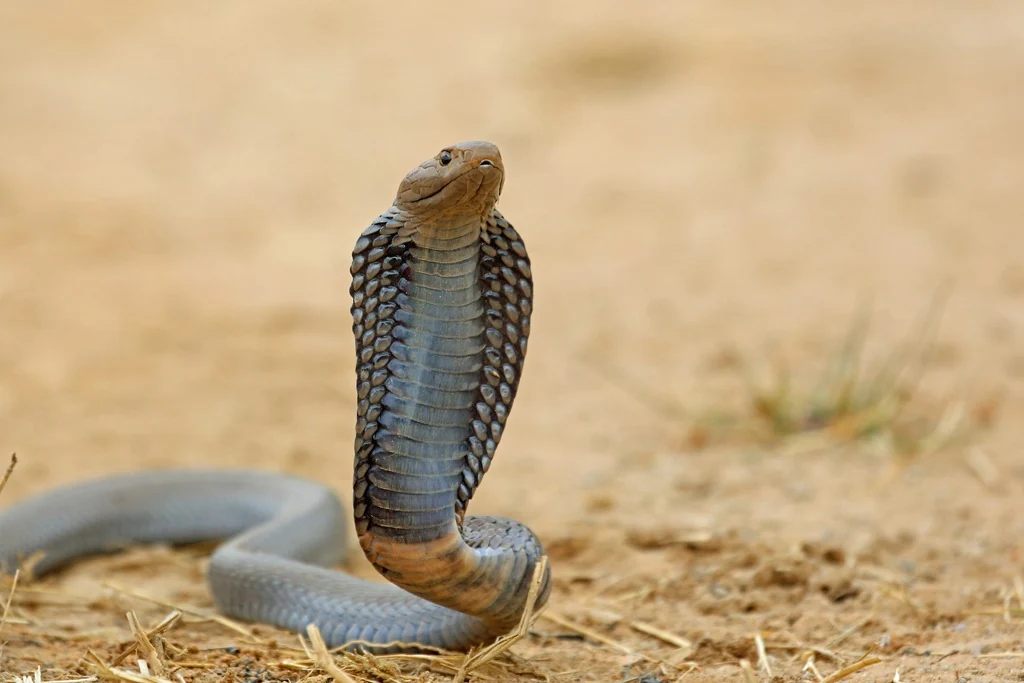
Philothamnus heterolepidotus; Luchazes, AO-MX, AO; photographed 2024-11-03.

015 · Colubridae

Slender Green Snake

Philothamnus heterolepidotus

(GÜNTHER, 1863)

Venom unknownNot yet assessed

The current taxonomic treatment explicitly lists this country. This is country-scale checklist evidence, not a claim of continuous occupancy or a complete regional inventory.

Read the species account →

Robert Taylor · CC BY 4.0 · https://creativecommons.org/licenses/by/4.0/
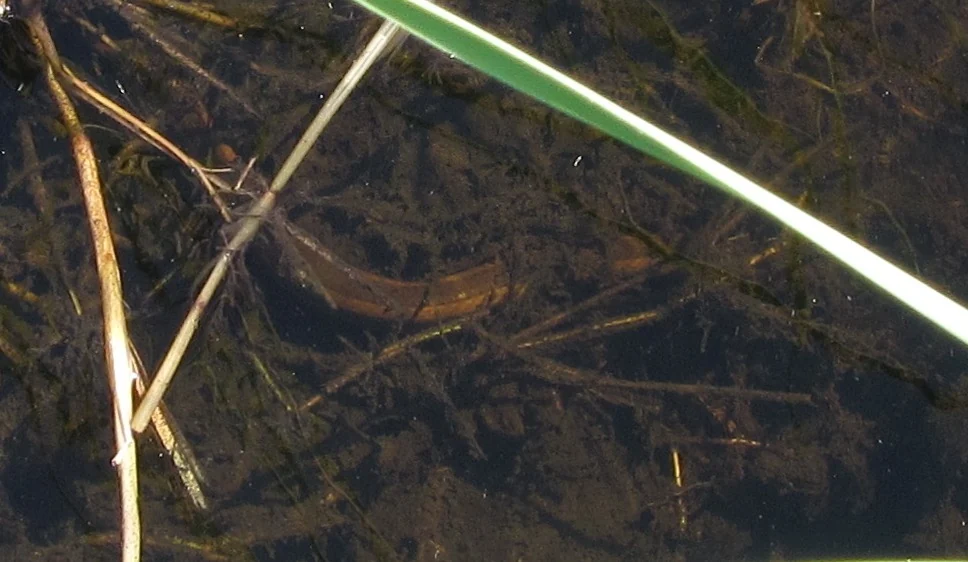
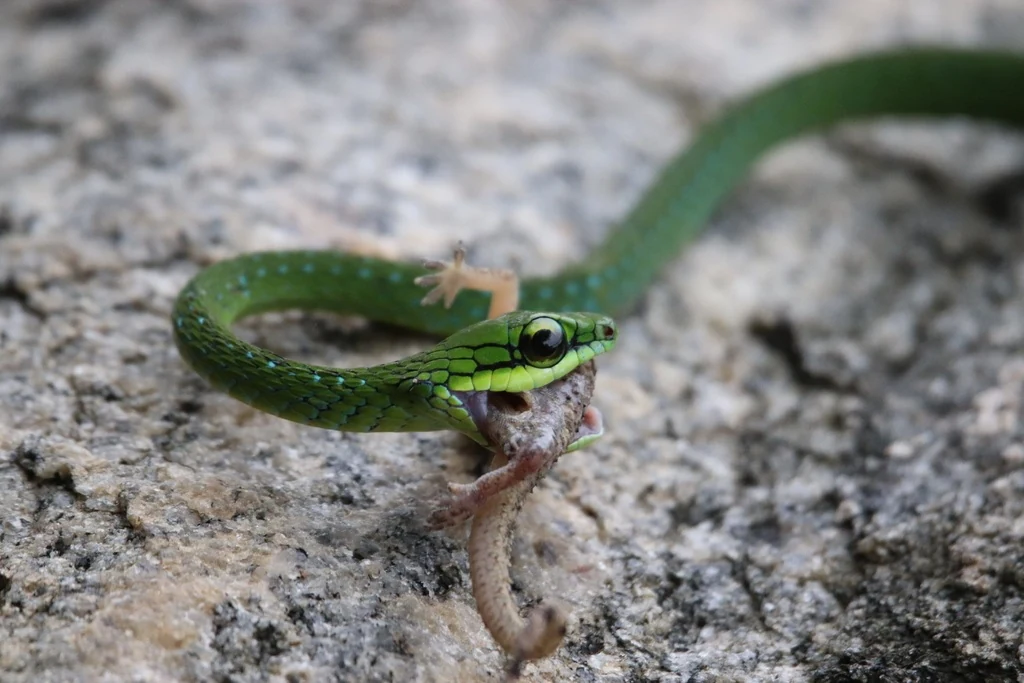
Philothamnus hoplogaster; National Park, Nairobi, Kenya; photographed 2017-07-01.

016 · Colubridae

Southeastern Green snake, Green Water Snake

Philothamnus hoplogaster

(GÜNTHER, 1863)

Venom unknownNot yet assessed

The current taxonomic treatment explicitly lists this country. This is country-scale checklist evidence, not a claim of continuous occupancy or a complete regional inventory.

Read the species account →

Ryan Donnelly · CC BY 4.0 · https://creativecommons.org/licenses/by/4.0/
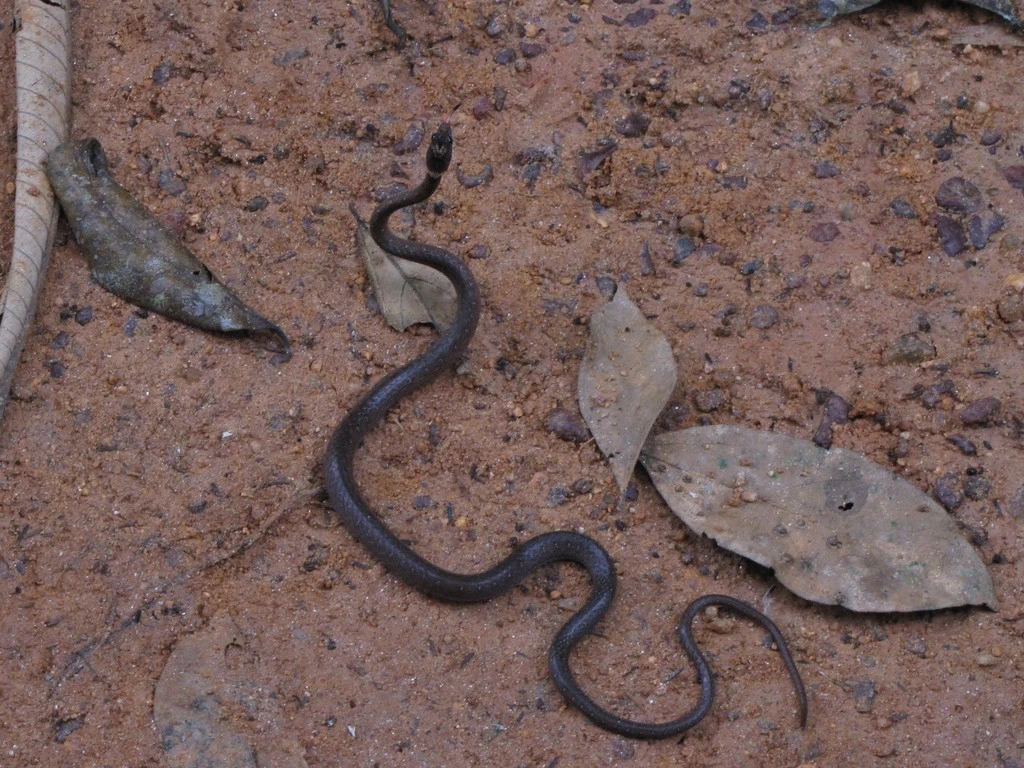
Philothamnus ornatus from Cuito River source, Angola. Fig. 15 in Conradie et al. (2021), Amphibian & Reptile Conservation 15(2):244–278.

017 · Colubridae

Ornate Green Snake

Philothamnus ornatus

BOCAGE, 1872

Venom unknownNot yet assessed

The current taxonomic treatment explicitly lists this country. This is country-scale checklist evidence, not a claim of continuous occupancy or a complete regional inventory.

Read the species account →

Werner Conradie · CC BY 4.0 · https://creativecommons.org/licenses/by/4.0/
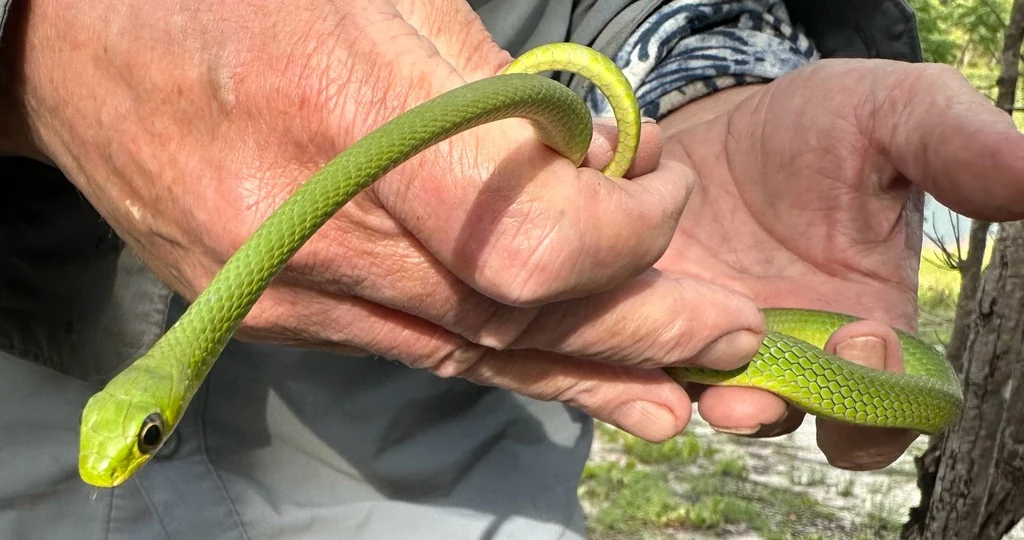
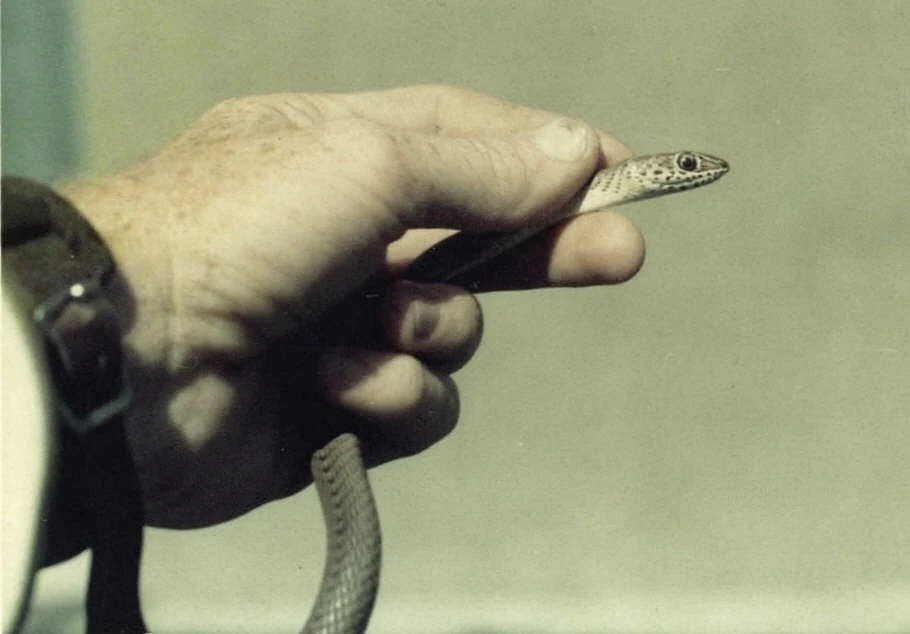
Psammophis mossambicus; Chizarira National Park; photographed 1980-11-30.

018 · Psammophiidae

Olive Whip Snake, Olive Grass Snake,

Psammophis mossambicus

PETERS, 1882

VenomousClinical severity not established

The current taxonomic treatment explicitly lists this country. This is country-scale checklist evidence, not a claim of continuous occupancy or a complete regional inventory. Central Equatoria: iNaturalist observation 865909, recorded 2013-10-27. The current original record has agreeing research-grade identification, wild status and unrestricted…

Read the species account →

i_c_riddell · CC BY 4.0 · https://creativecommons.org/licenses/by/4.0/
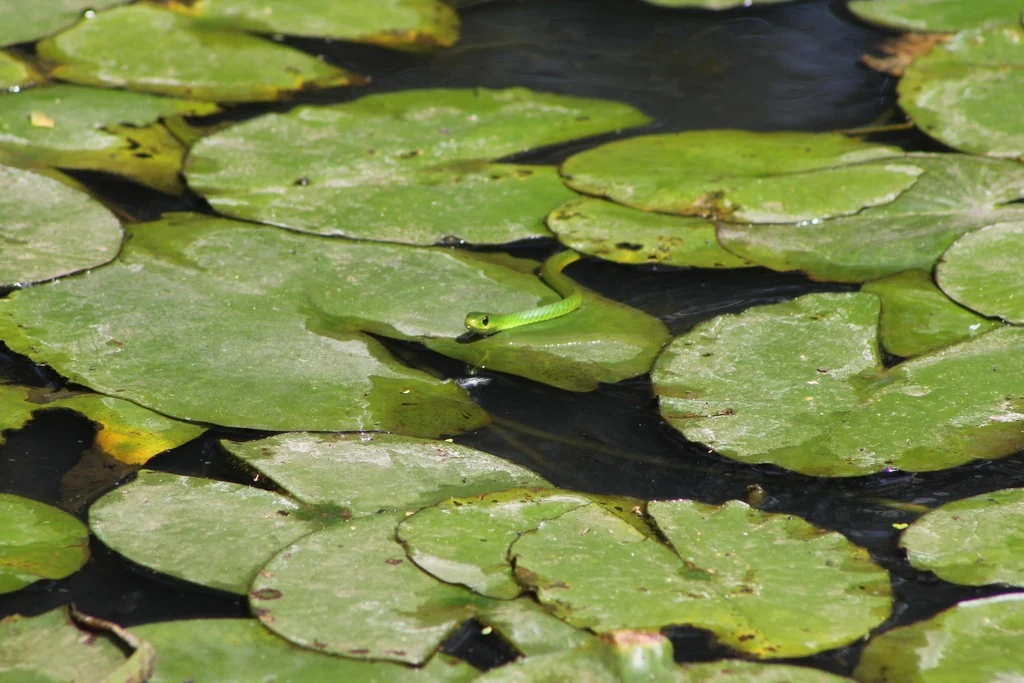
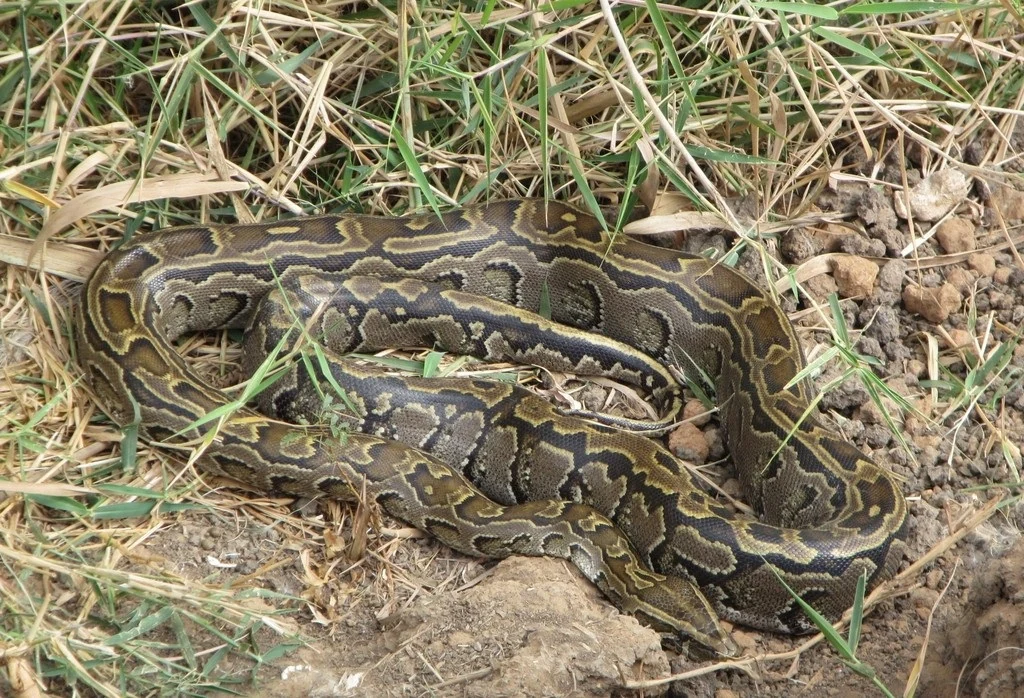
Python sebae, photographed 2019-01-13. Identification follows the linked research-grade observation.

019 · Pythonidae

African (Rock) Python

Python sebae

(GMELIN, 1789)

Non-venomous

The current taxonomic treatment explicitly lists this country. This is country-scale checklist evidence, not a claim of continuous occupancy or a complete regional inventory.

Read the species account →

Lucy Keith-Diagne · CC BY 4.0 · https://creativecommons.org/licenses/by/4.0/
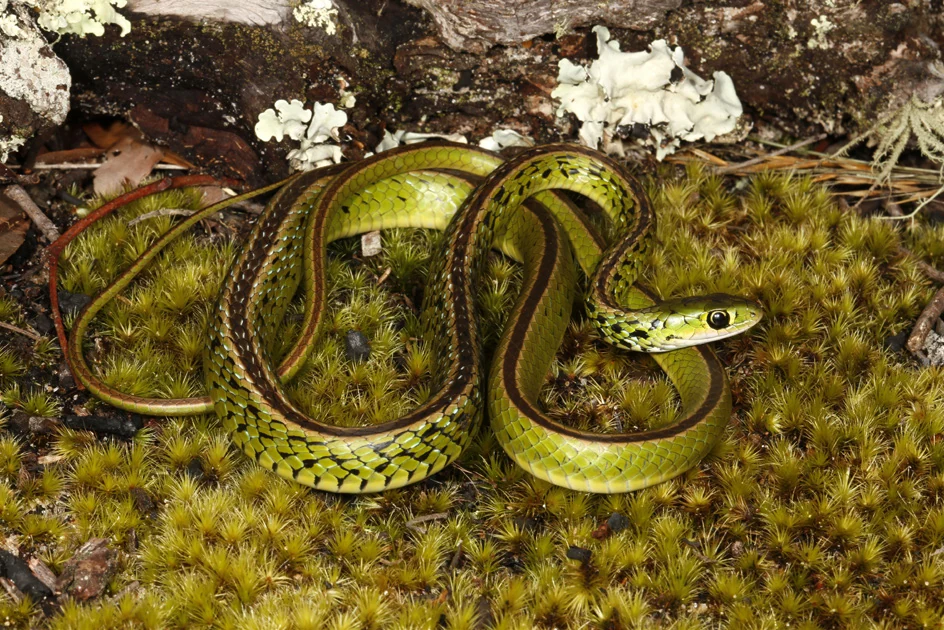
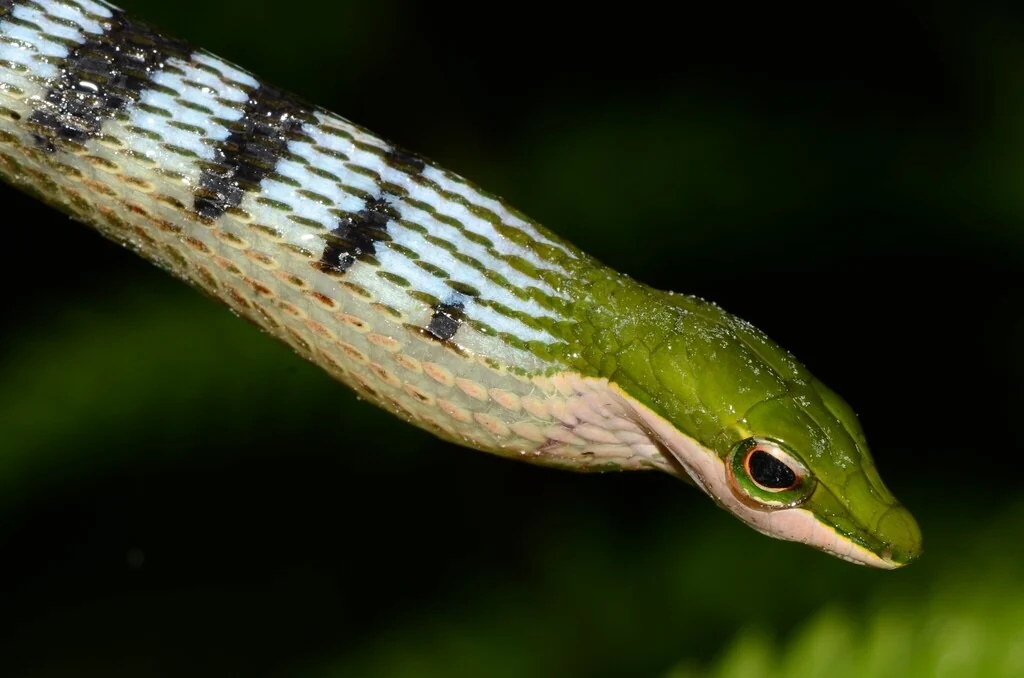
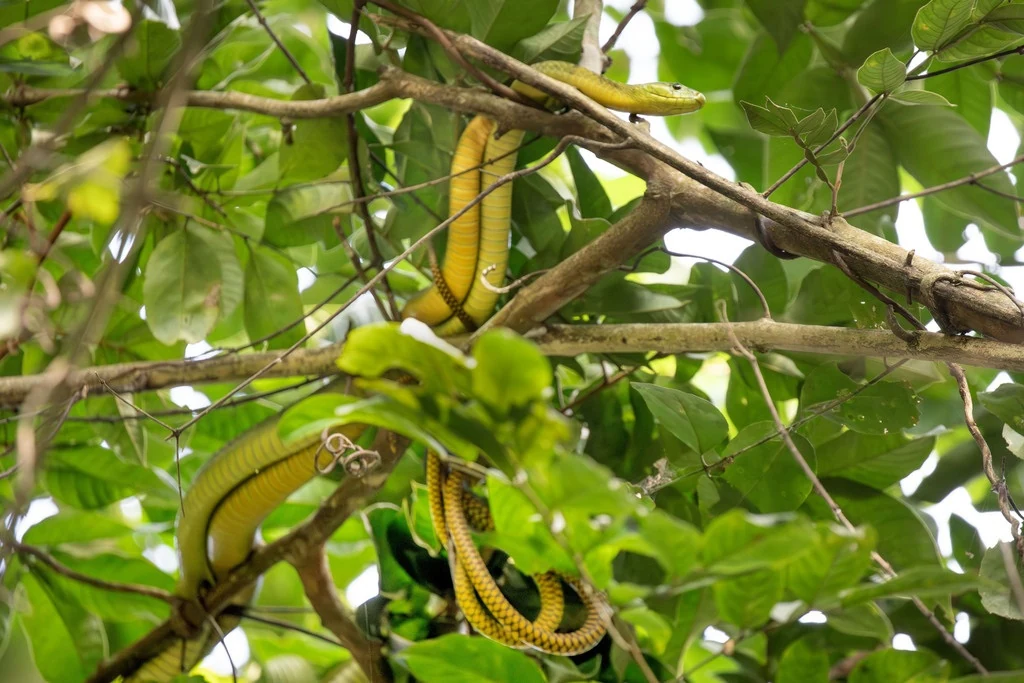
Thelotornis kirtlandii; 3FQC+45 Dobloke, Liberia; photographed 2021-10-27.

020 · Colubridae

Forest Vine Snake, Bird Snake, Twig Snake

Thelotornis kirtlandii

(HALLOWELL, 1844)

VenomousClinical severity not established

The current taxonomic treatment explicitly lists this country. This is country-scale checklist evidence, not a claim of continuous occupancy or a complete regional inventory.

Read the species account →

no rights reserved · CC0 · https://creativecommons.org/publicdomain/zero/1.0/

Toxicodryas blandingii; P1, Republic of the Congo; photographed 2012-10-01.

021 · Colubridae

Blandings Tree Snake

Toxicodryas blandingii

(HALLOWELL, 1844)

VenomousClinical severity not established

The current taxonomic treatment explicitly lists this country. This is country-scale checklist evidence, not a claim of continuous occupancy or a complete regional inventory.

Read the species account →

no rights reserved · CC0 · https://creativecommons.org/publicdomain/zero/1.0/

All 127 species in the country collection →

Read further

Evidence & sources.

Guide reviewed 12 October 2026. Source dates and geographic scope matter; landscape photographs do not establish species occurrence.

  1. Ramsar · Sudd information sheet

    Historical site description of the Sudd, now in South Sudan; no transfer of old country-only Sudan species labels.

Continue through South Sudan

Explore another habitat.

01

Savanna & grassland

Flood-dependent grassland around the Sudd changes with inundation. It should not be treated as uniformly dry savanna.