Coastal development
NParks describes urbanisation and other pressures affecting coastal and marine ecosystems.
Singapore · Habitat field guide
Singapore’s shoreline includes rocky and sandy intertidal areas, seagrass and reefs. The most useful habitat description follows the shore into the water.
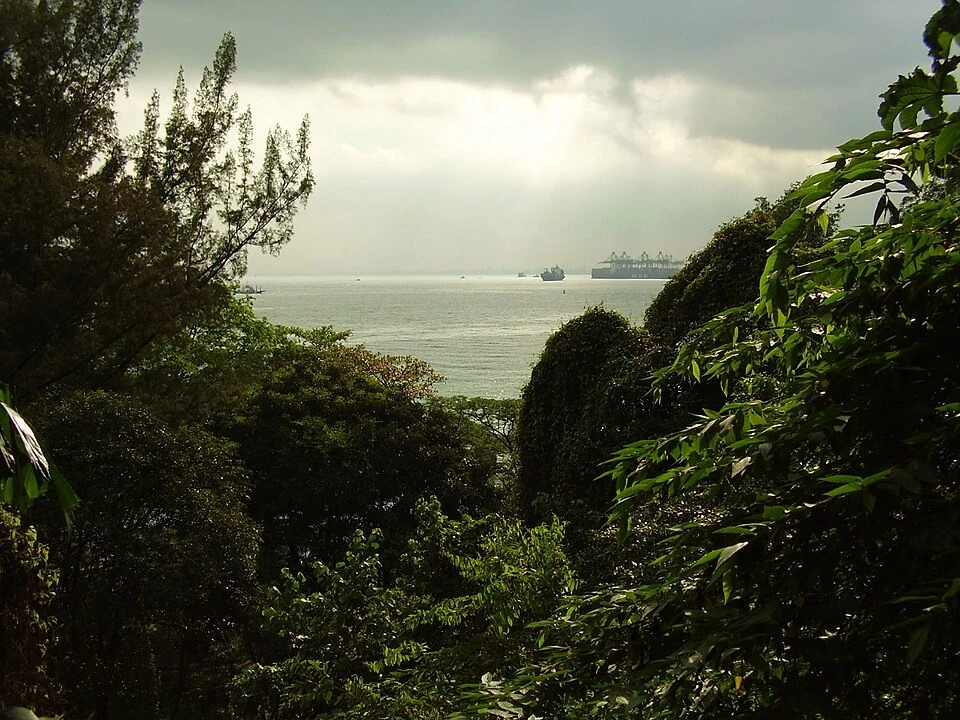
Coastal cliffs and the sea at Labrador Nature Reserve, Singapore.
Understanding the environment
Singapore’s shoreline includes rocky and sandy intertidal areas, seagrass and reefs. The most useful habitat description follows the shore into the water.
Explore the structure · Explore three connected parts of this landscape.
Select a zone to see what changes.
Above high water
Describe beach vegetation, rock or developed land behind the shore.
A coastal locality can include several terrestrial habitats.
A conceptual reading guide, not a measured transect, access route or snake occurrence map.
Sources: NParks · Coastal and marine ecosystems · NParks · Labrador nature and coastal walk
Field notes · 01
NParks distinguishes reefs, seagrass and several intertidal settings. Exposure changes with the tide, so a single high-water photograph can conceal much of the shore’s structure. Keep submerged habitat identifications tied to an actual survey or observation.
Field notes · 02
Labrador links rocky shore with woodland and mangrove. Changi Beach offers a different sandy coastal setting, with an intertidal area that NParks asks visitors to treat carefully. Compare the substrate and vegetation rather than assuming all public beaches are ecologically alike.
Sources: NParks · Labrador nature and coastal walk · NParks · Changi Beach Park
Pressures on Singapore’s habitats
NParks describes urbanisation and other pressures affecting coastal and marine ecosystems.
Changi’s official guidance highlights the fragility of intertidal habitat. Leave organisms and their shelter in place.
Sources: NParks · Changi Beach Park
Support habitat monitoring and shore management that distinguish reefs, seagrass, mud, rock and sand rather than treating them as interchangeable coastline.
The connected collection
These 14 species have supported country occurrence and an explicit habitat association in the shared account. The association may come from elsewhere in their range. This is not a complete local habitat inventory; the places above are landscape examples, not asserted collecting sites.
14 species · showing 14
001 · Acrochordidae
Little filesnake
Figueroa, Low & Lim (2023), the annotated national review, accepts this species for Singapore. The 2023 annotated review explicitly lists these Singapore sites. They are selected named-locality evidence, not a full range polygon or a guarantee of current presence at every point. Sites marked as historical in that review are omitted from this mapped…
Read the species account →Mario Lutz · Copyright Mario Lutz. Authorised for display in this atlas; no third-party reuse licence granted.
002 · Elapidae
Spine-tailed seasnake
Figueroa, Low & Lim (2023), the annotated national review, accepts this species for Singapore. The 2023 annotated review explicitly lists these Singapore sites. They are selected named-locality evidence, not a full range polygon or a guarantee of current presence at every point. Sites marked as historical in that review are omitted from this mapped…
Read the species account →003 · Homalopsidae
Keel-bellied Water Snake
Figueroa, Low & Lim (2023), the annotated national review, accepts this species for Singapore. Known from historical specimens predating 1898. The supposed Nee Soon locality is contradicted by the museum catalogue and is not mapped; present survival is unresolved.
Read the species account →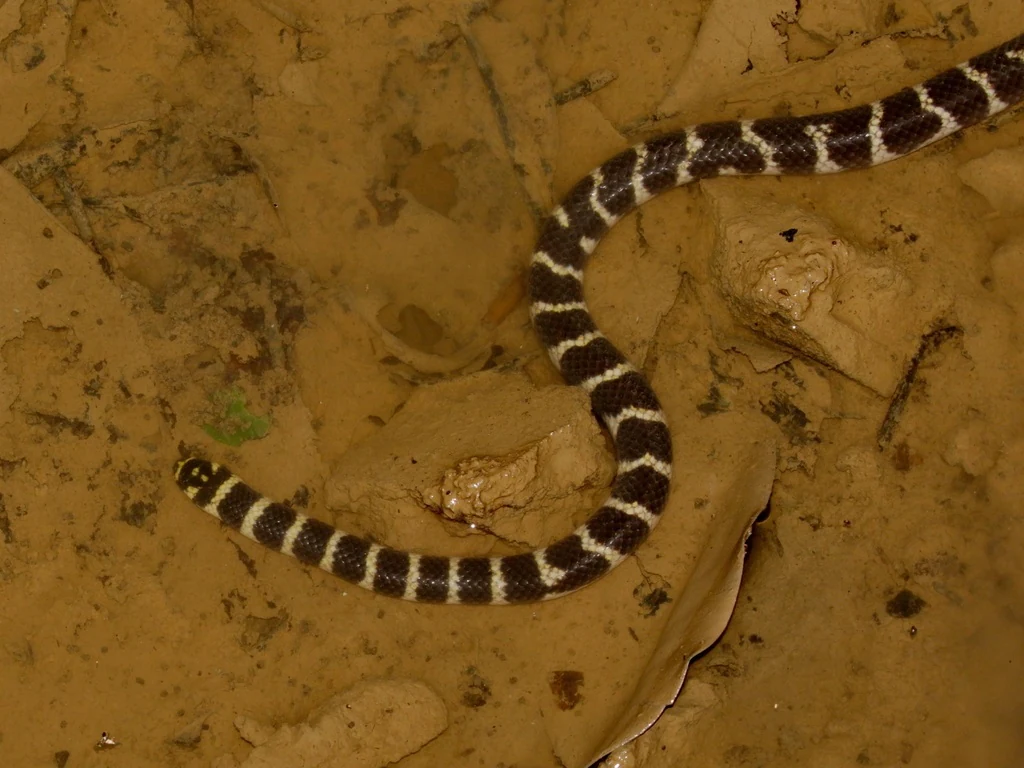
004 · Homalopsidae
Cantor's Water Snake
Figueroa, Low & Lim (2023), the annotated national review, accepts this species for Singapore. The 2023 annotated review explicitly lists these Singapore sites. They are selected named-locality evidence, not a full range polygon or a guarantee of current presence at every point. Sites marked as historical in that review are omitted from this mapped…
Read the species account →Ian Dugdale · CC BY 4.0 · https://creativecommons.org/licenses/by/4.0/
005 · Homalopsidae
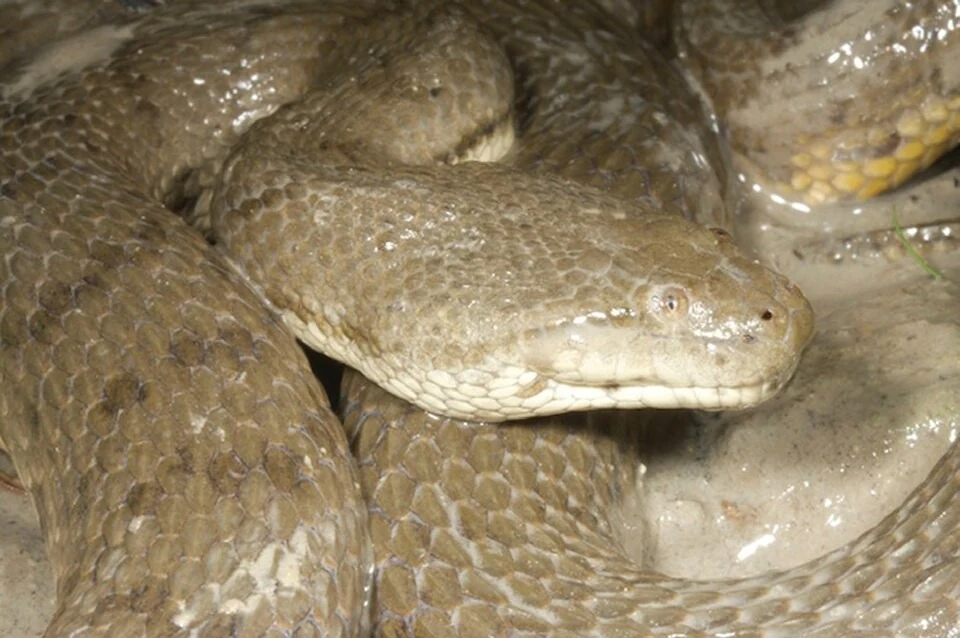
Southeast Asian Bockadam
Figueroa, Low & Lim (2023), the annotated national review, accepts this species for Singapore. The 2023 annotated review explicitly lists these Singapore sites. They are selected named-locality evidence, not a full range polygon or a guarantee of current presence at every point. Sites marked as historical in that review are omitted from this mapped…
Read the species account →Mark O’Shea · CC BY 3.0 · https://creativecommons.org/licenses/by/3.0
006 · Homalopsidae
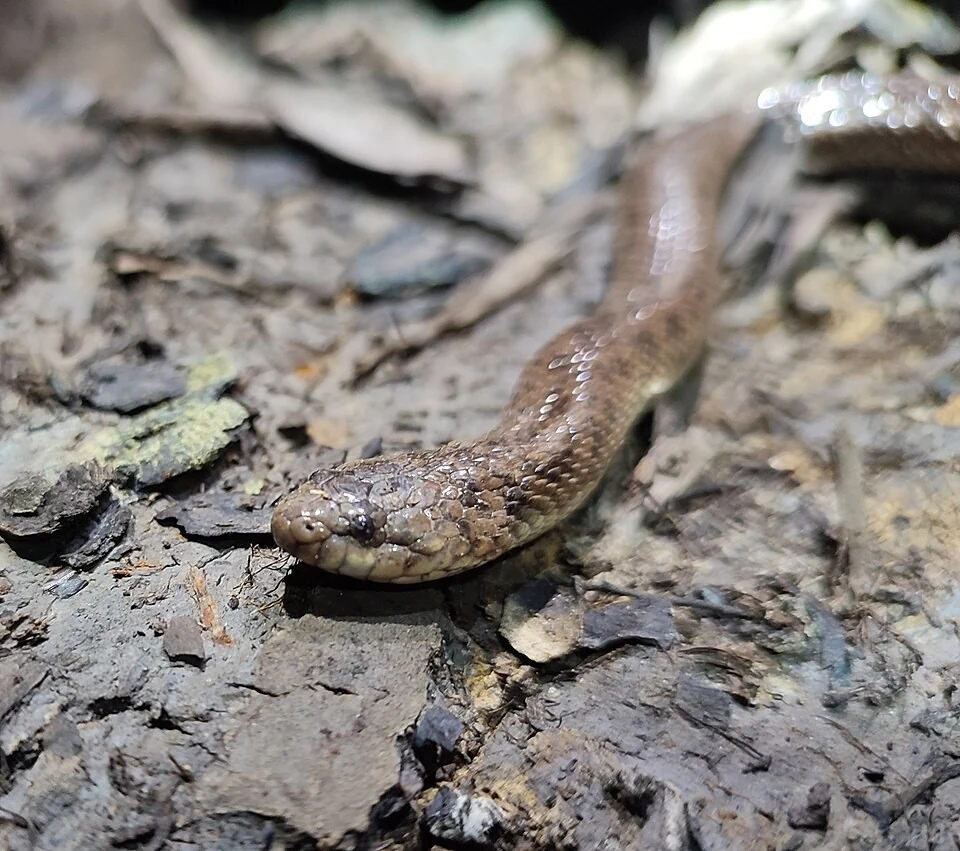
Crab-eating (Water) Snake
Figueroa, Low & Lim (2023), the annotated national review, accepts this species for Singapore. The 2023 annotated review explicitly lists these Singapore sites. They are selected named-locality evidence, not a full range polygon or a guarantee of current presence at every point. Sites marked as historical in that review are omitted from this mapped…
Read the species account →Samuel GUIRAUDOU · CC BY 4.0 · https://creativecommons.org/licenses/by/4.0
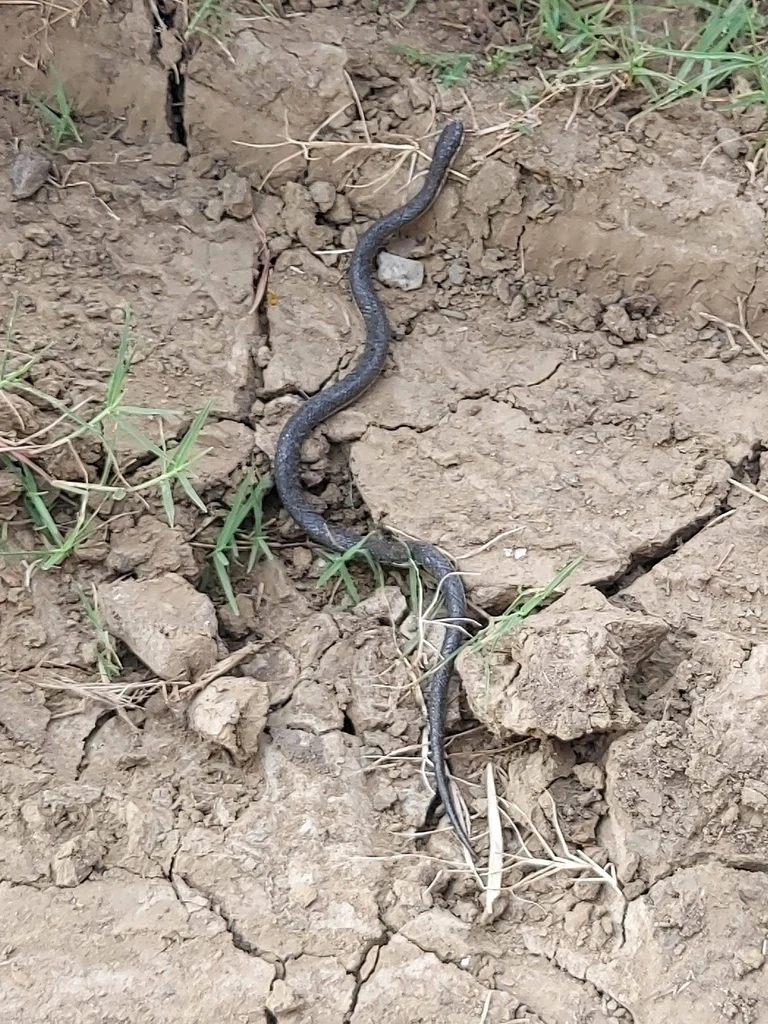
007 · Homalopsidae
Gerard's Water Snake
Figueroa, Low & Lim (2023), the annotated national review, accepts this species for Singapore. The 2023 annotated review explicitly lists these Singapore sites. They are selected named-locality evidence, not a full range polygon or a guarantee of current presence at every point. Sites marked as historical in that review are omitted from this mapped…
Read the species account →Ramesh Shenai · CC BY 4.0 · https://creativecommons.org/licenses/by/4.0/
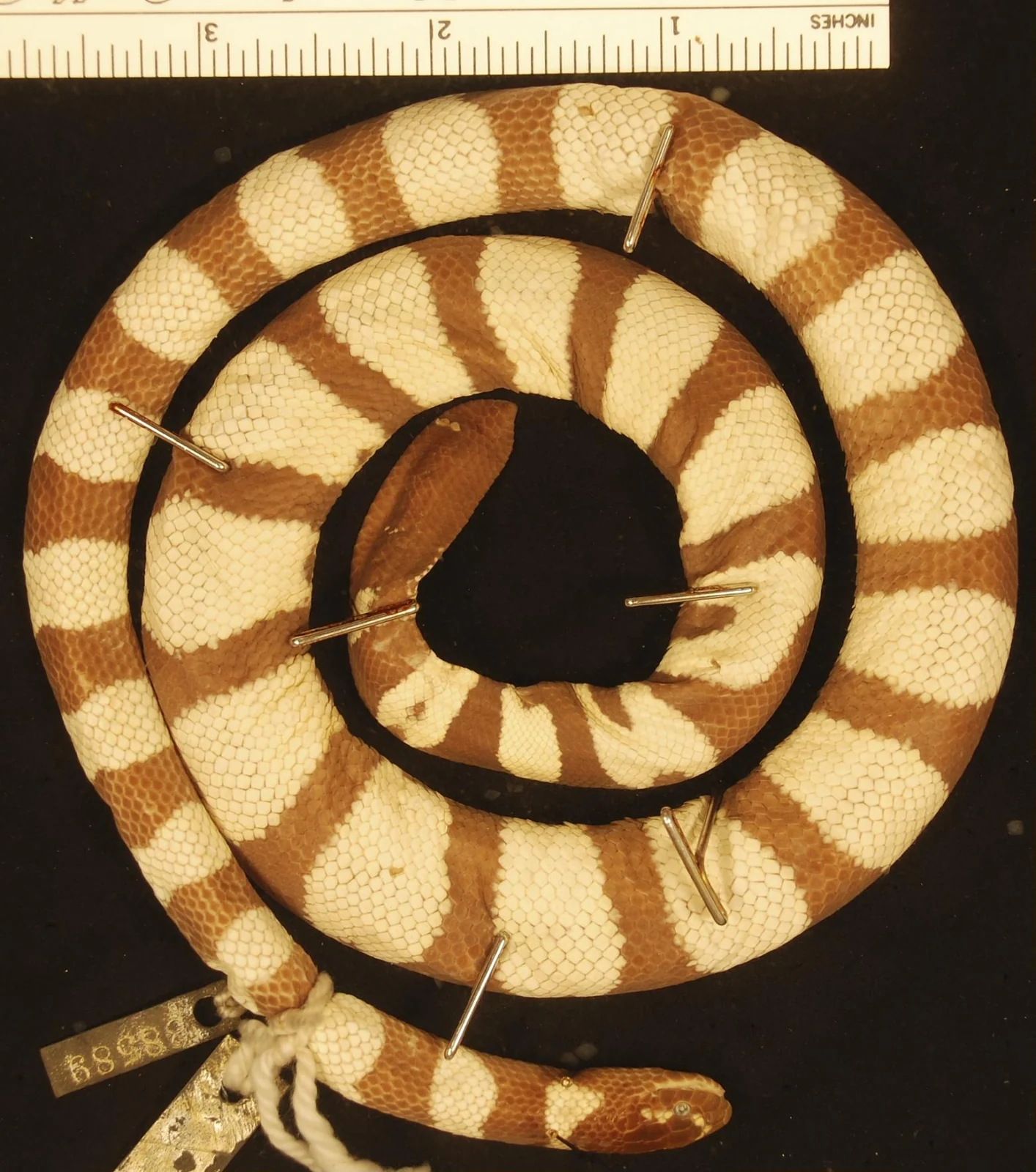
008 · Elapidae
Hardwicke’s spine-bellied seasnake
Figueroa, Low & Lim (2023), the annotated national review, accepts this species for Singapore. The 2023 annotated review explicitly lists these Singapore sites. They are selected named-locality evidence, not a full range polygon or a guarantee of current presence at every point. Sites marked as historical in that review are omitted from this mapped…
Read the species account →Brittany Rogers / Smithsonian Institution, National Museum of Natural History · CC0 1.0 · https://creativecommons.org/publicdomain/zero/1.0/
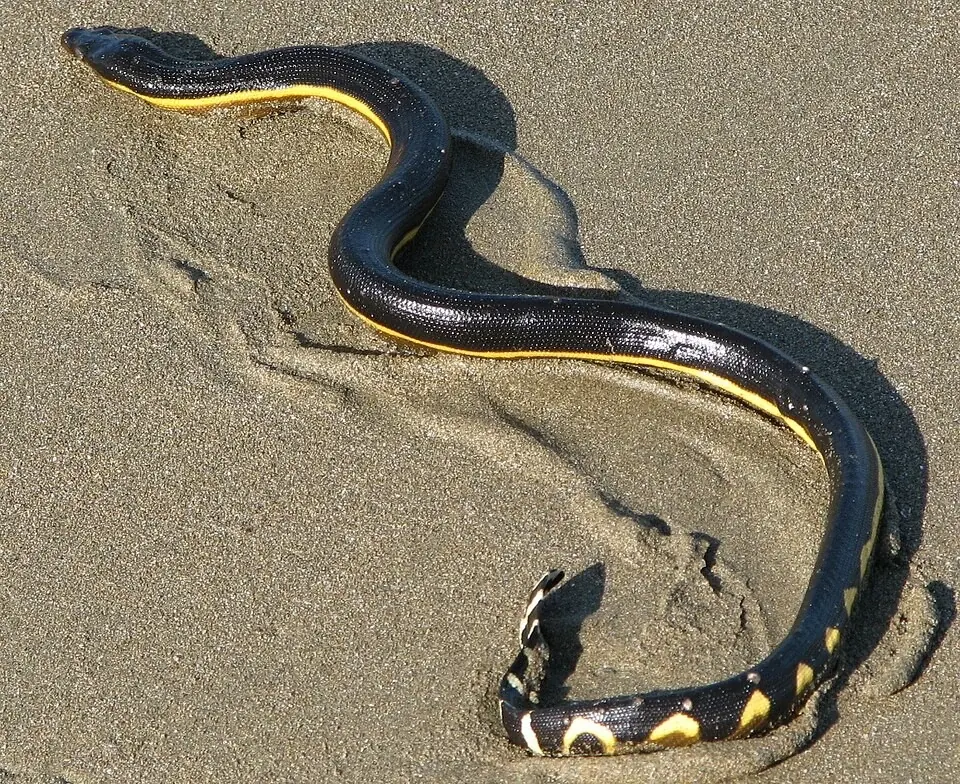
009 · Elapidae
Yellowbelly Sea Snake
Figueroa, Low & Lim (2023), the annotated national review, accepts this species for Singapore.
Read the species account →Aloaiza · CC BY 3.0 · https://creativecommons.org/licenses/by/3.0
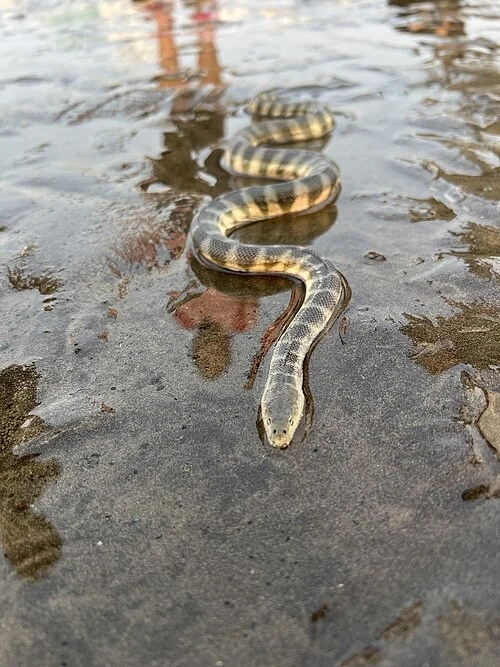
010 · Elapidae
Common or beaked seasnake
Figueroa, Low & Lim (2023), the annotated national review, accepts this species for Singapore. The review retains the historical national record but requests further substantiation; no modern local population is implied.
Read the species account →Shaunak Modi · CC BY 4.0 · https://creativecommons.org/licenses/by/4.0
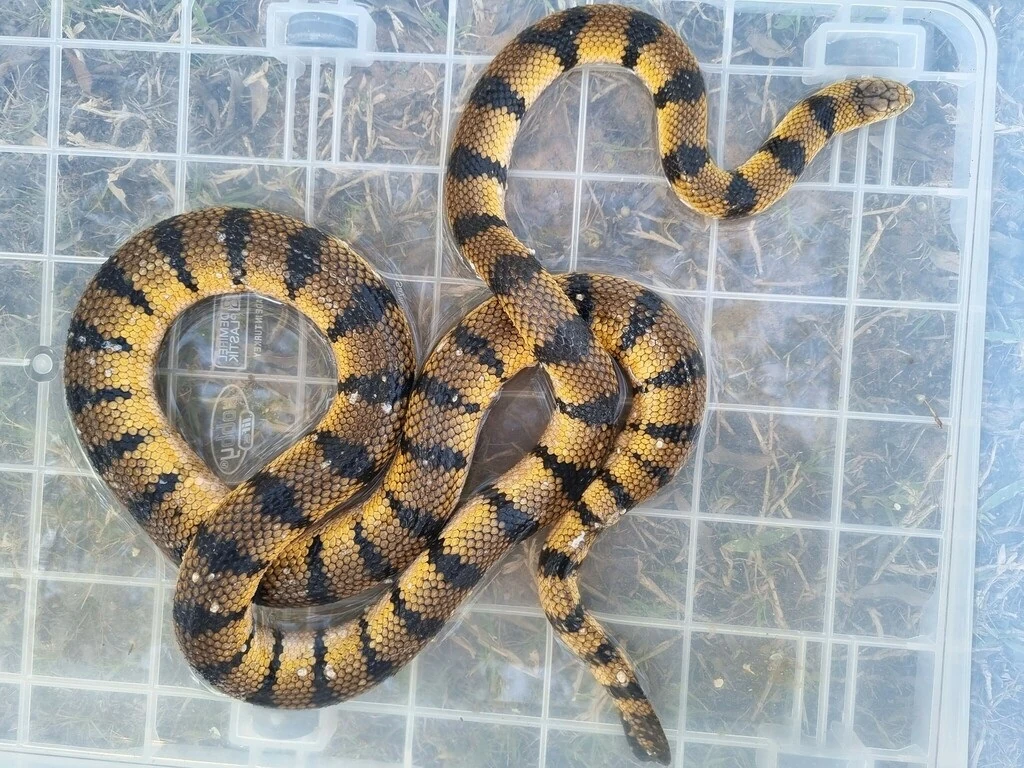
011 · Elapidae
Yellow Sea Snake
Figueroa, Low & Lim (2023), the annotated national review, accepts this species for Singapore. The accepted national record is a specimen predating 1891. The review excludes the separate offshore Horsburgh records and requests further substantiation.
Read the species account →Marius Burger · CC0 1.0 · https://creativecommons.org/publicdomain/zero/1.0/
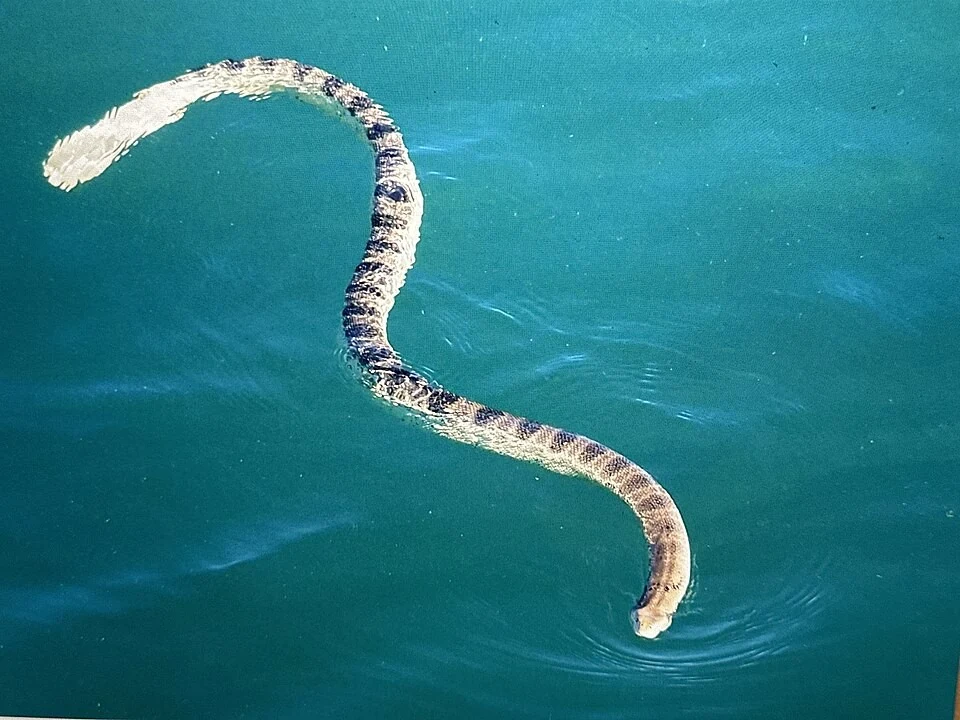
012 · Elapidae
Stoke’s seasnake
Figueroa, Low & Lim (2023), the annotated national review, accepts this species for Singapore. Accepted historical Singapore material is retained. The review distinguishes records from Singapore from poorly localized offshore specimens; there is no mapped local site here.
Read the species account →Rosario · CC BY 4.0 · https://creativecommons.org/licenses/by/4.0
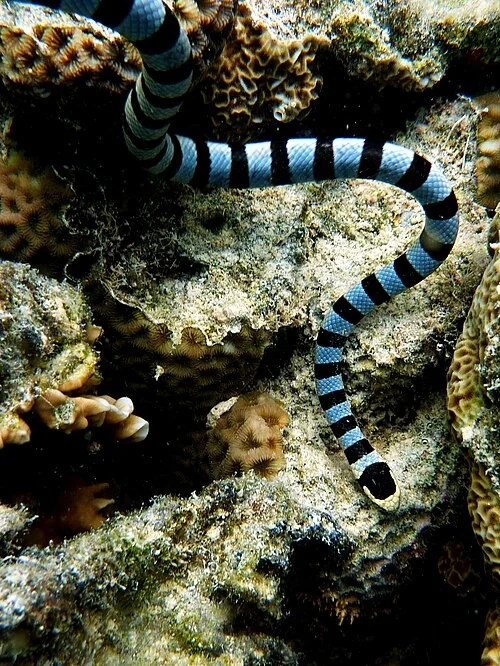
013 · Elapidae
Yellow-lipped sea krait
Figueroa, Low & Lim (2023), the annotated national review, accepts this species for Singapore. The 2023 annotated review explicitly lists these Singapore sites. They are selected named-locality evidence, not a full range polygon or a guarantee of current presence at every point. Sites marked as historical in that review are omitted from this mapped…
Read the species account →Kai Squires · CC BY 4.0 · https://creativecommons.org/licenses/by/4.0
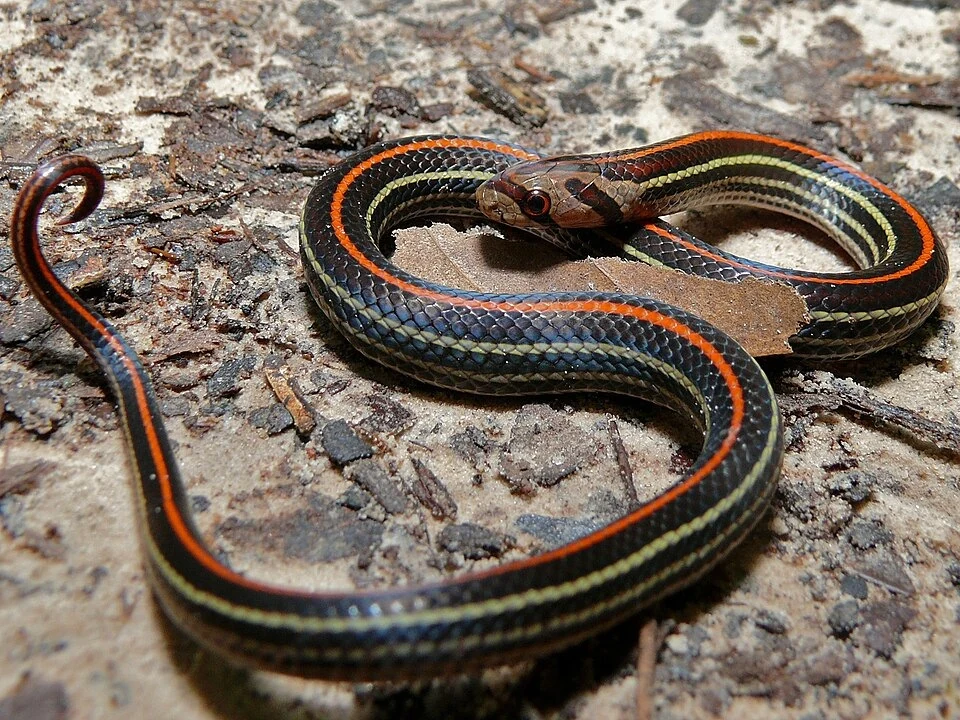
014 · Colubridae
(Eight-) Striped Kukri Snake
Figueroa, Low & Lim (2023), the annotated national review, accepts this species for Singapore. The 2023 annotated review explicitly lists these Singapore sites. They are selected named-locality evidence, not a full range polygon or a guarantee of current presence at every point. Sites marked as historical in that review are omitted from this mapped…
Read the species account →Bernard DUPONT from FRANCE · CC BY-SA 2.0 · https://creativecommons.org/licenses/by-sa/2.0
Read further
Guide reviewed 11 October 2026. Source dates and geographic scope matter; landscape photographs do not establish species occurrence.
Mangroves, reefs, seagrass and intertidal habitat, with urban-development pressures.
Coastal woodland, secondary forest, mangroves and rocky shore.
Coastal park and fragile intertidal habitat; access information is subject to change.
Continue through Singapore
Singapore’s woodland includes primary remnants, mature secondary forest and recovering coastal vegetation. Their history and connections are as useful as their appearance.
02Freshwater swamp forest, marsh and reservoirs are distinct habitats. Nee Soon provides a particularly important contrast to more open managed wetlands.
03Mangrove habitat survives in several separate coastal settings. Boardwalks allow the forest’s roots and water movement to be read without walking through the mud.