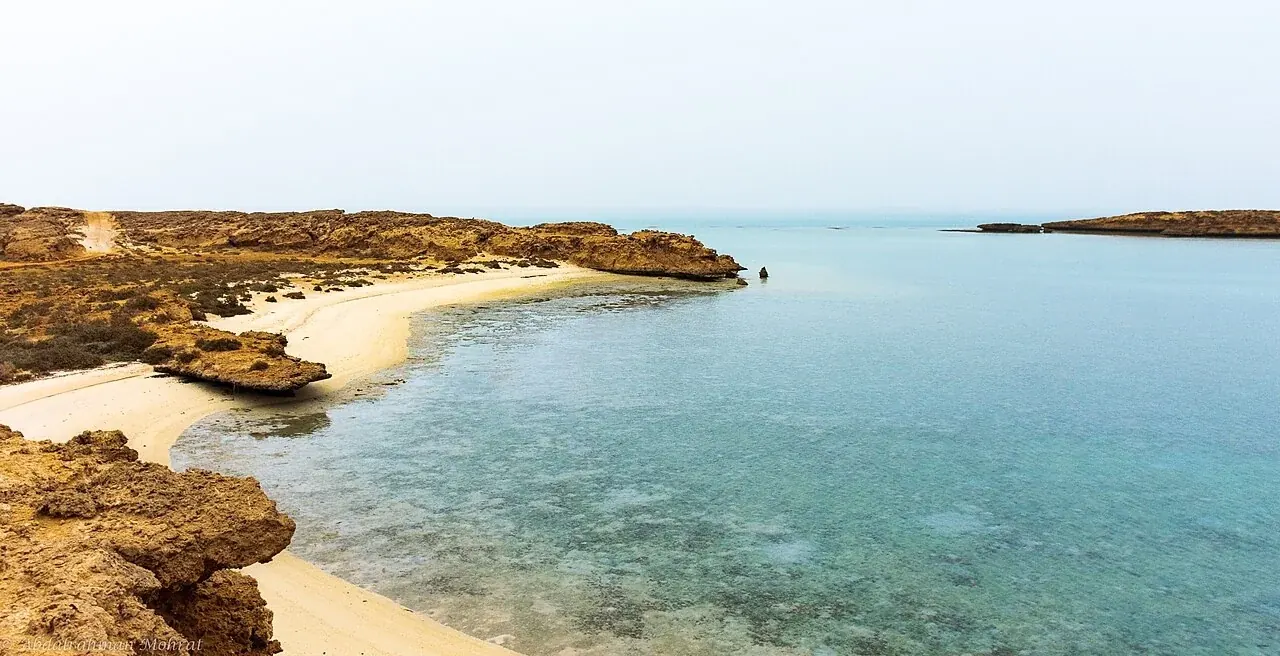
Sheltered rocky and sandy coast on Farasan Island, Saudi Arabia.

Saudi Arabia · The country atlas

Saudi Arabia

Western escarpments, interior plateaus, sand deserts and Gulf salt flats form separate landscape settings.

32species with extracted evidence
8families
5region guides

Sheltered rocky and sandy coast on Farasan Island, Saudi Arabia.

Photograph: Abdalrahman Mohrat · Image source · CC BY 2.0. Cropped to fill the hero; darkened for text legibility.

Geography & biotopes

Discover Saudi Arabia.

Western escarpments, interior plateaus, sand deserts and Gulf salt flats form separate landscape settings.

Regions group the administrative outlines in the credited historical snapshot; their names do not claim current administrative status. Each locality keeps its own country, island and habitat evidence. Country collections show supported atlas records, not an exhaustive national checklist.

geoBoundaries · ADM1 boundary provenance →

Saudi Arabia - National Biodiversity Strategy →

Geography is part of the record

Find your way through Saudi Arabia.

Select a named region to open its evidence page. The complete directory below keeps every guide accessible, including places where locality evidence has not yet been extracted.

17 of 32 listed species have at least one indexed region record. 15 remain country-only. Even a nonzero count is not a complete regional inventory.

Habitats & living landscapes

Explore the living
landscapes.

Explore 4 guides to the environments, places and conservation pressures that shape this country. Each guide connects to the regional map and shared species accounts.

Landscape photographs & credits

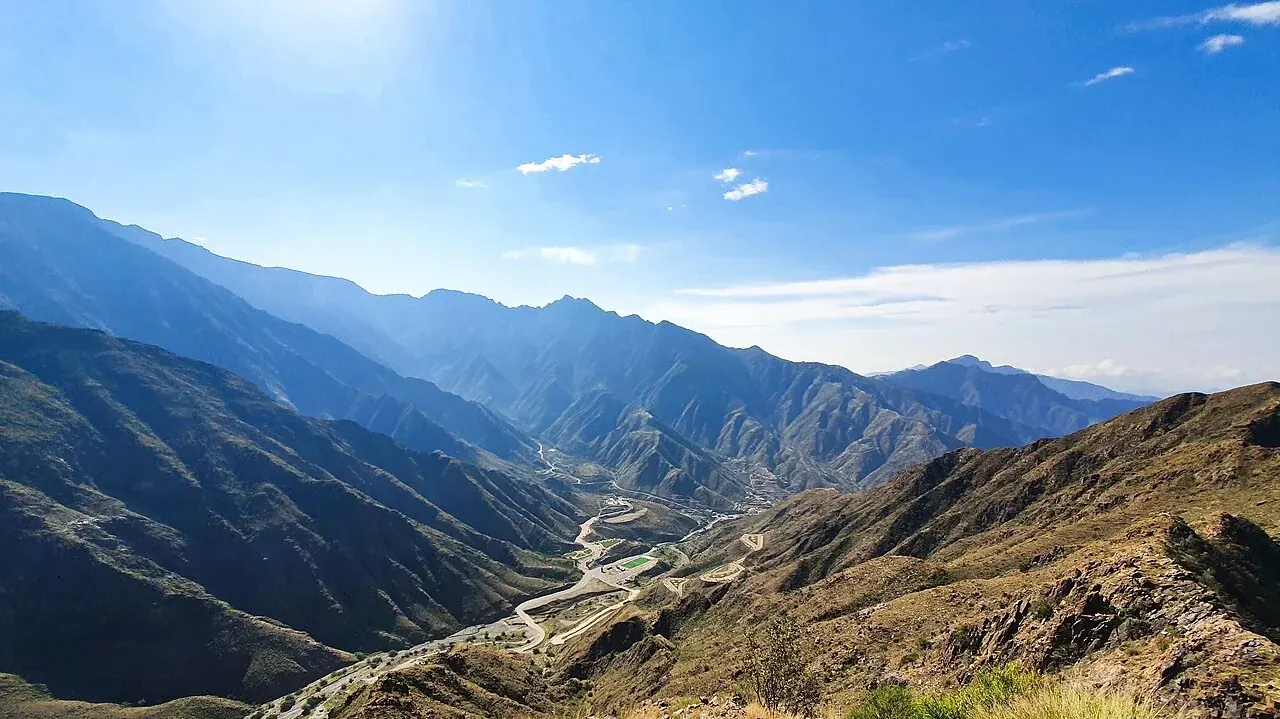
Sarawat mountain slopes in Asir, Saudi Arabia. — Richard Mortel. Original photograph · CC BY 2.0. Cropped for the cards; photographs do not establish snake occurrence.

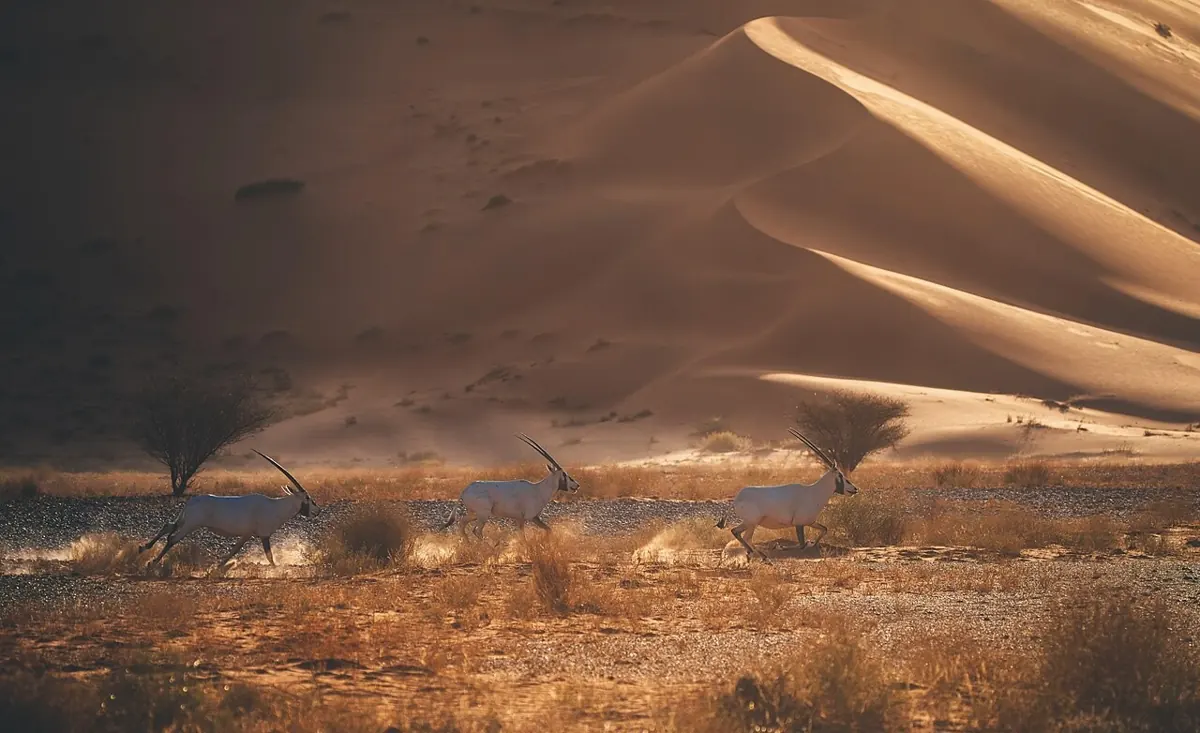
Dunes, sparse vegetation and Arabian oryx in Uruq Bani Ma'arid Reserve, Saudi Arabia; source photograph published in 2025. — Saudi Press Agency (SPA). Original photograph · CC BY-SA 4.0. Cropped for the cards; photographs do not establish snake occurrence.

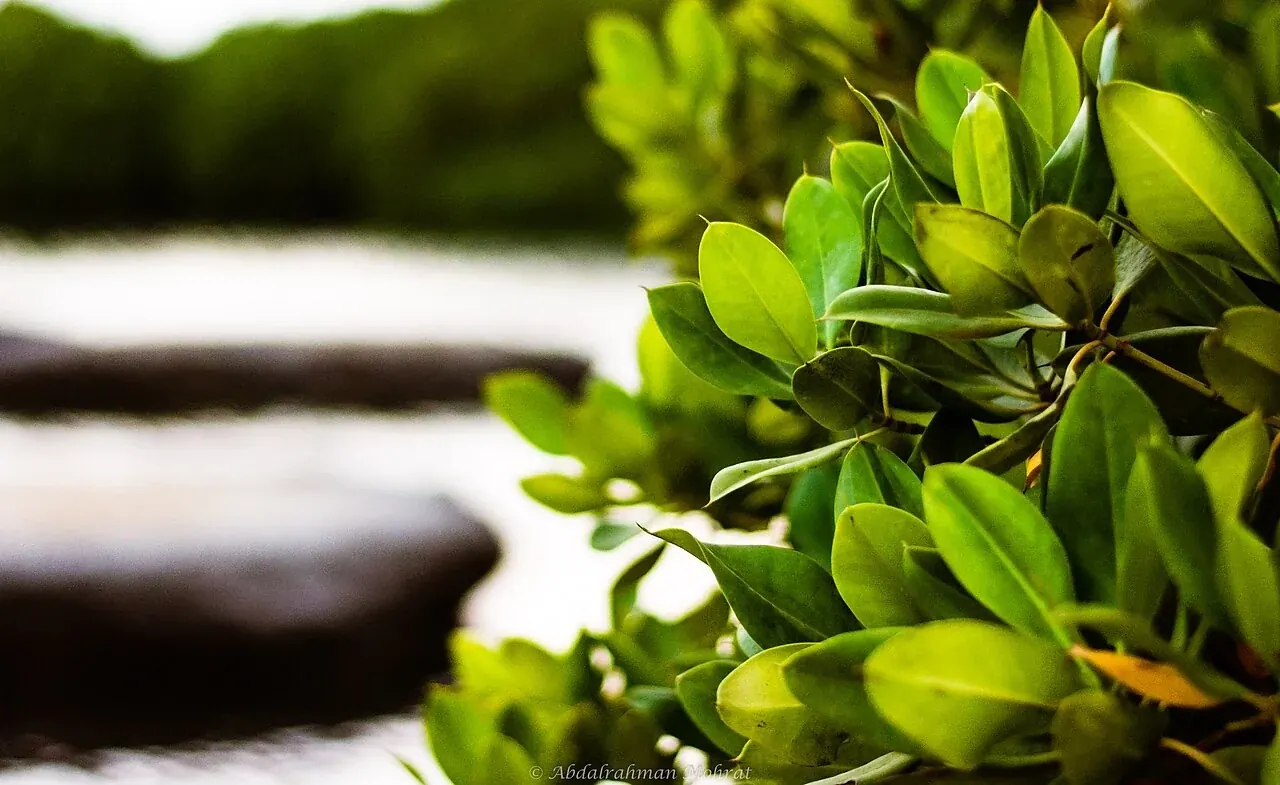
Close view of mangrove foliage on Farasan Island, Saudi Arabia. — Abdalrahman Mohrat. Original photograph · CC BY 2.0. Cropped for the cards; photographs do not establish snake occurrence.

Sheltered rocky and sandy coast on Farasan Island, Saudi Arabia. — Abdalrahman Mohrat. Original photograph · CC BY 2.0. Cropped for the cards; photographs do not establish snake occurrence.

The species catalogue

Meet the snakes of Saudi Arabia.

Search scientific names, historical names, common names and families. Every card opens one shared account across its documented countries.

32 species · showing 24

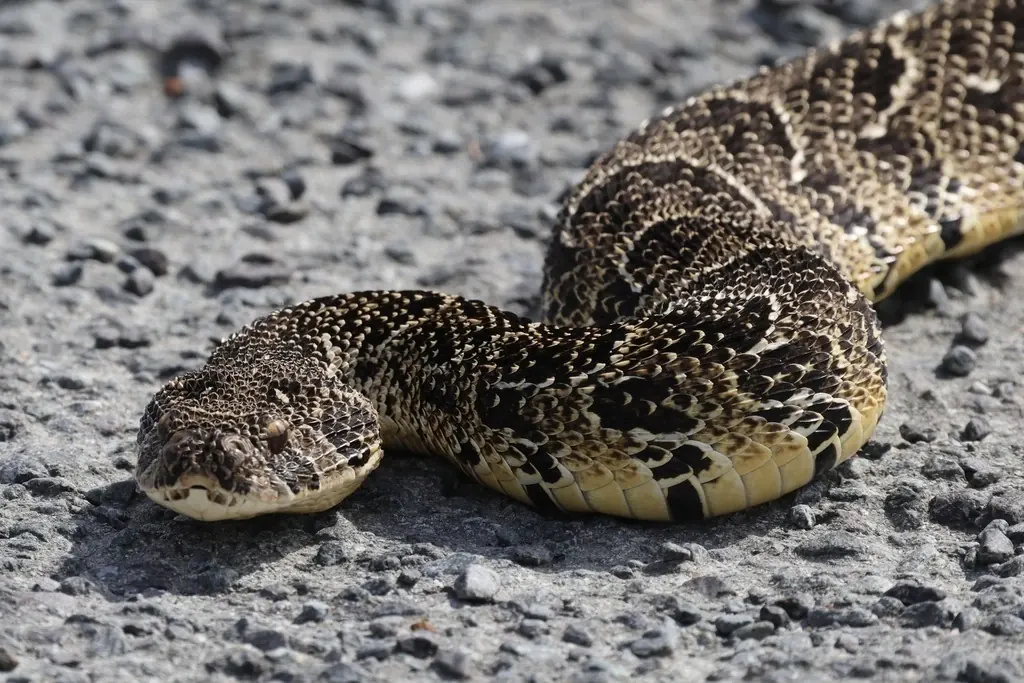
Bitis arietans. Identification follows the linked source community.

002 · Viperidae

Puff Adder

Bitis arietans

(MERREM, 1820)

VenomousClinical severity not established

Explicit country record in the checked taxonomic treatment.

Read the species account →

Cricket Raspet · CC BY 4.0 · https://creativecommons.org/licenses/by/4.0/

Cerastes gasperettii. Identification follows the linked source community.

003 · Viperidae

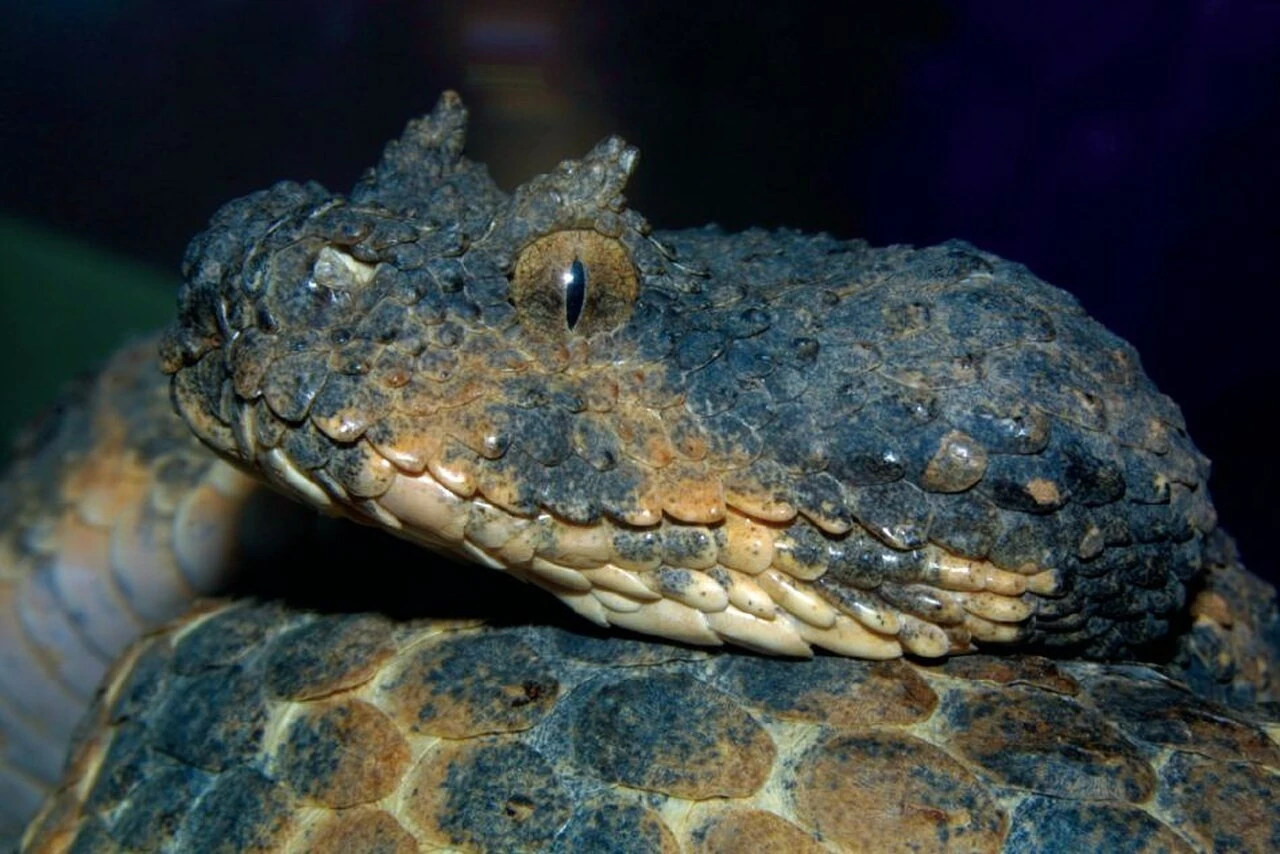
Arabian Horned Viper

Cerastes gasperettii

LEVITON & ANDERSON, 1967

VenomousClinical severity not established

Explicit country record in the checked taxonomic treatment. Turaif survey, 2014–2015; reported under the publication’s historical nomenclature. Historical localities cited in the Turaif paper; not whole-region occupancy. Observed or collected during the October 2021–January 2022 Jazan survey; species accounts, pp. 24–27.

Read the species account →

Ryan van Huyssteen · CC BY 4.0 · https://creativecommons.org/licenses/by/4.0/

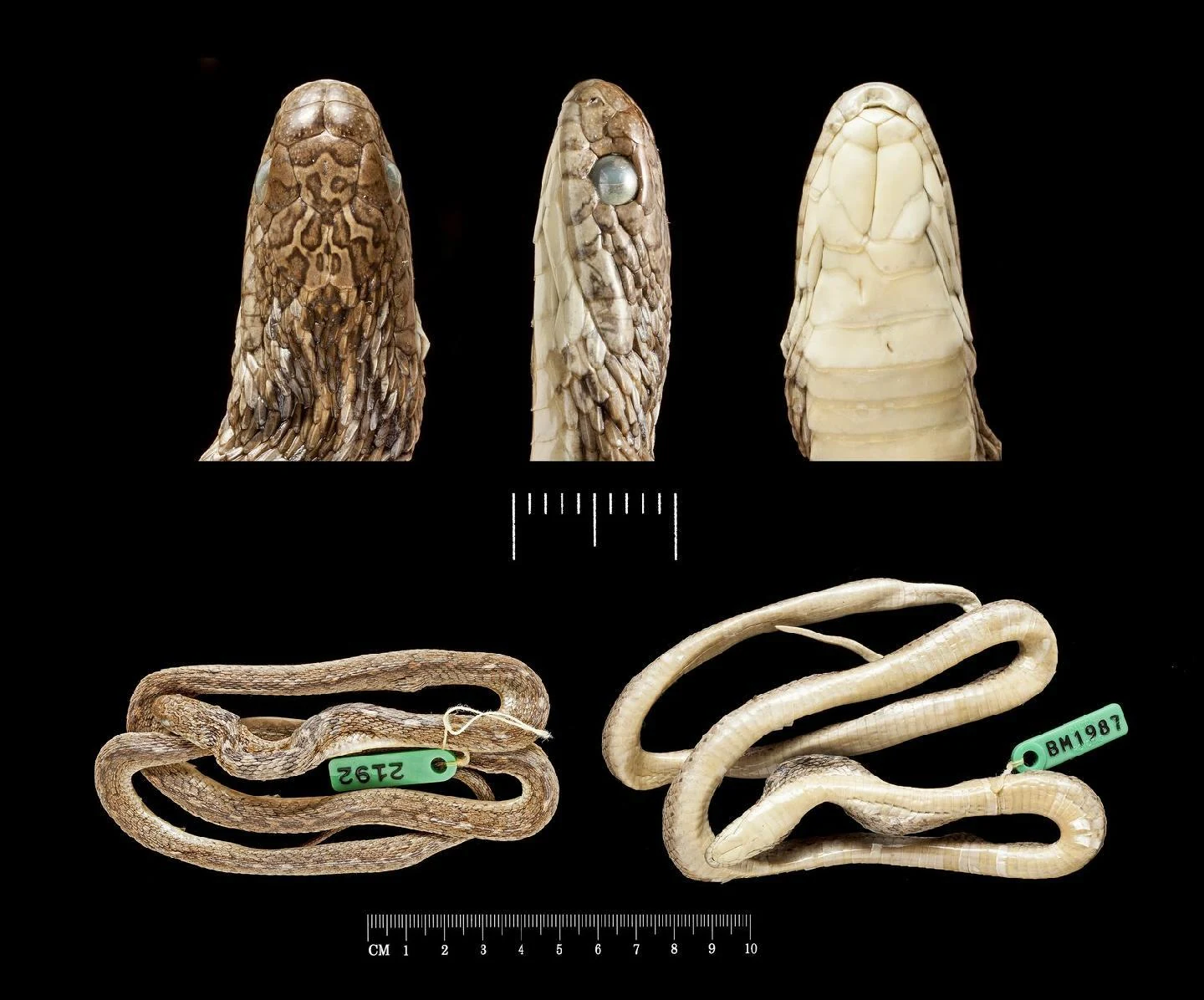
Dasypeltis arabica. Preserved museum specimen, Natural History Museum, London, 1987.2192. Colours may have changed in preservative. This collection image adds no geographic occurrence record.

004 · Colubridae

Arabian Egg-eater

Dasypeltis arabica

BROADLEY & BATES, 2018

Venom unknownNot yet assessed

Explicit country record in the checked taxonomic treatment.

Read the species account →

NHM Photo Unit / The Trustees of the Natural History Museum, London · CC BY 4.0 · https://creativecommons.org/licenses/by/4.0/

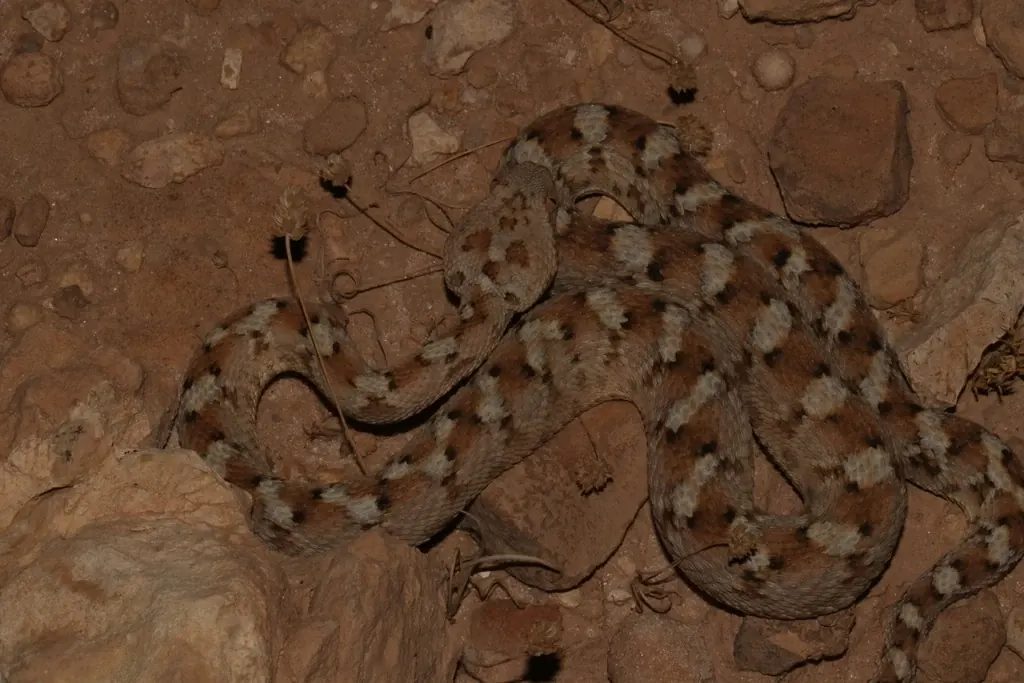
Echis coloratus. Identification follows the linked source community.

005 · Viperidae

Palestine Saw-scaled Viper, Burton’s carpet viper

Echis coloratus

GÜNTHER, 1878

VenomousClinical severity not established

Explicit country record in the checked taxonomic treatment. Turaif survey, 2014–2015; reported under the publication’s historical nomenclature. Historical localities cited in the Turaif paper; not whole-region occupancy. Observed or collected during the October 2021–January 2022 Jazan survey; species accounts, pp. 24–27.

Read the species account →

Ryan van Huyssteen · CC BY 4.0 · https://creativecommons.org/licenses/by/4.0/

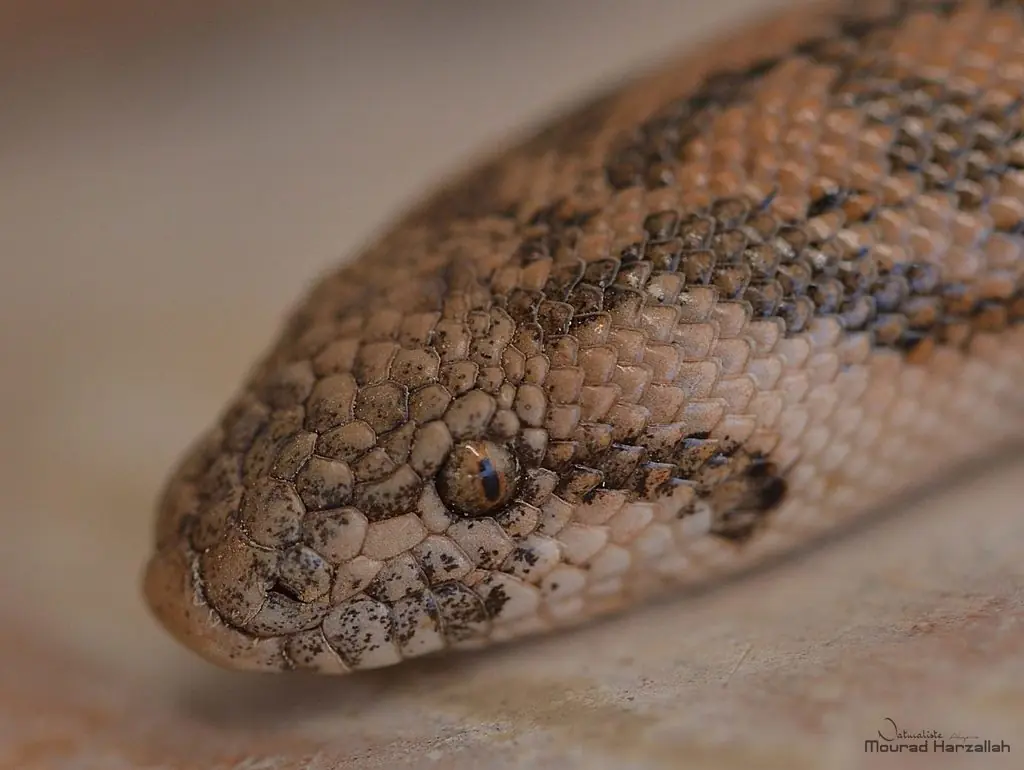
Eryx jaculus. Identification follows the linked source community.

007 · Boidae

Javelin Sand Boa

Eryx jaculus

(LINNAEUS, 1758)

Non-venomous

Explicit country record in the checked taxonomic treatment.

Read the species account →

Mourad Harzallah · CC BY 4.0 · https://creativecommons.org/licenses/by/4.0/

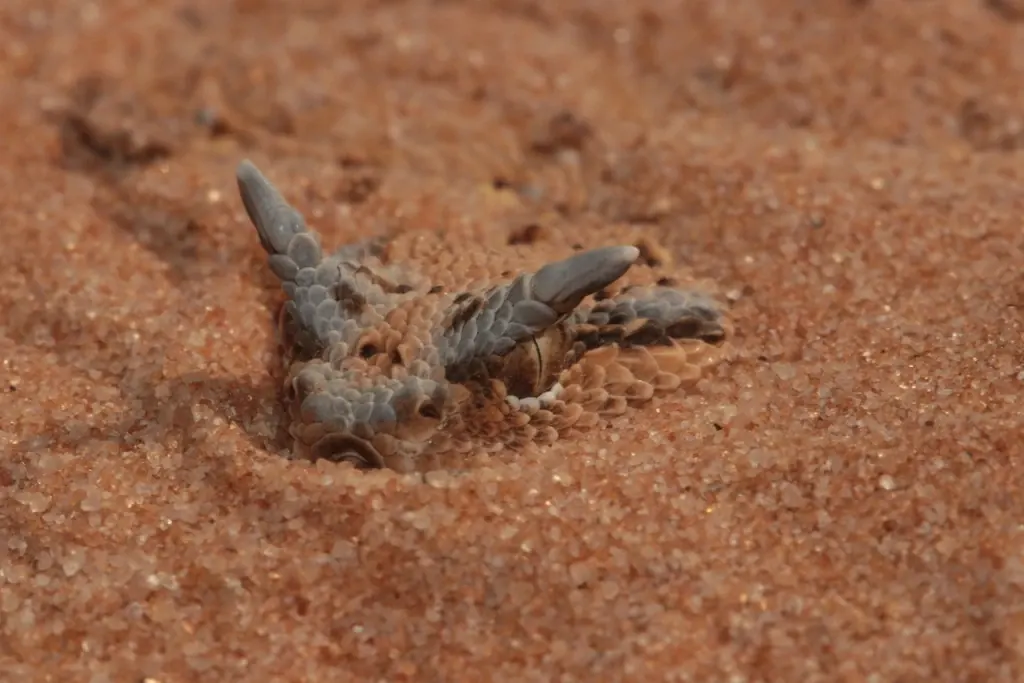
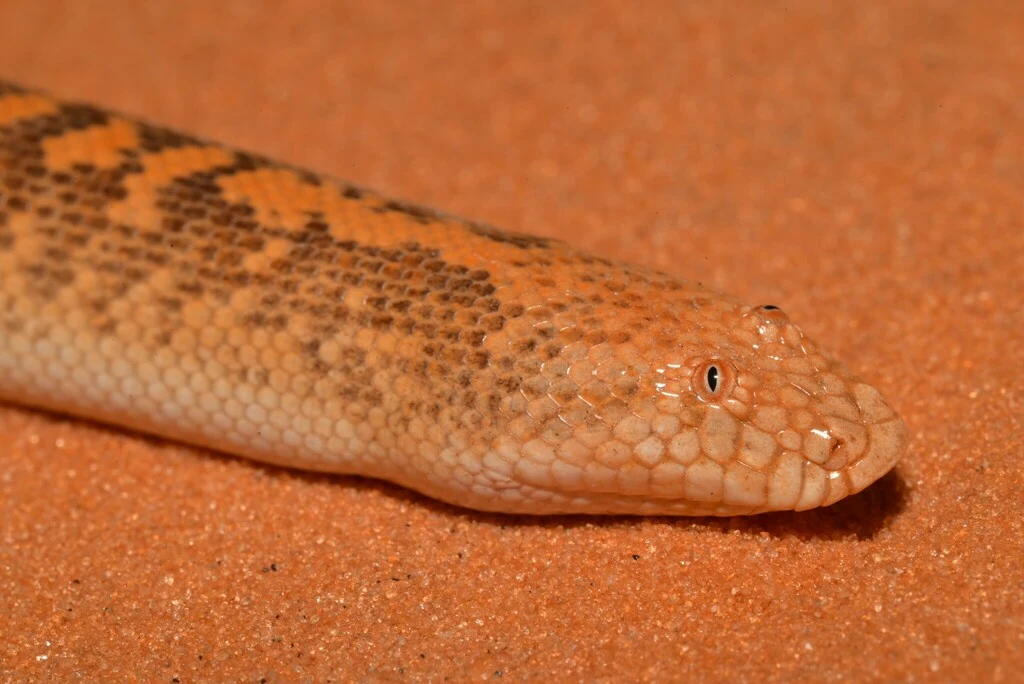
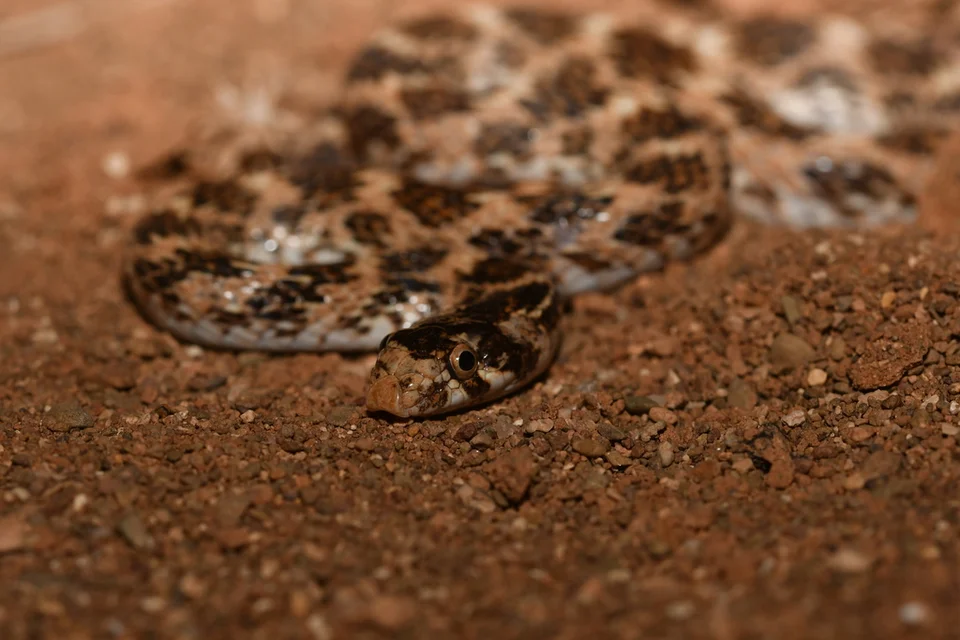
Eryx jayakari. Close view of the head on sand. Original observation dated 2024-07-05. Photograph identification follows the cited observation; it adds no geographic occurrence record.

008 · Boidae

Arabian Sand Boa

Eryx jayakari

BOULENGER, 1888

Non-venomous

Explicit country record in the checked taxonomic treatment. Named material in the Hail survey and identification key.

Read the species account →

Marius Burger · CC0 1.0 · https://creativecommons.org/publicdomain/zero/1.0/

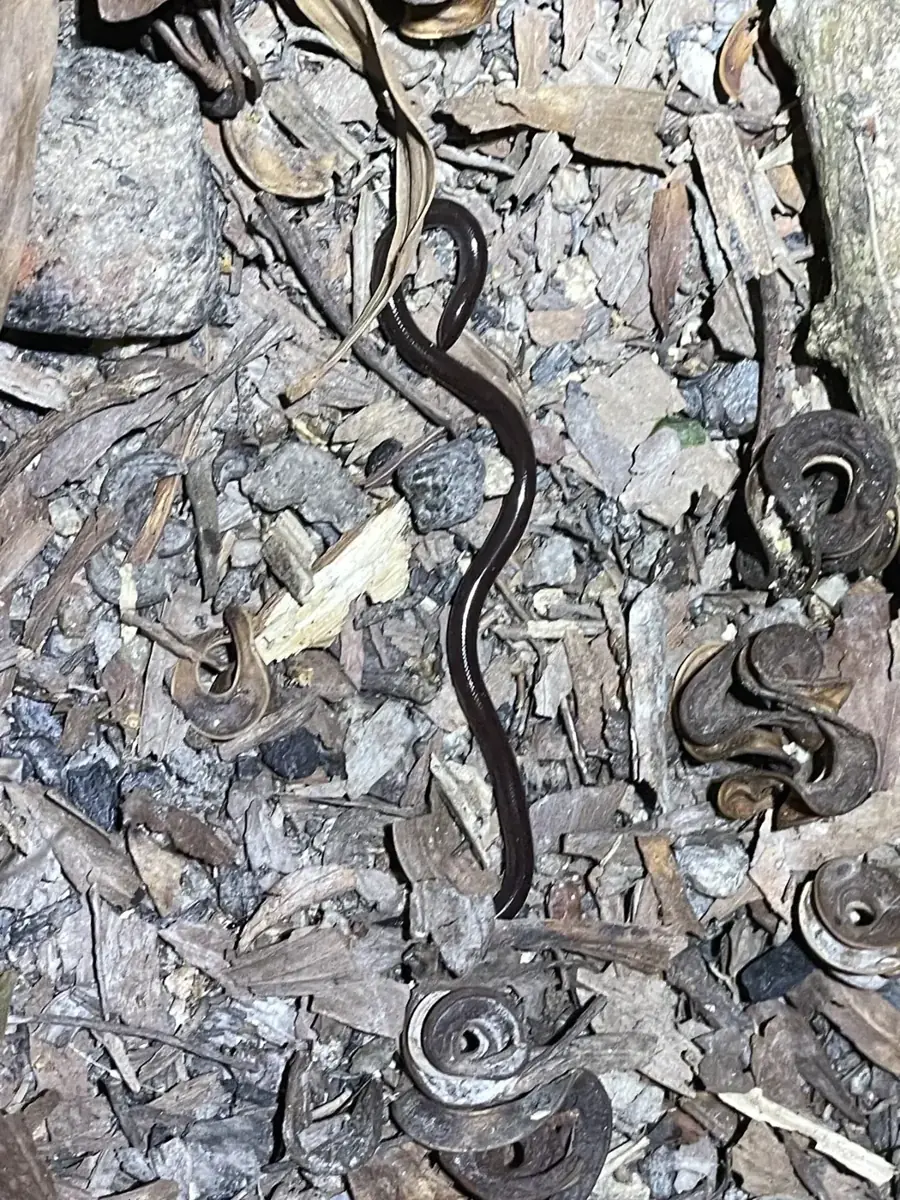
Indotyphlops braminus — photographed on Ko Pha-ngan, Thailand.

009 · Typhlopidae

Flowerpot Snake

Indotyphlops braminus

(DAUDIN, 1803)

Non-venomous

Explicit country record in the checked taxonomic treatment.

Read the species account →

Cook-Price, Makchai & Suwanwaree (2026); photographs credited collectively to the author, James Covert and Vikas Kumar · CC BY 4.0 · https://creativecommons.org/licenses/by/4.0/

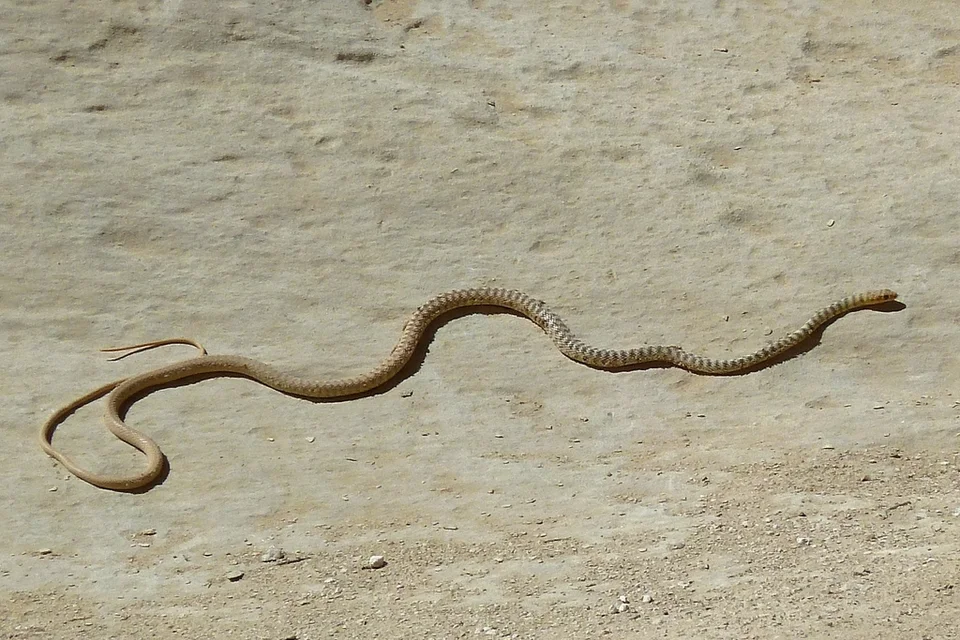
Lytorhynchus diadema, Guelmim Province, Morocco; photographed 2023-06-08.

010 · Colubridae

Crowned Leafnose Snake, Diademed Sand Snake, Awl-headed Snake

Lytorhynchus diadema

(DUMÉRIL, BIBRON & DUMÉRIL, 1854)

Venom unknownNot yet assessed

Genetic sampling confirms this country under the revised identity. Turaif survey, 2014–2015; reported under the publication’s historical nomenclature. Historical localities cited in the Turaif paper; not whole-region occupancy.

Read the species account →

Justin Philbois · CC0 1.0 · https://creativecommons.org/publicdomain/zero/1.0/

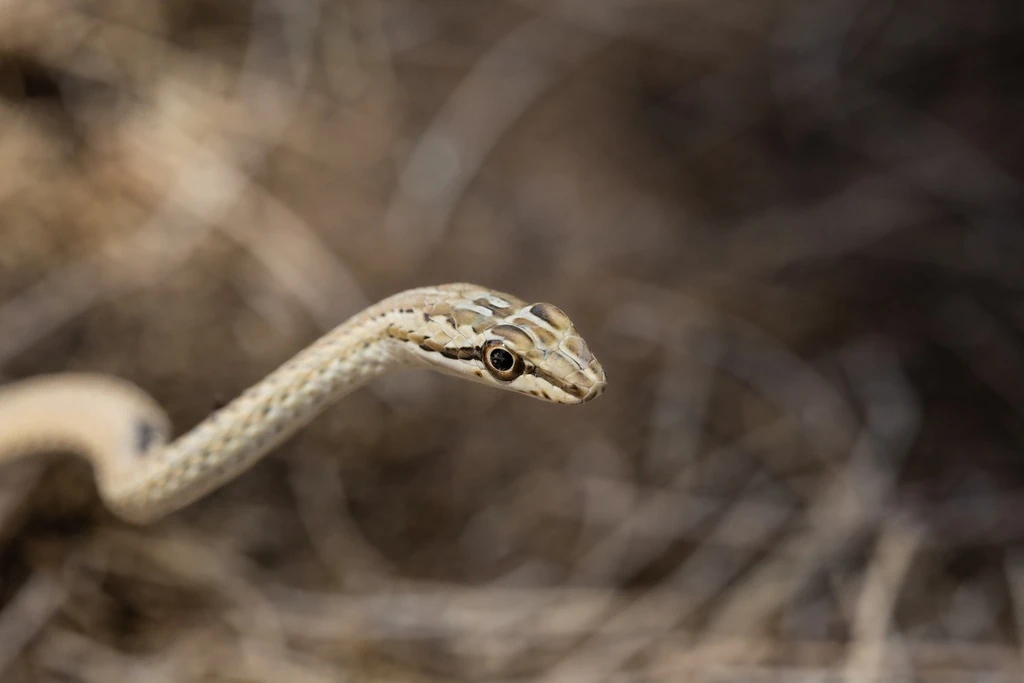
Malpolon moilensis. Identification follows the linked source community.

013 · Psammophiidae

Moila Snake

Malpolon moilensis

(REUSS, 1834)

Venom unknownNot yet assessed

Explicit country record in the checked taxonomic treatment. Turaif survey, 2014–2015; reported under the publication’s historical nomenclature. Historical localities cited in the Turaif paper; not whole-region occupancy.

Read the species account →

Demian Hiß · CC BY 4.0 · https://creativecommons.org/licenses/by/4.0/

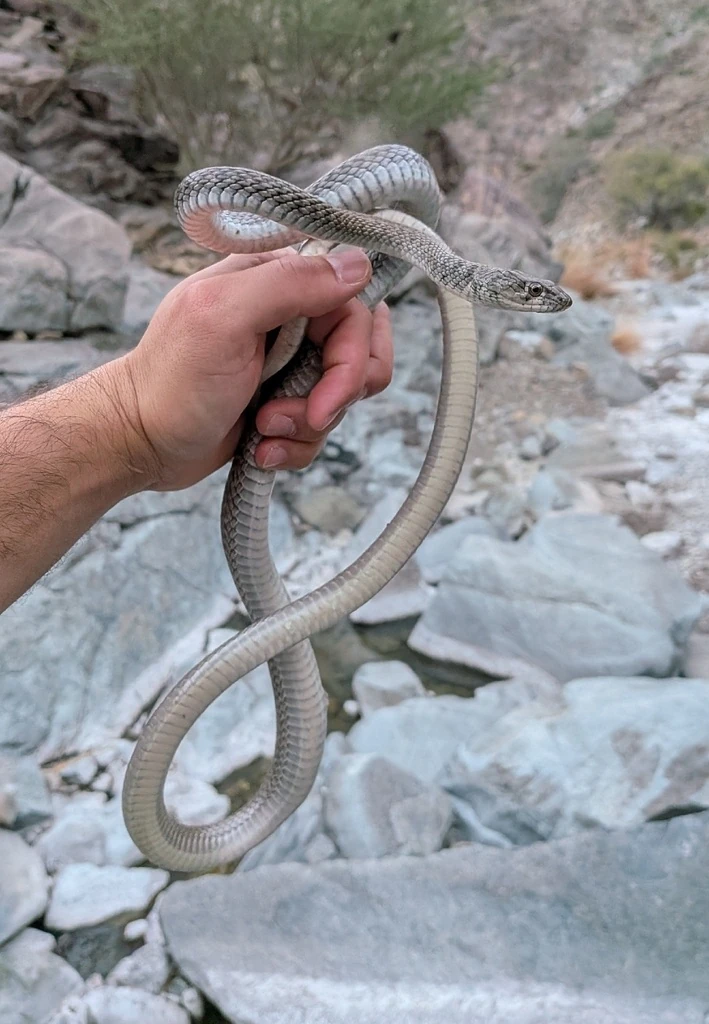
Platyceps rhodorachis. Identification follows the linked source community.

017 · Colubridae

Common Cliff Racer, Wadi Racer, Desert racer, Braid Snake, Jan’s Cliff Racer

Platyceps rhodorachis

(JAN, 1863)

Venom unknownNot yet assessed

Explicit country record in the checked taxonomic treatment. Turaif survey, 2014–2015; reported under the publication’s historical nomenclature. Historical localities cited in the Turaif paper; not whole-region occupancy.

Read the species account →

Theo Busschau · CC BY 4.0 · https://creativecommons.org/licenses/by/4.0/

Platyceps saharicus, En Avdat National Park, Israel; photographed 2012-04-10.

018 · Colubridae

Species account

Platyceps saharicus

SCHÄTTI & MCCARTHY, 2004

Venom unknownNot yet assessed

Explicit country record in the checked taxonomic treatment.

Read the species account →

Wolfgang Ahlmer · CC BY 4.0 · https://creativecommons.org/licenses/by/4.0/

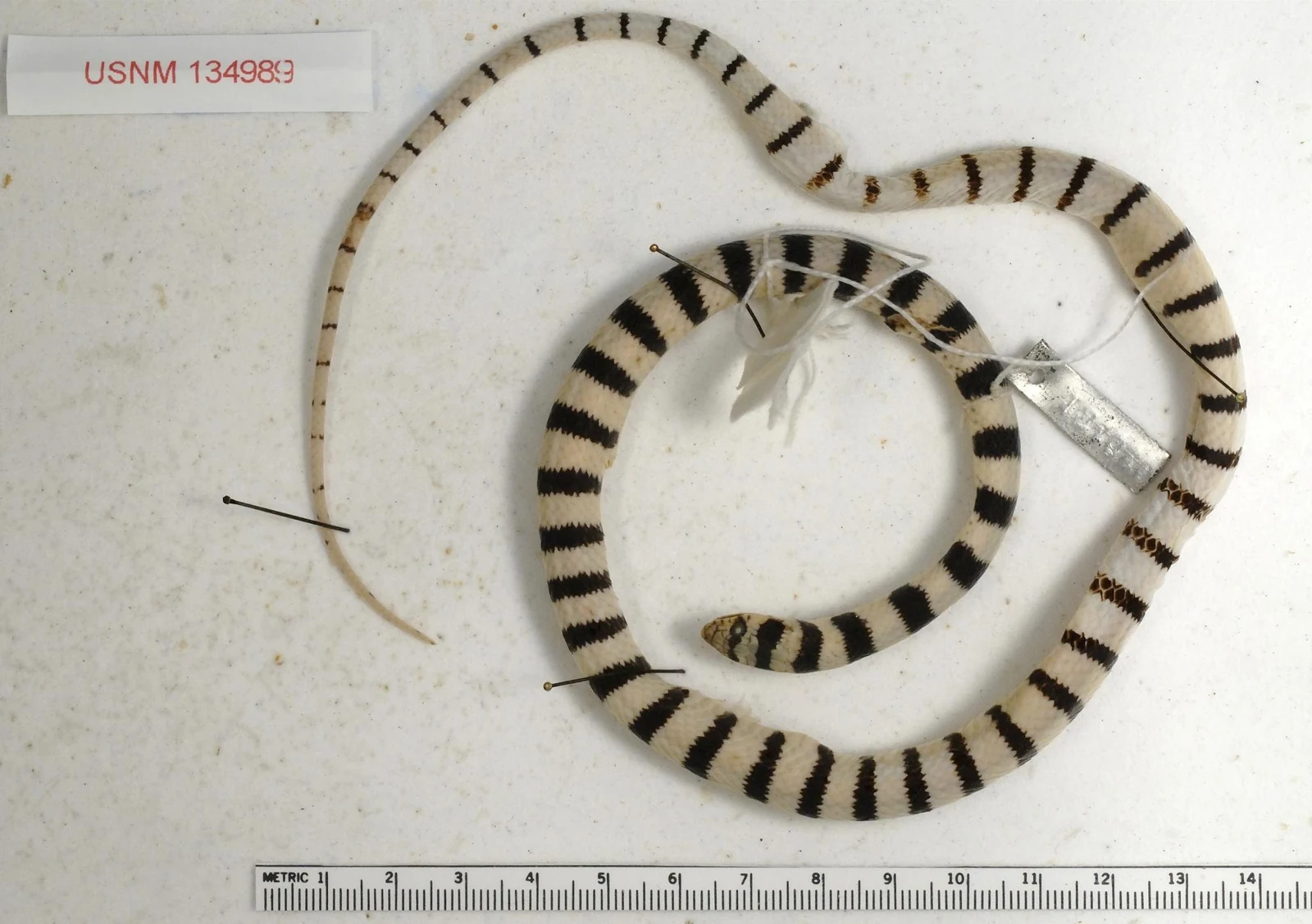
Platyceps sinai. Preserved museum specimen, Smithsonian National Museum of Natural History, USNM 134989. Colours may have changed in preservative. This collection image adds no geographic occurrence record.

019 · Colubridae

Sinai Racer.

Platyceps sinai

(SCHMIDT & MARX, 1956)

Venom unknownNot yet assessed

Explicit country record in the checked taxonomic treatment.

Read the species account →

Welch, Jenna L. · CC0 1.0 · https://creativecommons.org/publicdomain/zero/1.0/

Psammophis schokari. Identification follows the linked source community.

021 · Psammophiidae

Schokari Sand Racer, Forskal Sand Snake

Psammophis schokari

(FORSKÅL, 1775)

VenomousClinical severity not established

Explicit country record in the checked taxonomic treatment. Turaif survey, 2014–2015; reported under the publication’s historical nomenclature. Historical localities cited in the Turaif paper; not whole-region occupancy. Observed or collected during the October 2021–January 2022 Jazan survey; species accounts, pp. 24–27.

Read the species account →

Mahomed Desai · CC BY 4.0 · https://creativecommons.org/licenses/by/4.0/

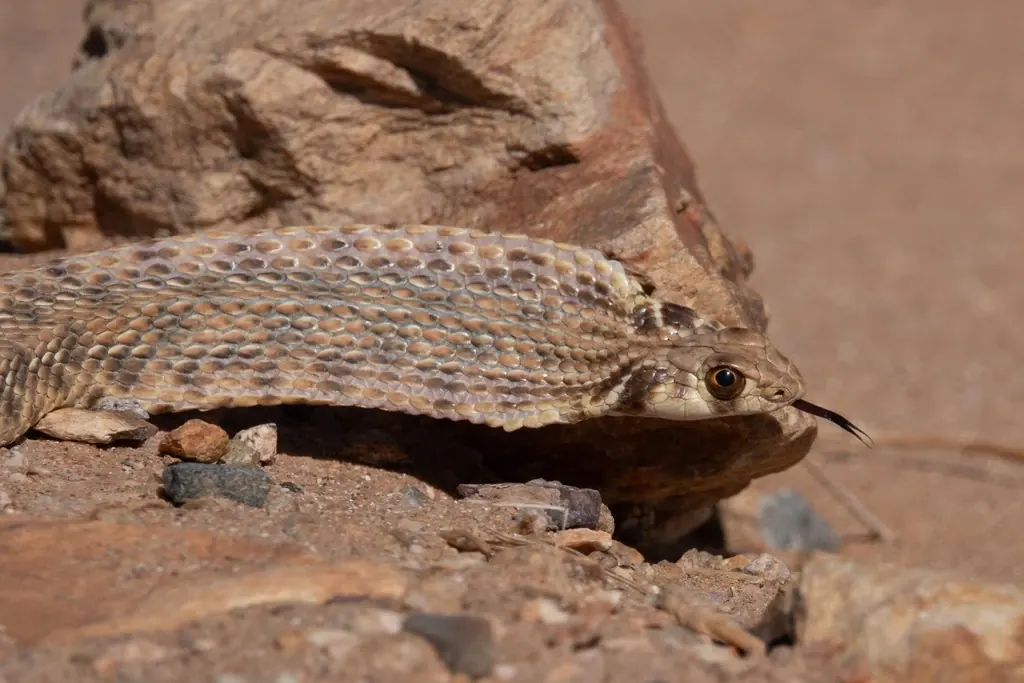
Pseudocerastes fieldi. Identification follows the linked source community.

023 · Viperidae

Field's Horned Viper

Pseudocerastes fieldi

SCHMIDT, 1930

VenomousClinical severity not established

Explicit country record in the checked taxonomic treatment. Turaif survey, 2014–2015; reported under the publication’s historical nomenclature.

Read the species account →

Marius Burger · CC0 1.0 · https://creativecommons.org/publicdomain/zero/1.0/

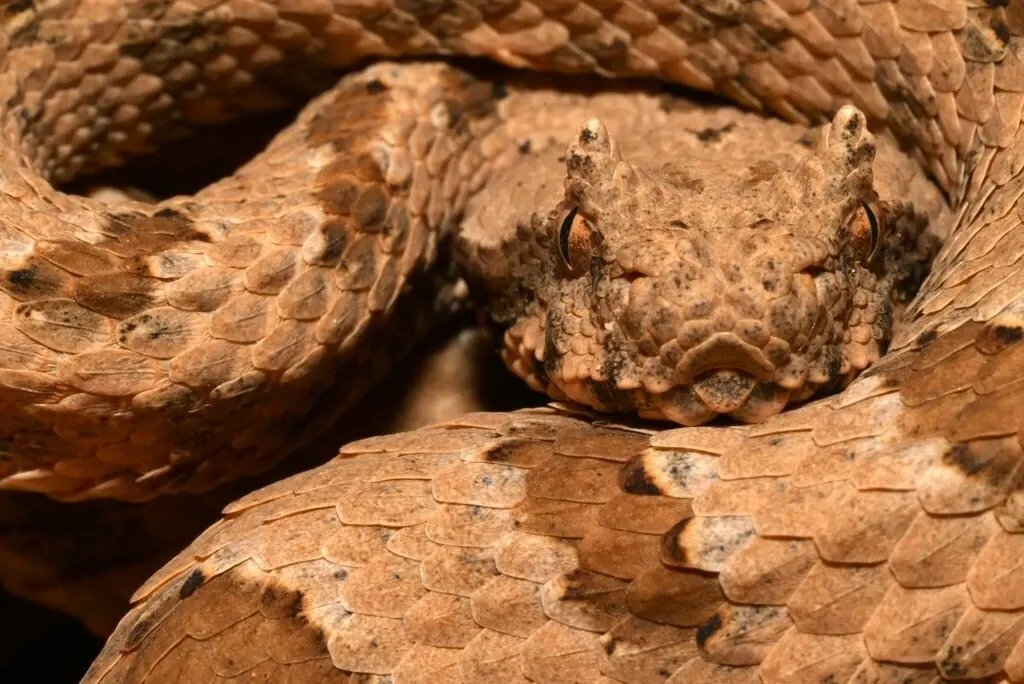
Pseudocerastes persicus. Identification follows the linked source photograph.

024 · Viperidae

Persian Horned Viper

Pseudocerastes persicus

(DUMÉRIL, BIBRON & DUMÉRIL, 1854)

VenomousClinical severity not established

Explicit country record in the checked taxonomic treatment.

Read the species account →

Zuhair Amr · CC BY 3.0 · https://creativecommons.org/licenses/by/3.0

The research library

Sources & the checklist.

This edition lists 32 species with supported country records from checked taxonomic treatments and cited field studies. This total includes 1 record marked as introduced; it is not a native-species total. It is not a claim of a complete national inventory. Each account retains its source and check date; individual evidence entries retain their own review dates.

Independent checklist comparison · 2026-10-11

32 confirmed, introduced or explicitly qualified occasional country records. The inventory uses current individual species treatments and records explicit doubts separately. A complete independent modern national checklist was not verified in this pass; the chapter is a documented working inventory, not a completeness certification.

The Reptile Database: individually checked species treatments ↗

Review still open

Cerastes cerastes

The checked treatment or independent checklist questions this country assignment or uses an older species concept. A voucher under the current identity remains unresolved.

Echis pyramidum

Arabian records use a superseded broad identity; accepted borkini and khosatzkii are handled separately.

Lytorhynchus gaddi

Old Arabian identity contradicted by the 2026 revision.

Macrovipera lebetinus

The checked treatment or independent checklist questions this country assignment or uses an older species concept. A voucher under the current identity remains unresolved.

Myriopholis blanfordii

No unqualified country evidence in the current distribution; discovery hits and type localities alone do not establish occurrence.

Platyceps rogersi

No unqualified country evidence in the current distribution; discovery hits and type localities alone do not establish occurrence.

Platyceps ventromaculatus

The 2026 revision rejects the broad western ventromaculatus concept. Historical country records require reassessment rather than automatic reassignment.

Range and taxonomy review

Country links use a single accepted species identity. Revised names and disputed records are kept visible here; uncertain records do not enter the listed collection or regional totals.

Platyceps ventromaculatus

Uncertain — excluded from the listed total

The 2026 revision rejects the broad western ventromaculatus concept. Historical country records require reassessment rather than automatic reassignment.

Source 1 ↗

Source 2 ↗

Cerastes cerastes

Uncertain — excluded from the listed total

The checked treatment or independent checklist questions this country assignment or uses an older species concept. A voucher under the current identity remains unresolved.

Source 1 ↗

Echis pyramidum

Uncertain — excluded from the listed total

Arabian records use a superseded broad identity; accepted borkini and khosatzkii are handled separately.

Source 1 ↗

Macrovipera lebetinus

Uncertain — excluded from the listed total

The checked treatment or independent checklist questions this country assignment or uses an older species concept. A voucher under the current identity remains unresolved.

Source 1 ↗

How the map and counts work

Search results were checked against distribution text and taxonomic qualifications. A geographic name alone does not establish a political country: New Guinea, the Solomon archipelago and Micronesia span more than one country or territory. Introduced and unresolved records require separate interpretation.

Place counts require explicit named localities, including valid type localities. Counts can overlap where sources name multiple places. Regional maps group historical boundary snapshots for navigation, while island outlines use Natural Earth; neither is a species range or an observation map. Small islands can be below the outline dataset’s resolution, so geographic reference markers and the directory remain available.

© OpenStreetMap contributors, via OpenStreetMap, Wambacher and geoBoundaries · gbOpen ADM1 · 2017 snapshot · Open Data Commons Open Database License 1.0. Generalised navigation boundaries, not snake ranges or territorial assertions. Map provenance →
  1. geoBoundaries · ADM1 boundary provenance ↗
  2. Saudi Arabia - National Biodiversity Strategy ↗
  3. The Reptile Database

    Individual treatments and locality evidence are linked from each species account.

  4. Meiri (2024): SquamBase 1.0

    Species-level literature measurements and ecological traits. Exact-name matches only; imputed or ambiguous fields are omitted. These summaries are not local observations.

  5. Natural Earth: public-domain geographic data

Continue through the Asia atlas →