Forest clearance
UNDP’s 2024 environmental reporting identifies logging and deforestation as national concerns; the pressure at any named site still needs local evidence.
Sources: UNDP · Environmental reporting in Papua New Guinea (2024)
Papua New Guinea · Habitat field guide
Forest changes across mainland slopes and separate island groups. These examples describe Papua New Guinea; they do not extend the country page into Indonesian Papua.
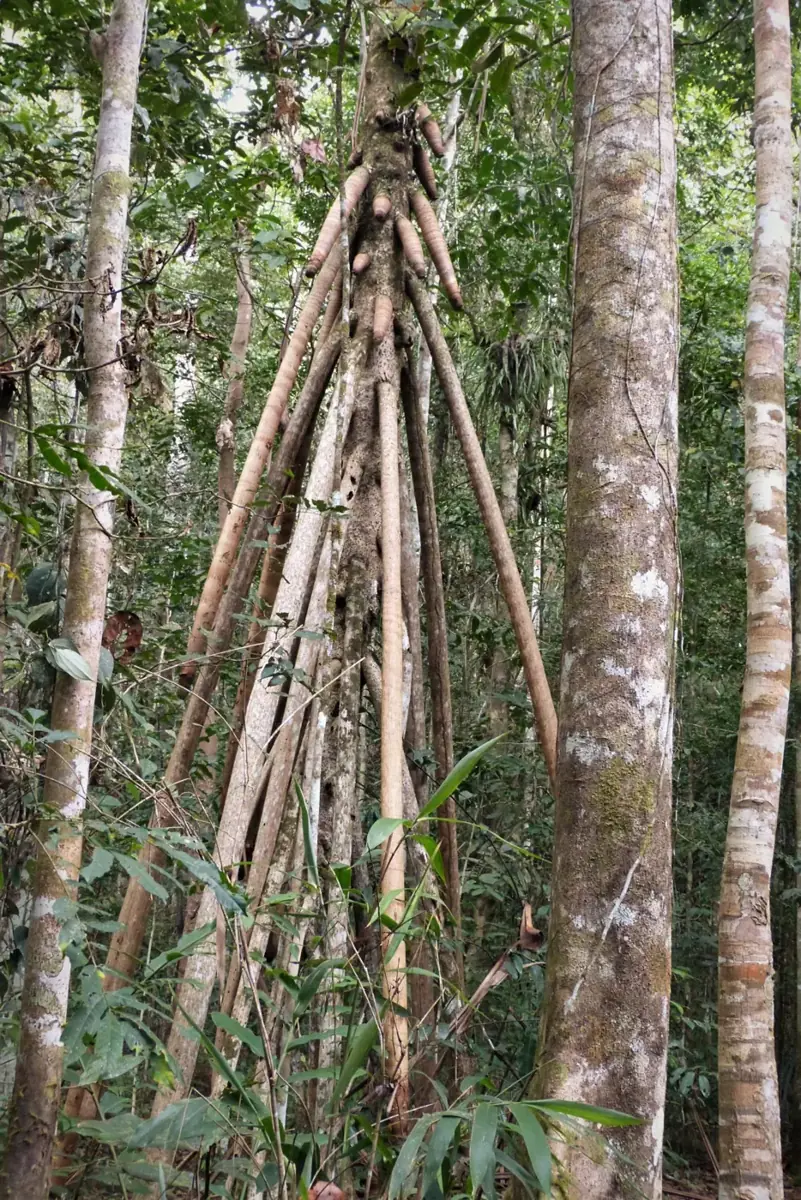
Rainforest interior and aerial roots at Varirata National Park, near Port Moresby, Papua New Guinea.
Understanding the environment
Forest changes across mainland slopes and separate island groups. These examples describe Papua New Guinea; they do not extend the country page into Indonesian Papua.
Explore the structure · Select a zone to read the landscape at a different scale.
Select a zone to see what changes.
Look upward
Compare joined crowns with gaps and exposed edges.
Write down the forest formation before using a broad forest label.
Conceptual habitat zones, not a measured transect or a map of snake occurrences.
Sources: UNDP · Community conservation in Papua New Guinea (2021) · Papua New Guinea / UNESCO · Kokoda and Owen Stanley nomination (2006)
Field notes · 01
The YUS Conservation Area in Morobe takes its name from the Yopno, Uruwa and Som rivers. UNDP describes community conservation here as an example of protecting forest alongside local livelihoods.
Sources: UNDP · Community conservation in Papua New Guinea (2021)
Field notes · 02
PNG’s 2006 Kokoda–Owen Stanley heritage submission describes lowland rainforest, cloud forest and higher open vegetation. These are parts of an elevational sequence, not interchangeable labels for every point on a walking route.
Sources: Papua New Guinea / UNESCO · Kokoda and Owen Stanley nomination (2006)
Pressures on Papua New Guinea’s habitats
UNDP’s 2024 environmental reporting identifies logging and deforestation as national concerns; the pressure at any named site still needs local evidence.
Sources: UNDP · Environmental reporting in Papua New Guinea (2024)
PNG’s 2020 environmental baseline highlights information gaps. A forest outline on the atlas does not establish its present condition.
Keep community stewardship, connected catchments and forest condition together when interpreting conservation evidence.
The connected collection
These 32 species have supported country occurrence and an explicit habitat association in the shared account. The association may come from elsewhere in their range. This is not a complete local habitat inventory; the places above are landscape examples, not asserted collecting sites.
32 species · showing 24
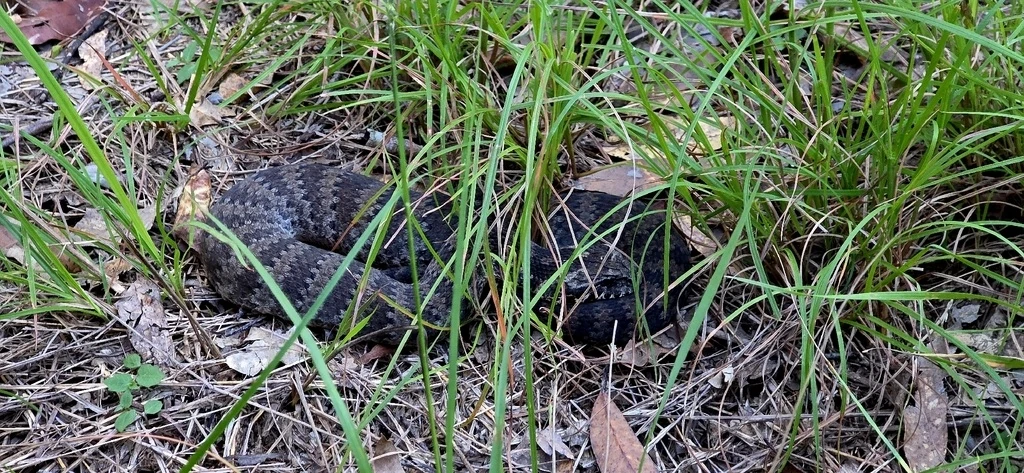
001 · Elapidae
Common death adder
Papua New Guinea: country-level record; no named guide locality extracted.
Read the species account →Hector Hind · CC BY 4.0 · https://creativecommons.org/licenses/by/4.0/
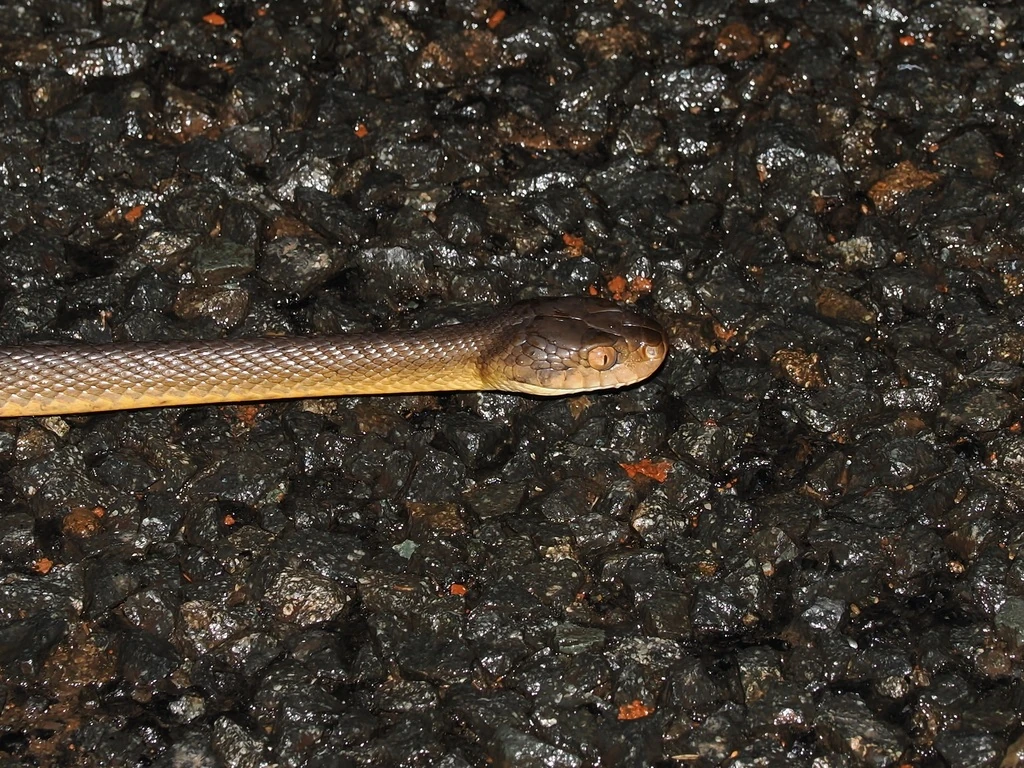
002 · Colubridae
Brown catsnake
Papua New Guinea: country-level record; no named guide locality extracted.
Read the species account →Lucas Christofides · CC BY 4.0 · https://creativecommons.org/licenses/by/4.0/
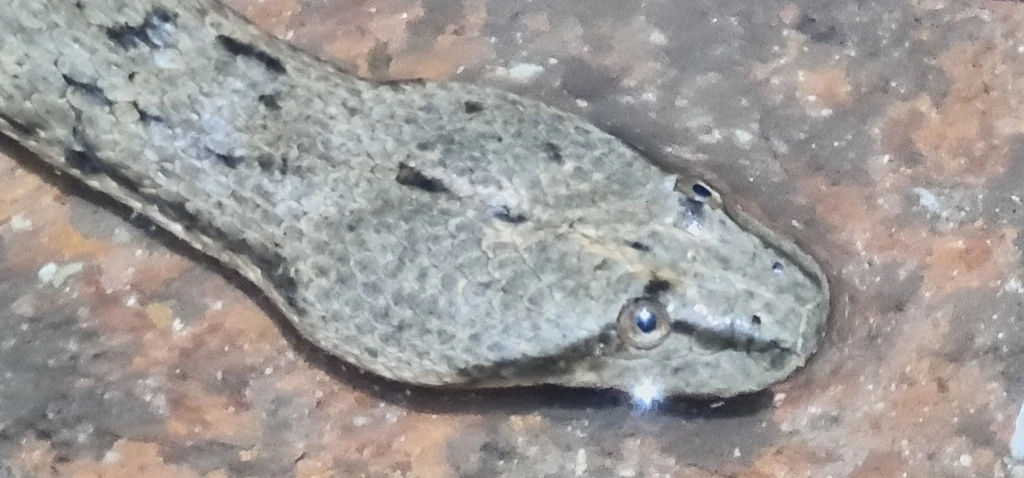
003 · Homalopsidae
Australian Bockadam
Papua New Guinea: country-level record; no named guide locality extracted.
Read the species account →Max Tibby · CC0 1.0 · https://creativecommons.org/publicdomain/zero/1.0/
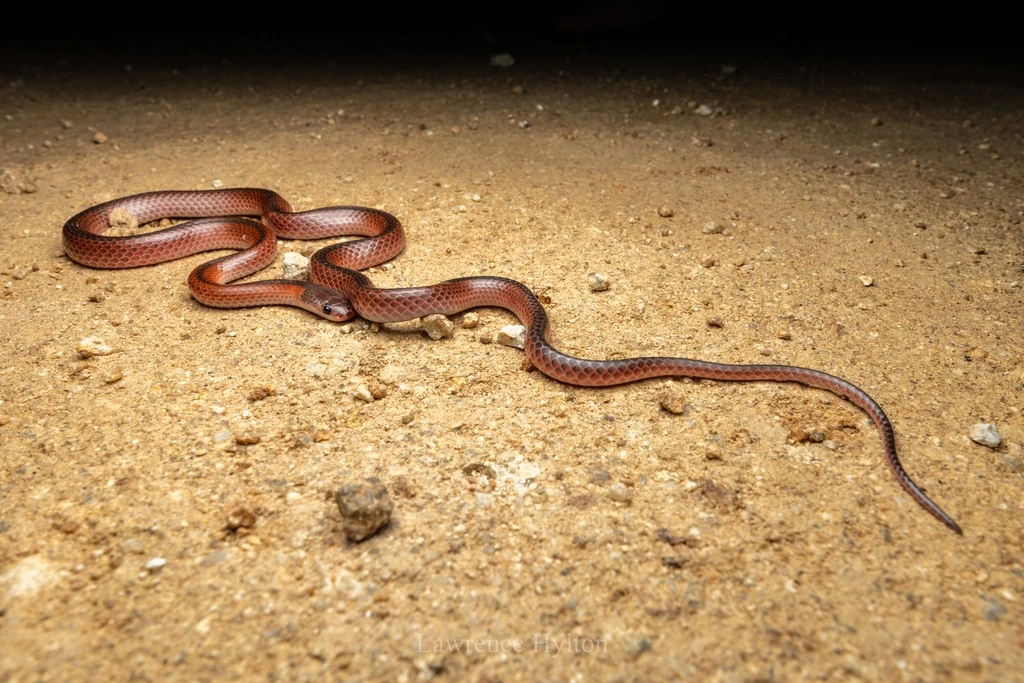
004 · Elapidae
Black-striped snake
Papua New Guinea: Western Province.
Read the species account →Lawrence Hylton · CC BY 4.0 · https://creativecommons.org/licenses/by/4.0/
005 · Colubridae
Species account
Papua New Guinea: Sudest. The 2025 type series documents these Sudest sites. Proposed occurrence on smaller Calvados islands remains unconfirmed.
Read the species account →006 · Colubridae
Species account
Papua New Guinea: Misima. The 2025 type series documents these Misima localities, including Narian near Cornwall Creek’s mouth.
Read the species account →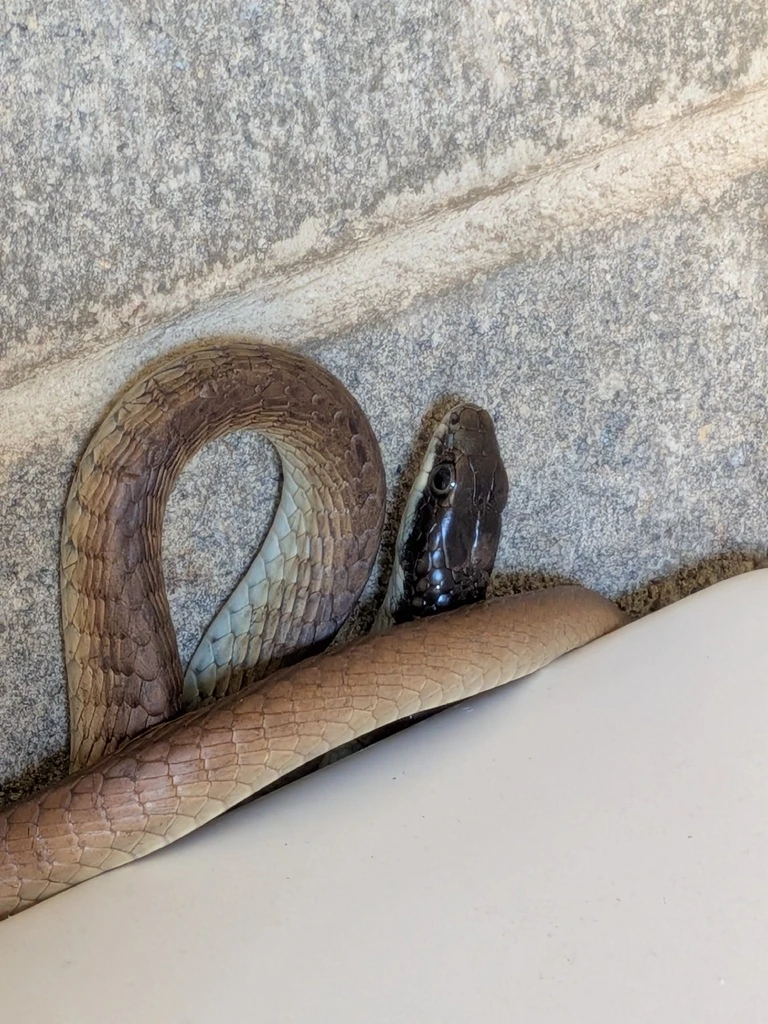
007 · Colubridae
Green treesnake
Papua New Guinea: country-level record; no named guide locality extracted.
Read the species account →Matt B · CC BY 4.0 · https://creativecommons.org/licenses/by/4.0/
008 · Colubridae
Species account
Papua New Guinea: Rossel. The original description records specimens from these Rossel localities, retaining the species separately from older papuensis identifications.
Read the species account →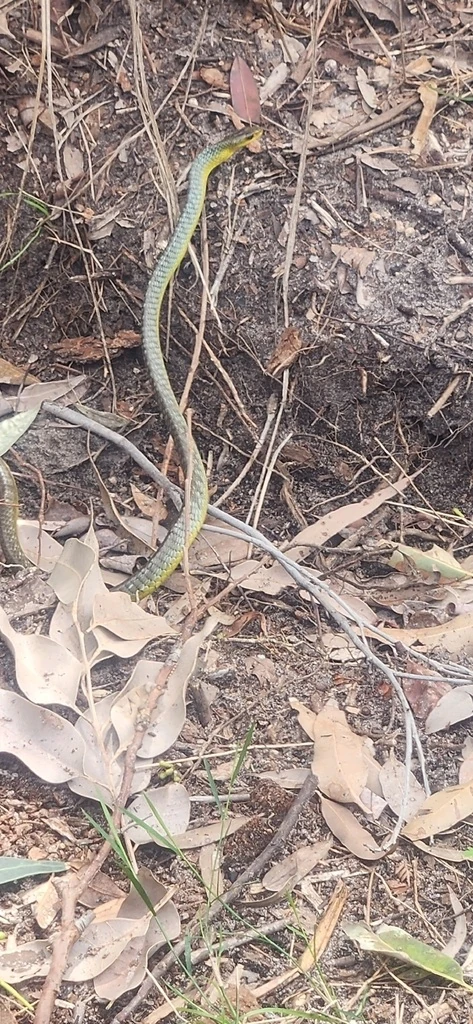
009 · Colubridae
Green Tree Snake, Common Tree Snake
Papua New Guinea: country-level record; no named guide locality extracted.
Read the species account →Cheryl Porter · CC0 1.0 · https://creativecommons.org/publicdomain/zero/1.0/
010 · Colubridae
Species account
Papua New Guinea: country-level record; no named guide locality extracted. Named Woodlark localities are Kulumadau, Guasopa and the Talpos River vicinity (BPBM 17893). Woodlark is not assigned to the Louisiade guide.
Read the species account →011 · Gerrhopilidae
Species account
Papua New Guinea: Normanby.
Read the species account →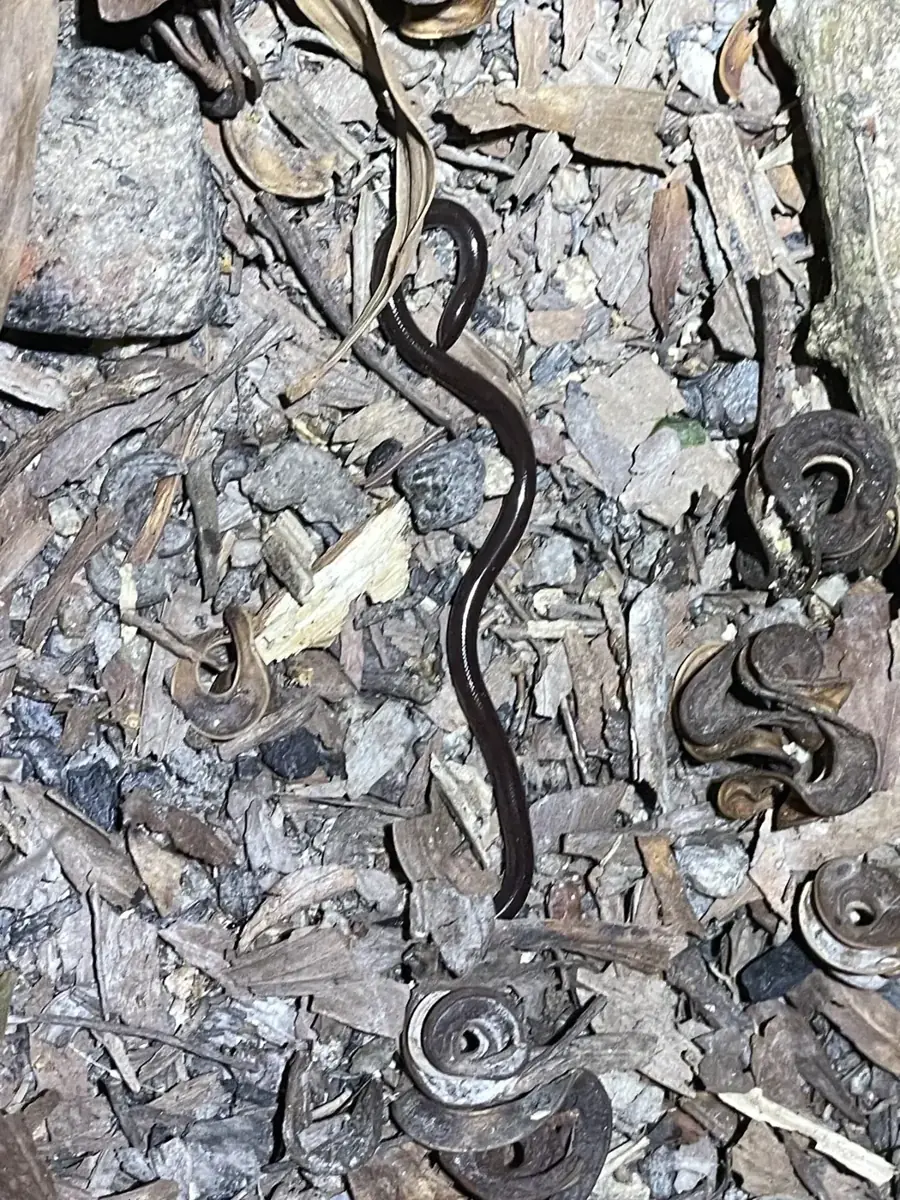
012 · Typhlopidae
Flowerpot Snake
McCoy (1980), p. 57, records the species under Typhlina bramina on Bougainville. This supports PNG, not an inferred mainland record. The author considers human introduction likely; its timing is uncertain.
Read the species account →Cook-Price, Makchai & Suwanwaree (2026); photographs credited collectively to the author, James Covert and Vikas Kumar · CC BY 4.0 · https://creativecommons.org/licenses/by/4.0/
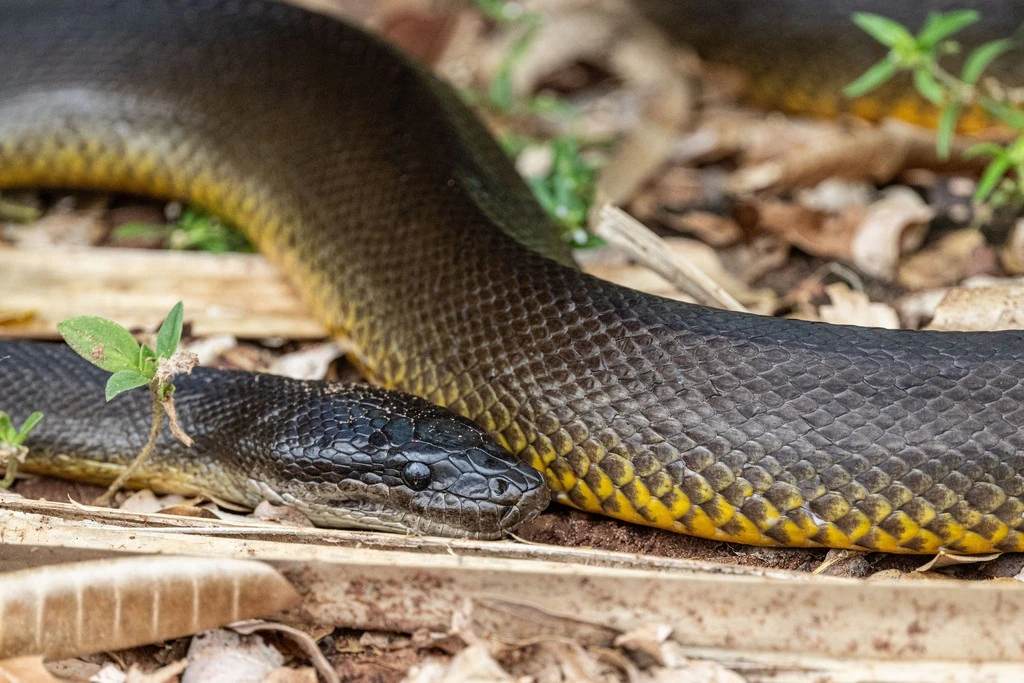
013 · Pythonidae
(Brown) Water python
Papua New Guinea: country-level record; no named guide locality extracted.
Read the species account →Alan Bell · CC BY 4.0 · https://creativecommons.org/licenses/by/4.0/
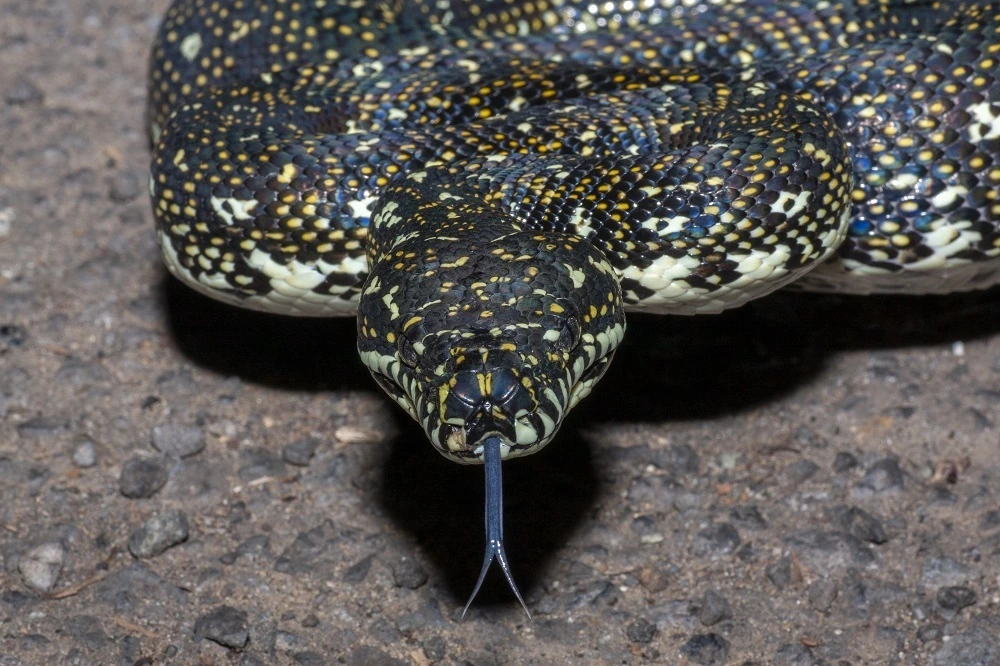
014 · Pythonidae
Carpet python
Papua New Guinea: country-level record; no named guide locality extracted.
Read the species account →dhfischer · CC BY 4.0 · https://creativecommons.org/licenses/by/4.0/
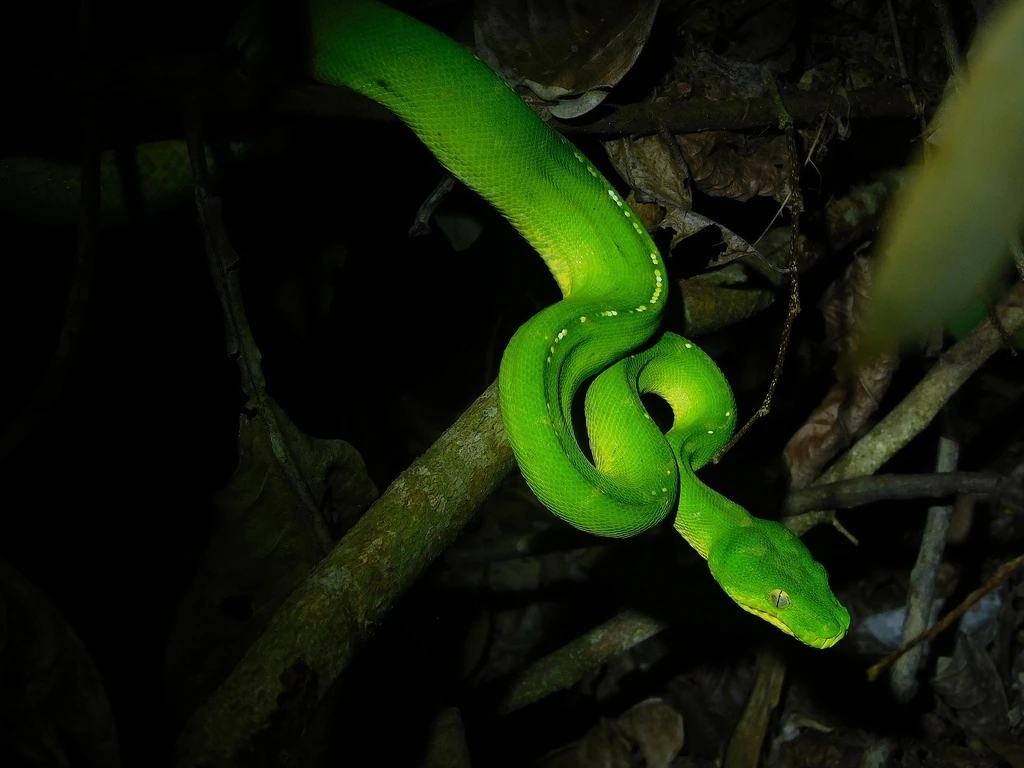
015 · Pythonidae
Green tree python
Papua New Guinea: Normanby.
Read the species account →george_vaughan · CC0 1.0 · https://creativecommons.org/publicdomain/zero/1.0/
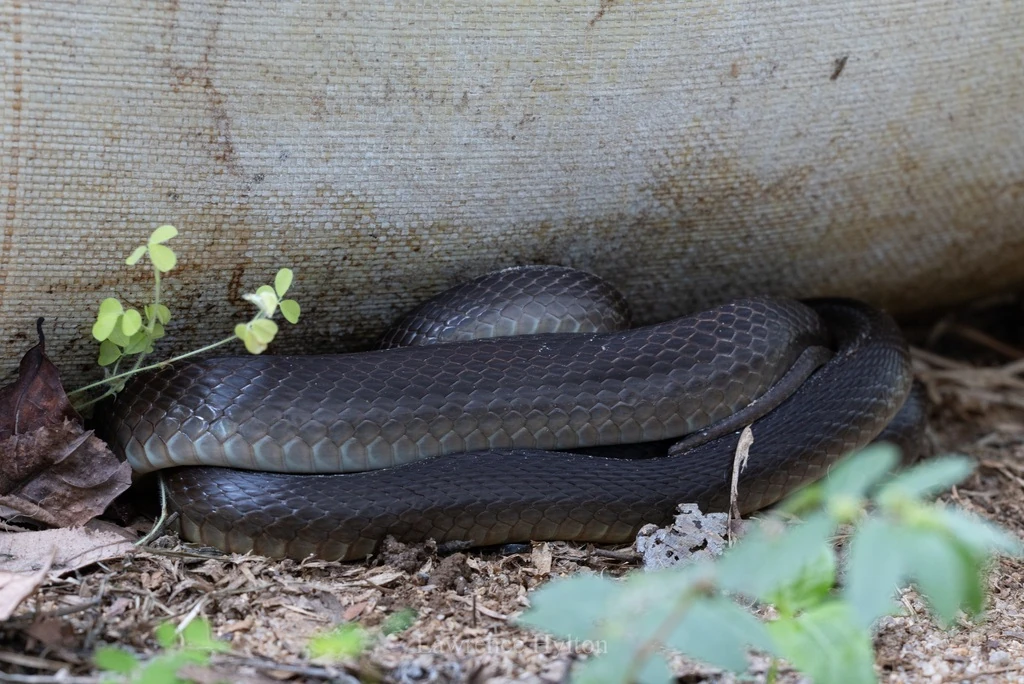
016 · Elapidae
scutellatus: Coastal taipan
Papua New Guinea: Port Moresby.
Read the species account →Lawrence Hylton · CC BY 4.0 · https://creativecommons.org/licenses/by/4.0/
017 · Elapidae
Papuan blacksnake
Papua New Guinea: Central Province.
Read the species account →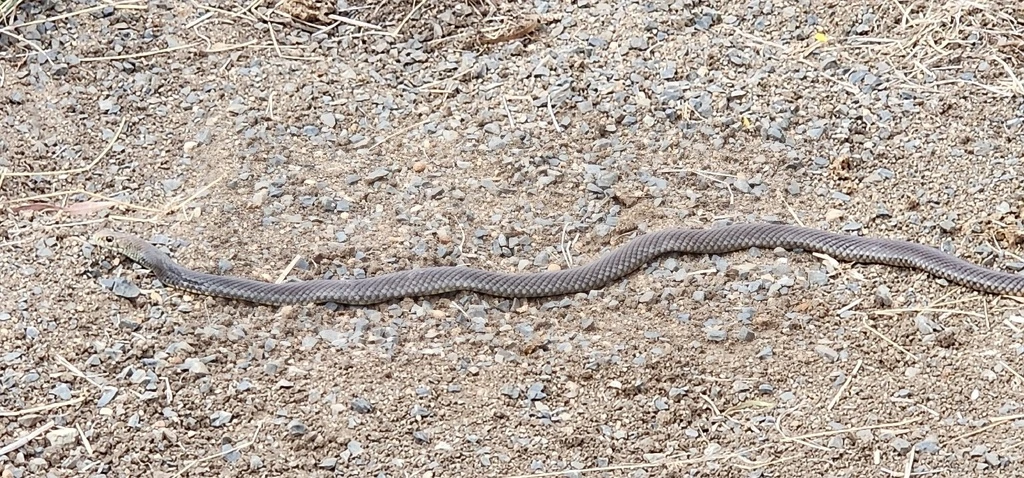
018 · Elapidae
Eastern brown snake
Papua New Guinea: country-level record; no named guide locality extracted.
Read the species account →Bethlea Bell · CC0 1.0 · https://creativecommons.org/publicdomain/zero/1.0/
019 · Typhlopidae
Species account
Papua New Guinea: New Britain; Manus; Bougainville.
Read the species account →020 · Elapidae
Solomons coral snake
Papua New Guinea: Bougainville.
Read the species account →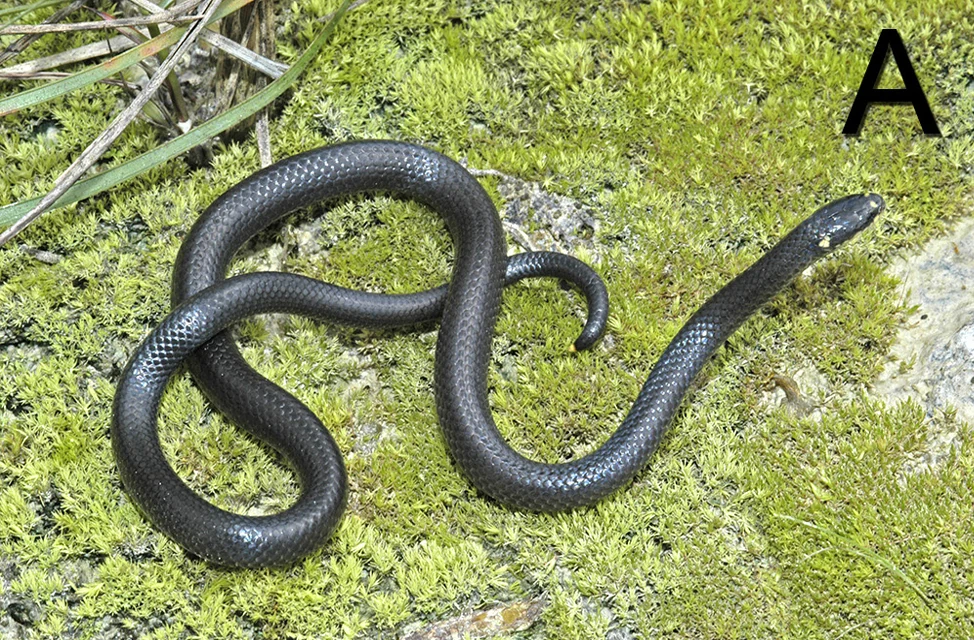
021 · Elapidae
Black forest snake
Papua New Guinea: Morobe, Chimbu.
Read the species account →Nick Baker · CC BY 4.0 · https://creativecommons.org/licenses/by/4.0/
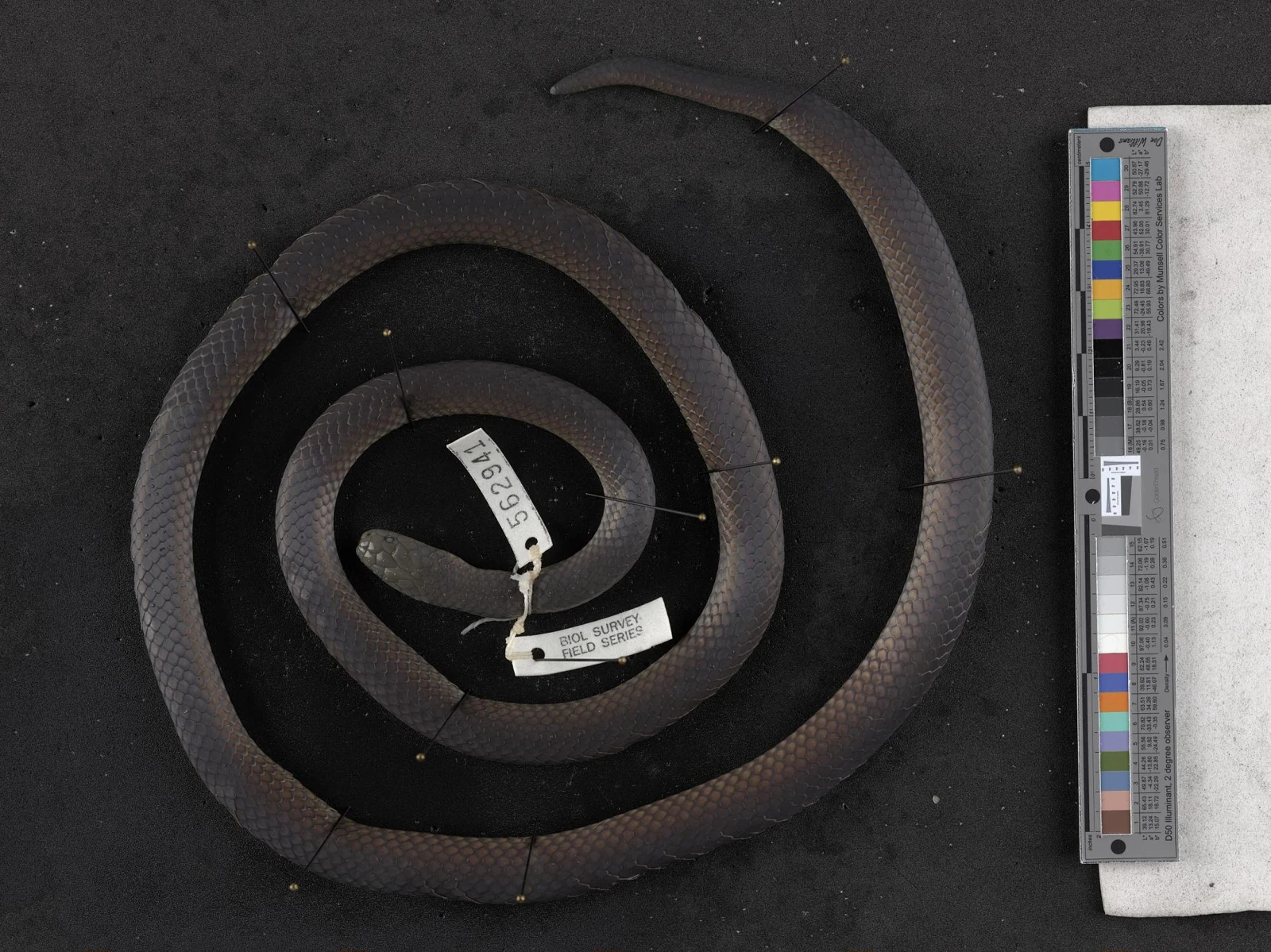
022 · Elapidae
Species account
Papua New Guinea: Chimbu.
Read the species account →DPO imaging project, Division of Amphibians and Reptiles · CC0 1.0 · https://creativecommons.org/publicdomain/zero/1.0/
023 · Elapidae
Star Mountains Worm-Eating Snake
Papua New Guinea: Western Province. A 1969 Wangbin voucher and a photographed 2015 Ok Tedi encounter document Western Province localities 13.2 km apart. These are PNG records; Indonesian occurrences are separate.
Read the species account →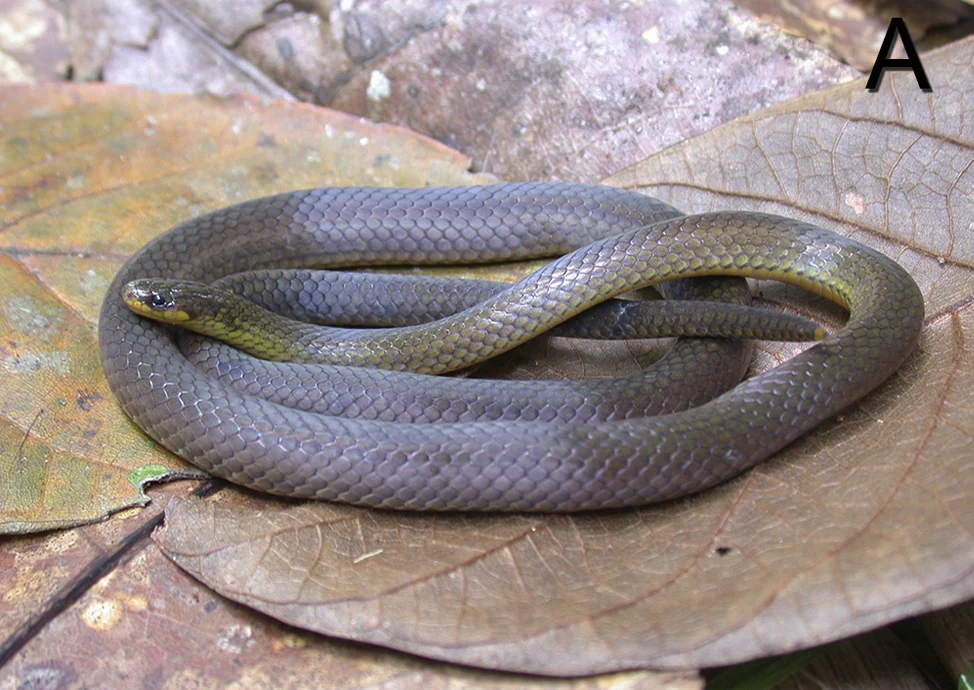
024 · Elapidae
Loria forest snake
Papua New Guinea: Central Province, Owen Stanley. Isurava is a documented northern-slope exception to the predominantly southern distribution.
Read the species account →Fred Kraus, Hinrich Kaiser and Mark O’Shea · CC BY 4.0 · https://creativecommons.org/licenses/by/4.0/
Read further
Guide reviewed 11 October 2026. Source dates and geographic scope matter; landscape photographs do not establish species occurrence.
YUS, Varirata and Torricelli conservation work; dated programme account, not present forest-area totals.
Historical Tentative List submission, not World Heritage inscription or current protected-area extent.
National programme concerns about forest loss, extraction and marine pollution; not a quantified site-level impact.
National environmental baseline and explicit data gaps; historical reporting, not a 2026 condition score.
Continue through Papua New Guinea
Mainland mountain landscapes include wooded valleys, cool upper slopes and open high country. Elevation and vegetation must be recorded separately rather than inferred from a mountain name.
02Karst connects forested surfaces, limestone openings and underground drainage. The mainland and New Britain examples are separate systems with their own geography.
03Mainland river basins and upland lakes provide very different freshwater settings. Their shoreline, flooded vegetation and upstream catchment belong together in a field description.
04Tidal forests occupy parts of mainland deltas and island shores. Their connection to river water, tides and neighbouring seagrass means that a simple coastal outline cannot describe the whole habitat.
05Separate island groups and mainland shores contain distinct coastal settings. Keep reef, beach, lagoon and open water visible rather than converting a provincial name into one continuous habitat.