Marine pollution
PNG environmental reporting identifies marine pollution as a national concern; exposure and impacts differ among shores.
Sources: UNDP · Environmental reporting in Papua New Guinea (2024)
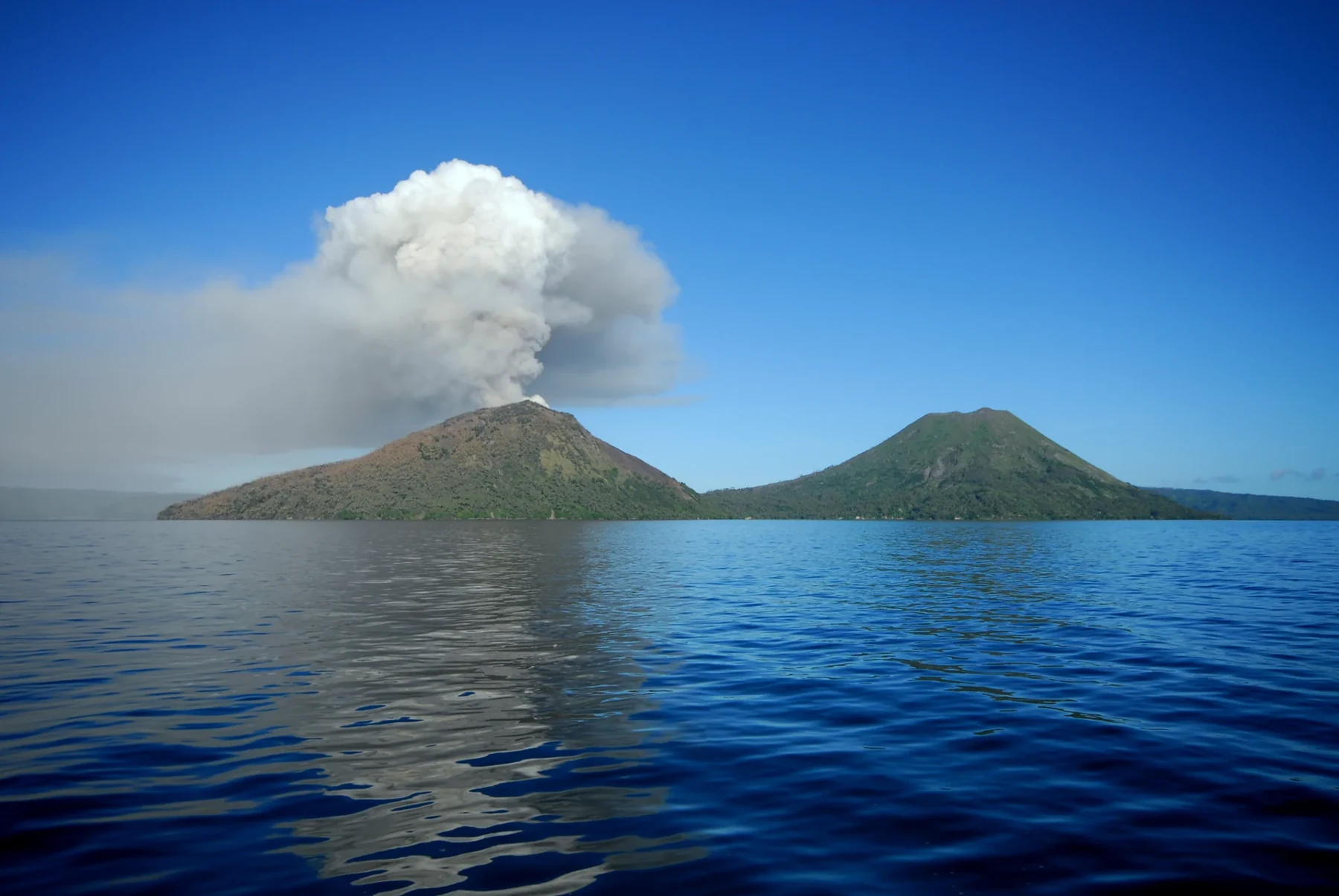
Papua New Guinea · Habitat field guide
Separate island groups and mainland shores contain distinct coastal settings. Keep reef, beach, lagoon and open water visible rather than converting a provincial name into one continuous habitat.
Turanguna and Kombiu above the water in the Rabaul caldera, East New Britain, Papua New Guinea.
Understanding the environment
Separate island groups and mainland shores contain distinct coastal settings. Keep reef, beach, lagoon and open water visible rather than converting a provincial name into one continuous habitat.
Explore the structure · Select a zone to read the landscape at a different scale.
Select a zone to see what changes.
Begin above the water
Distinguish rocky shore, sand, vegetation and river mouths.
Keep each observation tied to its actual shore or island.
Conceptual habitat zones, not a measured transect or a map of snake occurrences.
Sources: PNG Tourism Promotion Authority · West New Britain · Dowe · Studies in the genus Livistona (2001), James Cook University
Field notes · 01
The Tourism Promotion Authority describes Kimbe Bay’s reefs alongside West New Britain’s rainforest and mangroves. These adjoining environments should remain separate in individual wildlife records.
Field notes · 02
Dowe’s 2001 botanical treatment documents coastal-forest palms on Rossel and Sudest. Its habitat account describes wet lowland forest on limestone or lateritic soils, providing a wooded landward setting to compare with offshore habitats.
Sources: Dowe · Studies in the genus Livistona (2001), James Cook University
Pressures on Papua New Guinea’s habitats
PNG environmental reporting identifies marine pollution as a national concern; exposure and impacts differ among shores.
Sources: UNDP · Environmental reporting in Papua New Guinea (2024)
National monitoring gaps mean that broad coastal descriptions cannot establish the present health of a particular reef or lagoon.
Link coastal stewardship to local communities, land-use decisions and documented marine conditions.
The connected collection
These 28 species have supported country occurrence and an explicit habitat association in the shared account. The association may come from elsewhere in their range. This is not a complete local habitat inventory; the places above are landscape examples, not asserted collecting sites.
28 species · showing 24
001 · Acrochordidae
Little filesnake
Papua New Guinea: country-level record; no named guide locality extracted.
Read the species account →Mario Lutz · Copyright Mario Lutz. Authorised for display in this atlas; no third-party reuse licence granted.
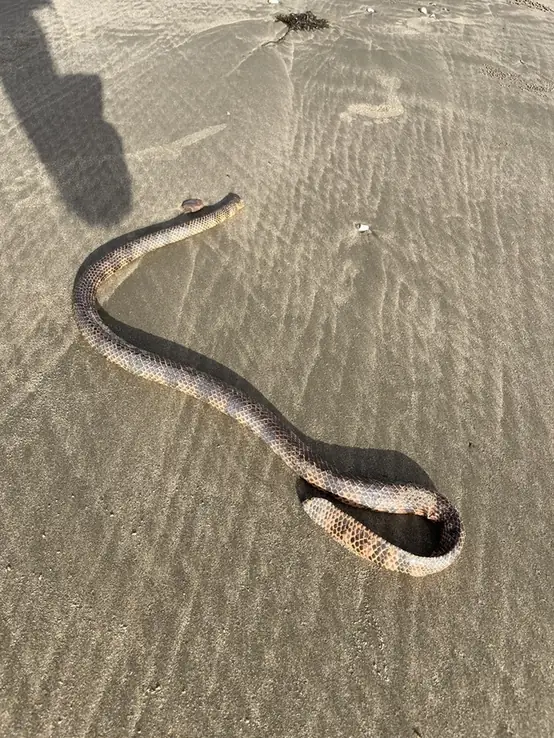
002 · Elapidae
Reef shallows seasnake
Papua New Guinea: country-level record; no named guide locality extracted.
Read the species account →rcrofts / iNaturalist · CC BY 4.0 · https://creativecommons.org/licenses/by/4.0/
003 · Elapidae
Spine-tailed seasnake
Papua New Guinea: country-level record; no named guide locality extracted.
Read the species account →004 · Elapidae
Dusky Seasnake
Papua New Guinea: country-level record; no named guide locality extracted.
Read the species account →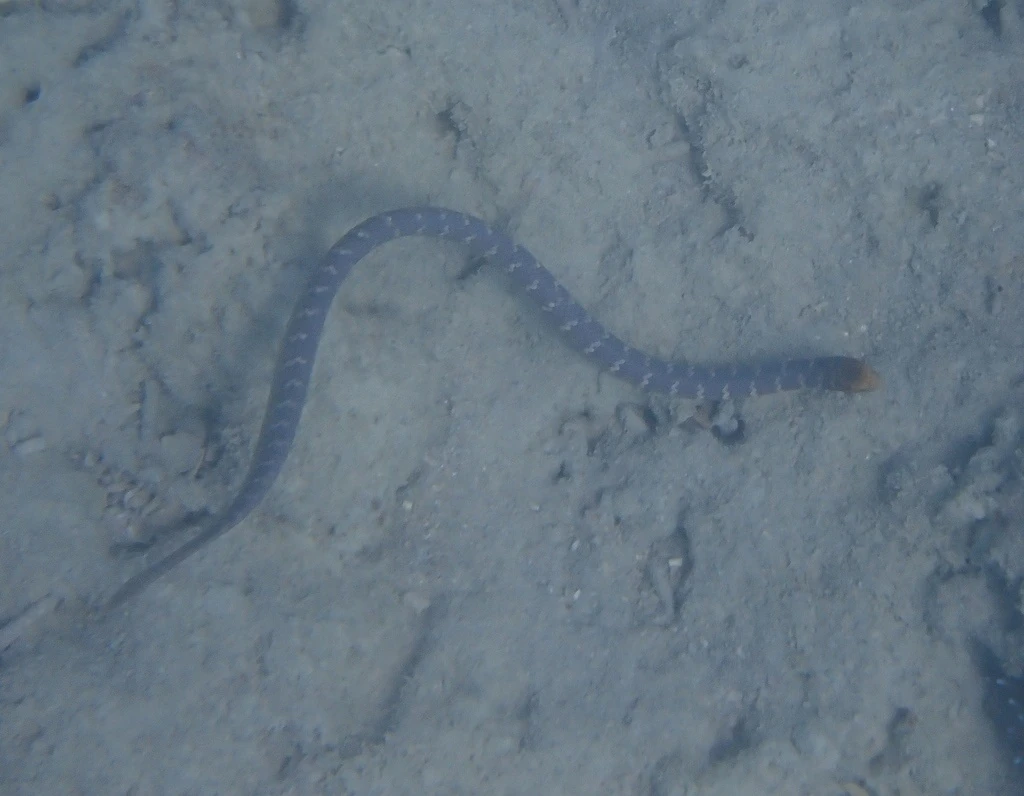
005 · Elapidae
Olive-brown seasnake
Papua New Guinea: country-level record; no named guide locality extracted.
Read the species account →Debra Baker · CC BY 4.0 · https://creativecommons.org/licenses/by/4.0/
006 · Homalopsidae
Trans-Fly Mangrove Snake
Papua New Guinea: country-level record; no named guide locality extracted.
Read the species account →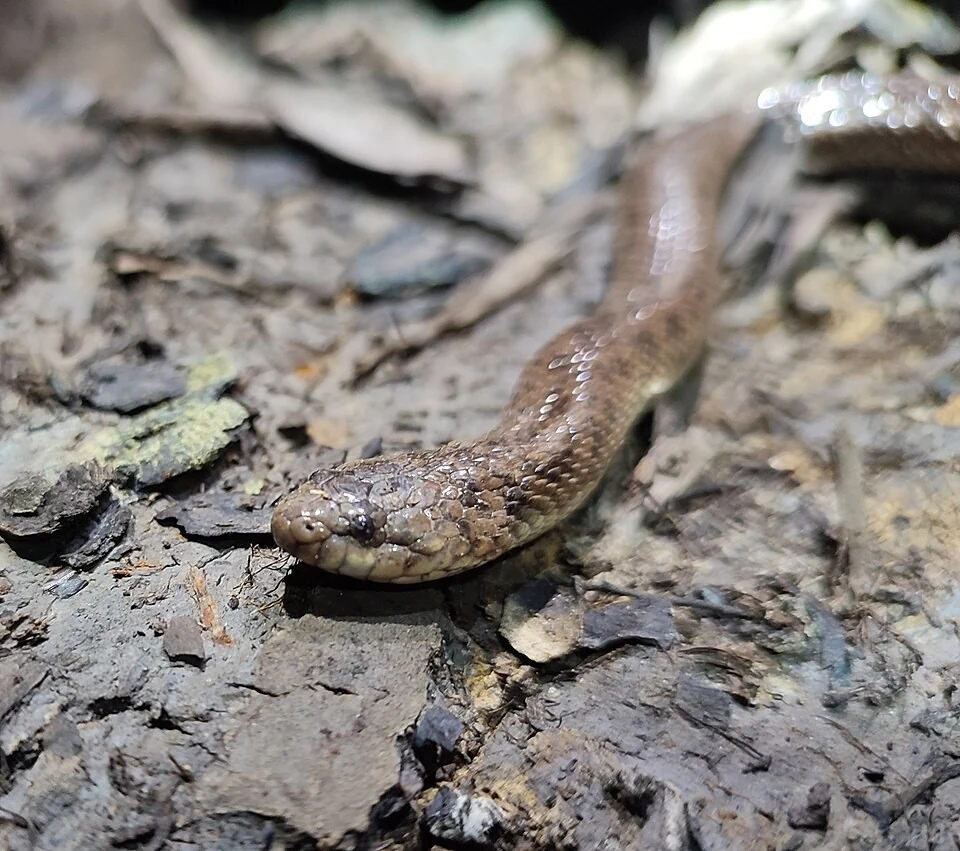
007 · Homalopsidae
Crab-eating (Water) Snake
Papua New Guinea: country-level record; no named guide locality extracted.
Read the species account →Samuel GUIRAUDOU · CC BY 4.0 · https://creativecommons.org/licenses/by/4.0

008 · Elapidae
Port Darwin seasnake
Museums Victoria specimen D 2308 is catalogued from Papua New Guinea. No more precise collecting locality is supplied, so no island is assigned.
Read the species account →Peter Uetz / WAM · CC BY 4.0 · https://creativecommons.org/licenses/by/4.0/
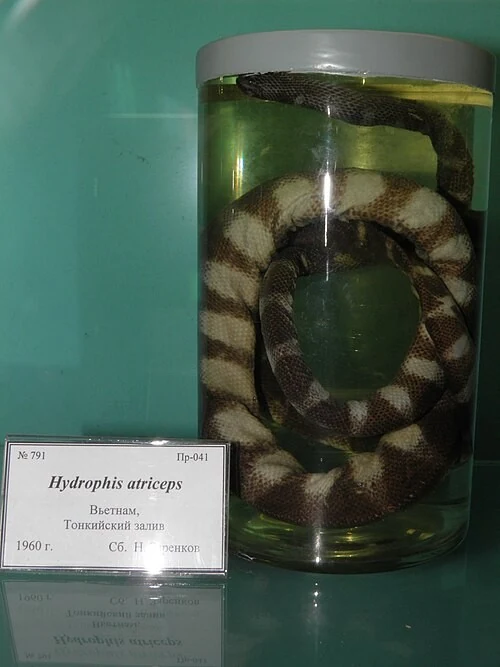
009 · Elapidae
Black-headed seasnake
Papua New Guinea: country-level record; no named guide locality extracted.
Read the species account →A. C. Tatarinov · CC0 · https://creativecommons.org/publicdomain/zero/1.0/deed.en
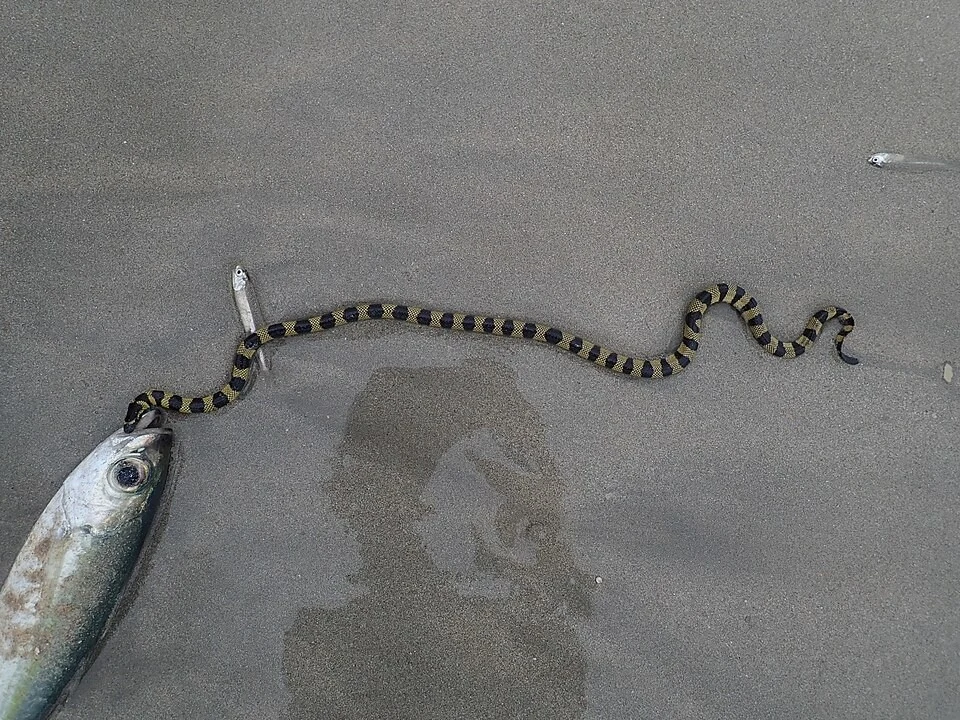
010 · Elapidae
Annulated Sea Snake
Papua New Guinea: country-level record; no named guide locality extracted.
Read the species account →evannazareth · CC BY 4.0 · https://creativecommons.org/licenses/by/4.0
011 · Elapidae
Fine-spined Seasnake
Papua New Guinea: Sepik.
Read the species account →012 · Elapidae
Donald’s Sea Snake
Supplementary specimen MCZ134880 is explicitly from Papua New Guinea: Babai, mouth of the Nakari River, Gulf Province. It supports the eastern New Guinea country record without assigning the broader island to one country.
Read the species account →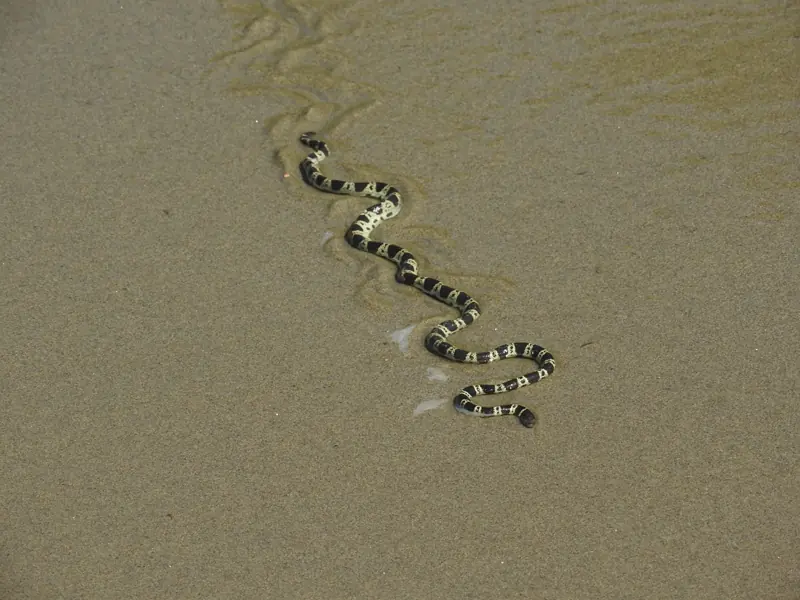
013 · Elapidae
Elegant or bar-bellied seasnake
Papua New Guinea: country-level record; no named guide locality extracted.
Read the species account →george_vaughan / iNaturalist · CC0 1.0 · https://creativecommons.org/publicdomain/zero/1.0/
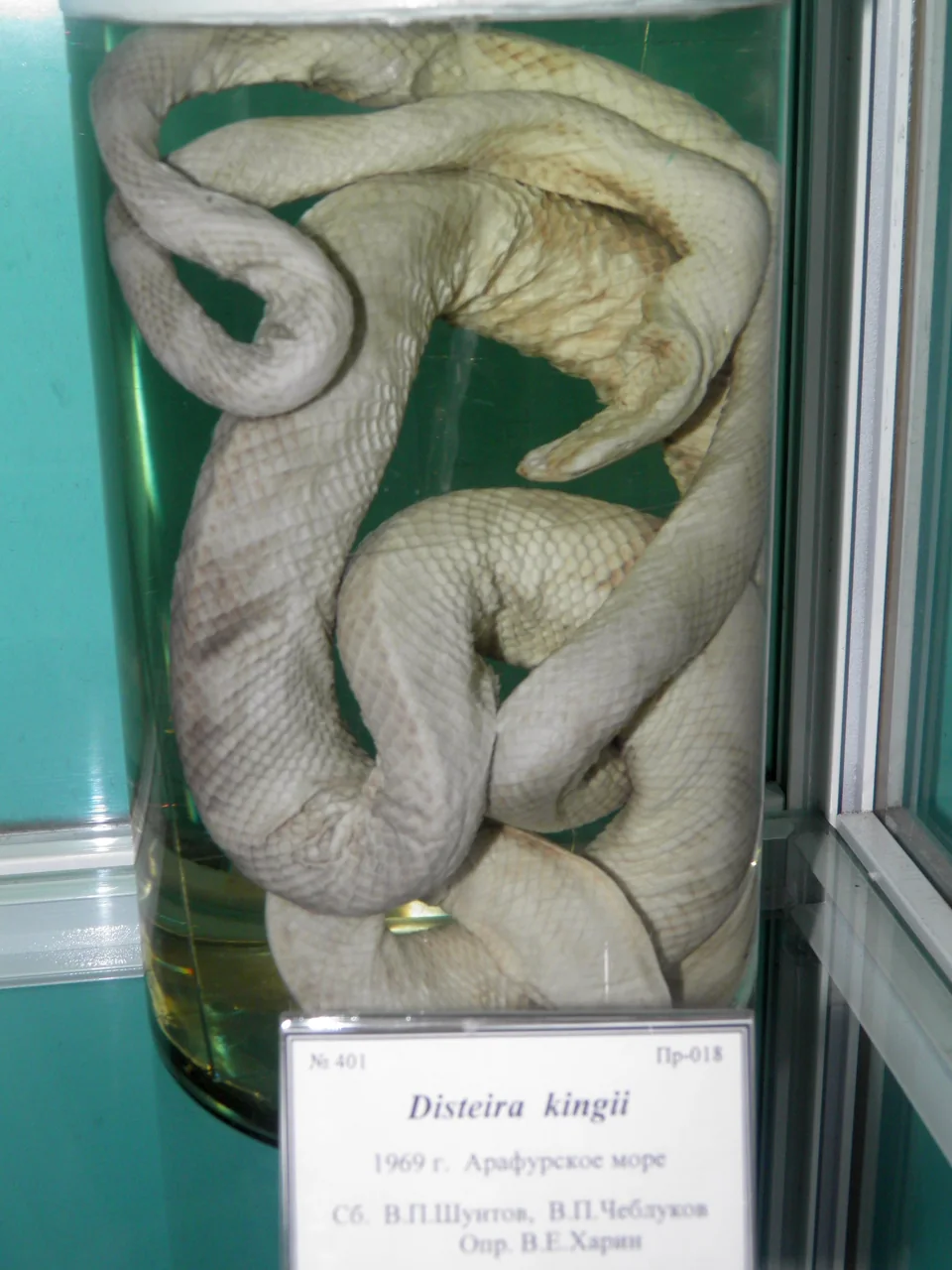
014 · Elapidae
Spectacled or King’s seasnake
Papua New Guinea: country-level record; no named guide locality extracted.
Read the species account →A. C. Tatarinov · CC0 1.0 · https://creativecommons.org/publicdomain/zero/1.0/
015 · Elapidae
Small-headed or McDowell’s seasnake
Papua New Guinea: country-level record; no named guide locality extracted.
Read the species account →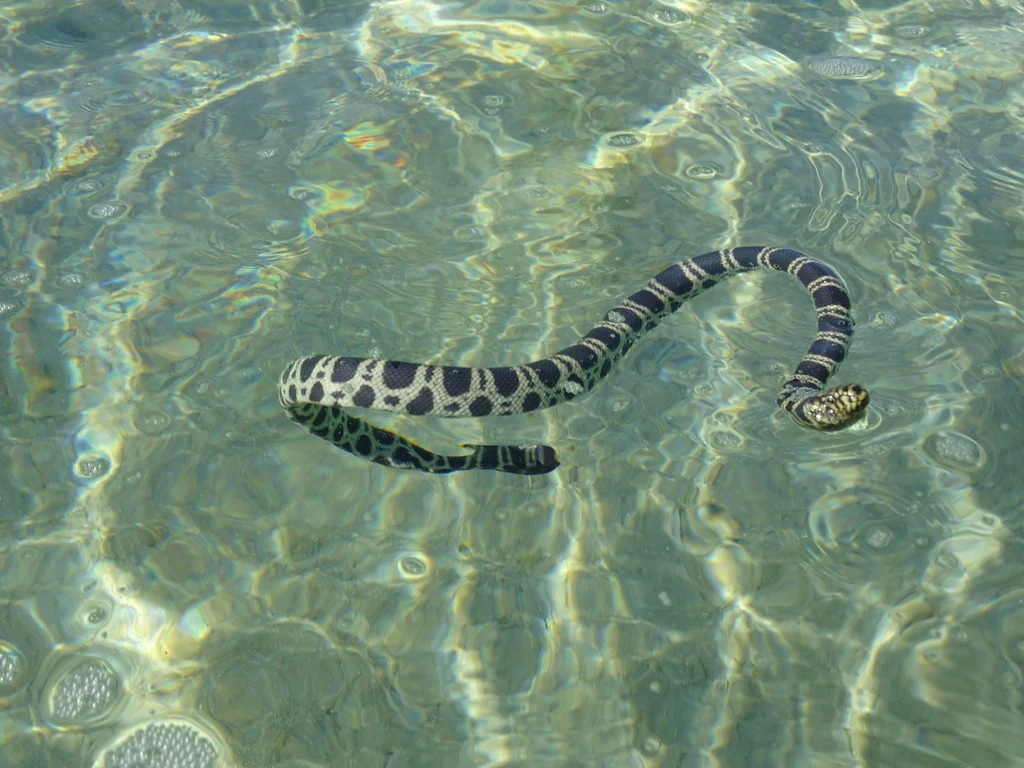
016 · Elapidae
Olive-headed or greater seasnake
Papua New Guinea: country-level record; no named guide locality extracted.
Read the species account →Jiro Iguchi · CC BY 4.0 · https://creativecommons.org/licenses/by/4.0/
017 · Elapidae
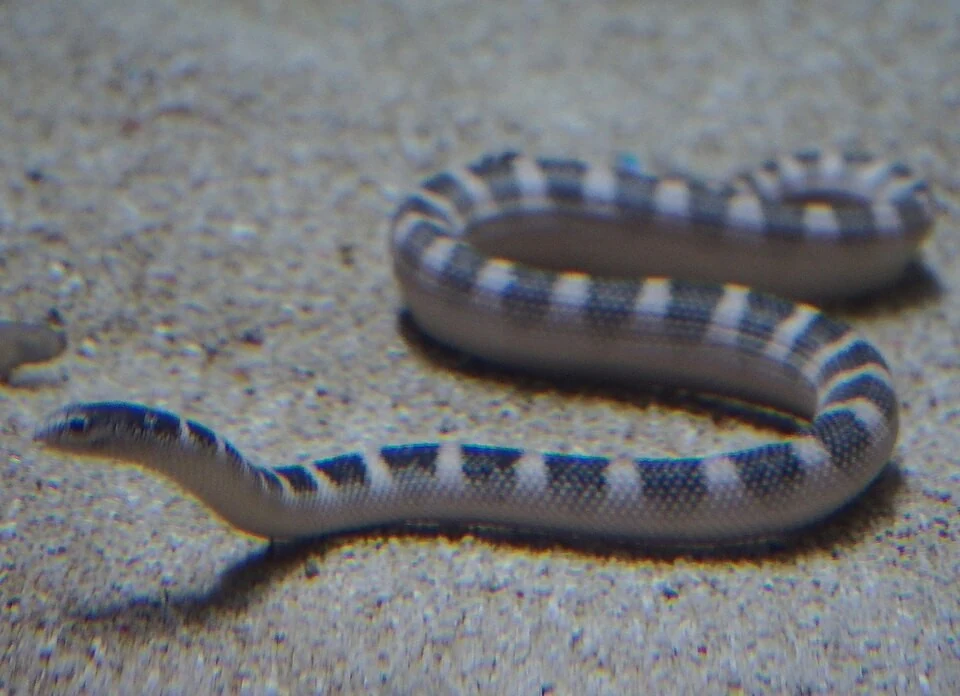
Ornate Reef seasnake
Papua New Guinea: country-level record; no named guide locality extracted.
Read the species account →harum.koh from Kobe city, Japan · CC BY-SA 2.0 · https://creativecommons.org/licenses/by-sa/2.0
018 · Elapidae
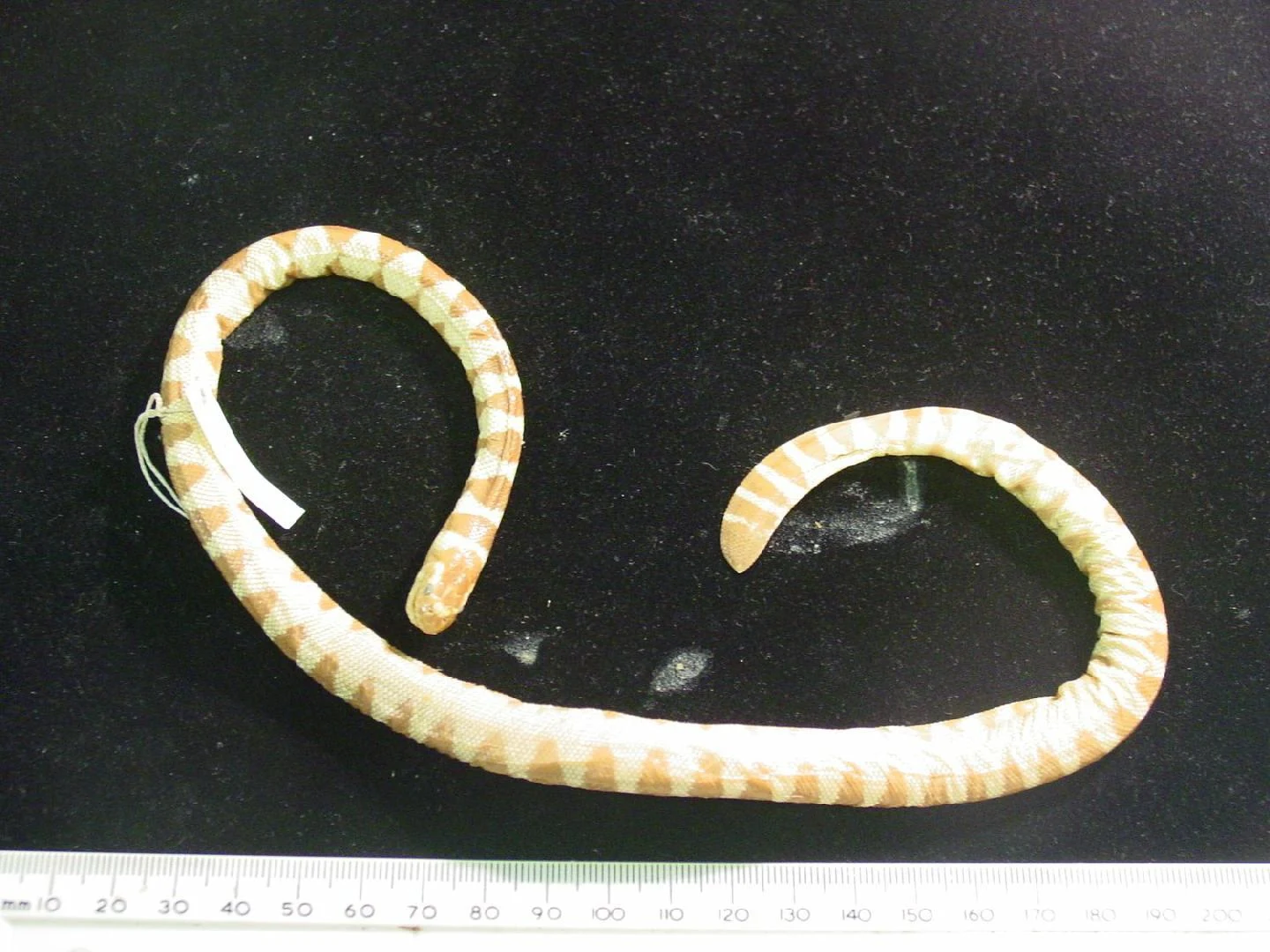
Pacific seasnake
Papua New Guinea: New Britain.
Read the species account →Patrick Campbell / The Trustees of the Natural History Museum, London · CC BY 4.0 · https://creativecommons.org/licenses/by/4.0/
019 · Elapidae
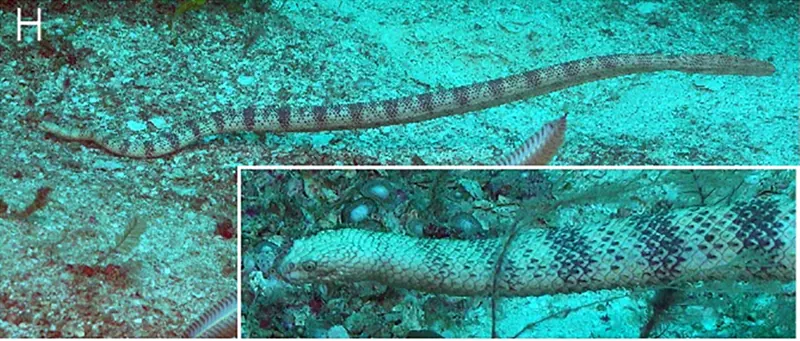
Spiny-headed seasnake
Papua New Guinea: country-level record; no named guide locality extracted.
Read the species account →Speed, Wilson, Somaweera, Udyawer, Meekan, Whisson & Miller (2022) · CC BY 4.0 · https://creativecommons.org/licenses/by/4.0/
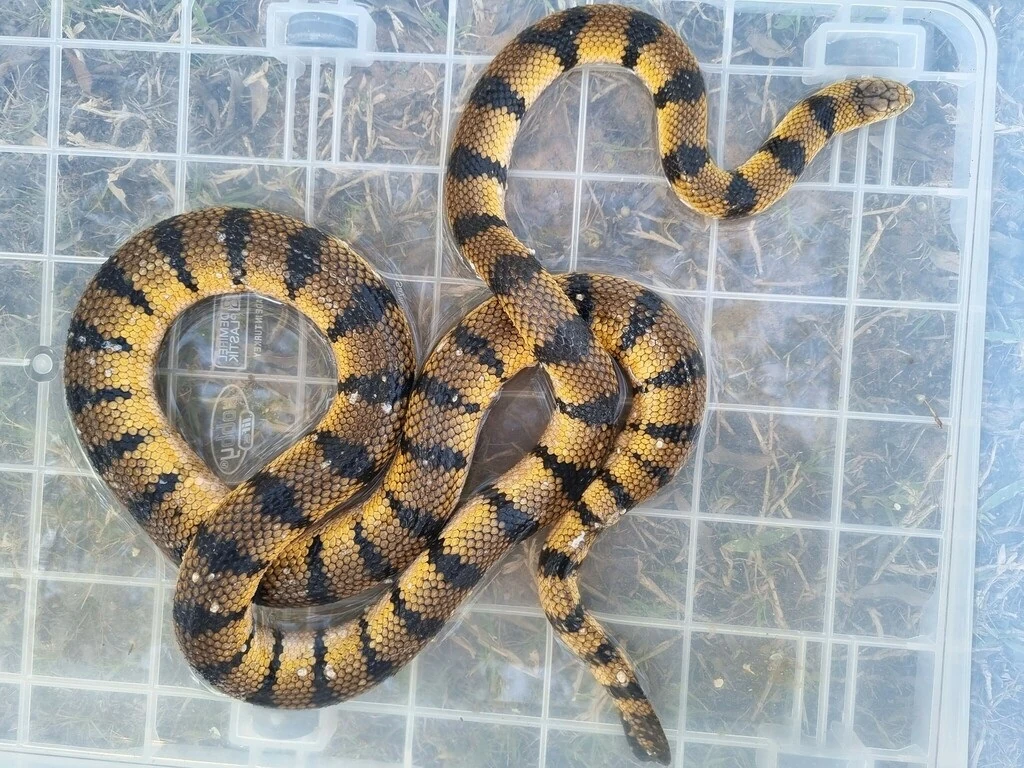
020 · Elapidae
Yellow Sea Snake
Papua New Guinea: country-level record; no named guide locality extracted.
Read the species account →Marius Burger · CC0 1.0 · https://creativecommons.org/publicdomain/zero/1.0/
021 · Elapidae
Estuarine seasnake
Papua New Guinea: country-level record; no named guide locality extracted.
Read the species account →022 · Elapidae
Sepik or Zweifel’s beaked seasnake
Papua New Guinea: Sepik.
Read the species account →023 · Elapidae
Species account
Papua New Guinea: Port Moresby.
Read the species account →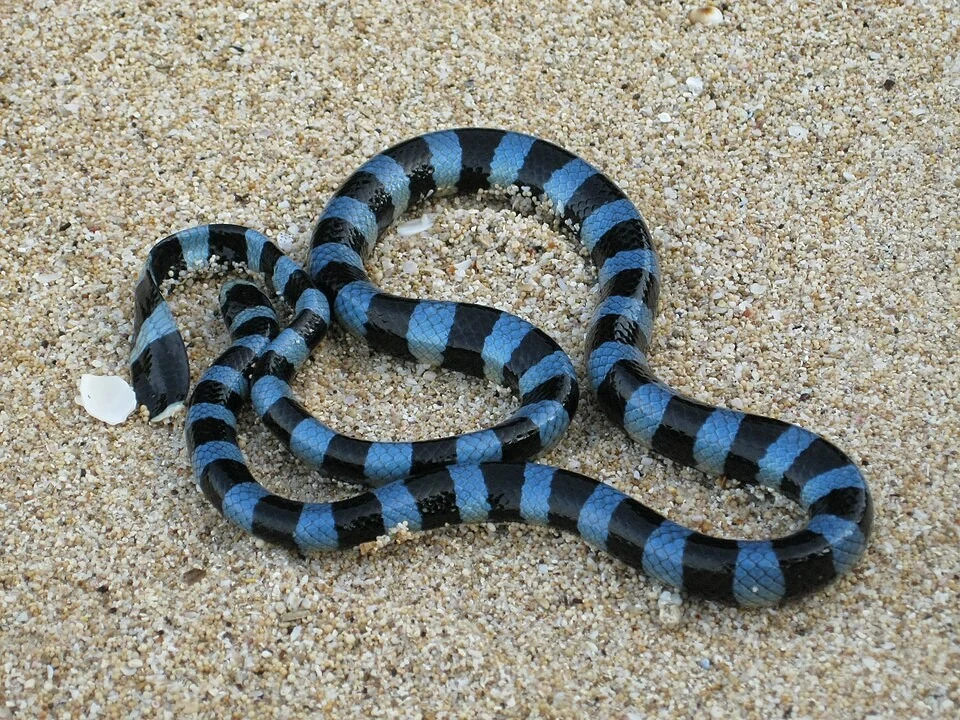
024 · Elapidae
Blue-banded Sea Krait
Papua New Guinea: country-level record; no named guide locality extracted.
Read the species account →Bramadi Arya · CC BY-SA 4.0 · https://creativecommons.org/licenses/by-sa/4.0
Read further
Guide reviewed 11 October 2026. Source dates and geographic scope matter; landscape photographs do not establish species occurrence.
Kimbe Bay and island orientation; promotional biodiversity totals are not reused.
Primary botanical treatment, printed pp. 51–52 (PDF pp. 80–81): coastal-forest habitat and Rossel/Sudest specimens. Dated vegetation evidence, not a snake inventory or current forest-condition survey.
National programme concerns about forest loss, extraction and marine pollution; not a quantified site-level impact.
National environmental baseline and explicit data gaps; historical reporting, not a 2026 condition score.
Continue through Papua New Guinea
Forest changes across mainland slopes and separate island groups. These examples describe Papua New Guinea; they do not extend the country page into Indonesian Papua.
02Mainland mountain landscapes include wooded valleys, cool upper slopes and open high country. Elevation and vegetation must be recorded separately rather than inferred from a mountain name.
03Karst connects forested surfaces, limestone openings and underground drainage. The mainland and New Britain examples are separate systems with their own geography.
04Mainland river basins and upland lakes provide very different freshwater settings. Their shoreline, flooded vegetation and upstream catchment belong together in a field description.
05Tidal forests occupy parts of mainland deltas and island shores. Their connection to river water, tides and neighbouring seagrass means that a simple coastal outline cannot describe the whole habitat.