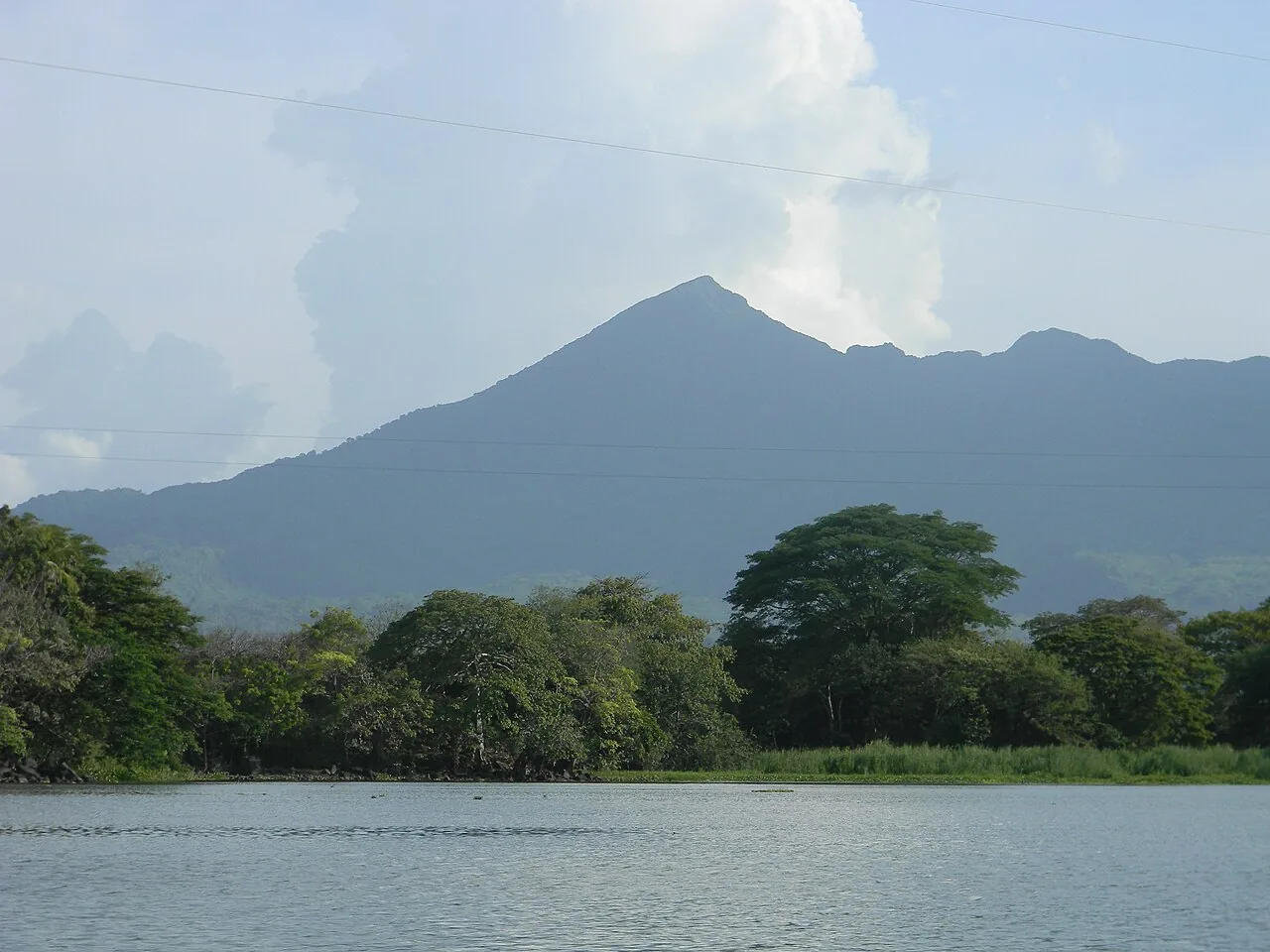
Mombacho Volcano viewed across Lake Nicaragua.

Nicaragua · Habitat field guide

Forest & woodland

The national profile contrasts humid Caribbean forests with the Pacific side’s historically dry forests and agricultural landscapes. Neither description is a blanket distribution map for snakes.

Mombacho Volcano viewed across Lake Nicaragua.

Photograph: Silenzio76 · Image source · CC BY-SA 3.0. Cropped to fill the hero; darkened for text legibility.

Understanding the environment

A sense of the habitat.

The national profile contrasts humid Caribbean forests with the Pacific side’s historically dry forests and agricultural landscapes. Neither description is a blanket distribution map for snakes.

Geographic scope
Nicaragua; source locality matters.
Evidence scale
Landscape descriptions are separate from species records.
Source date
Retain the cited publication date; reviewed 16 October 2026.

Explore the structure · Select a layer to compare details retained in a field record.

Read the locality in three layers.

Select a zone to see what changes.

Canopy

Canopy

Distinguish closed crowns, open woodland and planted trees.

Check this detail in the original record before assigning a species to the habitat.

These reading prompts are conceptual, not a transect or an occurrence map.

Sources: Convention on Biological Diversity · Nicaragua national profile

Field notes · 01

The documented setting

The national profile contrasts humid Caribbean forests with the Pacific side’s historically dry forests and agricultural landscapes. Neither description is a blanket distribution map for snakes.

Sources: Convention on Biological Diversity · Nicaragua national profile

Field notes · 02

Connect the setting to a species

A habitat description and a country record answer different questions. Follow the linked species account for evidence of habitat use; an empty filtered collection indicates missing extracted evidence, not biological absence.

Pressures on Nicaragua’s habitats

What is at risk?

A site-specific assessment of pressures has not yet been extracted for this guide. The landscape sources below provide context; they do not establish a current threat level for each snake species.

What helps this habitat

Consult the source’s own conservation context and dates before interpreting habitat change. A broad landscape pressure does not establish a measured decline for every snake.

The connected collection

Snakes with habitat evidence.

These 24 species have supported country occurrence and an explicit habitat association in the shared account. The association may come from elsewhere in their range. This is not a complete local habitat inventory; the places above are landscape examples, not asserted collecting sites.

24 species · showing 24

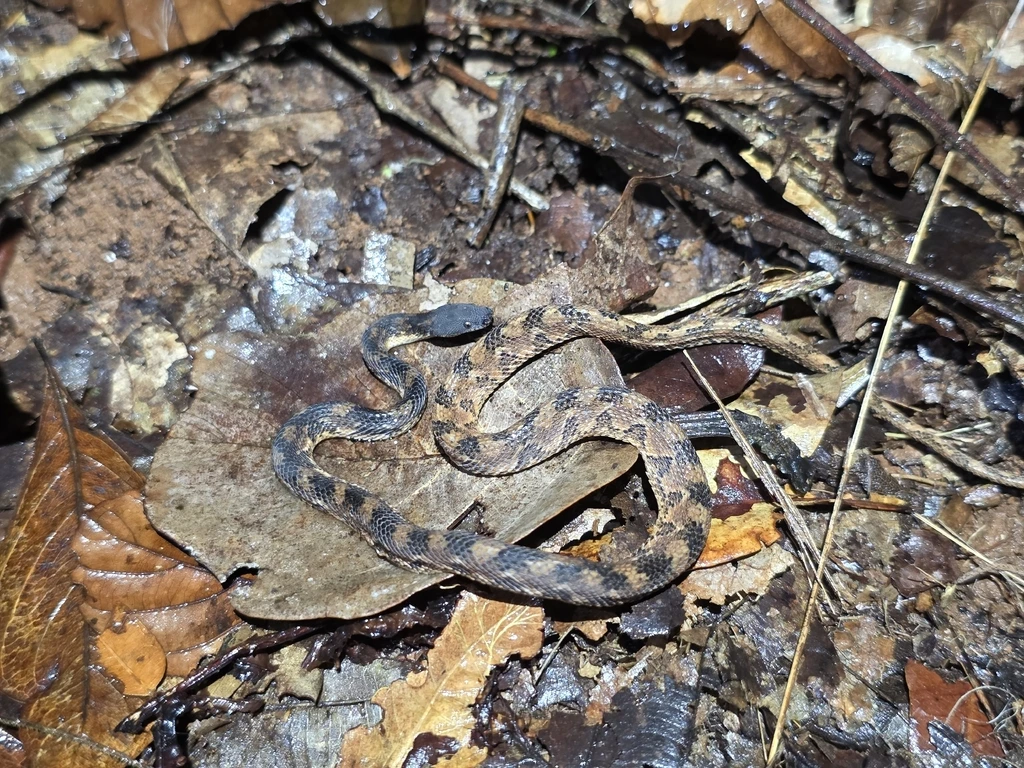
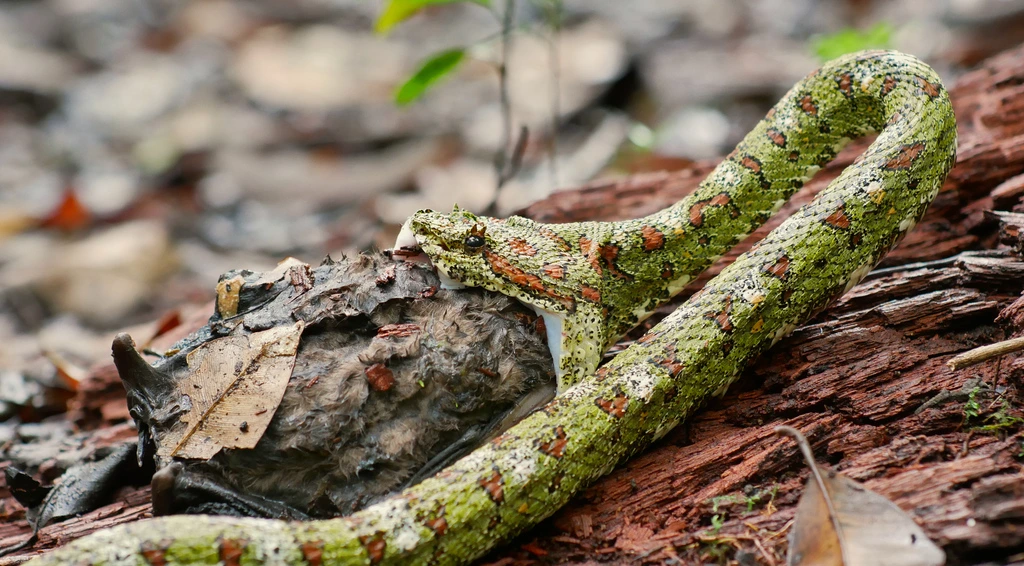
Bothriechis nigroadspersus. Species portrait; the complete source frame is retained. Original observation dated 2020-01-11. This photograph does not establish occurrence in any additional state or province.

001 · Viperidae

Central Ameri- can Eyelash-Pitviper

Bothriechis nigroadspersus

(STEINDACHNER, 1870)

VenomousClinical severity not established

The checked taxonomic distribution account explicitly lists Nicaragua. Country-level evidence does not establish continuous occupancy or a complete national inventory.

Read the species account →

iNaturalist contributor (CC0; creator not supplied) · CC0 1.0 · https://creativecommons.org/publicdomain/zero/1.0/
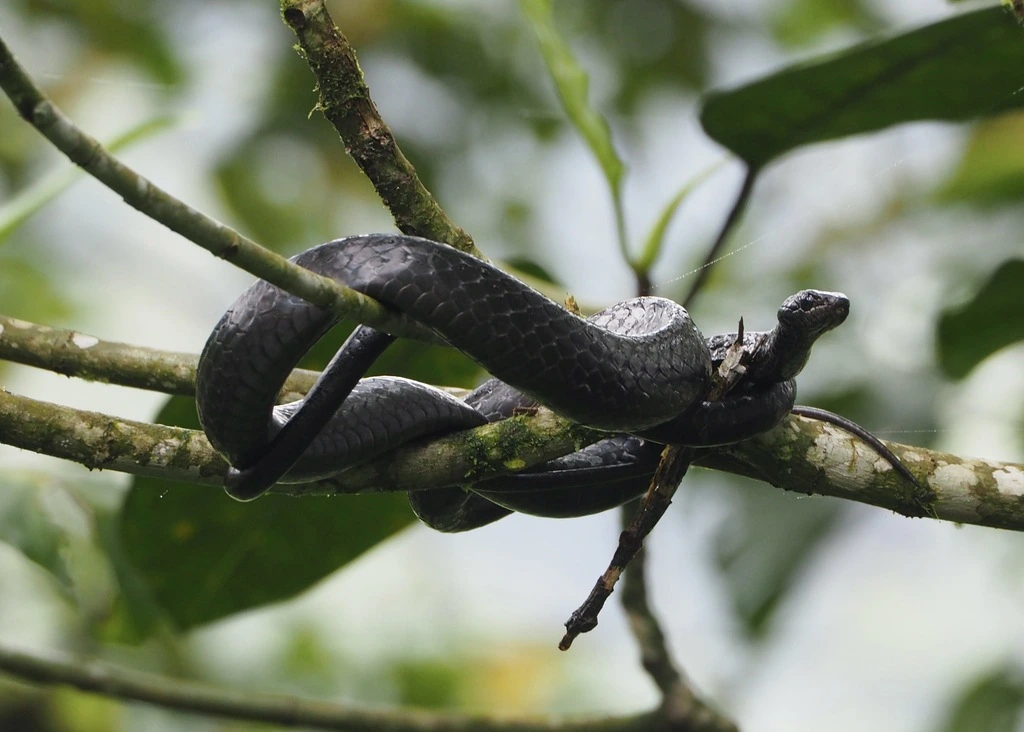
Chironius grandisquamis. The complete source frame is retained; this portrait is not locality or habitat evidence. Original observation dated 2025-11-11. No additional geographic occurrence is inferred.

002 · Colubridae

Ecuador Sipo

Chironius grandisquamis

(PETERS, 1869)

Venom unknownNot yet assessed

The checked taxonomic distribution account explicitly lists Nicaragua. Country-level evidence does not establish continuous occupancy or a complete national inventory.

Read the species account →

John G. Phillips · CC BY 4.0 · https://creativecommons.org/licenses/by/4.0/

Conophis lineatus. Species portrait; the complete source frame is retained. Original observation dated 2021-04-18. This photograph does not establish occurrence in any additional state or province.

003 · Colubridae

Road Guarder

Conophis lineatus

(DUMÉRIL, BIBRON & DUMÉRIL, 1854)

Venom unknownNot yet assessed

The checked taxonomic distribution account explicitly lists Nicaragua. Country-level evidence does not establish continuous occupancy or a complete national inventory.

Read the species account →

Sebastián de Jesús Herrera Buenfil · CC BY 4.0 · https://creativecommons.org/licenses/by/4.0/

Dendrophidion percarinatum. The complete source frame is retained; this portrait is not locality or habitat evidence. Original observation dated 2021-03-02. No additional geographic occurrence is inferred.

004 · Colubridae

South American Forest Racer

Dendrophidion percarinatum

(COPE, 1893)

Venom unknownNot yet assessed

The checked taxonomic distribution account explicitly lists Nicaragua. Country-level evidence does not establish continuous occupancy or a complete national inventory.

Read the species account →

José Gabriel Julio Guzmán · CC BY 4.0 · https://creativecommons.org/licenses/by/4.0/

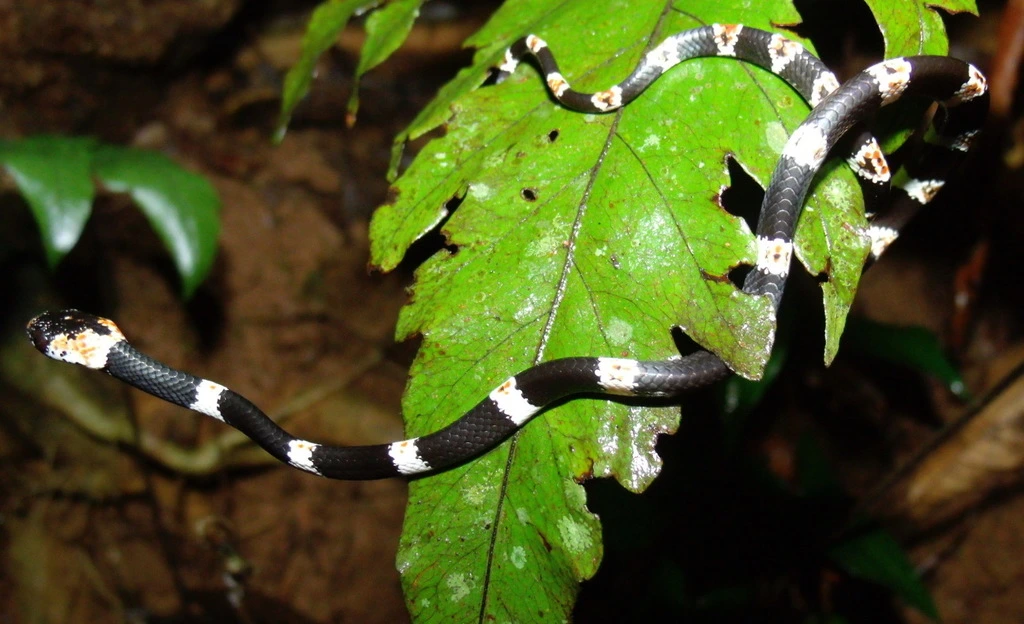
Dipsas articulata. Banded individual crossing a green leaf. Original observation dated 2012-06-24. No additional geographic occurrence is inferred.

005 · Colubridae

American Snail-eater

Dipsas articulata

(COPE, 1868)

Venom unknownNot yet assessed

The checked taxonomic distribution account explicitly lists Nicaragua. Country-level evidence does not establish continuous occupancy or a complete national inventory.

Read the species account →

John G. Phillips · CC BY 4.0 · https://creativecommons.org/licenses/by/4.0/

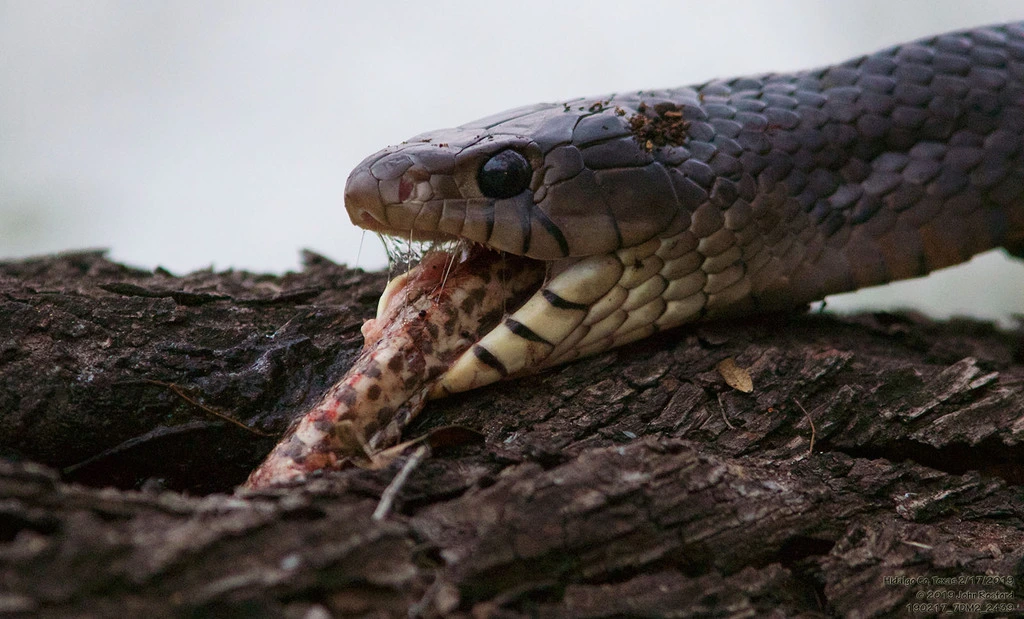
Drymarchon melanurus. Feeding portrait; the snake is pulling prey from a tree cavity. Original observation dated 2019-02-17. This photograph does not establish occurrence in any additional state or province.

006 · Colubridae

Blacktail Cribo

Drymarchon melanurus

(DUMÉRIL, BIBRON & DUMÉRIL, 1854)

Venom unknownNot yet assessed

The checked taxonomic distribution account explicitly lists Nicaragua. Country-level evidence does not establish continuous occupancy or a complete national inventory.

Read the species account →

John Rosford · CC BY 4.0 · https://creativecommons.org/licenses/by/4.0/

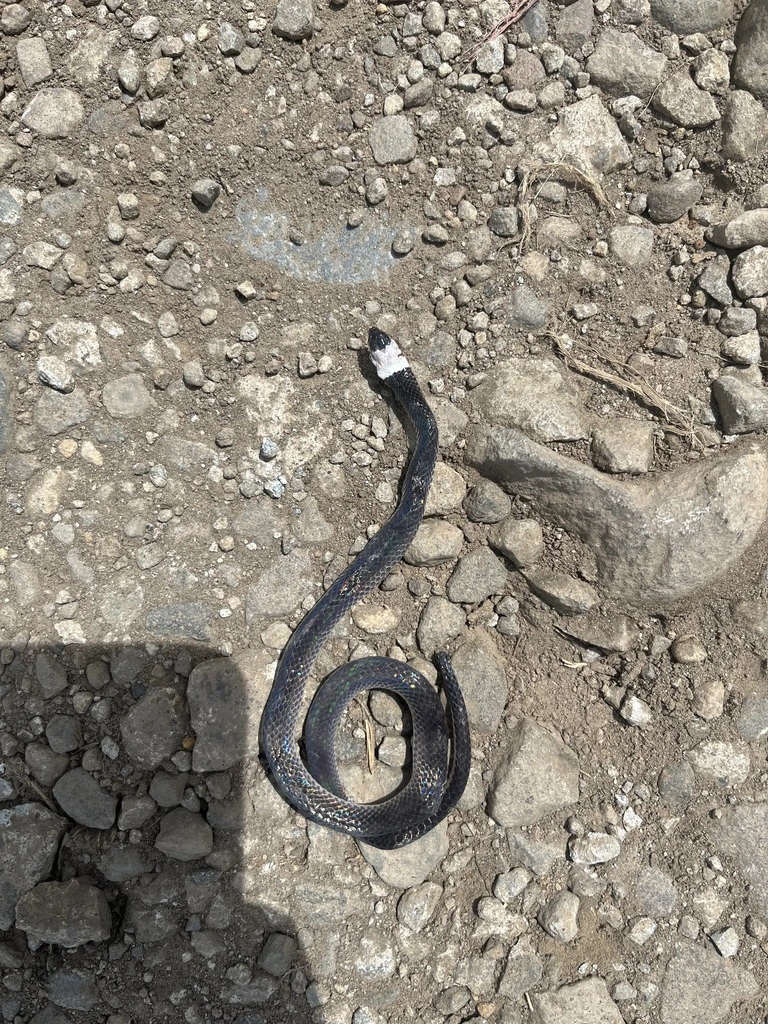
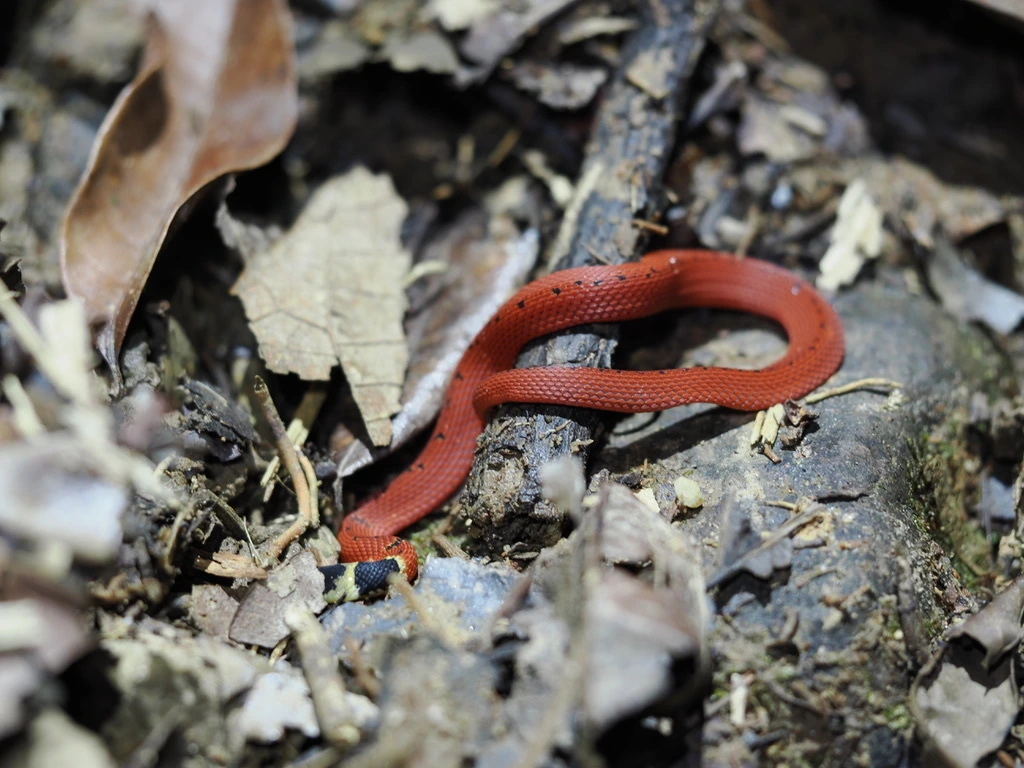
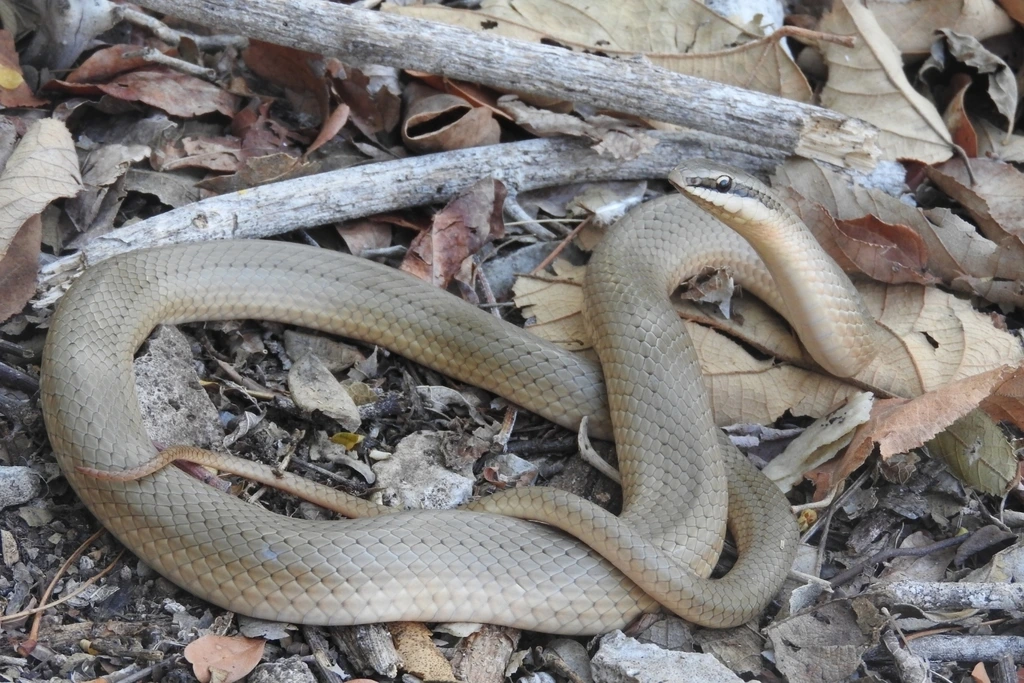
Enuliophis sclateri. Whole individual photographed on gravelly ground. Original observation dated 2025-07-20. No additional geographic occurrence is inferred.

007 · Colubridae

Colombian Longtail Snake

Enuliophis sclateri

(BOULENGER, 1894)

Venom unknownNot yet assessed

The checked taxonomic distribution account explicitly lists Nicaragua. Country-level evidence does not establish continuous occupancy or a complete national inventory.

Read the species account →

Bertis Y. Franco Pérez · CC BY 4.0 · https://creativecommons.org/licenses/by/4.0/

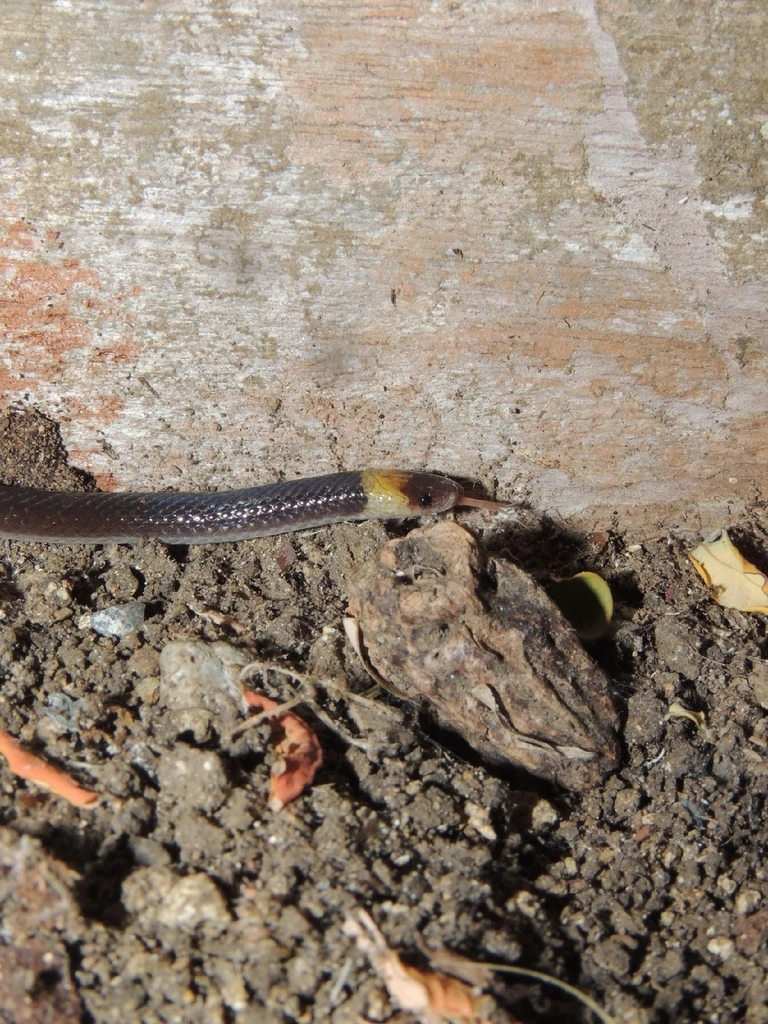
Enulius flavitorques. Species portrait; the complete source frame is retained. Original observation dated 2026-08-17. This photograph does not establish occurrence in any additional state or province.

008 · Colubridae

Pacific Longtail Snake

Enulius flavitorques

(COPE, 1868)

Venom unknownNot yet assessed

The checked taxonomic distribution account explicitly lists Nicaragua. Country-level evidence does not establish continuous occupancy or a complete national inventory.

Read the species account →

Anthony Mora Aguilar · CC BY 4.0 · https://creativecommons.org/licenses/by/4.0/

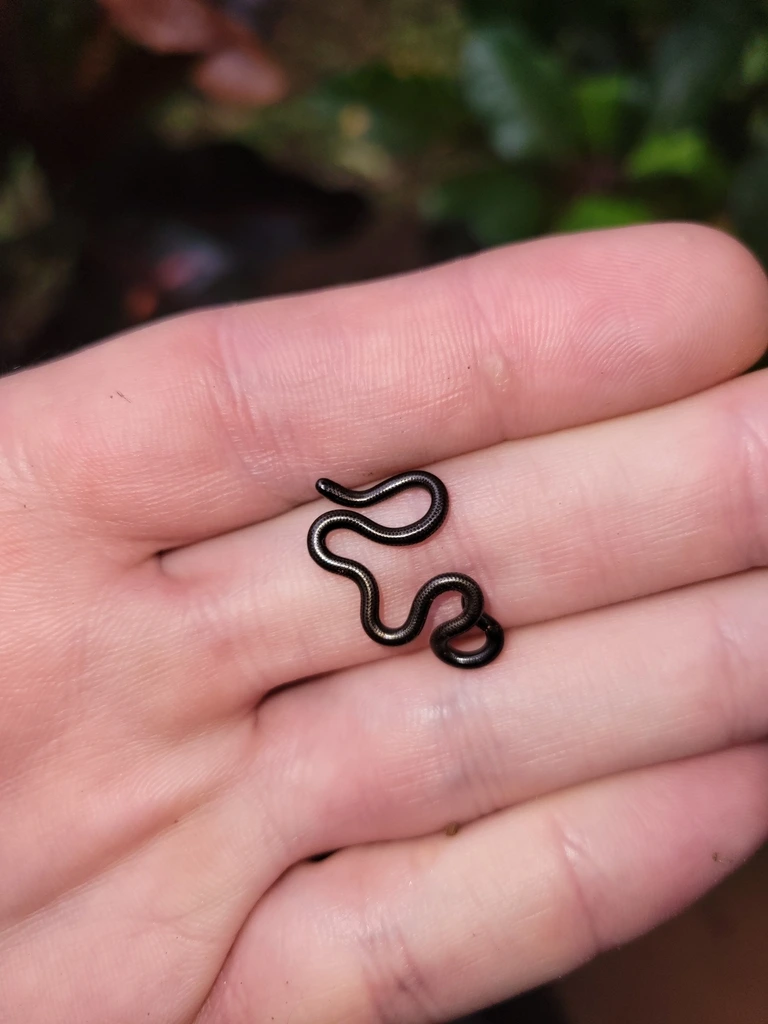
Epictia ater. Small individual photographed on an open hand; this is not a habitat illustration. Original observation dated 2024-10-11. No additional geographic occurrence is inferred.

009 · Leptotyphlopidae

Black Blind Snake

Epictia ater

(TAYLOR, 1940)

Non-venomous

The checked taxonomic distribution account explicitly lists Nicaragua. Country-level evidence does not establish continuous occupancy or a complete national inventory. The treatment names these subdivisions in its Nicaragua distribution clause: Estelí, Esteli, Managua, Chinandega, Carazo, Granada, Rivas. They are assigned to the declared atlas navigation…

Read the species account →

Jake Rehage · CC BY 4.0 · https://creativecommons.org/licenses/by/4.0/

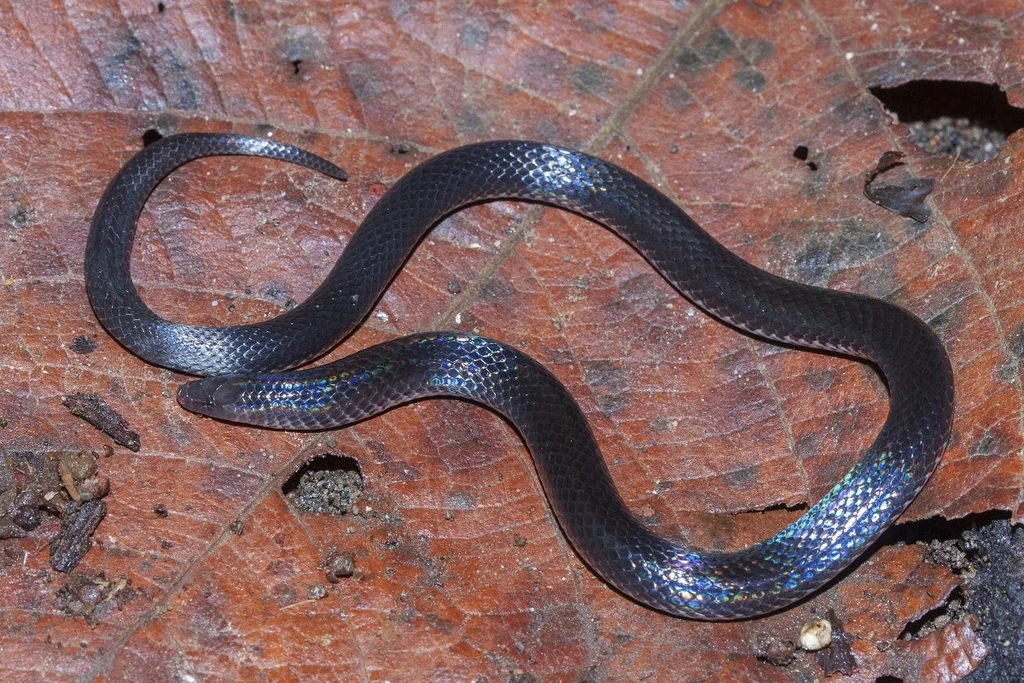
Geophis hoffmanni. Glossy dark individual resting on a fallen leaf. Original observation dated 2012-08-29. Portrait only; no new locality record is inferred.

010 · Colubridae

Hoffmann's Earth Snake

Geophis hoffmanni

(PETERS, 1859)

Venom unknownNot yet assessed

The checked taxonomic distribution account explicitly lists Nicaragua. Country-level evidence does not establish continuous occupancy or a complete national inventory.

Read the species account →

dhfischer · CC BY 4.0 · https://creativecommons.org/licenses/by/4.0/

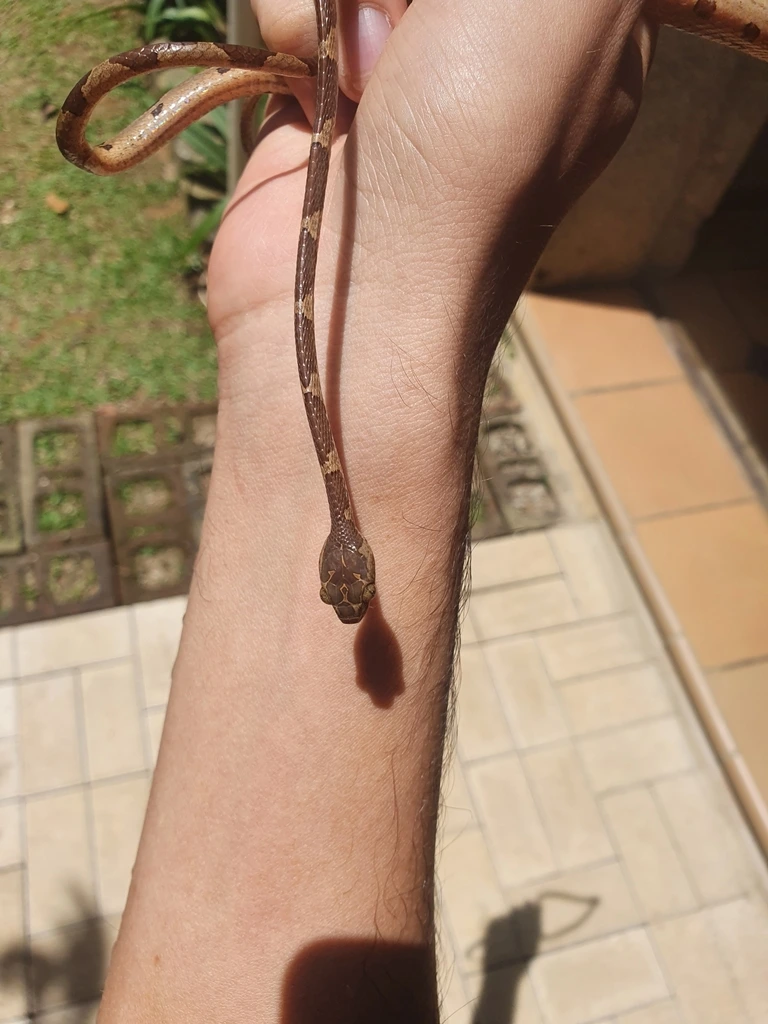
Imantodes cenchoa. Photographed while held; this is a handled specimen portrait. Original observation dated 2020-08-17. This photograph does not establish occurrence in any additional state or province.

011 · Colubridae

Neotropical Blunt-headed Treesnake, Blunthead Tree Snake

Imantodes cenchoa

(LINNAEUS, 1758)

Venom unknownNot yet assessed

The checked taxonomic distribution account explicitly lists Nicaragua. Country-level evidence does not establish continuous occupancy or a complete national inventory.

Read the species account →

Samuel Peláez Vélez · CC BY 4.0 · https://creativecommons.org/licenses/by/4.0/

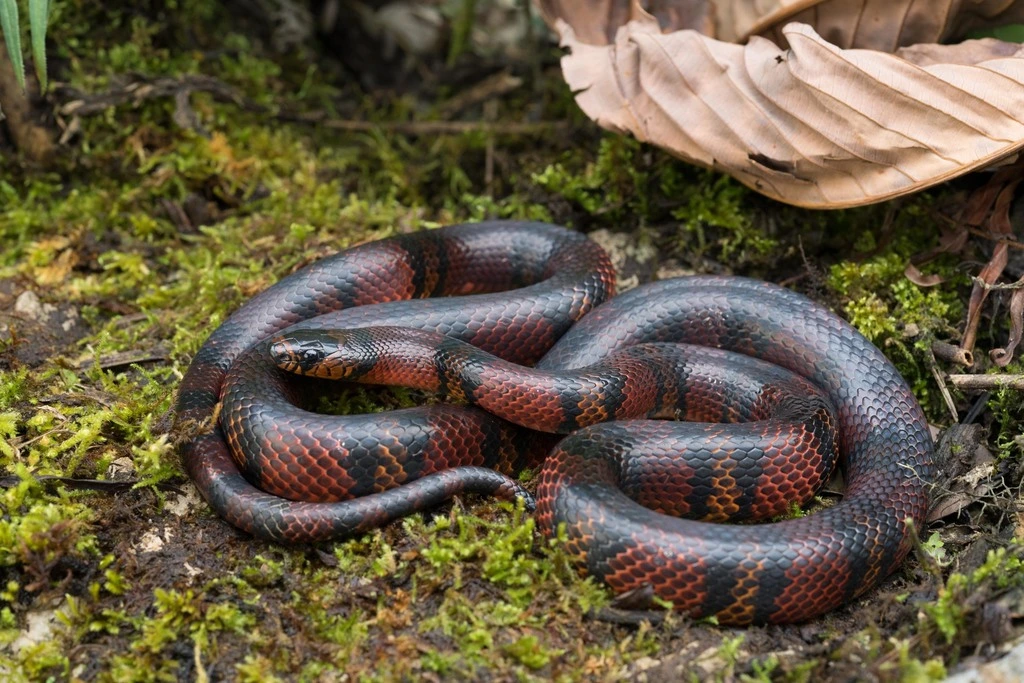
Lampropeltis abnorma. Species portrait; the complete source frame is retained. Original observation dated 2017-08-23. This photograph does not establish occurrence in any additional state or province.

012 · Colubridae

Honduran milk snake

Lampropeltis abnorma

(BOCOURT, 1886)

Non-venomous

The checked taxonomic distribution account explicitly lists Nicaragua. Country-level evidence does not establish continuous occupancy or a complete national inventory.

Read the species account →

Wouter Beukema · CC BY 4.0 · https://creativecommons.org/licenses/by/4.0/

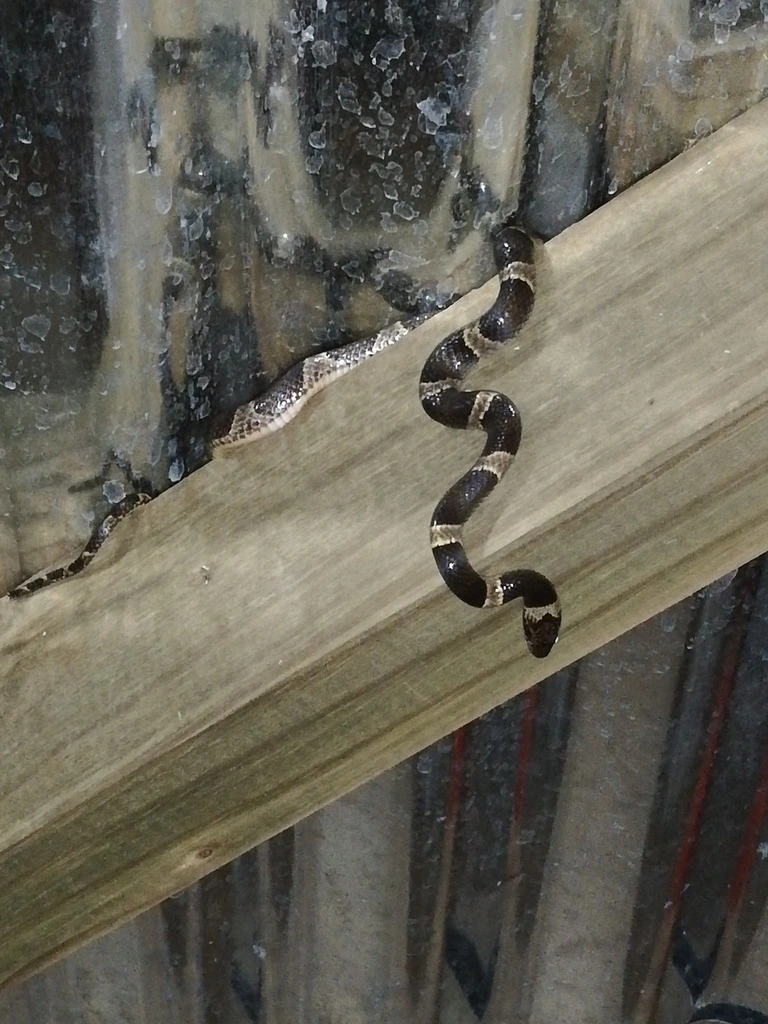
Leptodeira nigrofasciata. Photographed on building timber. Original observation dated 2021-01-28. This photograph does not establish occurrence in any additional state or province.

013 · Colubridae

Black-banded Cat-eyed Snake

Leptodeira nigrofasciata

GÜNTHER, 1868

Venom unknownNot yet assessed

The checked taxonomic distribution account explicitly lists Nicaragua. Country-level evidence does not establish continuous occupancy or a complete national inventory.

Read the species account →

iNaturalist contributor (CC0; creator not supplied) · CC0 1.0 · https://creativecommons.org/publicdomain/zero/1.0/
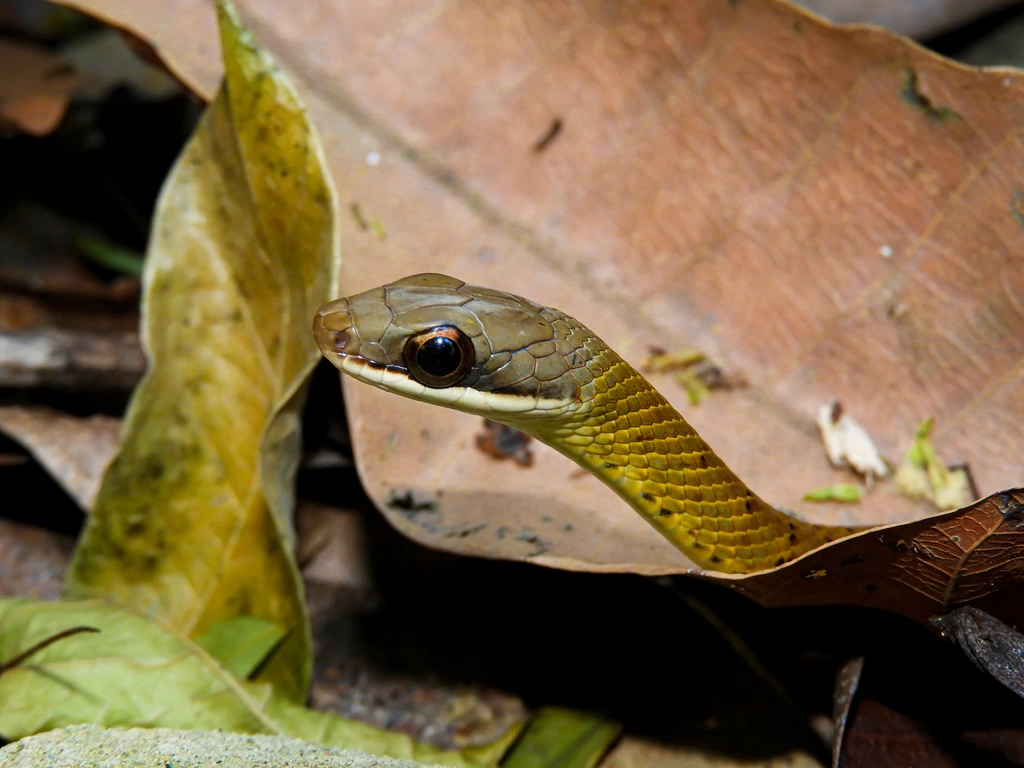
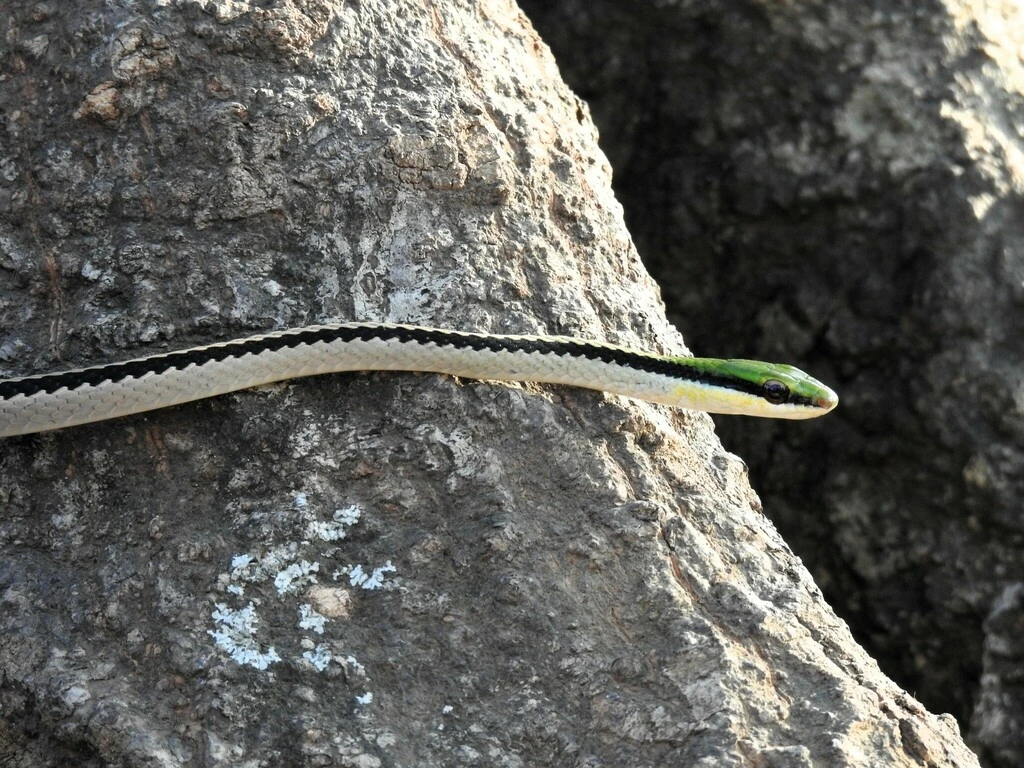
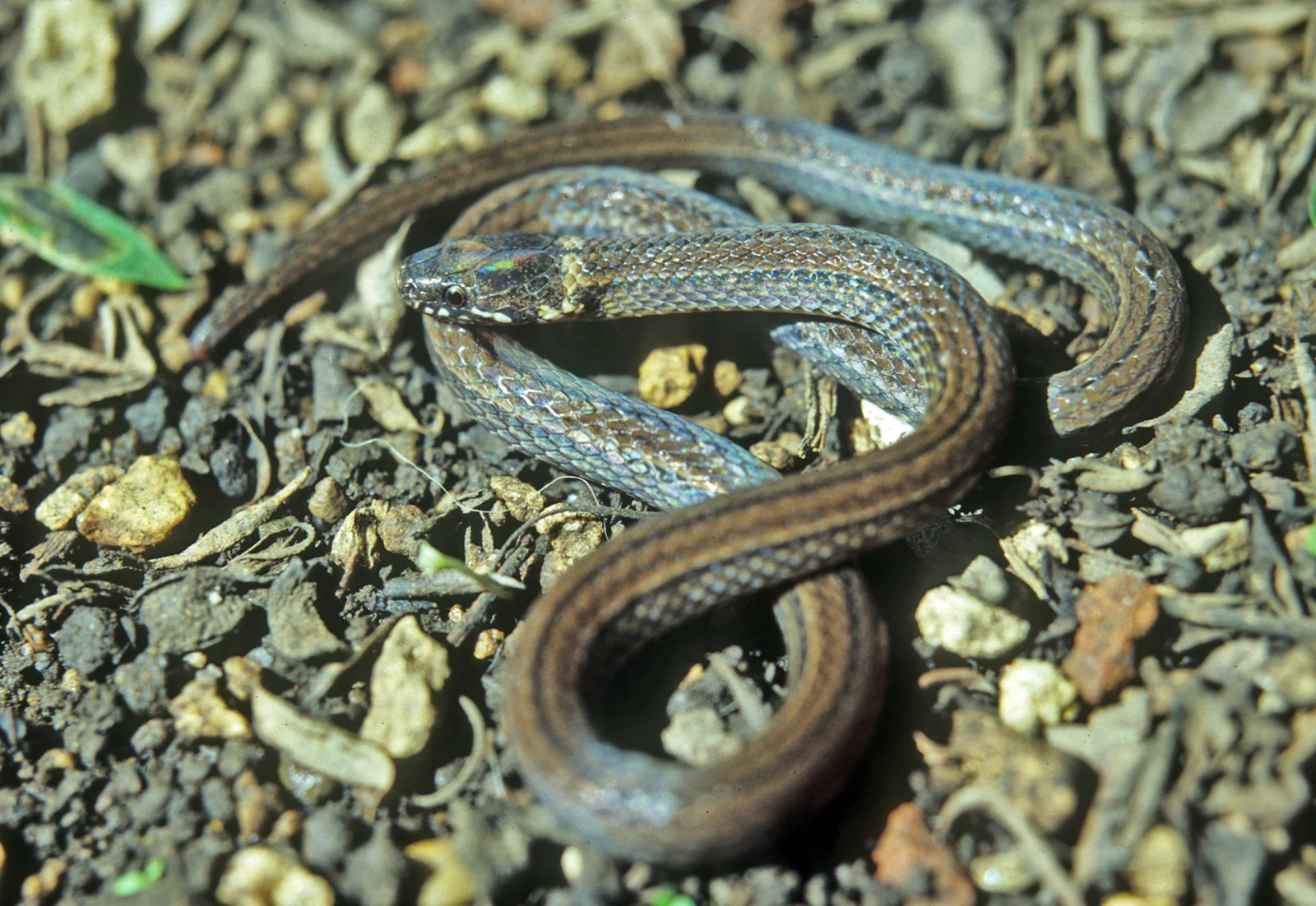
Leptodrymus pulcherrimus. Head and neck beside a rock surface. Original observation dated 2024-03-04. No additional geographic occurrence is inferred.

014 · Colubridae

Striped Lowland Snake

Leptodrymus pulcherrimus

(COPE, 1874)

Venom unknownNot yet assessed

The checked taxonomic distribution account explicitly lists Nicaragua. Country-level evidence does not establish continuous occupancy or a complete national inventory.

Read the species account →

Louis Imbeau · CC BY 4.0 · https://creativecommons.org/licenses/by/4.0/

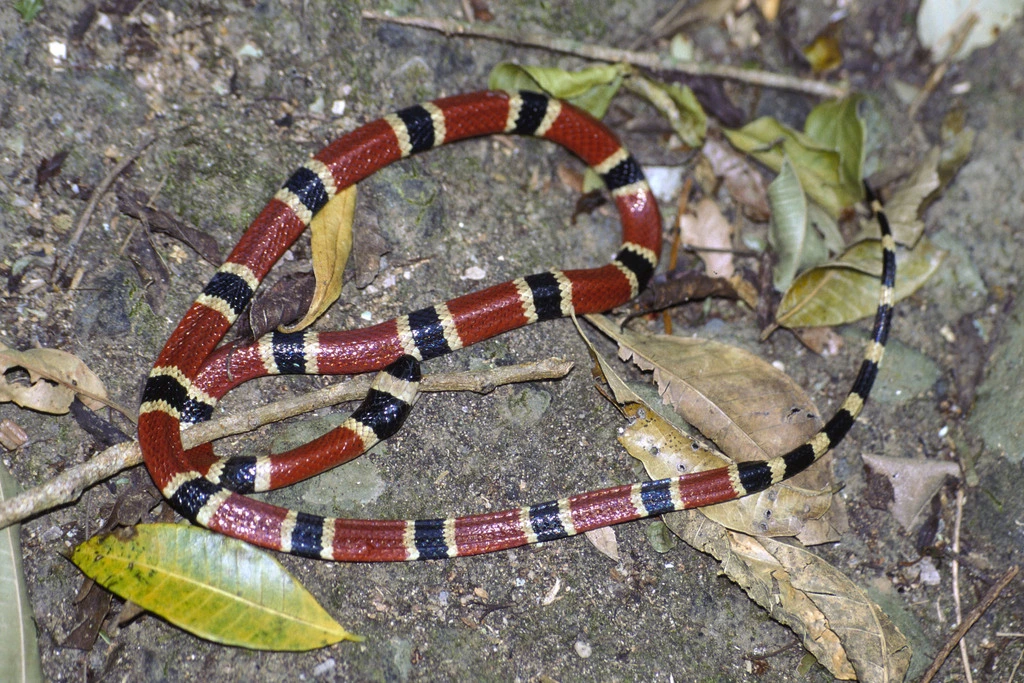
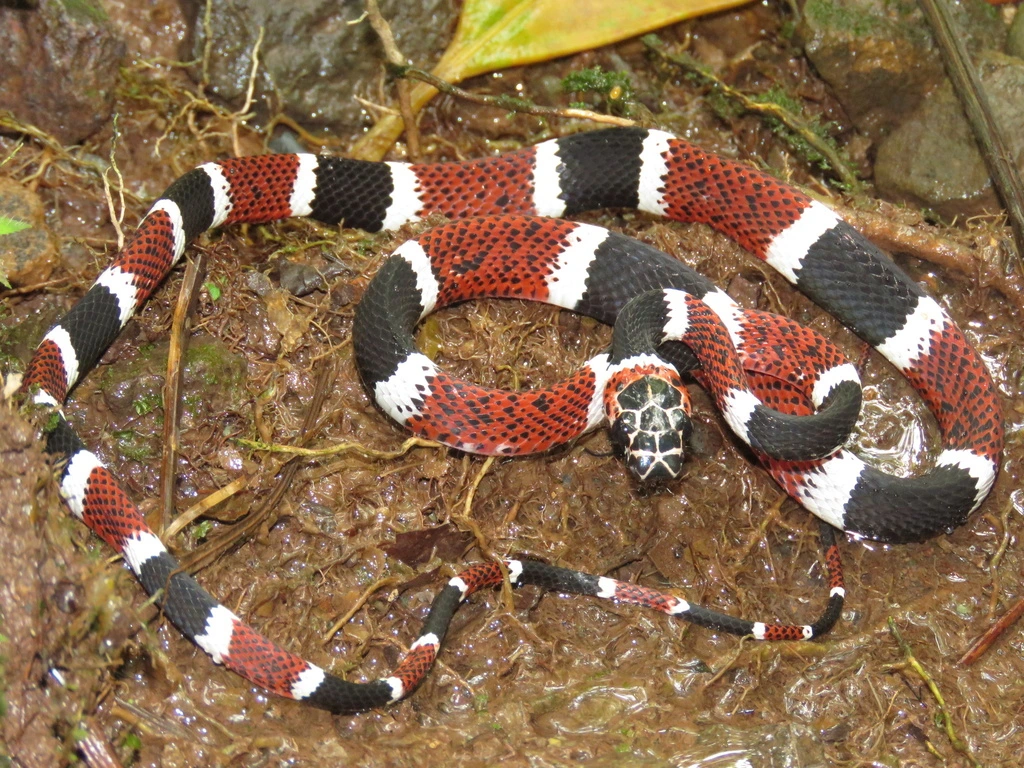
Micrurus nigrocinctus. Species portrait; the complete source frame is retained. Original observation dated 1998-03-20. This photograph does not establish occurrence in any additional state or province.

015 · Elapidae

Central American Coralsnake, Central American Coral Snake

Micrurus nigrocinctus

(GIRARD, 1854)

VenomousClinical severity not established

The checked taxonomic distribution account explicitly lists Nicaragua. Country-level evidence does not establish continuous occupancy or a complete national inventory.

Read the species account →

Kristof Zyskowski · CC BY 4.0 · https://creativecommons.org/licenses/by/4.0/

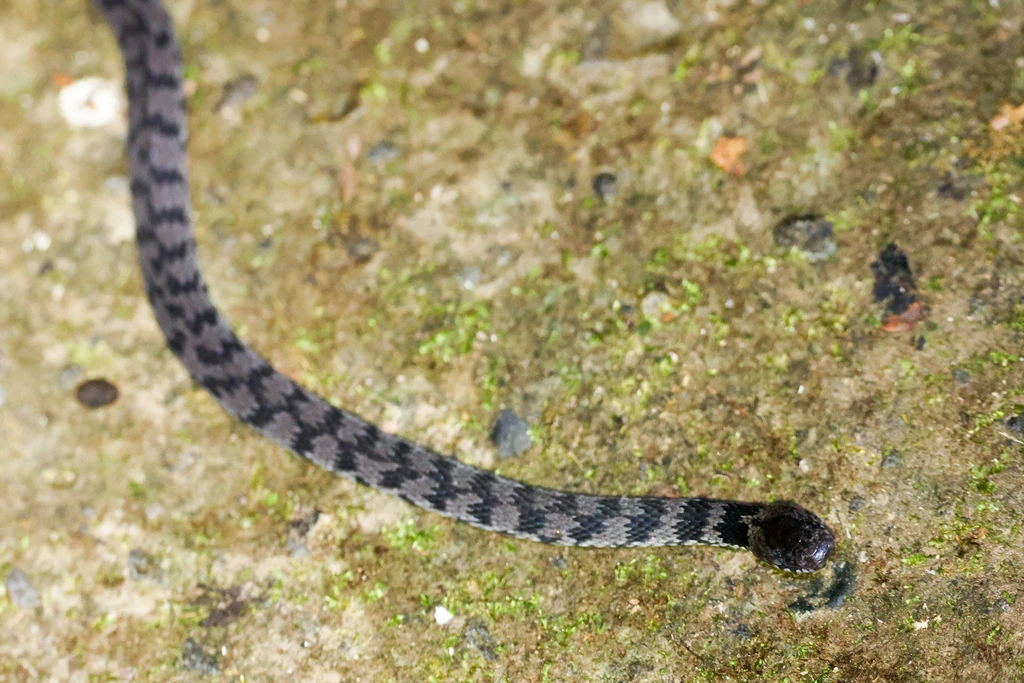
Ninia maculata. Close view of the dark head and patterned forebody on mossy ground. Original observation dated 2022-04-23. Portrait only; no new locality record is inferred.

016 · Colubridae

Pacific Banded Coffee Snake, Spotted Coffee Snake

Ninia maculata

(PETERS, 1861)

Venom unknownNot yet assessed

The checked taxonomic distribution account explicitly lists Nicaragua. Country-level evidence does not establish continuous occupancy or a complete national inventory.

Read the species account →

Tom Field · CC BY 4.0 · https://creativecommons.org/licenses/by/4.0/

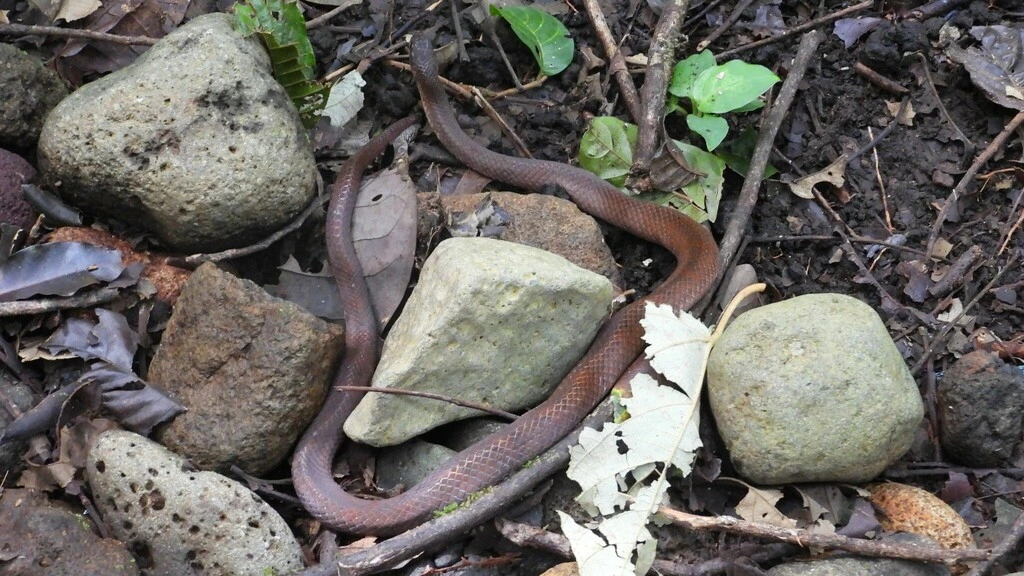
Ninia sebae. Species portrait; the complete source frame is retained. Original observation dated 2026-03-20. This photograph does not establish occurrence in any additional state or province.

017 · Colubridae

Redback Coffee Snake

Ninia sebae

(DUMÉRIL, BIBRON & DUMÉRIL, 1854)

Venom unknownNot yet assessed

The checked taxonomic distribution account explicitly lists Nicaragua. Country-level evidence does not establish continuous occupancy or a complete national inventory.

Read the species account →

greatest_auk · CC BY 4.0 · https://creativecommons.org/licenses/by/4.0/

Nothopsis rugosus. Mottled brown individual among fallen leaves. Original observation dated 2026-06-13. Portrait only; no new locality record is inferred.

018 · Colubridae

Rough Coffee Snake

Nothopsis rugosus

COPE, 1871

Venom unknownNot yet assessed

The checked taxonomic distribution account explicitly lists Nicaragua. Country-level evidence does not establish continuous occupancy or a complete national inventory.

Read the species account →

Makario González-Pinzón · CC BY 4.0 · https://creativecommons.org/licenses/by/4.0/

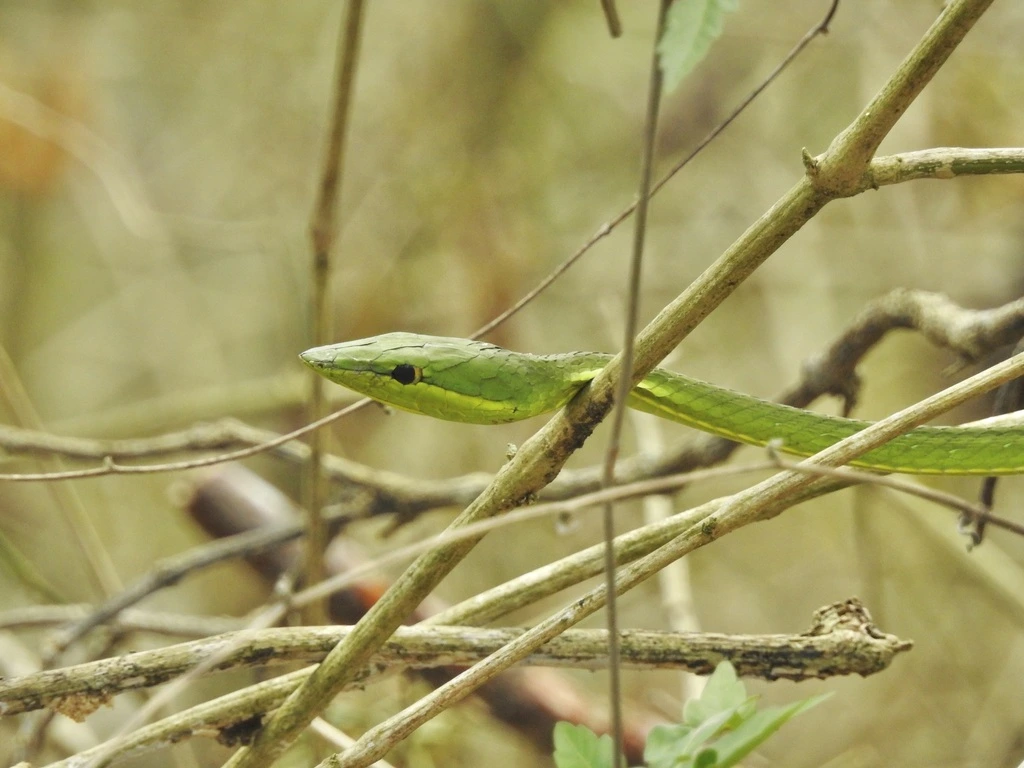
Oxybelis fulgidus. Species portrait; the complete source frame is retained. Original observation dated 2017-03-23. This photograph does not establish occurrence in any additional state or province.

019 · Colubridae

Green Vinesnake, Green Vine Snake

Oxybelis fulgidus

(DAUDIN, 1803)

Venom unknownNot yet assessed

The checked taxonomic distribution account explicitly lists Nicaragua. Country-level evidence does not establish continuous occupancy or a complete national inventory.

Read the species account →

Sue Carnahan · CC BY 4.0 · https://creativecommons.org/licenses/by/4.0/

Rhadinella kinkelini; historical photograph linked to KU 187349 from Union Barrios, Guatemala. Catalogued under the earlier genus combination Rhadinaea kinkelini. KU Biodiversity Institute photographic archive.

020 · Colubridae

Kinkelin Graceful Brown Snake

Rhadinella kinkelini

(BOETTGER, 1898)

Venom unknownNot yet assessed

The checked taxonomic distribution account explicitly lists Nicaragua. Country-level evidence does not establish continuous occupancy or a complete national inventory.

Read the species account →

University of Kansas Biodiversity Institute · CC BY 4.0 · https://creativecommons.org/licenses/by/4.0/

Rhinobothryum bovallii. The complete source frame is retained; this portrait is not locality or habitat evidence. Original observation dated 2017-05-07. No additional geographic occurrence is inferred.

021 · Colubridae

Species account

Rhinobothryum bovallii

(ANDERSSON, 1916)

Venom unknownNot yet assessed

The checked taxonomic distribution account explicitly lists Nicaragua. Country-level evidence does not establish continuous occupancy or a complete national inventory.

Read the species account →

Roger A. Morales-Flores · CC BY 4.0 · https://creativecommons.org/licenses/by/4.0/

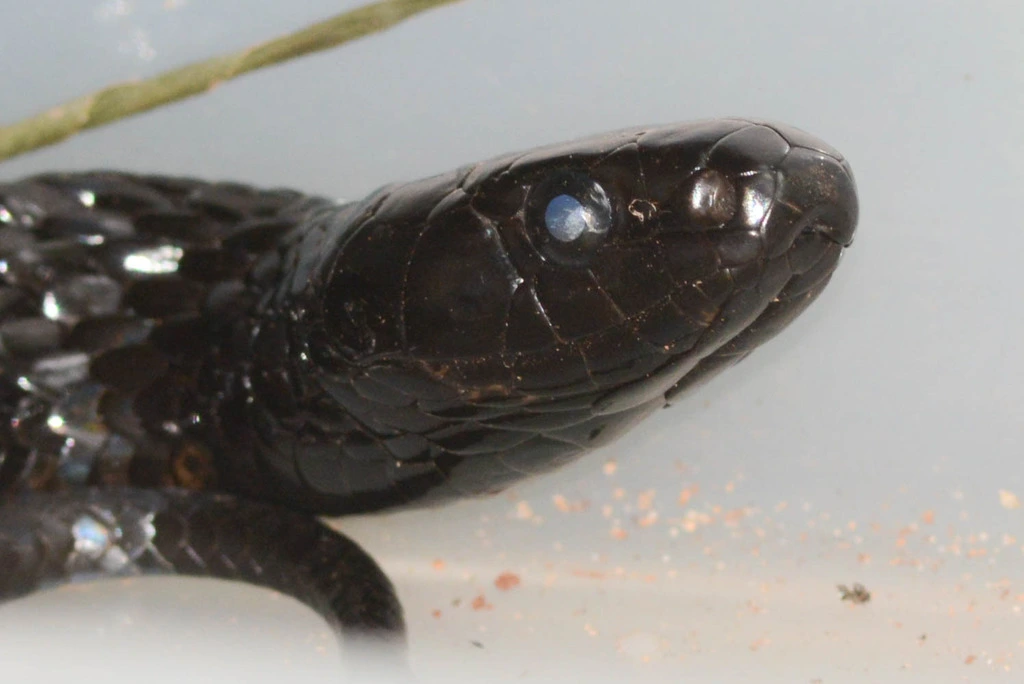
Spilotes pullatus. Unusually dark individual; scale characters in the original review support identification. Photographed after temporary capture. Original observation dated 2024-01-01. This photograph does not establish occurrence in any additional state or province.

022 · Colubridae

Tropical Chicken Snake, Chicken Snake, Yellow Rat Snake

Spilotes pullatus

(LINNAEUS, 1758)

Venom unknownNot yet assessed

The checked taxonomic distribution account explicitly lists Nicaragua. Country-level evidence does not establish continuous occupancy or a complete national inventory.

Read the species account →

B. Phalan · CC BY 4.0 · https://creativecommons.org/licenses/by/4.0/

Stenorrhina degenhardtii. Species portrait; the complete source frame is retained. Original observation dated 2023-12-16. This photograph does not establish occurrence in any additional state or province.

023 · Colubridae

Degenhardt's Scorpion-eating Snake

Stenorrhina degenhardtii

(BERTHOLD, 1846)

Venom unknownNot yet assessed

The checked taxonomic distribution account explicitly lists Nicaragua. Country-level evidence does not establish continuous occupancy or a complete national inventory.

Read the species account →

Dan MacNeal · CC BY 4.0 · https://creativecommons.org/licenses/by/4.0/

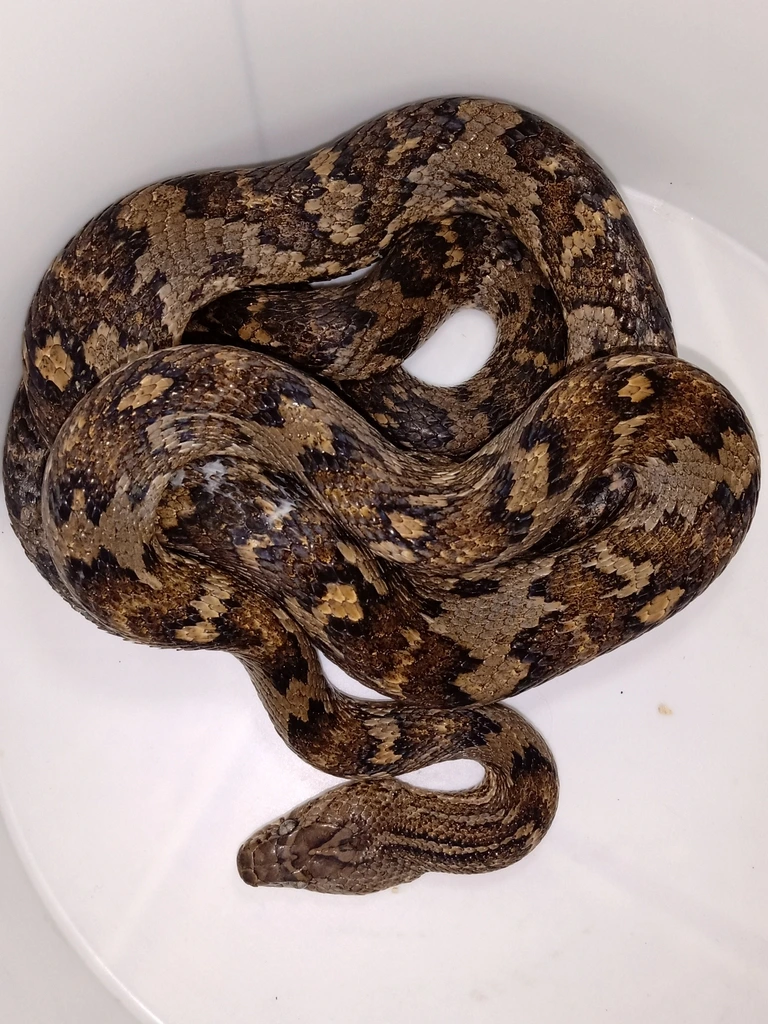
Trimorphodon quadruplex. Coiled individual in a plain container; this is not a habitat illustration. Original observation dated 2023-10-02. No additional geographic occurrence is inferred.

024 · Colubridae

Species account

Trimorphodon quadruplex

SMITH, 1941

Venom unknownNot yet assessed

The checked taxonomic distribution account explicitly lists Nicaragua. Country-level evidence does not establish continuous occupancy or a complete national inventory.

Read the species account →

Fernando del cid · CC0 1.0 · https://creativecommons.org/publicdomain/zero/1.0/
All 108 species in the country collection →

Read further

Evidence & sources.

Guide reviewed 16 October 2026. Source dates and geographic scope matter; landscape photographs do not establish species occurrence.

  1. Convention on Biological Diversity · Nicaragua national profile

    National biodiversity reporting synthesis. Landscape context only; dated statistics and projections are not presented as current measurements. Checked 16 October 2026.

Continue through Nicaragua

Explore another habitat.

01

Highland environments

A chain of volcanoes forms a prominent part of the Pacific landscape. Exposed volcanic slopes, cultivated ground and forested elevations should remain distinct in locality descriptions.

02

Coasts & marine settings

Nicaragua has both Pacific and Caribbean shorelines. Offshore, intertidal and terrestrial coastal records need separate interpretation and cannot be inferred from one another.