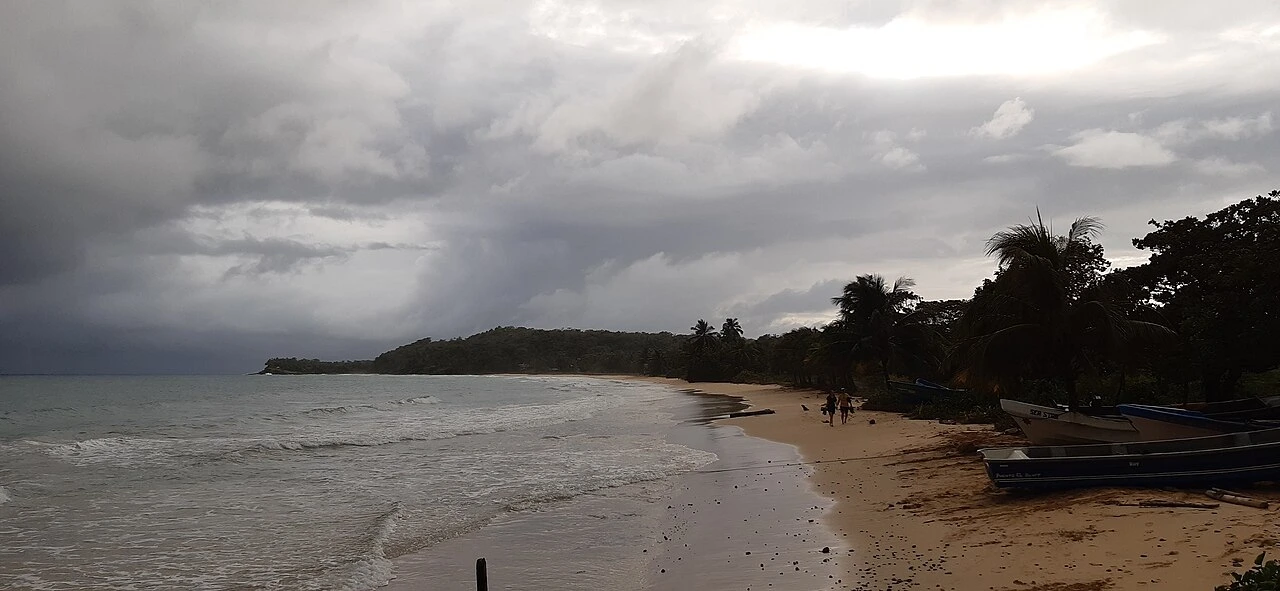
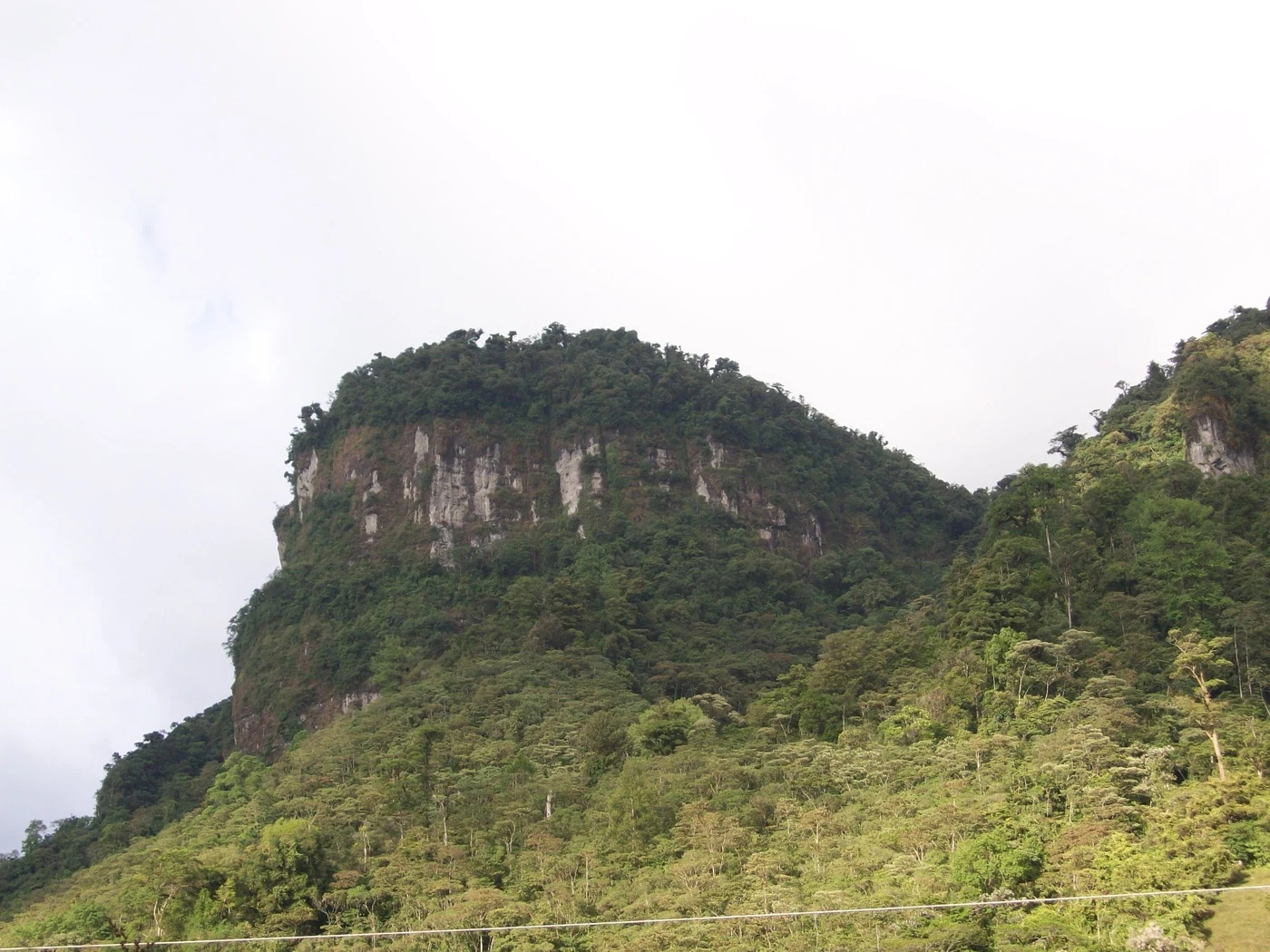
Forested slopes and exposed cliffs of the Penas Blancas massif, Nicaragua.

Nicaragua · The country atlas

Nicaragua

Follow the contrast between Caribbean lowlands, northern highlands, the central interior, Pacific departments and the Rio San Juan basin.

108species with extracted evidence
8families
6region guides

Forested slopes and exposed cliffs of the Penas Blancas massif, Nicaragua.

Photograph: Bandiniart · Image source · CC BY-SA 3.0. Cropped to fill the hero; darkened for text legibility.

Geography & biotopes

Discover Nicaragua.

Follow the contrast between Caribbean lowlands, northern highlands, the central interior, Pacific departments and the Rio San Juan basin.

Historical boundary snapshots are grouped for navigation, not ecological zones, species ranges or a statement of current administrative arrangements. Markers identify guide pages, not animal observations.

Map provenance and declared navigation groups →

Convention on Biological Diversity · Nicaragua national profile →

Geography is part of the record

Find your way through Nicaragua.

Select a named region to open its evidence page. The complete directory below keeps every guide accessible, including places where locality evidence has not yet been extracted.

1 of 108 listed species have at least one indexed region record. 107 remain country-only. Even a nonzero count is not a complete regional inventory.

Habitats & living landscapes

Explore the living
landscapes.

Explore 3 guides to the environments, places and conservation pressures that shape this country. Each guide connects to the regional map and shared species accounts.

Landscape photographs & credits

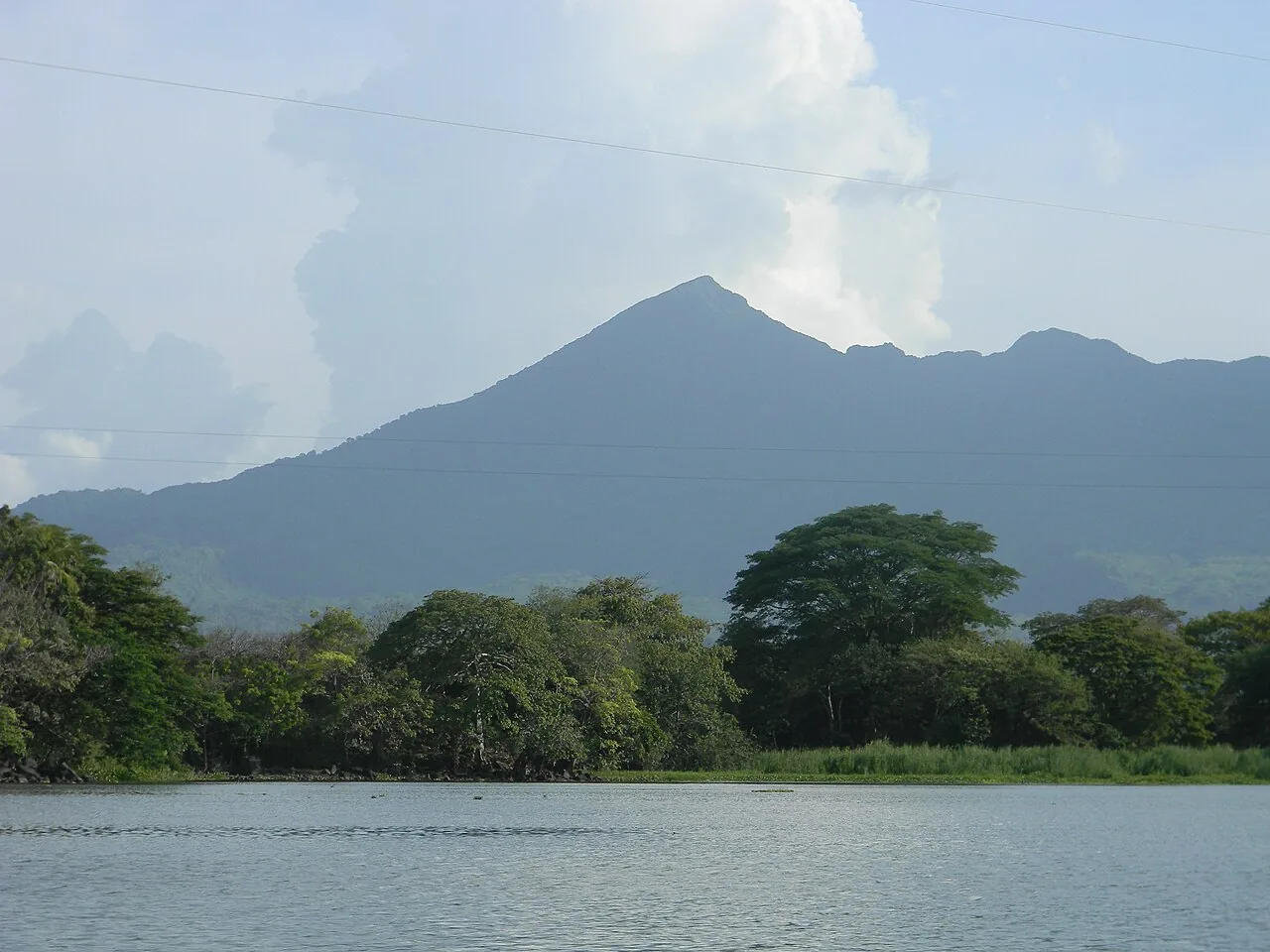
Mombacho Volcano viewed across Lake Nicaragua. — Silenzio76. Original photograph · CC BY-SA 3.0. Cropped for the cards; photographs do not establish snake occurrence.

Forested slopes and exposed cliffs of the Penas Blancas massif, Nicaragua. — Bandiniart. Original photograph · CC BY-SA 3.0. Cropped for the cards; photographs do not establish snake occurrence.

Long Beach and the coastal waters of Big Corn Island, Nicaragua. — Ridiculopathy. Original photograph · CC0. Cropped for the cards; photographs do not establish snake occurrence.

The species catalogue

Meet the snakes of Nicaragua.

Search scientific names, historical names, common names and families. Every card opens one shared account across its documented countries.

108 species · showing 24

Adelphicos quadrivirgatum. Species portrait; the complete source frame is retained. Original observation dated 2025-07-20. This photograph does not establish occurrence in any additional state or province.

001 · Colubridae

Middle American Burrowing Snake

Adelphicos quadrivirgatum

JAN, 1862

Venom unknownNot yet assessed

The checked taxonomic distribution account explicitly lists Nicaragua. Country-level evidence does not establish continuous occupancy or a complete national inventory.

Read the species account →

Neptalí Ramírez Marcial · CC BY 4.0 · https://creativecommons.org/licenses/by/4.0/

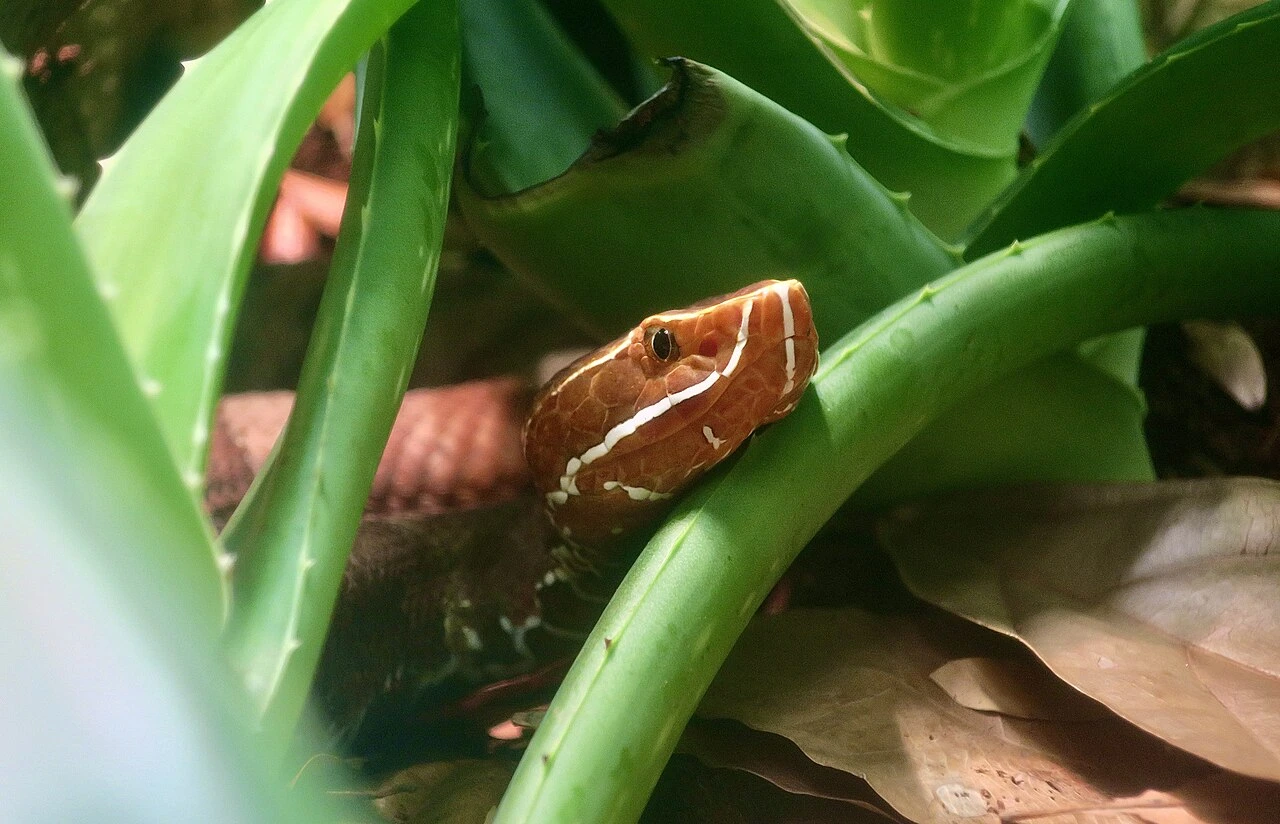
Agkistrodon howardgloydi. Captive individual at St. Louis Zoo. Portrait only; no wild locality or habitat record is inferred.

002 · Viperidae

Gloyd’s Moccasin

Agkistrodon howardgloydi

CONANT, 1984

VenomousClinical severity not established

The checked taxonomic distribution account explicitly lists Nicaragua. Country-level evidence does not establish continuous occupancy or a complete national inventory.

Read the species account →

RatioTile · CC BY-SA 4.0 · https://creativecommons.org/licenses/by-sa/4.0

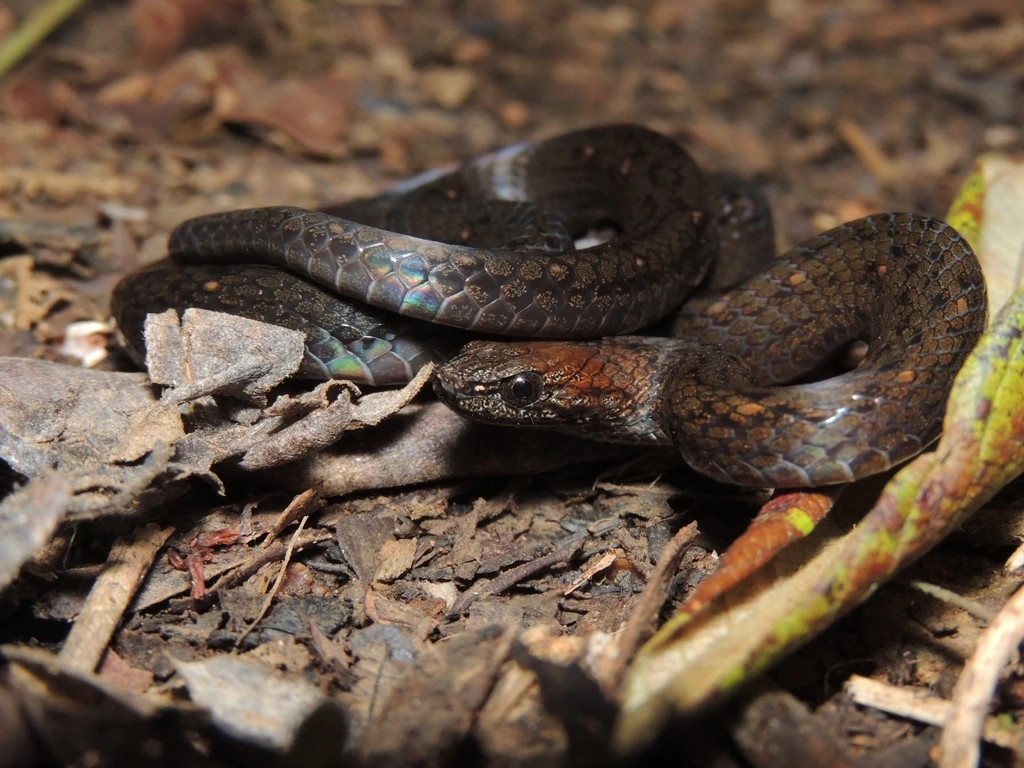
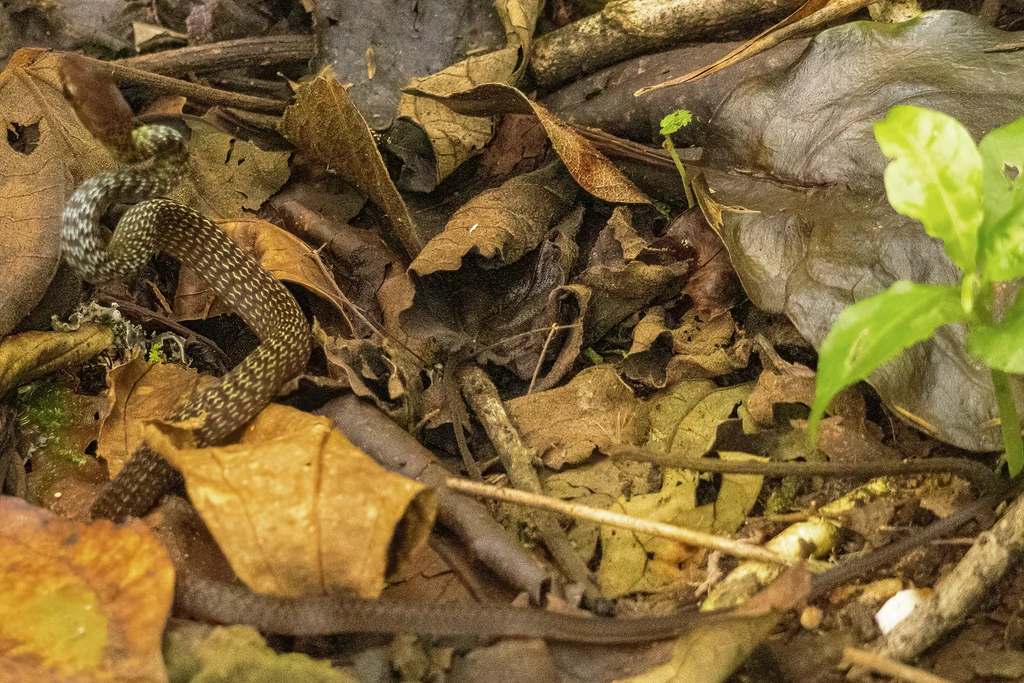
Amastridium veliferum. Coiled individual among leaf litter and twigs. Original observation dated 2025-01-18. No additional geographic occurrence is inferred.

003 · Colubridae

Rufous-headed snake, Rustyhead Snake

Amastridium veliferum

COPE, 1861

Venom unknownNot yet assessed

The checked taxonomic distribution account explicitly lists Nicaragua. Country-level evidence does not establish continuous occupancy or a complete national inventory.

Read the species account →

Anthony Mora Aguilar · CC BY 4.0 · https://creativecommons.org/licenses/by/4.0/

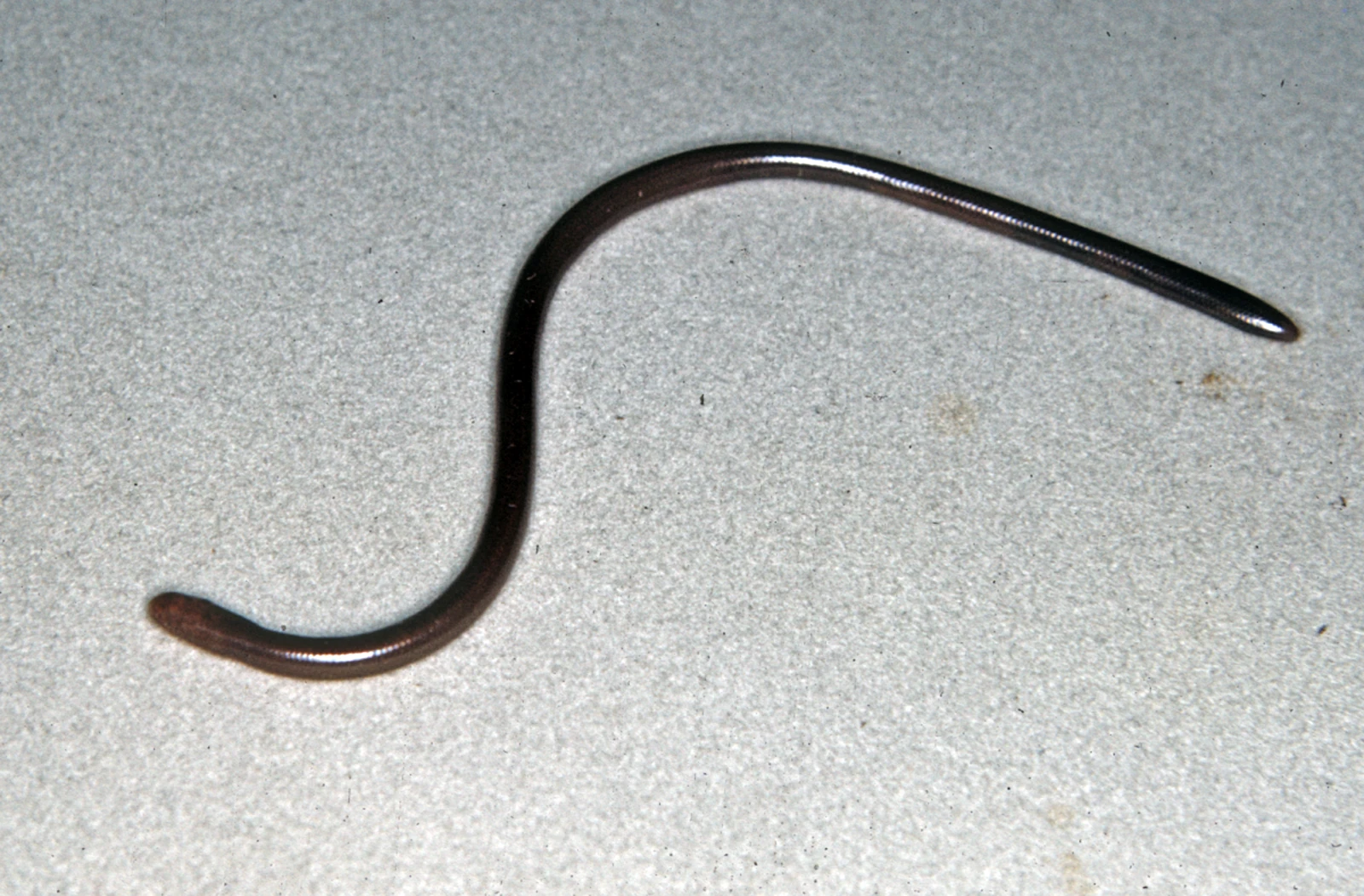
Anomalepis mexicana; historical photograph linked to KU 75663 from Barro Colorado Island, Panama. Catalogued as the historical synonym Anomalepis dentatus. KU Biodiversity Institute photographic archive.

005 · Anomalepididae

Mexican Blind Snake

Anomalepis mexicana

JAN, 1860

Non-venomous

The checked taxonomic distribution account explicitly lists Nicaragua. Country-level evidence does not establish continuous occupancy or a complete national inventory.

Read the species account →

University of Kansas Biodiversity Institute · CC BY 4.0 · https://creativecommons.org/licenses/by/4.0/

Boa imperator. Species portrait; the complete source frame is retained. Original observation dated 2021-09-28. This photograph does not establish occurrence in any additional state or province.

006 · Boidae

Central American Boa Constrictor

Boa imperator

DAUDIN, 1803

Non-venomous

The checked taxonomic distribution account explicitly lists Nicaragua. Country-level evidence does not establish continuous occupancy or a complete national inventory.

Read the species account →

Ewout Knoester · CC BY-SA 4.0 · https://creativecommons.org/licenses/by-sa/4.0/

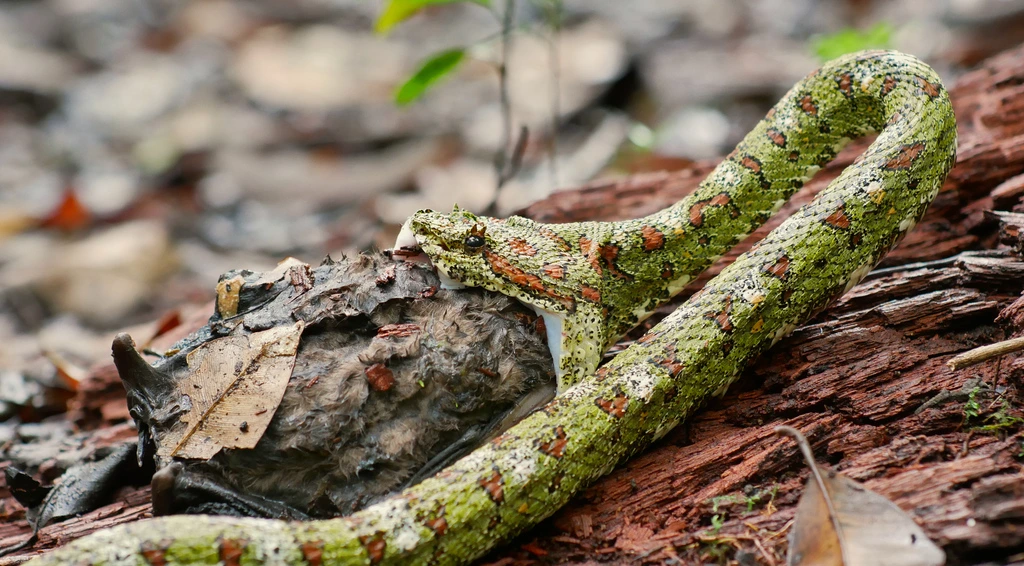
Bothriechis nigroadspersus. Species portrait; the complete source frame is retained. Original observation dated 2020-01-11. This photograph does not establish occurrence in any additional state or province.

007 · Viperidae

Central Ameri- can Eyelash-Pitviper

Bothriechis nigroadspersus

(STEINDACHNER, 1870)

VenomousClinical severity not established

The checked taxonomic distribution account explicitly lists Nicaragua. Country-level evidence does not establish continuous occupancy or a complete national inventory.

Read the species account →

iNaturalist contributor (CC0; creator not supplied) · CC0 1.0 · https://creativecommons.org/publicdomain/zero/1.0/

Bothrops asper. Species portrait; the complete source frame is retained. Original observation dated 2012-06-12. This photograph does not establish occurrence in any additional state or province.

008 · Viperidae

Terciopelo

Bothrops asper

(GARMAN, 1883)

VenomousClinical severity not established

The checked taxonomic distribution account explicitly lists Nicaragua. Country-level evidence does not establish continuous occupancy or a complete national inventory.

Read the species account →

John G. Phillips · CC BY 4.0 · https://creativecommons.org/licenses/by/4.0/

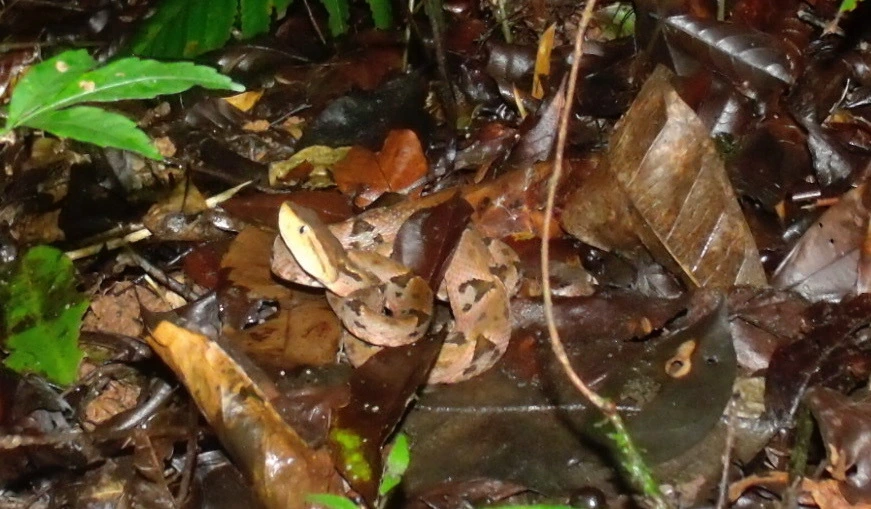
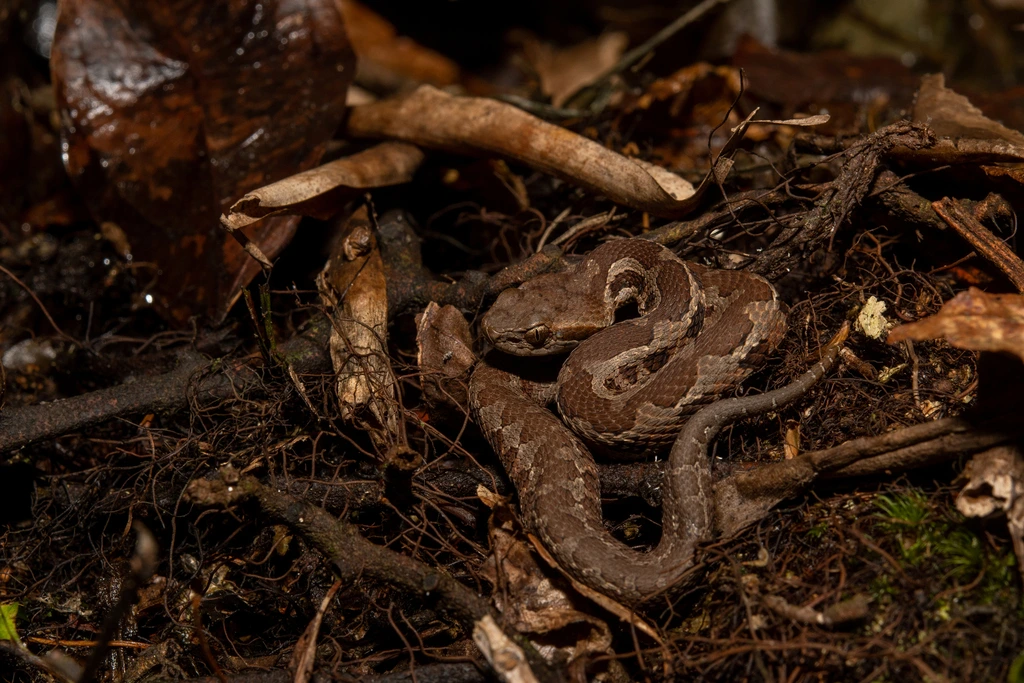
Cerrophidion wilsoni. Coiled individual among leaf litter and roots. Original observation dated 2022-06-12. No additional geographic occurrence is inferred.

009 · Viperidae

Honduras Montane Pitviper

Cerrophidion wilsoni

JADIN, TOWNSEND, CASTOE & CAMPBELL, 2012

VenomousClinical severity not established

The checked taxonomic distribution account explicitly lists Nicaragua. Country-level evidence does not establish continuous occupancy or a complete national inventory.

Read the species account →

Court Harding · CC BY 4.0 · https://creativecommons.org/licenses/by/4.0/

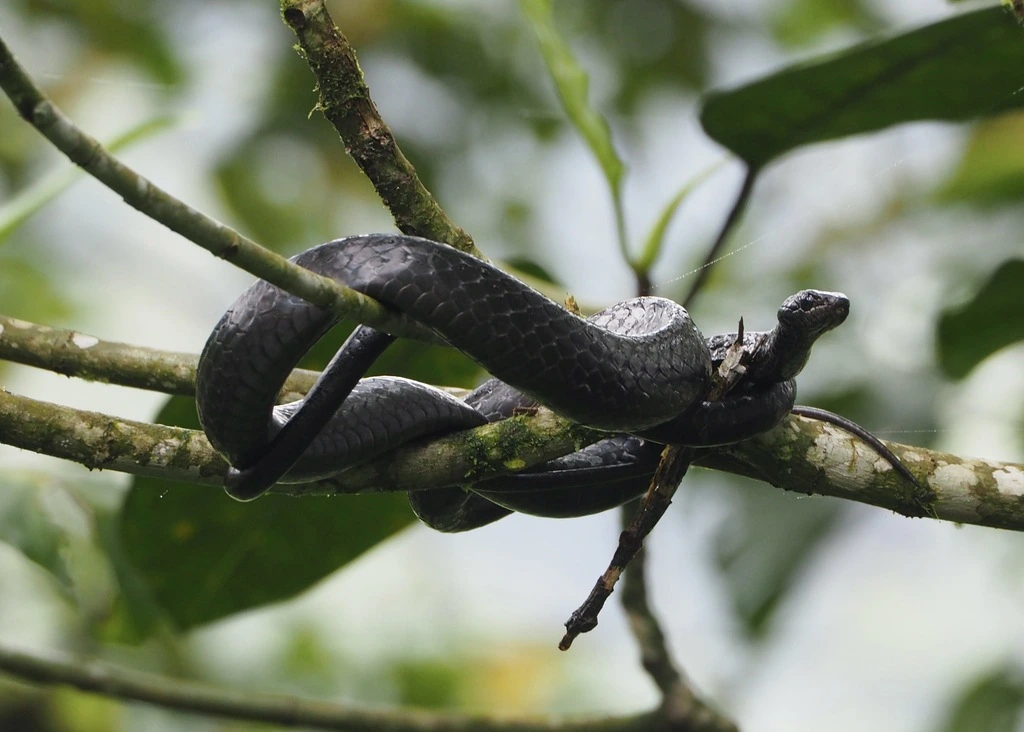
Chironius grandisquamis. The complete source frame is retained; this portrait is not locality or habitat evidence. Original observation dated 2025-11-11. No additional geographic occurrence is inferred.

010 · Colubridae

Ecuador Sipo

Chironius grandisquamis

(PETERS, 1869)

Venom unknownNot yet assessed

The checked taxonomic distribution account explicitly lists Nicaragua. Country-level evidence does not establish continuous occupancy or a complete national inventory.

Read the species account →

John G. Phillips · CC BY 4.0 · https://creativecommons.org/licenses/by/4.0/

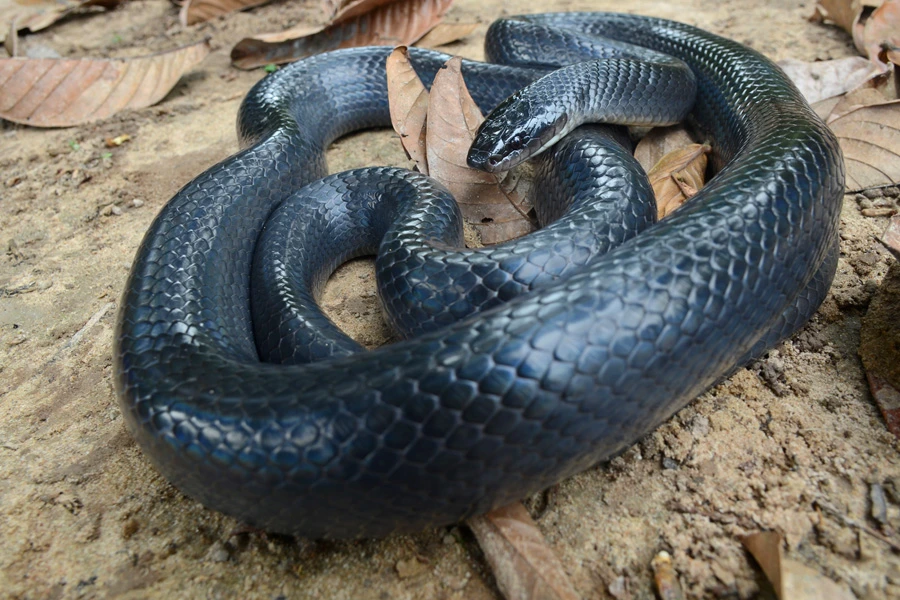
Clelia clelia. Glossy dark individual coiled on leaf litter. Portrait only; no wild locality or habitat record is inferred.

011 · Colubridae

Windward Cribo, Black Mussurana

Clelia clelia

(DAUDIN, 1803)

Venom unknownNot yet assessed

The checked taxonomic distribution account explicitly lists Nicaragua. Country-level evidence does not establish continuous occupancy or a complete national inventory.

Read the species account →

Geoff Gallice ( https://www.flickr.com/photos/dejeuxx/ ) · CC BY 2.0 · https://creativecommons.org/licenses/by/2.0

Coniophanes bipunctatus. Species portrait; the complete source frame is retained. Original observation dated 2016-12-22. This photograph does not establish occurrence in any additional state or province.

012 · Colubridae

Two-spotted Snake

Coniophanes bipunctatus

(GÜNTHER, 1858)

Venom unknownNot yet assessed

The checked taxonomic distribution account explicitly lists Nicaragua. Country-level evidence does not establish continuous occupancy or a complete national inventory.

Read the species account →

Neptalí Ramírez Marcial · CC BY 4.0 · https://creativecommons.org/licenses/by/4.0/

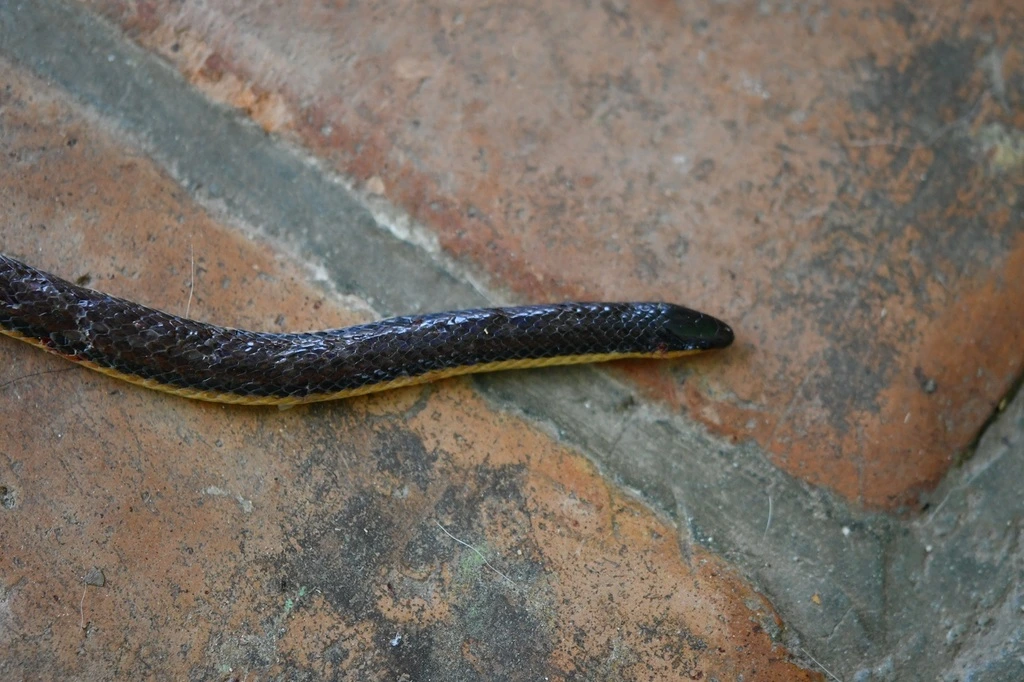
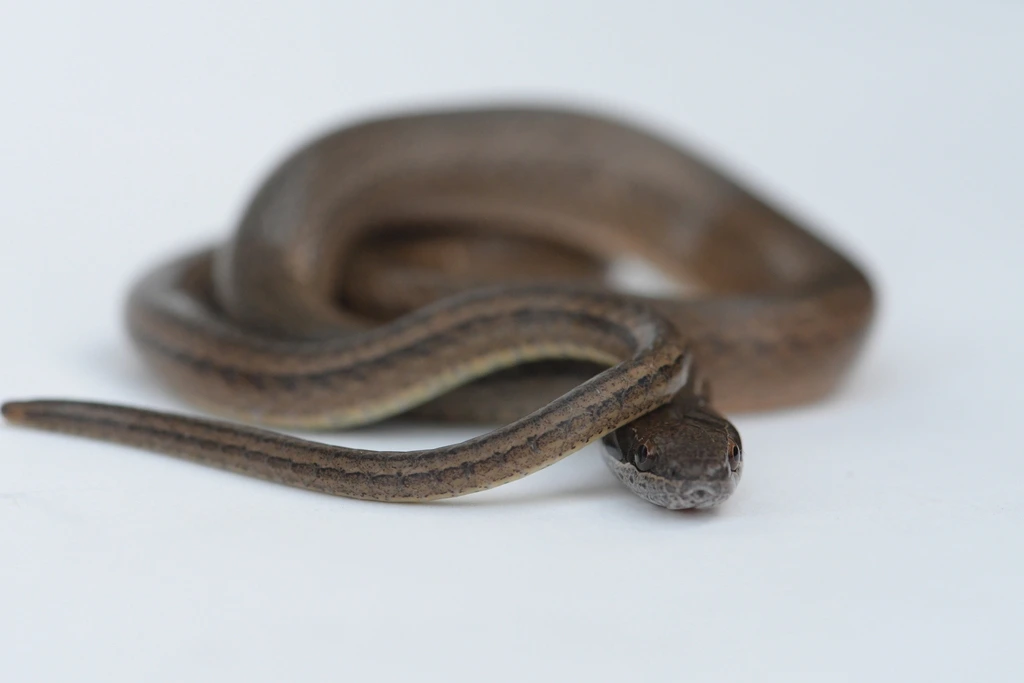
Coniophanes fissidens. Posed portrait on a plain surface. Original observation dated 2022-03-02. This photograph does not establish occurrence in any additional state or province.

013 · Colubridae

Yellowbelly Snake

Coniophanes fissidens

(GÜNTHER, 1858)

Venom unknownNot yet assessed

The checked taxonomic distribution account explicitly lists Nicaragua. Country-level evidence does not establish continuous occupancy or a complete national inventory.

Read the species account →

Diana Fuentes · CC BY-SA 4.0 · https://creativecommons.org/licenses/by-sa/4.0/

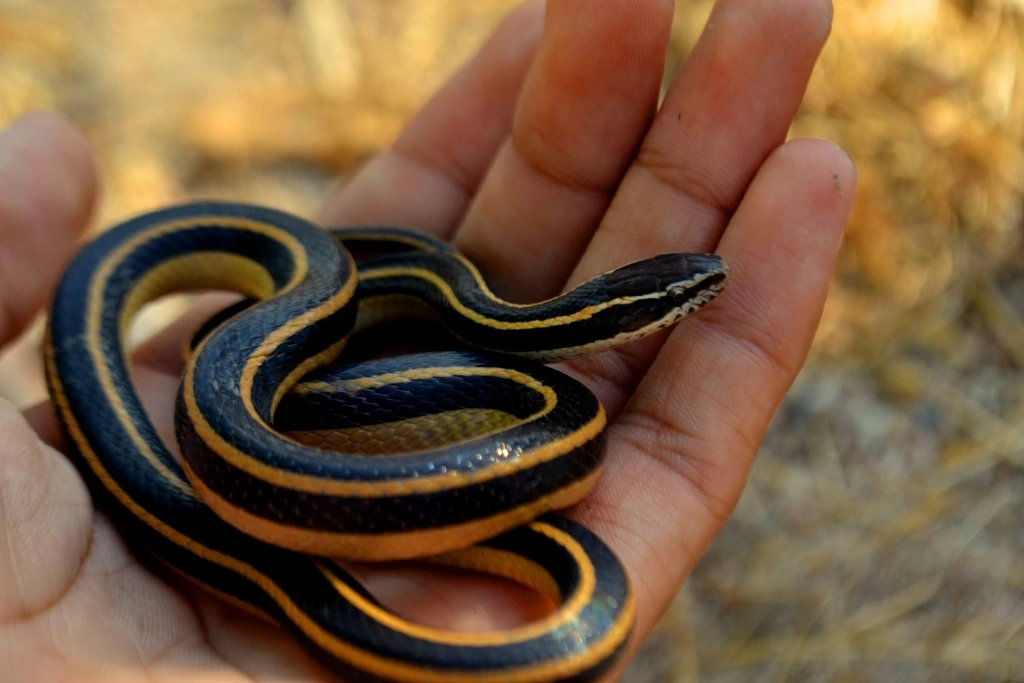
Coniophanes piceivittis. Photographed while held; this is a handled specimen portrait. Original observation dated 2014-10-13. This photograph does not establish occurrence in any additional state or province.

014 · Colubridae

Cope's Black-striped Snake

Coniophanes piceivittis

COPE, 1870

Venom unknownNot yet assessed

The checked taxonomic distribution account explicitly lists Nicaragua. Country-level evidence does not establish continuous occupancy or a complete national inventory.

Read the species account →

Daniel Pineda Vera · CC BY 4.0 · https://creativecommons.org/licenses/by/4.0/

Conophis lineatus. Species portrait; the complete source frame is retained. Original observation dated 2021-04-18. This photograph does not establish occurrence in any additional state or province.

015 · Colubridae

Road Guarder

Conophis lineatus

(DUMÉRIL, BIBRON & DUMÉRIL, 1854)

Venom unknownNot yet assessed

The checked taxonomic distribution account explicitly lists Nicaragua. Country-level evidence does not establish continuous occupancy or a complete national inventory.

Read the species account →

Sebastián de Jesús Herrera Buenfil · CC BY 4.0 · https://creativecommons.org/licenses/by/4.0/

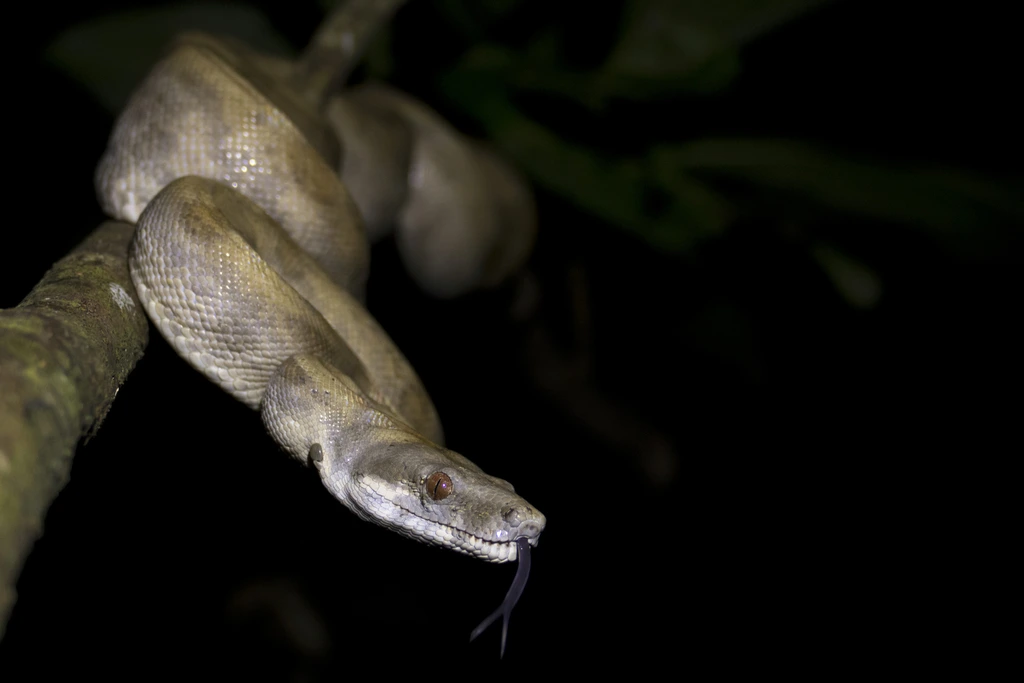
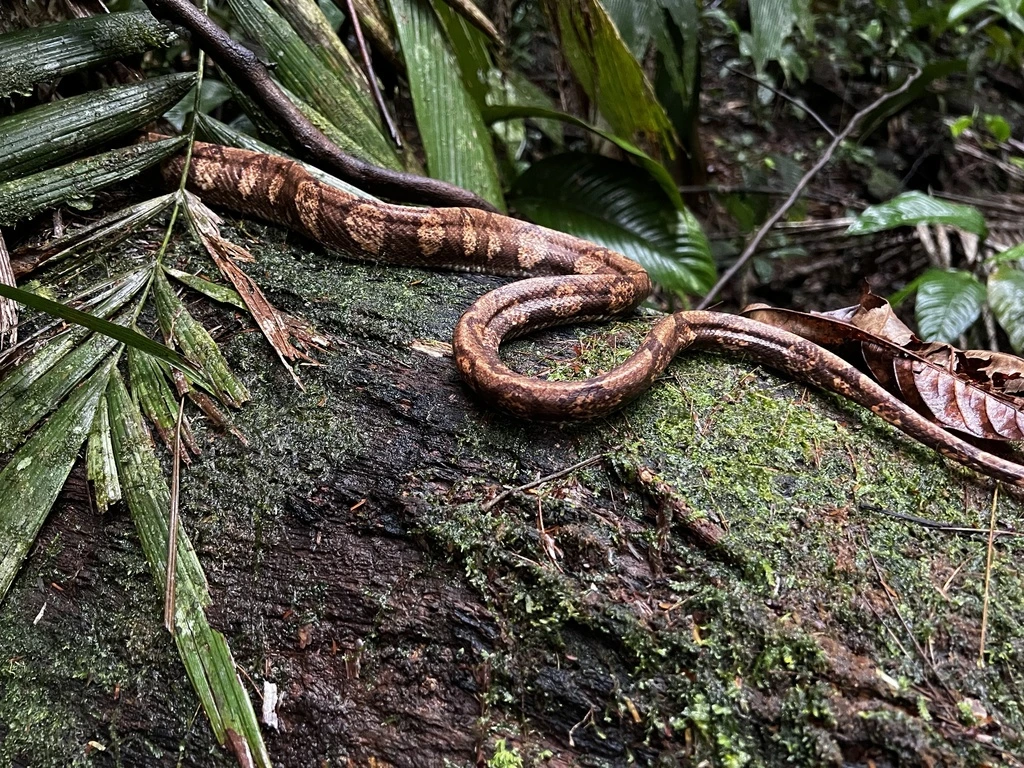
Corallus annulatus. Coiled individual resting on a moss-covered branch. Original observation dated 2025-05-13. Portrait only; no new locality record is inferred.

016 · Boidae

Ringed Tree Boa

Corallus annulatus

(COPE, 1875)

Non-venomous

The checked taxonomic distribution account explicitly lists Nicaragua. Country-level evidence does not establish continuous occupancy or a complete national inventory.

Read the species account →

Djibo Zanzot · CC BY-SA 4.0 · https://creativecommons.org/licenses/by-sa/4.0/

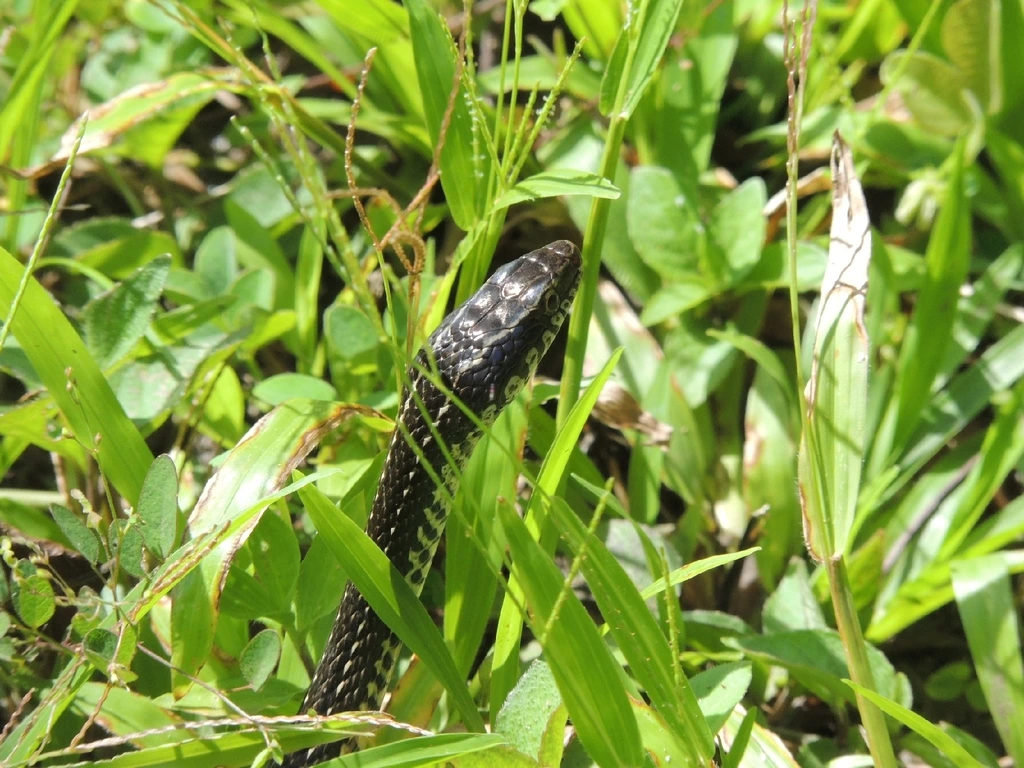
Crisantophis nevermanni. Head and neck visible among grasses. Original observation dated 2025-11-12. No additional geographic occurrence is inferred.

017 · Colubridae

Dunn's Road Guarder

Crisantophis nevermanni

(DUNN, 1937)

Venom unknownNot yet assessed

The checked taxonomic distribution account explicitly lists Nicaragua. Country-level evidence does not establish continuous occupancy or a complete national inventory.

Read the species account →

Anthony Mora Aguilar · CC BY 4.0 · https://creativecommons.org/licenses/by/4.0/

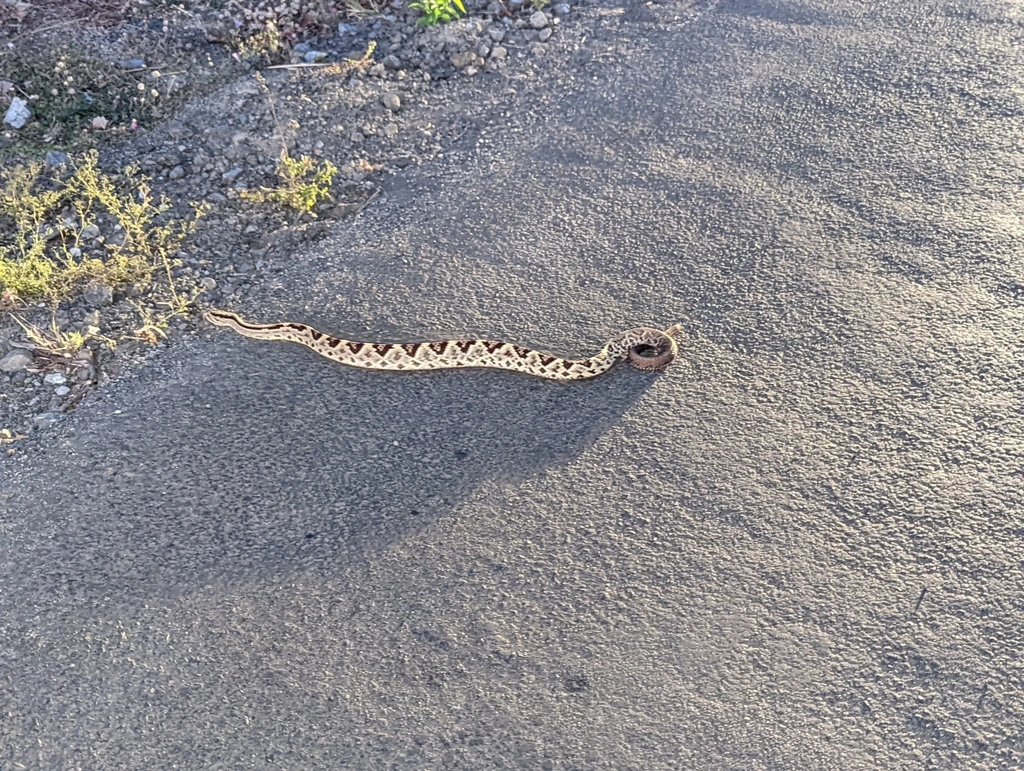
Crotalus simus. Individual crossing a paved road. Original observation dated 2022-01-27. Portrait only; no new locality or habitat record is inferred.

018 · Viperidae

Middle American Rattlesnake

Crotalus simus

LATREILLE, 1801

VenomousClinical severity not established

The checked taxonomic distribution account explicitly lists Nicaragua. Country-level evidence does not establish continuous occupancy or a complete national inventory.

Read the species account →

Jason · CC BY-SA 4.0 · https://creativecommons.org/licenses/by-sa/4.0/

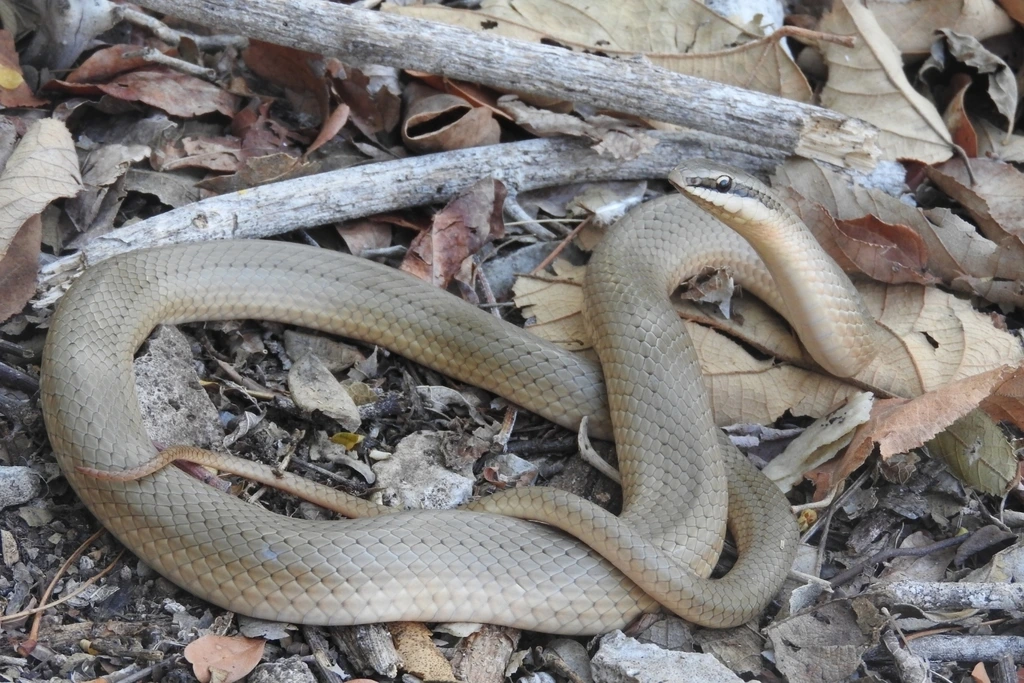
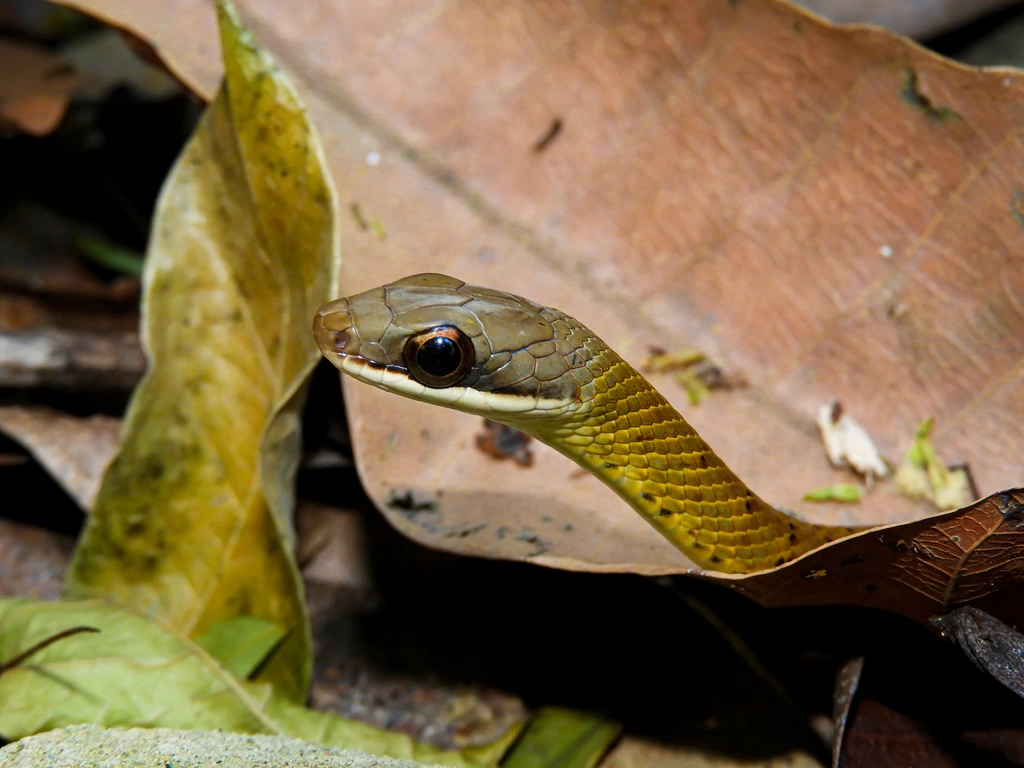
Dendrophidion apharocybe. Head and body among fallen leaves. Original observation dated 2022-04-02. No additional geographic occurrence is inferred.

019 · Colubridae

Species account

Dendrophidion apharocybe

CADLE, 2012

Venom unknownNot yet assessed

The checked taxonomic distribution account explicitly lists Nicaragua. Country-level evidence does not establish continuous occupancy or a complete national inventory.

Read the species account →

scott_young · CC0 1.0 · https://creativecommons.org/publicdomain/zero/1.0/

Dendrophidion percarinatum. The complete source frame is retained; this portrait is not locality or habitat evidence. Original observation dated 2021-03-02. No additional geographic occurrence is inferred.

020 · Colubridae

South American Forest Racer

Dendrophidion percarinatum

(COPE, 1893)

Venom unknownNot yet assessed

The checked taxonomic distribution account explicitly lists Nicaragua. Country-level evidence does not establish continuous occupancy or a complete national inventory.

Read the species account →

José Gabriel Julio Guzmán · CC BY 4.0 · https://creativecommons.org/licenses/by/4.0/

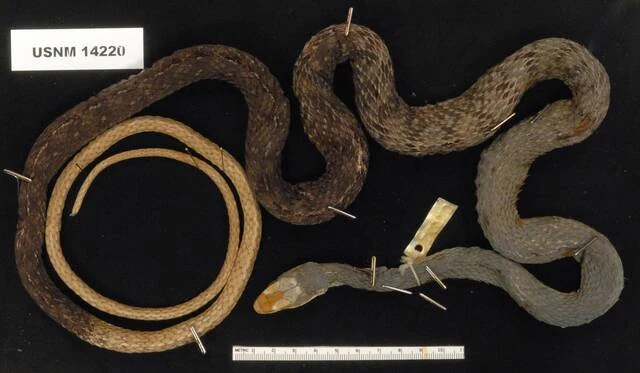
Dendrophidion rufiterminorum. Preserved museum specimen, Smithsonian National Museum of Natural History, USNM 14220. Colours may have changed in preservative. This collection image adds no geographic occurrence record.

021 · Colubridae

Species account

Dendrophidion rufiterminorum

CADLE & SAVAGE, 2012

Venom unknownNot yet assessed

The checked taxonomic distribution account explicitly lists Nicaragua. Country-level evidence does not establish continuous occupancy or a complete national inventory.

Read the species account →

James A. Poindexter II · CC0 1.0 · https://creativecommons.org/publicdomain/zero/1.0/

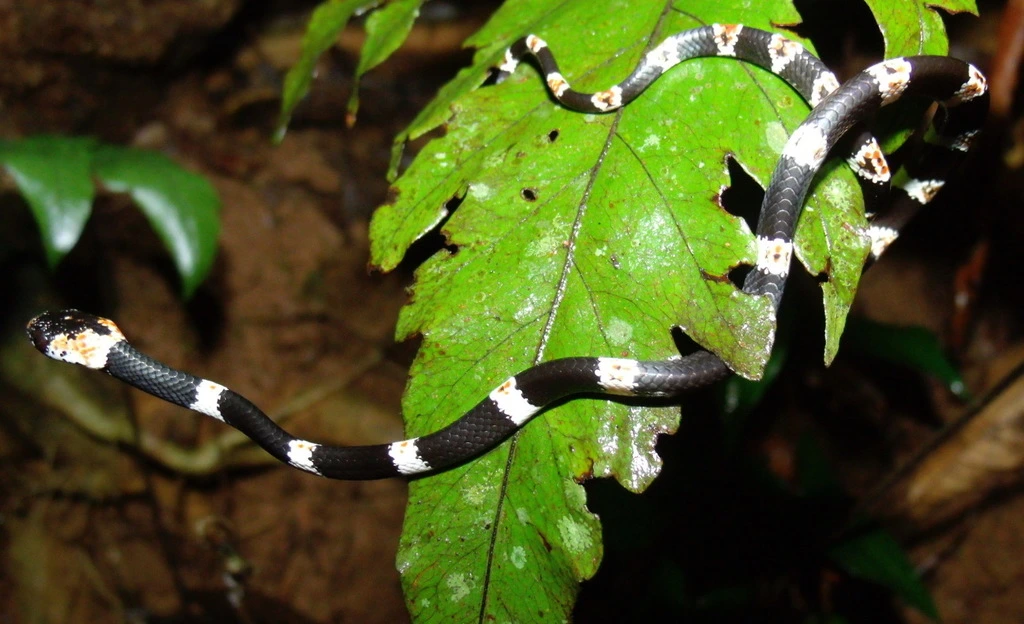
Dipsas articulata. Banded individual crossing a green leaf. Original observation dated 2012-06-24. No additional geographic occurrence is inferred.

022 · Colubridae

American Snail-eater

Dipsas articulata

(COPE, 1868)

Venom unknownNot yet assessed

The checked taxonomic distribution account explicitly lists Nicaragua. Country-level evidence does not establish continuous occupancy or a complete national inventory.

Read the species account →

John G. Phillips · CC BY 4.0 · https://creativecommons.org/licenses/by/4.0/

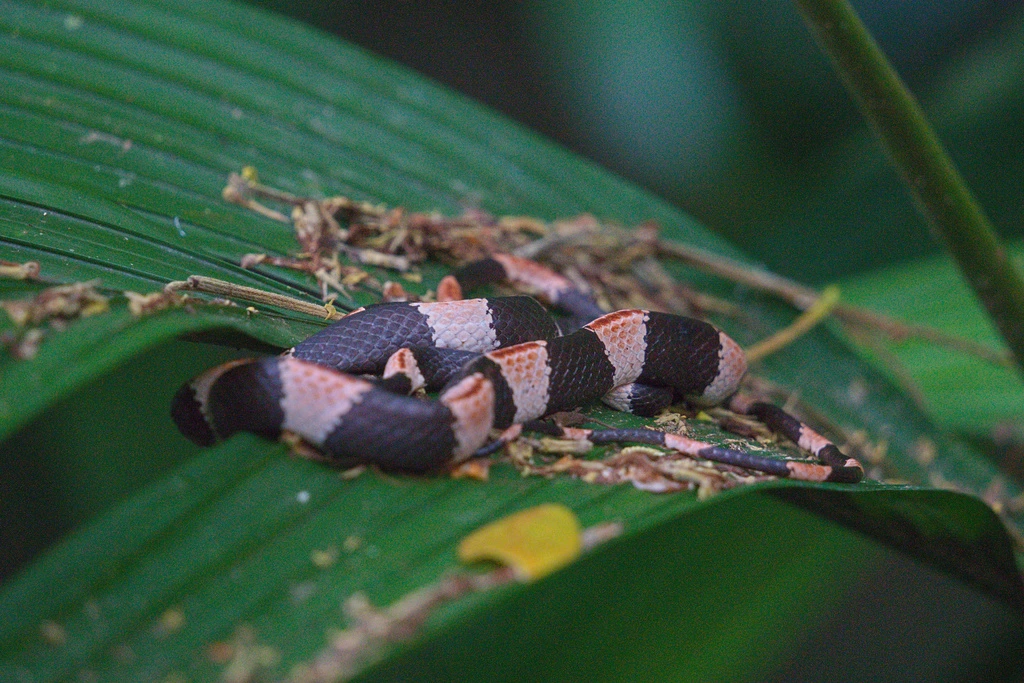
Dipsas bicolor. Coiled individual on a broad green leaf. Original observation dated 2022-04-12. No additional geographic occurrence is inferred.

023 · Colubridae

Two-colored Snail-eater

Dipsas bicolor

(GÜNTHER, 1895)

Venom unknownNot yet assessed

The checked taxonomic distribution account explicitly lists Nicaragua. Country-level evidence does not establish continuous occupancy or a complete national inventory.

Read the species account →

Attila Oláh · CC BY 4.0 · https://creativecommons.org/licenses/by/4.0/

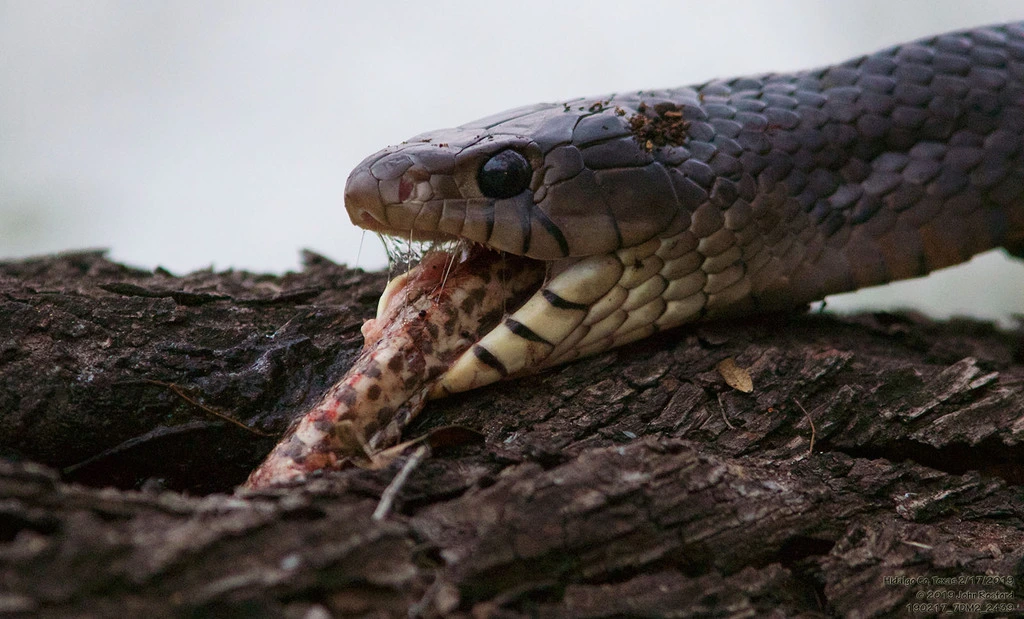
Drymarchon melanurus. Feeding portrait; the snake is pulling prey from a tree cavity. Original observation dated 2019-02-17. This photograph does not establish occurrence in any additional state or province.

024 · Colubridae

Blacktail Cribo

Drymarchon melanurus

(DUMÉRIL, BIBRON & DUMÉRIL, 1854)

Venom unknownNot yet assessed

The checked taxonomic distribution account explicitly lists Nicaragua. Country-level evidence does not establish continuous occupancy or a complete national inventory.

Read the species account →

John Rosford · CC BY 4.0 · https://creativecommons.org/licenses/by/4.0/

The research library

Sources & the checklist.

This edition lists 108 species with supported country records from checked taxonomic treatments and cited field studies. This total includes 1 record marked as introduced; it is not a native-species total. It is not a claim of a complete national inventory. Each account retains its source and check date; individual evidence entries retain their own review dates.

Range and taxonomy review

Country links use a single accepted species identity. Revised names and disputed records are kept visible here; uncertain records do not enter the listed collection or regional totals.

Laticauda colubrina

Uncertain — excluded from the listed total

Greece is a reported possible introduction; American reports lack vouchers. Broad Micronesia/Polynesia are not country assignments.

Source 1 ↗

Indotyphlops braminus

Introduced occurrence

Cosmopolitan transported species: countries denotes supported occurrence, not a claim of native status. IntroducedCountries captures explicit source introductions; native/introduced status of the remaining localities is unresolved. Broad New Guinea and Micronesia are not converted to countries. The checked taxonomic distribution account explicitly lists Nicaragua. Country-level evidence does not establish continuous occupancy or a complete national inventory. The source population is treated as introduced.

Source 1 ↗

How the map and counts work

Search results were checked against distribution text and taxonomic qualifications. A geographic name alone does not establish a political country: New Guinea, the Solomon archipelago and Micronesia span more than one country or territory. Introduced and unresolved records require separate interpretation.

Place counts require explicit named localities, including valid type localities. Counts can overlap where sources name multiple places. Regional maps group historical boundary snapshots for navigation, while island outlines use Natural Earth; neither is a species range or an observation map. Small islands can be below the outline dataset’s resolution, so geographic reference markers and the directory remain available.

OpenStreetMap, Wambacher; geoBoundaries gbOpen ADM1, 2017 snapshot; Open Data Commons Open Database License 1.0. Map provenance →
Exclusions & qualifications (1)

Tantilla taeniata

Nicaraguan specimens include a reassigned Tantilla reticulata and older reports predate further species splits; resolve vouchers before counting the country.

Read source 1 ↗
  1. Map provenance and declared navigation groups ↗
  2. Convention on Biological Diversity · Nicaragua national profile ↗
  3. The Reptile Database

    Individual treatments and locality evidence are linked from each species account.

  4. Meiri (2024): SquamBase 1.0

    Species-level literature measurements and ecological traits. Exact-name matches only; imputed or ambiguous fields are omitted. These summaries are not local observations.

  5. Natural Earth: public-domain geographic data

Continue through the North America atlas →