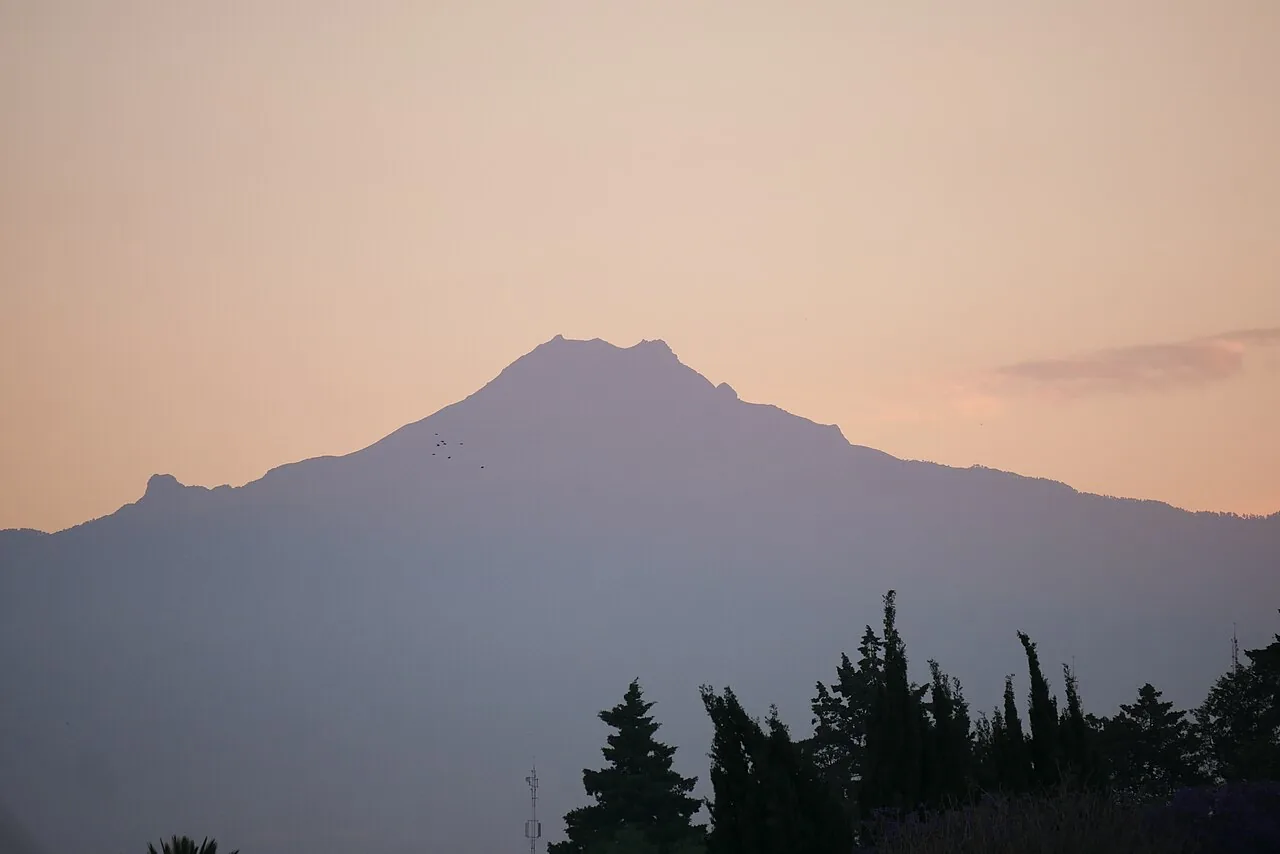
La Malinche on the Tlaxcala–Puebla boundary, viewed at dawn from Puebla.

Mexico · Place guide

Tlaxcala

Explore Tlaxcala through the places named in Mexico's sourced species records.

4species with extracted evidence
2families
32region guides

La Malinche on the Tlaxcala–Puebla boundary, viewed at dawn from Puebla.

Photograph: Luis Alvaz · Image source · CC BY-SA 4.0. Cropped to fill the hero; darkened for text legibility.

Geography & biotopes

Read the landscape.

Explore Tlaxcala through the places named in Mexico's sourced species records.

This state or province follows the credited boundary snapshot for Tlaxcala. Its outline is geographic context, not a species range or a single vegetation type.

Ecological connections

Compare a regional locality with the country habitat guides. A species may occur in the country without a supported assignment to this group; those records remain available in the national collection.

Explore the setting

Open a species account to inspect the original place names and source. Map counts reflect extracted evidence and are not complete regional inventories.

This guide indexes these source names: Tlaxcala. A country-only record is not automatically assigned to this place. Map markers identify navigation destinations, not collection sites.

Map provenance and declared navigation groups →

Convention on Biological Diversity · Mexico national profile →

Geography is part of the record

Find your way through Mexico.

Select a named region to open its evidence page. The complete directory below keeps every guide accessible, including places where locality evidence has not yet been extracted.

397 of 439 listed species have at least one indexed region record. 42 remain country-only. Even a nonzero count is not a complete regional inventory.

Habitats & living landscapes

Explore the living
landscapes.

Explore 3 guides to the environments, places and conservation pressures that shape this country. Each guide connects to the regional map and shared species accounts.

Landscape photographs & credits

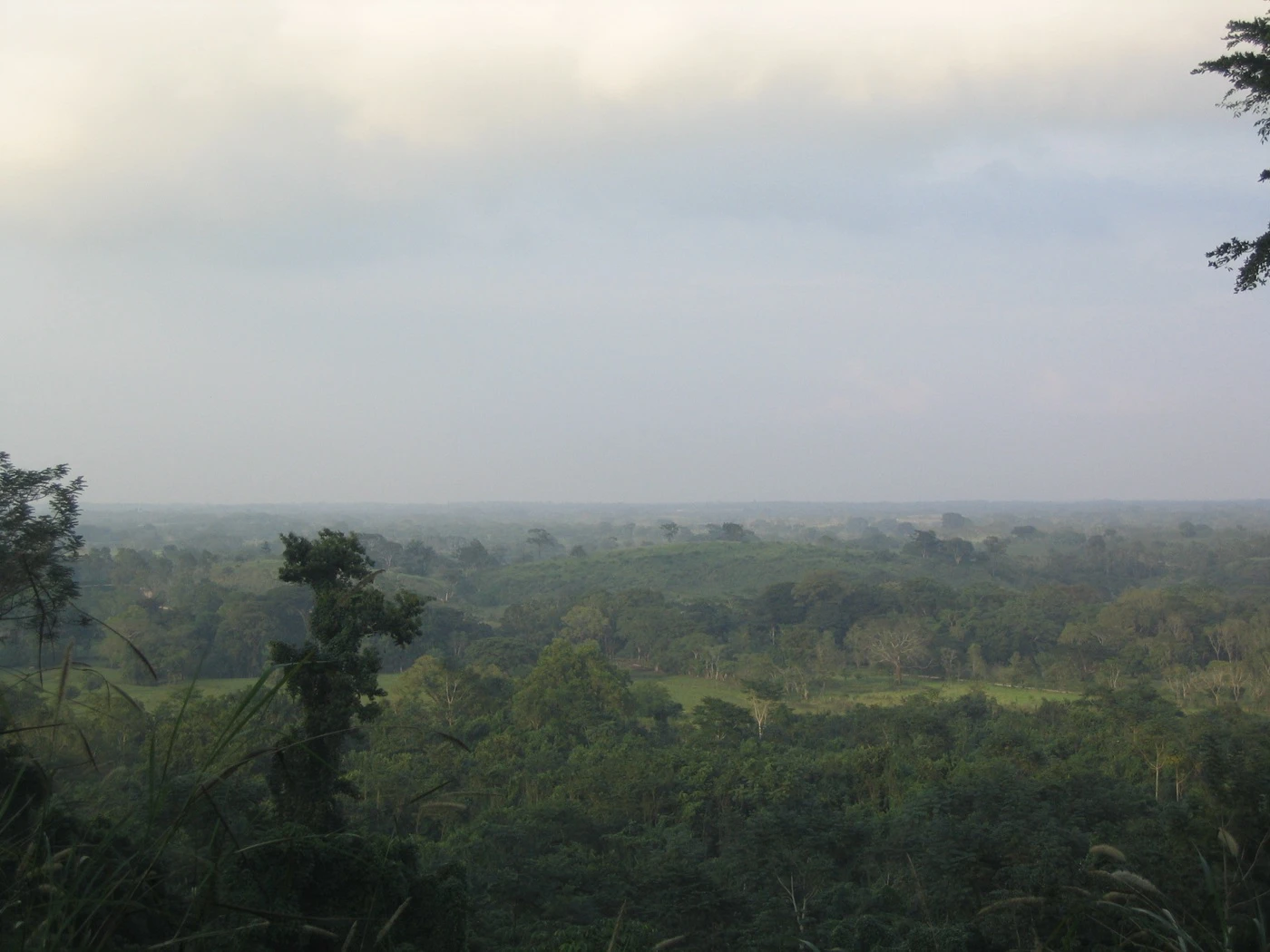
Forest landscape of the Selva Lacandona, Chiapas, Mexico; photographed in December 2006. — No machine-readable author provided. Tbachner assumed (based on copyright claims).. Original photograph · Public domain. Cropped for the cards; photographs do not establish snake occurrence.

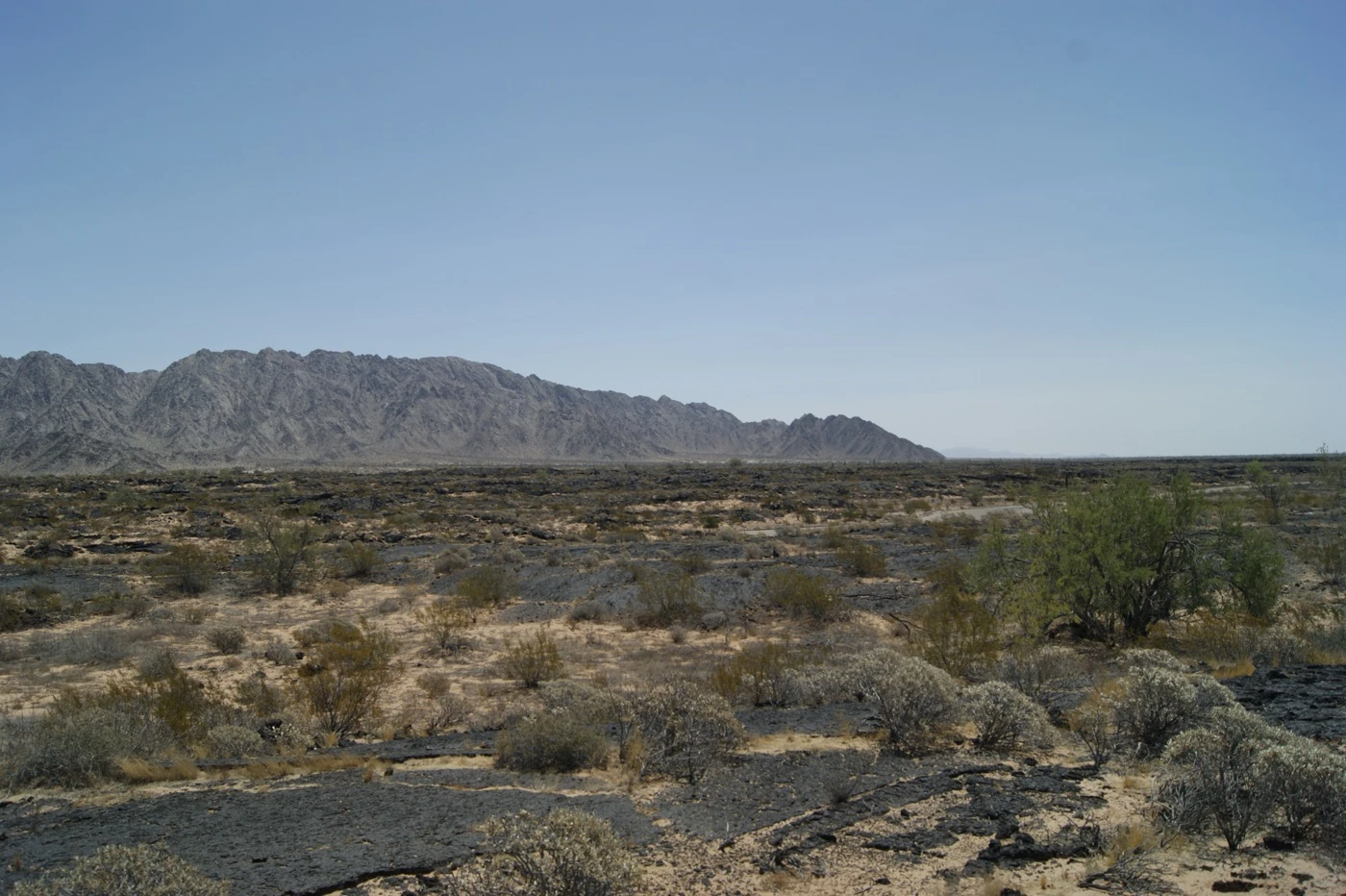
Dry scrub and rocky ground in El Pinacate Biosphere Reserve, Sonora, Mexico. — Comisión Mexicana de Filmaciones from México D. F., México. Original photograph · CC BY-SA 2.0. Cropped for the cards; photographs do not establish snake occurrence.

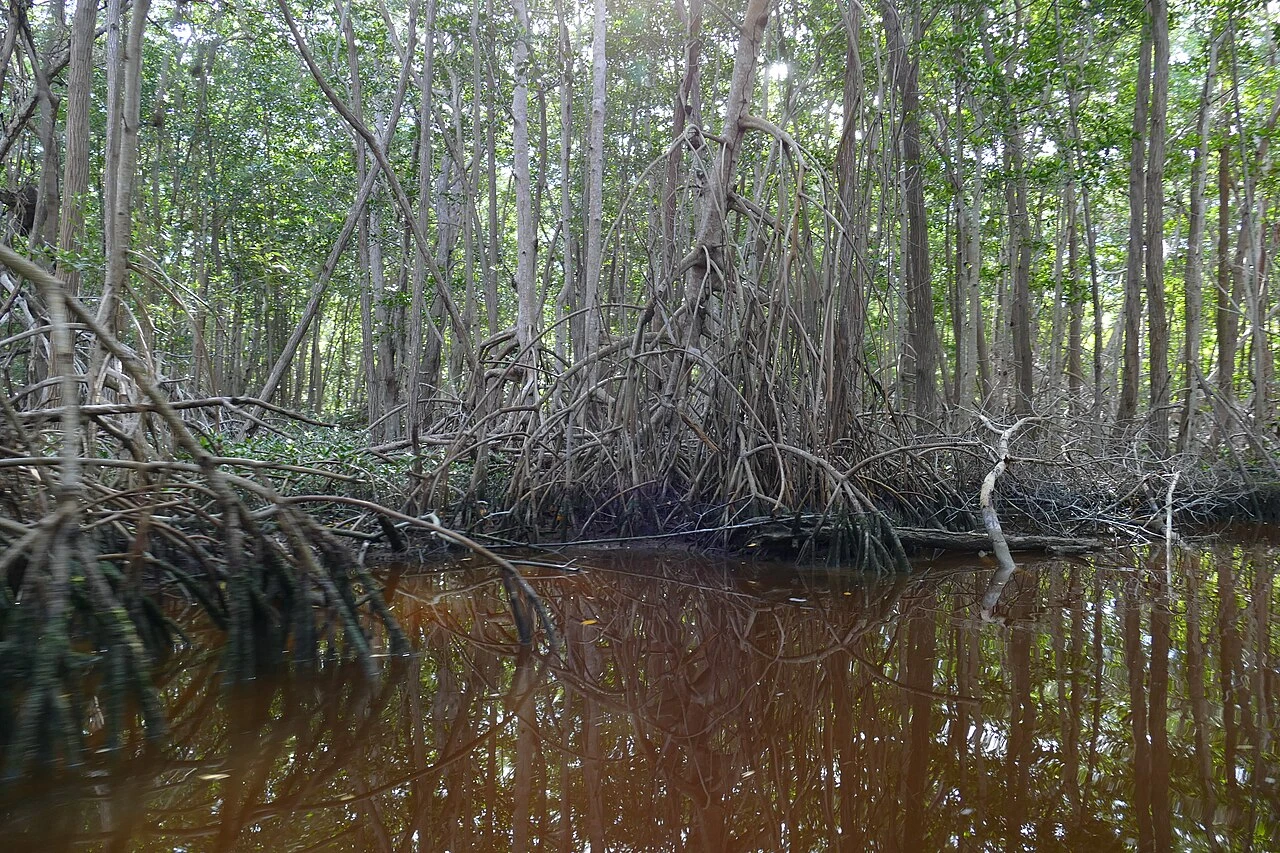
Mangrove woodland and exposed roots beside a tidal waterway in Ria Celestun Biosphere Reserve, Yucatan, Mexico. — Bernard DUPONT. Original photograph · CC BY-SA 2.0. Cropped for the cards; photographs do not establish snake occurrence.

The species catalogue

Snakes · Tlaxcala.

Only records naming this place appear below. These are extracted locality records, not complete island or regional inventories.

4 species · showing 4

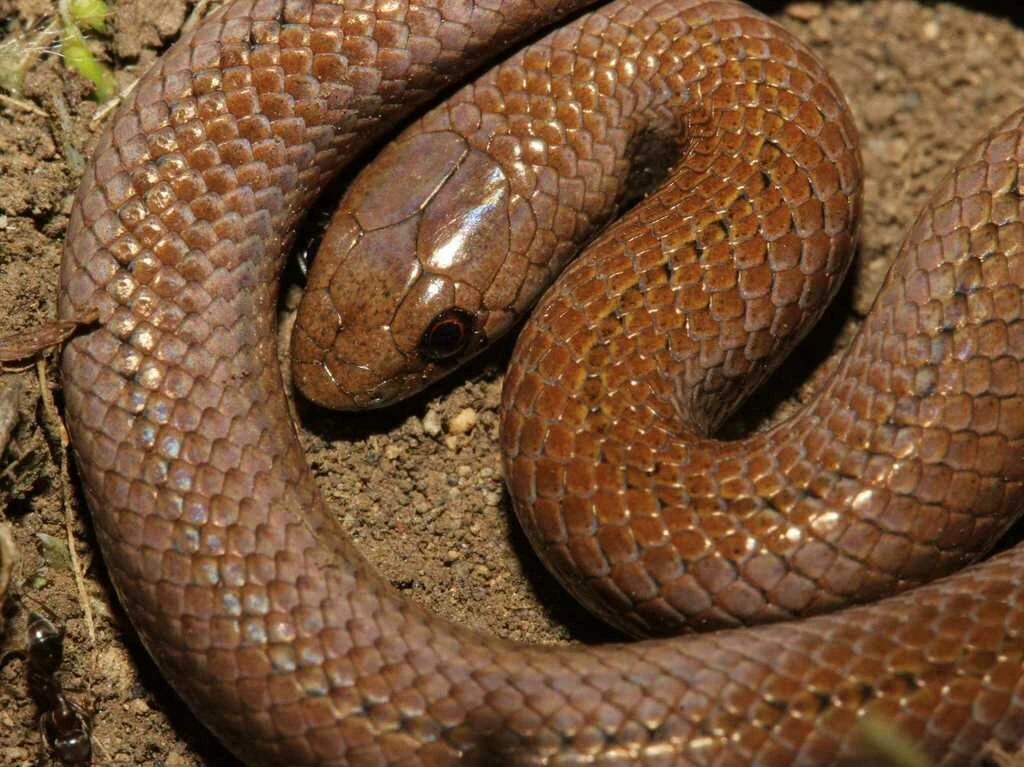
Conopsis lineata. Species portrait; the complete source frame is retained. Original observation dated 2022-12-19. This photograph does not establish occurrence in any additional state or province.

001 · Colubridae

Lined Tolucan Ground Snake, Lined Tolucan Earthsnake

Conopsis lineata

(KENNICOTT, 1859)

Venom unknownNot yet assessed

The checked taxonomic distribution account explicitly lists Mexico. Country-level evidence does not establish continuous occupancy or a complete national inventory. The treatment names these subdivisions in its Mexico distribution clause: Distrito Federal, Guanajuato, Guerrero, Hidalgo, Jalisco, Mexico, Estado de Mexico, Michoacan, Morelos, Oaxaca,…

Read the species account →

Carlos Muñoz-Amezcua · CC BY 4.0 · https://creativecommons.org/licenses/by/4.0/

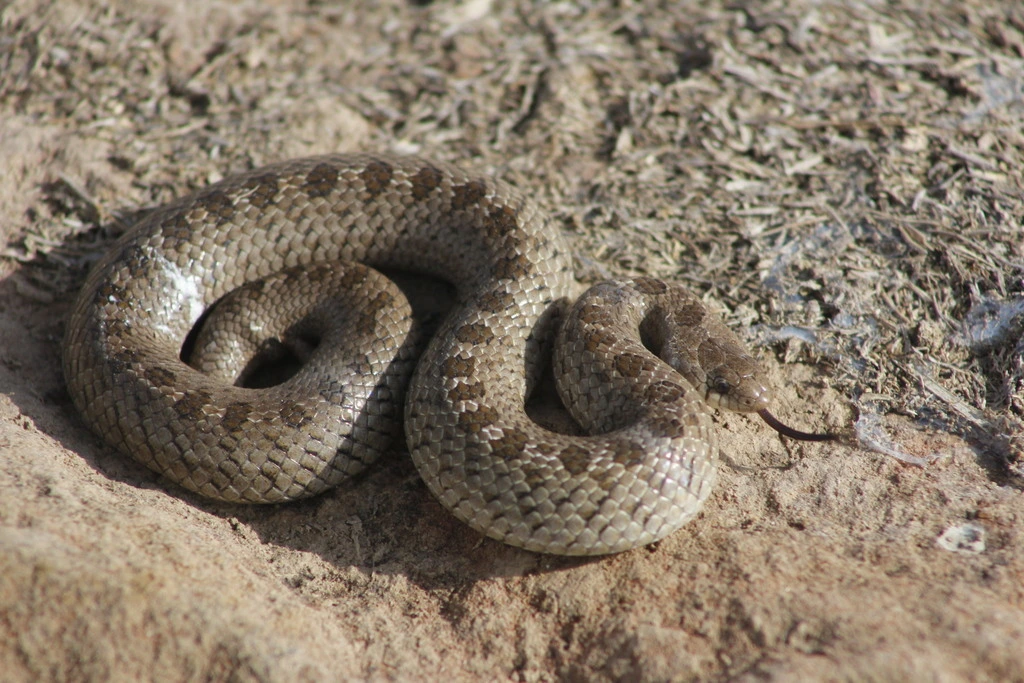
Conopsis nasus. Species portrait; the complete source frame is retained. Original observation dated 2014-10-03. This photograph does not establish occurrence in any additional state or province.

002 · Colubridae

Largenose Earth Snake

Conopsis nasus

(GÜNTHER, 1858)

Venom unknownNot yet assessed

The checked taxonomic distribution account explicitly lists Mexico. Country-level evidence does not establish continuous occupancy or a complete national inventory. The treatment names these subdivisions in its Mexico distribution clause: Aguascalientes, Chihuahua, Distrito Federal, Durango, Guanajuato, Hidalgo, Jalisco, Mexico, Estado de Mexico,…

Read the species account →

Juan Cruzado Cortés · CC BY-SA 4.0 · https://creativecommons.org/licenses/by-sa/4.0/

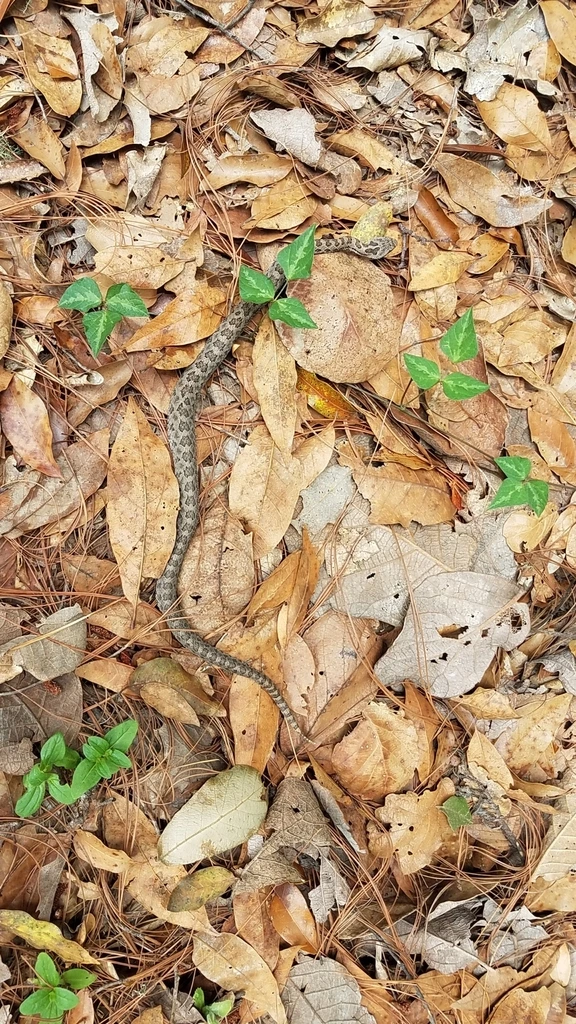
Crotalus intermedius. Species portrait; the complete source frame is retained. Original observation dated 2019-07-13. This photograph does not establish occurrence in any additional state or province.

003 · Viperidae

Mexican Smallhead Rattlesnake

Crotalus intermedius

TROSCHEL, 1865

VenomousClinical severity not established

The checked taxonomic distribution account explicitly lists Mexico. Country-level evidence does not establish continuous occupancy or a complete national inventory. The treatment names these subdivisions in its Mexico distribution clause: Guerrero, Hidalgo, Oaxaca, Puebla, Tlaxcala, Veracruz. They are assigned to the declared atlas navigation groups;…

Read the species account →

Alan Rockefeller · CC BY 4.0 · https://creativecommons.org/licenses/by/4.0/

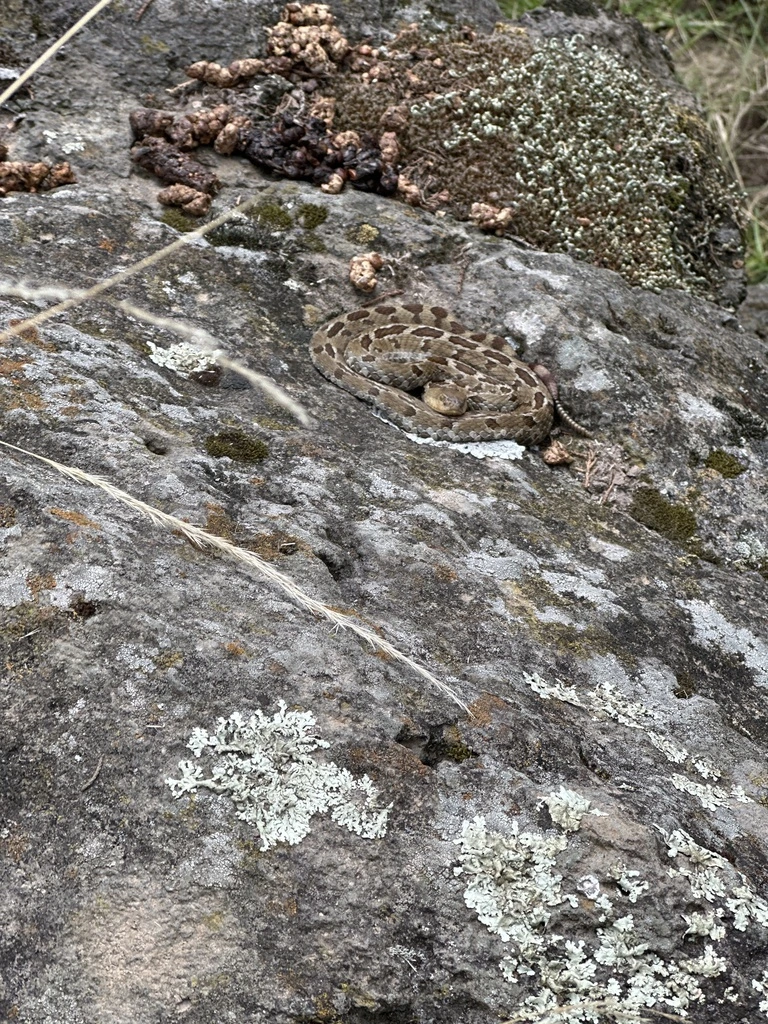
Crotalus ravus. Species portrait; the complete source frame is retained. Original observation dated 2023-11-02. This photograph does not establish occurrence in any additional state or province.

004 · Viperidae

Species account

Crotalus ravus

COPE, 1865

VenomousClinical severity not established

The checked taxonomic distribution account explicitly lists Mexico. Country-level evidence does not establish continuous occupancy or a complete national inventory. The treatment names these subdivisions in its Mexico distribution clause: Hidalgo, Morelos, Puebla, Tlaxcala, Veracruz. They are assigned to the declared atlas navigation groups; this is not…

Read the species account →

Carlos Martorell · CC BY 4.0 · https://creativecommons.org/licenses/by/4.0/

Explore all 439 country records →

The research library

Sources & the checklist.

This edition lists 439 species with supported country records from checked taxonomic treatments and cited field studies. This total includes 1 record marked as introduced; it is not a native-species total. It is not a claim of a complete national inventory. Each account retains its source and check date; individual evidence entries retain their own review dates.

Range and taxonomy review

Country links use a single accepted species identity. Revised names and disputed records are kept visible here; uncertain records do not enter the listed collection or regional totals.

Laticauda colubrina

Uncertain — excluded from the listed total

Greece is a reported possible introduction; American reports lack vouchers. Broad Micronesia/Polynesia are not country assignments.

Source 1 ↗

Indotyphlops braminus

Introduced occurrence

Explicitly introduced in the checked distribution source. The checked taxonomic distribution account explicitly lists Mexico. Country-level evidence does not establish continuous occupancy or a complete national inventory. The source population is treated as introduced. The treatment names these subdivisions in its Mexico distribution clause: Aguascalientes, Baja California Sur, Campeche, Chiapas, Chihuahua, Coahuila, Durango, Guanajuato, Guerrero, Hidalgo, Jalisco, Michoacan, Morelos, Nayarit, Nuevo Leon, Oaxaca, Puebla, Queretaro, Quintana Roo, Sinaloa, Sonora, Tamaulipas, Veracruz, Yucatan, Zacatecas. They are assigned to the declared atlas navigation groups; this is not a field observation, a whole-region range polygon or a complete local inventory. The field checklist records this species in its Jalisco study landscape during 2011–2020. State-level membership is retained; no additional municipality or contemporary population status is inferred.

Source 1 ↗

Source 2 ↗

How the map and counts work

Search results were checked against distribution text and taxonomic qualifications. A geographic name alone does not establish a political country: New Guinea, the Solomon archipelago and Micronesia span more than one country or territory. Introduced and unresolved records require separate interpretation.

Place counts require explicit named localities, including valid type localities. Counts can overlap where sources name multiple places. Regional maps group historical boundary snapshots for navigation, while island outlines use Natural Earth; neither is a species range or an observation map. Small islands can be below the outline dataset’s resolution, so geographic reference markers and the directory remain available.

Instituto Nacional de Estadística y Geografía (INEGI); geoBoundaries gbOpen ADM1, 2020 snapshot; Creative Commons Attribution 3.0 Intergovernmental Organisations (CC BY 3.0 IGO). Map provenance →

Exclusions & qualifications (17)

Oxybelis aeneus

Search candidate only: the leading current distribution account does not independently resolve this country. Retained for manual taxonomic/locality review; not evidence of absence.

Read source 1 ↗
Heterodon nasicus

Search candidate only: the leading current distribution account does not independently resolve this country. Retained for manual taxonomic/locality review; not evidence of absence.

Read source 1 ↗
Heterodon platirhinos

Search candidate only: the leading current distribution account does not independently resolve this country. Retained for manual taxonomic/locality review; not evidence of absence.

Read source 1 ↗
Lampropeltis triangulum

The treatment retains historical range wording after the milksnake revisions. The Mexican country report requires reconciliation before it is counted.

Read source 1 ↗

Sistrurus catenatus

The treatment retains historical western range text; Mexican records require review against Sistrurus tergeminus before a current-country claim.

Read source 1 ↗

Storeria occipitomaculata

Search candidate only: the leading current distribution account does not independently resolve this country. Retained for manual taxonomic/locality review; not evidence of absence.

Read source 1 ↗
Thamnophis radix

Search candidate only: the leading current distribution account does not independently resolve this country. Retained for manual taxonomic/locality review; not evidence of absence.

Read source 1 ↗
Porthidium ophryomegas

The treatment includes an explicit negative or conflicting country qualification. Resolve the cited revision before counting this report.

Read source 1 ↗

Mastigodryas dorsalis

The treatment includes an explicit negative or conflicting country qualification. Resolve the cited revision before counting this report.

Read source 1 ↗

Agkistrodon laticinctus

Search candidate only: the leading current distribution account does not independently resolve this country. Retained for manual taxonomic/locality review; not evidence of absence.

Read source 1 ↗
Crotalus cerberus

Search candidate only: the leading current distribution account does not independently resolve this country. Retained for manual taxonomic/locality review; not evidence of absence.

Read source 1 ↗
Lampropeltis californiae

Search candidate only: the leading current distribution account does not independently resolve this country. Retained for manual taxonomic/locality review; not evidence of absence.

Read source 1 ↗

Lampropeltis gentilis

Search candidate only: the leading current distribution account does not independently resolve this country. Retained for manual taxonomic/locality review; not evidence of absence.

Read source 1 ↗

Lampropeltis pyromelana

Search candidate only: the leading current distribution account does not independently resolve this country. Retained for manual taxonomic/locality review; not evidence of absence.

Read source 1 ↗

Masticophis piceus

Search candidate only: the leading current distribution account does not independently resolve this country. Retained for manual taxonomic/locality review; not evidence of absence.

Read source 1 ↗

Sonora episcopa

Search candidate only: the leading current distribution account does not independently resolve this country. Retained for manual taxonomic/locality review; not evidence of absence.

Read source 1 ↗

Tropidoclonion lineatum

Search candidate only: the leading current distribution account does not independently resolve this country. Retained for manual taxonomic/locality review; not evidence of absence.

Read source 1 ↗
  1. Boundary provenance and declared grouping ↗

    Historical boundary snapshots are grouped for navigation, not ecological zones, species ranges or a statement of current administrative arrangements. Markers identify guide pages, not animal observations.

  2. Convention on Biological Diversity · Mexico national profile ↗

    National biodiversity reporting synthesis. Landscape context only; dated statistics and projections are not presented as current measurements. Checked 16 October 2026.

  3. Map provenance and declared navigation groups ↗
  4. Convention on Biological Diversity · Mexico national profile ↗
  5. The Reptile Database

    Individual treatments and locality evidence are linked from each species account.

  6. Meiri (2024): SquamBase 1.0

    Species-level literature measurements and ecological traits. Exact-name matches only; imputed or ambiguous fields are omitted. These summaries are not local observations.

  7. Natural Earth: public-domain geographic data

Continue through the North America atlas →