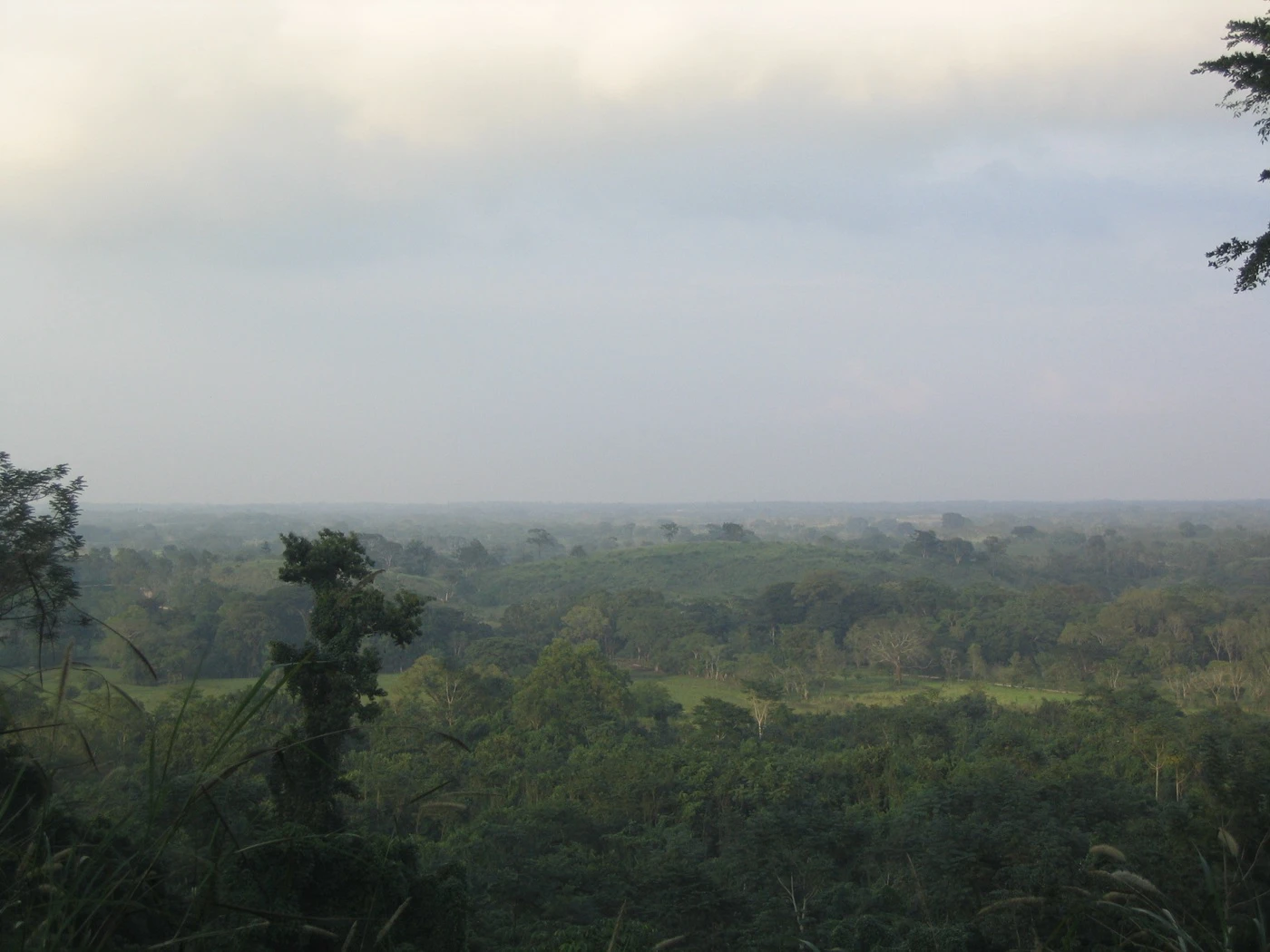
Forest landscape of the Selva Lacandona, Chiapas, Mexico; photographed in December 2006.

Mexico · Habitat field guide

Forest & woodland

The national profile distinguishes tropical and temperate forests and emphasizes that remaining vegetation includes different levels of disturbance. Retain the original forest type when reading a locality record.

Forest landscape of the Selva Lacandona, Chiapas, Mexico; photographed in December 2006.

Photograph: No machine-readable author provided. Tbachner assumed (based on copyright claims). · Image source · Public domain. Cropped to fill the hero; darkened for text legibility.

Understanding the environment

A sense of the habitat.

The national profile distinguishes tropical and temperate forests and emphasizes that remaining vegetation includes different levels of disturbance. Retain the original forest type when reading a locality record.

Geographic scope
Mexico; source locality matters.
Evidence scale
Landscape descriptions are separate from species records.
Source date
Retain the cited publication date; reviewed 16 October 2026.

Explore the structure · Select a layer to compare details retained in a field record.

Read the locality in three layers.

Select a zone to see what changes.

Canopy

Canopy

Distinguish closed crowns, open woodland and planted trees.

Check this detail in the original record before assigning a species to the habitat.

These reading prompts are conceptual, not a transect or an occurrence map.

Sources: Convention on Biological Diversity · Mexico national profile

Field notes · 01

The documented setting

The national profile distinguishes tropical and temperate forests and emphasizes that remaining vegetation includes different levels of disturbance. Retain the original forest type when reading a locality record.

Sources: Convention on Biological Diversity · Mexico national profile

Field notes · 02

Connect the setting to a species

A habitat description and a country record answer different questions. Follow the linked species account for evidence of habitat use; an empty filtered collection indicates missing extracted evidence, not biological absence.

Pressures on Mexico’s habitats

What is at risk?

A site-specific assessment of pressures has not yet been extracted for this guide. The landscape sources below provide context; they do not establish a current threat level for each snake species.

What helps this habitat

Consult the source’s own conservation context and dates before interpreting habitat change. A broad landscape pressure does not establish a measured decline for every snake.

The connected collection

Snakes with habitat evidence.

These 218 species have supported country occurrence and an explicit habitat association in the shared account. The association may come from elsewhere in their range. This is not a complete local habitat inventory; the places above are landscape examples, not asserted collecting sites.

218 species · showing 24

ColubridaeAdelphicosPhotograph not yet documented

001 · Colubridae

Oaxacan Burrowing Snake

Adelphicos latifasciatum

LYNCH & SMITH, 1966

Venom unknownNot yet assessed

The checked taxonomic distribution account explicitly lists Mexico. Country-level evidence does not establish continuous occupancy or a complete national inventory. The treatment names these subdivisions in its Mexico distribution clause: Chiapas, Oaxaca. They are assigned to the declared atlas navigation groups; this is not a field observation, a…

Read the species account →
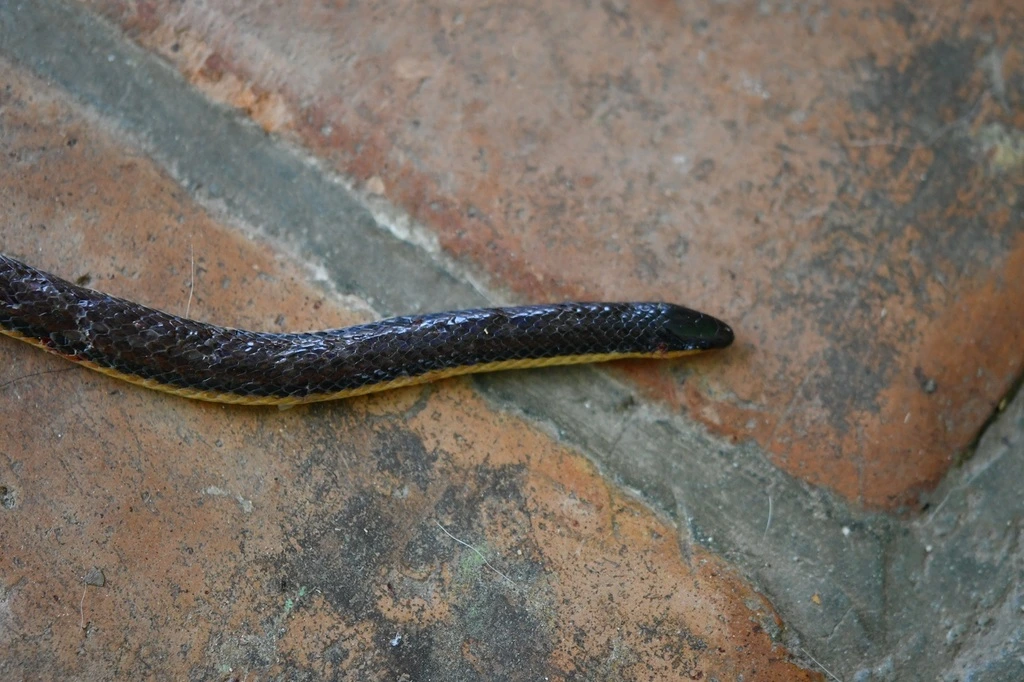
Adelphicos quadrivirgatum. Species portrait; the complete source frame is retained. Original observation dated 2025-07-20. This photograph does not establish occurrence in any additional state or province.

002 · Colubridae

Middle American Burrowing Snake

Adelphicos quadrivirgatum

JAN, 1862

Venom unknownNot yet assessed

The checked taxonomic distribution account explicitly lists Mexico. Country-level evidence does not establish continuous occupancy or a complete national inventory.

Read the species account →

Neptalí Ramírez Marcial · CC BY 4.0 · https://creativecommons.org/licenses/by/4.0/

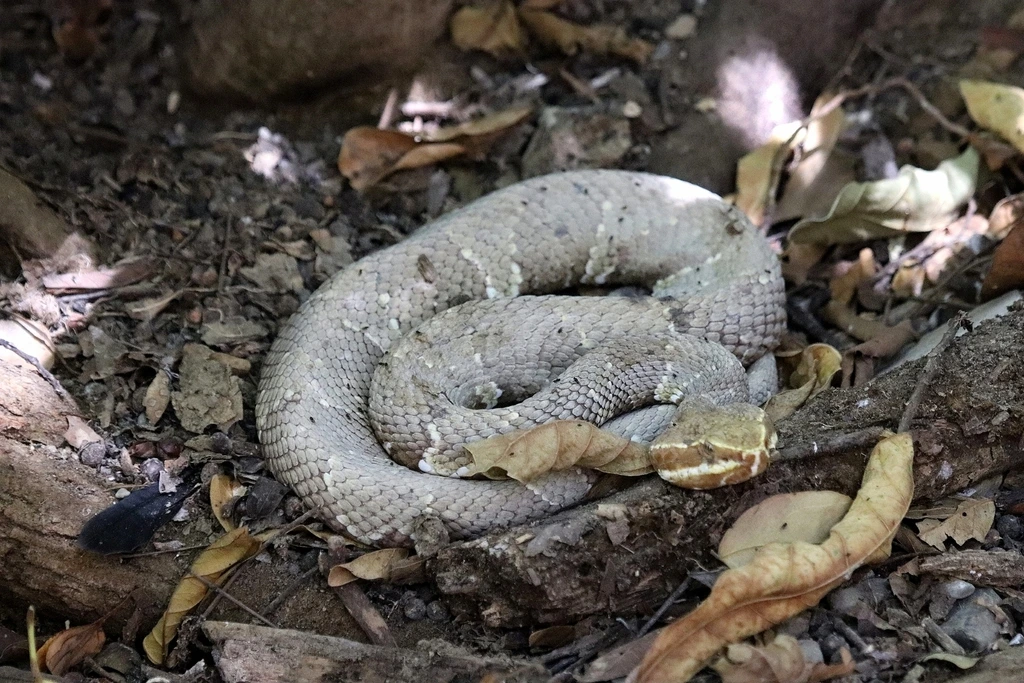
Agkistrodon bilineatus. Species portrait; the complete source frame is retained. Original observation dated 2025-04-23. This photograph does not establish occurrence in any additional state or province.

003 · Viperidae

Cantil, Mexican Moccasin

Agkistrodon bilineatus

GÜNTHER, 1863

VenomousClinical severity not established

The checked taxonomic distribution account explicitly lists Mexico. Country-level evidence does not establish continuous occupancy or a complete national inventory. The treatment names these subdivisions in its Mexico distribution clause: Chiapas, Chihuahua, Colima, Guerrero, Jalisco, Michoacan, Morelos, Nayarit, Oaxaca, Puebla, Sinaloa, Sonora. They are…

Read the species account →

Sinead Gómez · CC BY 4.0 · https://creativecommons.org/licenses/by/4.0/

Agkistrodon taylori. Species portrait; the complete source frame is retained. Original observation dated 2021-09-26. This photograph does not establish occurrence in any additional state or province.

004 · Viperidae

Mexican Moccasin

Agkistrodon taylori

BURGER & ROBERTSON, 1951

VenomousClinical severity not established

The checked taxonomic distribution account explicitly lists Mexico. Country-level evidence does not establish continuous occupancy or a complete national inventory. The treatment names these subdivisions in its Mexico distribution clause: Hidalgo, Nuevo Leon, San Luis Potosi, Tamaulipas, Veracruz. They are assigned to the declared atlas navigation…

Read the species account →

Tereso Hernández Morales · CC BY 4.0 · https://creativecommons.org/licenses/by/4.0/

Amastridium sapperi. Species portrait; the complete source frame is retained. Original observation dated 2016-12-13. This photograph does not establish occurrence in any additional state or province.

005 · Colubridae

Rusty-headed Snake

Amastridium sapperi

(WERNER, 1903)

Venom unknownNot yet assessed

The checked taxonomic distribution account explicitly lists Mexico. Country-level evidence does not establish continuous occupancy or a complete national inventory. The treatment names these subdivisions in its Mexico distribution clause: Chiapas, Oaxaca, Queretaro, Tamaulipas, Veracruz. They are assigned to the declared atlas navigation groups; this is…

Read the species account →

Juan Cruzado Cortés · CC BY-SA 4.0 · https://creativecommons.org/licenses/by-sa/4.0/

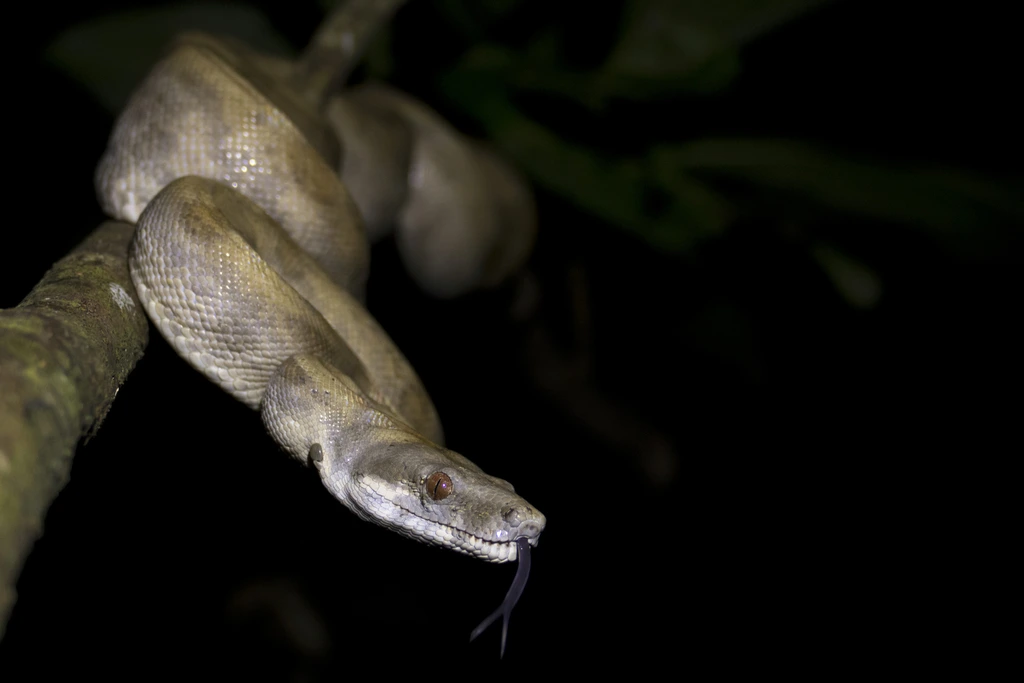
Boa imperator. Species portrait; the complete source frame is retained. Original observation dated 2021-09-28. This photograph does not establish occurrence in any additional state or province.

006 · Boidae

Central American Boa Constrictor

Boa imperator

DAUDIN, 1803

Non-venomous

The checked taxonomic distribution account explicitly lists Mexico. Country-level evidence does not establish continuous occupancy or a complete national inventory. The treatment names these subdivisions in its Mexico distribution clause: Chiapas, Chihuahua, Guanajuato, Guerrero, Michoacan, Oaxaca, Queretaro, Quintana Roo, San Luis Potosi, Sinaloa,…

Read the species account →

Ewout Knoester · CC BY-SA 4.0 · https://creativecommons.org/licenses/by-sa/4.0/

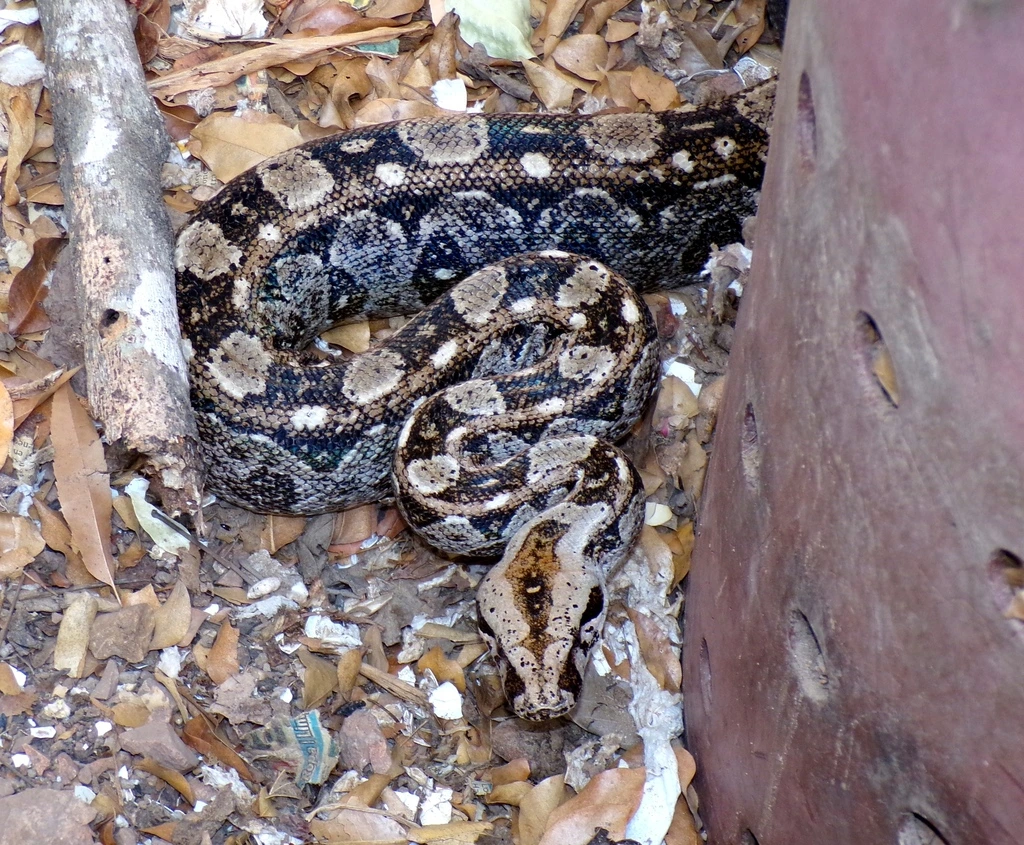
Boa sigma. Species portrait; the complete source frame is retained. Original observation dated 2025-05-13. This photograph does not establish occurrence in any additional state or province.

007 · Boidae

Mexican West Coast Boa Constrictor

Boa sigma

(SMITH, 1943)

Non-venomous

The checked taxonomic distribution account explicitly lists Mexico. Country-level evidence does not establish continuous occupancy or a complete national inventory. The treatment names these subdivisions in its Mexico distribution clause: Durango, Jalisco, Morelos, Nayarit, Sinaloa, Sonora, Zacatecas. They are assigned to the declared atlas navigation…

Read the species account →

Francisco Farriols Sarabia · CC BY 4.0 · https://creativecommons.org/licenses/by/4.0/

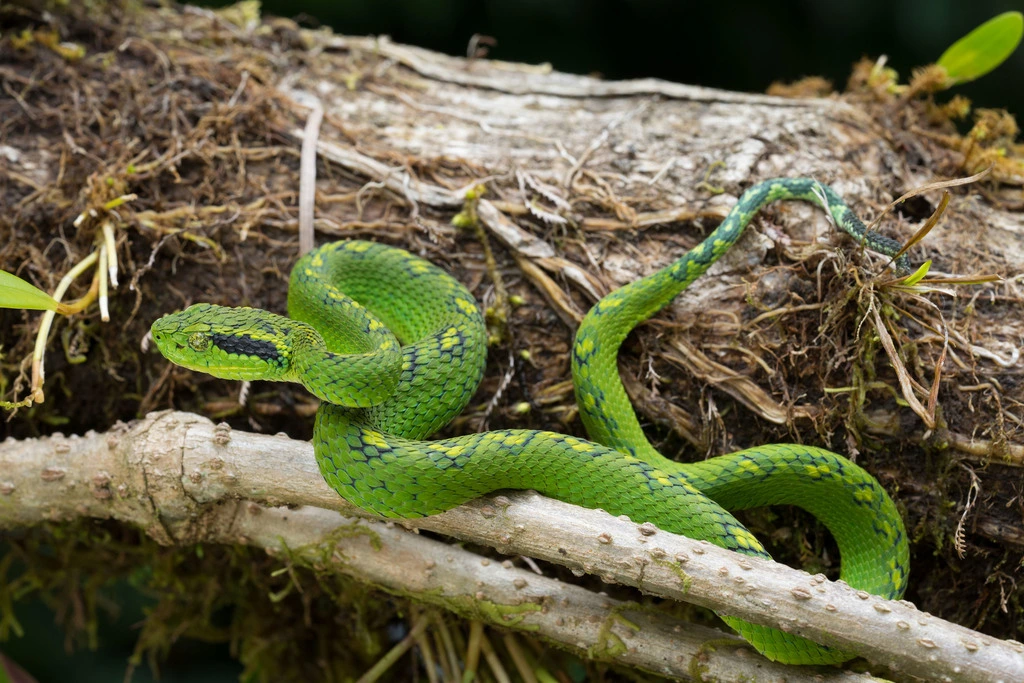
Bothriechis aurifer. Species portrait; the complete source frame is retained. Original observation dated 2017-08-23. This photograph does not establish occurrence in any additional state or province.

008 · Viperidae

Yellow-blotched Palm Pit Viper

Bothriechis aurifer

(SALVIN, 1860)

VenomousClinical severity not established

The checked taxonomic distribution account explicitly lists Mexico. Country-level evidence does not establish continuous occupancy or a complete national inventory. The treatment names these subdivisions in its Mexico distribution clause: Chiapas. They are assigned to the declared atlas navigation groups; this is not a field observation, a whole-region…

Read the species account →

Wouter Beukema · CC BY 4.0 · https://creativecommons.org/licenses/by/4.0/

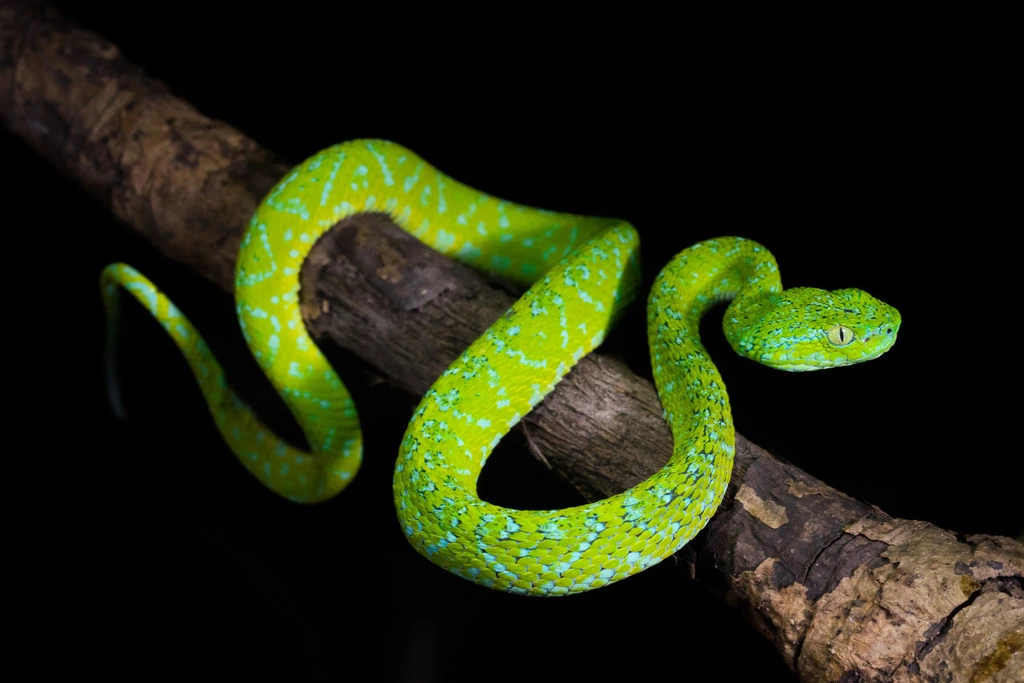
Bothriechis bicolor. Species portrait; the complete source frame is retained. Original observation dated 2019-07-30. This photograph does not establish occurrence in any additional state or province.

009 · Viperidae

Guatemala Palm Pit Viper

Bothriechis bicolor

(BOCOURT, 1868)

VenomousClinical severity not established

The checked taxonomic distribution account explicitly lists Mexico. Country-level evidence does not establish continuous occupancy or a complete national inventory. The treatment names these subdivisions in its Mexico distribution clause: Chiapas. They are assigned to the declared atlas navigation groups; this is not a field observation, a whole-region…

Read the species account →

Wouter Beukema · CC BY 4.0 · https://creativecommons.org/licenses/by/4.0/

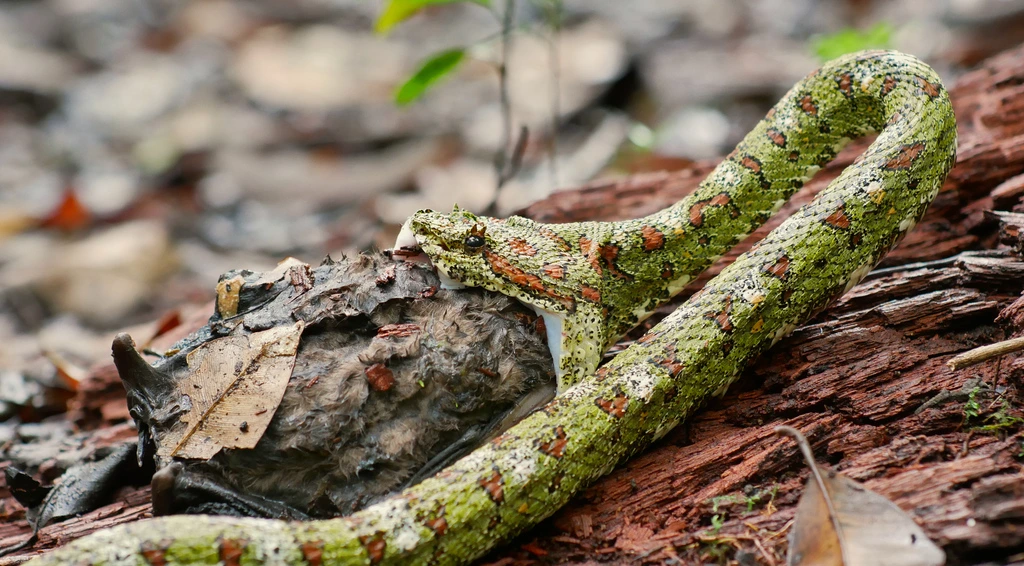
Bothriechis nigroadspersus. Species portrait; the complete source frame is retained. Original observation dated 2020-01-11. This photograph does not establish occurrence in any additional state or province.

010 · Viperidae

Central Ameri- can Eyelash-Pitviper

Bothriechis nigroadspersus

(STEINDACHNER, 1870)

VenomousClinical severity not established

The checked taxonomic distribution account explicitly lists Mexico. Country-level evidence does not establish continuous occupancy or a complete national inventory.

Read the species account →

iNaturalist contributor (CC0; creator not supplied) · CC0 1.0 · https://creativecommons.org/publicdomain/zero/1.0/

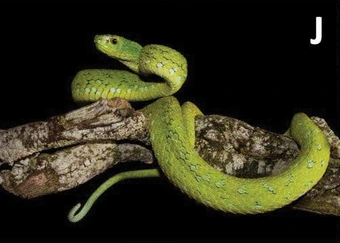
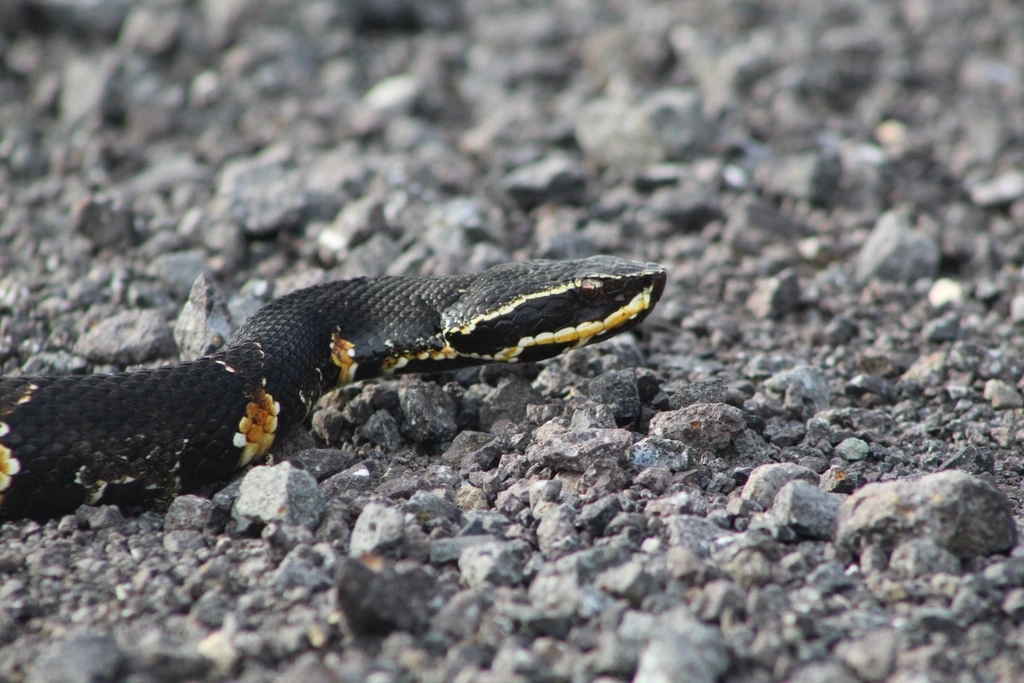
Bothriechis rowleyi. Photographed in life. Figure 4J. Scientific source photograph; no new occurrence record is inferred.

011 · Viperidae

Rowley's Palm Pit Viper

Bothriechis rowleyi

(BOGERT, 1968)

VenomousClinical severity not established

The checked taxonomic distribution account explicitly lists Mexico. Country-level evidence does not establish continuous occupancy or a complete national inventory. The treatment names these subdivisions in its Mexico distribution clause: Chiapas, Oaxaca. They are assigned to the declared atlas navigation groups; this is not a field observation, a…

Read the species account →
Aguilar-López, José Luis; Luría-Manzano, Ricardo; Pineda, Eduardo; Canseco-Márquez, Luis · CC BY 4.0 · https://creativecommons.org/licenses/by/4.0/

Bothrops asper. Species portrait; the complete source frame is retained. Original observation dated 2012-06-12. This photograph does not establish occurrence in any additional state or province.

012 · Viperidae

Terciopelo

Bothrops asper

(GARMAN, 1883)

VenomousClinical severity not established

The checked taxonomic distribution account explicitly lists Mexico. Country-level evidence does not establish continuous occupancy or a complete national inventory. The treatment names these subdivisions in its Mexico distribution clause: Campeche, Chiapas, Hidalgo, Oaxaca, Puebla, Queretaro, Quintana Roo, San Luis Potosi, Tamaulipas, Veracruz, Yucatan.…

Read the species account →

John G. Phillips · CC BY 4.0 · https://creativecommons.org/licenses/by/4.0/

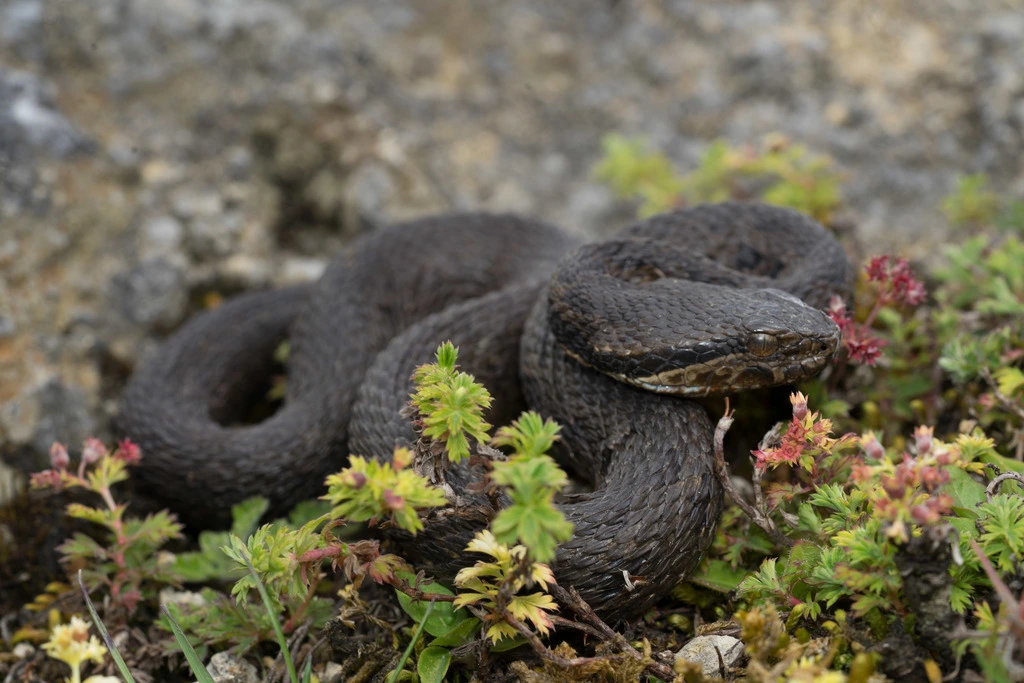
Cerrophidion godmani. Species portrait; the complete source frame is retained. Original observation dated 2017-08-21. This photograph does not establish occurrence in any additional state or province.

013 · Viperidae

Godman's Montane Pit Viper

Cerrophidion godmani

(GÜNTHER, 1863)

VenomousClinical severity not established

The checked taxonomic distribution account explicitly lists Mexico. Country-level evidence does not establish continuous occupancy or a complete national inventory. The treatment names these subdivisions in its Mexico distribution clause: Chiapas, Oaxaca. They are assigned to the declared atlas navigation groups; this is not a field observation, a…

Read the species account →
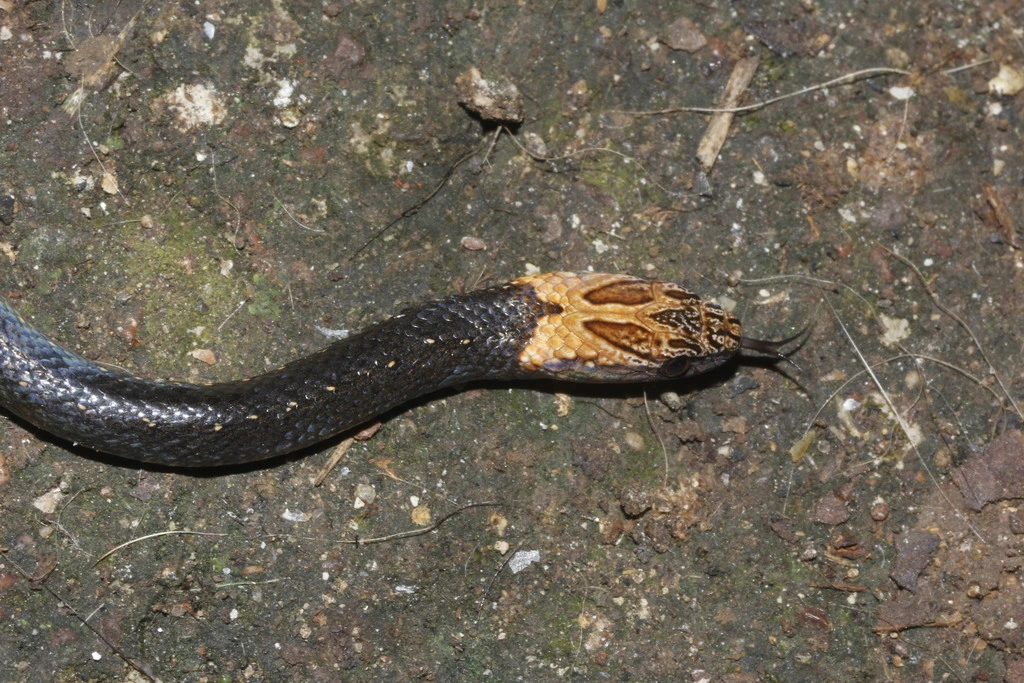
Wouter Beukema · CC BY 4.0 · https://creativecommons.org/licenses/by/4.0/

ColubridaeChersodromusPhotograph not yet documented

014 · Colubridae

Species account

Chersodromus australis

CANSECO-MÁRQUEZ, RAMÍREZ-GONZÁLEZ & CAMPBELL, 2018

Venom unknownNot yet assessed

The checked taxonomic distribution account explicitly lists Mexico. Country-level evidence does not establish continuous occupancy or a complete national inventory. The treatment names these subdivisions in its Mexico distribution clause: Oaxaca. They are assigned to the declared atlas navigation groups; this is not a field observation, a whole-region…

Read the species account →
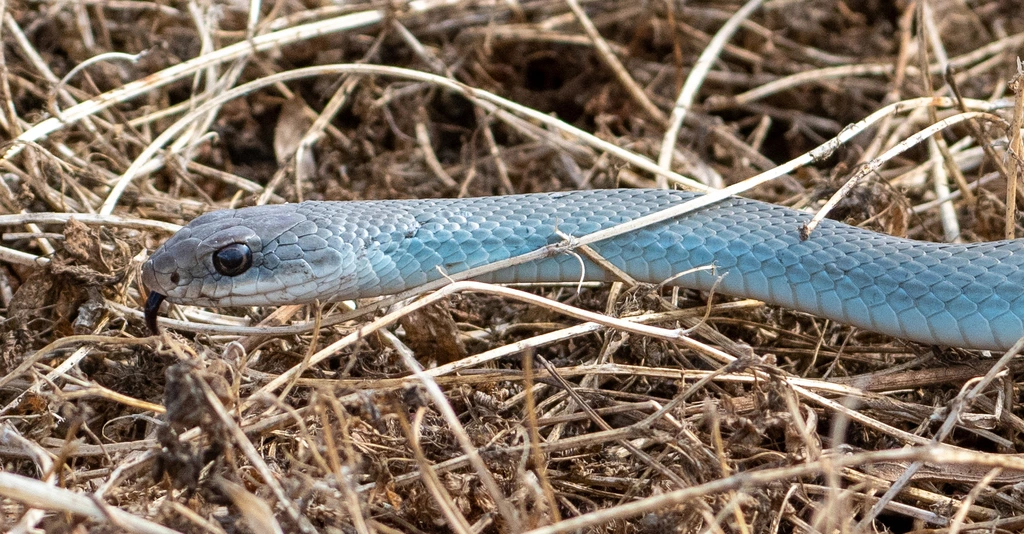
ColubridaeChersodromusPhotograph not yet documented

015 · Colubridae

Species account

Chersodromus nigrum

CANSECO-MÁRQUEZ, RAMÍREZ-GONZÁLEZ & CAMPBELL, 2018

Venom unknownNot yet assessed

The checked taxonomic distribution account explicitly lists Mexico. Country-level evidence does not establish continuous occupancy or a complete national inventory. The treatment names these subdivisions in its Mexico distribution clause: Puebla. They are assigned to the declared atlas navigation groups; this is not a field observation, a whole-region…

Read the species account →
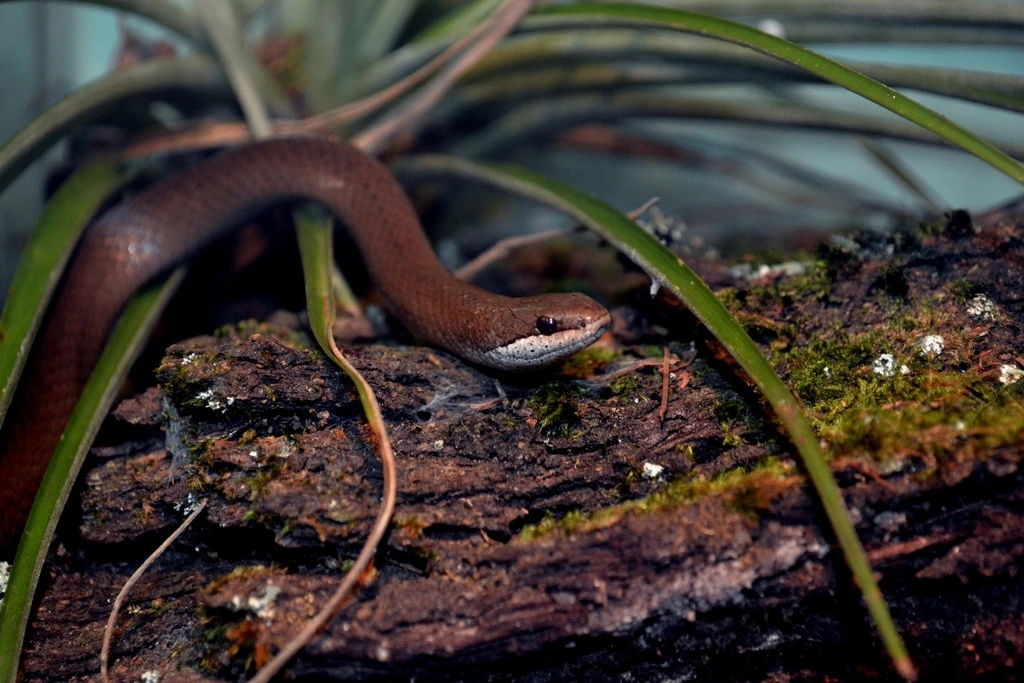
ColubridaeChersodromusPhotograph not yet documented

016 · Colubridae

Redbelly Earth Runner

Chersodromus rubriventris

(TAYLOR, 1949)

Venom unknownNot yet assessed

The checked taxonomic distribution account explicitly lists Mexico. Country-level evidence does not establish continuous occupancy or a complete national inventory. The treatment names these subdivisions in its Mexico distribution clause: Hidalgo, Queretaro, San Luis Potosi. They are assigned to the declared atlas navigation groups; this is not a field…

Read the species account →
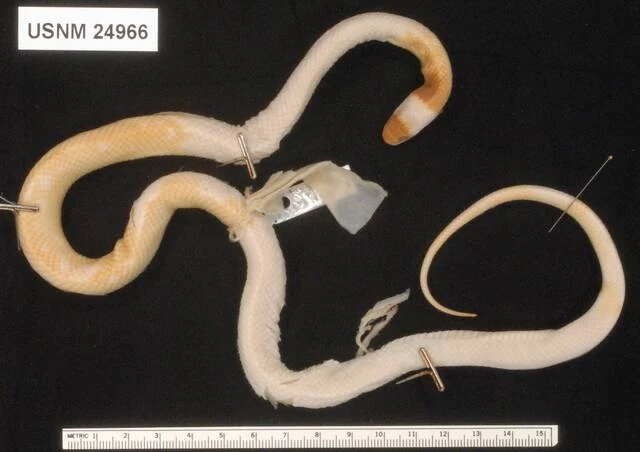
Clelia scytalina. Preserved museum specimen, Smithsonian National Museum of Natural History, USNM 24966. Colours may have changed in preservative. This collection image adds no geographic occurrence record. The specimen shows historical dissection damage.

017 · Colubridae

Mexican Snake Eater

Clelia scytalina

(COPE, 1867)

Venom unknownNot yet assessed

The checked taxonomic distribution account explicitly lists Mexico. Country-level evidence does not establish continuous occupancy or a complete national inventory.

Read the species account →
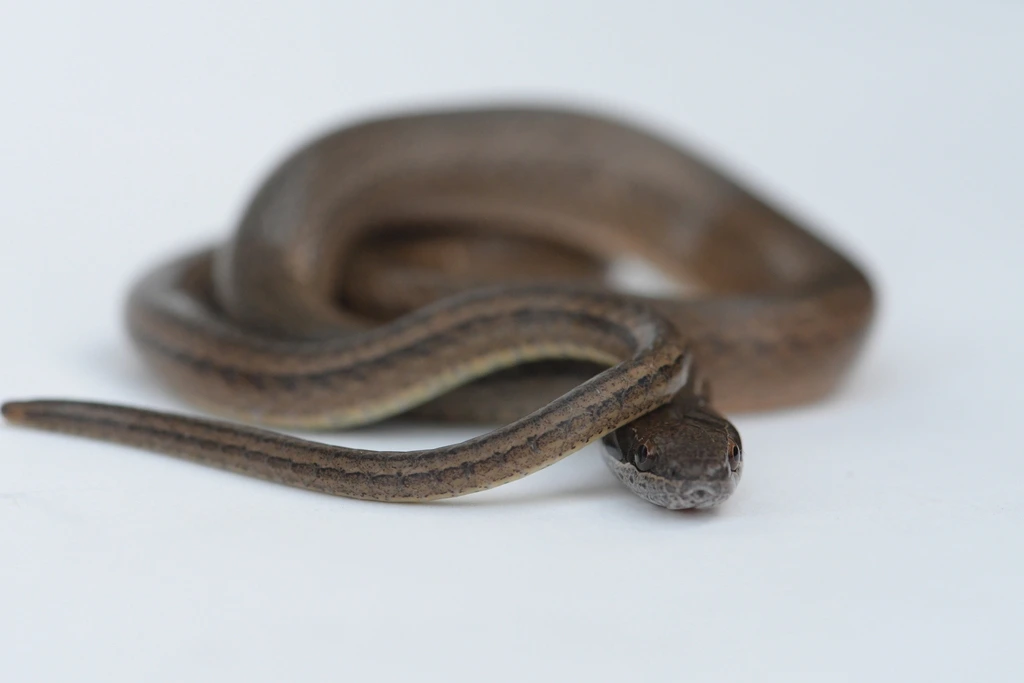
James A. Poindexter II · CC0 1.0 · https://creativecommons.org/publicdomain/zero/1.0/

Coluber constrictor. Species portrait; the complete source frame is retained. Original observation dated 2020-05-30. This photograph does not establish occurrence in any additional state or province.

018 · Colubridae

Eastern Racer

Coluber constrictor

LINNAEUS, 1758

Venom unknownNot yet assessed

The checked taxonomic distribution account explicitly lists Mexico. Country-level evidence does not establish continuous occupancy or a complete national inventory. The treatment names these subdivisions in its Mexico distribution clause: Hidalgo, San Luis Potosi, Yucatan. They are assigned to the declared atlas navigation groups; this is not a field…

Read the species account →
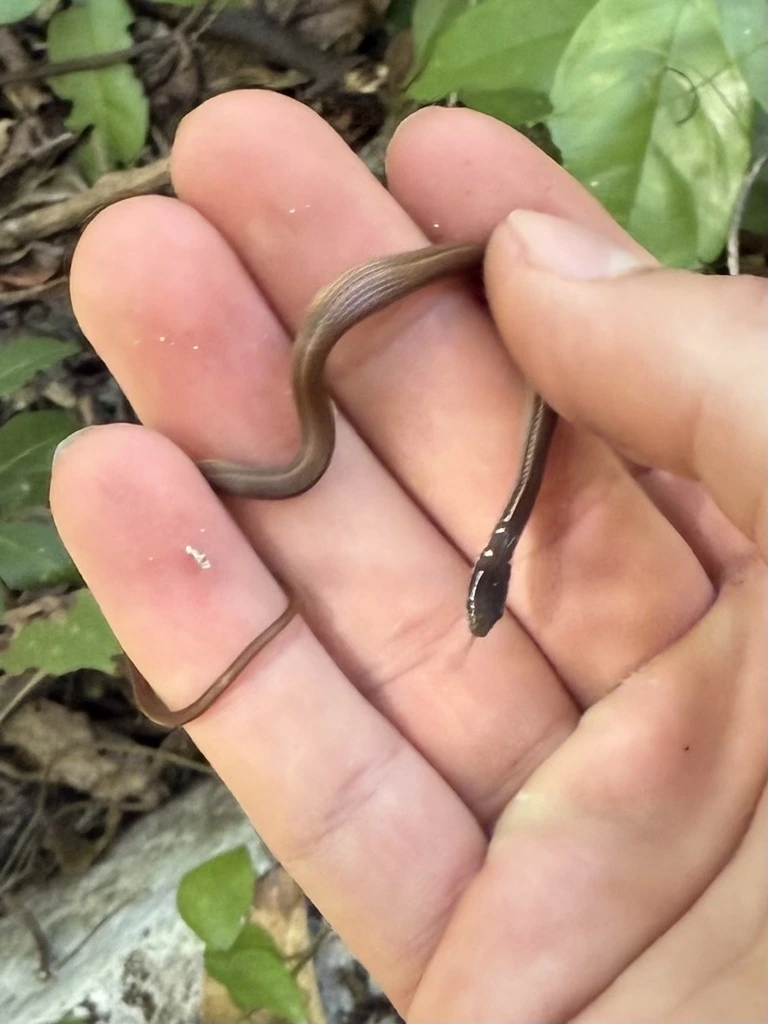
Jonathan Eisen · CC BY 4.0 · https://creativecommons.org/licenses/by/4.0/

Coniophanes alvarezi. Specimen from the San Jose educational park collection; this is a captive portrait, not a wild locality record. Original observation dated 2013-07-22. This photograph does not establish occurrence in any additional state or province.

019 · Colubridae

Chiapan Stripeless Snake

Coniophanes alvarezi

CAMPBELL, 1989

Venom unknownNot yet assessed

The checked taxonomic distribution account explicitly lists Mexico. Country-level evidence does not establish continuous occupancy or a complete national inventory. The treatment names these subdivisions in its Mexico distribution clause: Chiapas. They are assigned to the declared atlas navigation groups; this is not a field observation, a whole-region…

Read the species account →
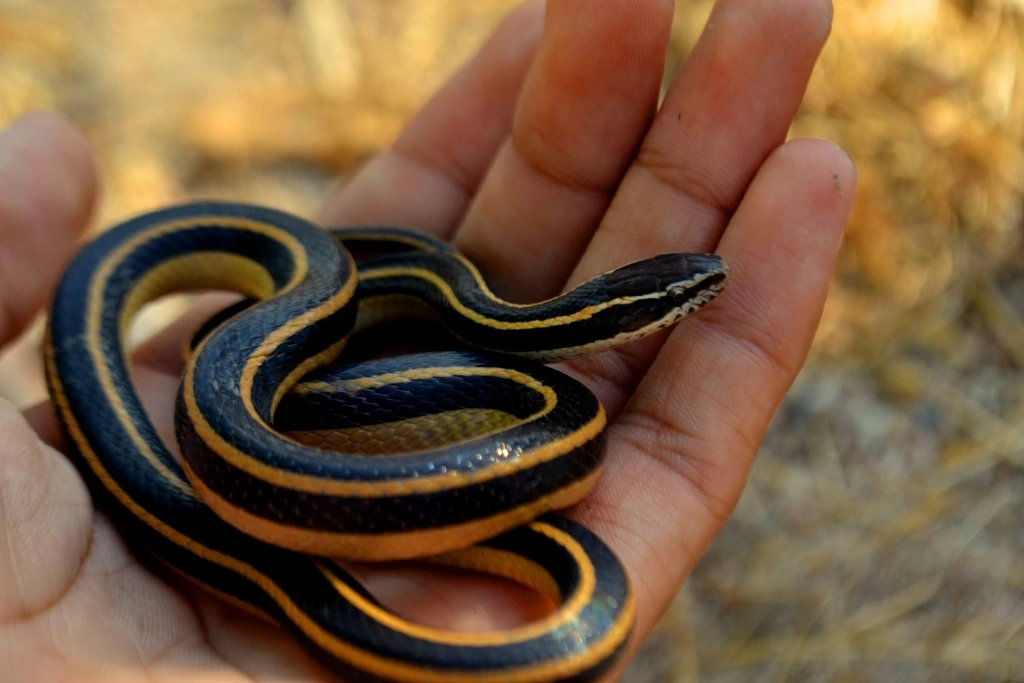
Daniel Pineda Vera · CC BY 4.0 · https://creativecommons.org/licenses/by/4.0/

Coniophanes fissidens. Posed portrait on a plain surface. Original observation dated 2022-03-02. This photograph does not establish occurrence in any additional state or province.

020 · Colubridae

Yellowbelly Snake

Coniophanes fissidens

(GÜNTHER, 1858)

Venom unknownNot yet assessed

The checked taxonomic distribution account explicitly lists Mexico. Country-level evidence does not establish continuous occupancy or a complete national inventory.

Read the species account →
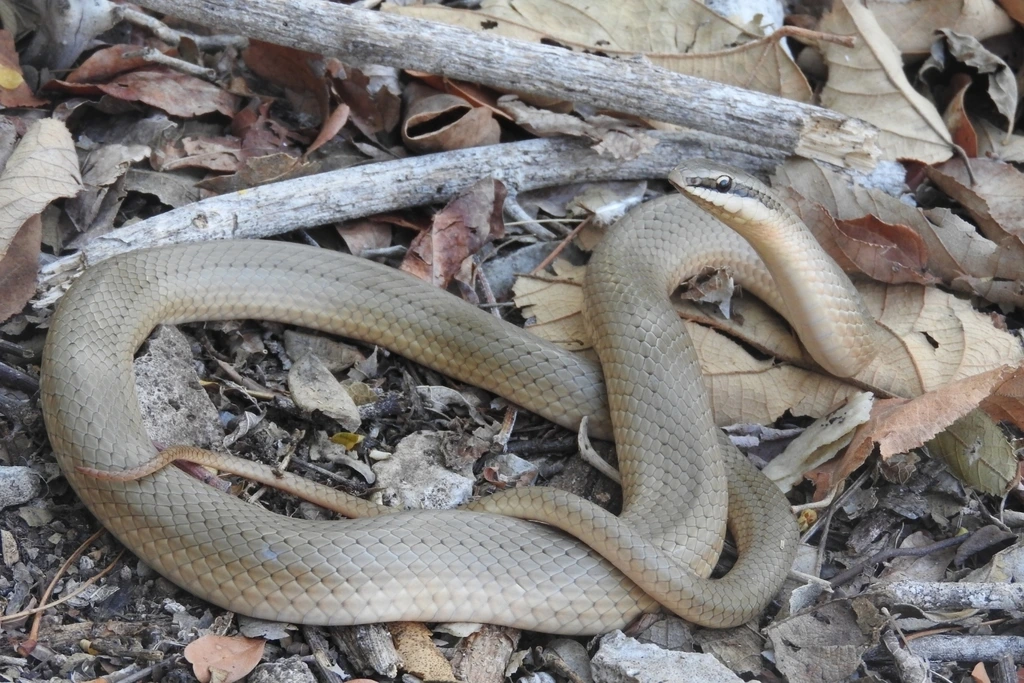
Diana Fuentes · CC BY-SA 4.0 · https://creativecommons.org/licenses/by-sa/4.0/

ColubridaeConiophanesPhotograph not yet documented

021 · Colubridae

Stripeless Snake

Coniophanes lateritius

COPE, 1862

Venom unknownNot yet assessed

The checked taxonomic distribution account explicitly lists Mexico. Country-level evidence does not establish continuous occupancy or a complete national inventory. The treatment names these subdivisions in its Mexico distribution clause: Colima, Guerrero, Jalisco, Morelos, Nayarit, Sinaloa, Sonora. They are assigned to the declared atlas navigation…

Read the species account →
Coniophanes meridanus. Handled specimen; full source frame retained. Original observation dated 2025-09-07. This photograph does not establish occurrence in any additional state or province.

022 · Colubridae

Peninsula Stripeless Snake

Coniophanes meridanus

SCHMIDT & ANDREWS, 1936

Venom unknownNot yet assessed

The checked taxonomic distribution account explicitly lists Mexico. Country-level evidence does not establish continuous occupancy or a complete national inventory. The treatment names these subdivisions in its Mexico distribution clause: Campeche, Quintana Roo, Yucatan. They are assigned to the declared atlas navigation groups; this is not a field…

Read the species account →

Parsa Fard · CC BY 4.0 · https://creativecommons.org/licenses/by/4.0/

Coniophanes piceivittis. Photographed while held; this is a handled specimen portrait. Original observation dated 2014-10-13. This photograph does not establish occurrence in any additional state or province.

023 · Colubridae

Cope's Black-striped Snake

Coniophanes piceivittis

COPE, 1870

Venom unknownNot yet assessed

The checked taxonomic distribution account explicitly lists Mexico. Country-level evidence does not establish continuous occupancy or a complete national inventory.

Read the species account →

Daniel Pineda Vera · CC BY 4.0 · https://creativecommons.org/licenses/by/4.0/

Conophis lineatus. Species portrait; the complete source frame is retained. Original observation dated 2021-04-18. This photograph does not establish occurrence in any additional state or province.

024 · Colubridae

Road Guarder

Conophis lineatus

(DUMÉRIL, BIBRON & DUMÉRIL, 1854)

Venom unknownNot yet assessed

The checked taxonomic distribution account explicitly lists Mexico. Country-level evidence does not establish continuous occupancy or a complete national inventory.

Read the species account →

Sebastián de Jesús Herrera Buenfil · CC BY 4.0 · https://creativecommons.org/licenses/by/4.0/

All 439 species in the country collection →

Read further

Evidence & sources.

Guide reviewed 16 October 2026. Source dates and geographic scope matter; landscape photographs do not establish species occurrence.

  1. Convention on Biological Diversity · Mexico national profile

    National biodiversity reporting synthesis. Landscape context only; dated statistics and projections are not presented as current measurements. Checked 16 October 2026.

Continue through Mexico

Explore another habitat.

01

Scrubland & dry country

Scrubland is treated separately from forest in Mexico’s biodiversity reporting. Open dry vegetation should not be equated with bare sand, and neither implies a species occurs throughout an atlas region.

02

Mangroves & estuaries

Mexico’s coastal mangroves are documented alongside pressures from habitat destruction, pollution and extraction. This habitat guide concerns tidal woodland; it does not establish a marine snake record.