


Eirenis decemlineatus
No unqualified country evidence in the current distribution; discovery hits and type localities alone do not establish occurrence.
Iran · Place guide
This guide groups Qazvin, Zanjan, Kurdistan and adjoining source units in the credited boundary snapshot. Use the regional map to locate individual places within northwestern mountains.
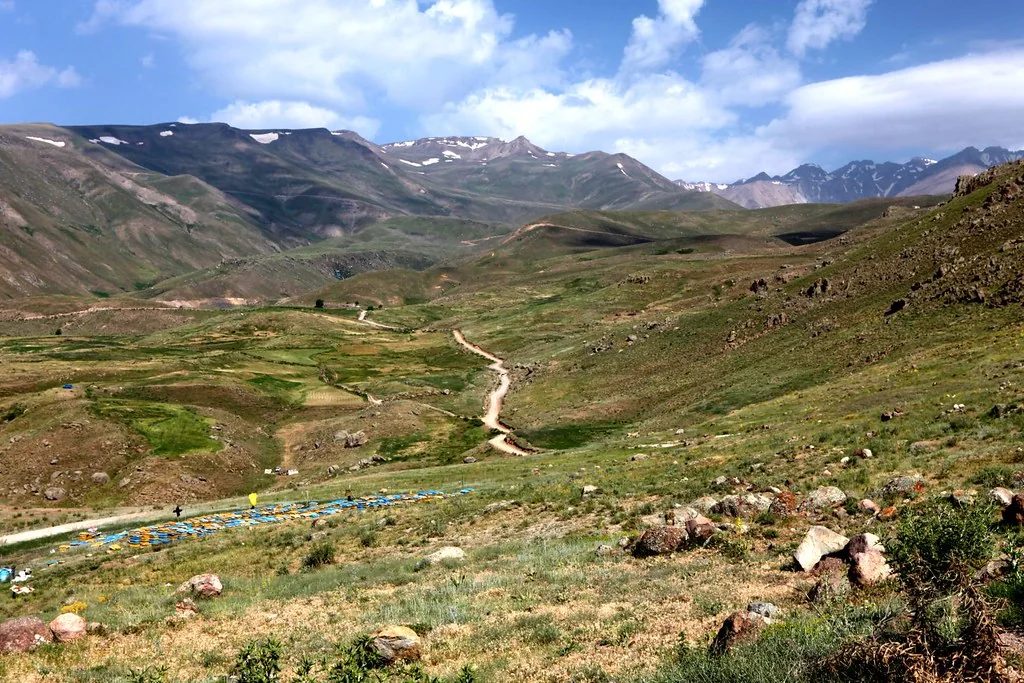
Mountain slopes on the road to Sabalan in Ardabil, Iran.
Geography & biotopes
This guide groups Qazvin, Zanjan, Kurdistan and adjoining source units in the credited boundary snapshot. Use the regional map to locate individual places within northwestern mountains.
Arasbaran is recognised as a separate vegetation region, rather than an extension of either the Caspian forest or central plateau.
Note whether the observation comes from woodland interior, an opening, plantation or cultivated edge. Record canopy cover, ground vegetation and the exact locality; the broad forest description does not establish which snakes occur there.
Check current information from the relevant local authority before visiting. Keep precise locality and date with any observation; the regional grouping provides orientation, not a current access assessment.
This guide indexes these source names: Qazvin, Zanjan, Kurdistan, West Azerbaijan, Ardabil, East Azerbaijan. A country-only record is not automatically assigned to this place. Map markers identify navigation destinations, not collection sites.
Habitats & living landscapes
Explore 4 guides to the environments, places and conservation pressures that shape this country. Each guide connects to the regional map and shared species accounts.
Habitat · 01
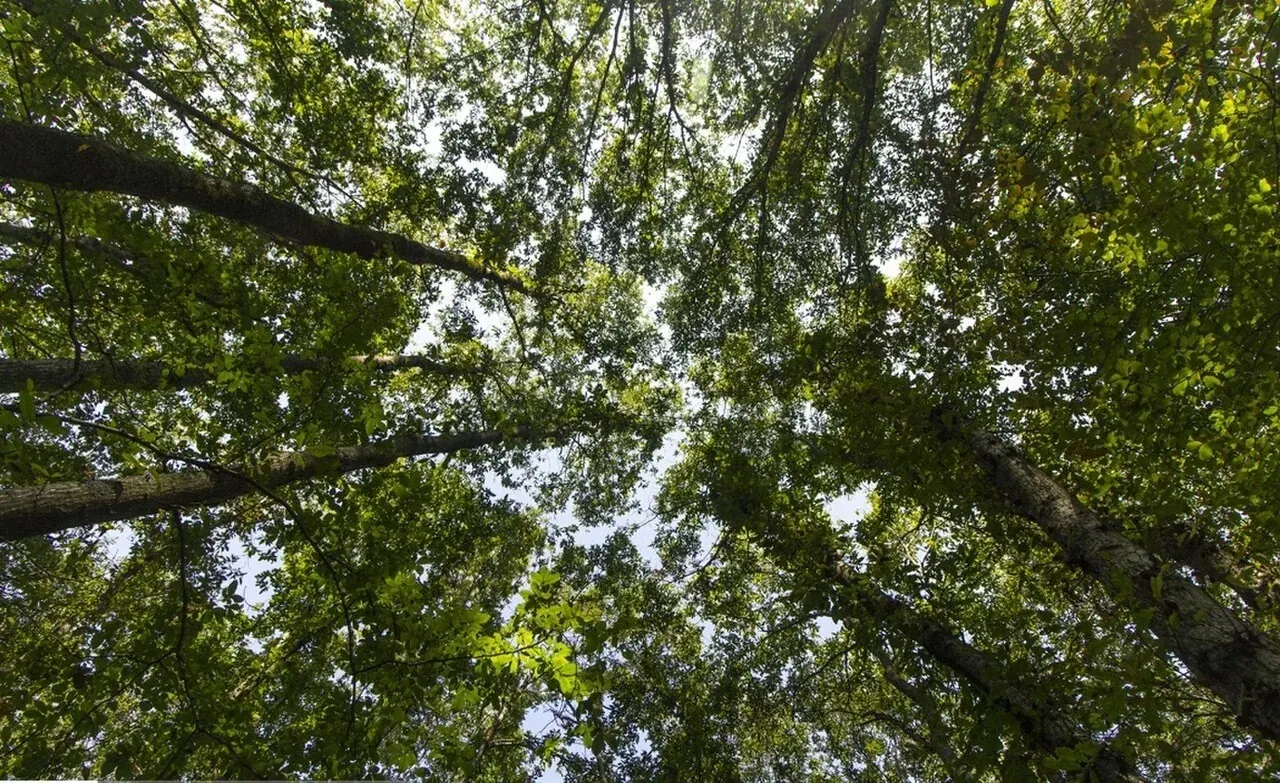
Explore the documented landscape around Caspian Hyrcanian forests. The named example anchors this guide; the country map and separately sourced species accounts answer different questions.
Explore the habitat ↗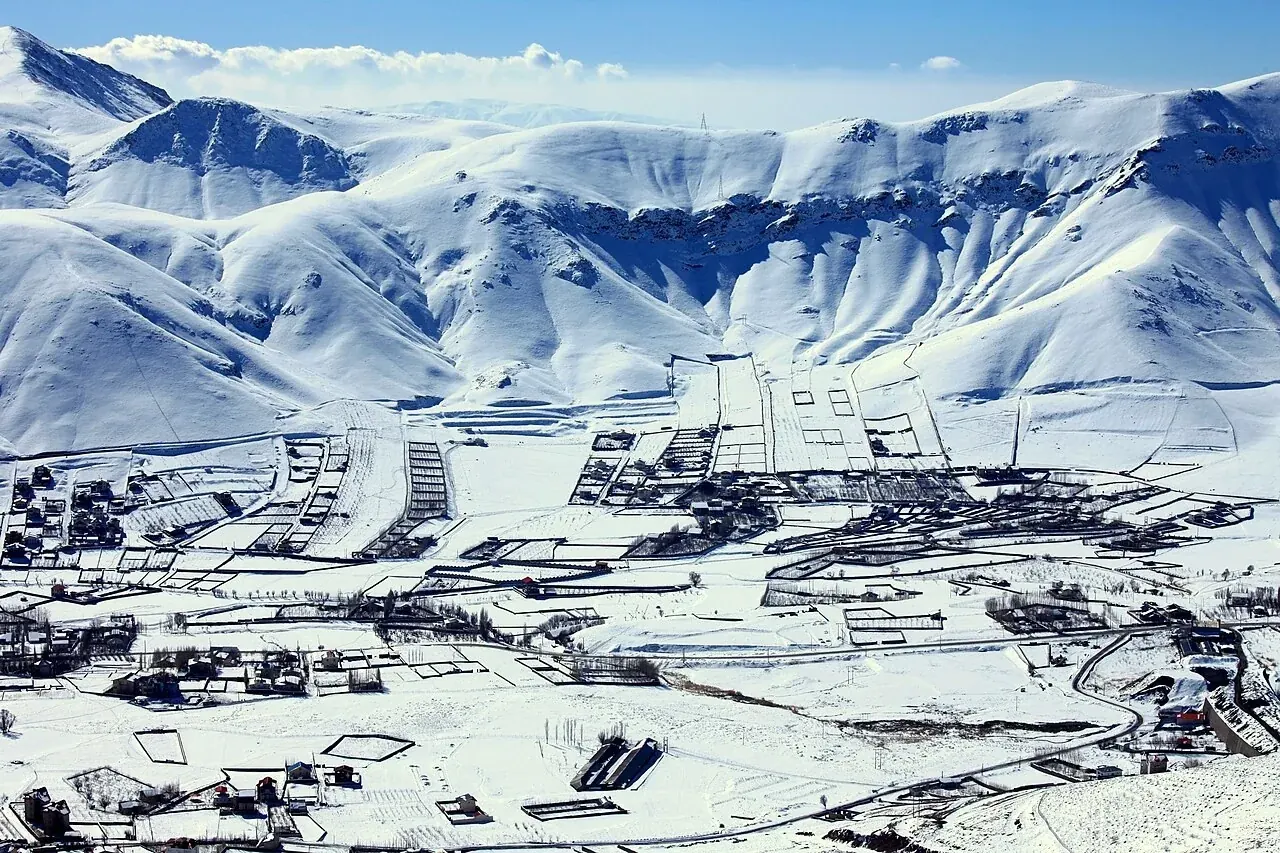
Habitat · 02
Explore the documented landscape around Golestan and eastern Alborz. The named example anchors this guide; the country map and separately sourced species accounts answer different questions.
Explore the habitat ↗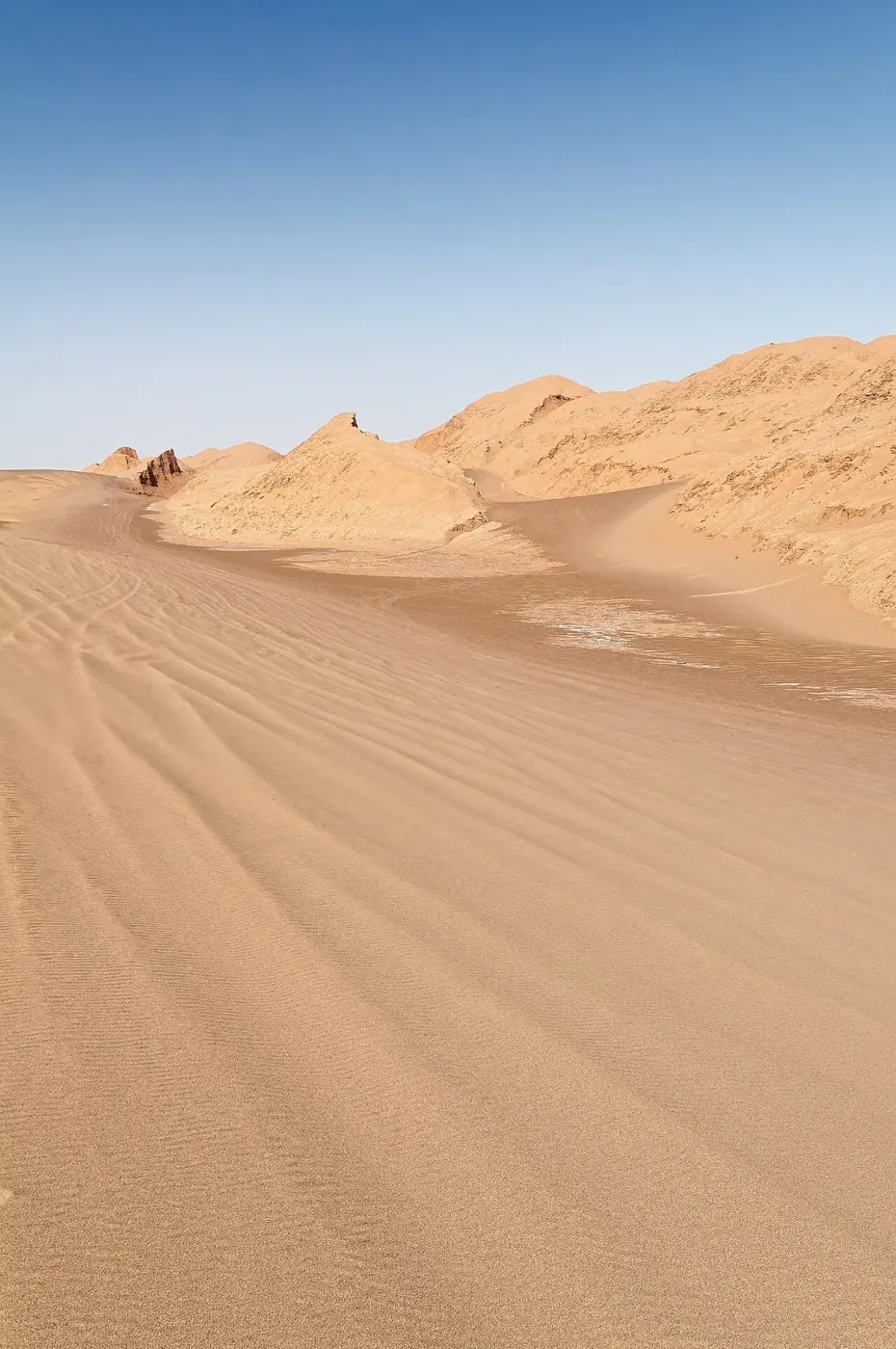
Habitat · 03
Explore the documented landscape around Lut Desert. The named example anchors this guide; the country map and separately sourced species accounts answer different questions.
Explore the habitat ↗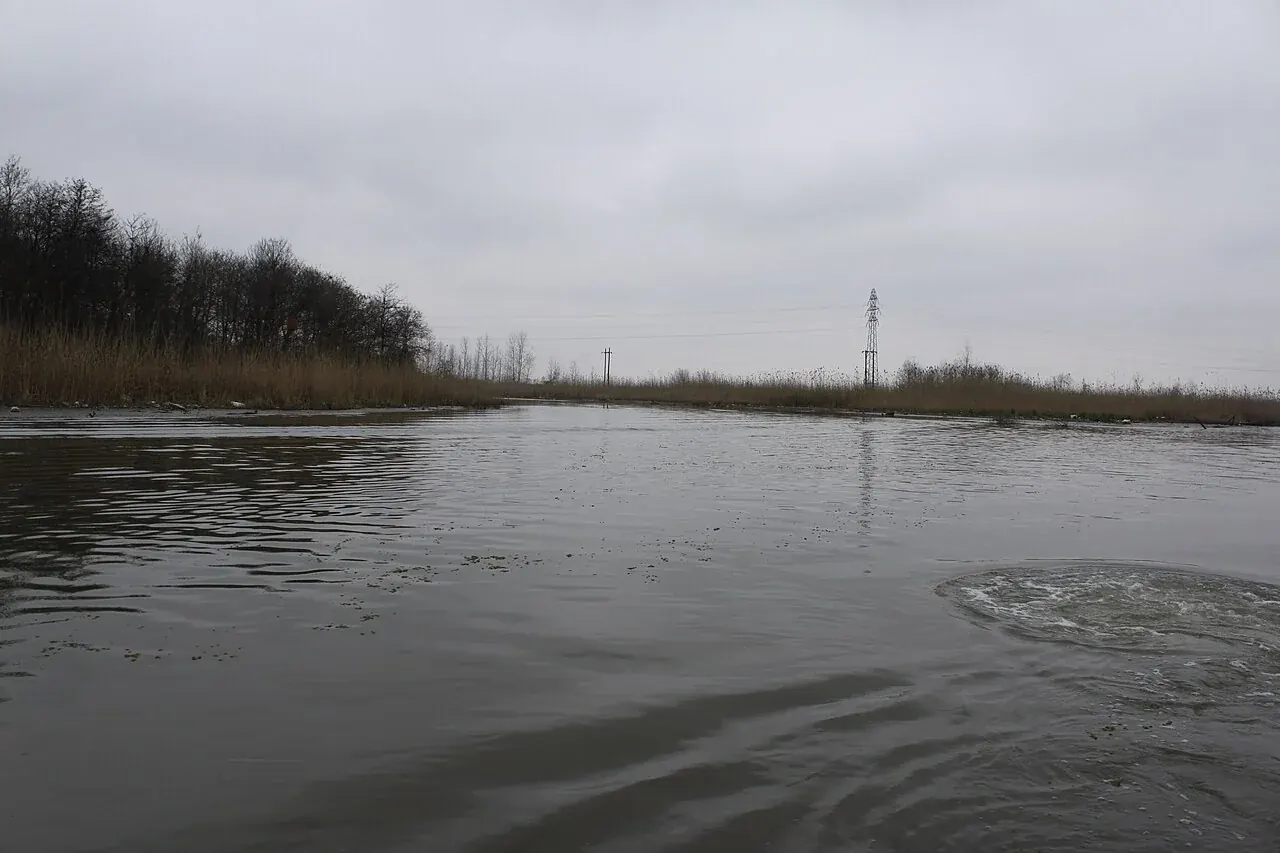
Habitat · 04
Explore the documented landscape around Anzali Wetland. The named example anchors this guide; the country map and separately sourced species accounts answer different questions.
Explore the habitat ↗Hyrcanian forest canopy in northern Iran. — Gholamreza Rezaei Aghozgole. Original photograph · CC BY 4.0. Cropped for the cards; photographs do not establish snake occurrence.
Winter slopes and ski infrastructure in the Alborz near Emamzadeh Hashem, Iran. — Ninara from Helsinki, Finland. Original photograph · CC BY 2.0. Cropped for the cards; photographs do not establish snake occurrence.
Dunes and bare terrain in the Lut Desert, Kerman, Iran. — Lrkrol. Original photograph · CC BY 4.0. Cropped for the cards; photographs do not establish snake occurrence.
Water and reed margins in Anzali Lagoon, Gilan, Iran. — Mardetanha. Original photograph · CC BY-SA 3.0. Cropped for the cards; photographs do not establish snake occurrence.
The species catalogue
Only records naming this place appear below. These are extracted locality records, not complete island or regional inventories.
No supported locality records have been extracted for this selection. This is a research gap, not evidence that snakes are absent.
0 species · showing 0
Try another name or clear the filters. Absence from a regional list does not establish absence in nature.
The research library
This edition lists 85 species with supported country records from checked taxonomic treatments and cited field studies. This total includes 1 record marked as introduced; it is not a native-species total. It is not a claim of a complete national inventory. Each account retains its source and check date; individual evidence entries retain their own review dates.
85 confirmed, introduced or explicitly qualified occasional country records. The national treatment was compared against current species accounts. Subspecies and unnamed lineages are not extra species; later racer, leafnose and cobra revisions take precedence.
Moradi et al. (2024): Biogeography of the Iranian snakes ↗
No unqualified country evidence in the current distribution; discovery hits and type localities alone do not establish occurrence.
No unqualified country evidence in the current distribution; discovery hits and type localities alone do not establish occurrence.
The checked treatment or independent checklist questions this country assignment or uses an older species concept. A voucher under the current identity remains unresolved.
The 2024 review retains these populations as unnamed or cf. jaculus; species identity is unresolved.
The checked treatment or independent checklist questions this country assignment or uses an older species concept. A voucher under the current identity remains unresolved.
No unqualified country evidence in the current distribution; discovery hits and type localities alone do not establish occurrence.
The checked treatment or independent checklist questions this country assignment or uses an older species concept. A voucher under the current identity remains unresolved.
The checked treatment or independent checklist questions this country assignment or uses an older species concept. A voucher under the current identity remains unresolved.
The checked treatment or independent checklist questions this country assignment or uses an older species concept. A voucher under the current identity remains unresolved.
The checked treatment or independent checklist questions this country assignment or uses an older species concept. A voucher under the current identity remains unresolved.
No unqualified country evidence in the current distribution; discovery hits and type localities alone do not establish occurrence.
The 2026 revision rejects the broad western ventromaculatus concept. Historical country records require reassessment rather than automatic reassignment.
Country links use a single accepted species identity. Revised names and disputed records are kept visible here; uncertain records do not enter the listed collection or regional totals.
Uncertain — excluded from the listed total
The checked treatment or independent checklist questions this country assignment or uses an older species concept. A voucher under the current identity remains unresolved.
Introduced occurrence
Explicit country record in the checked taxonomic treatment.
Supported country occurrence
Explicit country record in the checked taxonomic treatment.
Supported country occurrence
Explicit country record in the checked taxonomic treatment.
Uncertain — excluded from the listed total
The checked treatment or independent checklist questions this country assignment or uses an older species concept. A voucher under the current identity remains unresolved.
Uncertain — excluded from the listed total
The checked treatment or independent checklist questions this country assignment or uses an older species concept. A voucher under the current identity remains unresolved.
Uncertain — excluded from the listed total
The 2024 review retains these populations as unnamed or cf. jaculus; species identity is unresolved.
Uncertain — excluded from the listed total
The checked treatment or independent checklist questions this country assignment or uses an older species concept. A voucher under the current identity remains unresolved.
Uncertain — excluded from the listed total
The checked treatment or independent checklist questions this country assignment or uses an older species concept. A voucher under the current identity remains unresolved.
Uncertain — excluded from the listed total
The checked treatment or independent checklist questions this country assignment or uses an older species concept. A voucher under the current identity remains unresolved.
Uncertain — excluded from the listed total
The 2026 revision rejects the broad western ventromaculatus concept. Historical country records require reassessment rather than automatic reassignment.
Search results were checked against distribution text and taxonomic qualifications. A geographic name alone does not establish a political country: New Guinea, the Solomon archipelago and Micronesia span more than one country or territory. Introduced and unresolved records require separate interpretation.
Place counts require explicit named localities, including valid type localities. Counts can overlap where sources name multiple places. Regional maps group historical boundary snapshots for navigation, while island outlines use Natural Earth; neither is a species range or an observation map. Small islands can be below the outline dataset’s resolution, so geographic reference markers and the directory remain available.
© OpenStreetMap contributors, via OpenStreetMap, Wambacher and geoBoundaries · gbOpen ADM1 · 2017 snapshot · Open Data Commons Open Database License 1.0. Generalised navigation boundaries, not snake ranges or territorial assertions. Map provenance →
Historical national ecological and geographic baseline; no current habitat-cover, access or species-occurrence inference. Original report retained in the source link.
© OpenStreetMap contributors, via OpenStreetMap, Wambacher and geoBoundaries · gbOpen ADM1 · 2017 snapshot · Open Data Commons Open Database License 1.0. Generalised navigation boundaries, not snake ranges or territorial assertions.
Individual treatments and locality evidence are linked from each species account.
Species-level literature measurements and ecological traits. Exact-name matches only; imputed or ambiguous fields are omitted. These summaries are not local observations.