Pressures in the source record
Overgrazing, erosion and water pollution are documented national pressures. These are background concerns, not an assessment of the photographed point today.
Sources: CBD · Iran national profile (draft)
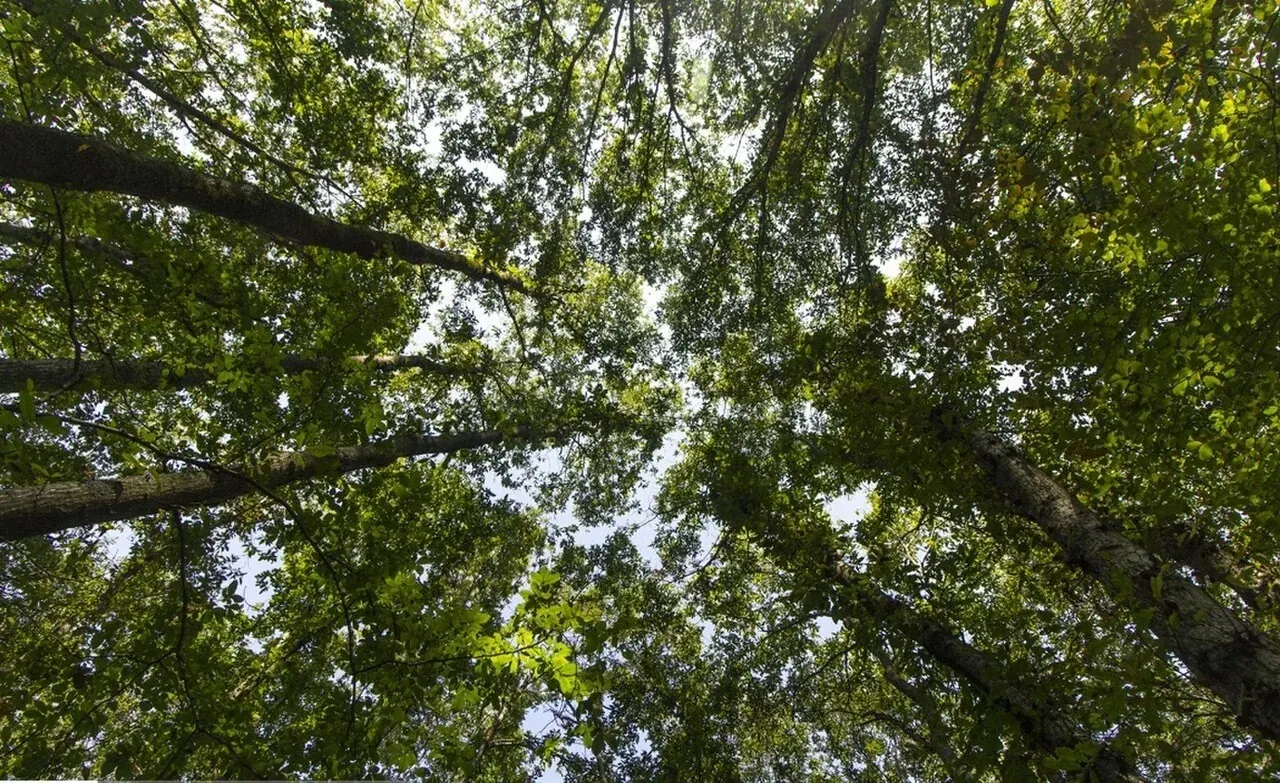
Iran · Habitat field guide
Explore the documented landscape around Caspian Hyrcanian forests. The named example anchors this guide; the country map and separately sourced species accounts answer different questions.
Hyrcanian forest canopy in northern Iran.
Understanding the environment
Explore the documented landscape around Caspian Hyrcanian forests. The named example anchors this guide; the country map and separately sourced species accounts answer different questions.
Explore the structure · Canopy → edge → drainage
Select a zone to see what changes.
Shade and cover
Describe the structure that is visible: canopy continuity, understory and ground cover. Do not infer an animal community from tree cover alone.
Compare this unit with the documented local setting and keep the observation date, exact place and source distinct.
These panels are a conceptual reading sequence, not a mapped transect or a recommendation to enter the site.
Sources: UNESCO · Hyrcanian
Field notes · 01
Iran's Hyrcanian forest components follow the southern Caspian arc through Gilan, Mazandaran and Golestan. Broadleaved woodland on steep terrain is the defining landscape context used here.
Sources: UNESCO · Hyrcanian
Field notes · 02
Compare closed canopy, open woodland and planted trees. Record leaf litter, fallen wood and the width of exposed edges separately. A green satellite patch or distant treeline cannot establish forest quality.
Pressures on Iran’s habitats
Overgrazing, erosion and water pollution are documented national pressures. These are background concerns, not an assessment of the photographed point today.
Sources: CBD · Iran national profile (draft)
When revisiting an image or locality, compare the same season, water stage and viewing area before interpreting a change. Keep source dates visible.
Use the country and region maps to orient the landscape, then read each species profile for its independently reviewed habitat and range evidence. Similar scenery does not establish a shared species list.
The connected collection
These 9 species have supported country occurrence and an explicit habitat association in the shared account. The association may come from elsewhere in their range. This is not a complete local habitat inventory; the places above are landscape examples, not asserted collecting sites.
9 species · showing 9
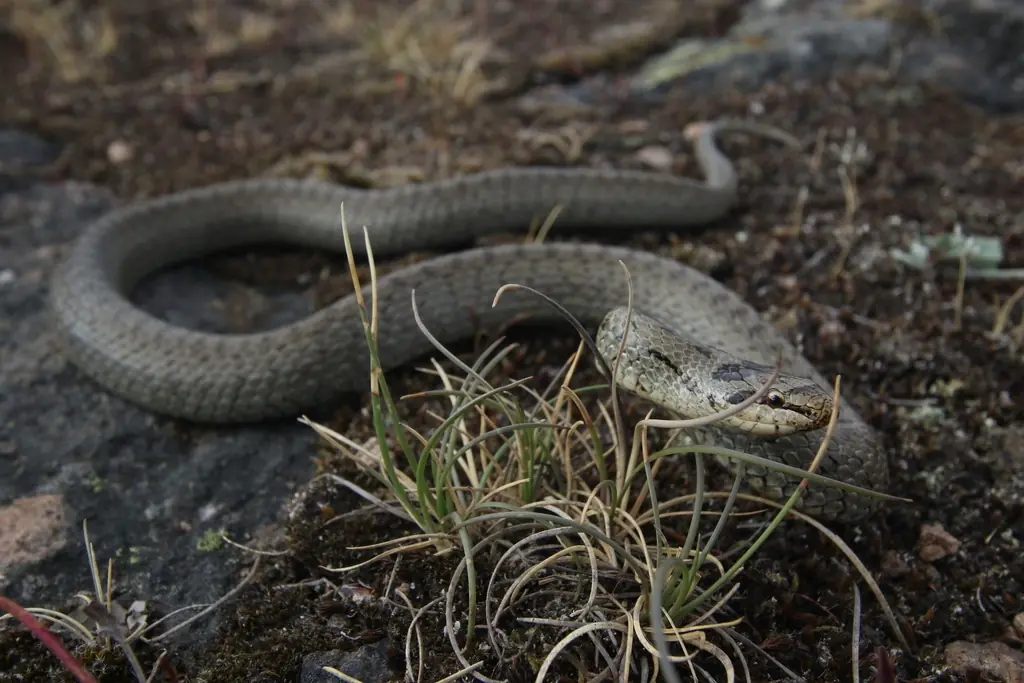
001 · Colubridae
Smooth Snake
Explicit country record in the checked taxonomic treatment.
Read the species account →B. P. White · CC BY-SA 4.0 · https://creativecommons.org/licenses/by-sa/4.0/
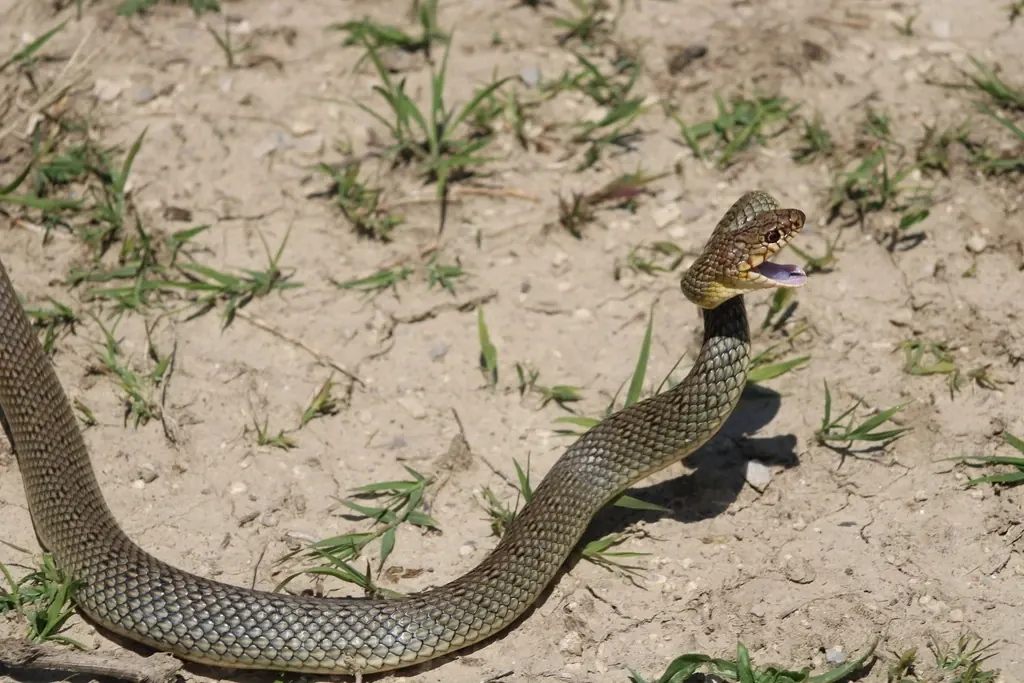
002 · Colubridae
Species account
Explicit country record in the checked taxonomic treatment.
Read the species account →Philip Schaffer · CC BY 4.0 · https://creativecommons.org/licenses/by/4.0/
003 · Colubridae
Species account
Explicit country record in the checked taxonomic treatment.
Read the species account →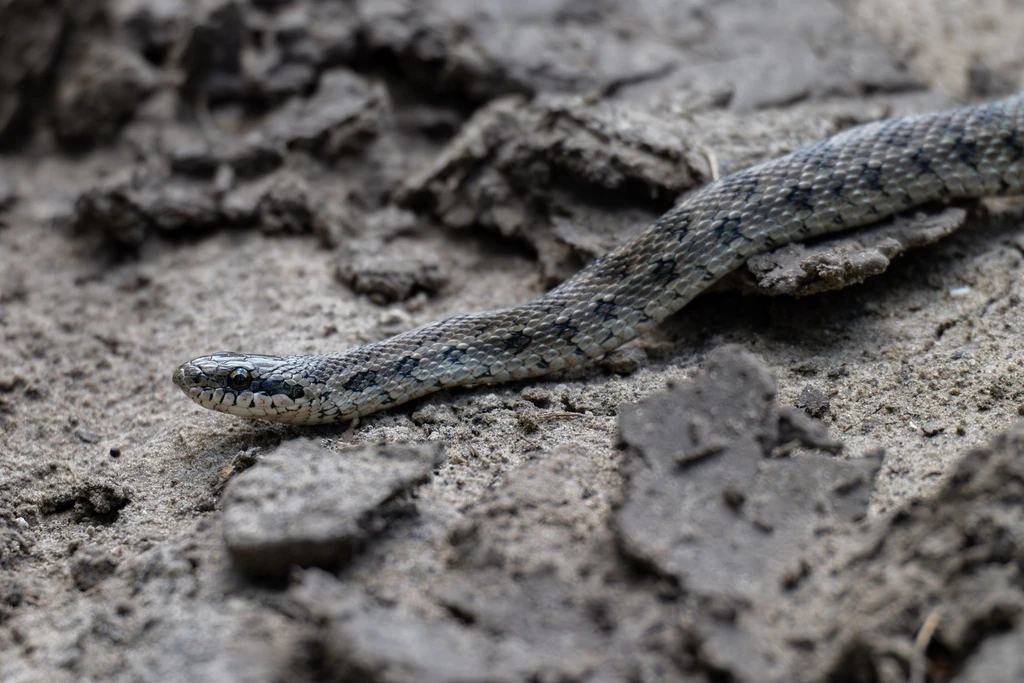
004 · Colubridae
Steppes Ratsnakes
Explicit country record in the checked taxonomic treatment.
Read the species account →Stanislav Murashkin · CC BY 4.0 · https://creativecommons.org/licenses/by/4.0/

005 · Typhlopidae
Flowerpot Snake
Explicit country record in the checked taxonomic treatment.
Read the species account →Cook-Price, Makchai & Suwanwaree (2026); photographs credited collectively to the author, James Covert and Vikas Kumar · CC BY 4.0 · https://creativecommons.org/licenses/by/4.0/
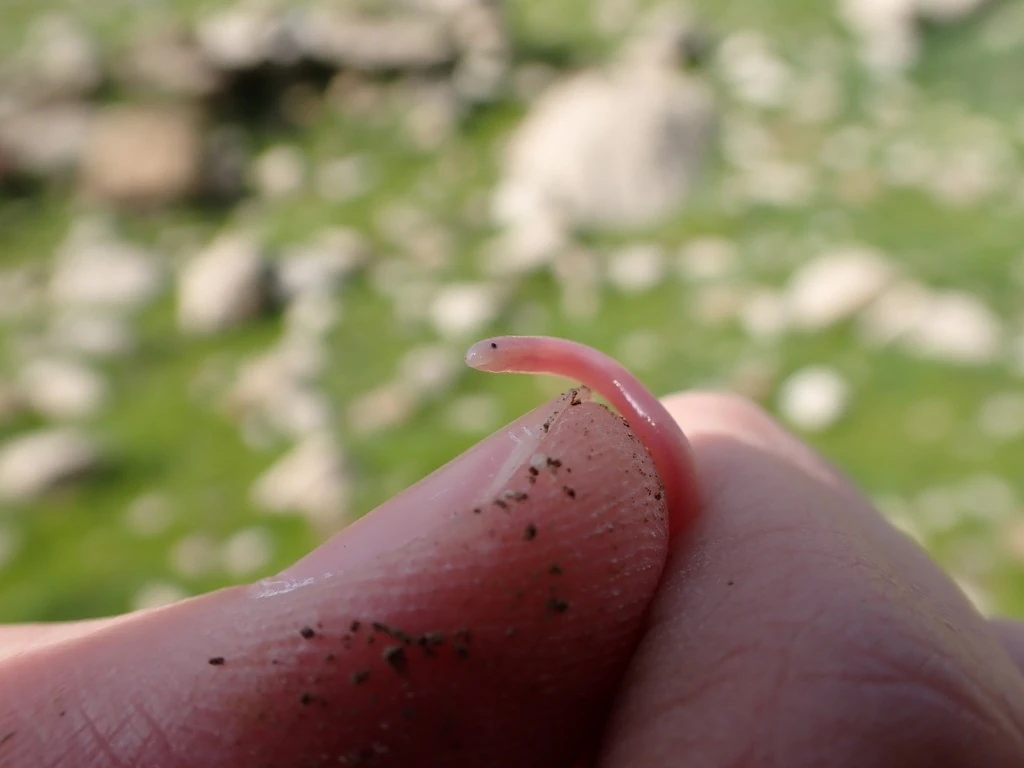
006 · Leptotyphlopidae
Longnosed Worm Snake, Hook-snouted worm snake
Explicit country record in the checked taxonomic treatment.
Read the species account →Kian · CC BY 4.0 · https://creativecommons.org/licenses/by/4.0/
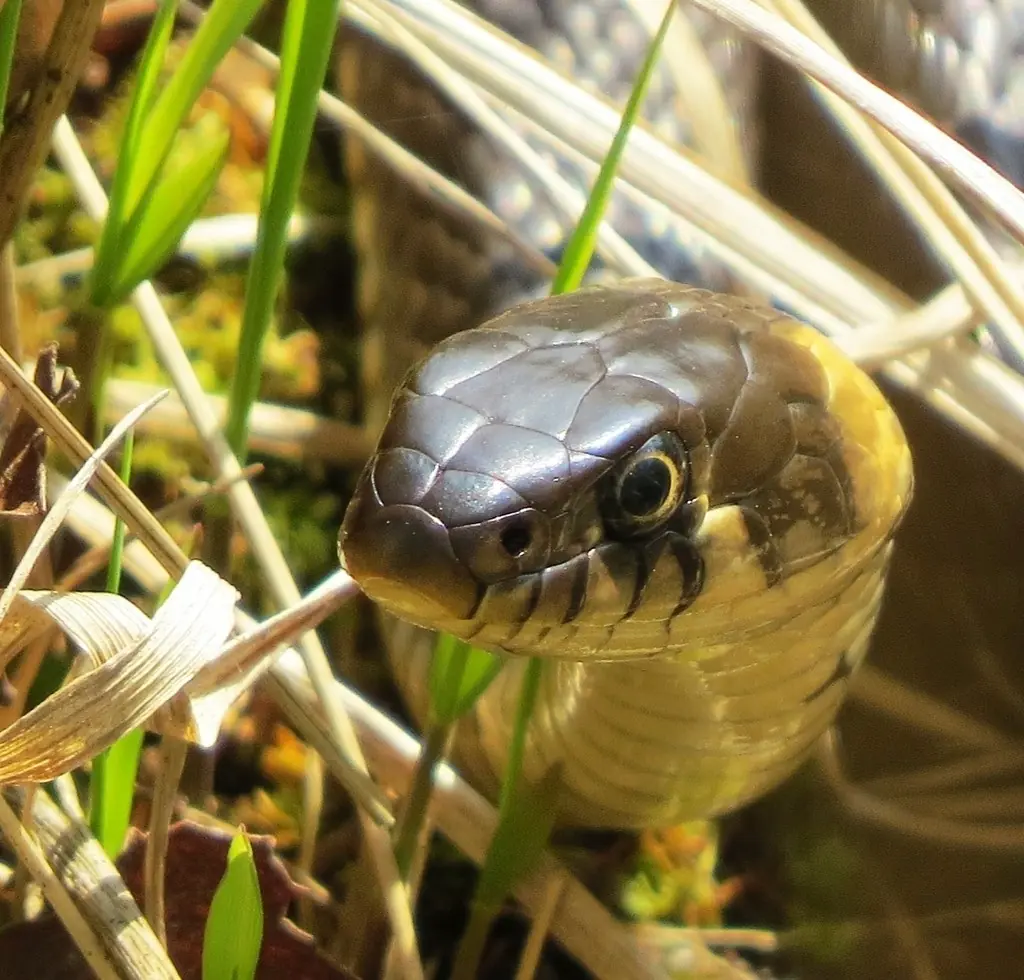
007 · Colubridae
Common Grass Snake
Explicit country record in the checked taxonomic treatment.
Read the species account →Micha Baum · CC BY-SA 4.0 · https://creativecommons.org/licenses/by-sa/4.0/
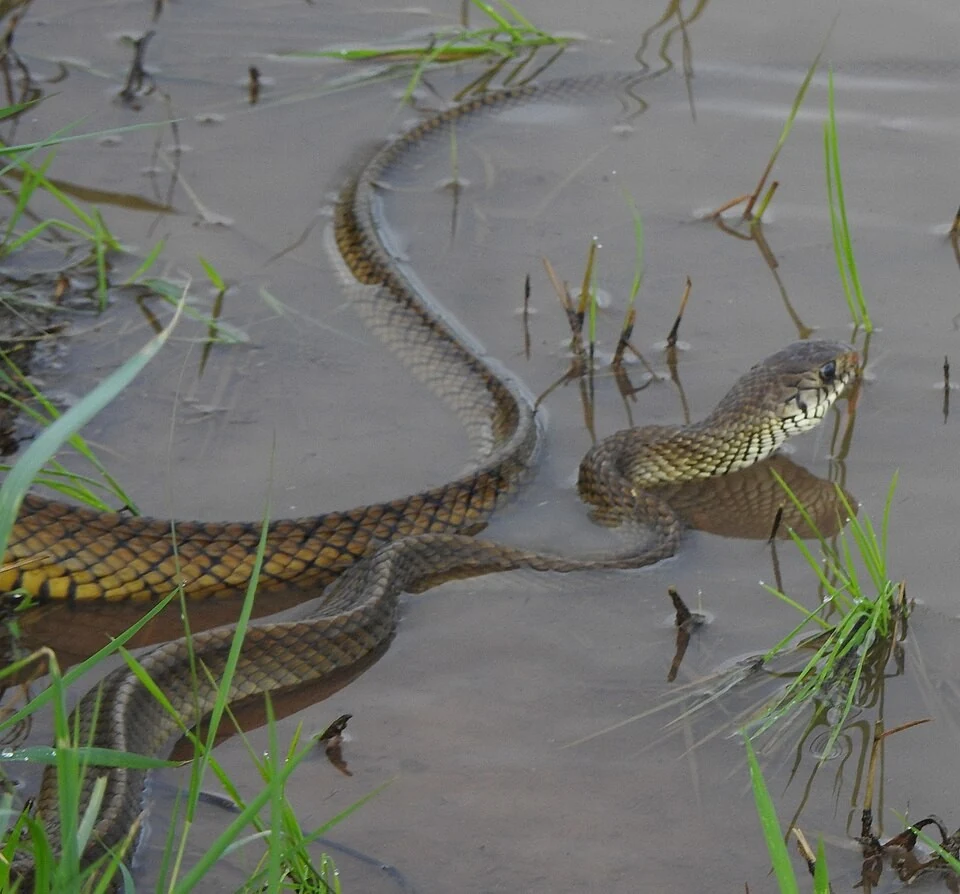
008 · Colubridae
Dhaman
Explicit country record in the checked taxonomic treatment.
Read the species account →Afsar Nayakkan · CC BY 4.0 · https://creativecommons.org/licenses/by/4.0
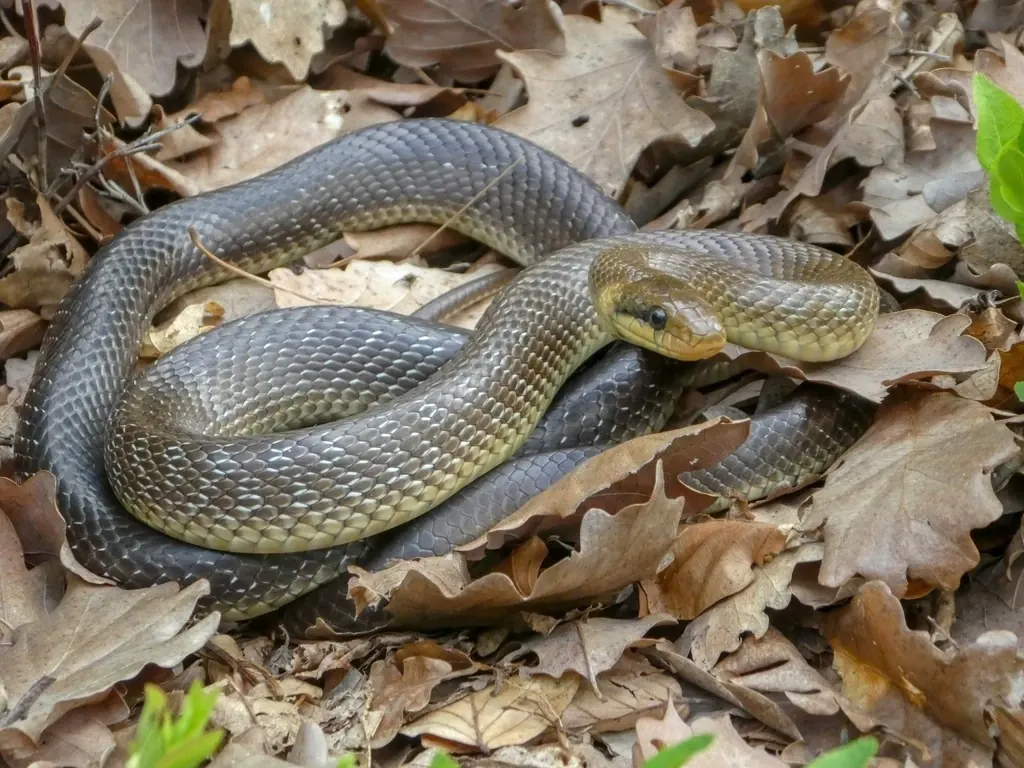
009 · Colubridae
Aesculapean Snake
Explicit country record in the checked taxonomic treatment.
Read the species account →Philipp Pavelka · CC BY 4.0 · https://creativecommons.org/licenses/by/4.0/
Read further
Guide reviewed 11 October 2026. Source dates and geographic scope matter; landscape photographs do not establish species occurrence.
Named landscape, vegetation or hydrological setting only; no snake occurrence inferred. Historical site accounts are not current condition or access assessments.
Historical national overview marked draft by the Secretariat; broad pressures and landscape context, not a current local condition survey, current statistics or wildlife locality evidence.
Continue through Iran
Explore the documented landscape around Golestan and eastern Alborz. The named example anchors this guide; the country map and separately sourced species accounts answer different questions.
02Explore the documented landscape around Lut Desert. The named example anchors this guide; the country map and separately sourced species accounts answer different questions.
03Explore the documented landscape around Anzali Wetland. The named example anchors this guide; the country map and separately sourced species accounts answer different questions.