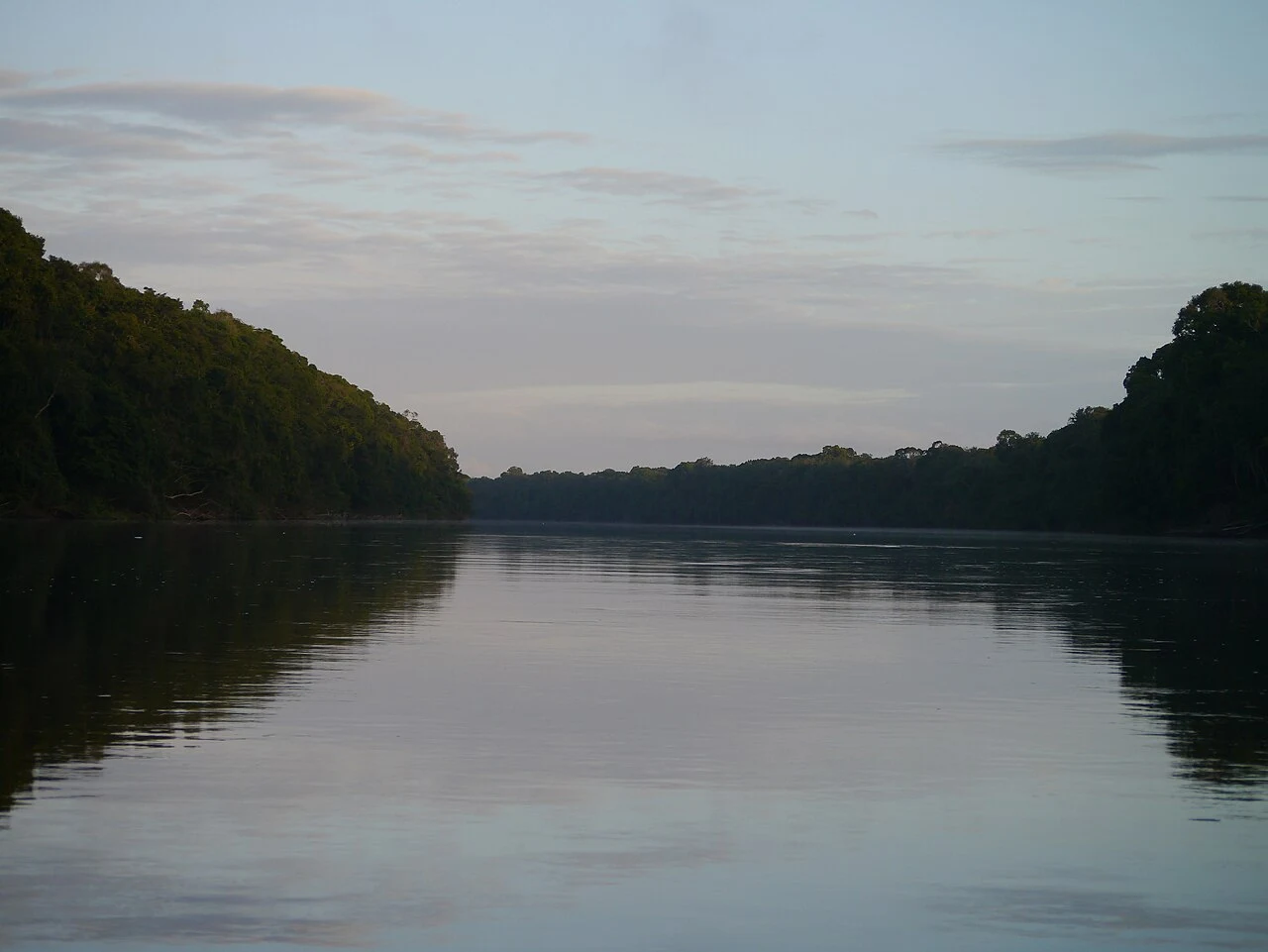
River and forested banks in the Iwokrama rainforest, Guyana.

Guyana · The country atlas

Guyana

Explore ten administrative regions, with the original place names retained behind regional species counts.

91species with extracted evidence
8families
10region guides

River and forested banks in the Iwokrama rainforest, Guyana.

Photograph: M M from Switzerland · Image source · CC BY-SA 2.0. Cropped to fill the hero; darkened for text legibility.

Geography & biotopes

Discover Guyana.

Explore ten administrative regions, with the original place names retained behind regional species counts.

Credited boundary snapshots are navigation references, not species ranges or an assertion of current administrative arrangements. Map labels use source subdivision codes or unique shortened names; the complete names remain in the directory. A missing regional record is not evidence of absence.

Map provenance and subdivisions →

Convention on Biological Diversity · Guyana national profile →

Geography is part of the record

Find your way through Guyana.

Select a named region to open its evidence page. The complete directory below keeps every guide accessible, including places where locality evidence has not yet been extracted.

2 of 91 listed species have at least one indexed region record. 89 remain country-only. Even a nonzero count is not a complete regional inventory.

Habitats & living landscapes

Explore the living
landscapes.

Explore 4 guides to the environments, places and conservation pressures that shape this country. Each guide connects to the regional map and shared species accounts.

Landscape photographs & credits

River and forested banks in the Iwokrama rainforest, Guyana. — M M from Switzerland. Original photograph · CC BY-SA 2.0. Cropped for the cards; photographs do not establish snake occurrence.

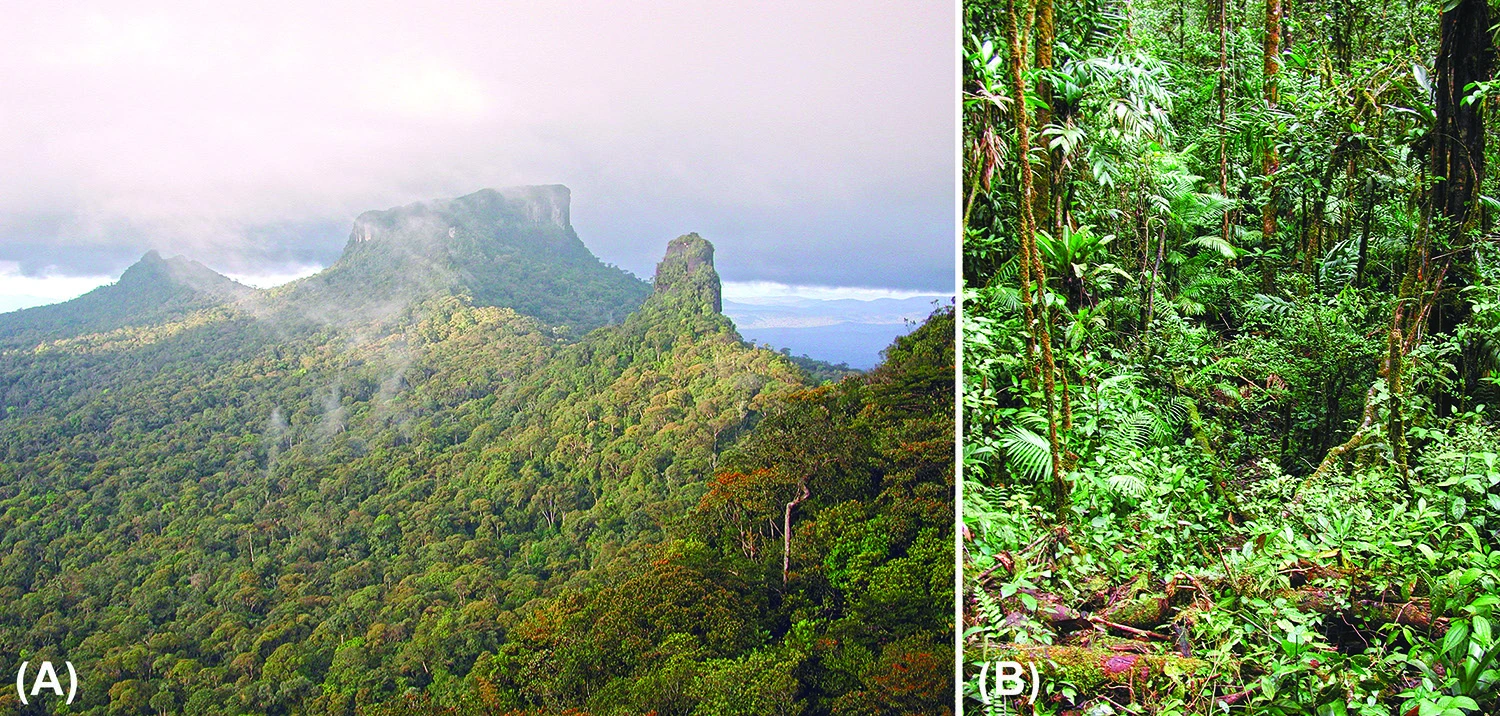
Two views of the Wokomung Massif, Guyana: forested mountain slopes (left) and cloud forest at about 1,385 metres (right). Landscape context only; no snake occurrence is inferred. — D. Bruce Means, in Kok, Nicolaï, Lathrop & MacCulloch (2018). Original photograph · CC BY 4.0. Cropped for the cards; photographs do not establish snake occurrence.
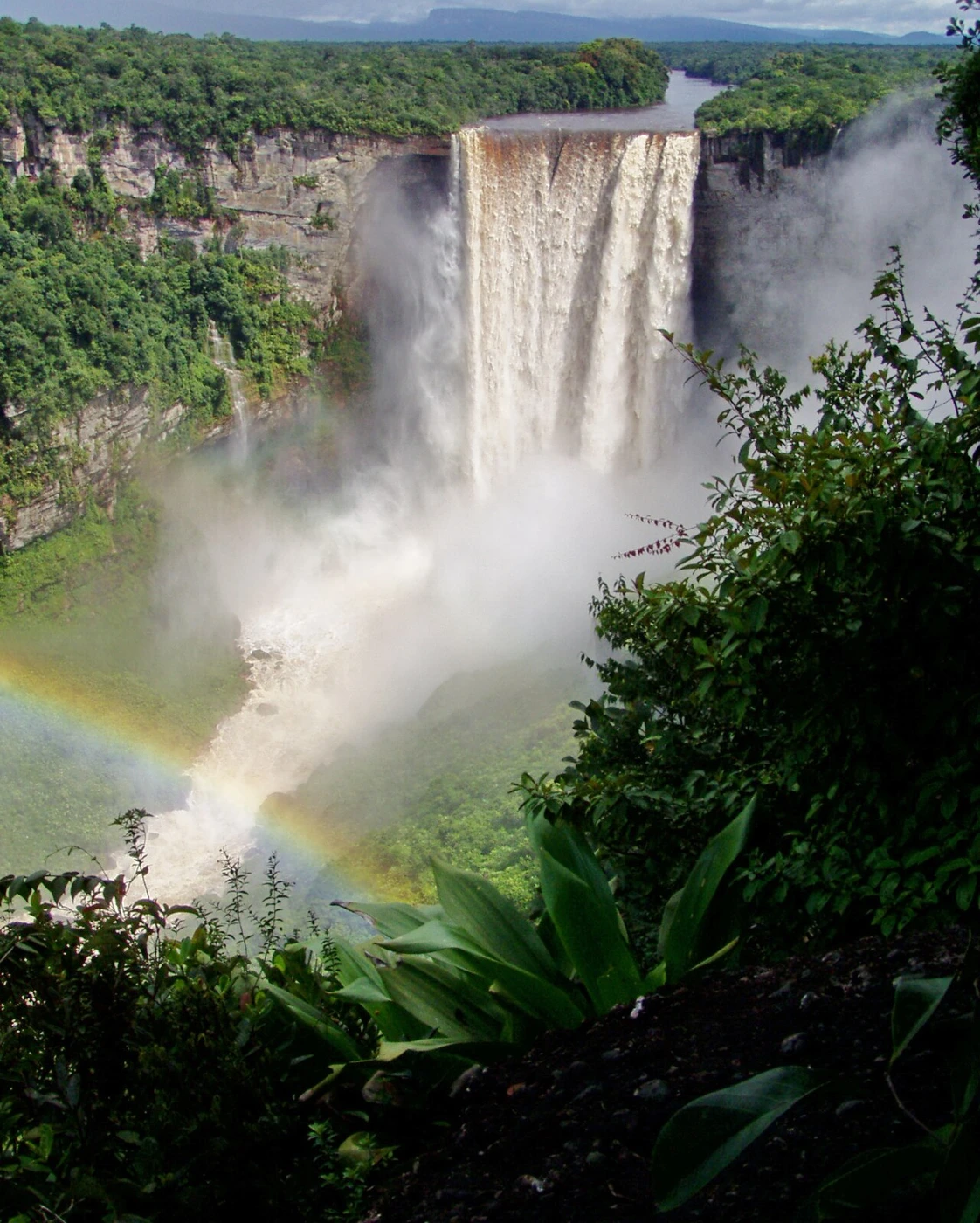
Kaieteur Falls on the Potaro River, Guyana, photographed during the rainy season in 2004. — Sorenriise at English Wikipedia. Original photograph · CC BY-SA 3.0. Cropped for the cards; photographs do not establish snake occurrence.

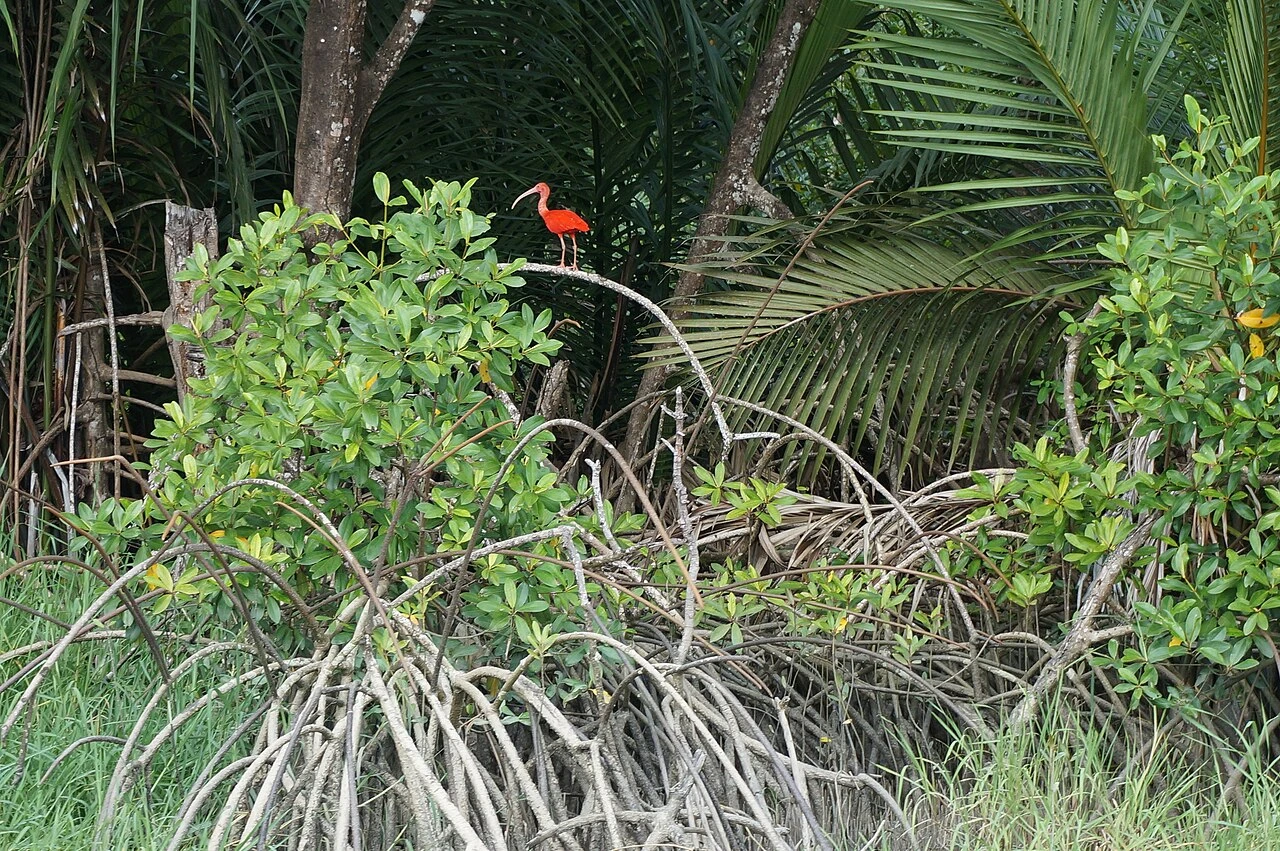
Mangrove prop roots and riverside foliage near the mouth of the Pomeroon River, Guyana, with a scarlet ibis. Landscape context only; no snake occurrence is inferred. — Glynn Morris. Original photograph · CC BY 4.0. Cropped for the cards; photographs do not establish snake occurrence.
The species catalogue

Meet the snakes of Guyana.

Search scientific names, historical names, common names and families. Every card opens one shared account across its documented countries.

91 species · showing 24

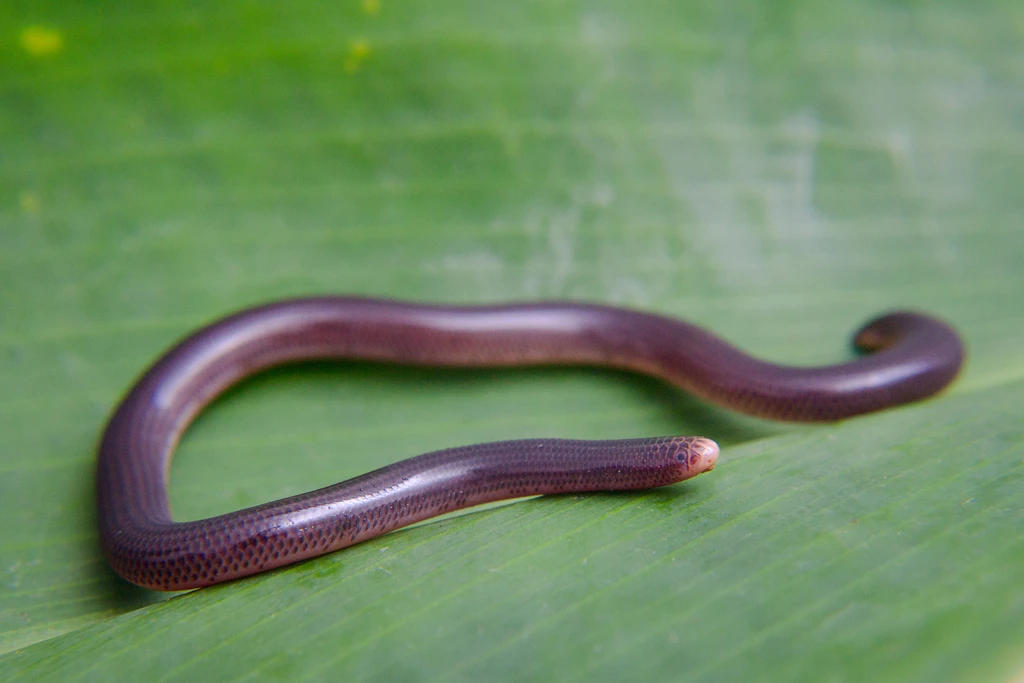
Amerotyphlops brongersmianus. Small glossy individual resting on a green leaf. Original observation dated 2019-11-10. Portrait only; no new locality record is inferred.

001 · Typhlopidae

South American Striped Blindsnake, Brongersma's Worm Snake

Amerotyphlops brongersmianus

(VANZOLINI, 1976)

Non-venomous

The checked taxonomic distribution account explicitly lists Guyana. Country-level evidence does not establish continuous occupancy or a complete national inventory.

Read the species account →

Henrique Nogueira · CC BY 4.0 · https://creativecommons.org/licenses/by/4.0/

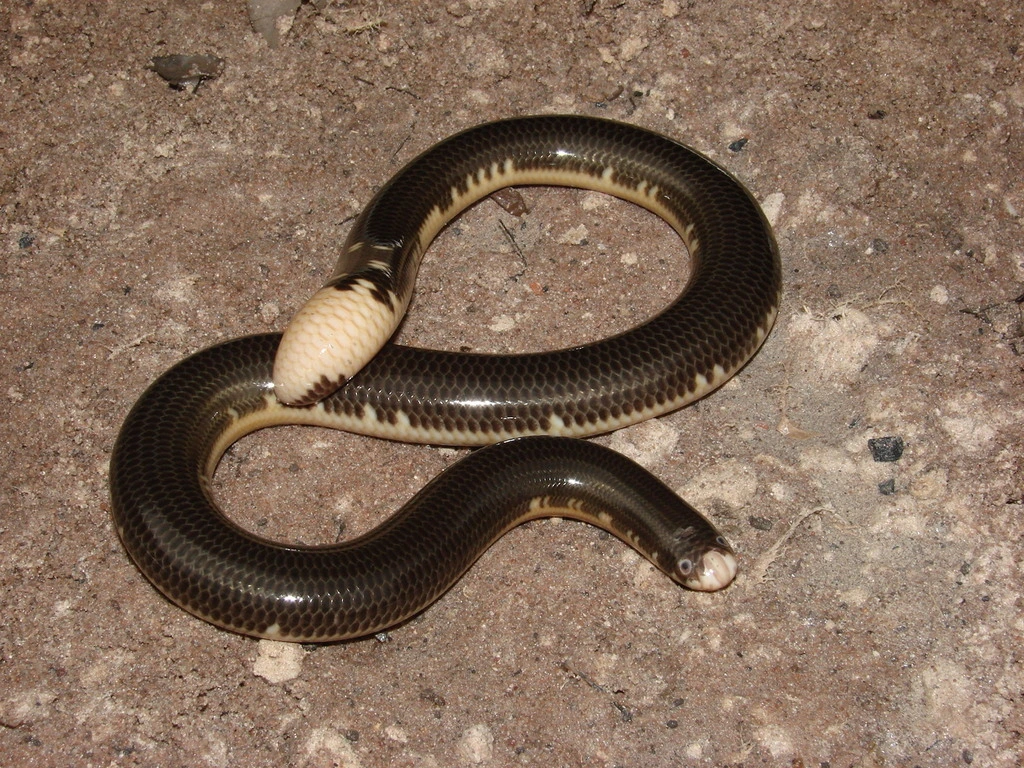
Amerotyphlops reticulatus. The complete source frame is retained; this portrait is not locality or habitat evidence. Original observation dated 2006-09-07. No additional geographic occurrence is inferred.

003 · Typhlopidae

Reticulate Worm Snake

Amerotyphlops reticulatus

(LINNAEUS, 1758)

Non-venomous

The checked taxonomic distribution account explicitly lists Guyana. Country-level evidence does not establish continuous occupancy or a complete national inventory.

Read the species account →

Reuber Brandão · CC BY 4.0 · https://creativecommons.org/licenses/by/4.0/

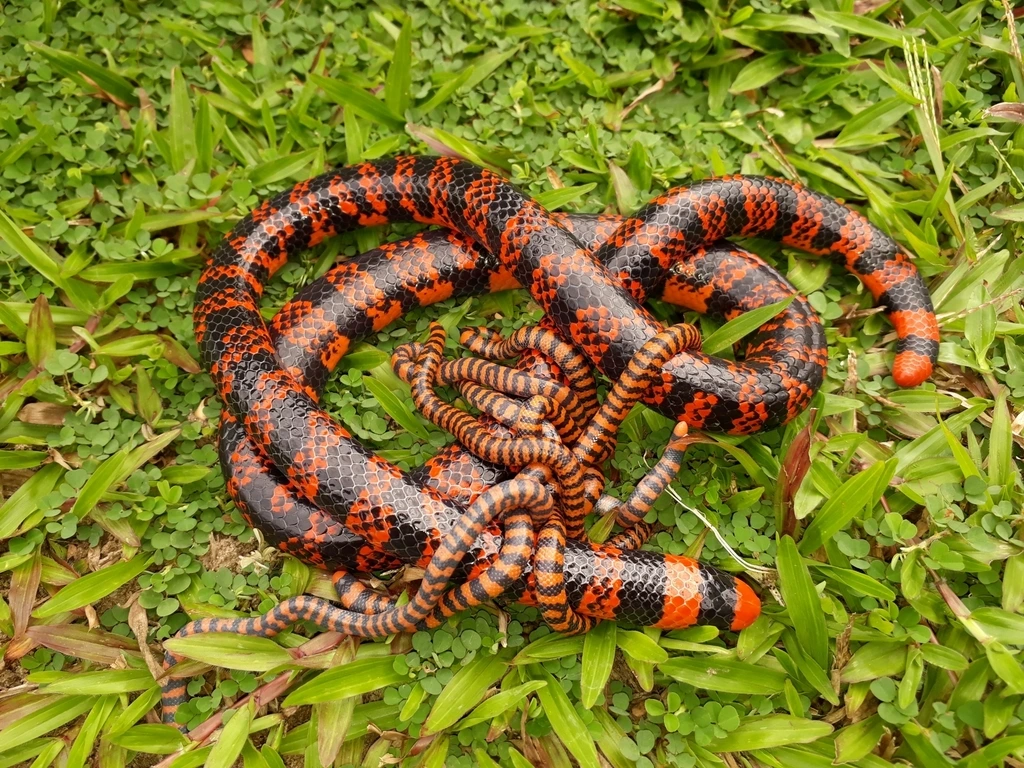
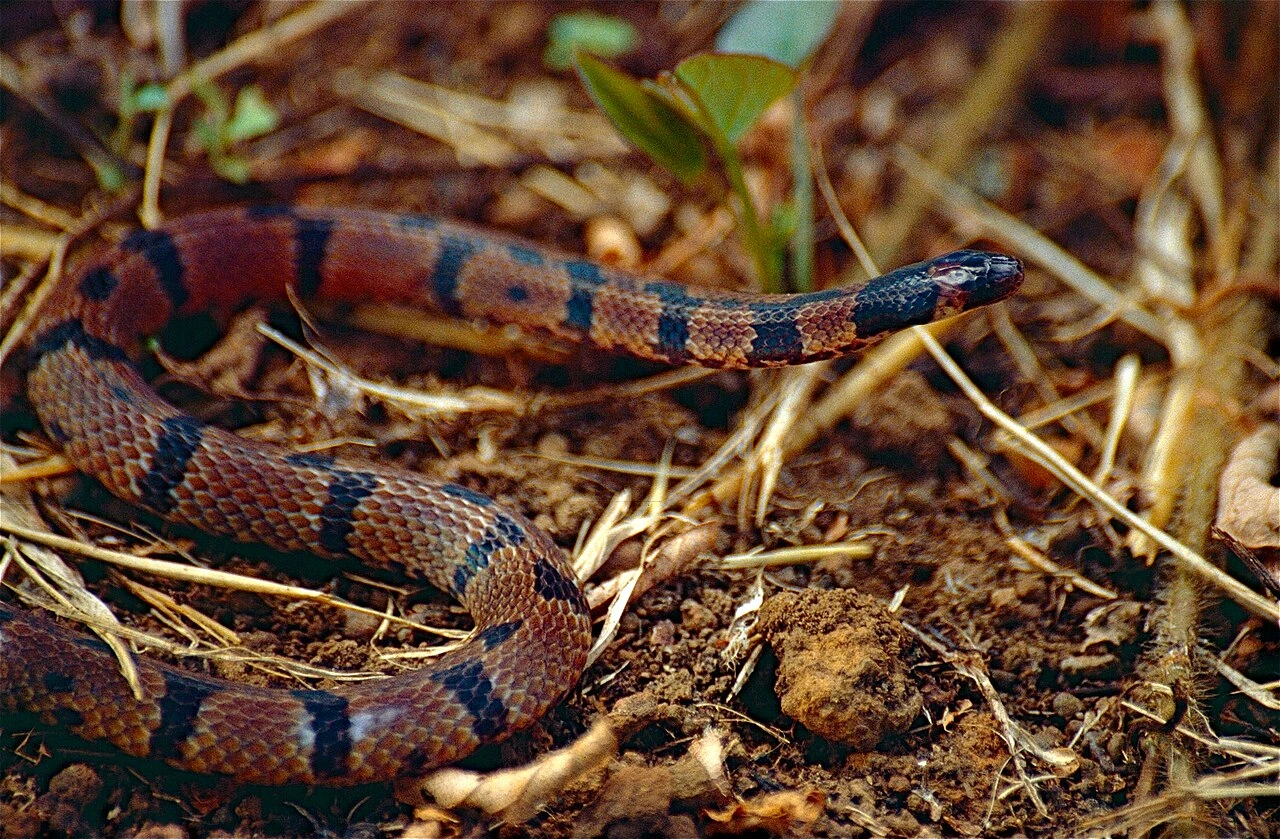
Anilius scytale. An adult and smaller individuals photographed together; full source frame retained. Original observation dated 2018-10-25. No additional geographic occurrence is inferred.

004 · Aniliidae

Coral Cylinder Snakes

Anilius scytale

(LINNAEUS, 1758)

Venom unknownNot yet assessed

The checked taxonomic distribution account explicitly lists Guyana. Country-level evidence does not establish continuous occupancy or a complete national inventory.

Read the species account →

Rafael Bernhard · CC BY 4.0 · https://creativecommons.org/licenses/by/4.0/

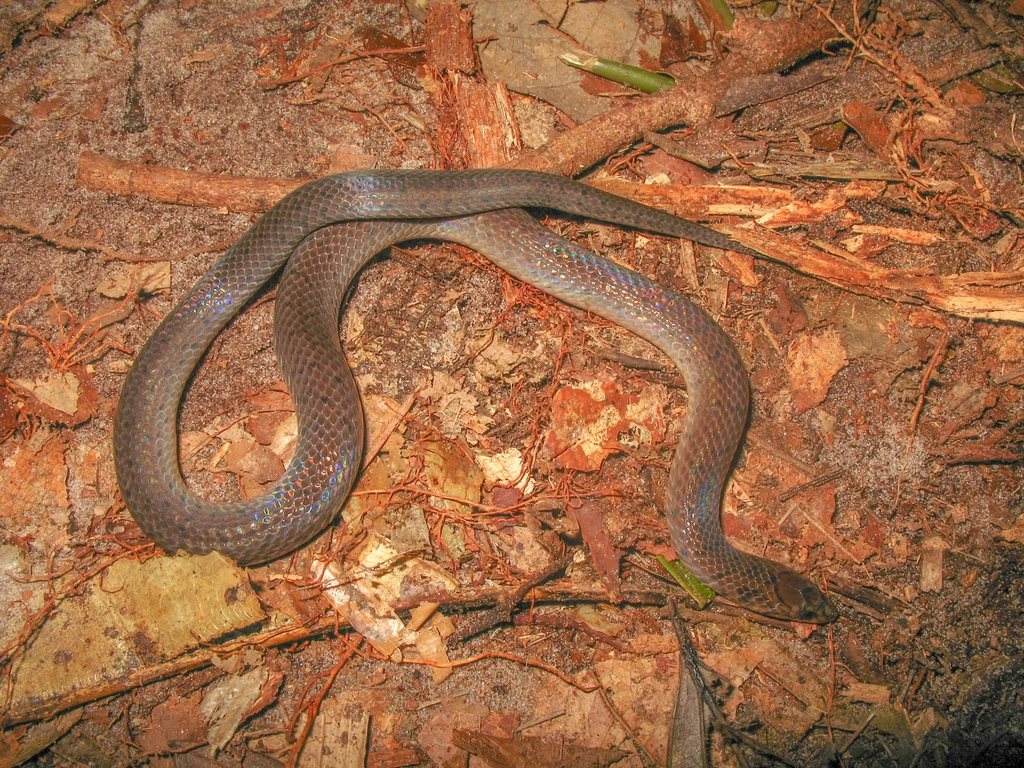
Atractus schach, photographed by Bernard DUPONT from FRANCE. Portrait only; no wild locality or habitat record is inferred.

006 · Colubridae

Schach's Ground Snake

Atractus schach

(BOIE, 1827)

Non-venomous

The checked taxonomic distribution account explicitly lists Guyana. Country-level evidence does not establish continuous occupancy or a complete national inventory.

Read the species account →

Bernard DUPONT from FRANCE · CC BY-SA 2.0 · https://creativecommons.org/licenses/by-sa/2.0

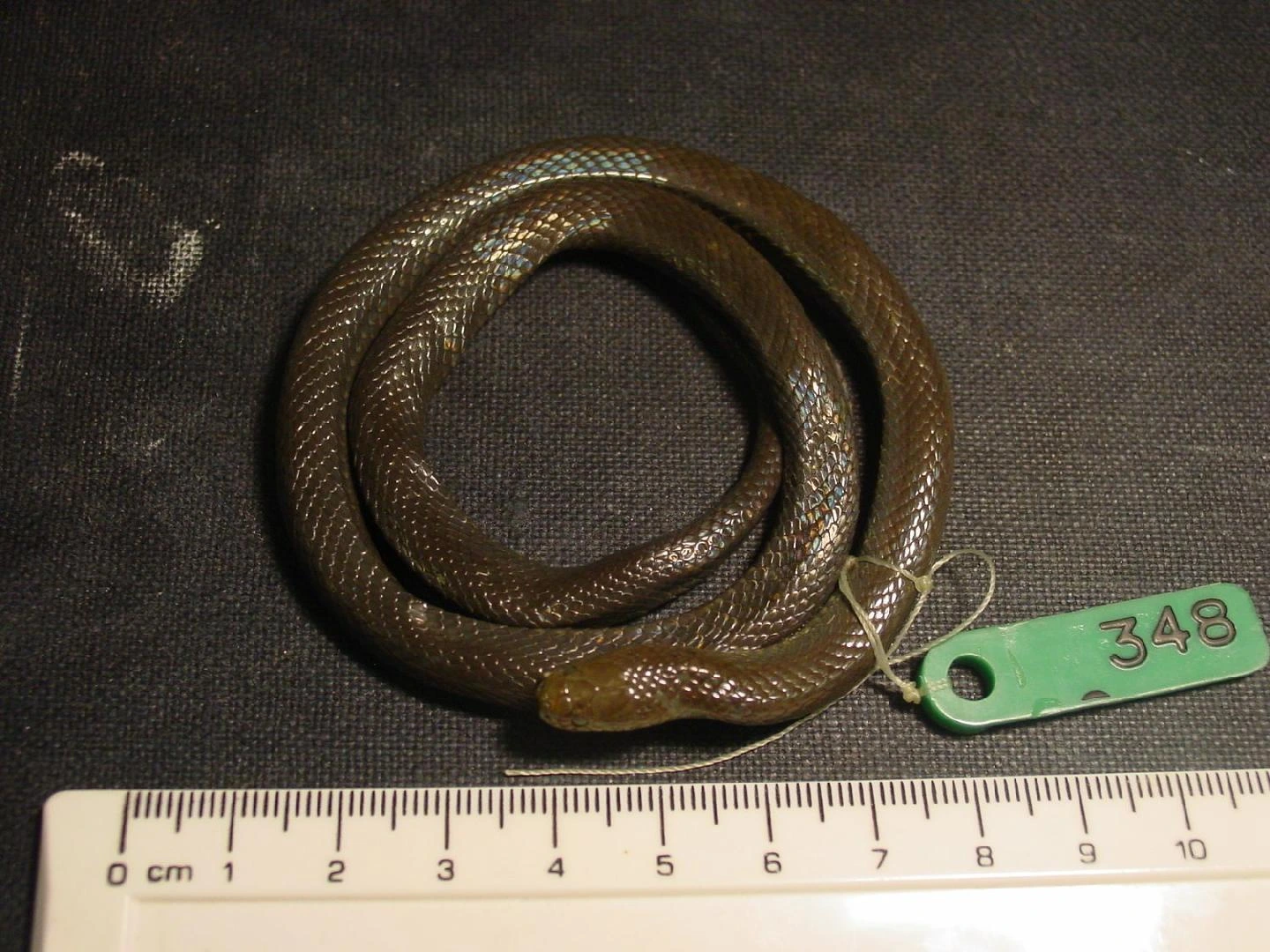
Atractus steyermarki. Preserved museum specimen; preservation may change natural colours. No new locality or habitat inferred. Portrait only.

007 · Colubridae

Species account

Atractus steyermarki

ROZE, 1958

Non-venomous

The checked taxonomic distribution account explicitly lists Guyana. Country-level evidence does not establish continuous occupancy or a complete national inventory. The treatment names these subdivisions in its Guyana distribution clause: Cuyuni-Mazaruni. They are assigned to the declared atlas navigation groups; this is not a field observation, a…

Read the species account →

Patrick Campbell · The Trustees of the Natural History Museum, London · CC BY 4.0 · https://creativecommons.org/licenses/by/4.0/

ColubridaeAtractusPhotograph not yet documented

008 · Colubridae

Species account

Atractus tamessari

KOK, 2006

Non-venomous

The checked taxonomic distribution account explicitly lists Guyana. Country-level evidence does not establish continuous occupancy or a complete national inventory. The treatment names these subdivisions in its Guyana distribution clause: Potaro-Siparuni. They are assigned to the declared atlas navigation groups; this is not a field observation, a…

Read the species account →
Atractus torquatus. The complete source frame is retained; this portrait is not locality or habitat evidence. Original observation dated 2007-07-26. No additional geographic occurrence is inferred.

009 · Colubridae

Neckband Ground Snake

Atractus torquatus

(DUMÉRIL, BIBRON & DUMÉRIL, 1854)

Non-venomous

The checked taxonomic distribution account explicitly lists Guyana. Country-level evidence does not establish continuous occupancy or a complete national inventory.

Read the species account →

Whaldener Endo · CC0 1.0 · https://creativecommons.org/publicdomain/zero/1.0/

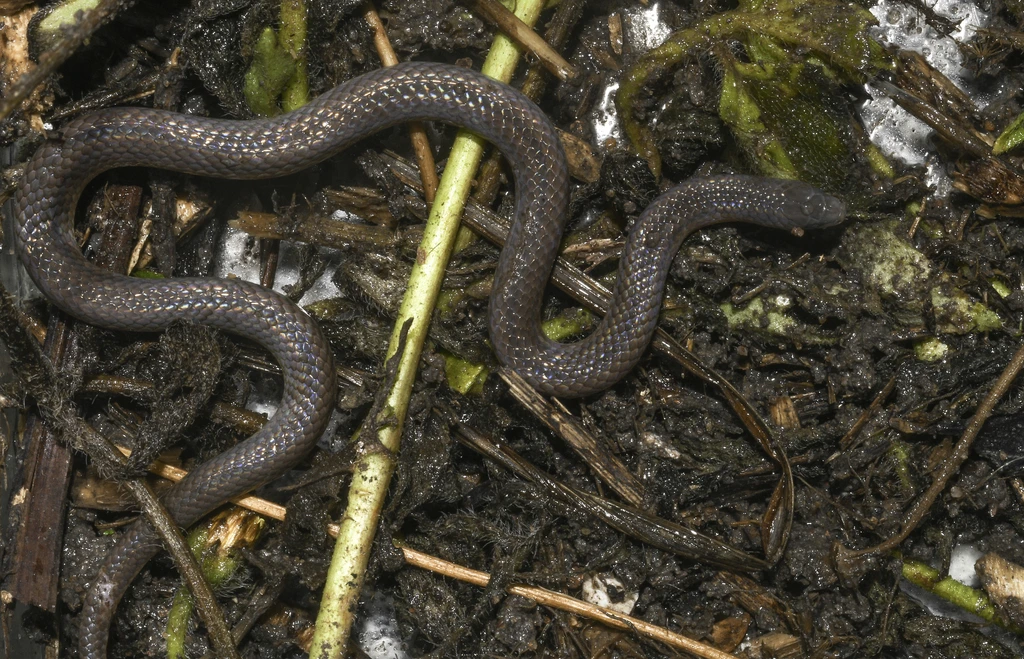
Atractus trilineatus. Small brown individual coiled among wet leaves and moss. Original observation dated 2025-06-14. Portrait only; no new locality record is inferred.

010 · Colubridae

Three-lined Groundsnake, Three-lined Ground Snake

Atractus trilineatus

WAGLER, 1828

Non-venomous

The checked taxonomic distribution account explicitly lists Guyana. Country-level evidence does not establish continuous occupancy or a complete national inventory.

Read the species account →

Whaldener Endo · CC0 1.0 · https://creativecommons.org/publicdomain/zero/1.0/

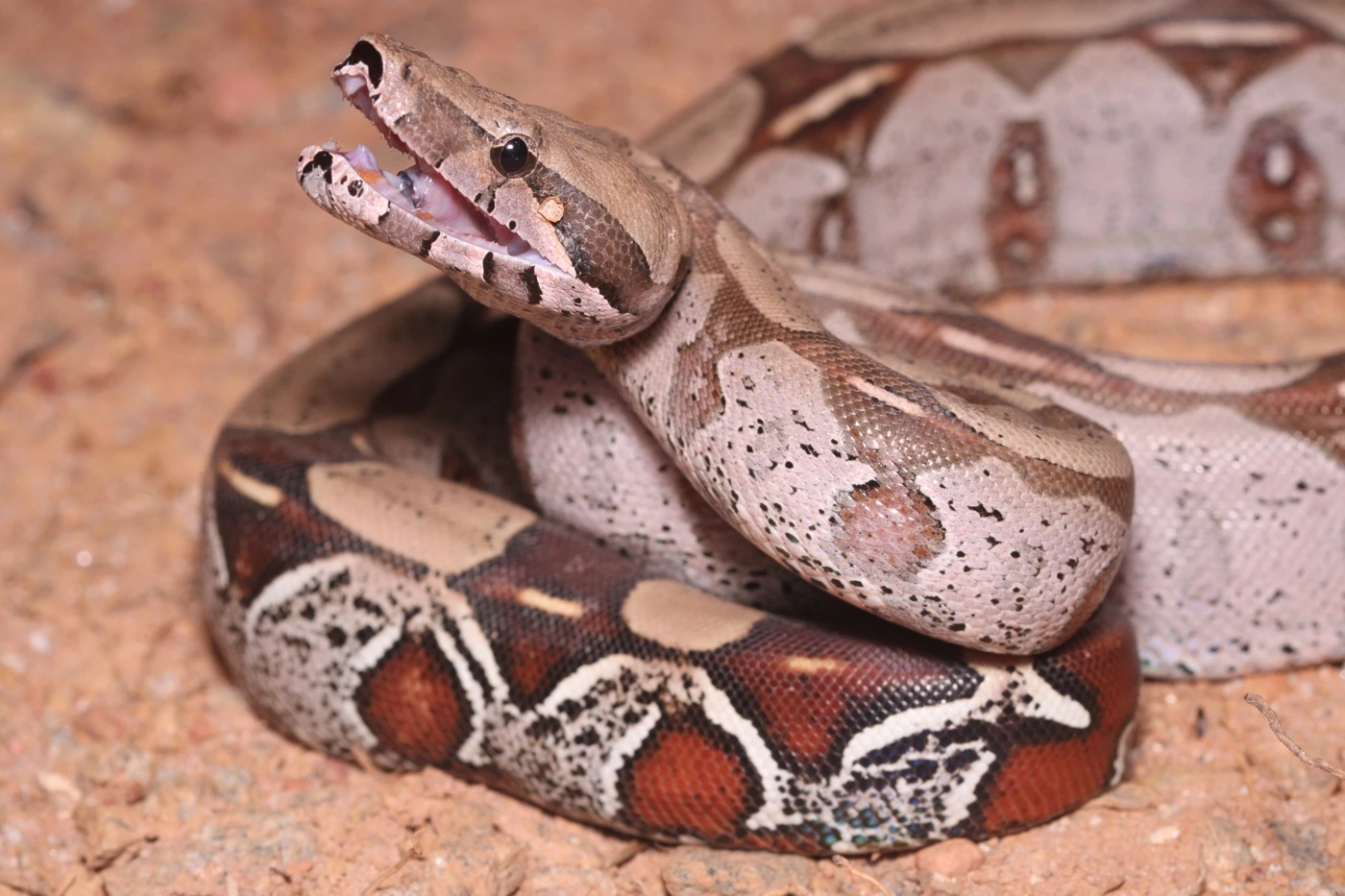
Boa constrictor. Species portrait from the credited source. No additional state, province or wild occurrence is inferred. Original watermarks, where present, are retained.

011 · Boidae

Boa Constrictor

Boa constrictor

LINNAEUS, 1758

Non-venomous

The checked taxonomic distribution account explicitly lists Guyana. Country-level evidence does not establish continuous occupancy or a complete national inventory.

Read the species account →

Arnaud Aury · CC BY 4.0 · https://creativecommons.org/licenses/by/4.0

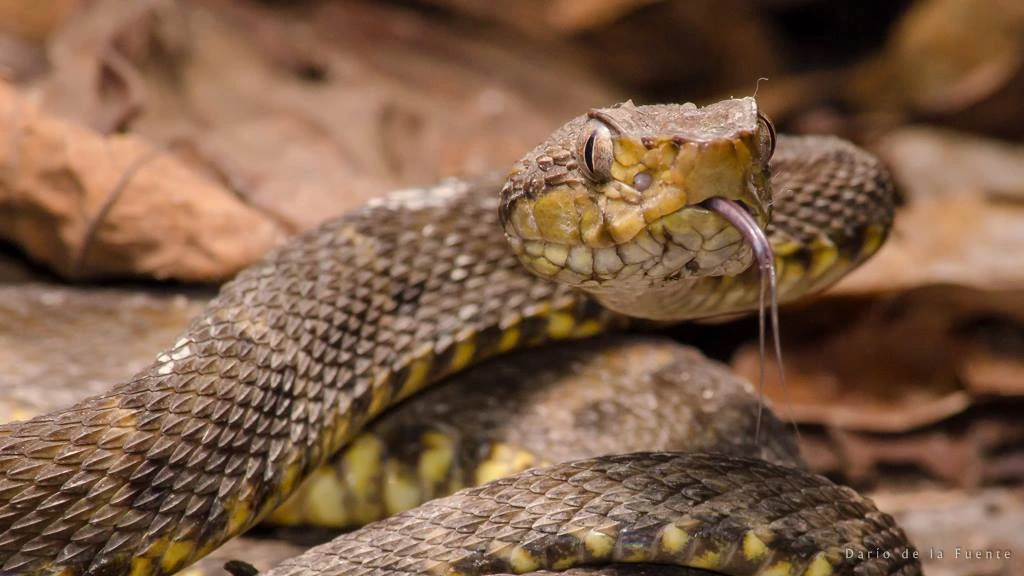
Bothrops atrox, photographed by Darío De la Fuente. Portrait only; no wild locality or habitat record is inferred.

012 · Viperidae

Barba Amarilla, Fer-de-Lance, common lancehead

Bothrops atrox

(LINNAEUS, 1758)

VenomousClinical severity not established

The checked taxonomic distribution account explicitly lists Guyana. Country-level evidence does not establish continuous occupancy or a complete national inventory.

Read the species account →

Darío De la Fuente · CC BY 4.0 · https://creativecommons.org/licenses/by/4.0

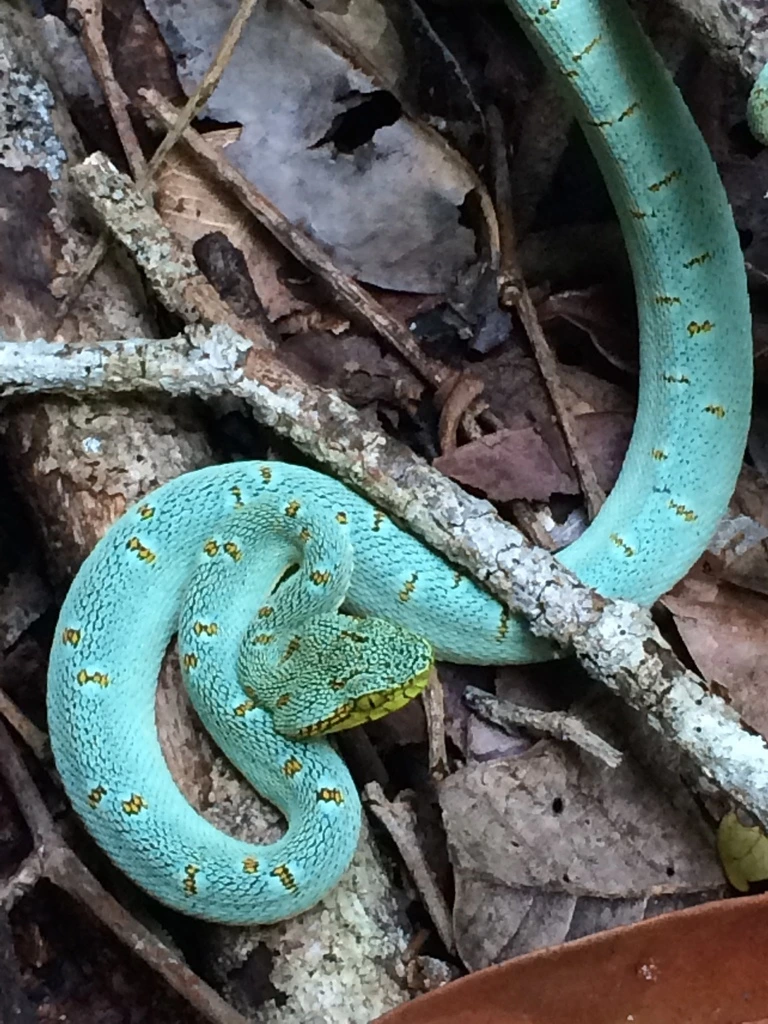
Bothrops bilineatus. The complete source frame is retained; this portrait is not locality or habitat evidence. Original observation dated 2018-11-30. No additional geographic occurrence is inferred.

013 · Viperidae

Green Jararaca

Bothrops bilineatus

(WIED-NEUWIED, 1821)

VenomousClinical severity not established

The checked taxonomic distribution account explicitly lists Guyana. Country-level evidence does not establish continuous occupancy or a complete national inventory.

Read the species account →

B. Phalan · CC BY 4.0 · https://creativecommons.org/licenses/by/4.0/

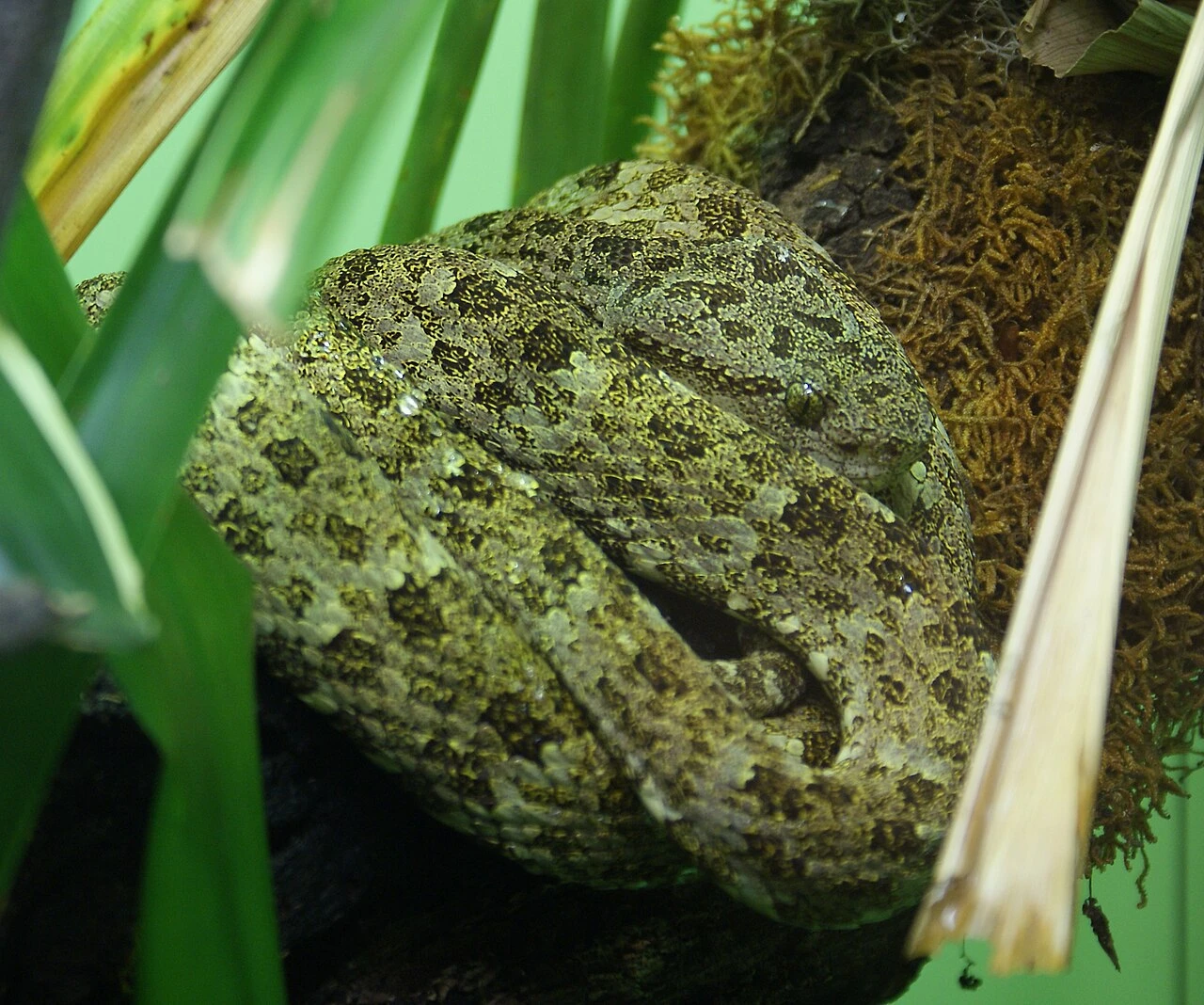
Bothrops taeniatus. Green mottled individual resting in coils among foliage. Portrait only; no wild locality or habitat record is inferred.

014 · Viperidae

Speckled Forest Pit Viper

Bothrops taeniatus

WAGLER, 1824

VenomousClinical severity not established

The checked taxonomic distribution account explicitly lists Guyana. Country-level evidence does not establish continuous occupancy or a complete national inventory.

Read the species account →

TimVickers · Public domain · https://commons.wikimedia.org/wiki/File:Bothriopsis_taeniata_(3).jpg#Licensing

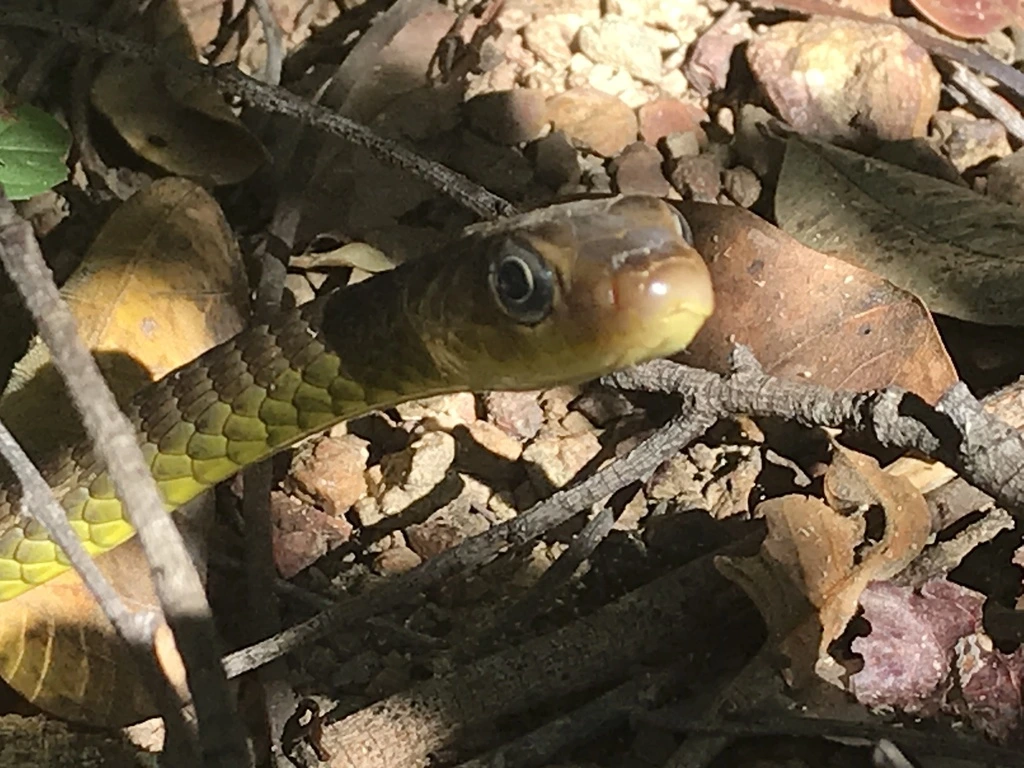
Chironius carinatus. The complete source frame is retained; this portrait is not locality or habitat evidence. Original observation dated 2023-05-17. No additional geographic occurrence is inferred.

015 · Colubridae

Amazon Coachwhip, Sipo, Golden tree snake, Whipsnake

Chironius carinatus

(LINNAEUS, 1758)

Venom unknownNot yet assessed

The checked taxonomic distribution account explicitly lists Guyana. Country-level evidence does not establish continuous occupancy or a complete national inventory.

Read the species account →

Whaldener Endo · CC0 1.0 · https://creativecommons.org/publicdomain/zero/1.0/

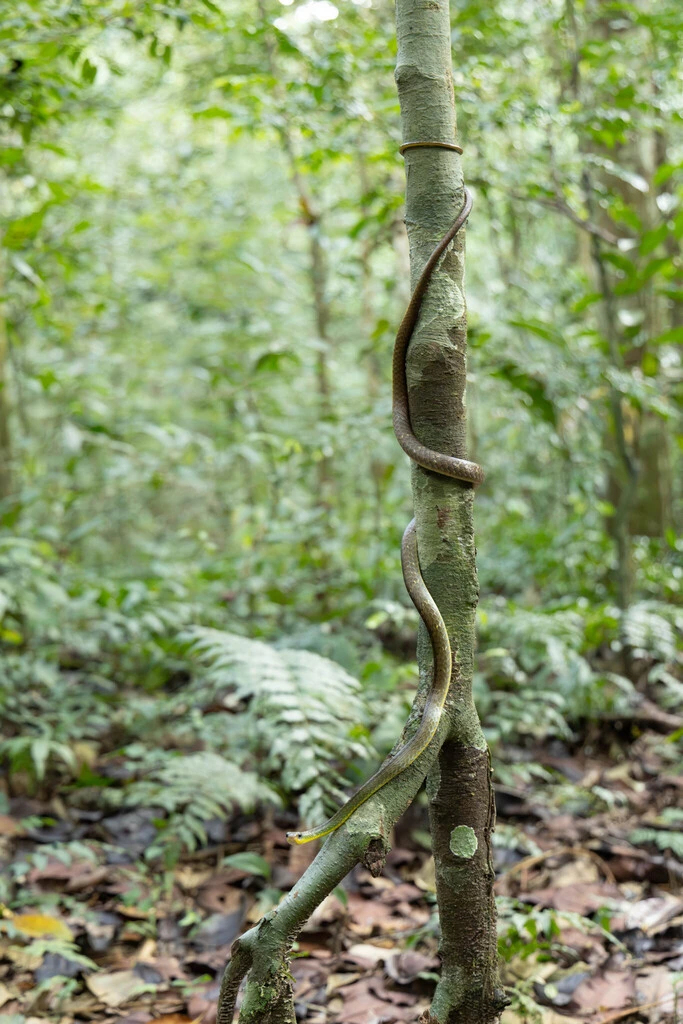
Chironius exoletus. The complete source frame is retained; this portrait is not locality or habitat evidence. Original observation dated 2020-06-14. No additional geographic occurrence is inferred.

018 · Colubridae

Linnaeus' Sipo

Chironius exoletus

(LINNAEUS, 1758)

Venom unknownNot yet assessed

The checked taxonomic distribution account explicitly lists Guyana. Country-level evidence does not establish continuous occupancy or a complete national inventory.

Read the species account →

Mario Barroso · CC BY 4.0 · https://creativecommons.org/licenses/by/4.0/

Chironius fuscus. The complete source frame is retained; this portrait is not locality or habitat evidence. Original observation dated 2026-08-05. No additional geographic occurrence is inferred.

019 · Colubridae

Brown Sipo

Chironius fuscus

(LINNAEUS, 1758)

Venom unknownNot yet assessed

The checked taxonomic distribution account explicitly lists Guyana. Country-level evidence does not establish continuous occupancy or a complete national inventory.

Read the species account →

Sebastian Doak · CC BY 4.0 · https://creativecommons.org/licenses/by/4.0/

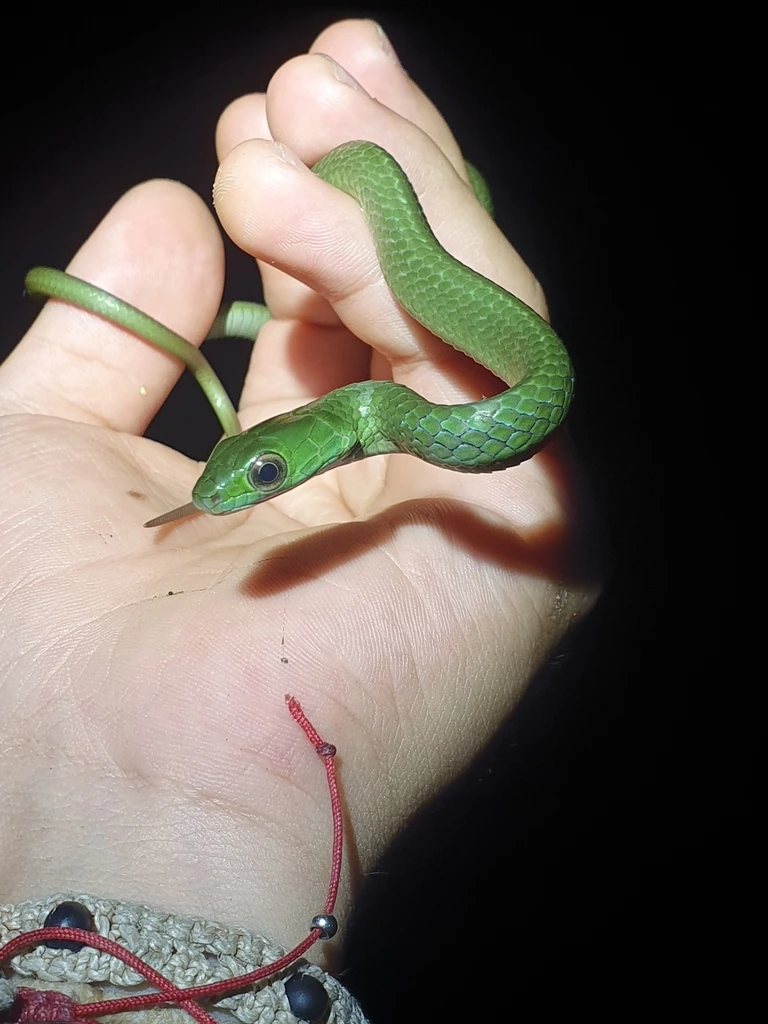
Chironius scurrula. Photographed while held; the handling context is retained in the complete source frame. Original observation dated 2023-03-08. No additional geographic occurrence is inferred.

020 · Colubridae

Wagler's Sipo, harlequin snake

Chironius scurrula

(WAGLER, 1824)

Venom unknownNot yet assessed

The checked taxonomic distribution account explicitly lists Guyana. Country-level evidence does not establish continuous occupancy or a complete national inventory.

Read the species account →

Benjamin Hidalgo · CC BY 4.0 · https://creativecommons.org/licenses/by/4.0/

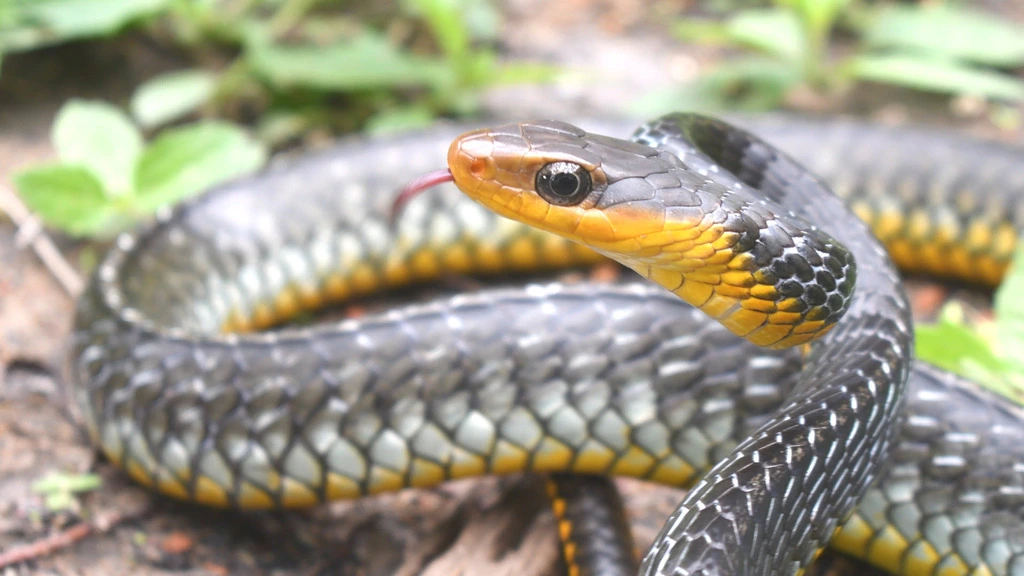
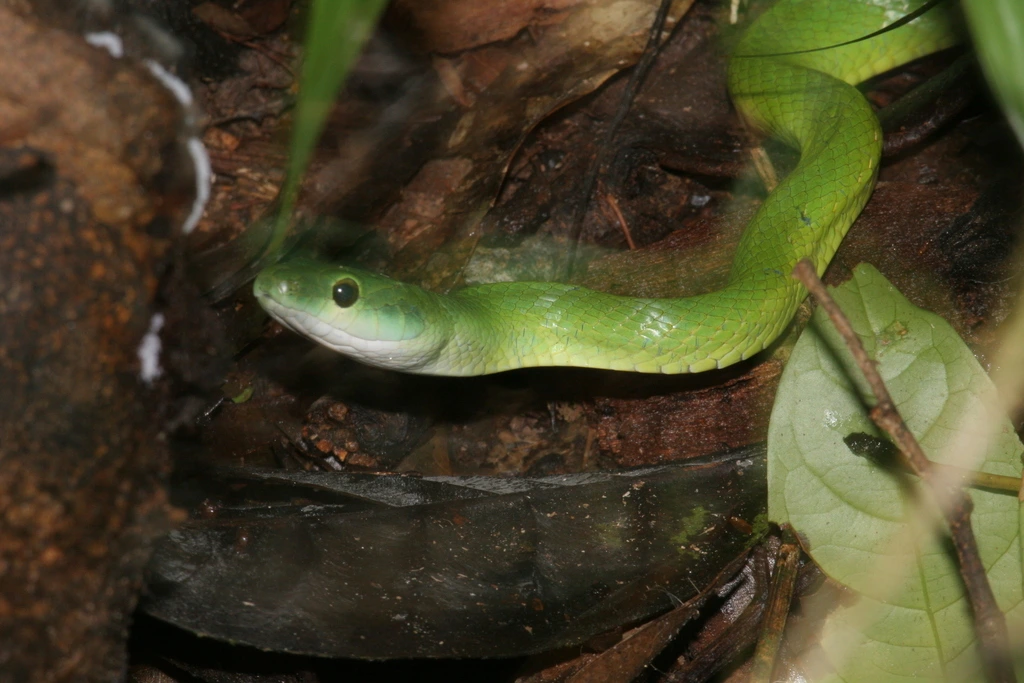
Chlorosoma viridissimum. The complete source frame is retained; this portrait is not locality or habitat evidence. Original observation dated 2008-04-11. No additional geographic occurrence is inferred.

021 · Colubridae

Common Green Racer

Chlorosoma viridissimum

(LINNAEUS, 1758)

VenomousClinical severity not established

The checked taxonomic distribution account explicitly lists Guyana. Country-level evidence does not establish continuous occupancy or a complete national inventory.

Read the species account →

Fábio Olmos · CC BY 4.0 · https://creativecommons.org/licenses/by/4.0/

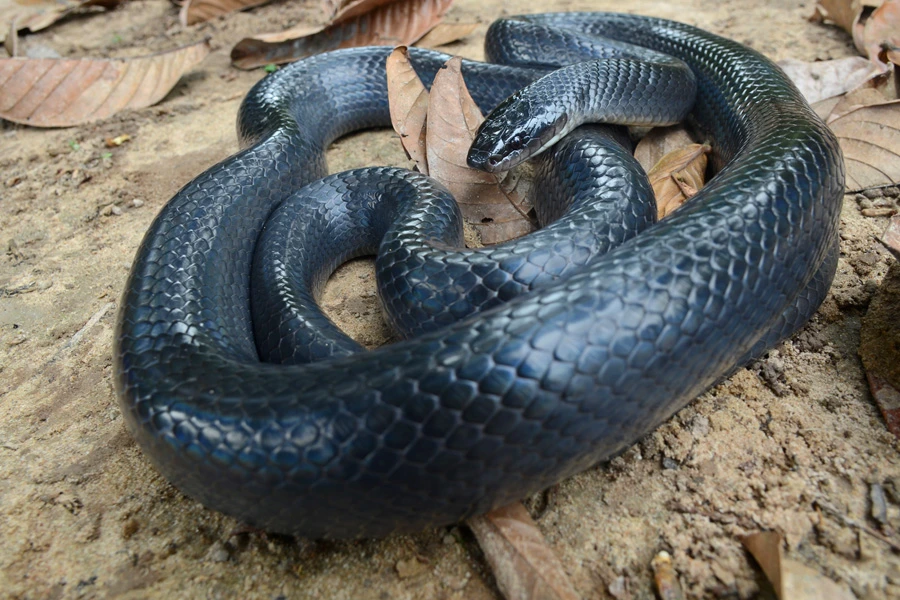
Clelia clelia. Glossy dark individual coiled on leaf litter. Portrait only; no wild locality or habitat record is inferred.

022 · Colubridae

Windward Cribo, Black Mussurana

Clelia clelia

(DAUDIN, 1803)

Venom unknownNot yet assessed

The checked taxonomic distribution account explicitly lists Guyana. Country-level evidence does not establish continuous occupancy or a complete national inventory.

Read the species account →

Geoff Gallice ( https://www.flickr.com/photos/dejeuxx/ ) · CC BY 2.0 · https://creativecommons.org/licenses/by/2.0

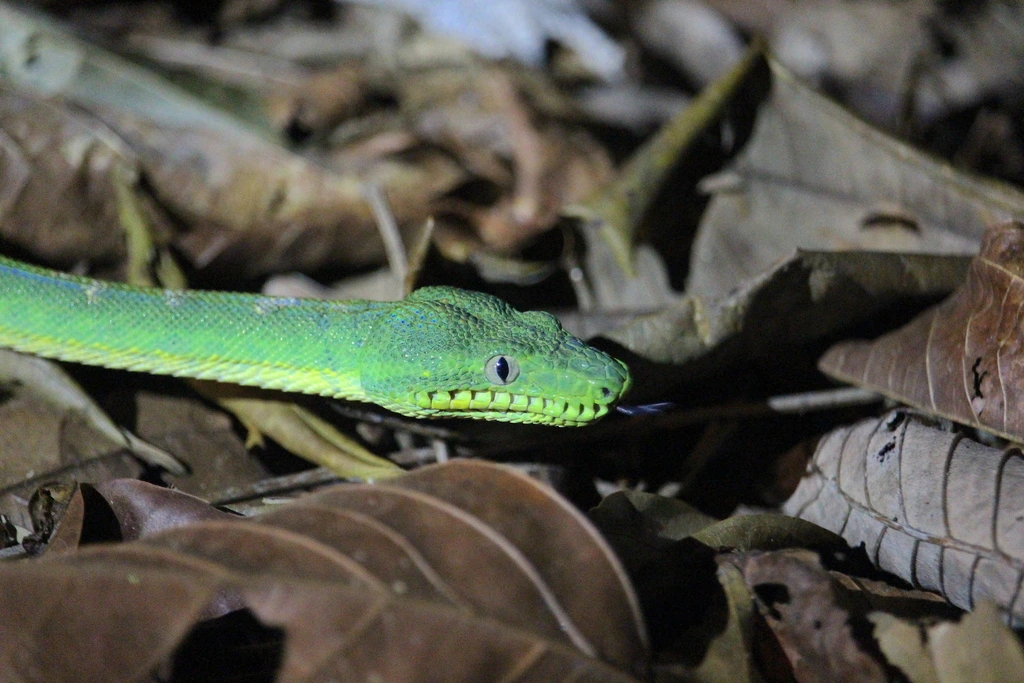
Corallus caninus. Head and neck among dry leaves. Original observation dated 2022-10-03. No additional geographic occurrence is inferred.

023 · Boidae

Emerald Tree Boa

Corallus caninus

(LINNAEUS, 1758)

Non-venomous

The checked taxonomic distribution account explicitly lists Guyana. Country-level evidence does not establish continuous occupancy or a complete national inventory.

Read the species account →

eloise kerroux · CC BY 4.0 · https://creativecommons.org/licenses/by/4.0/

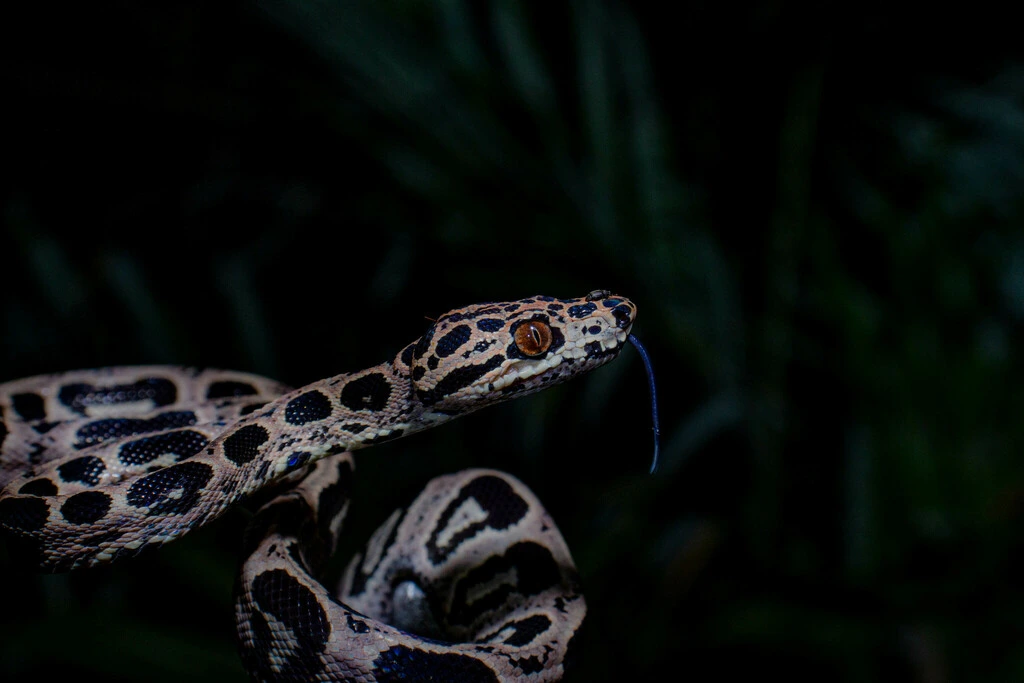
Corallus hortulana. The complete source frame is retained; this portrait is not locality or habitat evidence. Original observation dated 2019-12-18. No additional geographic occurrence is inferred.

024 · Boidae

Garden Tree Boa

Corallus hortulana

(LINNAEUS, 1758)

Non-venomous

The checked taxonomic distribution account explicitly lists Guyana. Country-level evidence does not establish continuous occupancy or a complete national inventory.

Read the species account →

Henrique Nogueira · CC BY 4.0 · https://creativecommons.org/licenses/by/4.0/

The research library

Sources & the checklist.

This edition lists 91 species with supported country records from checked taxonomic treatments and cited field studies. It is not a claim of a complete national inventory. Each account retains its source and check date; individual evidence entries retain their own review dates.

How the map and counts work

Search results were checked against distribution text and taxonomic qualifications. A geographic name alone does not establish a political country: New Guinea, the Solomon archipelago and Micronesia span more than one country or territory. Introduced and unresolved records require separate interpretation.

Place counts require explicit named localities, including valid type localities. Counts can overlap where sources name multiple places. Regional maps group historical boundary snapshots for navigation, while island outlines use Natural Earth; neither is a species range or an observation map. Small islands can be below the outline dataset’s resolution, so geographic reference markers and the directory remain available.

geoBoundaries gbOpen ADM1; 2017 snapshot; Open Data Commons Open Database License 1.0. Map provenance →

Exclusions & qualifications (2)

Apostolepis quinquelineata

Search candidate only: the leading current distribution account does not independently resolve this country. Retained for manual taxonomic/locality review; not evidence of absence.

Read source 1 ↗

Chironius multiventris

Search candidate only: the leading current distribution account does not independently resolve this country. Retained for manual taxonomic/locality review; not evidence of absence.

Read source 1 ↗
  1. Map provenance and subdivisions ↗
  2. Convention on Biological Diversity · Guyana national profile ↗
  3. The Reptile Database

    Individual treatments and locality evidence are linked from each species account.

  4. Meiri (2024): SquamBase 1.0

    Species-level literature measurements and ecological traits. Exact-name matches only; imputed or ambiguous fields are omitted. These summaries are not local observations.

  5. Natural Earth: public-domain geographic data

Continue through the South America atlas →