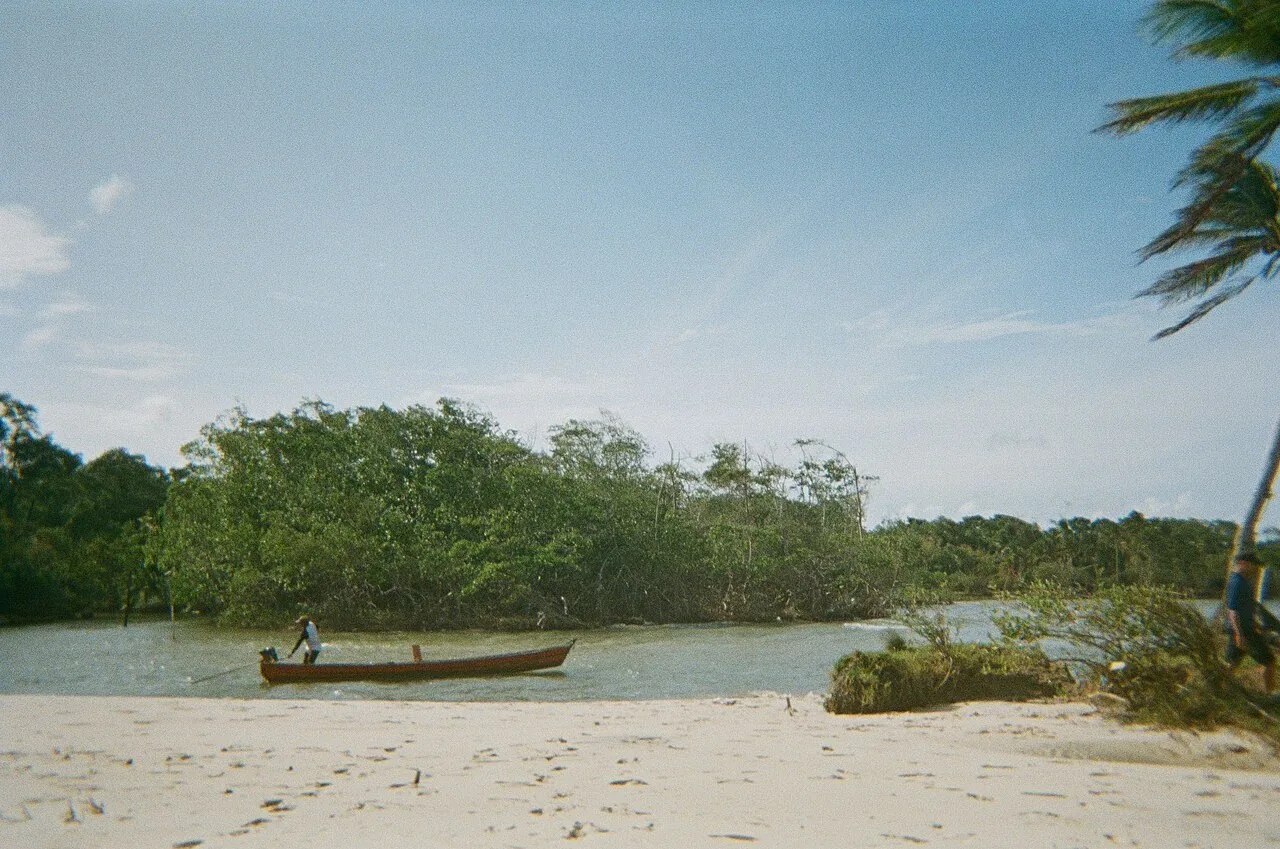
Cajuúna beach and coastal vegetation at Soure, Marajó Island, Pará, Brazil.

Brazil · Place guide

Para

Explore Para through the places named in Brazil's sourced species records.

75species with extracted evidence
7families
27region guides

Cajuúna beach and coastal vegetation at Soure, Marajó Island, Pará, Brazil.

Photograph: Figmireia · Image source · CC BY 4.0. Cropped to fill the hero; darkened for text legibility.

Geography & biotopes

Read the landscape.

Explore Para through the places named in Brazil's sourced species records.

This administrative outline follows the credited boundary snapshot for Para. It provides geographic context, not a species range or a single vegetation type.

Ecological connections

Compare the source locality with the country habitat guides. Species documented only at national level remain in the national collection until a regional assignment is supported.

Explore the setting

Open a species account to inspect its original place names and sources. These counts reflect extracted regional evidence, not complete local inventories.

This guide indexes these source names: Para. A country-only record is not automatically assigned to this place. Map markers identify navigation destinations, not collection sites.

Map provenance and subdivisions →

Convention on Biological Diversity · Brazil national profile →

Geography is part of the record

Find your way through Brazil.

Select a named region to open its evidence page. The complete directory below keeps every guide accessible, including places where locality evidence has not yet been extracted.

315 of 444 listed species have at least one indexed region record. 129 remain country-only. Even a nonzero count is not a complete regional inventory.

Habitats & living landscapes

Explore the living
landscapes.

Explore 3 guides to the environments, places and conservation pressures that shape this country. Each guide connects to the regional map and shared species accounts.

Landscape photographs & credits

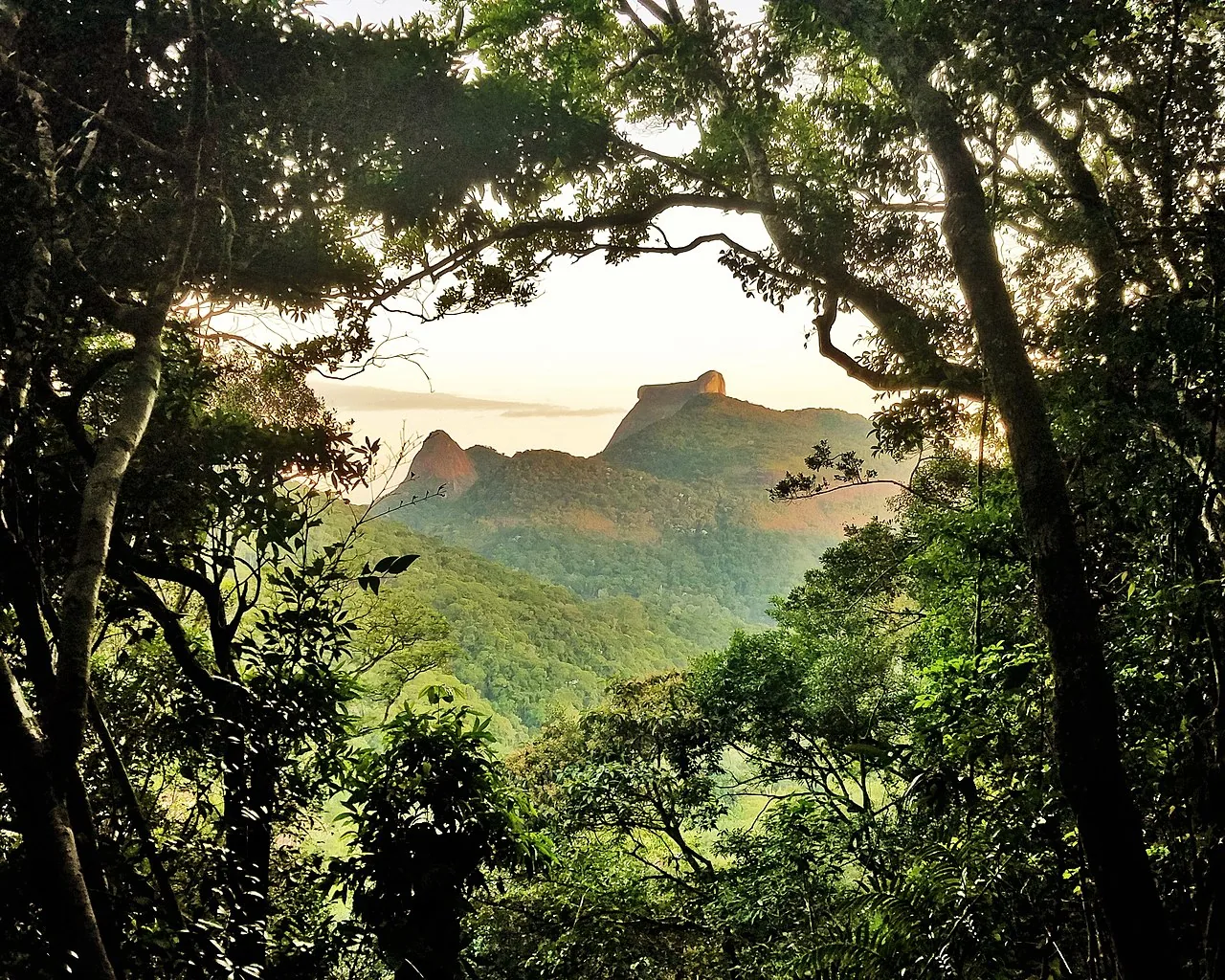
Pedra da Gávea seen through the forest from the Student Trail in Tijuca National Park, Rio de Janeiro, Brazil. — Clarice Braúna Mendes. Original photograph · CC BY-SA 4.0. Cropped for the cards; photographs do not establish snake occurrence.

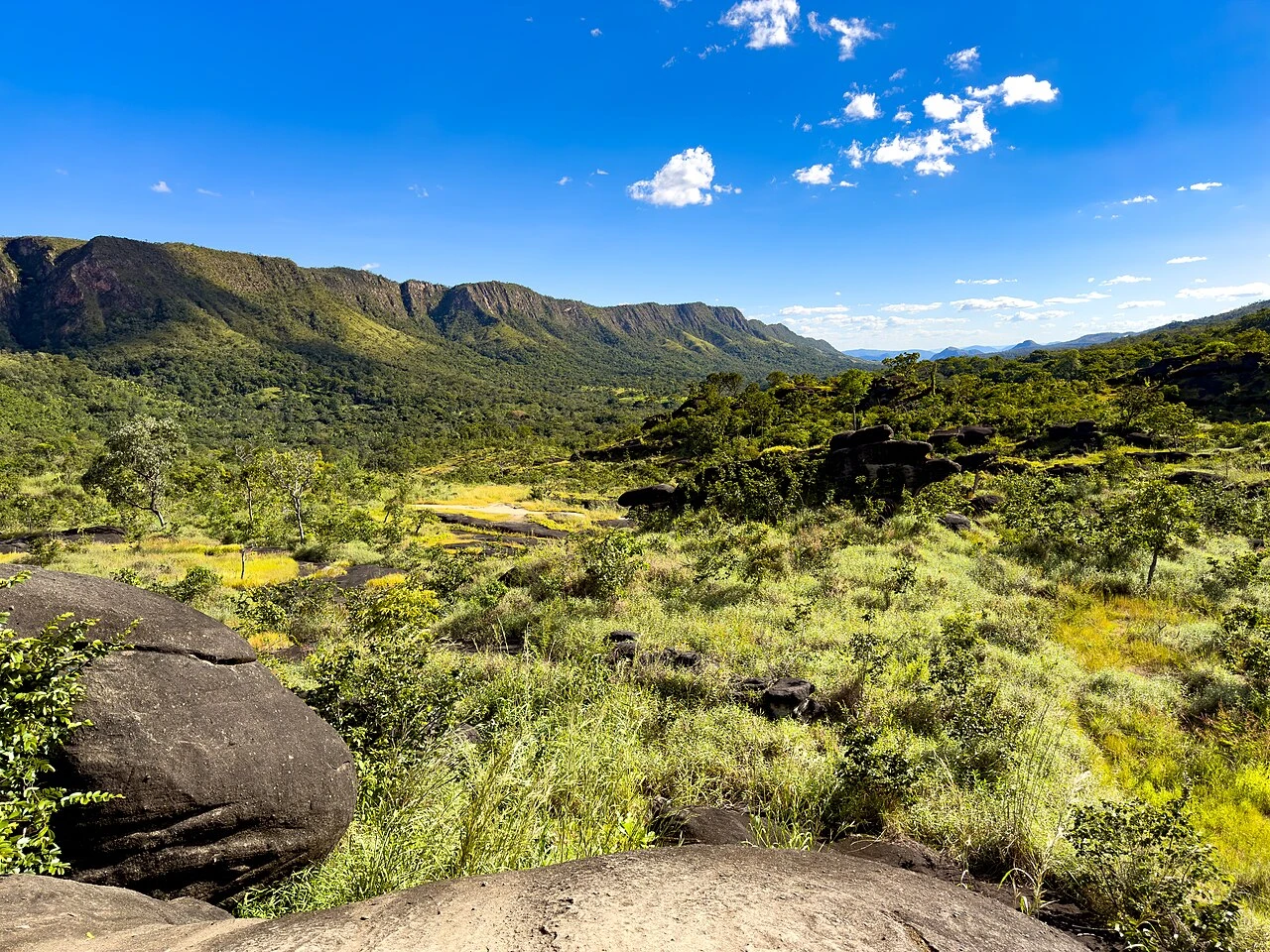
Cerrado vegetation and rocky mountain slopes in Chapada dos Veadeiros National Park, Brazil. — RebeloZero. Original photograph · CC BY-SA 4.0. Cropped for the cards; photographs do not establish snake occurrence.

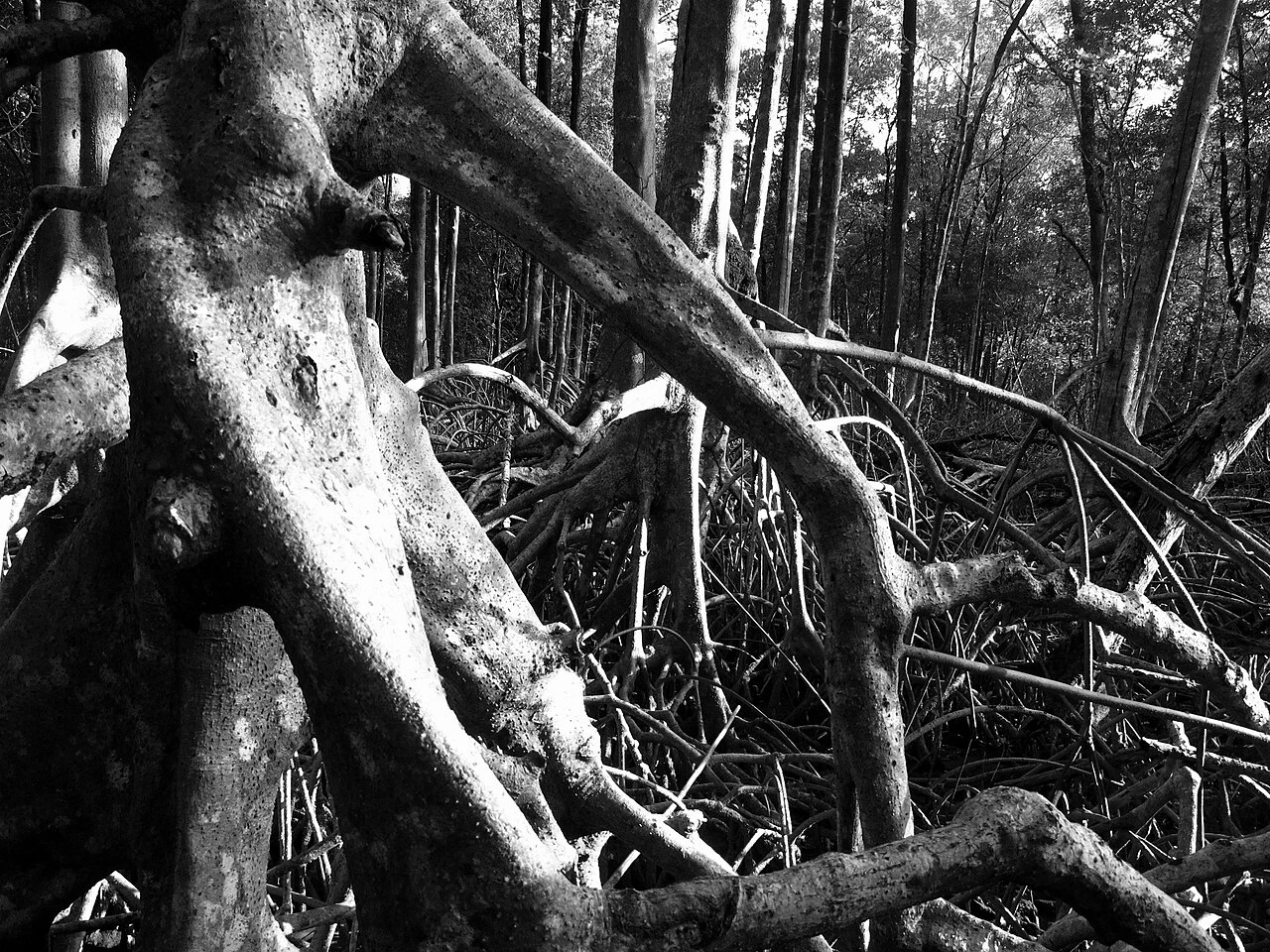
A black-and-white photograph of mangrove roots and trunks in Brazil. — Adrian Be. Original photograph · CC BY 2.0. Cropped for the cards; photographs do not establish snake occurrence.

The species catalogue

Snakes · Para.

Only records naming this place appear below. These are extracted locality records, not complete island or regional inventories.

75 species · showing 24

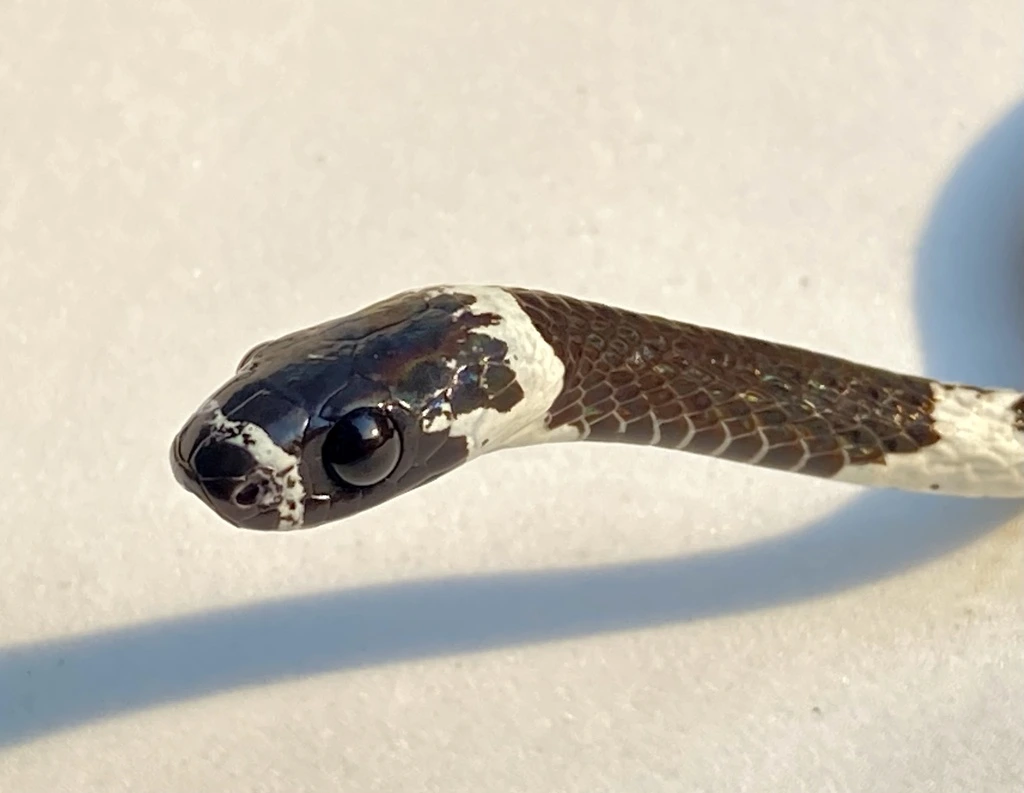
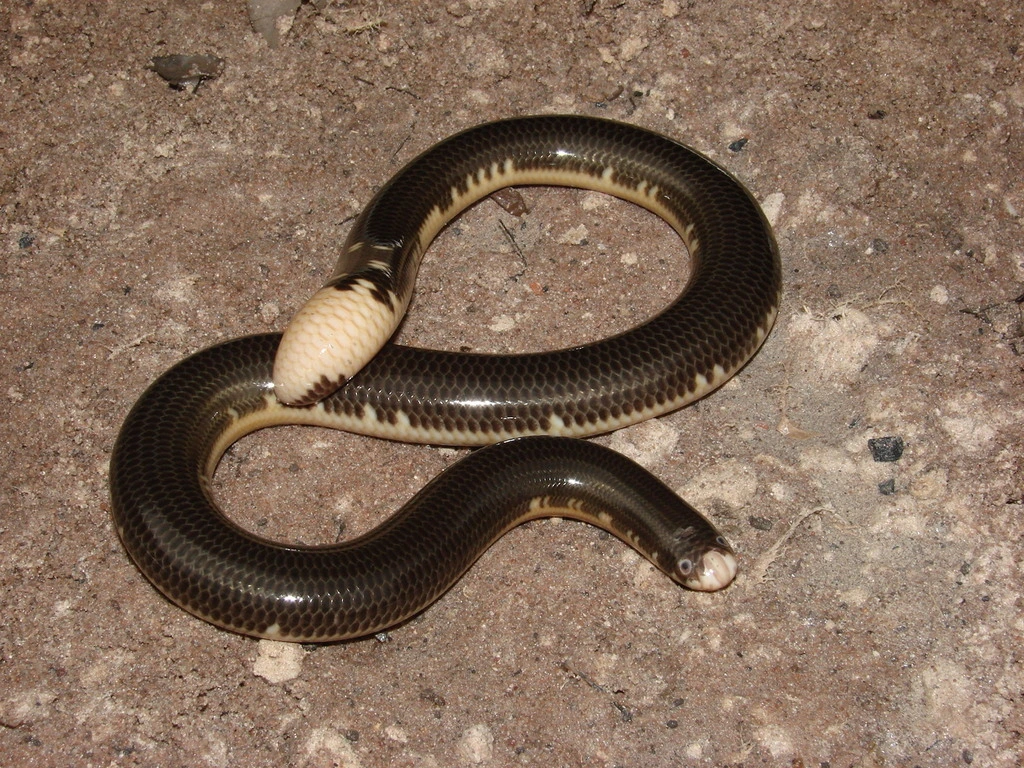
Amerotyphlops reticulatus. The complete source frame is retained; this portrait is not locality or habitat evidence. Original observation dated 2006-09-07. No additional geographic occurrence is inferred.

001 · Typhlopidae

Reticulate Worm Snake

Amerotyphlops reticulatus

(LINNAEUS, 1758)

Non-venomous

The checked taxonomic distribution account explicitly lists Brazil. Country-level evidence does not establish continuous occupancy or a complete national inventory. The treatment names these subdivisions in its Brazil distribution clause: Roraima, Amapa, Para, Maranhao, Rondonia, Mato Grosso. They are assigned to the declared atlas navigation groups;…

Read the species account →

Reuber Brandão · CC BY 4.0 · https://creativecommons.org/licenses/by/4.0/
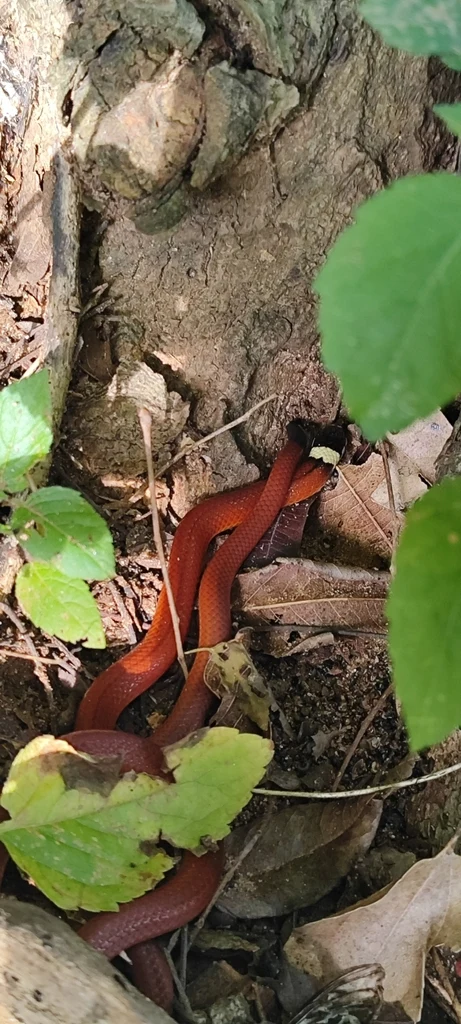
Apostolepis flavotorquata. Individual photographed among leaf litter beside a tree base. Original observation dated 2025-01-19. Photograph identification follows the cited observation; it adds no geographic occurrence record.

002 · Colubridae

Cerrado Blackhead, Central Burrowing Snake

Apostolepis flavotorquata

(DUMÉRIL, BIBRON & DUMÉRIL, 1854)

Venom unknownNot yet assessed

The checked taxonomic distribution account explicitly lists Brazil. Country-level evidence does not establish continuous occupancy or a complete national inventory. The treatment names these subdivisions in its Brazil distribution clause: Para, Tocantins, Bahia, Goias, Sao Paulo. They are assigned to the declared atlas navigation groups; this is not a…

Read the species account →

Carlos Santana · CC BY 4.0 · https://creativecommons.org/licenses/by/4.0/
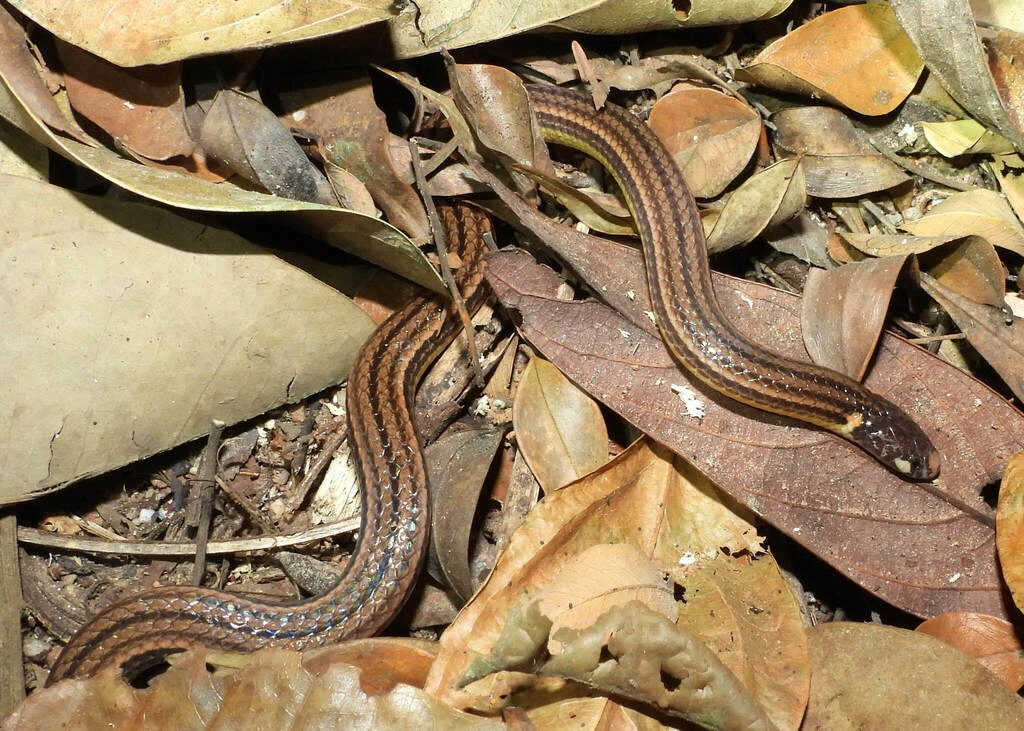
Apostolepis nigrolineata. Head and striped body among fallen leaves. Original observation dated 2022-07-08. No additional geographic occurrence is inferred.

003 · Colubridae

Pará Blackhead

Apostolepis nigrolineata

(PETERS, 1869)

Venom unknownNot yet assessed

The checked taxonomic distribution account explicitly lists Brazil. Country-level evidence does not establish continuous occupancy or a complete national inventory. The treatment names these subdivisions in its Brazil distribution clause: Para, Maranhao, Rondonia, Mato Grosso. They are assigned to the declared atlas navigation groups; this is not a field…

Read the species account →

Sidnei Dantas · CC BY-SA 4.0 · https://creativecommons.org/licenses/by-sa/4.0/

ColubridaeApostolepisPhotograph not yet documented

004 · Colubridae

Species account

Apostolepis pymi

BOULENGER, 1903

Venom unknownNot yet assessed

The checked taxonomic distribution account explicitly lists Brazil. Country-level evidence does not establish continuous occupancy or a complete national inventory. The treatment names these subdivisions in its Brazil distribution clause: Amazonas, Para, Ceara, Rondonia, Mato Grosso. They are assigned to the declared atlas navigation groups; this is not…

Read the species account →
ColubridaeApostolepisPhotograph not yet documented

005 · Colubridae

Guyana Burrowing Snake

Apostolepis quinquelineata

BOULENGER, 1896

Venom unknownNot yet assessed

The checked taxonomic distribution account explicitly lists Brazil. Country-level evidence does not establish continuous occupancy or a complete national inventory. The treatment names these subdivisions in its Brazil distribution clause: Roraima, Amazonas, Para, Ceara, Rondonia. They are assigned to the declared atlas navigation groups; this is not a…

Read the species account →
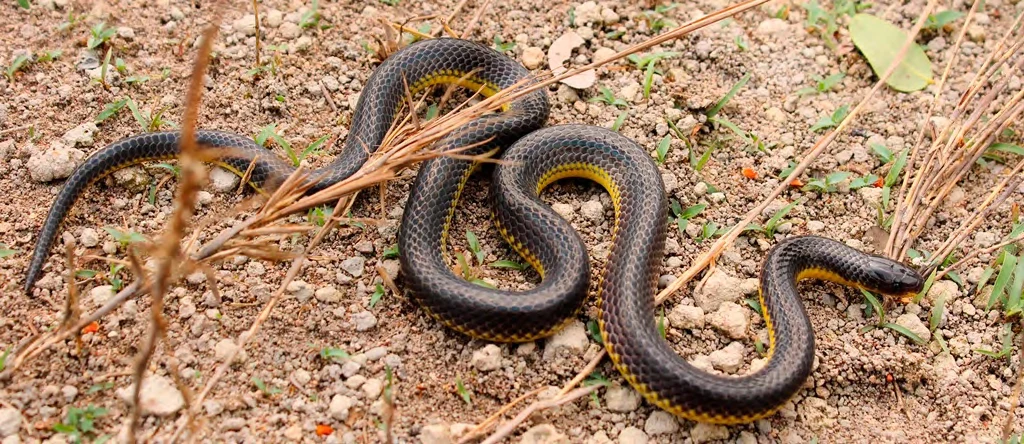
Atractus albuquerquei, original Figure 1 showing male MZUSP 22810 from Nova Monte Carmelo Farm, Estrela do Sul, Minas Gerais, Brazil. The animal was subsequently preserved. Portrait only; no new occurrence or habitat inferred.

006 · Colubridae

Albuquerque Ground Snake

Atractus albuquerquei

CUNHA & NASCIMENTO, 1983

Non-venomous

The checked taxonomic distribution account explicitly lists Brazil. Country-level evidence does not establish continuous occupancy or a complete national inventory. The treatment names these subdivisions in its Brazil distribution clause: Para, Acre, Rondonia, Mato Grosso, Goias, Mato Grosso do Sul. They are assigned to the declared atlas navigation…

Read the species account →

Bruno Tayar Marinho do Nascimento, Fábio Maffei, Guilherme Marson Moya and Reginaldo José Donatelli · CC BY 4.0 · https://creativecommons.org/licenses/by/4.0/
ColubridaeAtractusPhotograph not yet documented

007 · Colubridae

Alphonse's Ground Snake

Atractus alphonsehogei

CUNHA & NASCIMENTO, 1983

Non-venomous

The checked taxonomic distribution account explicitly lists Brazil. Country-level evidence does not establish continuous occupancy or a complete national inventory. The treatment names these subdivisions in its Brazil distribution clause: Amazonas, Para, Maranhao. They are assigned to the declared atlas navigation groups; this is not a field observation,…

Read the species account →
ColubridaeAtractusPhotograph not yet documented

008 · Colubridae

Species account

Atractus caxiuana

COSTA PRUDENTE & SANTOS-COSTA, 2006

Non-venomous

The checked taxonomic distribution account explicitly lists Brazil. Country-level evidence does not establish continuous occupancy or a complete national inventory. The treatment names these subdivisions in its Brazil distribution clause: Para. They are assigned to the declared atlas navigation groups; this is not a field observation, a whole-region…

Read the species account →
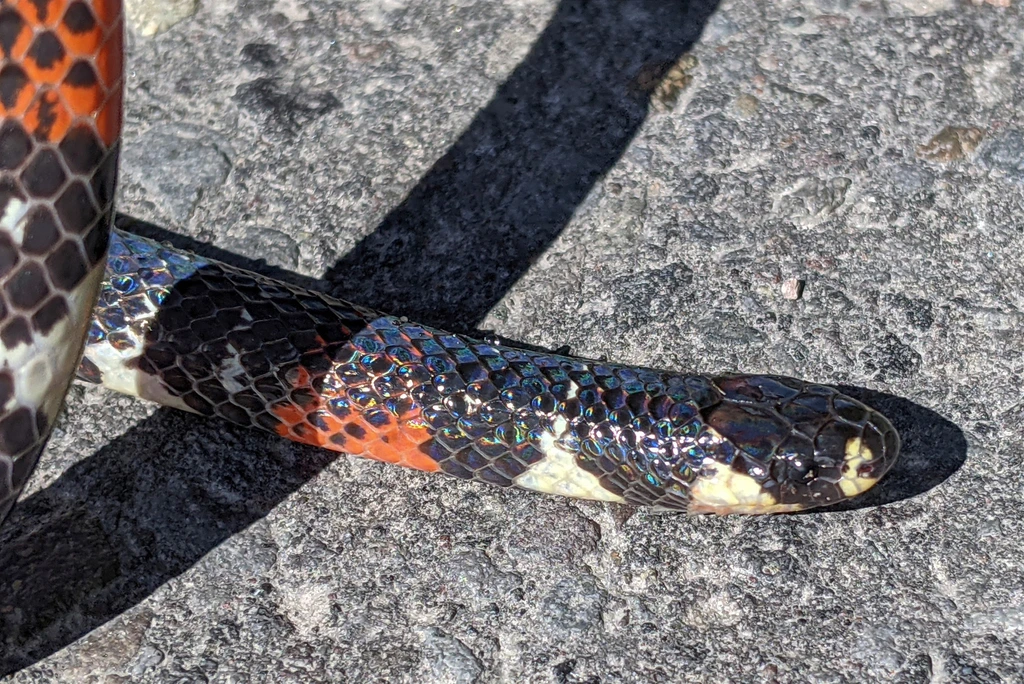
Atractus elaps. Head detail of the observed individual. Original observation dated 2021-07-05. Portrait only; no new locality or habitat record is inferred.

009 · Colubridae

Black Ground Snake

Atractus elaps

(GÜNTHER, 1858)

Non-venomous

The checked taxonomic distribution account explicitly lists Brazil. Country-level evidence does not establish continuous occupancy or a complete national inventory. The treatment names these subdivisions in its Brazil distribution clause: Amazonas, Para. They are assigned to the declared atlas navigation groups; this is not a field observation, a…

Read the species account →

Kristof Zyskowski · CC BY 4.0 · https://creativecommons.org/licenses/by/4.0/
ColubridaeAtractusPhotograph not yet documented

010 · Colubridae

Species account

Atractus hoogmoedi

PRUDENTE & PASSOS, 2010

Non-venomous

The checked taxonomic distribution account explicitly lists Brazil. Country-level evidence does not establish continuous occupancy or a complete national inventory. The treatment names these subdivisions in its Brazil distribution clause: Para. They are assigned to the declared atlas navigation groups; this is not a field observation, a whole-region…

Read the species account →
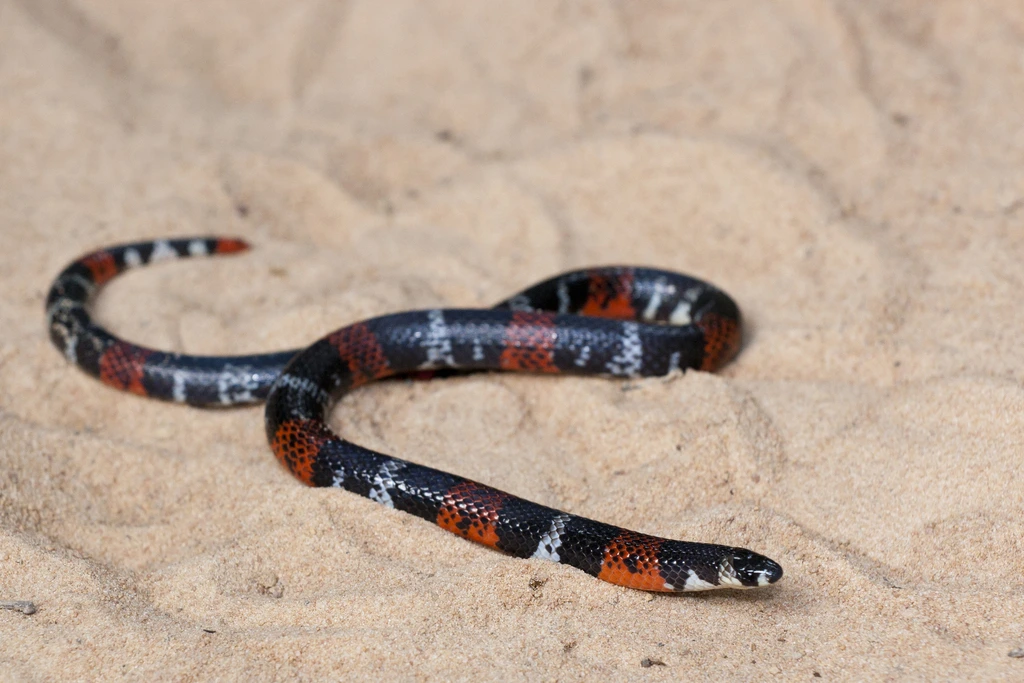
Atractus latifrons. Red, black and pale-banded individual on sandy ground. Original observation dated 2011-08-05. Portrait only; no new locality record is inferred.

011 · Colubridae

Broadhead Ground Snake

Atractus latifrons

(GÜNTHER, 1868)

Non-venomous

The checked taxonomic distribution account explicitly lists Brazil. Country-level evidence does not establish continuous occupancy or a complete national inventory. The treatment names these subdivisions in its Brazil distribution clause: Amazonas, Para, Rondonia. They are assigned to the declared atlas navigation groups; this is not a field observation,…

Read the species account →

R Vasconcellos · CC BY 4.0 · https://creativecommons.org/licenses/by/4.0/
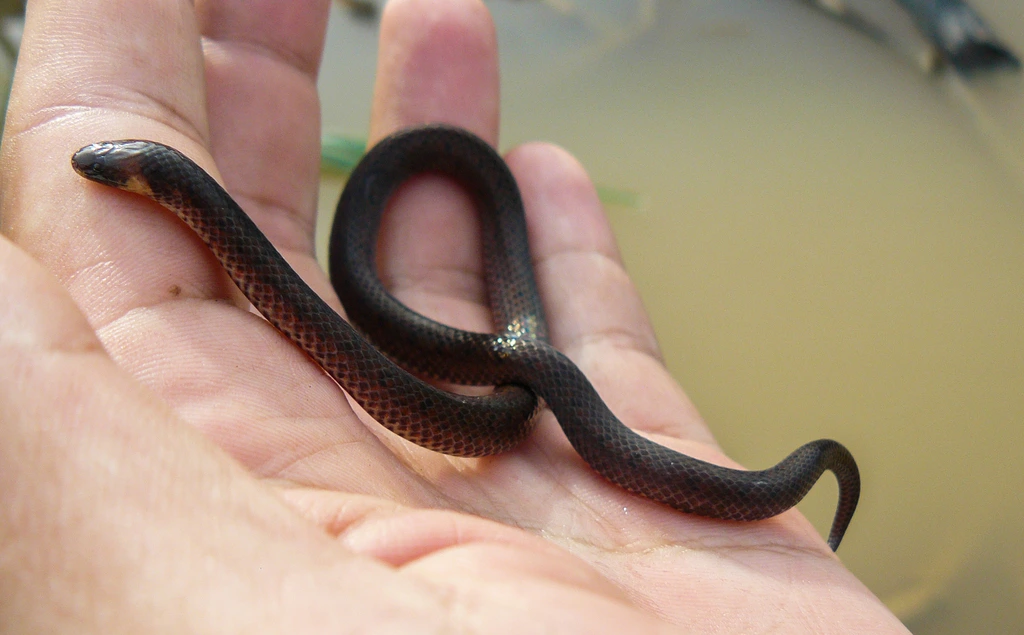
Atractus natans. Animal resting on a hand, with head and body visible. Original observation dated 2007-12-09. No additional geographic occurrence is inferred.

012 · Colubridae

Species account

Atractus natans

HOOGMOED & PRUDENTE, 2003

Non-venomous

The checked taxonomic distribution account explicitly lists Brazil. Country-level evidence does not establish continuous occupancy or a complete national inventory. The treatment names these subdivisions in its Brazil distribution clause: Amazonas, Para. They are assigned to the declared atlas navigation groups; this is not a field observation, a…

Read the species account →

Whaldener Endo · CC0 1.0 · https://creativecommons.org/publicdomain/zero/1.0/

Atractus snethlageae. The complete source frame is retained; this portrait is not locality or habitat evidence. Original observation dated 2017-06-05. No additional geographic occurrence is inferred.

013 · Colubridae

Species account

Atractus snethlageae

CUNHA & NASCIMENTO, 1983

Non-venomous

The checked taxonomic distribution account explicitly lists Brazil. Country-level evidence does not establish continuous occupancy or a complete national inventory. The treatment names these subdivisions in its Brazil distribution clause: Amapa, Amazonas, Para, Maranhao, Rondonia. They are assigned to the declared atlas navigation groups; this is not a…

Read the species account →

Whaldener Endo · CC0 1.0 · https://creativecommons.org/publicdomain/zero/1.0/

Atractus tartarus. Small individual resting on a gloved hand. Original observation dated 2026-06-18. Portrait only; no new locality record is inferred.

014 · Colubridae

Species account

Atractus tartarus

PASSOS, PRUDENTE & LYNCH, 2016

Non-venomous

The checked taxonomic distribution account explicitly lists Brazil. Country-level evidence does not establish continuous occupancy or a complete national inventory. The treatment names these subdivisions in its Brazil distribution clause: Para. They are assigned to the declared atlas navigation groups; this is not a field observation, a whole-region…

Read the species account →

Renato Moraes · CC BY 4.0 · https://creativecommons.org/licenses/by/4.0/
Atractus torquatus. The complete source frame is retained; this portrait is not locality or habitat evidence. Original observation dated 2007-07-26. No additional geographic occurrence is inferred.

015 · Colubridae

Neckband Ground Snake

Atractus torquatus

(DUMÉRIL, BIBRON & DUMÉRIL, 1854)

Non-venomous

The checked taxonomic distribution account explicitly lists Brazil. Country-level evidence does not establish continuous occupancy or a complete national inventory. The treatment names these subdivisions in its Brazil distribution clause: Amazonas, Para. They are assigned to the declared atlas navigation groups; this is not a field observation, a…

Read the species account →

Whaldener Endo · CC0 1.0 · https://creativecommons.org/publicdomain/zero/1.0/

Bothrocophias hyoprora. The complete source frame is retained; this portrait is not locality or habitat evidence. Original observation dated 2014-08-30. No additional geographic occurrence is inferred.

016 · Viperidae

Hognose Lancehead

Bothrocophias hyoprora

(AMARAL, 1935)

VenomousClinical severity not established

The checked taxonomic distribution account explicitly lists Brazil. Country-level evidence does not establish continuous occupancy or a complete national inventory. The treatment names these subdivisions in its Brazil distribution clause: Amazonas, Para, Acre, Rondonia. They are assigned to the declared atlas navigation groups; this is not a field…

Read the species account →

André Ambrozio · CC BY 4.0 · https://creativecommons.org/licenses/by/4.0/
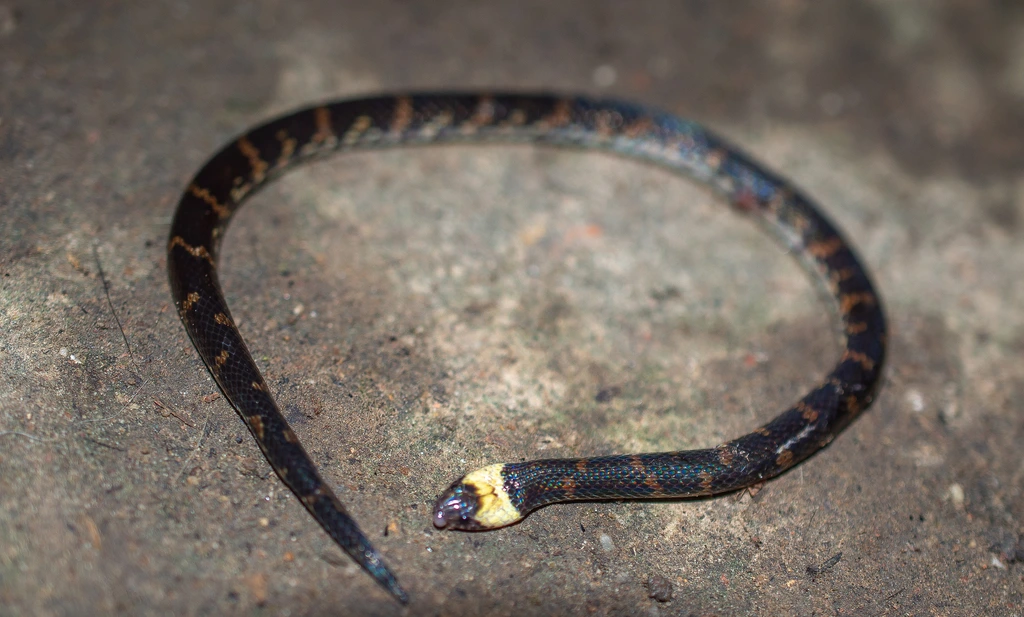
Bothrops bilineatus. The complete source frame is retained; this portrait is not locality or habitat evidence. Original observation dated 2018-11-30. No additional geographic occurrence is inferred.

017 · Viperidae

Green Jararaca

Bothrops bilineatus

(WIED-NEUWIED, 1821)

VenomousClinical severity not established

The checked taxonomic distribution account explicitly lists Brazil. Country-level evidence does not establish continuous occupancy or a complete national inventory. The treatment names these subdivisions in its Brazil distribution clause: Roraima, Amapa, Amazonas, Para, Maranhao, Rondonia, Bahia, Mato Grosso, Minas Gerais, Espirito Santo, Rio de Janeiro.…

Read the species account →

B. Phalan · CC BY 4.0 · https://creativecommons.org/licenses/by/4.0/
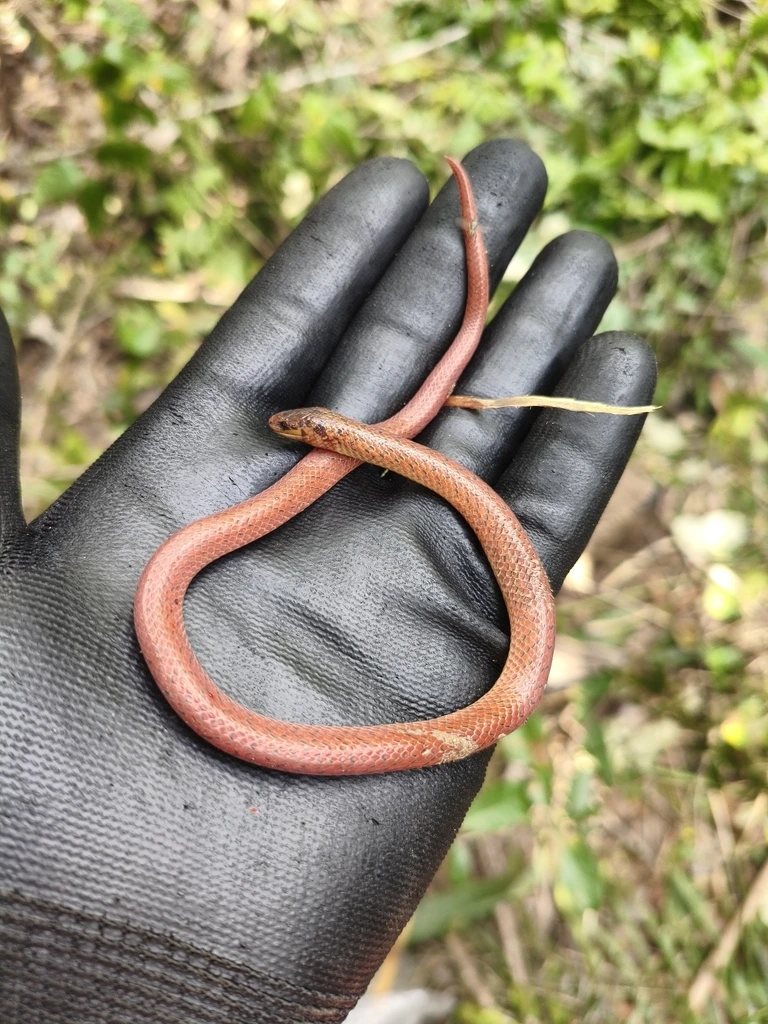
ViperidaeBothropsPhotograph not yet documented

018 · Viperidae

Marajó Lancehead

Bothrops marajoensis

HOGE, 1966

VenomousClinical severity not established

The checked taxonomic distribution account explicitly lists Brazil. Country-level evidence does not establish continuous occupancy or a complete national inventory. The treatment names these subdivisions in its Brazil distribution clause: Para. They are assigned to the declared atlas navigation groups; this is not a field observation, a whole-region…

Read the species account →
Bothrops taeniatus. Green mottled individual resting in coils among foliage. Portrait only; no wild locality or habitat record is inferred.

019 · Viperidae

Speckled Forest Pit Viper

Bothrops taeniatus

WAGLER, 1824

VenomousClinical severity not established

The checked taxonomic distribution account explicitly lists Brazil. Country-level evidence does not establish continuous occupancy or a complete national inventory. The treatment names these subdivisions in its Brazil distribution clause: Roraima, Amazonas, Para, Maranhao, Acre, Rondonia, Mato Grosso, Goias. They are assigned to the declared atlas…

Read the species account →

TimVickers · Public domain · https://commons.wikimedia.org/wiki/File:Bothriopsis_taeniata_(3).jpg#Licensing

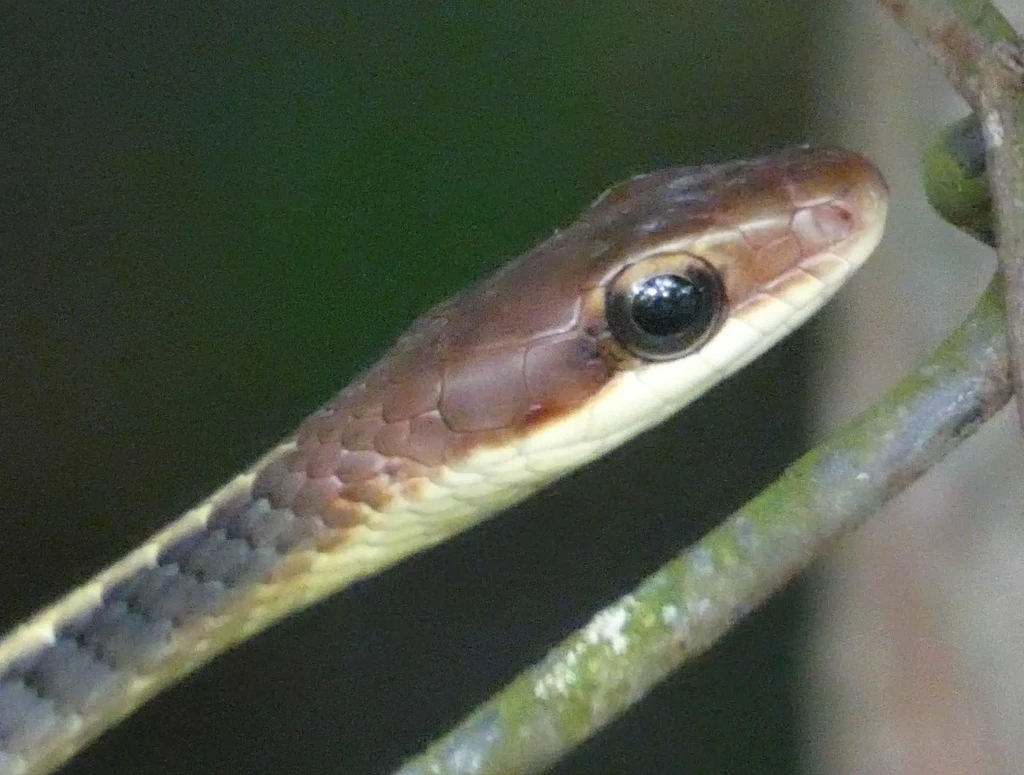
Chironius flavolineatus. Close view of the brown head and pale neck. Original observation dated 2020-04-05. Portrait only; no new locality record is inferred.

020 · Colubridae

Boettger's Sipo

Chironius flavolineatus

(BOETTGER, 1885)

Venom unknownNot yet assessed

The checked taxonomic distribution account explicitly lists Brazil. Country-level evidence does not establish continuous occupancy or a complete national inventory. The treatment names these subdivisions in its Brazil distribution clause: Amapa, Amazonas, Para, Maranhao, Ceara, Rio Grande do Norte, Paraiba, Piaui, Pernambuco, Alagoas, Sergipe, Tocantins,…

Read the species account →

Helio Lourencini · CC BY 4.0 · https://creativecommons.org/licenses/by/4.0/
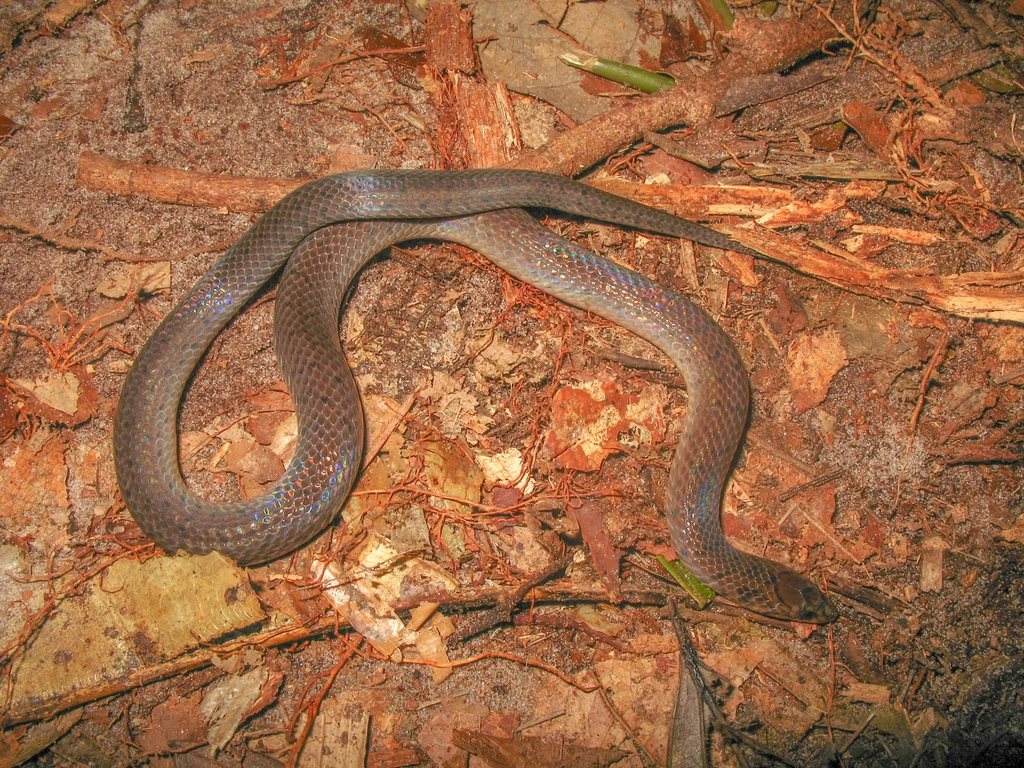
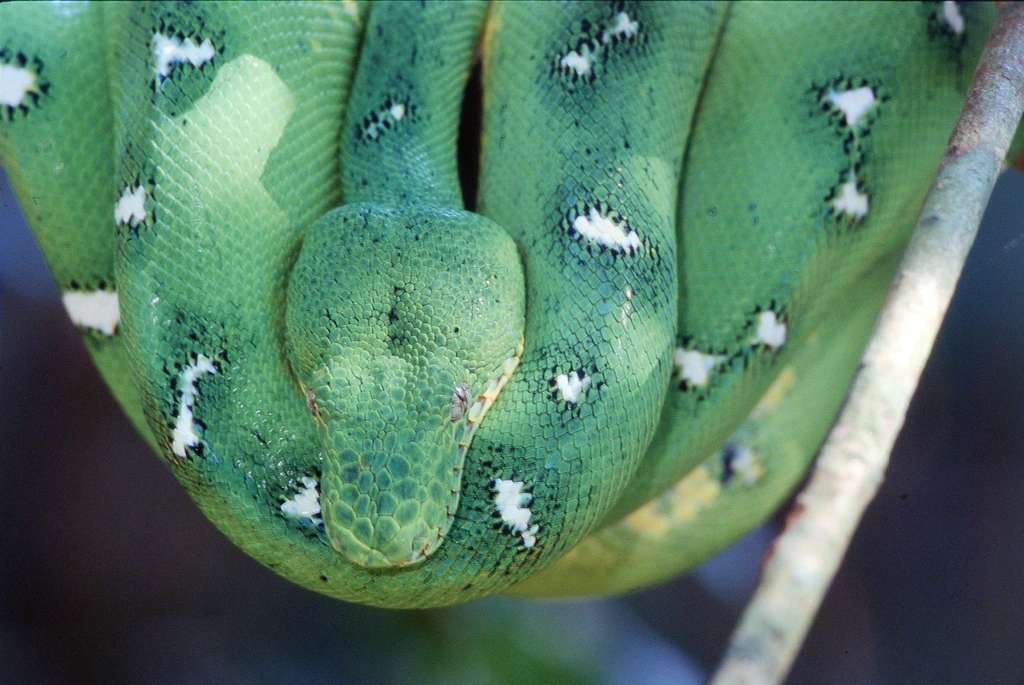
Corallus batesii. Close view of the head and coiled green body on a branch. Original observation dated 1999-08-10. No additional geographic occurrence is inferred.

021 · Boidae

Species account

Corallus batesii

(GRAY, 1860)

Non-venomous

The checked taxonomic distribution account explicitly lists Brazil. Country-level evidence does not establish continuous occupancy or a complete national inventory. The treatment names these subdivisions in its Brazil distribution clause: Amazonas, Para. They are assigned to the declared atlas navigation groups; this is not a field observation, a…

Read the species account →

Kyle Van Houtan · CC BY 4.0 · https://creativecommons.org/licenses/by/4.0/
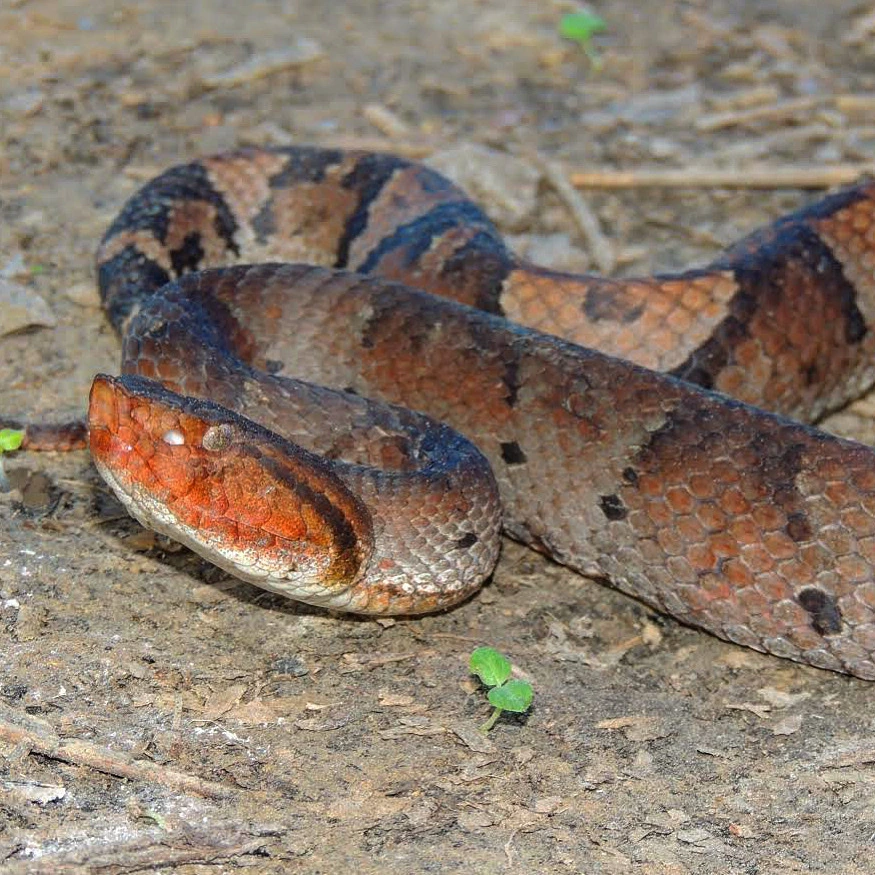
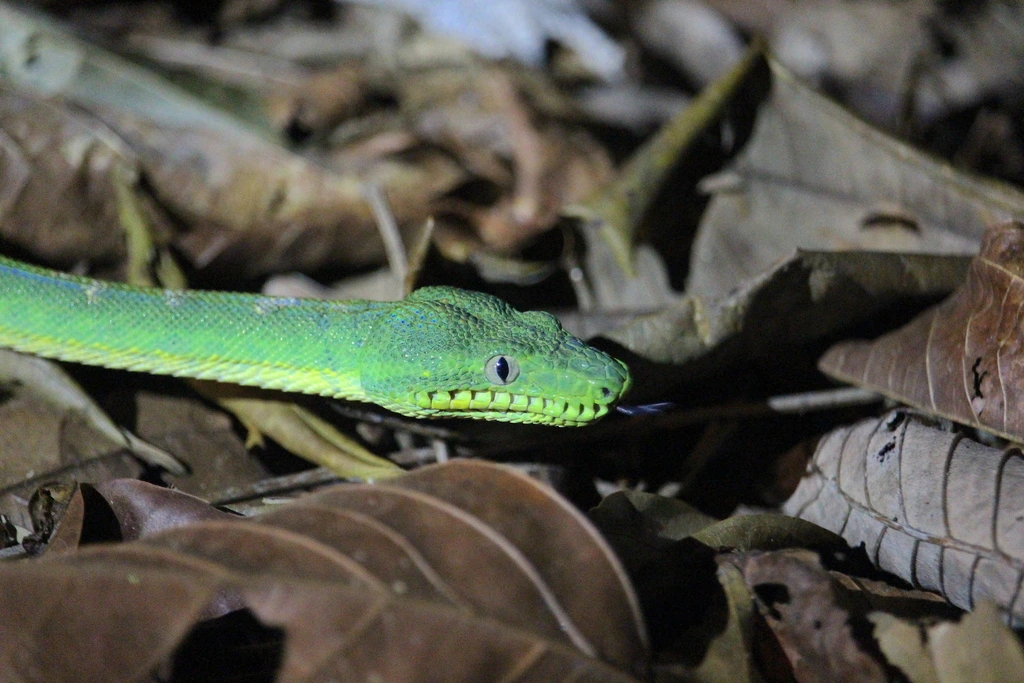
Corallus caninus. Head and neck among dry leaves. Original observation dated 2022-10-03. No additional geographic occurrence is inferred.

022 · Boidae

Emerald Tree Boa

Corallus caninus

(LINNAEUS, 1758)

Non-venomous

The checked taxonomic distribution account explicitly lists Brazil. Country-level evidence does not establish continuous occupancy or a complete national inventory. The treatment names these subdivisions in its Brazil distribution clause: Roraima, Amapa, Amazonas, Para. They are assigned to the declared atlas navigation groups; this is not a field…

Read the species account →

eloise kerroux · CC BY 4.0 · https://creativecommons.org/licenses/by/4.0/
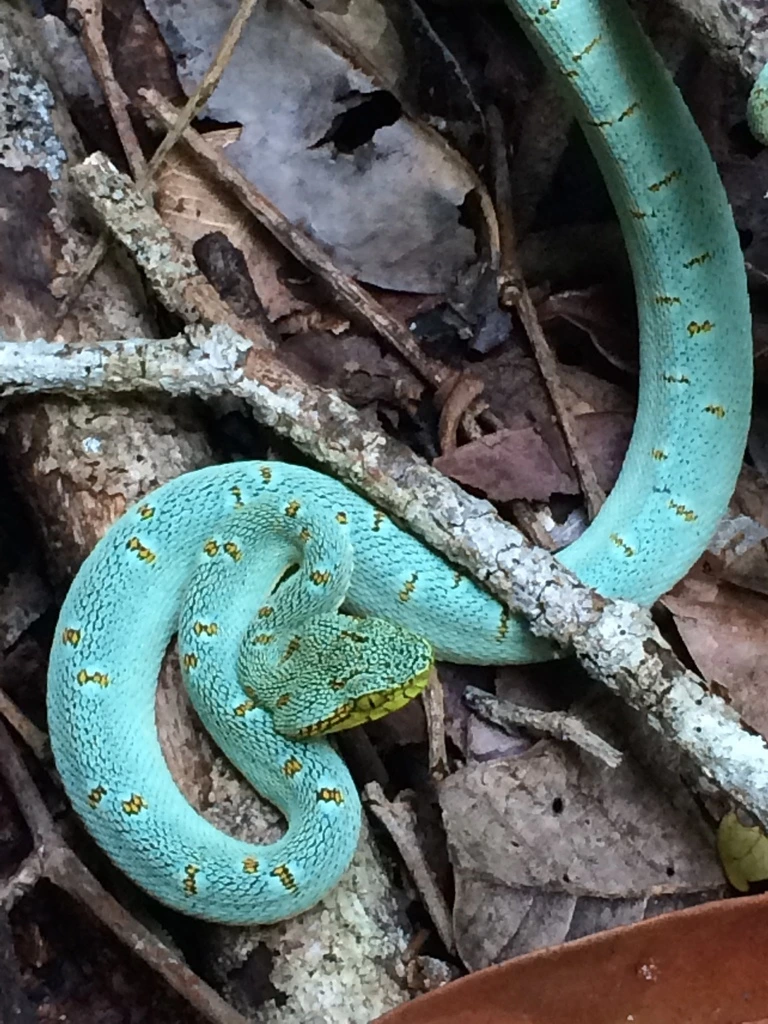
Dendrophidion dendrophis. The complete source frame is retained; this portrait is not locality or habitat evidence. Original observation dated 2021-12-07. No additional geographic occurrence is inferred.

023 · Colubridae

Olive Forest Racer

Dendrophidion dendrophis

(SCHLEGEL, 1837)

Venom unknownNot yet assessed

The checked taxonomic distribution account explicitly lists Brazil. Country-level evidence does not establish continuous occupancy or a complete national inventory. The treatment names these subdivisions in its Brazil distribution clause: Para, Alagoas. They are assigned to the declared atlas navigation groups; this is not a field observation, a…

Read the species account →

Guillaume Delaitre · CC BY 4.0 · https://creativecommons.org/licenses/by/4.0/
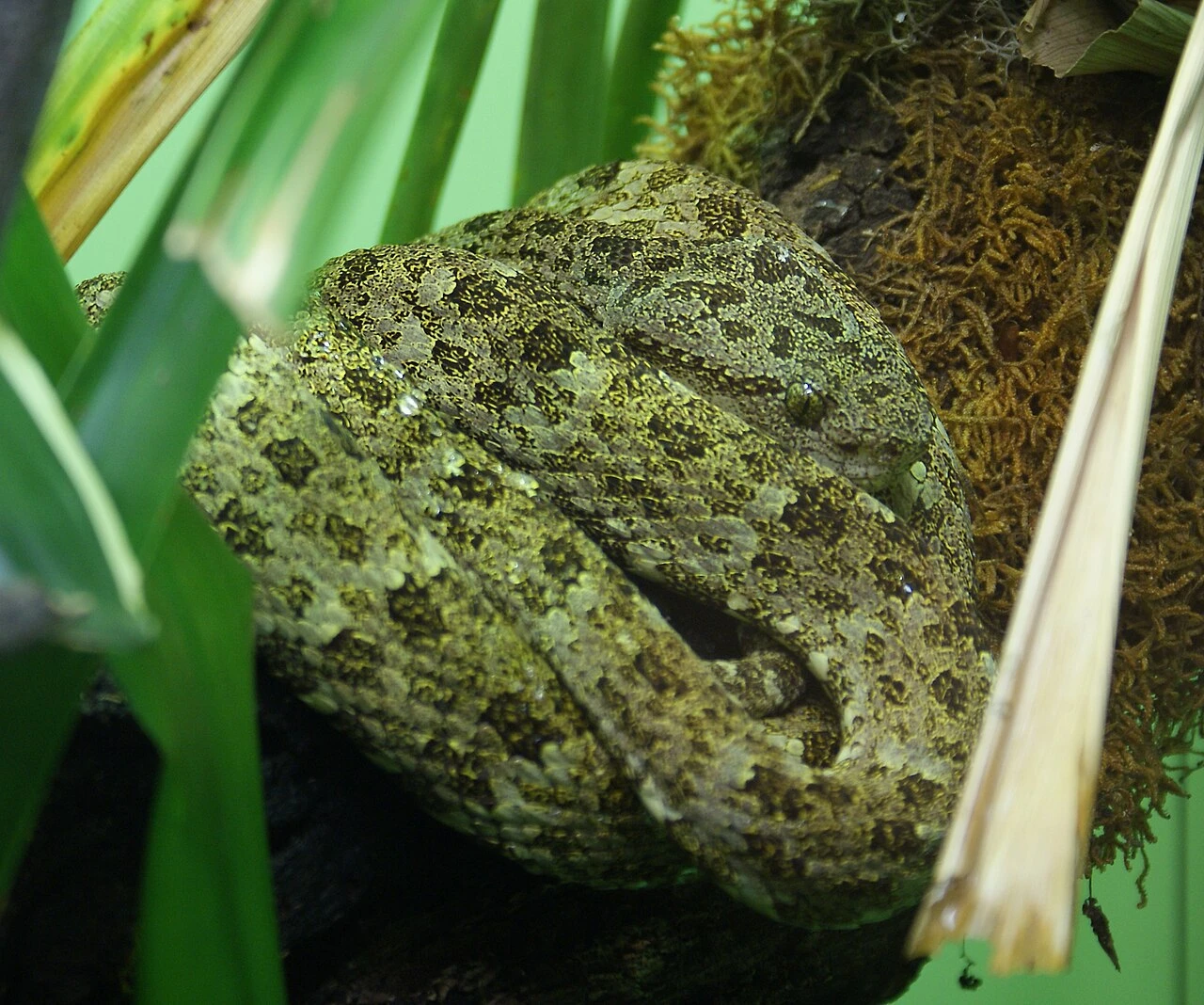
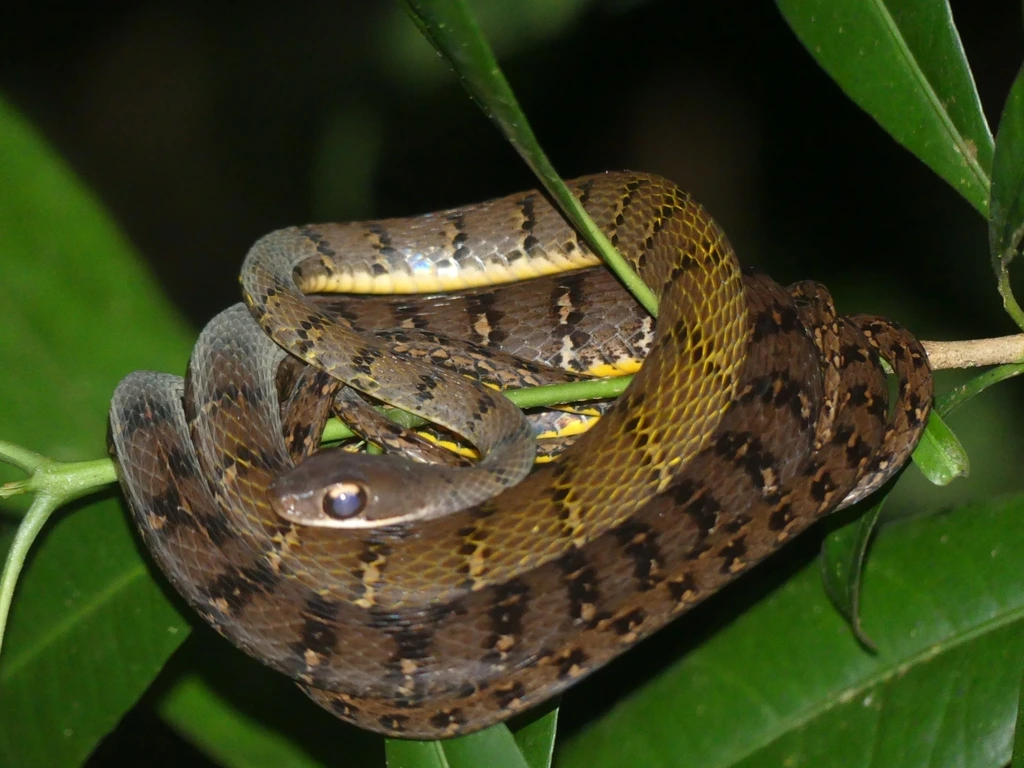
Dipsas catesbyi. The complete source frame is retained; this portrait is not locality or habitat evidence. Original observation dated 2022-03-23. No additional geographic occurrence is inferred.

024 · Colubridae

Catesby's Snail-eater

Dipsas catesbyi

(SENTZEN, 1796)

Venom unknownNot yet assessed

The checked taxonomic distribution account explicitly lists Brazil. Country-level evidence does not establish continuous occupancy or a complete national inventory. The treatment names these subdivisions in its Brazil distribution clause: Roraima, Amazonas, Para, Acre, Rondonia, Bahia. They are assigned to the declared atlas navigation groups; this is…

Read the species account →

Andrew J. Crawford · CC0 1.0 · https://creativecommons.org/publicdomain/zero/1.0/

Explore all 444 country records →

The research library

Sources & the checklist.

This edition lists 444 species with supported country records from checked taxonomic treatments and cited field studies. This total includes 1 record marked as introduced; it is not a native-species total. It is not a claim of a complete national inventory. Each account retains its source and check date; individual evidence entries retain their own review dates.

Range and taxonomy review

Country links use a single accepted species identity. Revised names and disputed records are kept visible here; uncertain records do not enter the listed collection or regional totals.

Pantherophis guttatus

Introduced occurrence

The checked taxonomic distribution account explicitly lists Brazil. Country-level evidence does not establish continuous occupancy or a complete national inventory. The source population is treated as introduced. The treatment names these subdivisions in its Brazil distribution clause: Bahia. They are assigned to the declared atlas navigation groups; this is not a field observation, a whole-region range polygon or a complete local inventory.

Source 1 ↗

How the map and counts work

Search results were checked against distribution text and taxonomic qualifications. A geographic name alone does not establish a political country: New Guinea, the Solomon archipelago and Micronesia span more than one country or territory. Introduced and unresolved records require separate interpretation.

Place counts require explicit named localities, including valid type localities. Counts can overlap where sources name multiple places. Regional maps group historical boundary snapshots for navigation, while island outlines use Natural Earth; neither is a species range or an observation map. Small islands can be below the outline dataset’s resolution, so geographic reference markers and the directory remain available.

geoBoundaries gbOpen ADM1; 2006 snapshot; Creative Commons Attribution 2.5 Generic. Map provenance →

Exclusions & qualifications (5)

Epictia tenella

Search candidate only: the leading current distribution account does not independently resolve this country. Retained for manual taxonomic/locality review; not evidence of absence.

Read source 1 ↗

Atractus emmeli

Search candidate only: the leading current distribution account does not independently resolve this country. Retained for manual taxonomic/locality review; not evidence of absence.

Read source 1 ↗

Amnesteophis melanauchen

Qualified or negative distribution wording requires review. This report remains outside positive country and regional counts.

Read source 1 ↗

Micrurus ornatissimus

The treatment includes an explicit negative or conflicting country qualification. Resolve the cited revision before counting this report.

Read source 1 ↗

Micrurus pacaraimae

Qualified or negative distribution wording requires review. This report remains outside positive country and regional counts.

Read source 1 ↗
  1. Administrative boundary provenance ↗

    Credited boundary snapshots are navigation references, not species ranges or an assertion of current administrative arrangements. Map labels use source subdivision codes or unique shortened names; the complete names remain in the directory. A missing regional record is not evidence of absence.

  2. Convention on Biological Diversity · Brazil national profile ↗

    Historical Secretariat draft, pending Party approval. Landscape context only; historical statistics are not presented as current measurements. Reviewed 17 October 2026.

  3. Map provenance and subdivisions ↗
  4. Convention on Biological Diversity · Brazil national profile ↗
  5. The Reptile Database

    Individual treatments and locality evidence are linked from each species account.

  6. Meiri (2024): SquamBase 1.0

    Species-level literature measurements and ecological traits. Exact-name matches only; imputed or ambiguous fields are omitted. These summaries are not local observations.

  7. Natural Earth: public-domain geographic data

Continue through the South America atlas →