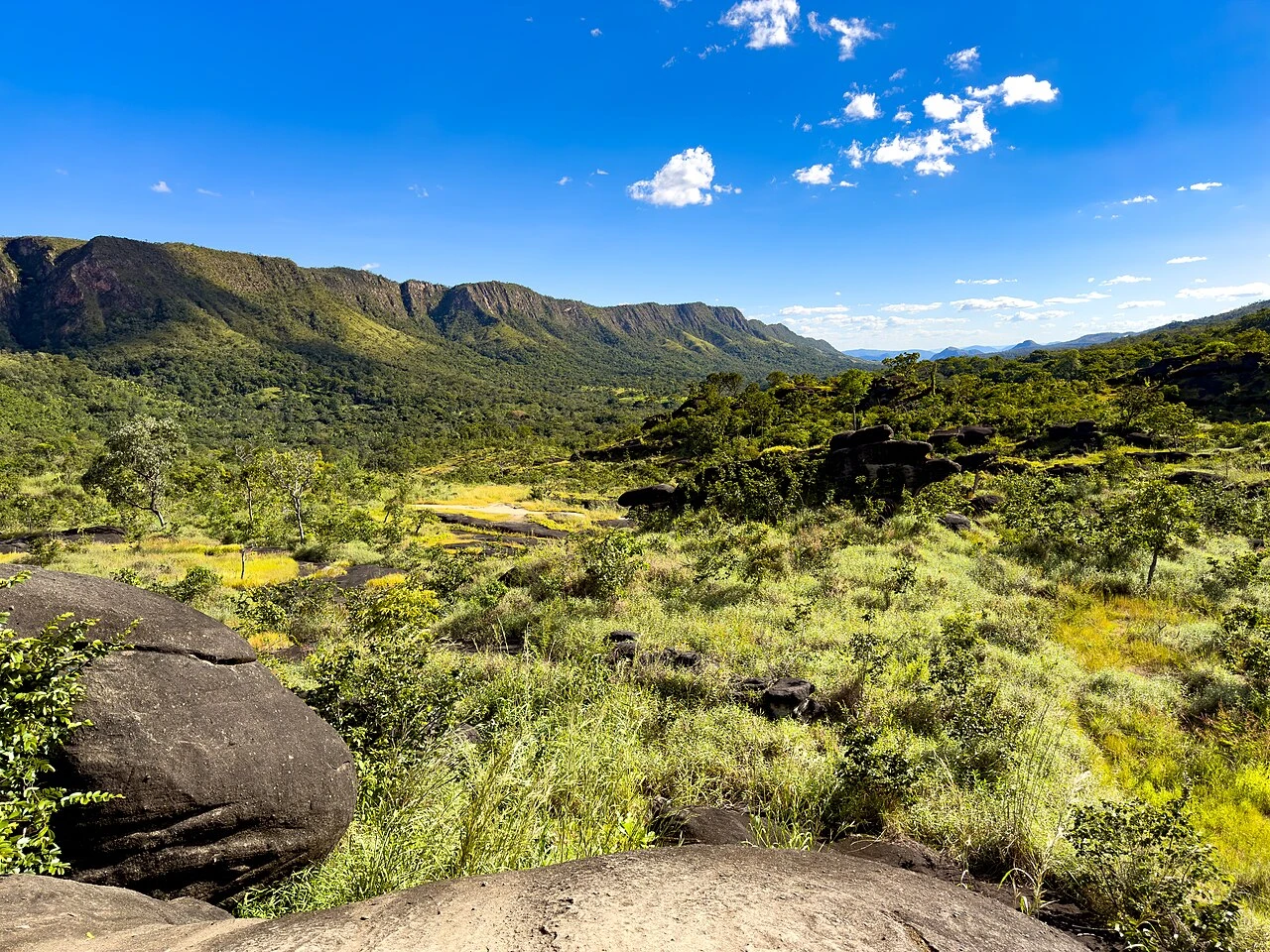
Cerrado vegetation and rocky mountain slopes in Chapada dos Veadeiros National Park, Brazil.

Brazil · Habitat field guide

Grassland & savanna

The Cerrado is identified separately from the Atlantic Forest in national biodiversity reporting. Keep the actual grass, shrub and tree formation recorded at a locality rather than equating the entire biome with uniform grassland.

Cerrado vegetation and rocky mountain slopes in Chapada dos Veadeiros National Park, Brazil.

Photograph: RebeloZero · Image source · CC BY-SA 4.0. Cropped to fill the hero; darkened for text legibility.

Understanding the environment

A sense of the habitat.

The Cerrado is identified separately from the Atlantic Forest in national biodiversity reporting. Keep the actual grass, shrub and tree formation recorded at a locality rather than equating the entire biome with uniform grassland.

Geographic scope
Brazil; retain the named source locality.
Evidence scale
Landscape descriptions are separate from species records.
Source date
Retain the original publication date; reviewed 17 October 2026.

Explore the structure · Select a layer to compare details retained in a field record.

Read the locality in three layers.

Select a zone to see what changes.

Open ground

Open ground

Separate grassland from recent clearing or farmland.

Check the original species record before assigning habitat use.

These reading prompts are conceptual, not a transect or an occurrence map.

Sources: Convention on Biological Diversity · Brazil national profile

Field notes · 01

The documented setting

The Cerrado is identified separately from the Atlantic Forest in national biodiversity reporting. Keep the actual grass, shrub and tree formation recorded at a locality rather than equating the entire biome with uniform grassland.

Sources: Convention on Biological Diversity · Brazil national profile

Field notes · 02

Connect the setting to a species

The country landscape and a species habitat association answer different questions. Follow the species account for direct habitat evidence. An empty collection indicates missing extracted evidence, not biological absence.

Pressures on Brazil’s habitats

What is at risk?

A site-specific assessment of pressures has not yet been extracted for this guide. The landscape sources below provide context; they do not establish a current threat level for each snake species.

What helps this habitat

Read conservation pressures with their source date and locality; a landscape-level pressure is not a measured decline for every snake.

The connected collection

Snakes with habitat evidence.

These 94 species have supported country occurrence and an explicit habitat association in the shared account. The association may come from elsewhere in their range. This is not a complete local habitat inventory; the places above are landscape examples, not asserted collecting sites.

94 species · showing 24

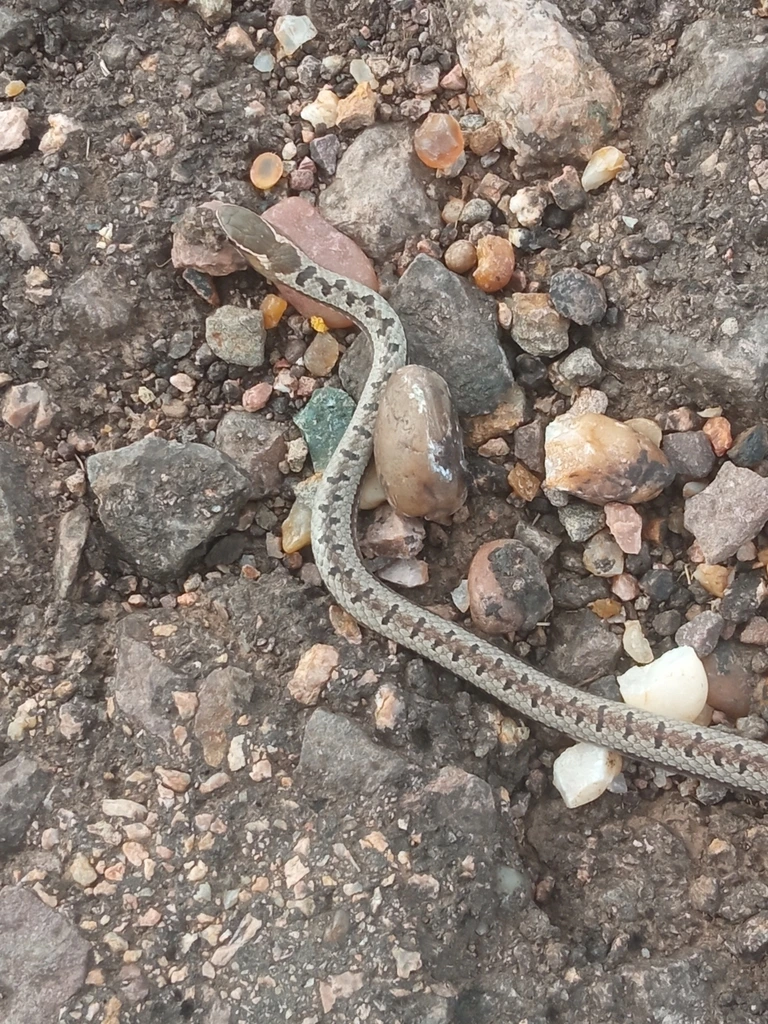
Adelphostigma occipitalis. Patterned individual on a gravelly surface, with the head visible. Original observation dated 2022-03-04. Portrait only; no new locality record is inferred.

001 · Colubridae

Species account

Adelphostigma occipitalis

(JAN, 1863)

Venom unknownNot yet assessed

The checked taxonomic distribution account explicitly lists Brazil. Country-level evidence does not establish continuous occupancy or a complete national inventory.

Read the species account →

Gonzalo Rodriguez · CC BY 4.0 · https://creativecommons.org/licenses/by/4.0/
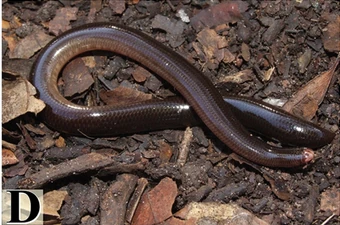
Amerotyphlops arenensis. Photographed in the Pernambuco Endemism Center study, Brazil. Figure7D. Scientific source photograph; no new geographic occurrence is inferred.

002 · Typhlopidae

Species account

Amerotyphlops arenensis

GRABOSKI, PEREIRA-FILHO, SILVA, COSTA PRUDENTE & ZAHER, 2015

Non-venomous

The checked taxonomic distribution account explicitly lists Brazil. Country-level evidence does not establish continuous occupancy or a complete national inventory. The treatment names these subdivisions in its Brazil distribution clause: Paraiba, Pernambuco. They are assigned to the declared atlas navigation groups; this is not a field observation, a…

Read the species account →

Gentil A. Pereira Filho · CC BY 4.0 · https://creativecommons.org/licenses/by/4.0/
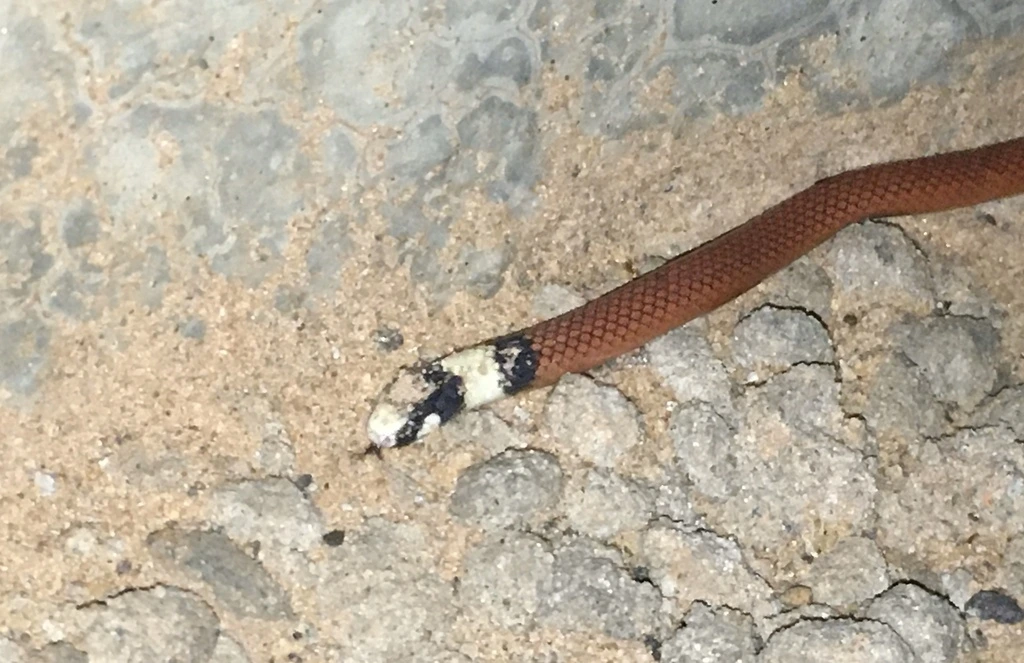
Apostolepis assimilis. Head and anterior body on a rock surface. Original observation dated 2025-11-26. No additional geographic occurrence is inferred.

004 · Colubridae

Common red Blackhead, Reinhardt's Burrowing Snake

Apostolepis assimilis

(REINHARDT, 1861)

Venom unknownNot yet assessed

The checked taxonomic distribution account explicitly lists Brazil. Country-level evidence does not establish continuous occupancy or a complete national inventory. The treatment names these subdivisions in its Brazil distribution clause: Mato Grosso, Goias. They are assigned to the declared atlas navigation groups; this is not a field observation, a…

Read the species account →

Marcos Severgnini · CC BY 4.0 · https://creativecommons.org/licenses/by/4.0/
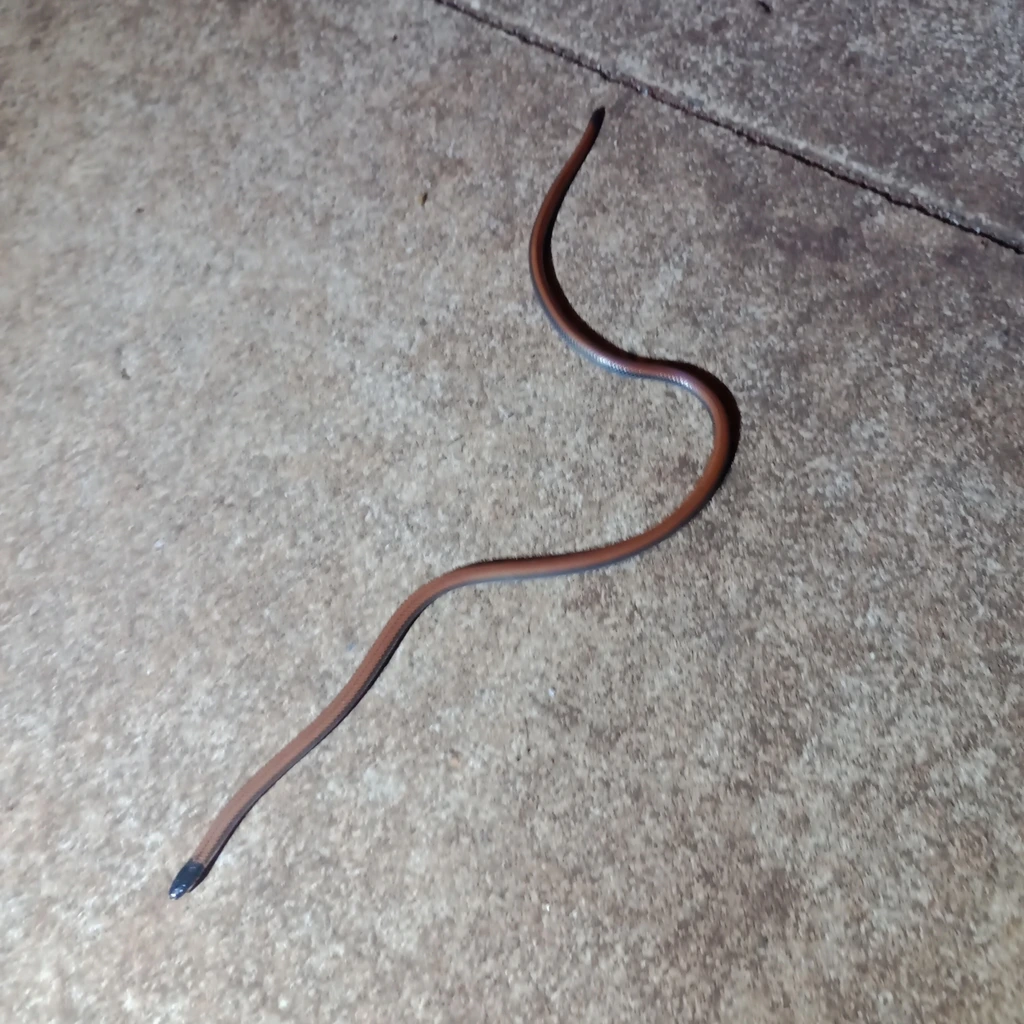
Apostolepis dimidiata. Whole slender individual on a paved surface. Original observation dated 2023-10-21. No additional geographic occurrence is inferred.

005 · Colubridae

Common bilineate Blackhead

Apostolepis dimidiata

(JAN, 1862)

Venom unknownNot yet assessed

The checked taxonomic distribution account explicitly lists Brazil. Country-level evidence does not establish continuous occupancy or a complete national inventory. The treatment names these subdivisions in its Brazil distribution clause: Parana, Rio Grande do Sul. They are assigned to the declared atlas navigation groups; this is not a field…

Read the species account →

João Vitor Oliveira de Souza · CC BY 4.0 · https://creativecommons.org/licenses/by/4.0/
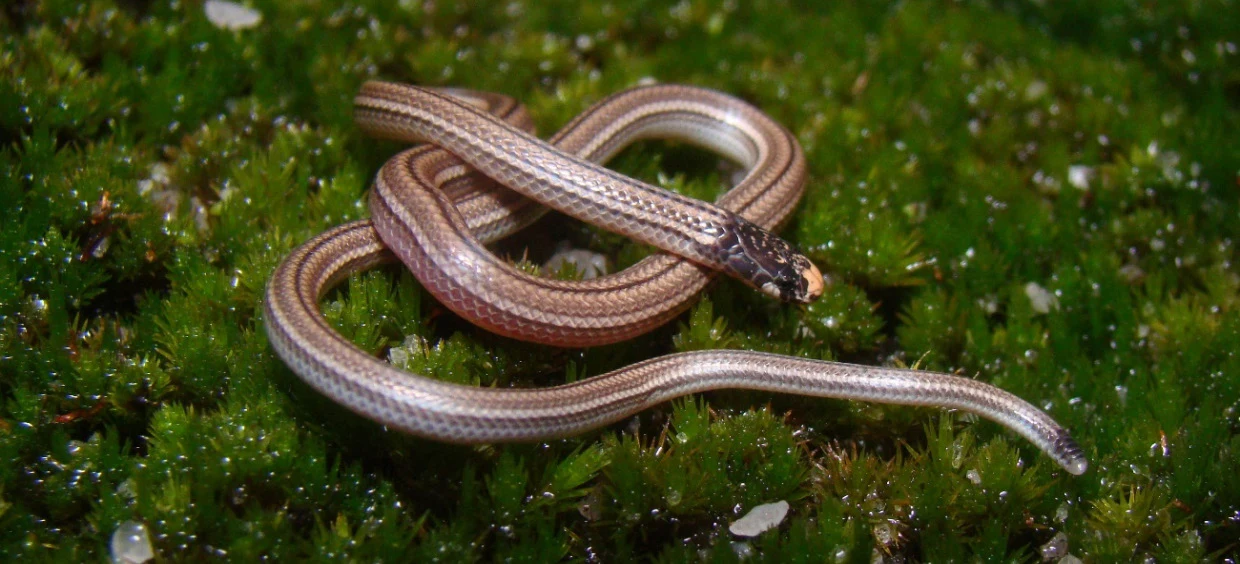
ColubridaeApostolepisPhotograph not yet documented

006 · Colubridae

Prado’s Blackhead, Goias Burrowing Snake

Apostolepis goiasensis

PRADO, 1942

Venom unknownNot yet assessed

The checked taxonomic distribution account explicitly lists Brazil. Country-level evidence does not establish continuous occupancy or a complete national inventory. The treatment names these subdivisions in its Brazil distribution clause: Mato Grosso, Goias, Minas Gerais, Mato Grosso do Sul. They are assigned to the declared atlas navigation groups; this…

Read the species account →
Apostolepis longicaudata, specimen MBML 4892 from Jaguaré, Espírito Santo, Brazil. Original Figure 1; the article differs on its age designation, so no age is inferred here. Portrait only; no new occurrence or habitat inferred.

007 · Colubridae

Piauí Blackhead, Longhead Burrowing Snake

Apostolepis longicaudata

GOMES, 1921

Venom unknownNot yet assessed

The checked taxonomic distribution account explicitly lists Brazil. Country-level evidence does not establish continuous occupancy or a complete national inventory. The treatment names these subdivisions in its Brazil distribution clause: Piaui, Tocantins, Espirito Santo. They are assigned to the declared atlas navigation groups; this is not a field…

Read the species account →

Thiago Marcial de Castro · CC BY 4.0 · https://creativecommons.org/licenses/by/4.0/
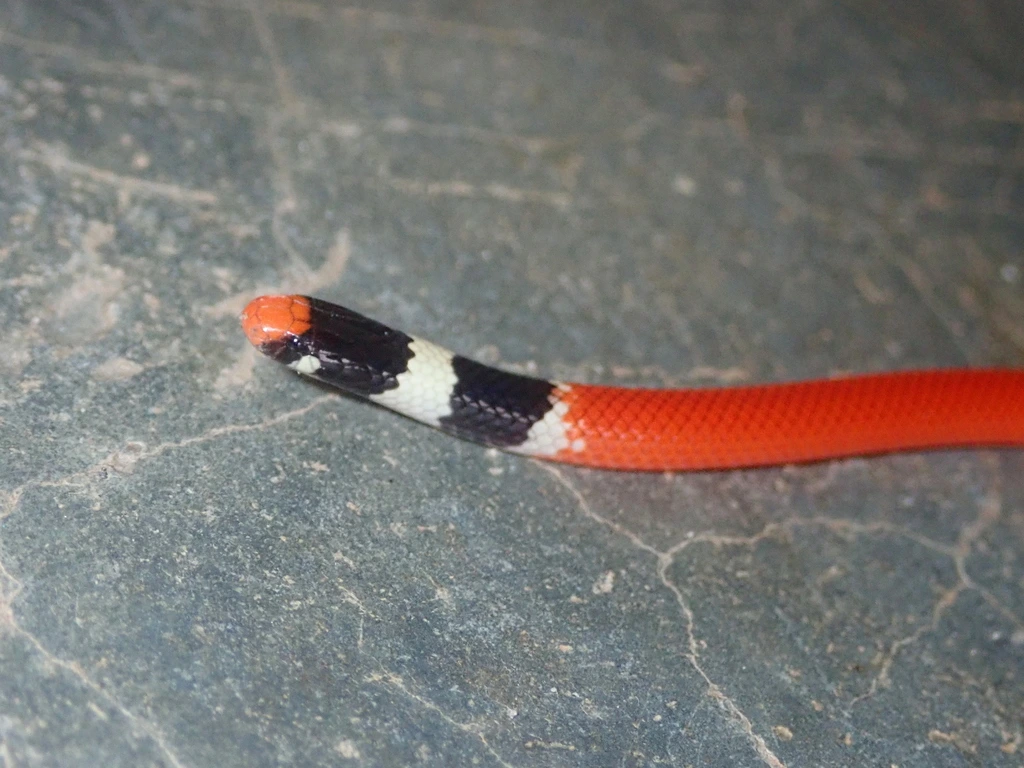
ColubridaeApostolepisPhotograph not yet documented

008 · Colubridae

Hawbeack Blackhead

Apostolepis polylepis

AMARAL, 1922

Venom unknownNot yet assessed

The checked taxonomic distribution account explicitly lists Brazil. Country-level evidence does not establish continuous occupancy or a complete national inventory. The treatment names these subdivisions in its Brazil distribution clause: Piaui, Bahia. They are assigned to the declared atlas navigation groups; this is not a field observation, a…

Read the species account →
Apostolepis sanctaeritae. Close view of the head and anterior body. Original observation dated 2021-02-09. No additional geographic occurrence is inferred.

009 · Colubridae

Species account

Apostolepis sanctaeritae

WERNER, 1924

Venom unknownNot yet assessed

The checked taxonomic distribution account explicitly lists Brazil. Country-level evidence does not establish continuous occupancy or a complete national inventory. The treatment names these subdivisions in its Brazil distribution clause: Goias. They are assigned to the declared atlas navigation groups; this is not a field observation, a whole-region…

Read the species account →

Tsssss · CC0 1.0 · https://creativecommons.org/publicdomain/zero/1.0/

ColubridaeApostolepisPhotograph not yet documented

010 · Colubridae

Species account

Apostolepis striata

DE LEMA, 2004

Venom unknownNot yet assessed

The checked taxonomic distribution account explicitly lists Brazil. Country-level evidence does not establish continuous occupancy or a complete national inventory. The treatment names these subdivisions in its Brazil distribution clause: Rondonia. They are assigned to the declared atlas navigation groups; this is not a field observation, a whole-region…

Read the species account →
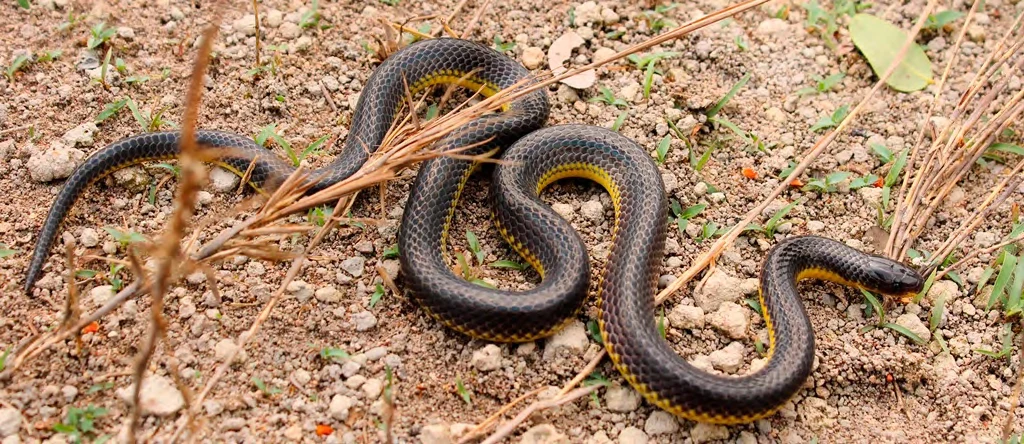
Atractus albuquerquei, original Figure 1 showing male MZUSP 22810 from Nova Monte Carmelo Farm, Estrela do Sul, Minas Gerais, Brazil. The animal was subsequently preserved. Portrait only; no new occurrence or habitat inferred.

011 · Colubridae

Albuquerque Ground Snake

Atractus albuquerquei

CUNHA & NASCIMENTO, 1983

Non-venomous

The checked taxonomic distribution account explicitly lists Brazil. Country-level evidence does not establish continuous occupancy or a complete national inventory. The treatment names these subdivisions in its Brazil distribution clause: Para, Acre, Rondonia, Mato Grosso, Goias, Mato Grosso do Sul. They are assigned to the declared atlas navigation…

Read the species account →

Bruno Tayar Marinho do Nascimento, Fábio Maffei, Guilherme Marson Moya and Reginaldo José Donatelli · CC BY 4.0 · https://creativecommons.org/licenses/by/4.0/
ColubridaeAtractusPhotograph not yet documented

012 · Colubridae

Species account

Atractus spinalis

PASSOS, TEIXEIRA Jr, RECODER, DE SENA, DAL VECHIO, ARRUDA-PINTO, MENDONÇA, CASSIMIRO & RODRIGUES, 2013

Non-venomous

The checked taxonomic distribution account explicitly lists Brazil. Country-level evidence does not establish continuous occupancy or a complete national inventory. The treatment names these subdivisions in its Brazil distribution clause: Minas Gerais. They are assigned to the declared atlas navigation groups; this is not a field observation, a…

Read the species account →
ColubridaeAtractusPhotograph not yet documented

013 · Colubridae

Species account

Atractus thalesdelemai

PASSOS, FERNANDES & ZANELLA, 2005

Non-venomous

The checked taxonomic distribution account explicitly lists Brazil. Country-level evidence does not establish continuous occupancy or a complete national inventory. The treatment names these subdivisions in its Brazil distribution clause: Rio Grande do Sul. They are assigned to the declared atlas navigation groups; this is not a field observation, a…

Read the species account →
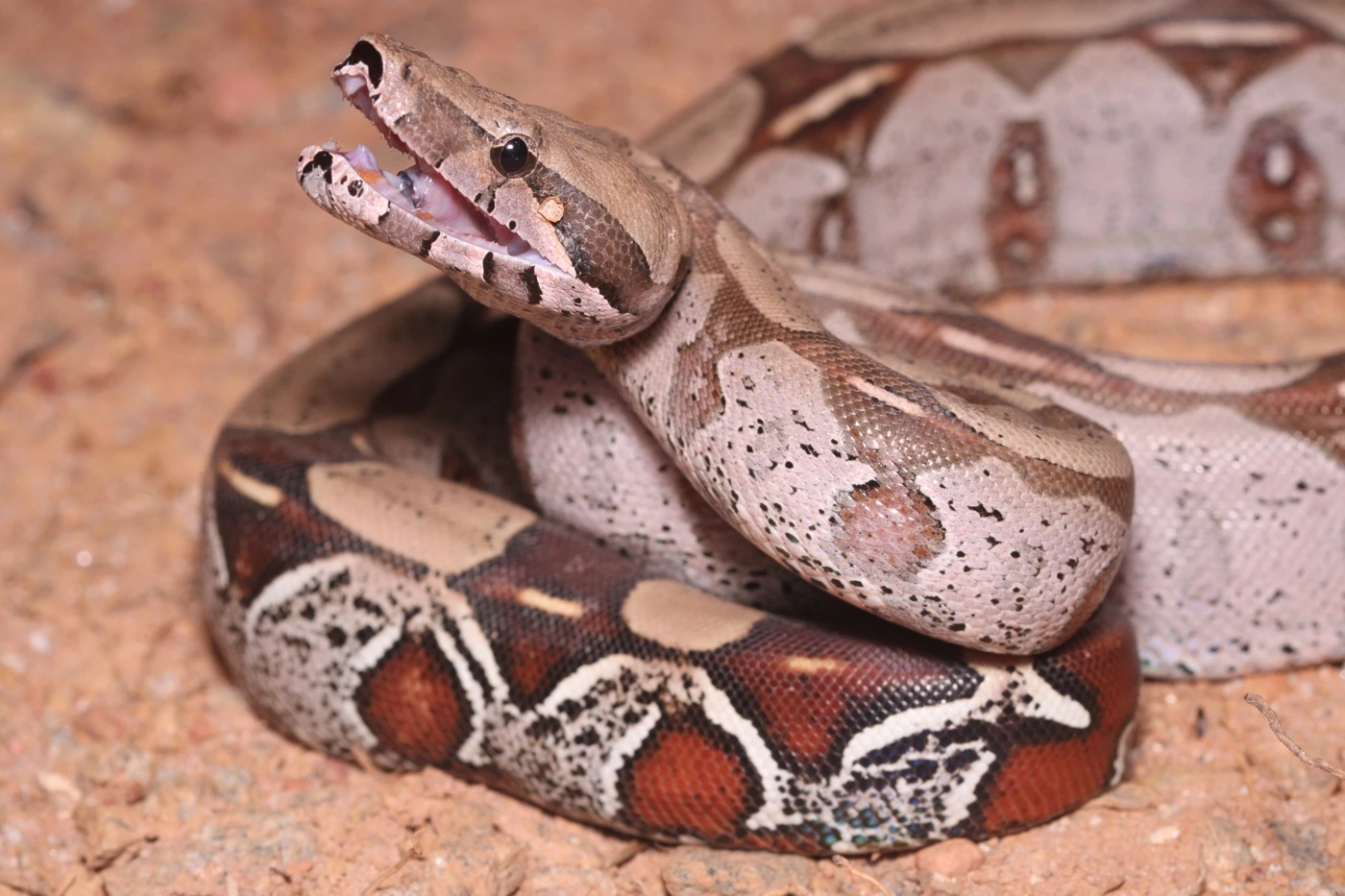
Boa constrictor. Species portrait from the credited source. No additional state, province or wild occurrence is inferred. Original watermarks, where present, are retained.

014 · Boidae

Boa Constrictor

Boa constrictor

LINNAEUS, 1758

Non-venomous

The checked taxonomic distribution account explicitly lists Brazil. Country-level evidence does not establish continuous occupancy or a complete national inventory.

Read the species account →

Arnaud Aury · CC BY 4.0 · https://creativecommons.org/licenses/by/4.0

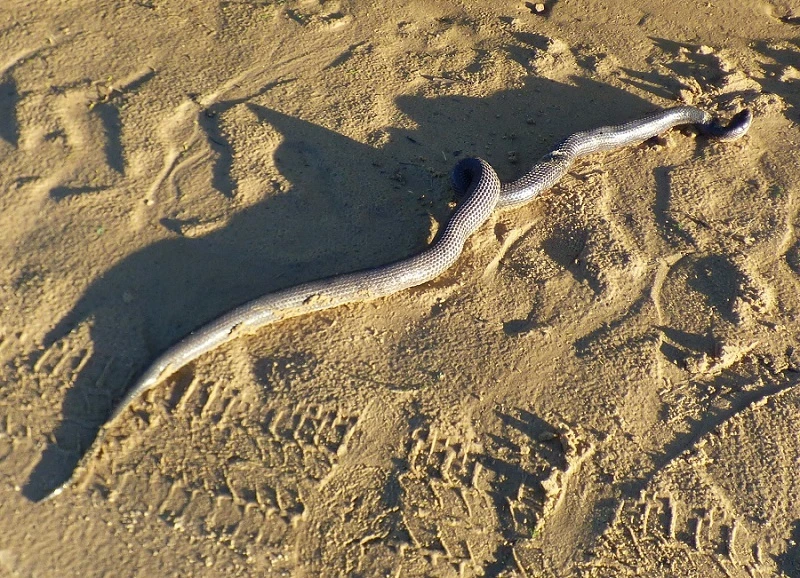
Boiruna maculata. Dark and pale individual on sandy ground. Portrait only; no wild locality or habitat record is inferred.

015 · Colubridae

Mussurana

Boiruna maculata

(BOULENGER, 1896)

Venom unknownNot yet assessed

The checked taxonomic distribution account explicitly lists Brazil. Country-level evidence does not establish continuous occupancy or a complete national inventory.

Read the species account →

Pablo H Capovilla · CC BY-SA 4.0 · https://creativecommons.org/licenses/by-sa/4.0

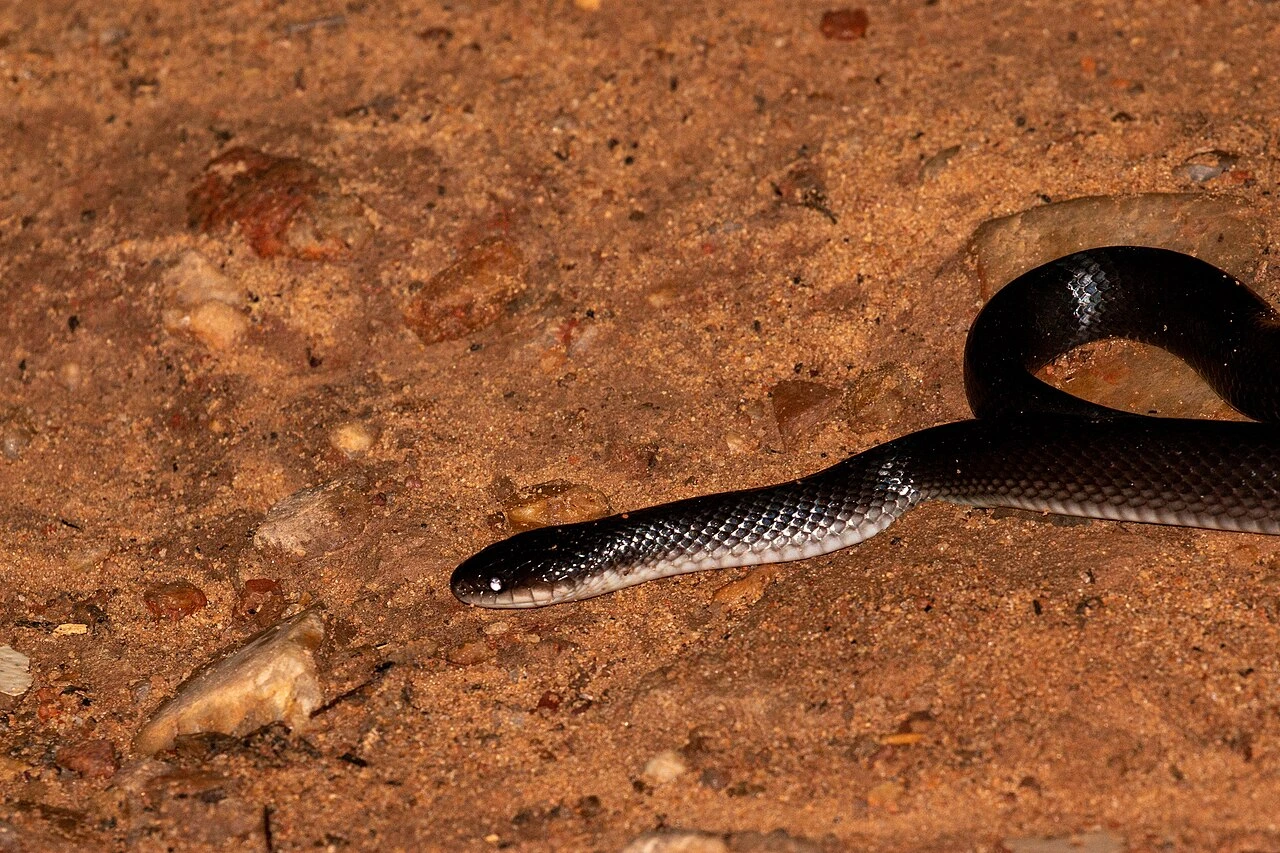
Boiruna sertaneja. Close view of the dark head on reddish ground. Portrait only; no wild locality or habitat record is inferred.

016 · Colubridae

Species account

Boiruna sertaneja

ZAHER, 1996

Venom unknownNot yet assessed

The checked taxonomic distribution account explicitly lists Brazil. Country-level evidence does not establish continuous occupancy or a complete national inventory. The treatment names these subdivisions in its Brazil distribution clause: Maranhao, Ceara, Rio Grande do Norte, Paraiba, Piaui, Pernambuco, Sergipe, Bahia, Minas Gerais. They are assigned to…

Read the species account →

Thomaz de Carvalho Callado · CC BY 4.0 · https://creativecommons.org/licenses/by/4.0

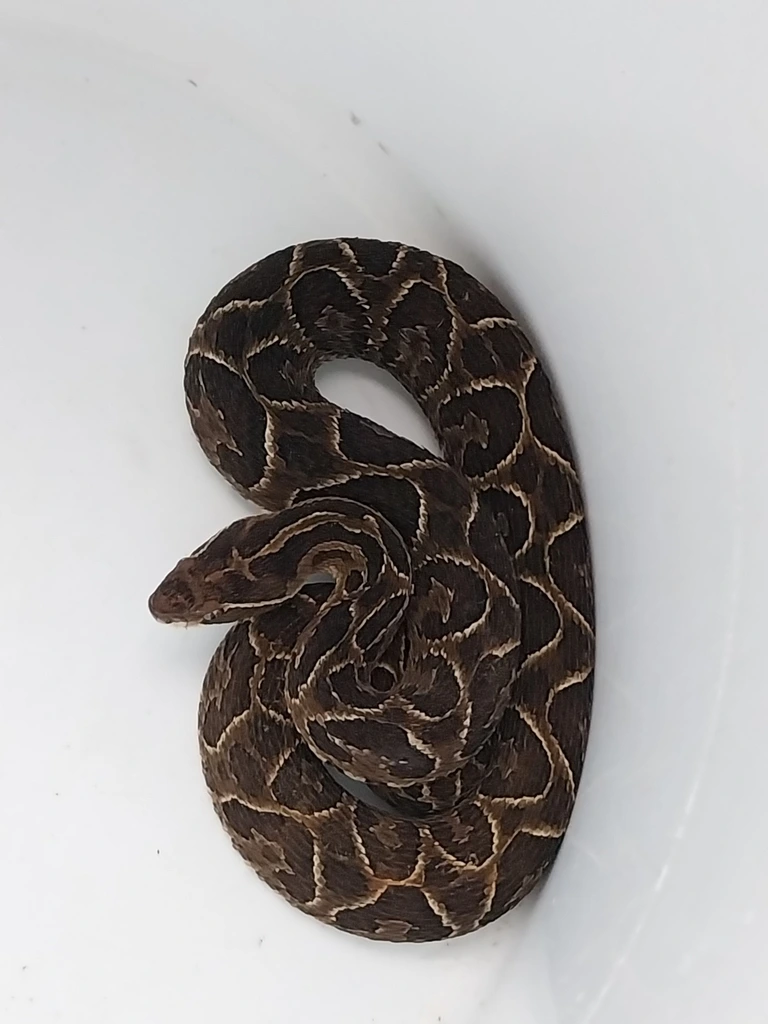
Bothrops alternatus. Coiled individual in a plain container; this is not a habitat illustration. Original observation dated 2024-04-30. No additional geographic occurrence is inferred.

017 · Viperidae

Urutu

Bothrops alternatus

DUMÉRIL, BIBRON & DUMÉRIL, 1854

VenomousClinical severity not established

The checked taxonomic distribution account explicitly lists Brazil. Country-level evidence does not establish continuous occupancy or a complete national inventory. The treatment names these subdivisions in its Brazil distribution clause: Mato Grosso, Goias, Minas Gerais, Mato Grosso do Sul, Rio de Janeiro, Sao Paulo, Parana, Santa Catarina, Rio Grande…

Read the species account →

Edson Luis Fabro Gasperin · CC BY-SA 4.0 · https://creativecommons.org/licenses/by-sa/4.0/

Bothrops itapetiningae, photographed by Rafael Menegucci. Portrait only; no wild locality or habitat record is inferred.

018 · Viperidae

Sao Paulo Lancehead

Bothrops itapetiningae

(BOULENGER, 1907)

VenomousClinical severity not established

The checked taxonomic distribution account explicitly lists Brazil. Country-level evidence does not establish continuous occupancy or a complete national inventory.

Read the species account →

Rafael Menegucci · CC BY 2.0 · https://creativecommons.org/licenses/by/2.0

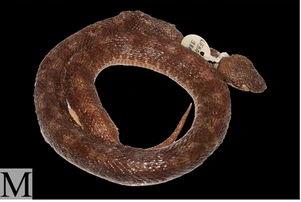
Bothrops lutzi. Preserved specimen, dorsal view, from the north-coast Bahia study. Colours may have changed in preservative. Figure6M. Isolated source photograph; no new occurrence record is inferred.

019 · Viperidae

Sertao Lancehead [iglesiasi]

Bothrops lutzi

(MIRANDA-RIBEIRO, 1915)

VenomousClinical severity not established

The checked taxonomic distribution account explicitly lists Brazil. Country-level evidence does not establish continuous occupancy or a complete national inventory.

Read the species account →

Marques, Ricardo; Mebert, Konrad; Fonseca, Érica; Rödder, Dennis; Solé, Mirco; Santos Tinôco, Moacir · CC BY 4.0 · https://creativecommons.org/licenses/by/4.0/
ViperidaeBothropsPhotograph not yet documented

020 · Viperidae

Marajó Lancehead

Bothrops marajoensis

HOGE, 1966

VenomousClinical severity not established

The checked taxonomic distribution account explicitly lists Brazil. Country-level evidence does not establish continuous occupancy or a complete national inventory. The treatment names these subdivisions in its Brazil distribution clause: Para. They are assigned to the declared atlas navigation groups; this is not a field observation, a whole-region…

Read the species account →
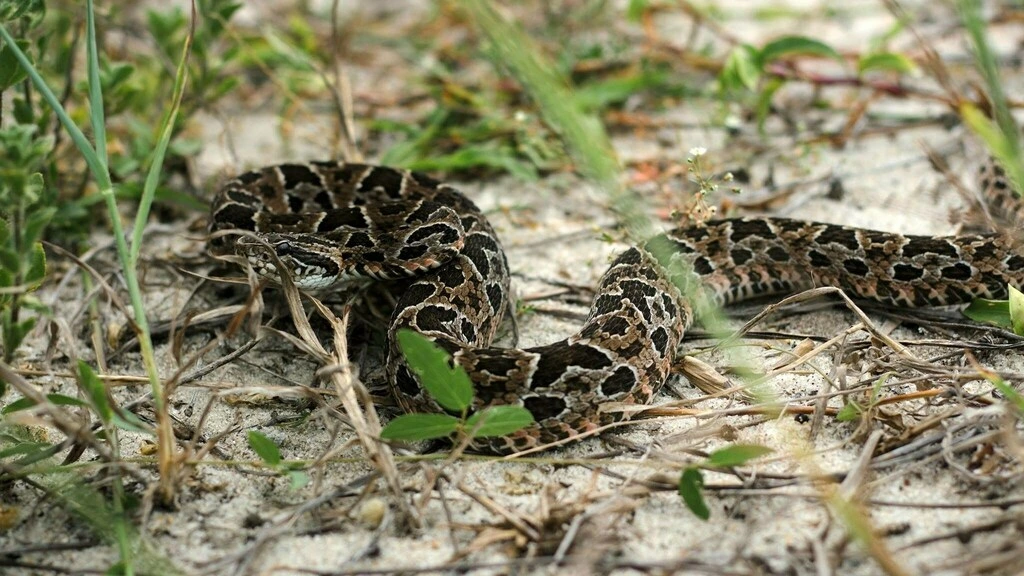
Bothrops marmoratus. Whole animal on soil and sparse grass. Original observation dated 2023-07-13. No additional geographic occurrence is inferred.

021 · Viperidae

Marbled lancehead

Bothrops marmoratus

DA SILVA & RODRIGUES, 2008

VenomousClinical severity not established

The checked taxonomic distribution account explicitly lists Brazil. Country-level evidence does not establish continuous occupancy or a complete national inventory. The treatment names these subdivisions in its Brazil distribution clause: Goias, Minas Gerais. They are assigned to the declared atlas navigation groups; this is not a field observation, a…

Read the species account →

Mario Barroso · CC BY 4.0 · https://creativecommons.org/licenses/by/4.0/
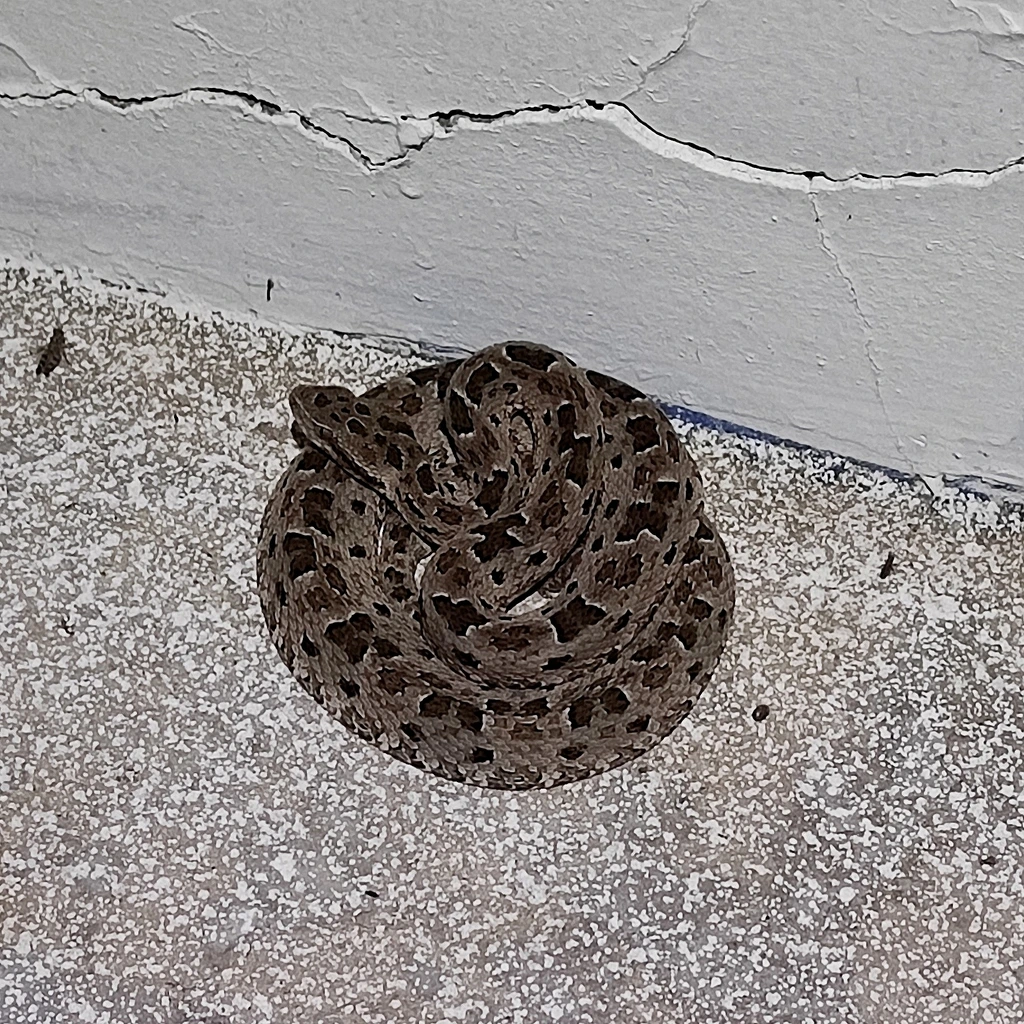
Bothrops mattogrossensis. Coiled individual beside a wall on a human-made surface. Original observation dated 2025-02-05. No additional geographic occurrence is inferred.

022 · Viperidae

Species account

Bothrops mattogrossensis

AMARAL, 1925

VenomousClinical severity not established

The checked taxonomic distribution account explicitly lists Brazil. Country-level evidence does not establish continuous occupancy or a complete national inventory.

Read the species account →

Thomaz Ricardo Favreto Sinani · CC BY 4.0 · https://creativecommons.org/licenses/by/4.0/
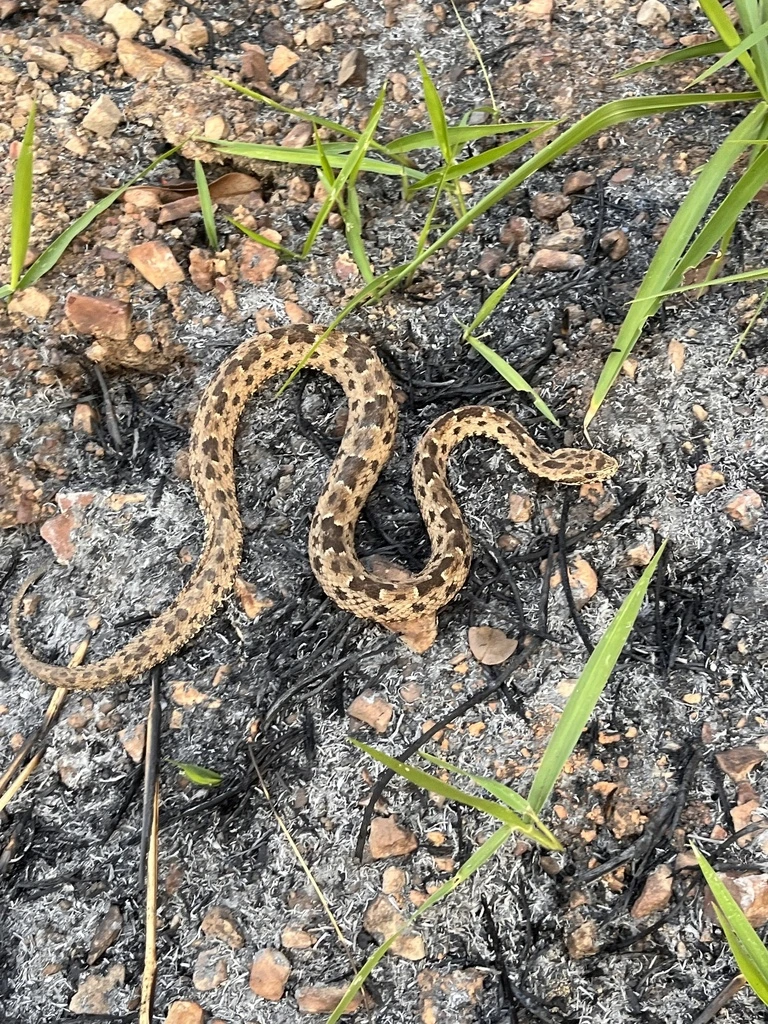
Bothrops neuwiedi. Head and body among dry grass. Original observation dated 2018-04-30. No additional geographic occurrence is inferred.

023 · Viperidae

Jararaca Pintada

Bothrops neuwiedi

WAGLER, 1824

VenomousClinical severity not established

The checked taxonomic distribution account explicitly lists Brazil. Country-level evidence does not establish continuous occupancy or a complete national inventory.

Read the species account →

Henrique Nogueira · CC BY 4.0 · https://creativecommons.org/licenses/by/4.0/
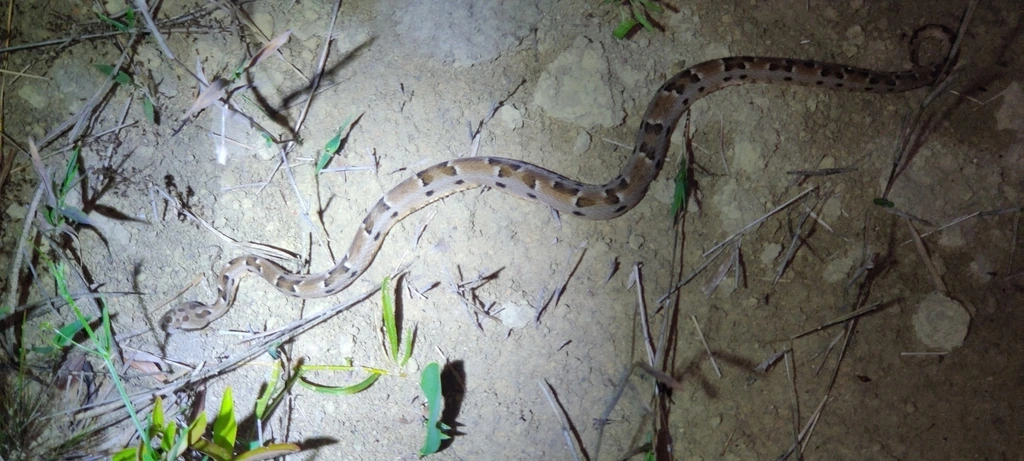
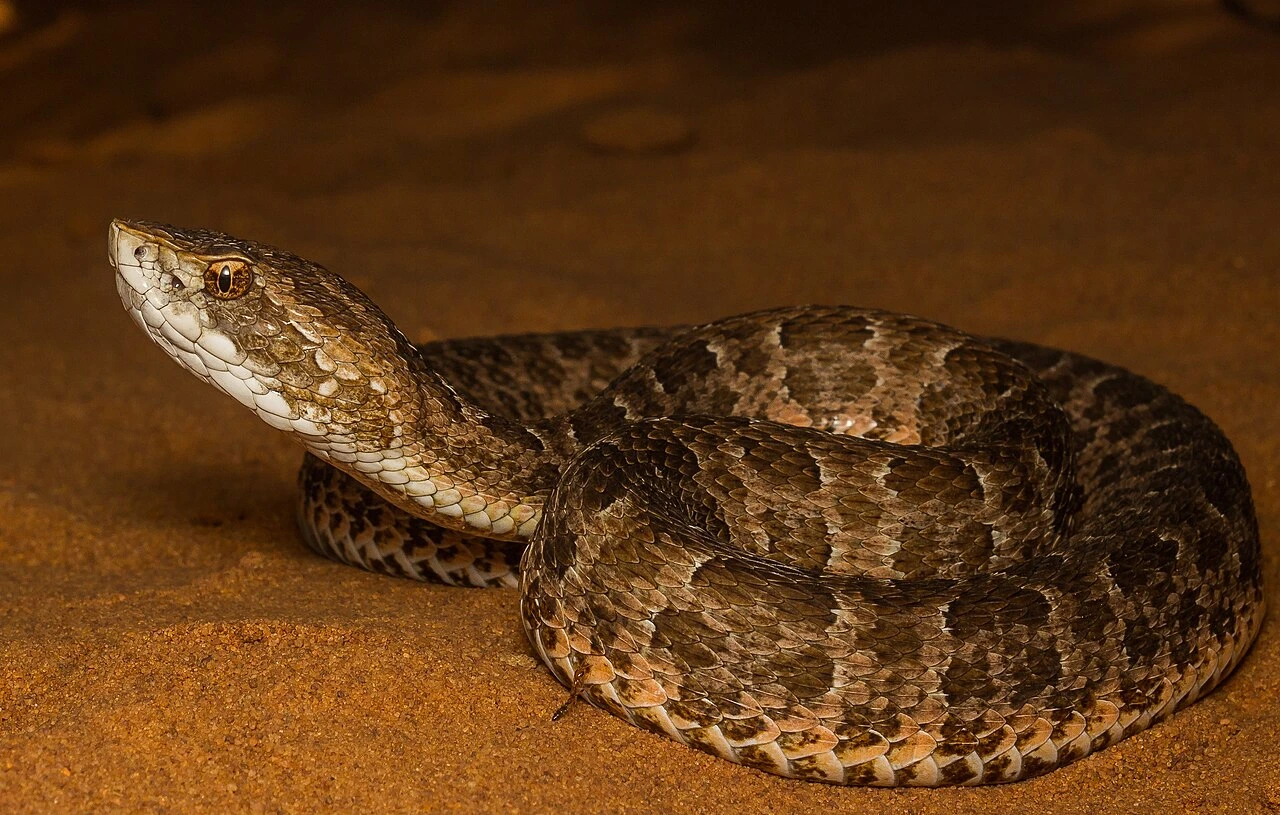
Bothrops pauloensis. Whole individual photographed with a light on the ground. Original observation dated 2022-09-29. No additional geographic occurrence is inferred.

024 · Viperidae

Species account

Bothrops pauloensis

AMARAL, 1925

VenomousClinical severity not established

The checked taxonomic distribution account explicitly lists Brazil. Country-level evidence does not establish continuous occupancy or a complete national inventory. The treatment names these subdivisions in its Brazil distribution clause: Mato Grosso, Goias, Minas Gerais, Mato Grosso do Sul, Sao Paulo, Parana. They are assigned to the declared atlas…

Read the species account →

Nathan Ruser · CC BY 4.0 · https://creativecommons.org/licenses/by/4.0/
All 444 species in the country collection →

Read further

Evidence & sources.

Guide reviewed 17 October 2026. Source dates and geographic scope matter; landscape photographs do not establish species occurrence.

  1. Convention on Biological Diversity · Brazil national profile

    Historical Secretariat draft, pending Party approval. Landscape context only; historical statistics are not presented as current measurements. Reviewed 17 October 2026.

Continue through Brazil

Explore another habitat.

01

Forest & woodland

The national profile identifies the Atlantic Forest among Brazil’s major biodiversity landscapes. A state can include more than one biome; its boundary is not a forest edge or a complete species range.

02

Mangroves & estuaries

Brazil’s profile documents coastal mangrove systems. Tidal woodland should remain separate from adjacent terrestrial forest and offshore reefs when interpreting a field record.