The national profile identifies the Atlantic Forest among Brazil’s major biodiversity landscapes. A state can include more than one biome; its boundary is not a forest edge or a complete species range.
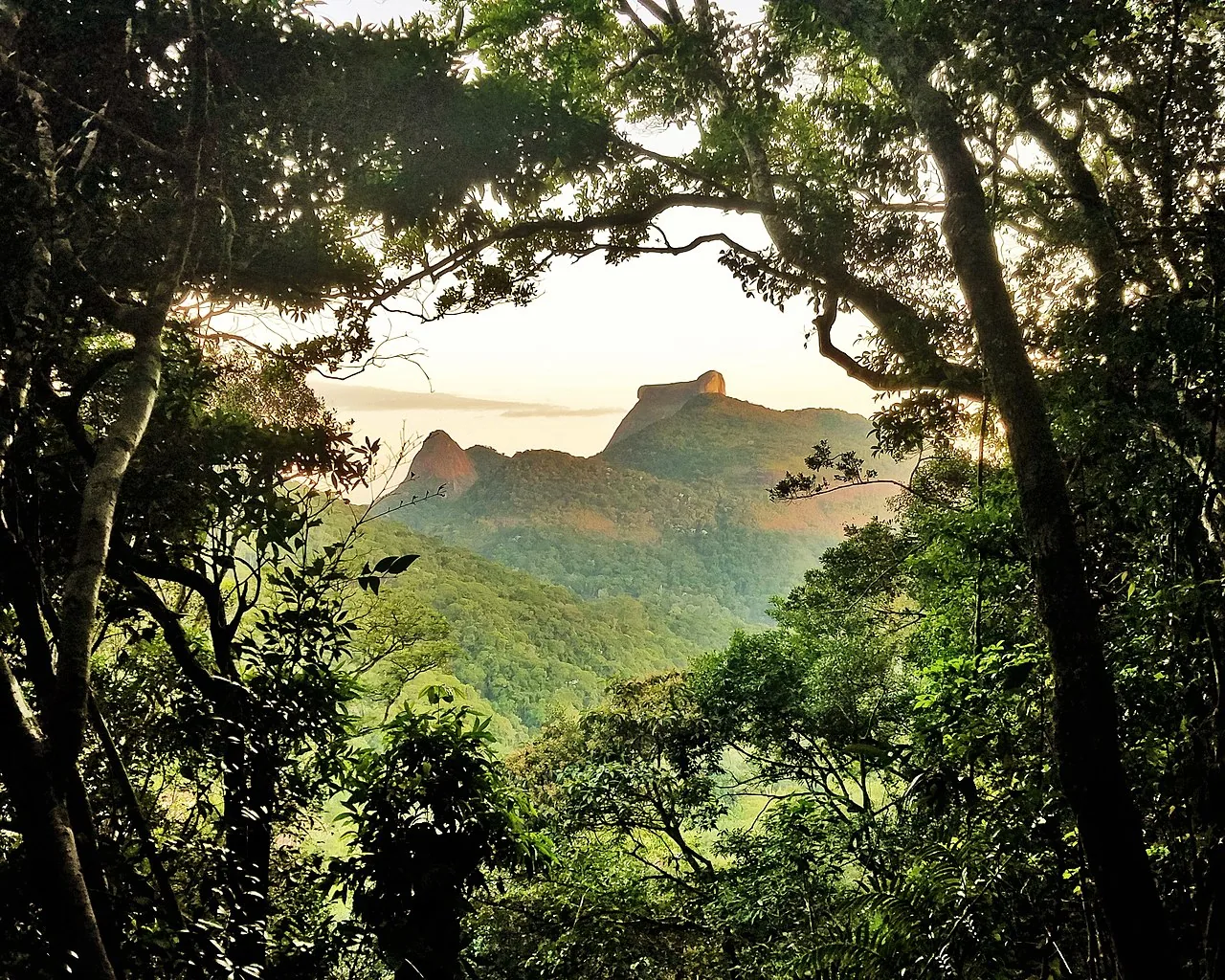
Pedra da Gávea seen through the forest from the Student Trail in Tijuca National Park, Rio de Janeiro, Brazil.
Photograph: Clarice Braúna Mendes · Image source · CC BY-SA 4.0. Cropped to fill the hero; darkened for text legibility.
Understanding the environment
A sense of the habitat.
The national profile identifies the Atlantic Forest among Brazil’s major biodiversity landscapes. A state can include more than one biome; its boundary is not a forest edge or a complete species range.
Geographic scope
Brazil; retain the named source locality.
Evidence scale
Landscape descriptions are separate from species records.
Source date
Retain the original publication date; reviewed 17 October 2026.
Explore the structure · Select a layer to compare details retained in a field record.
Read the locality in three layers.
Select a zone to see what changes.
01
Canopy
Canopy
Distinguish closed crowns, open woodland and planted trees.
Check the original species record before assigning habitat use.
These reading prompts are conceptual, not a transect or an occurrence map.
The national profile identifies the Atlantic Forest among Brazil’s major biodiversity landscapes. A state can include more than one biome; its boundary is not a forest edge or a complete species range.
The country landscape and a species habitat association answer different questions. Follow the species account for direct habitat evidence. An empty collection indicates missing extracted evidence, not biological absence.
Pressures on Brazil’s habitats
What is at risk?
A site-specific assessment of pressures has not yet been extracted for this guide. The landscape sources below provide context; they do not establish a current threat level for each snake species.
What helps this habitat
Read conservation pressures with their source date and locality; a landscape-level pressure is not a measured decline for every snake.
Brazil · Choose an areaN ↑
Click a region to explore its snakes and landscapes.
dedicated region pages connect the geographic atlas with its source-backed species accounts
Browse all regions ↓Select a labelled place on the map, or use the complete index below. Geographic boundaries are navigation references, not species ranges.
The connected collection
Snakes with habitat evidence.
These 206 species have supported country occurrence and an explicit habitat association in the shared account. The association may come from elsewhere in their range. This is not a complete local habitat inventory; the places above are landscape examples, not asserted collecting sites.
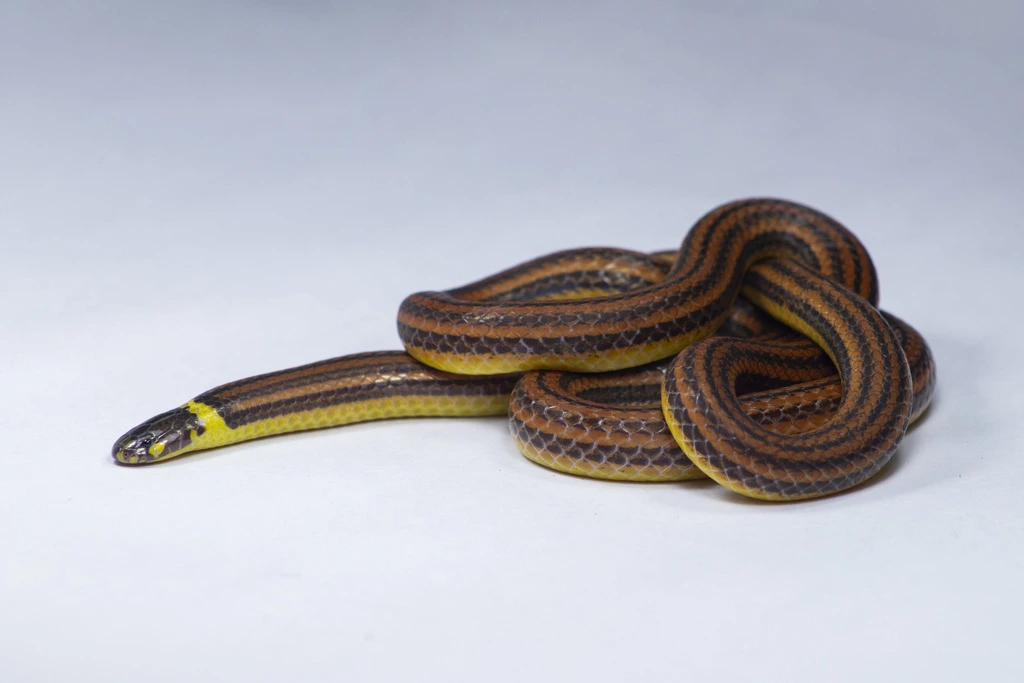
The checked taxonomic distribution account explicitly lists Brazil. Country-level evidence does not establish continuous occupancy or a complete national inventory.
GRABOSKI, PEREIRA-FILHO, SILVA, COSTA PRUDENTE & ZAHER, 2015
Non-venomous
The checked taxonomic distribution account explicitly lists Brazil. Country-level evidence does not establish continuous occupancy or a complete national inventory. The treatment names these subdivisions in its Brazil distribution clause: Paraiba, Pernambuco. They are assigned to the declared atlas navigation groups; this is not a field observation, a…
The checked taxonomic distribution account explicitly lists Brazil. Country-level evidence does not establish continuous occupancy or a complete national inventory. The treatment names these subdivisions in its Brazil distribution clause: Maranhao, Ceara, Paraiba, Piaui, Pernambuco, Alagoas, Sergipe, Tocantins, Bahia, Mato Grosso, Goias, Minas Gerais,…
The checked taxonomic distribution account explicitly lists Brazil. Country-level evidence does not establish continuous occupancy or a complete national inventory. The treatment names these subdivisions in its Brazil distribution clause: Bahia. They are assigned to the declared atlas navigation groups; this is not a field observation, a whole-region…
The checked taxonomic distribution account explicitly lists Brazil. Country-level evidence does not establish continuous occupancy or a complete national inventory. The treatment names these subdivisions in its Brazil distribution clause: Maranhao, Ceara, Paraiba, Pernambuco, Alagoas. They are assigned to the declared atlas navigation groups; this is not…
The checked taxonomic distribution account explicitly lists Brazil. Country-level evidence does not establish continuous occupancy or a complete national inventory. The treatment names these subdivisions in its Brazil distribution clause: Roraima, Amapa, Para, Maranhao, Rondonia, Mato Grosso. They are assigned to the declared atlas navigation groups;…
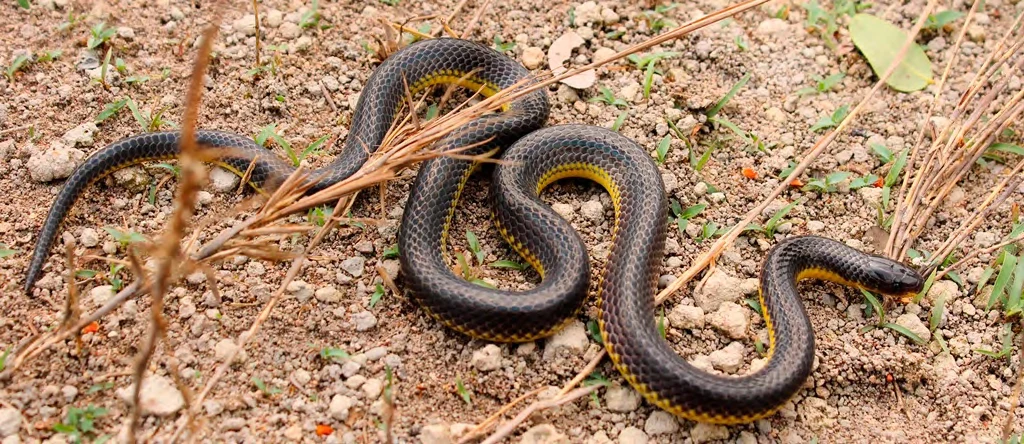
The checked taxonomic distribution account explicitly lists Brazil. Country-level evidence does not establish continuous occupancy or a complete national inventory.
The checked taxonomic distribution account explicitly lists Brazil. Country-level evidence does not establish continuous occupancy or a complete national inventory. The treatment names these subdivisions in its Brazil distribution clause: Ceara, Rio Grande do Norte, Paraiba, Piaui. They are assigned to the declared atlas navigation groups; this is not a…
The checked taxonomic distribution account explicitly lists Brazil. Country-level evidence does not establish continuous occupancy or a complete national inventory. The treatment names these subdivisions in its Brazil distribution clause: Para, Tocantins, Bahia, Goias, Sao Paulo. They are assigned to the declared atlas navigation groups; this is not a…
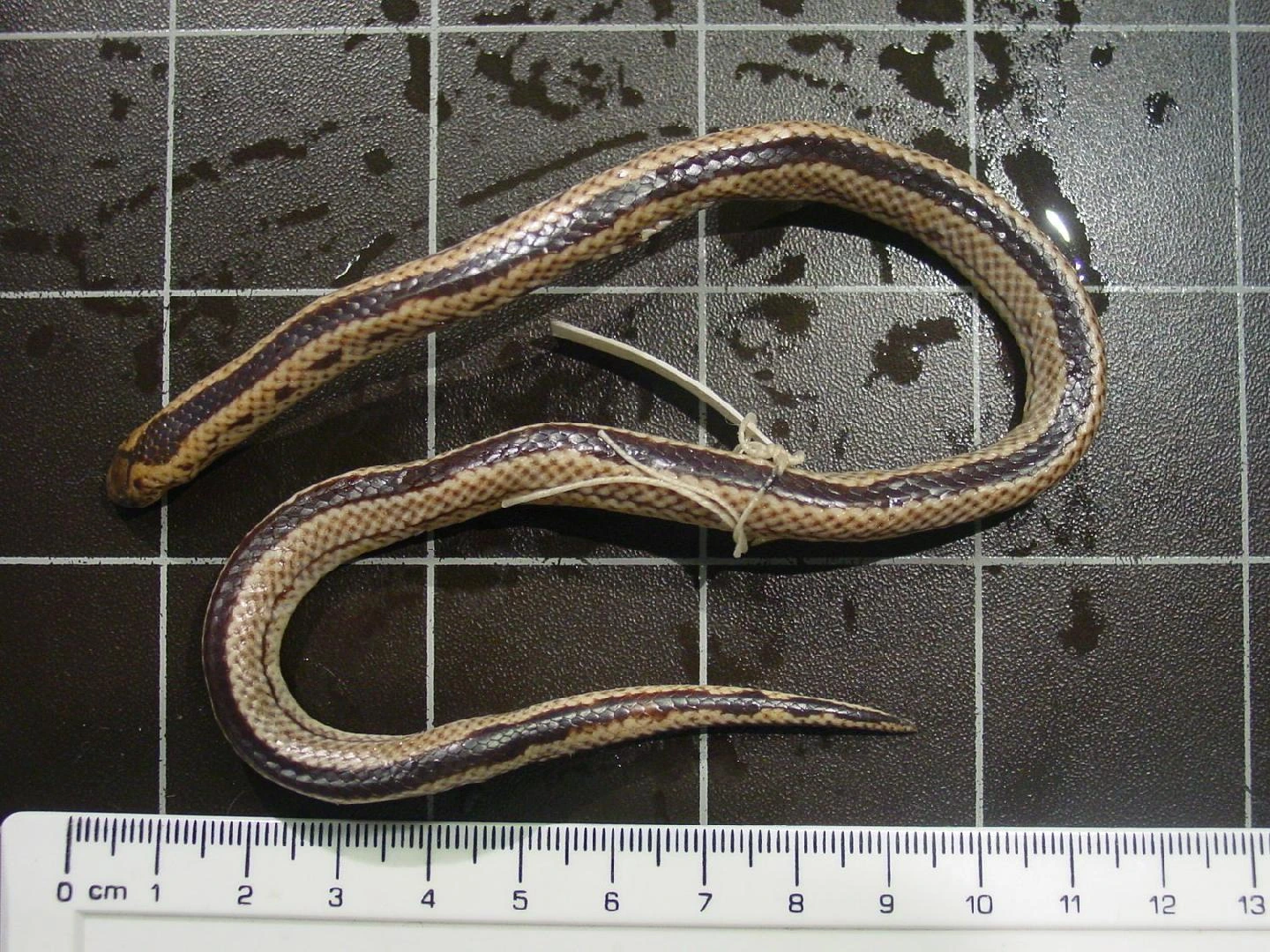
The checked taxonomic distribution account explicitly lists Brazil. Country-level evidence does not establish continuous occupancy or a complete national inventory. The treatment names these subdivisions in its Brazil distribution clause: Mato Grosso. They are assigned to the declared atlas navigation groups; this is not a field observation, a…
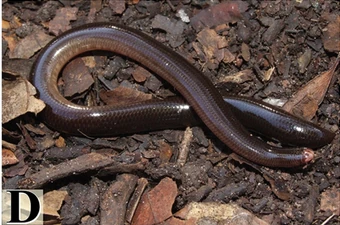
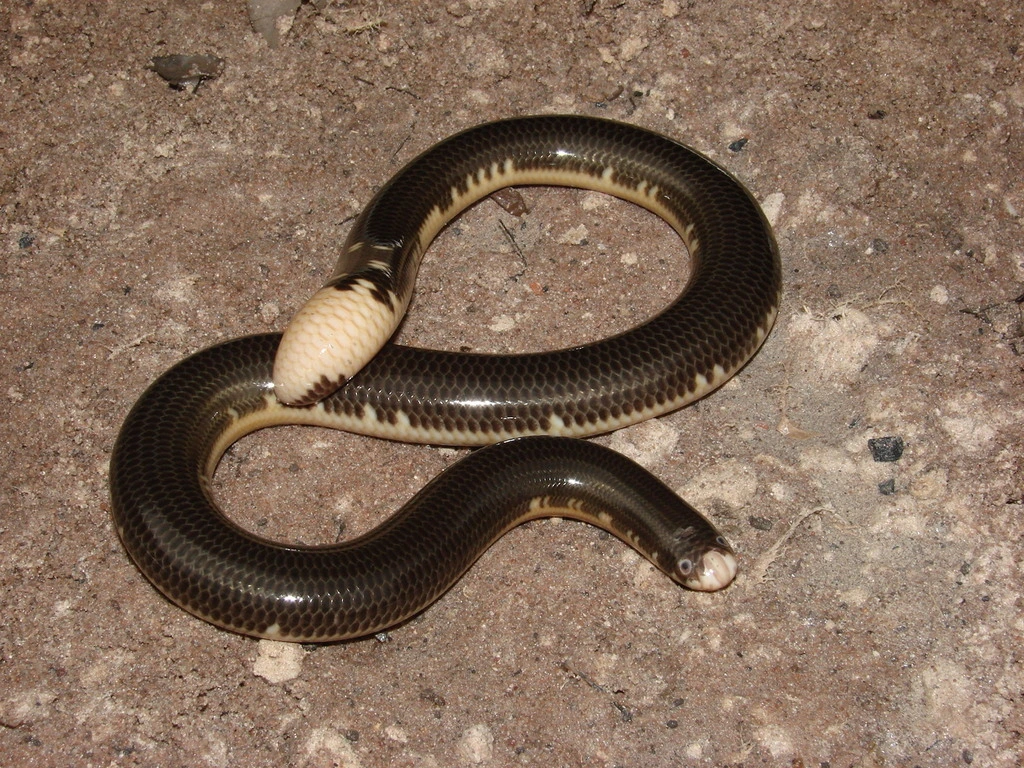
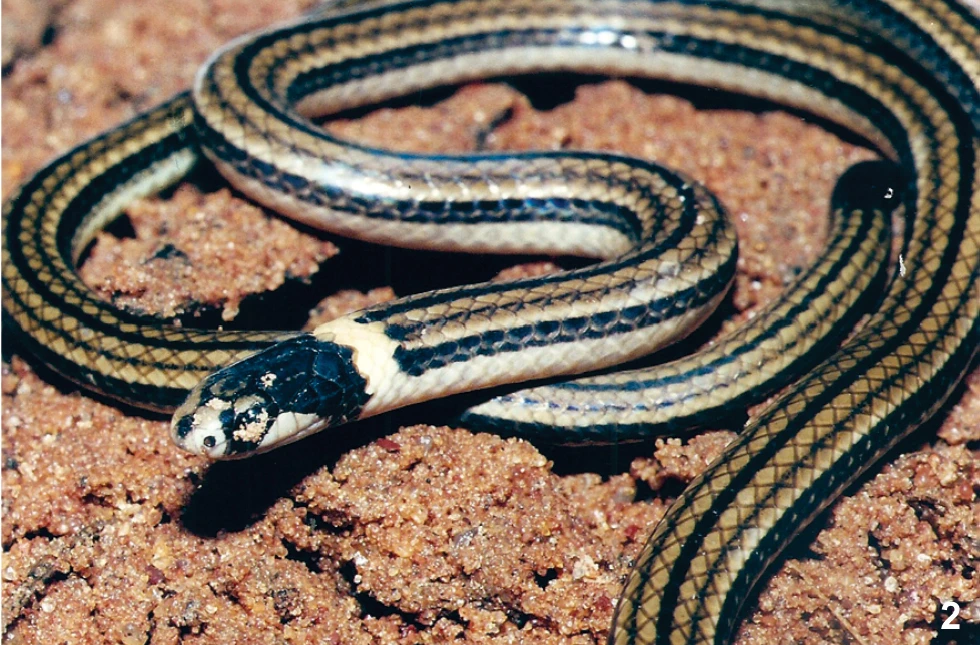
(photos 2, by Marcos Di Bernardo) dos Santos FM, Entiauspe-Neto OM, Araújo JS, de Souza MB, de Lema T, Strussmann C, de Albuquerque NR (2018) A new species of burrowing snake (Serpentes: Dipsadidae: Apostolepis) from the state of Mato Grosso, Central-West region of Brazil. Zoologia 35: 1-10. https://doi.org/10.3897/zoologia.35.e26742 · CC BY 4.0 · https://creativecommons.org/licenses/by/4.0
The checked taxonomic distribution account explicitly lists Brazil. Country-level evidence does not establish continuous occupancy or a complete national inventory. The treatment names these subdivisions in its Brazil distribution clause: Piaui, Tocantins, Espirito Santo. They are assigned to the declared atlas navigation groups; this is not a field…
The checked taxonomic distribution account explicitly lists Brazil. Country-level evidence does not establish continuous occupancy or a complete national inventory. The treatment names these subdivisions in its Brazil distribution clause: Tocantins, Goias. They are assigned to the declared atlas navigation groups; this is not a field observation, a…
The checked taxonomic distribution account explicitly lists Brazil. Country-level evidence does not establish continuous occupancy or a complete national inventory. The treatment names these subdivisions in its Brazil distribution clause: Para, Maranhao, Rondonia, Mato Grosso. They are assigned to the declared atlas navigation groups; this is not a field…
The checked taxonomic distribution account explicitly lists Brazil. Country-level evidence does not establish continuous occupancy or a complete national inventory. The treatment names these subdivisions in its Brazil distribution clause: Ceara. They are assigned to the declared atlas navigation groups; this is not a field observation, a whole-region…
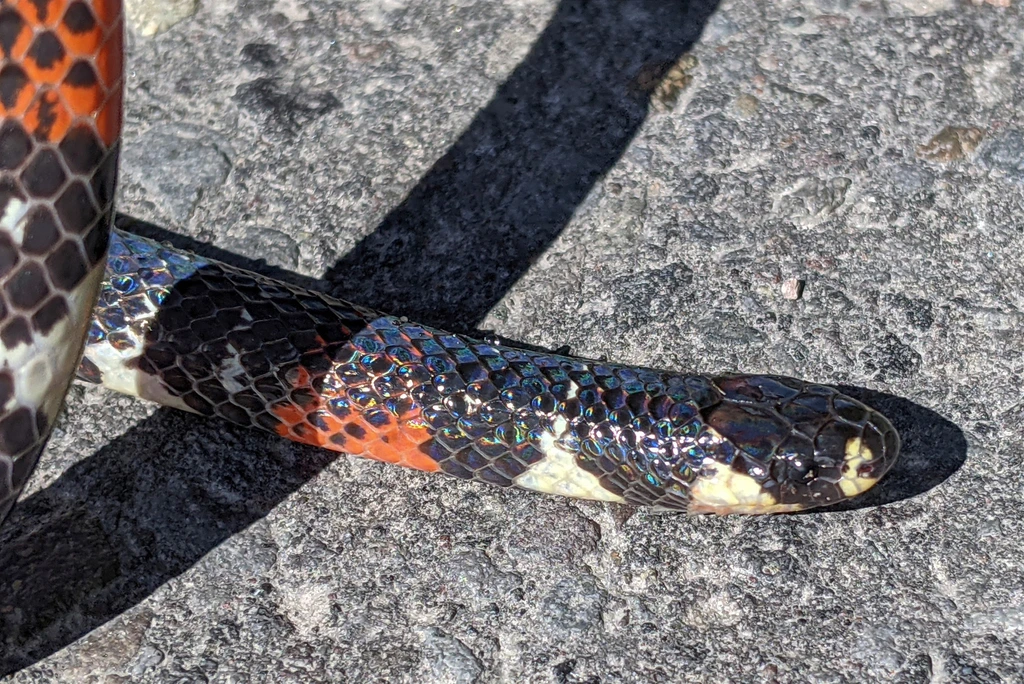
The checked taxonomic distribution account explicitly lists Brazil. Country-level evidence does not establish continuous occupancy or a complete national inventory. The treatment names these subdivisions in its Brazil distribution clause: Para, Acre, Rondonia, Mato Grosso, Goias, Mato Grosso do Sul. They are assigned to the declared atlas navigation…
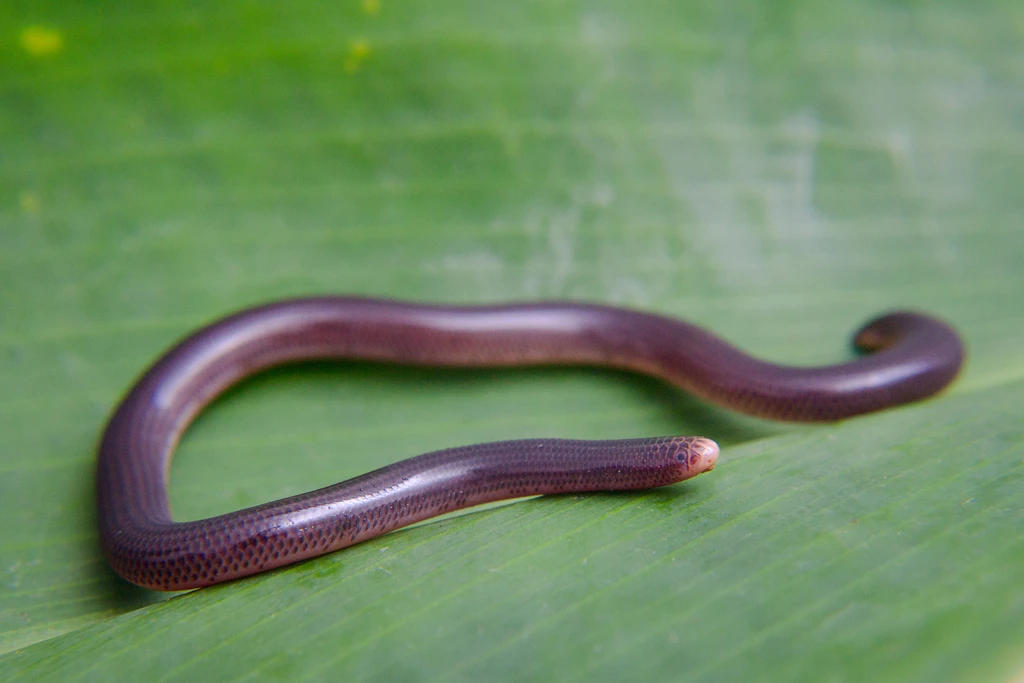
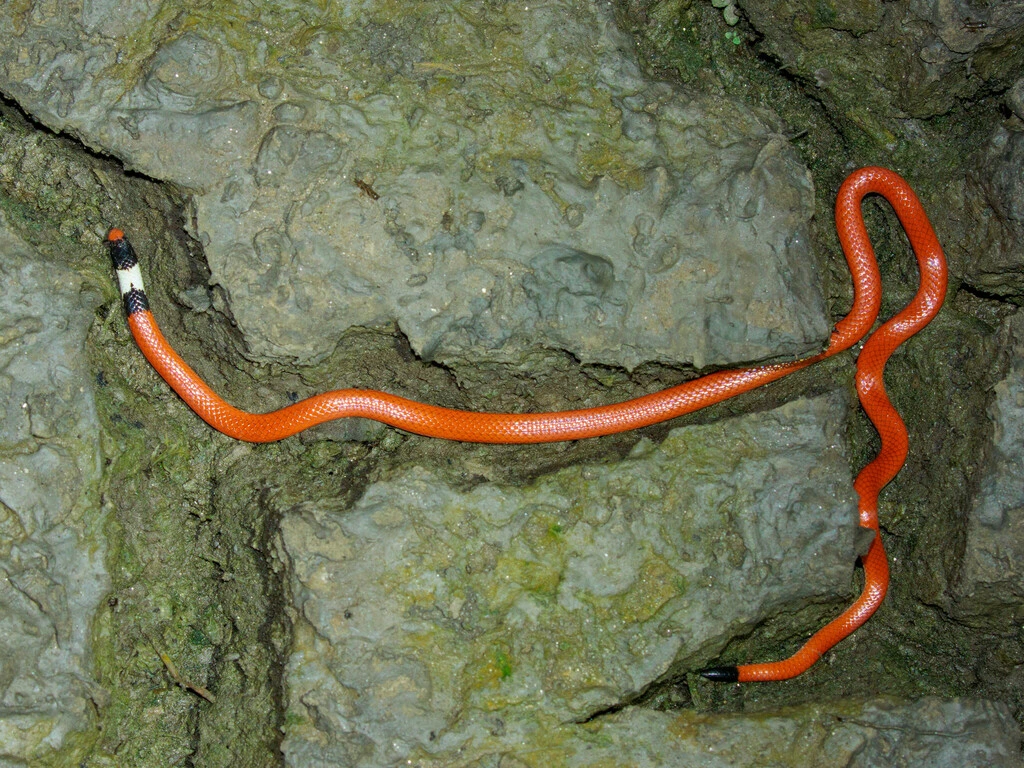
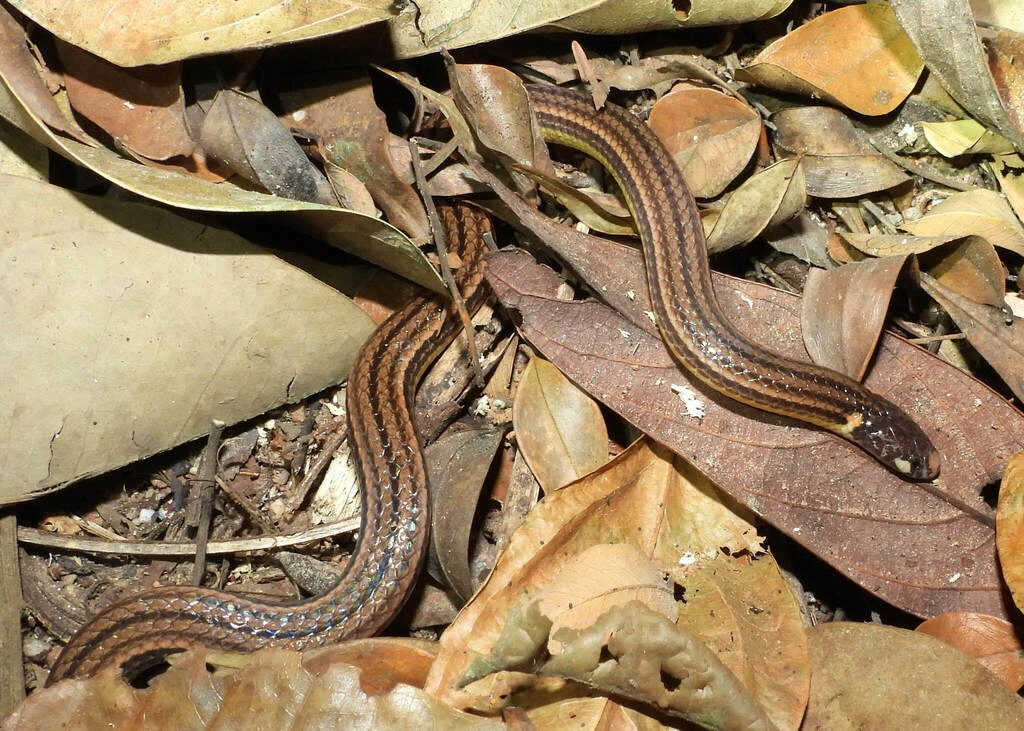
Bruno Tayar Marinho do Nascimento, Fábio Maffei, Guilherme Marson Moya and Reginaldo José Donatelli · CC BY 4.0 · https://creativecommons.org/licenses/by/4.0/
The checked taxonomic distribution account explicitly lists Brazil. Country-level evidence does not establish continuous occupancy or a complete national inventory. The treatment names these subdivisions in its Brazil distribution clause: Amazonas, Para, Maranhao. They are assigned to the declared atlas navigation groups; this is not a field observation,…
The checked taxonomic distribution account explicitly lists Brazil. Country-level evidence does not establish continuous occupancy or a complete national inventory. The treatment names these subdivisions in its Brazil distribution clause: Rondonia. They are assigned to the declared atlas navigation groups; this is not a field observation, a whole-region…
The checked taxonomic distribution account explicitly lists Brazil. Country-level evidence does not establish continuous occupancy or a complete national inventory. The treatment names these subdivisions in its Brazil distribution clause: Alagoas. They are assigned to the declared atlas navigation groups; this is not a field observation, a whole-region…
The checked taxonomic distribution account explicitly lists Brazil. Country-level evidence does not establish continuous occupancy or a complete national inventory. The treatment names these subdivisions in its Brazil distribution clause: Para. They are assigned to the declared atlas navigation groups; this is not a field observation, a whole-region…
The checked taxonomic distribution account explicitly lists Brazil. Country-level evidence does not establish continuous occupancy or a complete national inventory. The treatment names these subdivisions in its Brazil distribution clause: Amazonas. They are assigned to the declared atlas navigation groups; this is not a field observation, a whole-region…
The checked taxonomic distribution account explicitly lists Brazil. Country-level evidence does not establish continuous occupancy or a complete national inventory. The treatment names these subdivisions in its Brazil distribution clause: Amazonas, Para. They are assigned to the declared atlas navigation groups; this is not a field observation, a…
The checked taxonomic distribution account explicitly lists Brazil. Country-level evidence does not establish continuous occupancy or a complete national inventory. The treatment names these subdivisions in its Brazil distribution clause: Rio de Janeiro. They are assigned to the declared atlas navigation groups; this is not a field observation, a…
The checked taxonomic distribution account explicitly lists Brazil. Country-level evidence does not establish continuous occupancy or a complete national inventory. The treatment names these subdivisions in its Brazil distribution clause: Bahia. They are assigned to the declared atlas navigation groups; this is not a field observation, a whole-region…
The checked taxonomic distribution account explicitly lists Brazil. Country-level evidence does not establish continuous occupancy or a complete national inventory. The treatment names these subdivisions in its Brazil distribution clause: Amazonas, Para, Rondonia. They are assigned to the declared atlas navigation groups; this is not a field observation,…
Historical Secretariat draft, pending Party approval. Landscape context only; historical statistics are not presented as current measurements. Reviewed 17 October 2026.