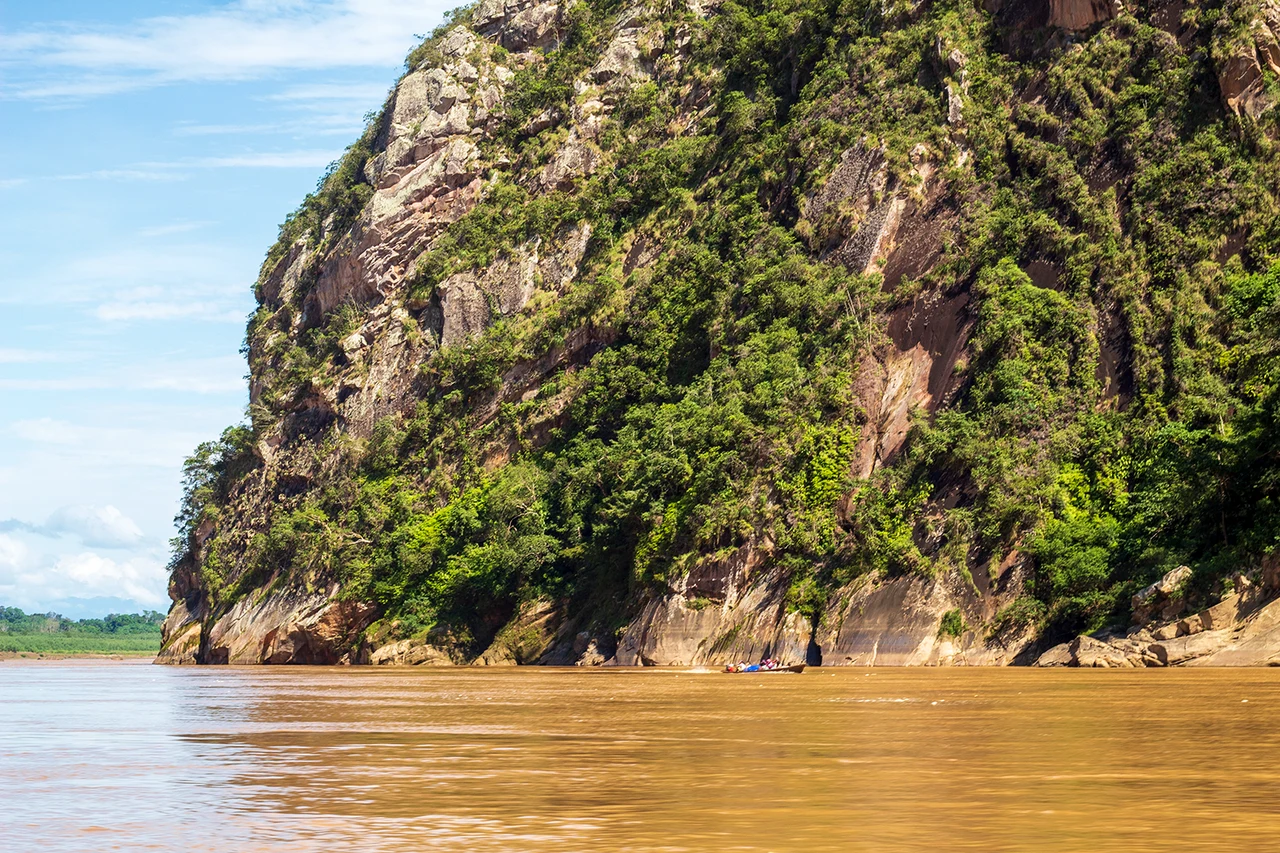
River and wooded rock slopes near San Miguel de Bala in the Madidi landscape, Bolivia.

Bolivia · Habitat field guide

Forest & woodland

Bolivia’s profile distinguishes the Yungas, humid southwestern Amazon forests and the dry forests of Chiquitano and Chaco. Moisture regime and vegetation type should remain attached to the locality.

River and wooded rock slopes near San Miguel de Bala in the Madidi landscape, Bolivia.

Photograph: Atordoya · Image source · CC BY-SA 4.0. Cropped to fill the hero; darkened for text legibility.

Understanding the environment

A sense of the habitat.

Bolivia’s profile distinguishes the Yungas, humid southwestern Amazon forests and the dry forests of Chiquitano and Chaco. Moisture regime and vegetation type should remain attached to the locality.

Geographic scope
Bolivia; retain the named source locality.
Evidence scale
Landscape descriptions are separate from species records.
Source date
Retain the original publication date; reviewed 17 October 2026.

Explore the structure · Select a layer to compare details retained in a field record.

Read the locality in three layers.

Select a zone to see what changes.

Canopy

Canopy

Distinguish closed crowns, open woodland and planted trees.

Check the original species record before assigning habitat use.

These reading prompts are conceptual, not a transect or an occurrence map.

Sources: Convention on Biological Diversity · Bolivia national profile

Field notes · 01

The documented setting

Bolivia’s profile distinguishes the Yungas, humid southwestern Amazon forests and the dry forests of Chiquitano and Chaco. Moisture regime and vegetation type should remain attached to the locality.

Sources: Convention on Biological Diversity · Bolivia national profile

Field notes · 02

Connect the setting to a species

The country landscape and a species habitat association answer different questions. Follow the species account for direct habitat evidence. An empty collection indicates missing extracted evidence, not biological absence.

Pressures on Bolivia’s habitats

What is at risk?

A site-specific assessment of pressures has not yet been extracted for this guide. The landscape sources below provide context; they do not establish a current threat level for each snake species.

What helps this habitat

Read conservation pressures with their source date and locality; a landscape-level pressure is not a measured decline for every snake.

The connected collection

Snakes with habitat evidence.

These 66 species have supported country occurrence and an explicit habitat association in the shared account. The association may come from elsewhere in their range. This is not a complete local habitat inventory; the places above are landscape examples, not asserted collecting sites.

66 species · showing 24

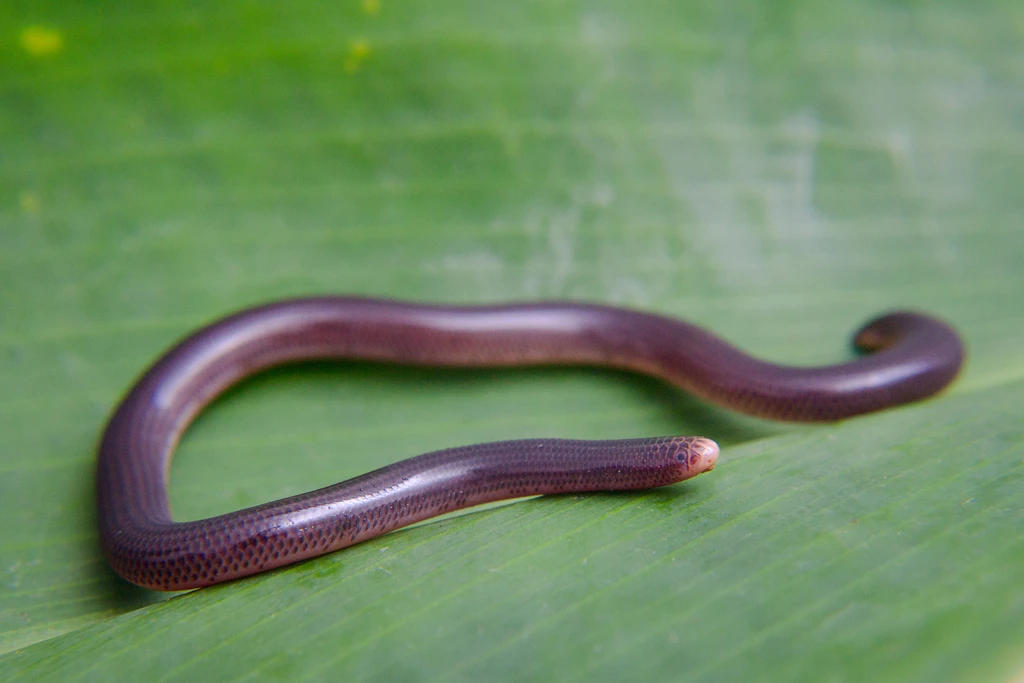
Amerotyphlops brongersmianus. Small glossy individual resting on a green leaf. Original observation dated 2019-11-10. Portrait only; no new locality record is inferred.

001 · Typhlopidae

South American Striped Blindsnake, Brongersma's Worm Snake

Amerotyphlops brongersmianus

(VANZOLINI, 1976)

Non-venomous

The checked taxonomic distribution account explicitly lists Bolivia. Country-level evidence does not establish continuous occupancy or a complete national inventory. The treatment names these subdivisions in its Bolivia distribution clause: Beni. They are assigned to the declared atlas navigation groups; this is not a field observation, a whole-region…

Read the species account →

Henrique Nogueira · CC BY 4.0 · https://creativecommons.org/licenses/by/4.0/
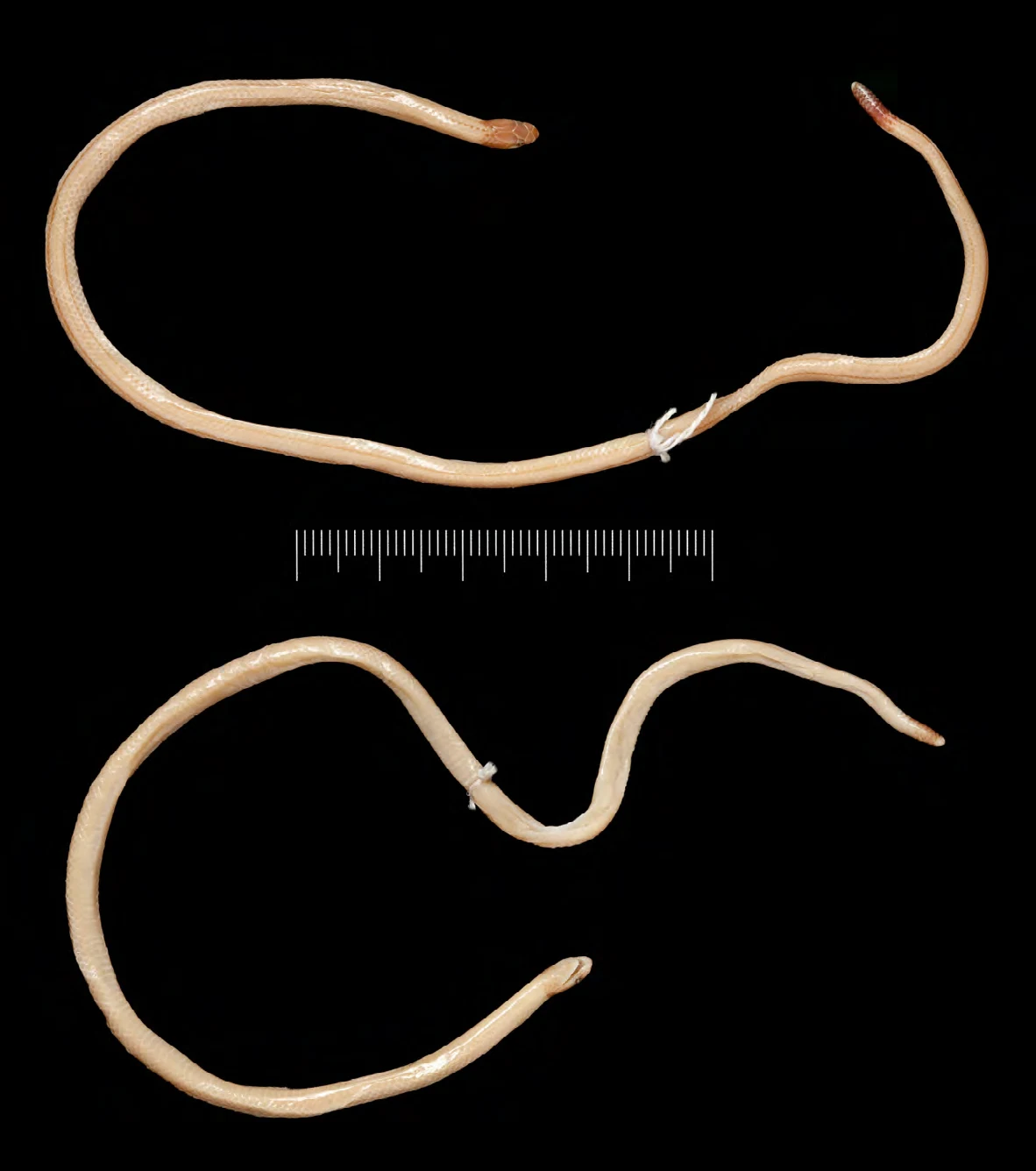
Apostolepis christineae, preserved museum specimen BMNH 1907.10.31.62 from Puerto Suarez, Bolivia, in dorsal and ventral views. Original Figure 1. Portrait only; no new occurrence or habitat inferred.

002 · Colubridae

Species account

Apostolepis christineae

DE LEMA, 2002

Venom unknownNot yet assessed

The checked taxonomic distribution account explicitly lists Bolivia. Country-level evidence does not establish continuous occupancy or a complete national inventory.

Read the species account →

Patrick Campbell; Entiauspe-Neto and Lema (2015) · CC BY 4.0 · https://creativecommons.org/licenses/by/4.0/
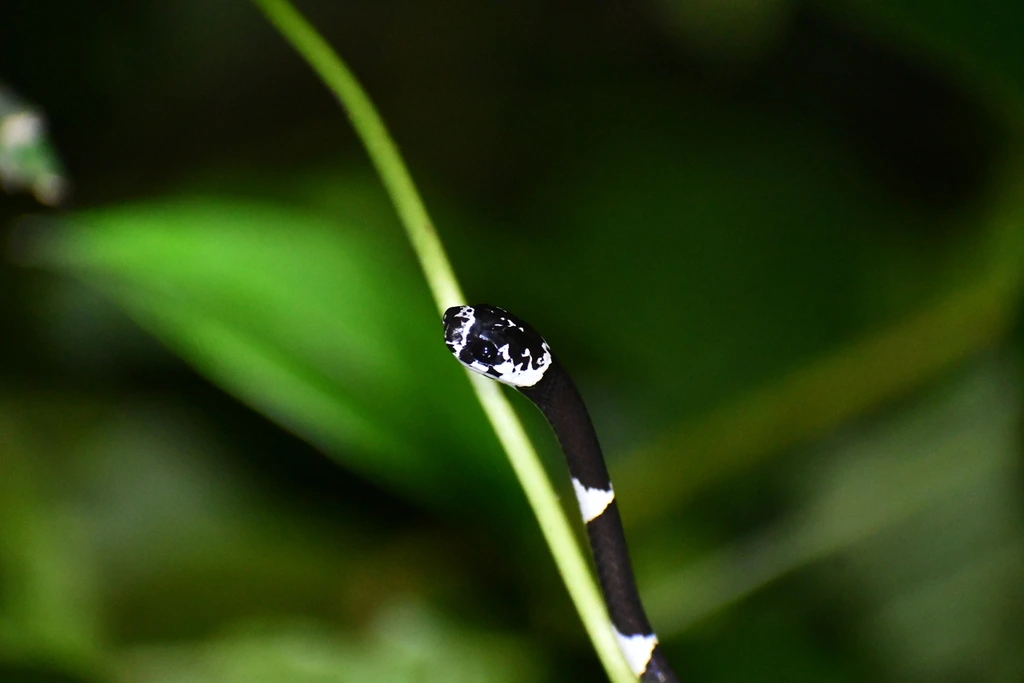
Apostolepis multicincta. Whole slender individual on bare ground. Original observation dated 2018-06-06. No additional geographic occurrence is inferred.

003 · Colubridae

Harvey’s Blackhead

Apostolepis multicincta

HARVEY, 1999

Venom unknownNot yet assessed

The checked taxonomic distribution account explicitly lists Bolivia. Country-level evidence does not establish continuous occupancy or a complete national inventory. The treatment names these subdivisions in its Bolivia distribution clause: Cochabamba, Santa Cruz. They are assigned to the declared atlas navigation groups; this is not a field observation,…

Read the species account →

Naturalist Tours · CC0 1.0 · https://creativecommons.org/publicdomain/zero/1.0/

Atractus albuquerquei, original Figure 1 showing male MZUSP 22810 from Nova Monte Carmelo Farm, Estrela do Sul, Minas Gerais, Brazil. The animal was subsequently preserved. Portrait only; no new occurrence or habitat inferred.

004 · Colubridae

Albuquerque Ground Snake

Atractus albuquerquei

CUNHA & NASCIMENTO, 1983

Non-venomous

The checked taxonomic distribution account explicitly lists Bolivia. Country-level evidence does not establish continuous occupancy or a complete national inventory.

Read the species account →

Bruno Tayar Marinho do Nascimento, Fábio Maffei, Guilherme Marson Moya and Reginaldo José Donatelli · CC BY 4.0 · https://creativecommons.org/licenses/by/4.0/
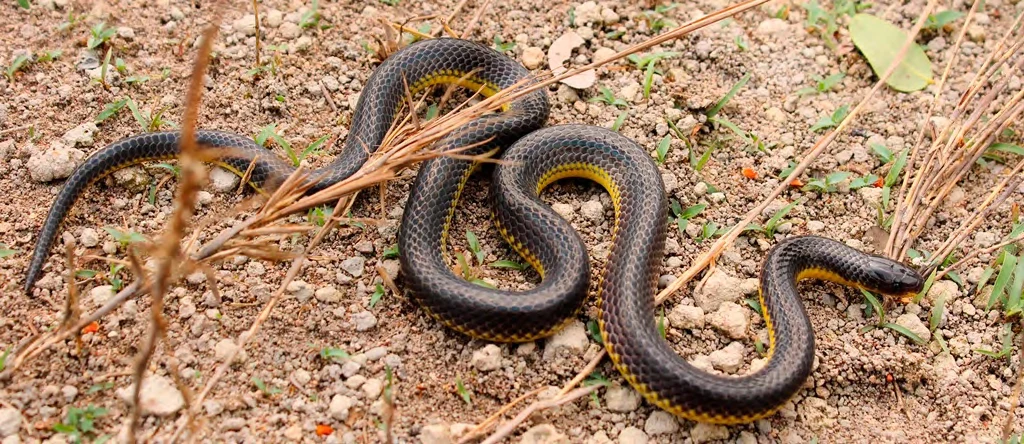
Boa constrictor. Species portrait from the credited source. No additional state, province or wild occurrence is inferred. Original watermarks, where present, are retained.

005 · Boidae

Boa Constrictor

Boa constrictor

LINNAEUS, 1758

Non-venomous

The checked taxonomic distribution account explicitly lists Bolivia. Country-level evidence does not establish continuous occupancy or a complete national inventory.

Read the species account →

Arnaud Aury · CC BY 4.0 · https://creativecommons.org/licenses/by/4.0

Bothrocophias andianus. Individual moving over a rocky, vegetated bank. Portrait only; no new locality or habitat record is inferred.

006 · Viperidae

Andean Lancehead

Bothrocophias andianus

(AMARAL, 1923)

VenomousClinical severity not established

The checked taxonomic distribution account explicitly lists Bolivia. Country-level evidence does not establish continuous occupancy or a complete national inventory.

Read the species account →

David F. Belmonte · CC BY 4.0 · https://creativecommons.org/licenses/by/4.0/
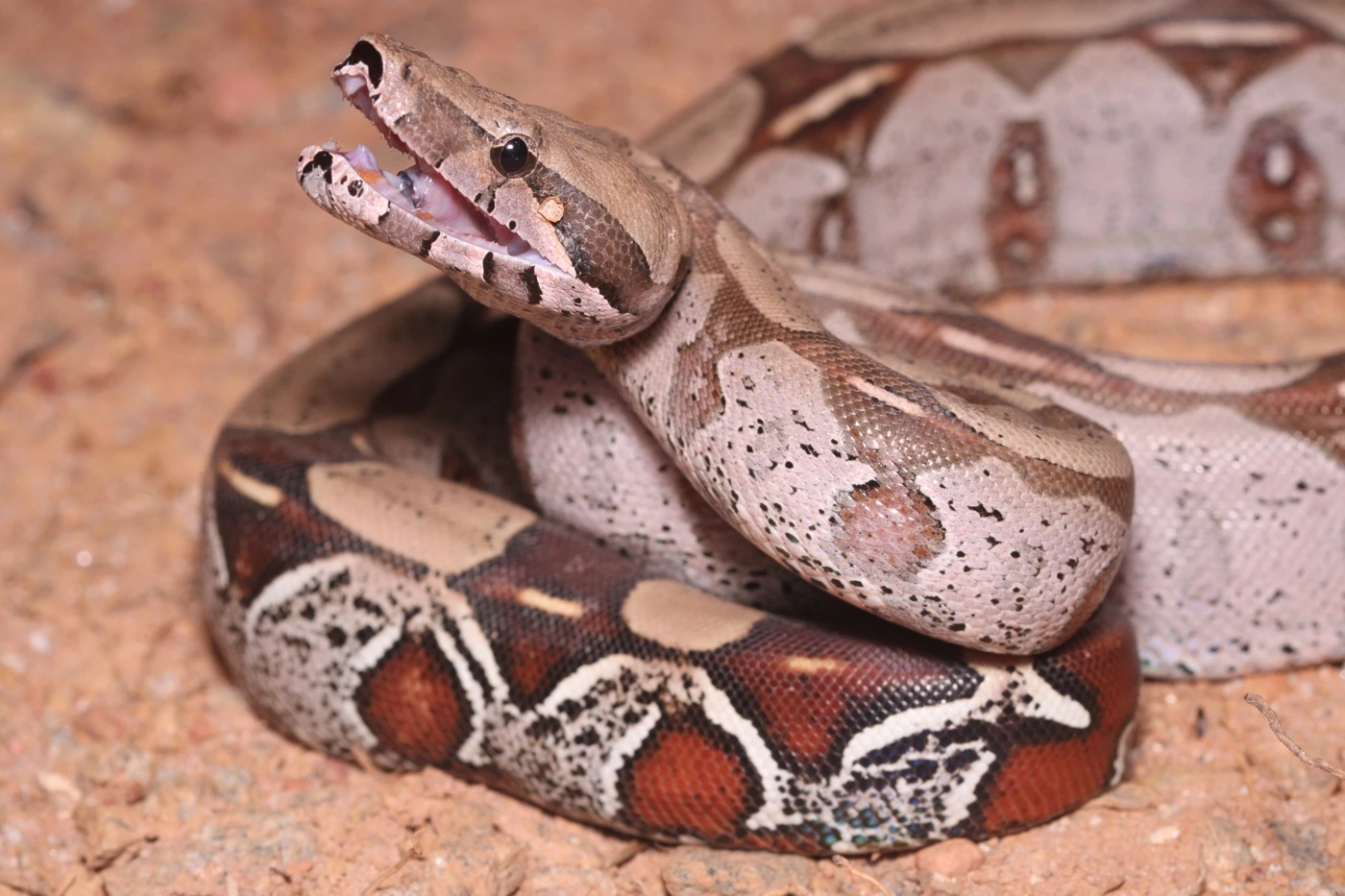
Bothrocophias microphthalmus. Head and anterior body on a mossy surface. Original observation dated 2016-12-17. No additional geographic occurrence is inferred.

007 · Viperidae

Species account

Bothrocophias microphthalmus

(COPE, 1875)

VenomousClinical severity not established

The checked taxonomic distribution account explicitly lists Bolivia. Country-level evidence does not establish continuous occupancy or a complete national inventory.

Read the species account →

svenja_ecuador · CC BY-SA 4.0 · https://creativecommons.org/licenses/by-sa/4.0/

Bothrops atrox, photographed by Darío De la Fuente. Portrait only; no wild locality or habitat record is inferred.

008 · Viperidae

Barba Amarilla, Fer-de-Lance, common lancehead

Bothrops atrox

(LINNAEUS, 1758)

VenomousClinical severity not established

The checked taxonomic distribution account explicitly lists Bolivia. Country-level evidence does not establish continuous occupancy or a complete national inventory.

Read the species account →

Darío De la Fuente · CC BY 4.0 · https://creativecommons.org/licenses/by/4.0

Bothrops bilineatus. The complete source frame is retained; this portrait is not locality or habitat evidence. Original observation dated 2018-11-30. No additional geographic occurrence is inferred.

009 · Viperidae

Green Jararaca

Bothrops bilineatus

(WIED-NEUWIED, 1821)

VenomousClinical severity not established

The checked taxonomic distribution account explicitly lists Bolivia. Country-level evidence does not establish continuous occupancy or a complete national inventory.

Read the species account →

B. Phalan · CC BY 4.0 · https://creativecommons.org/licenses/by/4.0/
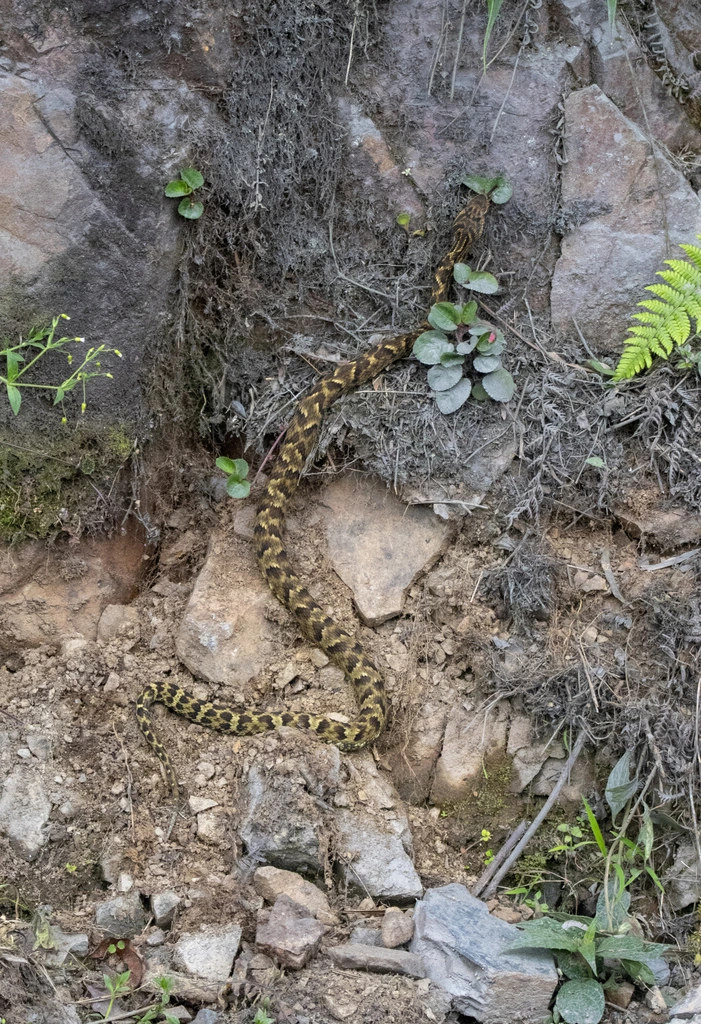
Bothrops monsignifer. Head and anterior body among fallen leaves; source identification reconciles the newly described taxon. Original observation dated 2018-12-18. No additional geographic occurrence is inferred.

010 · Viperidae

Species account

Bothrops monsignifer

TIMMS, CHAPARRO, VENEGAS, SALAZAR-VALENZUELA, SCROCCHI, CUEVAS, LEYNAUD & CARRASCO, 2019

VenomousClinical severity not established

The checked taxonomic distribution account explicitly lists Bolivia. Country-level evidence does not establish continuous occupancy or a complete national inventory. The treatment names these subdivisions in its Bolivia distribution clause: Santa Cruz. They are assigned to the declared atlas navigation groups; this is not a field observation, a…

Read the species account →

Ramon and Suzanne Vargas · CC BY-SA 4.0 · https://creativecommons.org/licenses/by-sa/4.0/

Bothrops taeniatus. Green mottled individual resting in coils among foliage. Portrait only; no wild locality or habitat record is inferred.

011 · Viperidae

Speckled Forest Pit Viper

Bothrops taeniatus

WAGLER, 1824

VenomousClinical severity not established

The checked taxonomic distribution account explicitly lists Bolivia. Country-level evidence does not establish continuous occupancy or a complete national inventory.

Read the species account →

TimVickers · Public domain · https://commons.wikimedia.org/wiki/File:Bothriopsis_taeniata_(3).jpg#Licensing

Chironius exoletus. The complete source frame is retained; this portrait is not locality or habitat evidence. Original observation dated 2020-06-14. No additional geographic occurrence is inferred.

012 · Colubridae

Linnaeus' Sipo

Chironius exoletus

(LINNAEUS, 1758)

Venom unknownNot yet assessed

The checked taxonomic distribution account explicitly lists Bolivia. Country-level evidence does not establish continuous occupancy or a complete national inventory.

Read the species account →

Mario Barroso · CC BY 4.0 · https://creativecommons.org/licenses/by/4.0/
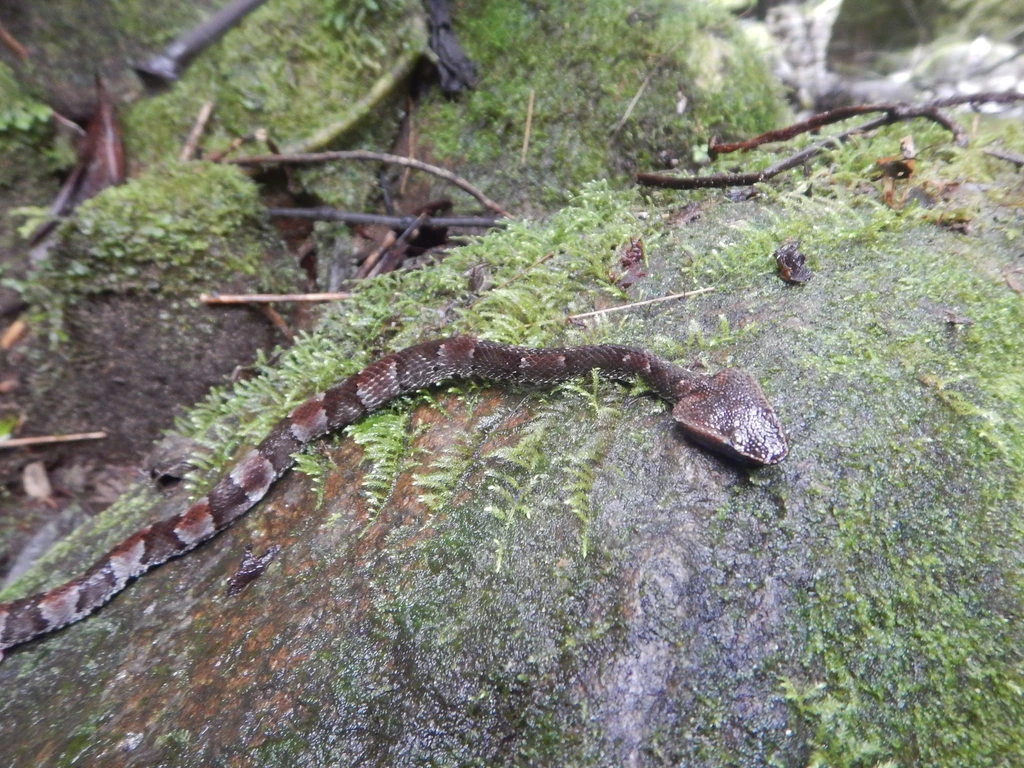
Chironius fuscus. The complete source frame is retained; this portrait is not locality or habitat evidence. Original observation dated 2026-08-05. No additional geographic occurrence is inferred.

013 · Colubridae

Brown Sipo

Chironius fuscus

(LINNAEUS, 1758)

Venom unknownNot yet assessed

The checked taxonomic distribution account explicitly lists Bolivia. Country-level evidence does not establish continuous occupancy or a complete national inventory.

Read the species account →

Sebastian Doak · CC BY 4.0 · https://creativecommons.org/licenses/by/4.0/
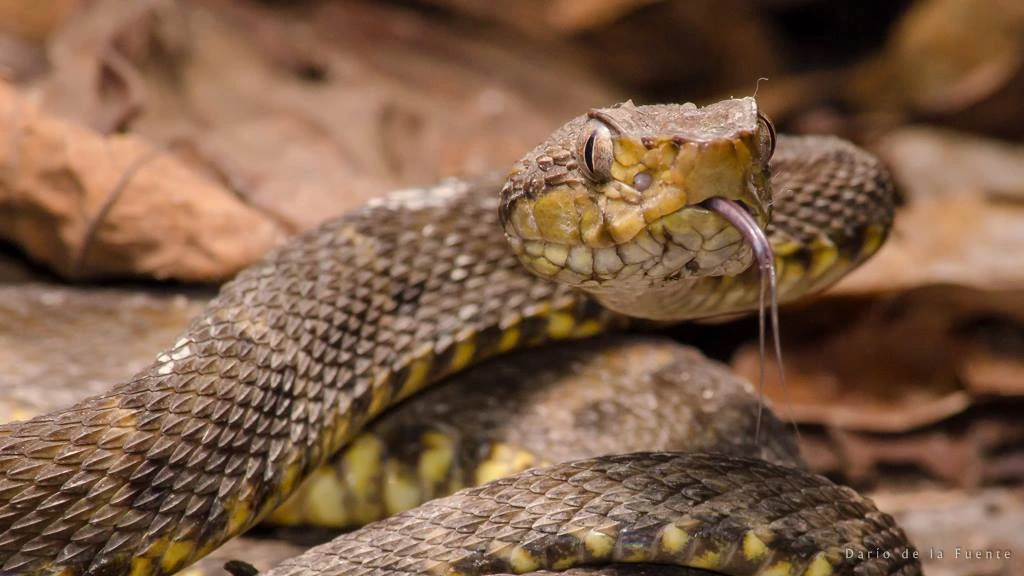
Chironius multiventris. The complete source frame is retained; this portrait is not locality or habitat evidence. Original observation dated 2016-01-22. No additional geographic occurrence is inferred.

014 · Colubridae

South American Sipo

Chironius multiventris

SCHMIDT & WALKER, 1943

Venom unknownNot yet assessed

The checked taxonomic distribution account explicitly lists Bolivia. Country-level evidence does not establish continuous occupancy or a complete national inventory.

Read the species account →

Vincent A. Vos · CC BY 4.0 · https://creativecommons.org/licenses/by/4.0/
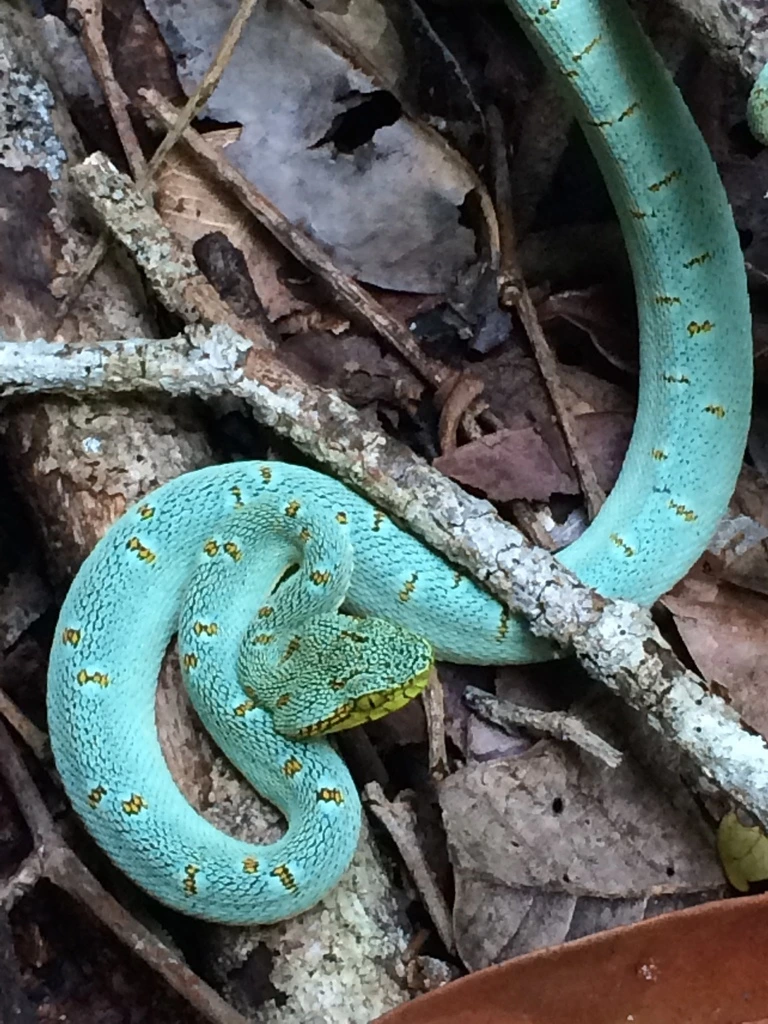
Chironius whipala. Whole animal on stones; source comments explicitly reconcile the revised identification. Original observation dated 2022-10-02. No additional geographic occurrence is inferred.

015 · Colubridae

Whipala Sipos, Whipala snakes

Chironius whipala

QUINTEROS-MUÑOZ, GÓMEZ-MURILLO, CAMACHO-BADANI, AGUAYO, CARPIO-REAL, PÉREZ, MARCA, GONZALES & TORRES-CARVAJAL, 2024

Venom unknownNot yet assessed

The checked taxonomic distribution account explicitly lists Bolivia. Country-level evidence does not establish continuous occupancy or a complete national inventory.

Read the species account →

desertnaturalist · CC BY 4.0 · https://creativecommons.org/licenses/by/4.0/
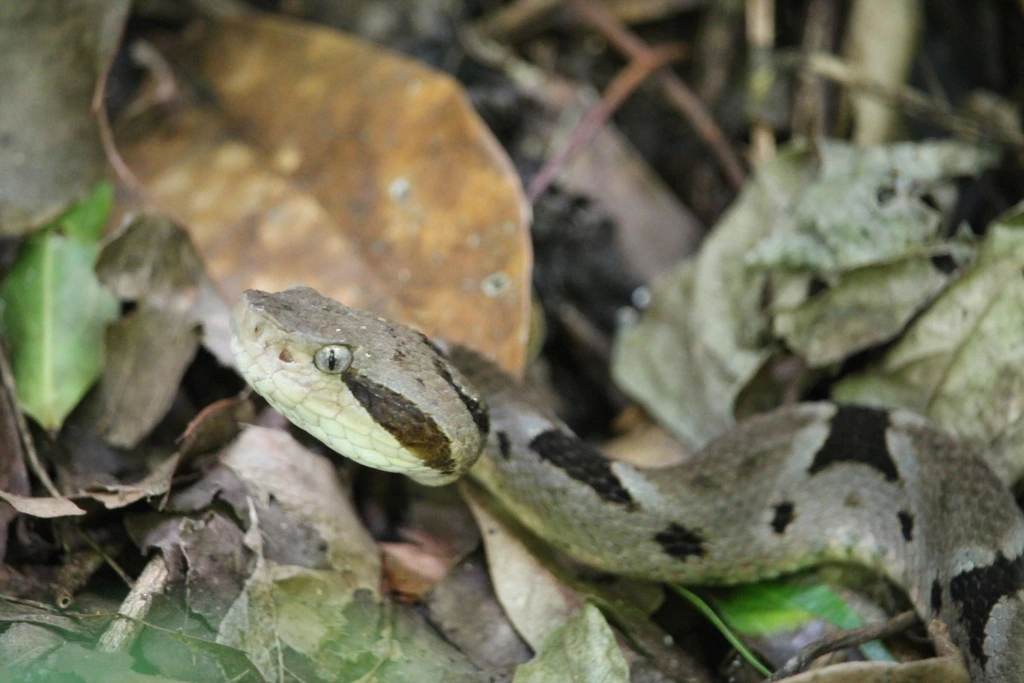
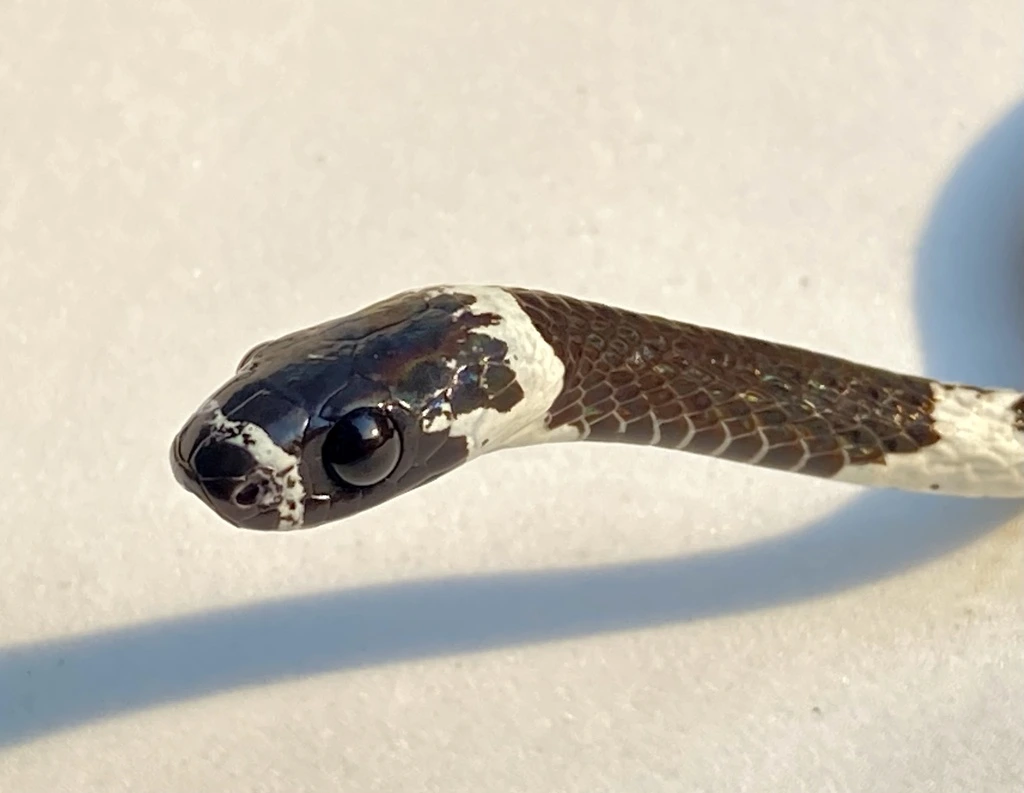
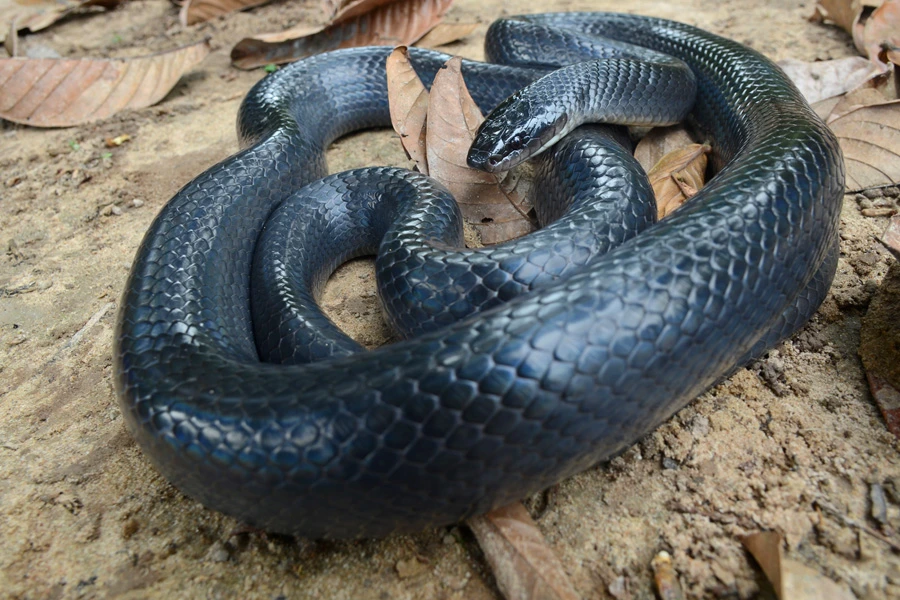
Clelia clelia. Glossy dark individual coiled on leaf litter. Portrait only; no wild locality or habitat record is inferred.

016 · Colubridae

Windward Cribo, Black Mussurana

Clelia clelia

(DAUDIN, 1803)

Venom unknownNot yet assessed

The checked taxonomic distribution account explicitly lists Bolivia. Country-level evidence does not establish continuous occupancy or a complete national inventory.

Read the species account →

Geoff Gallice ( https://www.flickr.com/photos/dejeuxx/ ) · CC BY 2.0 · https://creativecommons.org/licenses/by/2.0

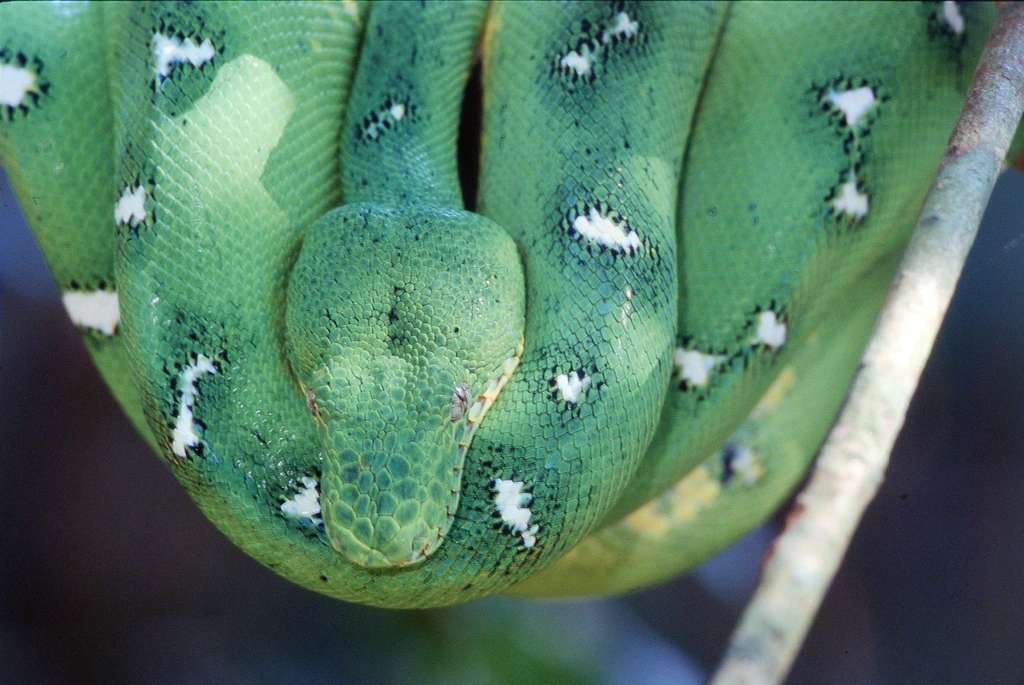
Corallus batesii. Close view of the head and coiled green body on a branch. Original observation dated 1999-08-10. No additional geographic occurrence is inferred.

017 · Boidae

Species account

Corallus batesii

(GRAY, 1860)

Non-venomous

The checked taxonomic distribution account explicitly lists Bolivia. Country-level evidence does not establish continuous occupancy or a complete national inventory.

Read the species account →

Kyle Van Houtan · CC BY 4.0 · https://creativecommons.org/licenses/by/4.0/
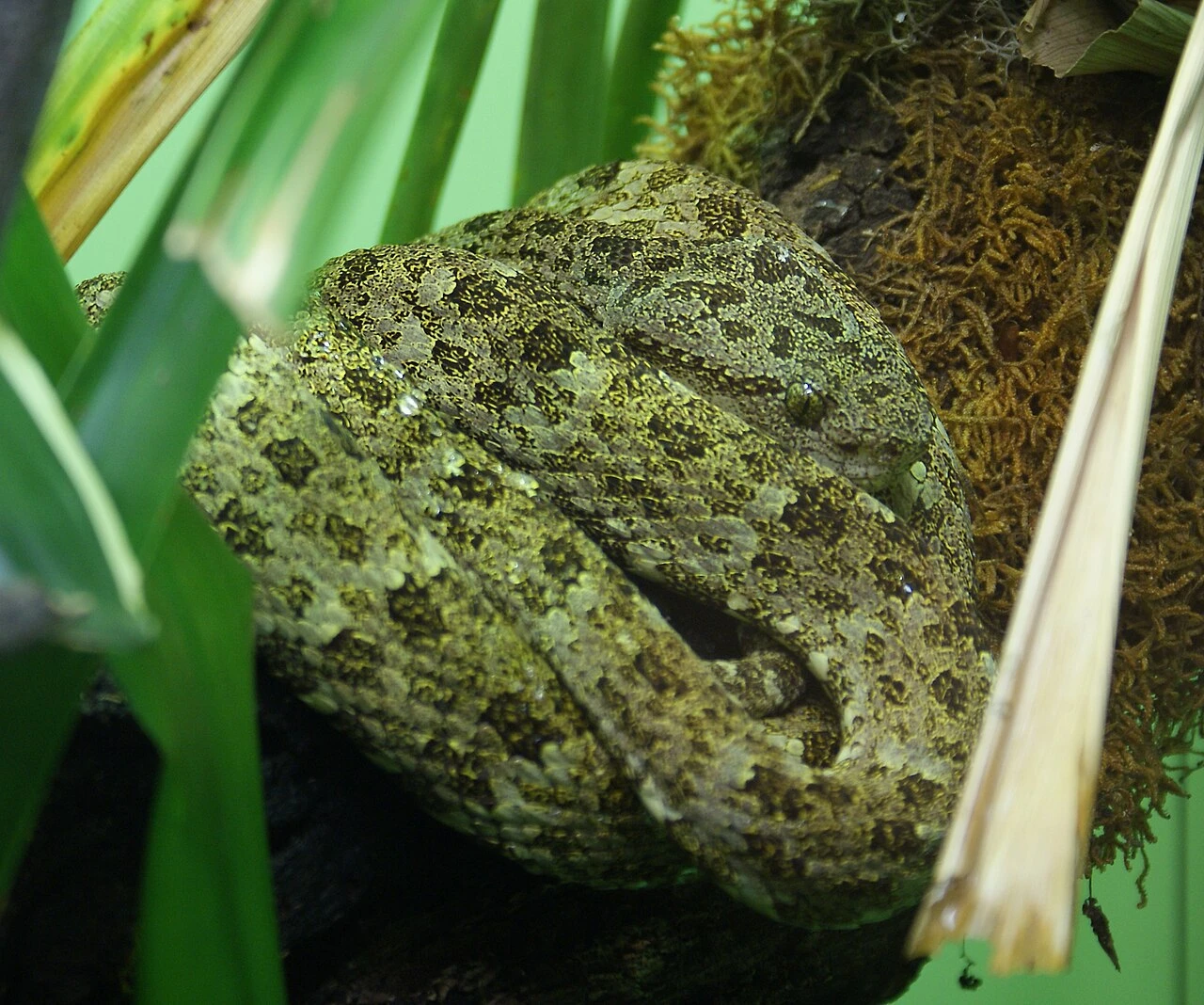
Corallus hortulana. The complete source frame is retained; this portrait is not locality or habitat evidence. Original observation dated 2019-12-18. No additional geographic occurrence is inferred.

018 · Boidae

Garden Tree Boa

Corallus hortulana

(LINNAEUS, 1758)

Non-venomous

The checked taxonomic distribution account explicitly lists Bolivia. Country-level evidence does not establish continuous occupancy or a complete national inventory.

Read the species account →

Henrique Nogueira · CC BY 4.0 · https://creativecommons.org/licenses/by/4.0/
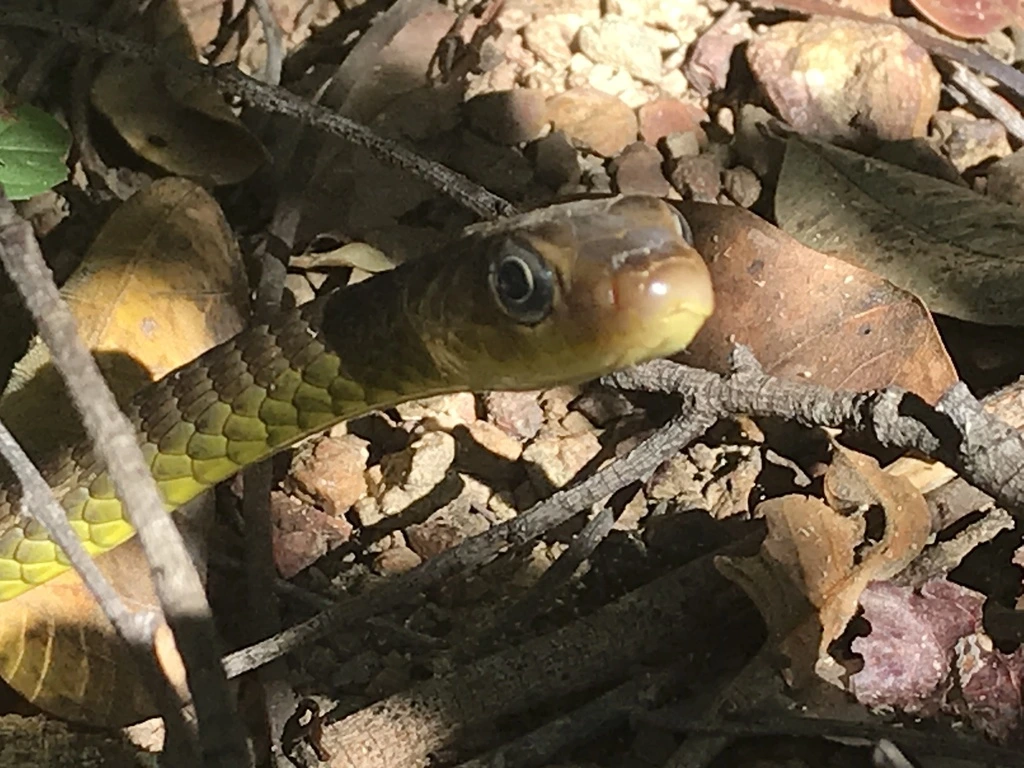
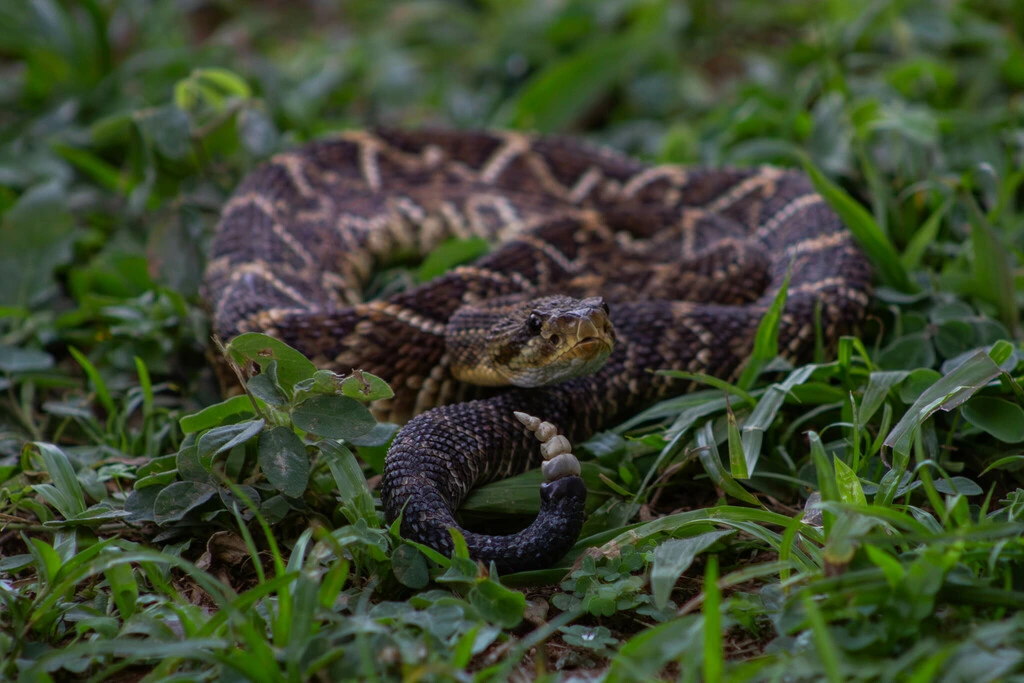
Crotalus durissus. The complete source frame is retained; this portrait is not locality or habitat evidence. Original observation dated 2023-09-23. No additional geographic occurrence is inferred.

019 · Viperidae

Cascabel Rattlesnake; Central American Rattlesnake

Crotalus durissus

LINNAEUS, 1758

VenomousClinical severity not established

The checked taxonomic distribution account explicitly lists Bolivia. Country-level evidence does not establish continuous occupancy or a complete national inventory.

Read the species account →

Salomão Janderson Ferreira Bispo · CC BY 4.0 · https://creativecommons.org/licenses/by/4.0/
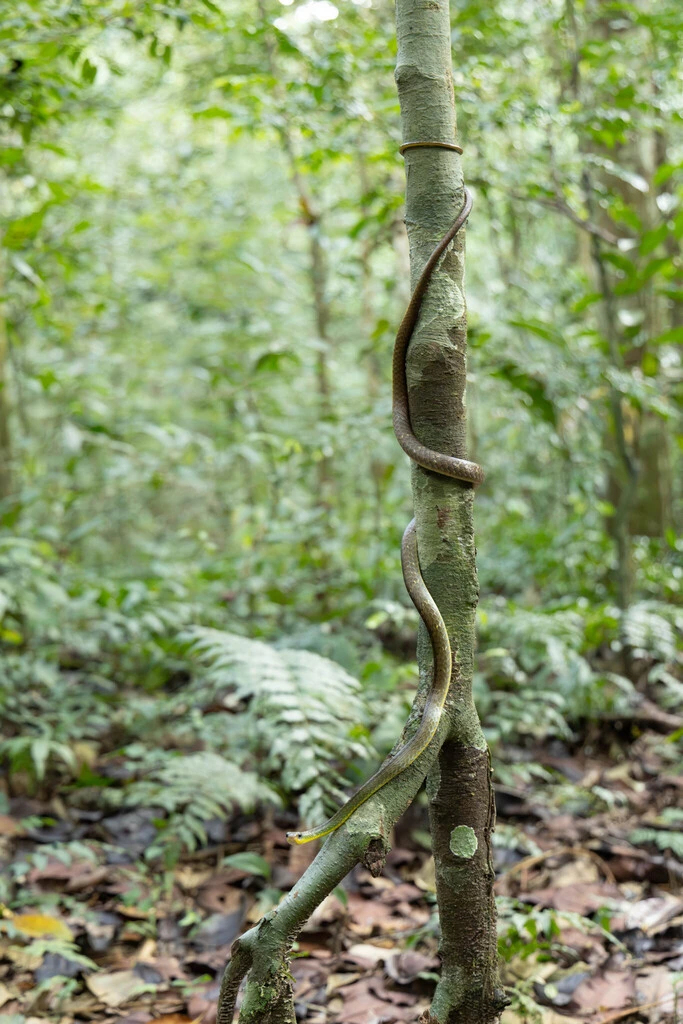
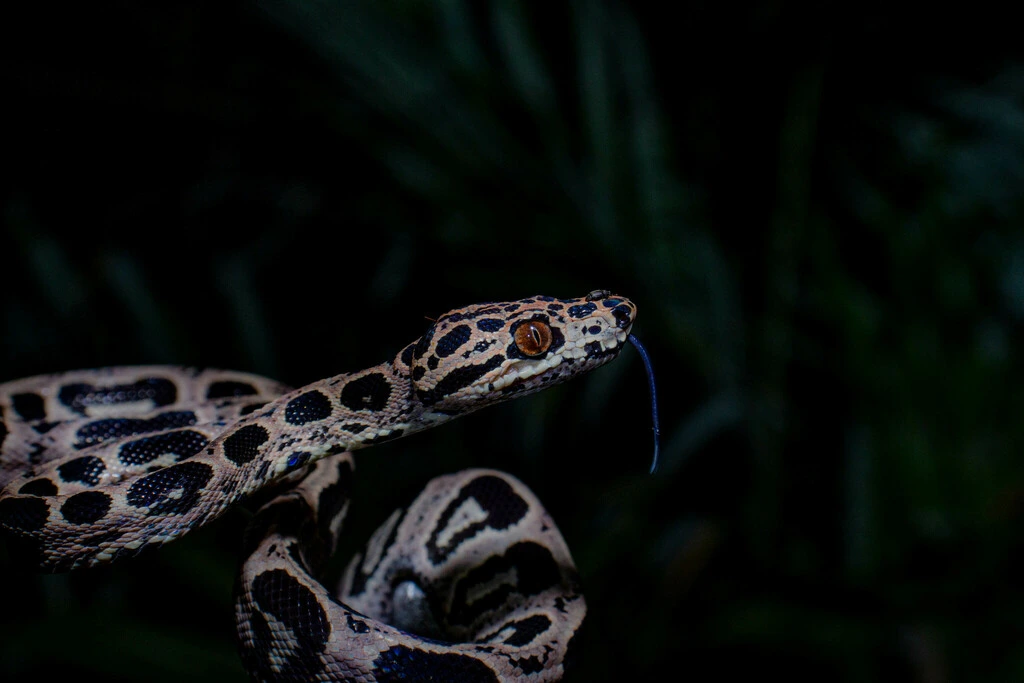
Dipsas bucephala. Coiled individual on soil during a herpetofaunal survey. Original observation dated 2023-12-26. No additional geographic occurrence is inferred.

020 · Colubridae

Neotropical Snail-eater

Dipsas bucephala

(SHAW, 1802)

Venom unknownNot yet assessed

The checked taxonomic distribution account explicitly lists Bolivia. Country-level evidence does not establish continuous occupancy or a complete national inventory. The treatment names these subdivisions in its Bolivia distribution clause: Beni. They are assigned to the declared atlas navigation groups; this is not a field observation, a whole-region…

Read the species account →

Lucas Mantelo Cruz · CC BY 4.0 · https://creativecommons.org/licenses/by/4.0/
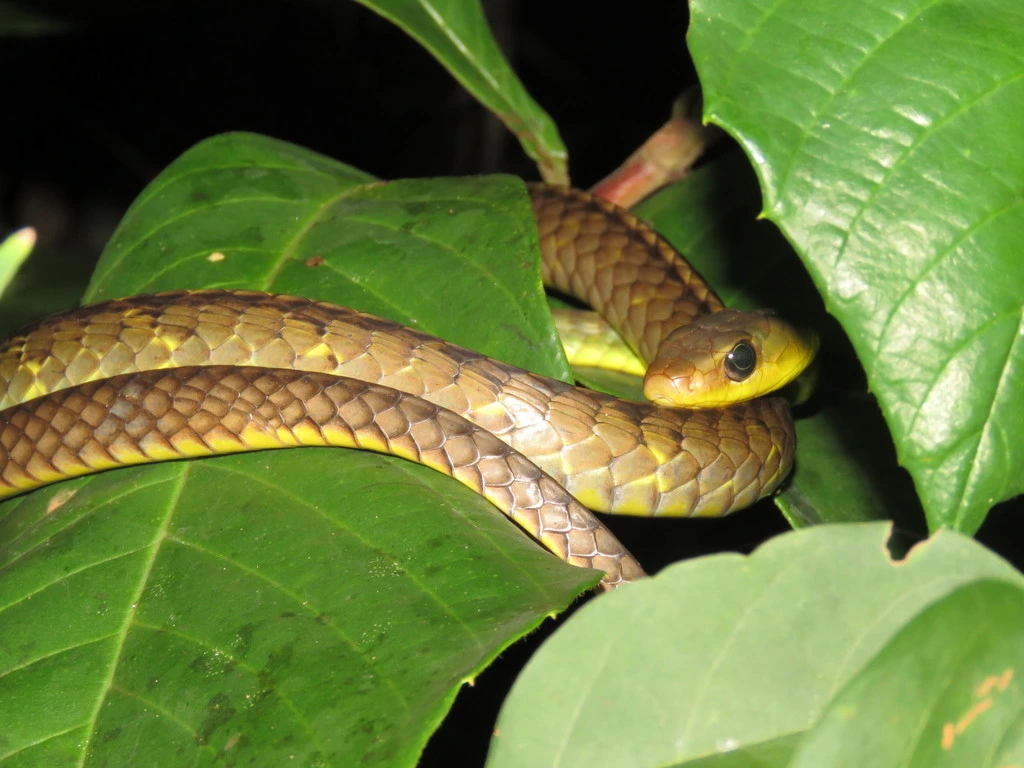
Dipsas catesbyi. The complete source frame is retained; this portrait is not locality or habitat evidence. Original observation dated 2022-03-23. No additional geographic occurrence is inferred.

021 · Colubridae

Catesby's Snail-eater

Dipsas catesbyi

(SENTZEN, 1796)

Venom unknownNot yet assessed

The checked taxonomic distribution account explicitly lists Bolivia. Country-level evidence does not establish continuous occupancy or a complete national inventory. The treatment names these subdivisions in its Bolivia distribution clause: Beni. They are assigned to the declared atlas navigation groups; this is not a field observation, a whole-region…

Read the species account →

Andrew J. Crawford · CC0 1.0 · https://creativecommons.org/publicdomain/zero/1.0/

Dipsas pavonina. The complete source frame is retained; this portrait is not locality or habitat evidence. Original observation dated 2023-12-01. No additional geographic occurrence is inferred.

022 · Colubridae

Northern Snail-eater

Dipsas pavonina

SCHLEGEL, 1837

Venom unknownNot yet assessed

The checked taxonomic distribution account explicitly lists Bolivia. Country-level evidence does not establish continuous occupancy or a complete national inventory.

Read the species account →

Artur Alves · CC BY 4.0 · https://creativecommons.org/licenses/by/4.0/
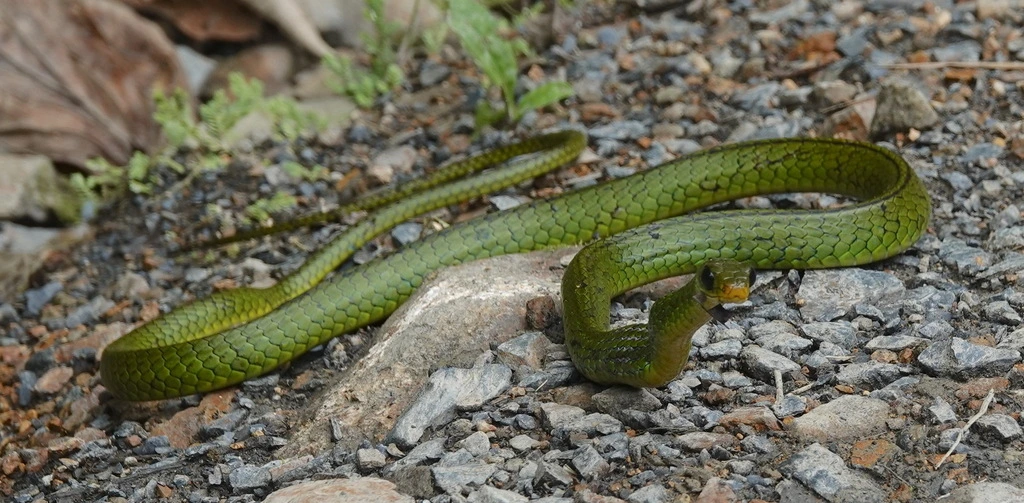
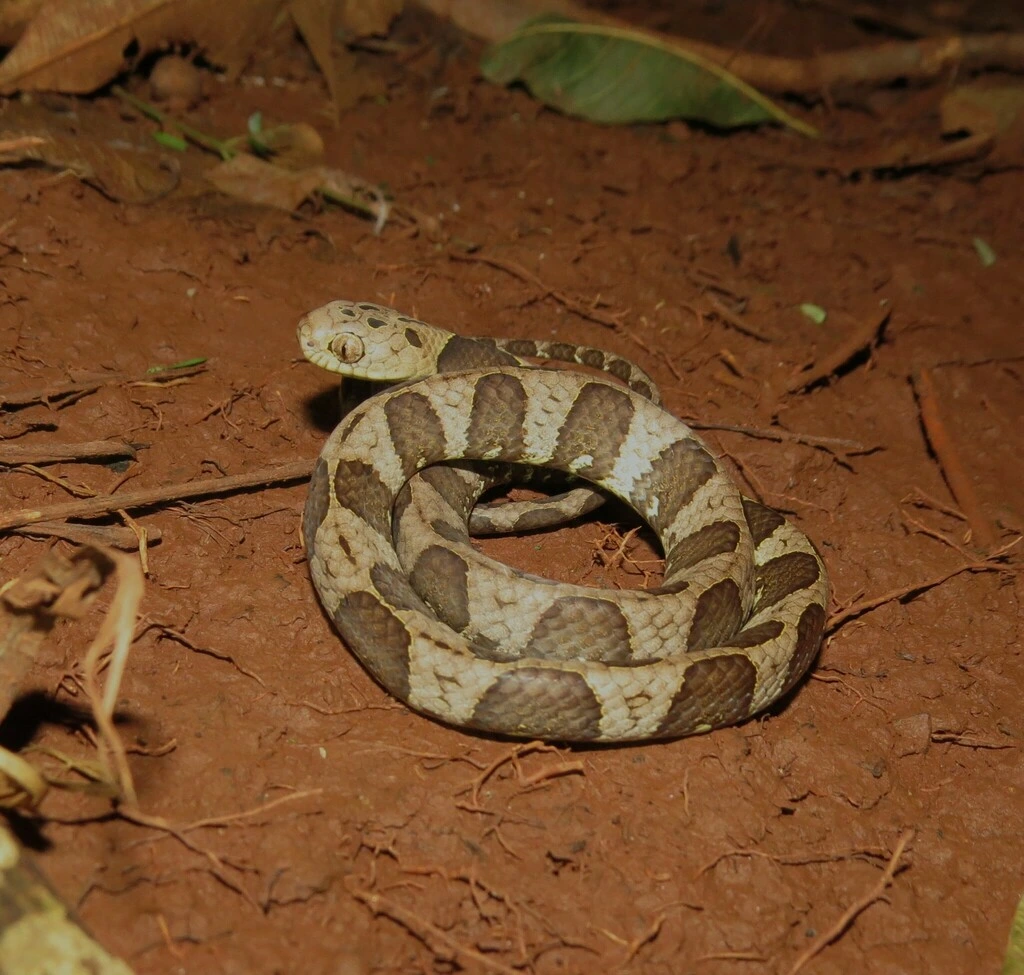
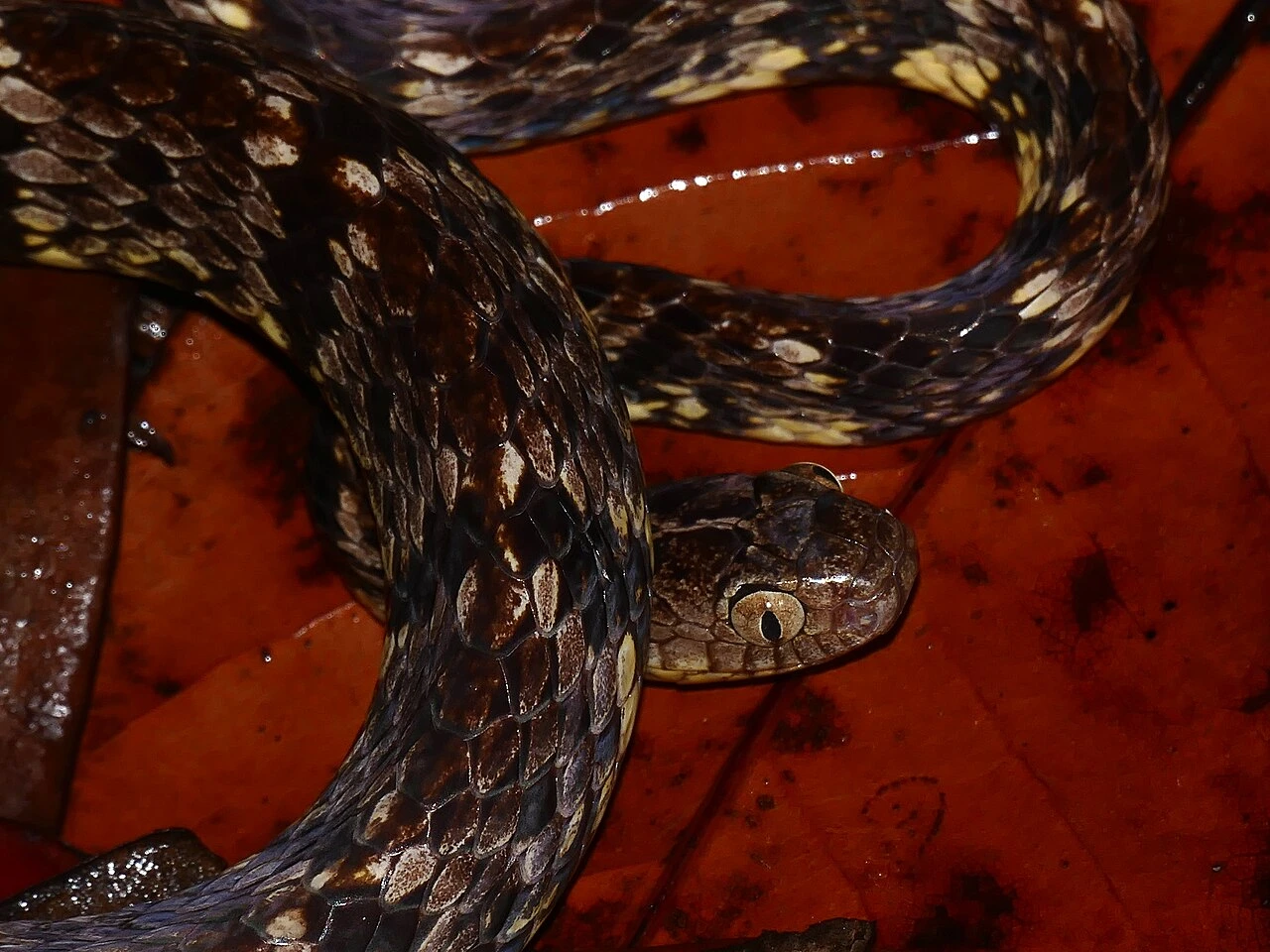
Dipsas variegata. Close view of the patterned head and body on a wet red surface. Portrait only; no wild locality or habitat record is inferred.

023 · Colubridae

Variegated Snail-eater

Dipsas variegata

(DUMÉRIL, BIBRON & DUMÉRIL, 1854)

Venom unknownNot yet assessed

The checked taxonomic distribution account explicitly lists Bolivia. Country-level evidence does not establish continuous occupancy or a complete national inventory.

Read the species account →

Bernard DUPONT from FRANCE · CC BY-SA 2.0 · https://creativecommons.org/licenses/by-sa/2.0

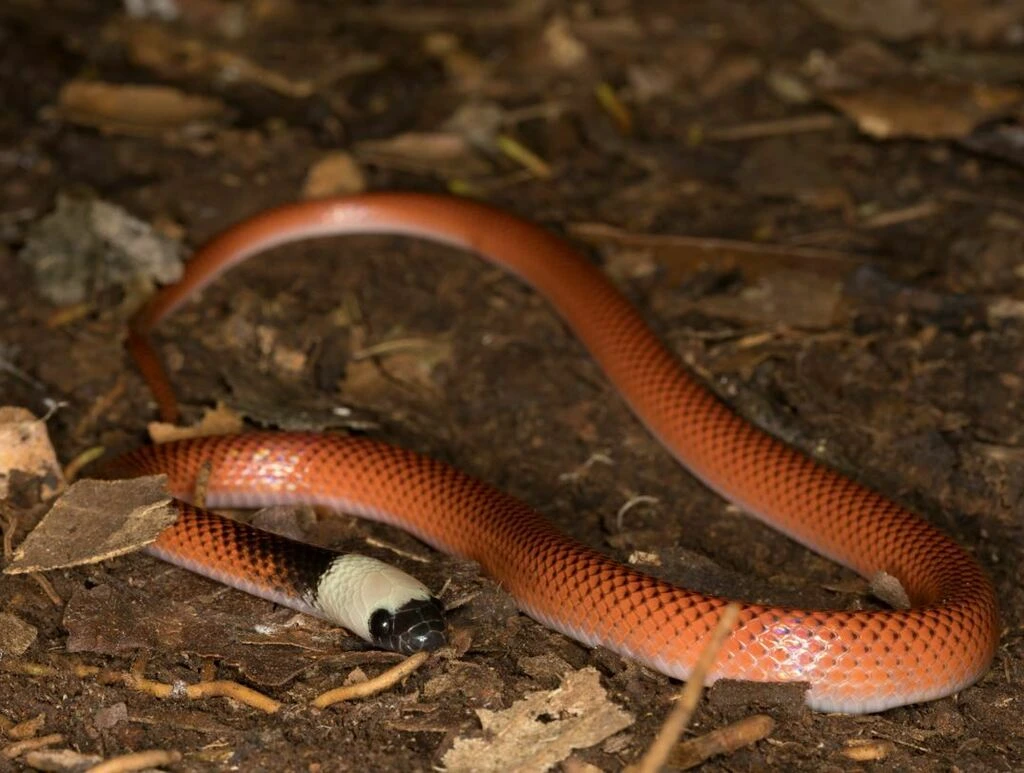
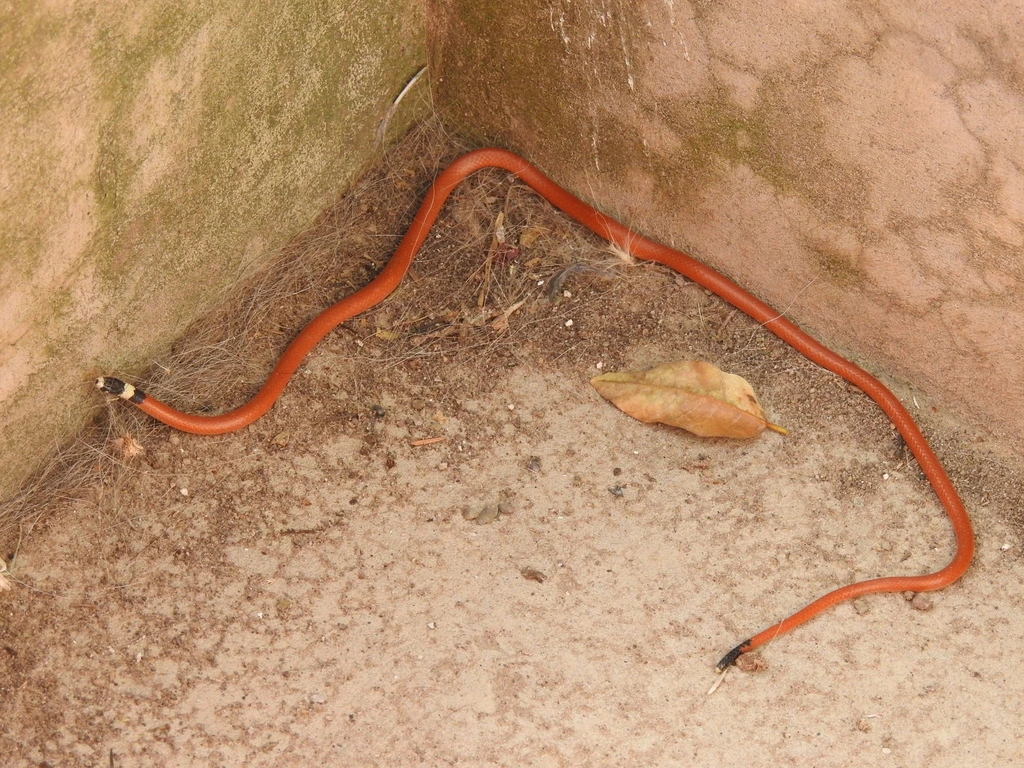
Drepanoides anomalus. Orange individual with a pale head band moving over leaf litter. Original observation dated 2023-08-15. Portrait only; no new locality record is inferred.

024 · Colubridae

Black-collared Snake

Drepanoides anomalus

(JAN, 1863)

Venom unknownNot yet assessed

The checked taxonomic distribution account explicitly lists Bolivia. Country-level evidence does not establish continuous occupancy or a complete national inventory. The treatment names these subdivisions in its Bolivia distribution clause: Beni. They are assigned to the declared atlas navigation groups; this is not a field observation, a whole-region…

Read the species account →

Claude Kolwelter · CC BY 4.0 · https://creativecommons.org/licenses/by/4.0/
All 177 species in the country collection →

Read further

Evidence & sources.

Guide reviewed 17 October 2026. Source dates and geographic scope matter; landscape photographs do not establish species occurrence.

  1. Convention on Biological Diversity · Bolivia national profile

    Historical Secretariat draft, pending Party approval. Landscape context only; historical statistics are not presented as current measurements. Reviewed 17 October 2026.

Continue through Bolivia

Explore another habitat.

01

Highland environments

The profile discusses the high Andean plain and climate pressures separately from lowland forest. Elevation, vegetation and the original observation need to be read together before assigning a species to a highland habitat.

02

Scrubland & dry country

The dry woodland of Chiquitano and Chaco is a distinct setting from humid Amazon forest. The dry-country guide concerns documented vegetation, not a claim that every site in a department is arid.