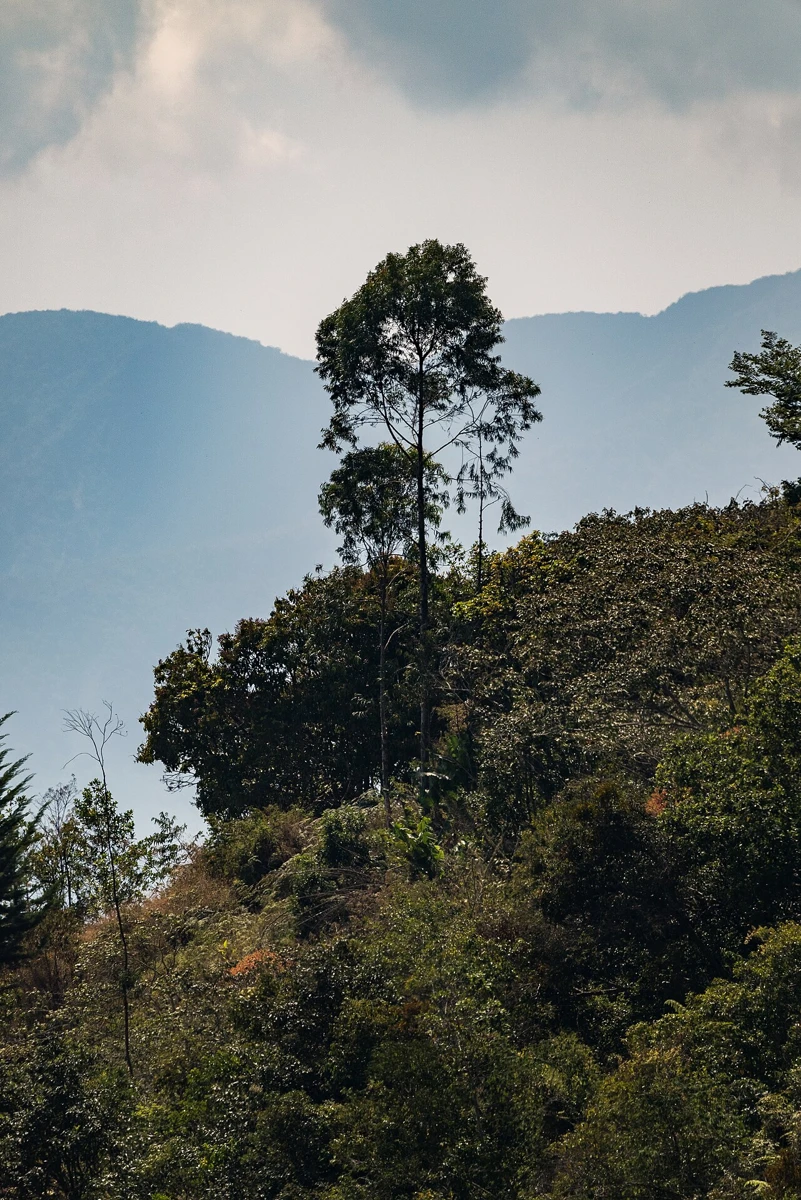
Wooded mountain slopes near Santa Barbara in Cotapata National Park, Bolivia.

Bolivia · Habitat field guide

Highland environments

The profile discusses the high Andean plain and climate pressures separately from lowland forest. Elevation, vegetation and the original observation need to be read together before assigning a species to a highland habitat.

Wooded mountain slopes near Santa Barbara in Cotapata National Park, Bolivia.

Photograph: CLAUDIOLD · Image source · CC BY-SA 4.0. Cropped to fill the hero; darkened for text legibility.

Understanding the environment

A sense of the habitat.

The profile discusses the high Andean plain and climate pressures separately from lowland forest. Elevation, vegetation and the original observation need to be read together before assigning a species to a highland habitat.

Geographic scope
Bolivia; retain the named source locality.
Evidence scale
Landscape descriptions are separate from species records.
Source date
Retain the original publication date; reviewed 17 October 2026.

Explore the structure · Select a layer to compare details retained in a field record.

Read the locality in three layers.

Select a zone to see what changes.

Elevation

Elevation

Use a recorded elevation rather than a nearby summit’s height.

Check the original species record before assigning habitat use.

These reading prompts are conceptual, not a transect or an occurrence map.

Sources: Convention on Biological Diversity · Bolivia national profile

Field notes · 01

The documented setting

The profile discusses the high Andean plain and climate pressures separately from lowland forest. Elevation, vegetation and the original observation need to be read together before assigning a species to a highland habitat.

Sources: Convention on Biological Diversity · Bolivia national profile

Field notes · 02

Connect the setting to a species

The country landscape and a species habitat association answer different questions. Follow the species account for direct habitat evidence. An empty collection indicates missing extracted evidence, not biological absence.

Pressures on Bolivia’s habitats

What is at risk?

A site-specific assessment of pressures has not yet been extracted for this guide. The landscape sources below provide context; they do not establish a current threat level for each snake species.

What helps this habitat

Read conservation pressures with their source date and locality; a landscape-level pressure is not a measured decline for every snake.

The connected collection

Snakes with habitat evidence.

These 20 species have supported country occurrence and an explicit habitat association in the shared account. The association may come from elsewhere in their range. This is not a complete local habitat inventory; the places above are landscape examples, not asserted collecting sites.

20 species · showing 20

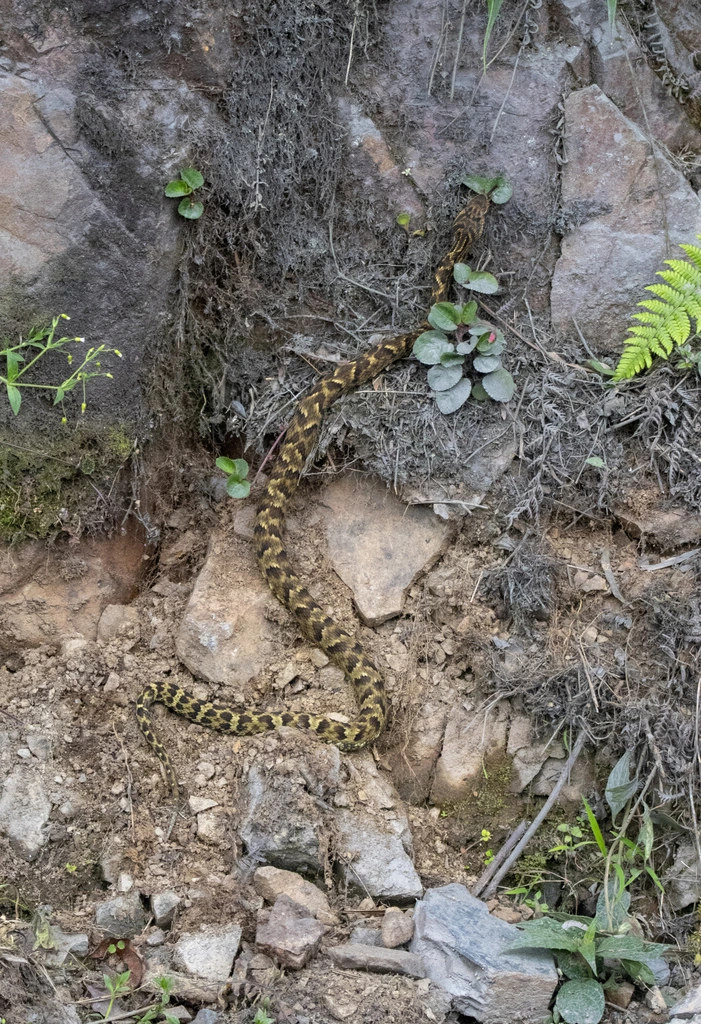
Bothrocophias andianus. Individual moving over a rocky, vegetated bank. Portrait only; no new locality or habitat record is inferred.

001 · Viperidae

Andean Lancehead

Bothrocophias andianus

(AMARAL, 1923)

VenomousClinical severity not established

The checked taxonomic distribution account explicitly lists Bolivia. Country-level evidence does not establish continuous occupancy or a complete national inventory.

Read the species account →

David F. Belmonte · CC BY 4.0 · https://creativecommons.org/licenses/by/4.0/
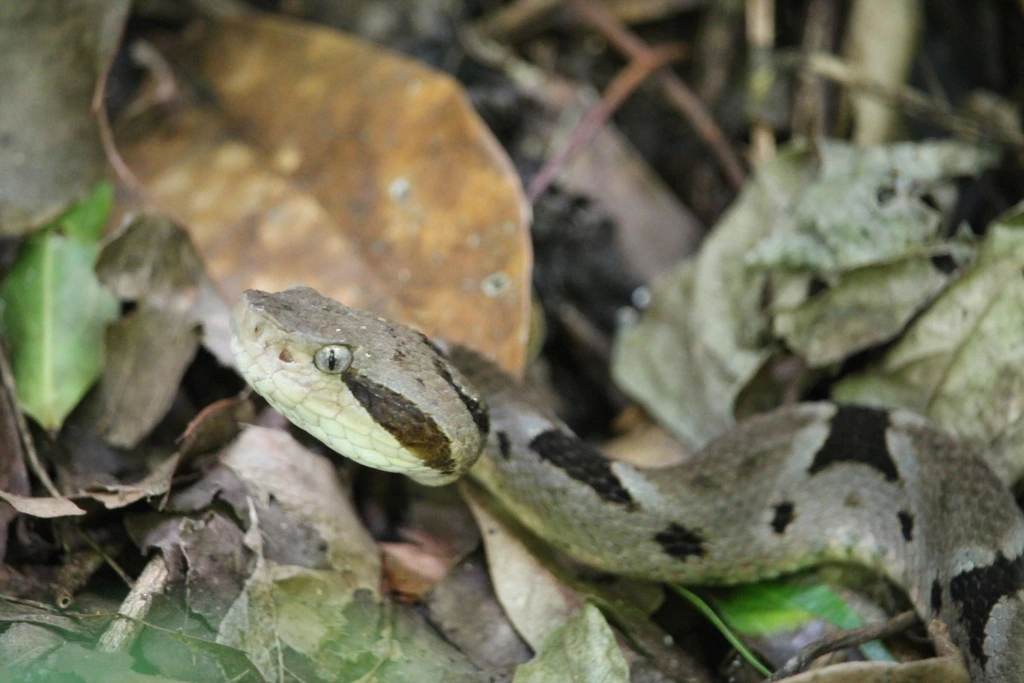
Bothrops monsignifer. Head and anterior body among fallen leaves; source identification reconciles the newly described taxon. Original observation dated 2018-12-18. No additional geographic occurrence is inferred.

002 · Viperidae

Species account

Bothrops monsignifer

TIMMS, CHAPARRO, VENEGAS, SALAZAR-VALENZUELA, SCROCCHI, CUEVAS, LEYNAUD & CARRASCO, 2019

VenomousClinical severity not established

The checked taxonomic distribution account explicitly lists Bolivia. Country-level evidence does not establish continuous occupancy or a complete national inventory. The treatment names these subdivisions in its Bolivia distribution clause: Santa Cruz. They are assigned to the declared atlas navigation groups; this is not a field observation, a…

Read the species account →

Ramon and Suzanne Vargas · CC BY-SA 4.0 · https://creativecommons.org/licenses/by-sa/4.0/

Chironius fuscus. The complete source frame is retained; this portrait is not locality or habitat evidence. Original observation dated 2026-08-05. No additional geographic occurrence is inferred.

003 · Colubridae

Brown Sipo

Chironius fuscus

(LINNAEUS, 1758)

Venom unknownNot yet assessed

The checked taxonomic distribution account explicitly lists Bolivia. Country-level evidence does not establish continuous occupancy or a complete national inventory.

Read the species account →

Sebastian Doak · CC BY 4.0 · https://creativecommons.org/licenses/by/4.0/
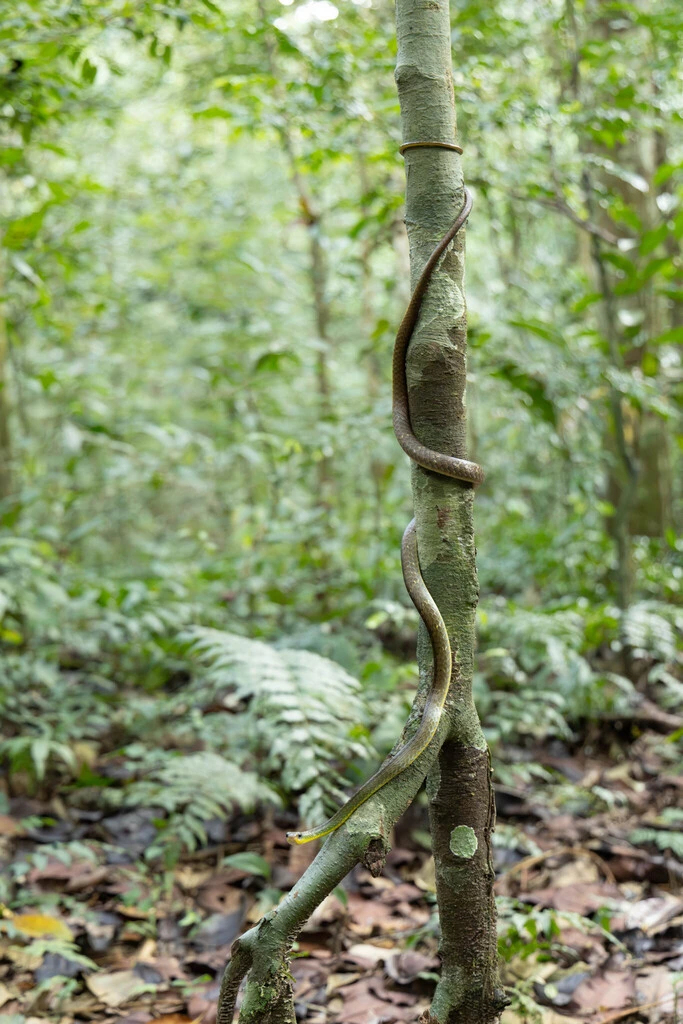
Chironius whipala. Whole animal on stones; source comments explicitly reconcile the revised identification. Original observation dated 2022-10-02. No additional geographic occurrence is inferred.

004 · Colubridae

Whipala Sipos, Whipala snakes

Chironius whipala

QUINTEROS-MUÑOZ, GÓMEZ-MURILLO, CAMACHO-BADANI, AGUAYO, CARPIO-REAL, PÉREZ, MARCA, GONZALES & TORRES-CARVAJAL, 2024

Venom unknownNot yet assessed

The checked taxonomic distribution account explicitly lists Bolivia. Country-level evidence does not establish continuous occupancy or a complete national inventory.

Read the species account →

desertnaturalist · CC BY 4.0 · https://creativecommons.org/licenses/by/4.0/
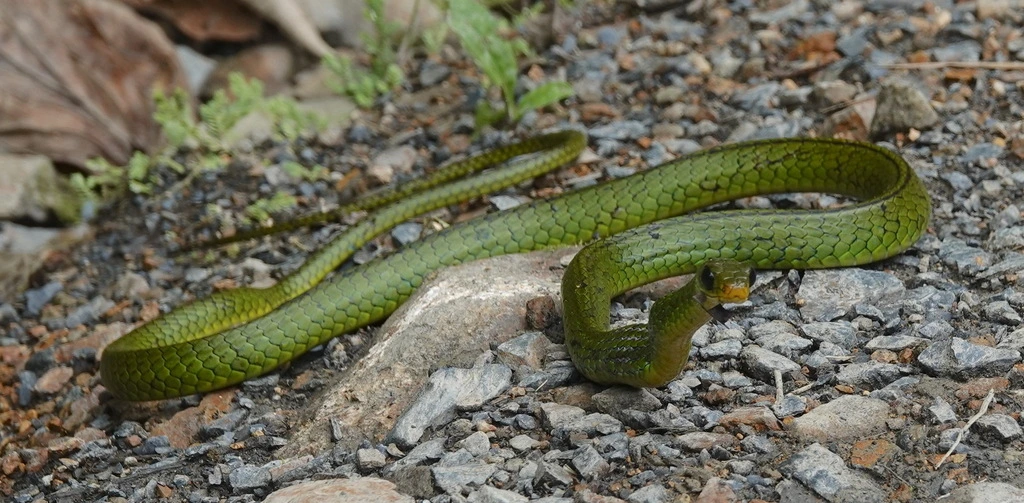
Clelia clelia. Glossy dark individual coiled on leaf litter. Portrait only; no wild locality or habitat record is inferred.

005 · Colubridae

Windward Cribo, Black Mussurana

Clelia clelia

(DAUDIN, 1803)

Venom unknownNot yet assessed

The checked taxonomic distribution account explicitly lists Bolivia. Country-level evidence does not establish continuous occupancy or a complete national inventory.

Read the species account →

Geoff Gallice ( https://www.flickr.com/photos/dejeuxx/ ) · CC BY 2.0 · https://creativecommons.org/licenses/by/2.0

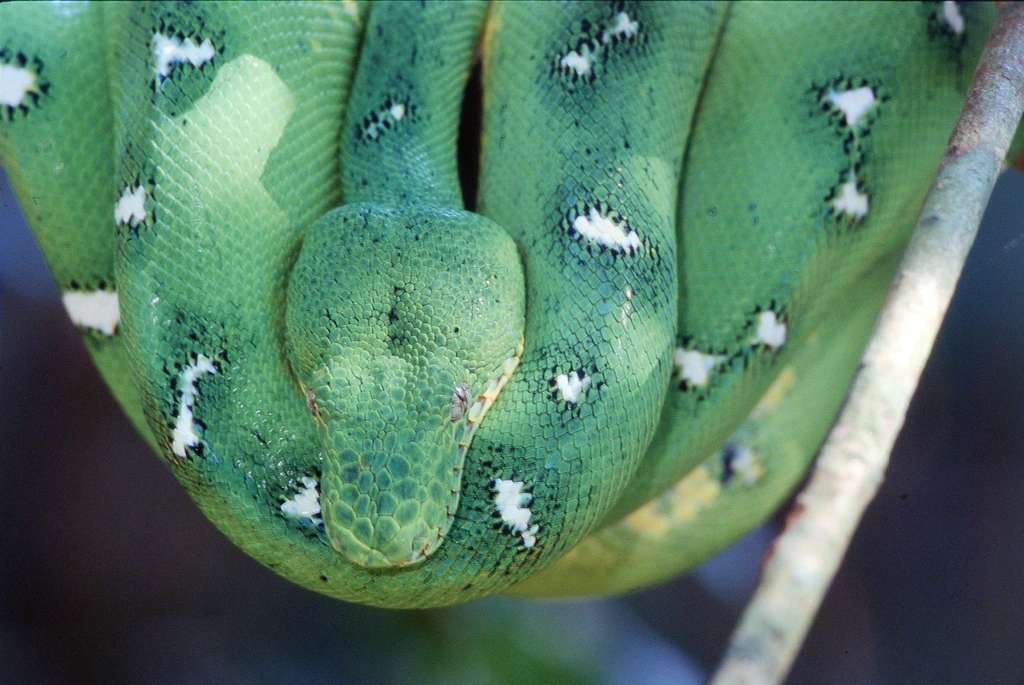
Corallus batesii. Close view of the head and coiled green body on a branch. Original observation dated 1999-08-10. No additional geographic occurrence is inferred.

006 · Boidae

Species account

Corallus batesii

(GRAY, 1860)

Non-venomous

The checked taxonomic distribution account explicitly lists Bolivia. Country-level evidence does not establish continuous occupancy or a complete national inventory.

Read the species account →

Kyle Van Houtan · CC BY 4.0 · https://creativecommons.org/licenses/by/4.0/
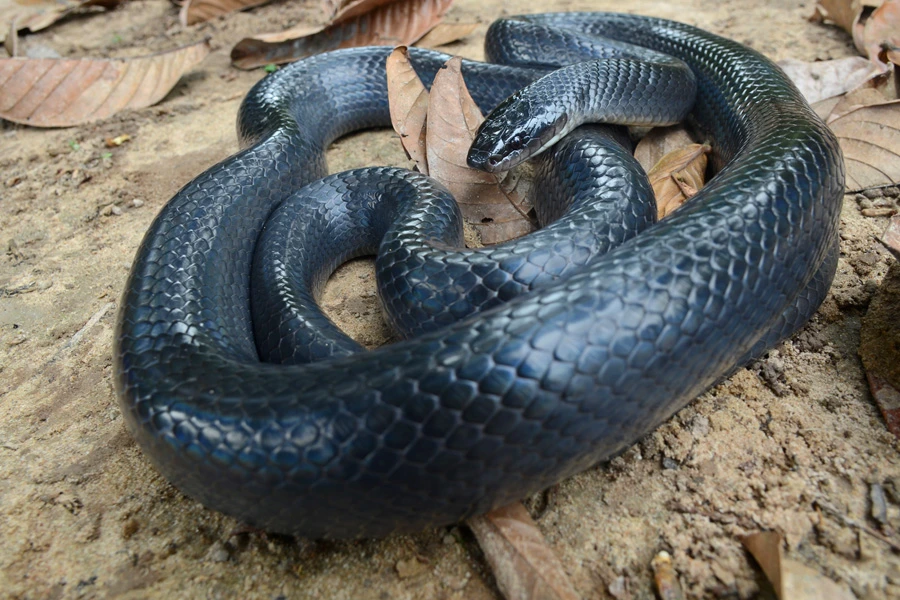
Corallus hortulana. The complete source frame is retained; this portrait is not locality or habitat evidence. Original observation dated 2019-12-18. No additional geographic occurrence is inferred.

007 · Boidae

Garden Tree Boa

Corallus hortulana

(LINNAEUS, 1758)

Non-venomous

The checked taxonomic distribution account explicitly lists Bolivia. Country-level evidence does not establish continuous occupancy or a complete national inventory.

Read the species account →

Henrique Nogueira · CC BY 4.0 · https://creativecommons.org/licenses/by/4.0/
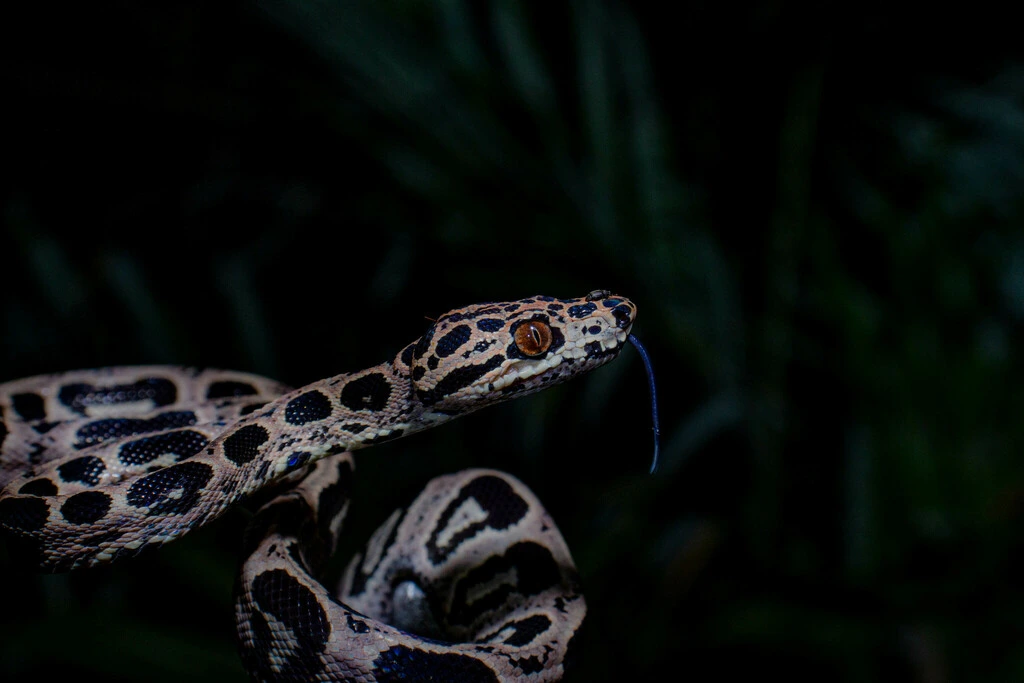
Crotalus durissus. The complete source frame is retained; this portrait is not locality or habitat evidence. Original observation dated 2023-09-23. No additional geographic occurrence is inferred.

008 · Viperidae

Cascabel Rattlesnake; Central American Rattlesnake

Crotalus durissus

LINNAEUS, 1758

VenomousClinical severity not established

The checked taxonomic distribution account explicitly lists Bolivia. Country-level evidence does not establish continuous occupancy or a complete national inventory.

Read the species account →

Salomão Janderson Ferreira Bispo · CC BY 4.0 · https://creativecommons.org/licenses/by/4.0/
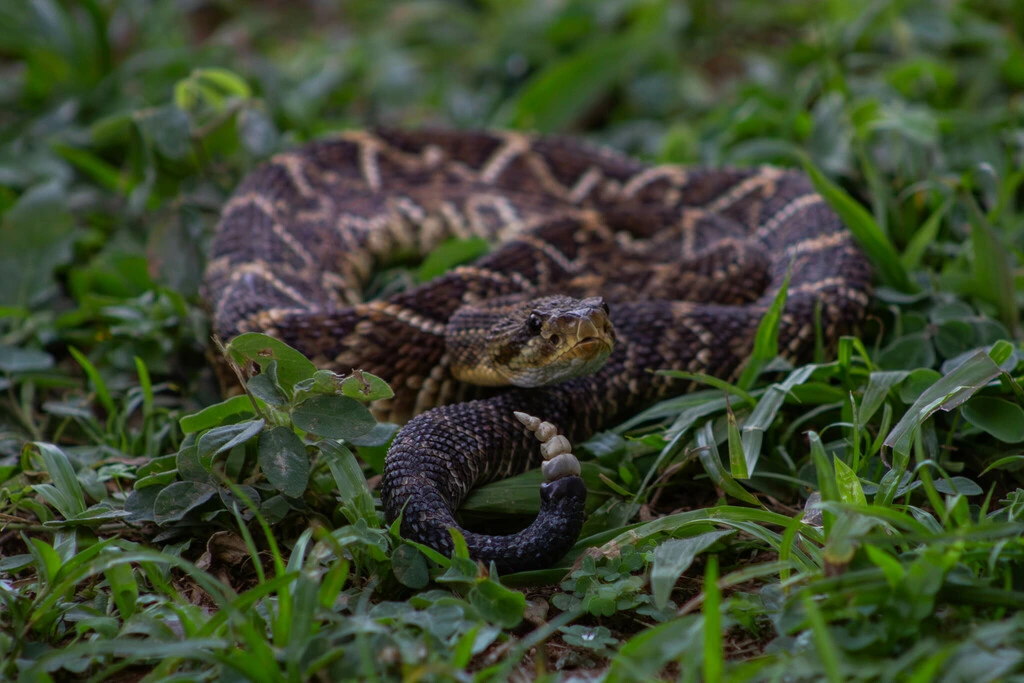
Dipsas bucephala. Coiled individual on soil during a herpetofaunal survey. Original observation dated 2023-12-26. No additional geographic occurrence is inferred.

009 · Colubridae

Neotropical Snail-eater

Dipsas bucephala

(SHAW, 1802)

Venom unknownNot yet assessed

The checked taxonomic distribution account explicitly lists Bolivia. Country-level evidence does not establish continuous occupancy or a complete national inventory. The treatment names these subdivisions in its Bolivia distribution clause: Beni. They are assigned to the declared atlas navigation groups; this is not a field observation, a whole-region…

Read the species account →

Lucas Mantelo Cruz · CC BY 4.0 · https://creativecommons.org/licenses/by/4.0/
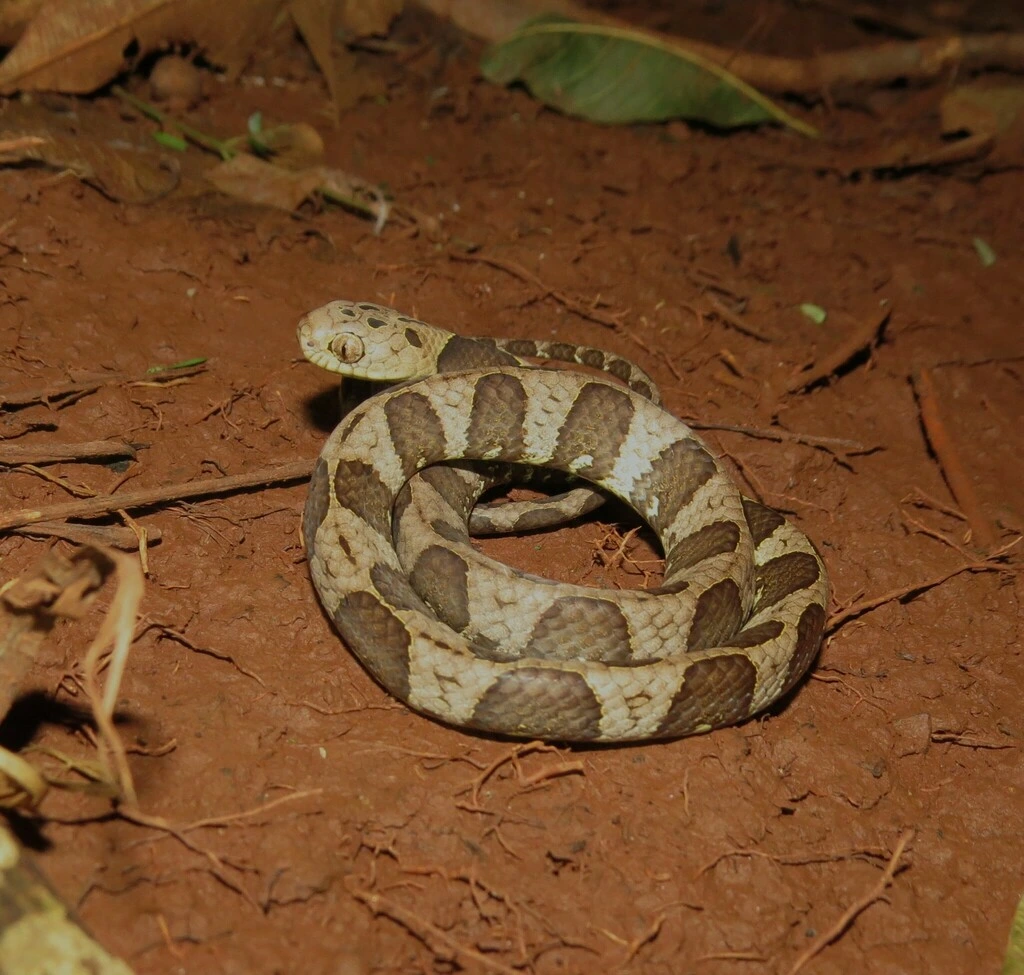
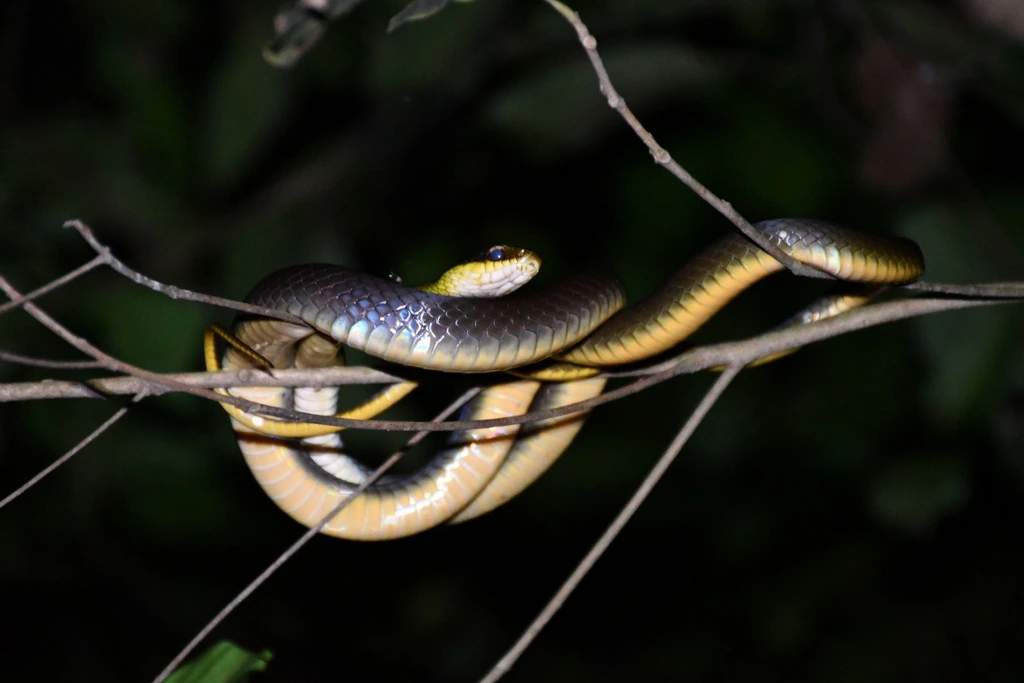
Drymoluber dichrous. The complete source frame is retained; this portrait is not locality or habitat evidence. Original observation dated 2023-12-29. No additional geographic occurrence is inferred.

010 · Colubridae

Northern Woodland Racer

Drymoluber dichrous

(PETERS, 1863)

Venom unknownNot yet assessed

The checked taxonomic distribution account explicitly lists Bolivia. Country-level evidence does not establish continuous occupancy or a complete national inventory. The treatment names these subdivisions in its Bolivia distribution clause: Beni. They are assigned to the declared atlas navigation groups; this is not a field observation, a whole-region…

Read the species account →

Vincent A. Vos · CC BY 4.0 · https://creativecommons.org/licenses/by/4.0/
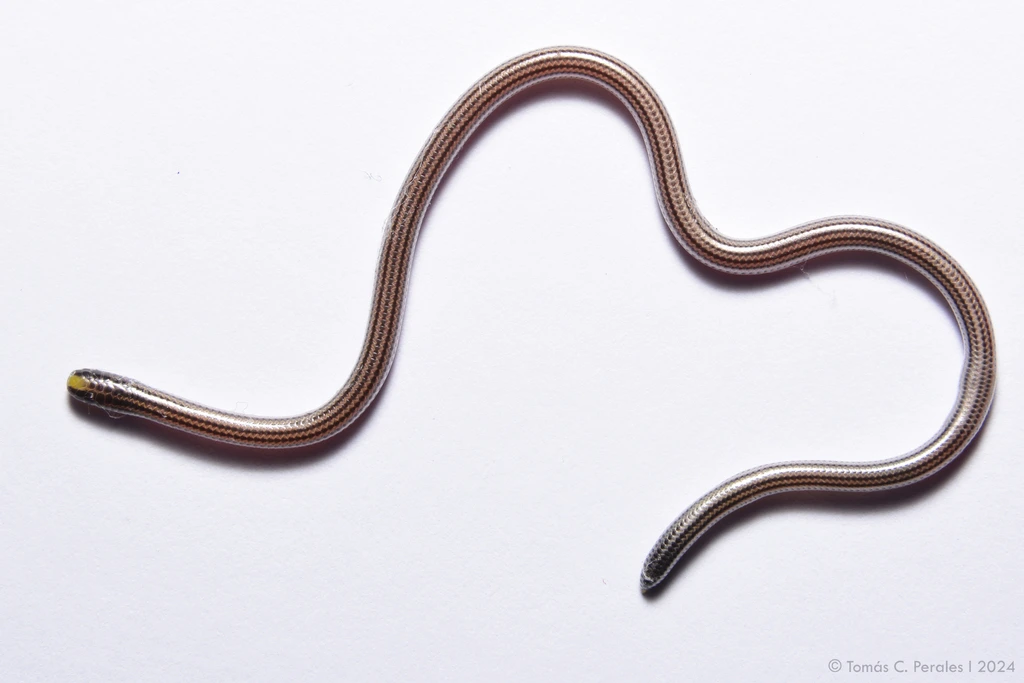
Epictia albipuncta. Slender striped individual on a pale surface; original watermark retained. Original observation dated 2024-10-06. Portrait only; no new locality record is inferred.

011 · Leptotyphlopidae

Species account

Epictia albipuncta

(BURMEISTER, 1861)

Non-venomous

The checked taxonomic distribution account explicitly lists Bolivia. Country-level evidence does not establish continuous occupancy or a complete national inventory.

Read the species account →

Tomás Carranza Perales · CC BY 4.0 · https://creativecommons.org/licenses/by/4.0/
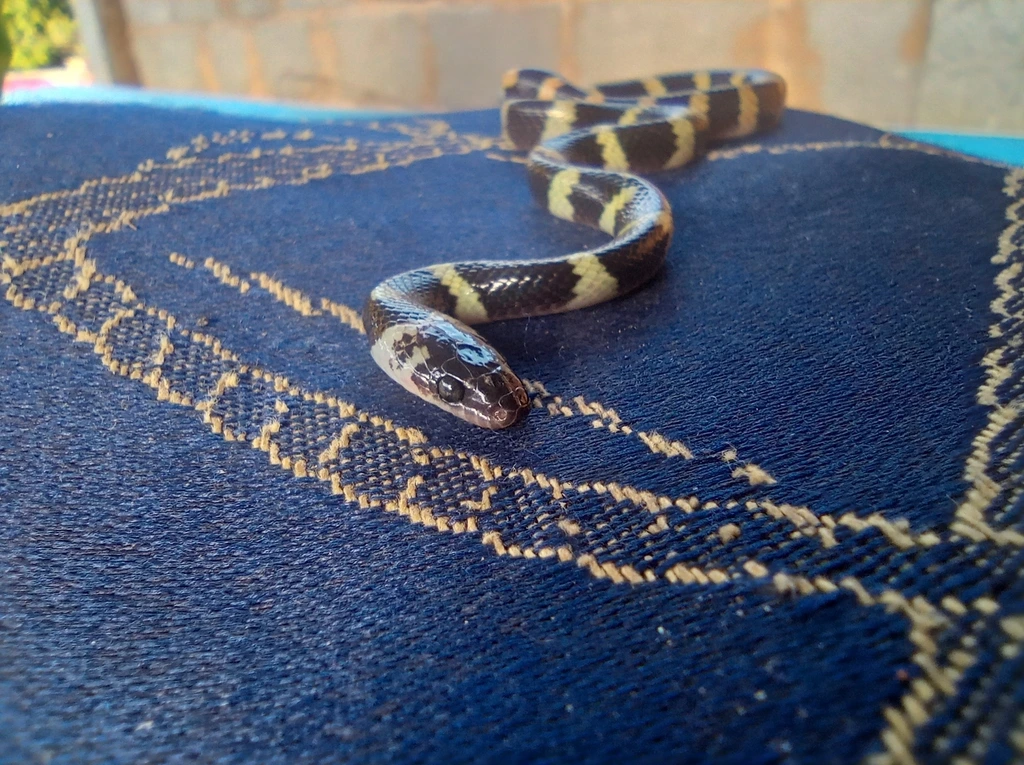
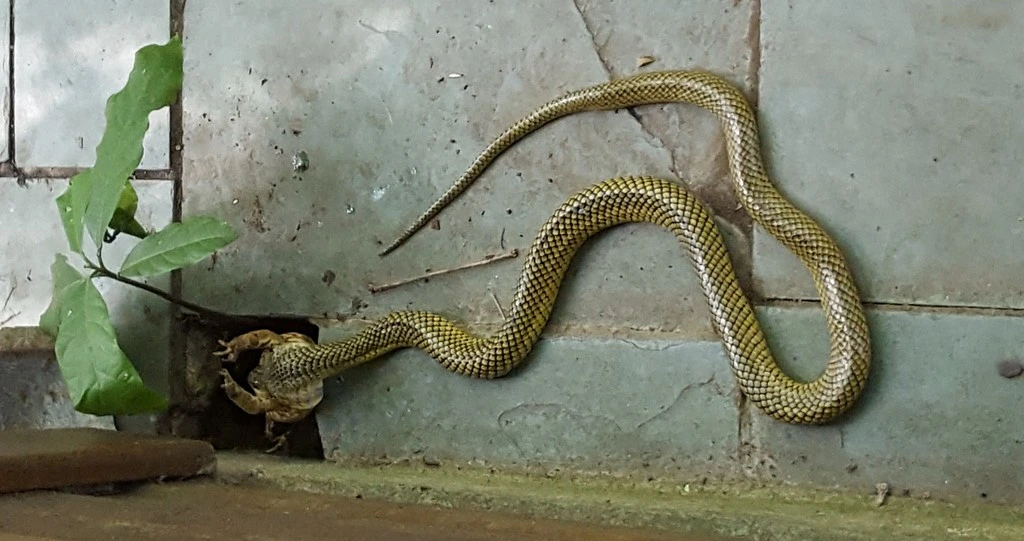
Erythrolamprus miliaris. Yellow-and-dark patterned body beside a wall during a feeding observation. Original observation dated 2018-01-04. Portrait only; no new locality record is inferred.

012 · Colubridae

Military Ground Snake

Erythrolamprus miliaris

(LINNAEUS, 1758)

VenomousClinical severity not established

The checked taxonomic distribution account explicitly lists Bolivia. Country-level evidence does not establish continuous occupancy or a complete national inventory. The treatment names these subdivisions in its Bolivia distribution clause: Beni. They are assigned to the declared atlas navigation groups; this is not a field observation, a whole-region…

Read the species account →

alessandradalia · CC BY-SA 4.0 · https://creativecommons.org/licenses/by-sa/4.0/

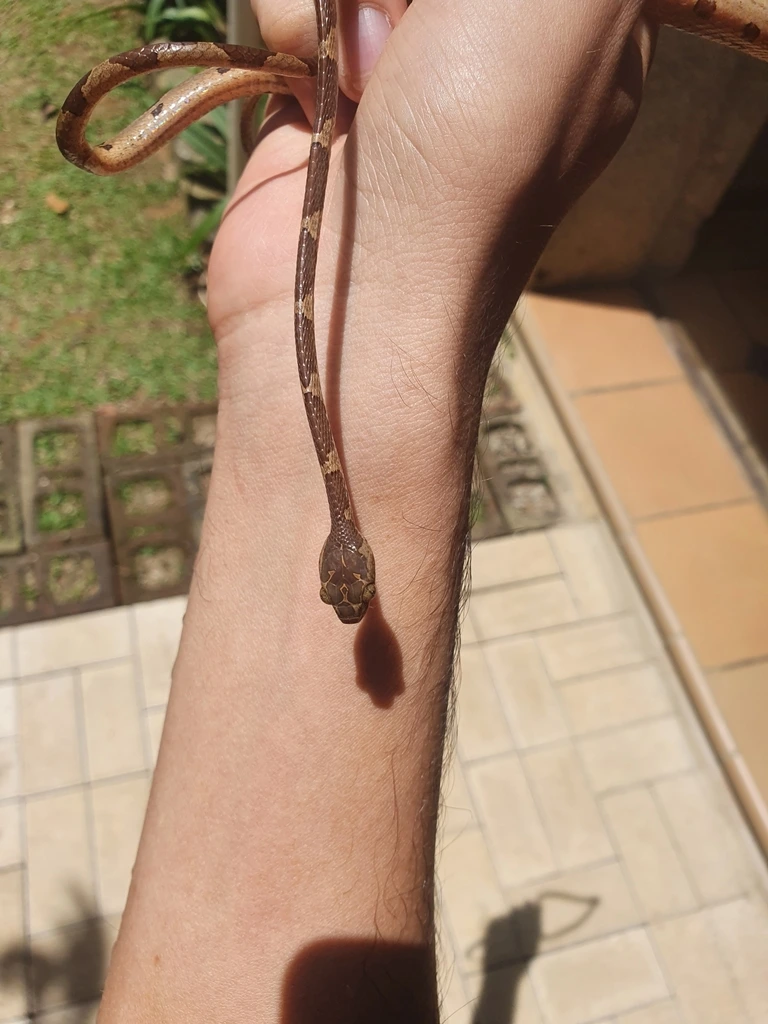
Imantodes cenchoa. Photographed while held; this is a handled specimen portrait. Original observation dated 2020-08-17. This photograph does not establish occurrence in any additional state or province.

013 · Colubridae

Neotropical Blunt-headed Treesnake, Blunthead Tree Snake

Imantodes cenchoa

(LINNAEUS, 1758)

Venom unknownNot yet assessed

The checked taxonomic distribution account explicitly lists Bolivia. Country-level evidence does not establish continuous occupancy or a complete national inventory.

Read the species account →

Samuel Peláez Vélez · CC BY 4.0 · https://creativecommons.org/licenses/by/4.0/
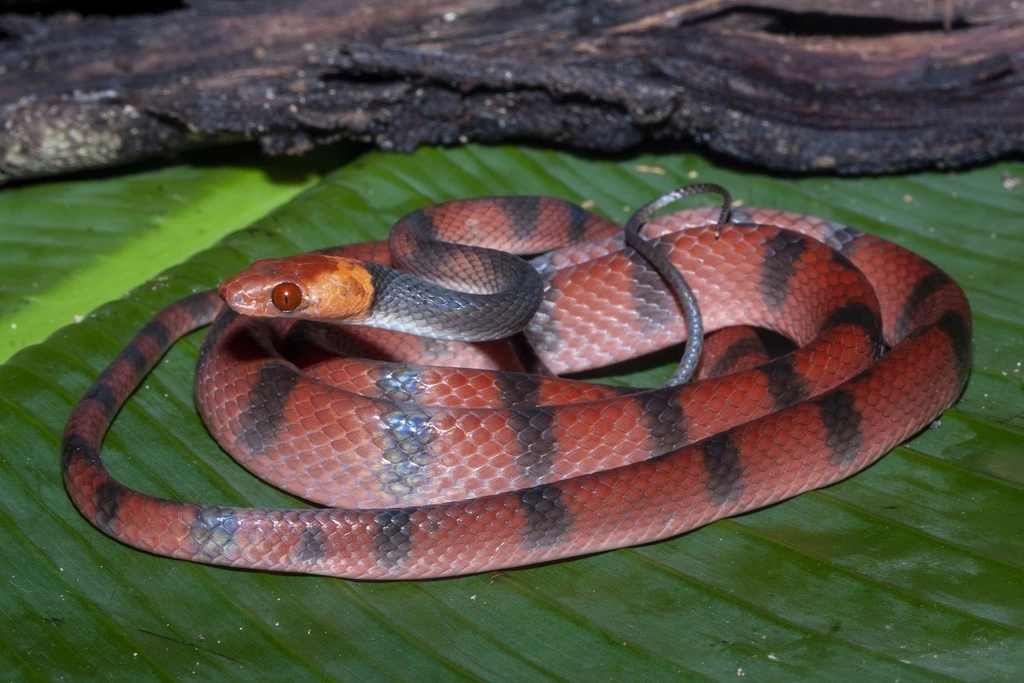
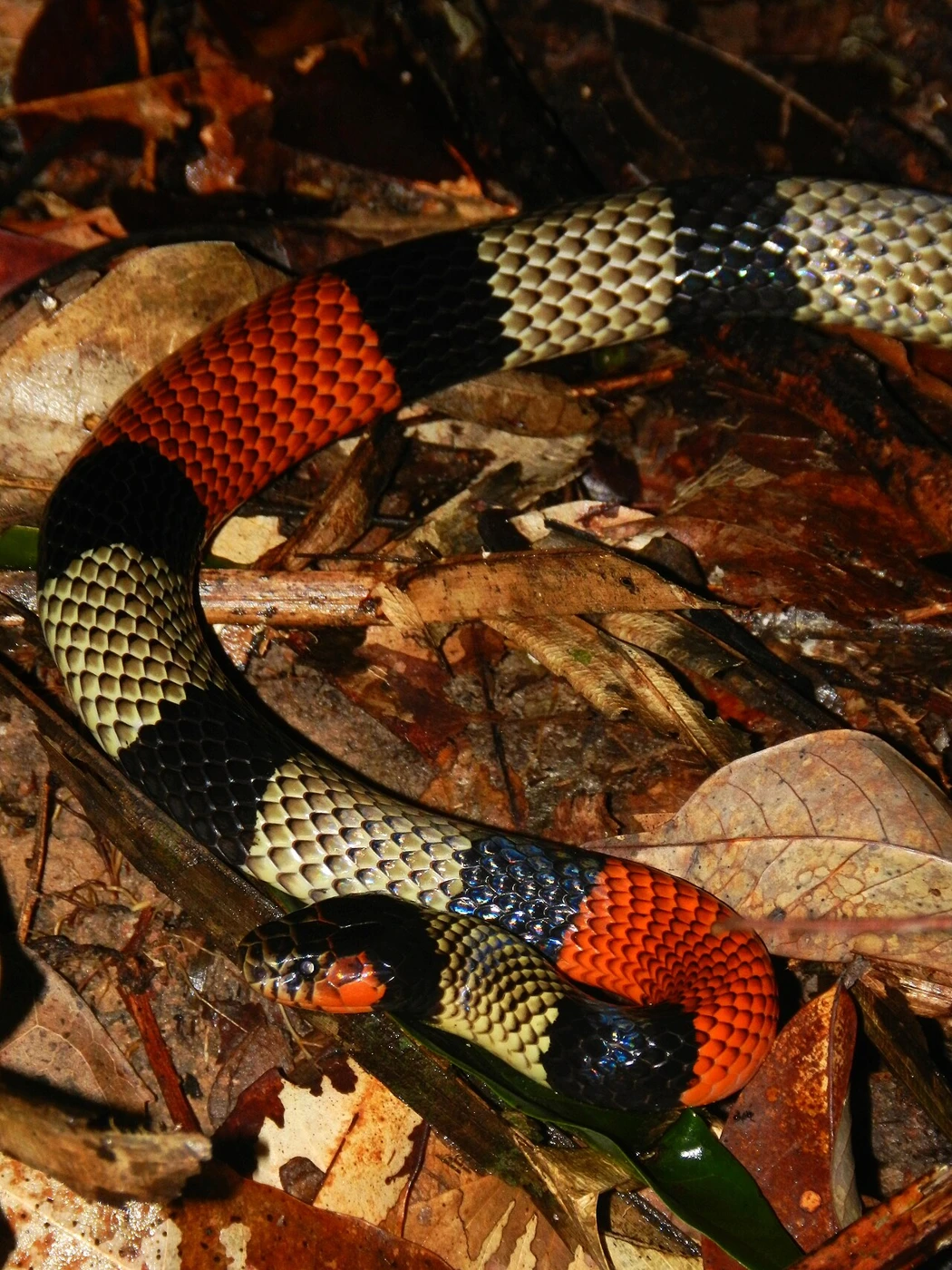
Micrurus spixii. Red, black and pale-banded individual on leaf litter. Portrait only; no wild locality or habitat record is inferred.

014 · Elapidae

Amazon(ian) Coral Snake

Micrurus spixii

WAGLER, 1824

VenomousClinical severity not established

The checked taxonomic distribution account explicitly lists Bolivia. Country-level evidence does not establish continuous occupancy or a complete national inventory.

Read the species account →

André Cardoso · CC BY 2.0 · https://creativecommons.org/licenses/by/2.0

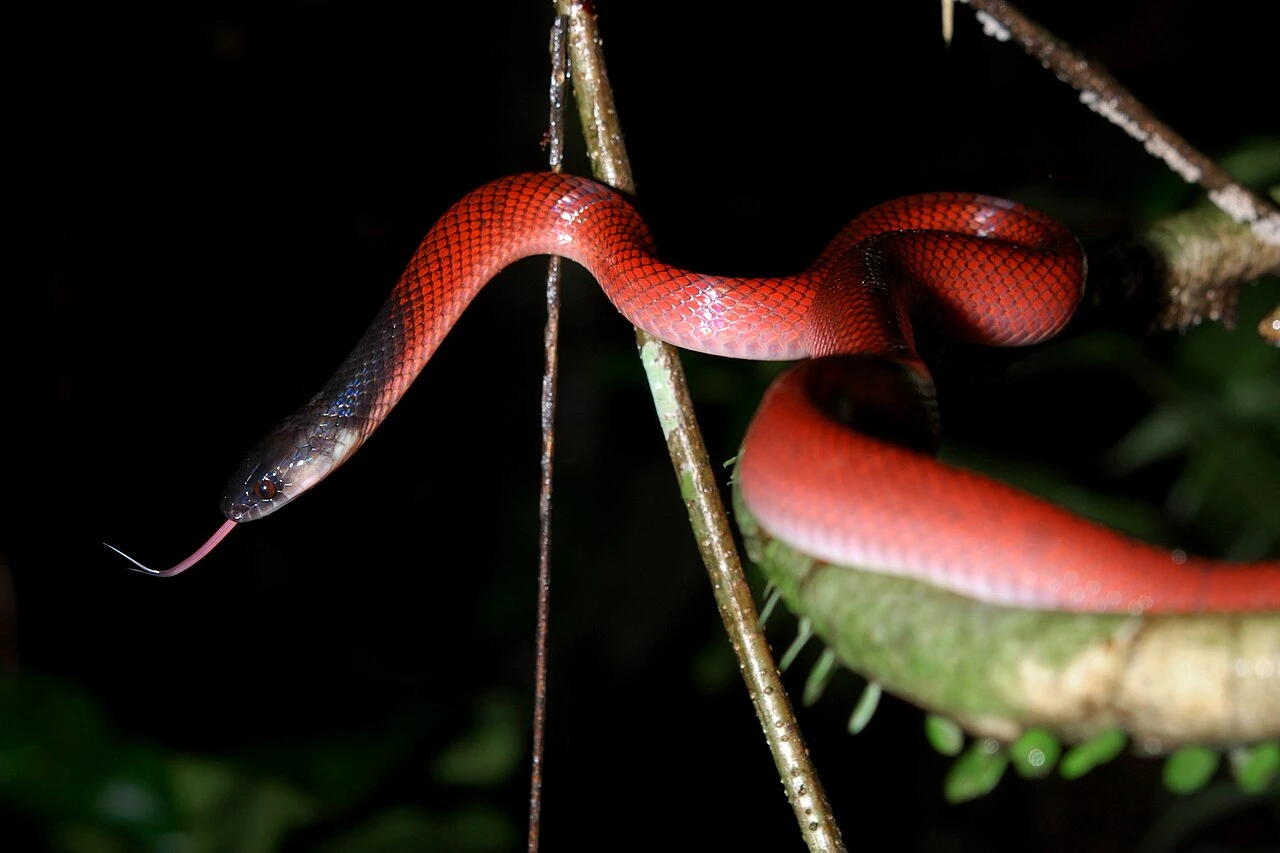
Oxyrhopus melanogenys. Red juvenile resting along a branch. Portrait only; no wild locality or habitat record is inferred.

015 · Colubridae

Tschudi's False Coral Snake

Oxyrhopus melanogenys

(TSCHUDI, 1845)

Venom unknownNot yet assessed

The checked taxonomic distribution account explicitly lists Bolivia. Country-level evidence does not establish continuous occupancy or a complete national inventory.

Read the species account →

Geoff Gallice · CC BY 2.0 · https://creativecommons.org/licenses/by/2.0

Oxyrhopus petolarius. Atypical colour pattern; photographed on fabric. Original observation dated 2021-05-12. This photograph does not establish occurrence in any additional state or province.

016 · Colubridae

Forest Flamesnake, Forest Flame Snake

Oxyrhopus petolarius

(LINNAEUS, 1758)

Venom unknownNot yet assessed

The checked taxonomic distribution account explicitly lists Bolivia. Country-level evidence does not establish continuous occupancy or a complete national inventory. The treatment names these subdivisions in its Bolivia distribution clause: Beni. They are assigned to the declared atlas navigation groups; this is not a field observation, a whole-region…

Read the species account →

Henrry · CC BY 4.0 · https://creativecommons.org/licenses/by/4.0/
Phrynonax sexcarinatus. Head detail of the observed individual. Original observation dated 2023-11-05. Portrait only; no new locality or habitat record is inferred.

017 · Colubridae

Northeastern Puffing Snake

Phrynonax sexcarinatus

(WAGLER, 1824)

Venom unknownNot yet assessed

The checked taxonomic distribution account explicitly lists Bolivia. Country-level evidence does not establish continuous occupancy or a complete national inventory.

Read the species account →

Diana Fuentes · CC BY-SA 4.0 · https://creativecommons.org/licenses/by-sa/4.0/

Siphlophis compressus. The complete source frame is retained; this portrait is not locality or habitat evidence. Original observation dated 2010-01-26. No additional geographic occurrence is inferred.

018 · Colubridae

Tropical Flatsnake, Tropical Flat Snake

Siphlophis compressus

(DAUDIN, 1803)

Venom unknownNot yet assessed

The checked taxonomic distribution account explicitly lists Bolivia. Country-level evidence does not establish continuous occupancy or a complete national inventory. The treatment names these subdivisions in its Bolivia distribution clause: Beni. They are assigned to the declared atlas navigation groups; this is not a field observation, a whole-region…

Read the species account →

dhfischer · CC BY 4.0 · https://creativecommons.org/licenses/by/4.0/
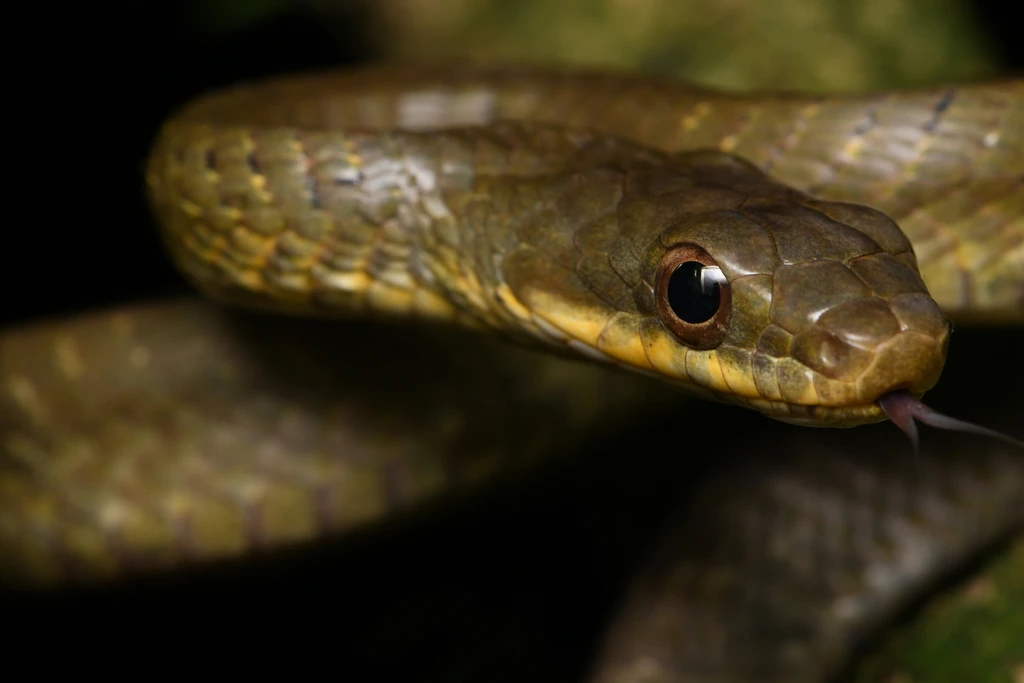
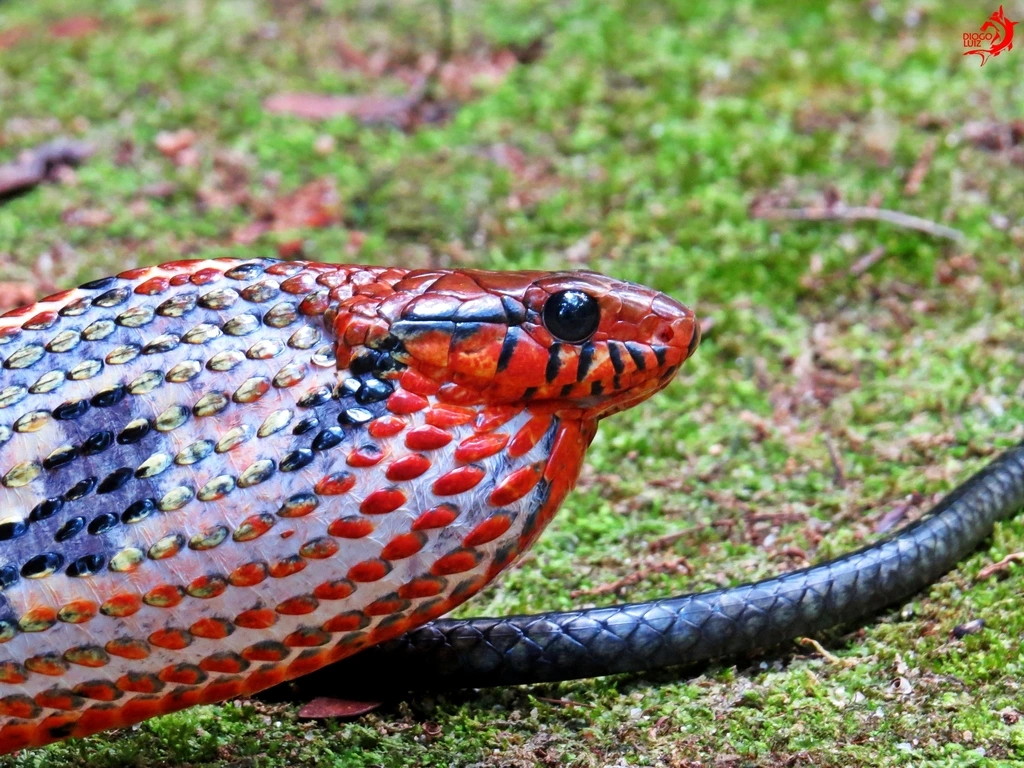
Spilotes sulphureus. Close view of the head; original photographer logo retained. Original observation dated 2014-12-26. No additional geographic occurrence is inferred.

019 · Colubridae

Yellow-bellied Hissing Snake, Amazon Puffing Snake

Spilotes sulphureus

(WAGLER, 1824)

Venom unknownNot yet assessed

The checked taxonomic distribution account explicitly lists Bolivia. Country-level evidence does not establish continuous occupancy or a complete national inventory. The treatment names these subdivisions in its Bolivia distribution clause: Beni. They are assigned to the declared atlas navigation groups; this is not a field observation, a whole-region…

Read the species account →

Diogo Luiz · CC BY 4.0 · https://creativecommons.org/licenses/by/4.0/
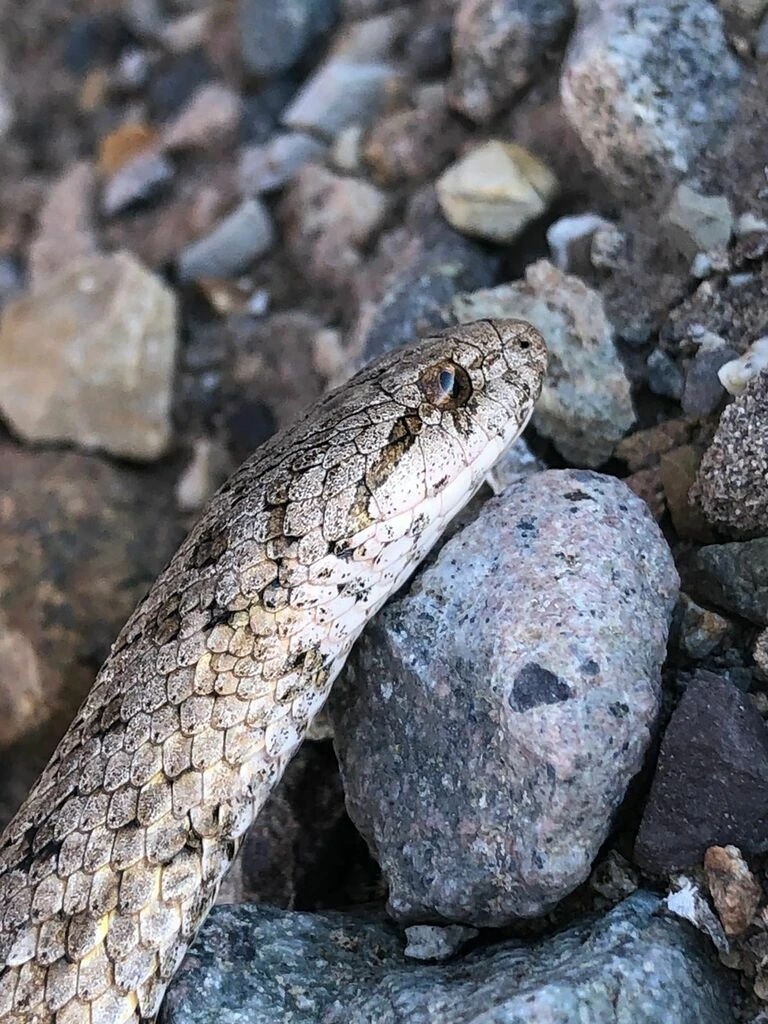
Tachymenis peruviana. Close view of the mottled head on small stones. Original observation dated 2023-05-26. Portrait only; no new locality record is inferred.

020 · Colubridae

Peru Slender Snake

Tachymenis peruviana

WIEGMANN, 1834

VenomousClinical severity not established

The checked taxonomic distribution account explicitly lists Bolivia. Country-level evidence does not establish continuous occupancy or a complete national inventory.

Read the species account →

Fabian EGL · CC0 1.0 · https://creativecommons.org/publicdomain/zero/1.0/

All 177 species in the country collection →

Read further

Evidence & sources.

Guide reviewed 17 October 2026. Source dates and geographic scope matter; landscape photographs do not establish species occurrence.

  1. Convention on Biological Diversity · Bolivia national profile

    Historical Secretariat draft, pending Party approval. Landscape context only; historical statistics are not presented as current measurements. Reviewed 17 October 2026.

Continue through Bolivia

Explore another habitat.

01

Forest & woodland

Bolivia’s profile distinguishes the Yungas, humid southwestern Amazon forests and the dry forests of Chiquitano and Chaco. Moisture regime and vegetation type should remain attached to the locality.

02

Scrubland & dry country

The dry woodland of Chiquitano and Chaco is a distinct setting from humid Amazon forest. The dry-country guide concerns documented vegetation, not a claim that every site in a department is arid.