Wooded falls at Salto Dos Hermanas in Iguazu National Park, Argentina.

Argentina · Habitat field guide

Forest & woodland

The national profile distinguishes Chaco woodland, the Atlantic Forest and the Yungas. Agricultural conversion and fragmentation affect these settings differently; a record should retain its original forest formation and locality.

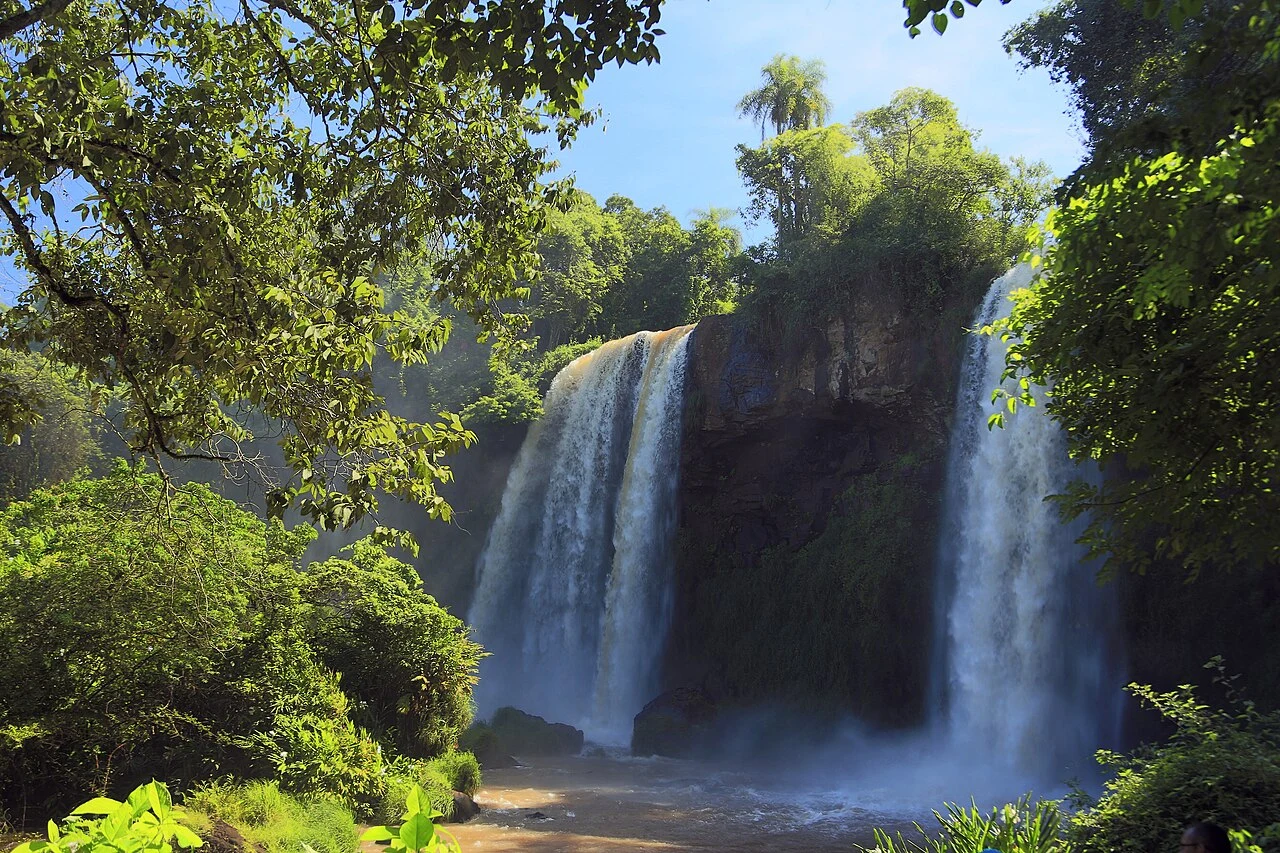
Wooded falls at Salto Dos Hermanas in Iguazu National Park, Argentina.

Photograph: Falk2 · Image source · CC BY-SA 4.0. Cropped to fill the hero; darkened for text legibility.

Understanding the environment

A sense of the habitat.

The national profile distinguishes Chaco woodland, the Atlantic Forest and the Yungas. Agricultural conversion and fragmentation affect these settings differently; a record should retain its original forest formation and locality.

Geographic scope
Argentina; retain the named source locality.
Evidence scale
Landscape descriptions are separate from species records.
Source date
Retain the original publication date; reviewed 17 October 2026.

Explore the structure · Select a layer to compare details retained in a field record.

Read the locality in three layers.

Select a zone to see what changes.

Canopy

Canopy

Distinguish closed crowns, open woodland and planted trees.

Check the original species record before assigning habitat use.

These reading prompts are conceptual, not a transect or an occurrence map.

Sources: Convention on Biological Diversity · Argentina national profile

Field notes · 01

The documented setting

The national profile distinguishes Chaco woodland, the Atlantic Forest and the Yungas. Agricultural conversion and fragmentation affect these settings differently; a record should retain its original forest formation and locality.

Sources: Convention on Biological Diversity · Argentina national profile

Field notes · 02

Connect the setting to a species

The country landscape and a species habitat association answer different questions. Follow the species account for direct habitat evidence. An empty collection indicates missing extracted evidence, not biological absence.

Pressures on Argentina’s habitats

What is at risk?

A site-specific assessment of pressures has not yet been extracted for this guide. The landscape sources below provide context; they do not establish a current threat level for each snake species.

What helps this habitat

Read conservation pressures with their source date and locality; a landscape-level pressure is not a measured decline for every snake.

The connected collection

Snakes with habitat evidence.

These 31 species have supported country occurrence and an explicit habitat association in the shared account. The association may come from elsewhere in their range. This is not a complete local habitat inventory; the places above are landscape examples, not asserted collecting sites.

31 species · showing 24

Apostolepis multicincta. Whole slender individual on bare ground. Original observation dated 2018-06-06. No additional geographic occurrence is inferred.

001 · Colubridae

Harvey’s Blackhead

Apostolepis multicincta

HARVEY, 1999

Venom unknownNot yet assessed

The checked taxonomic distribution account explicitly lists Argentina. Country-level evidence does not establish continuous occupancy or a complete national inventory. The treatment names these subdivisions in its Argentina distribution clause: Jujuy. They are assigned to the declared atlas navigation groups; this is not a field observation, a…

Read the species account →

Naturalist Tours · CC0 1.0 · https://creativecommons.org/publicdomain/zero/1.0/
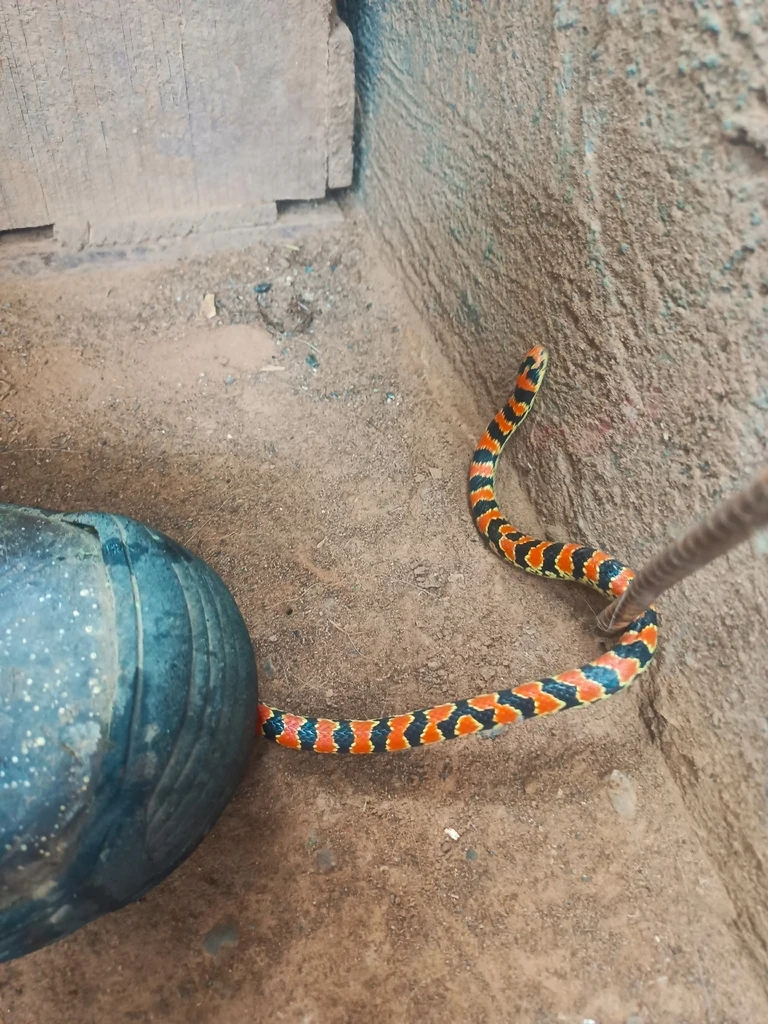
Atractus bocki. Handled individual. Handling is documented, not recommended. Original observation dated 2026-03-27. Photograph identification follows the cited observation; it adds no geographic occurrence record.

002 · Colubridae

Bock's Ground Snake

Atractus bocki

WERNER, 1909

Non-venomous

The checked taxonomic distribution account explicitly lists Argentina. Country-level evidence does not establish continuous occupancy or a complete national inventory. The treatment names these subdivisions in its Argentina distribution clause: Salta, Jujuy. They are assigned to the declared atlas navigation groups; this is not a field observation, a…

Read the species account →

Brian Cespedes · CC0 1.0 · https://creativecommons.org/publicdomain/zero/1.0/
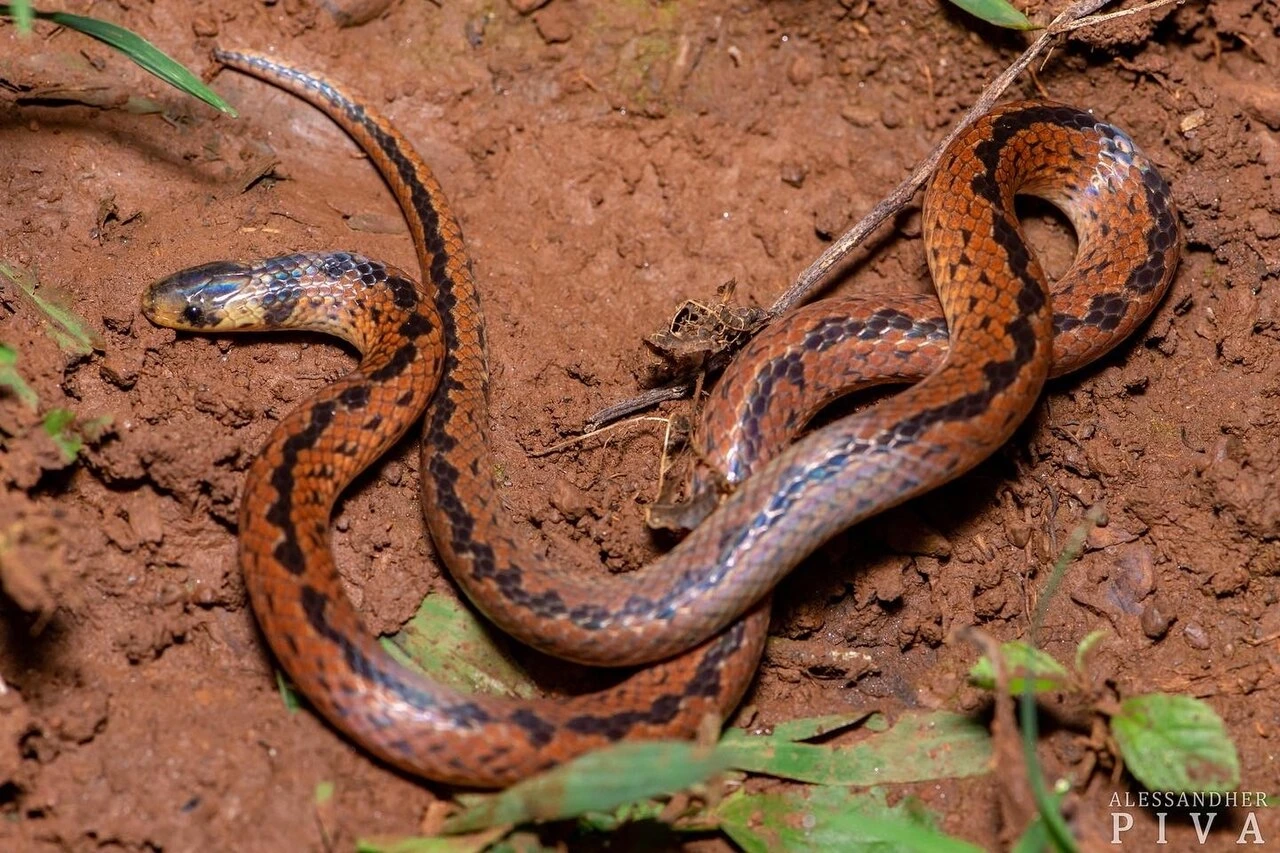
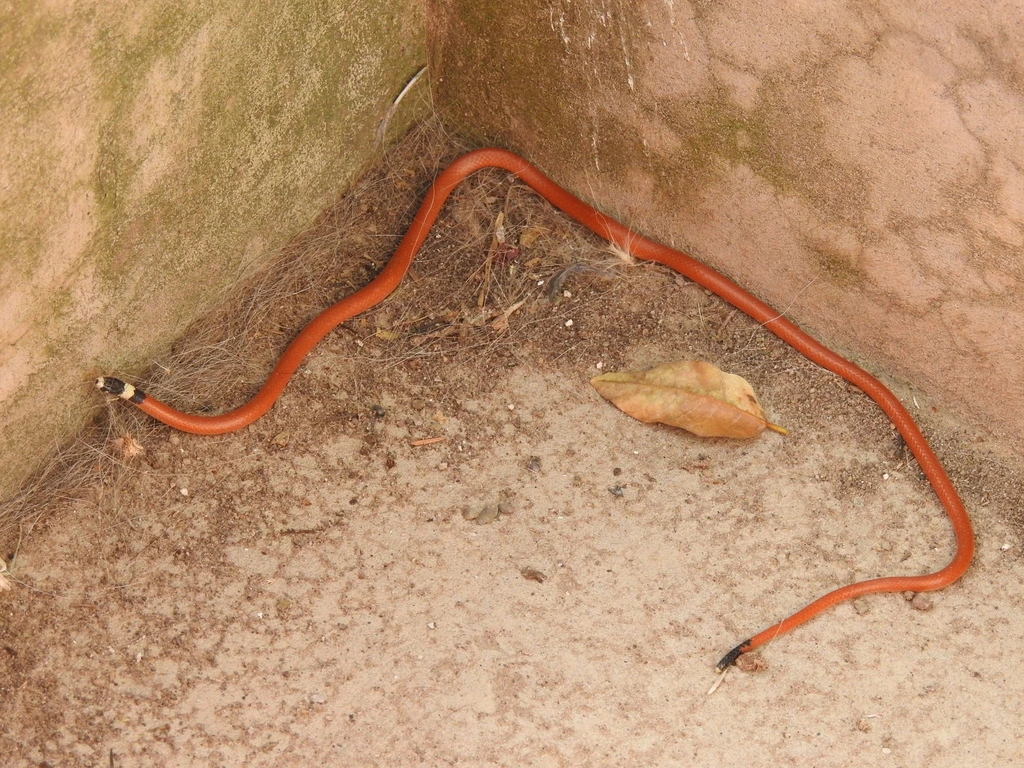
Atractus paraguayensis. Orange and dark-patterned individual on reddish soil; original watermark retained. Portrait only; no wild locality or habitat record is inferred.

003 · Colubridae

Species account

Atractus paraguayensis

WERNER, 1924

Non-venomous

The checked taxonomic distribution account explicitly lists Argentina. Country-level evidence does not establish continuous occupancy or a complete national inventory. The treatment names these subdivisions in its Argentina distribution clause: Entre Ríos, Entre Rios, Corrientes. They are assigned to the declared atlas navigation groups; this is not a…

Read the species account →

Alessandher Piva · CC BY 4.0 · https://creativecommons.org/licenses/by/4.0

Atractus snethlageae. The complete source frame is retained; this portrait is not locality or habitat evidence. Original observation dated 2017-06-05. No additional geographic occurrence is inferred.

004 · Colubridae

Species account

Atractus snethlageae

CUNHA & NASCIMENTO, 1983

Non-venomous

The checked taxonomic distribution account explicitly lists Argentina. Country-level evidence does not establish continuous occupancy or a complete national inventory.

Read the species account →

Whaldener Endo · CC0 1.0 · https://creativecommons.org/publicdomain/zero/1.0/
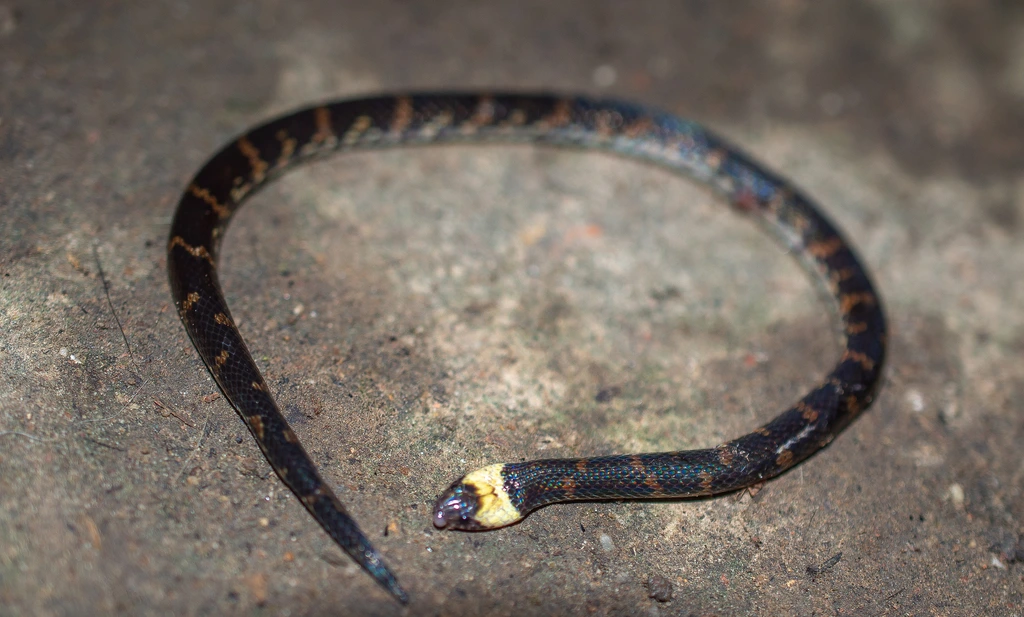
Boiruna maculata. Dark and pale individual on sandy ground. Portrait only; no wild locality or habitat record is inferred.

005 · Colubridae

Mussurana

Boiruna maculata

(BOULENGER, 1896)

Venom unknownNot yet assessed

The checked taxonomic distribution account explicitly lists Argentina. Country-level evidence does not establish continuous occupancy or a complete national inventory.

Read the species account →

Pablo H Capovilla · CC BY-SA 4.0 · https://creativecommons.org/licenses/by-sa/4.0

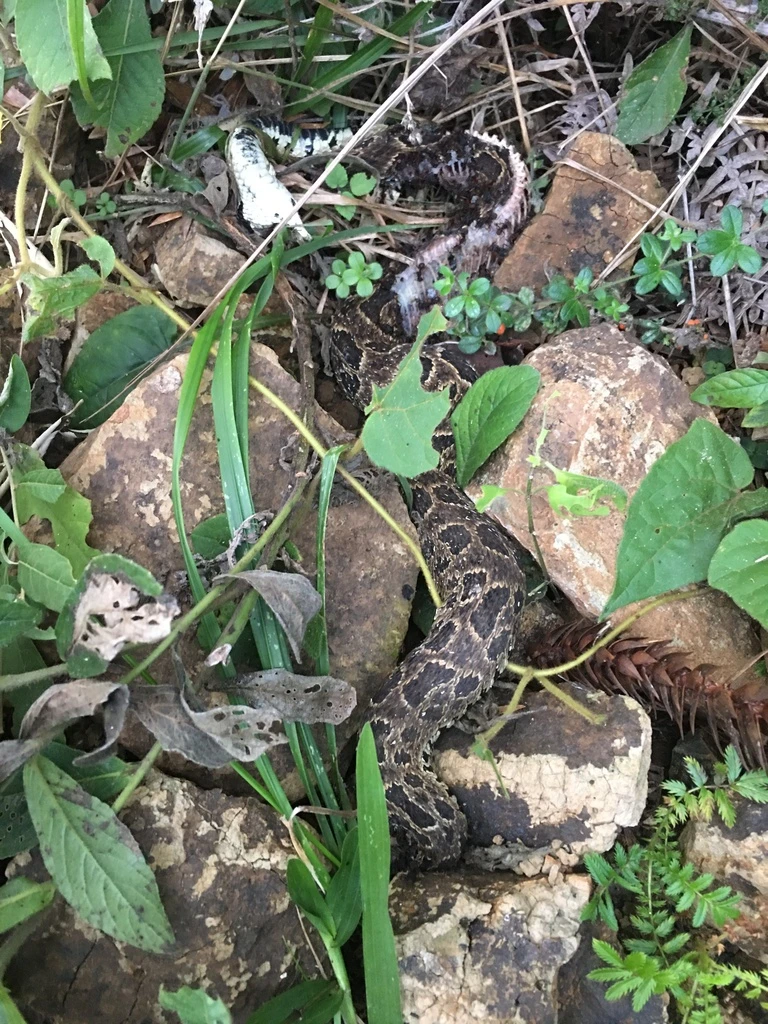
Bothrops cotiara. Patterned individual coiled among leaves and stones. Original observation dated 2022-04-22. Portrait only; no new locality record is inferred.

006 · Viperidae

Cotiara

Bothrops cotiara

(GOMES, 1913)

VenomousClinical severity not established

The checked taxonomic distribution account explicitly lists Argentina. Country-level evidence does not establish continuous occupancy or a complete national inventory. The treatment names these subdivisions in its Argentina distribution clause: Misiones. They are assigned to the declared atlas navigation groups; this is not a field observation, a…

Read the species account →

B. Phalan · CC BY 4.0 · https://creativecommons.org/licenses/by/4.0/

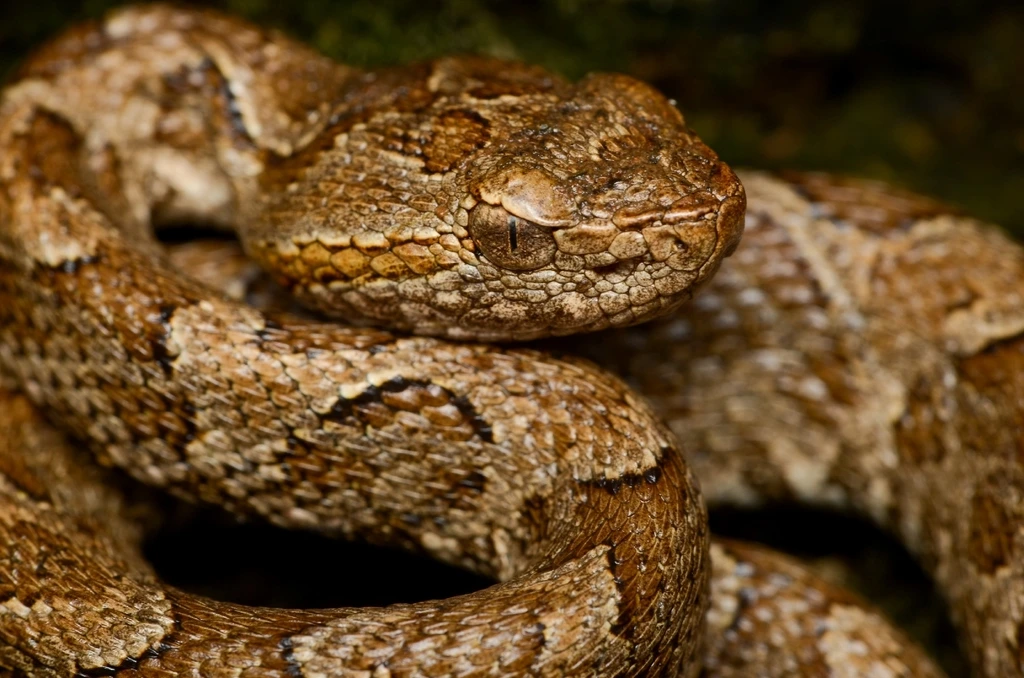
Bothrops diporus. Close view of a brown, patterned individual resting in coils. Original observation dated 2025-12-02. Portrait only; no new locality record is inferred.

007 · Viperidae

Species account

Bothrops diporus

COPE, 1862

VenomousClinical severity not established

The checked taxonomic distribution account explicitly lists Argentina. Country-level evidence does not establish continuous occupancy or a complete national inventory. The treatment names these subdivisions in its Argentina distribution clause: Salta, Jujuy, Formosa, Misiones, Chaco, Corrientes, Catamarca, La Rioja, Mendoza, Neuquén, Neuquen, Río Negro,…

Read the species account →

fernando vilar · CC BY 4.0 · https://creativecommons.org/licenses/by/4.0/

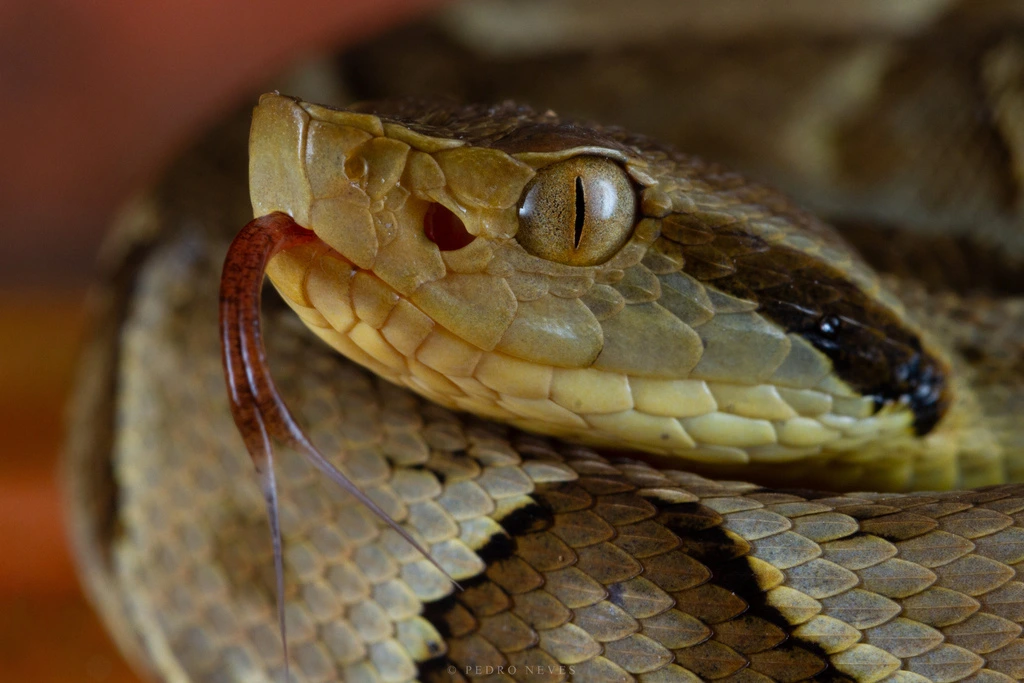
Bothrops jararaca. Close view of the head and coiled body. Original observation dated 2024-01-09. No additional geographic occurrence is inferred.

008 · Viperidae

Jararaca, lancehead

Bothrops jararaca

(WIED-NEUWIED, 1824)

VenomousClinical severity not established

The checked taxonomic distribution account explicitly lists Argentina. Country-level evidence does not establish continuous occupancy or a complete national inventory. The treatment names these subdivisions in its Argentina distribution clause: Misiones. They are assigned to the declared atlas navigation groups; this is not a field observation, a…

Read the species account →

Pedro Alvaro Neves · CC BY 4.0 · https://creativecommons.org/licenses/by/4.0/

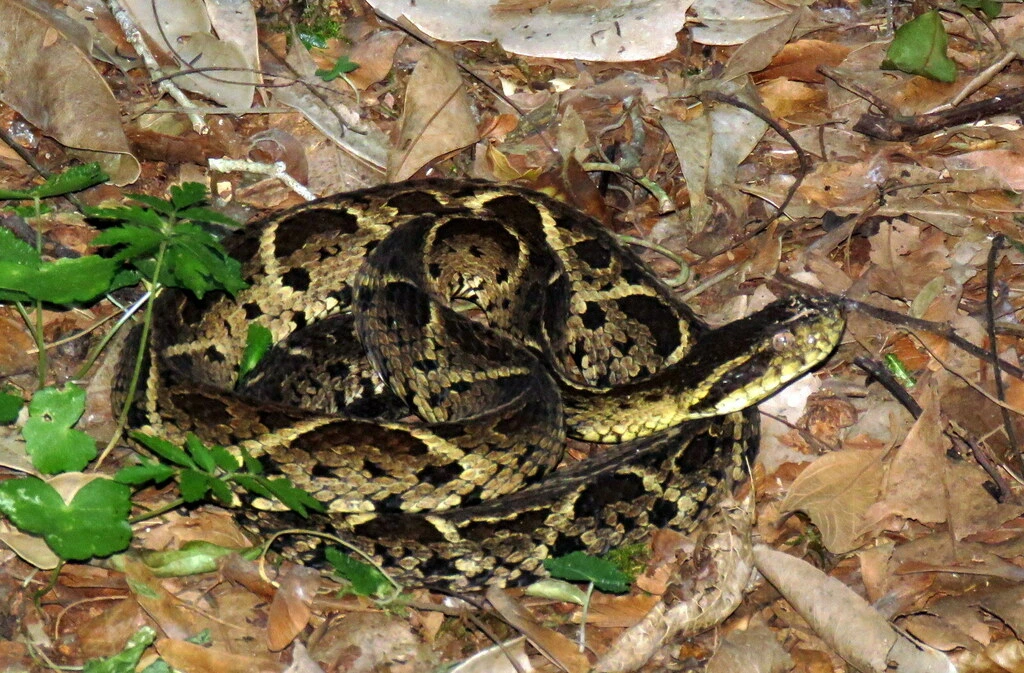
Bothrops jararacussu. Coiled individual among leaf litter. Original observation dated 2024-01-05. No additional geographic occurrence is inferred.

009 · Viperidae

Jararacussu

Bothrops jararacussu

LACERDA, 1884

VenomousClinical severity not established

The checked taxonomic distribution account explicitly lists Argentina. Country-level evidence does not establish continuous occupancy or a complete national inventory.

Read the species account →

Diego Carús · CC0 1.0 · https://creativecommons.org/publicdomain/zero/1.0/
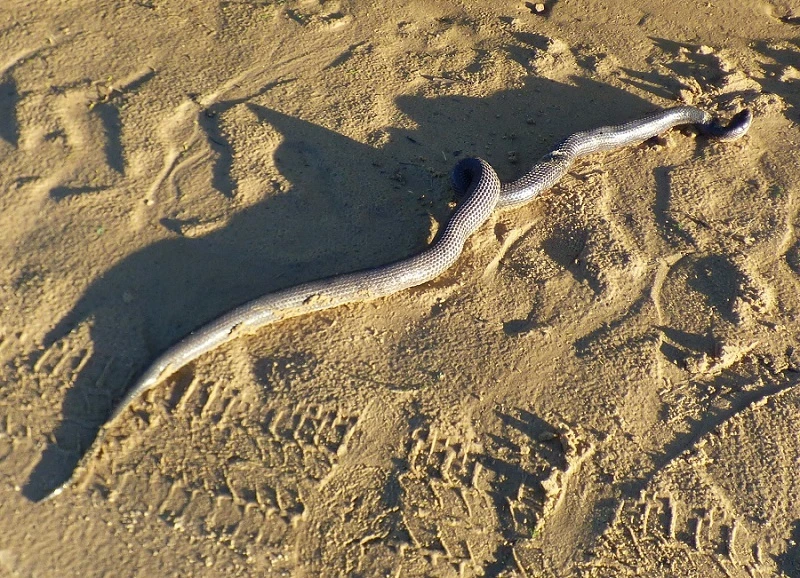
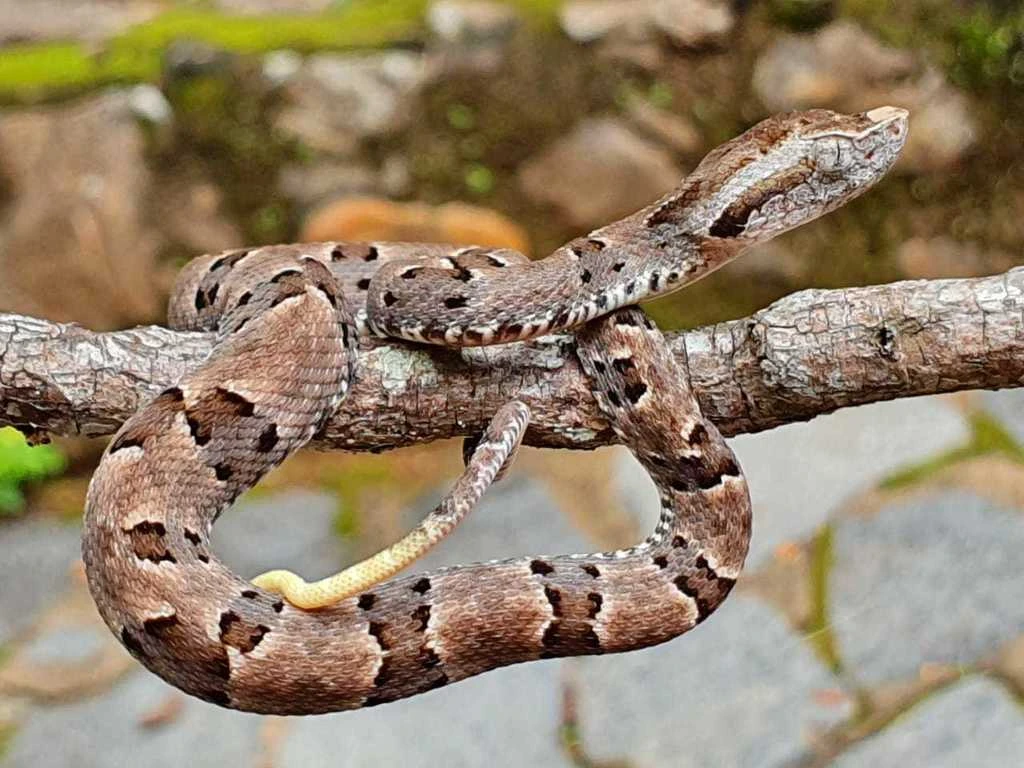
Bothrops moojeni. Patterned individual looped around a branch, with the head raised. Original observation dated 2020-12-22. Portrait only; no new locality record is inferred.

010 · Viperidae

Brazilian Lancehead

Bothrops moojeni

HOGE, 1966

VenomousClinical severity not established

The checked taxonomic distribution account explicitly lists Argentina. Country-level evidence does not establish continuous occupancy or a complete national inventory. The treatment names these subdivisions in its Argentina distribution clause: Misiones. They are assigned to the declared atlas navigation groups; this is not a field observation, a…

Read the species account →

Jean Martins · CC BY 4.0 · https://creativecommons.org/licenses/by/4.0/

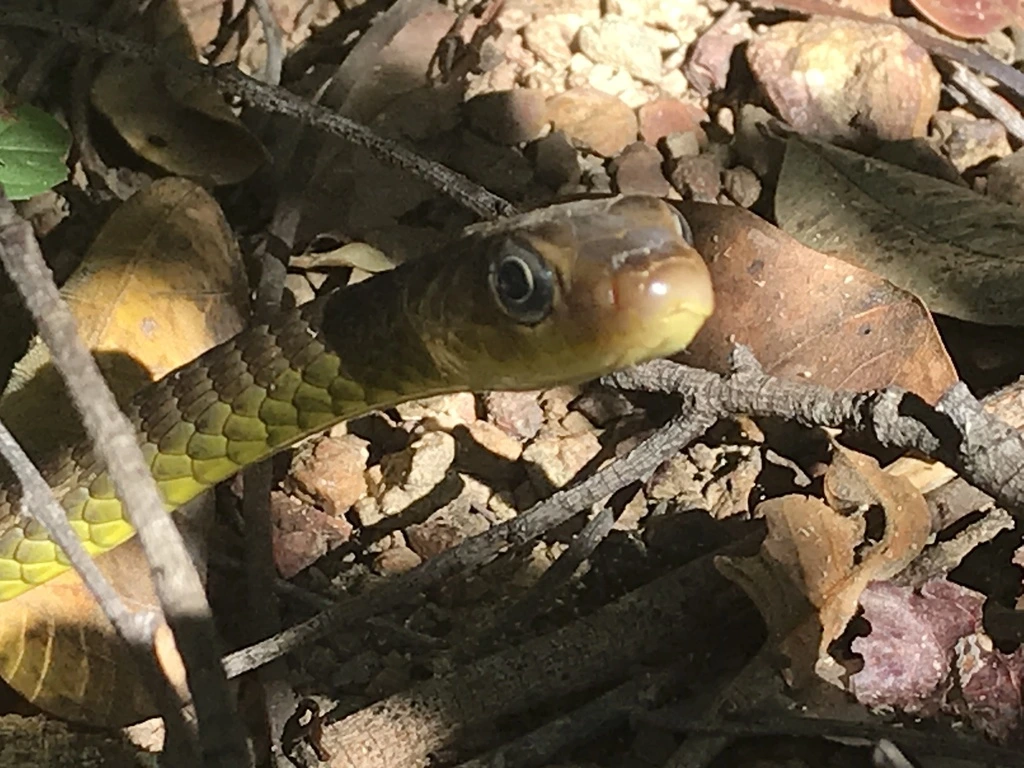
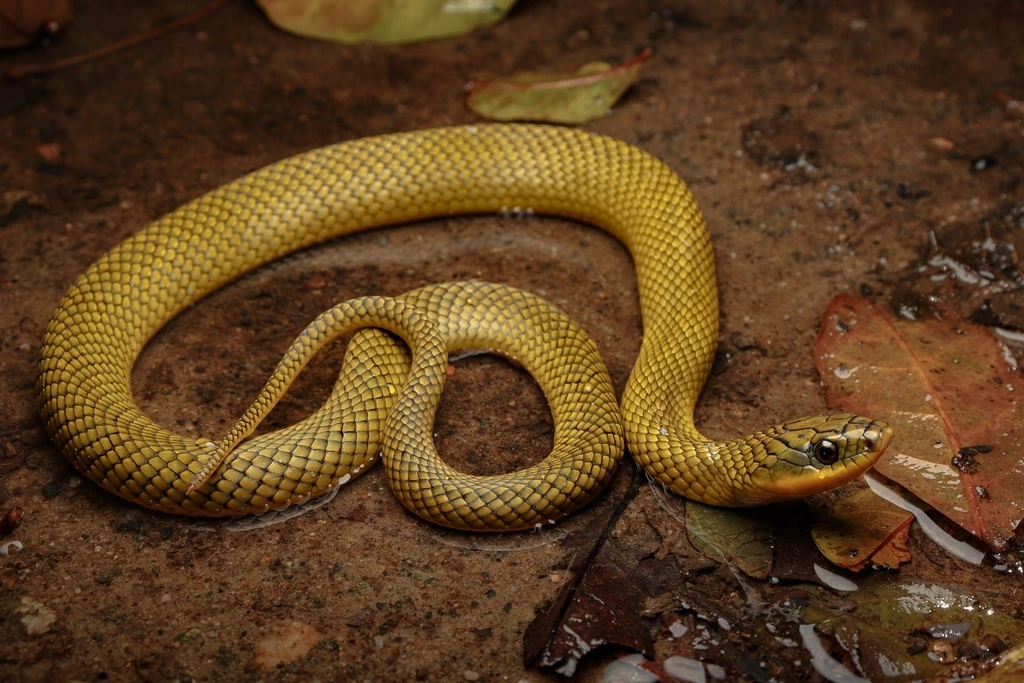
Chironius exoletus. The complete source frame is retained; this portrait is not locality or habitat evidence. Original observation dated 2020-06-14. No additional geographic occurrence is inferred.

011 · Colubridae

Linnaeus' Sipo

Chironius exoletus

(LINNAEUS, 1758)

Venom unknownNot yet assessed

The checked taxonomic distribution account explicitly lists Argentina. Country-level evidence does not establish continuous occupancy or a complete national inventory.

Read the species account →

Mario Barroso · CC BY 4.0 · https://creativecommons.org/licenses/by/4.0/

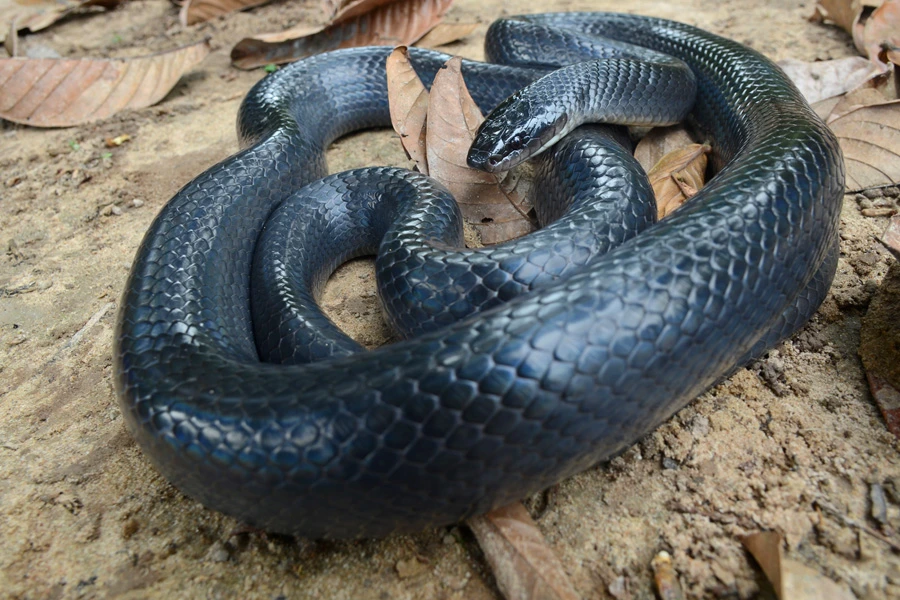
Clelia clelia. Glossy dark individual coiled on leaf litter. Portrait only; no wild locality or habitat record is inferred.

012 · Colubridae

Windward Cribo, Black Mussurana

Clelia clelia

(DAUDIN, 1803)

Venom unknownNot yet assessed

The checked taxonomic distribution account explicitly lists Argentina. Country-level evidence does not establish continuous occupancy or a complete national inventory.

Read the species account →

Geoff Gallice ( https://www.flickr.com/photos/dejeuxx/ ) · CC BY 2.0 · https://creativecommons.org/licenses/by/2.0

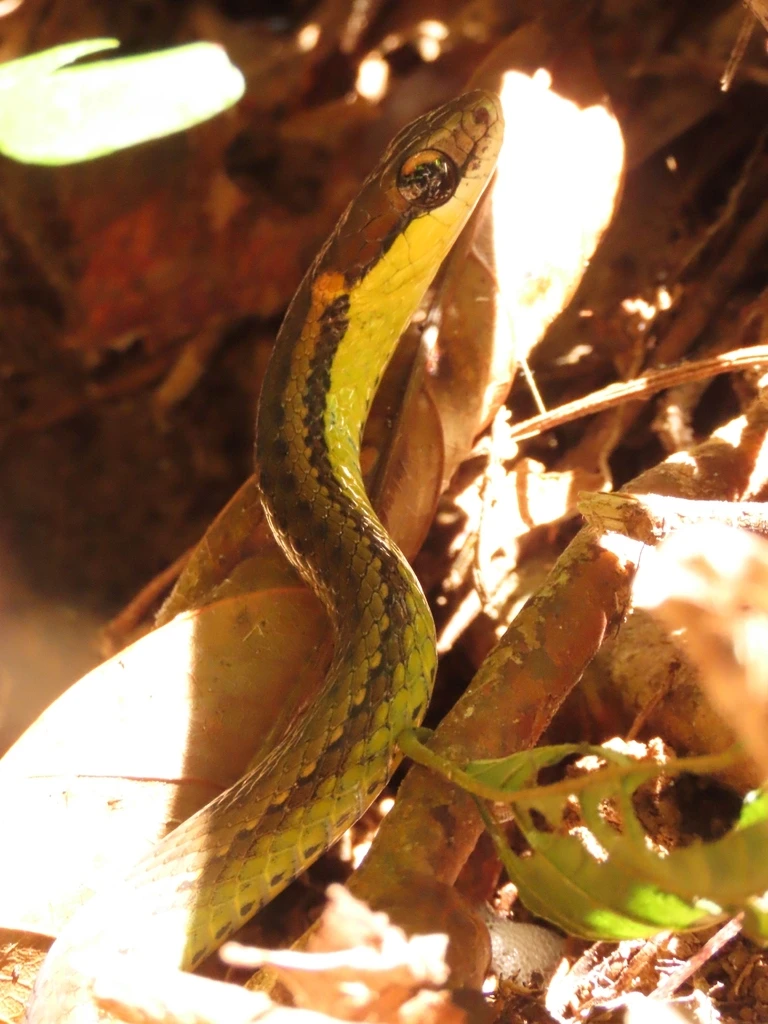
Echinanthera cyanopleura. Close view of the striped head and yellow throat among leaves. Original observation dated 2026-08-23. Portrait only; no new locality record is inferred.

013 · Colubridae

Species account

Echinanthera cyanopleura

(COPE, 1885)

Venom unknownNot yet assessed

The checked taxonomic distribution account explicitly lists Argentina. Country-level evidence does not establish continuous occupancy or a complete national inventory. The treatment names these subdivisions in its Argentina distribution clause: Misiones. They are assigned to the declared atlas navigation groups; this is not a field observation, a…

Read the species account →

Monkey Safari Tur · CC0 1.0 · https://creativecommons.org/publicdomain/zero/1.0/
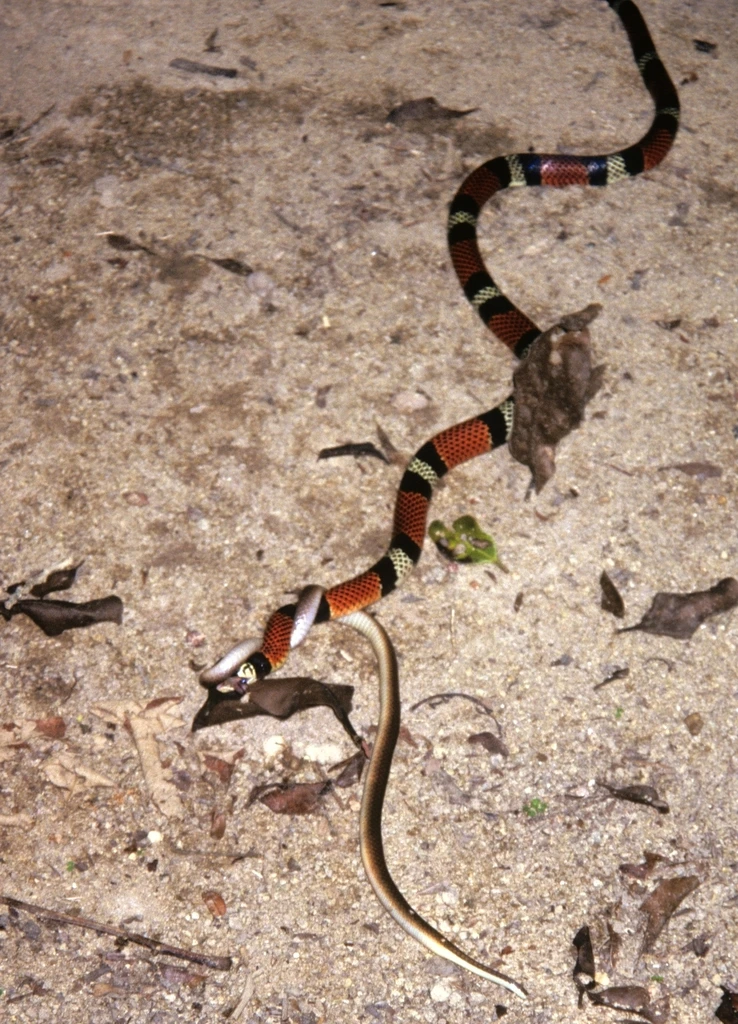
Erythrolamprus aesculapii. Banded individual moving across sandy ground and fallen leaves. Original observation dated 1999-02-23. Portrait only; no new locality record is inferred.

014 · Colubridae

South American False Coralsnake, Aesculapian False Coral Snake

Erythrolamprus aesculapii

(LINNAEUS, 1758)

VenomousMedically significant effects

The checked taxonomic distribution account explicitly lists Argentina. Country-level evidence does not establish continuous occupancy or a complete national inventory. The treatment names these subdivisions in its Argentina distribution clause: Misiones. They are assigned to the declared atlas navigation groups; this is not a field observation, a…

Read the species account →

desertnaturalist · CC BY 4.0 · https://creativecommons.org/licenses/by/4.0/

ColubridaeErythrolamprusPhotograph not yet documented

015 · Colubridae

Swamp Liophis

Erythrolamprus frenatus

(WERNER, 1909)

Venom unknownNot yet assessed

The checked taxonomic distribution account explicitly lists Argentina. Country-level evidence does not establish continuous occupancy or a complete national inventory. The treatment names these subdivisions in its Argentina distribution clause: Misiones, Corrientes. They are assigned to the declared atlas navigation groups; this is not a field…

Read the species account →
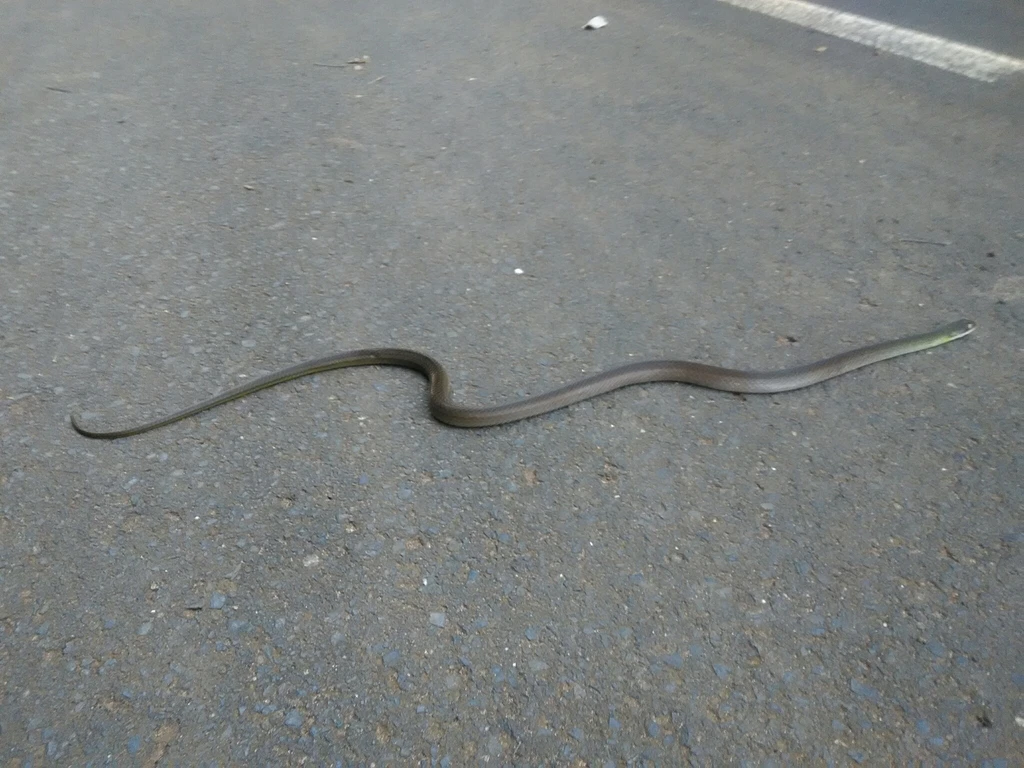
Erythrolamprus macrosomus. Head and forebody photographed on a road. Original observation dated 2020-06-29. Portrait only; no new locality or habitat record is inferred.

016 · Colubridae

Species account

Erythrolamprus macrosomus

(AMARAL, 1936)

Venom unknownNot yet assessed

The checked taxonomic distribution account explicitly lists Argentina. Country-level evidence does not establish continuous occupancy or a complete national inventory. The treatment names these subdivisions in its Argentina distribution clause: Entre Ríos, Entre Rios. They are assigned to the declared atlas navigation groups; this is not a field…

Read the species account →

Márcia Martins · CC BY 4.0 · https://creativecommons.org/licenses/by/4.0/

Erythrolamprus poecilogyrus. The complete source frame is retained; this portrait is not locality or habitat evidence. Original observation dated 2026-01-18. No additional geographic occurrence is inferred.

017 · Colubridae

Species account

Erythrolamprus poecilogyrus

(WIED-NEUWIED, 1824)

Venom unknownNot yet assessed

The checked taxonomic distribution account explicitly lists Argentina. Country-level evidence does not establish continuous occupancy or a complete national inventory.

Read the species account →

Inacio Oliveira · CC BY 4.0 · https://creativecommons.org/licenses/by/4.0/

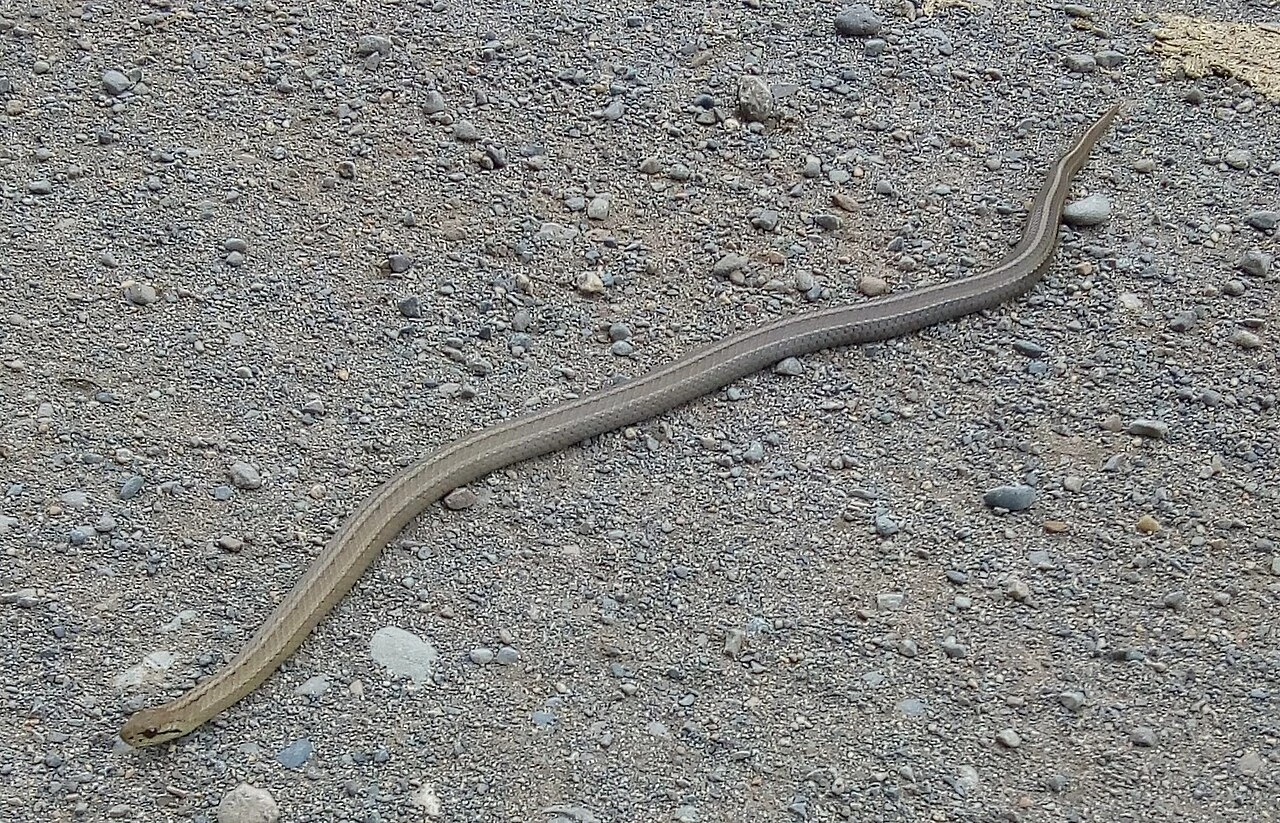
Galvarinus chilensis. Slender grey individual moving over gravel. Portrait only; no wild locality or habitat record is inferred.

018 · Colubridae

Chilean Slender Snake

Galvarinus chilensis

(SCHLEGEL, 1837)

VenomousClinical severity not established

The checked taxonomic distribution account explicitly lists Argentina. Country-level evidence does not establish continuous occupancy or a complete national inventory. The treatment names these subdivisions in its Argentina distribution clause: Neuquén, Neuquen, Chubut, Río Negro, Rio Negro. They are assigned to the declared atlas navigation groups; this…

Read the species account →

Austral blizzard · CC BY-SA 4.0 · https://creativecommons.org/licenses/by-sa/4.0

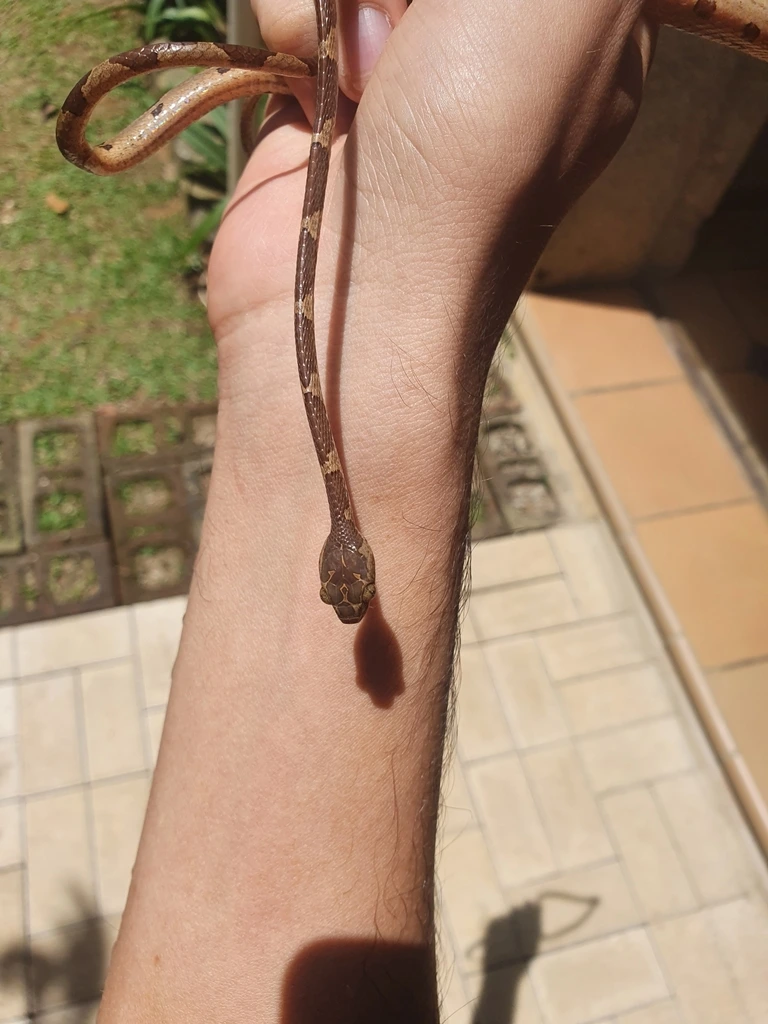
Imantodes cenchoa. Photographed while held; this is a handled specimen portrait. Original observation dated 2020-08-17. This photograph does not establish occurrence in any additional state or province.

019 · Colubridae

Neotropical Blunt-headed Treesnake, Blunthead Tree Snake

Imantodes cenchoa

(LINNAEUS, 1758)

Venom unknownNot yet assessed

The checked taxonomic distribution account explicitly lists Argentina. Country-level evidence does not establish continuous occupancy or a complete national inventory.

Read the species account →

Samuel Peláez Vélez · CC BY 4.0 · https://creativecommons.org/licenses/by/4.0/

ColubridaeLygophisPhotograph not yet documented

020 · Colubridae

Vanzolini's Ground Snake

Lygophis vanzolinii

(DIXON, 1985)

Venom unknownNot yet assessed

The checked taxonomic distribution account explicitly lists Argentina. Country-level evidence does not establish continuous occupancy or a complete national inventory. The treatment names these subdivisions in its Argentina distribution clause: Córdoba, Cordoba. They are assigned to the declared atlas navigation groups; this is not a field observation, a…

Read the species account →
Micrurus altirostris. Atypically patterned individual, explicitly described as aberrant by an identifier; not presented as the usual colour pattern. Original observation dated 2023-02-01. No additional geographic occurrence is inferred.

021 · Elapidae

Uruguayan coral snake

Micrurus altirostris

(COPE, 1860)

VenomousClinical severity not established

The checked taxonomic distribution account explicitly lists Argentina. Country-level evidence does not establish continuous occupancy or a complete national inventory.

Read the species account →

E Santos Ortega · CC BY 4.0 · https://creativecommons.org/licenses/by/4.0/

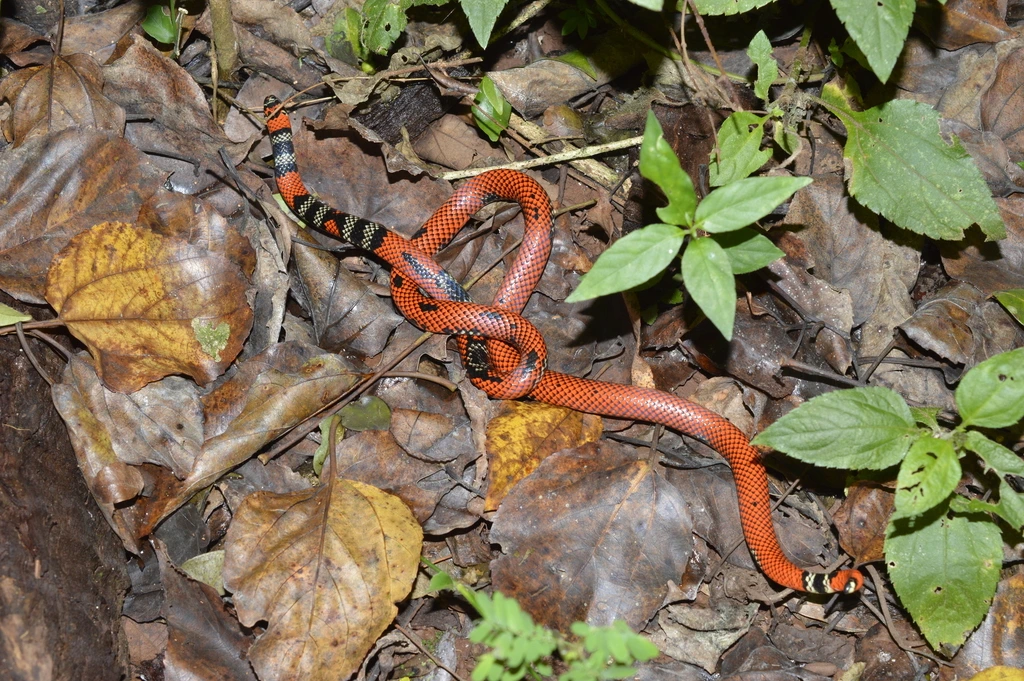
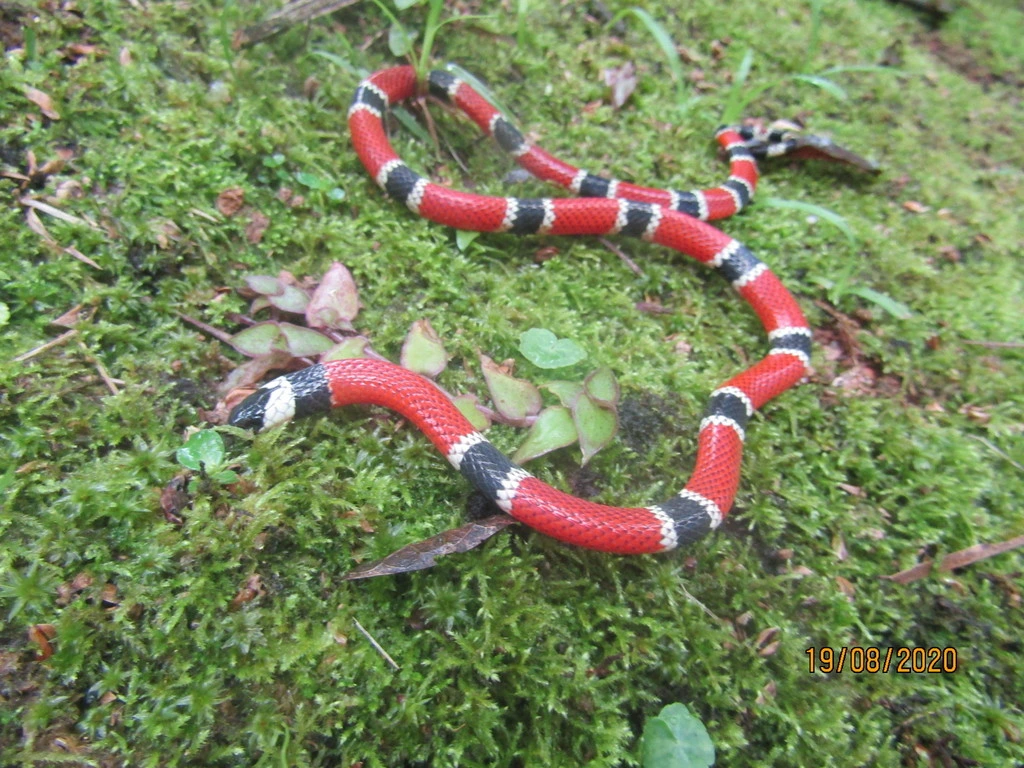
Micrurus corallinus. Banded juvenile on moss; original date imprint retained. Original observation dated 2020-08-19. No additional geographic occurrence is inferred.

023 · Elapidae

Painted Coral Snake

Micrurus corallinus

(MERREM, 1820)

VenomousClinical severity not established

The checked taxonomic distribution account explicitly lists Argentina. Country-level evidence does not establish continuous occupancy or a complete national inventory.

Read the species account →

Carlos Henrique Russi · CC0 1.0 · https://creativecommons.org/publicdomain/zero/1.0/
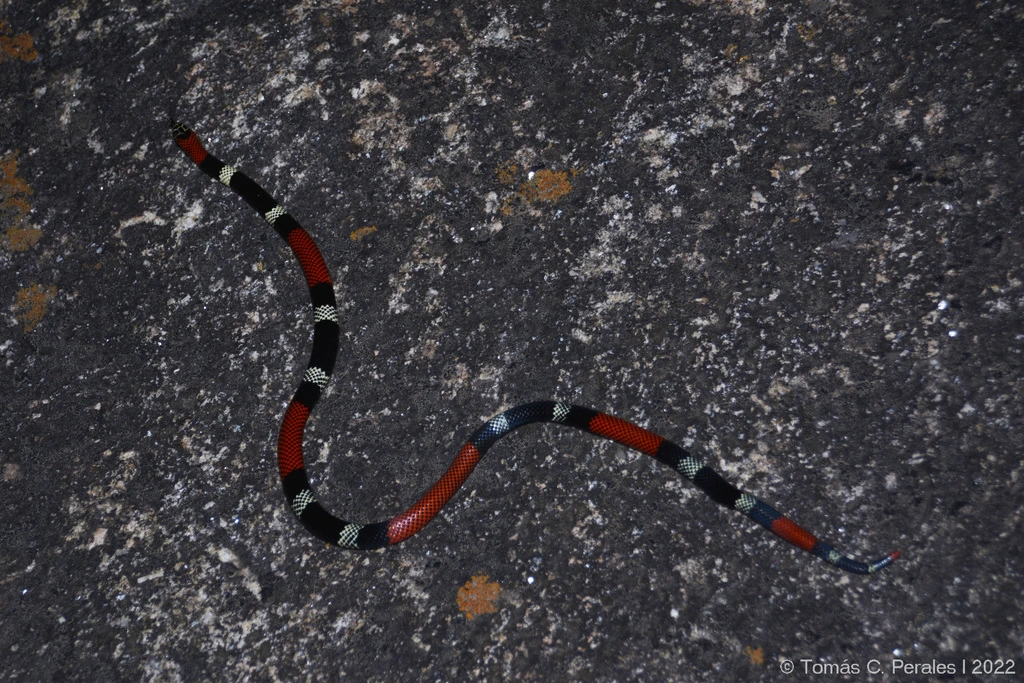
Micrurus pyrrhocryptus. Whole banded individual on a dark surface; photographer watermark retained. Original observation dated 2022-01-13. No additional geographic occurrence is inferred.

024 · Elapidae

Argentinian coral snake

Micrurus pyrrhocryptus

(COPE, 1862)

VenomousClinical severity not established

The checked taxonomic distribution account explicitly lists Argentina. Country-level evidence does not establish continuous occupancy or a complete national inventory.

Read the species account →

Tomás Carranza Perales · CC BY 4.0 · https://creativecommons.org/licenses/by/4.0/

All 137 species in the country collection →

Read further

Evidence & sources.

Guide reviewed 17 October 2026. Source dates and geographic scope matter; landscape photographs do not establish species occurrence.

  1. Convention on Biological Diversity · Argentina national profile

    Historical Secretariat draft, pending Party approval. Landscape context only; historical statistics are not presented as current measurements. Reviewed 17 October 2026.

Continue through Argentina

Explore another habitat.

01

Highland environments

The Yungas form a wooded Andean landscape in the profile. A mountain-forest label is narrower than the entire Andean chain and does not assign snakes to exposed high-altitude terrain.