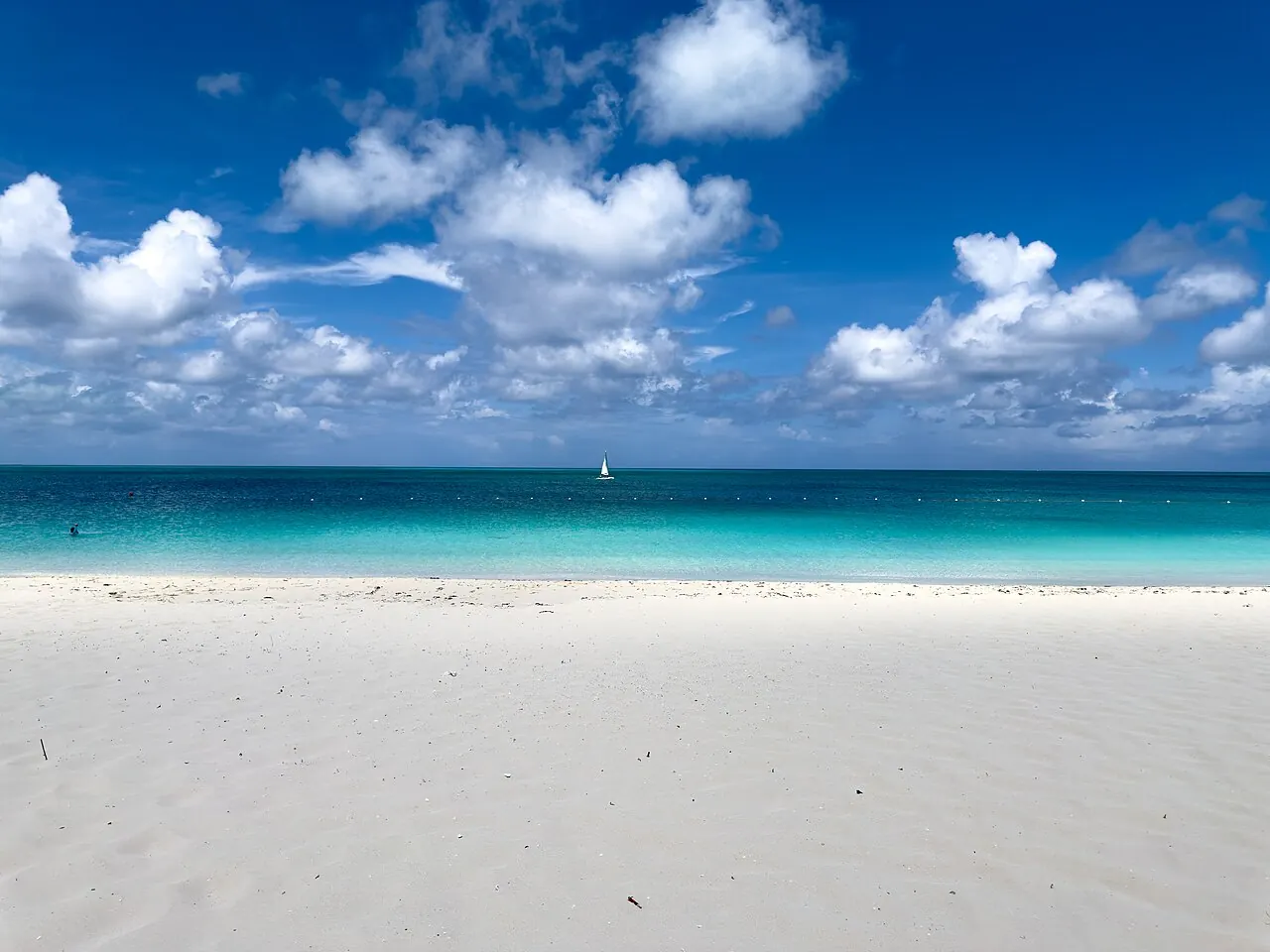
White sand beach and turquoise sea on Providenciales, Turks and Caicos Islands, photographed in September 2026.

Turks and Caicos Islands · The country atlas

Turks and Caicos Islands

The Turks and Caicos banks have different snake records. The 2026 native-reptile revision anchors this chapter; introduced blindsnakes and historical corn-snake captures are kept distinct from native populations.

4species with extracted evidence
3families
10island guides

White sand beach and turquoise sea on Providenciales, Turks and Caicos Islands, photographed in September 2026.

Photograph: Caicos Rentals ( https://caicosrentals.com ) · Image source · CC BY 4.0. Cropped to fill the hero; darkened for text legibility.

Geography & biotopes

Discover Turks and Caicos Islands.

The Turks and Caicos banks have different snake records. The 2026 native-reptile revision anchors this chapter; introduced blindsnakes and historical corn-snake captures are kept distinct from native populations.

Dry limestone scrub and coppice meet broad tidal wetlands. The island directory preserves the gap between the Turks and Caicos banks: a Caicos record is never spread across to Grand Turk.

Reynolds (2026) · Native terrestrial reptiles of Turks and Caicos →

DECR · Reptiles and Amphibians →

UKOTCF · North, Middle and East Caicos Ramsar review →

Wallach (2021) · global Brahminy blindsnake locality review →

Reynolds & Niemiller (2010) · Island invaders →

Geography is part of the record

Find your way through Turks and Caicos Islands.

Select a named island to open its evidence page. The complete directory below keeps every guide accessible, including places where locality evidence has not yet been extracted.

4 of 4 listed species have at least one indexed island record. 0 remain country-only. Even a nonzero count is not a complete regional inventory.

Habitats & living landscapes

Explore the living
landscapes.

Explore 3 guides to the environments, places and conservation pressures that shape this country. Each guide connects to the regional map and shared species accounts.

Landscape photographs & credits

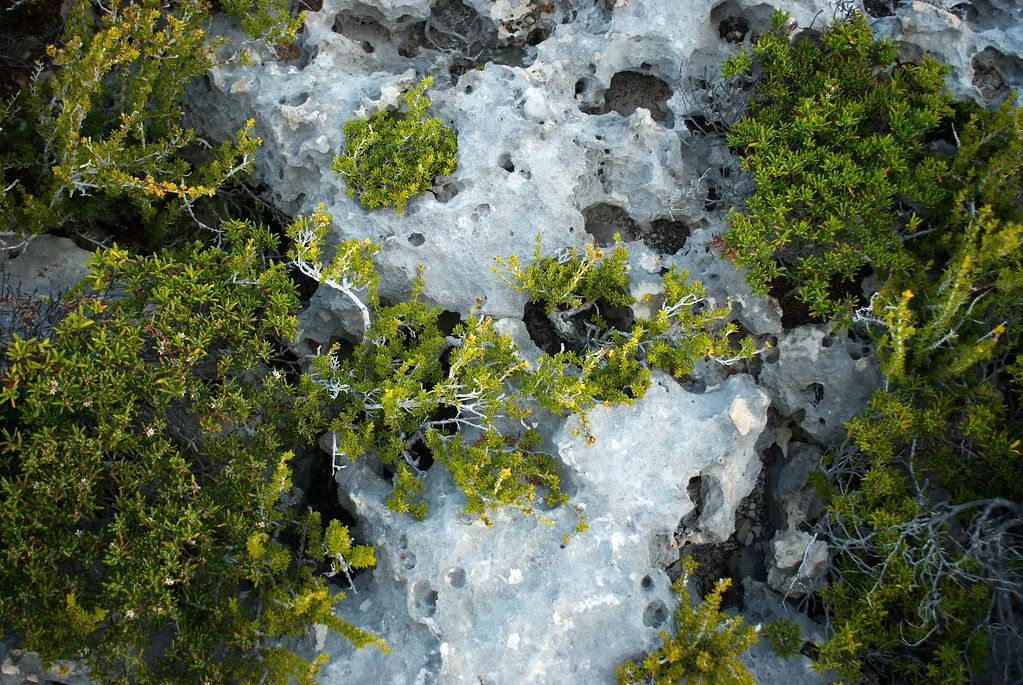
Low scrub growing between weathered limestone outcrops in Turks and Caicos. This close view records the dry scrub substrate; the source does not specify an individual island. — Peat Bakke. Original photograph · CC BY 2.0. Cropped for the cards; photographs do not establish snake occurrence.

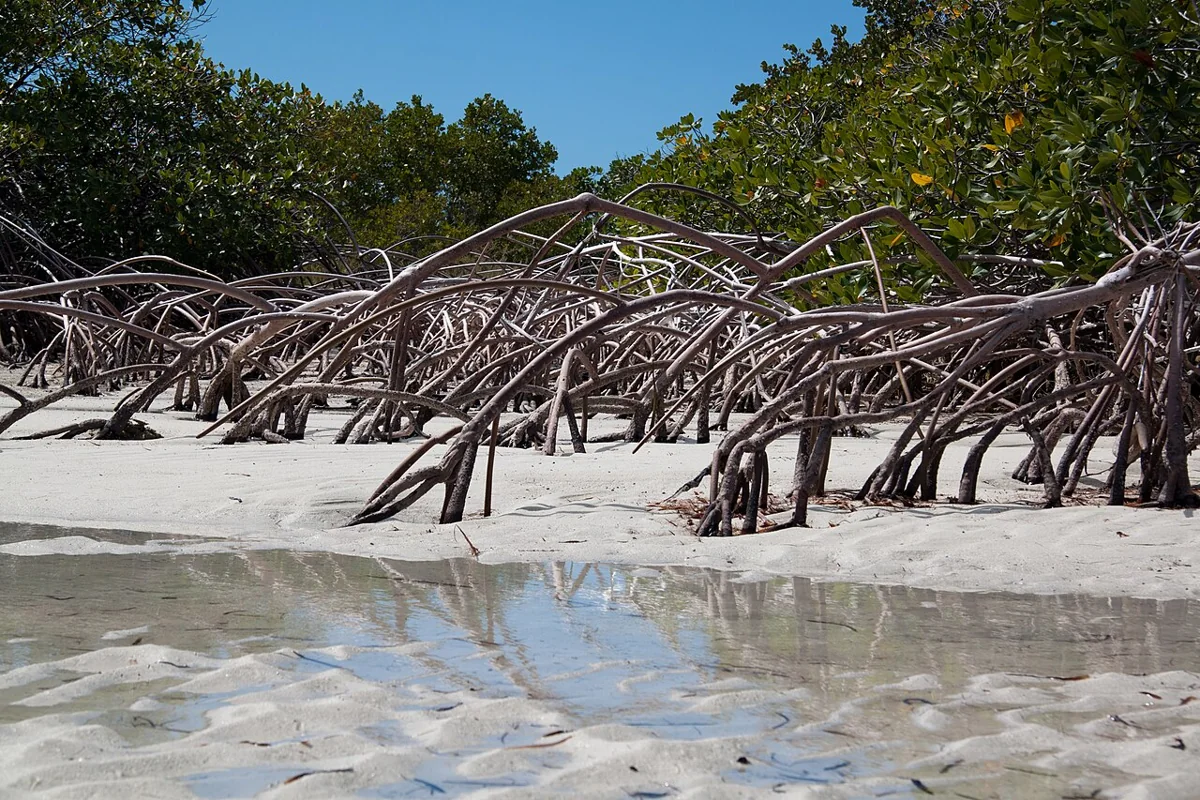
Mangrove roots at Princess Alexandra Land and Sea National Park, Providenciales, in February 2011. This national habitat example is separate from the guide’s North, Middle and East Caicos Ramsar anchors. — Tim Sackton. Original photograph · CC BY-SA 2.0. Cropped for the cards; photographs do not establish snake occurrence.

White sand beach and turquoise sea on Providenciales, Turks and Caicos Islands, photographed in September 2026. — Caicos Rentals ( https://caicosrentals.com ). Original photograph · CC BY 4.0. Cropped for the cards; photographs do not establish snake occurrence.

The species catalogue

Meet the snakes of Turks and Caicos Islands.

Search scientific names, historical names, common names and families. Every card opens one shared account across its documented countries.

This source review supports 3 native and 1 introduced species records. 1 additional historical or uncertain records are excluded from current counts. These are documented atlas records, not a claim of an exhaustive living population census. Reynolds (2026) · Native terrestrial reptiles of Turks and Caicos ↗

4 species · showing 4

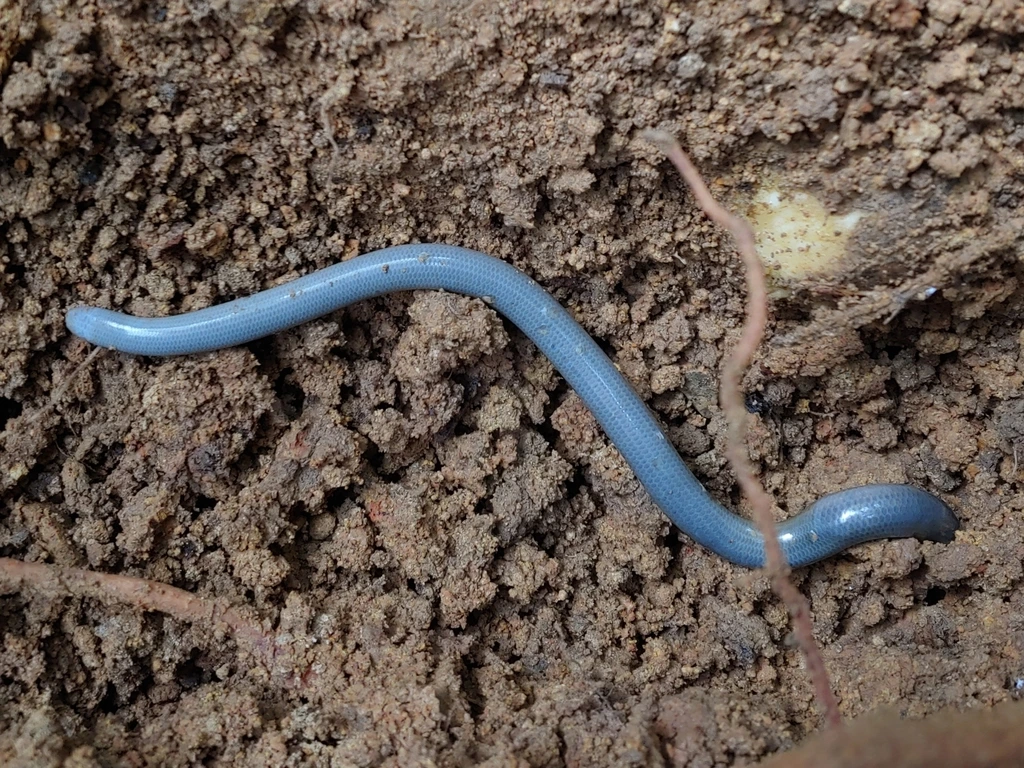
Antillotyphlops platycephalus. Whole animal on loose soil. Original observation dated 2025-01-01. No additional geographic occurrence is inferred.

001 · Typhlopidae

Puerto Rican White-tailed Blindsnake, Flathead Worm Snake

Antillotyphlops platycephalus

(DUMÉRIL & BIBRON, 1844)

Non-venomous

Native Caicos Bank blindsnake; current treatment retains A. platycephalus, with North Caicos, Providenciales and Big Ambergris evidence. No Turks Bank record; historical A. richardii usage is not a second species.

Read the species account →

Kurt Miller · CC BY-SA 4.0 · https://creativecommons.org/licenses/by-sa/4.0/

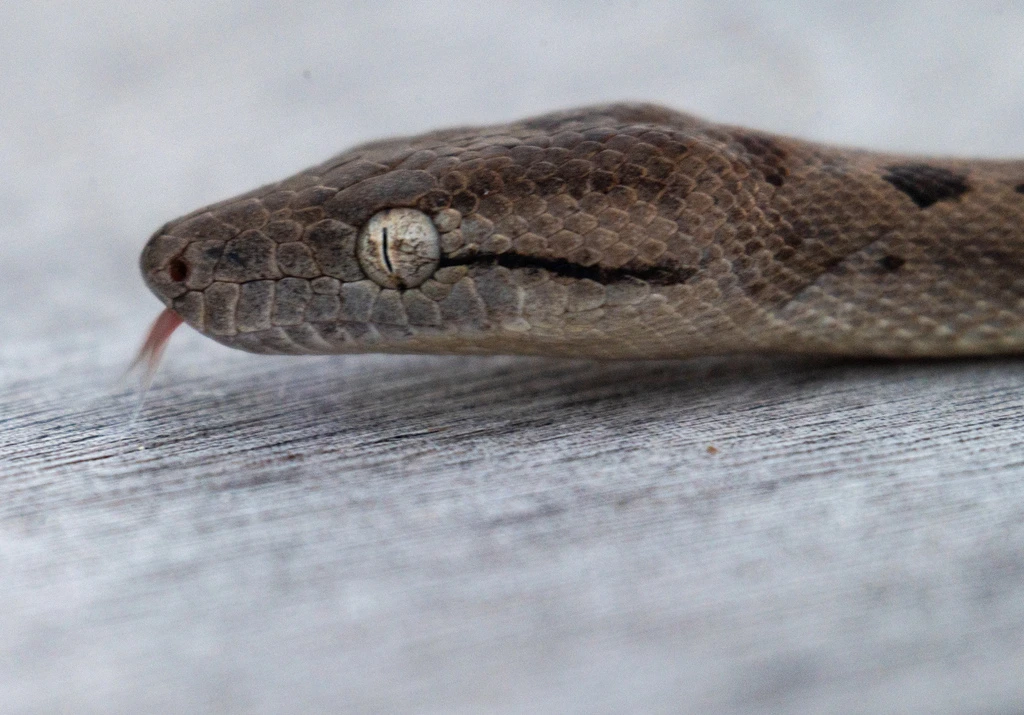
Chilabothrus chrysogaster. Side view of the head and eye. Original observation dated 2025-11-27. Portrait only; no new locality record is inferred.

002 · Boidae

Turk's Island Boa, South Bahamian Boa;

Chilabothrus chrysogaster

(COPE, 1871)

Non-venomous

Native boa: positive Caicos islands and Gibbs/East cays retained. Grand Turk is treated as extirpated and excluded from current island counts.

Read the species account →

gwar · CC BY 4.0 · https://creativecommons.org/licenses/by/4.0/

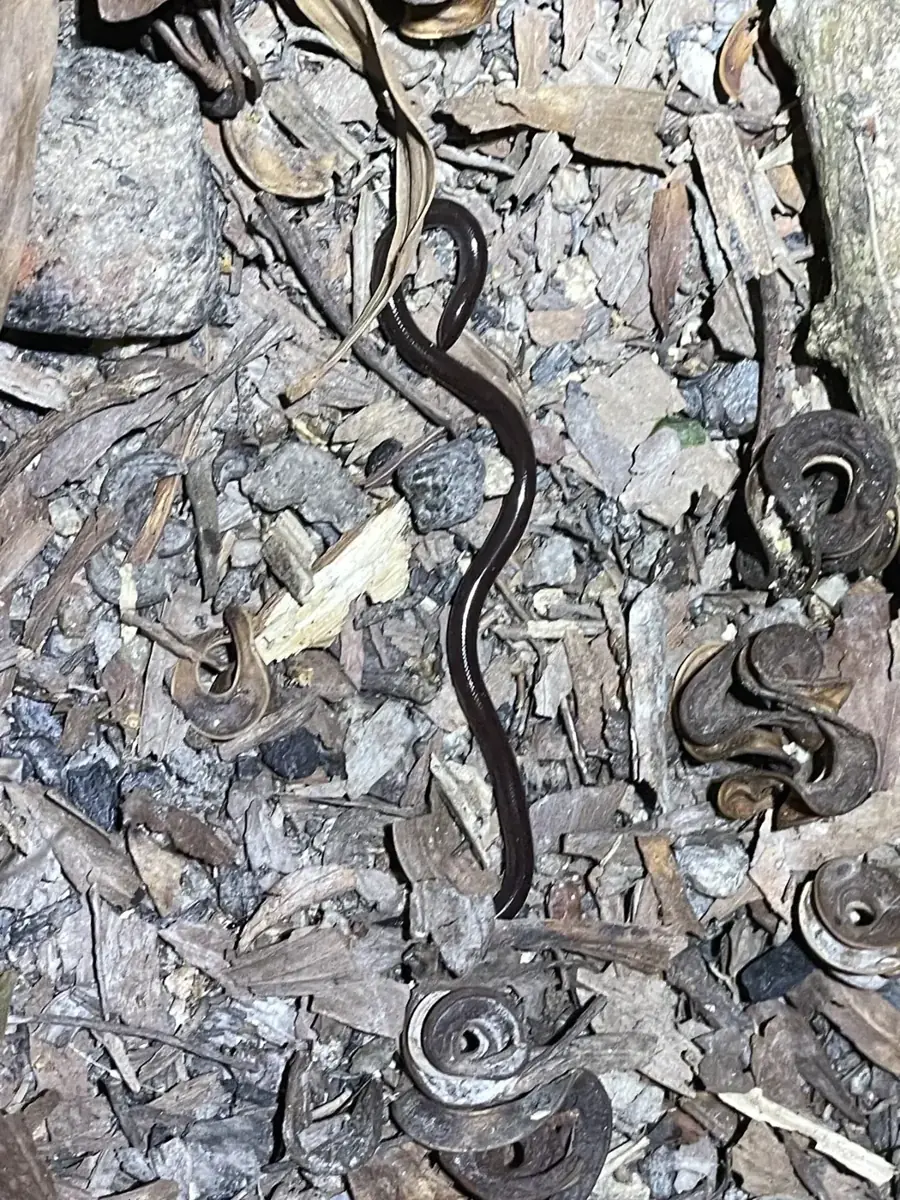
Indotyphlops braminus — photographed on Ko Pha-ngan, Thailand.

003 · Typhlopidae

Flowerpot Snake

Indotyphlops braminus

(DAUDIN, 1803)

Non-venomous

Introduced; named island records in the locality synthesis. A generic Caicos entry is not assigned to every Caicos island.

Read the species account →

Cook-Price, Makchai & Suwanwaree (2026); photographs credited collectively to the author, James Covert and Vikas Kumar · CC BY 4.0 · https://creativecommons.org/licenses/by/4.0/

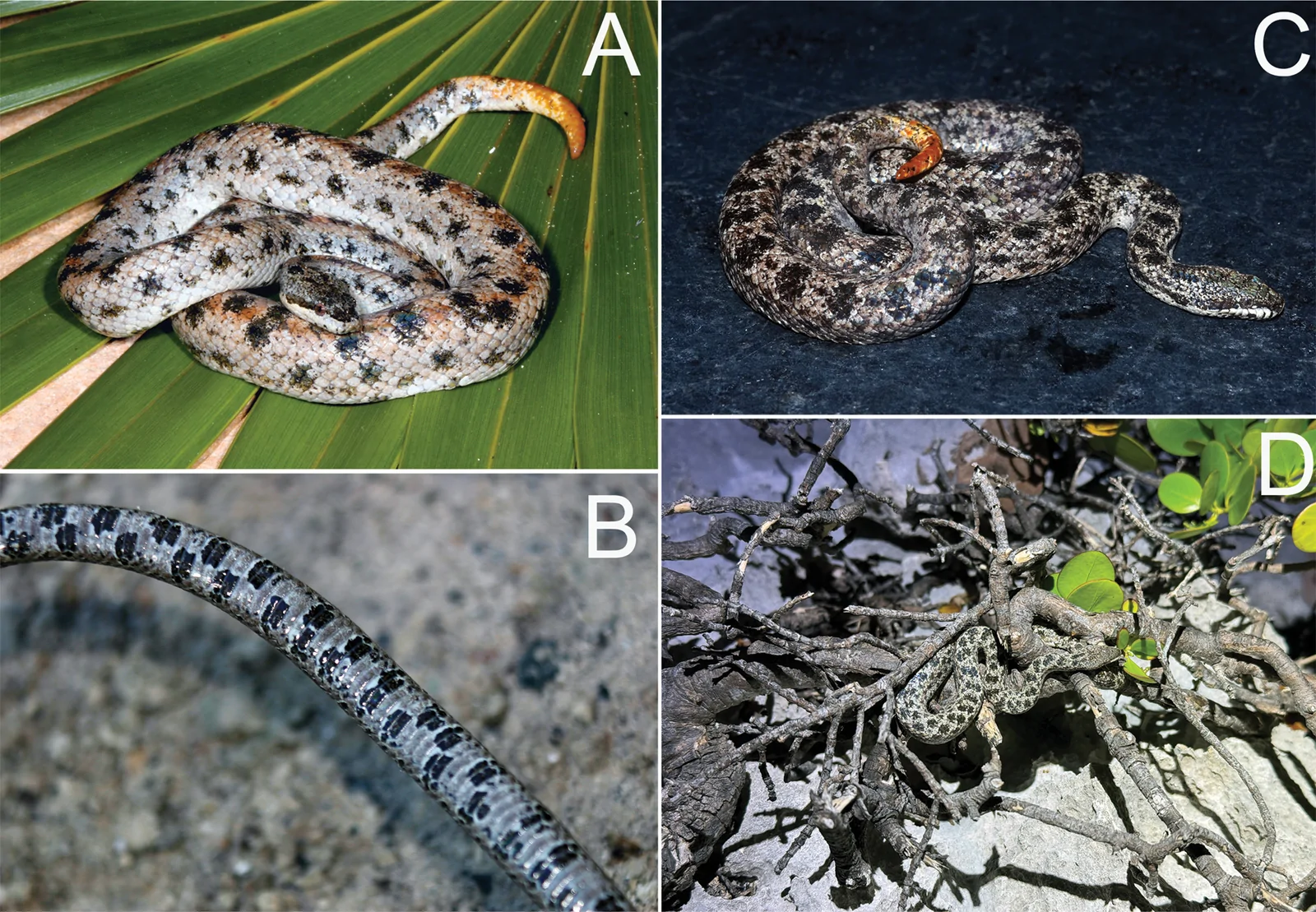
Tropidophis greenwayi, original four-photo plate: A shows T. g. lanthanus from North Caicos; B–D show T. g. greenwayi from Big Ambergris Cay, including the ventral pattern and an animal in its natural setting. Figure 11 in Reynolds (2026).

004 · Tropidophiidae

Caicos Dwarf Boa

Tropidophis greenwayi

BARBOUR & SHREVE, 1936

Venom unknownNot yet assessed

Native Caicos endemic. Confirmed major-island records retained; merely possible East/West Caicos occurrences excluded.

Read the species account →

R. Graham Reynolds (B–D); Matthew L. Niemiller (A), Reynolds 2026, Figure 11 · CC BY 4.0 · https://creativecommons.org/licenses/by/4.0/

The research library

Sources & the checklist.

This edition lists 4 species with supported country records from checked taxonomic treatments and cited field studies. This total includes 1 record marked as introduced; it is not a native-species total. It is not a claim of a complete national inventory. Each account retains its source and check date; individual evidence entries retain their own review dates.

Range and taxonomy review

Country links use a single accepted species identity. Revised names and disputed records are kept visible here; uncertain records do not enter the listed collection or regional totals.

Indotyphlops braminus

Introduced occurrence

Introduced; named island records in the locality synthesis. A generic Caicos entry is not assigned to every Caicos island.

Source 1 ↗

Pantherophis guttatus

Uncertain — excluded from the listed total

Introduced corn-snake capture on Grand Turk is documented, but establishment is not established by the reviewed capture report. Kept outside current population counts pending stronger evidence.

Source 1 ↗

Source 2 ↗

How the map and counts work

Search results were checked against distribution text and taxonomic qualifications. A geographic name alone does not establish a political country: New Guinea, the Solomon archipelago and Micronesia span more than one country or territory. Introduced and unresolved records require separate interpretation.

Place counts require explicit named localities, including valid type localities. Counts can overlap where sources name multiple places. Regional maps group historical boundary snapshots for navigation, while island outlines use Natural Earth; neither is a species range or an observation map. Small islands can be below the outline dataset’s resolution, so geographic reference markers and the directory remain available.

Natural Earth country coastline with approximate geographic navigation anchors. Small islands may be omitted from the generalized outline; markers are not snake observations. Map provenance →
Exclusions & qualifications (1)

Pantherophis guttatus

Introduced corn-snake capture on Grand Turk is documented, but establishment is not established by the reviewed capture report. Kept outside current population counts pending stronger evidence.

Read source 1 ↗ · Read source 2 ↗
  1. Reynolds (2026) · Native terrestrial reptiles of Turks and Caicos ↗
  2. DECR · Reptiles and Amphibians ↗
  3. UKOTCF · North, Middle and East Caicos Ramsar review ↗
  4. Wallach (2021) · global Brahminy blindsnake locality review ↗
  5. Reynolds & Niemiller (2010) · Island invaders ↗
  6. The Reptile Database

    Individual treatments and locality evidence are linked from each species account.

  7. Meiri (2024): SquamBase 1.0

    Species-level literature measurements and ecological traits. Exact-name matches only; imputed or ambiguous fields are omitted. These summaries are not local observations.

  8. Natural Earth: public-domain geographic data

Continue through the North America atlas →