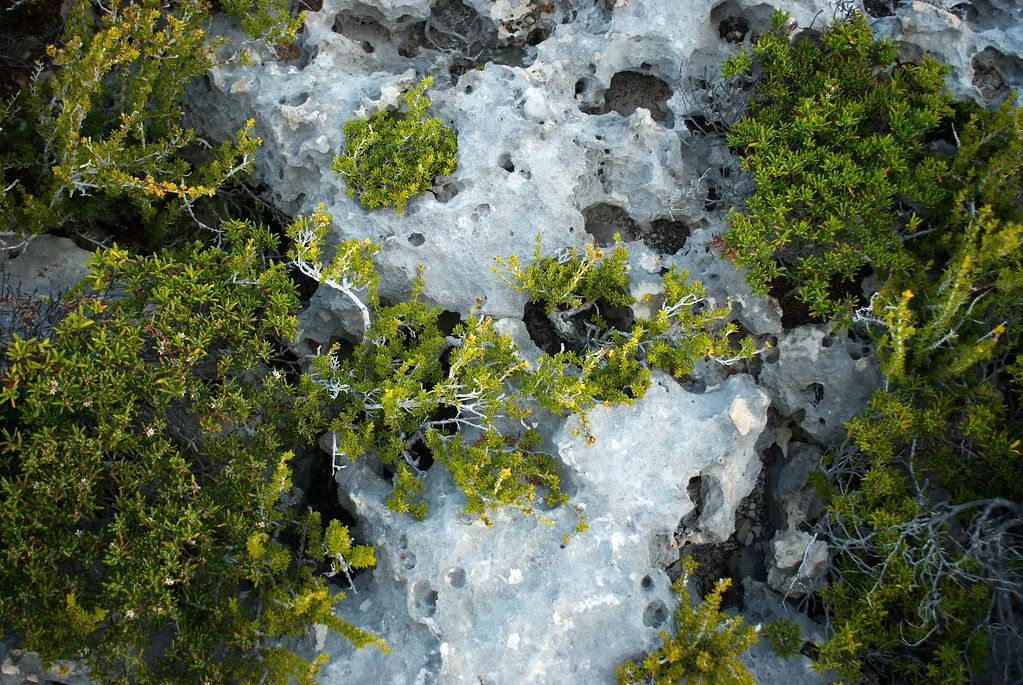
Low scrub growing between weathered limestone outcrops in Turks and Caicos. This close view records the dry scrub substrate; the source does not specify an individual island.

Turks and Caicos Islands · Habitat field guide

Caicos limestone scrub and coppice

Dry ground, rocky shelter and low scrub form a principal terrestrial setting on the Caicos Bank. Native snake records are restricted to the islands actually named by the reviewed sources.

Low scrub growing between weathered limestone outcrops in Turks and Caicos. This close view records the dry scrub substrate; the source does not specify an individual island.

Photograph: Peat Bakke · Image source · CC BY 2.0. Cropped to fill the hero; darkened for text legibility.

Understanding the environment

A sense of the habitat.

Dry ground, rocky shelter and low scrub form a principal terrestrial setting on the Caicos Bank. Native snake records are restricted to the islands actually named by the reviewed sources.

Landscape
Caicos limestone scrub and coppice
Evidence
Landscape context and species records are evaluated separately.

Explore the structure · Follow the named landscape settings

Caicos limestone scrub and coppice

Select a zone to see what changes.

Cover

Scrub

Low vegetation breaks up exposed limestone terrain.

Use the linked source for the local setting; no animal occurrence follows from this zone alone.

A conceptual habitat reading, not a measured transect or a snake distribution map.

Sources: DECR · Reptiles and Amphibians · Reynolds (2026) · Native terrestrial reptiles of Turks and Caicos
Field notes · 01

Read the local setting

Dry ground, rocky shelter and low scrub form a principal terrestrial setting on the Caicos Bank. Native snake records are restricted to the islands actually named by the reviewed sources.

Sources: DECR · Reptiles and Amphibians · Reynolds (2026) · Native terrestrial reptiles of Turks and Caicos

Field notes · 02

Keep the evidence at its proper scale

The country catalogue uses independently checked snake records. Habitat suitability alone does not establish occupancy, and a published historical record does not establish current abundance.

Sources: DECR · Reptiles and Amphibians · Reynolds (2026) · Native terrestrial reptiles of Turks and Caicos

Pressures on Turks and Caicos Islands’s habitats

What is at risk?

What helps this habitat

Keep to established access routes, leave shelter in place and follow local protected-area rules. Report unusual introduced animals to the relevant local conservation authority.

The connected collection

Snakes with habitat evidence.

These 1 species have supported country occurrence and an explicit habitat association in the shared account. The association may come from elsewhere in their range. This is not a complete local habitat inventory; the places above are landscape examples, not asserted collecting sites.

1 species · showing 1

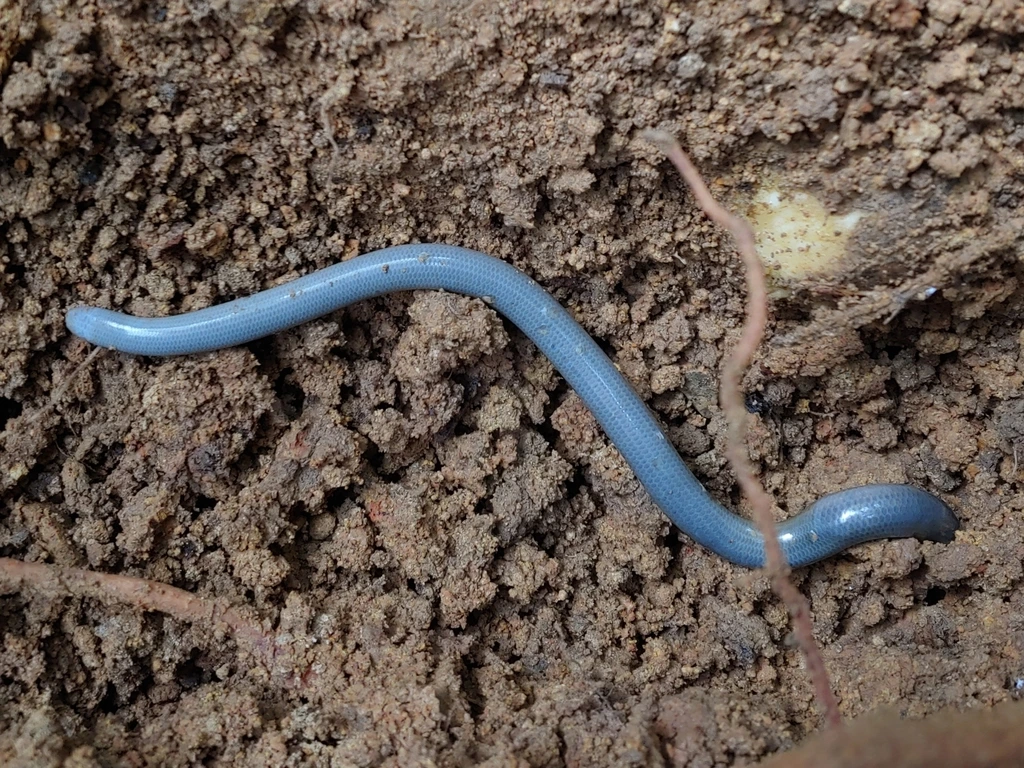
Antillotyphlops platycephalus. Whole animal on loose soil. Original observation dated 2025-01-01. No additional geographic occurrence is inferred.

001 · Typhlopidae

Puerto Rican White-tailed Blindsnake, Flathead Worm Snake

Antillotyphlops platycephalus

(DUMÉRIL & BIBRON, 1844)

Non-venomous

Native Caicos Bank blindsnake; current treatment retains A. platycephalus, with North Caicos, Providenciales and Big Ambergris evidence. No Turks Bank record; historical A. richardii usage is not a second species.

Read the species account →

Kurt Miller · CC BY-SA 4.0 · https://creativecommons.org/licenses/by-sa/4.0/

All 4 species in the country collection →

Read further

Evidence & sources.

Guide reviewed 2026-10-28. Source dates and geographic scope matter; landscape photographs do not establish species occurrence.

  1. DECR · Reptiles and Amphibians

    Government background on native snakes; dated 2015 and superseded by Reynolds (2026) where taxonomy or island status differs.

  2. Reynolds (2026) · Native terrestrial reptiles of Turks and Caicos

    Primary checklist published 17 August 2026: explicit island distributions and taxonomic qualifications. Possible islands and extirpated populations excluded from positive records.

Continue through Turks and Caicos Islands

Explore another habitat.

01

North, Middle and East Caicos wetlands

The large Ramsar landscape spans coastal wetlands associated with North, Middle and East Caicos. Tidal flats and mangroves must be read separately from dry terrestrial snake habitats.

02

Turks and Caicos shores and bank edges

The archipelago’s low islands meet shallow bank waters and deeper passages. Beaches and coastal vegetation provide geographic context while the snake records remain tied to their named islands.