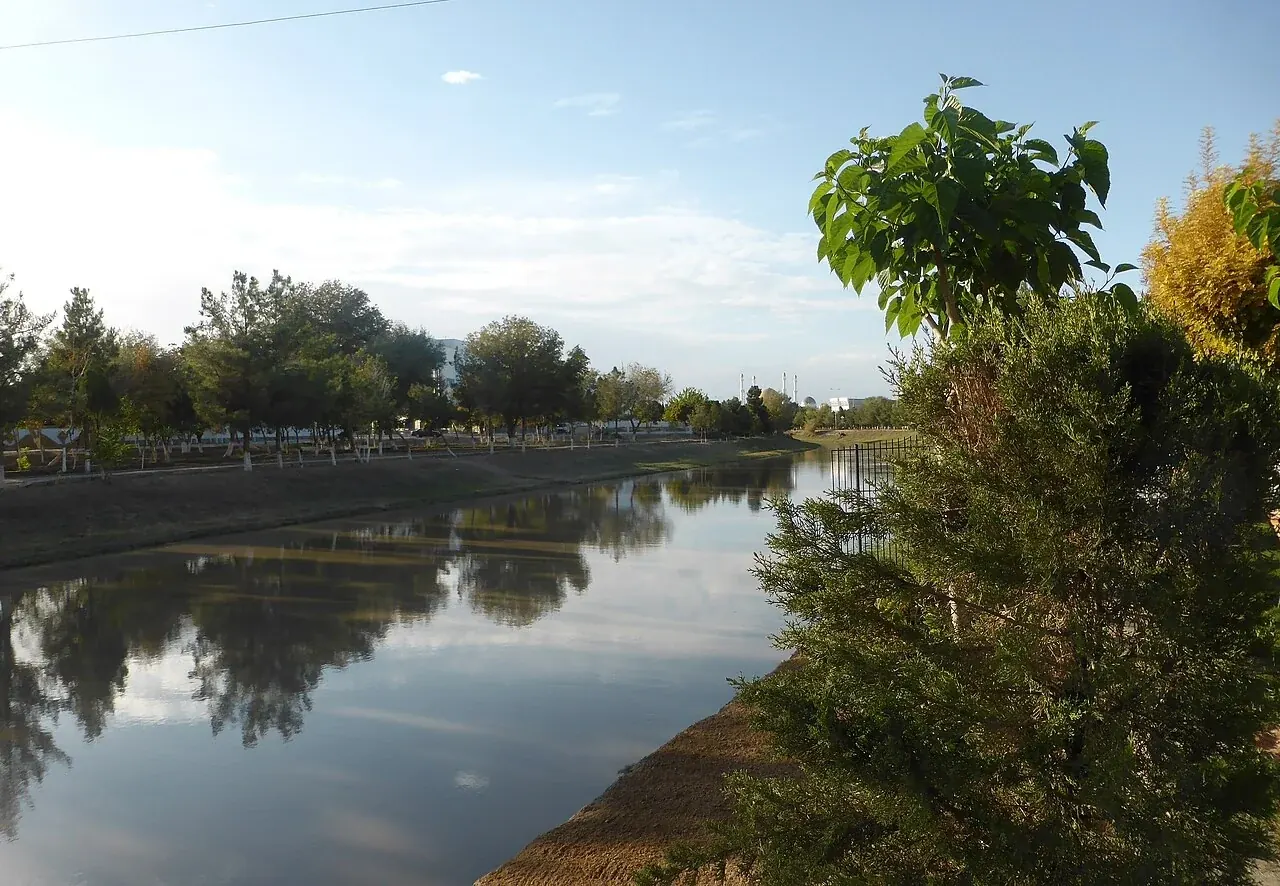
Murghab River with developed banks in Mary, Turkmenistan.

Turkmenistan · Place guide

Lebap & Mary

This guide groups Lebap, Mary in the credited boundary snapshot. Use the regional map to locate individual places within lebap & mary.

7species with extracted evidence
4families
4region guides

Murghab River with developed banks in Mary, Turkmenistan.

Photograph: Hans Birger Nilsen · Image source · CC BY 2.0. Cropped to fill the hero; darkened for text legibility.

Geography & biotopes

Read the landscape.

This guide groups Lebap, Mary in the credited boundary snapshot. Use the regional map to locate individual places within lebap & mary.

The Amudarya and Murgab are major river systems; Kugitangtau adds a contrasting mountain setting.

Ecological connections

Describe the water body and its immediate bank separately: flowing or standing water, natural or managed edge, and the vegetation actually present. Add the observation date and water conditions so seasonal differences remain visible.

Explore the setting

Check current information from the relevant local authority before visiting. Keep precise locality and date with any observation; the regional grouping provides orientation, not a current access assessment.

This guide indexes these source names: Lebap, Mary. A country-only record is not automatically assigned to this place. Map markers identify navigation destinations, not collection sites.

geoBoundaries · ADM1 boundary provenance →

Turkmenistan - National Biodiversity Strategy →

Geography is part of the record

Find your way through Turkmenistan.

Select a named region to open its evidence page. The complete directory below keeps every guide accessible, including places where locality evidence has not yet been extracted.

14 of 26 listed species have at least one indexed region record. 12 remain country-only. Even a nonzero count is not a complete regional inventory.

Habitats & living landscapes

Explore the living
landscapes.

Explore 3 guides to the environments, places and conservation pressures that shape this country. Each guide connects to the regional map and shared species accounts.

Landscape photographs & credits

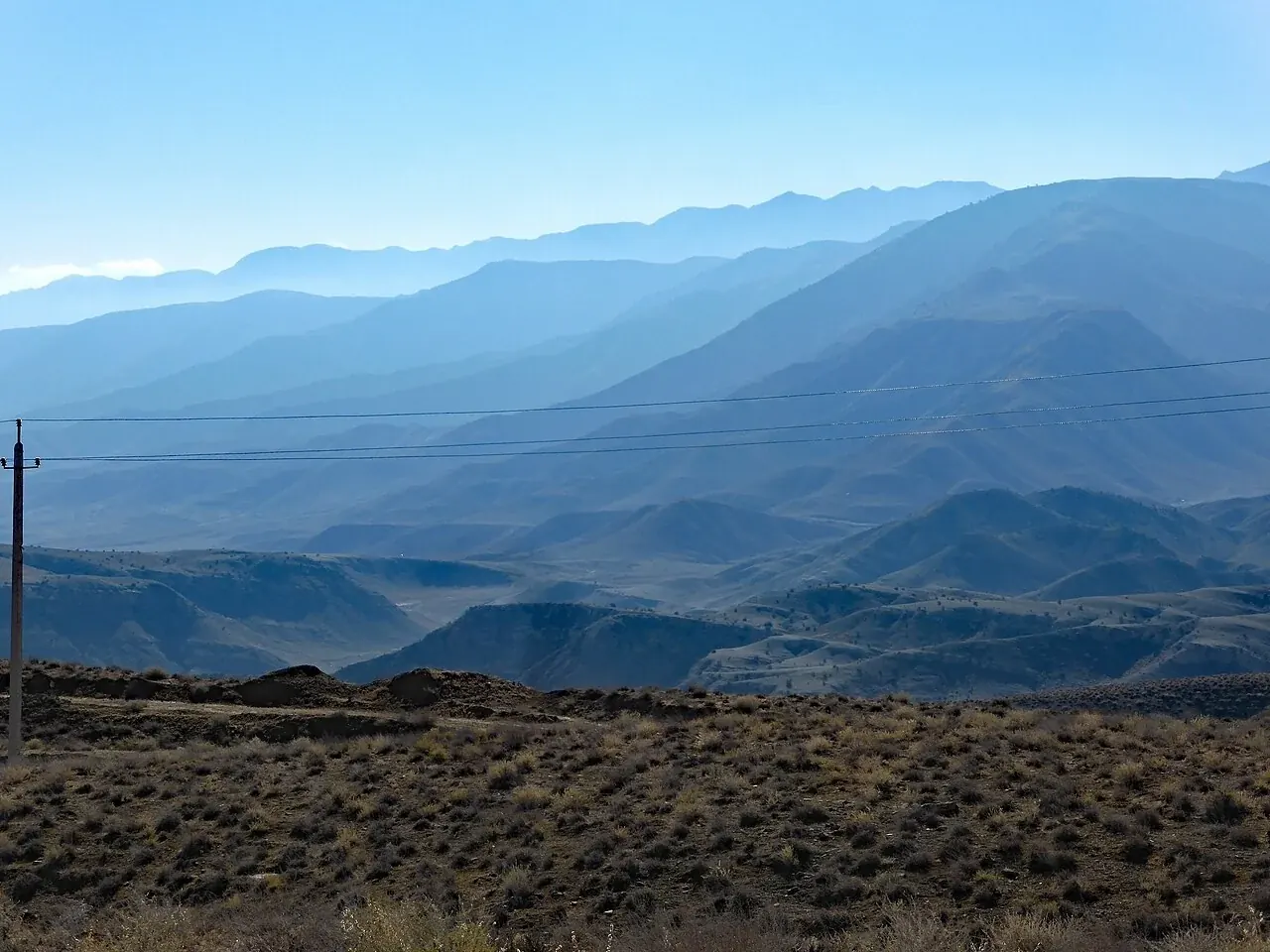
Kopet Dag mountain ranges in Turkmenistan. — Hans Birger Nilsen. Original photograph · CC BY-SA 2.0. Cropped for the cards; photographs do not establish snake occurrence.

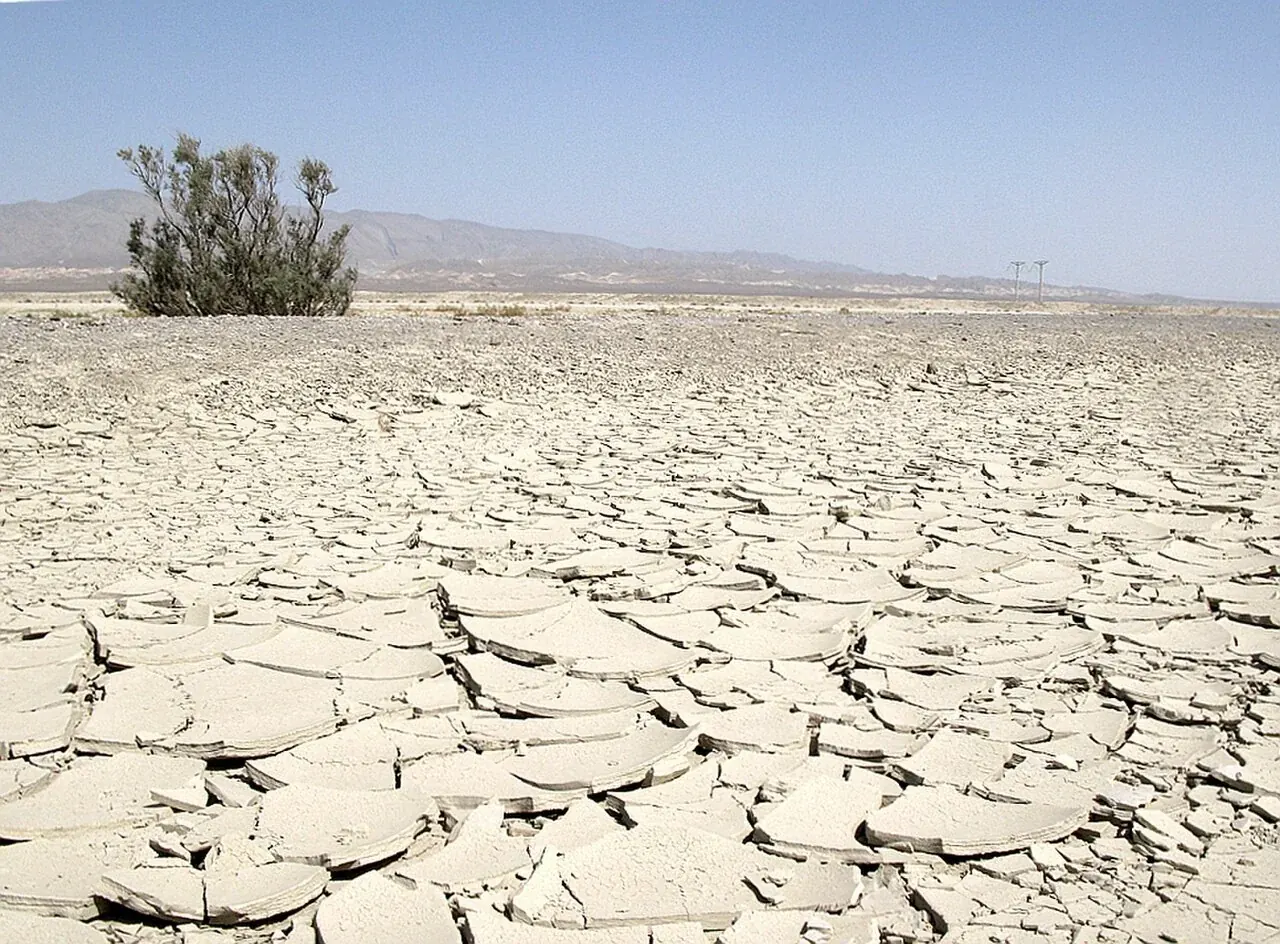
Cracked dry ground and sparse vegetation in the Karakum, Turkmenistan. — flydime. Original photograph · CC BY 2.0. Cropped for the cards; photographs do not establish snake occurrence.

Murghab River with developed banks in Mary, Turkmenistan. — Hans Birger Nilsen. Original photograph · CC BY 2.0. Cropped for the cards; photographs do not establish snake occurrence.

The species catalogue

Snakes · Lebap & Mary.

Only records naming this place appear below. These are extracted locality records, not complete island or regional inventories.

7 species · showing 7

Dolichophis schmidti. Identification follows the linked source community.

001 · Colubridae

Schmidt's Whipsnake, Red-bellied Racer

Dolichophis schmidti

(NIKOLSKY, 1909)

Venom unknownNot yet assessed

Explicit country record in the checked taxonomic treatment. Lebap & Mary: museum voucher CAS 182953 (1990). The published collecting label names Mary Prov.; this is a locality-label assignment, not a reconstructed coordinate. These are dated locality records, not evidence of occurrence throughout every part of a region or a complete present-day inventory.

Read the species account →

Tigran Tadevosyan · CC BY 4.0 · https://creativecommons.org/licenses/by/4.0/
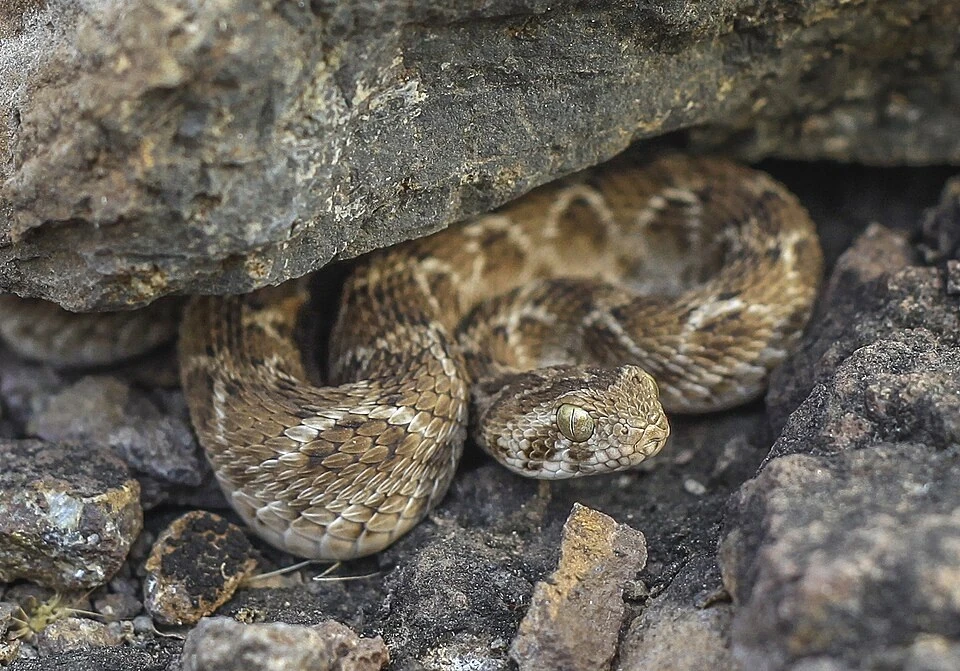
Echis carinatus. Identification follows the linked source photograph.

002 · Viperidae

Saw-scaled Viper, Phoorsa

Echis carinatus

(SCHNEIDER, 1801)

VenomousClinical severity not established

Explicit country record in the checked taxonomic treatment. Balkan & Caspian: museum voucher CAS 184840 (1992). The published collecting label names Balkan Prov.; this is a locality-label assignment, not a reconstructed coordinate. Balkan & Caspian: museum voucher CAS 184841 (1992). The published collecting label names Balkan Prov.; this is a…

Read the species account →

Sagar khunte · CC BY-SA 4.0 · https://creativecommons.org/licenses/by-sa/4.0

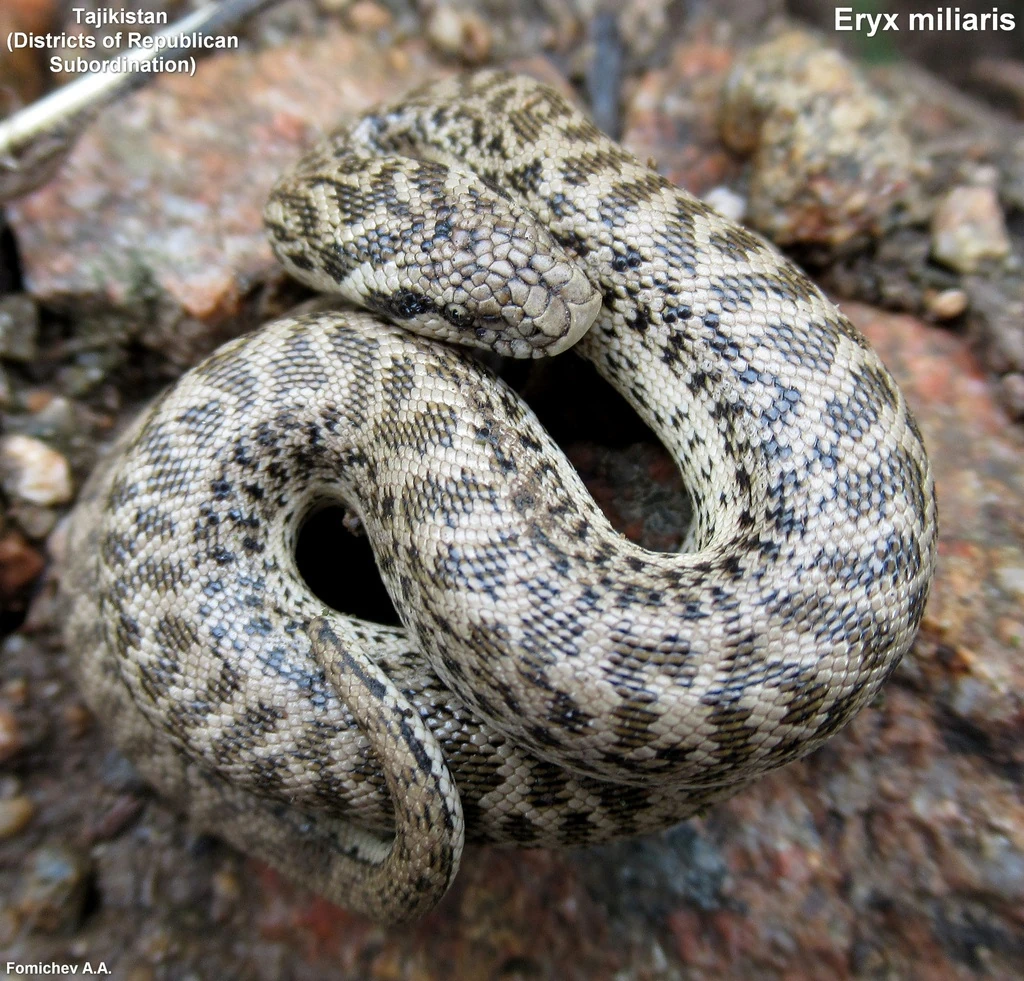
Eryx miliaris. Identification follows the linked source community.

003 · Boidae

Dwarf Sand Boa, Desert Sand Boa, Tartar Sand Boa

Eryx miliaris

(PALLAS, 1773)

Non-venomous

Explicit country record in the checked taxonomic treatment. Ahal & Kopet Dag: museum voucher CAS 184433 (1992). The published collecting label names Ahal Prov.; this is a locality-label assignment, not a reconstructed coordinate. Ahal & Kopet Dag: museum voucher CAS 185148 (1992). The published collecting label names Ahal Prov.; this is a locality-label…

Read the species account →

Alexander A. Fomichev · CC BY 4.0 · https://creativecommons.org/licenses/by/4.0/
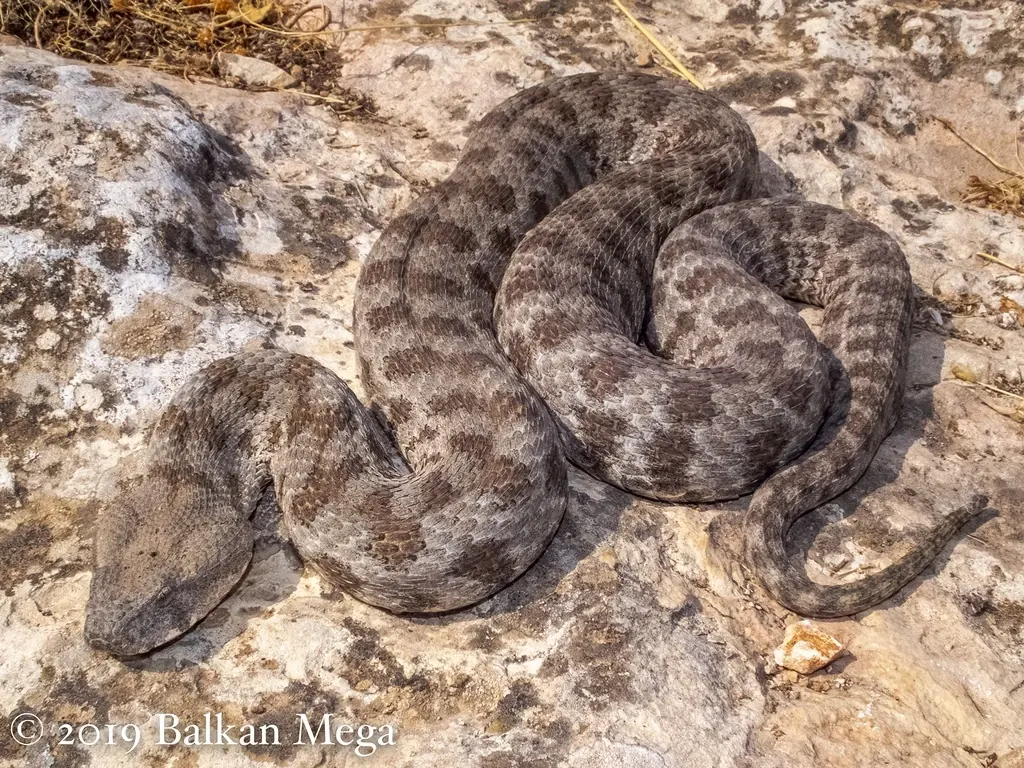
Macrovipera lebetinus. Identification follows the linked source community.

004 · Viperidae

Levantine Viper

Macrovipera lebetinus

(LINNAEUS, 1758)

VenomousClinical severity not established

Explicit country record in the checked taxonomic treatment. Lebap & Mary: museum voucher CAS 94492 (1952). The published collecting label names Mary Prov.; this is a locality-label assignment, not a reconstructed coordinate. These are dated locality records, not evidence of occurrence throughout every part of a region or a complete present-day inventory.

Read the species account →

Balkan Mega · CC BY 4.0 · https://creativecommons.org/licenses/by/4.0/
Platyceps karelini. Identification follows the linked source community.

005 · Colubridae

Spotted Desert Racer

Platyceps karelini

(BRANDT, 1838)

Venom unknownNot yet assessed

Explicit country record in the checked taxonomic treatment. Balkan & Caspian: museum voucher CAS 184636 (1992). The published collecting label names Balkan Prov.; this is a locality-label assignment, not a reconstructed coordinate. Balkan & Caspian: museum voucher CAS 184834 (1992). The published collecting label names Balkan Prov.; this is a…

Read the species account →

Dr. Nasser Halaweh · CC BY 4.0 · https://creativecommons.org/licenses/by/4.0/
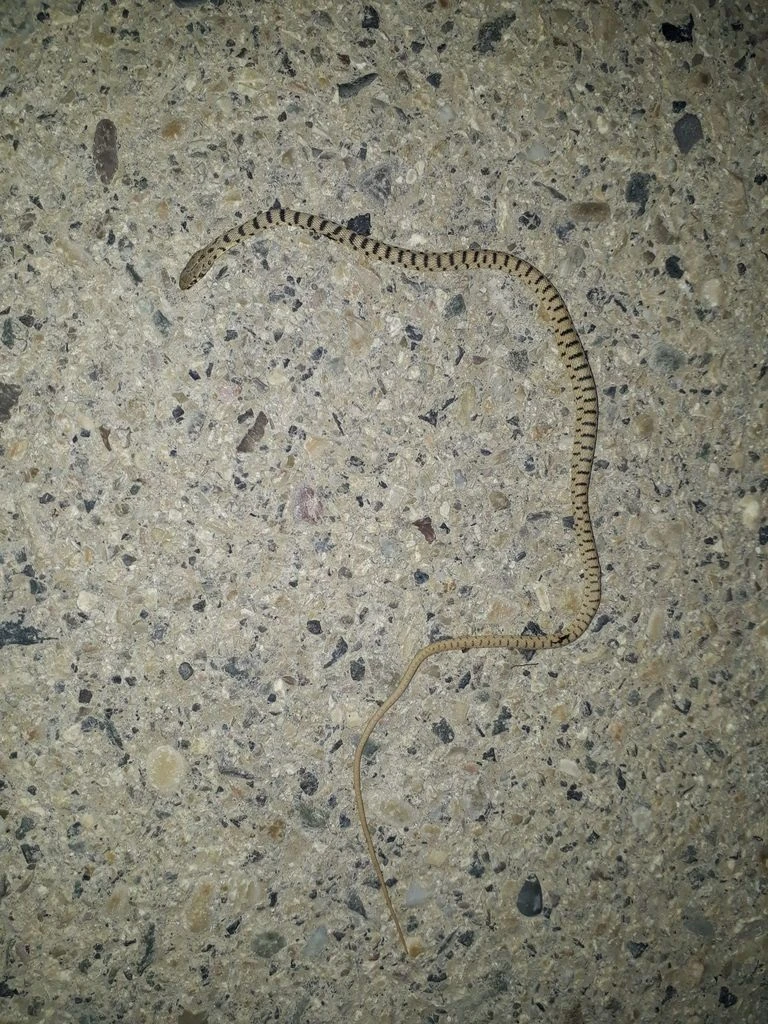
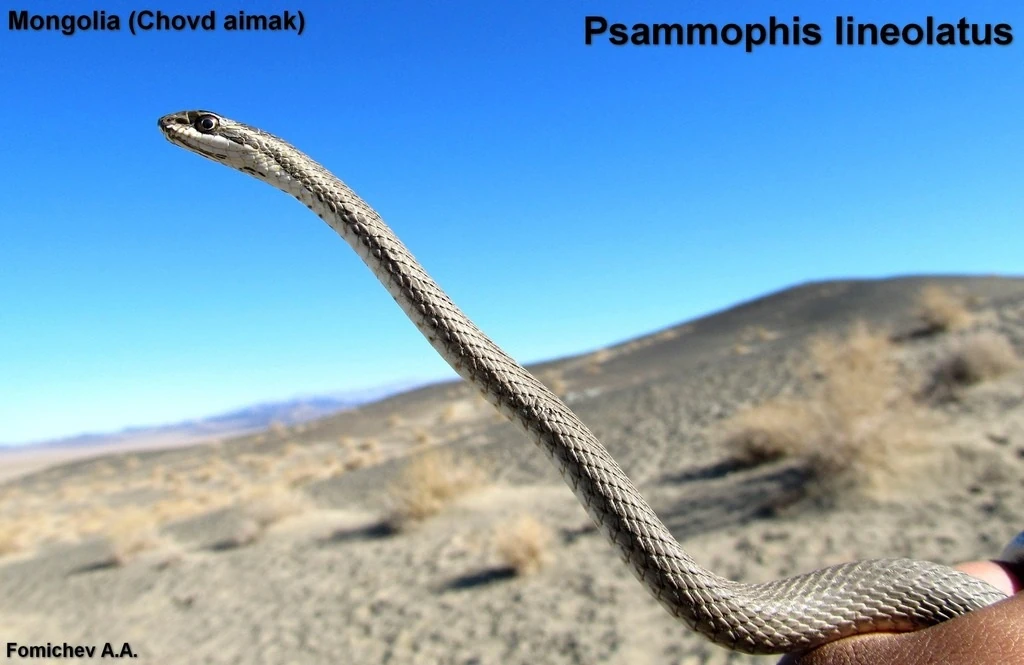
Psammophis lineolatus. Identification follows the linked source community.

006 · Psammophiidae

Steppe Ribbon Racer

Psammophis lineolatus

(BRANDT, 1838)

VenomousClinical severity not established

Explicit country record in the checked taxonomic treatment. Lebap & Mary: observation GBIF 4919532803 (2019). The original iNaturalist entry was rechecked for research-grade identification, wild status and unrestricted coordinates; its reported uncertainty footprint lies within the mapped region. This is a community-reviewed observation, not a museum…

Read the species account →

Alexander A. Fomichev · CC BY 4.0 · https://creativecommons.org/licenses/by/4.0/
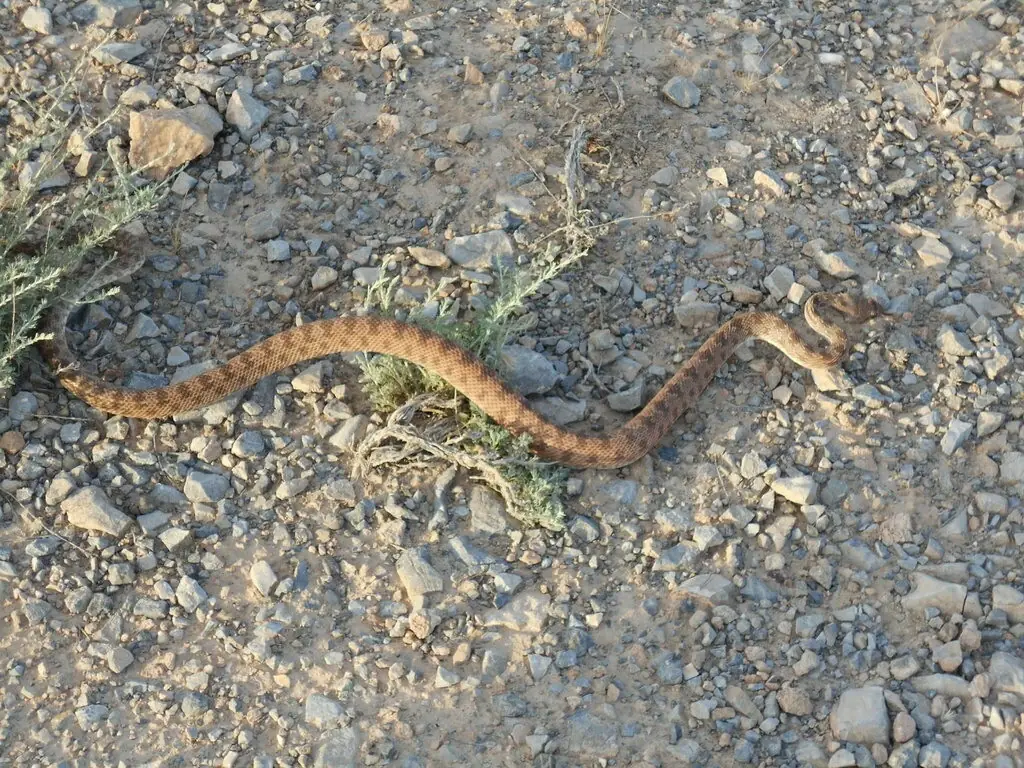
Spalerosophis diadema. Identification follows the linked source community.

007 · Colubridae

Diadem Snake, Royal Snake

Spalerosophis diadema

(SCHLEGEL, 1837)

Venom unknownNot yet assessed

Explicit country record in the checked taxonomic treatment. Balkan & Caspian: museum voucher CAS 184842 (1992). The published collecting label names Balkan Prov.; this is a locality-label assignment, not a reconstructed coordinate. Lebap & Mary: museum voucher CAS 179148 (1989). The published collecting label names Lebap Prov.; this is a locality-label…

Read the species account →

Askar Akhmedov · CC BY 4.0 · https://creativecommons.org/licenses/by/4.0/
Explore all 26 country records →

The research library

Sources & the checklist.

This edition lists 26 species with supported country records from checked taxonomic treatments and cited field studies. It is not a claim of a complete national inventory. Each account retains its source and check date; individual evidence entries retain their own review dates.

Independent checklist comparison · 2026-10-11

26 confirmed, introduced or explicitly qualified occasional country records. The inventory uses current individual species treatments and records explicit doubts separately. A complete independent modern national checklist was not verified in this pass; the chapter is a documented working inventory, not a completeness certification.

The Reptile Database: individually checked species treatments ↗

Review still open

Gloydius halys

The older broad halys concept overlaps subsequently separated taxa; an independently verified current-identity voucher remains unresolved.

Lycodon bicolor

No unqualified country evidence in the current distribution; discovery hits and type localities alone do not establish occurrence.

Lycodon striatus

The checked treatment or independent checklist questions this country assignment or uses an older species concept. A voucher under the current identity remains unresolved.

Platyceps najadum

No unqualified country evidence in the current distribution; discovery hits and type localities alone do not establish occurrence.

Platyceps rhodorachis

The 2026 revision leaves Central Asian racers taxonomically unresolved; historical rhodorachis labels do not establish the current species.

Range and taxonomy review

Country links use a single accepted species identity. Revised names and disputed records are kept visible here; uncertain records do not enter the listed collection or regional totals.

Lycodon striatus

Uncertain — excluded from the listed total

The checked treatment or independent checklist questions this country assignment or uses an older species concept. A voucher under the current identity remains unresolved.

Source 1 ↗

Platyceps rhodorachis

Uncertain — excluded from the listed total

The 2026 revision leaves Central Asian racers taxonomically unresolved; historical rhodorachis labels do not establish the current species.

Source 1 ↗

Source 2 ↗

Gloydius halys

Uncertain — excluded from the listed total

The older broad halys concept overlaps subsequently separated taxa; an independently verified current-identity voucher remains unresolved.

Source 1 ↗

Source 2 ↗

How the map and counts work

Search results were checked against distribution text and taxonomic qualifications. A geographic name alone does not establish a political country: New Guinea, the Solomon archipelago and Micronesia span more than one country or territory. Introduced and unresolved records require separate interpretation.

Place counts require explicit named localities, including valid type localities. Counts can overlap where sources name multiple places. Regional maps group historical boundary snapshots for navigation, while island outlines use Natural Earth; neither is a species range or an observation map. Small islands can be below the outline dataset’s resolution, so geographic reference markers and the directory remain available.

geoBoundaries; geoBoundaries, Wikimedia · gbOpen ADM1 · 2007 snapshot · Public Domain. Generalised navigation boundaries, not snake ranges or territorial assertions. Map provenance →

  1. Turkmenistan - National Biodiversity Strategy ↗

    2002 national strategy: historical desert, riverine and mountain context; no current cover or species totals reused.

  2. geoBoundaries - source units and atlas grouping ↗

    geoBoundaries; geoBoundaries, Wikimedia · gbOpen ADM1 · 2007 snapshot · Public Domain. Generalised navigation boundaries, not snake ranges or territorial assertions.

  3. geoBoundaries · ADM1 boundary provenance ↗
  4. Turkmenistan - National Biodiversity Strategy ↗
  5. The Reptile Database

    Individual treatments and locality evidence are linked from each species account.

  6. Meiri (2024): SquamBase 1.0

    Species-level literature measurements and ecological traits. Exact-name matches only; imputed or ambiguous fields are omitted. These summaries are not local observations.

  7. Natural Earth: public-domain geographic data

Continue through the Asia atlas →