Grazing and soil loss
The Bou Hedma account identifies overgrazing, land clearance, ploughing and erosion as pressures. Woodland restoration is an active research theme, not proof that all sites have recovered.
Sources: UNESCO MAB · Djebel Bou-Hedma
Tunisia · Habitat field guide
Tunisia’s dryland habitats include wooded steppe, rocky slopes and saline basins. Open ground is not automatically dune habitat.
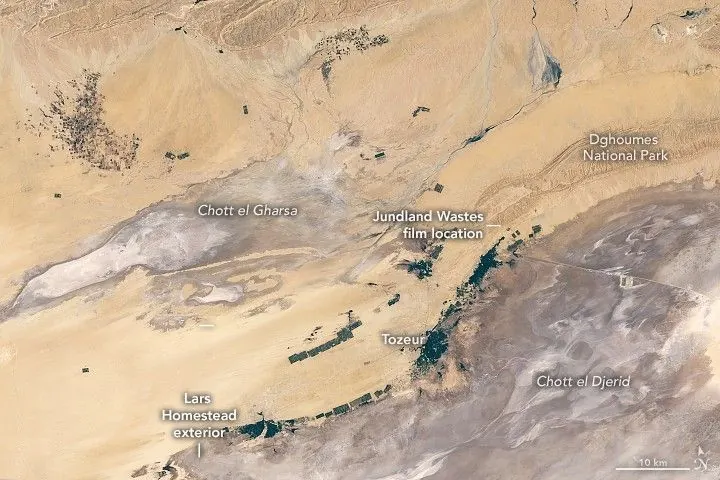
Chott el Djerid, Tozeur and surrounding dry landscapes in southern Tunisia, imaged by Landsat 8 on 2 May 2020. Dated natural-colour orbital view; not a snake observation.
Understanding the environment
Tunisia’s dryland habitats include wooded steppe, rocky slopes and saline basins. Open ground is not automatically dune habitat.
Explore the structure · Open ground → Vegetated patch → Drainage
Select a zone to see what changes.
Substrate
Separate mobile sand, gravel pavement and exposed bedrock.
The word desert alone is too broad to describe a capture site.
A conceptual comparison, not a measured transect or an animal distribution model.
Field notes · 01
Bou Hedma combines limestone and marl relief with an alluvial plain. UNESCO describes semi-arid vegetation, seasonal and permanent watercourses, and remnants of pre-Saharan acacia woodland.
Sources: UNESCO MAB · Djebel Bou-Hedma
Field notes · 02
Ramsar describes Chott El Jerid as a large saline depression between the Cherb mountains and the desert. Keep salt-pan, marginal vegetation and neighbouring dryland records distinct.
Pressures on Tunisia’s habitats
The Bou Hedma account identifies overgrazing, land clearance, ploughing and erosion as pressures. Woodland restoration is an active research theme, not proof that all sites have recovered.
Sources: UNESCO MAB · Djebel Bou-Hedma
Retain the observation date, original habitat wording and source. Landscape protection and a confirmed snake occurrence are different kinds of evidence.
The connected collection
These 15 species have supported country occurrence and an explicit habitat association in the shared account. The association may come from elsewhere in their range. This is not a complete local habitat inventory; the places above are landscape examples, not asserted collecting sites.
15 species · showing 15
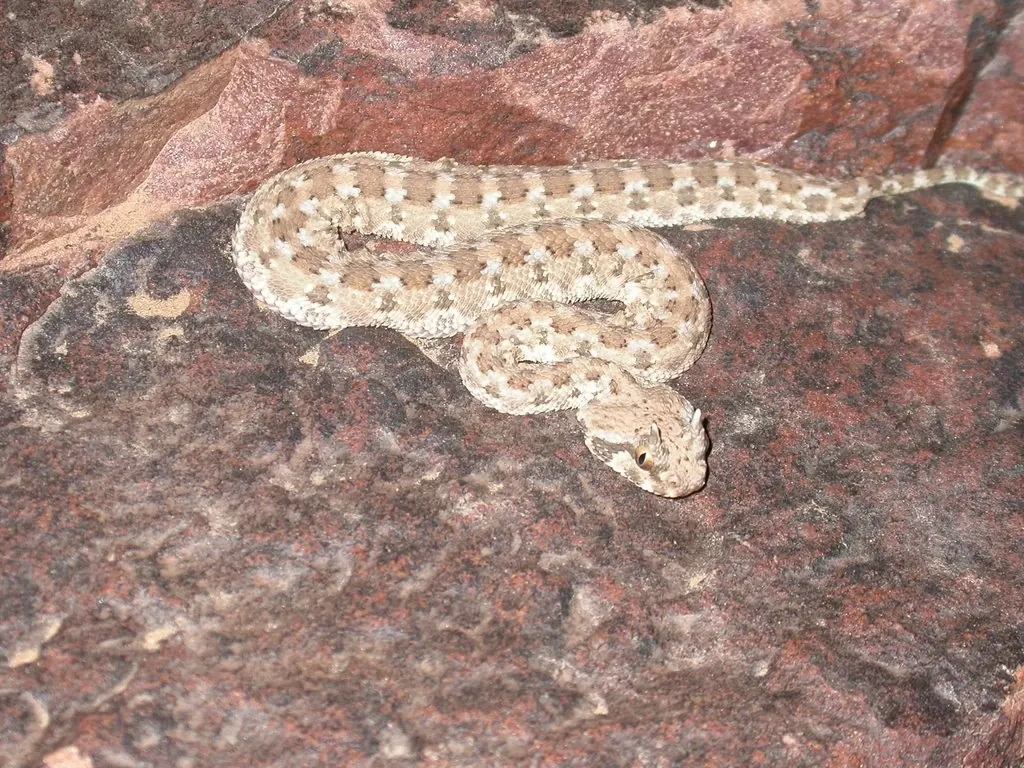
001 · Viperidae
Desert Horned Viper
Listed in the reviewed taxonomic treatment. Photographed in March 2011. Photographed in March 2011. This is a named locality record, not evidence of occupation throughout the mapped region.
Read the species account →Julien Renoult · CC BY 4.0 · https://creativecommons.org/licenses/by/4.0/
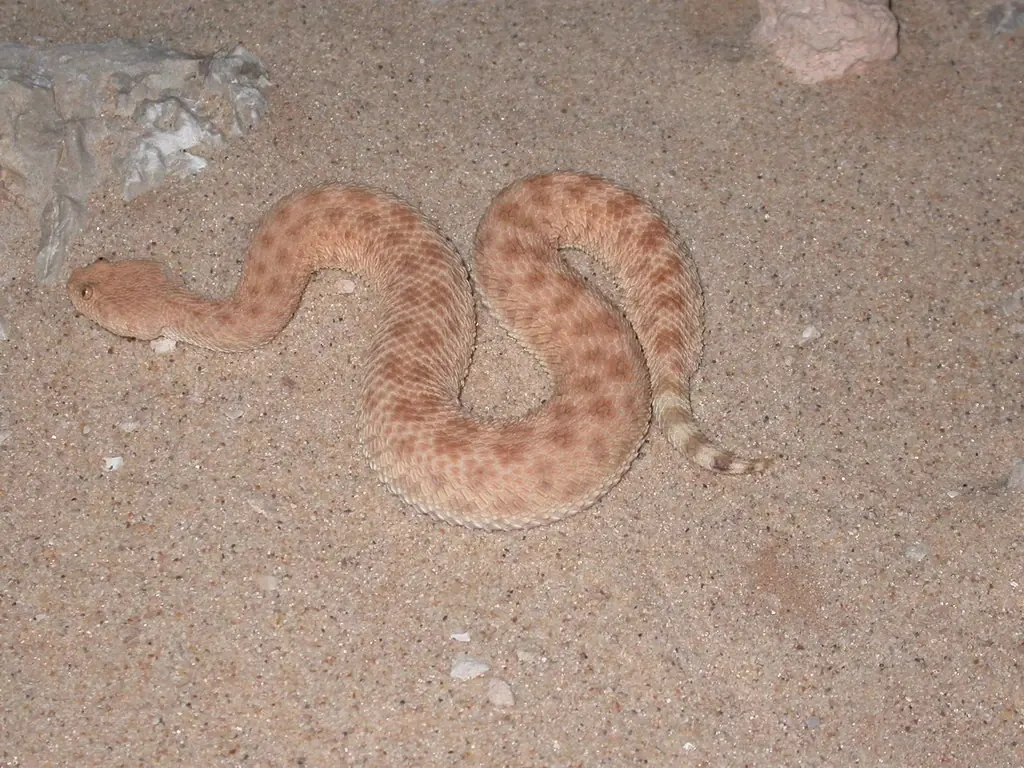
002 · Viperidae
Sahara Sand Viper
Listed in the reviewed taxonomic treatment. Photographed in March 2011. Photographed in March 2011. This is a named locality record, not evidence of occupation throughout the mapped region.
Read the species account →Julien Renoult · CC BY 4.0 · https://creativecommons.org/licenses/by/4.0/
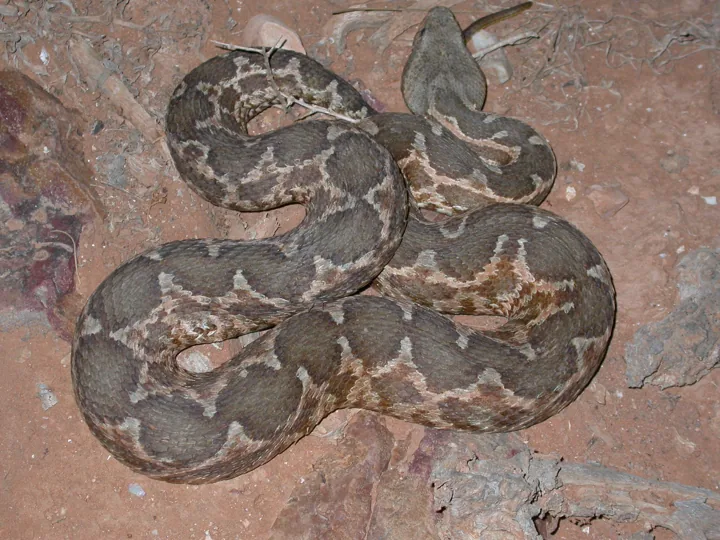
003 · Viperidae
Moorish Viper
Listed in the reviewed taxonomic treatment. Southern chotts, coast & desert: museum voucher MHNG MHNG-HERP-1421.019 (1974). The published collecting label names Gafsa; this is a locality-label assignment, not a reconstructed coordinate. Southern chotts, coast & desert: museum voucher MHNG MHNG-HERP-1404.067 (1972). The published collecting label names…
Read the species account →Julien Renoult · CC BY 4.0 · https://creativecommons.org/licenses/by/4.0/
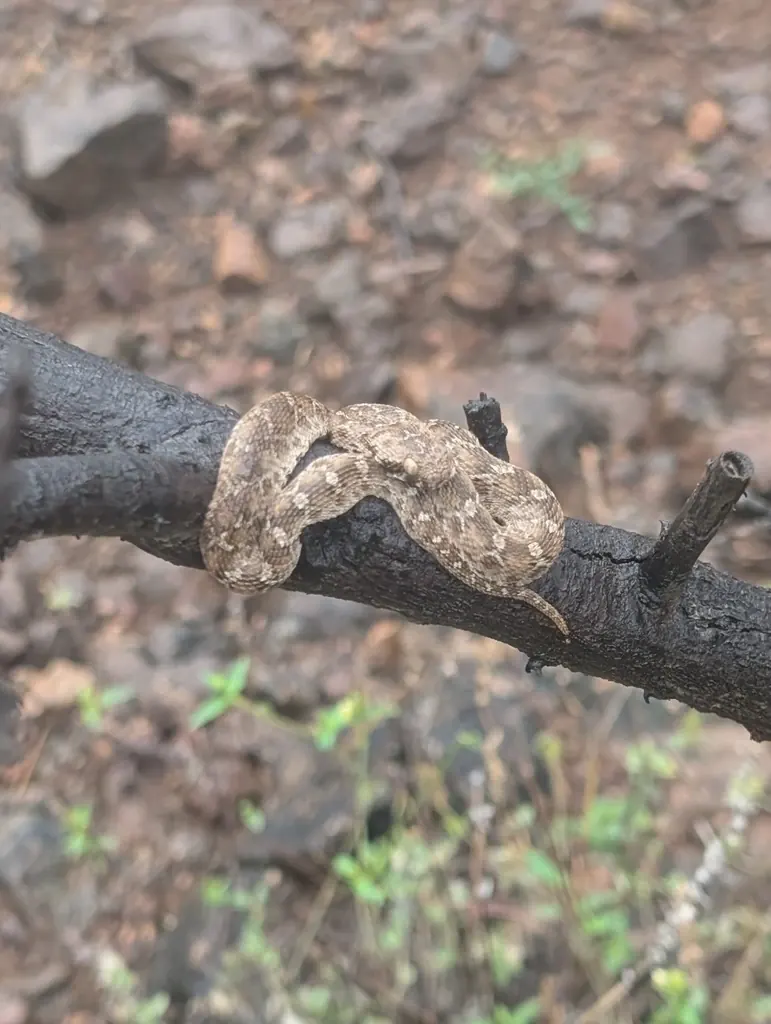
004 · Viperidae
North-East African Carpet Viper, Egyptian Saw-scaled Viper
Listed in the reviewed taxonomic treatment.
Read the species account →Elliot Kulakow · CC BY 4.0 · https://creativecommons.org/licenses/by/4.0/
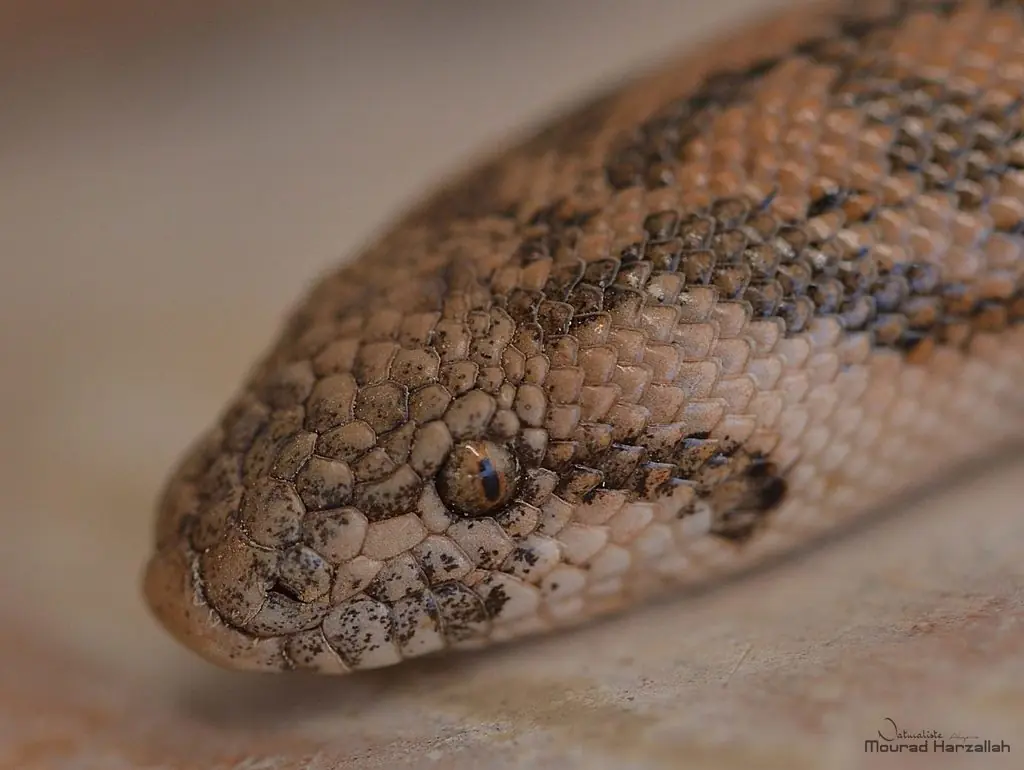
005 · Boidae
Javelin Sand Boa
Listed in the reviewed taxonomic treatment. Kroumirie & northwestern uplands: museum voucher CAS 138726 (1974). The museum record's reported coordinate uncertainty footprint lies within the mapped region. These are dated locality records, not evidence of occurrence throughout every part of a region or a complete present-day inventory.
Read the species account →Mourad Harzallah · CC BY 4.0 · https://creativecommons.org/licenses/by/4.0/
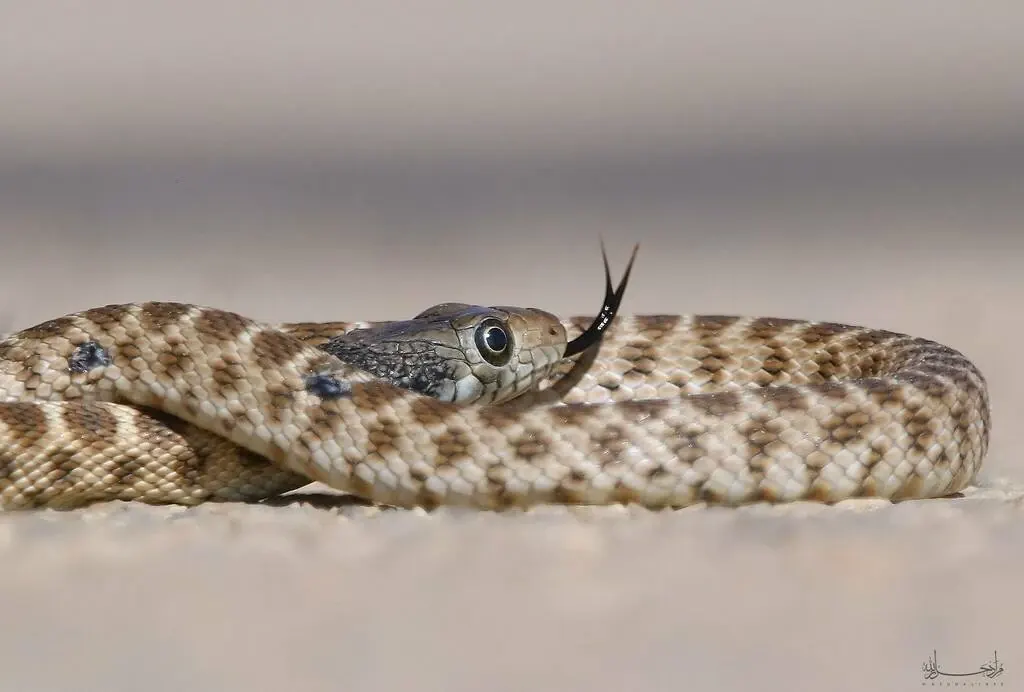
006 · Colubridae
Algerian Whip Snake
Listed in the reviewed taxonomic treatment. Central plains & uplands: observation GBIF 6551951449 (2026). The original iNaturalist entry was rechecked for research-grade identification, wild status and unrestricted coordinates; its reported uncertainty footprint lies within the mapped region. This is a community-reviewed observation, not a museum…
Read the species account →Mourad Harzallah · CC BY 4.0 · https://creativecommons.org/licenses/by/4.0/
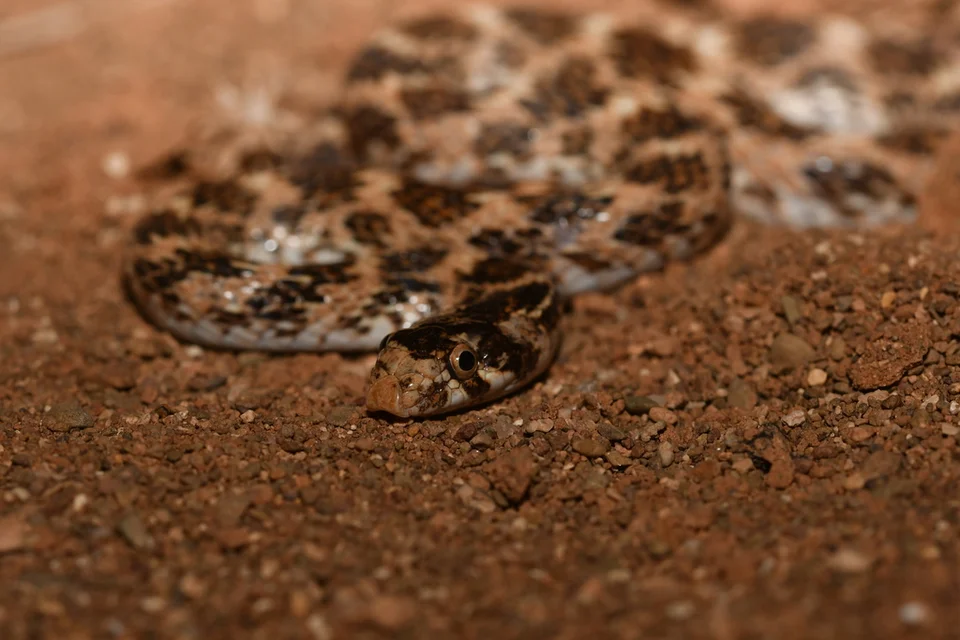
007 · Colubridae
Crowned Leafnose Snake, Diademed Sand Snake, Awl-headed Snake
Listed in the reviewed taxonomic treatment. Southern chotts, coast & desert: museum voucher CAS 138945 (1974). The museum record's reported coordinate uncertainty footprint lies within the mapped region. These are dated locality records, not evidence of occurrence throughout every part of a region or a complete present-day inventory.
Read the species account →Justin Philbois · CC0 1.0 · https://creativecommons.org/publicdomain/zero/1.0/
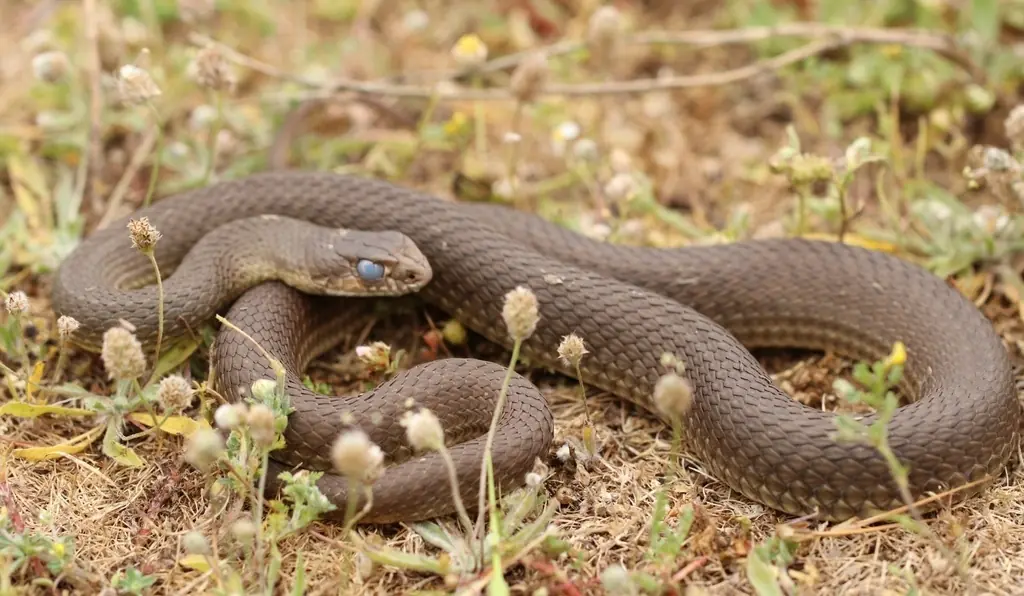
008 · Psammophiidae
Eastern Montpellier Snake
Listed in the reviewed taxonomic treatment. Central plains & uplands: observation GBIF 5889702719 (2025). The original iNaturalist entry was rechecked for research-grade identification, wild status and unrestricted coordinates; its reported uncertainty footprint lies within the mapped region. This is a community-reviewed observation, not a museum…
Read the species account →Ryan van Huyssteen · CC BY 4.0 · https://creativecommons.org/licenses/by/4.0/
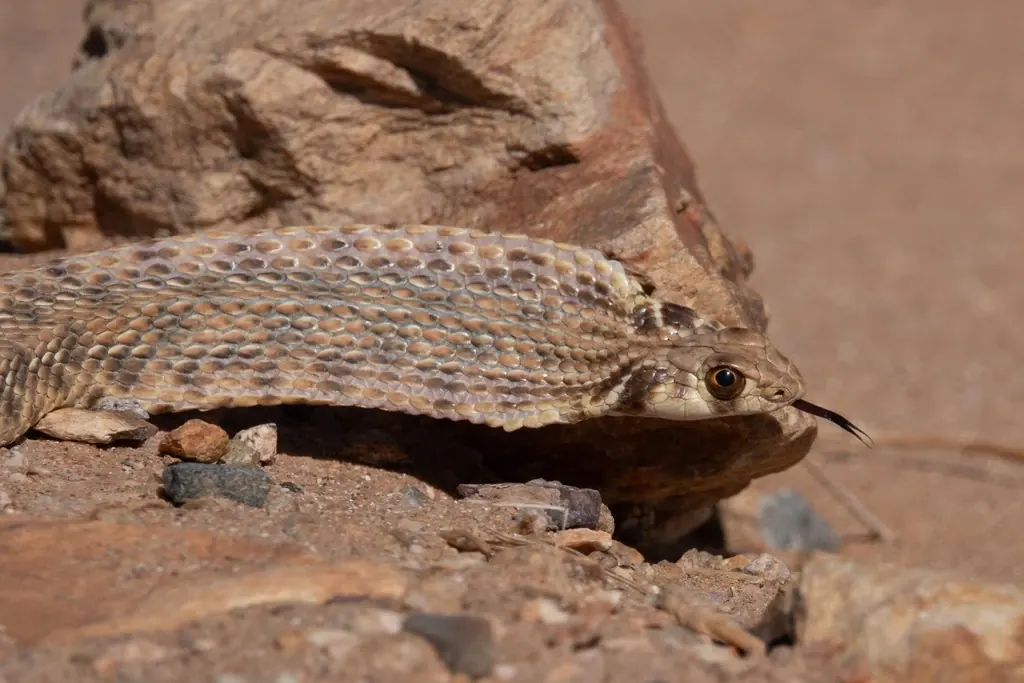
009 · Psammophiidae
Moila Snake
Listed in the reviewed taxonomic treatment. Central plains & uplands: observation GBIF 6470471680 (2025). The original iNaturalist entry was rechecked for research-grade identification, wild status and unrestricted coordinates; its reported uncertainty footprint lies within the mapped region. This is a community-reviewed observation, not a museum…
Read the species account →Demian Hiß · CC BY 4.0 · https://creativecommons.org/licenses/by/4.0/
010 · Leptotyphlopidae
Species account
Listed in the reviewed taxonomic treatment.
Read the species account →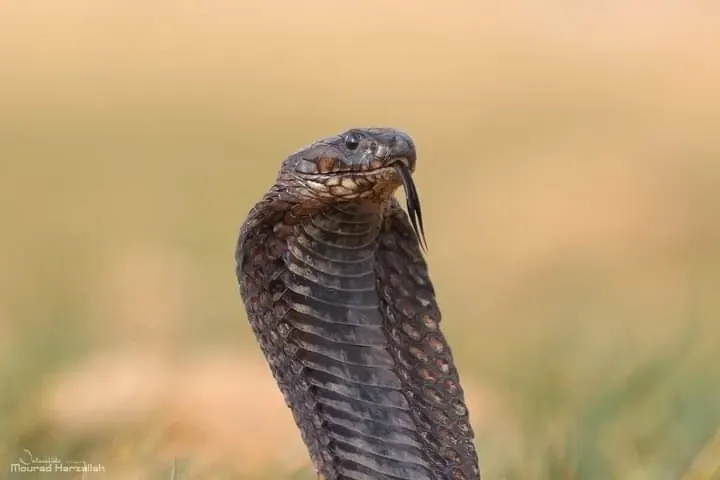
011 · Elapidae
Egyptian Cobra
Accepted by the 2022 national checklist. Southern chotts, coast & desert: observation GBIF 6399486729 (2026). The original iNaturalist entry was rechecked for research-grade identification, wild status and unrestricted coordinates; its reported uncertainty footprint lies within the mapped region. This is a community-reviewed observation, not a museum…
Read the species account →Mourad Harzallah · CC BY 4.0 · https://creativecommons.org/licenses/by/4.0/
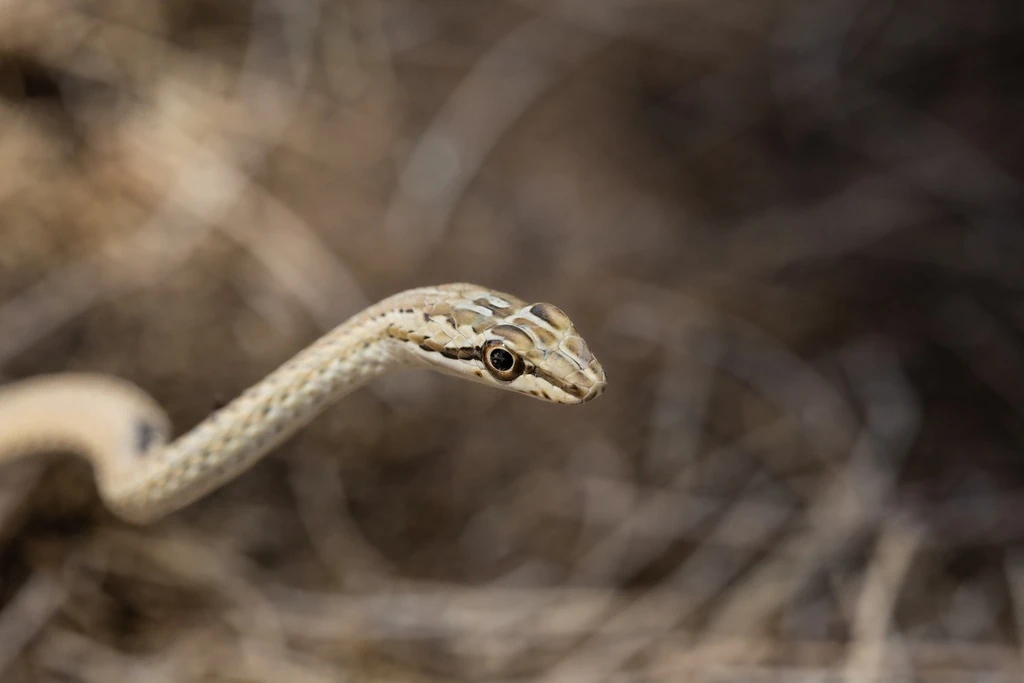
012 · Psammophiidae
Schokari Sand Racer, Forskal Sand Snake
Accepted by the 2022 national checklist. Southern chotts, coast & desert: observation GBIF 5892998137 (2025). The original iNaturalist entry was rechecked for research-grade identification, wild status and unrestricted coordinates; its reported uncertainty footprint lies within the mapped region. This is a community-reviewed observation, not a museum…
Read the species account →Mahomed Desai · CC BY 4.0 · https://creativecommons.org/licenses/by/4.0/
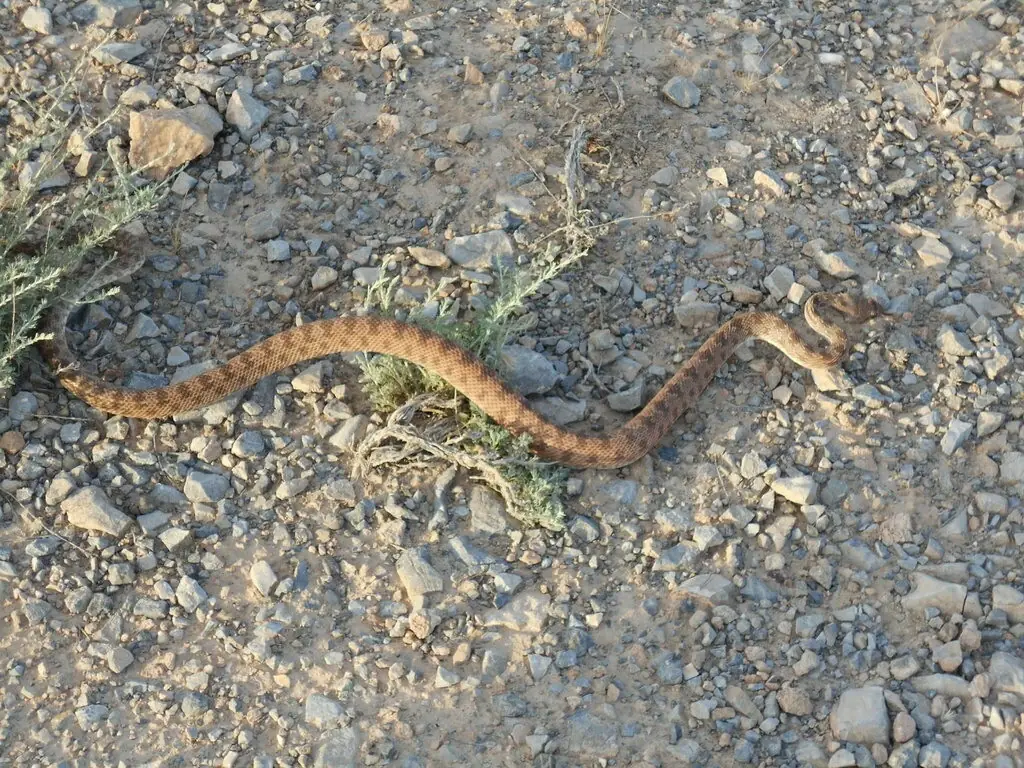
013 · Colubridae
Diadem Snake, Royal Snake
Listed in the reviewed taxonomic treatment. Southern chotts, coast & desert: observation GBIF 5890381769 (2025). The original iNaturalist entry was rechecked for research-grade identification, wild status and unrestricted coordinates; its reported uncertainty footprint lies within the mapped region. This is a community-reviewed observation, not a museum…
Read the species account →Askar Akhmedov · CC BY 4.0 · https://creativecommons.org/licenses/by/4.0/
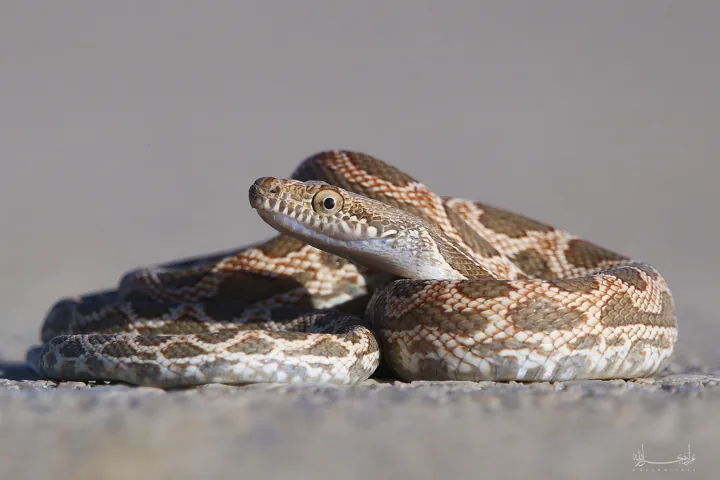
014 · Colubridae
Werner's Diadem Snake
Listed in the reviewed taxonomic treatment. Northeast & Cap Bon: museum voucher MHNG MHNG-HERP-1375.058 (1962). The published collecting label names Tunis; this is a locality-label assignment, not a reconstructed coordinate. Northeast & Cap Bon: museum voucher MHNG MHNG-HERP-1375.056 (1951). The published collecting label names Tunis; this is a…
Read the species account →Mourad Harzallah · CC BY 4.0 · https://creativecommons.org/licenses/by/4.0/
015 · Colubridae
Species account
Accepted by the 2022 national checklist. Historical gabesi type locality, now assigned to tripolitanus. Historical gabesi type locality, now assigned to tripolitanus. Historical type locality of the synonym Pseudotarbophis gabesi, reviewed in 2022; not a new observation.
Read the species account →Read further
Guide reviewed 12 October 2026. Source dates and geographic scope matter; landscape photographs do not establish species occurrence.
Site-scale terrain, vegetation and management pressures. Checked 12 October 2026.
Submitted 28 May 2008; Sidi Bouzid and Gafsa location. Tentative-list entry, not World Heritage inscription. Checked 12 October 2026.
2007 designation account, site 1699; dated landscape description. Checked 12 October 2026.
Continue through Tunisia