Freshwater inflow
UNESCO identifies changes to incoming water and salinity as central to Ichkeul’s ecological integrity. The date and water regime matter when interpreting biological records.
Tunisia · Habitat field guide
Use the freshwater chapter to compare inland and connected wetlands, while retaining each site’s actual salinity and seasonal water regime.
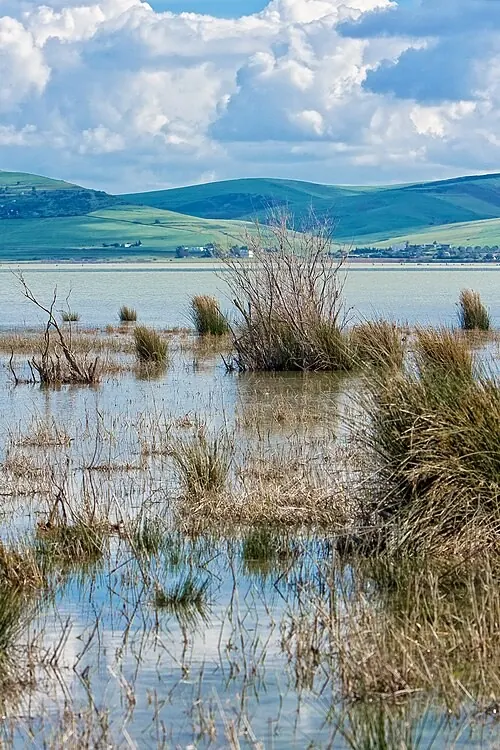
Lake margins and emergent vegetation in Ichkeul National Park, Tunisia, in February 2009. Water level and salinity vary seasonally.
Understanding the environment
Use the freshwater chapter to compare inland and connected wetlands, while retaining each site’s actual salinity and seasonal water regime.
Explore the structure · Water body → Margin → Surroundings
Select a zone to see what changes.
Hydrology
Separate permanent water from seasonal flooding.
The observation date matters when water levels change.
A conceptual comparison, not a measured transect or an animal distribution model.
Field notes · 01
Lake Ichkeul and its marshes undergo seasonal changes in water level and salinity. The protected landscape includes the lake, adjacent marshes and Djebel Ichkeul; those are different habitat units.
Field notes · 02
Barrage Lebna near Cap Bon is an artificial lake created in 1987. Ramsar’s designation account describes its isolation from the other national reservoirs. A reservoir record should retain this human-created setting.
Pressures on Tunisia’s habitats
UNESCO identifies changes to incoming water and salinity as central to Ichkeul’s ecological integrity. The date and water regime matter when interpreting biological records.
Retain the observation date, original habitat wording and source. Landscape protection and a confirmed snake occurrence are different kinds of evidence.
The connected collection
These 2 species have supported country occurrence and an explicit habitat association in the shared account. The association may come from elsewhere in their range. This is not a complete local habitat inventory; the places above are landscape examples, not asserted collecting sites.
2 species · showing 2
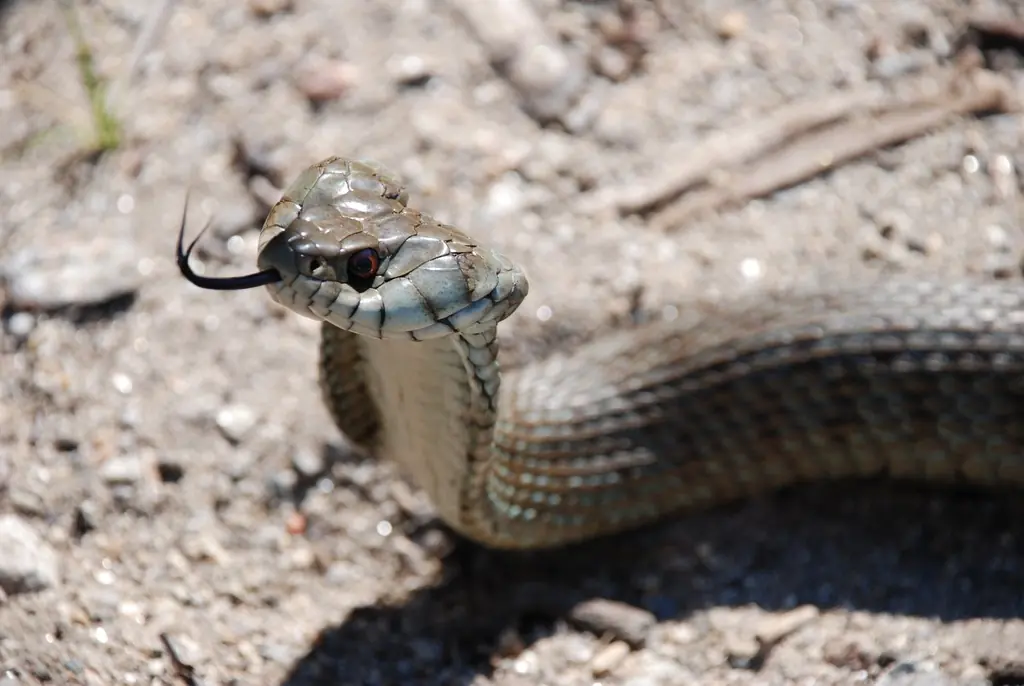
001 · Colubridae
Red-eyed grass snake
Listed in the reviewed taxonomic treatment. Juvenile and adult photographed on day 3 in May 2025; exact pond withheld in the report.
Read the species account →franciscodocampo · CC BY 4.0 · https://creativecommons.org/licenses/by/4.0/
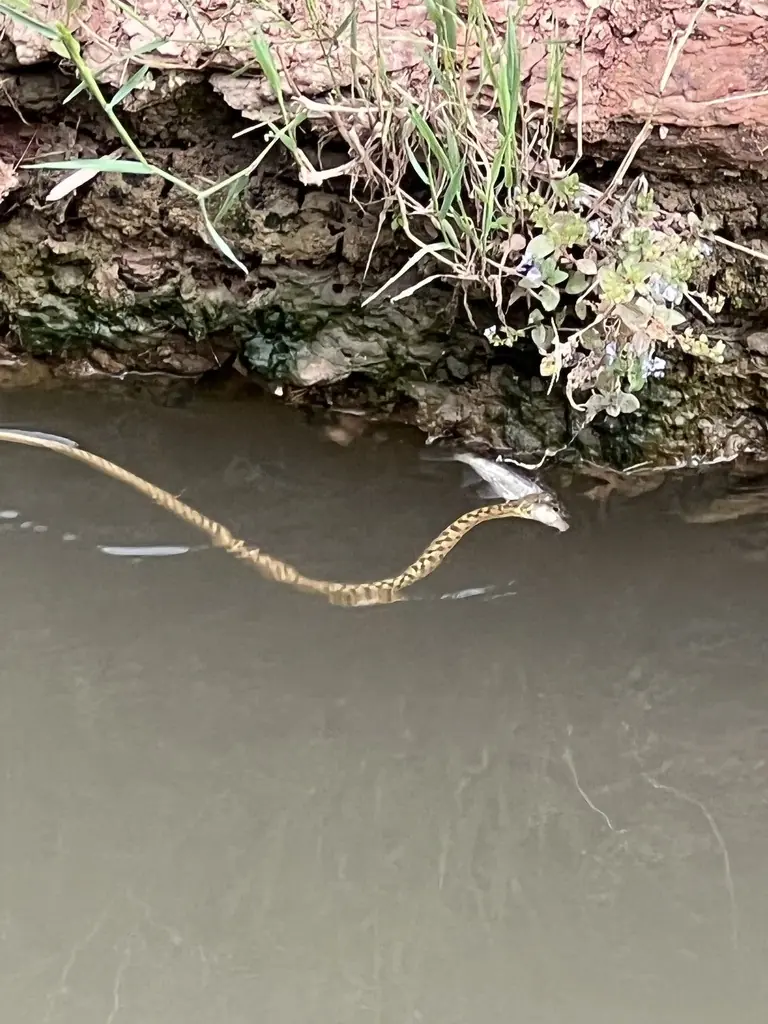
002 · Colubridae
Viperine Water Snake
Listed in the reviewed taxonomic treatment. Photographed during the May 2025 field visit.
Read the species account →Naturalista · CC BY 4.0 · https://creativecommons.org/licenses/by/4.0/
Read further
Guide reviewed 12 October 2026. Source dates and geographic scope matter; landscape photographs do not establish species occurrence.
Lake-marsh hydrology and integrity; no snake locality inferred. Checked 12 October 2026.
2007 designation account, site 1698; historical reservoir description. Checked 12 October 2026.
Continue through Tunisia