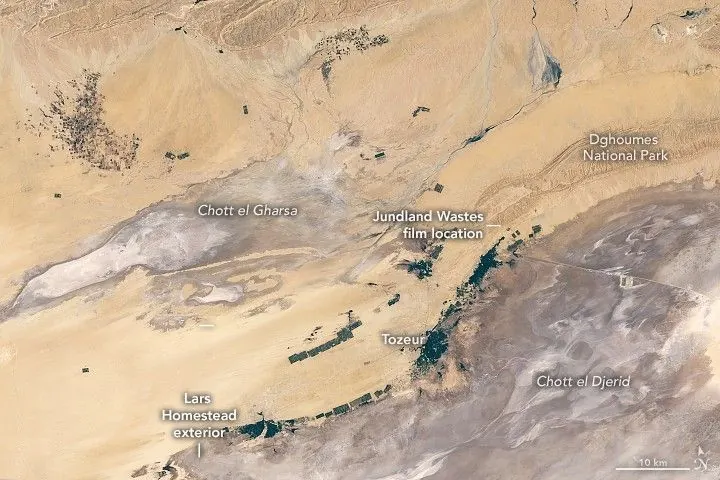
Chott el Djerid, Tozeur and surrounding dry landscapes in southern Tunisia, imaged by Landsat 8 on 2 May 2020. Dated natural-colour orbital view; not a snake observation.

Tunisia · The country atlas

Tunisia

From Kroumirie oak woodland and the Ichkeul lake-marsh system to wooded steppe and southern salt depressions, explore Tunisia through four regional guides.

20species with extracted evidence
6families
4region guides

Chott el Djerid, Tozeur and surrounding dry landscapes in southern Tunisia, imaged by Landsat 8 on 2 May 2020. Dated natural-colour orbital view; not a snake observation.

Photograph: NASA Earth Observatory / Lauren Dauphin; Landsat data: USGS · Image source · NASA educational and informational use. Cropped to fill the hero; darkened for text legibility.

Geography & biotopes

Discover Tunisia.

From Kroumirie oak woodland and the Ichkeul lake-marsh system to wooded steppe and southern salt depressions, explore Tunisia through four regional guides.

Geography is part of the record

Find your way through Tunisia.

Select a named region to open its evidence page. The complete directory below keeps every guide accessible, including places where locality evidence has not yet been extracted.

18 of 20 listed species have at least one indexed region record. 2 remain country-only. Even a nonzero count is not a complete regional inventory.

Habitats & living landscapes

Explore the living
landscapes.

Explore 2 guides to the environments, places and conservation pressures that shape this country. Each guide connects to the regional map and shared species accounts.

Landscape photographs & credits

Chott el Djerid, Tozeur and surrounding dry landscapes in southern Tunisia, imaged by Landsat 8 on 2 May 2020. Dated natural-colour orbital view; not a snake observation. — NASA Earth Observatory / Lauren Dauphin; Landsat data: USGS. Original photograph · NASA educational and informational use. Cropped for the cards; photographs do not establish snake occurrence.

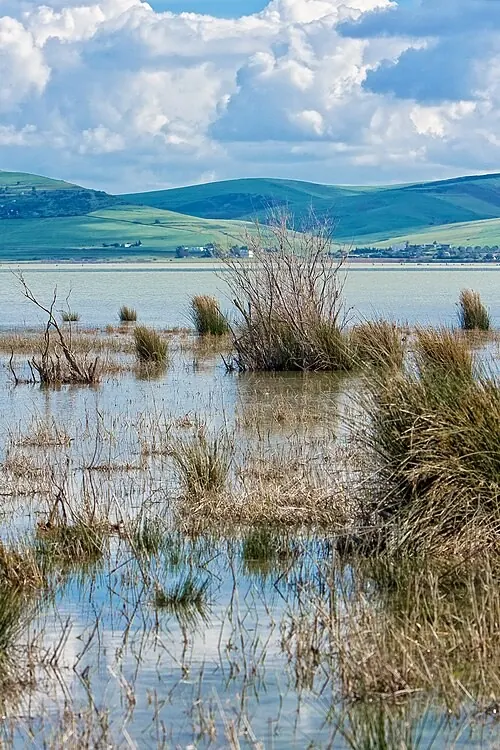
Lake margins and emergent vegetation in Ichkeul National Park, Tunisia, in February 2009. Water level and salinity vary seasonally. — Agnieszka Wolska. Original photograph · CC BY-SA 3.0. Cropped for the cards; photographs do not establish snake occurrence.

The species catalogue

Meet the snakes of Tunisia.

Search scientific names, historical names, common names and families. Every card opens one shared account across its documented countries.

20 supported or explicitly qualified country records in this working inventory. Locality coverage and disputed historical identities remain under review. Reviewed taxonomic treatments and primary national research ↗

20 species · showing 20

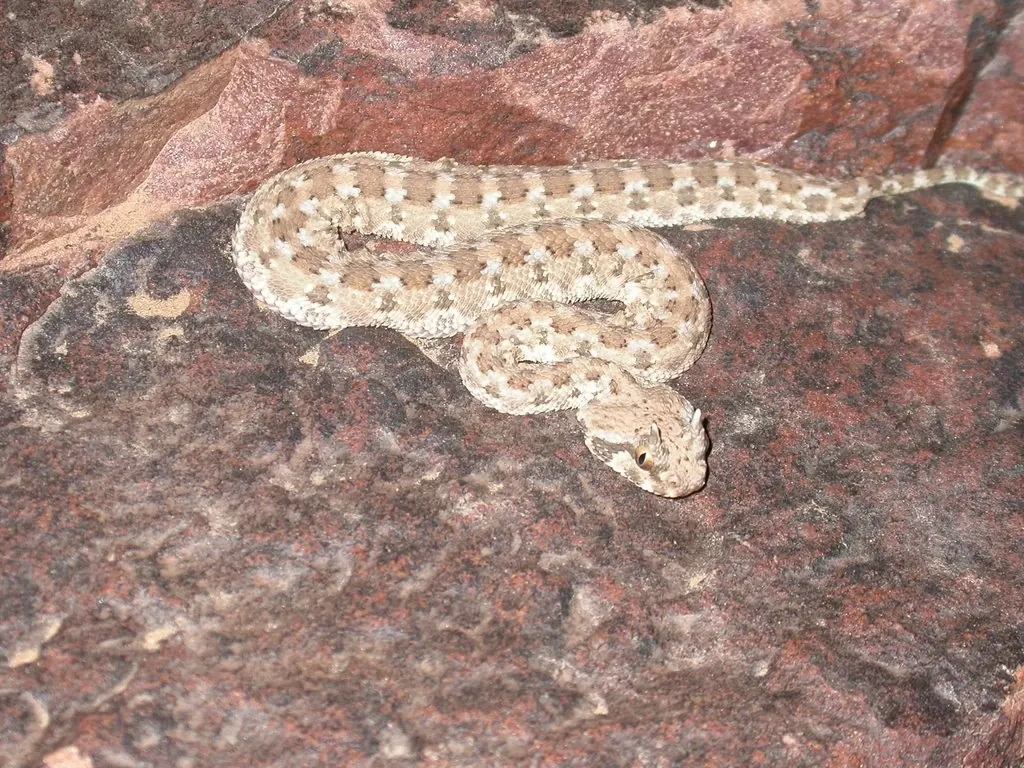
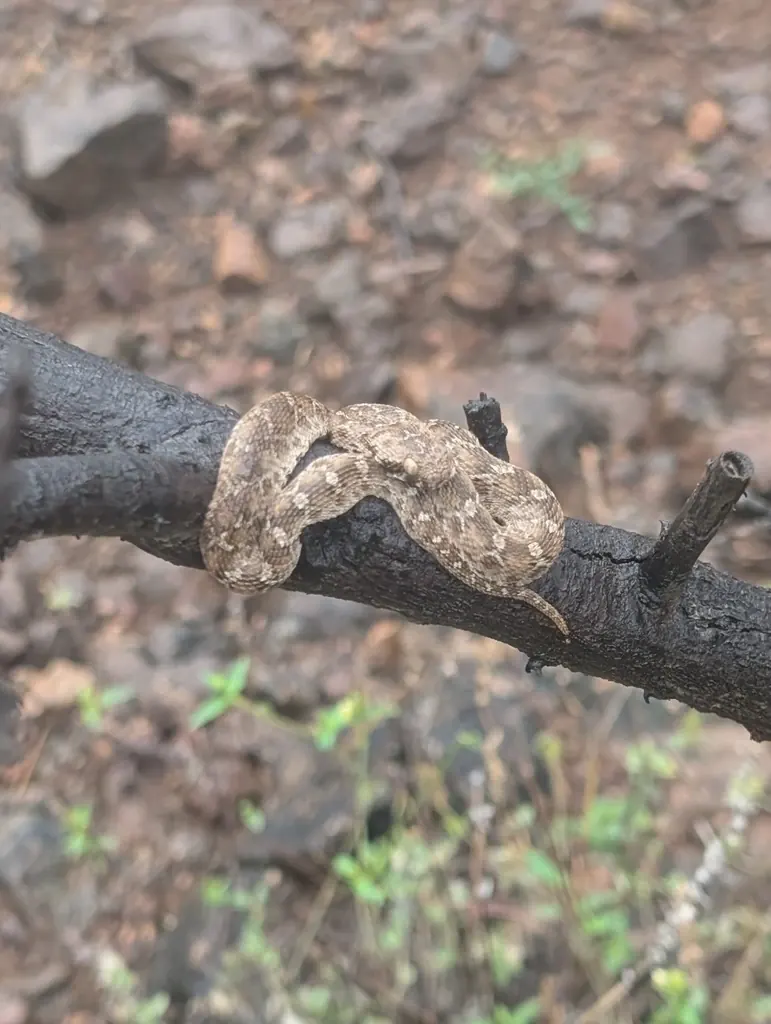
Cerastes cerastes. Identification follows the linked source community.

001 · Viperidae

Desert Horned Viper

Cerastes cerastes

(LINNAEUS, 1758)

VenomousClinical severity not established

Listed in the reviewed taxonomic treatment. Photographed in March 2011. Photographed in March 2011. This is a named locality record, not evidence of occupation throughout the mapped region.

Read the species account →

Julien Renoult · CC BY 4.0 · https://creativecommons.org/licenses/by/4.0/

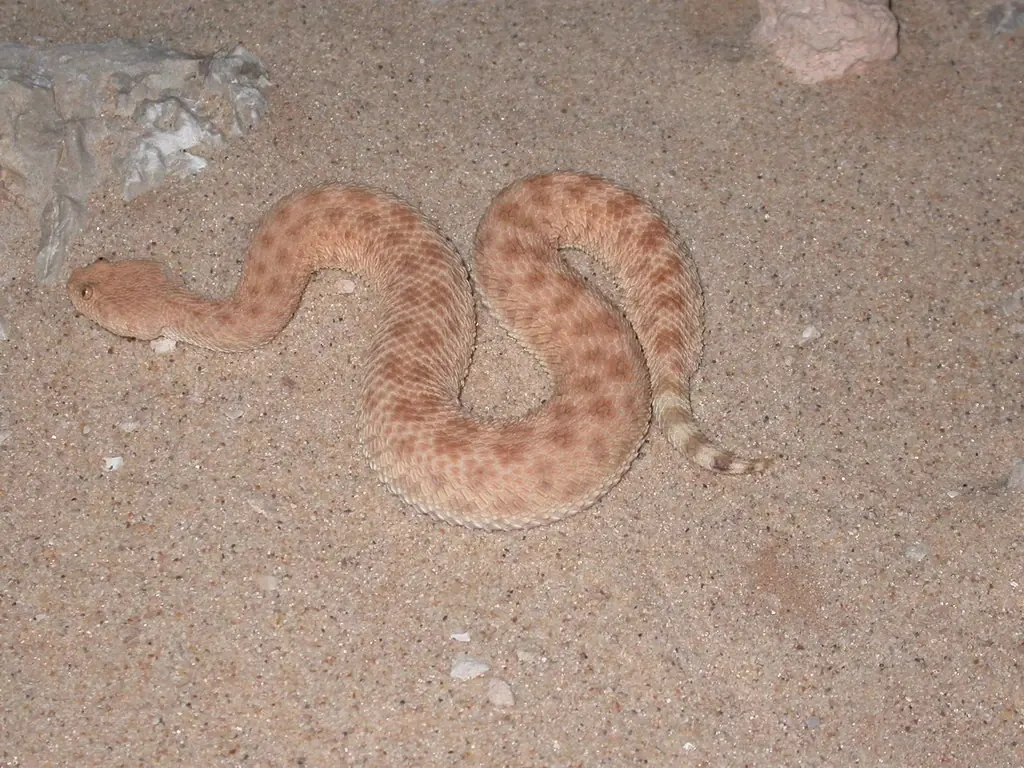
Cerastes vipera. Identification follows the linked source community.

002 · Viperidae

Sahara Sand Viper

Cerastes vipera

(LINNAEUS, 1758)

VenomousClinical severity not established

Listed in the reviewed taxonomic treatment. Photographed in March 2011. Photographed in March 2011. This is a named locality record, not evidence of occupation throughout the mapped region.

Read the species account →

Julien Renoult · CC BY 4.0 · https://creativecommons.org/licenses/by/4.0/

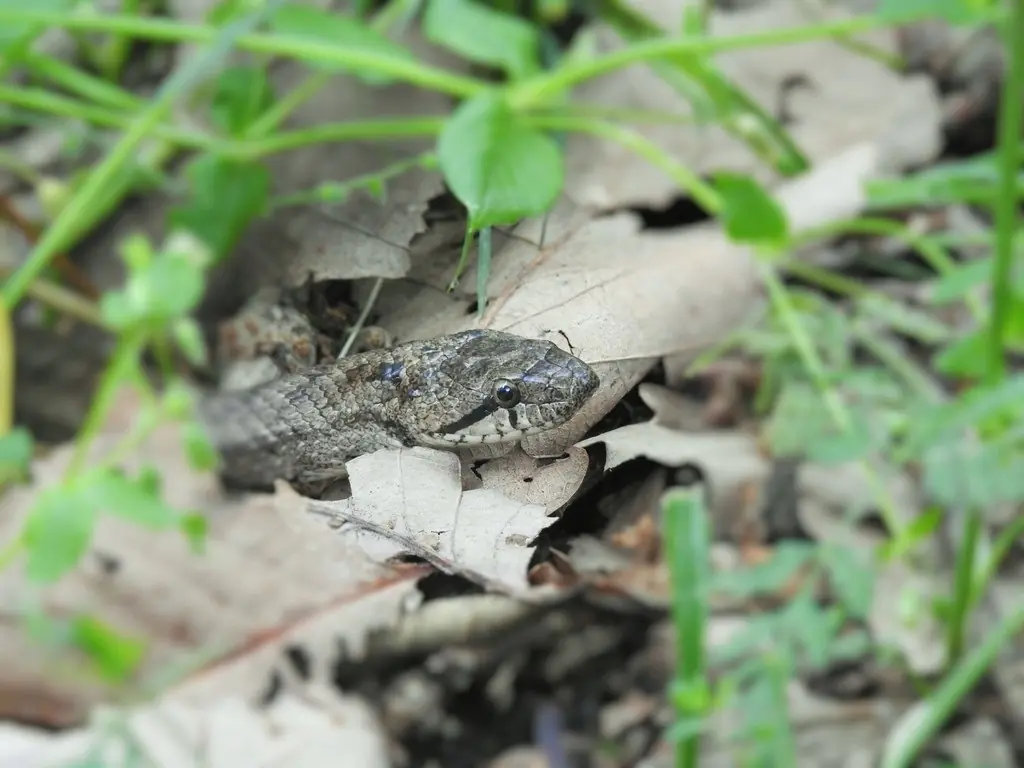
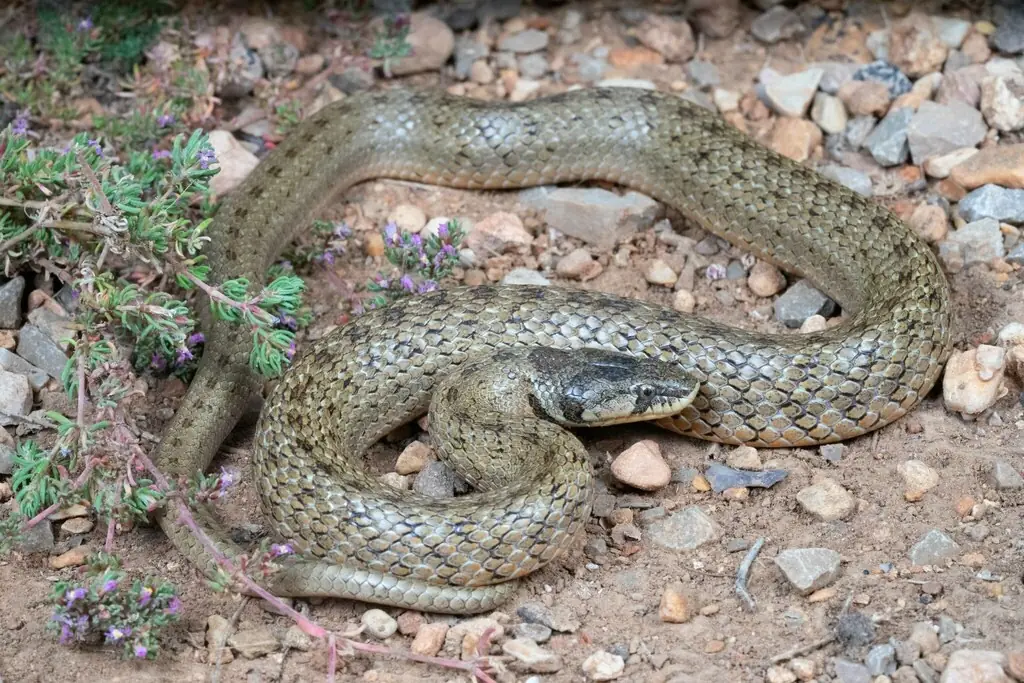
Coronella girondica. Identification follows the linked source community.

003 · Colubridae

Southern Smooth Snake

Coronella girondica

(DAUDIN, 1803)

Venom unknownNot yet assessed

Listed in the reviewed taxonomic treatment. Kroumirie & northwestern uplands: observation GBIF 6131034261 (2012). The original iNaturalist entry was rechecked for research-grade identification, wild status and unrestricted coordinates; its reported uncertainty footprint lies within the mapped region. This is a community-reviewed observation, not a museum…

Read the species account →

Karim Haddad · CC BY 4.0 · https://creativecommons.org/licenses/by/4.0/

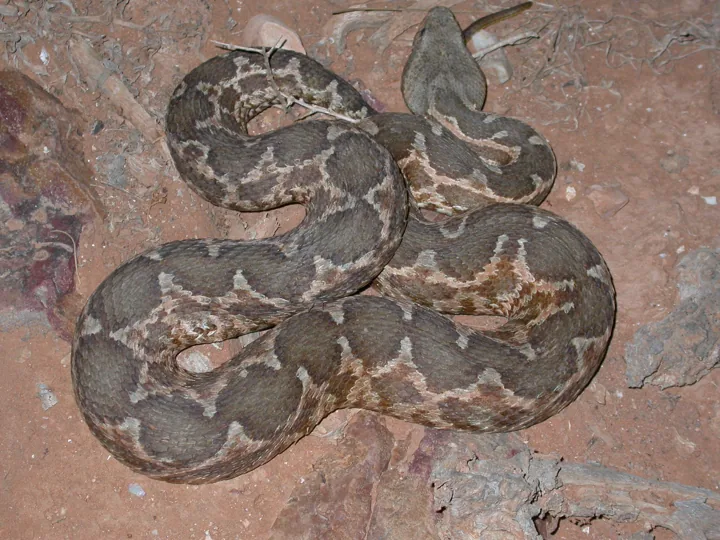
Daboia mauritanica, Morocco, photographed on 9 September 2006.

004 · Viperidae

Moorish Viper

Daboia mauritanica

(GRAY, 1849)

VenomousClinical severity not established

Listed in the reviewed taxonomic treatment. Southern chotts, coast & desert: museum voucher MHNG MHNG-HERP-1421.019 (1974). The published collecting label names Gafsa; this is a locality-label assignment, not a reconstructed coordinate. Southern chotts, coast & desert: museum voucher MHNG MHNG-HERP-1404.067 (1972). The published collecting label names…

Read the species account →

Julien Renoult · CC BY 4.0 · https://creativecommons.org/licenses/by/4.0/

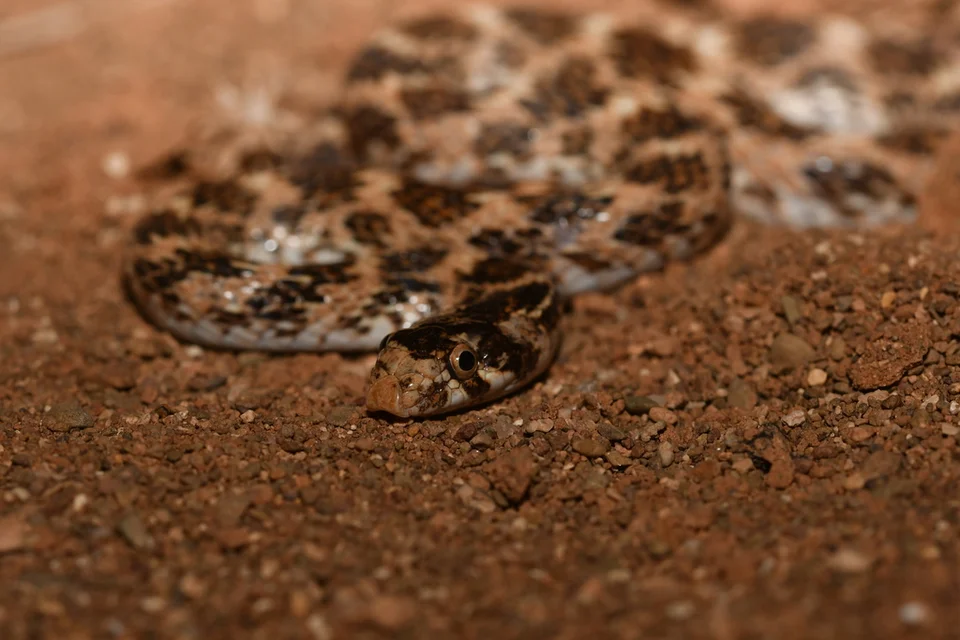
Echis pyramidum. Identification follows the linked source community.

005 · Viperidae

North-East African Carpet Viper, Egyptian Saw-scaled Viper

Echis pyramidum

(GEOFFROY SAINT-HILAIRE, 1827)

VenomousClinical severity not established

Listed in the reviewed taxonomic treatment.

Read the species account →

Elliot Kulakow · CC BY 4.0 · https://creativecommons.org/licenses/by/4.0/

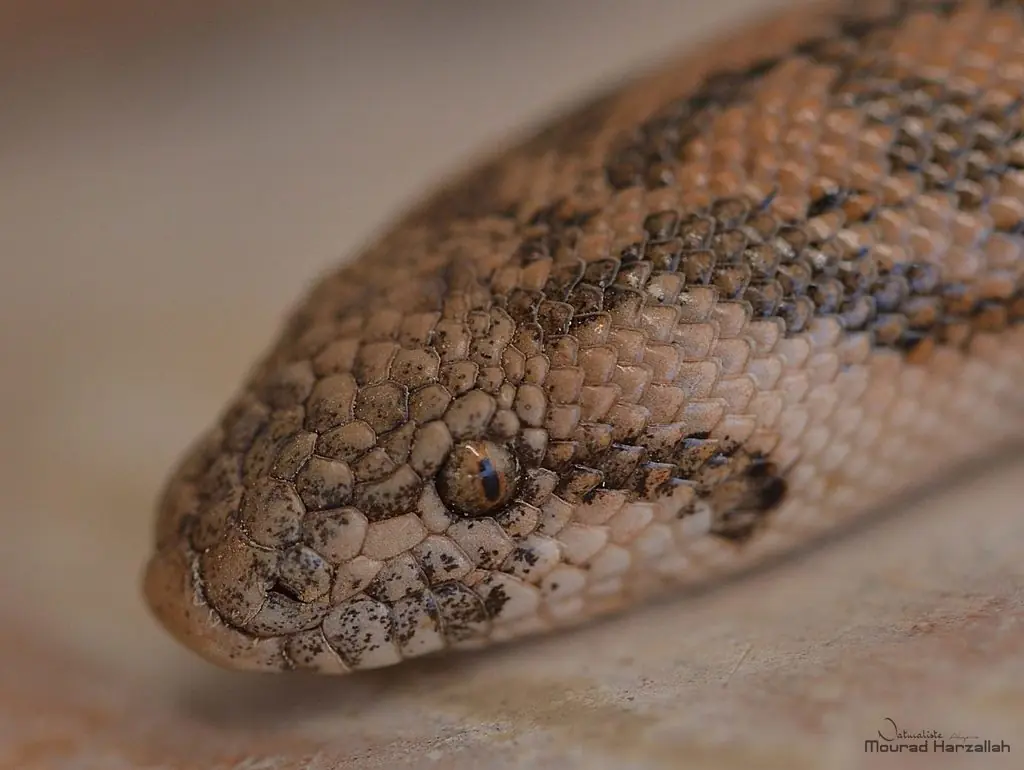
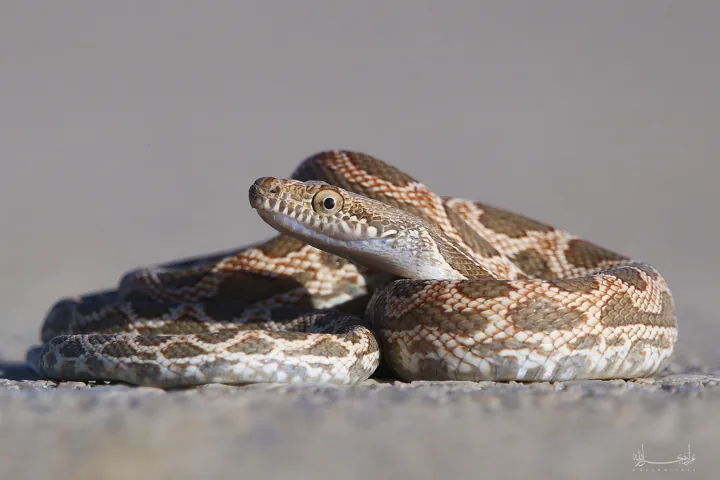
Eryx jaculus. Identification follows the linked source community.

006 · Boidae

Javelin Sand Boa

Eryx jaculus

(LINNAEUS, 1758)

Non-venomous

Listed in the reviewed taxonomic treatment. Kroumirie & northwestern uplands: museum voucher CAS 138726 (1974). The museum record's reported coordinate uncertainty footprint lies within the mapped region. These are dated locality records, not evidence of occurrence throughout every part of a region or a complete present-day inventory.

Read the species account →

Mourad Harzallah · CC BY 4.0 · https://creativecommons.org/licenses/by/4.0/

Hemorrhois algirus. Identification follows the linked source community.

007 · Colubridae

Algerian Whip Snake

Hemorrhois algirus

(JAN, 1863)

Venom unknownNot yet assessed

Listed in the reviewed taxonomic treatment. Central plains & uplands: observation GBIF 6551951449 (2026). The original iNaturalist entry was rechecked for research-grade identification, wild status and unrestricted coordinates; its reported uncertainty footprint lies within the mapped region. This is a community-reviewed observation, not a museum…

Read the species account →

Mourad Harzallah · CC BY 4.0 · https://creativecommons.org/licenses/by/4.0/

Hemorrhois hippocrepis. Identification follows the linked source community.

008 · Colubridae

Horseshoe Snake, Horseshoe Whip Snake

Hemorrhois hippocrepis

(LINNAEUS, 1758)

Venom unknownNot yet assessed

Listed in the reviewed taxonomic treatment. Northeast & Cap Bon: observation GBIF 5077055870 (2024). The original iNaturalist entry was rechecked for research-grade identification, wild status and unrestricted coordinates; its reported uncertainty footprint lies within the mapped region. This is a community-reviewed observation, not a museum voucher.…

Read the species account →

Diego González Dopico · CC BY 4.0 · https://creativecommons.org/licenses/by/4.0/

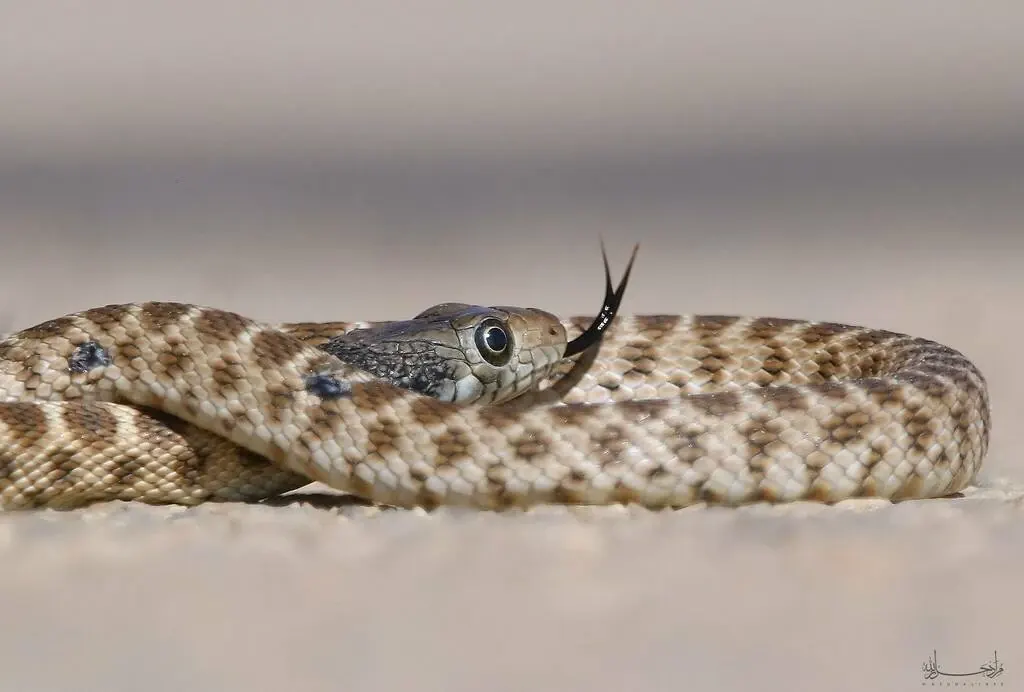
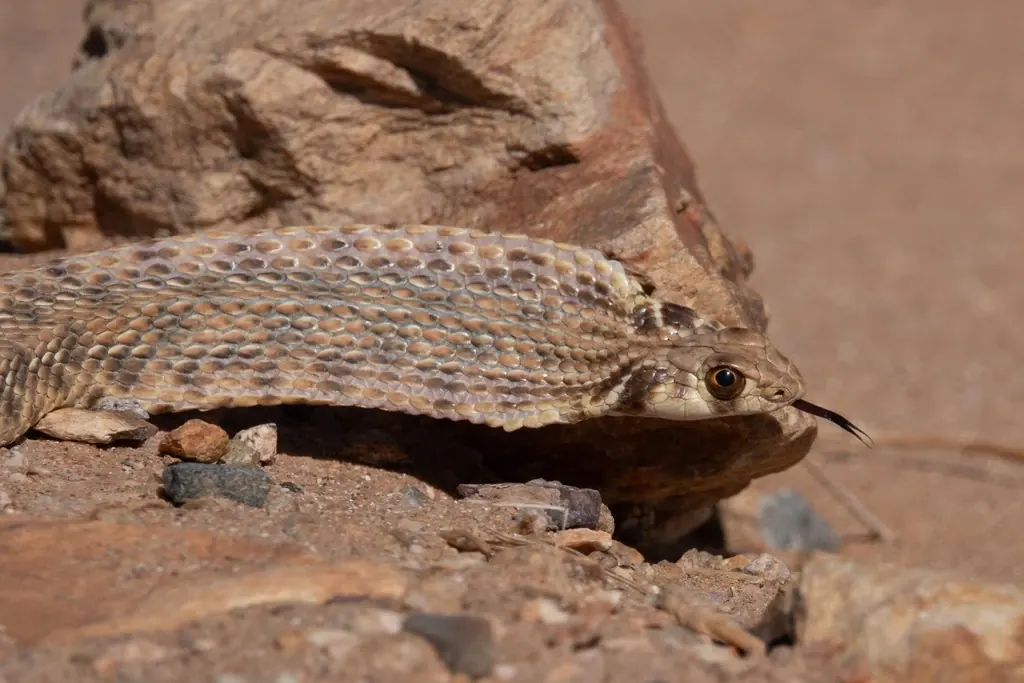
Lytorhynchus diadema, Guelmim Province, Morocco; photographed 2023-06-08.

009 · Colubridae

Crowned Leafnose Snake, Diademed Sand Snake, Awl-headed Snake

Lytorhynchus diadema

(DUMÉRIL, BIBRON & DUMÉRIL, 1854)

Venom unknownNot yet assessed

Listed in the reviewed taxonomic treatment. Southern chotts, coast & desert: museum voucher CAS 138945 (1974). The museum record's reported coordinate uncertainty footprint lies within the mapped region. These are dated locality records, not evidence of occurrence throughout every part of a region or a complete present-day inventory.

Read the species account →

Justin Philbois · CC0 1.0 · https://creativecommons.org/publicdomain/zero/1.0/

Macroprotodon mauritanicus. Identification follows the linked source community.

010 · Colubridae

Species account

Macroprotodon mauritanicus

GUICHENOT, 1850

Venom unknownNot yet assessed

Listed in the reviewed taxonomic treatment. Kroumirie & northwestern uplands: observation GBIF 6188469229 (2026). The original iNaturalist entry was rechecked for research-grade identification, wild status and unrestricted coordinates; its reported uncertainty footprint lies within the mapped region. This is a community-reviewed observation, not a museum…

Read the species account →

Wouter Beukema · CC BY 4.0 · https://creativecommons.org/licenses/by/4.0/

Malpolon insignitus. Identification follows the linked source community.

011 · Psammophiidae

Eastern Montpellier Snake

Malpolon insignitus

(GEOFFROY SAINT-HILAIRE, 1827)

VenomousClinical severity not established

Listed in the reviewed taxonomic treatment. Central plains & uplands: observation GBIF 5889702719 (2025). The original iNaturalist entry was rechecked for research-grade identification, wild status and unrestricted coordinates; its reported uncertainty footprint lies within the mapped region. This is a community-reviewed observation, not a museum…

Read the species account →

Ryan van Huyssteen · CC BY 4.0 · https://creativecommons.org/licenses/by/4.0/

Malpolon moilensis. Identification follows the linked source community.

012 · Psammophiidae

Moila Snake

Malpolon moilensis

(REUSS, 1834)

Venom unknownNot yet assessed

Listed in the reviewed taxonomic treatment. Central plains & uplands: observation GBIF 6470471680 (2025). The original iNaturalist entry was rechecked for research-grade identification, wild status and unrestricted coordinates; its reported uncertainty footprint lies within the mapped region. This is a community-reviewed observation, not a museum…

Read the species account →

Demian Hiß · CC BY 4.0 · https://creativecommons.org/licenses/by/4.0/

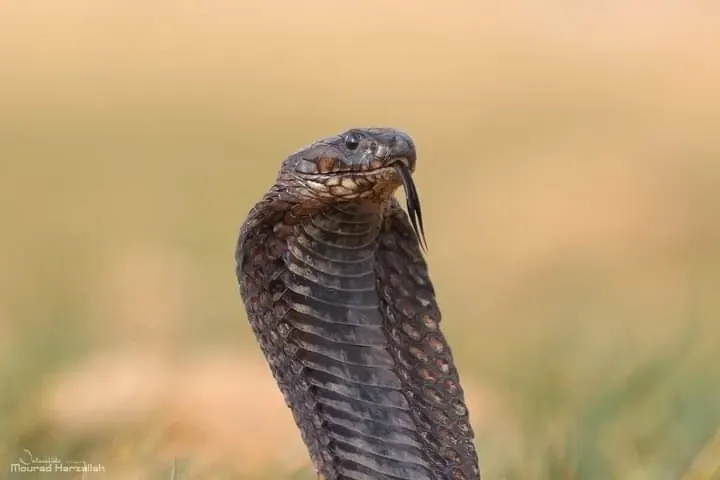
Naja haje. Identification follows the linked source community.

014 · Elapidae

Egyptian Cobra

Naja haje

(LINNAEUS, 1758)

VenomousClinical severity not established

Accepted by the 2022 national checklist. Southern chotts, coast & desert: observation GBIF 6399486729 (2026). The original iNaturalist entry was rechecked for research-grade identification, wild status and unrestricted coordinates; its reported uncertainty footprint lies within the mapped region. This is a community-reviewed observation, not a museum…

Read the species account →

Mourad Harzallah · CC BY 4.0 · https://creativecommons.org/licenses/by/4.0/

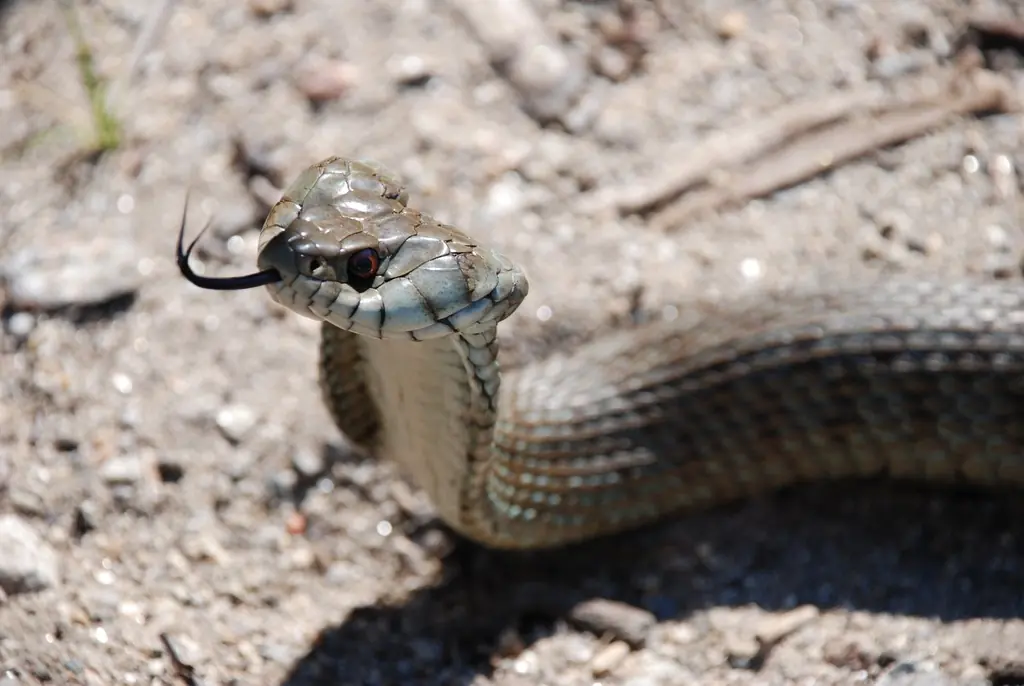
Natrix astreptophora. Identification follows the linked source community.

015 · Colubridae

Red-eyed grass snake

Natrix astreptophora

(LOPEZ-SEOANE, 1885)

Venom unknownNot yet assessed

Listed in the reviewed taxonomic treatment. Juvenile and adult photographed on day 3 in May 2025; exact pond withheld in the report.

Read the species account →

franciscodocampo · CC BY 4.0 · https://creativecommons.org/licenses/by/4.0/

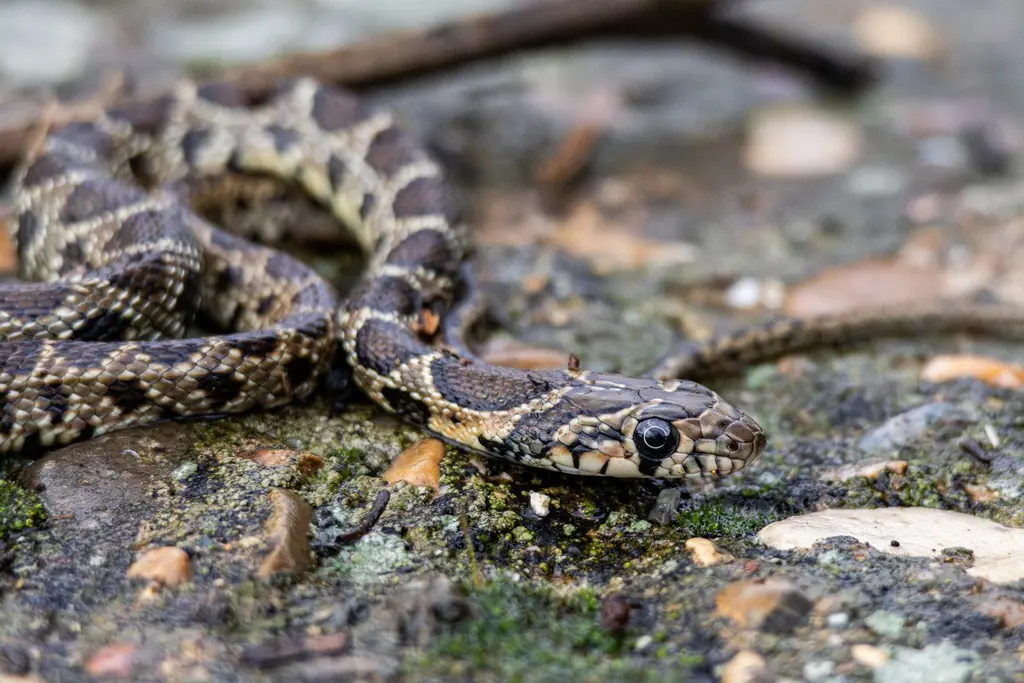
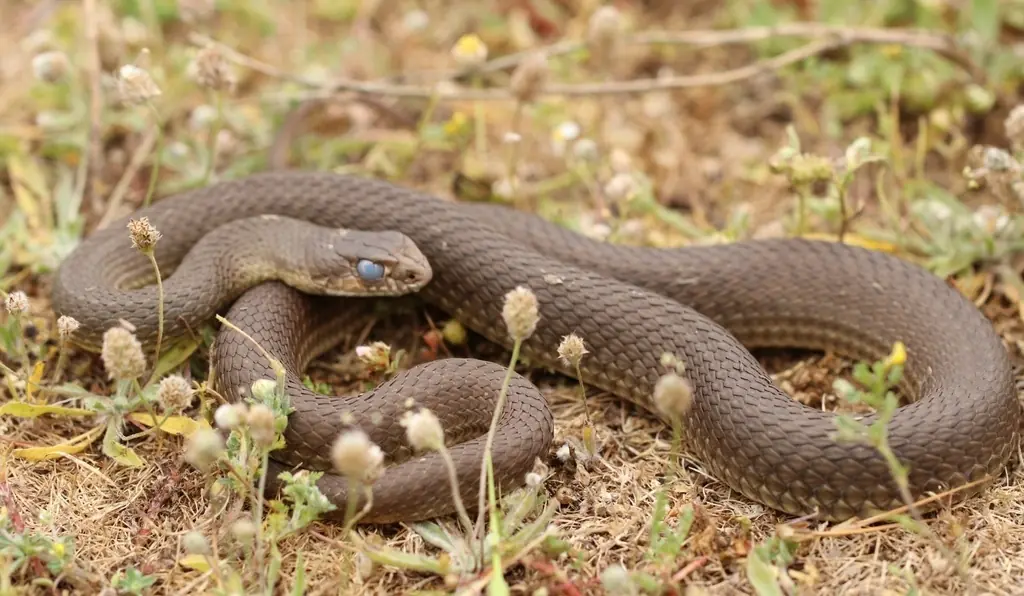
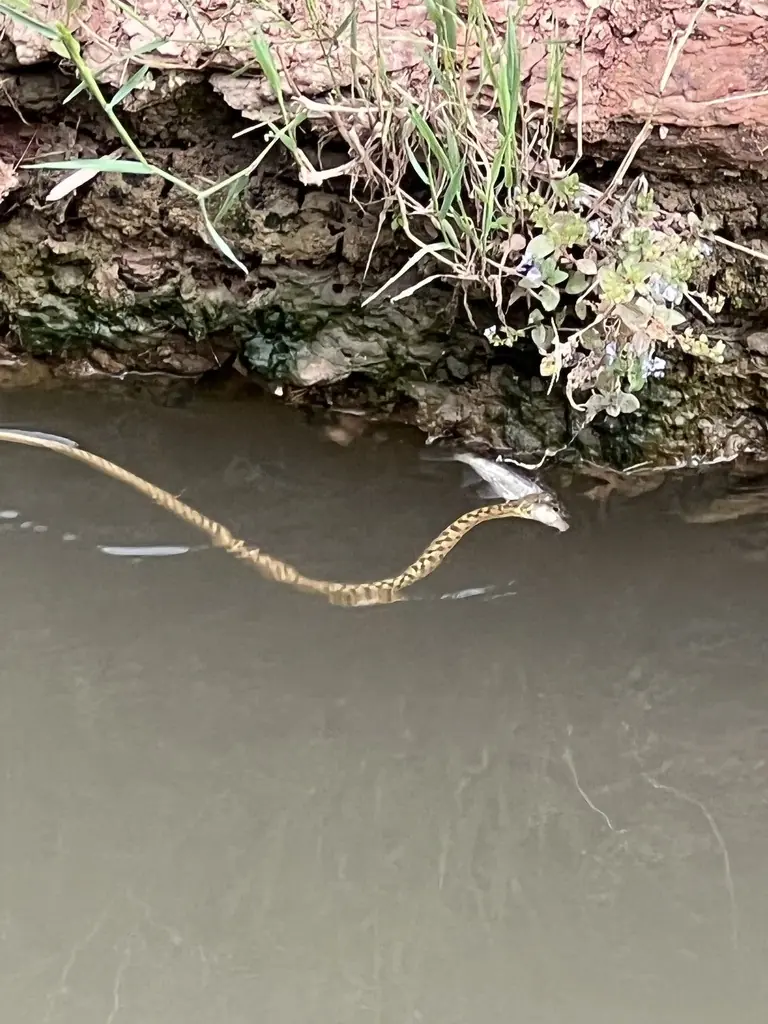
Natrix maura. Identification follows the linked source community.

016 · Colubridae

Viperine Water Snake

Natrix maura

(LINNAEUS, 1758)

Venom unknownNot yet assessed

Listed in the reviewed taxonomic treatment. Photographed during the May 2025 field visit.

Read the species account →

Naturalista · CC BY 4.0 · https://creativecommons.org/licenses/by/4.0/

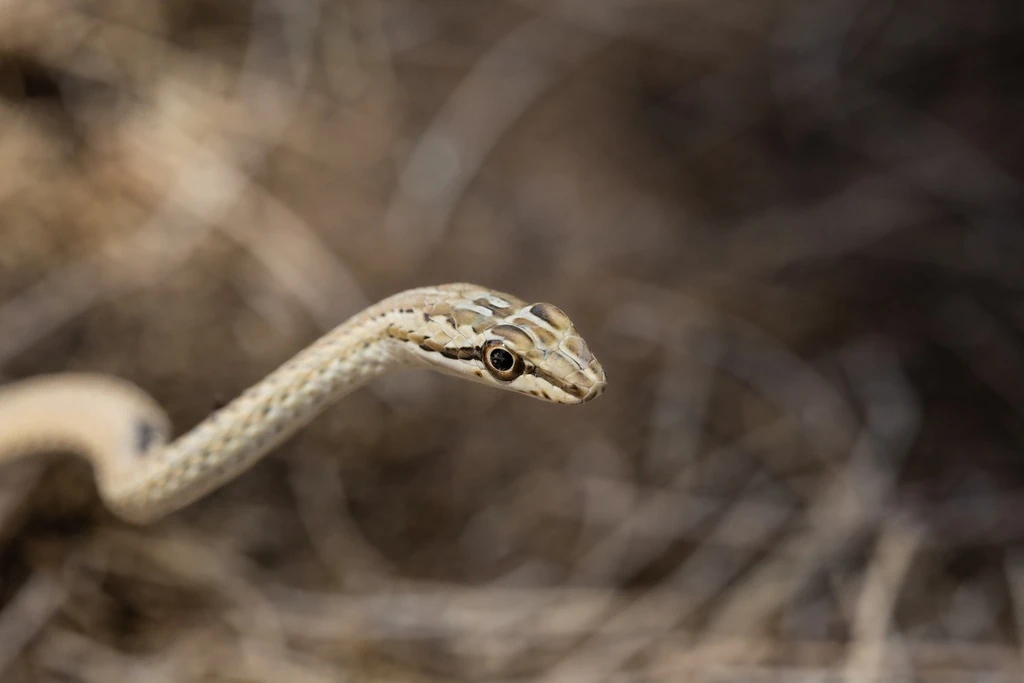
Psammophis schokari. Identification follows the linked source community.

017 · Psammophiidae

Schokari Sand Racer, Forskal Sand Snake

Psammophis schokari

(FORSKÅL, 1775)

VenomousClinical severity not established

Accepted by the 2022 national checklist. Southern chotts, coast & desert: observation GBIF 5892998137 (2025). The original iNaturalist entry was rechecked for research-grade identification, wild status and unrestricted coordinates; its reported uncertainty footprint lies within the mapped region. This is a community-reviewed observation, not a museum…

Read the species account →

Mahomed Desai · CC BY 4.0 · https://creativecommons.org/licenses/by/4.0/

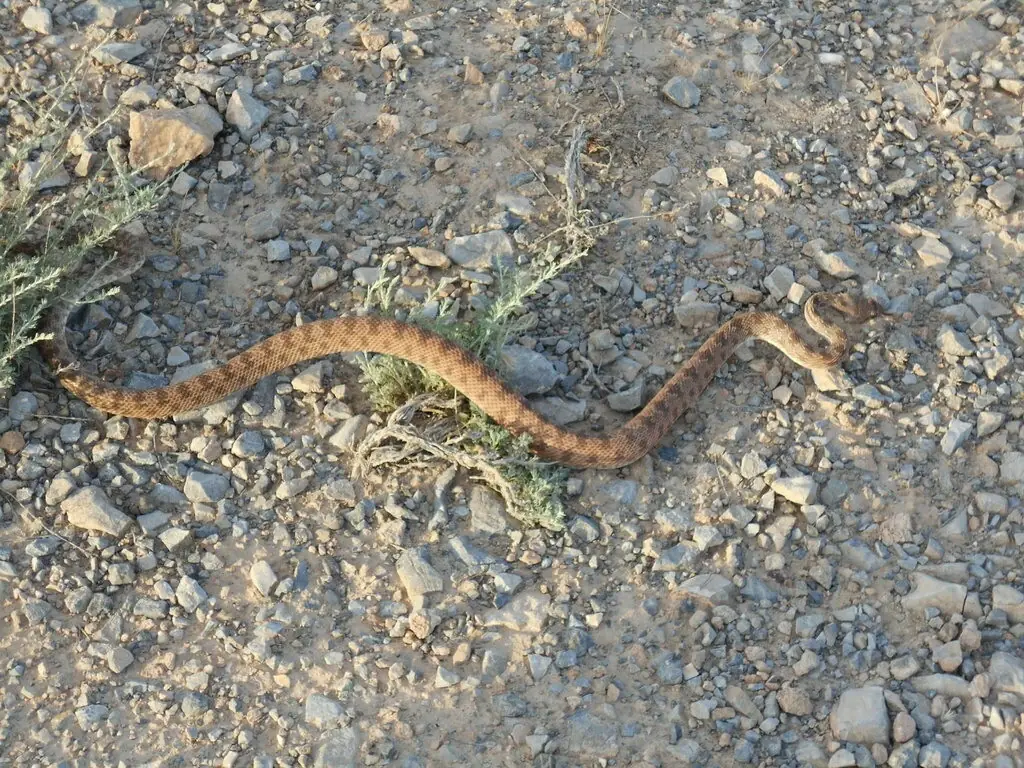
Spalerosophis diadema. Identification follows the linked source community.

018 · Colubridae

Diadem Snake, Royal Snake

Spalerosophis diadema

(SCHLEGEL, 1837)

Venom unknownNot yet assessed

Listed in the reviewed taxonomic treatment. Southern chotts, coast & desert: observation GBIF 5890381769 (2025). The original iNaturalist entry was rechecked for research-grade identification, wild status and unrestricted coordinates; its reported uncertainty footprint lies within the mapped region. This is a community-reviewed observation, not a museum…

Read the species account →

Askar Akhmedov · CC BY 4.0 · https://creativecommons.org/licenses/by/4.0/

Spalerosophis dolichospilus, Tebessa Province, Algeria, photographed on 10 August 2022.

019 · Colubridae

Werner's Diadem Snake

Spalerosophis dolichospilus

(WERNER, 1923)

Venom unknownNot yet assessed

Listed in the reviewed taxonomic treatment. Northeast & Cap Bon: museum voucher MHNG MHNG-HERP-1375.058 (1962). The published collecting label names Tunis; this is a locality-label assignment, not a reconstructed coordinate. Northeast & Cap Bon: museum voucher MHNG MHNG-HERP-1375.056 (1951). The published collecting label names Tunis; this is a…

Read the species account →

Mourad Harzallah · CC BY 4.0 · https://creativecommons.org/licenses/by/4.0/

The research library

Sources & the checklist.

This edition lists 20 species with supported country records from checked taxonomic treatments and cited field studies. It is not a claim of a complete national inventory. Each account retains its source and check date; individual evidence entries retain their own review dates.

Range and taxonomy review

Country links use a single accepted species identity. Revised names and disputed records are kept visible here; uncertain records do not enter the listed collection or regional totals.

How the map and counts work

Search results were checked against distribution text and taxonomic qualifications. A geographic name alone does not establish a political country: New Guinea, the Solomon archipelago and Micronesia span more than one country or territory. Introduced and unresolved records require separate interpretation.

Place counts require explicit named localities, including valid type localities. Counts can overlap where sources name multiple places. Regional maps group historical boundary snapshots for navigation, while island outlines use Natural Earth; neither is a species range or an observation map. Small islands can be below the outline dataset’s resolution, so geographic reference markers and the directory remain available.

© OpenStreetMap contributors; OpenStreetMap, Wambacher; geoBoundaries gbOpen ADM1, 2017 snapshot; Open Data Commons Open Database License 1.0. Grouped and simplified navigation outlines, not snake ranges. Map provenance →
Exclusions & qualifications (6)
  1. Boundary provenance and regional grouping ↗
  2. Tunisian environment ministry · El Feija submission to UNESCO ↗
  3. UNESCO · Ichkeul National Park ↗
  4. Tunisian environment ministry · Bouhedma submission to UNESCO ↗
  5. Tunisian agriculture ministry · Chott El Jerid submission to UNESCO ↗
  6. The Reptile Database

    Individual treatments and locality evidence are linked from each species account.

  7. Meiri (2024): SquamBase 1.0

    Species-level literature measurements and ecological traits. Exact-name matches only; imputed or ambiguous fields are omitted. These summaries are not local observations.

  8. Natural Earth: public-domain geographic data

Continue through the Africa atlas →