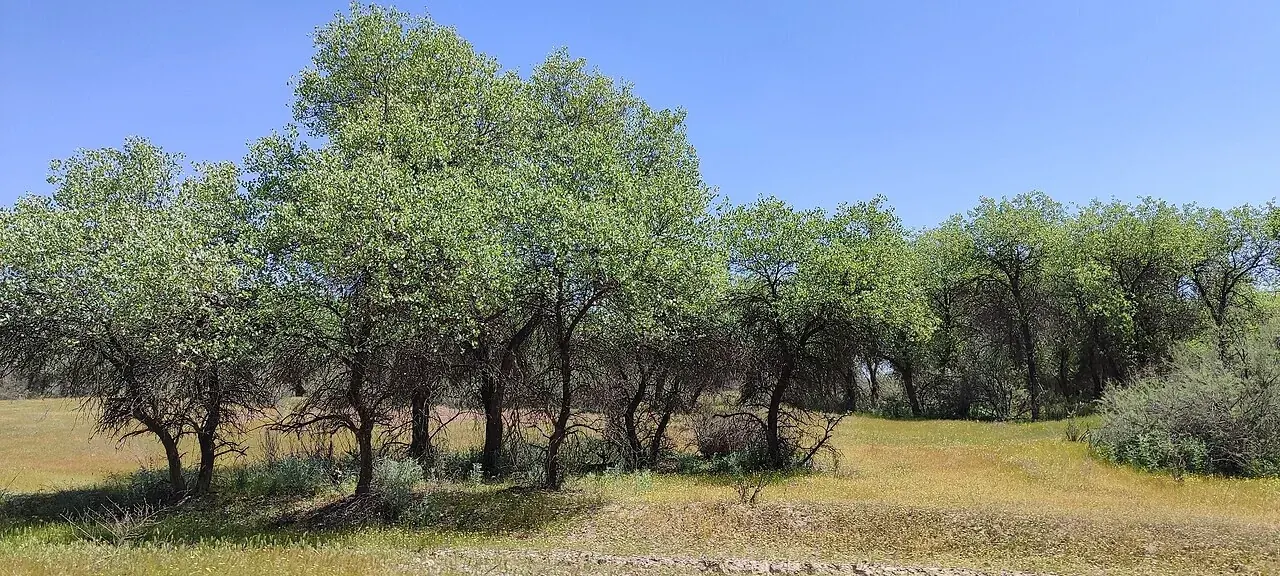
Tugay woodland at Tigrovaya Balka, Khatlon, Tajikistan.

Tajikistan · Place guide

Khatlon

This guide follows Khatlon Region in the credited boundary snapshot. Individual places within khatlon retain their own locality evidence.

7species with extracted evidence
4families
4region guides

Tugay woodland at Tigrovaya Balka, Khatlon, Tajikistan.

Photograph: Zolfeqar Fatihzadeh · Image source · CC BY-SA 4.0. Cropped to fill the hero; darkened for text legibility.

Geography & biotopes

Read the landscape.

This guide follows Khatlon Region in the credited boundary snapshot. Individual places within khatlon retain their own locality evidence.

Khatlon’s grasslands are described in valley and foothill zones, much of them associated with farming.

Ecological connections

Describe the observed ground surface and vegetation cover at the named site. Separate cultivated or irrigated patches from surrounding open land, and retain the date; a regional dryland label alone is not a species habitat record.

Explore the setting

Check current information from the relevant local authority before visiting. Keep precise locality and date with any observation; the regional grouping provides orientation, not a current access assessment.

This guide indexes these source names: Khatlon Region, Khatlon. A country-only record is not automatically assigned to this place. Map markers identify navigation destinations, not collection sites.

geoBoundaries · ADM1 boundary provenance →

Tajikistan - National Report to the Convention on Biological Diversity →

Geography is part of the record

Find your way through Tajikistan.

Select a named region to open its evidence page. The complete directory below keeps every guide accessible, including places where locality evidence has not yet been extracted.

9 of 16 listed species have at least one indexed region record. 7 remain country-only. Even a nonzero count is not a complete regional inventory.

Habitats & living landscapes

Explore the living
landscapes.

Explore 4 guides to the environments, places and conservation pressures that shape this country. Each guide connects to the regional map and shared species accounts.

Landscape photographs & credits

Tugay woodland at Tigrovaya Balka, Khatlon, Tajikistan. — Zolfeqar Fatihzadeh. Original photograph · CC BY-SA 4.0. Cropped for the cards; photographs do not establish snake occurrence.

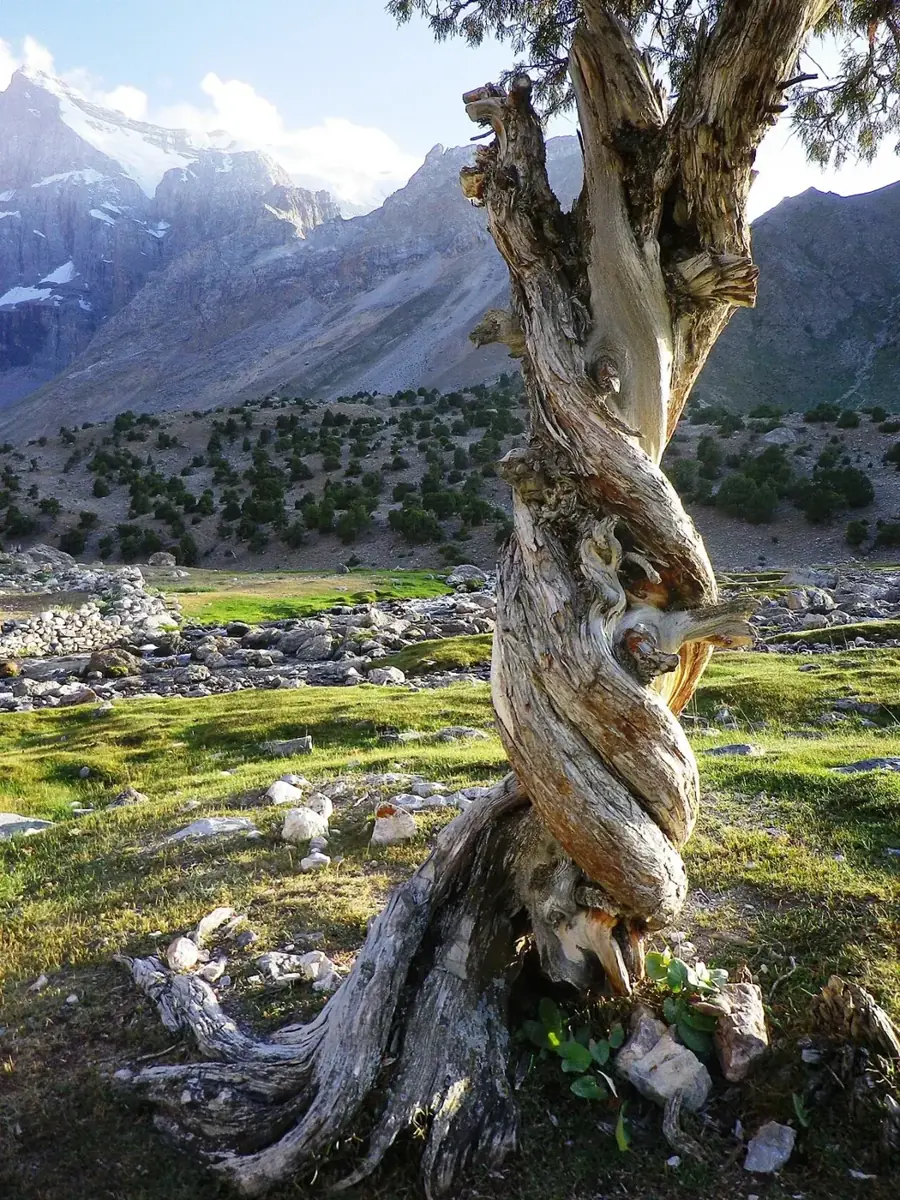
Juniper and rocky slopes in the Fann Mountains, Tajikistan. — Шухрат Саъдиев. Original photograph · CC BY-SA 4.0. Cropped for the cards; photographs do not establish snake occurrence.

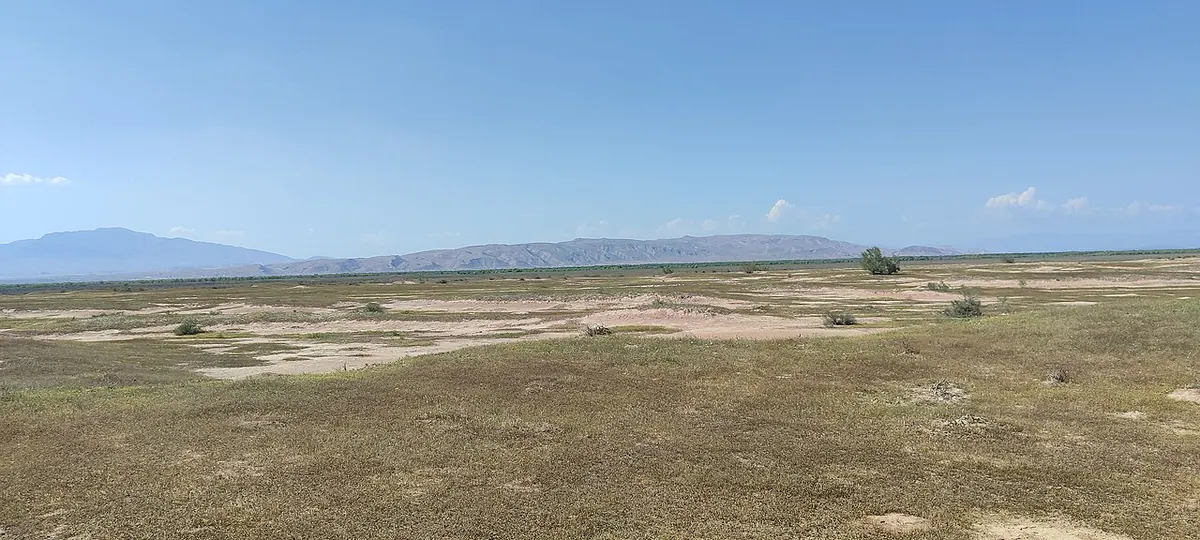
Dry open ground in the Daryakul sector of Tigrovaya Balka, Tajikistan, photographed in April 2026. This illustrates a dryland landscape within the reserve; it is not a photograph of Kashka-Kum. — Zolfeqar Fatihzadeh. Original photograph · CC BY-SA 4.0. Cropped for the cards; photographs do not establish snake occurrence.

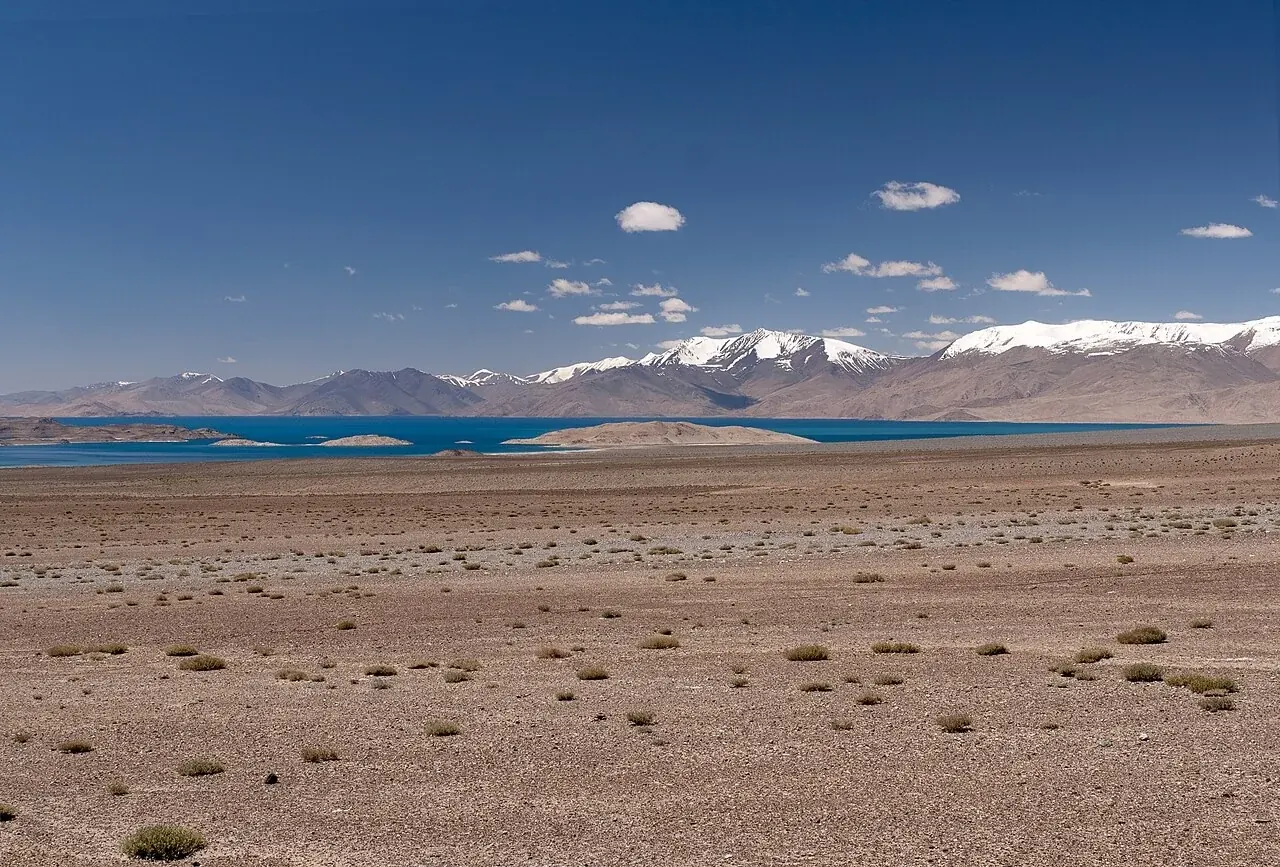
Karakul Lake and arid highland shore in the Pamirs, Tajikistan; saline water. — Ekrem Canli. Original photograph · CC BY-SA 3.0. Cropped for the cards; photographs do not establish snake occurrence.

The species catalogue

Snakes · Khatlon.

Only records naming this place appear below. These are extracted locality records, not complete island or regional inventories.

7 species · showing 7

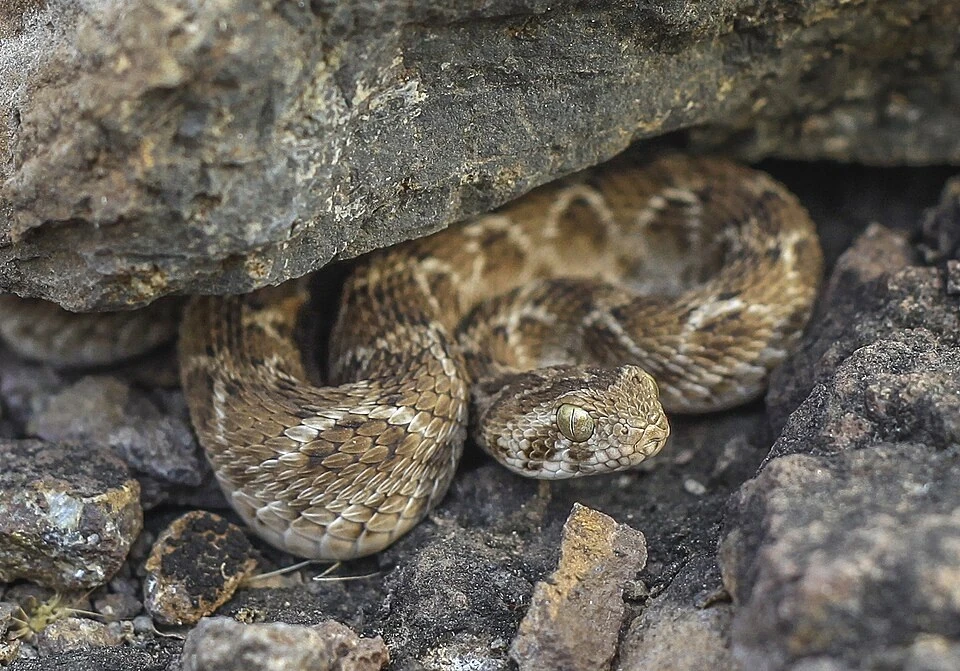
Echis carinatus. Identification follows the linked source photograph.

001 · Viperidae

Saw-scaled Viper, Phoorsa

Echis carinatus

(SCHNEIDER, 1801)

VenomousClinical severity not established

Explicit country record in the checked taxonomic treatment. Khatlon: observation GBIF 4875109709 (2024). The original iNaturalist entry was rechecked for research-grade identification, wild status and unrestricted coordinates; its reported uncertainty footprint lies within the mapped region. This is a community-reviewed observation, not a museum voucher.…

Read the species account →

Sagar khunte · CC BY-SA 4.0 · https://creativecommons.org/licenses/by-sa/4.0
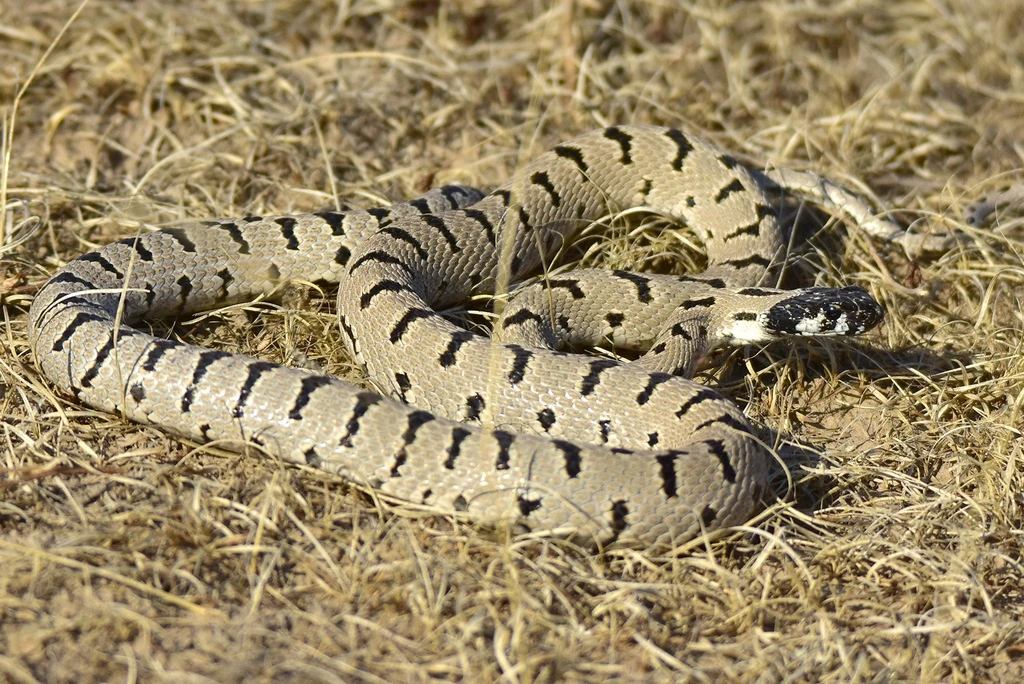
Hemorrhois ravergieri. Identification follows the linked source community.

002 · Colubridae

Spotted Whip Snake

Hemorrhois ravergieri

(MÉNÉTRIES, 1832)

Venom unknownNot yet assessed

Explicit country record in the checked taxonomic treatment. Khatlon: observation GBIF 5840020578 (2025). The original iNaturalist entry was rechecked for research-grade identification, wild status and unrestricted coordinates; its reported uncertainty footprint lies within the mapped region. This is a community-reviewed observation, not a museum voucher.…

Read the species account →

Kudaibergen Amirekul · CC BY-SA 4.0 · https://creativecommons.org/licenses/by-sa/4.0/

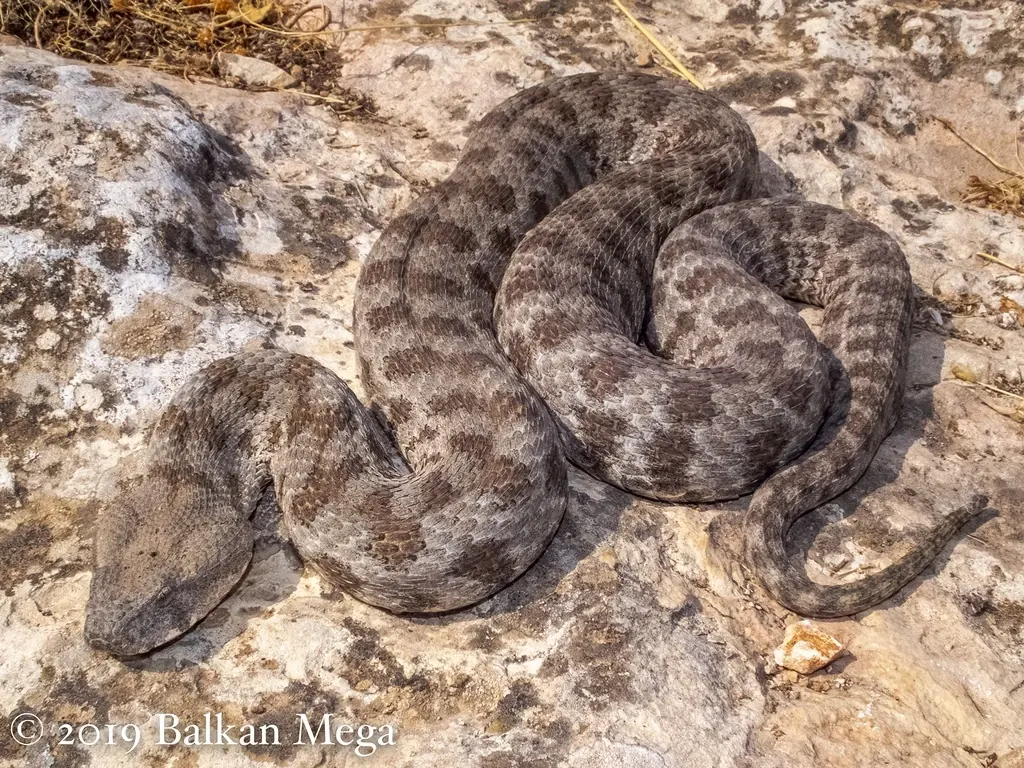
Macrovipera lebetinus. Identification follows the linked source community.

003 · Viperidae

Levantine Viper

Macrovipera lebetinus

(LINNAEUS, 1758)

VenomousClinical severity not established

Explicit country record in the checked taxonomic treatment. Gorno-Badakhshan & Pamirs: observation GBIF 5830705191 (2025). The original iNaturalist entry was rechecked for research-grade identification, wild status and unrestricted coordinates; its reported uncertainty footprint lies within the mapped region. This is a community-reviewed observation, not…

Read the species account →

Balkan Mega · CC BY 4.0 · https://creativecommons.org/licenses/by/4.0/

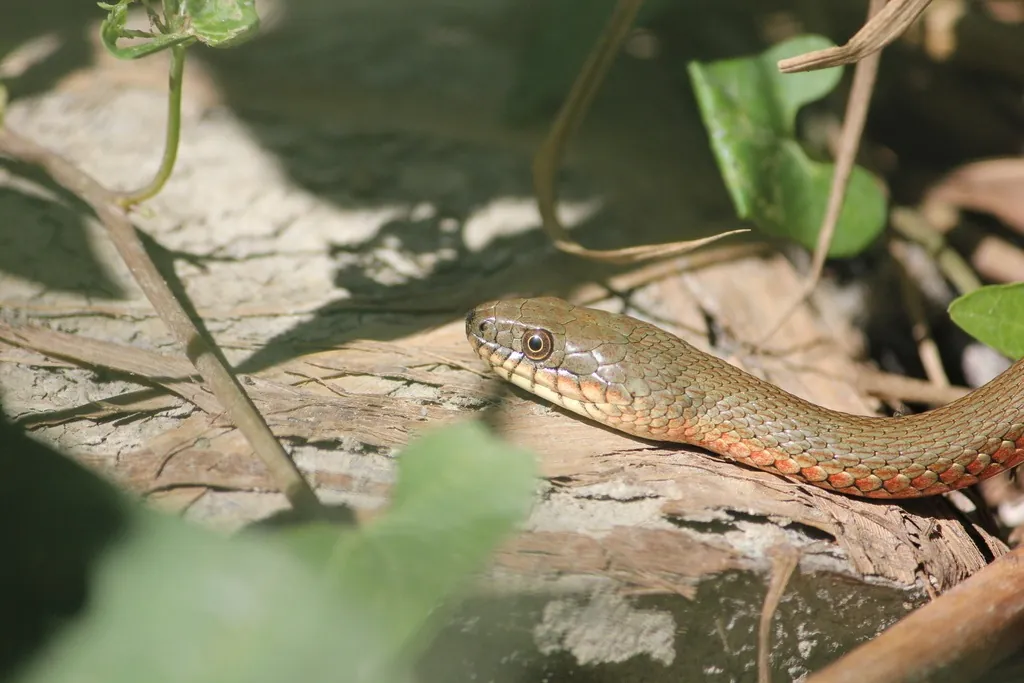
Unspotted dice snake photographed in Dagestan, Russia, in September 2026. Identification follows the linked source community.

004 · Colubridae

Dice Snake

Natrix tessellata

(LAURENTI, 1768)

Venom unknownNot yet assessed

Explicit country record in the checked taxonomic treatment. Khatlon: observation GBIF 4901389142 (2024). The original iNaturalist entry was rechecked for research-grade identification, wild status and unrestricted coordinates; its reported uncertainty footprint lies within the mapped region. This is a community-reviewed observation, not a museum voucher.…

Read the species account →

KsenoSnake · CC0 1.0 · https://creativecommons.org/publicdomain/zero/1.0/

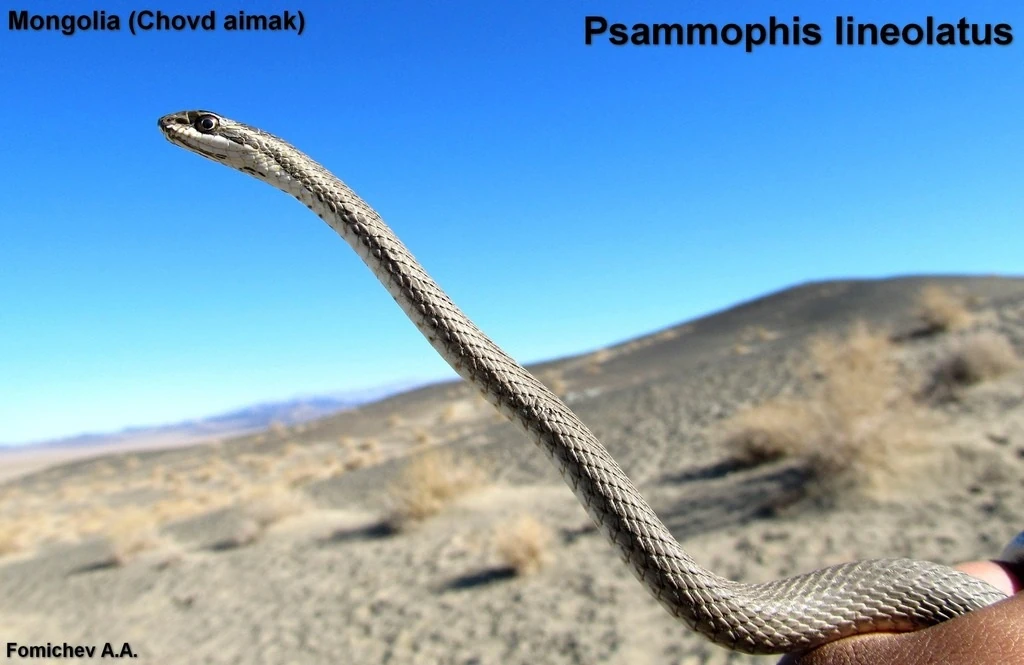
Psammophis lineolatus. Identification follows the linked source community.

005 · Psammophiidae

Steppe Ribbon Racer

Psammophis lineolatus

(BRANDT, 1838)

VenomousClinical severity not established

Explicit country record in the checked taxonomic treatment. Khatlon: observation GBIF 4892186731 (2024). The original iNaturalist entry was rechecked for research-grade identification, wild status and unrestricted coordinates; its reported uncertainty footprint lies within the mapped region. This is a community-reviewed observation, not a museum voucher.…

Read the species account →

Alexander A. Fomichev · CC BY 4.0 · https://creativecommons.org/licenses/by/4.0/

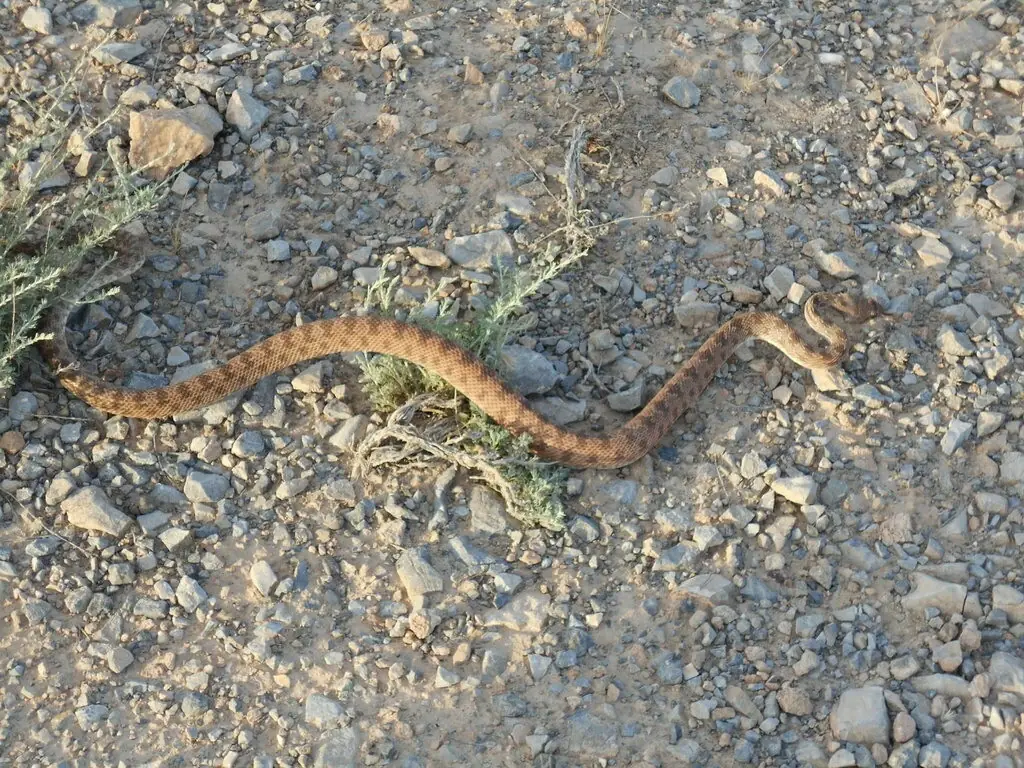
Spalerosophis diadema. Identification follows the linked source community.

006 · Colubridae

Diadem Snake, Royal Snake

Spalerosophis diadema

(SCHLEGEL, 1837)

Venom unknownNot yet assessed

Explicit country record in the checked taxonomic treatment. Khatlon: observation GBIF 4875256565 (2024). The original iNaturalist entry was rechecked for research-grade identification, wild status and unrestricted coordinates; its reported uncertainty footprint lies within the mapped region. This is a community-reviewed observation, not a museum voucher.…

Read the species account →

Askar Akhmedov · CC BY 4.0 · https://creativecommons.org/licenses/by/4.0/

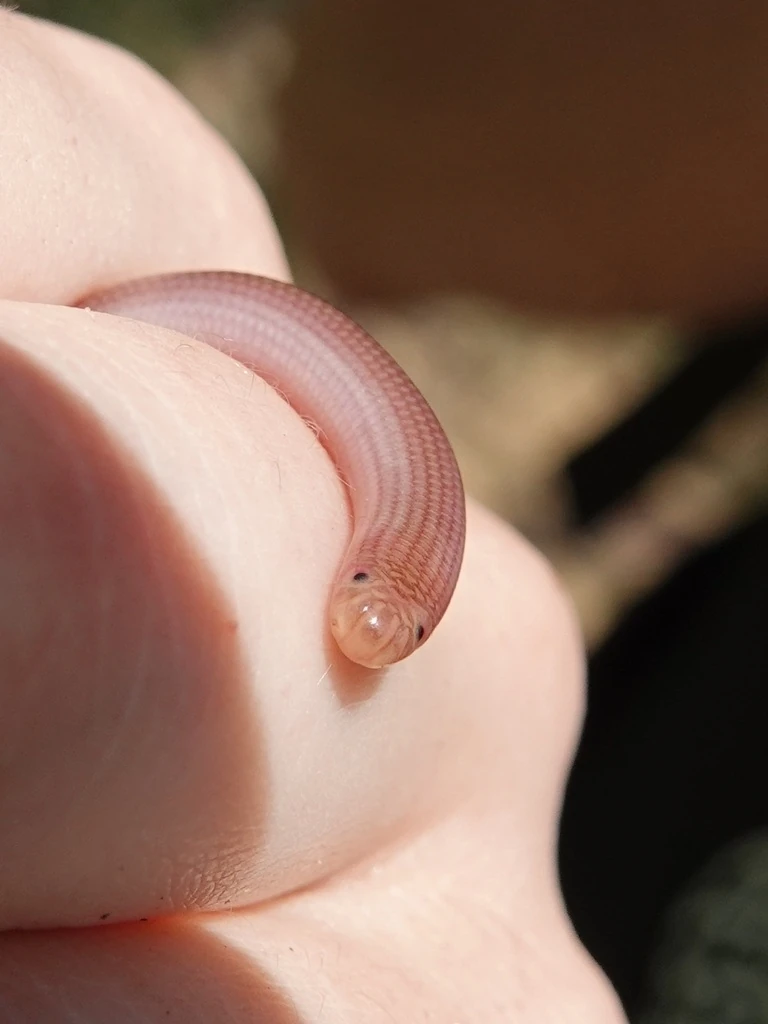
Xerotyphlops vermicularis. Identification follows the linked source community.

007 · Typhlopidae

Eurasian Blind Snake, Greek Blindsnake

Xerotyphlops vermicularis

(MERREM, 1820)

Non-venomous

Explicit country record in the checked taxonomic treatment. Central valleys & mountains: observation GBIF 4868097735 (2024). The original iNaturalist entry was rechecked for research-grade identification, wild status and unrestricted coordinates; its reported uncertainty footprint lies within the mapped region. This is a community-reviewed observation,…

Read the species account →

Валерия Ковалева · CC BY 4.0 · https://creativecommons.org/licenses/by/4.0/

Explore all 16 country records →

The research library

Sources & the checklist.

This edition lists 16 species with supported country records from checked taxonomic treatments and cited field studies. It is not a claim of a complete national inventory. Each account retains its source and check date; individual evidence entries retain their own review dates.

Independent checklist comparison · 2026-10-11

16 confirmed, introduced or explicitly qualified occasional country records. The inventory uses current individual species treatments and records explicit doubts separately. A complete independent modern national checklist was not verified in this pass; the chapter is a documented working inventory, not a completeness certification.

The Reptile Database: individually checked species treatments ↗

Review still open

Eryx miliaris

No unqualified country evidence in the current distribution; discovery hits and type localities alone do not establish occurrence.

Gloydius halys

The older broad halys concept overlaps subsequently separated taxa; an independently verified current-identity voucher remains unresolved.

Lycodon striatus

The checked treatment or independent checklist questions this country assignment or uses an older species concept. A voucher under the current identity remains unresolved.

Platyceps rhodorachis

The 2026 revision leaves Central Asian racers taxonomically unresolved; historical rhodorachis labels do not establish the current species.

Range and taxonomy review

Country links use a single accepted species identity. Revised names and disputed records are kept visible here; uncertain records do not enter the listed collection or regional totals.

Lycodon striatus

Uncertain — excluded from the listed total

The checked treatment or independent checklist questions this country assignment or uses an older species concept. A voucher under the current identity remains unresolved.

Source 1 ↗

Platyceps rhodorachis

Uncertain — excluded from the listed total

The 2026 revision leaves Central Asian racers taxonomically unresolved; historical rhodorachis labels do not establish the current species.

Source 1 ↗

Source 2 ↗

Gloydius halys

Uncertain — excluded from the listed total

The older broad halys concept overlaps subsequently separated taxa; an independently verified current-identity voucher remains unresolved.

Source 1 ↗

Source 2 ↗

How the map and counts work

Search results were checked against distribution text and taxonomic qualifications. A geographic name alone does not establish a political country: New Guinea, the Solomon archipelago and Micronesia span more than one country or territory. Introduced and unresolved records require separate interpretation.

Place counts require explicit named localities, including valid type localities. Counts can overlap where sources name multiple places. Regional maps group historical boundary snapshots for navigation, while island outlines use Natural Earth; neither is a species range or an observation map. Small islands can be below the outline dataset’s resolution, so geographic reference markers and the directory remain available.

© OpenStreetMap contributors, via OpenStreetMap, Wambacher and geoBoundaries · gbOpen ADM1 · 2017 snapshot · Open Data Commons Open Database License 1.0. Generalised navigation boundaries, not snake ranges or territorial assertions. Map provenance →

  1. Tajikistan - National Report to the Convention on Biological Diversity ↗

    Historical national ecological and geographic baseline; no current habitat-cover, access or species-occurrence inference. Original report retained in the source link.

  2. geoBoundaries - source units and atlas grouping ↗

    © OpenStreetMap contributors, via OpenStreetMap, Wambacher and geoBoundaries · gbOpen ADM1 · 2017 snapshot · Open Data Commons Open Database License 1.0. Generalised navigation boundaries, not snake ranges or territorial assertions.

  3. geoBoundaries · ADM1 boundary provenance ↗
  4. Tajikistan - National Report to the Convention on Biological Diversity ↗
  5. The Reptile Database

    Individual treatments and locality evidence are linked from each species account.

  6. Meiri (2024): SquamBase 1.0

    Species-level literature measurements and ecological traits. Exact-name matches only; imputed or ambiguous fields are omitted. These summaries are not local observations.

  7. Natural Earth: public-domain geographic data

Continue through the Asia atlas →