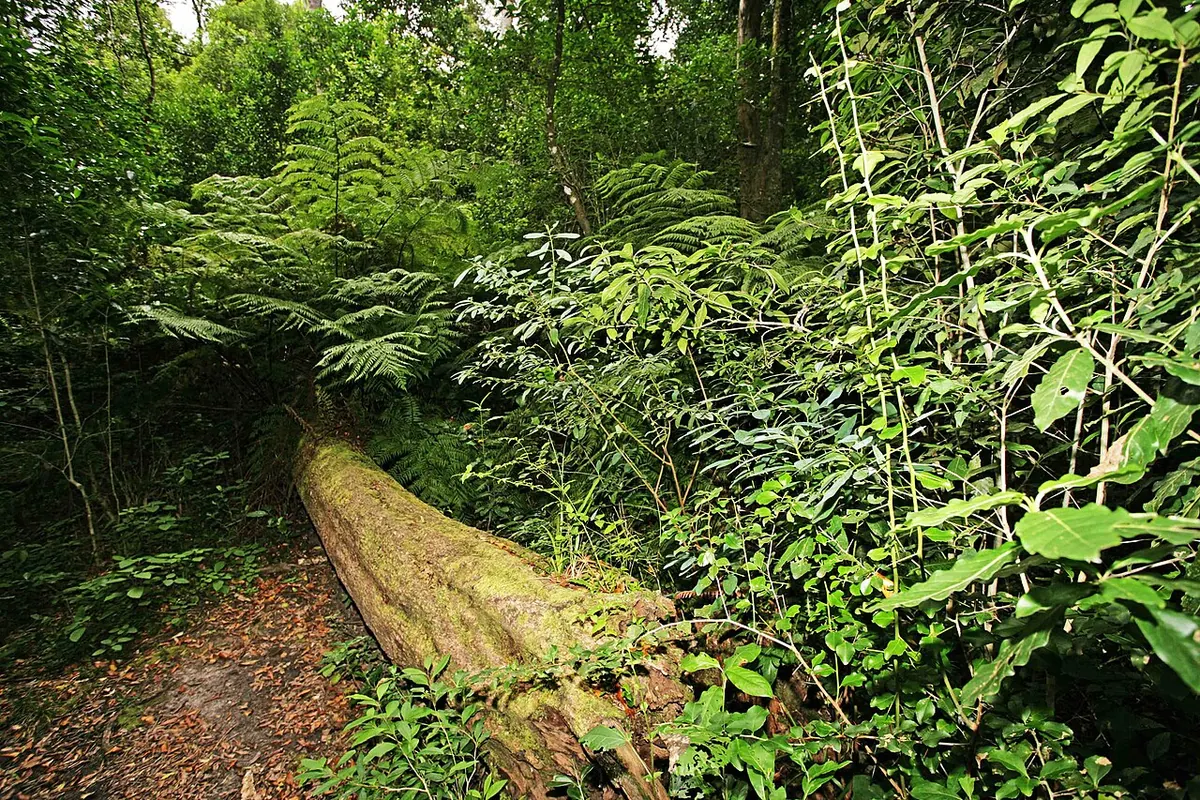
Dense vegetation and a fallen moss-covered trunk in Knysna Forest, South Africa.

South Africa · Habitat field guide

Forest & woodland

South Africa’s national account distinguishes multiple terrestrial biomes and vegetation structures. Provincial boundaries do not delimit these environments.

Dense vegetation and a fallen moss-covered trunk in Knysna Forest, South Africa.

Photograph: South African Tourism from South Africa · Image source · CC BY 2.0. Cropped to fill the hero; darkened for text legibility.

Understanding the environment

A sense of the habitat.

South Africa’s national account distinguishes multiple terrestrial biomes and vegetation structures. Provincial boundaries do not delimit these environments.

Geographic scope
South Africa; named examples and source scope matter.
Evidence scale
Landscape context is separate from species locality evidence.
Source chronology
Consult the original publication date; checked 12 October 2026.

Explore the structure · Select a layer to compare the details a locality record can preserve.

Read the setting in three layers.

Select a zone to see what changes.

Tree cover

Tree cover

Separate closed forest, open woodland and planted trees.

Compare this detail with the original field or museum record before assigning a habitat association.

These reading prompts explain how to interpret evidence; they do not assert that every feature occurs at every site.

Sources: Convention on Biological Diversity · South Africa national profile

Field notes · 01

The documented landscape

South Africa’s national account distinguishes multiple terrestrial biomes and vegetation structures. Provincial boundaries do not delimit these environments.

Sources: Convention on Biological Diversity · South Africa national profile

Field notes · 02

Connect habitat and locality

Use the species account to check whether a habitat statement applies to this country or elsewhere in the species’ range. A landscape photograph illustrates its own named place; it is not evidence of snake presence.

Pressures on South Africa’s habitats

What is at risk?

A site-specific assessment of pressures has not yet been extracted for this guide. The landscape sources below provide context; they do not establish a current threat level for each snake species.

What helps this habitat

Retain natural vegetation and water connections where local conservation evidence supports them. Consult the linked national or site account for the pressures and management actions actually reported there.

The connected collection

Snakes with habitat evidence.

These 13 species have supported country occurrence and an explicit habitat association in the shared account. The association may come from elsewhere in their range. This is not a complete local habitat inventory; the places above are landscape examples, not asserted collecting sites.

13 species · showing 13

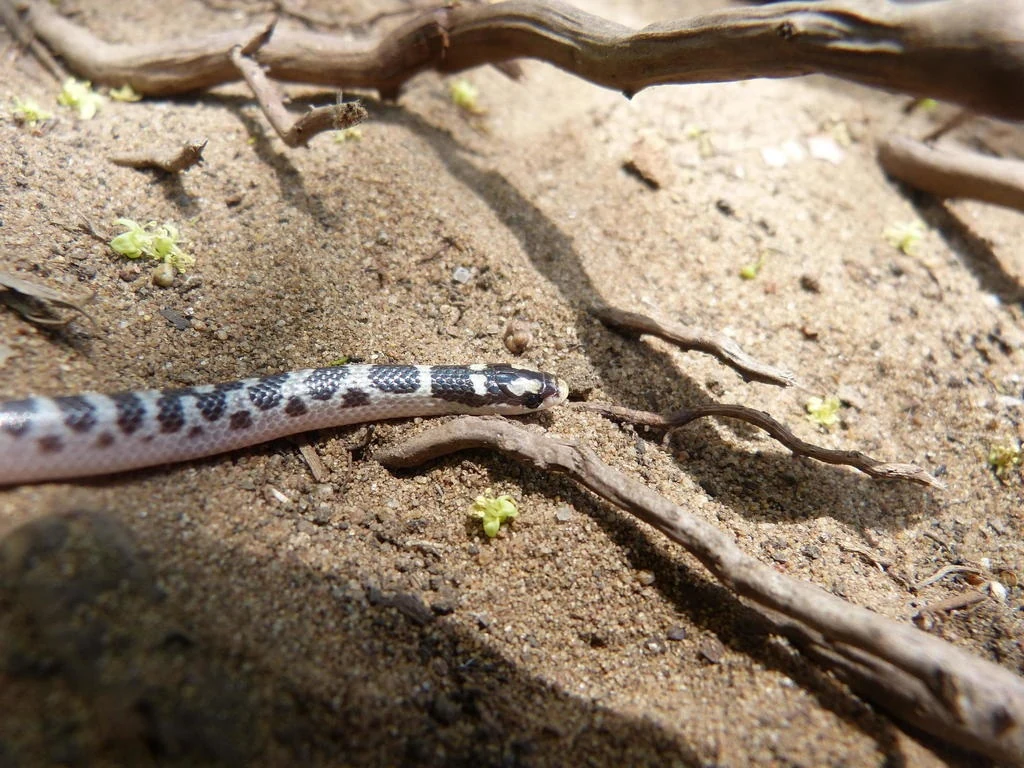
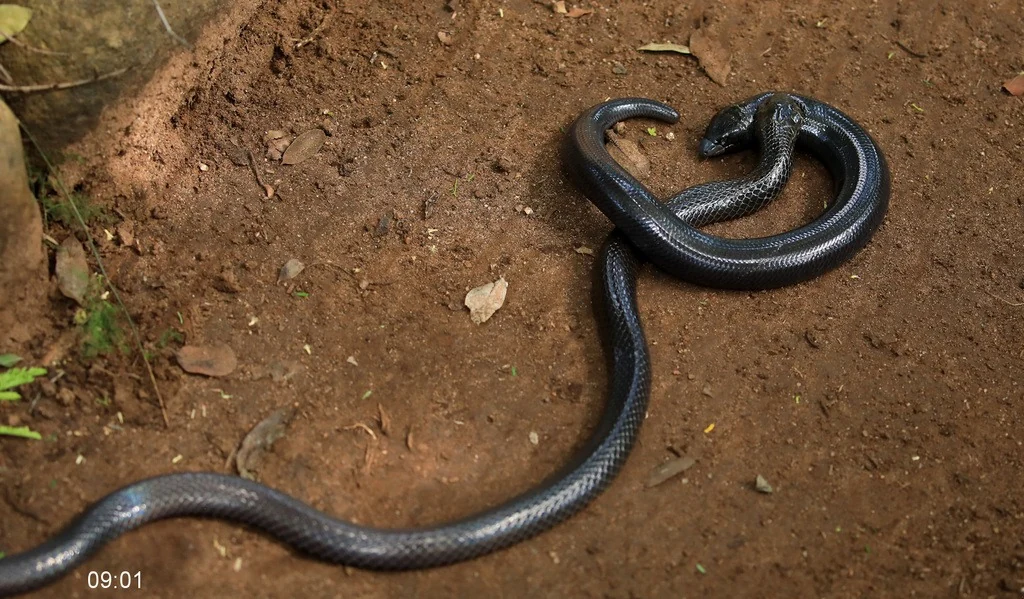
Amblyodipsas concolor; Blyde River near Hoedspruit, RSA; photographed 2024-01-02.

001 · Atractaspididae

Kwazulu-Natal Purple-glossed Snake

Amblyodipsas concolor

(SMITH, 1849)

VenomousClinical severity not established

The current taxonomic treatment explicitly lists this country. This is country-scale checklist evidence, not a claim of continuous occupancy or a complete regional inventory.

Read the species account →

Wynand Uys · CC BY 4.0 · https://creativecommons.org/licenses/by/4.0/
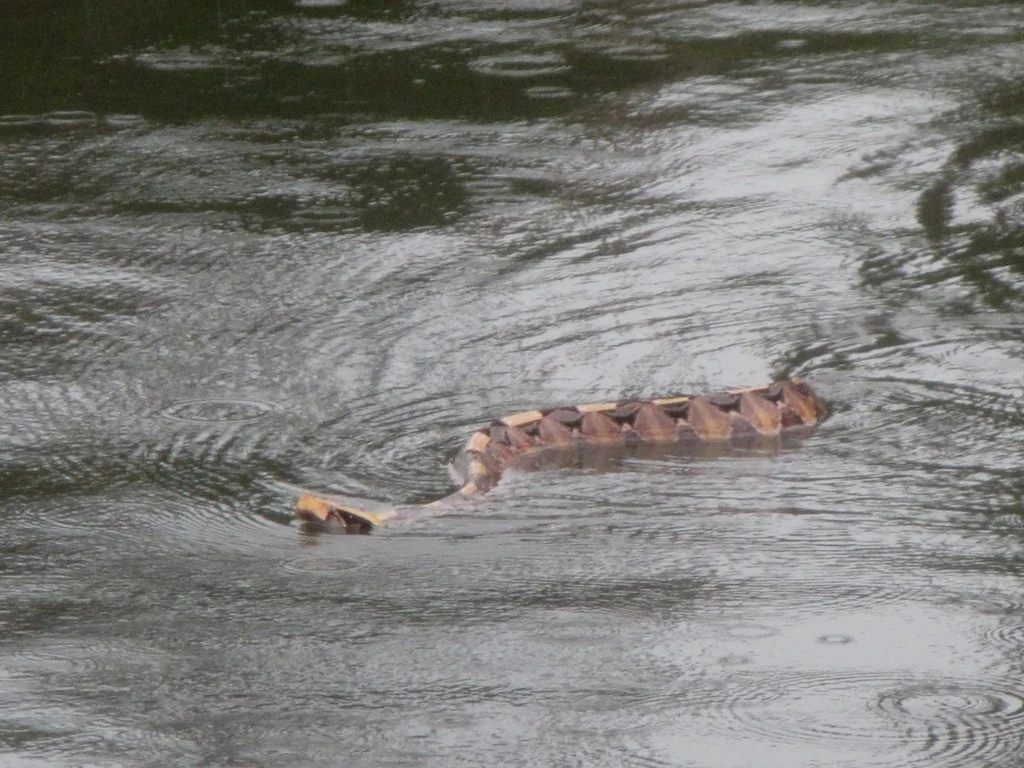
Bitis gabonica; Lake Tissongo, Cameroon; photographed 2016-05-18.

002 · Viperidae

Gaboon Adder, Gaboon Viper

Bitis gabonica

(DUMÉRIL, BIBRON & DUMÉRIL, 1854)

VenomousClinical severity not established

The current taxonomic treatment explicitly lists this country. This is country-scale checklist evidence, not a claim of continuous occupancy or a complete regional inventory.

Read the species account →

Lucy Keith-Diagne · CC BY 4.0 · https://creativecommons.org/licenses/by/4.0/
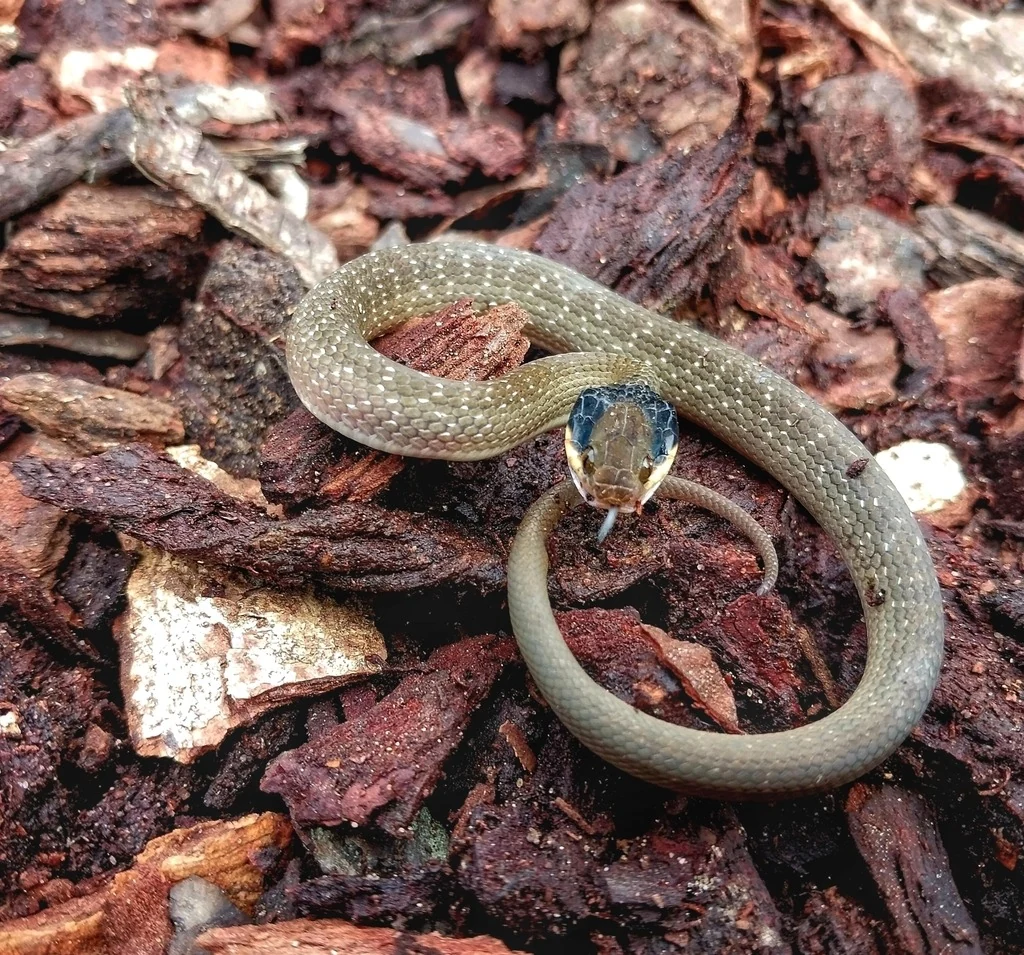
Crotaphopeltis hotamboeia; Campher's Drift, George, 6529, South Africa; photographed 2023-10-13.

003 · Colubridae

White-lipped Herald Snake, Red-lipped Snake

Crotaphopeltis hotamboeia

(LAURENTI, 1768)

Venom unknownNot yet assessed

The current taxonomic treatment explicitly lists this country. This is country-scale checklist evidence, not a claim of continuous occupancy or a complete regional inventory. KwaZulu-Natal: observation 404229035, 2026-09-27. KwaZulu-Natal: observation 359126673, 2026-05-07. Free State: observation 386552469, 2026-07-14. Free State: observation 344888269,…

Read the species account →

no rights reserved · CC0 · https://creativecommons.org/publicdomain/zero/1.0/

Dasypeltis medici; Eastern Shores, isimangaliso Wetland Park; photographed 2019-03-30.

004 · Colubridae

Eastern Forest Egg-eater, East African Egg Eater

Dasypeltis medici

BIANCONI, 1859

Venom unknownNot yet assessed

The current taxonomic treatment explicitly lists this country. This is country-scale checklist evidence, not a claim of continuous occupancy or a complete regional inventory.

Read the species account →

Nick Schaller · CC BY 4.0 · https://creativecommons.org/licenses/by/4.0/
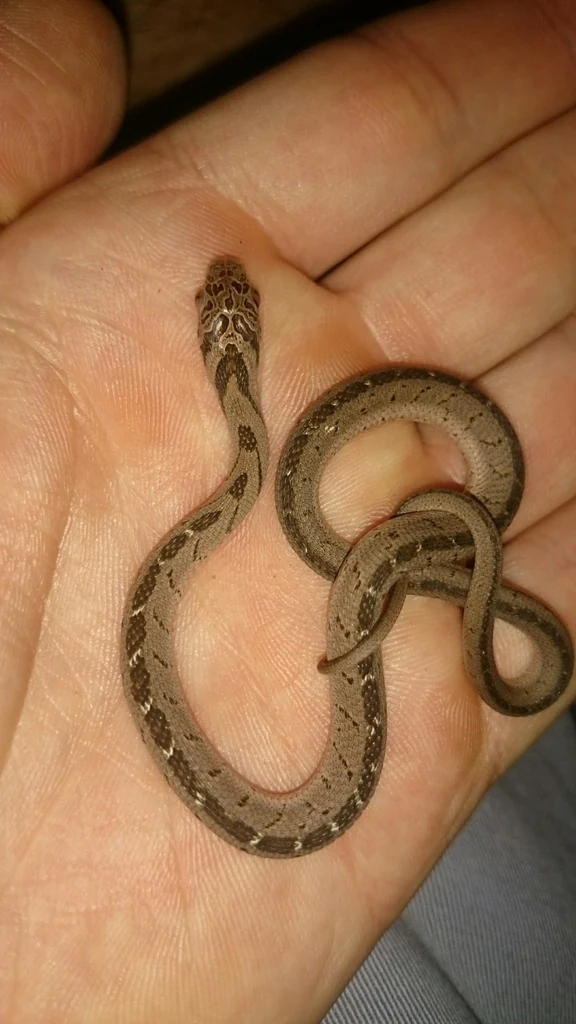
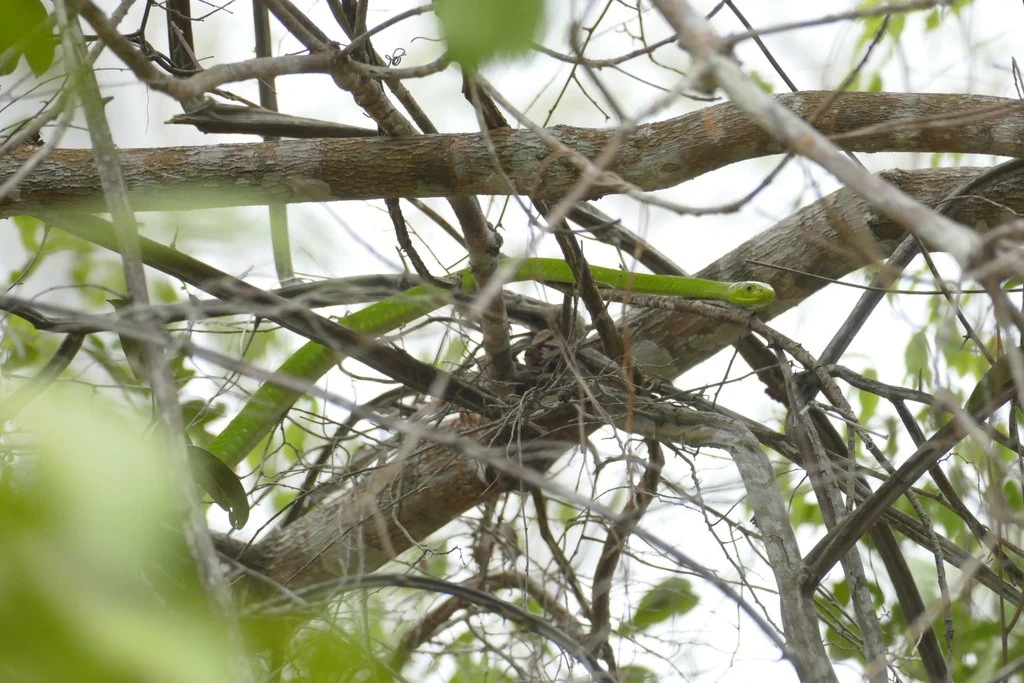
Dendroaspis angusticeps, photographed 2022-02-12. Identification follows the linked research-grade observation.

005 · Elapidae

Green Mamba

Dendroaspis angusticeps

(SMITH, 1849)

VenomousClinical severity not established

The current taxonomic treatment explicitly lists this country. This is country-scale checklist evidence, not a claim of continuous occupancy or a complete regional inventory.

Read the species account →

Ewout Knoester · CC BY-SA 4.0 · https://creativecommons.org/licenses/by-sa/4.0/

Elaiophis inornatus, photographed 2022-01-18. Identification follows the linked research-grade observation.

006 · Lamprophiidae

Olive Ground Snake, Olive House Snake, Black House Snake

Elaiophis inornatus

(DUMÉRIL, BIBRON & DUMÉRIL, 1854)

Non-venomous

The current taxonomic treatment explicitly lists this country. This is country-scale checklist evidence, not a claim of continuous occupancy or a complete regional inventory. KwaZulu-Natal: observation 337431173, 2026-02-04. KwaZulu-Natal: observation 332979735, 2026-01-01. Original records have agreeing research-grade identifications, wild status and…

Read the species account →

Ryan van Huyssteen · CC BY 4.0 · https://creativecommons.org/licenses/by/4.0/
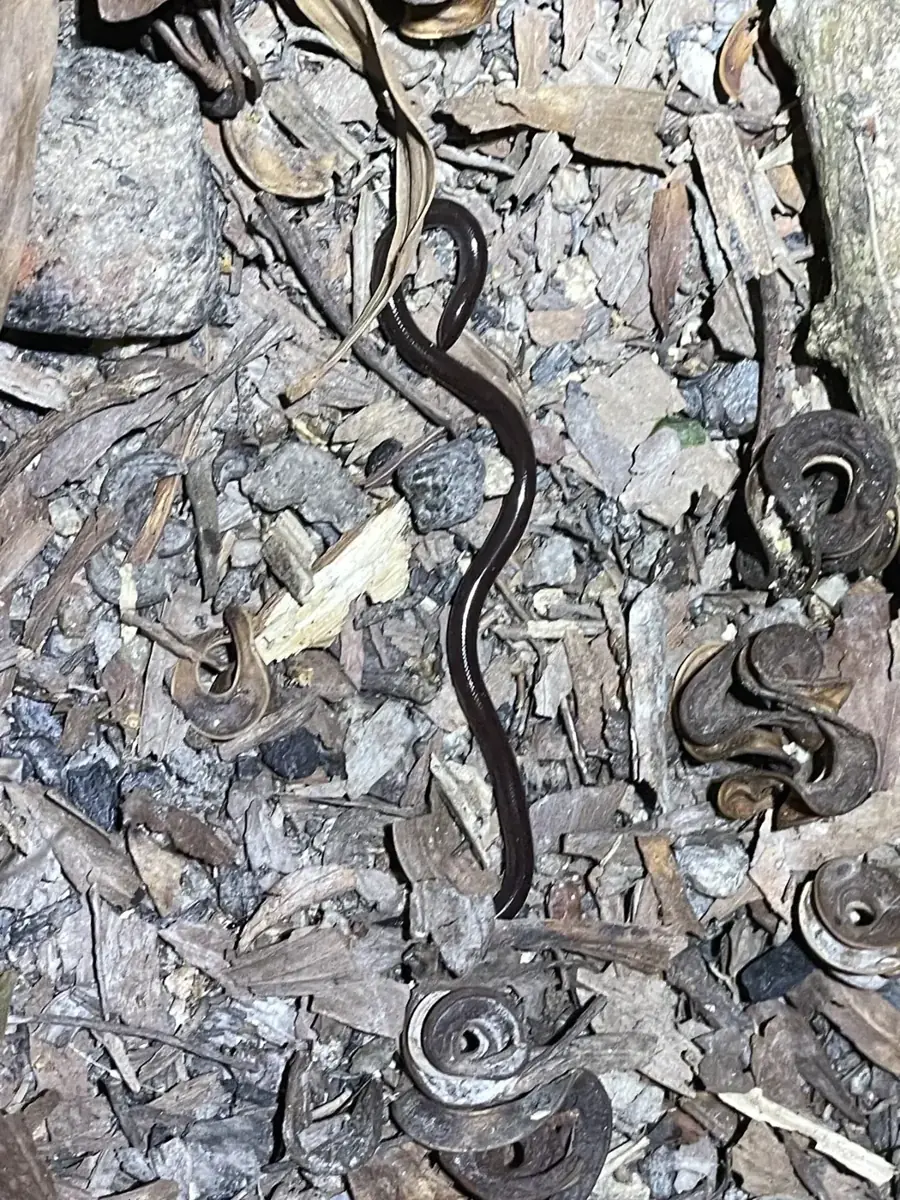
Indotyphlops braminus — photographed on Ko Pha-ngan, Thailand.

007 · Typhlopidae

Flowerpot Snake

Indotyphlops braminus

(DAUDIN, 1803)

Non-venomous

Cosmopolitan transported species: countries denotes supported occurrence, not a claim of native status. IntroducedCountries captures explicit source introductions; native/introduced status of the remaining localities is unresolved. Broad New Guinea and Micronesia are not converted to countries. The current taxonomic treatment explicitly lists this…

Read the species account →

Cook-Price, Makchai & Suwanwaree (2026); photographs credited collectively to the author, James Covert and Vikas Kumar · CC BY 4.0 · https://creativecommons.org/licenses/by/4.0/
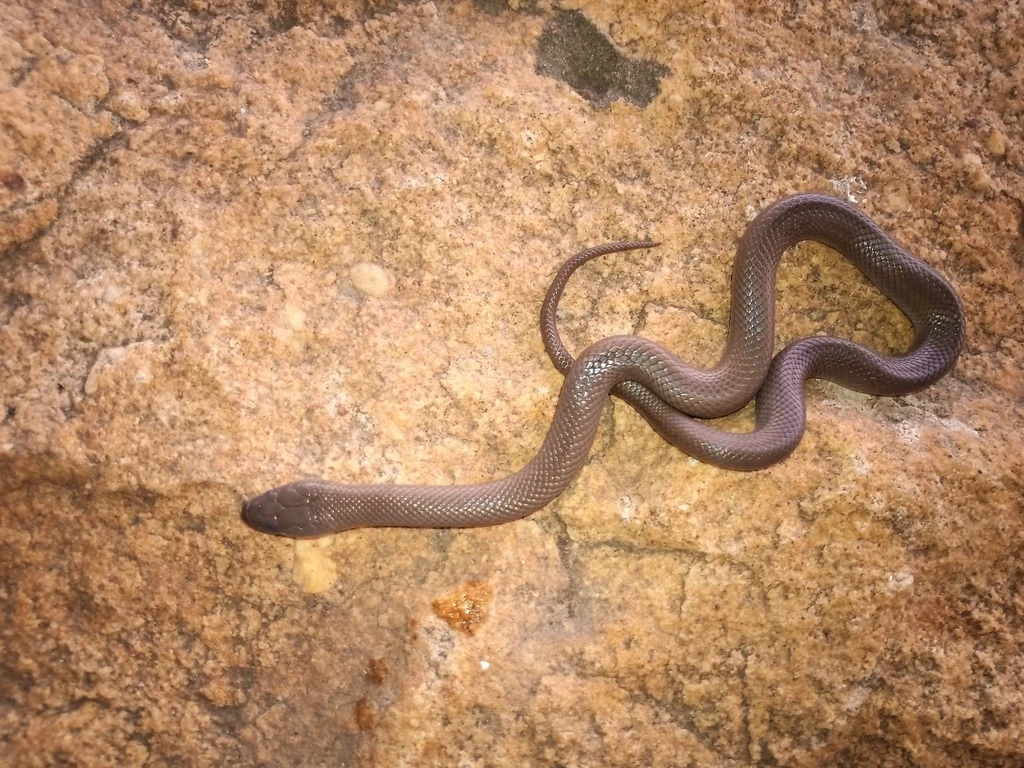
Lamprophis aurora, photographed 2012-02-28. Identification follows the linked research-grade observation.

008 · Lamprophiidae

Aurora House Snake

Lamprophis aurora

(LINNAEUS, 1758)

Non-venomous

The current taxonomic treatment explicitly lists this country. This is country-scale checklist evidence, not a claim of continuous occupancy or a complete regional inventory. Free State: observation 349010389, 2026-04-11. Free State: observation 330155048, 2025-12-09. Gauteng: observation 365388213, 2026-05-23. Gauteng: observation 362984445, 2026-05-19.…

Read the species account →

Andrew Hankey · CC BY-SA 4.0 · https://creativecommons.org/licenses/by-sa/4.0/

Naja subfulva; Katunguru Queen Elizabeth National Park, Katunguru, Uganda; photographed 2023-03-05.

009 · Elapidae

Brown forest cobra

Naja subfulva

LAURENT, 1955

VenomousClinical severity not established

The current taxonomic treatment explicitly lists this country. This is country-scale checklist evidence, not a claim of continuous occupancy or a complete regional inventory.

Read the species account →

Sidnei Dantas · CC BY-SA 4.0 · https://creativecommons.org/licenses/by-sa/4.0/

Natriciteres olivacea; Ngamiland North, Botswana; photographed 2018-12-15.

010 · Colubridae

Olive Marsh Snake

Natriciteres olivacea

(PETERS, 1854)

Venom unknownNot yet assessed

The current taxonomic treatment explicitly lists this country. This is country-scale checklist evidence, not a claim of continuous occupancy or a complete regional inventory.

Read the species account →

Robert Taylor · CC BY 4.0 · https://creativecommons.org/licenses/by/4.0/
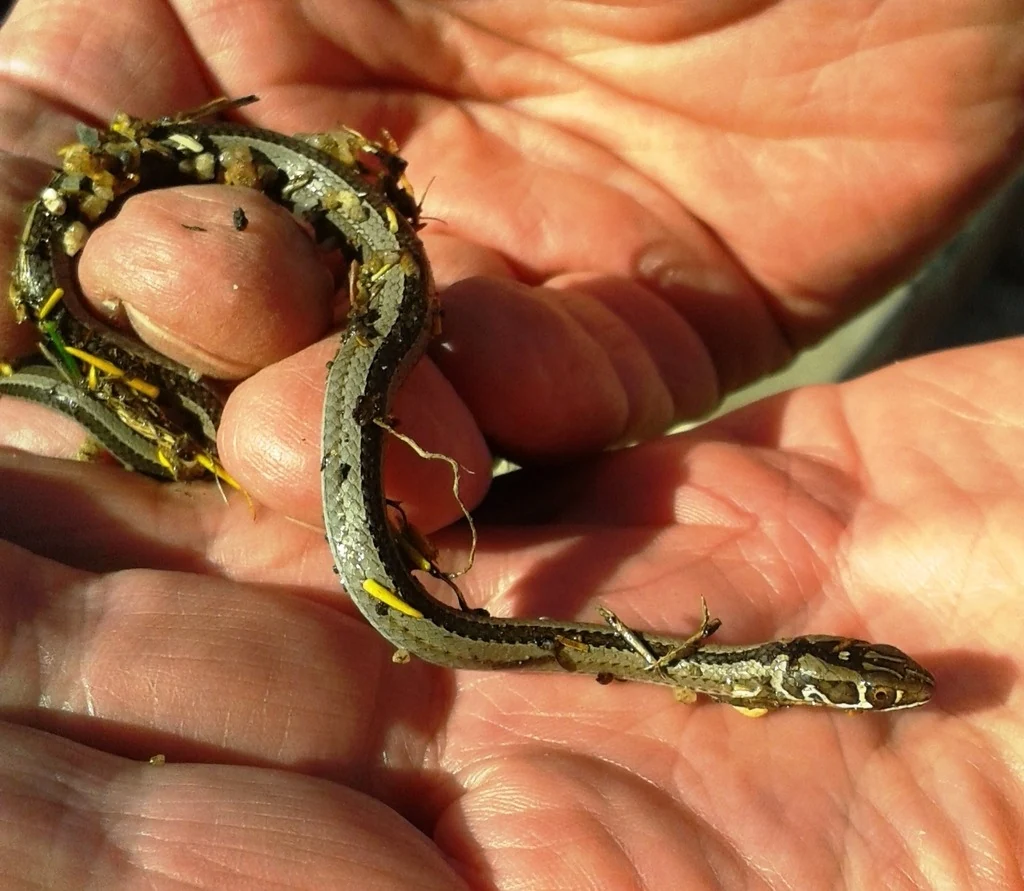
Prosymna janii, photographed 2015-11-07. Identification follows the linked research-grade observation.

011 · Prosymnidae

Mozambique Shovel-snout, Keel-scaled Shovel-snout

Prosymna janii

BIANCONI, 1862

Venom unknownNot yet assessed

The current taxonomic treatment explicitly lists this country. This is country-scale checklist evidence, not a claim of continuous occupancy or a complete regional inventory.

Read the species account →

Nick Schaller · CC BY 4.0 · https://creativecommons.org/licenses/by/4.0/
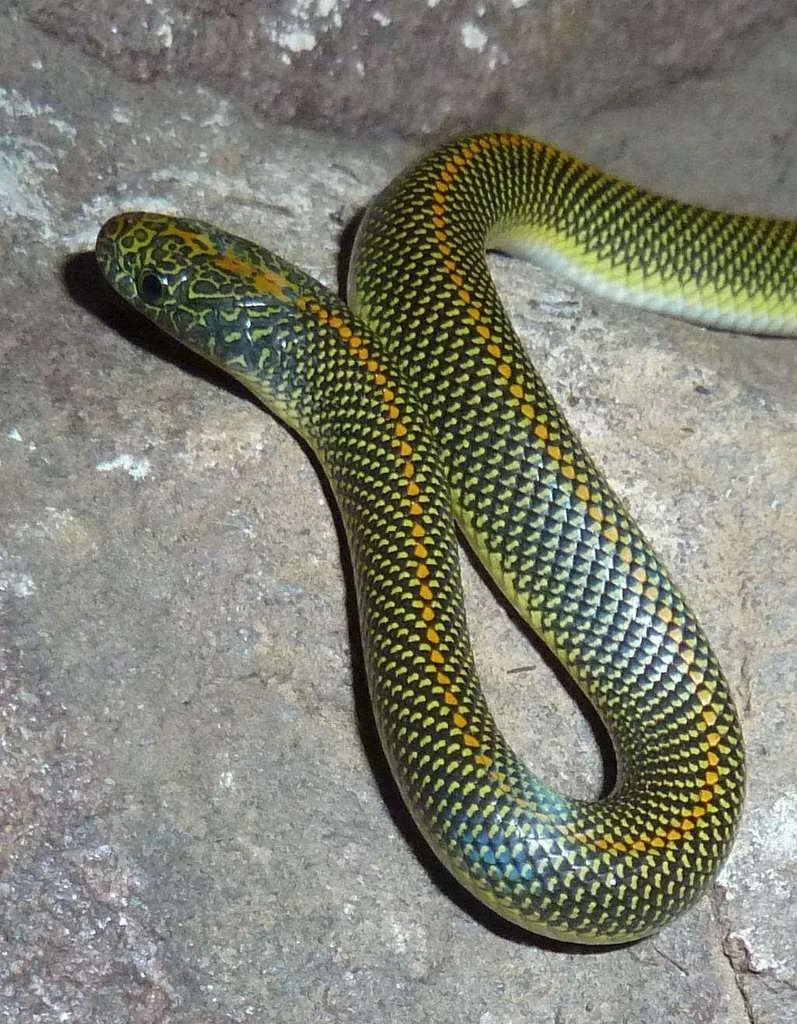
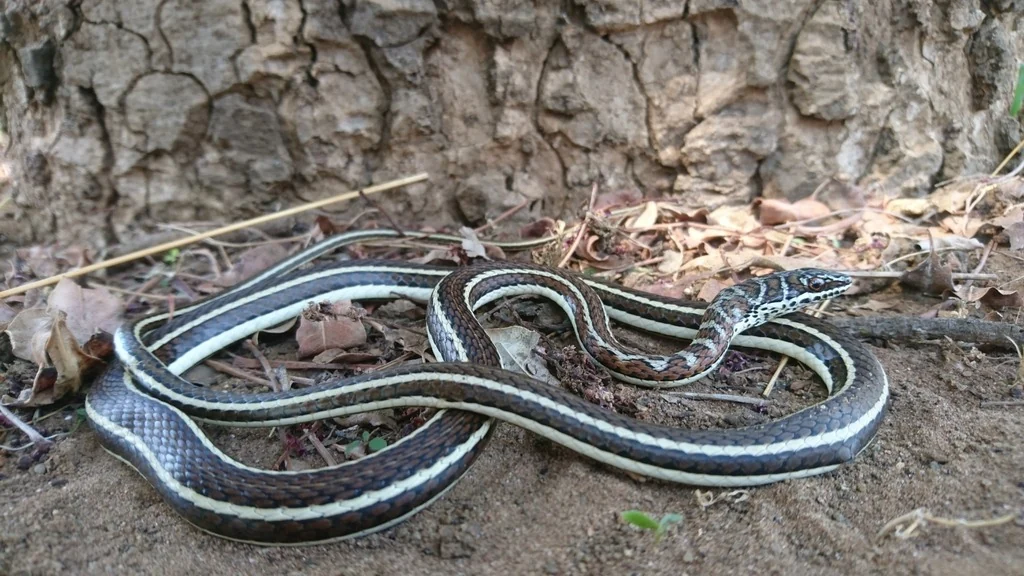
Psammophis crucifer; Vergelegen Helderberg Rural, Sir Lowry's Pass, 7130, South Africa; photographed 2015-03-01.

012 · Psammophiidae

Cross-marked Grass Snake, Montane Grass Snake

Psammophis crucifer

(DAUDIN, 1803)

VenomousClinical severity not established

The current taxonomic treatment explicitly lists this country. This is country-scale checklist evidence, not a claim of continuous occupancy or a complete regional inventory. KwaZulu-Natal: observation 396101352, 2026-08-31. KwaZulu-Natal: observation 332967738, 2026-01-01. Western Cape: observation 393409456, 2026-08-22. Western Cape: observation…

Read the species account →

linkie · CC BY 4.0 · https://creativecommons.org/licenses/by/4.0/
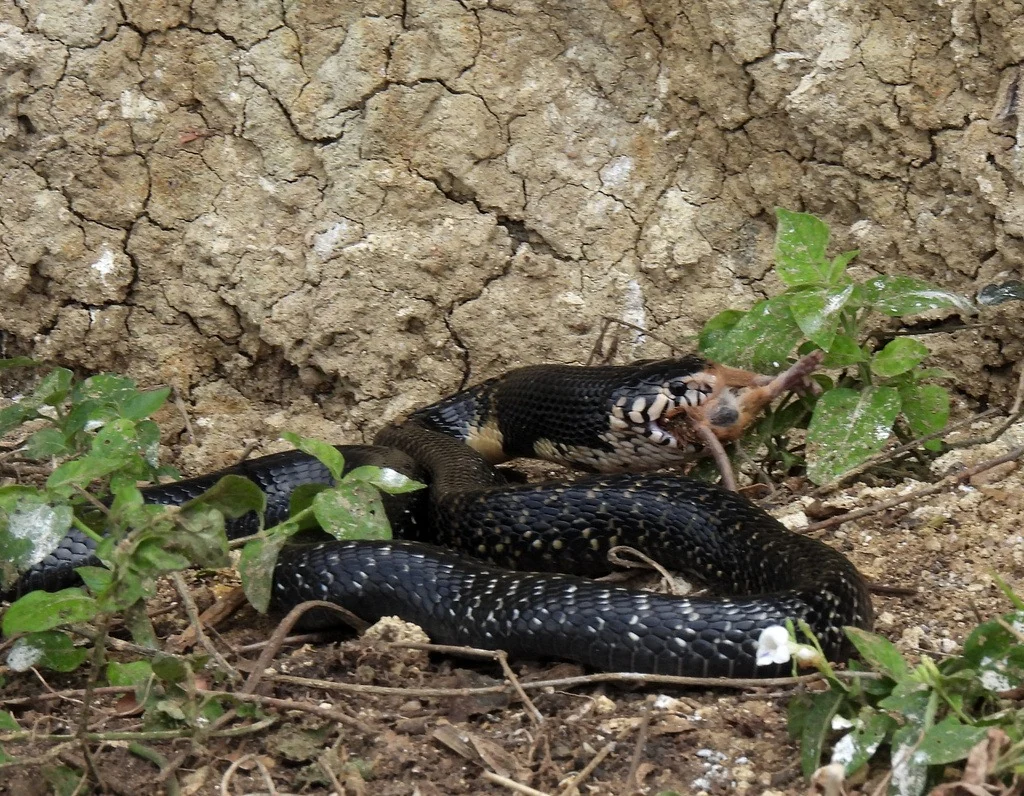
Psammophis subtaeniatus; Mkhuze Game Reserve; photographed 2019-10-20.

013 · Psammophiidae

Western Yellow-bellied Sand Snake, Stripe-bellied Sand Snake

Psammophis subtaeniatus

PETERS, 1882

VenomousClinical severity not established

The current taxonomic treatment explicitly lists this country. This is country-scale checklist evidence, not a claim of continuous occupancy or a complete regional inventory. North West: observation 386226410, 2026-07-29. North West: observation 386491612, 2026-07-29. Limpopo: observation 406942882, 2026-10-08. Limpopo: observation 402021987, 2026-09-16.…

Read the species account →

Nick Schaller · CC BY 4.0 · https://creativecommons.org/licenses/by/4.0/
All 115 species in the country collection →

Read further

Evidence & sources.

Guide reviewed 12 October 2026. Source dates and geographic scope matter; landscape photographs do not establish species occurrence.

  1. Convention on Biological Diversity · South Africa national profile

    Historical draft prepared by the CBD Secretariat; awaiting Party approval. Used for landscape context; older statistics are not presented as current monitoring or a snake inventory.

Continue through South Africa

Explore another habitat.

01

Rivers, lakes & wetlands

Rivers, wetlands and estuaries have distinct ecological settings. Freshwater and estuarine records should retain their original habitat description.

02

Coasts & marine environments

The national account distinguishes cool-temperate, warm-temperate and subtropical marine zones. A coastal province is not a single marine habitat.