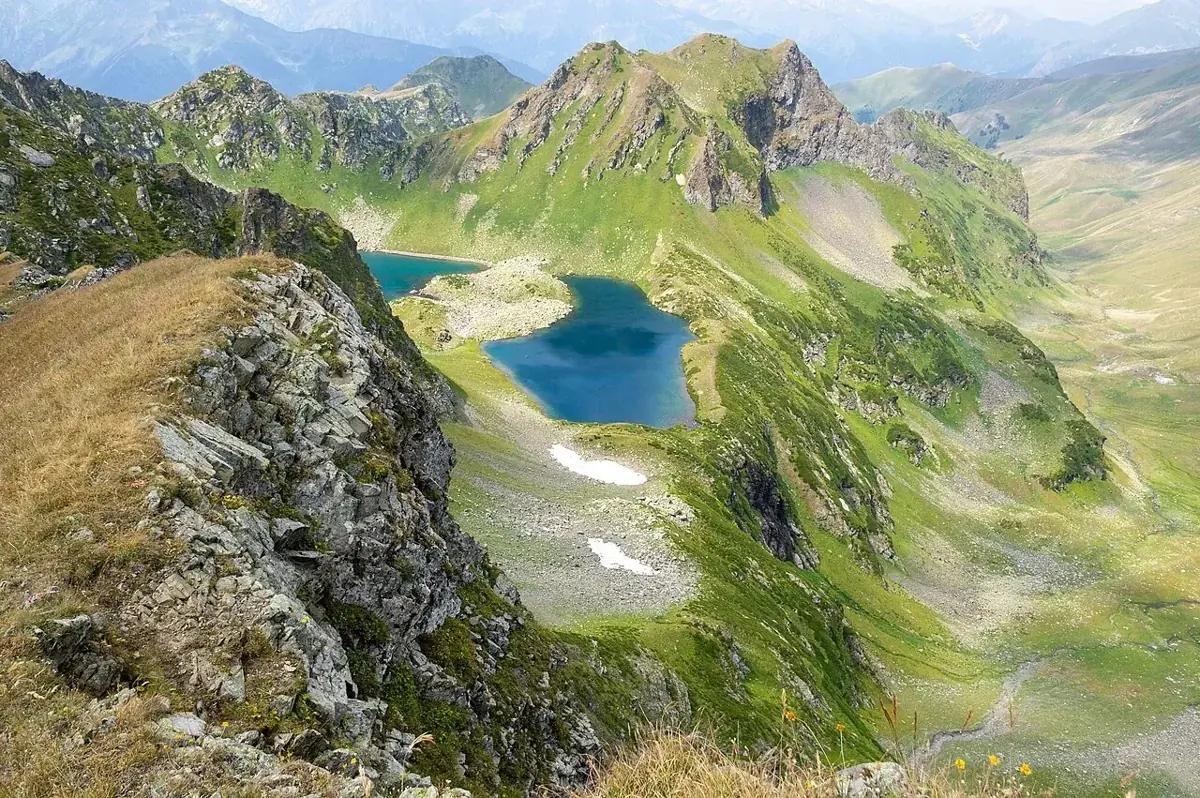
Lakes and alpine terrain in the Zagedan Valley, Karachay-Cherkessia, Russia.

Russia · The country atlas

Russia

European and Asian Russia span forest, steppe, mountain, Arctic and Pacific landscapes; local evidence remains essential.

40species with extracted evidence
5families
8region guides

Lakes and alpine terrain in the Zagedan Valley, Karachay-Cherkessia, Russia.

Photograph: Vyacheslav Argenberg · Image source · CC BY 4.0. Cropped to fill the hero; darkened for text legibility.

Geography & biotopes

Discover Russia.

European and Asian Russia span forest, steppe, mountain, Arctic and Pacific landscapes; local evidence remains essential.

Regions group the administrative outlines in the credited historical snapshot; their names do not claim current administrative status. Each locality keeps its own country, island and habitat evidence. This snapshot has 83 source units and excludes Crimea and other claimed annexations. Both European and Asian Russia are included. Country collections show supported atlas records, not an exhaustive national checklist.

geoBoundaries · ADM1 boundary provenance →

Russia - National Biodiversity Strategy →

Geography is part of the record

Find your way through Russia.

Select a named region to open its evidence page. The complete directory below keeps every guide accessible, including places where locality evidence has not yet been extracted.

12 of 40 listed species have at least one indexed region record. 28 remain country-only. Even a nonzero count is not a complete regional inventory.

Habitats & living landscapes

Explore the living
landscapes.

Explore 5 guides to the environments, places and conservation pressures that shape this country. Each guide connects to the regional map and shared species accounts.

Landscape photographs & credits

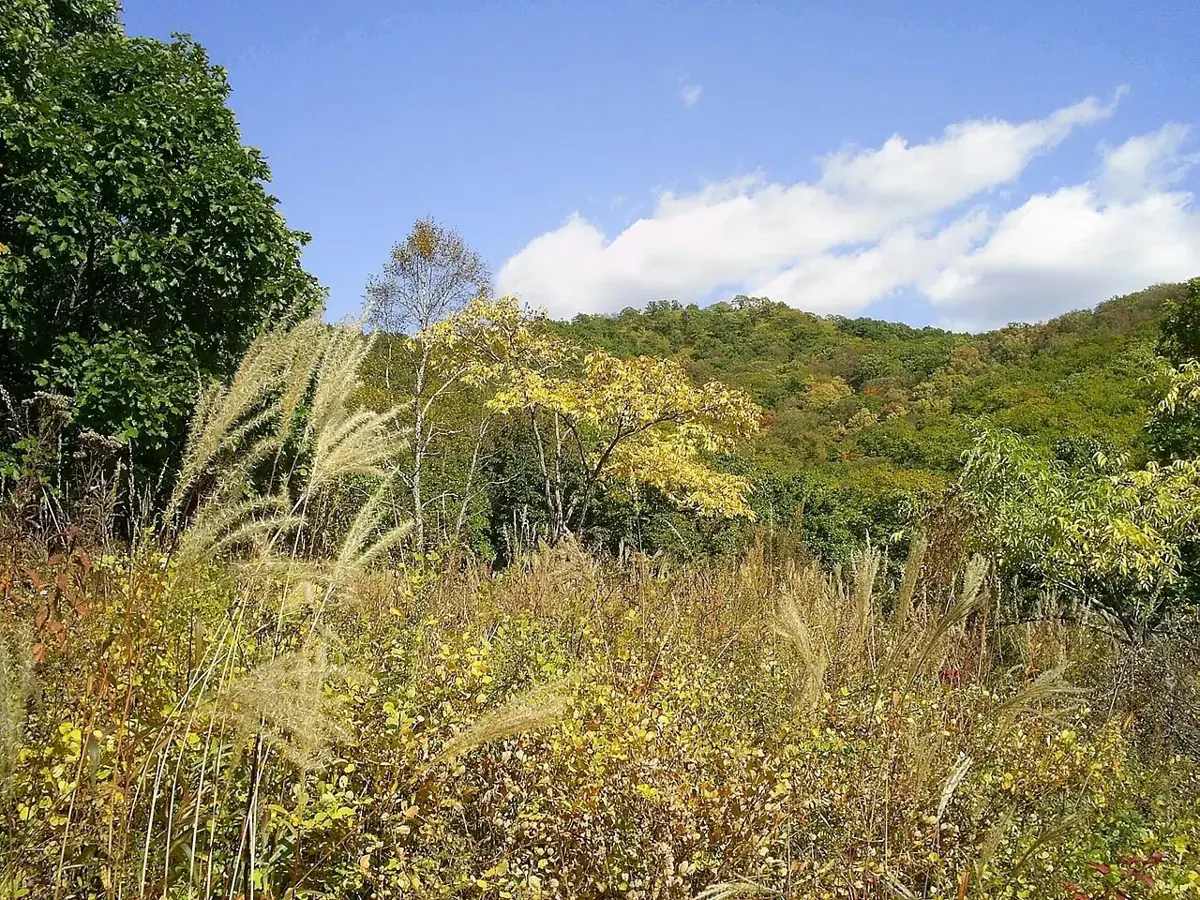
Autumn forest edge in southern Sikhote-Alin, Russia. — Ruslan V Albitsky aka pauk. Original photograph · CC BY-SA 3.0. Cropped for the cards; photographs do not establish snake occurrence.

Lakes and alpine terrain in the Zagedan Valley, Karachay-Cherkessia, Russia. — Vyacheslav Argenberg. Original photograph · CC BY 4.0. Cropped for the cards; photographs do not establish snake occurrence.

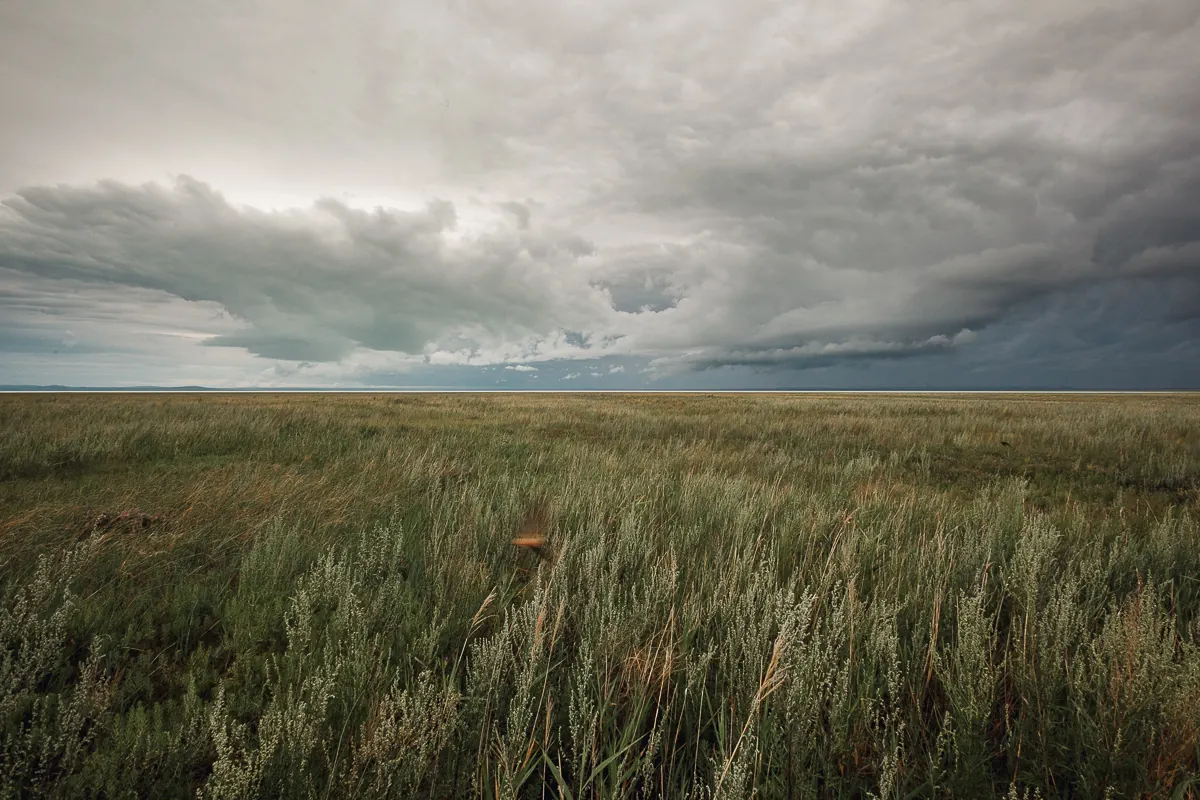
Open steppe grassland in Daursky Nature Reserve, Borzinsky District, Russia, photographed in July 2014. — Антон Петров. Original photograph · CC BY-SA 4.0. Cropped for the cards; photographs do not establish snake occurrence.

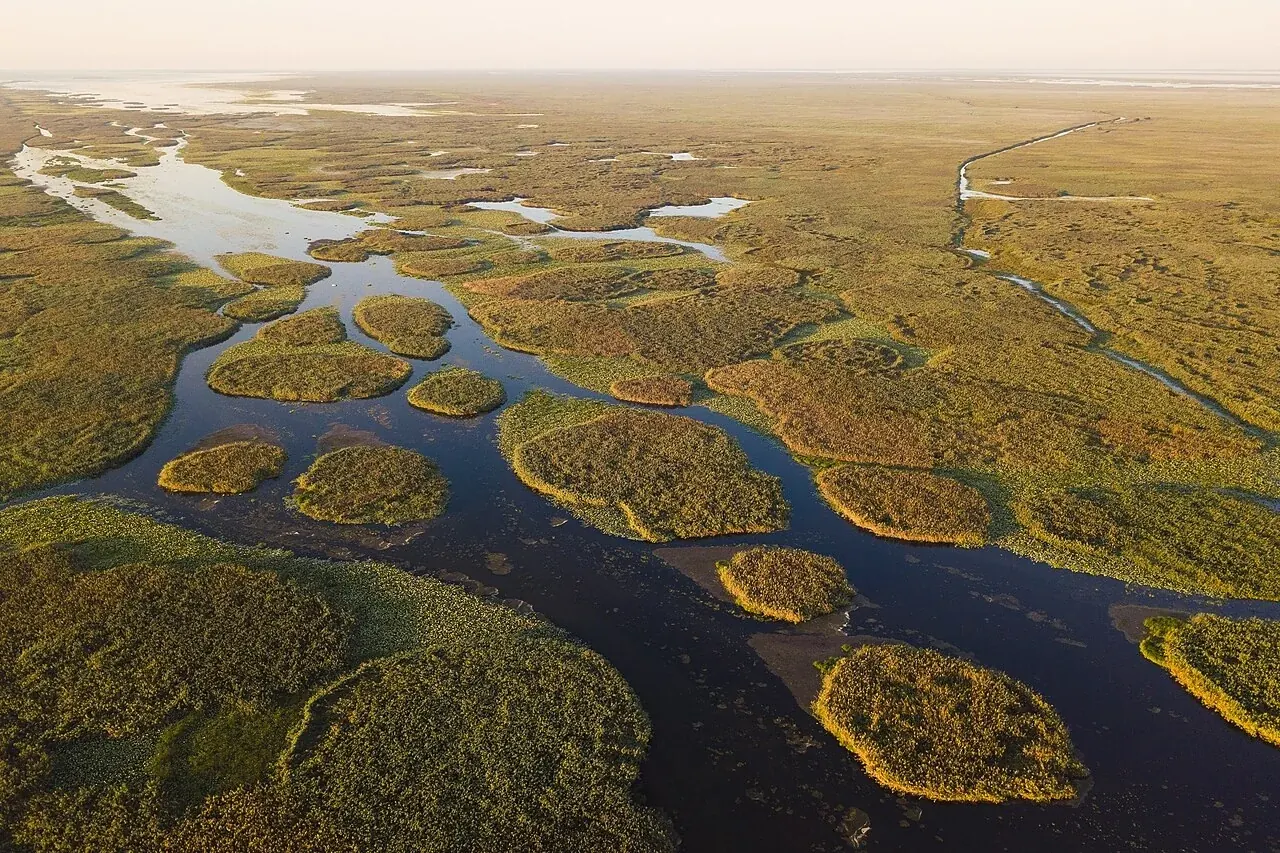
Volga Delta channels and reed islands in Astrakhan Nature Reserve, Russia. — Ted.ns. Original photograph · CC BY-SA 4.0. Cropped for the cards; photographs do not establish snake occurrence.

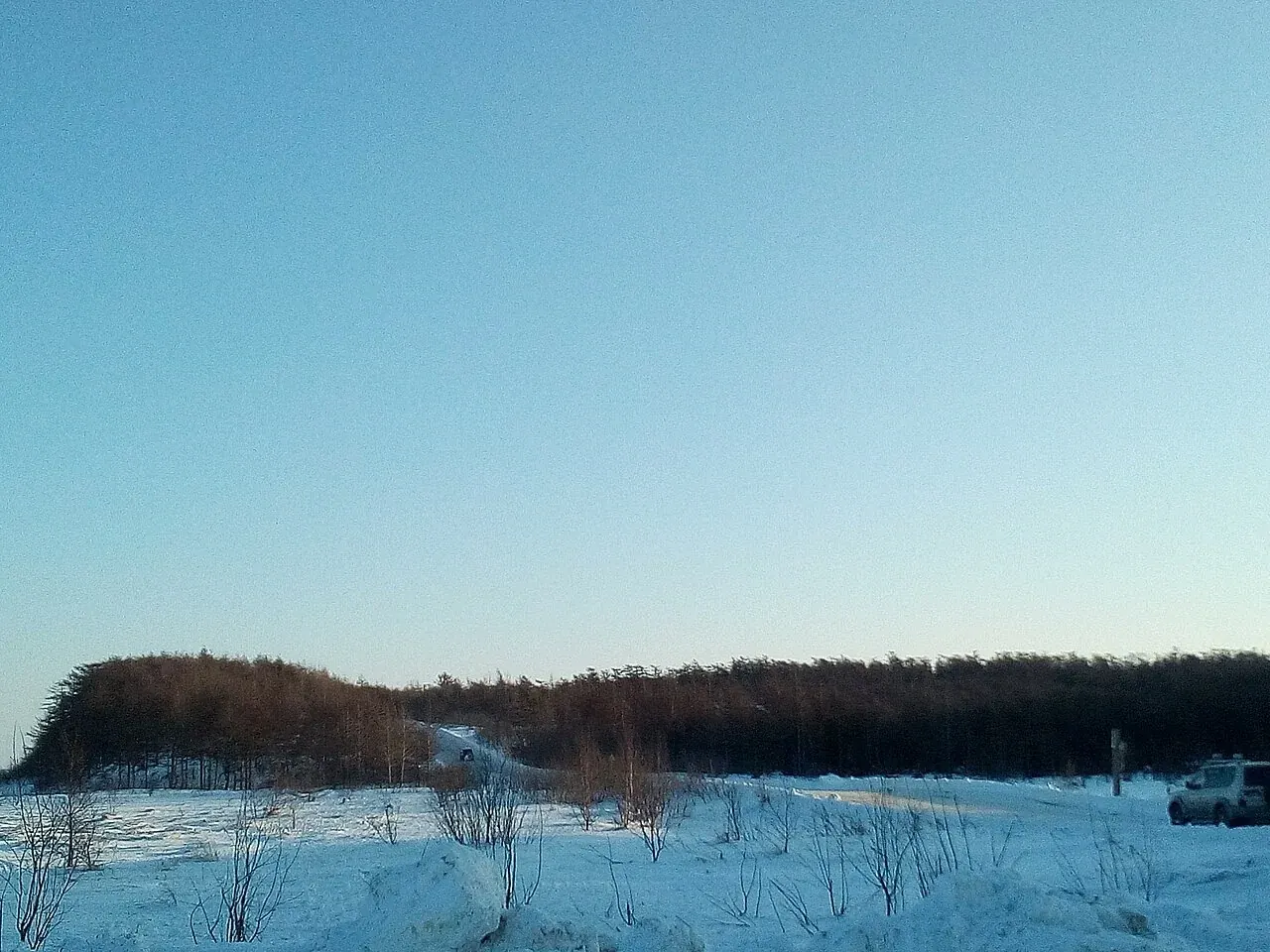
Winter shoreline of Pomor Bay, Sakhalin, Russia. — Contributor21022018. Original photograph · CC0. Cropped for the cards; photographs do not establish snake occurrence.
The species catalogue

Meet the snakes of Russia.

Search scientific names, historical names, common names and families. Every card opens one shared account across its documented countries.

40 species · showing 24

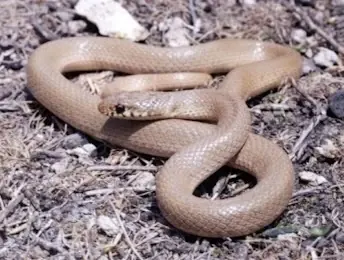
Coronella austriaca. Identification follows the linked source community.

001 · Colubridae

Smooth Snake

Coronella austriaca

LAURENTI, 1768

Venom unknownNot yet assessed

Explicit country record in the checked taxonomic treatment. Named records in the 2010 review. Atlas regions follow the chapter’s administrative grouping, not the paper’s broader geographic use of West Siberia.

Read the species account →

B. P. White · CC BY-SA 4.0 · https://creativecommons.org/licenses/by-sa/4.0/

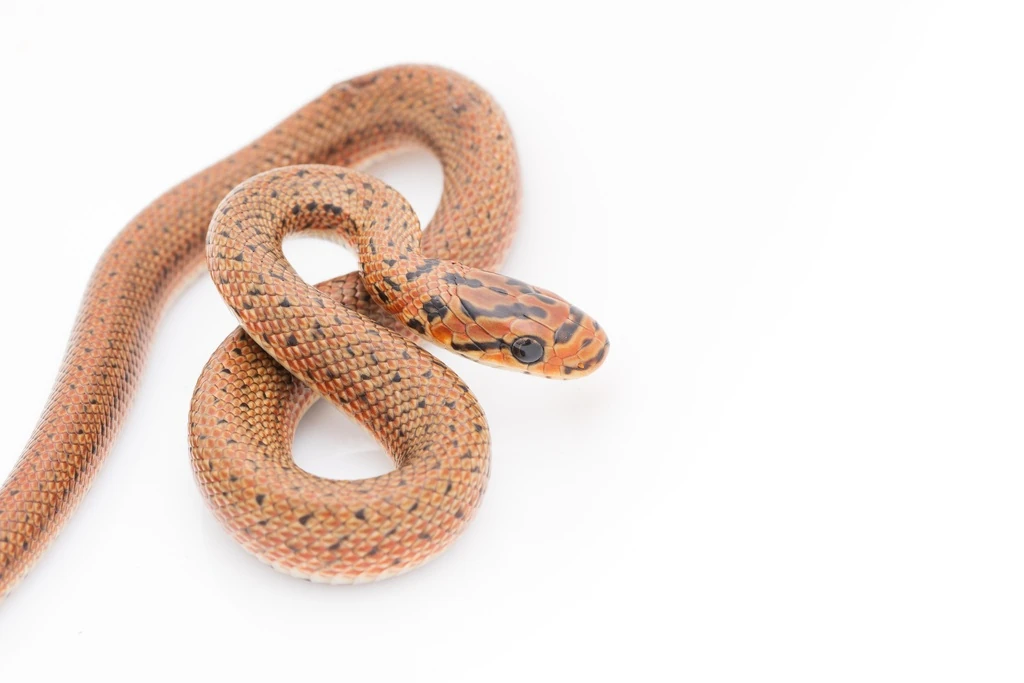
Dinodon rufozonatus — real specimen photograph; identification follows the linked source.

002 · Colubridae

Red-banded Snake

Dinodon rufozonatus

CANTOR, 1842

Non-venomous

Explicit country record in the checked taxonomic treatment.

Read the species account →

Yung-Lun Lin · CC BY 4.0 · https://creativecommons.org/licenses/by/4.0

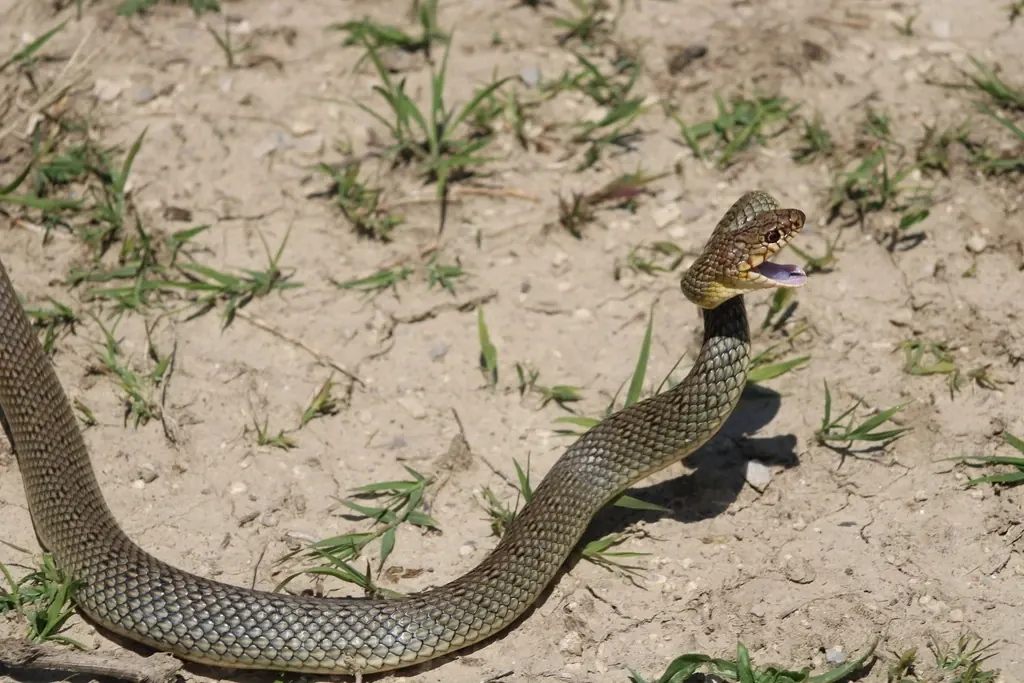
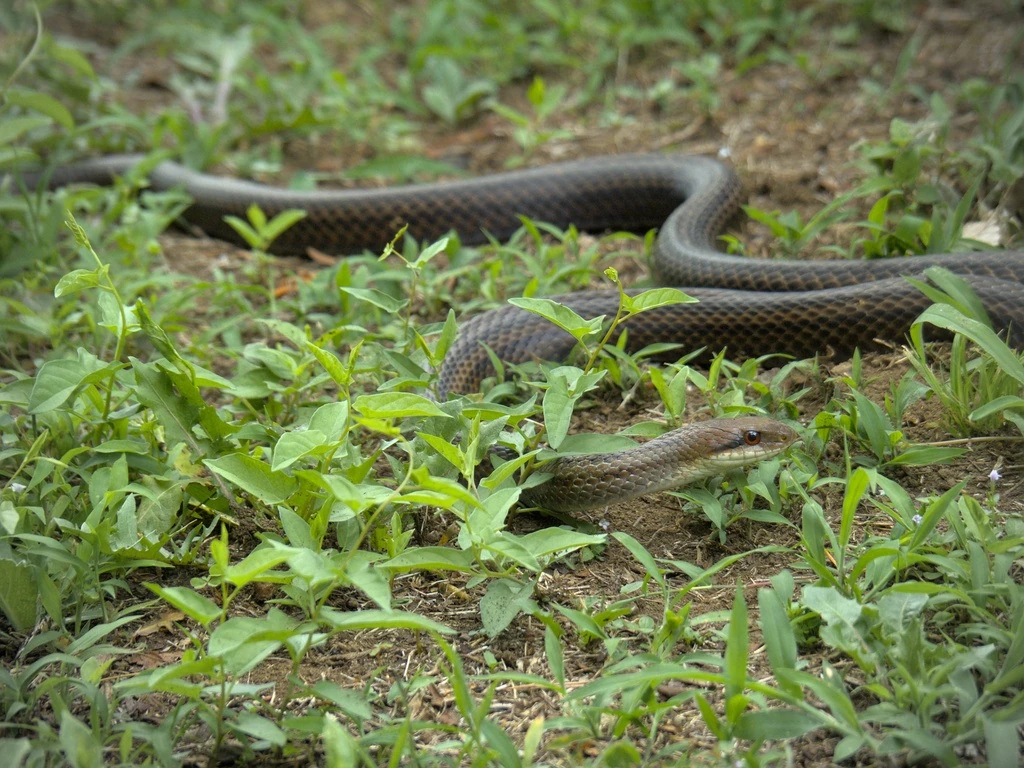
Dolichophis caspius. Identification follows the linked source community.

003 · Colubridae

Species account

Dolichophis caspius

(GMELIN, 1789)

Venom unknownNot yet assessed

Explicit country record in the checked taxonomic treatment.

Read the species account →

Philip Schaffer · CC BY 4.0 · https://creativecommons.org/licenses/by/4.0/

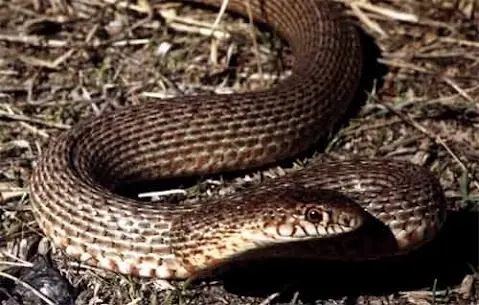
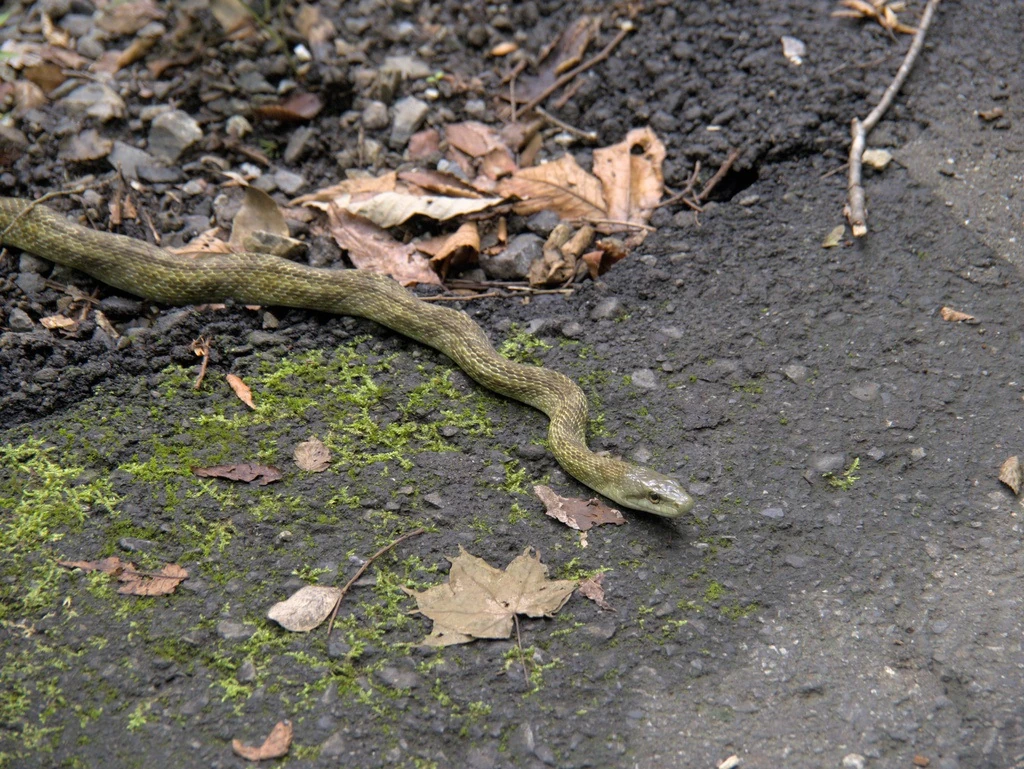
Dolichophis schmidti. Identification follows the linked source community.

004 · Colubridae

Schmidt's Whipsnake, Red-bellied Racer

Dolichophis schmidti

(NIKOLSKY, 1909)

Venom unknownNot yet assessed

Explicit country record in the checked taxonomic treatment.

Read the species account →

Tigran Tadevosyan · CC BY 4.0 · https://creativecommons.org/licenses/by/4.0/

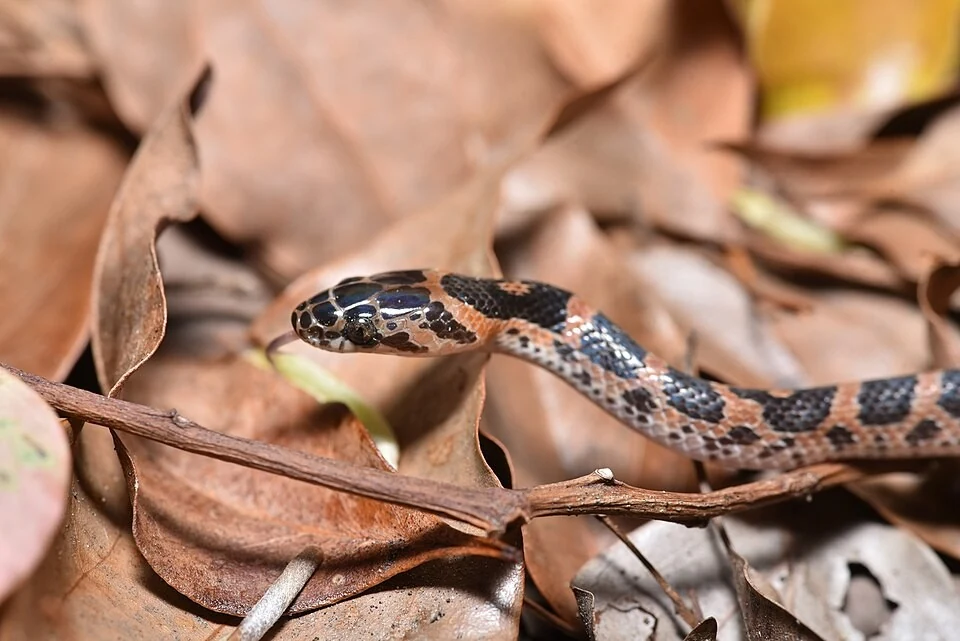
Eirenis collaris. Identification follows the linked source community.

005 · Colubridae

Collared Dwarf Racer

Eirenis collaris

(MÉNÉTRIES, 1832)

Venom unknownNot yet assessed

Explicit country record in the checked taxonomic treatment. Field visits during 2000–2017 confirmed records in these named landscape districts. This Russian evidence does not verify the unresolved Bulgarian listing.

Read the species account →

Tigran Tadevosyan · CC BY 4.0 · https://creativecommons.org/licenses/by/4.0/

Eirenis modestus. Identification follows the linked source community.

006 · Colubridae

Asia Minor Dwarf Racer

Eirenis modestus

(MARTIN, 1838)

Venom unknownNot yet assessed

Explicit country record in the checked taxonomic treatment.

Read the species account →

Tigran Tadevosyan · CC BY 4.0 · https://creativecommons.org/licenses/by/4.0/

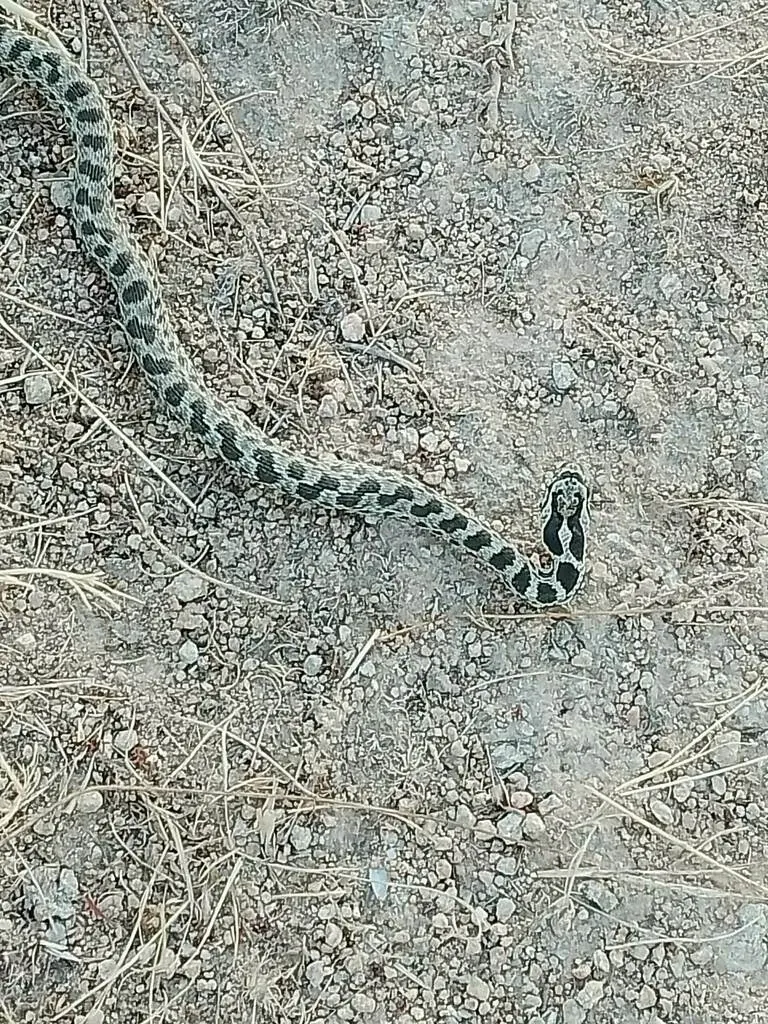
Elaphe dione. Identification follows the linked source community.

008 · Colubridae

Steppes Ratsnakes

Elaphe dione

(PALLAS, 1773)

Non-venomous

Explicit country record in the checked taxonomic treatment. Named records in the 2010 review. Atlas regions follow the chapter’s administrative grouping, not the paper’s broader geographic use of West Siberia.

Read the species account →

Stanislav Murashkin · CC BY 4.0 · https://creativecommons.org/licenses/by/4.0/

Elaphe quadrivirgata. Identification follows the linked source community.

009 · Colubridae

Japanese Four-lined Ratsnake

Elaphe quadrivirgata

(BOIE, 1826)

Non-venomous

Explicit country record in the checked taxonomic treatment.

Read the species account →

turtlecrab · CC BY 4.0 · https://creativecommons.org/licenses/by/4.0/

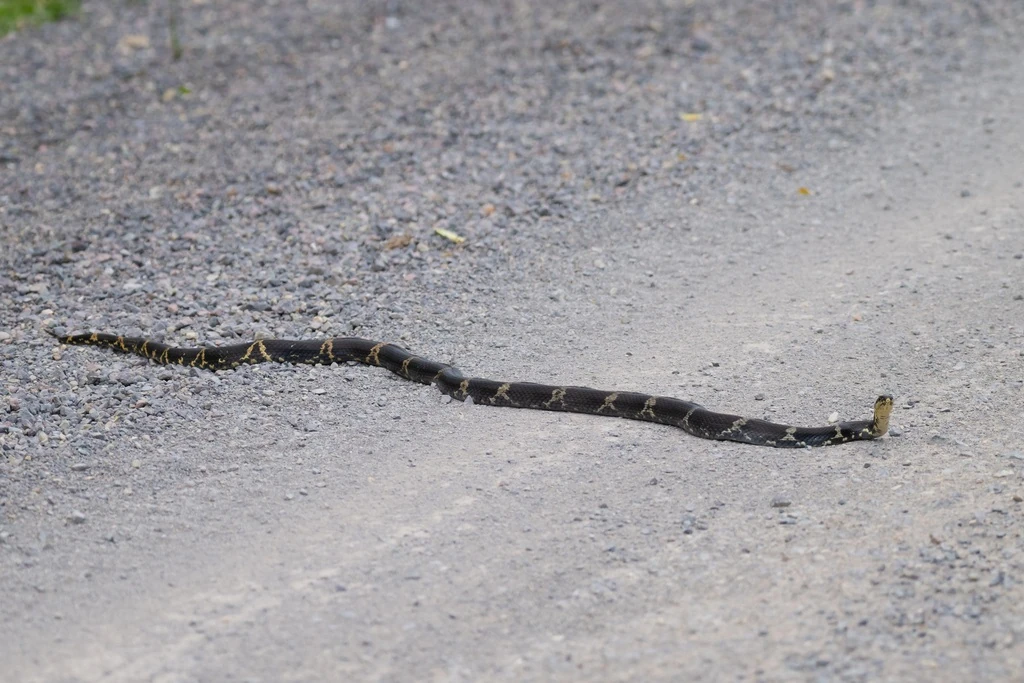
Elaphe sauromates. Identification follows the linked source community.

010 · Colubridae

Blotched rat snake, Sarmatian Rat Snake, Eastern Four-lined Ratsnake

Elaphe sauromates

(PALLAS, 1811)

Non-venomous

Explicit country record in the checked taxonomic treatment.

Read the species account →

SteveM4560 · CC BY 4.0 · https://creativecommons.org/licenses/by/4.0/

Elaphe schrenckii. Identification follows the linked source community.

011 · Colubridae

Amur Ratsnakes, Siberian Ratsnake

Elaphe schrenckii

STRAUCH, 1873

Non-venomous

Explicit country record in the checked taxonomic treatment.

Read the species account →

Поляков Александр · CC BY 4.0 · https://creativecommons.org/licenses/by/4.0/

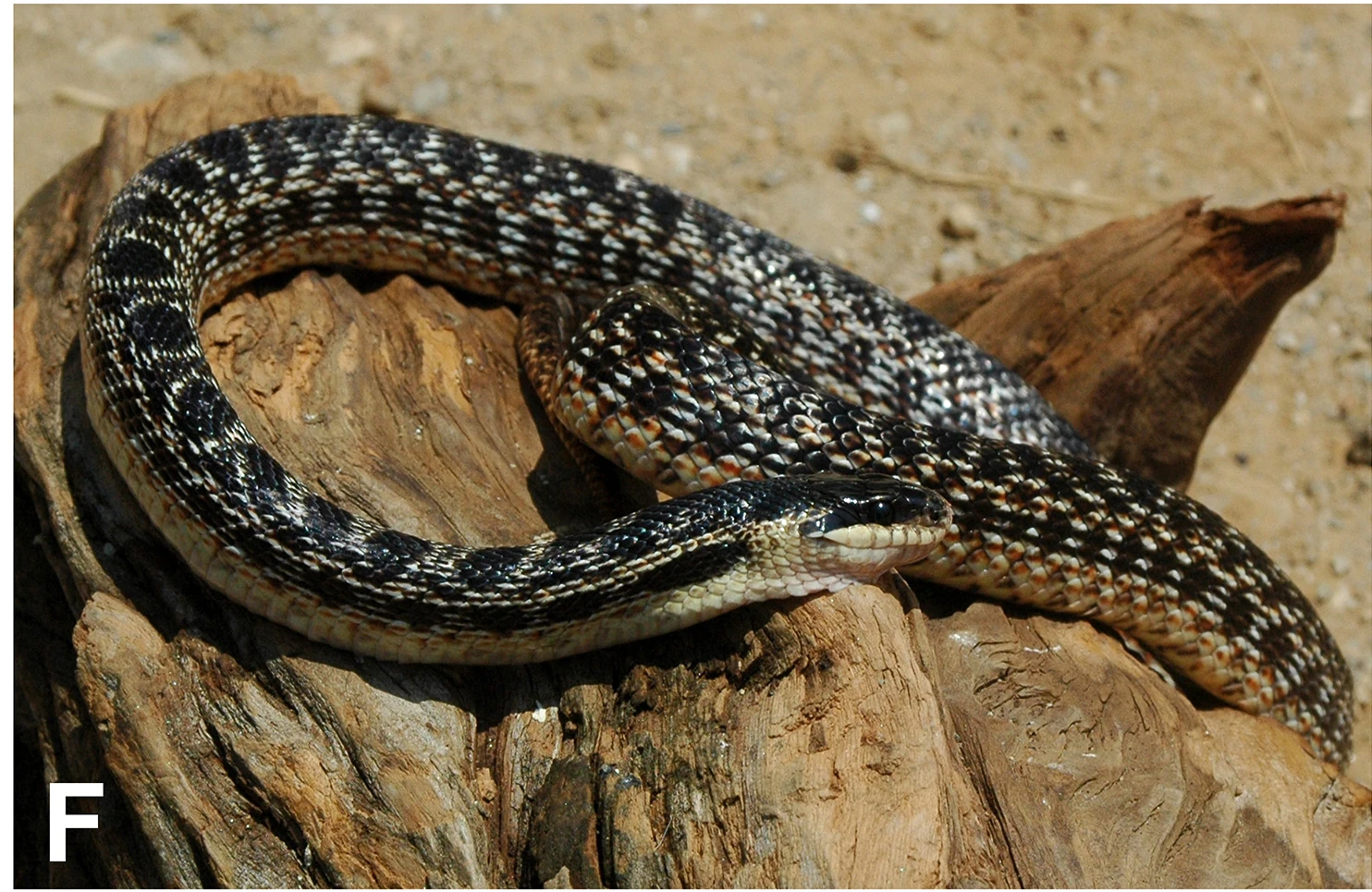
Elaphe urartica in life, holotype ZDEU 26/2012, eastern Turkey. Jablonski et al. (2019), The biogeography of Elaphe sauromates (Pallas, 1814), with a description of a new rat snake species, figure 4F (PeerJ). Source: NLM/PMC Article Datasets.

012 · Colubridae

Urartian Rat Snake

Elaphe urartica

JABLONSKI, KUKUSHKIN, AVCI, BUNYATOVA, ILGAZ, TUNIYEV & JANDZIK, 2019

Non-venomous

Explicit country record in the checked taxonomic treatment.

Read the species account →

Çetin Ilgaz · CC BY 4.0 · https://creativecommons.org/licenses/by/4.0/

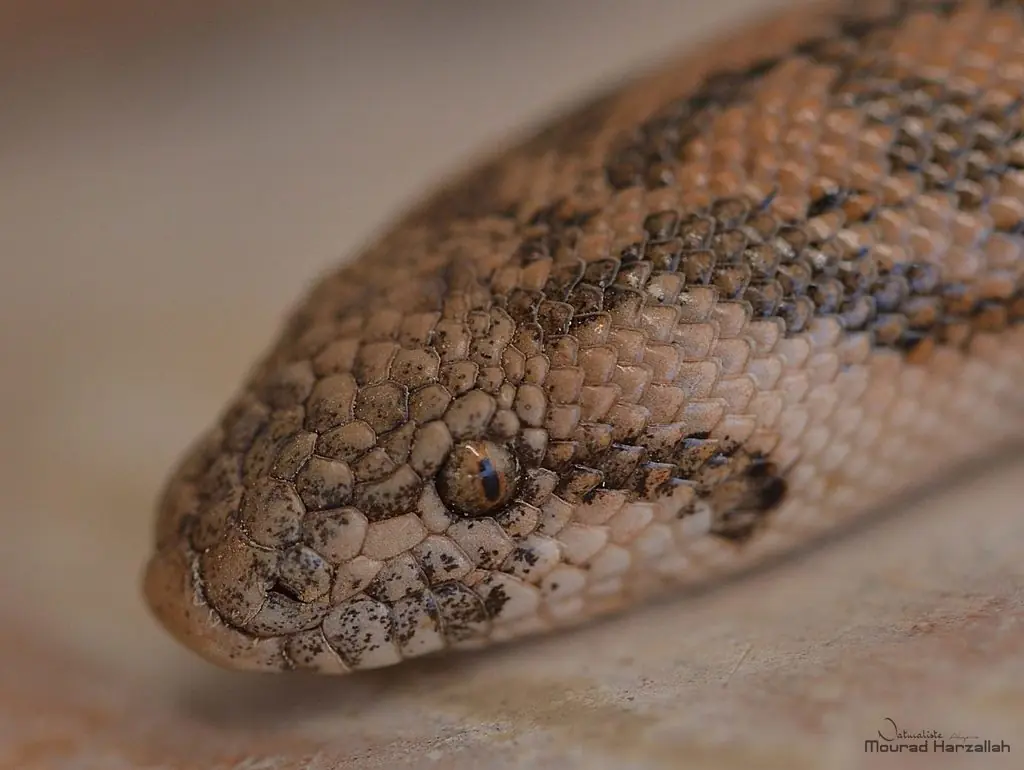
Eryx jaculus. Identification follows the linked source community.

013 · Boidae

Javelin Sand Boa

Eryx jaculus

(LINNAEUS, 1758)

Non-venomous

Explicit country record in the checked taxonomic treatment.

Read the species account →

Mourad Harzallah · CC BY 4.0 · https://creativecommons.org/licenses/by/4.0/

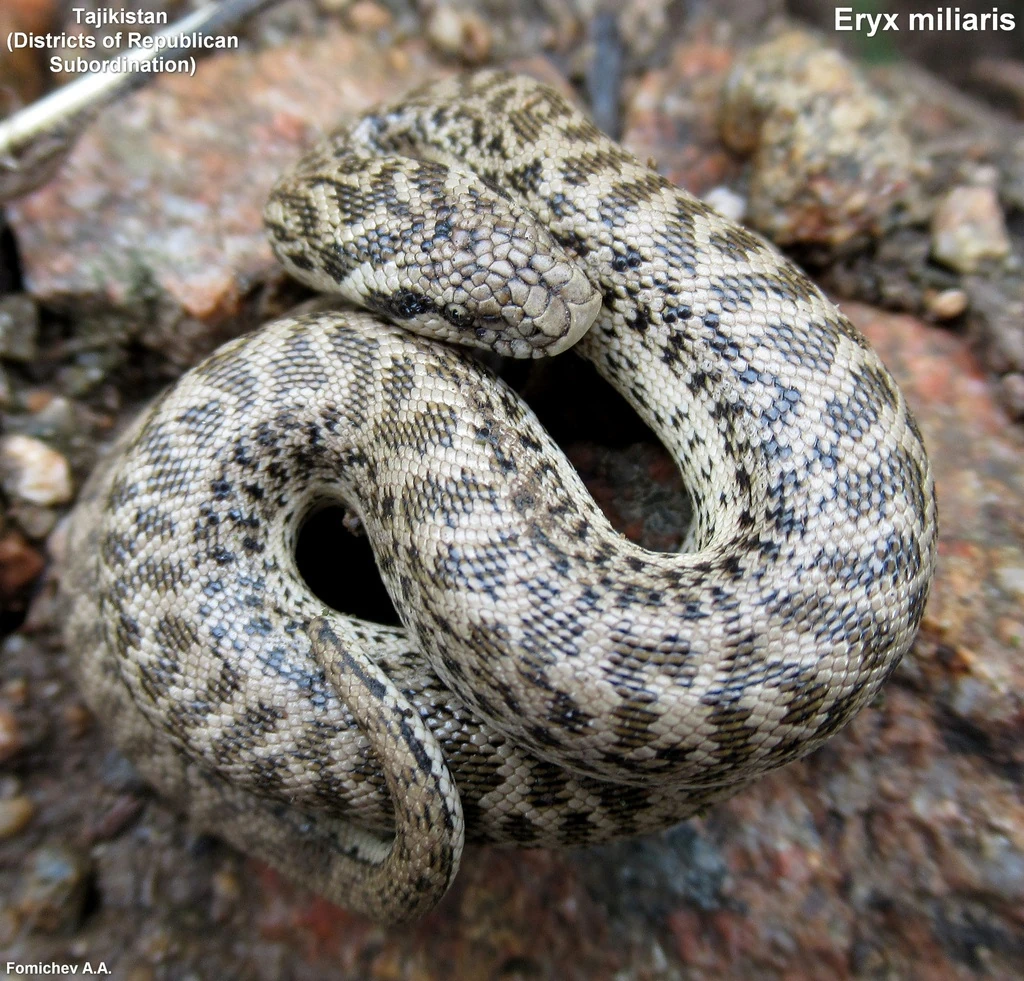
Eryx miliaris. Identification follows the linked source community.

014 · Boidae

Dwarf Sand Boa, Desert Sand Boa, Tartar Sand Boa

Eryx miliaris

(PALLAS, 1773)

Non-venomous

Explicit country record in the checked taxonomic treatment.

Read the species account →

Alexander A. Fomichev · CC BY 4.0 · https://creativecommons.org/licenses/by/4.0/

Euprepiophis conspicillatus. Identification follows the linked source community.

015 · Colubridae

Japanese Woodsnake, Burrowing Ratsnake

Euprepiophis conspicillatus

(BOIE, 1826)

Venom unknownNot yet assessed

Explicit country record in the checked taxonomic treatment.

Read the species account →

Saryu Mae 前 朝琉 · CC BY 4.0 · https://creativecommons.org/licenses/by/4.0/

Gloydius blomhoffii. Identification follows the linked source community.

016 · Viperidae

Mamushi

Gloydius blomhoffii

(BOIE, 1826)

VenomousClinical severity not established

Explicit country record in the checked taxonomic treatment.

Read the species account →

げっとり · CC BY 4.0 · https://creativecommons.org/licenses/by/4.0/

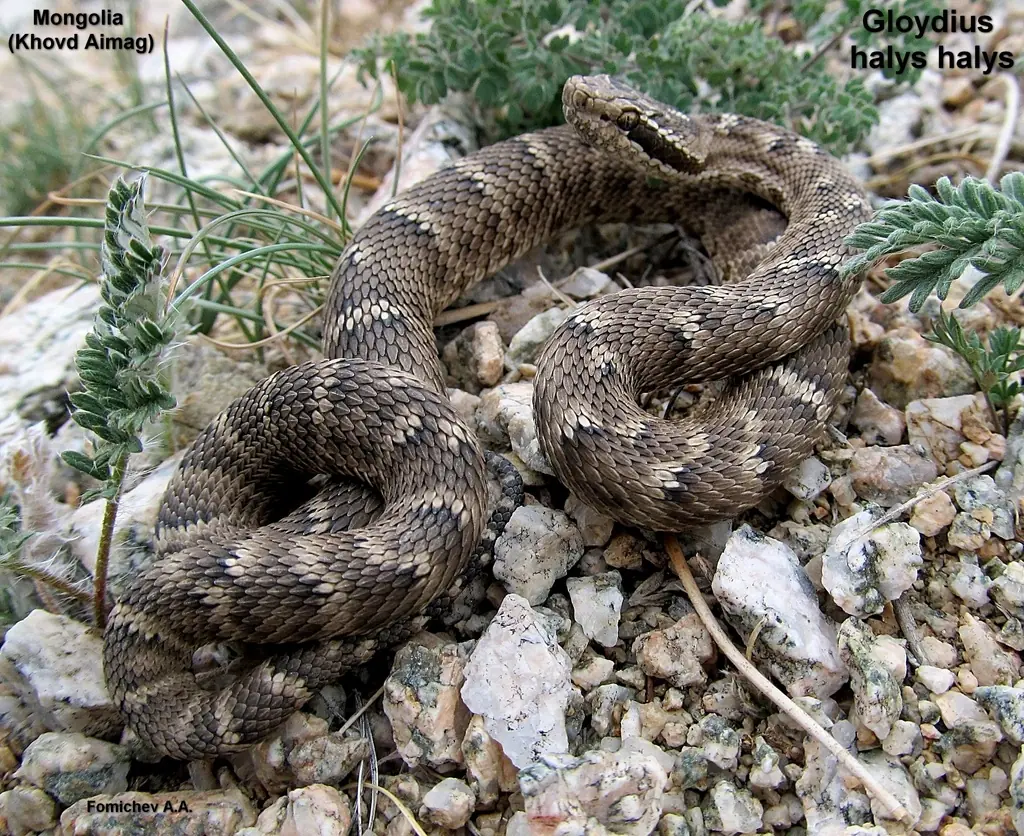
Gloydius halys. Identification follows the linked source community.

017 · Viperidae

Halys Pit Viper (halys: Siberian, boehmei: Böhme’s pitviper)

Gloydius halys

(PALLAS, 1776)

VenomousClinical severity not established

Explicit country record in the checked taxonomic treatment. Named records in the 2010 review. Atlas regions follow the chapter’s administrative grouping, not the paper’s broader geographic use of West Siberia.

Read the species account →

Alexander A. Fomichev · CC BY 4.0 · https://creativecommons.org/licenses/by/4.0/

Gloydius intermedius. Identification follows the linked source community.

018 · Viperidae

Central Asian pitviper

Gloydius intermedius

(STRAUCH, 1868)

VenomousClinical severity not established

Explicit country record in the checked taxonomic treatment.

Read the species account →

Kim, Hyun-tae · CC BY 4.0 · https://creativecommons.org/licenses/by/4.0/

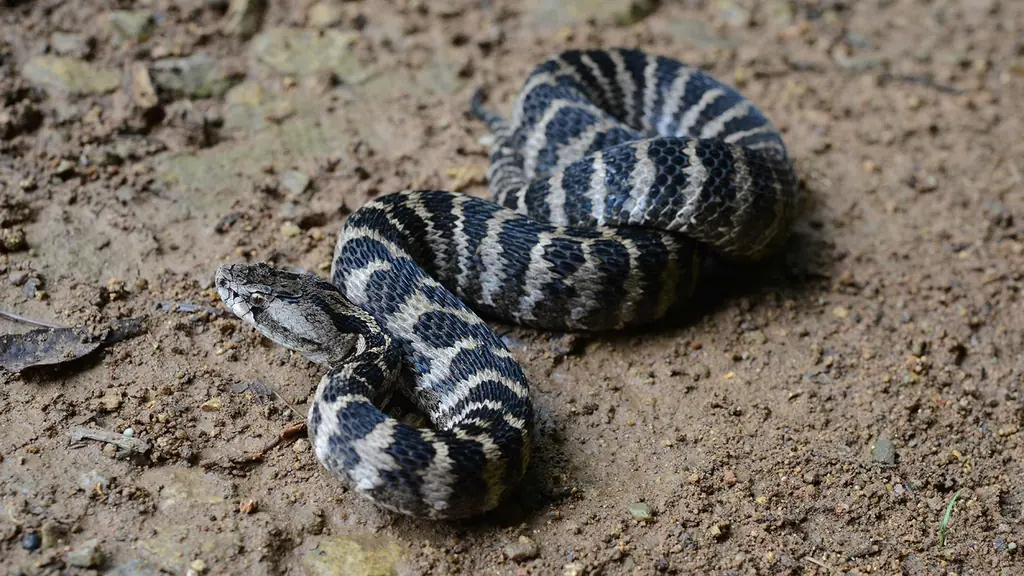
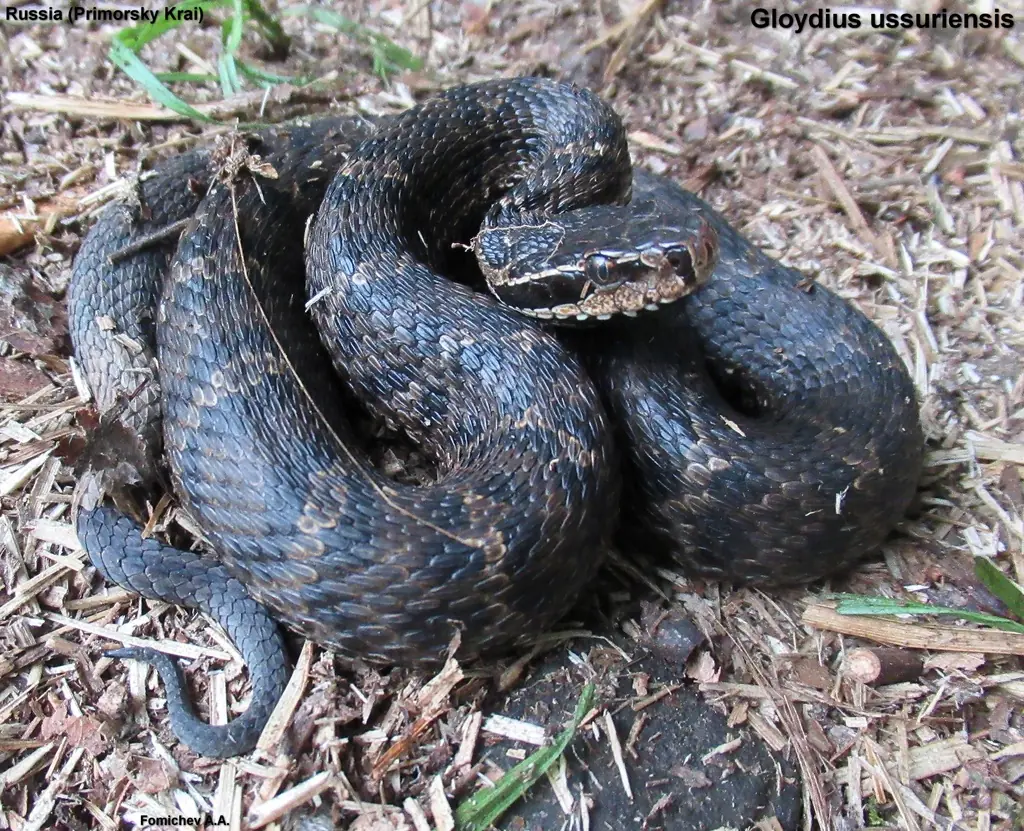
Gloydius ussuriensis. Identification follows the linked source community.

019 · Viperidae

Ussuri Mamushi

Gloydius ussuriensis

(EMELIANOV, 1929)

VenomousClinical severity not established

Explicit country record in the checked taxonomic treatment.

Read the species account →

Alexander A. Fomichev · CC BY 4.0 · https://creativecommons.org/licenses/by/4.0/

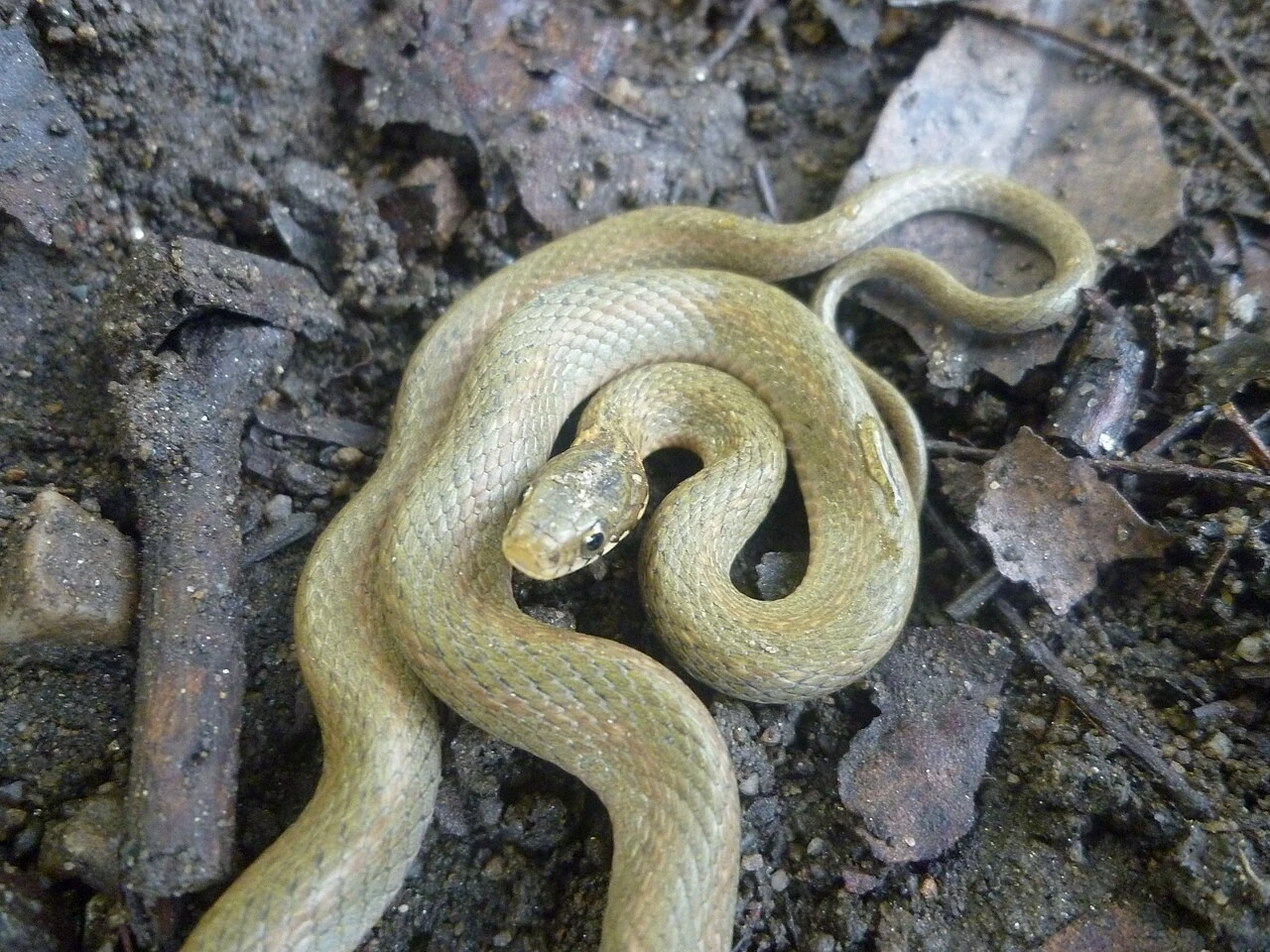
Hebius vibakari: a captive individual, explicitly identified as such by the photographer.

020 · Colubridae

Japanese Keelback

Hebius vibakari

(BOIE, 1826)

Venom unknownNot yet assessed

Explicit country record in the checked taxonomic treatment.

Read the species account →

W.CC · CC BY-SA 3.0 · https://creativecommons.org/licenses/by-sa/3.0

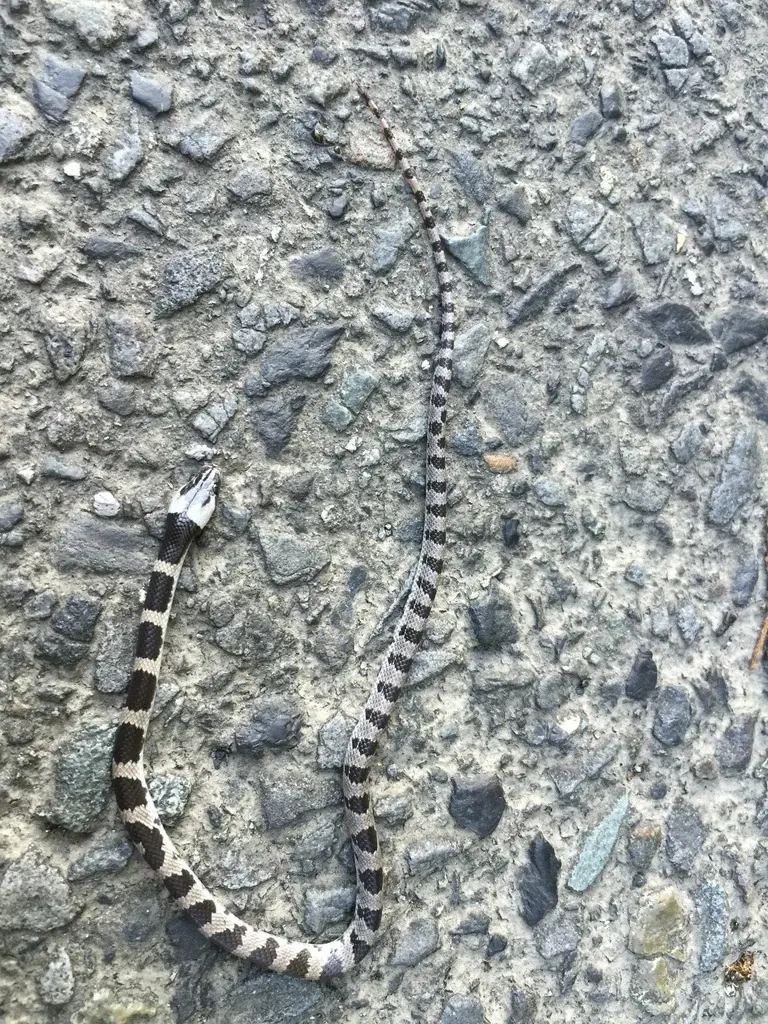
Lycodon orientalis. Identification follows the linked source community.

021 · Colubridae

Oriental Odd-tooth Snake

Lycodon orientalis

(HILGENDORF, 1880)

Non-venomous

Explicit country record in the checked taxonomic treatment. Only an occasional or isolated record is supported, not an established resident population.

Read the species account →

岸本年郎 · CC BY 4.0 · https://creativecommons.org/licenses/by/4.0/

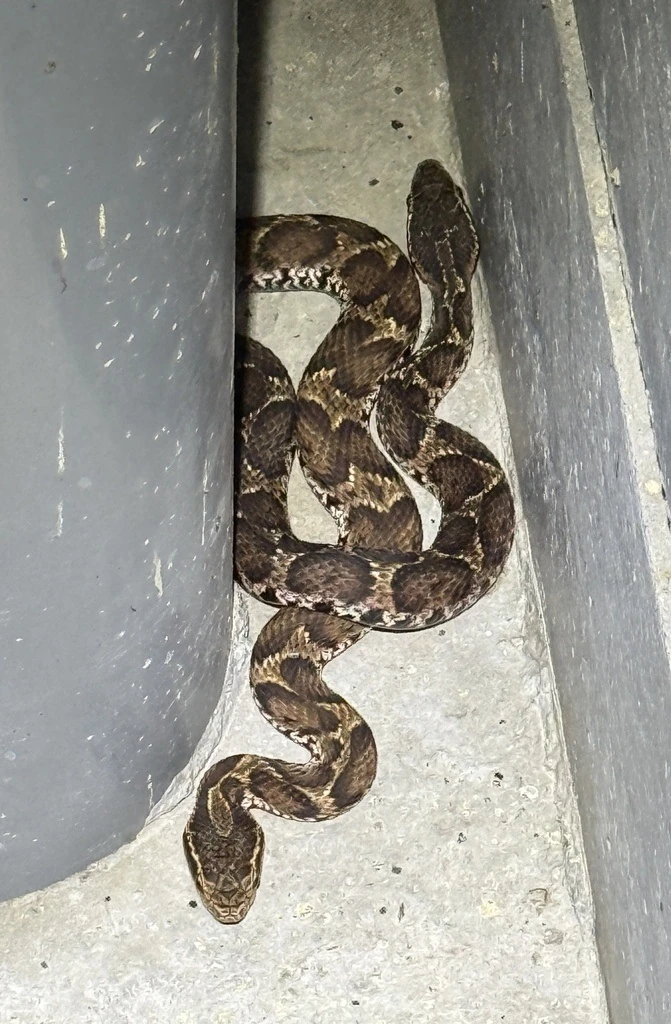
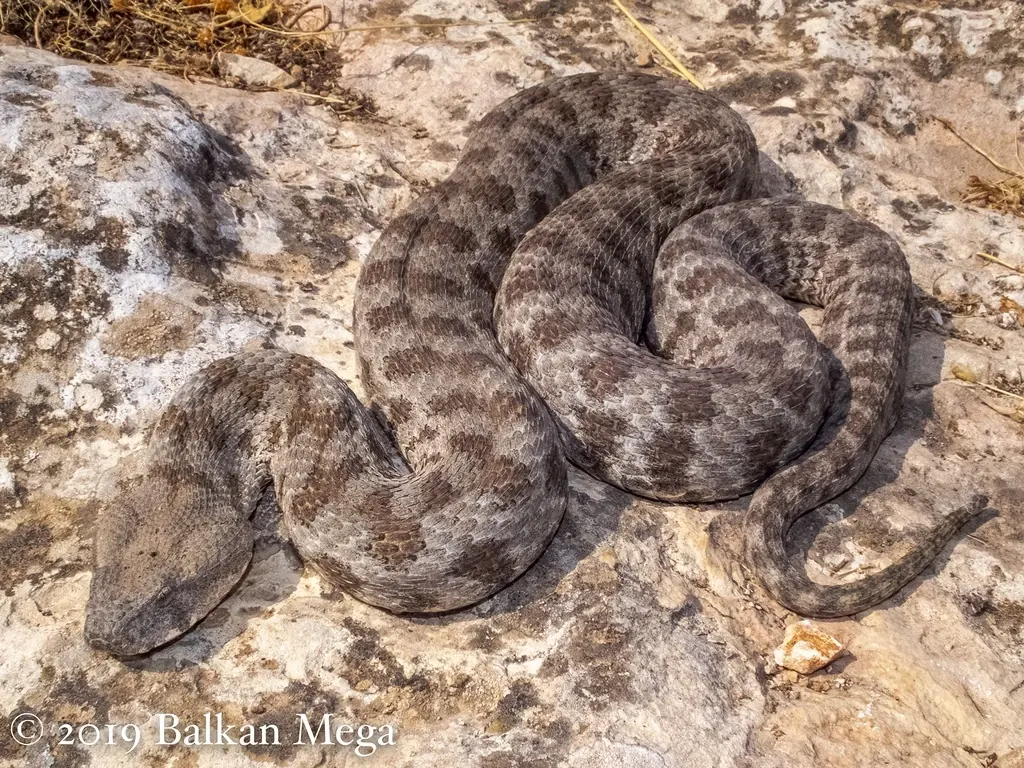
Macrovipera lebetinus. Identification follows the linked source community.

022 · Viperidae

Levantine Viper

Macrovipera lebetinus

(LINNAEUS, 1758)

VenomousClinical severity not established

Explicit country record in the checked taxonomic treatment.

Read the species account →

Balkan Mega · CC BY 4.0 · https://creativecommons.org/licenses/by/4.0/

Malpolon insignitus. Identification follows the linked source community.

023 · Psammophiidae

Eastern Montpellier Snake

Malpolon insignitus

(GEOFFROY SAINT-HILAIRE, 1827)

VenomousClinical severity not established

Explicit country record in the checked taxonomic treatment.

Read the species account →

Ryan van Huyssteen · CC BY 4.0 · https://creativecommons.org/licenses/by/4.0/

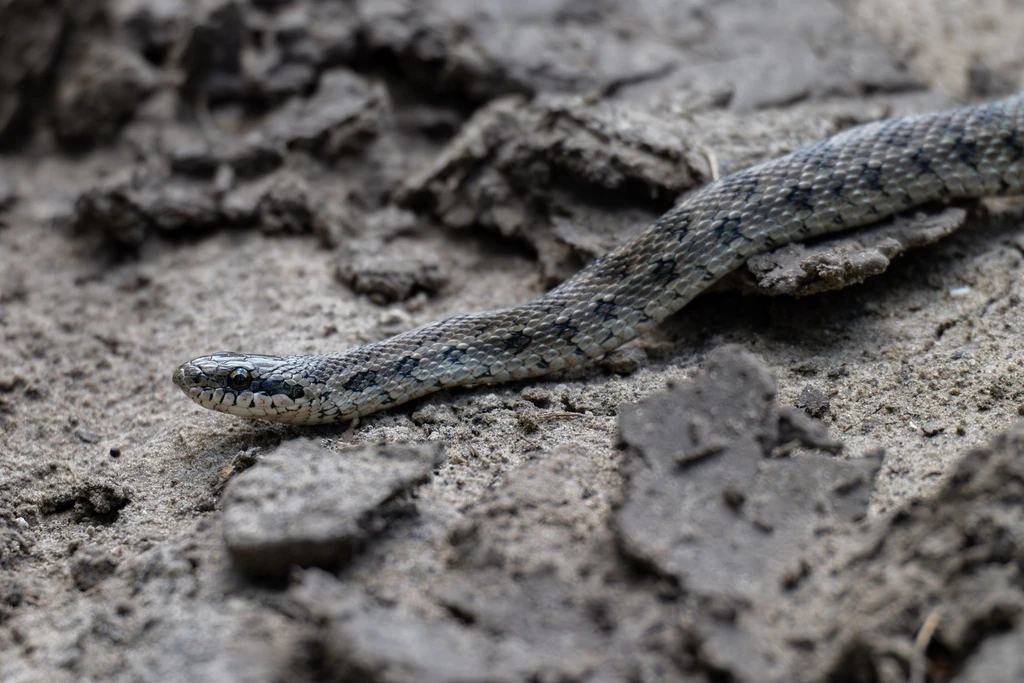
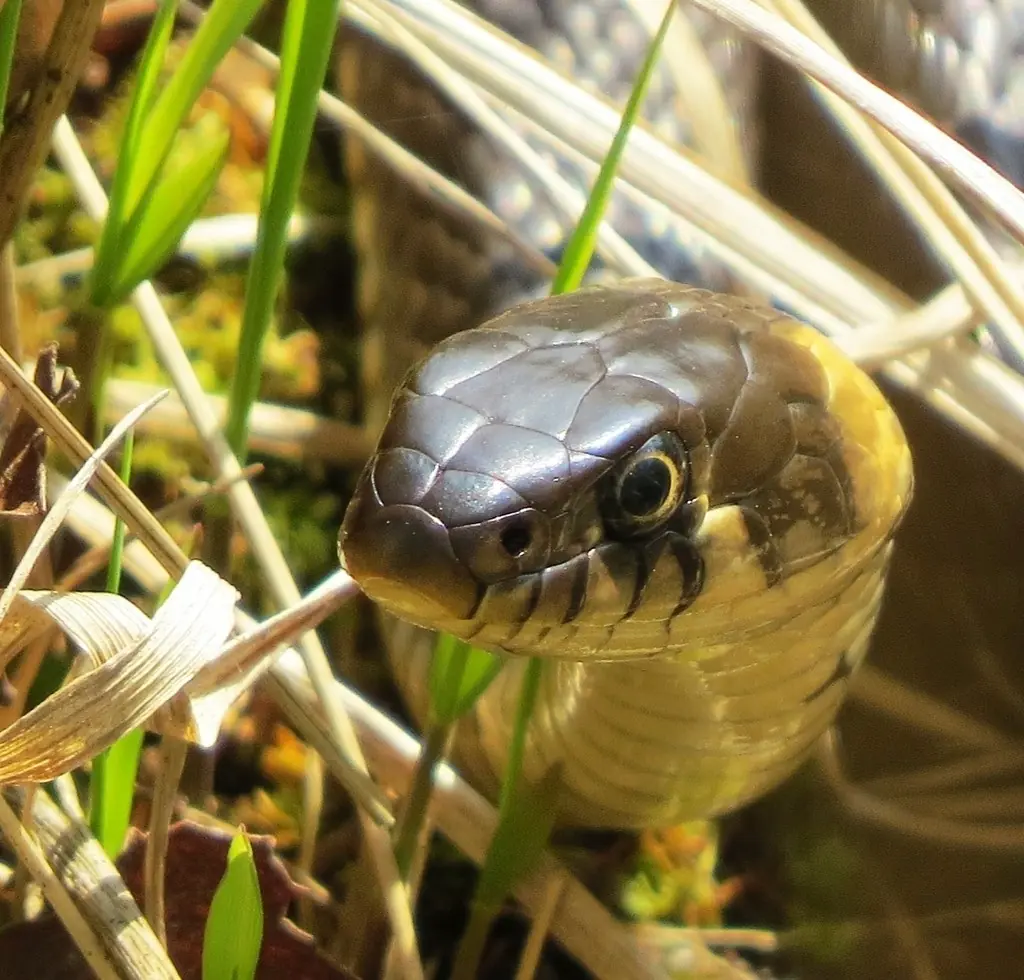
Natrix natrix. Identification follows the linked source community.

024 · Colubridae

Common Grass Snake

Natrix natrix

(LINNAEUS, 1758)

Venom unknownNot yet assessed

Explicit country record in the checked taxonomic treatment. Named records in the 2010 review. Atlas regions follow the chapter’s administrative grouping, not the paper’s broader geographic use of West Siberia. The Zoological Institute’s 2019 field report lists both species in the Kurgalsky reserve herpetofauna. Mospriroda reports these two native snakes…

Read the species account →

Micha Baum · CC BY-SA 4.0 · https://creativecommons.org/licenses/by-sa/4.0/

The research library

Sources & the checklist.

This edition lists 40 species with supported country records from checked taxonomic treatments and cited field studies. It is not a claim of a complete national inventory. Each account retains its source and check date; individual evidence entries retain their own review dates.

Independent checklist comparison · 2026-10-11

40 confirmed, introduced or explicitly qualified occasional country records. The inventory uses current individual species treatments and records explicit doubts separately. A complete independent modern national checklist was not verified in this pass; the chapter is a documented working inventory, not a completeness certification.

The Reptile Database: individually checked species treatments ↗

Review still open

Dinodon rosozonatus

The checked Primorsky voucher is rufozonatus (R-10294), not rosozonatus; the database conflict remains unresolved.

Eryx vittatus

No unqualified country evidence in the current distribution; discovery hits and type localities alone do not establish occurrence.
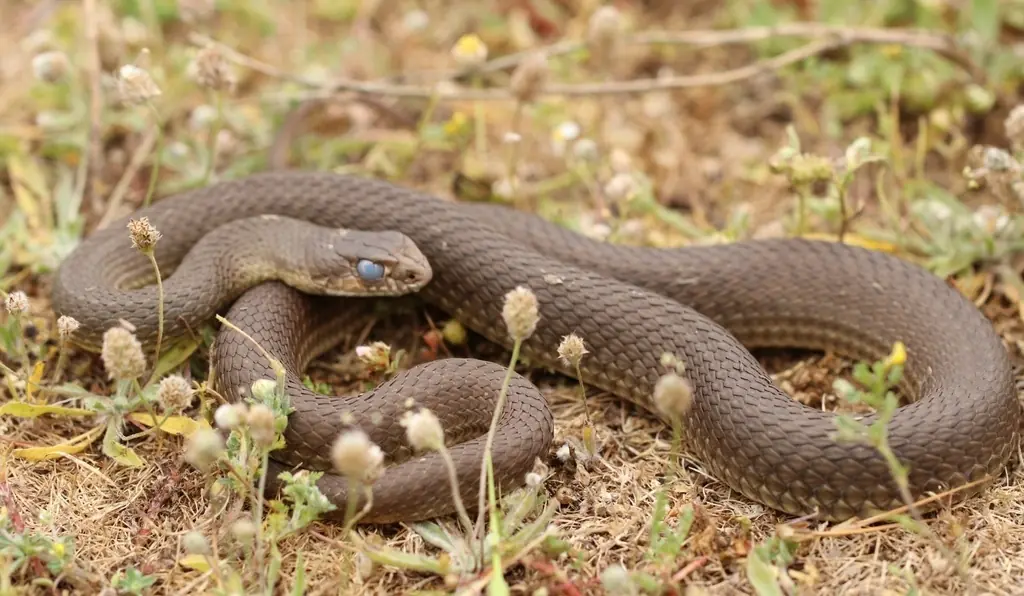
Gloydius brevicaudus

The checked treatment or independent checklist questions this country assignment or uses an older species concept. A voucher under the current identity remains unresolved.

Hydrophis platurus

United States and New Zealand records include vagrants, not established introduced populations. Korea remains geographically unresolved. Kosrae supports Federated States of Micronesia.

Laticauda semifasciata

Russia has a single reported occurrence; broad Samoa islands wording is not resolved to Samoa versus American Samoa.

Platyceps collaris

The checked treatment or independent checklist questions this country assignment or uses an older species concept. A voucher under the current identity remains unresolved.

Rhabdophis tigrinus

The checked treatment or independent checklist questions this country assignment or uses an older species concept. A voucher under the current identity remains unresolved.

Range and taxonomy review

Country links use a single accepted species identity. Revised names and disputed records are kept visible here; uncertain records do not enter the listed collection or regional totals.

Laticauda semifasciata

Uncertain — excluded from the listed total

Russia has a single reported occurrence; broad Samoa islands wording is not resolved to Samoa versus American Samoa.

Source 1 ↗

Hydrophis platurus

Uncertain — excluded from the listed total

United States and New Zealand records include vagrants, not established introduced populations. Korea remains geographically unresolved. Kosrae supports Federated States of Micronesia.

Source 1 ↗

Gloydius brevicaudus

Uncertain — excluded from the listed total

The checked treatment or independent checklist questions this country assignment or uses an older species concept. A voucher under the current identity remains unresolved.

Source 1 ↗

Platyceps collaris

Uncertain — excluded from the listed total

The checked treatment or independent checklist questions this country assignment or uses an older species concept. A voucher under the current identity remains unresolved.

Source 1 ↗

Rhabdophis tigrinus

Uncertain — excluded from the listed total

The checked treatment or independent checklist questions this country assignment or uses an older species concept. A voucher under the current identity remains unresolved.

Source 1 ↗

How the map and counts work

Search results were checked against distribution text and taxonomic qualifications. A geographic name alone does not establish a political country: New Guinea, the Solomon archipelago and Micronesia span more than one country or territory. Introduced and unresolved records require separate interpretation.

Place counts require explicit named localities, including valid type localities. Counts can overlap where sources name multiple places. Regional maps group historical boundary snapshots for navigation, while island outlines use Natural Earth; neither is a species range or an observation map. Small islands can be below the outline dataset’s resolution, so geographic reference markers and the directory remain available.

© OpenStreetMap contributors, via OpenStreetMap, Wambacher and geoBoundaries · gbOpen ADM1 · 2017 snapshot · Open Data Commons Open Database License 1.0. Generalised navigation boundaries, not snake ranges or territorial assertions. Map provenance →

  1. geoBoundaries · ADM1 boundary provenance ↗
  2. Russia - National Biodiversity Strategy ↗
  3. The Reptile Database

    Individual treatments and locality evidence are linked from each species account.

  4. Meiri (2024): SquamBase 1.0

    Species-level literature measurements and ecological traits. Exact-name matches only; imputed or ambiguous fields are omitted. These summaries are not local observations.

  5. Natural Earth: public-domain geographic data

Continue through the Europe atlas →