Pressures in the source record
Forest fire, logging and pollution are documented national pressures. These are background concerns, not an assessment of the photographed point today.
Russia · Habitat field guide
Explore the documented landscape around Russian Dauria. The named example anchors this guide; the country map and separately sourced species accounts answer different questions.
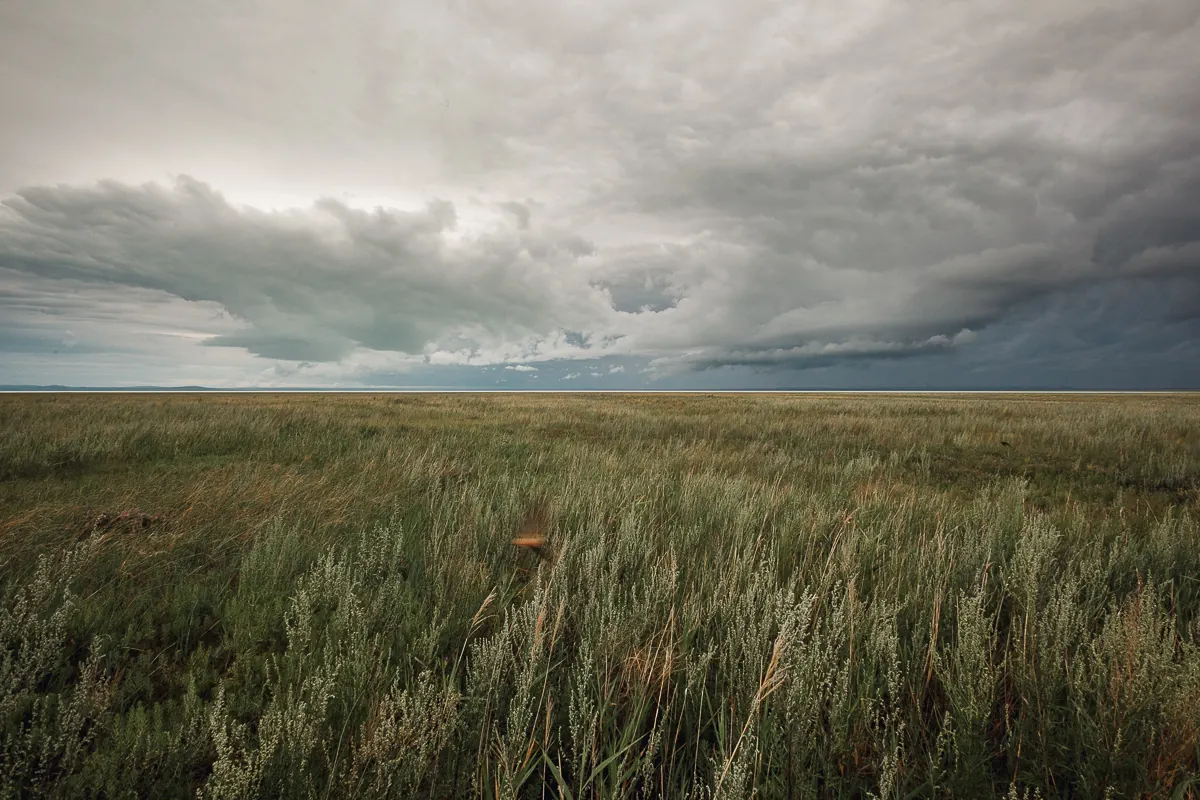
Open steppe grassland in Daursky Nature Reserve, Borzinsky District, Russia, photographed in July 2014.
Understanding the environment
Explore the documented landscape around Russian Dauria. The named example anchors this guide; the country map and separately sourced species accounts answer different questions.
Explore the structure · Grass cover → rocky opening → wet depression
Select a zone to see what changes.
Continuity of cover
Describe vegetation height and continuity if visible. A wide horizon does not establish untouched grassland.
Compare this unit with the documented local setting and keep the observation date, exact place and source distinct.
These panels are a conceptual reading sequence, not a mapped transect or a recommendation to enter the site.
Sources: UNESCO · Dauria
Field notes · 01
Russian Dauria belongs to a transboundary steppe landscape in which grassland, forest-steppe and wetlands respond to dry and wet cycles. The atlas's open-habitat category includes this temperate steppe; it does not mean tropical savanna.
Sources: UNESCO · Dauria
Field notes · 02
The shared open-habitat category includes steppe here. Compare grassy cover, sparsely wooded ground, rock outcrops and wet depressions. Do not substitute tropical savanna assumptions for the documented continental setting. Seasonal appearance and long dry-wet cycles can be different signals.
Pressures on Russia’s habitats
Forest fire, logging and pollution are documented national pressures. These are background concerns, not an assessment of the photographed point today.
When revisiting an image or locality, compare the same season, water stage and viewing area before interpreting a change. Keep source dates visible.
Use the country and region maps to orient the landscape, then read each species profile for its independently reviewed habitat and range evidence. Similar scenery does not establish a shared species list.
The connected collection
These 7 species have supported country occurrence and an explicit habitat association in the shared account. The association may come from elsewhere in their range. This is not a complete local habitat inventory; the places above are landscape examples, not asserted collecting sites.
7 species · showing 7
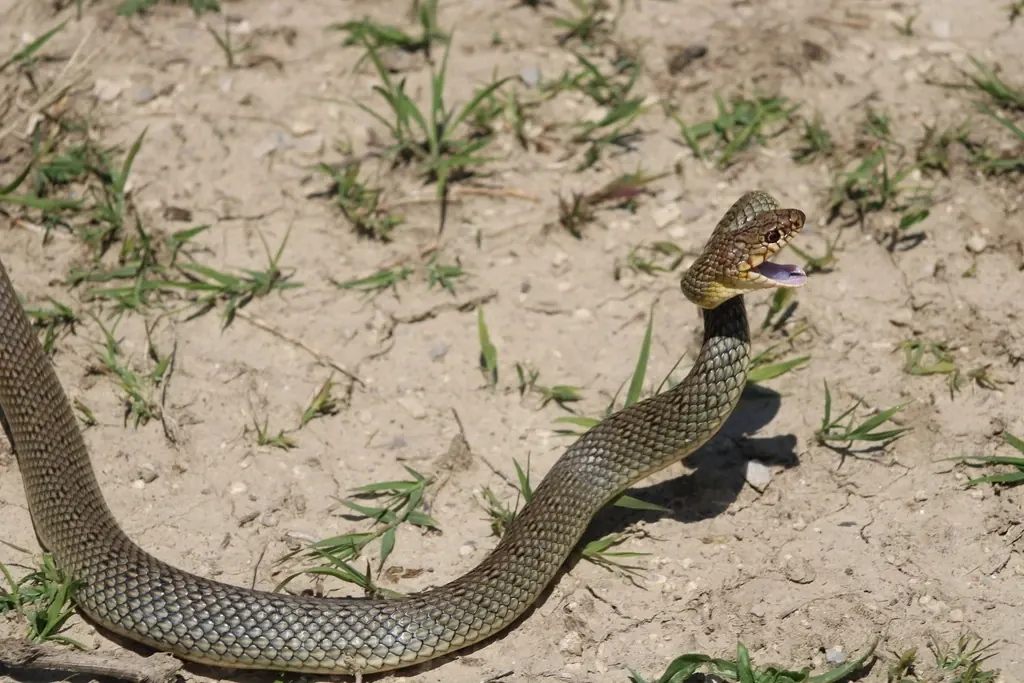
001 · Colubridae
Species account
Explicit country record in the checked taxonomic treatment.
Read the species account →Philip Schaffer · CC BY 4.0 · https://creativecommons.org/licenses/by/4.0/
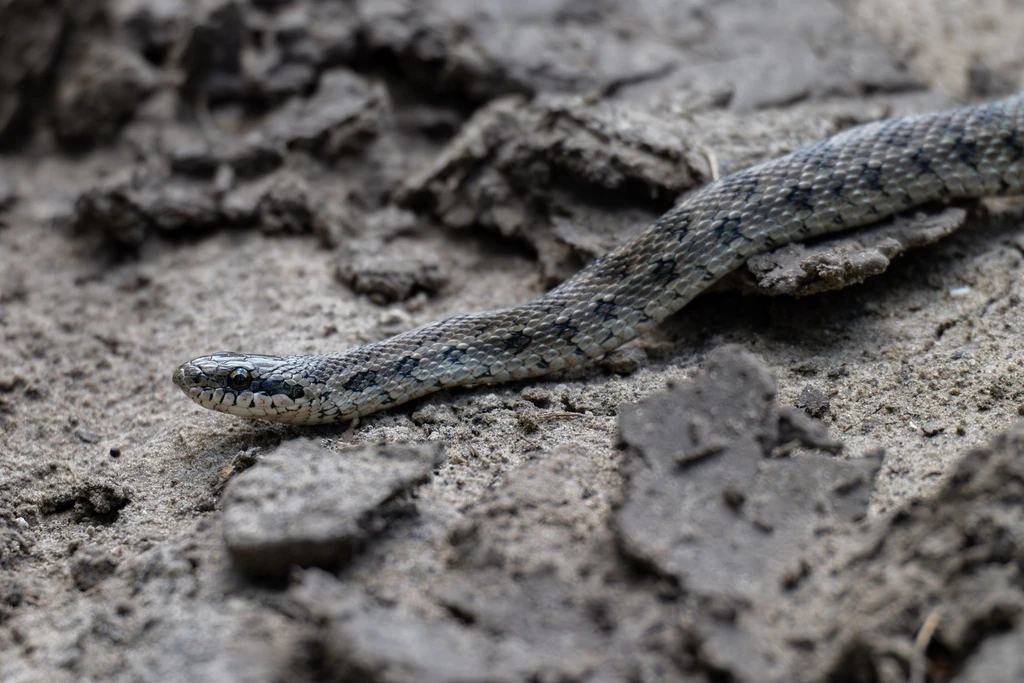
002 · Colubridae
Steppes Ratsnakes
Explicit country record in the checked taxonomic treatment. Named records in the 2010 review. Atlas regions follow the chapter’s administrative grouping, not the paper’s broader geographic use of West Siberia.
Read the species account →Stanislav Murashkin · CC BY 4.0 · https://creativecommons.org/licenses/by/4.0/
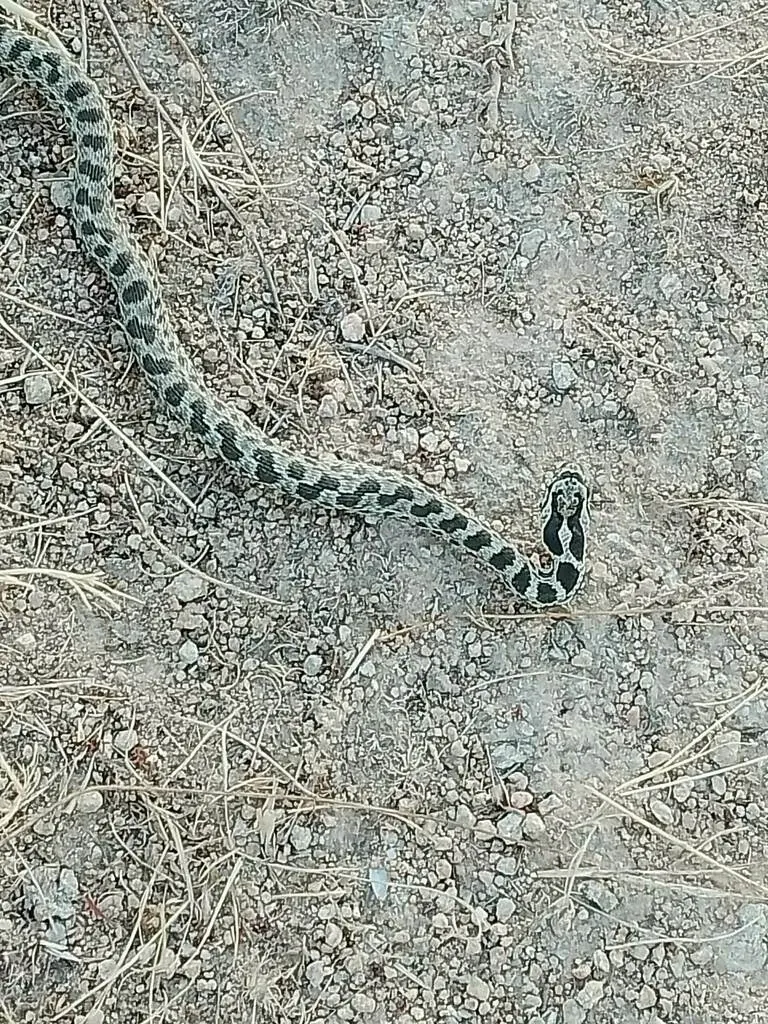
003 · Colubridae
Blotched rat snake, Sarmatian Rat Snake, Eastern Four-lined Ratsnake
Explicit country record in the checked taxonomic treatment.
Read the species account →SteveM4560 · CC BY 4.0 · https://creativecommons.org/licenses/by/4.0/
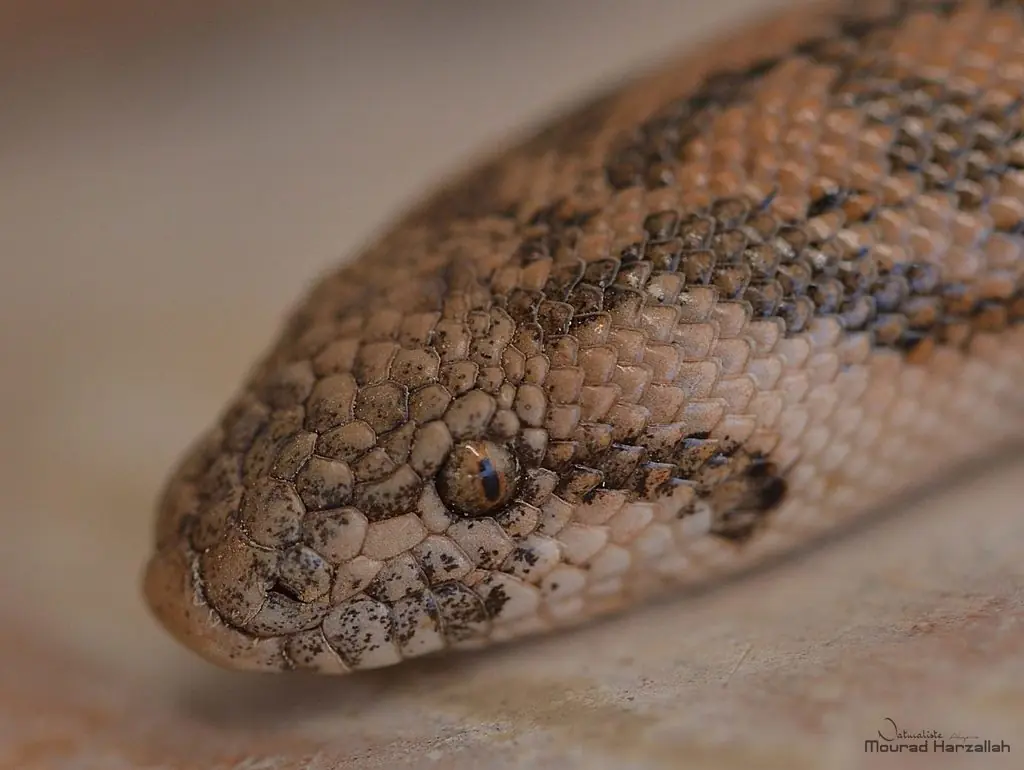
004 · Boidae
Javelin Sand Boa
Explicit country record in the checked taxonomic treatment.
Read the species account →Mourad Harzallah · CC BY 4.0 · https://creativecommons.org/licenses/by/4.0/
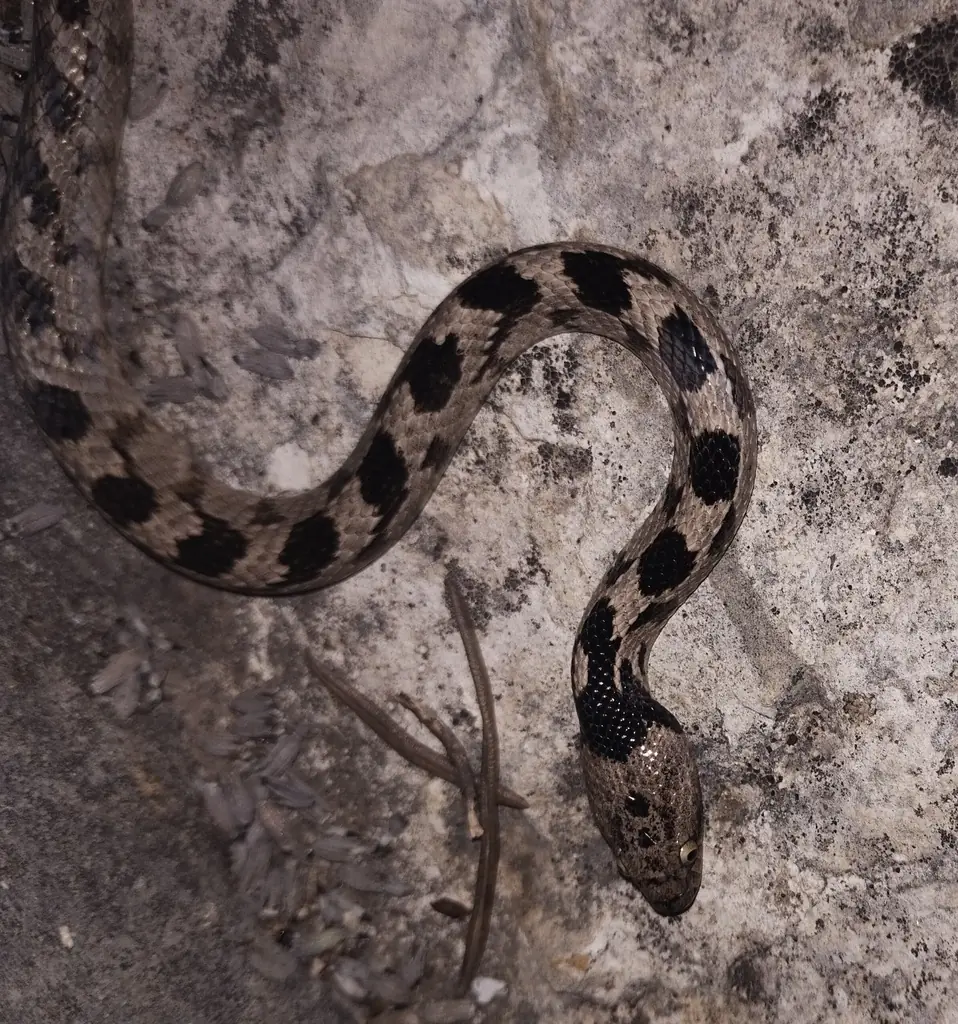
005 · Colubridae
Mediterranean Cat Snake, European Catsnake
Explicit country record in the checked taxonomic treatment.
Read the species account →Karlo Ostojcic · CC BY 4.0 · https://creativecommons.org/licenses/by/4.0/
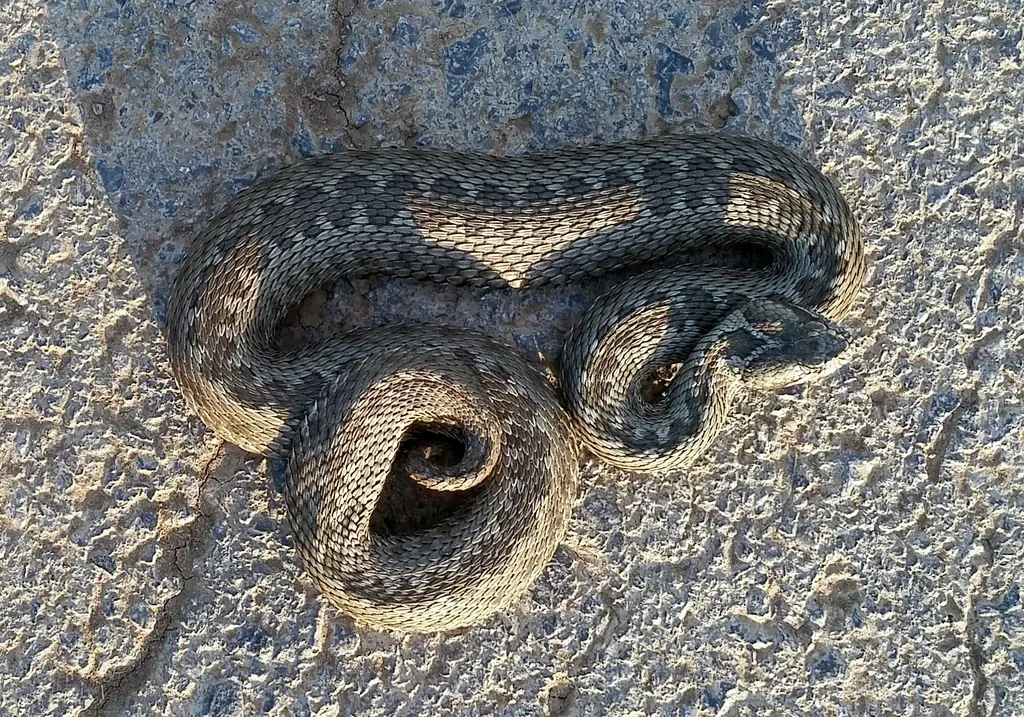
006 · Viperidae
Steppe Viper
Explicit country record in the checked taxonomic treatment. Named records in the 2010 review. Atlas regions follow the chapter’s administrative grouping, not the paper’s broader geographic use of West Siberia.
Read the species account →Kristof Zyskowski · CC BY 4.0 · https://creativecommons.org/licenses/by/4.0/
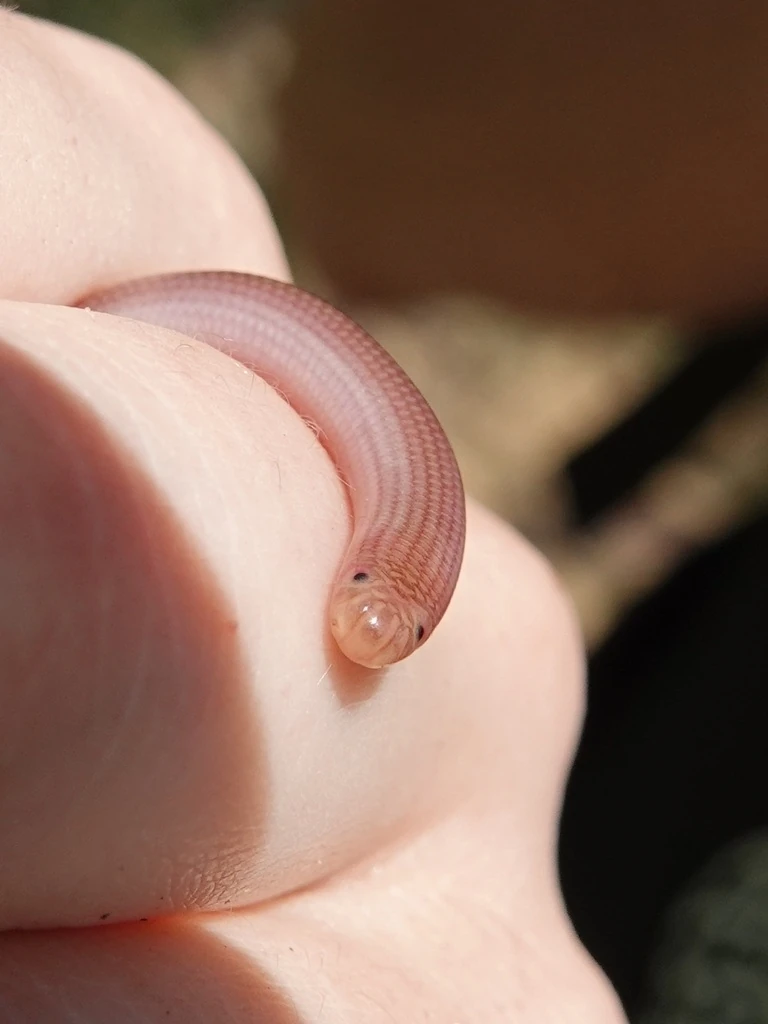
007 · Typhlopidae
Eurasian Blind Snake, Greek Blindsnake
Explicit country record in the checked taxonomic treatment.
Read the species account →Валерия Ковалева · CC BY 4.0 · https://creativecommons.org/licenses/by/4.0/
Read further
Guide reviewed 11 October 2026. Source dates and geographic scope matter; landscape photographs do not establish species occurrence.
Historical national overview marked draft by the Secretariat; broad pressures and landscape context, not a current local condition survey, current statistics or wildlife locality evidence.
Named landscape, vegetation or hydrological setting only; no snake occurrence inferred. Historical site accounts are not current condition or access assessments.
Continue through Russia
Explore the documented landscape around Sikhote-Alin. The named example anchors this guide; the country map and separately sourced species accounts answer different questions.
02Explore the documented landscape around Western Caucasus. The named example anchors this guide; the country map and separately sourced species accounts answer different questions.
03Explore the documented landscape around Volga Delta. The named example anchors this guide; the country map and separately sourced species accounts answer different questions.
04Explore the documented landscape around Sikhote-Alin coastal margin. The named example anchors this guide; the country map and separately sourced species accounts answer different questions.