Pressures in the source record
Forest fire, logging and pollution are documented national pressures. These are background concerns, not an assessment of the photographed point today.
Russia · Habitat field guide
Explore the documented landscape around Sikhote-Alin coastal margin. The named example anchors this guide; the country map and separately sourced species accounts answer different questions.
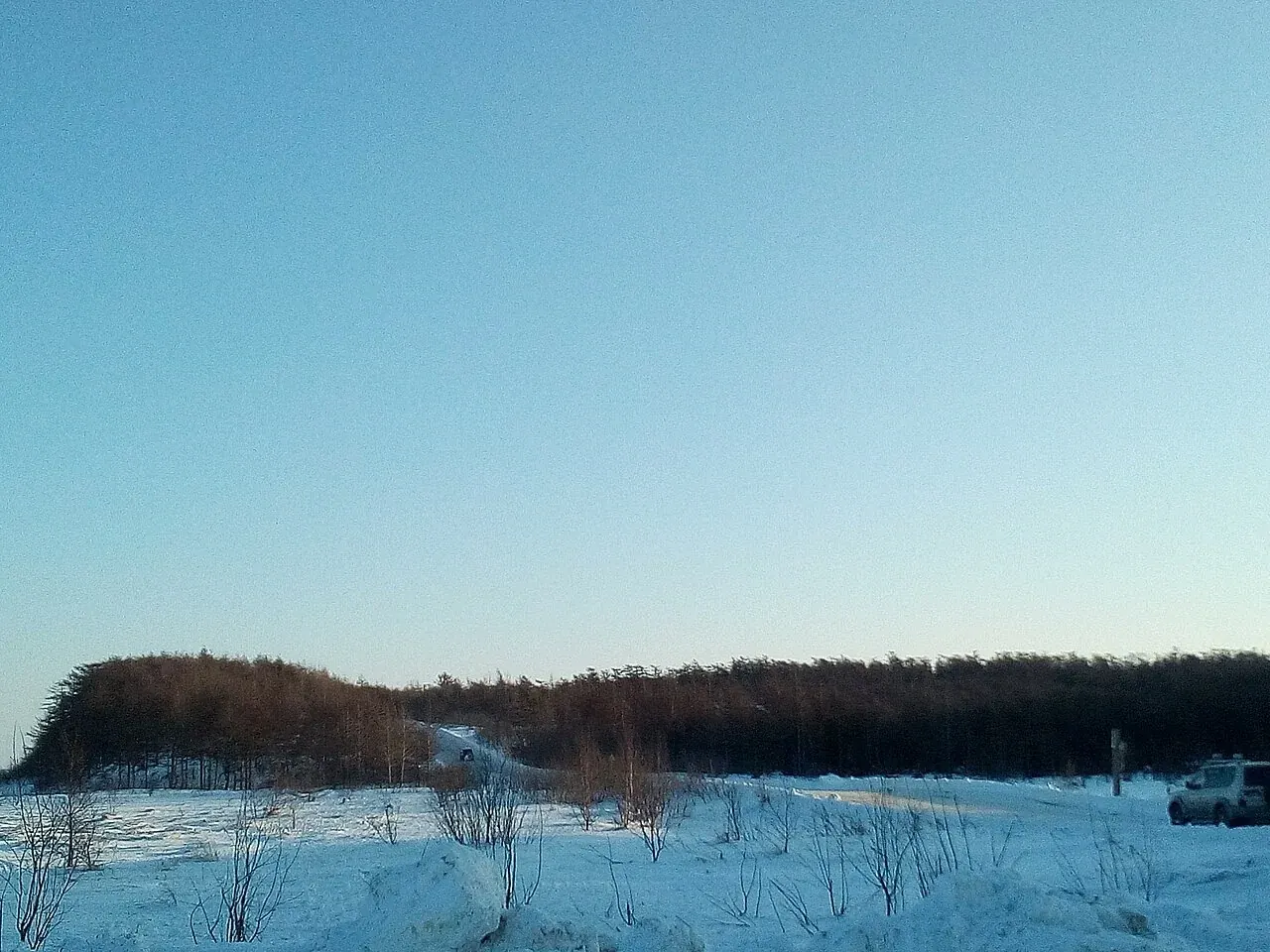
Winter shoreline of Pomor Bay, Sakhalin, Russia.
Understanding the environment
Explore the documented landscape around Sikhote-Alin coastal margin. The named example anchors this guide; the country map and separately sourced species accounts answer different questions.
Explore the structure · Landward edge → shore → shallow water
Select a zone to see what changes.
Vegetation and development
Separate planted or developed ground from natural dune, scrub or forest margins. The image caption identifies the photographed place.
Compare this unit with the documented local setting and keep the observation date, exact place and source distinct.
These panels are a conceptual reading sequence, not a mapped transect or a recommendation to enter the site.
Sources: UNESCO · Sikhote Alin
Field notes · 01
The Sikhote-Alin heritage property includes the coastal Goralij reserve and marine territory along the Sea of Japan. This mainland example is distinct from the winter Sakhalin shoreline shown in the photograph; Russia's Pacific coasts do not form one uniform habitat.
Sources: UNESCO · Sikhote Alin
Field notes · 02
A coastline is a sequence of environments. Record rock, beach, mudflat, vegetation and sheltered water separately, together with the tidal stage when known. A resort frontage and an undeveloped shore may share a bay but should not share an ecological description.
Pressures on Russia’s habitats
Forest fire, logging and pollution are documented national pressures. These are background concerns, not an assessment of the photographed point today.
When revisiting an image or locality, compare the same season, water stage and viewing area before interpreting a change. Keep source dates visible.
Use the country and region maps to orient the landscape, then read each species profile for its independently reviewed habitat and range evidence. Similar scenery does not establish a shared species list.
The connected collection
These 6 species have supported country occurrence and an explicit habitat association in the shared account. The association may come from elsewhere in their range. This is not a complete local habitat inventory; the places above are landscape examples, not asserted collecting sites.
6 species · showing 6
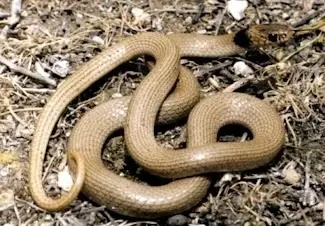
001 · Colubridae
Collared Dwarf Racer
Explicit country record in the checked taxonomic treatment. Field visits during 2000–2017 confirmed records in these named landscape districts. This Russian evidence does not verify the unresolved Bulgarian listing.
Read the species account →Tigran Tadevosyan · CC BY 4.0 · https://creativecommons.org/licenses/by/4.0/
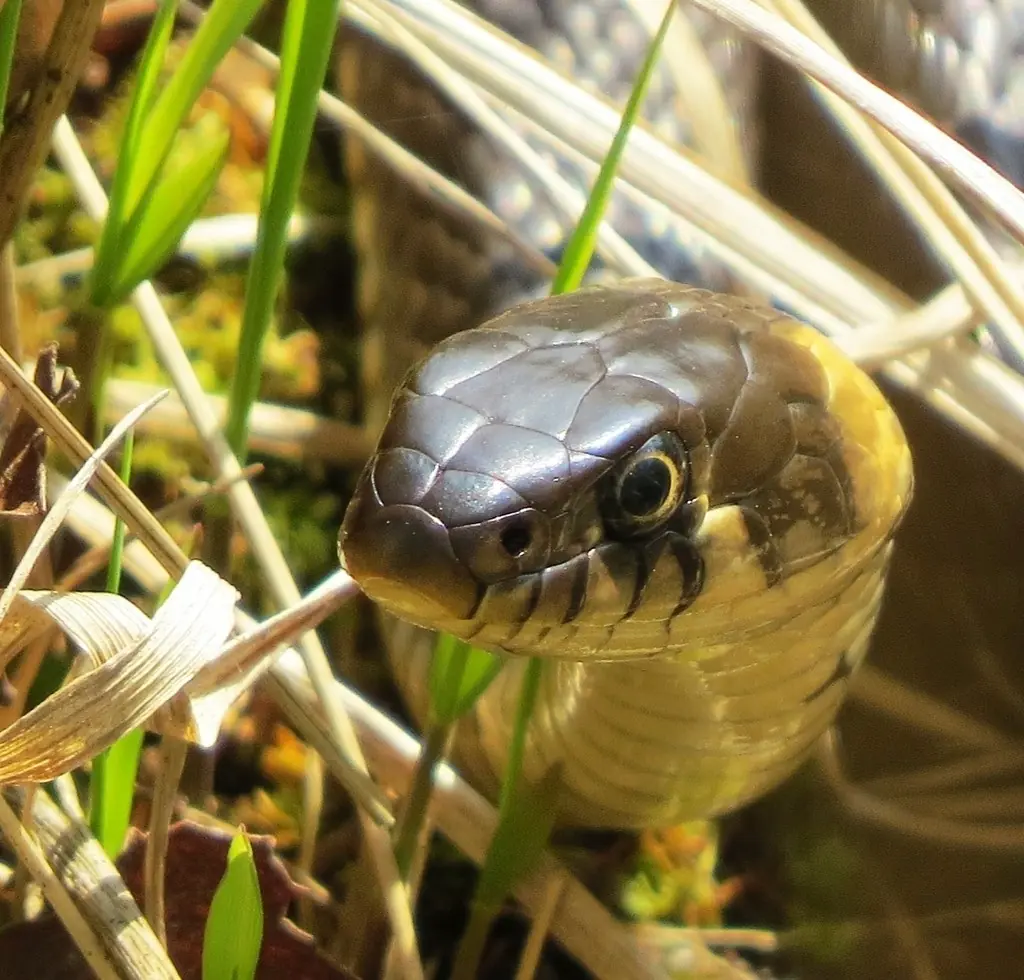
002 · Colubridae
Common Grass Snake
Explicit country record in the checked taxonomic treatment. Named records in the 2010 review. Atlas regions follow the chapter’s administrative grouping, not the paper’s broader geographic use of West Siberia. The Zoological Institute’s 2019 field report lists both species in the Kurgalsky reserve herpetofauna. Mospriroda reports these two native snakes…
Read the species account →Micha Baum · CC BY-SA 4.0 · https://creativecommons.org/licenses/by-sa/4.0/
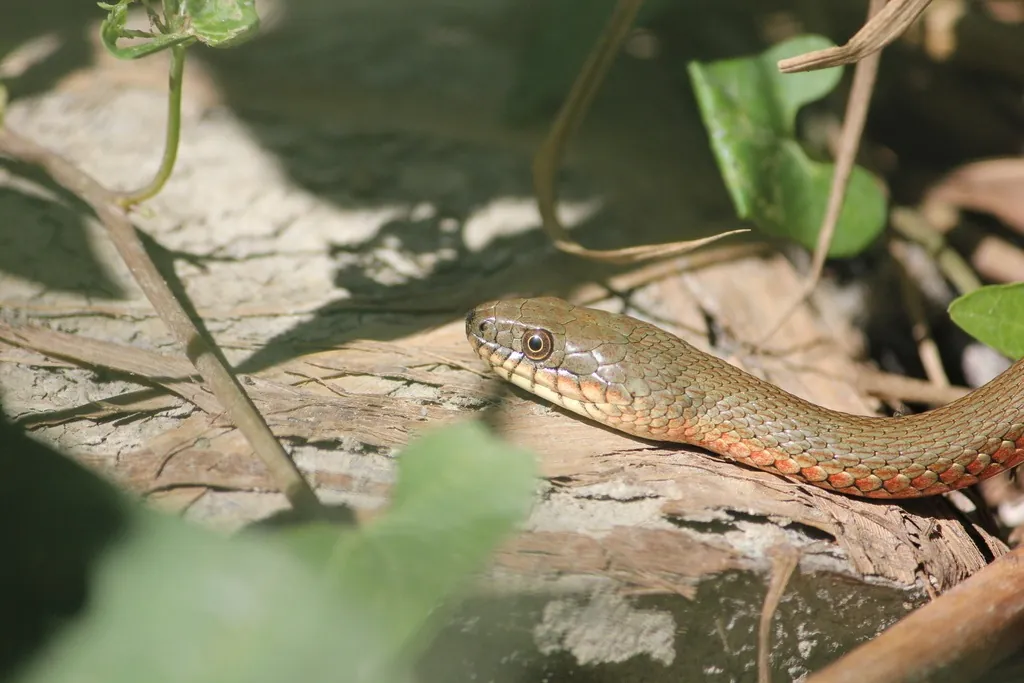
003 · Colubridae
Dice Snake
Explicit country record in the checked taxonomic treatment.
Read the species account →KsenoSnake · CC0 1.0 · https://creativecommons.org/publicdomain/zero/1.0/
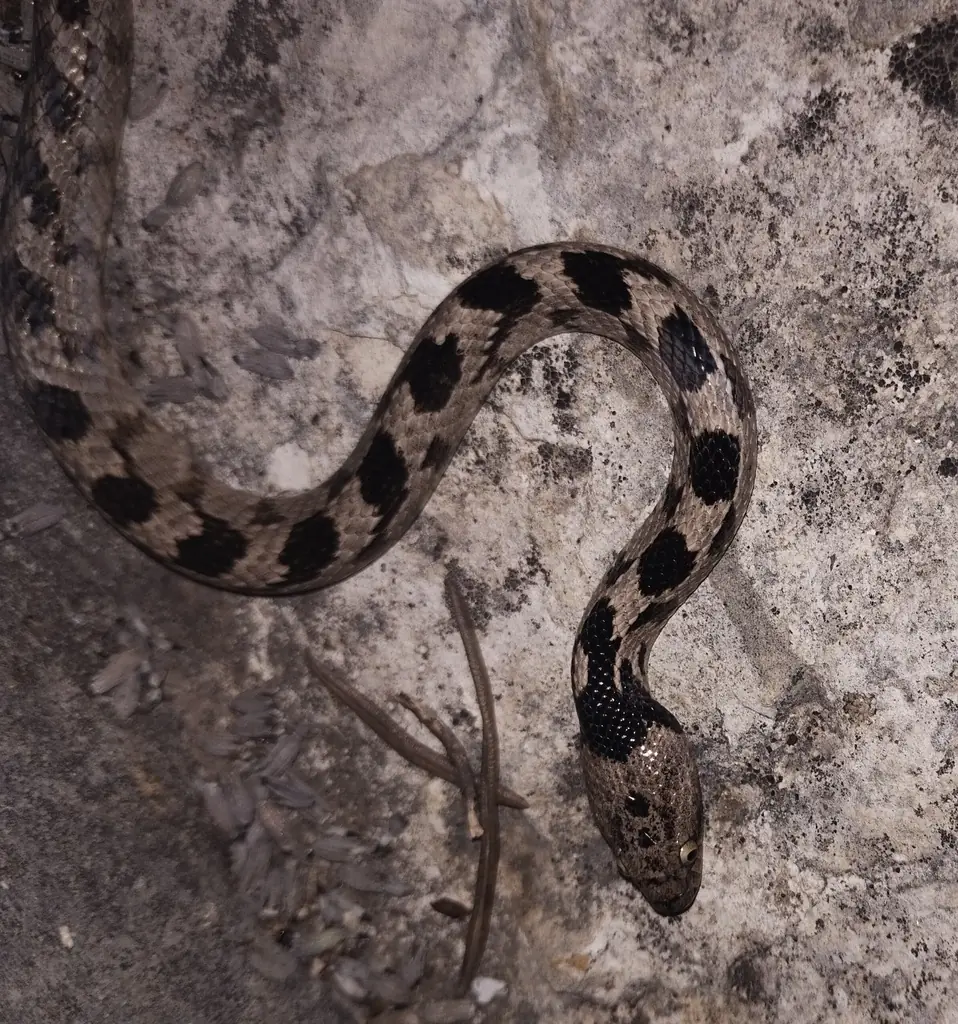
004 · Colubridae
Mediterranean Cat Snake, European Catsnake
Explicit country record in the checked taxonomic treatment.
Read the species account →Karlo Ostojcic · CC BY 4.0 · https://creativecommons.org/licenses/by/4.0/
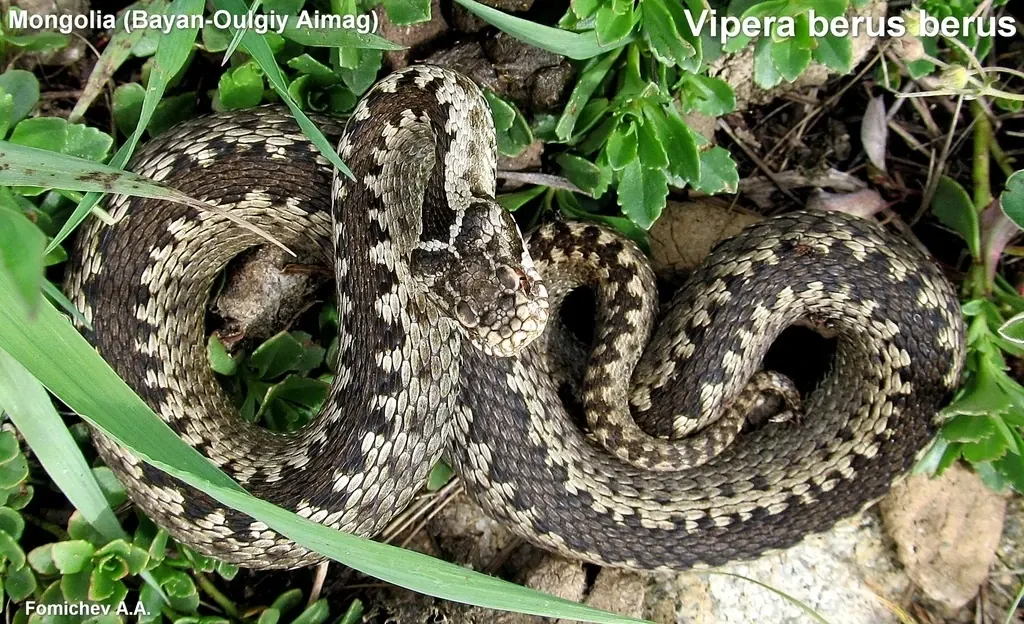
005 · Viperidae
Adder, Northern Viper
Explicit country record in the checked taxonomic treatment. Named records in the 2010 review. Atlas regions follow the chapter’s administrative grouping, not the paper’s broader geographic use of West Siberia. The Zoological Institute’s 2019 field report lists both species in the Kurgalsky reserve herpetofauna. Mospriroda reports these two native snakes…
Read the species account →Alexander A. Fomichev · CC BY 4.0 · https://creativecommons.org/licenses/by/4.0/
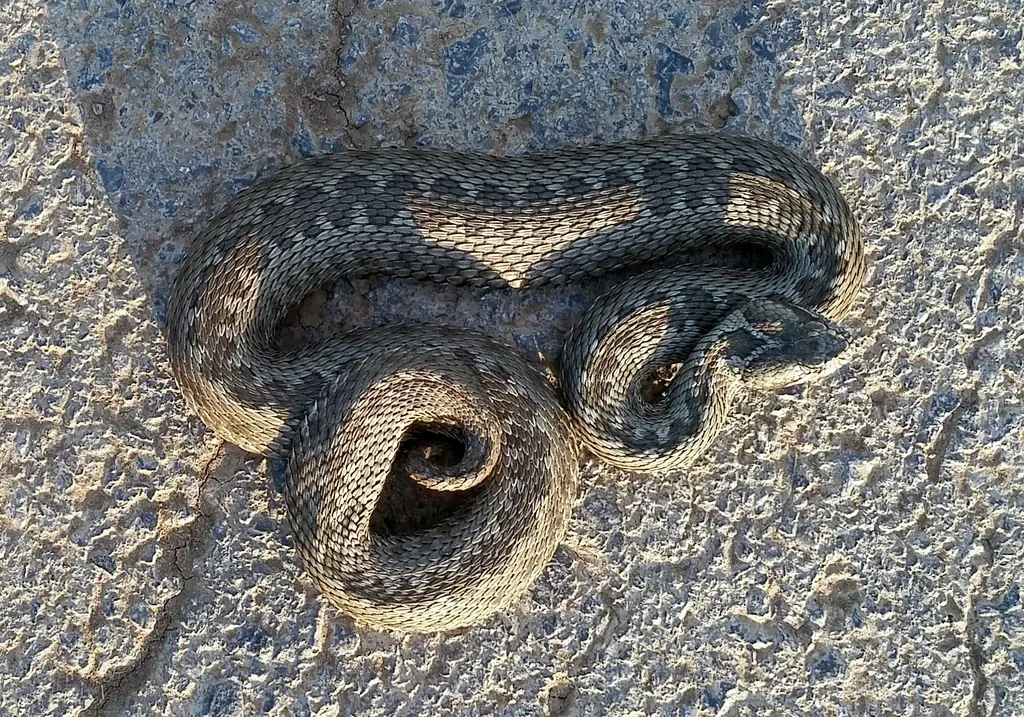
006 · Viperidae
Steppe Viper
Explicit country record in the checked taxonomic treatment. Named records in the 2010 review. Atlas regions follow the chapter’s administrative grouping, not the paper’s broader geographic use of West Siberia.
Read the species account →Kristof Zyskowski · CC BY 4.0 · https://creativecommons.org/licenses/by/4.0/
Read further
Guide reviewed 11 October 2026. Source dates and geographic scope matter; landscape photographs do not establish species occurrence.
Named landscape, vegetation or hydrological setting only; no snake occurrence inferred. Historical site accounts are not current condition or access assessments.
Historical national overview marked draft by the Secretariat; broad pressures and landscape context, not a current local condition survey, current statistics or wildlife locality evidence.
Continue through Russia
Explore the documented landscape around Sikhote-Alin. The named example anchors this guide; the country map and separately sourced species accounts answer different questions.
02Explore the documented landscape around Western Caucasus. The named example anchors this guide; the country map and separately sourced species accounts answer different questions.
03Explore the documented landscape around Russian Dauria. The named example anchors this guide; the country map and separately sourced species accounts answer different questions.
04Explore the documented landscape around Volga Delta. The named example anchors this guide; the country map and separately sourced species accounts answer different questions.