Pressures and evidence limits
This guide does not yet include a quantified local pressure assessment. Record observed land use separately from demonstrated ecological effects, and compare dated observations from the same season.
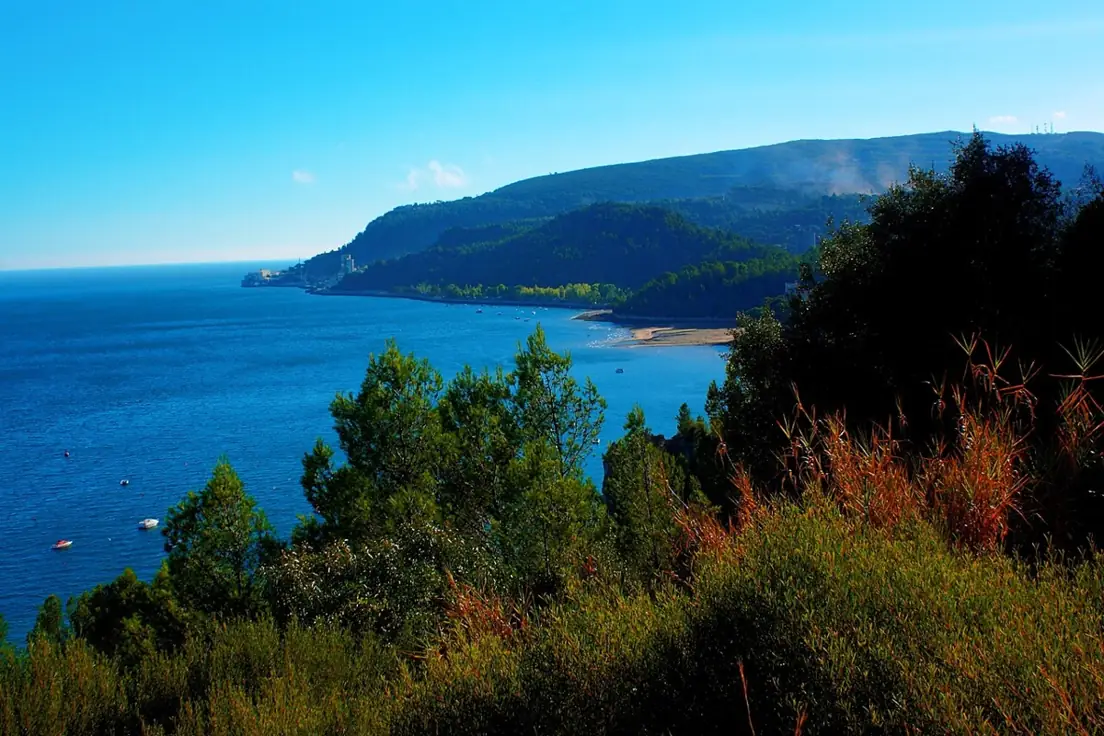
Portugal · Habitat field guide
Explore Arrábida slopes through the documented landscape and its visible structure. The named example anchors this guide; it does not represent every habitat in the country.
Wooded and scrub-covered Arrábida slopes near Outão, Portugal, above the coast, photographed in May 2015.
Understanding the environment
Explore Arrábida slopes through the documented landscape and its visible structure. The named example anchors this guide; it does not represent every habitat in the country.
Explore the structure · Canopy → edge → drainage
Select a zone to see what changes.
Shade and cover
Describe the structure that is visible: canopy continuity, understory and ground cover. Do not infer an animal community from tree cover alone.
Keep observation date, photographed place and the source description distinct.
A conceptual reading sequence, not a mapped transect or an invitation to enter restricted terrain.
Sources: UNESCO · Arrábida slopes
Field notes · 01
Forested slopes rise behind Arrábida's rugged coast. Agriculture, settlement and tourism also form part of the reserve's landscape and should not be mistaken for continuous woodland.
Sources: UNESCO · Arrábida slopes
Field notes · 02
Compare closed canopy, open woodland and planted trees. Record leaf litter, fallen wood and the width of exposed edges separately. A green satellite patch or distant treeline cannot establish forest quality.
Pressures on Portugal’s habitats
This guide does not yet include a quantified local pressure assessment. Record observed land use separately from demonstrated ecological effects, and compare dated observations from the same season.
Keep landform, water, vegetation and land use separate when reading the landscape. Use the linked species accounts for independently sourced distribution evidence.
The connected collection
These 10 species have supported country occurrence and an explicit habitat association in the shared account. The association may come from elsewhere in their range. This is not a complete local habitat inventory; the places above are landscape examples, not asserted collecting sites.
10 species · showing 10
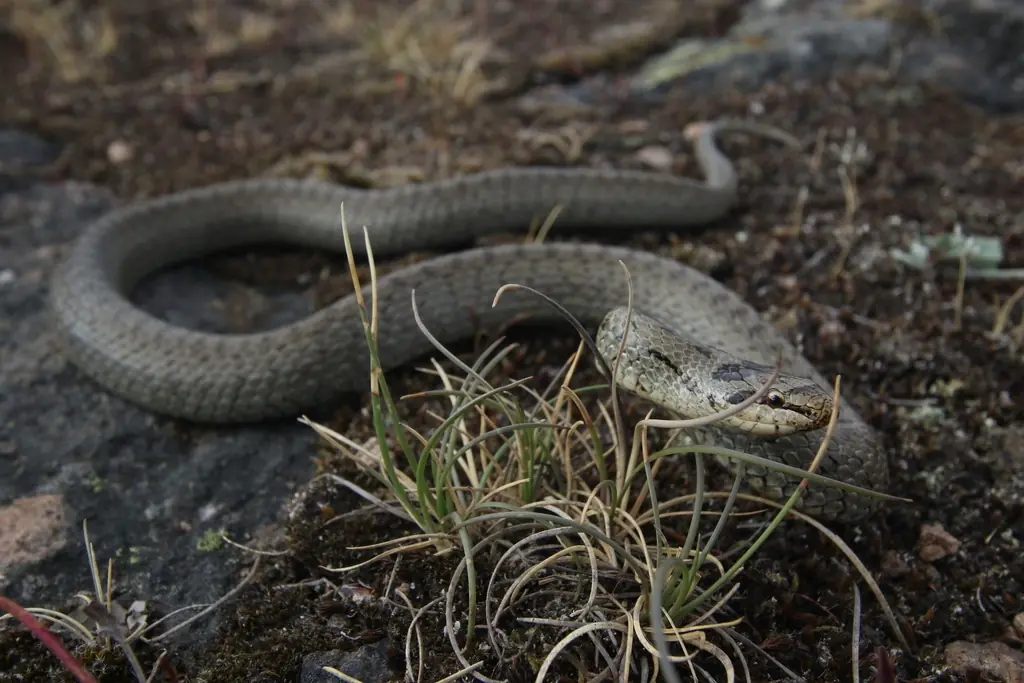
001 · Colubridae
Smooth Snake
Country explicitly listed in the checked taxonomic treatment.
Read the species account →B. P. White · CC BY-SA 4.0 · https://creativecommons.org/licenses/by-sa/4.0/
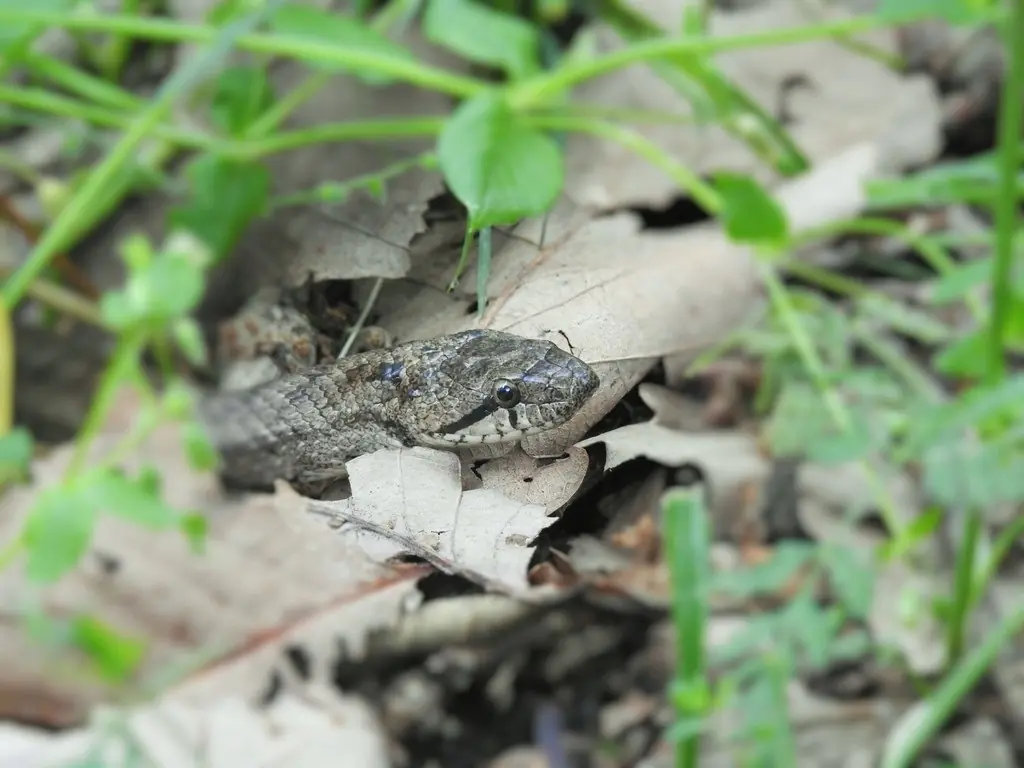
002 · Colubridae
Southern Smooth Snake
Country explicitly listed in the checked taxonomic treatment.
Read the species account →Karim Haddad · CC BY 4.0 · https://creativecommons.org/licenses/by/4.0/
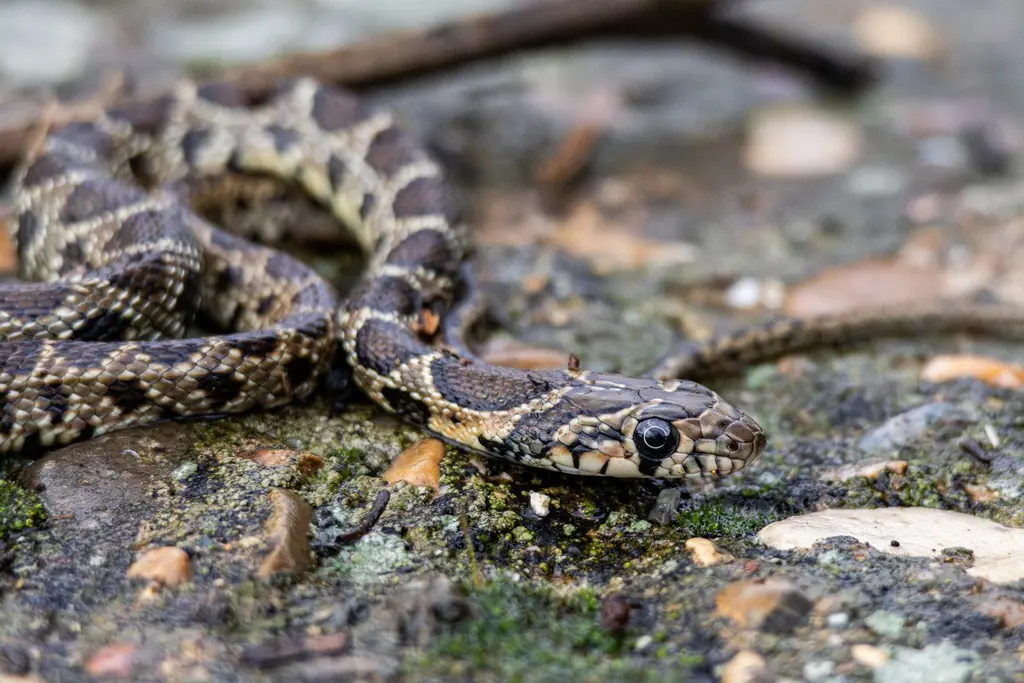
003 · Colubridae
Horseshoe Snake, Horseshoe Whip Snake
Country explicitly listed in the checked taxonomic treatment.
Read the species account →Diego González Dopico · CC BY 4.0 · https://creativecommons.org/licenses/by/4.0/
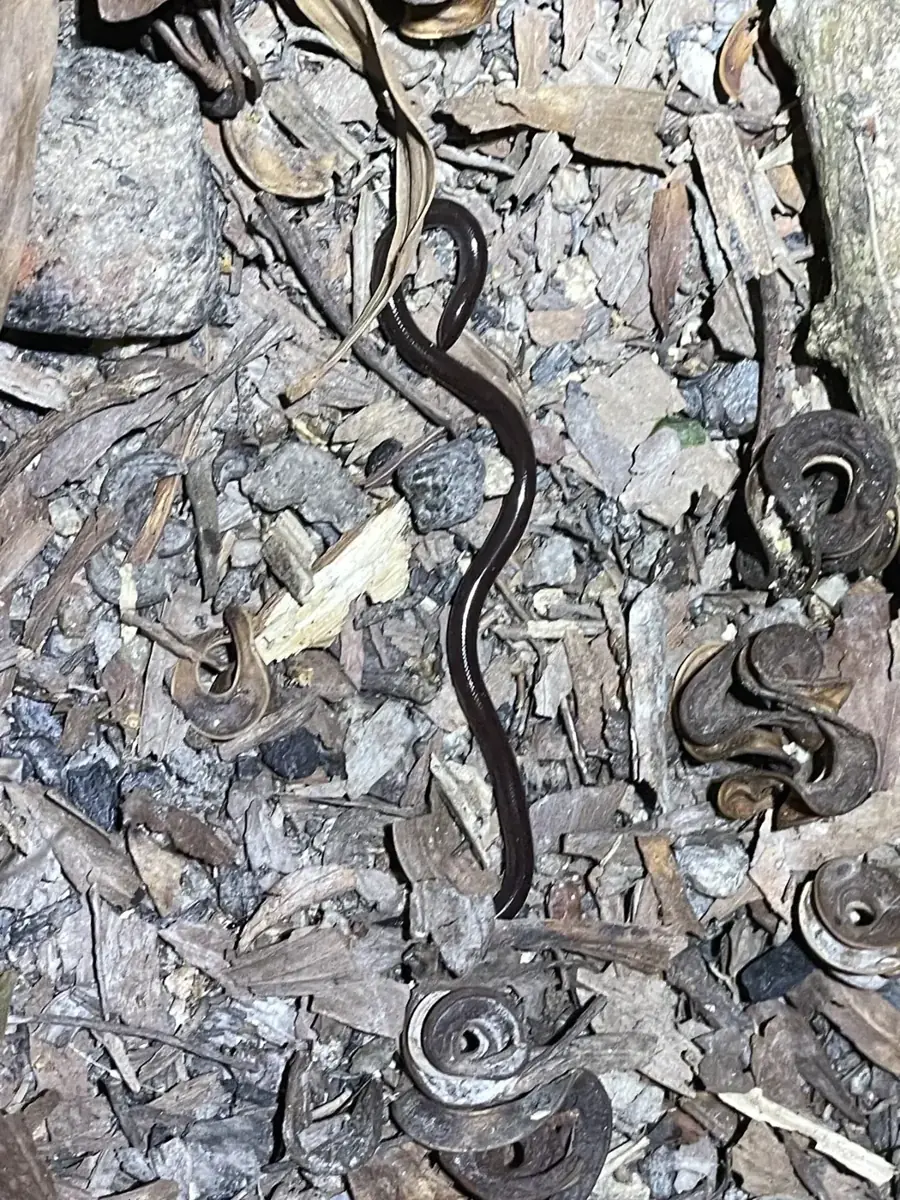
004 · Typhlopidae
Flowerpot Snake
Introduced populations; Portuguese evidence here is Madeira and Spanish evidence the Canary Islands, not mainland occurrence. Four specimens from São Martinho in July–August 2012 established the Madeira record; morphology and mitochondrial sequences supported identification. The paper uses the historical genus Ramphotyphlops. It does not document…
Read the species account →Cook-Price, Makchai & Suwanwaree (2026); photographs credited collectively to the author, James Covert and Vikas Kumar · CC BY 4.0 · https://creativecommons.org/licenses/by/4.0/
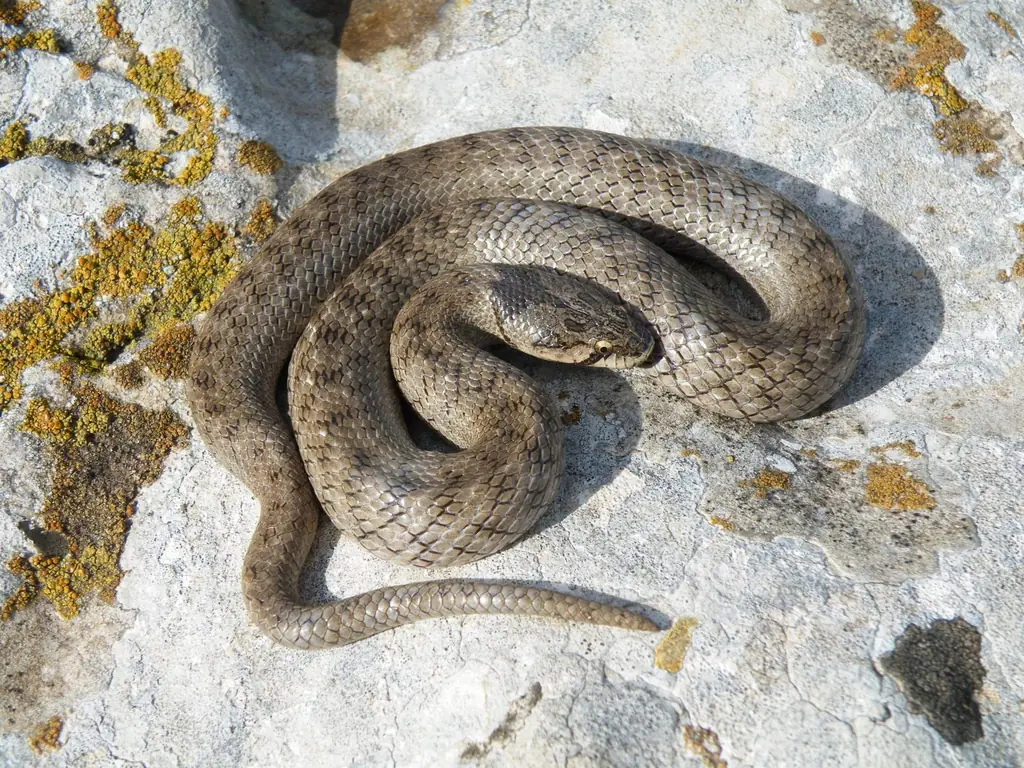
005 · Colubridae
Western False Smooth Snake, Iberian False Smooth Snake
Iberian populations are assigned to brevis in the molecular revision.
Read the species account →Wouter Beukema · CC BY 4.0 · https://creativecommons.org/licenses/by/4.0/
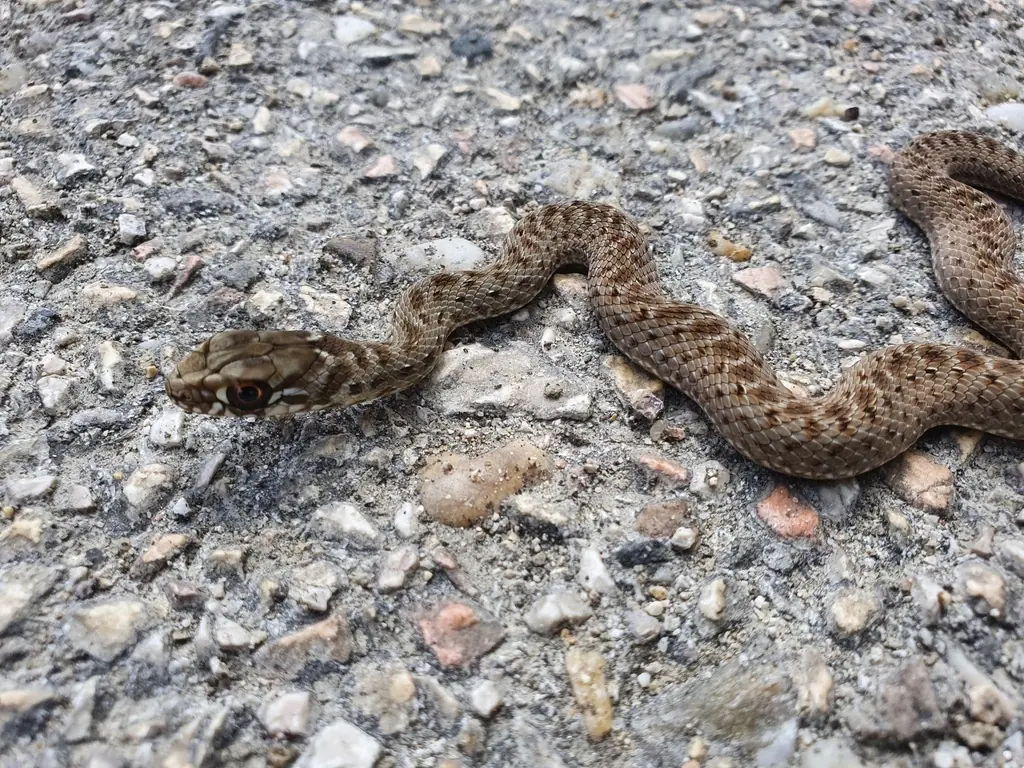
006 · Psammophiidae
Montpellier Snake
Country explicitly listed in the checked taxonomic treatment.
Read the species account →João Valença · CC BY-SA 4.0 · https://creativecommons.org/licenses/by-sa/4.0/
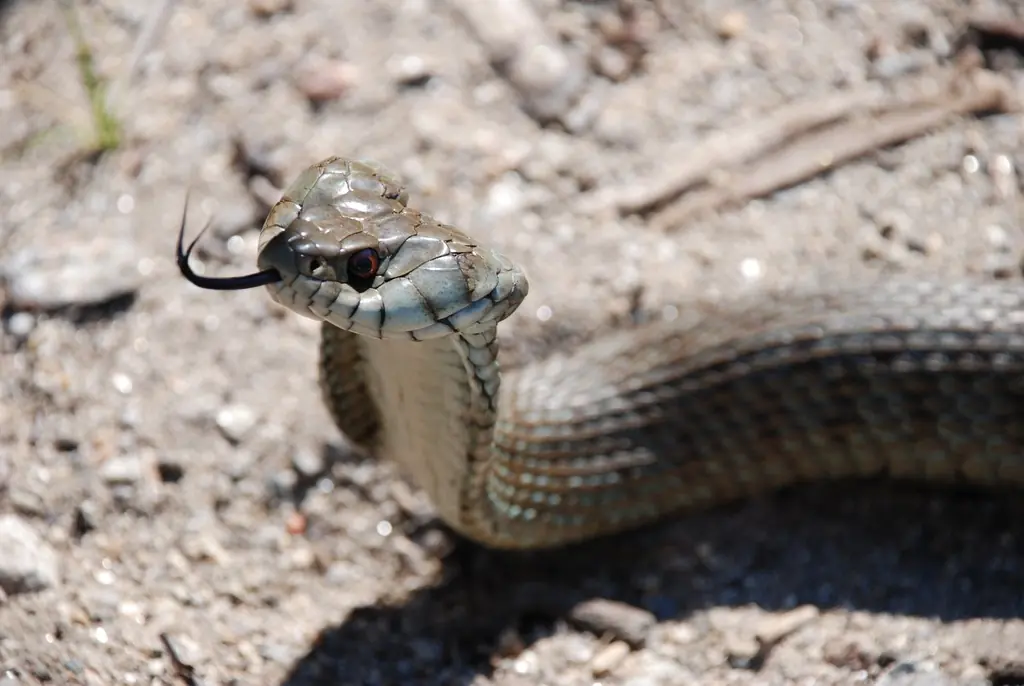
007 · Colubridae
Red-eyed grass snake
Country explicitly listed in the checked taxonomic treatment.
Read the species account →franciscodocampo · CC BY 4.0 · https://creativecommons.org/licenses/by/4.0/
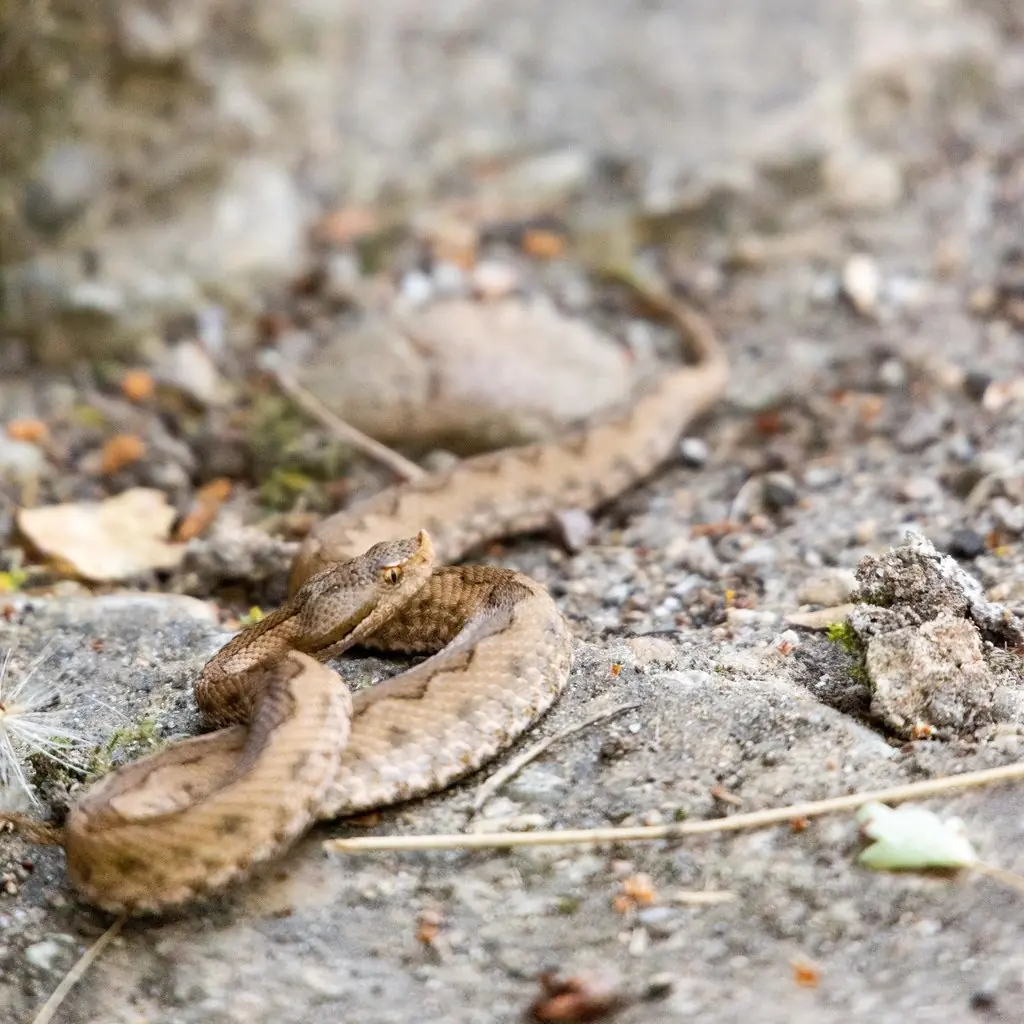
008 · Viperidae
Lataste’s Viper
Country explicitly listed in the checked taxonomic treatment.
Read the species account →euqirneto · CC BY 4.0 · https://creativecommons.org/licenses/by/4.0/
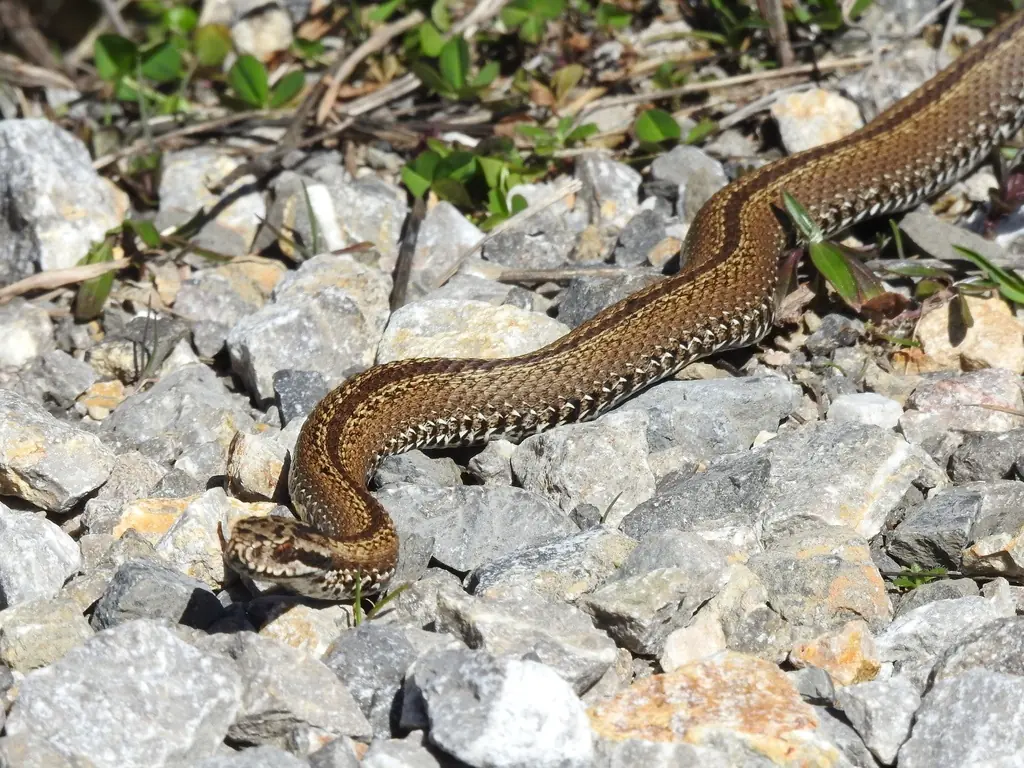
009 · Viperidae
Portugese Viper
Country explicitly listed in the checked taxonomic treatment. The 2005 national assessment identifies three isolated northern populations. These are historical baseline localities, not confirmation of their present population sizes.
Read the species account →Michael Bakker Paiva · CC BY 4.0 · https://creativecommons.org/licenses/by/4.0/
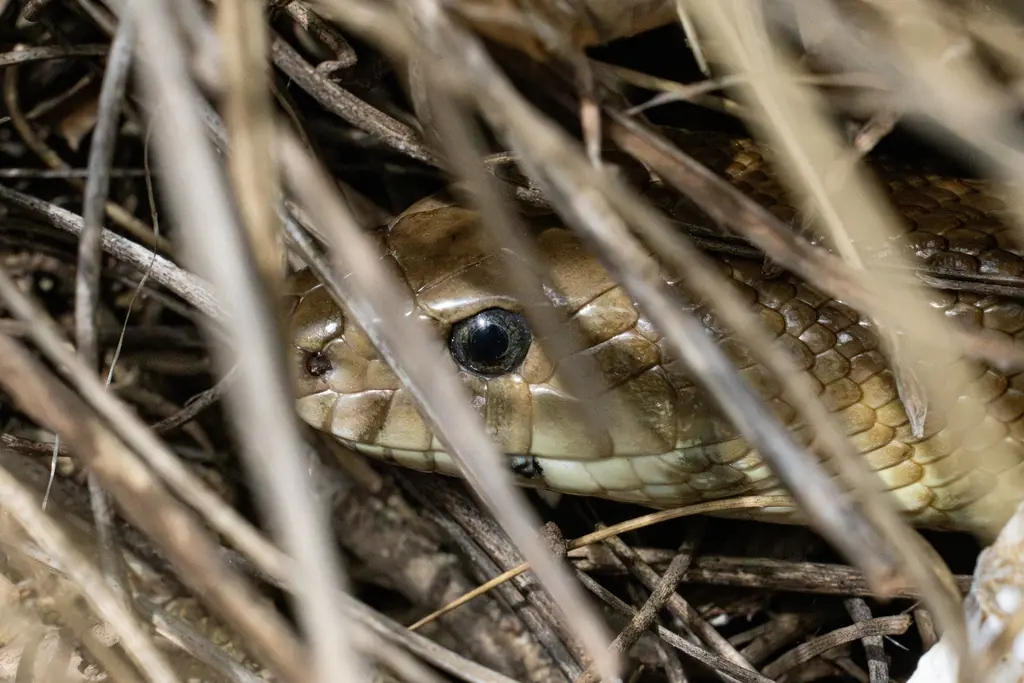
010 · Colubridae
Ladder Snakes
Country explicitly listed in the checked taxonomic treatment.
Read the species account →Diego González Dopico · CC BY 4.0 · https://creativecommons.org/licenses/by/4.0/
Read further
Guide reviewed 11 October 2026. Source dates and geographic scope matter; landscape photographs do not establish species occurrence.
Named landscape description, read and checked 11 October 2026. Historic source dates remain explicit; not a snake survey or live access notice.
Continue through Portugal