

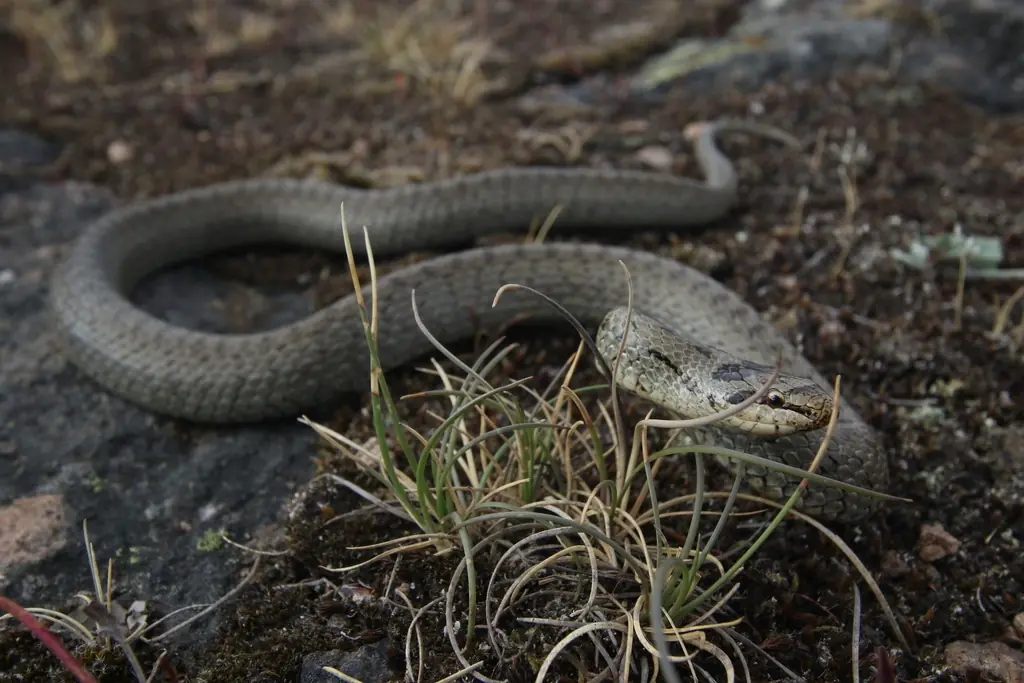
001 · Colubridae
Smooth Snake
Coronella austriaca
Venom unknownNot yet assessedCountry explicitly listed in the checked taxonomic treatment.
Read the species account →B. P. White · CC BY-SA 4.0 · https://creativecommons.org/licenses/by-sa/4.0/
Portugal · The country atlas
The mainland and Atlantic archipelagos combine forest and agricultural ecosystems with diverse coastal and island habitats. Explore the regional guides and country-scoped species records below.
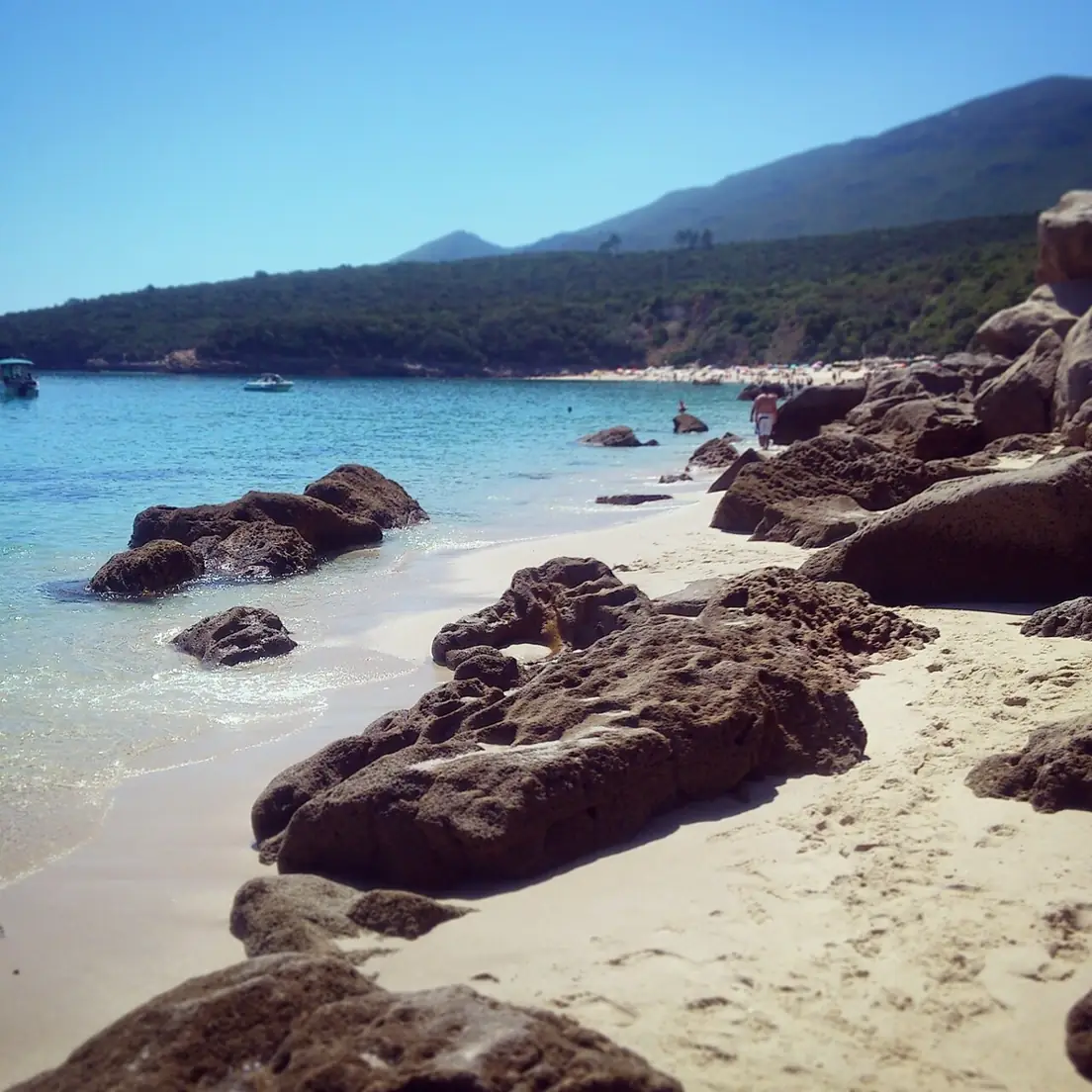
A rocky beach and wooded slopes on Portugal's Arrábida coast.
Geography & biotopes
The mainland and Atlantic archipelagos combine forest and agricultural ecosystems with diverse coastal and island habitats. Explore the regional guides and country-scoped species records below.
Regional groups retain the credited administrative snapshot. They are navigation areas, not ecological boundaries or claims of snake occurrence throughout each area.
Habitats & living landscapes
Explore 2 guides to the environments, places and conservation pressures that shape this country. Each guide connects to the regional map and shared species accounts.
Habitat · 01
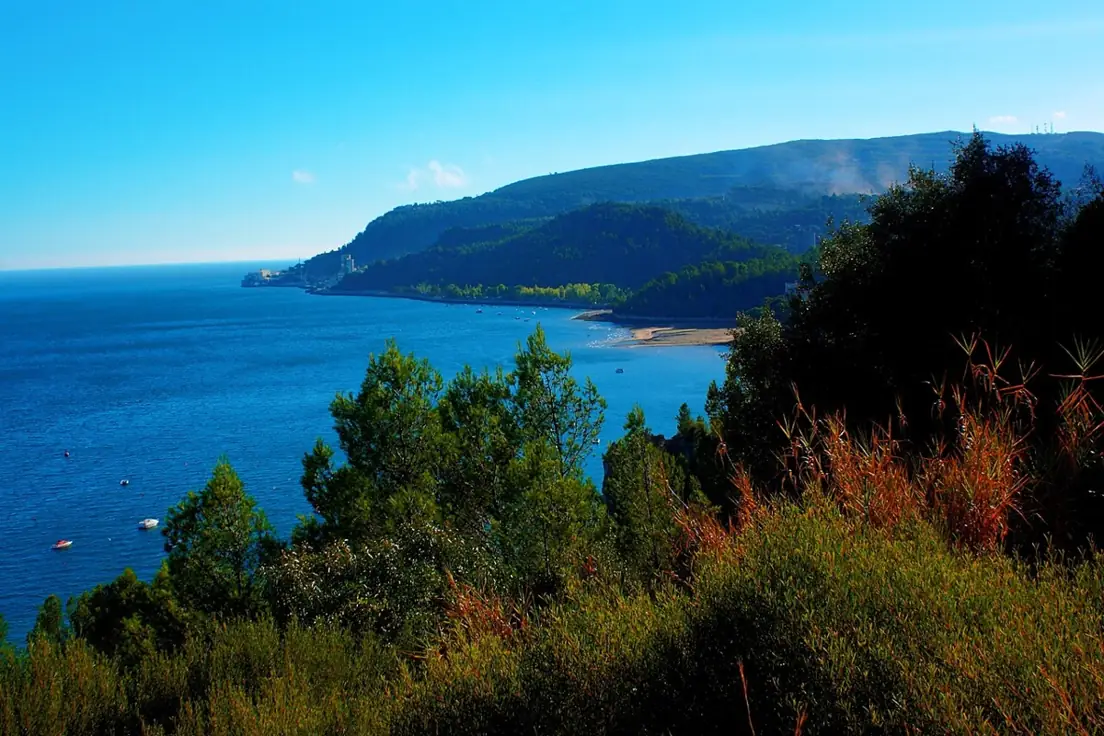
Explore Arrábida slopes through the documented landscape and its visible structure. The named example anchors this guide; it does not represent every habitat in the country.
Explore the habitat ↗Habitat · 02
Explore Arrábida through the documented landscape and its visible structure. The named example anchors this guide; it does not represent every habitat in the country.
Explore the habitat ↗Wooded and scrub-covered Arrábida slopes near Outão, Portugal, above the coast, photographed in May 2015. — Muaddib2015. Original photograph · CC BY-SA 4.0. Cropped for the cards; photographs do not establish snake occurrence.
A rocky beach and wooded slopes on Portugal's Arrábida coast. — Ze Caetano. Original photograph · CC BY 2.0. Cropped for the cards; photographs do not establish snake occurrence.
The species catalogue
Search scientific names, historical names, common names and families. Every card opens one shared account across its documented countries.
11 species · showing 11
001 · Colubridae
Smooth Snake
Country explicitly listed in the checked taxonomic treatment.
Read the species account →B. P. White · CC BY-SA 4.0 · https://creativecommons.org/licenses/by-sa/4.0/
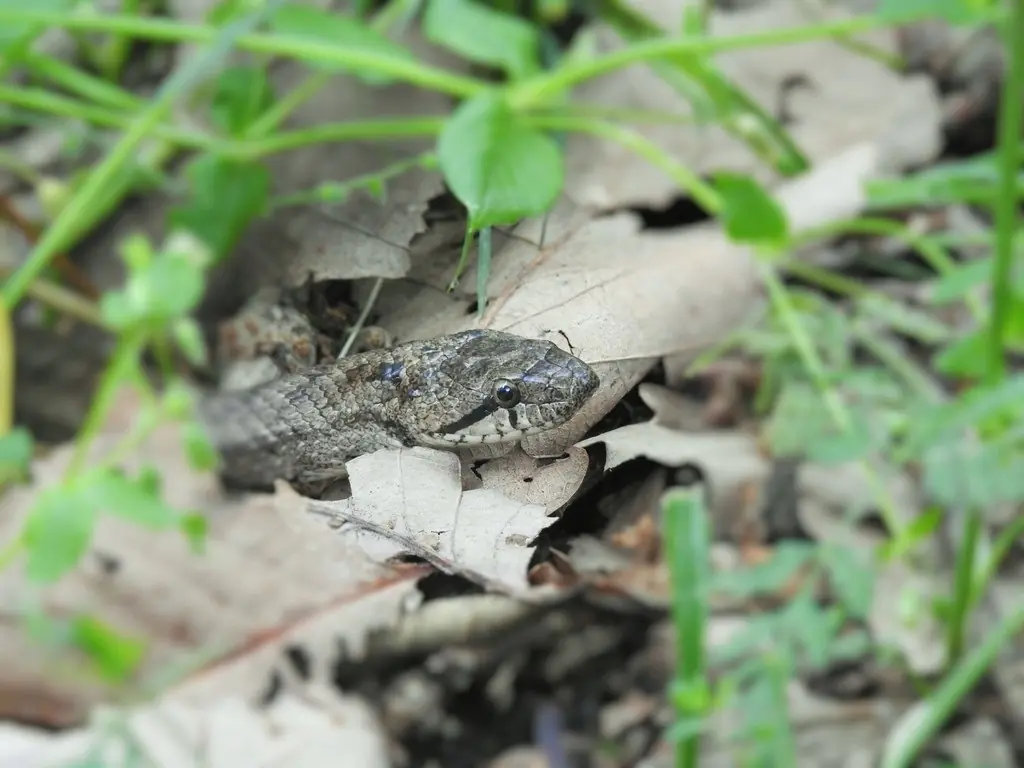
002 · Colubridae
Southern Smooth Snake
Country explicitly listed in the checked taxonomic treatment.
Read the species account →Karim Haddad · CC BY 4.0 · https://creativecommons.org/licenses/by/4.0/
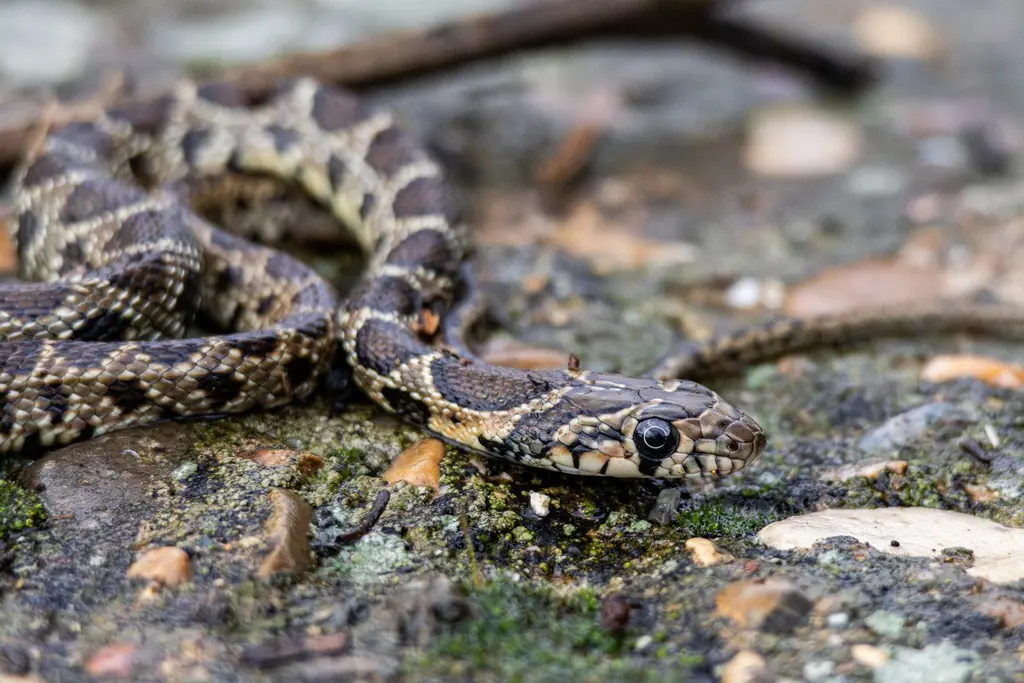
003 · Colubridae
Horseshoe Snake, Horseshoe Whip Snake
Country explicitly listed in the checked taxonomic treatment.
Read the species account →Diego González Dopico · CC BY 4.0 · https://creativecommons.org/licenses/by/4.0/

004 · Typhlopidae
Flowerpot Snake
Introduced populations; Portuguese evidence here is Madeira and Spanish evidence the Canary Islands, not mainland occurrence. Four specimens from São Martinho in July–August 2012 established the Madeira record; morphology and mitochondrial sequences supported identification. The paper uses the historical genus Ramphotyphlops. It does not document…
Read the species account →Cook-Price, Makchai & Suwanwaree (2026); photographs credited collectively to the author, James Covert and Vikas Kumar · CC BY 4.0 · https://creativecommons.org/licenses/by/4.0/
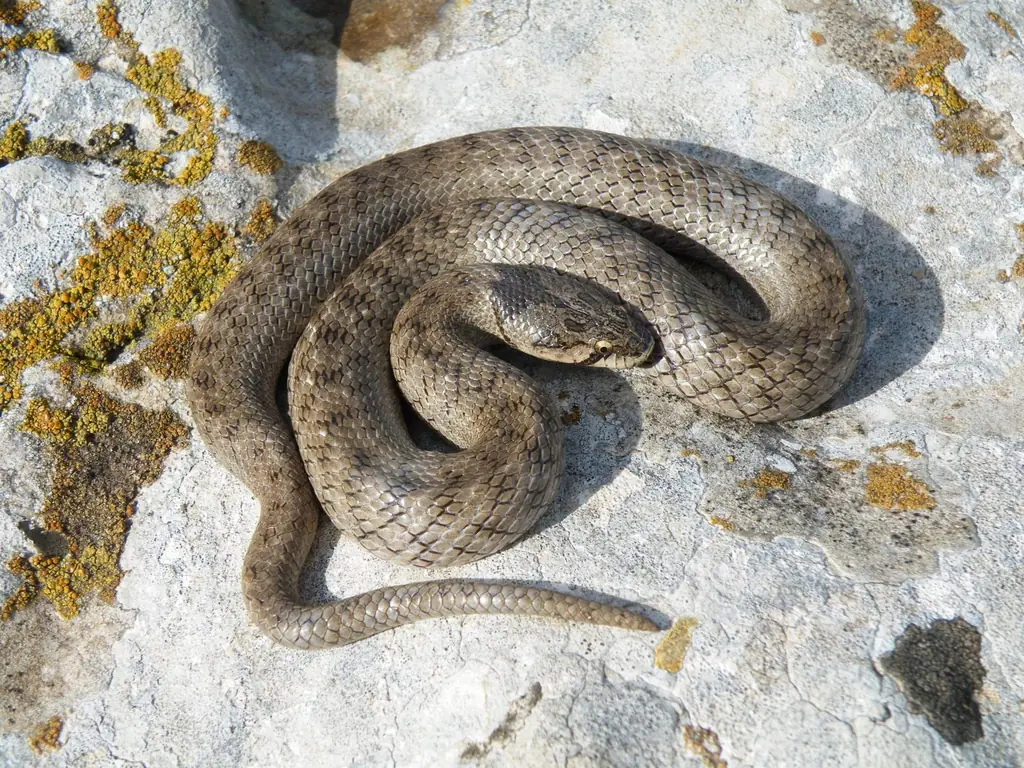
005 · Colubridae
Western False Smooth Snake, Iberian False Smooth Snake
Iberian populations are assigned to brevis in the molecular revision.
Read the species account →Wouter Beukema · CC BY 4.0 · https://creativecommons.org/licenses/by/4.0/
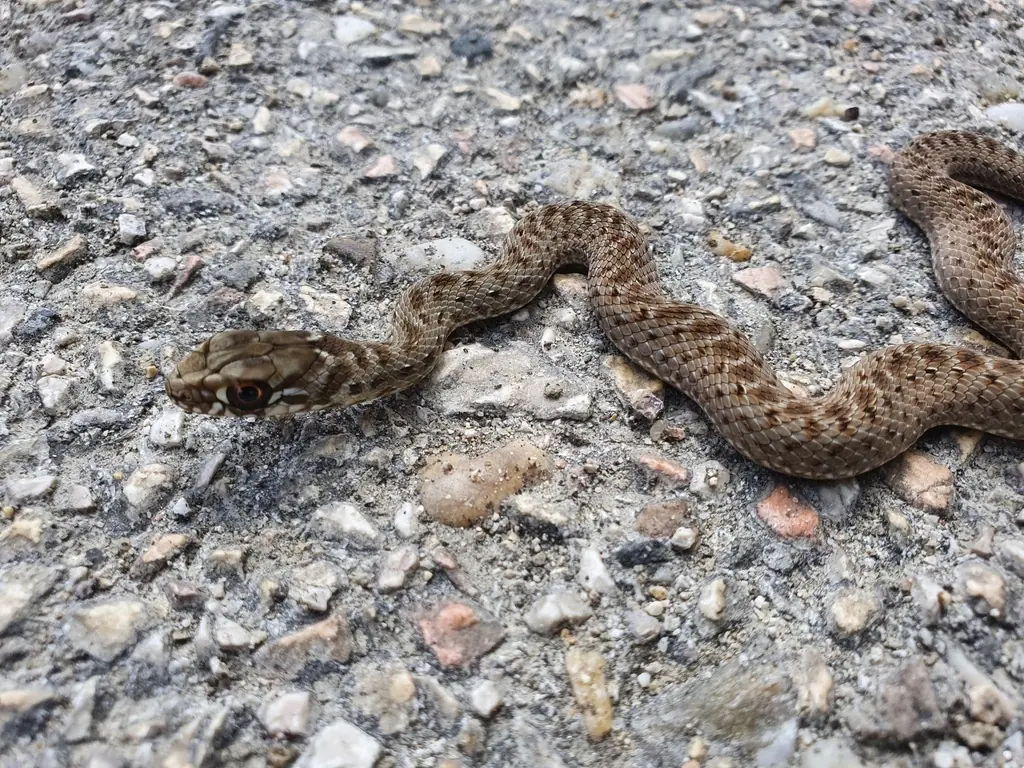
006 · Psammophiidae
Montpellier Snake
Country explicitly listed in the checked taxonomic treatment.
Read the species account →João Valença · CC BY-SA 4.0 · https://creativecommons.org/licenses/by-sa/4.0/
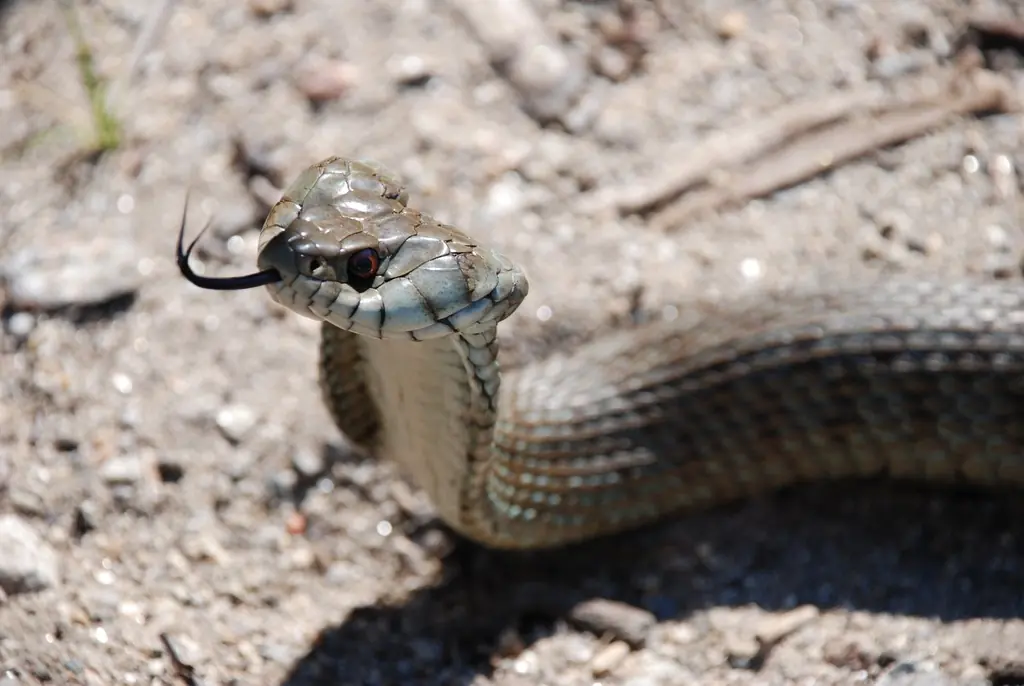
007 · Colubridae
Red-eyed grass snake
Country explicitly listed in the checked taxonomic treatment.
Read the species account →franciscodocampo · CC BY 4.0 · https://creativecommons.org/licenses/by/4.0/
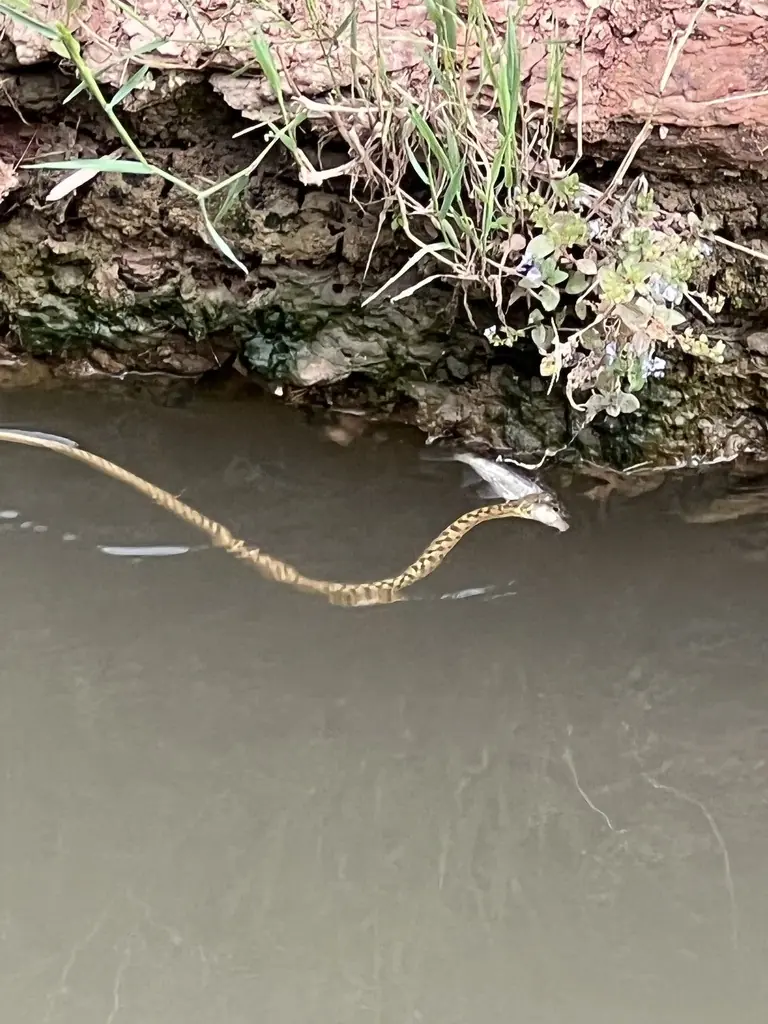
008 · Colubridae
Viperine Water Snake
Country explicitly listed in the checked taxonomic treatment.
Read the species account →Naturalista · CC BY 4.0 · https://creativecommons.org/licenses/by/4.0/
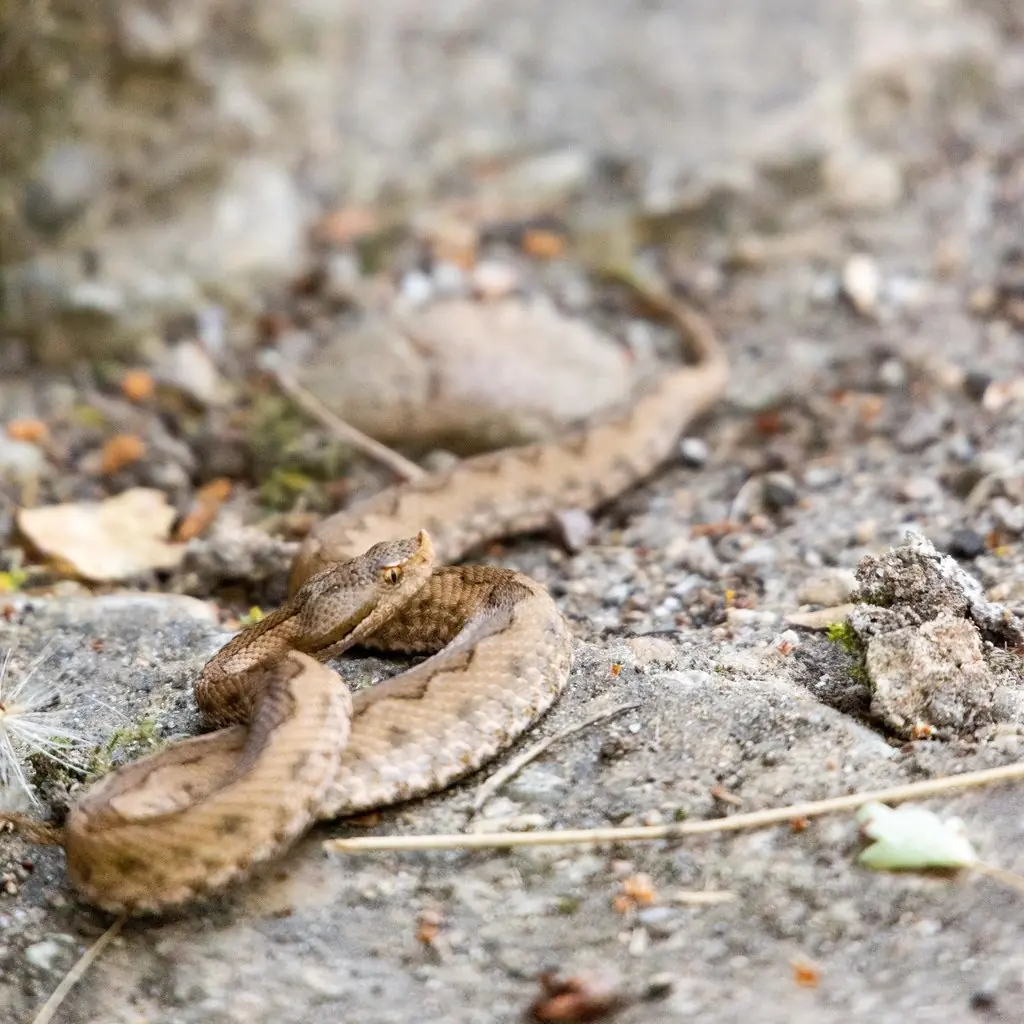
009 · Viperidae
Lataste’s Viper
Country explicitly listed in the checked taxonomic treatment.
Read the species account →euqirneto · CC BY 4.0 · https://creativecommons.org/licenses/by/4.0/
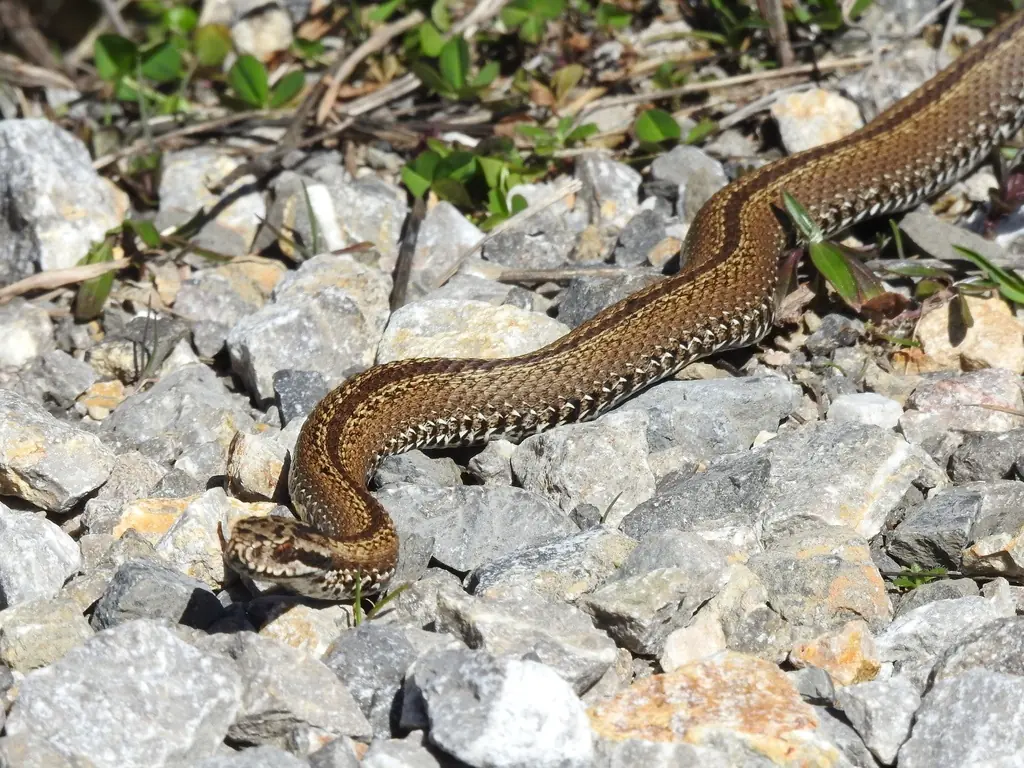
010 · Viperidae
Portugese Viper
Country explicitly listed in the checked taxonomic treatment. The 2005 national assessment identifies three isolated northern populations. These are historical baseline localities, not confirmation of their present population sizes.
Read the species account →Michael Bakker Paiva · CC BY 4.0 · https://creativecommons.org/licenses/by/4.0/
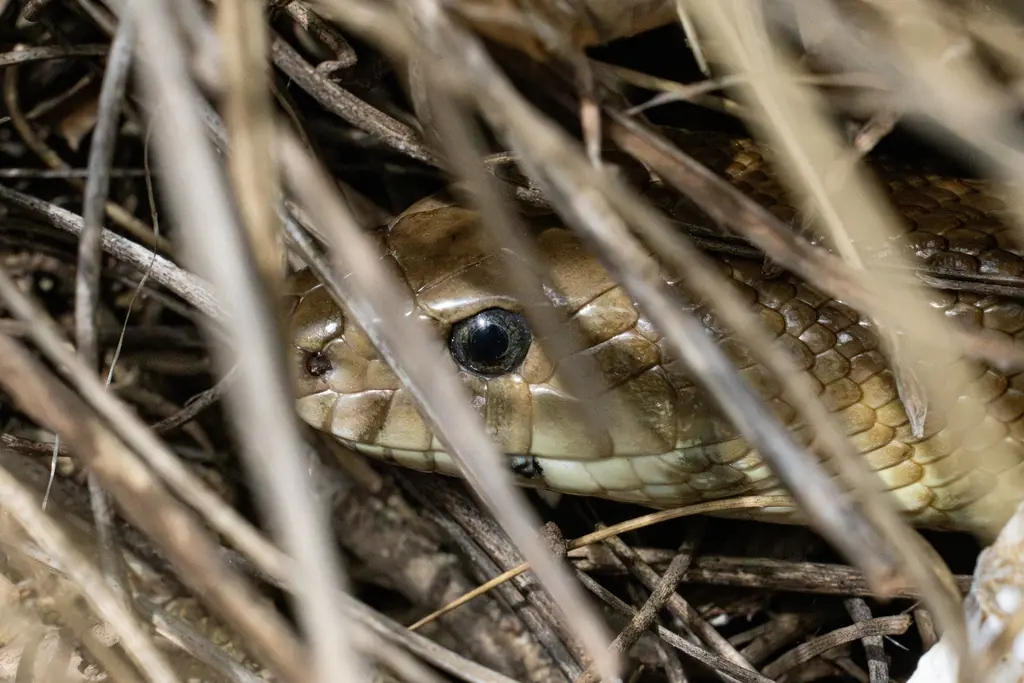
011 · Colubridae
Ladder Snakes
Country explicitly listed in the checked taxonomic treatment.
Read the species account →Diego González Dopico · CC BY 4.0 · https://creativecommons.org/licenses/by/4.0/
The research library
This edition lists 11 species with supported country records from checked taxonomic treatments and cited field studies. This total includes 1 record marked as introduced; it is not a native-species total. It is not a claim of a complete national inventory. Each account retains its source and check date; individual evidence entries retain their own review dates.
11 documented current or explicitly qualified country records. This is a source-backed working inventory; recent national completeness and locality coverage remain under review. This European chapter does not transfer overseas-territory records to mainland Europe.
Individually reviewed taxonomic treatments and cited primary records ↗
Older broad grass-snake labels are not current-identity records; western populations require helvetica or astreptophora reconciliation.
Country links use a single accepted species identity. Revised names and disputed records are kept visible here; uncertain records do not enter the listed collection or regional totals.
Introduced occurrence
Introduced populations; Portuguese evidence here is Madeira and Spanish evidence the Canary Islands, not mainland occurrence. Four specimens from São Martinho in July–August 2012 established the Madeira record; morphology and mitochondrial sequences supported identification. The paper uses the historical genus Ramphotyphlops. It does not document occurrence throughout Madeira or on Porto Santo.
Uncertain — excluded from the listed total
Older broad grass-snake labels are not current-identity records; western populations require helvetica or astreptophora reconciliation.
Search results were checked against distribution text and taxonomic qualifications. A geographic name alone does not establish a political country: New Guinea, the Solomon archipelago and Micronesia span more than one country or territory. Introduced and unresolved records require separate interpretation.
Place counts require explicit named localities, including valid type localities. Counts can overlap where sources name multiple places. Regional maps group historical boundary snapshots for navigation, while island outlines use Natural Earth; neither is a species range or an observation map. Small islands can be below the outline dataset’s resolution, so geographic reference markers and the directory remain available.
DG Territory; geoBoundaries gbOpen ADM1; 2016; Open Data Commons Open Database License 1.0. Generalised navigation outlines, not species ranges. Map provenance →
Individual treatments and locality evidence are linked from each species account.
Species-level literature measurements and ecological traits. Exact-name matches only; imputed or ambiguous fields are omitted. These summaries are not local observations.