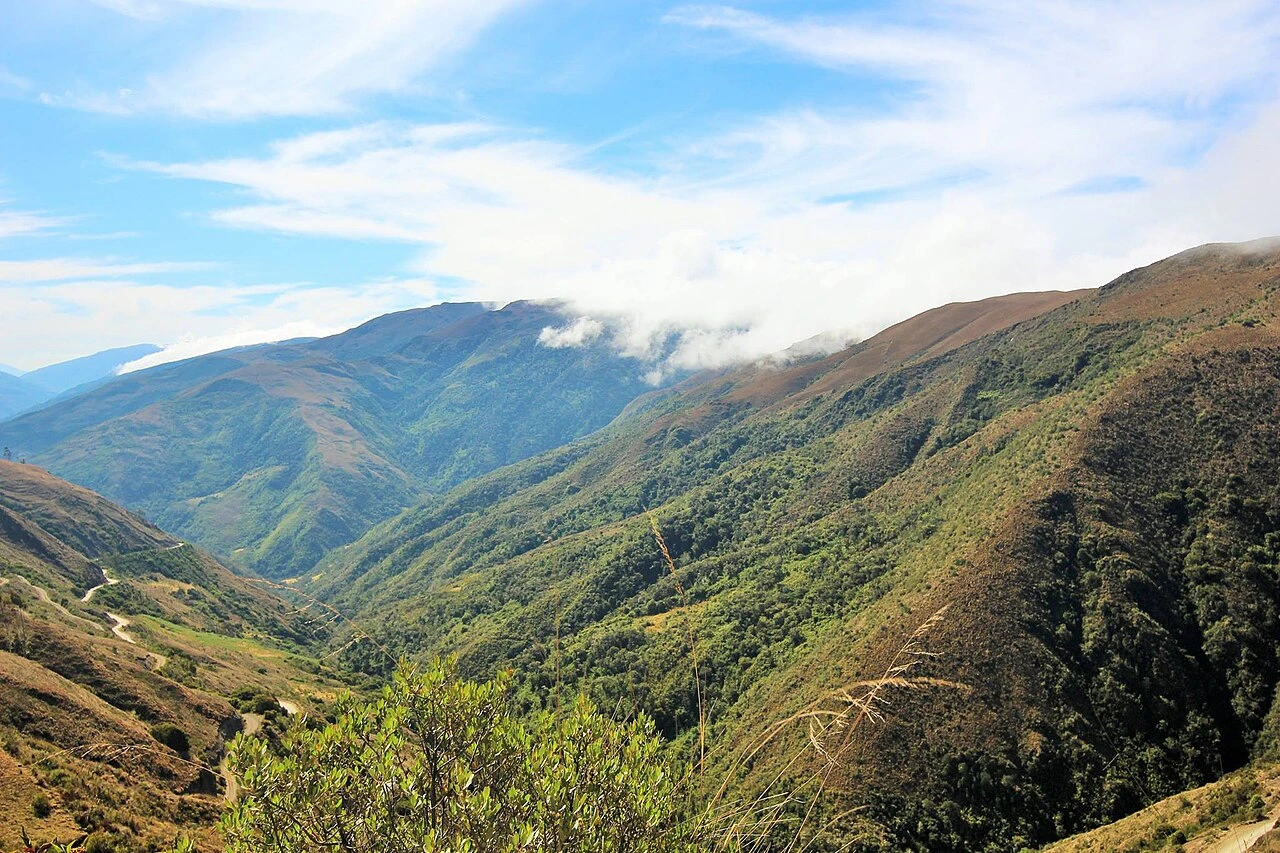
Forested mountain slopes in Manu National Park, Peru.

Peru · Habitat field guide

Forest & woodland

The national profile distinguishes rainforest, dry forest and coastal carob woodland. Keep moisture regime and vegetation structure with the original locality instead of treating all tree cover as equivalent.

Forested mountain slopes in Manu National Park, Peru.

Photograph: Ludovico Alcorta · Image source · CC BY-SA 4.0. Cropped to fill the hero; darkened for text legibility.

Understanding the environment

A sense of the habitat.

The national profile distinguishes rainforest, dry forest and coastal carob woodland. Keep moisture regime and vegetation structure with the original locality instead of treating all tree cover as equivalent.

Geographic scope
Peru; retain the named source locality.
Evidence scale
Landscape descriptions are separate from species records.
Source date
Retain the original publication date; reviewed 17 October 2026.

Explore the structure · Select a layer to compare details retained in a field record.

Read the locality in three layers.

Select a zone to see what changes.

Canopy

Canopy

Distinguish closed crowns, open woodland and planted trees.

Check the original species record before assigning habitat use.

These reading prompts are conceptual, not a transect or an occurrence map.

Sources: Convention on Biological Diversity · Peru national profile

Field notes · 01

The documented setting

The national profile distinguishes rainforest, dry forest and coastal carob woodland. Keep moisture regime and vegetation structure with the original locality instead of treating all tree cover as equivalent.

Sources: Convention on Biological Diversity · Peru national profile

Field notes · 02

Connect the setting to a species

The country landscape and a species habitat association answer different questions. Follow the species account for direct habitat evidence. An empty collection indicates missing extracted evidence, not biological absence.

Pressures on Peru’s habitats

What is at risk?

A site-specific assessment of pressures has not yet been extracted for this guide. The landscape sources below provide context; they do not establish a current threat level for each snake species.

What helps this habitat

Read conservation pressures with their source date and locality; a landscape-level pressure is not a measured decline for every snake.

The connected collection

Snakes with habitat evidence.

These 69 species have supported country occurrence and an explicit habitat association in the shared account. The association may come from elsewhere in their range. This is not a complete local habitat inventory; the places above are landscape examples, not asserted collecting sites.

69 species · showing 24

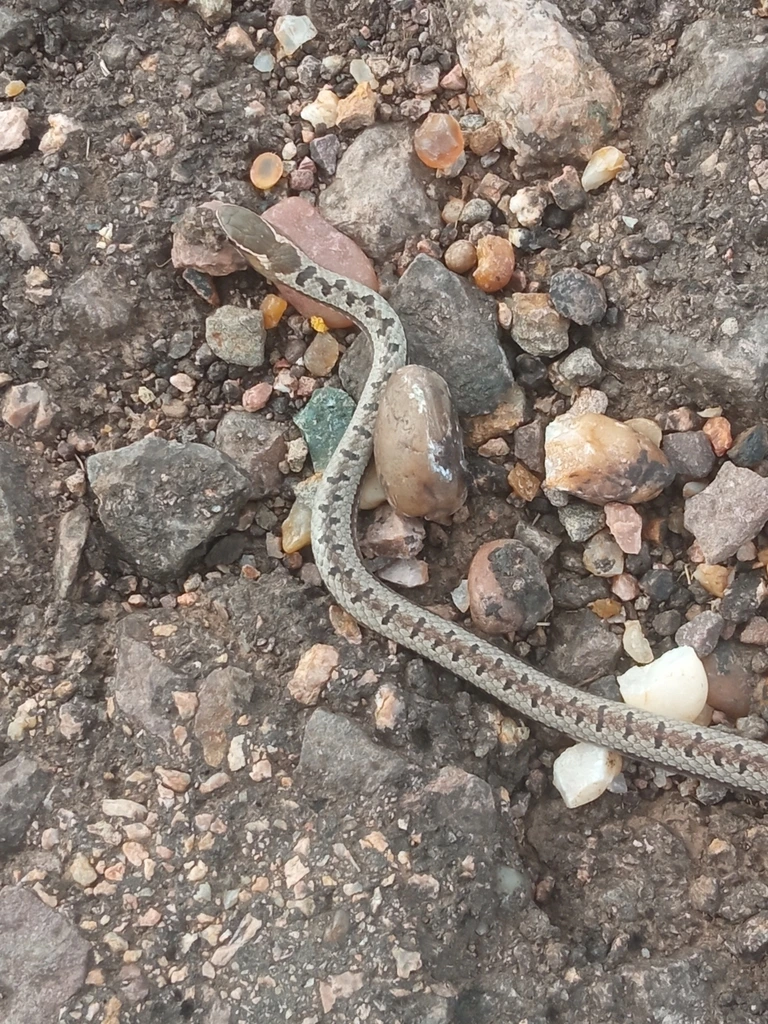
Adelphostigma occipitalis. Patterned individual on a gravelly surface, with the head visible. Original observation dated 2022-03-04. Portrait only; no new locality record is inferred.

001 · Colubridae

Species account

Adelphostigma occipitalis

(JAN, 1863)

Venom unknownNot yet assessed

The checked taxonomic distribution account explicitly lists Peru. Country-level evidence does not establish continuous occupancy or a complete national inventory.

Read the species account →

Gonzalo Rodriguez · CC BY 4.0 · https://creativecommons.org/licenses/by/4.0/
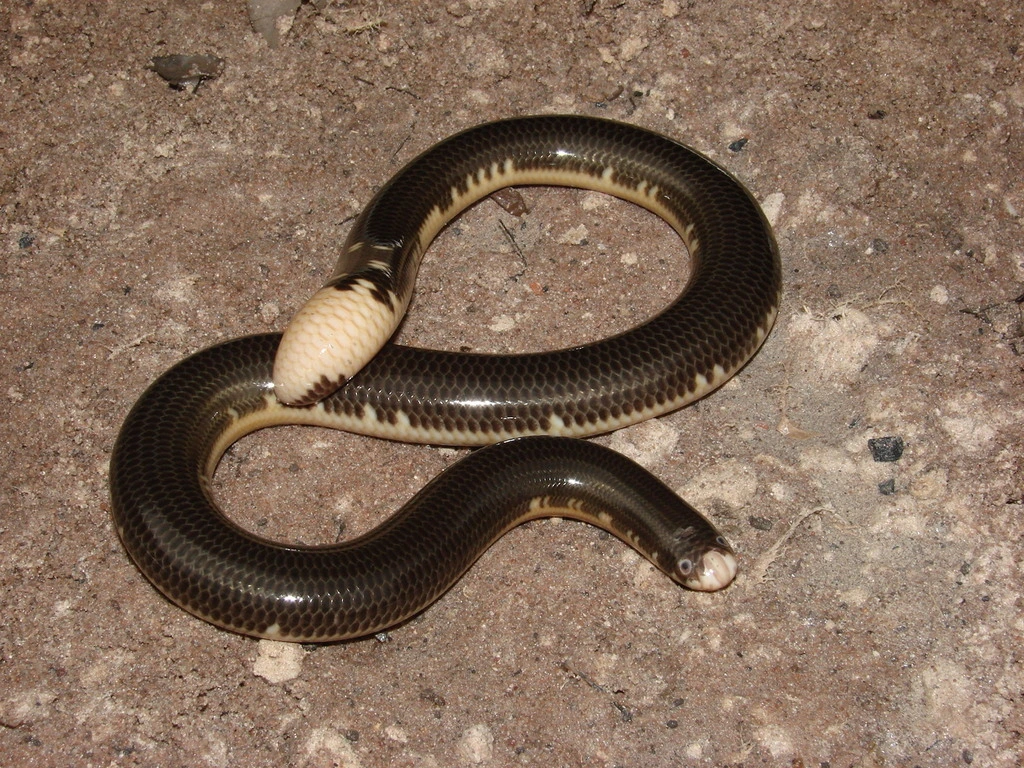
Amerotyphlops reticulatus. The complete source frame is retained; this portrait is not locality or habitat evidence. Original observation dated 2006-09-07. No additional geographic occurrence is inferred.

002 · Typhlopidae

Reticulate Worm Snake

Amerotyphlops reticulatus

(LINNAEUS, 1758)

Non-venomous

The checked taxonomic distribution account explicitly lists Peru. Country-level evidence does not establish continuous occupancy or a complete national inventory.

Read the species account →

Reuber Brandão · CC BY 4.0 · https://creativecommons.org/licenses/by/4.0/
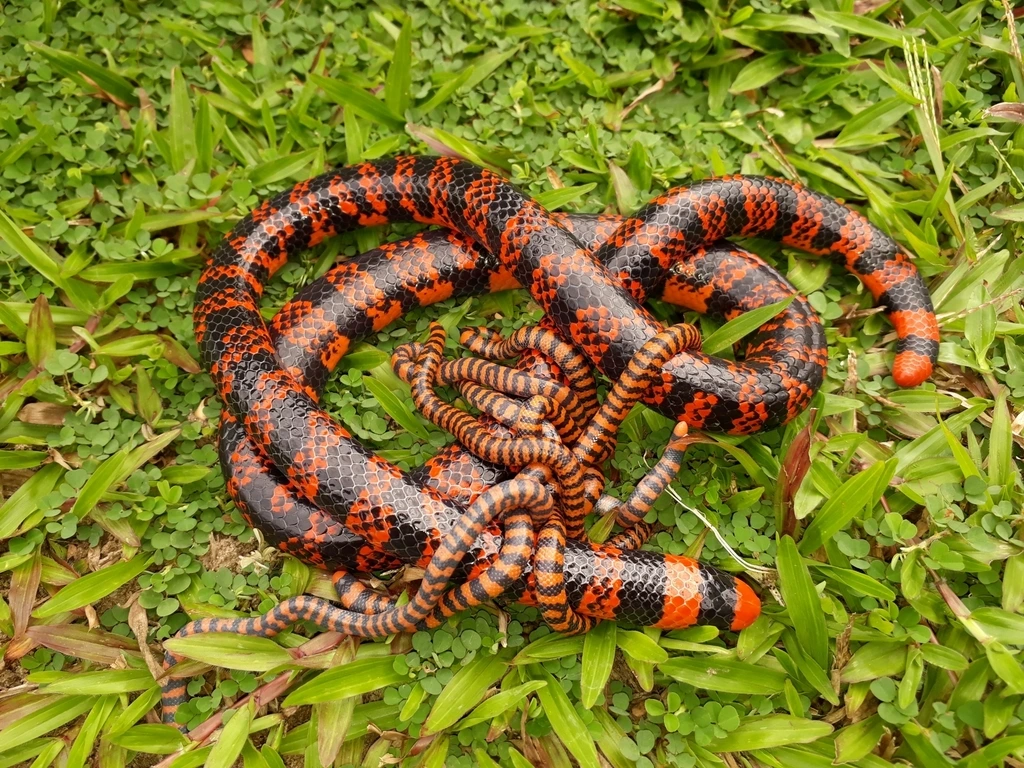
Anilius scytale. An adult and smaller individuals photographed together; full source frame retained. Original observation dated 2018-10-25. No additional geographic occurrence is inferred.

003 · Aniliidae

Coral Cylinder Snakes

Anilius scytale

(LINNAEUS, 1758)

Venom unknownNot yet assessed

The checked taxonomic distribution account explicitly lists Peru. Country-level evidence does not establish continuous occupancy or a complete national inventory.

Read the species account →

Rafael Bernhard · CC BY 4.0 · https://creativecommons.org/licenses/by/4.0/
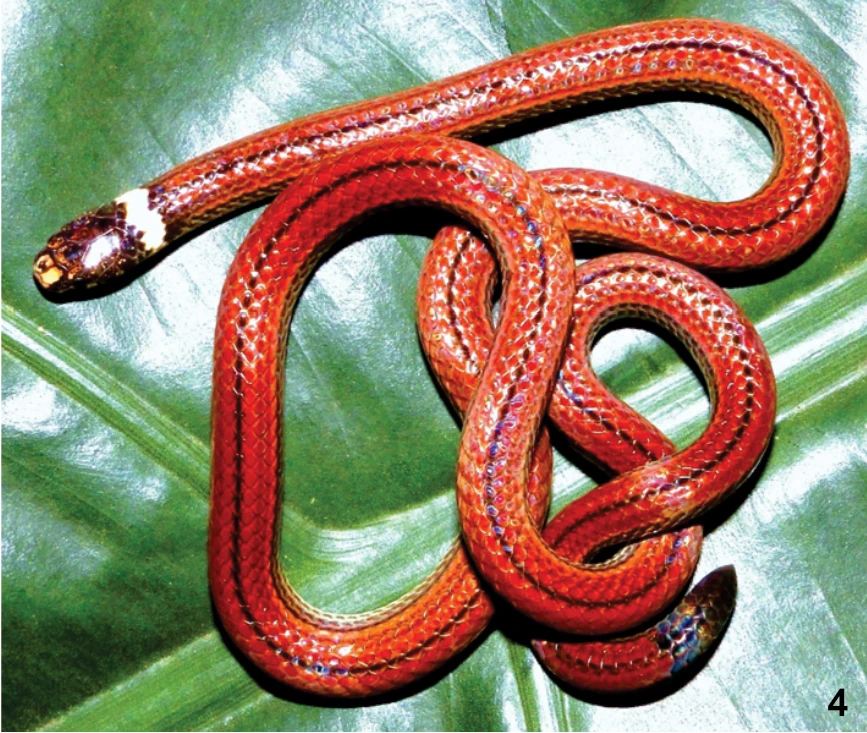
Apostolepis nigroterminata. Red and black-marked specimen on a green leaf, published as figure 4 in the source paper. Portrait only; no wild locality or habitat record is inferred.

004 · Colubridae

Peru Burrowing Snake, Peru Blackhead

Apostolepis nigroterminata

BOULENGER, 1896

Venom unknownNot yet assessed

The checked taxonomic distribution account explicitly lists Peru. Country-level evidence does not establish continuous occupancy or a complete national inventory.

Read the species account →

Danyella Paiva da Silva / dos Santos et al. (2018) · CC BY 4.0 · https://creativecommons.org/licenses/by/4.0

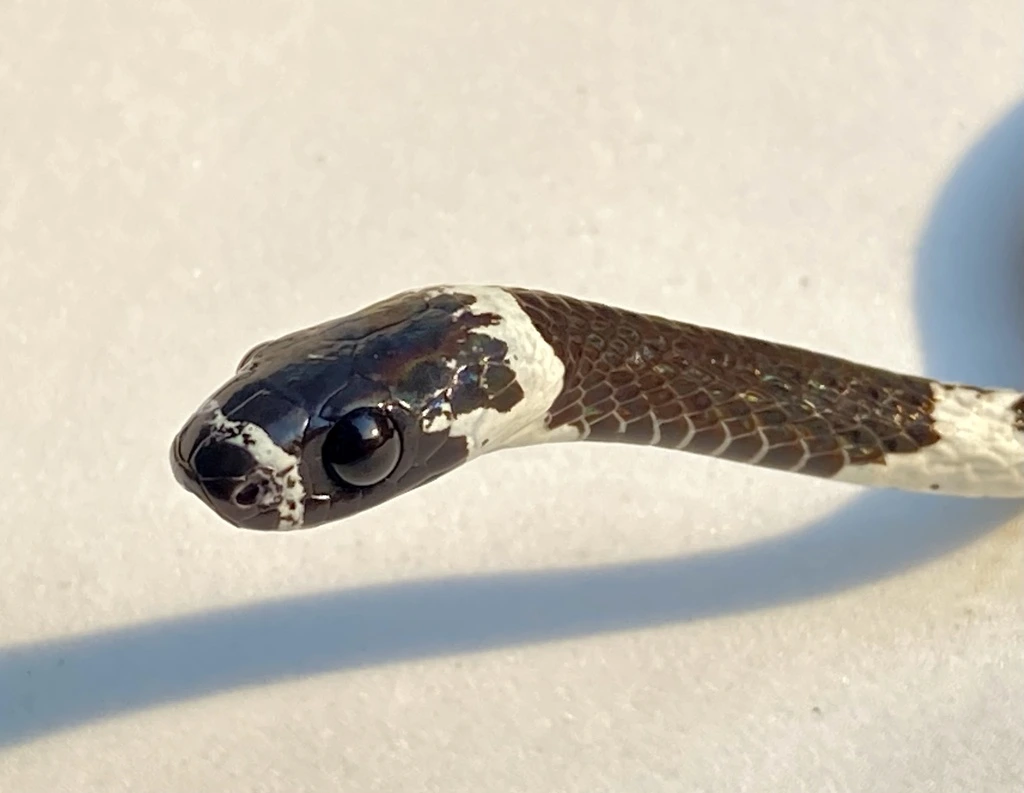
Atractus elaps. Head detail of the observed individual. Original observation dated 2021-07-05. Portrait only; no new locality or habitat record is inferred.

005 · Colubridae

Black Ground Snake

Atractus elaps

(GÜNTHER, 1858)

Non-venomous

The checked taxonomic distribution account explicitly lists Peru. Country-level evidence does not establish continuous occupancy or a complete national inventory.

Read the species account →

Kristof Zyskowski · CC BY 4.0 · https://creativecommons.org/licenses/by/4.0/
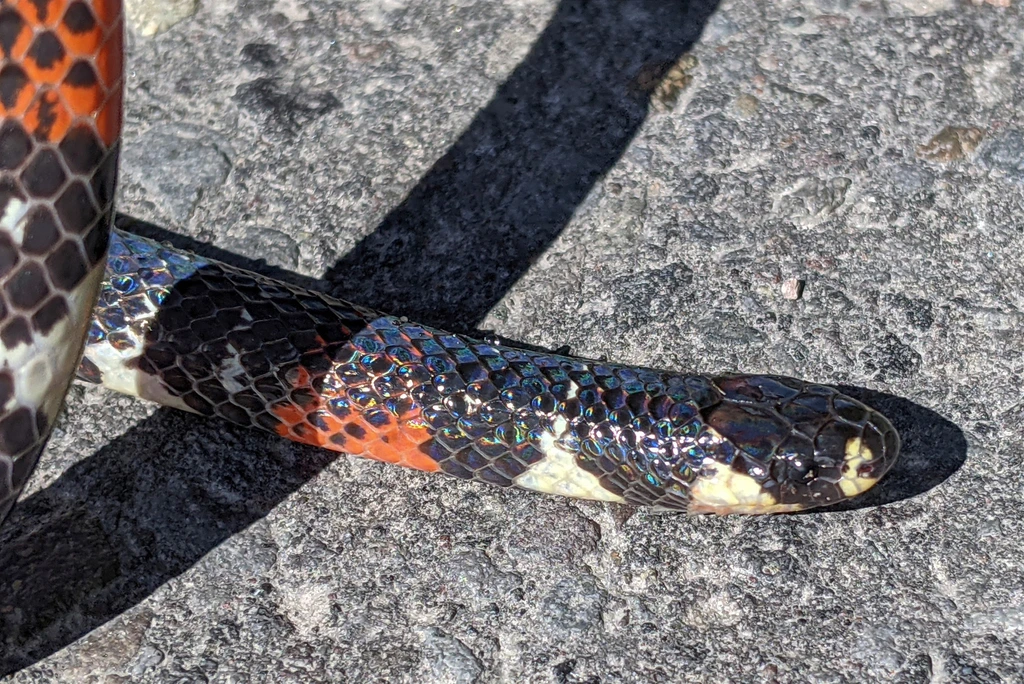
Atractus emmeli. Head and anterior body on bare ground. Original observation dated 2023-04-15. No additional geographic occurrence is inferred.

006 · Colubridae

Emmel's Ground Snake

Atractus emmeli

(BOETTGER, 1888)

Non-venomous

The checked taxonomic distribution account explicitly lists Peru. Country-level evidence does not establish continuous occupancy or a complete national inventory. The treatment names these subdivisions in its Peru distribution clause: Ucayali, Junín, Junin, Cusco, Loreto. They are assigned to the declared atlas navigation groups; this is not a field…

Read the species account →

Vincent A. Vos · CC BY 4.0 · https://creativecommons.org/licenses/by/4.0/
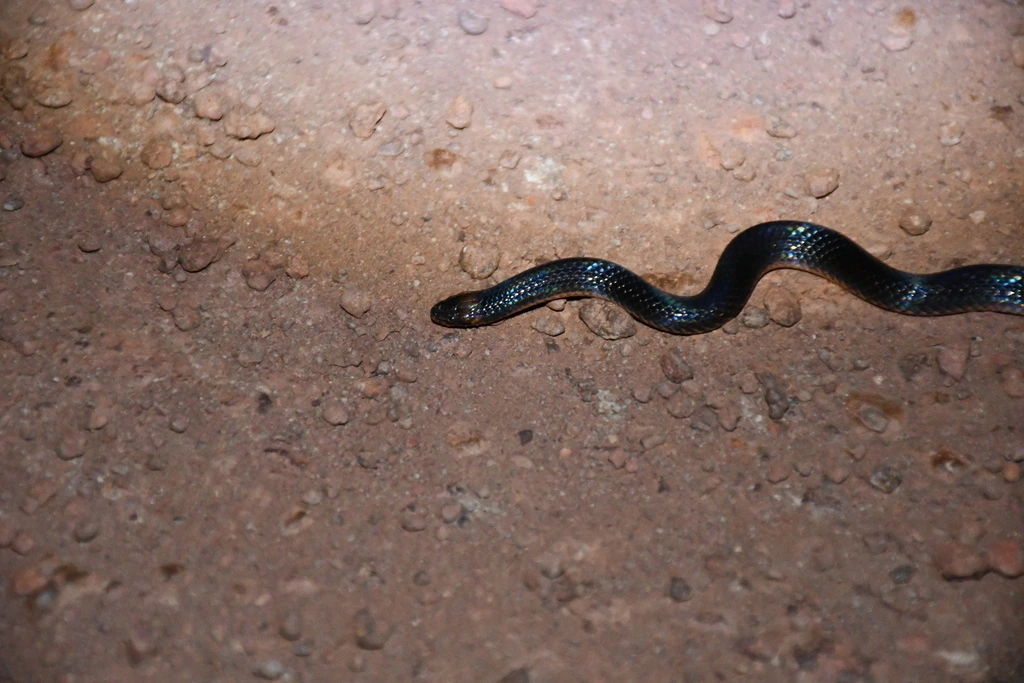
Atractus major. The complete source frame is retained; this portrait is not locality or habitat evidence. Original observation dated 2021-11-09. No additional geographic occurrence is inferred.

007 · Colubridae

Brown Ground Snake, Big Ground Snake

Atractus major

BOULENGER, 1894

Non-venomous

The checked taxonomic distribution account explicitly lists Peru. Country-level evidence does not establish continuous occupancy or a complete national inventory.

Read the species account →

Hemminki Johan · CC BY 4.0 · https://creativecommons.org/licenses/by/4.0/
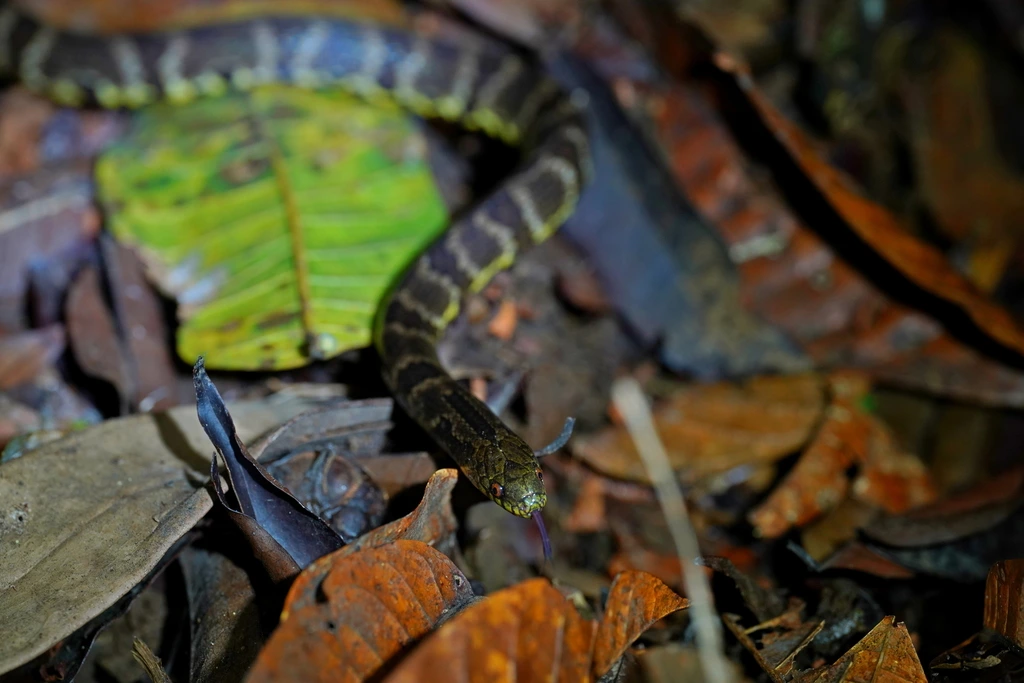
Atractus microrhynchus, living specimen MZUTI 5109. Figure 2, panel m, Arteaga et al. (2017). Isolated scientific photograph; no new occurrence record is inferred.

008 · Colubridae

Species account

Atractus microrhynchus

(COPE, 1868)

Non-venomous

The checked taxonomic distribution account explicitly lists Peru. Country-level evidence does not establish continuous occupancy or a complete national inventory. The treatment names these subdivisions in its Peru distribution clause: Tumbes. They are assigned to the declared atlas navigation groups; this is not a field observation, a whole-region range…

Read the species account →

Alejandro Arteaga; Konrad Mebert; Jorge H. Valencia; Diego F. Cisneros-Heredia; Nicolás Peñafiel; Carolina Reyes-Puig; José L. Vieira-Fernandes; Juan M. Guayasamin · CC BY 4.0 · https://creativecommons.org/licenses/by/4.0/
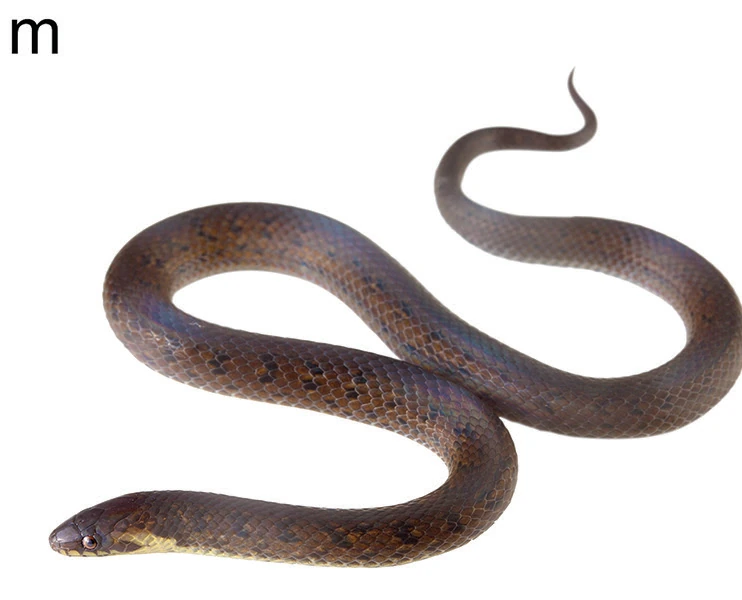
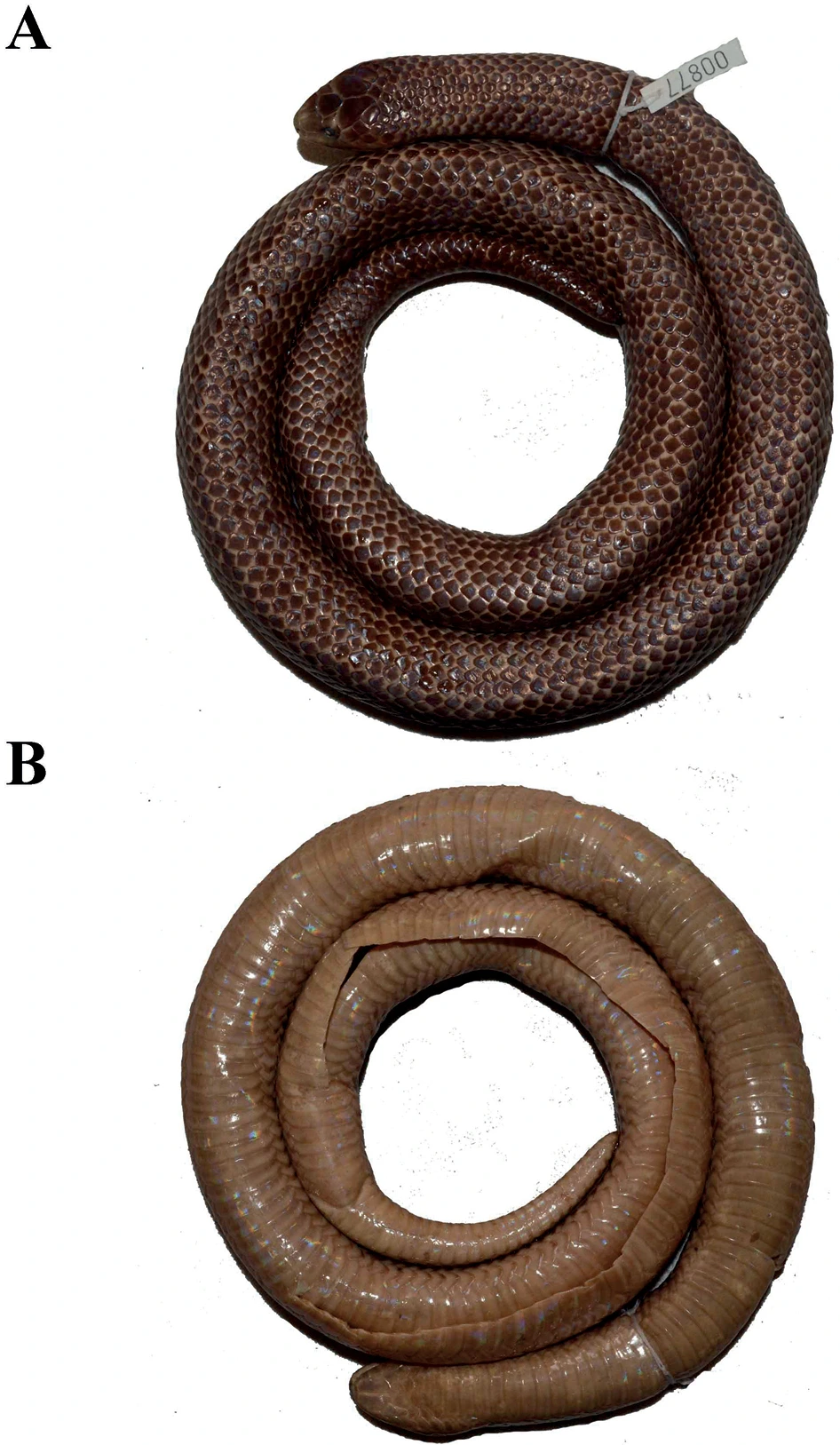
Atractus paulus holotype CORBIDI 877, dorsal and ventral views, original Figure 1. Preserved museum specimen; colours may differ from life. No new occurrence or habitat inferred. Portrait only.

009 · Colubridae

Species account

Atractus paulus

MELO-SAMPAIO & VENEGAS, 2023

Non-venomous

The checked taxonomic distribution account explicitly lists Peru. Country-level evidence does not establish continuous occupancy or a complete national inventory. The treatment names these subdivisions in its Peru distribution clause: Cajamarca. They are assigned to the declared atlas navigation groups; this is not a field observation, a whole-region…

Read the species account →

Paulo R. Melo-Sampaio and Pablo J. Venegas · CC BY 4.0 · https://creativecommons.org/licenses/by/4.0/
Atractus snethlageae. The complete source frame is retained; this portrait is not locality or habitat evidence. Original observation dated 2017-06-05. No additional geographic occurrence is inferred.

010 · Colubridae

Species account

Atractus snethlageae

CUNHA & NASCIMENTO, 1983

Non-venomous

The checked taxonomic distribution account explicitly lists Peru. Country-level evidence does not establish continuous occupancy or a complete national inventory. The treatment names these subdivisions in its Peru distribution clause: Cajamarca, San Martín, San Martin, Ucayali, Madre de Dios. They are assigned to the declared atlas navigation groups;…

Read the species account →

Whaldener Endo · CC0 1.0 · https://creativecommons.org/publicdomain/zero/1.0/

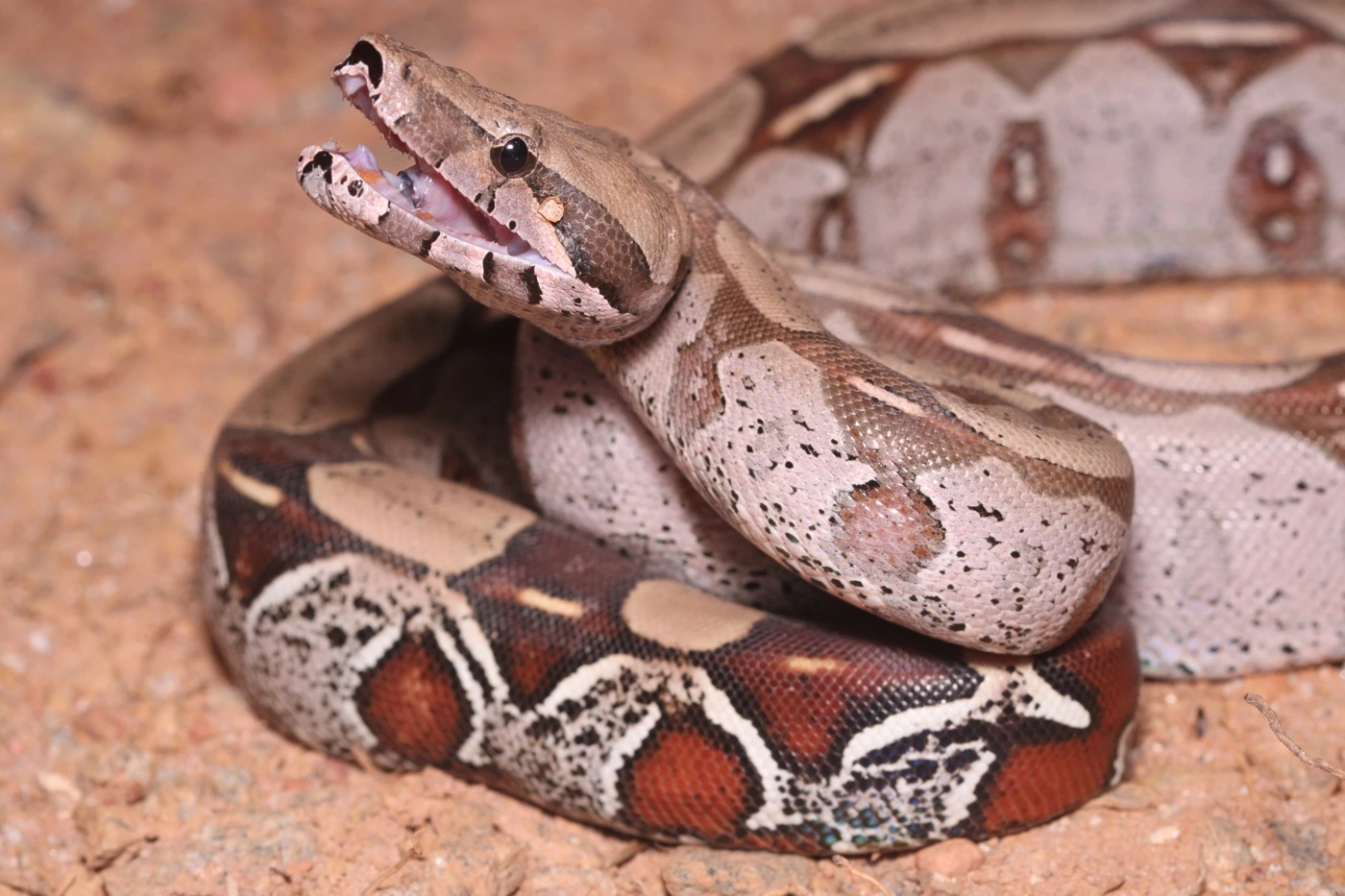
Boa constrictor. Species portrait from the credited source. No additional state, province or wild occurrence is inferred. Original watermarks, where present, are retained.

011 · Boidae

Boa Constrictor

Boa constrictor

LINNAEUS, 1758

Non-venomous

The checked taxonomic distribution account explicitly lists Peru. Country-level evidence does not establish continuous occupancy or a complete national inventory.

Read the species account →

Arnaud Aury · CC BY 4.0 · https://creativecommons.org/licenses/by/4.0

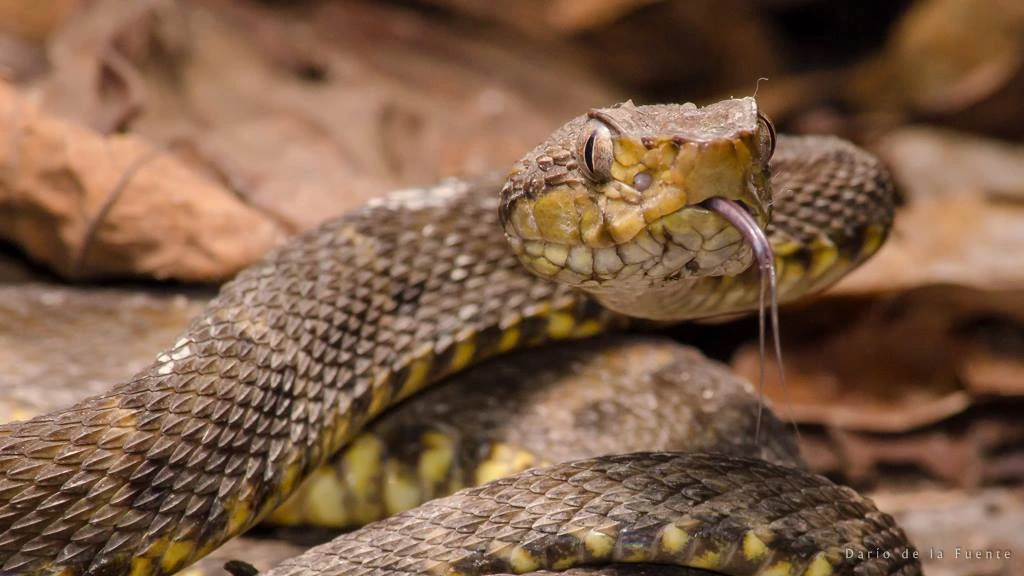
Bothrops atrox, photographed by Darío De la Fuente. Portrait only; no wild locality or habitat record is inferred.

012 · Viperidae

Barba Amarilla, Fer-de-Lance, common lancehead

Bothrops atrox

(LINNAEUS, 1758)

VenomousClinical severity not established

The checked taxonomic distribution account explicitly lists Peru. Country-level evidence does not establish continuous occupancy or a complete national inventory.

Read the species account →

Darío De la Fuente · CC BY 4.0 · https://creativecommons.org/licenses/by/4.0

Bothrops bilineatus. The complete source frame is retained; this portrait is not locality or habitat evidence. Original observation dated 2018-11-30. No additional geographic occurrence is inferred.

013 · Viperidae

Green Jararaca

Bothrops bilineatus

(WIED-NEUWIED, 1821)

VenomousClinical severity not established

The checked taxonomic distribution account explicitly lists Peru. Country-level evidence does not establish continuous occupancy or a complete national inventory. The treatment names these subdivisions in its Peru distribution clause: Pasco. They are assigned to the declared atlas navigation groups; this is not a field observation, a whole-region range…

Read the species account →

B. Phalan · CC BY 4.0 · https://creativecommons.org/licenses/by/4.0/
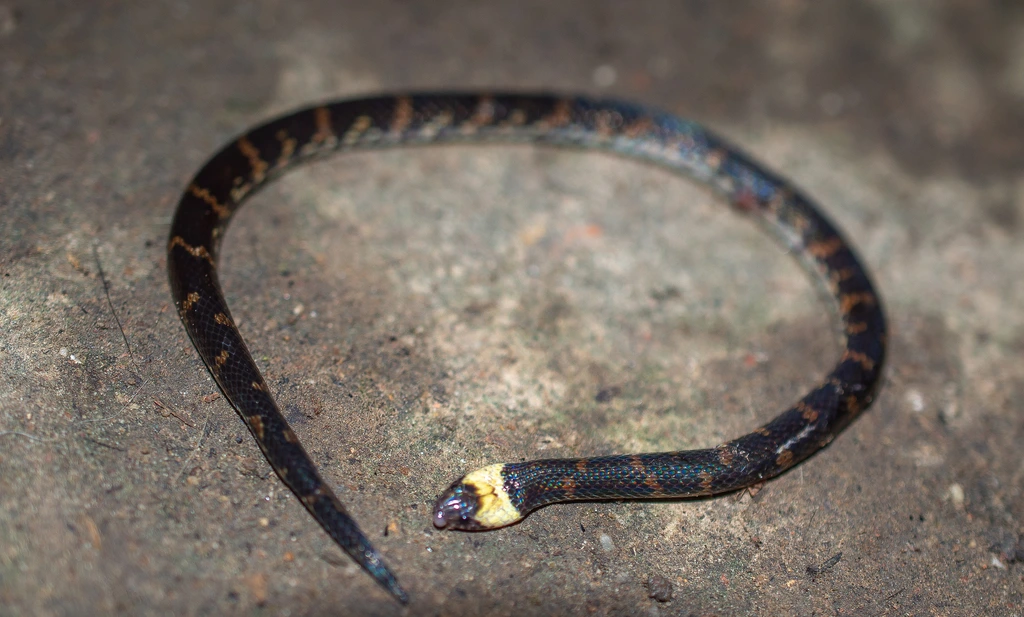
Chironius exoletus. The complete source frame is retained; this portrait is not locality or habitat evidence. Original observation dated 2020-06-14. No additional geographic occurrence is inferred.

014 · Colubridae

Linnaeus' Sipo

Chironius exoletus

(LINNAEUS, 1758)

Venom unknownNot yet assessed

The checked taxonomic distribution account explicitly lists Peru. Country-level evidence does not establish continuous occupancy or a complete national inventory.

Read the species account →

Mario Barroso · CC BY 4.0 · https://creativecommons.org/licenses/by/4.0/
Chironius fuscus. The complete source frame is retained; this portrait is not locality or habitat evidence. Original observation dated 2026-08-05. No additional geographic occurrence is inferred.

015 · Colubridae

Brown Sipo

Chironius fuscus

(LINNAEUS, 1758)

Venom unknownNot yet assessed

The checked taxonomic distribution account explicitly lists Peru. Country-level evidence does not establish continuous occupancy or a complete national inventory.

Read the species account →

Sebastian Doak · CC BY 4.0 · https://creativecommons.org/licenses/by/4.0/
Chironius monticola. Two individuals photographed on ground vegetation and leaf litter. Original observation dated 2023-05-28. No additional geographic occurrence is inferred.

016 · Colubridae

Mountain Sipo

Chironius monticola

ROZE, 1952

Venom unknownNot yet assessed

The checked taxonomic distribution account explicitly lists Peru. Country-level evidence does not establish continuous occupancy or a complete national inventory.

Read the species account →

Thibaud Aronson · CC BY-SA 4.0 · https://creativecommons.org/licenses/by-sa/4.0/

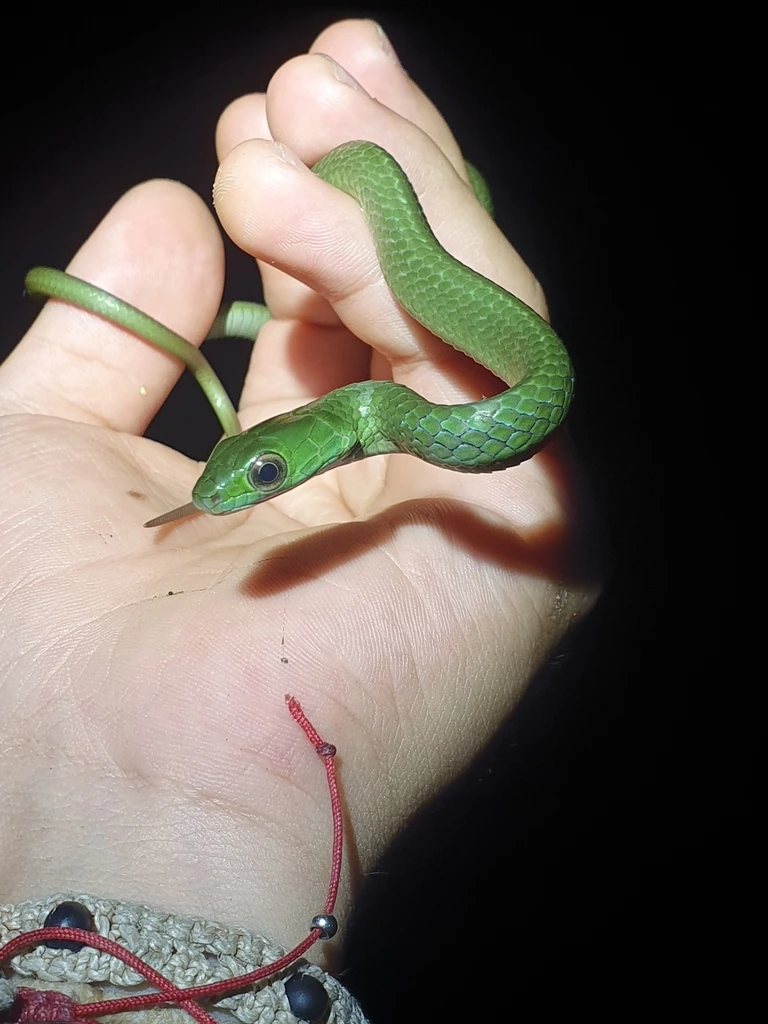
Chironius scurrula. Photographed while held; the handling context is retained in the complete source frame. Original observation dated 2023-03-08. No additional geographic occurrence is inferred.

017 · Colubridae

Wagler's Sipo, harlequin snake

Chironius scurrula

(WAGLER, 1824)

Venom unknownNot yet assessed

The checked taxonomic distribution account explicitly lists Peru. Country-level evidence does not establish continuous occupancy or a complete national inventory.

Read the species account →

Benjamin Hidalgo · CC BY 4.0 · https://creativecommons.org/licenses/by/4.0/
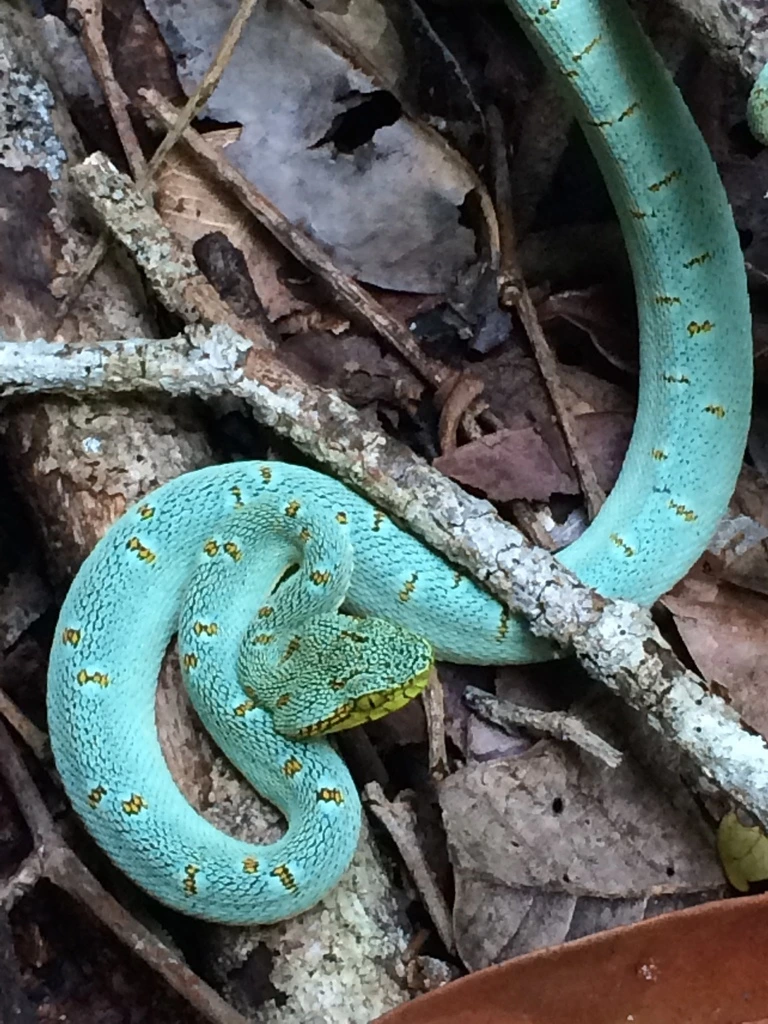
Chlorosoma viridissimum. The complete source frame is retained; this portrait is not locality or habitat evidence. Original observation dated 2008-04-11. No additional geographic occurrence is inferred.

018 · Colubridae

Common Green Racer

Chlorosoma viridissimum

(LINNAEUS, 1758)

VenomousClinical severity not established

The checked taxonomic distribution account explicitly lists Peru. Country-level evidence does not establish continuous occupancy or a complete national inventory.

Read the species account →

Fábio Olmos · CC BY 4.0 · https://creativecommons.org/licenses/by/4.0/
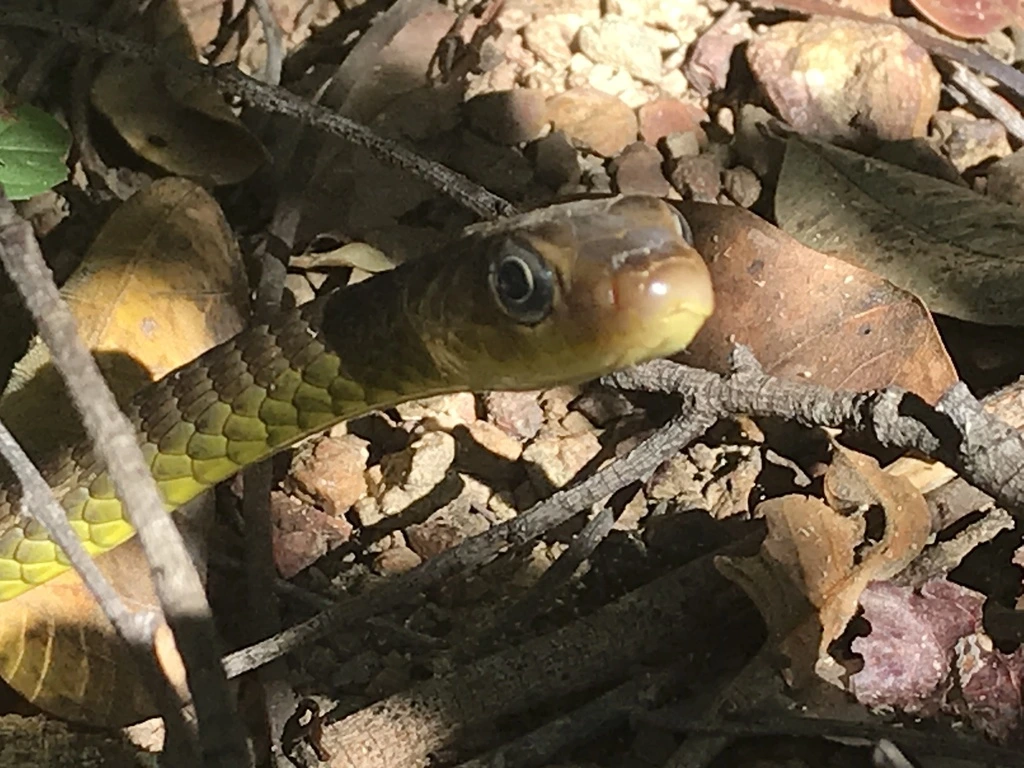
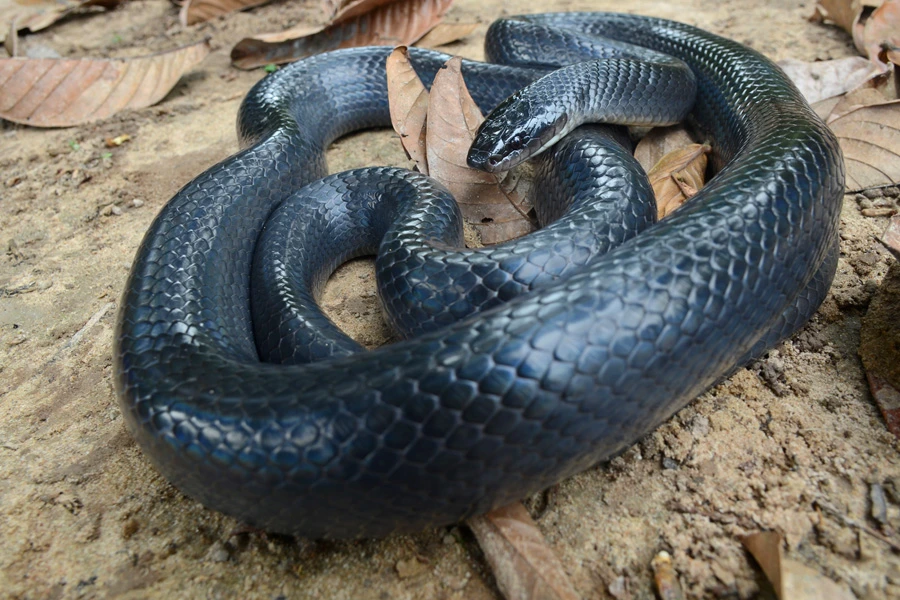
Clelia clelia. Glossy dark individual coiled on leaf litter. Portrait only; no wild locality or habitat record is inferred.

019 · Colubridae

Windward Cribo, Black Mussurana

Clelia clelia

(DAUDIN, 1803)

Venom unknownNot yet assessed

The checked taxonomic distribution account explicitly lists Peru. Country-level evidence does not establish continuous occupancy or a complete national inventory.

Read the species account →

Geoff Gallice ( https://www.flickr.com/photos/dejeuxx/ ) · CC BY 2.0 · https://creativecommons.org/licenses/by/2.0

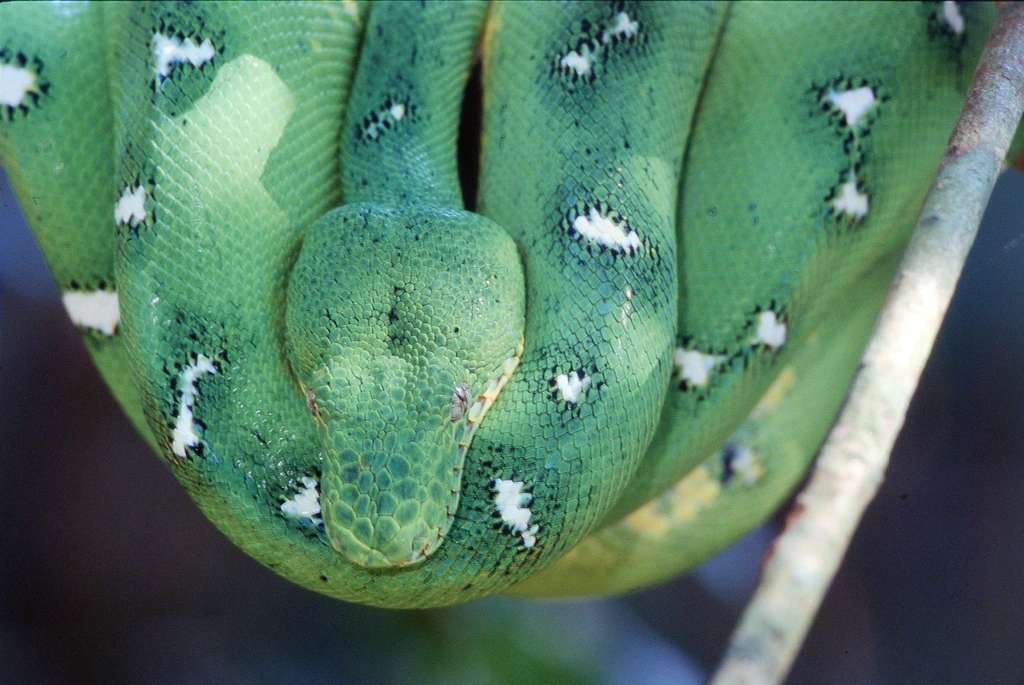
Corallus batesii. Close view of the head and coiled green body on a branch. Original observation dated 1999-08-10. No additional geographic occurrence is inferred.

020 · Boidae

Species account

Corallus batesii

(GRAY, 1860)

Non-venomous

The checked taxonomic distribution account explicitly lists Peru. Country-level evidence does not establish continuous occupancy or a complete national inventory.

Read the species account →

Kyle Van Houtan · CC BY 4.0 · https://creativecommons.org/licenses/by/4.0/
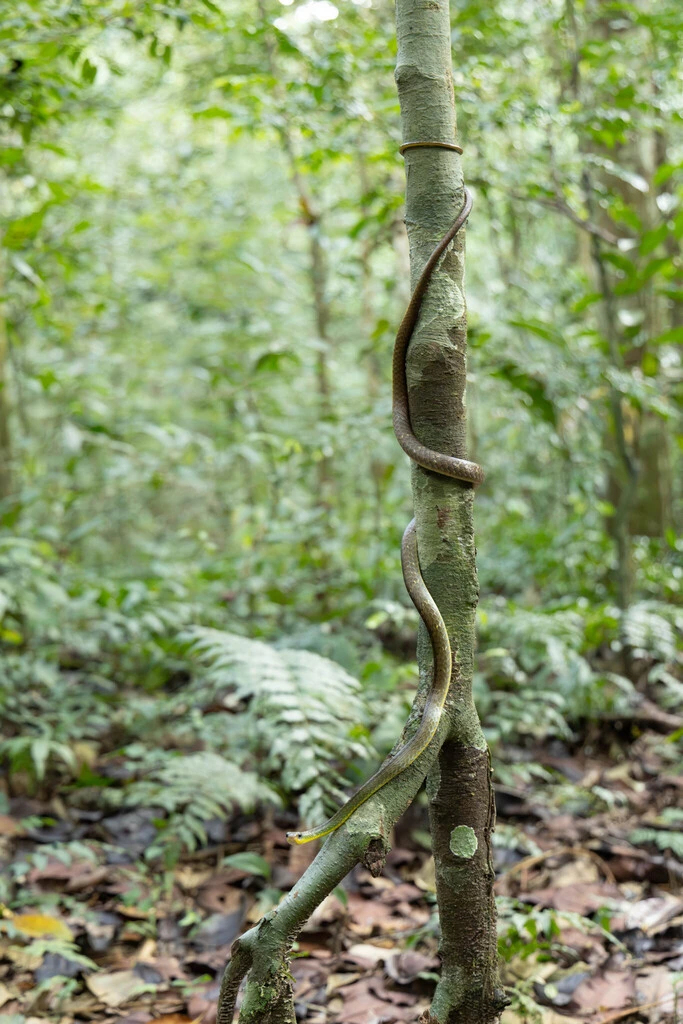
Dendrophidion dendrophis. The complete source frame is retained; this portrait is not locality or habitat evidence. Original observation dated 2021-12-07. No additional geographic occurrence is inferred.

021 · Colubridae

Olive Forest Racer

Dendrophidion dendrophis

(SCHLEGEL, 1837)

Venom unknownNot yet assessed

The checked taxonomic distribution account explicitly lists Peru. Country-level evidence does not establish continuous occupancy or a complete national inventory.

Read the species account →

Guillaume Delaitre · CC BY 4.0 · https://creativecommons.org/licenses/by/4.0/
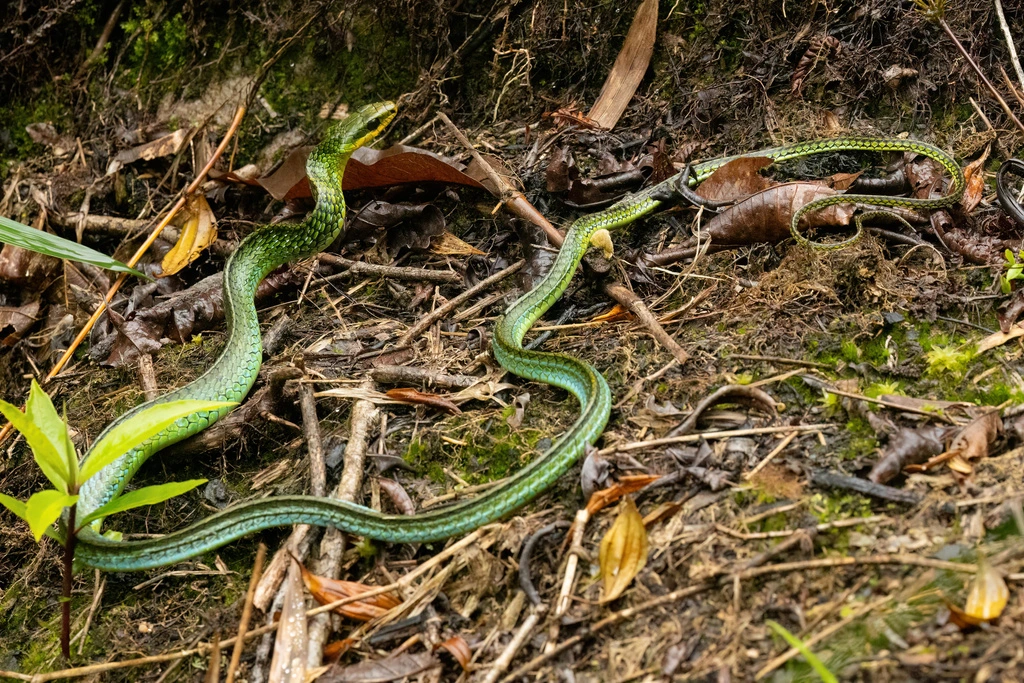
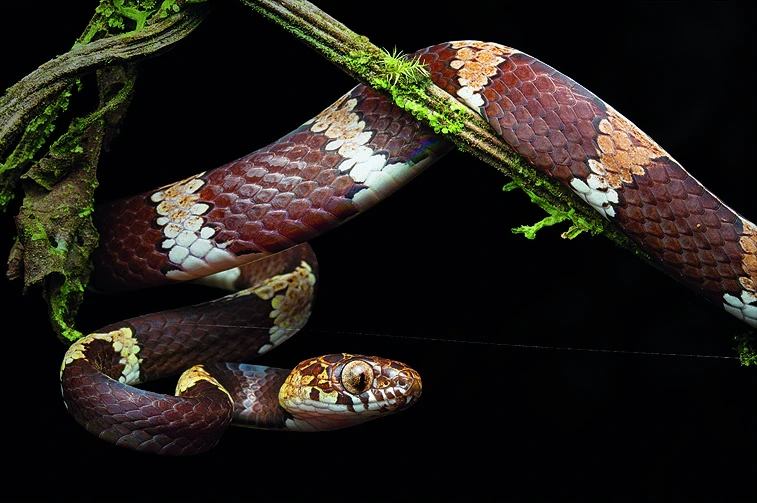
Dipsas catesbyi. The complete source frame is retained; this portrait is not locality or habitat evidence. Original observation dated 2022-03-23. No additional geographic occurrence is inferred.

022 · Colubridae

Catesby's Snail-eater

Dipsas catesbyi

(SENTZEN, 1796)

Venom unknownNot yet assessed

The checked taxonomic distribution account explicitly lists Peru. Country-level evidence does not establish continuous occupancy or a complete national inventory. The treatment names these subdivisions in its Peru distribution clause: Pasco. They are assigned to the declared atlas navigation groups; this is not a field observation, a whole-region range…

Read the species account →

Andrew J. Crawford · CC0 1.0 · https://creativecommons.org/publicdomain/zero/1.0/

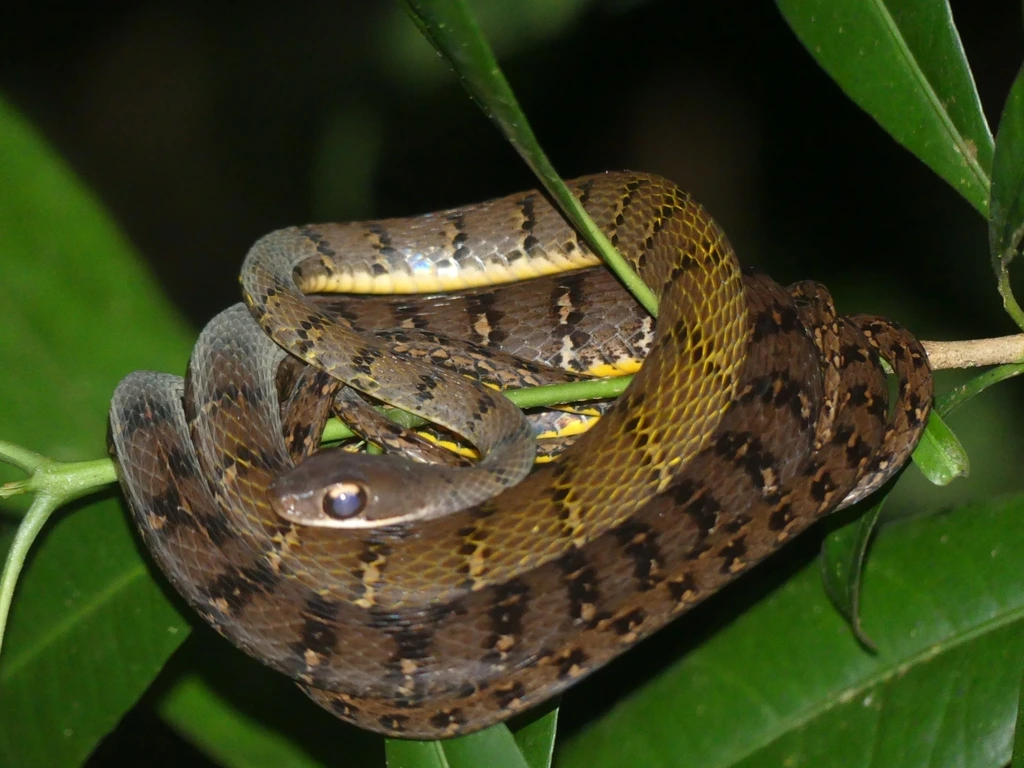
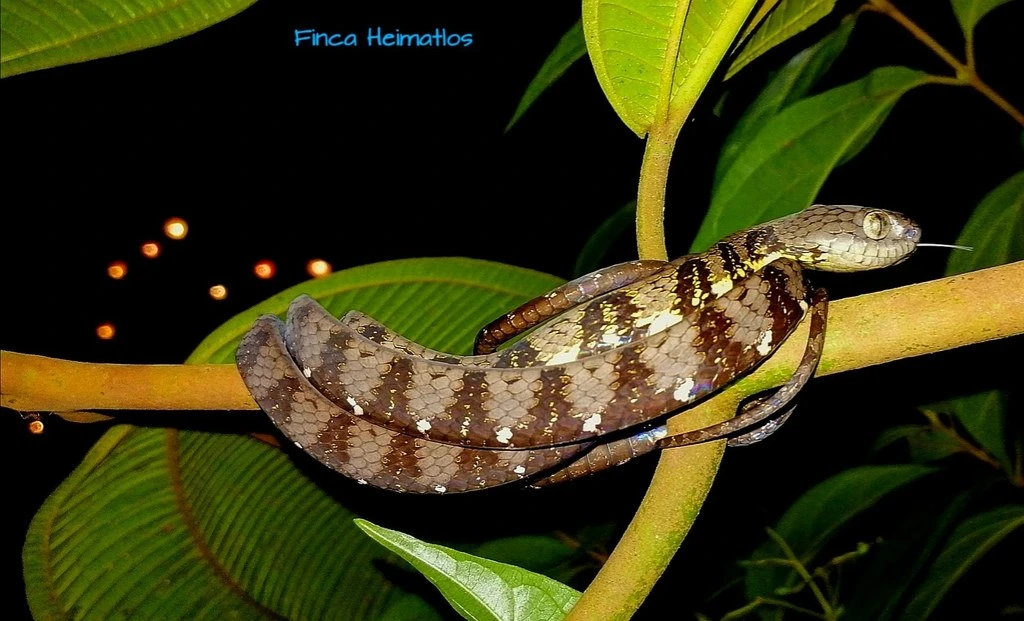
Dipsas indica. A patterned individual resting across green foliage and a slender branch; original watermark retained. Original observation dated 2020-03-07. Portrait only; no new locality record is inferred.

023 · Colubridae

Neotropical Snail-eater

Dipsas indica

LAURENTI, 1768

Venom unknownNot yet assessed

The checked taxonomic distribution account explicitly lists Peru. Country-level evidence does not establish continuous occupancy or a complete national inventory.

Read the species account →

Ferhat Gundogdu · CC0 1.0 · https://creativecommons.org/publicdomain/zero/1.0/

Dipsas welborni, living specimen shown in Figure 4f of Arteaga & Batista (2023). Portrait only; no new locality or habitat record is inferred.

024 · Colubridae

Species account

Dipsas welborni

ARTEAGA & BATISTA, 2023

Venom unknownNot yet assessed

The checked taxonomic distribution account explicitly lists Peru. Country-level evidence does not establish continuous occupancy or a complete national inventory.

Read the species account →

Arteaga & Batista (2023); in-situ photographs credited collectively to Eric Osterman, Pearl Ee and Ariel Concepción · CC BY 4.0 · https://creativecommons.org/licenses/by/4.0/
All 229 species in the country collection →

Read further

Evidence & sources.

Guide reviewed 17 October 2026. Source dates and geographic scope matter; landscape photographs do not establish species occurrence.

  1. Convention on Biological Diversity · Peru national profile

    Historical Secretariat draft, pending Party approval. Landscape context only; historical statistics are not presented as current measurements. Reviewed 17 October 2026.

Continue through Peru

Explore another habitat.

01

Highland environments

Mountains, coastal piedmont hills and highland moors are separate environments in the profile. Elevation alone cannot establish forest cover or snake presence.

02

Rivers & wetlands

Wetlands are included among Peru’s principal ecosystems. A waterbody record must retain its name and setting; a river basin is not evidence that every species recorded there is aquatic.

03

Mangroves & estuaries

Mangroves are distinguished from dry coastal woodland in the national account. Coastal conversion for aquaculture is discussed as a pressure, without supporting a current loss rate for every locality.