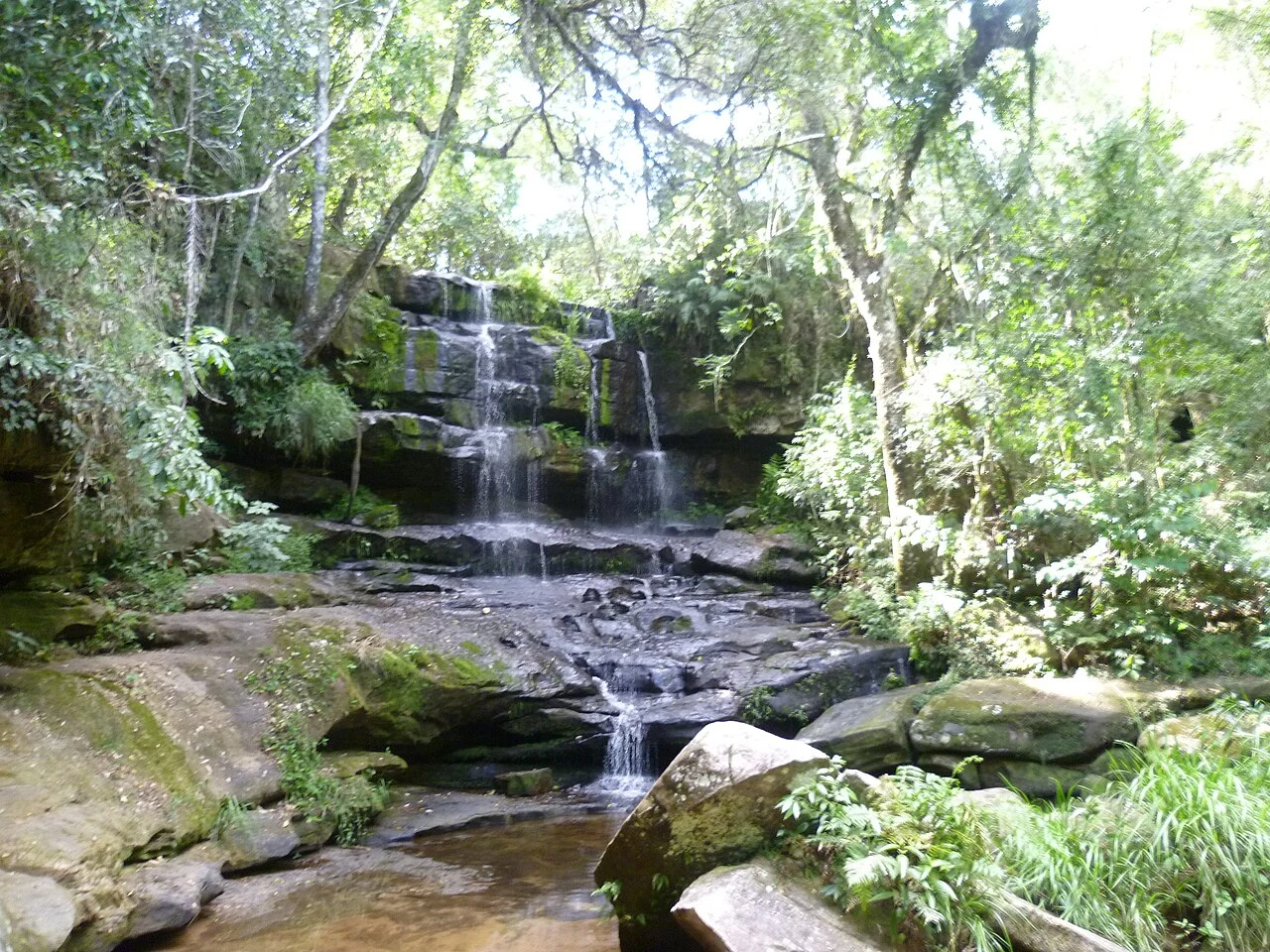
Salto Guarani waterfall and wooded surroundings in Ybycui National Park, Paraguay.

Paraguay · The country atlas

Paraguay

Explore seventeen departments and Asuncion, with individual source localities kept separate from national records.

116species with extracted evidence
7families
18region guides

Salto Guarani waterfall and wooded surroundings in Ybycui National Park, Paraguay.

Photograph: Diego Fernando Quint… · Image source · CC BY 3.0. Cropped to fill the hero; darkened for text legibility.

Geography & biotopes

Discover Paraguay.

Explore seventeen departments and Asuncion, with individual source localities kept separate from national records.

Credited boundary snapshots are navigation references, not species ranges or an assertion of current administrative arrangements. Map labels use source subdivision codes or unique shortened names; the complete names remain in the directory. A missing regional record is not evidence of absence.

Map provenance and subdivisions →

MADES · official protected-area inventory →

Geography is part of the record

Find your way through Paraguay.

Select a named region to open its evidence page. The complete directory below keeps every guide accessible, including places where locality evidence has not yet been extracted.

6 of 116 listed species have at least one indexed region record. 110 remain country-only. Even a nonzero count is not a complete regional inventory.

Habitats & living landscapes

Explore the living
landscapes.

Explore 2 guides to the environments, places and conservation pressures that shape this country. Each guide connects to the regional map and shared species accounts.

Landscape photographs & credits

Salto Guarani waterfall and wooded surroundings in Ybycui National Park, Paraguay. — Diego Fernando Quint…. Original photograph · CC BY 3.0. Cropped for the cards; photographs do not establish snake occurrence.

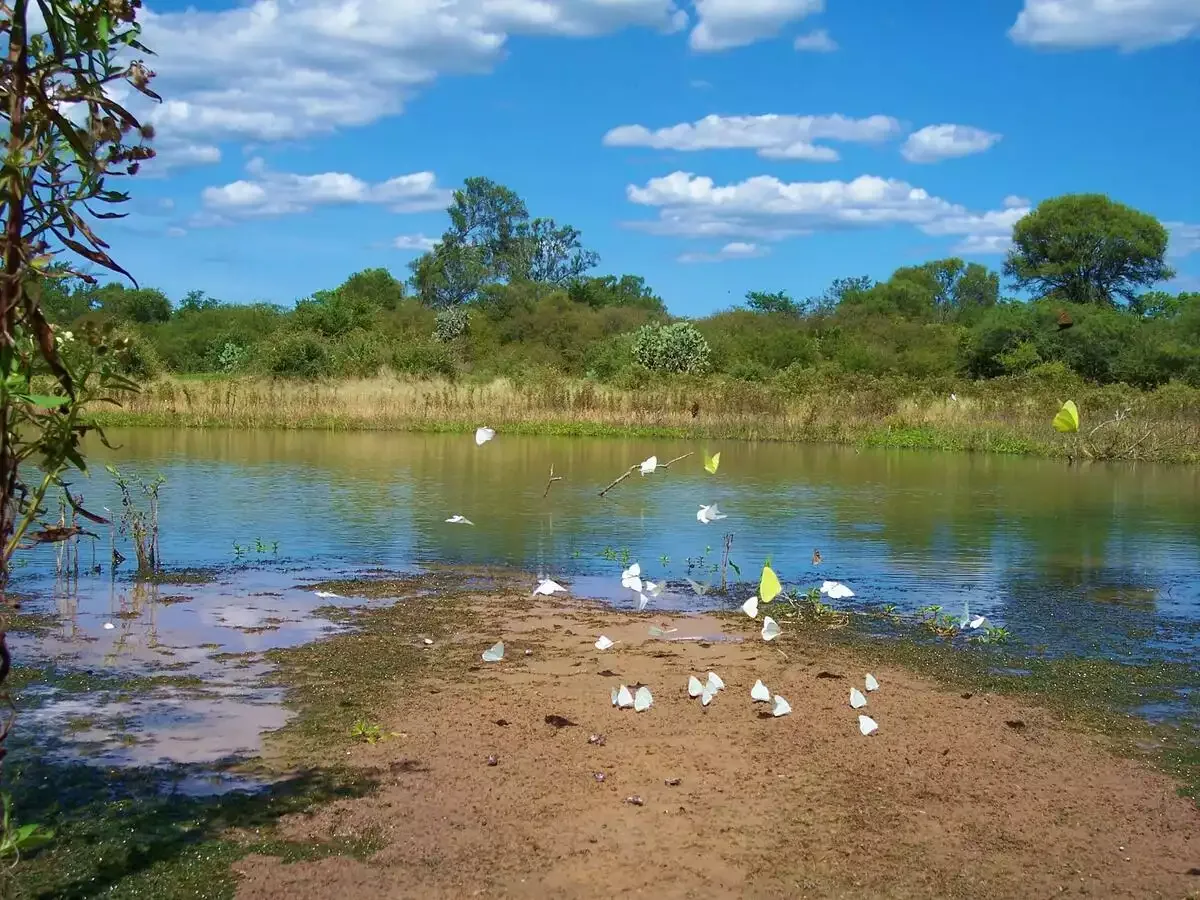
Seasonal wetlands in Tinfunqué National Park, Presidente Hayes. — Chipaguasustudios. Original photograph · CC BY-SA 4.0. Cropped for the cards; photographs do not establish snake occurrence.

The species catalogue

Meet the snakes of Paraguay.

Search scientific names, historical names, common names and families. Every card opens one shared account across its documented countries.

116 species · showing 24

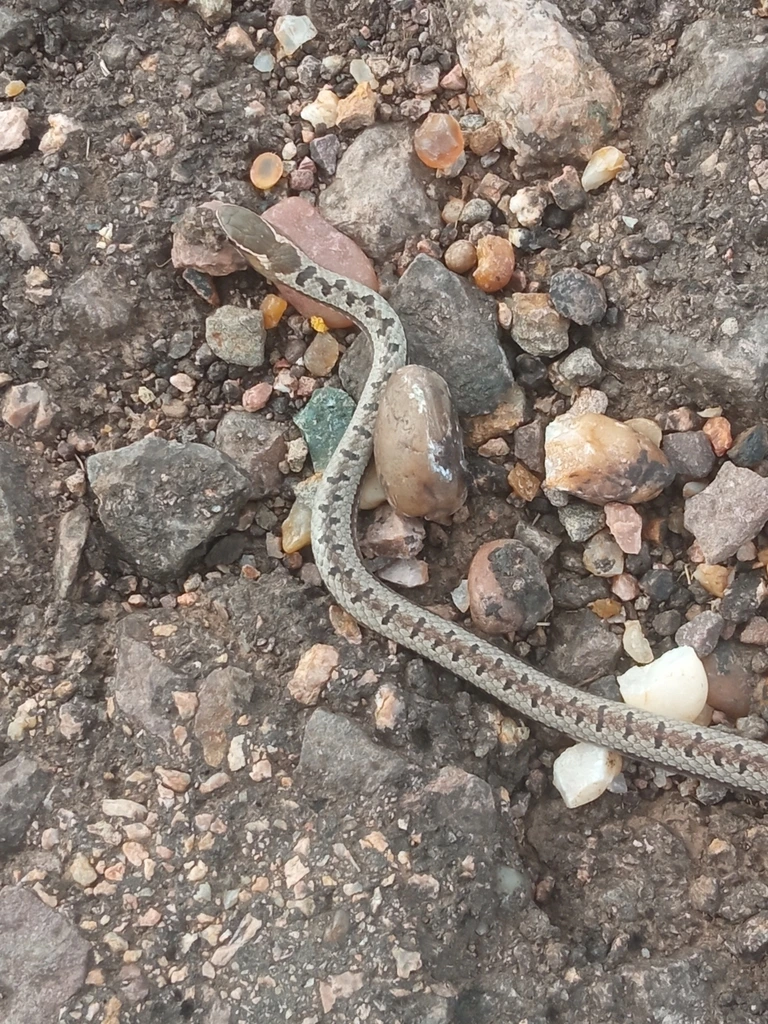
Adelphostigma occipitalis. Patterned individual on a gravelly surface, with the head visible. Original observation dated 2022-03-04. Portrait only; no new locality record is inferred.

001 · Colubridae

Species account

Adelphostigma occipitalis

(JAN, 1863)

Venom unknownNot yet assessed

The checked taxonomic distribution account explicitly lists Paraguay. Country-level evidence does not establish continuous occupancy or a complete national inventory.

Read the species account →

Gonzalo Rodriguez · CC BY 4.0 · https://creativecommons.org/licenses/by/4.0/
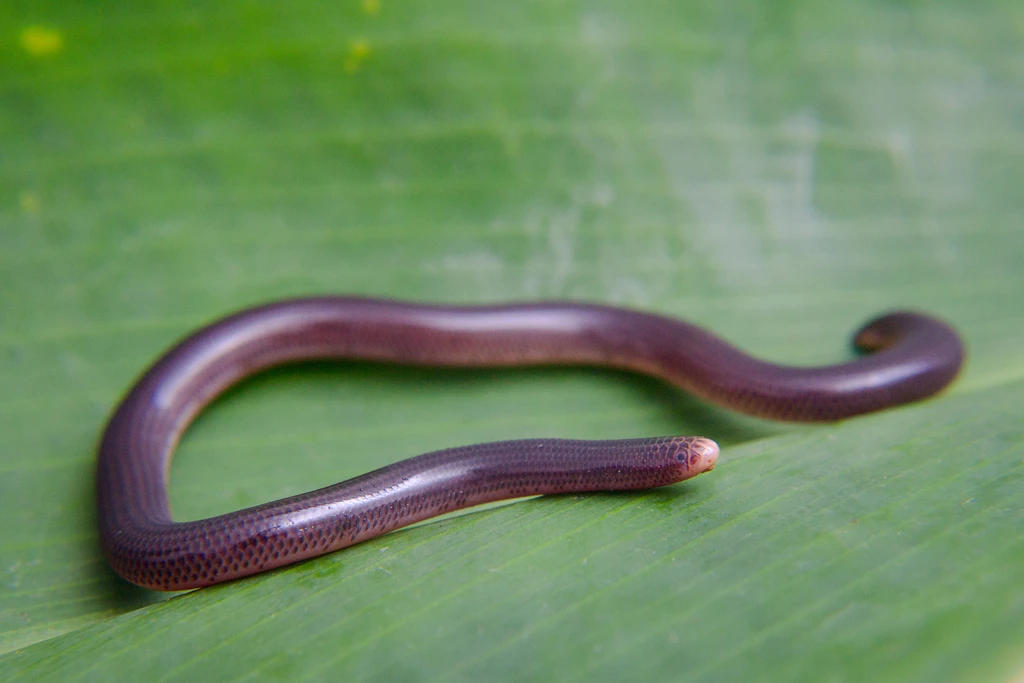
Amerotyphlops brongersmianus. Small glossy individual resting on a green leaf. Original observation dated 2019-11-10. Portrait only; no new locality record is inferred.

002 · Typhlopidae

South American Striped Blindsnake, Brongersma's Worm Snake

Amerotyphlops brongersmianus

(VANZOLINI, 1976)

Non-venomous

The checked taxonomic distribution account explicitly lists Paraguay. Country-level evidence does not establish continuous occupancy or a complete national inventory.

Read the species account →

Henrique Nogueira · CC BY 4.0 · https://creativecommons.org/licenses/by/4.0/
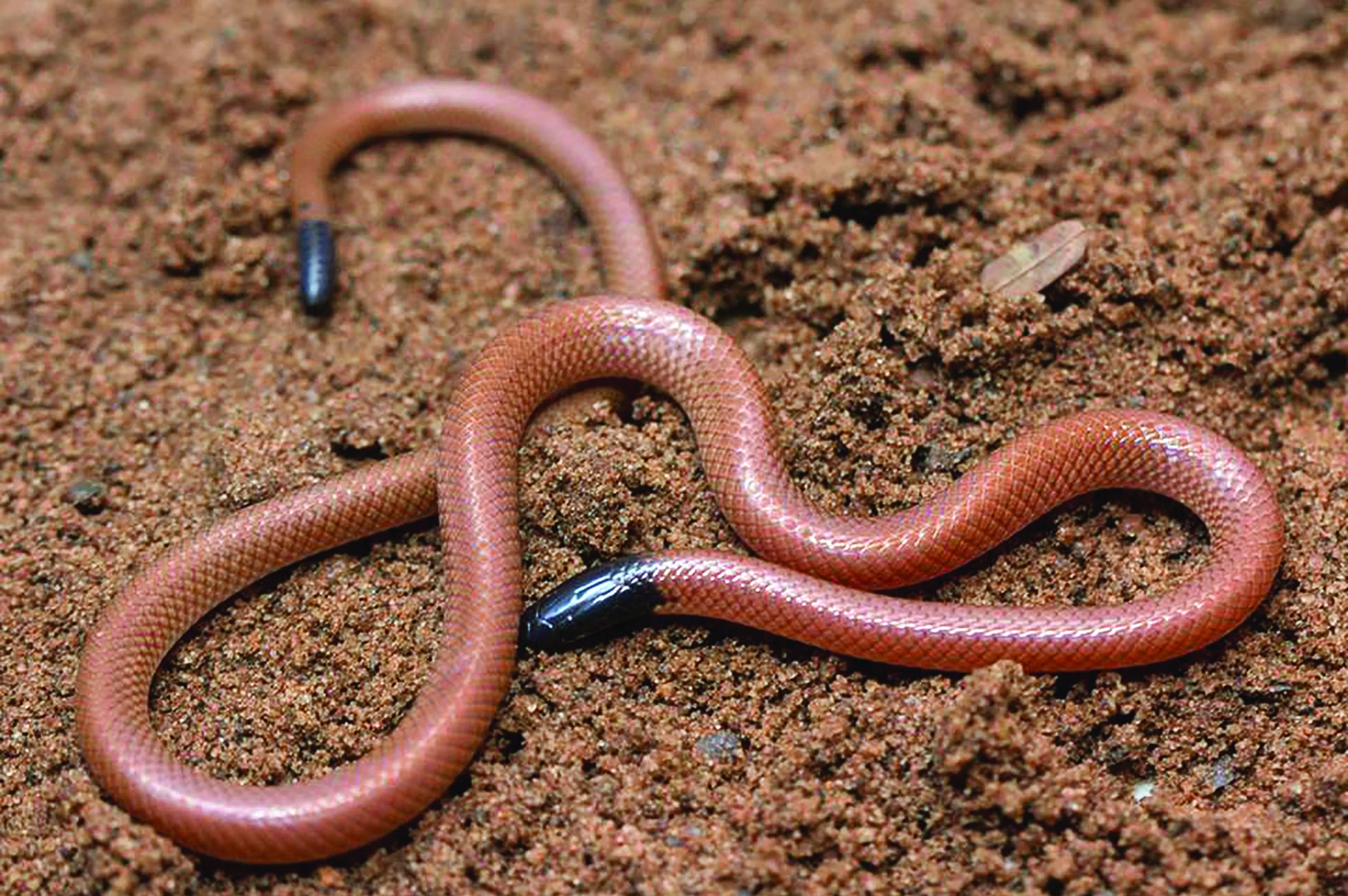
Apostolepis ambiniger in life, photographed in San Lorenzo, Paraguay; Figure 5 of Entiauspe-Neto et al. (2021). No new occurrence or habitat inferred. Portrait only.

003 · Colubridae

Paraguayan Blackhead

Apostolepis ambiniger

(PETERS, 1869)

Venom unknownNot yet assessed

The checked taxonomic distribution account explicitly lists Paraguay. Country-level evidence does not establish continuous occupancy or a complete national inventory.

Read the species account →

Nicolas Martinez; Entiauspe-Neto et al. (2021) · CC BY 4.0 · https://creativecommons.org/licenses/by/4.0/
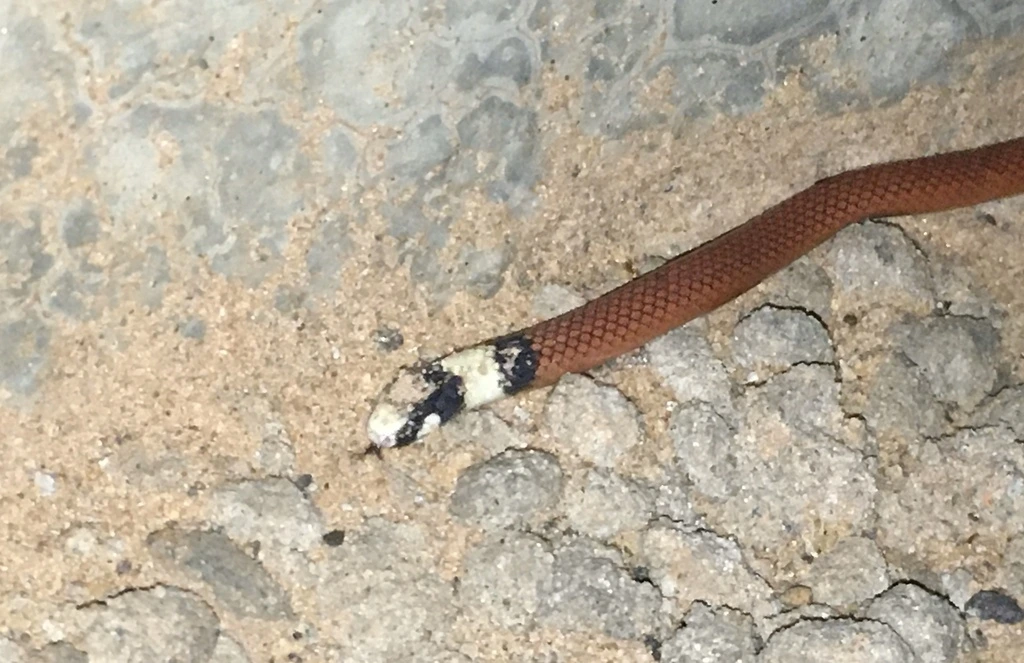
Apostolepis assimilis. Head and anterior body on a rock surface. Original observation dated 2025-11-26. No additional geographic occurrence is inferred.

004 · Colubridae

Common red Blackhead, Reinhardt's Burrowing Snake

Apostolepis assimilis

(REINHARDT, 1861)

Venom unknownNot yet assessed

The checked taxonomic distribution account explicitly lists Paraguay. Country-level evidence does not establish continuous occupancy or a complete national inventory.

Read the species account →

Marcos Severgnini · CC BY 4.0 · https://creativecommons.org/licenses/by/4.0/
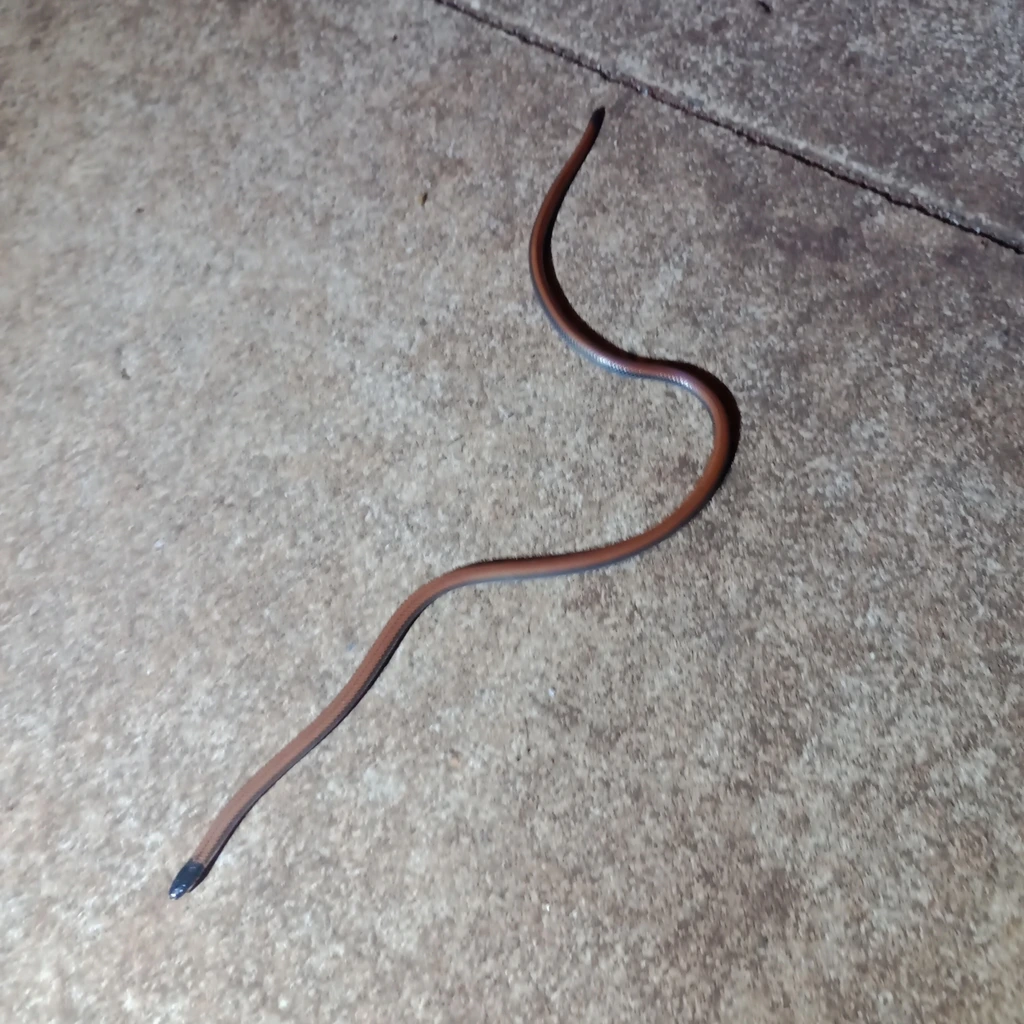
Apostolepis dimidiata. Whole slender individual on a paved surface. Original observation dated 2023-10-21. No additional geographic occurrence is inferred.

005 · Colubridae

Common bilineate Blackhead

Apostolepis dimidiata

(JAN, 1862)

Venom unknownNot yet assessed

The checked taxonomic distribution account explicitly lists Paraguay. Country-level evidence does not establish continuous occupancy or a complete national inventory.

Read the species account →

João Vitor Oliveira de Souza · CC BY 4.0 · https://creativecommons.org/licenses/by/4.0/
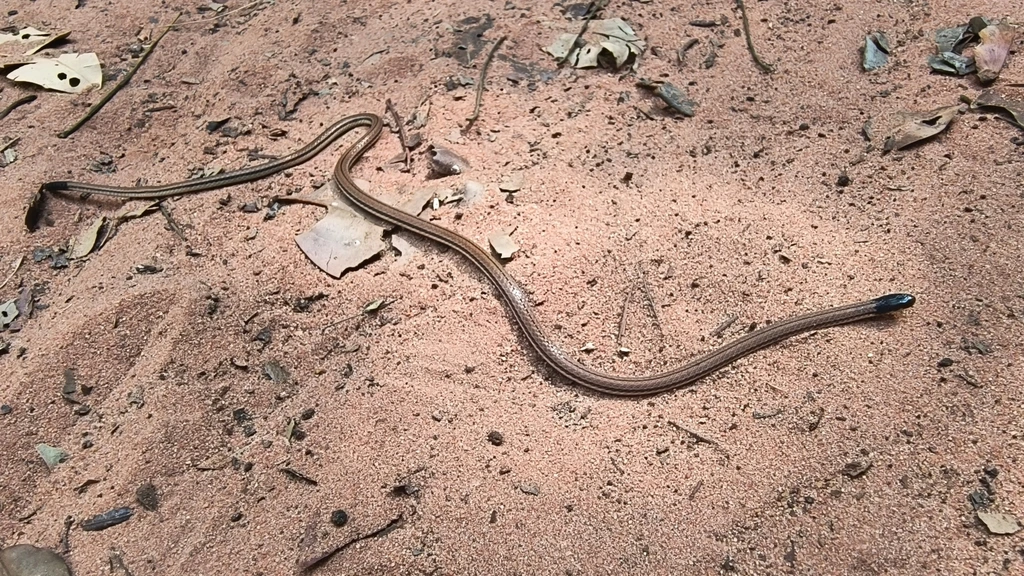
Apostolepis intermedia. Whole slender individual on sandy ground. Original observation dated 2025-08-27. No additional geographic occurrence is inferred.

006 · Colubridae

Koslowsky’s Blackhead, Mato Grosso Burrowing Snake

Apostolepis intermedia

KOSLOWSKY, 1898

Venom unknownNot yet assessed

The checked taxonomic distribution account explicitly lists Paraguay. Country-level evidence does not establish continuous occupancy or a complete national inventory.

Read the species account →

Carlos Otávio Gussoni · CC BY 4.0 · https://creativecommons.org/licenses/by/4.0/
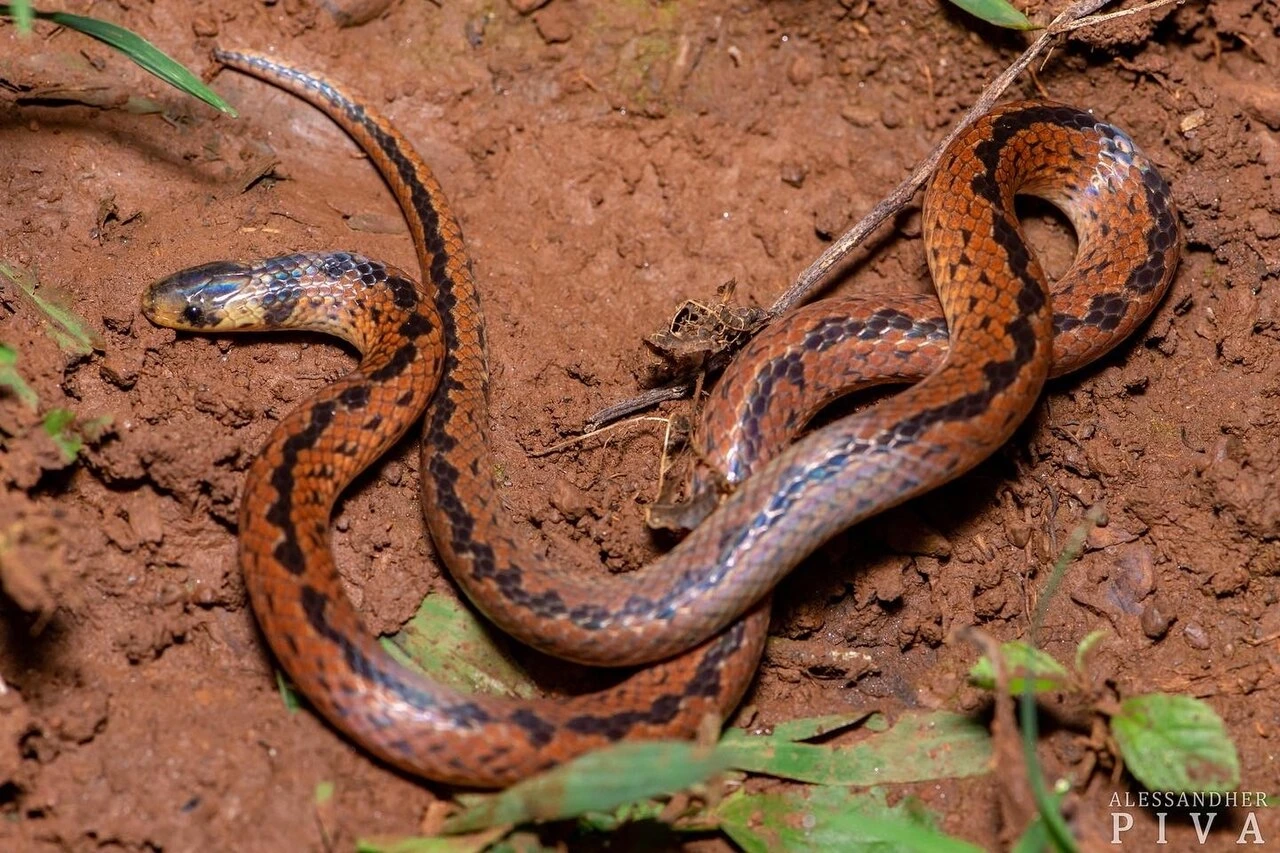
Atractus paraguayensis. Orange and dark-patterned individual on reddish soil; original watermark retained. Portrait only; no wild locality or habitat record is inferred.

007 · Colubridae

Species account

Atractus paraguayensis

WERNER, 1924

Non-venomous

The checked taxonomic distribution account explicitly lists Paraguay. Country-level evidence does not establish continuous occupancy or a complete national inventory.

Read the species account →

Alessandher Piva · CC BY 4.0 · https://creativecommons.org/licenses/by/4.0

Atractus reticulatus, original Figure 69 in Estado de conservación y Lista Roja de los reptiles del Paraguay (2020), p. 90. Portrait only; no new occurrence or habitat inferred.

008 · Colubridae

Reticulate Ground Snake

Atractus reticulatus

(BOULENGER, 1885)

Non-venomous

The checked taxonomic distribution account explicitly lists Paraguay. Country-level evidence does not establish continuous occupancy or a complete national inventory.

Read the species account →

Daniel Espínola; Martínez et al. (2020) · CC BY 4.0 · https://creativecommons.org/licenses/by/4.0/
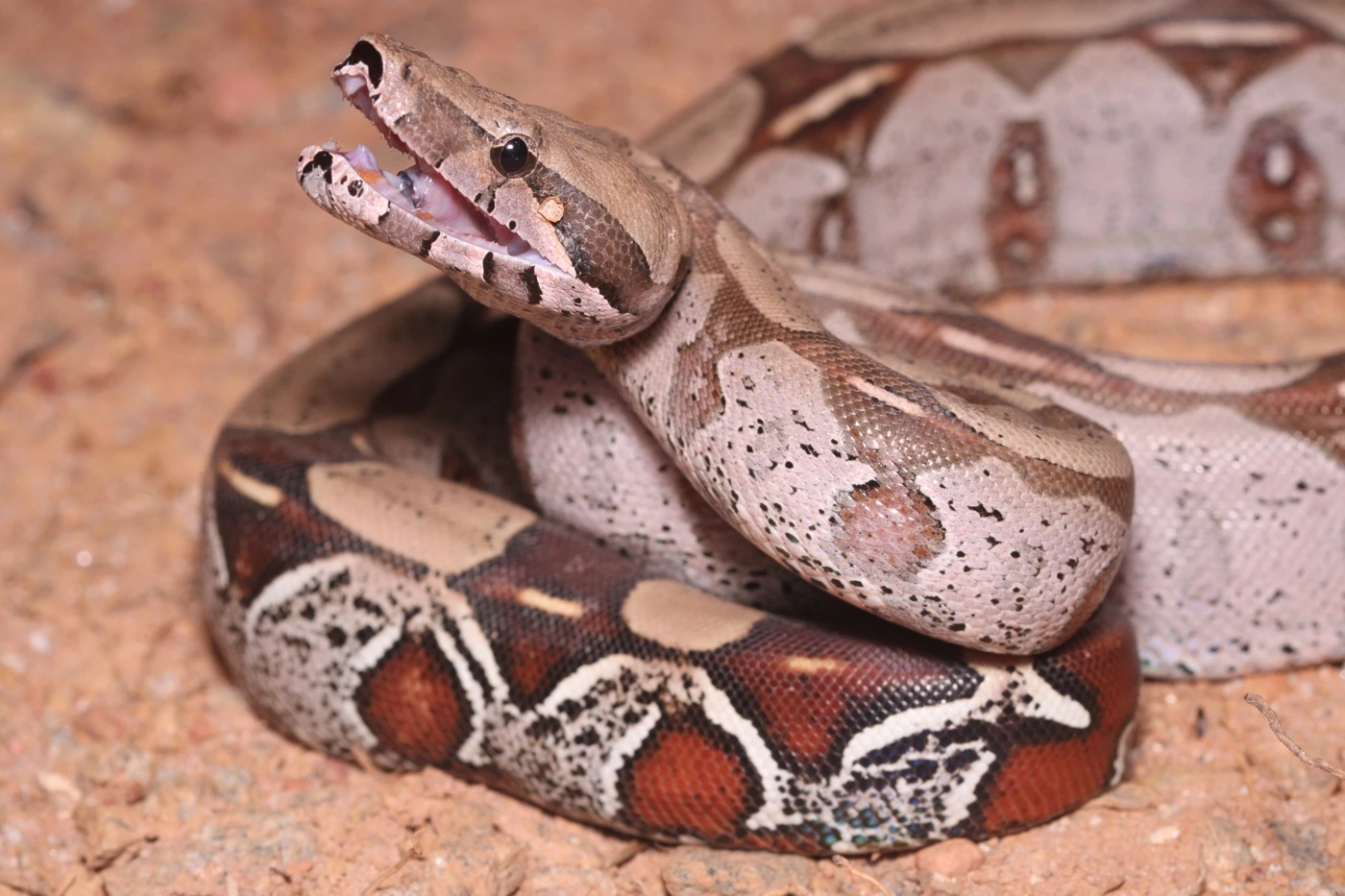
Boa constrictor. Species portrait from the credited source. No additional state, province or wild occurrence is inferred. Original watermarks, where present, are retained.

009 · Boidae

Boa Constrictor

Boa constrictor

LINNAEUS, 1758

Non-venomous

The checked taxonomic distribution account explicitly lists Paraguay. Country-level evidence does not establish continuous occupancy or a complete national inventory.

Read the species account →

Arnaud Aury · CC BY 4.0 · https://creativecommons.org/licenses/by/4.0

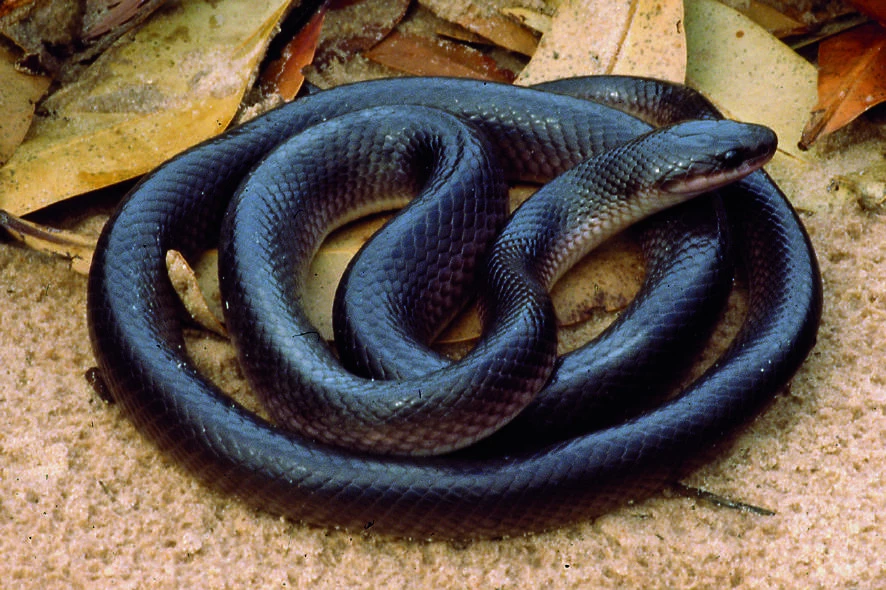
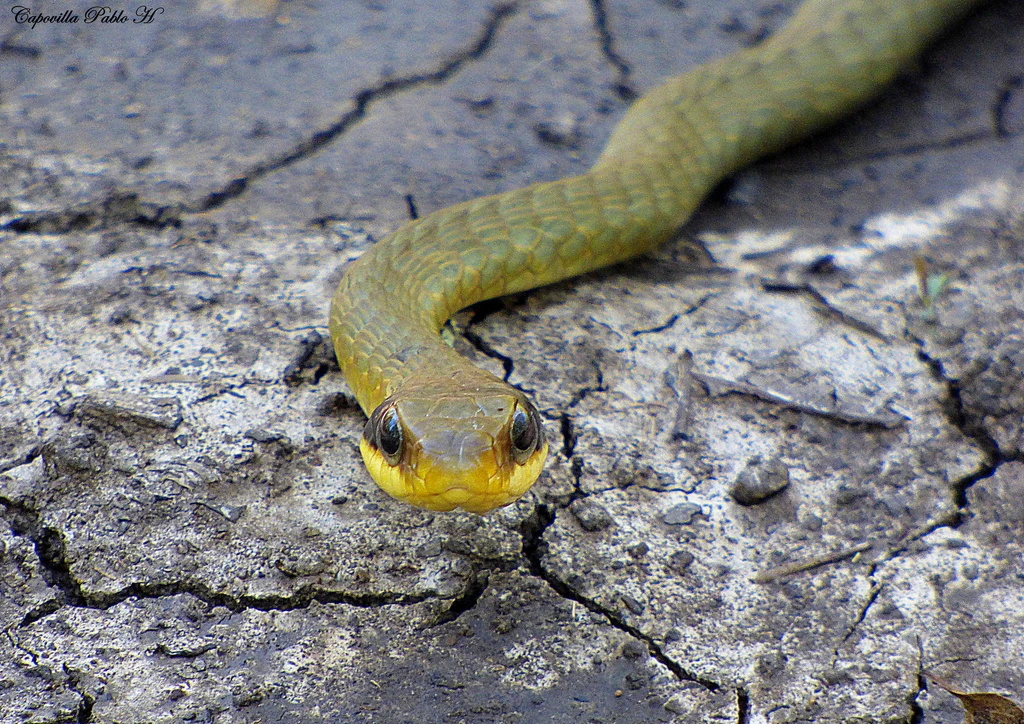
Boiruna maculata. Dark and pale individual on sandy ground. Portrait only; no wild locality or habitat record is inferred.

010 · Colubridae

Mussurana

Boiruna maculata

(BOULENGER, 1896)

Venom unknownNot yet assessed

The checked taxonomic distribution account explicitly lists Paraguay. Country-level evidence does not establish continuous occupancy or a complete national inventory.

Read the species account →

Pablo H Capovilla · CC BY-SA 4.0 · https://creativecommons.org/licenses/by-sa/4.0

Bothrops alternatus. Coiled individual in a plain container; this is not a habitat illustration. Original observation dated 2024-04-30. No additional geographic occurrence is inferred.

011 · Viperidae

Urutu

Bothrops alternatus

DUMÉRIL, BIBRON & DUMÉRIL, 1854

VenomousClinical severity not established

The checked taxonomic distribution account explicitly lists Paraguay. Country-level evidence does not establish continuous occupancy or a complete national inventory.

Read the species account →

Edson Luis Fabro Gasperin · CC BY-SA 4.0 · https://creativecommons.org/licenses/by-sa/4.0/

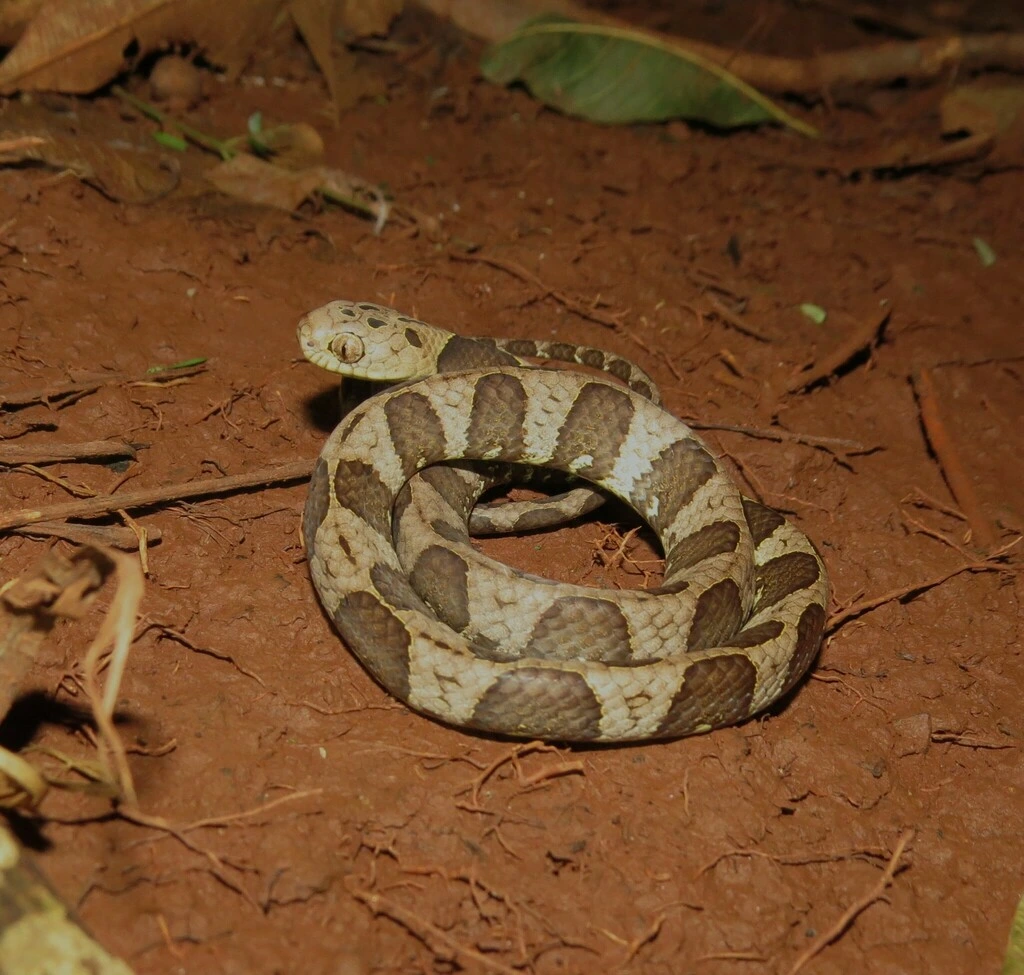
Bothrops diporus. Close view of a brown, patterned individual resting in coils. Original observation dated 2025-12-02. Portrait only; no new locality record is inferred.

012 · Viperidae

Species account

Bothrops diporus

COPE, 1862

VenomousClinical severity not established

The checked taxonomic distribution account explicitly lists Paraguay. Country-level evidence does not establish continuous occupancy or a complete national inventory.

Read the species account →

fernando vilar · CC BY 4.0 · https://creativecommons.org/licenses/by/4.0/
Bothrops jararaca. Close view of the head and coiled body. Original observation dated 2024-01-09. No additional geographic occurrence is inferred.

013 · Viperidae

Jararaca, lancehead

Bothrops jararaca

(WIED-NEUWIED, 1824)

VenomousClinical severity not established

The checked taxonomic distribution account explicitly lists Paraguay. Country-level evidence does not establish continuous occupancy or a complete national inventory.

Read the species account →

Pedro Alvaro Neves · CC BY 4.0 · https://creativecommons.org/licenses/by/4.0/
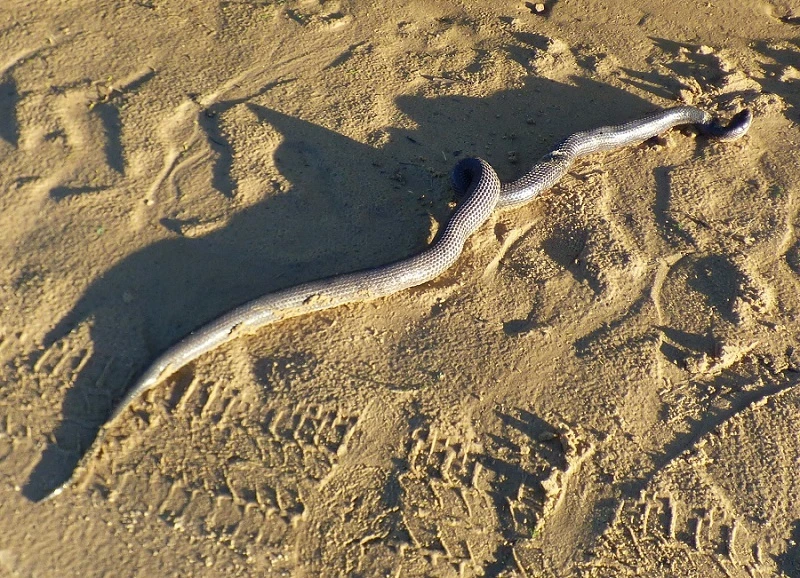
Bothrops jararacussu. Coiled individual among leaf litter. Original observation dated 2024-01-05. No additional geographic occurrence is inferred.

014 · Viperidae

Jararacussu

Bothrops jararacussu

LACERDA, 1884

VenomousClinical severity not established

The checked taxonomic distribution account explicitly lists Paraguay. Country-level evidence does not establish continuous occupancy or a complete national inventory.

Read the species account →

Diego Carús · CC0 1.0 · https://creativecommons.org/publicdomain/zero/1.0/

Bothrops moojeni. Patterned individual looped around a branch, with the head raised. Original observation dated 2020-12-22. Portrait only; no new locality record is inferred.

015 · Viperidae

Brazilian Lancehead

Bothrops moojeni

HOGE, 1966

VenomousClinical severity not established

The checked taxonomic distribution account explicitly lists Paraguay. Country-level evidence does not establish continuous occupancy or a complete national inventory. The treatment names these subdivisions in its Paraguay distribution clause: CANINDEYU. They are assigned to the declared atlas navigation groups; this is not a field observation, a…

Read the species account →

Jean Martins · CC BY 4.0 · https://creativecommons.org/licenses/by/4.0/
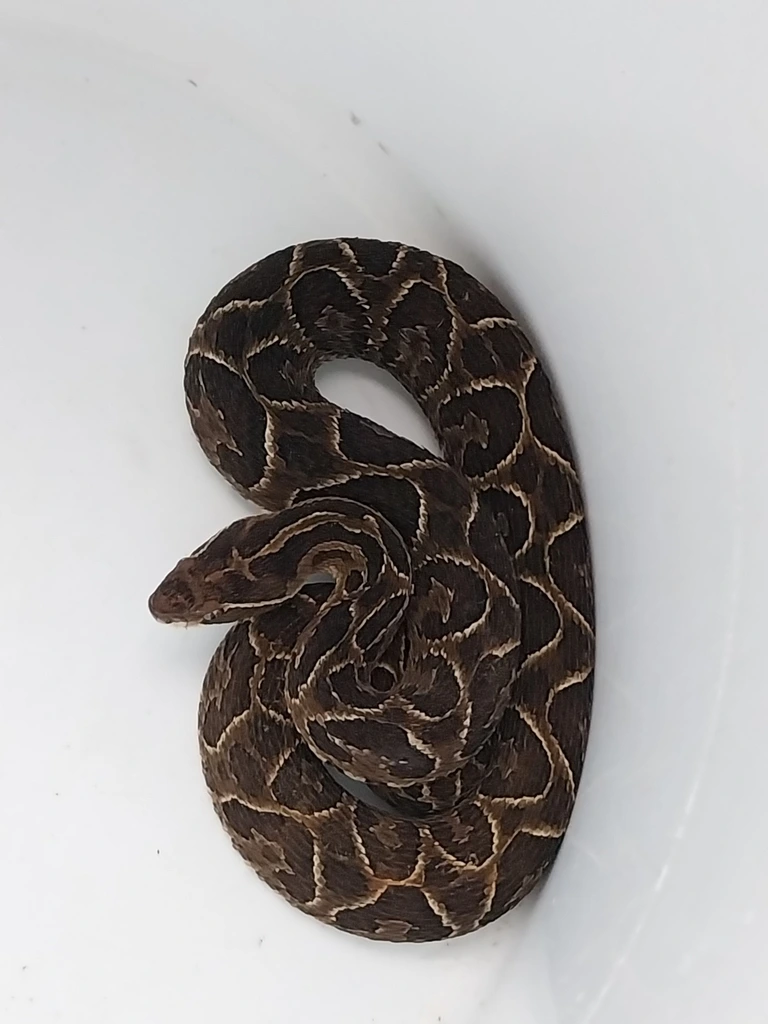
Bothrops pauloensis. Whole individual photographed with a light on the ground. Original observation dated 2022-09-29. No additional geographic occurrence is inferred.

016 · Viperidae

Species account

Bothrops pauloensis

AMARAL, 1925

VenomousClinical severity not established

The checked taxonomic distribution account explicitly lists Paraguay. Country-level evidence does not establish continuous occupancy or a complete national inventory.

Read the species account →

Nathan Ruser · CC BY 4.0 · https://creativecommons.org/licenses/by/4.0/
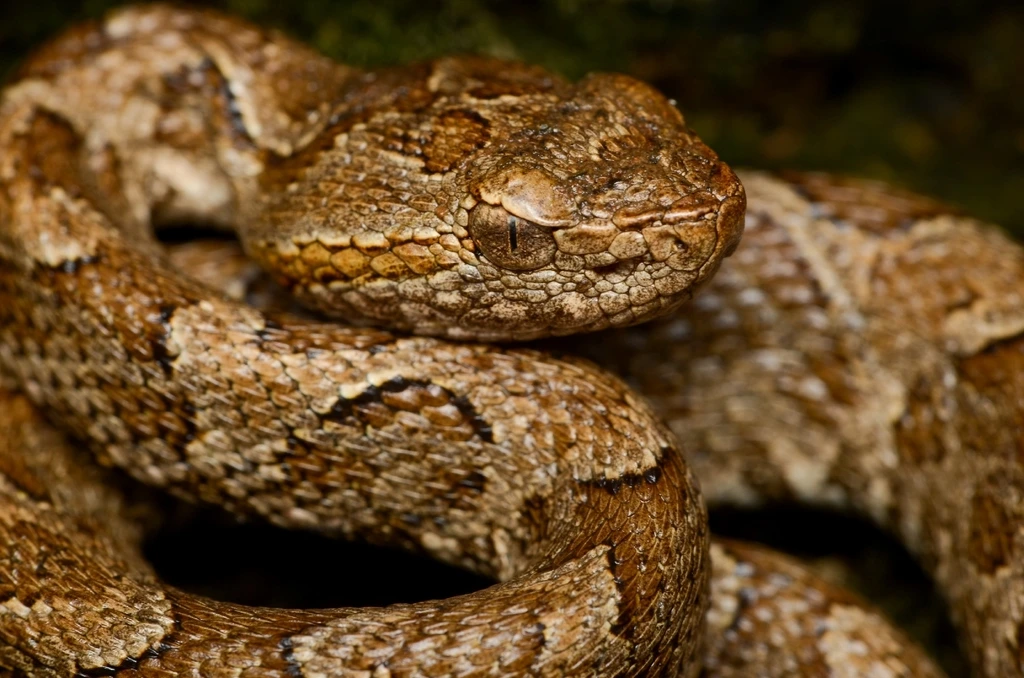
Chironius exoletus. The complete source frame is retained; this portrait is not locality or habitat evidence. Original observation dated 2020-06-14. No additional geographic occurrence is inferred.

017 · Colubridae

Linnaeus' Sipo

Chironius exoletus

(LINNAEUS, 1758)

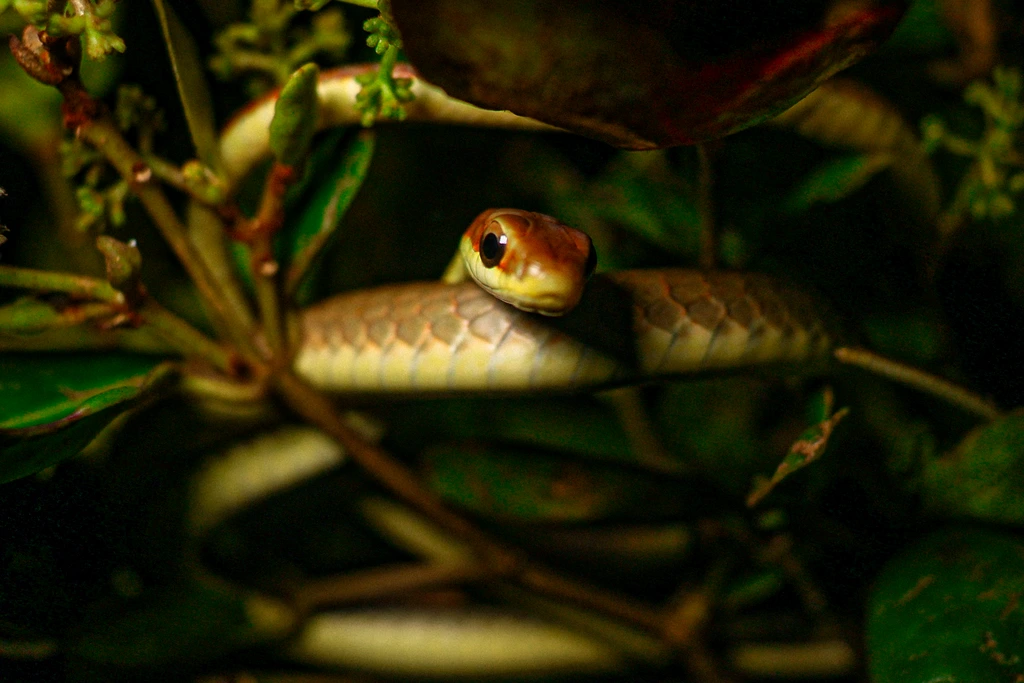
Venom unknownNot yet assessed

The checked taxonomic distribution account explicitly lists Paraguay. Country-level evidence does not establish continuous occupancy or a complete national inventory.

Read the species account →

Mario Barroso · CC BY 4.0 · https://creativecommons.org/licenses/by/4.0/
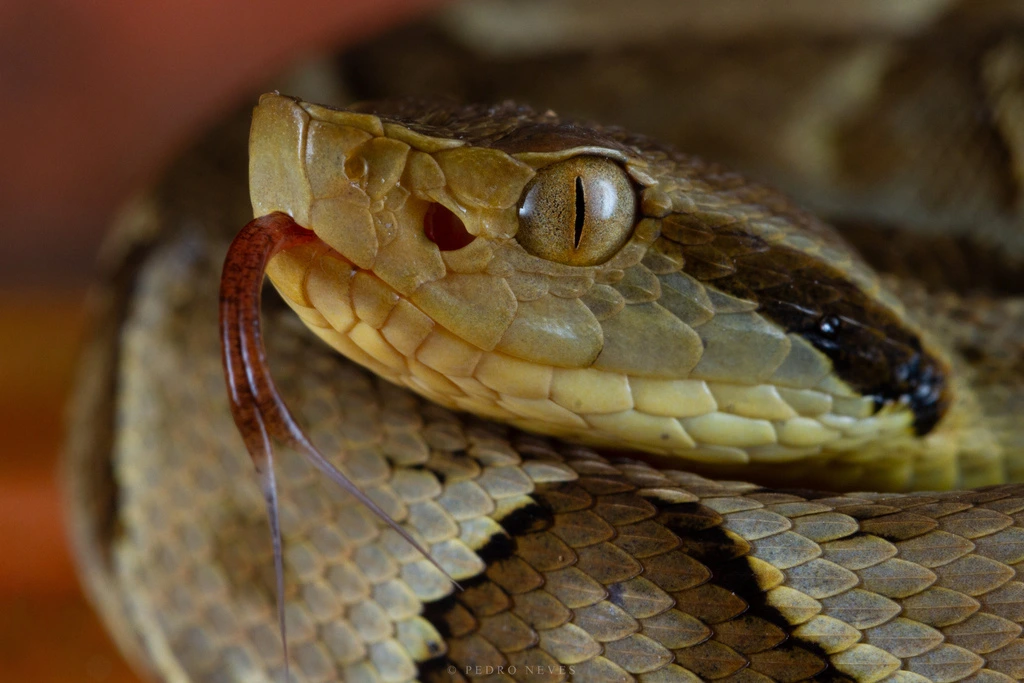
Chironius flavolineatus. Close view of the brown head and pale neck. Original observation dated 2020-04-05. Portrait only; no new locality record is inferred.

018 · Colubridae

Boettger's Sipo

Chironius flavolineatus

(BOETTGER, 1885)

Venom unknownNot yet assessed

The checked taxonomic distribution account explicitly lists Paraguay. Country-level evidence does not establish continuous occupancy or a complete national inventory.

Read the species account →

Helio Lourencini · CC BY 4.0 · https://creativecommons.org/licenses/by/4.0/
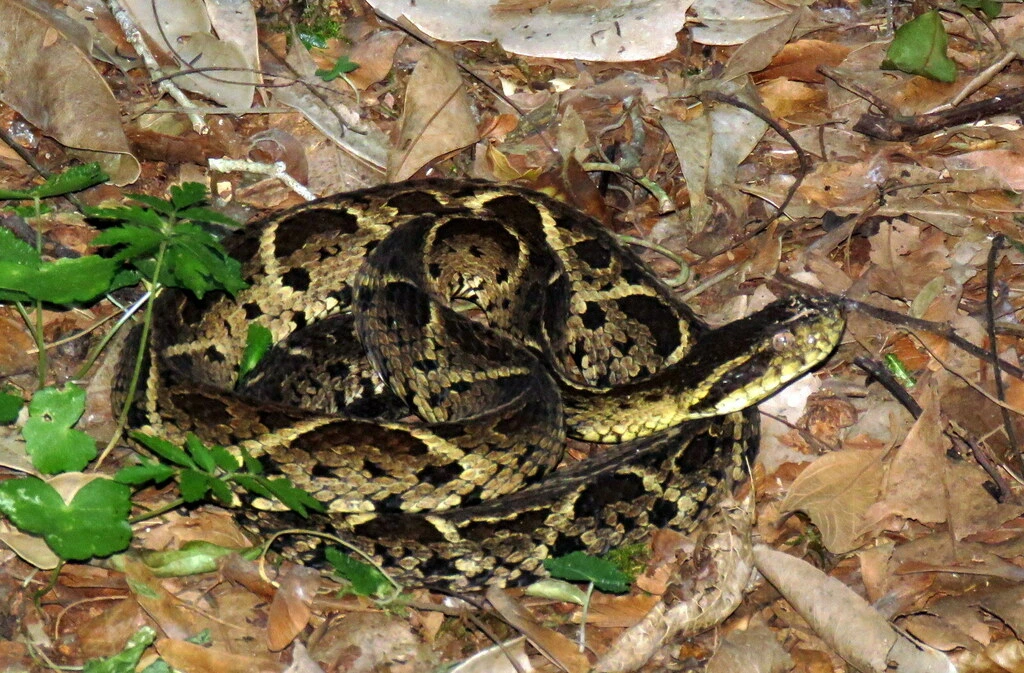
Chironius maculoventris. Head and anterior body on bark; identification was explicitly corrected in the source by a taxonomic reviewer. Original observation dated 2017-11-11. No additional geographic occurrence is inferred.

019 · Colubridae

Central Sipo

Chironius maculoventris

DIXON, WIEST & CEI, 1993

Venom unknownNot yet assessed

The checked taxonomic distribution account explicitly lists Paraguay. Country-level evidence does not establish continuous occupancy or a complete national inventory.

Read the species account →

Pablo H Capovilla · CC BY 4.0 · https://creativecommons.org/licenses/by/4.0/
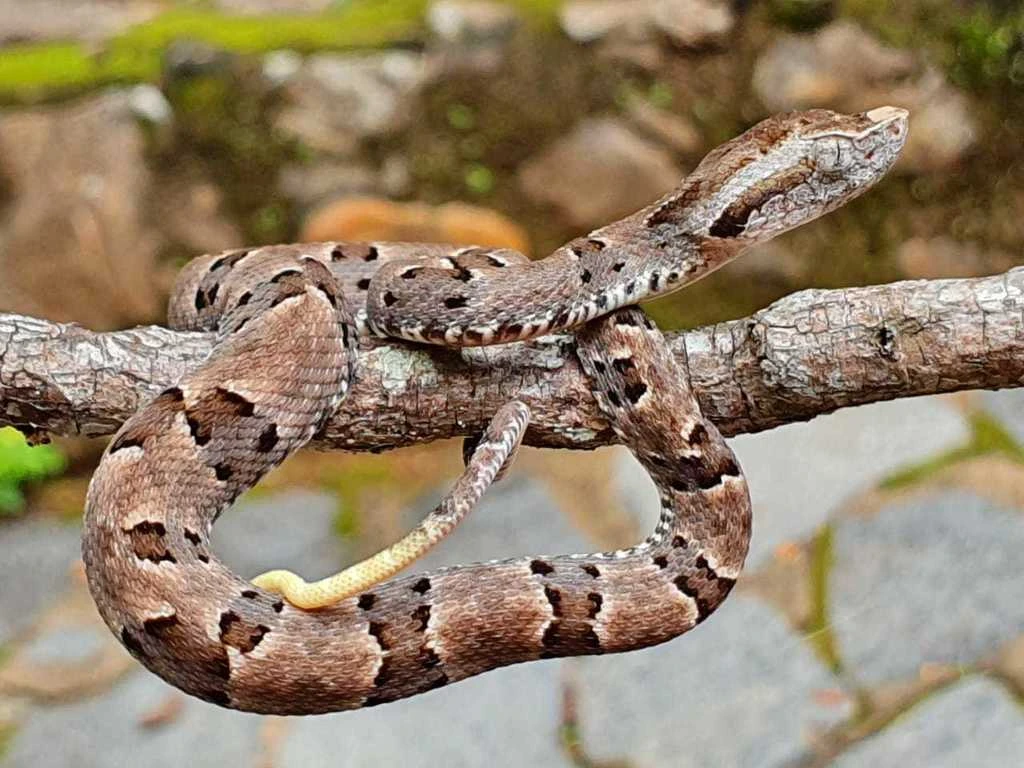
Chironius quadricarinatus. Head and anterior body among branches. Original observation dated 2025-01-23. No additional geographic occurrence is inferred.

020 · Colubridae

Central Sipo

Chironius quadricarinatus

(BOIE, 1827)

Venom unknownNot yet assessed

The checked taxonomic distribution account explicitly lists Paraguay. Country-level evidence does not establish continuous occupancy or a complete national inventory.

Read the species account →

Henrique Nogueira · CC BY 4.0 · https://creativecommons.org/licenses/by/4.0/
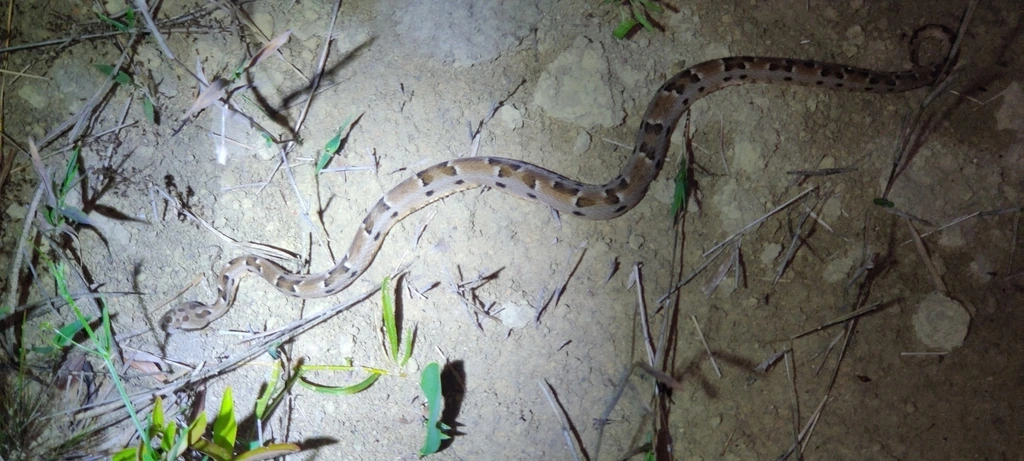
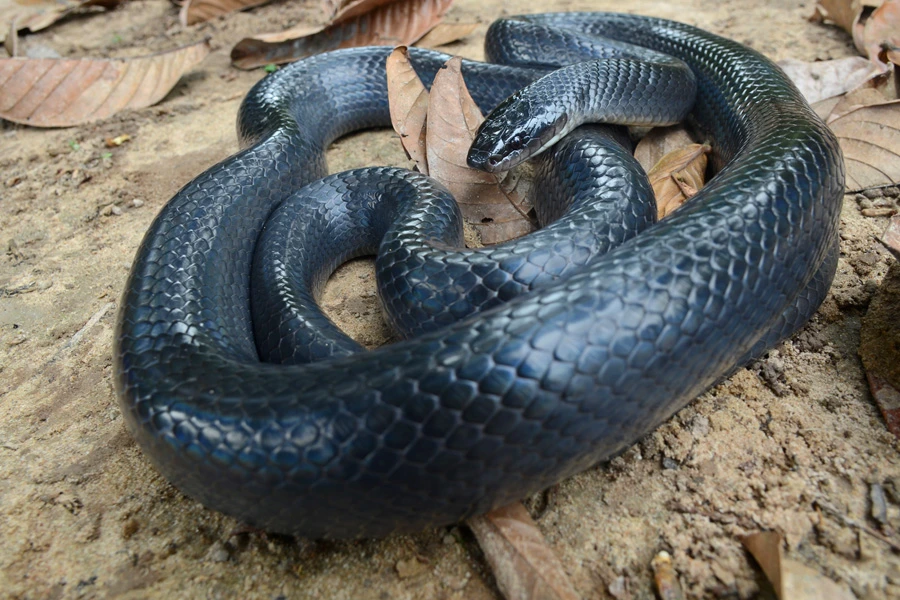
Clelia clelia. Glossy dark individual coiled on leaf litter. Portrait only; no wild locality or habitat record is inferred.

021 · Colubridae

Windward Cribo, Black Mussurana

Clelia clelia

(DAUDIN, 1803)

Venom unknownNot yet assessed

The checked taxonomic distribution account explicitly lists Paraguay. Country-level evidence does not establish continuous occupancy or a complete national inventory.

Read the species account →

Geoff Gallice ( https://www.flickr.com/photos/dejeuxx/ ) · CC BY 2.0 · https://creativecommons.org/licenses/by/2.0

Clelia plumbea, original Figure 73 in Estado de conservación y Lista Roja de los reptiles del Paraguay (2020), p. 106. Portrait only; no new occurrence or habitat inferred.

022 · Colubridae

Species account

Clelia plumbea

(WIED-NEUWIED, 1820)

Venom unknownNot yet assessed

The checked taxonomic distribution account explicitly lists Paraguay. Country-level evidence does not establish continuous occupancy or a complete national inventory.

Read the species account →

Laurie Vitt; Martínez et al. (2020) · CC BY 4.0 · https://creativecommons.org/licenses/by/4.0/
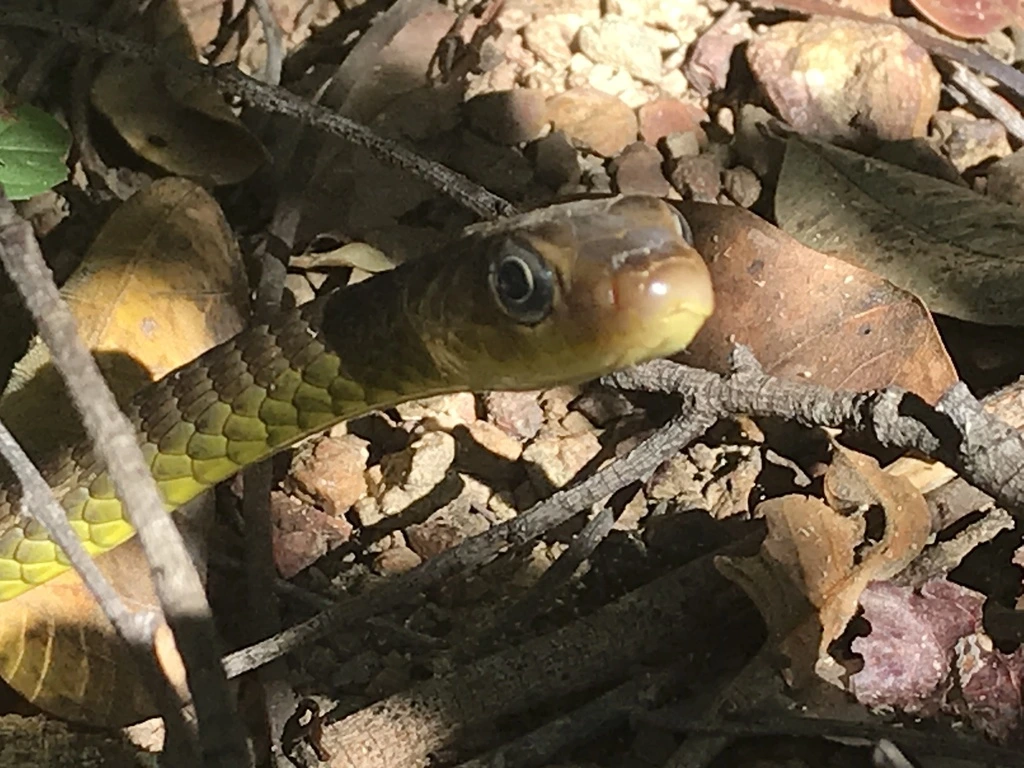
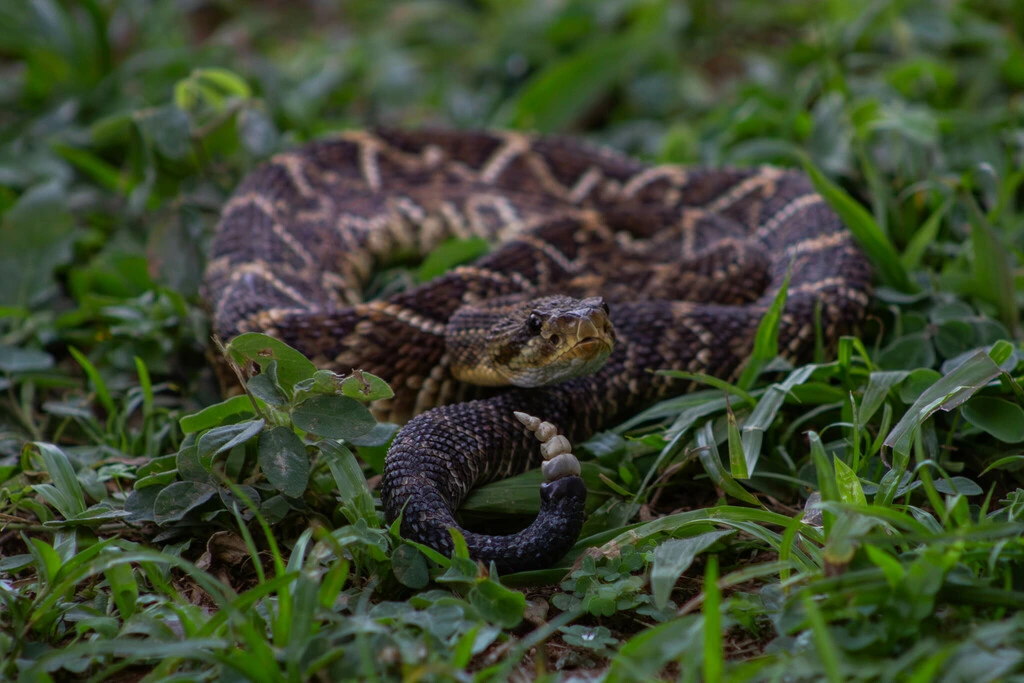
Crotalus durissus. The complete source frame is retained; this portrait is not locality or habitat evidence. Original observation dated 2023-09-23. No additional geographic occurrence is inferred.

023 · Viperidae

Cascabel Rattlesnake; Central American Rattlesnake

Crotalus durissus

LINNAEUS, 1758

VenomousClinical severity not established

The checked taxonomic distribution account explicitly lists Paraguay. Country-level evidence does not establish continuous occupancy or a complete national inventory.

Read the species account →

Salomão Janderson Ferreira Bispo · CC BY 4.0 · https://creativecommons.org/licenses/by/4.0/
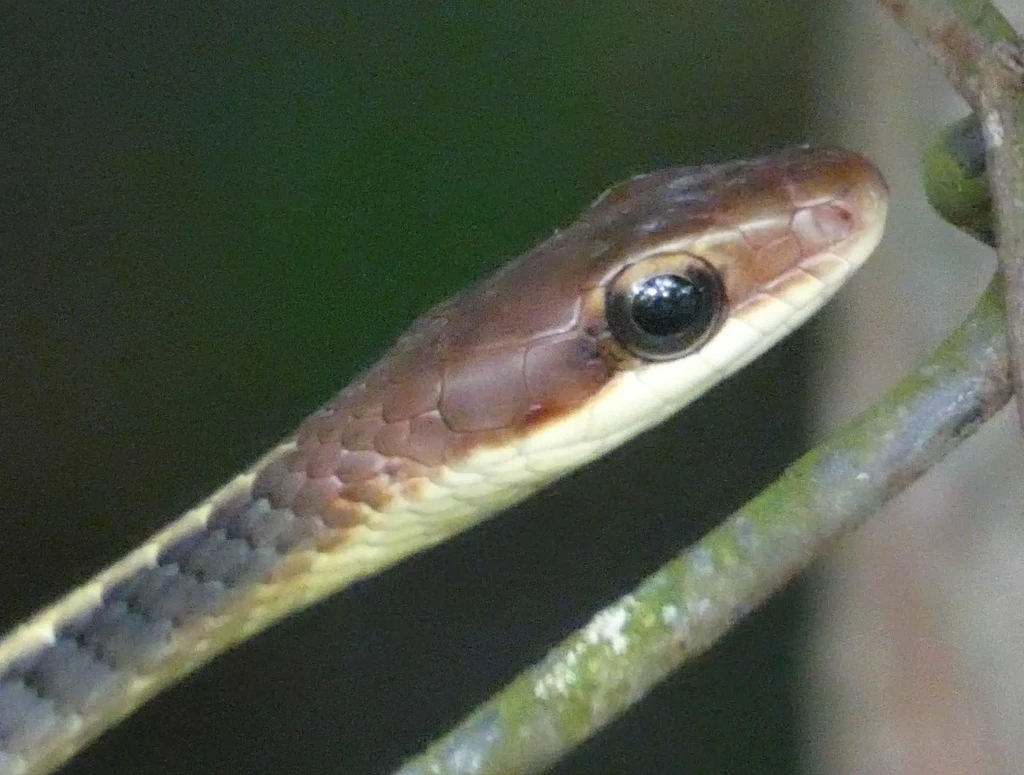
Dipsas bucephala. Coiled individual on soil during a herpetofaunal survey. Original observation dated 2023-12-26. No additional geographic occurrence is inferred.

024 · Colubridae

Neotropical Snail-eater

Dipsas bucephala

(SHAW, 1802)

Venom unknownNot yet assessed

The checked taxonomic distribution account explicitly lists Paraguay. Country-level evidence does not establish continuous occupancy or a complete national inventory.

Read the species account →

Lucas Mantelo Cruz · CC BY 4.0 · https://creativecommons.org/licenses/by/4.0/
The research library

Sources & the checklist.

This edition lists 116 species with supported country records from checked taxonomic treatments and cited field studies. It is not a claim of a complete national inventory. Each account retains its source and check date; individual evidence entries retain their own review dates.

How the map and counts work

Search results were checked against distribution text and taxonomic qualifications. A geographic name alone does not establish a political country: New Guinea, the Solomon archipelago and Micronesia span more than one country or territory. Introduced and unresolved records require separate interpretation.

Place counts require explicit named localities, including valid type localities. Counts can overlap where sources name multiple places. Regional maps group historical boundary snapshots for navigation, while island outlines use Natural Earth; neither is a species range or an observation map. Small islands can be below the outline dataset’s resolution, so geographic reference markers and the directory remain available.

geoBoundaries gbOpen ADM1; 2012 snapshot; Creative Commons Attribution 4.0 International (CC BY 4.0). Map provenance →

Exclusions & qualifications (6)

Epictia albipuncta

Search candidate only: the leading current distribution account does not independently resolve this country. Retained for manual taxonomic/locality review; not evidence of absence.

Read source 1 ↗

Lygophis meridionalis

Search candidate only: the leading current distribution account does not independently resolve this country. Retained for manual taxonomic/locality review; not evidence of absence.

Read source 1 ↗

Micrurus lemniscatus

The treatment includes an explicit negative or conflicting country qualification. Resolve the cited revision before counting this report.

Read source 1 ↗

Palusophis bifossatus

The treatment includes an explicit negative or conflicting country qualification. Resolve the cited revision before counting this report.

Read source 1 ↗

Atractus thalesdelemai

Search candidate only: the leading current distribution account does not independently resolve this country. Retained for manual taxonomic/locality review; not evidence of absence.

Read source 1 ↗

Chironius xaraes

Search candidate only: the leading current distribution account does not independently resolve this country. Retained for manual taxonomic/locality review; not evidence of absence.

Read source 1 ↗
  1. Map provenance and subdivisions ↗
  2. MADES · official protected-area inventory ↗
  3. The Reptile Database

    Individual treatments and locality evidence are linked from each species account.

  4. Meiri (2024): SquamBase 1.0

    Species-level literature measurements and ecological traits. Exact-name matches only; imputed or ambiguous fields are omitted. These summaries are not local observations.

  5. Natural Earth: public-domain geographic data

Continue through the South America atlas →