001 · Acrochordidae
Little filesnake
Acrochordus granulatus
Non-venomousMalaysia: Malaya.
Read the species account →Mario Lutz · Copyright Mario Lutz. Authorised for display in this atlas; no third-party reuse licence granted.
Malaysia · Habitat guide
Meet the tidal boundary between land and sea.
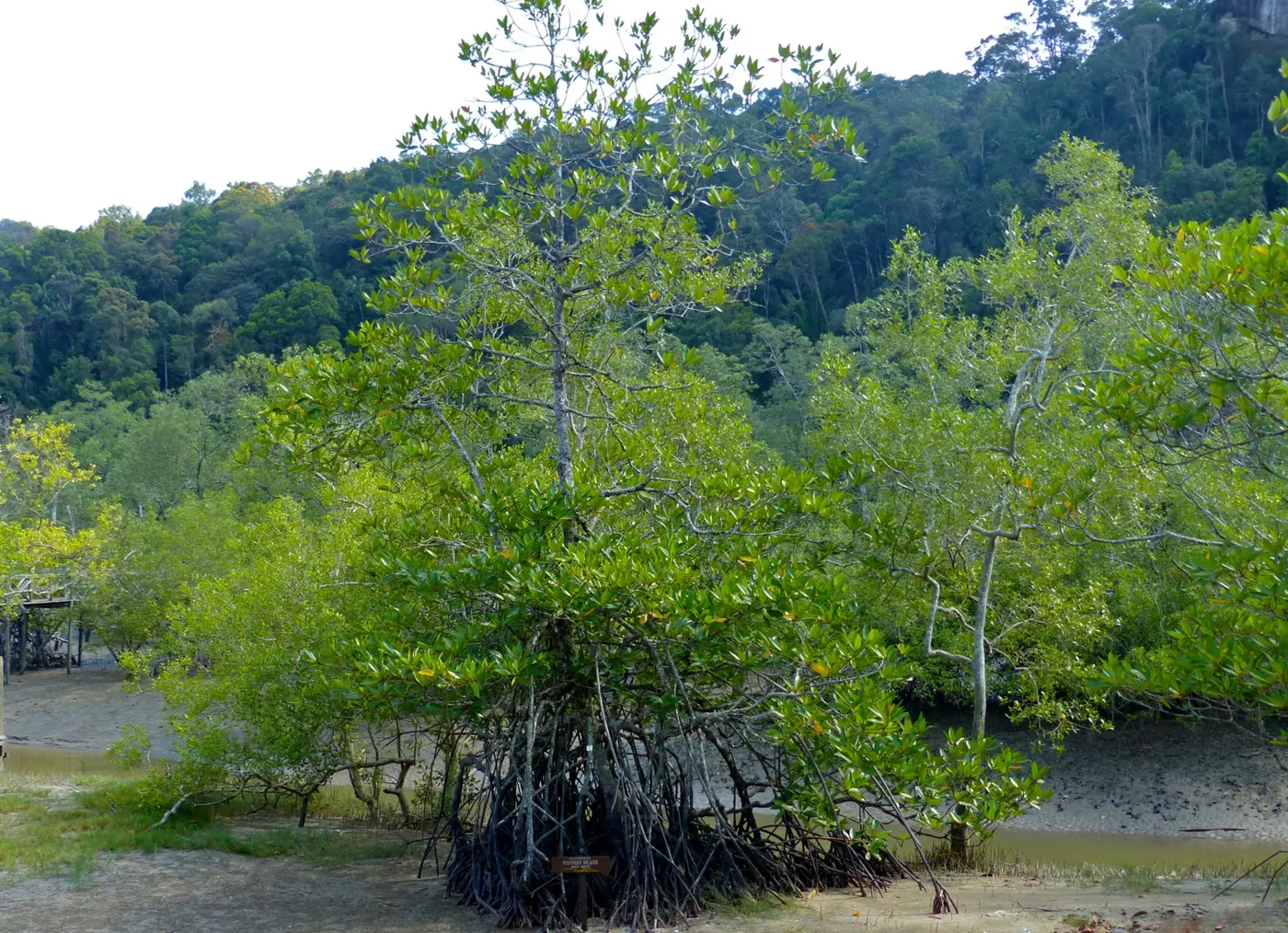
Mangrove trees and stilt roots in Bako National Park, Sarawak, Malaysian Borneo.
Geography & biotopes
Meet the tidal boundary between land and sea.
The Malaysian Ramsar directory includes mangrove landscapes at Pulau Kukup, Tanjung Piai, Sungai Pulai and Kuching Wetlands. Their river mouths, tidal channels and wooded shores form different habitat mosaics.
The selection below follows explicit mangrove, estuarine or brackish-water statements. These terms indicate related settings, but are not interchangeable descriptions of a single site.
The species catalogue
These accounts contain explicit habitat statements. An empty selection means evidence has not yet been indexed, not that snakes are absent.
9 species · showing 9
001 · Acrochordidae
Little filesnake
Malaysia: Malaya.
Read the species account →Mario Lutz · Copyright Mario Lutz. Authorised for display in this atlas; no third-party reuse licence granted.
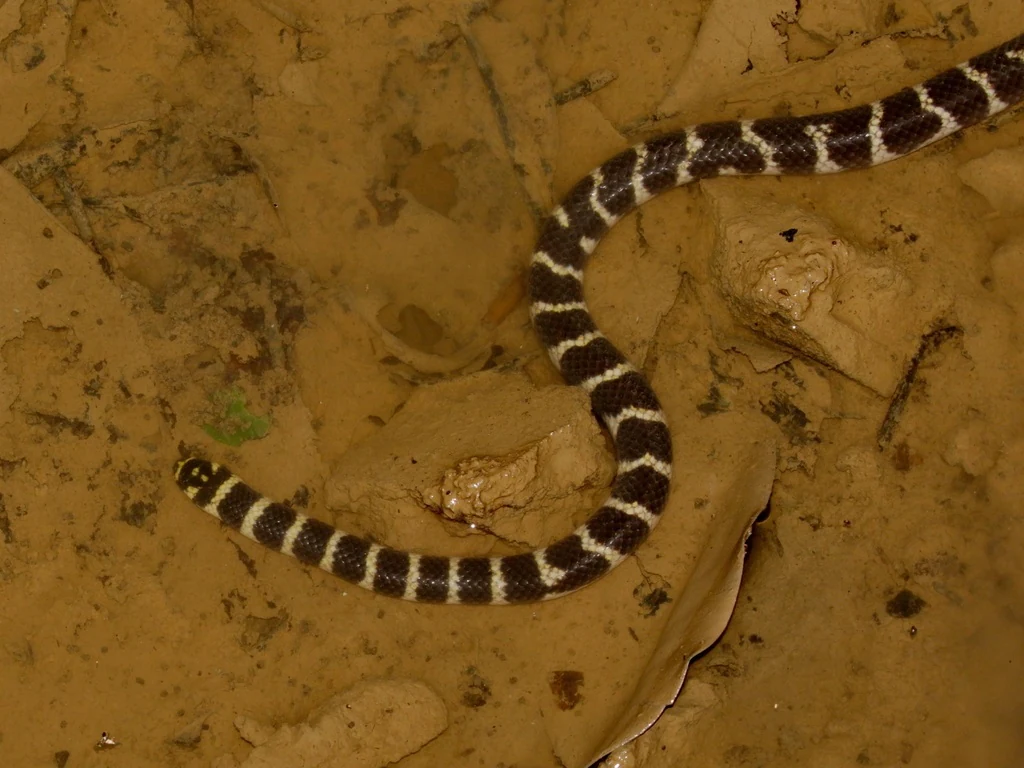
002 · Homalopsidae
Cantor's Water Snake
Malaysia: W Malaysia, Malaya.
Read the species account →Ian Dugdale · CC BY 4.0 · https://creativecommons.org/licenses/by/4.0/
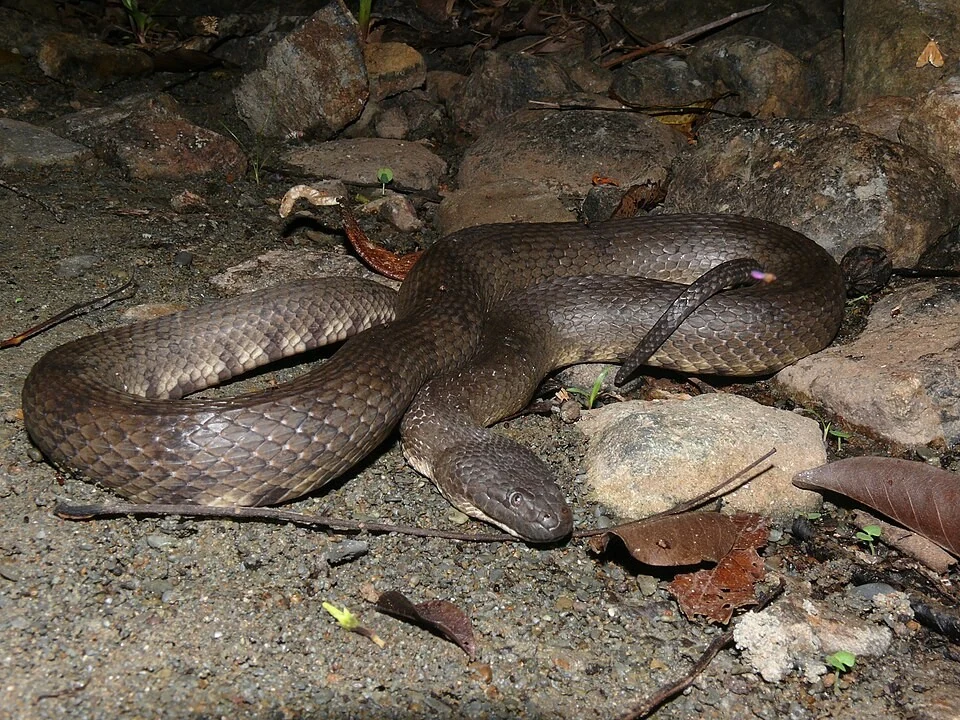
003 · Homalopsidae
South Asian Bockadam, New Guinea bockadam, Dog-faced Water Snake
Malaysia: national record; no finer locality assigned.
Read the species account →Swati Sidhu · CC BY-SA 4.0 · https://creativecommons.org/licenses/by-sa/4.0
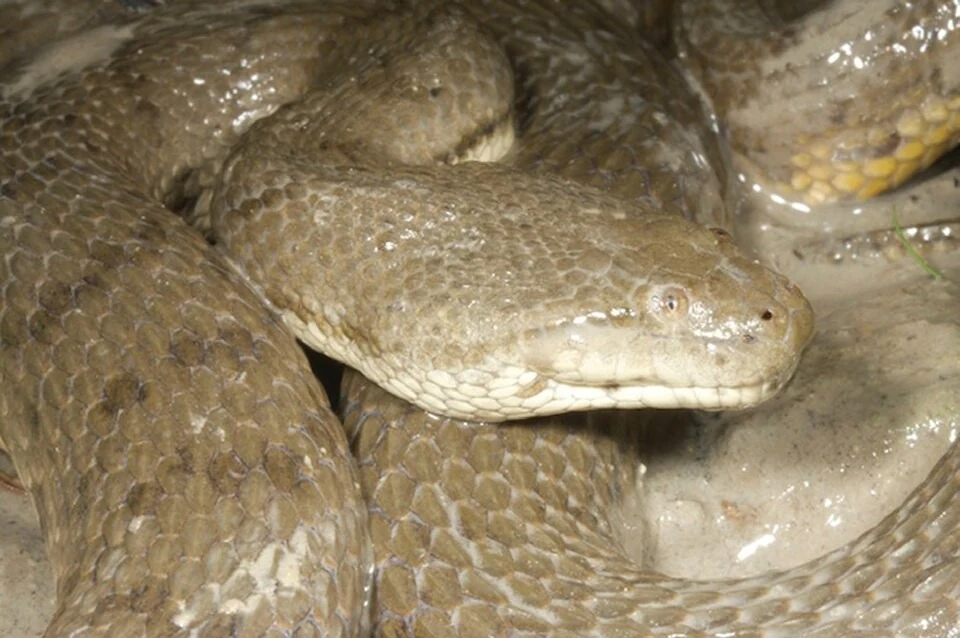
004 · Homalopsidae
Southeast Asian Bockadam
Malaysia: national record; no finer locality assigned.
Read the species account →Mark O’Shea · CC BY 3.0 · https://creativecommons.org/licenses/by/3.0
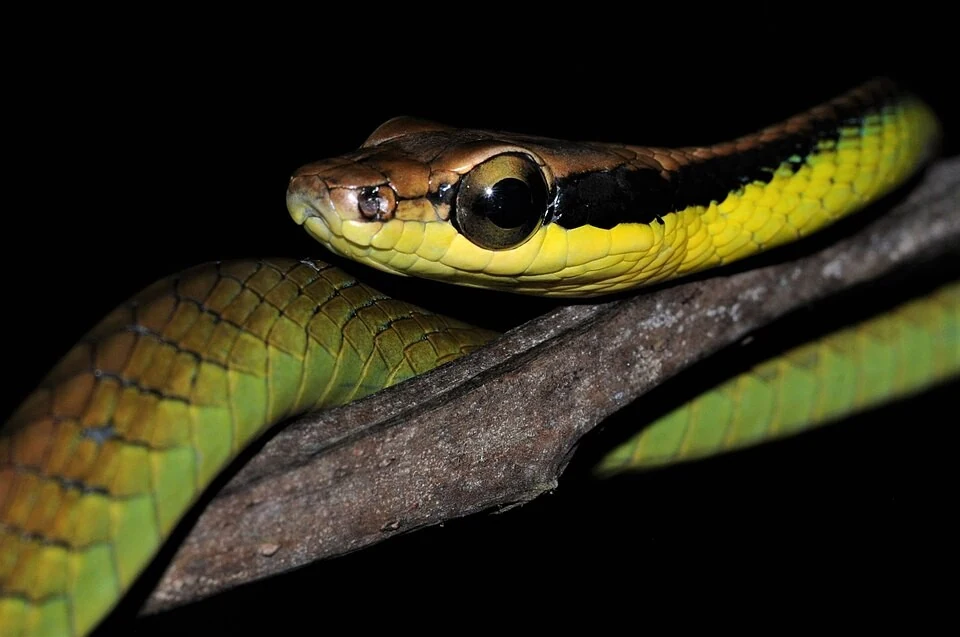
005 · Colubridae
Wall's Bronzeback
Malaysia: W Malaysia, Pinang, Pahang, Tioman.
Read the species account →Marius Burger · CC0 · https://creativecommons.org/publicdomain/zero/1.0/deed.en
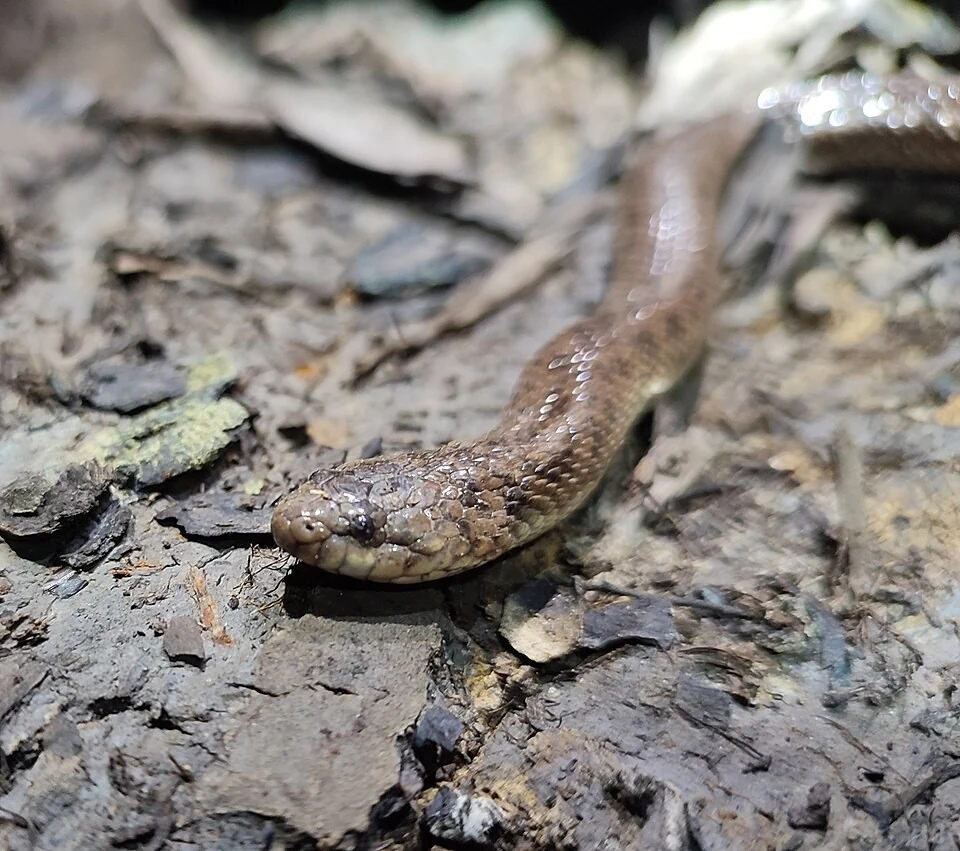
006 · Homalopsidae
Crab-eating (Water) Snake
Malaysia: Malaya.
Read the species account →Samuel GUIRAUDOU · CC BY 4.0 · https://creativecommons.org/licenses/by/4.0
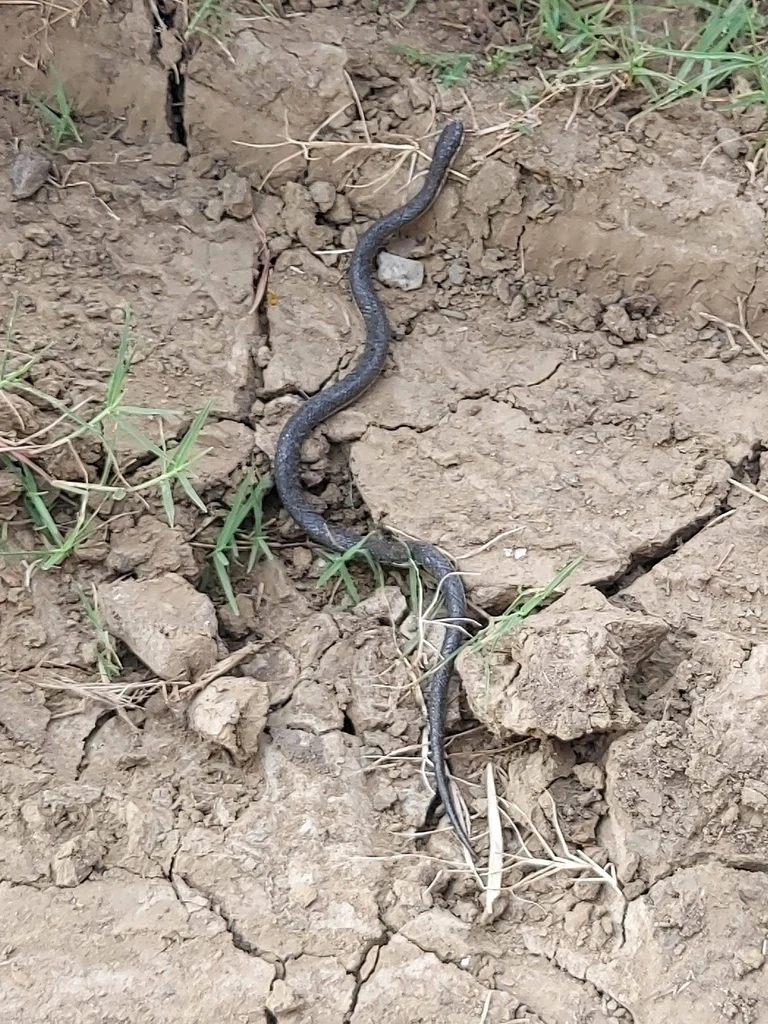
007 · Homalopsidae
Gerard's Water Snake
Malaysia: West Malaysia; Sarawak.
Read the species account →Ramesh Shenai · CC BY 4.0 · https://creativecommons.org/licenses/by/4.0/
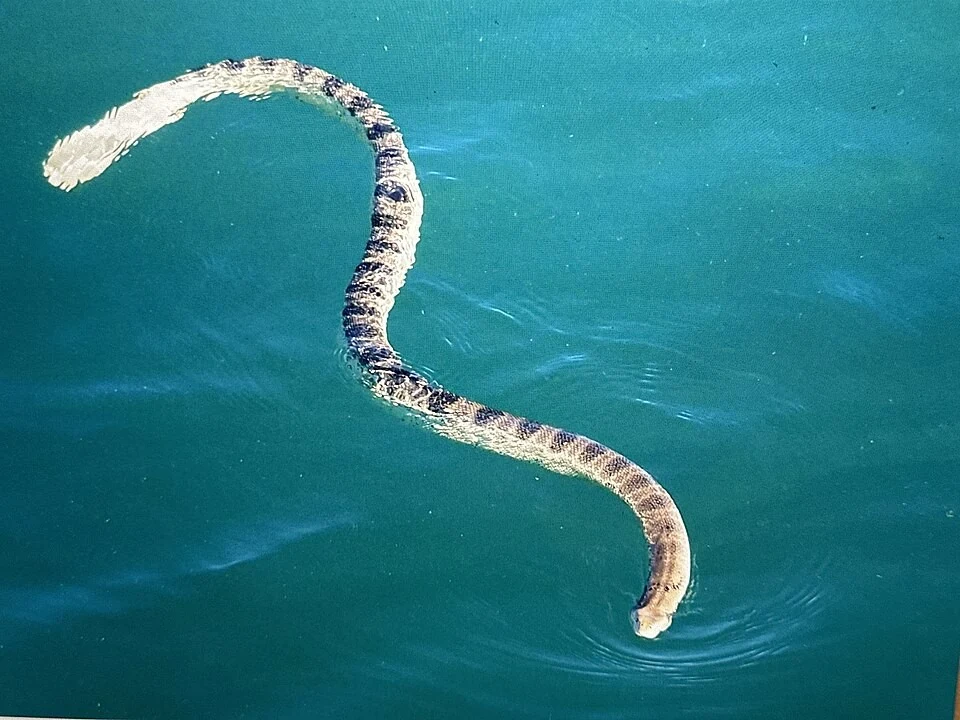
008 · Elapidae
Stoke’s seasnake
Malaysia: W Malaysia.
Read the species account →Rosario · CC BY 4.0 · https://creativecommons.org/licenses/by/4.0
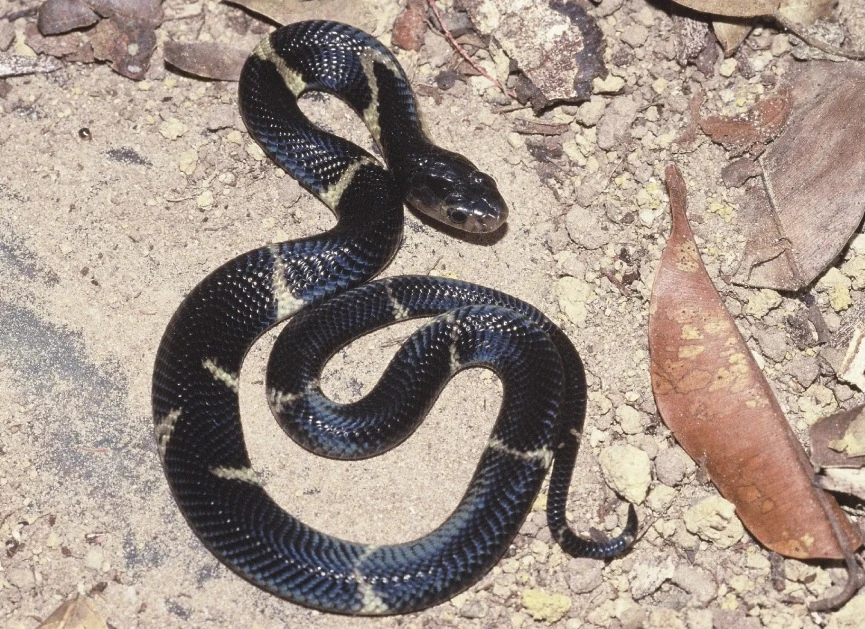
009 · Elapidae
Equatorial Spitting cobra
Malaysia: Tioman, Pangkor.
Read the species account →Johan van Rooijen · CC BY 3.0 · https://creativecommons.org/licenses/by/3.0
The research library
This edition lists 222 species from individual Reptile Database treatments and a supplementary MyBIS locality checked on 8 October 2026. It is a documented atlas collection, not a claim of a complete national inventory. Search results were checked against distribution fields and taxonomic qualifications.
Regional membership requires a named Malaysian locality. Borneo alone does not establish Sabah or Sarawak. A country record without finer resolution stays in the national collection. Labuan is a separate federal territory and has no dedicated species guide in this edition. Habitat selections require explicit habitat text; missing selections mark research gaps.
Geographic boundaries are navigation references from the 2017 geoBoundaries snapshot, not species ranges or a statement about disputed boundaries. Boundary provenance · OpenStreetMap contributors / ODbL 1.0.
excluded · The treatment identifies the Malaysian type locality as erroneous; the current range does not establish Malaysia.
Read the taxonomic treatment ↗regional qualification · The treatment rejects Borneo reports. Only the documented peninsular record is retained.
Read the taxonomic treatment ↗regional qualification · Sarawak is qualified as possible. Only Sabah is assigned in the regional index.
Read the taxonomic treatment ↗regional qualification · The treatment attributes Borneo reports to misidentified A. laevis; no Borneo locality is assigned.
Read the taxonomic treatment ↗excluded · The current distribution field does not establish Malaysian occurrence.
Read the taxonomic treatment ↗regional qualification · The treatment questions historical Borneo reports; they are not used in the regional index.
Read the taxonomic treatment ↗excluded · The current distribution field does not establish Malaysian occurrence.
Read the taxonomic treatment ↗regional qualification · The treatment rejects Borneo occurrence; no Borneo locality is assigned.
Read the taxonomic treatment ↗regional qualification · The Sarawak report is qualified as possible. It is not included in the Sarawak total.
Read the taxonomic treatment ↗excluded · The current distribution field does not establish Malaysian occurrence.
Read the taxonomic treatment ↗excluded · Search match only: the distribution treatment does not list Malaysia, Sabah, Sarawak or Malaya.
Read the taxonomic treatment ↗excluded · The current distribution field does not establish Malaysian occurrence.
Read the taxonomic treatment ↗excluded · The current distribution field does not establish Malaysian occurrence.
Read the taxonomic treatment ↗excluded · The treatment assigns older West Malaysian records to Gonyosoma coeruleum following David et al. (2022).
Read the taxonomic treatment ↗excluded · The current distribution field does not establish Malaysian occurrence.
Read the taxonomic treatment ↗excluded · The current distribution field does not establish Malaysian occurrence.
Read the taxonomic treatment ↗excluded · The current distribution field does not establish Malaysian occurrence.
Read the taxonomic treatment ↗excluded · The current distribution field does not establish Malaysian occurrence.
Read the taxonomic treatment ↗excluded · The current distribution field does not establish Malaysian occurrence.
Read the taxonomic treatment ↗excluded · The revised treatment restricts this name to Sumatra and Java; older Malaysian reports are obsolete.
Read the taxonomic treatment ↗excluded · The current distribution field does not establish Malaysian occurrence.
Read the taxonomic treatment ↗excluded · The current distribution field does not establish Malaysian occurrence.
Read the taxonomic treatment ↗excluded · The current distribution field does not establish Malaysian occurrence.
Read the taxonomic treatment ↗supplementary national record · MyBIS provides a Terengganu record under the revised name; this supplements the shorter taxonomic distribution field.
Read the taxonomic treatment ↗Each species account links its checked treatment and any additional biological sources. Regional and habitat counts reflect extracted evidence, rather than automatic assignment across the country.