


Cerastes gasperettii
The checked treatment or independent checklist questions this country assignment or uses an older species concept. A voucher under the current identity remains unresolved.
Lebanon · Place guide
This guide groups Liban-Sud, Nabatîyé in the credited boundary snapshot. Use the regional map to locate individual places within southern lebanon.
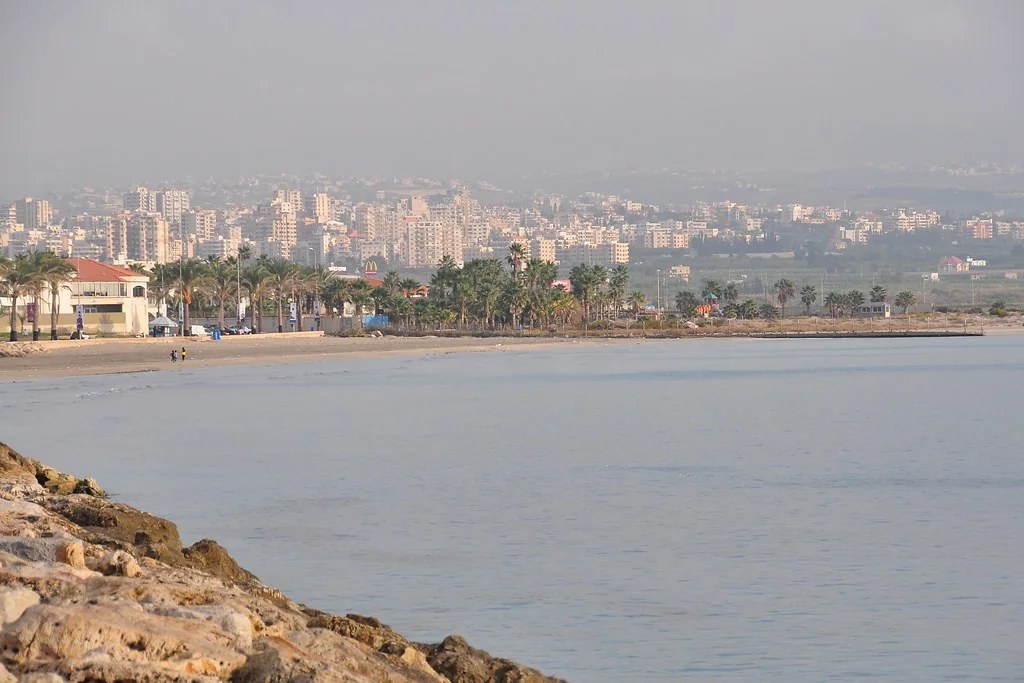
Coastline and city of Tyre (Sour), southern Lebanon, November 2013.
Geography & biotopes
This guide groups Liban-Sud, Nabatîyé in the credited boundary snapshot. Use the regional map to locate individual places within southern lebanon.
The report identifies the Litani and the sandy coast south of it as conservation landscapes, distinct from inland forest patches.
For a useful field record, distinguish shoreline substrate, tidal water and inland vegetation. Record the island or named coastal site as well as the observation point; photographs of a nearby shore cannot identify the habitat at that point.
Check current information from the relevant local authority before visiting. Keep precise locality and date with any observation; the regional grouping provides orientation, not a current access assessment.
This guide indexes these source names: Liban-Sud, Nabatîyé. A country-only record is not automatically assigned to this place. Map markers identify navigation destinations, not collection sites.
Habitats & living landscapes
Explore 4 guides to the environments, places and conservation pressures that shape this country. Each guide connects to the regional map and shared species accounts.
Habitat · 01
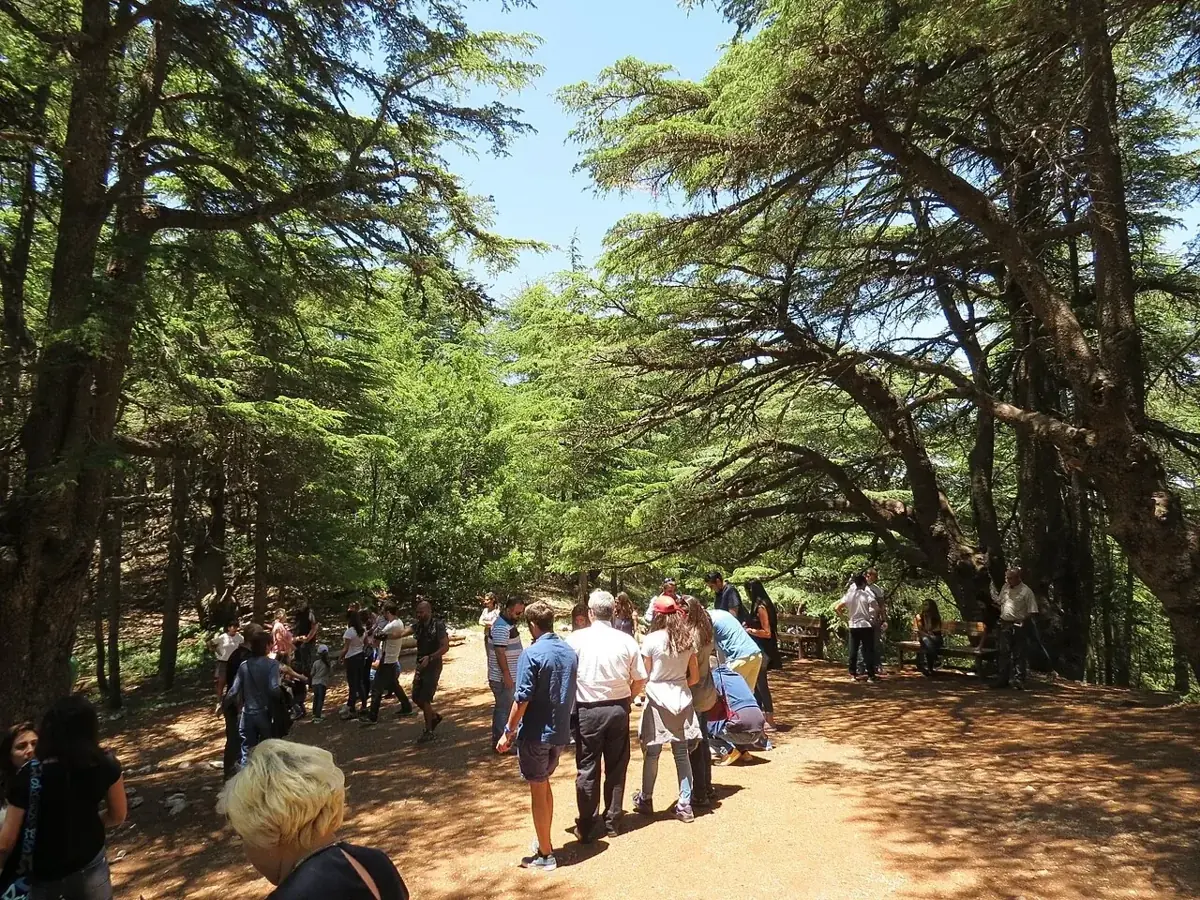
Explore the documented landscape around Shouf cedar landscape. The named example anchors this guide; the country map and separately sourced species accounts answer different questions.
Explore the habitat ↗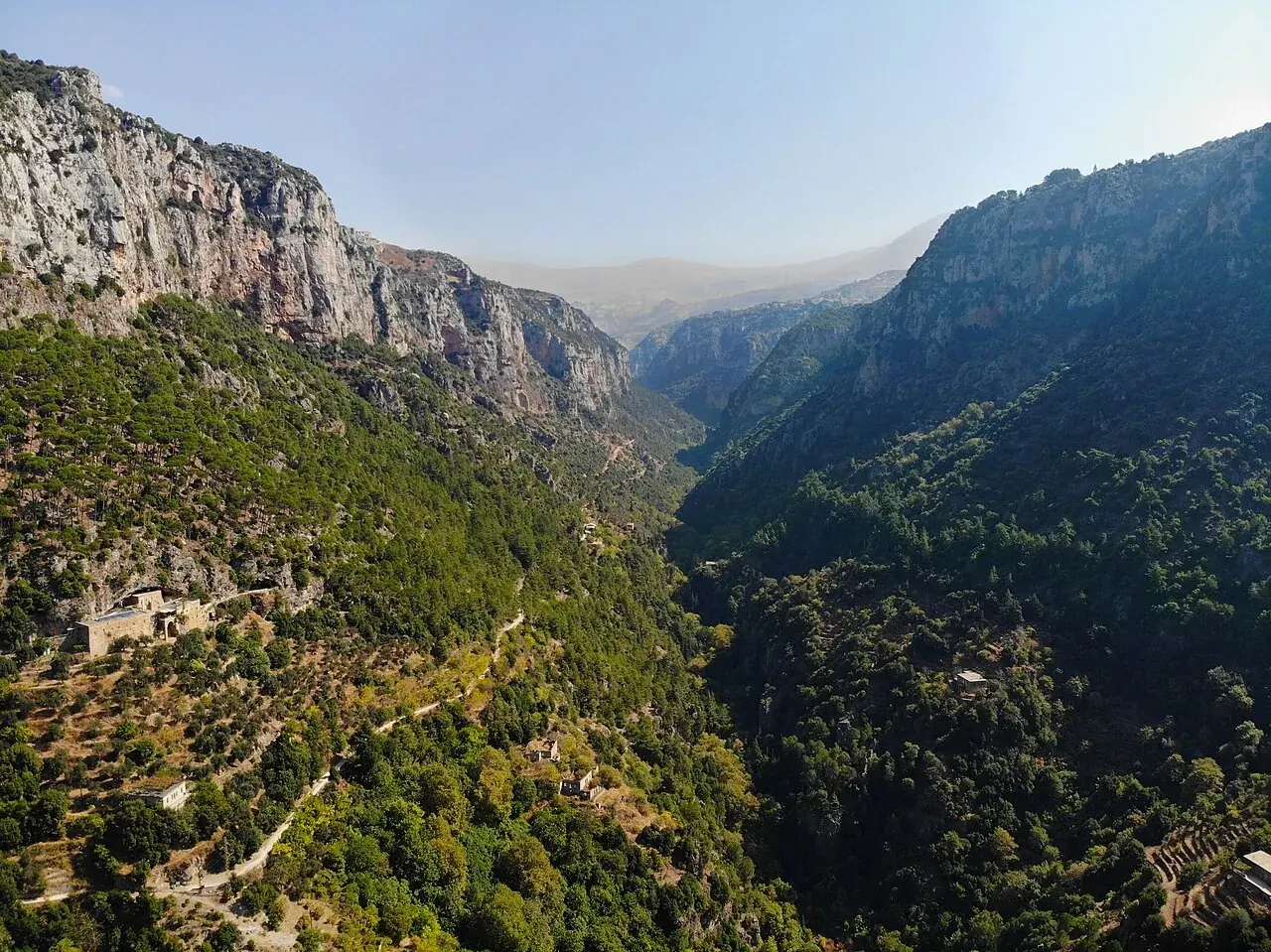
Habitat · 02
Explore the documented landscape around Shouf ridge. The named example anchors this guide; the country map and separately sourced species accounts answer different questions.
Explore the habitat ↗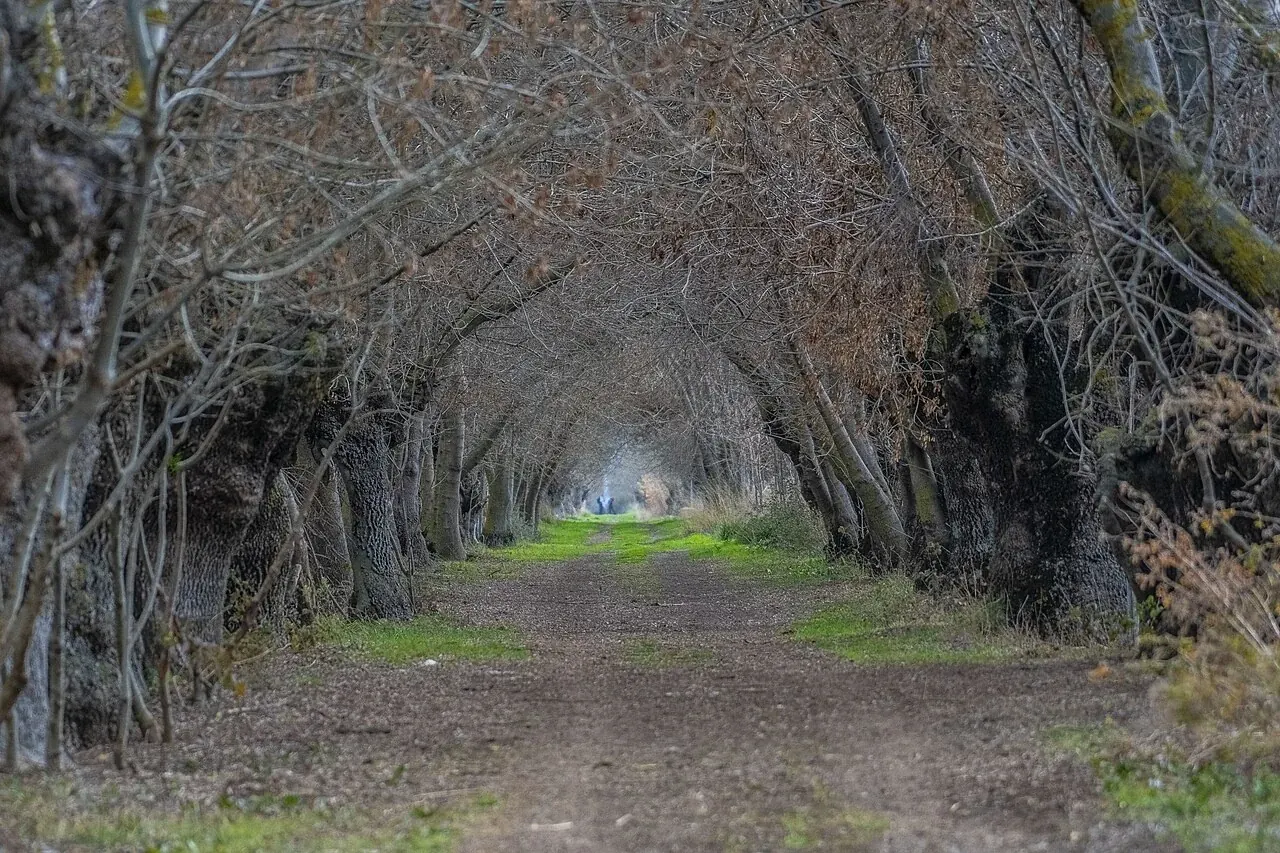
Habitat · 03
Explore the documented landscape around Aammiq. The named example anchors this guide; the country map and separately sourced species accounts answer different questions.
Explore the habitat ↗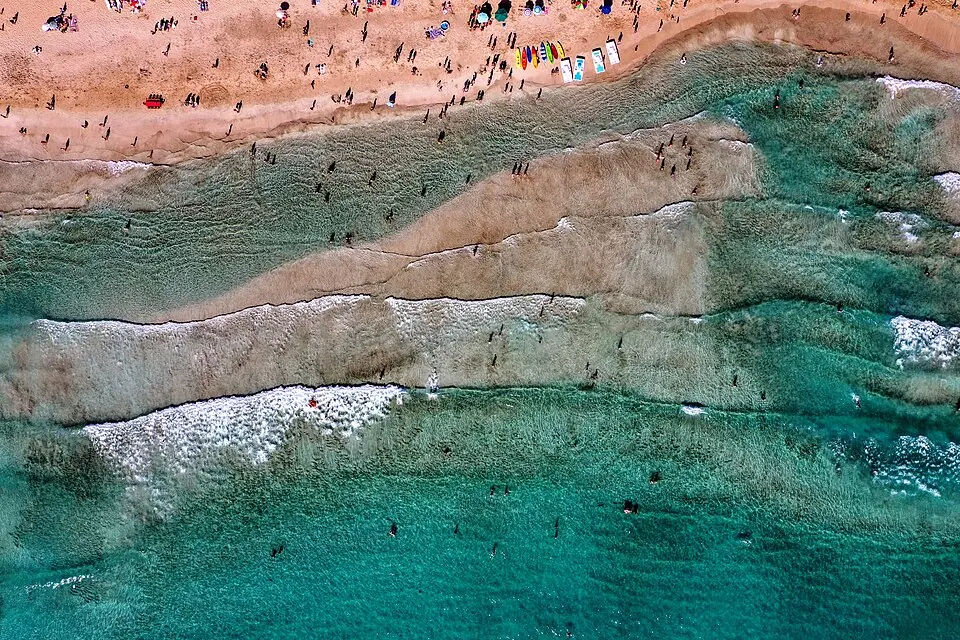
Habitat · 04
Explore the documented landscape around Palm Islands. The named example anchors this guide; the country map and separately sourced species accounts answer different questions.
Explore the habitat ↗Cedar woodland and visitor path at Barouk, Lebanon. — Bdx. Original photograph · CC BY-SA 4.0. Cropped for the cards; photographs do not establish snake occurrence.
Qadisha Valley near Qannoubine Monastery, Lebanon. — Evan Williams. Original photograph · CC BY-SA 4.0. Cropped for the cards; photographs do not establish snake occurrence.
Tree-lined path within Aammiq Wetland, Lebanon; open water is not shown. — Michelsawan. Original photograph · CC BY-SA 4.0. Cropped for the cards; photographs do not establish snake occurrence.
An aerial view of the public beach and shallow coastal water at Tyre, Lebanon, in September 2019; recreational use is visible. — ThatPerson321. Original photograph · CC BY-SA 4.0. Cropped for the cards; photographs do not establish snake occurrence.
The species catalogue
Only records naming this place appear below. These are extracted locality records, not complete island or regional inventories.
No supported locality records have been extracted for this selection. This is a research gap, not evidence that snakes are absent.
0 species · showing 0
Try another name or clear the filters. Absence from a regional list does not establish absence in nature.
The research library
This edition lists 22 species with supported country records from checked taxonomic treatments and cited field studies. It is not a claim of a complete national inventory. Each account retains its source and check date; individual evidence entries retain their own review dates.
22 confirmed, introduced or explicitly qualified occasional country records. The inventory uses current individual species treatments and records explicit doubts separately. A complete independent modern national checklist was not verified in this pass; the chapter is a documented working inventory, not a completeness certification.
The Reptile Database: individually checked species treatments ↗
The checked treatment or independent checklist questions this country assignment or uses an older species concept. A voucher under the current identity remains unresolved.
The checked treatment or independent checklist questions this country assignment or uses an older species concept. A voucher under the current identity remains unresolved.
The checked treatment or independent checklist questions this country assignment or uses an older species concept. A voucher under the current identity remains unresolved.
The current treatment cites a 2026 rejection of Lebanon.
Old Levantine najadum records may be collaris; identity remains unresolved.
The checked treatment or independent checklist questions this country assignment or uses an older species concept. A voucher under the current identity remains unresolved.
No unqualified country evidence in the current distribution; discovery hits and type localities alone do not establish occurrence.
The checked treatment or independent checklist questions this country assignment or uses an older species concept. A voucher under the current identity remains unresolved.
Country links use a single accepted species identity. Revised names and disputed records are kept visible here; uncertain records do not enter the listed collection or regional totals.
Uncertain — excluded from the listed total
The checked treatment or independent checklist questions this country assignment or uses an older species concept. A voucher under the current identity remains unresolved.
Uncertain — excluded from the listed total
The checked treatment or independent checklist questions this country assignment or uses an older species concept. A voucher under the current identity remains unresolved.
Uncertain — excluded from the listed total
The checked treatment or independent checklist questions this country assignment or uses an older species concept. A voucher under the current identity remains unresolved.
Uncertain — excluded from the listed total
The current treatment cites a 2026 rejection of Lebanon.
Uncertain — excluded from the listed total
Old Levantine najadum records may be collaris; identity remains unresolved.
Uncertain — excluded from the listed total
The checked treatment or independent checklist questions this country assignment or uses an older species concept. A voucher under the current identity remains unresolved.
Uncertain — excluded from the listed total
The checked treatment or independent checklist questions this country assignment or uses an older species concept. A voucher under the current identity remains unresolved.
Search results were checked against distribution text and taxonomic qualifications. A geographic name alone does not establish a political country: New Guinea, the Solomon archipelago and Micronesia span more than one country or territory. Introduced and unresolved records require separate interpretation.
Place counts require explicit named localities, including valid type localities. Counts can overlap where sources name multiple places. Regional maps group historical boundary snapshots for navigation, while island outlines use Natural Earth; neither is a species range or an observation map. Small islands can be below the outline dataset’s resolution, so geographic reference markers and the directory remain available.
geoBoundaries; geoBoundaries, Wikimedia Commons · gbOpen ADM1 · 2017 snapshot · Public Domain. Generalised navigation boundaries, not snake ranges or territorial assertions. Map provenance →
Historical national ecological and geographic baseline; no current habitat-cover, access or species-occurrence inference. Original report retained in the source link.
geoBoundaries; geoBoundaries, Wikimedia Commons · gbOpen ADM1 · 2017 snapshot · Public Domain. Generalised navigation boundaries, not snake ranges or territorial assertions.
Individual treatments and locality evidence are linked from each species account.
Species-level literature measurements and ecological traits. Exact-name matches only; imputed or ambiguous fields are omitted. These summaries are not local observations.