Pressures in the source record
Construction and water pollution are documented national pressures. These are background concerns, not an assessment of the photographed point today.
Sources: CBD · Lebanon national profile
Lebanon · Habitat field guide
Explore the documented landscape around Shouf ridge. The named example anchors this guide; the country map and separately sourced species accounts answer different questions.
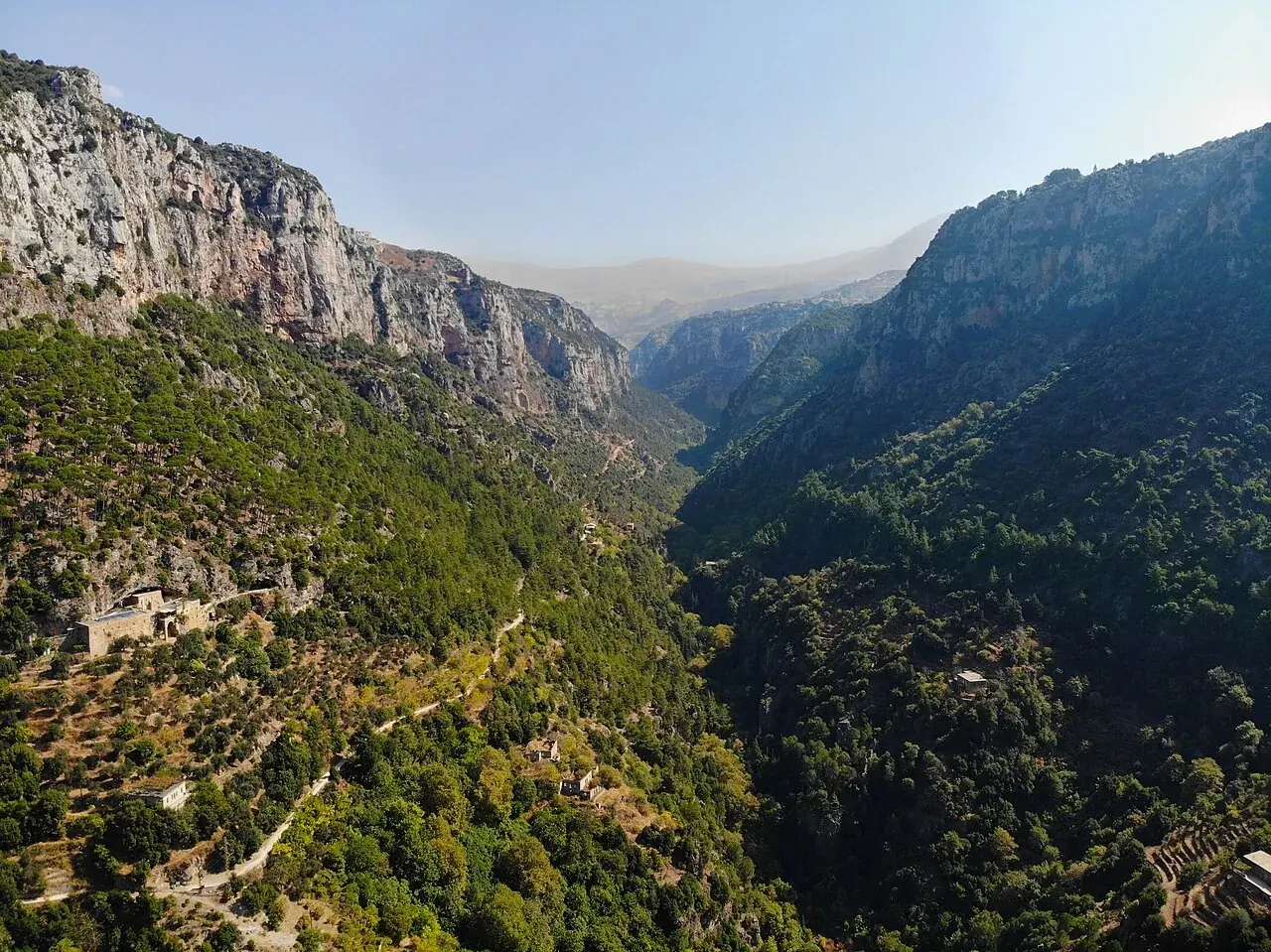
Qadisha Valley near Qannoubine Monastery, Lebanon.
Understanding the environment
Explore the documented landscape around Shouf ridge. The named example anchors this guide; the country map and separately sourced species accounts answer different questions.
Explore the structure · Valley → slope → ridge
Select a zone to see what changes.
Cover and land use
Compare woodland, cultivated ground and open rocky patches. Preserve the distinction between natural vegetation and working landscapes.
Compare this unit with the documented local setting and keep the observation date, exact place and source distinct.
These panels are a conceptual reading sequence, not a mapped transect or a recommendation to enter the site.
Sources: UNESCO · Shouf
Field notes · 01
The Shouf ridge lies between the Beqaa side and the western Shouf landscape. UNESCO emphasizes mountain water storage alongside forests and high ground, making ridge, slope and drainage position useful distinct reading units.
Sources: UNESCO · Shouf
Field notes · 02
Keep elevation, aspect and vegetation separate. A valley woodland, cultivated terrace, rock slope and alpine summit can occur within one mountain view, yet represent very different conditions. Snow and glacier photographs illustrate geography, not snake habitat at that point.
Pressures on Lebanon’s habitats
Construction and water pollution are documented national pressures. These are background concerns, not an assessment of the photographed point today.
Sources: CBD · Lebanon national profile
When revisiting an image or locality, compare the same season, water stage and viewing area before interpreting a change. Keep source dates visible.
Use the country and region maps to orient the landscape, then read each species profile for its independently reviewed habitat and range evidence. Similar scenery does not establish a shared species list.
The connected collection
These 0 species have supported country occurrence and an explicit habitat association in the shared account. The association may come from elsewhere in their range. This is not a complete local habitat inventory; the places above are landscape examples, not asserted collecting sites.
No species-level association has yet been resolved for this habitat in the collection. That does not mean snakes are absent.
0 species · showing 0
Try another name or clear the filters. Absence from a regional list does not establish absence in nature.
Read further
Guide reviewed 11 October 2026. Source dates and geographic scope matter; landscape photographs do not establish species occurrence.
Historical national overview; broad pressures and landscape context, not a current local condition survey, current statistics or wildlife locality evidence.
Named landscape, vegetation or hydrological setting only; no snake occurrence inferred. Historical site accounts are not current condition or access assessments.
Continue through Lebanon
Explore the documented landscape around Shouf cedar landscape. The named example anchors this guide; the country map and separately sourced species accounts answer different questions.
02Explore the documented landscape around Aammiq. The named example anchors this guide; the country map and separately sourced species accounts answer different questions.
03Explore the documented landscape around Palm Islands. The named example anchors this guide; the country map and separately sourced species accounts answer different questions.