


AtractaspididaeAtractaspisPhotograph not yet documented
001 · Atractaspididae
Israeli Mole Viper
Atractaspis engaddensis
VenomousClinical severity not establishedExplicit country record in the checked taxonomic treatment.
Read the species account →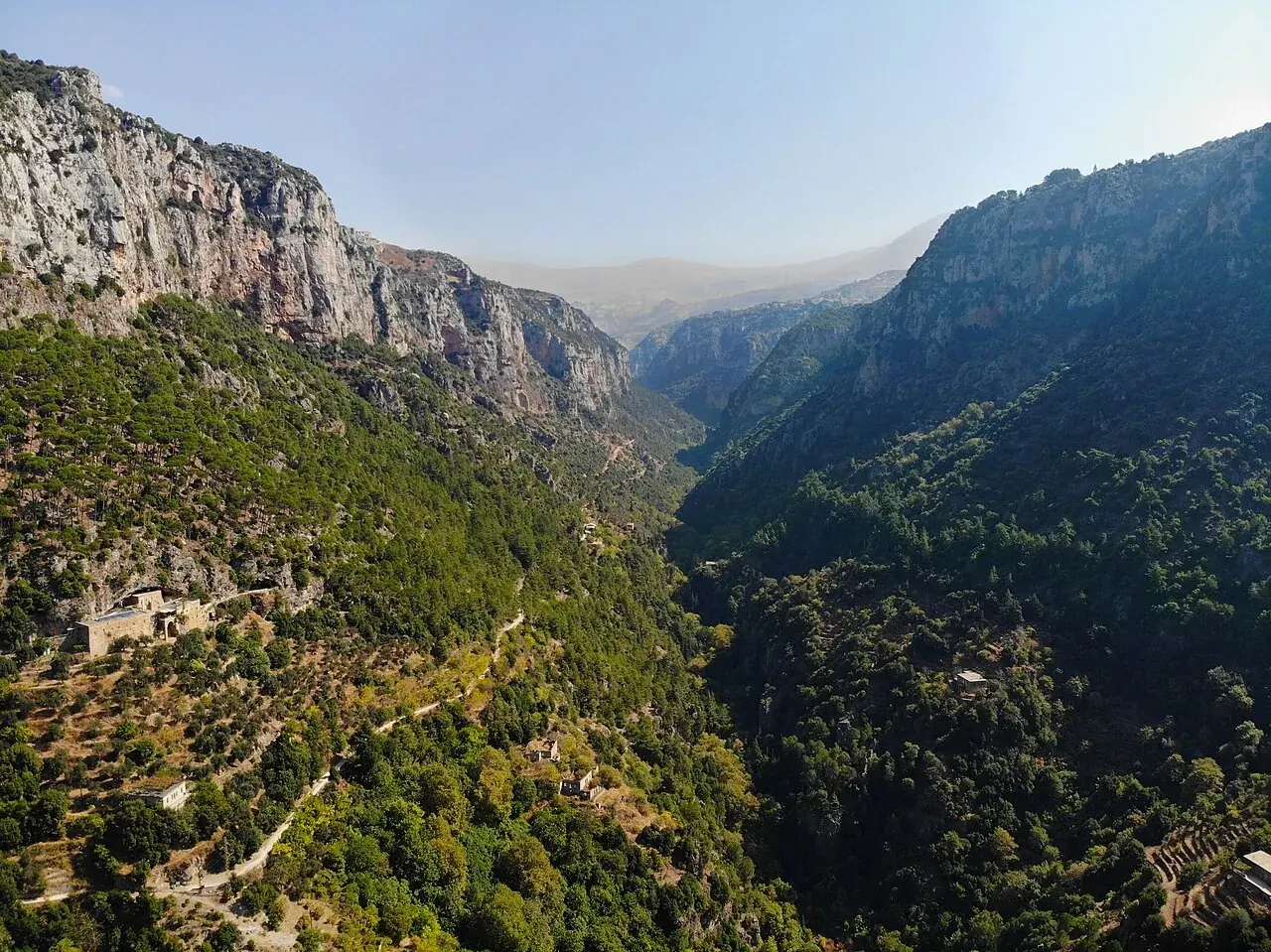
Lebanon · The country atlas
Mountain woodland, inland wetlands and Mediterranean shores make a closely spaced habitat mosaic.
Qadisha Valley near Qannoubine Monastery, Lebanon.
Geography & biotopes
Mountain woodland, inland wetlands and Mediterranean shores make a closely spaced habitat mosaic.
Regions group the administrative outlines in the credited historical snapshot; their names do not claim current administrative status. Each locality keeps its own country, island and habitat evidence. Country collections show supported atlas records, not an exhaustive national checklist.
Habitats & living landscapes
Explore 4 guides to the environments, places and conservation pressures that shape this country. Each guide connects to the regional map and shared species accounts.
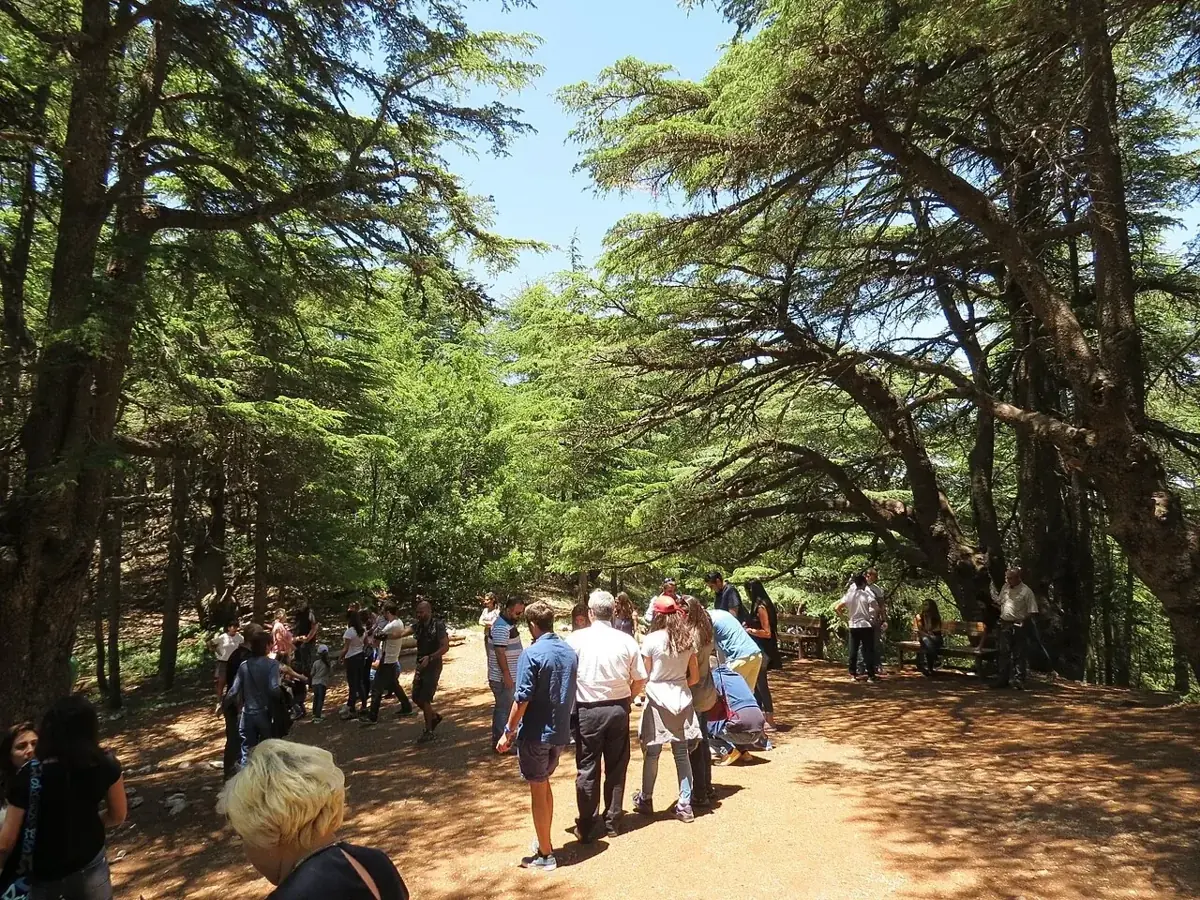
Habitat · 01
Explore the documented landscape around Shouf cedar landscape. The named example anchors this guide; the country map and separately sourced species accounts answer different questions.
Explore the habitat ↗Habitat · 02
Explore the documented landscape around Shouf ridge. The named example anchors this guide; the country map and separately sourced species accounts answer different questions.
Explore the habitat ↗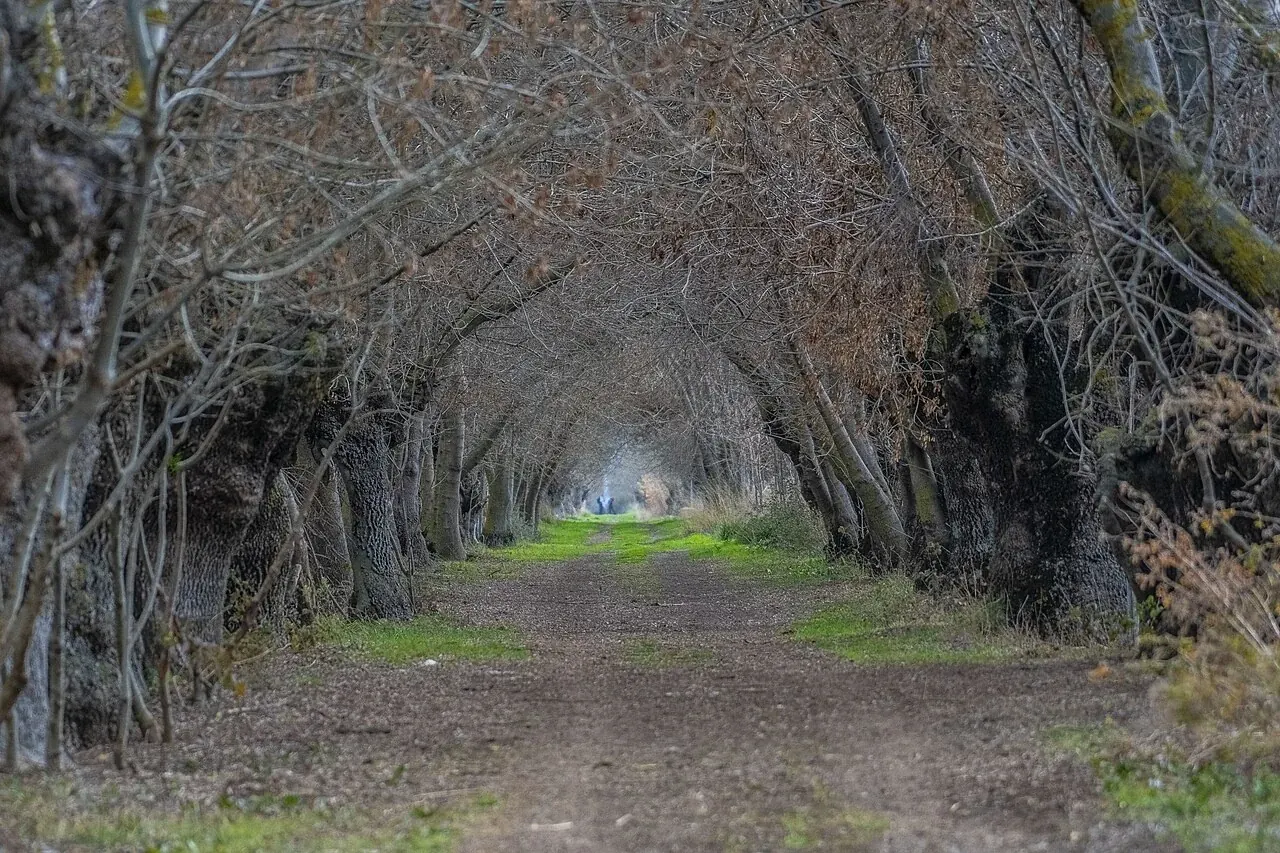
Habitat · 03
Explore the documented landscape around Aammiq. The named example anchors this guide; the country map and separately sourced species accounts answer different questions.
Explore the habitat ↗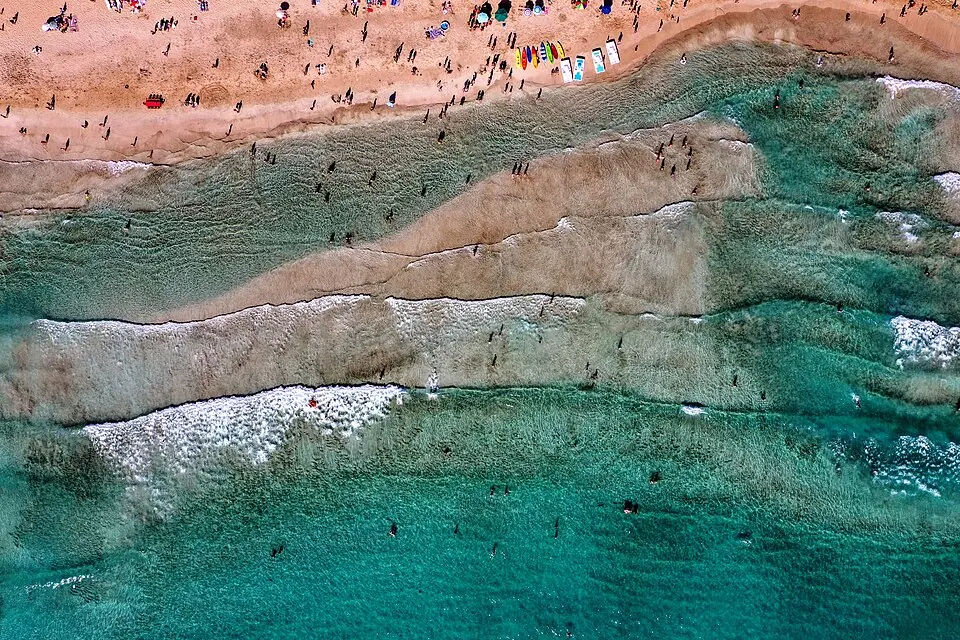
Habitat · 04
Explore the documented landscape around Palm Islands. The named example anchors this guide; the country map and separately sourced species accounts answer different questions.
Explore the habitat ↗Cedar woodland and visitor path at Barouk, Lebanon. — Bdx. Original photograph · CC BY-SA 4.0. Cropped for the cards; photographs do not establish snake occurrence.
Qadisha Valley near Qannoubine Monastery, Lebanon. — Evan Williams. Original photograph · CC BY-SA 4.0. Cropped for the cards; photographs do not establish snake occurrence.
Tree-lined path within Aammiq Wetland, Lebanon; open water is not shown. — Michelsawan. Original photograph · CC BY-SA 4.0. Cropped for the cards; photographs do not establish snake occurrence.
An aerial view of the public beach and shallow coastal water at Tyre, Lebanon, in September 2019; recreational use is visible. — ThatPerson321. Original photograph · CC BY-SA 4.0. Cropped for the cards; photographs do not establish snake occurrence.
The species catalogue
Search scientific names, historical names, common names and families. Every card opens one shared account across its documented countries.
22 species · showing 22
001 · Atractaspididae
Israeli Mole Viper
Explicit country record in the checked taxonomic treatment.
Read the species account →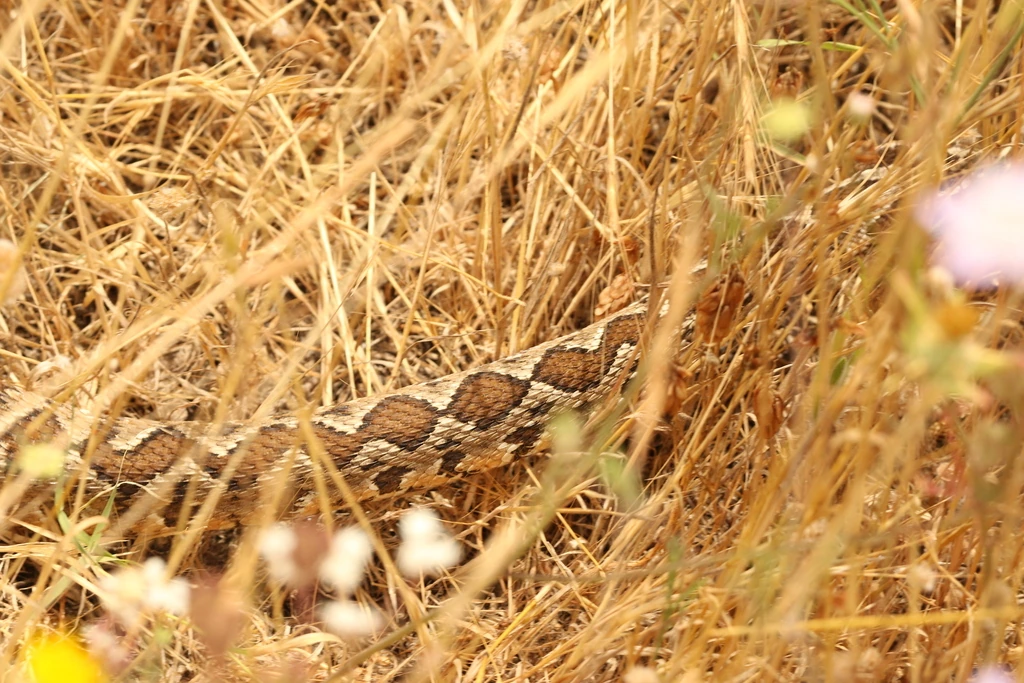
002 · Viperidae
Palestine Viper
Explicit country record in the checked taxonomic treatment.
Read the species account →Chaym Turak · CC BY-SA 4.0 · https://creativecommons.org/licenses/by-sa/4.0/
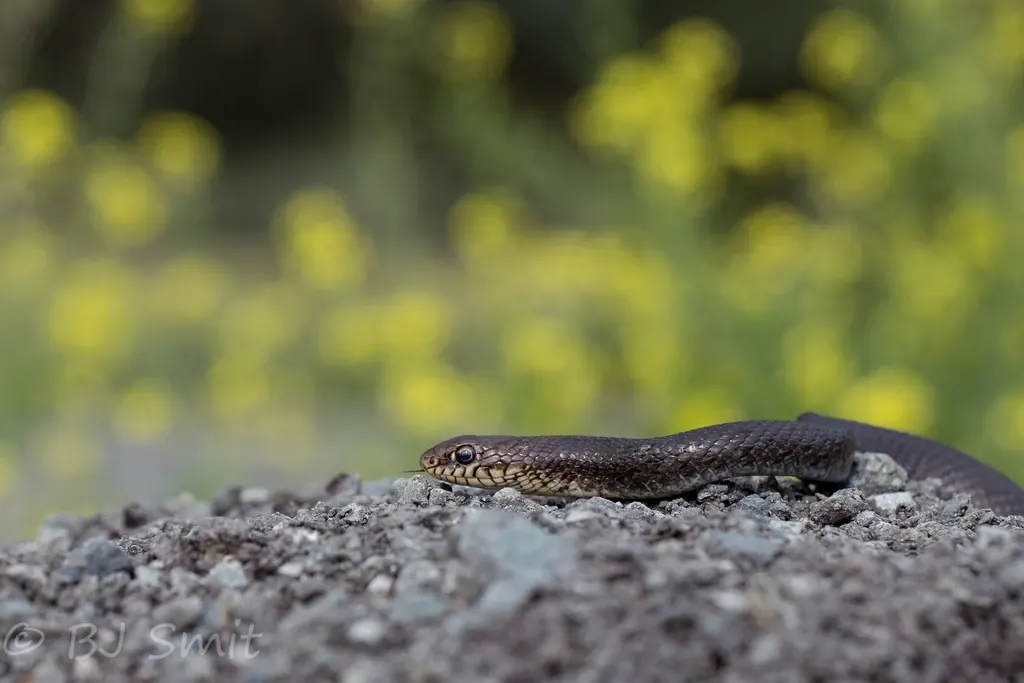
003 · Colubridae
Large Whip Snake
Explicit country record in the checked taxonomic treatment.
Read the species account →Bart · CC BY 4.0 · https://creativecommons.org/licenses/by/4.0/
004 · Colubridae
English common name not available
Explicit country record in the checked taxonomic treatment.
Read the species account →005 · Colubridae
Species account
Explicit country record in the checked taxonomic treatment.
Read the species account →006 · Colubridae
Species account
Explicit country record in the checked taxonomic treatment.
Read the species account →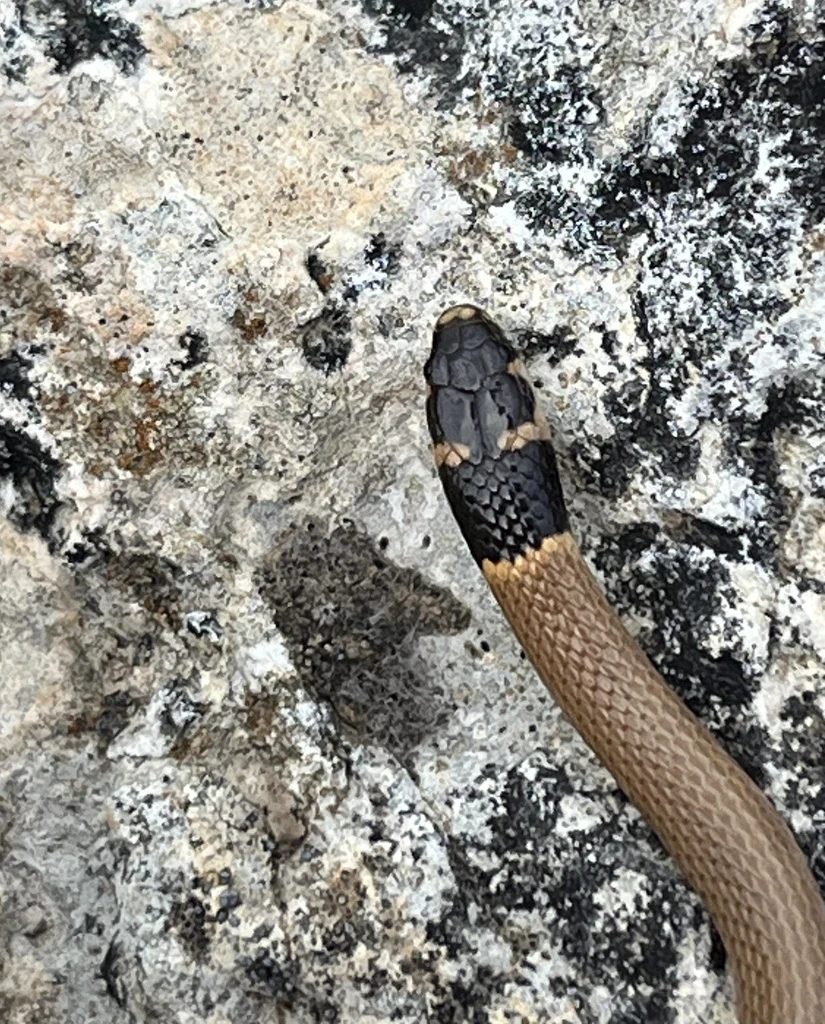
007 · Colubridae
Roth's Dwarf Racer
Explicit country record in the checked taxonomic treatment.
Read the species account →NoahM · CC BY 4.0 · https://creativecommons.org/licenses/by/4.0/
008 · Colubridae
Species account
Explicit country record in the checked taxonomic treatment.
Read the species account →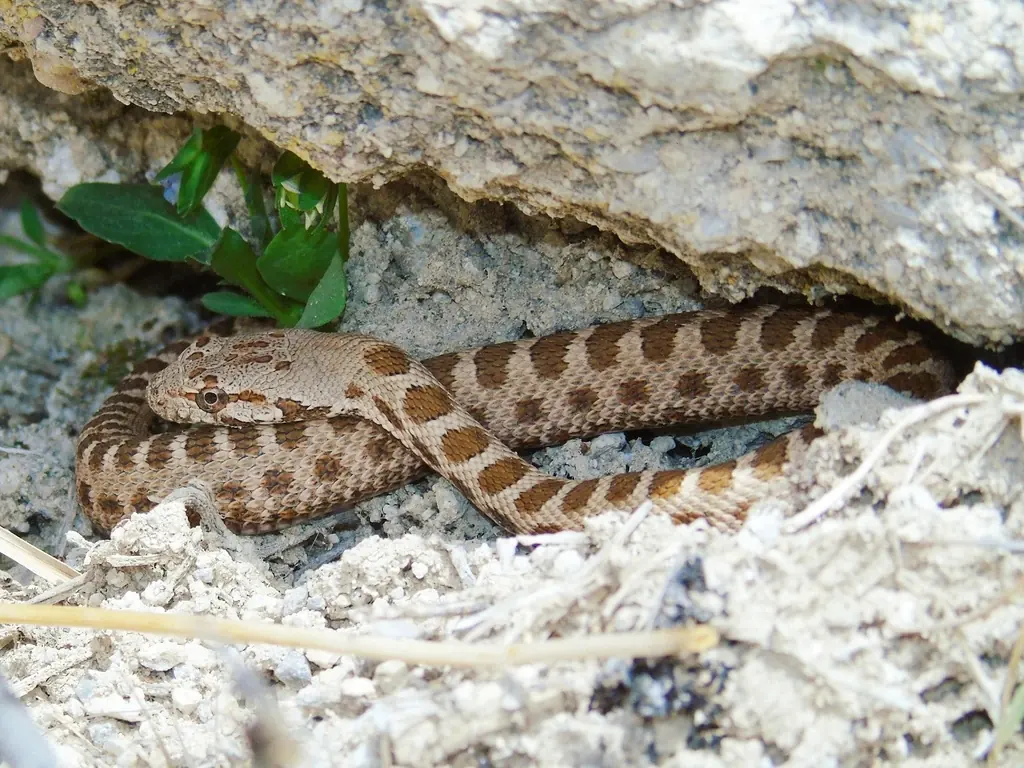
009 · Colubridae
Asian Racer, Coin-Marked Snake
Explicit country record in the checked taxonomic treatment.
Read the species account →Kseniia Marianna Prondzynska · CC BY 4.0 · https://creativecommons.org/licenses/by/4.0/
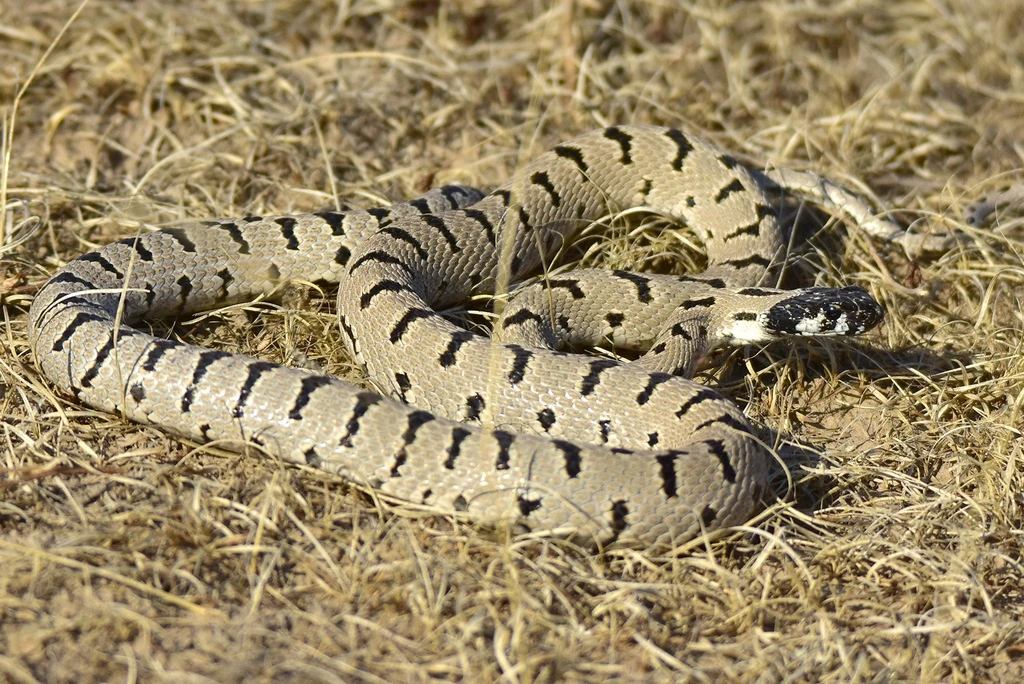
010 · Colubridae
Spotted Whip Snake
Explicit country record in the checked taxonomic treatment.
Read the species account →Kudaibergen Amirekul · CC BY-SA 4.0 · https://creativecommons.org/licenses/by-sa/4.0/
011 · Typhlopidae
Israeli Worm Snake
Explicit country record in the checked taxonomic treatment.
Read the species account →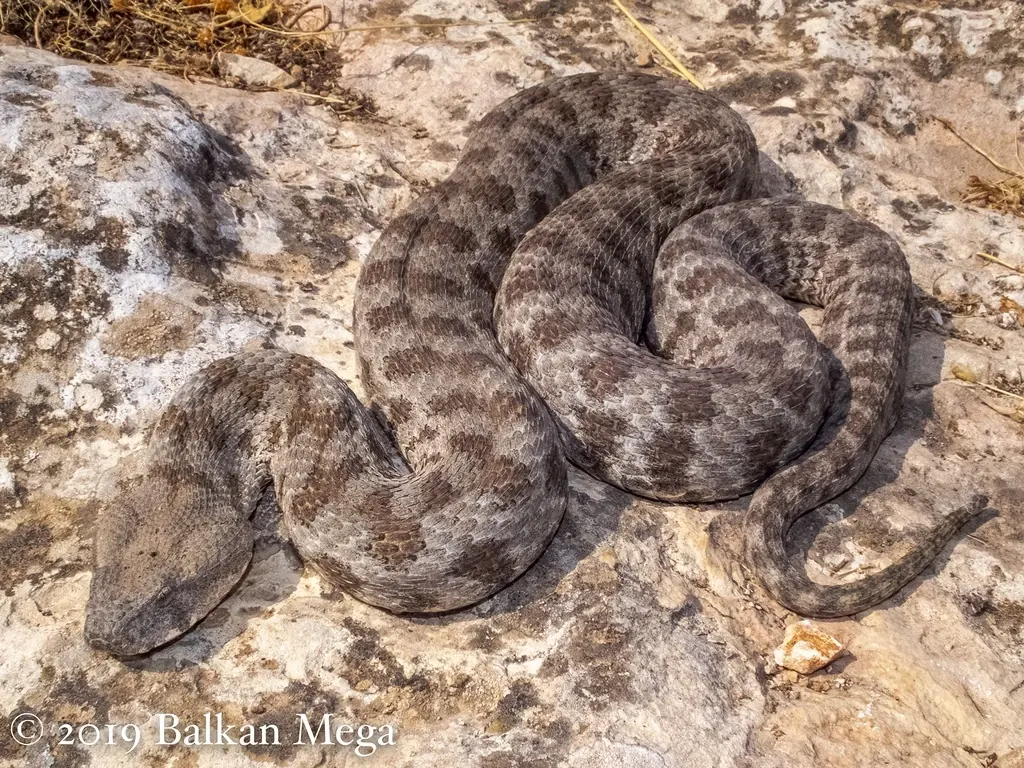
012 · Viperidae
Levantine Viper
Explicit country record in the checked taxonomic treatment.
Read the species account →Balkan Mega · CC BY 4.0 · https://creativecommons.org/licenses/by/4.0/
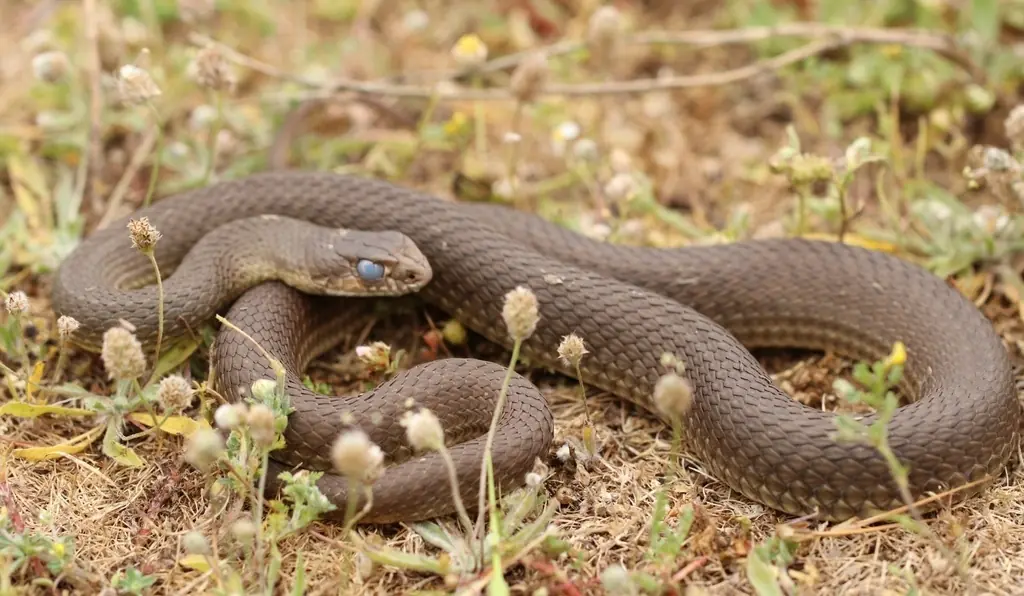
013 · Psammophiidae
Eastern Montpellier Snake
Explicit country record in the checked taxonomic treatment.
Read the species account →Ryan van Huyssteen · CC BY 4.0 · https://creativecommons.org/licenses/by/4.0/
014 · Micrelapidae
Mueller's two-headed snake
Explicit country record in the checked taxonomic treatment.
Read the species account →015 · Viperidae
Lebanon Viper
Explicit country record in the checked taxonomic treatment.
Read the species account →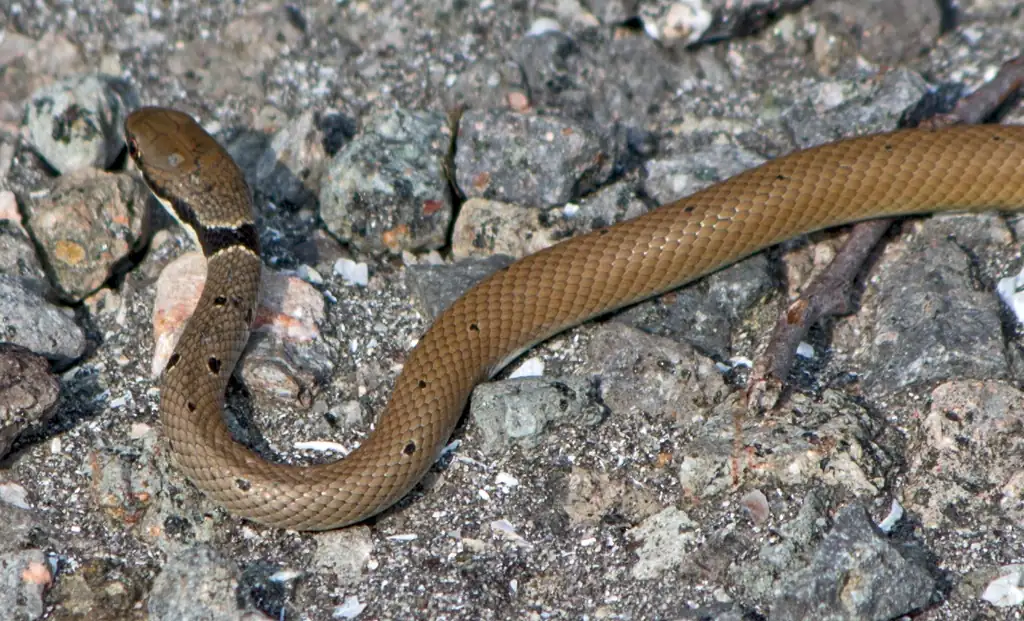
016 · Colubridae
Collared Dwarf Racer
Explicit country record in the checked taxonomic treatment.
Read the species account →katunchik · CC BY 4.0 · https://creativecommons.org/licenses/by/4.0/
017 · Colubridae
Rogers' Racer
Explicit country record in the checked taxonomic treatment.
Read the species account →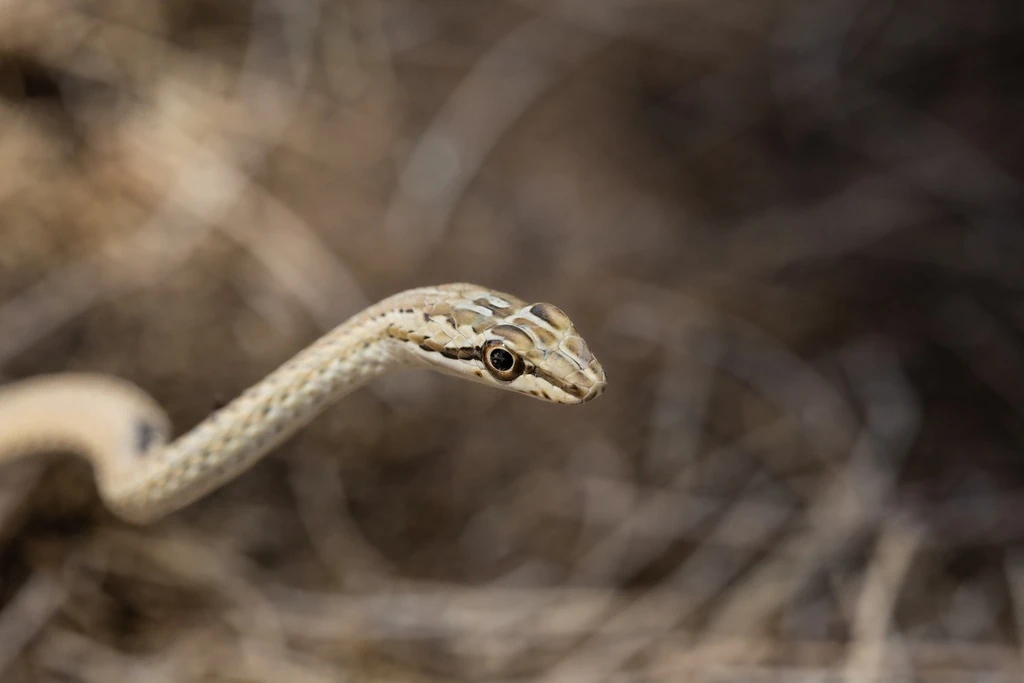
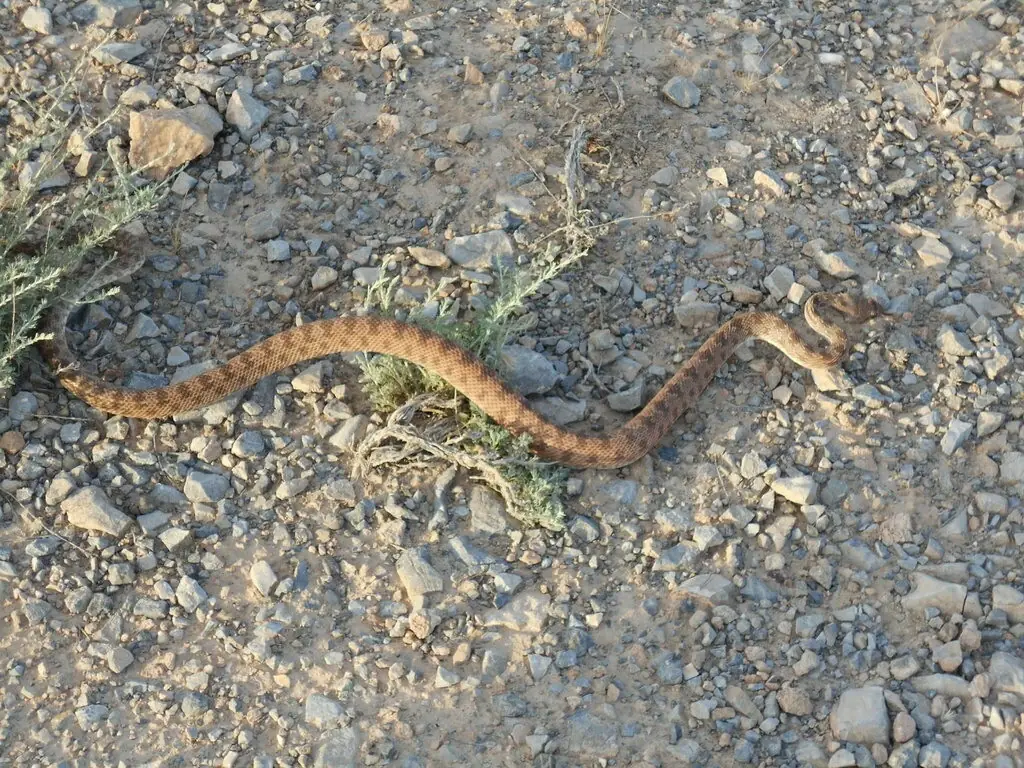
018 · Psammophiidae
Schokari Sand Racer, Forskal Sand Snake
Explicit country record in the checked taxonomic treatment.
Read the species account →Mahomed Desai · CC BY 4.0 · https://creativecommons.org/licenses/by/4.0/
019 · Colubridae
Diadem Snake, Royal Snake
Explicit country record in the checked taxonomic treatment.
Read the species account →Askar Akhmedov · CC BY 4.0 · https://creativecommons.org/licenses/by/4.0/
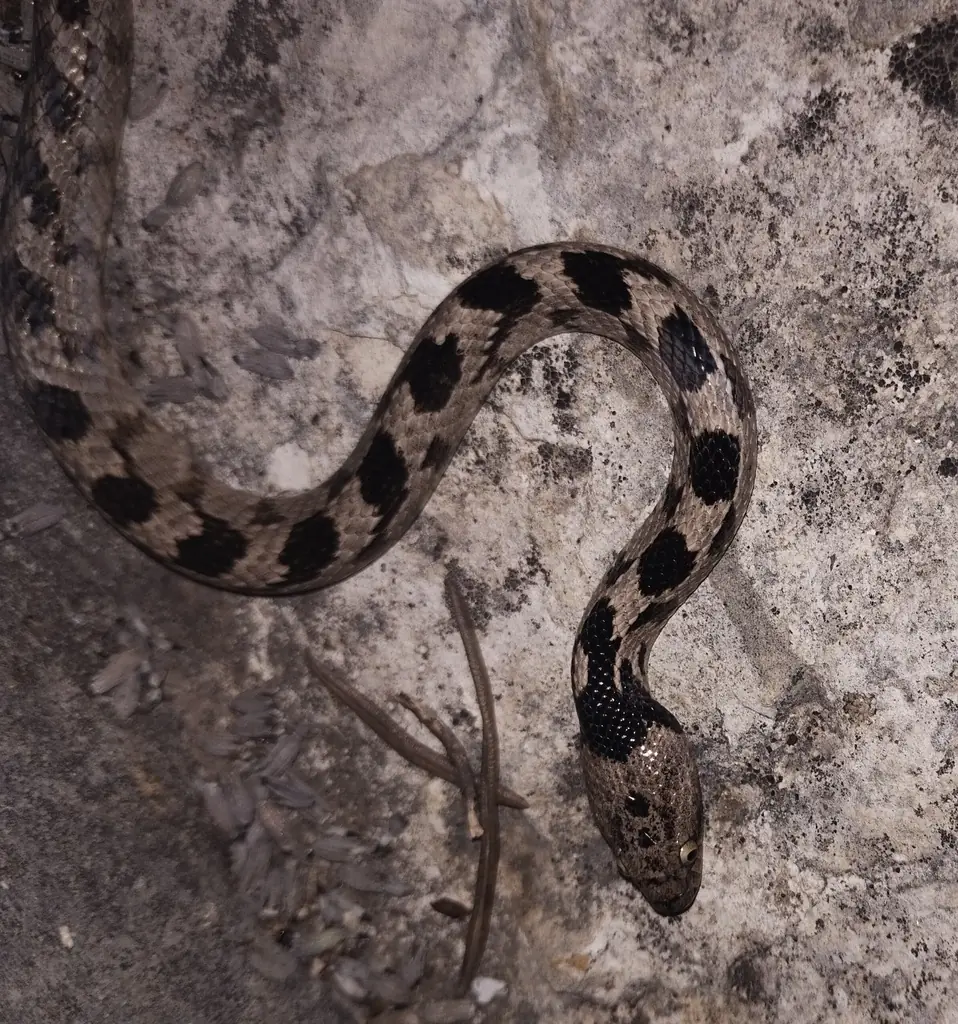
020 · Colubridae
Mediterranean Cat Snake, European Catsnake
Explicit country record in the checked taxonomic treatment.
Read the species account →Karlo Ostojcic · CC BY 4.0 · https://creativecommons.org/licenses/by/4.0/
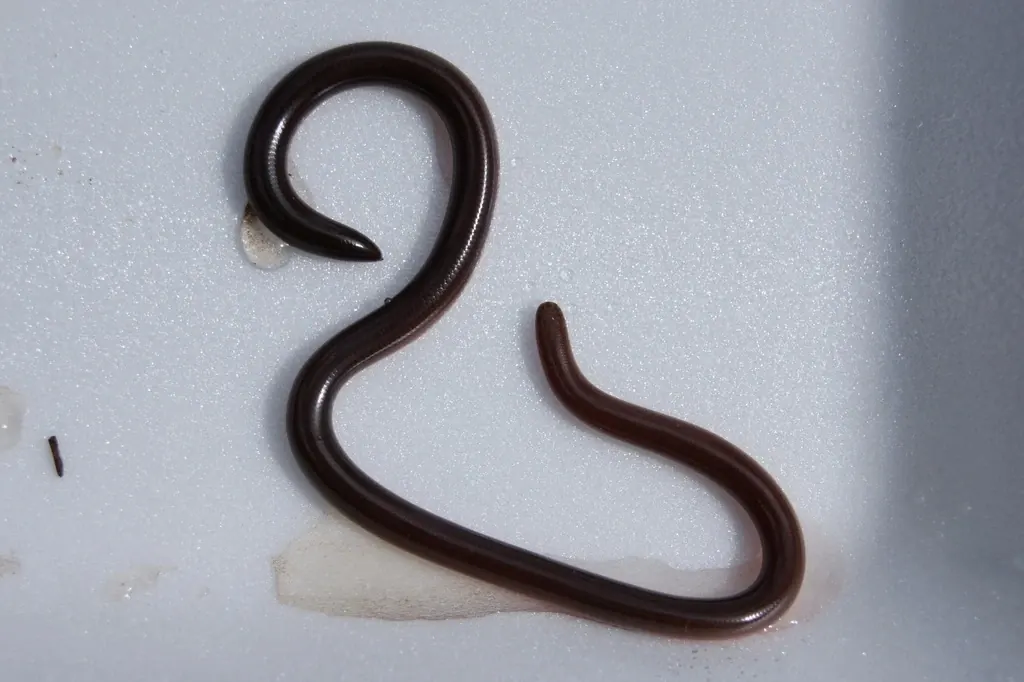
021 · Typhlopidae
Syrian Blind Snake, Levantine Blindsnake
Explicit country record in the checked taxonomic treatment.
Read the species account →Dr. Nasser Halaweh · CC BY 4.0 · https://creativecommons.org/licenses/by/4.0/
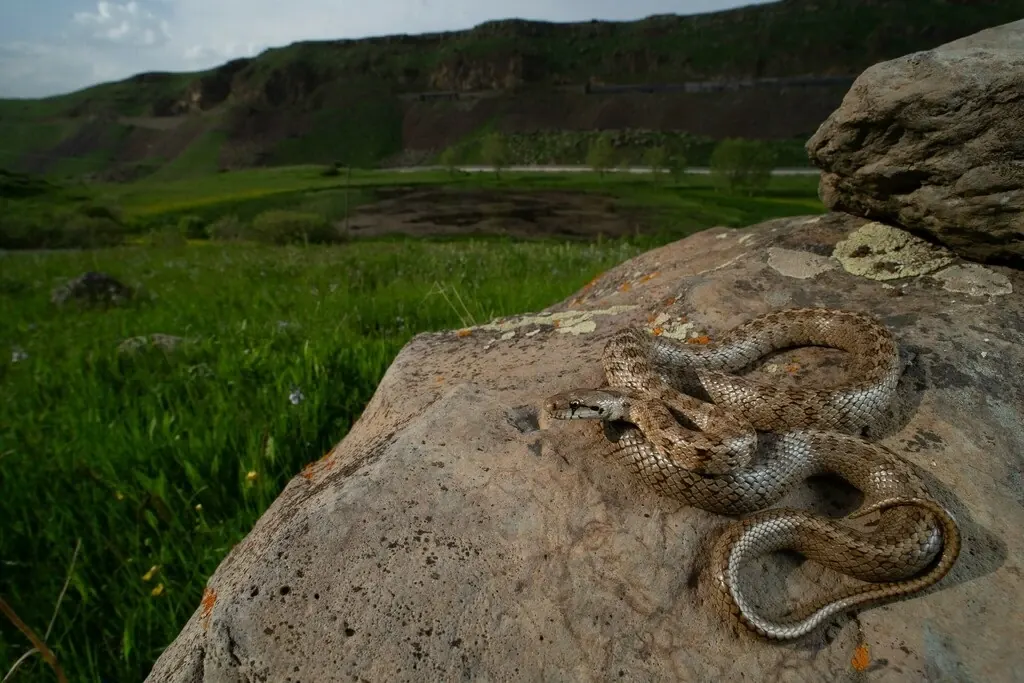
022 · Colubridae
Transcaucasian Rat Snake
Explicit country record in the checked taxonomic treatment.
Read the species account →Wouter Beukema · CC BY 4.0 · https://creativecommons.org/licenses/by/4.0/
The research library
This edition lists 22 species with supported country records from checked taxonomic treatments and cited field studies. It is not a claim of a complete national inventory. Each account retains its source and check date; individual evidence entries retain their own review dates.
22 confirmed, introduced or explicitly qualified occasional country records. The inventory uses current individual species treatments and records explicit doubts separately. A complete independent modern national checklist was not verified in this pass; the chapter is a documented working inventory, not a completeness certification.
The Reptile Database: individually checked species treatments ↗
The checked treatment or independent checklist questions this country assignment or uses an older species concept. A voucher under the current identity remains unresolved.
The checked treatment or independent checklist questions this country assignment or uses an older species concept. A voucher under the current identity remains unresolved.
The checked treatment or independent checklist questions this country assignment or uses an older species concept. A voucher under the current identity remains unresolved.
The current treatment cites a 2026 rejection of Lebanon.
Old Levantine najadum records may be collaris; identity remains unresolved.
The checked treatment or independent checklist questions this country assignment or uses an older species concept. A voucher under the current identity remains unresolved.
No unqualified country evidence in the current distribution; discovery hits and type localities alone do not establish occurrence.
The checked treatment or independent checklist questions this country assignment or uses an older species concept. A voucher under the current identity remains unresolved.
Country links use a single accepted species identity. Revised names and disputed records are kept visible here; uncertain records do not enter the listed collection or regional totals.
Uncertain — excluded from the listed total
The checked treatment or independent checklist questions this country assignment or uses an older species concept. A voucher under the current identity remains unresolved.
Uncertain — excluded from the listed total
The checked treatment or independent checklist questions this country assignment or uses an older species concept. A voucher under the current identity remains unresolved.
Uncertain — excluded from the listed total
The checked treatment or independent checklist questions this country assignment or uses an older species concept. A voucher under the current identity remains unresolved.
Uncertain — excluded from the listed total
The current treatment cites a 2026 rejection of Lebanon.
Uncertain — excluded from the listed total
Old Levantine najadum records may be collaris; identity remains unresolved.
Uncertain — excluded from the listed total
The checked treatment or independent checklist questions this country assignment or uses an older species concept. A voucher under the current identity remains unresolved.
Uncertain — excluded from the listed total
The checked treatment or independent checklist questions this country assignment or uses an older species concept. A voucher under the current identity remains unresolved.
Search results were checked against distribution text and taxonomic qualifications. A geographic name alone does not establish a political country: New Guinea, the Solomon archipelago and Micronesia span more than one country or territory. Introduced and unresolved records require separate interpretation.
Place counts require explicit named localities, including valid type localities. Counts can overlap where sources name multiple places. Regional maps group historical boundary snapshots for navigation, while island outlines use Natural Earth; neither is a species range or an observation map. Small islands can be below the outline dataset’s resolution, so geographic reference markers and the directory remain available.
geoBoundaries; geoBoundaries, Wikimedia Commons · gbOpen ADM1 · 2017 snapshot · Public Domain. Generalised navigation boundaries, not snake ranges or territorial assertions. Map provenance →
Individual treatments and locality evidence are linked from each species account.
Species-level literature measurements and ecological traits. Exact-name matches only; imputed or ambiguous fields are omitted. These summaries are not local observations.