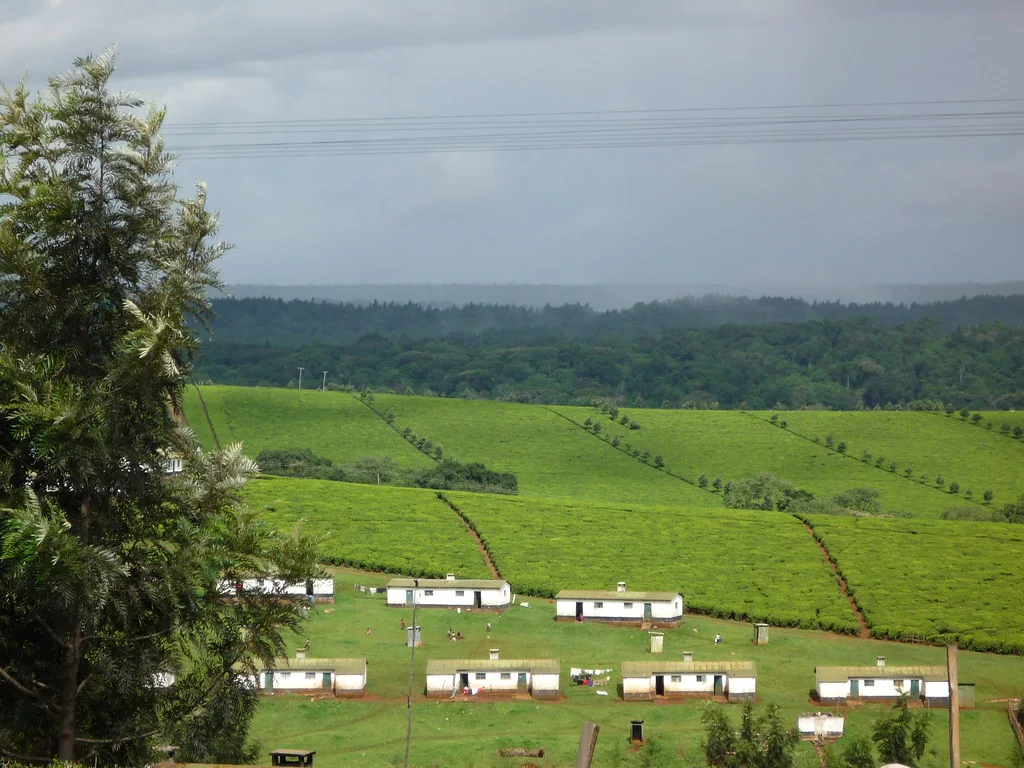
Tea fields and associated farm buildings near Kericho, Kenya, photographed in May 2009.

Kenya · Place guide

Southern Rift & Nairobi

Explore Southern Rift & Nairobi through the named places in its sourced species records.

31species with extracted evidence
12families
7region guides

Tea fields and associated farm buildings near Kericho, Kenya, photographed in May 2009.

Photograph: Victor Ochieng · Image source · CC BY-SA 2.0. Cropped to fill the hero; darkened for text legibility.

Geography & biotopes

Read the landscape.

Explore Southern Rift & Nairobi through the named places in its sourced species records.

This navigation guide uses the credited boundary snapshot for Kericho, Bomet, Narok, Kajiado, Nairobi. Its boundaries identify an atlas group, not a single vegetation type. RCMRD GeoPortal, Africa GeoPortal; geoBoundaries gbOpen ADM1, 2020 snapshot; Public Domain.

Ecological connections

The country habitat guides explain the environments documented in the landscape sources. Only species records assigned to this particular mapped area appear in the regional collection; a shared habitat elsewhere does not establish local occurrence.

Explore the setting

Open an individual species account to retain its original locality, observation or collection date, and source. Historical administrative names are preserved as aliases for this map snapshot.

This guide indexes these source names: Kericho, Bomet, Narok, Kajiado, Nairobi. A country-only record is not automatically assigned to this place. Map markers identify navigation destinations, not collection sites.

Map boundaries, snapshot and group membership →

Convention on Biological Diversity · Kenya national profile →

Geography is part of the record

Find your way through Kenya.

Select a named region to open its evidence page. The complete directory below keeps every guide accessible, including places where locality evidence has not yet been extracted.

83 of 136 listed species have at least one indexed region record. 53 remain country-only. Even a nonzero count is not a complete regional inventory.

Habitats & living landscapes

Explore the living
landscapes.

Explore 4 guides to the environments, places and conservation pressures that shape this country. Each guide connects to the regional map and shared species accounts.

Landscape photographs & credits

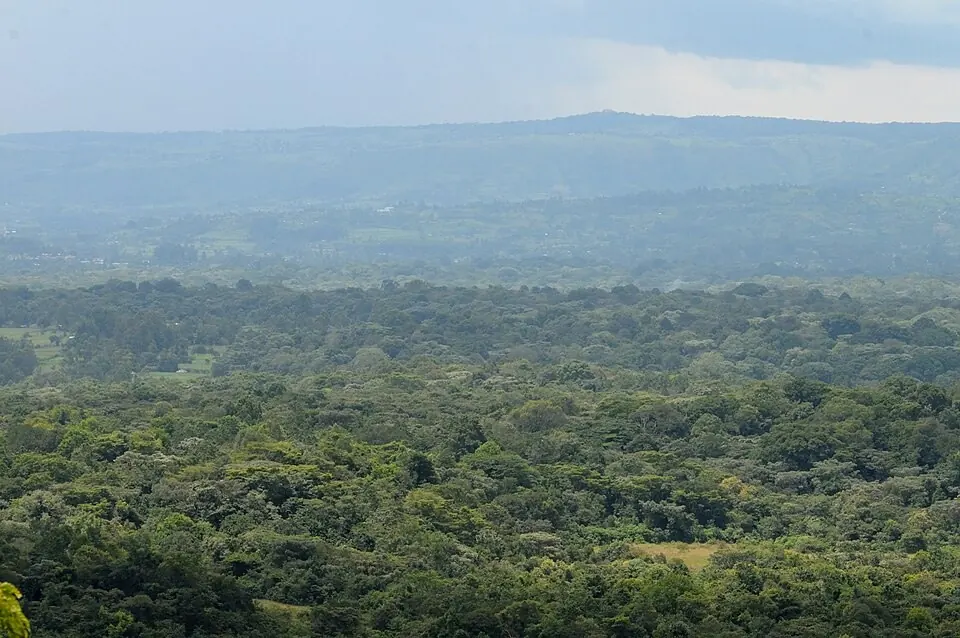
A broad canopy view over Kakamega Forest National Reserve, Kenya, photographed in 2012. — Josep M. Gracia. Original photograph · CC BY-SA 4.0. Cropped for the cards; photographs do not establish snake occurrence.

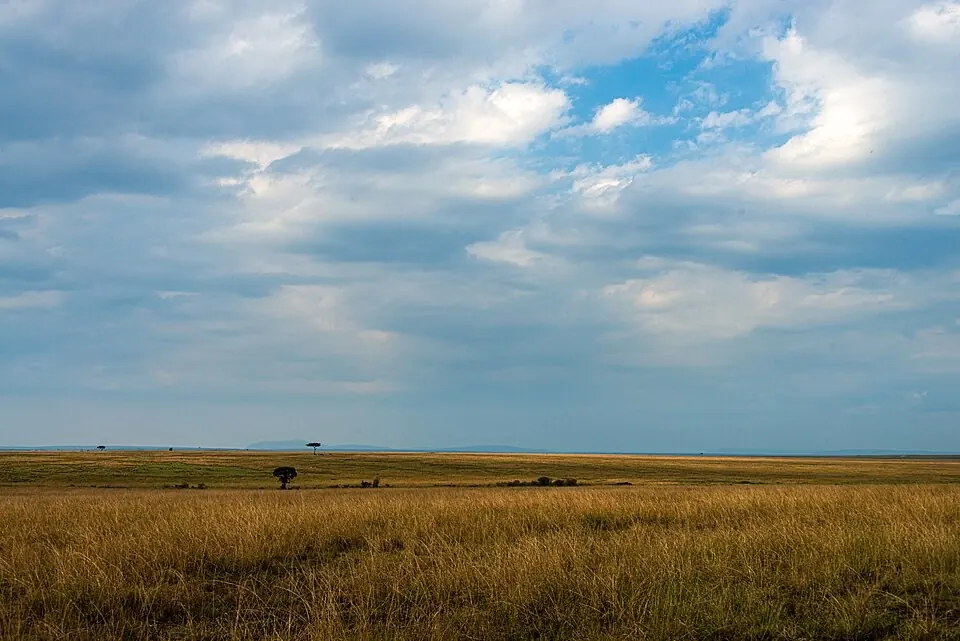
Open grassland and scattered trees in the Maasai Mara landscape, Kenya, photographed in August 2025. — Daniel Case. Original photograph · CC BY-SA 4.0. Cropped for the cards; photographs do not establish snake occurrence.

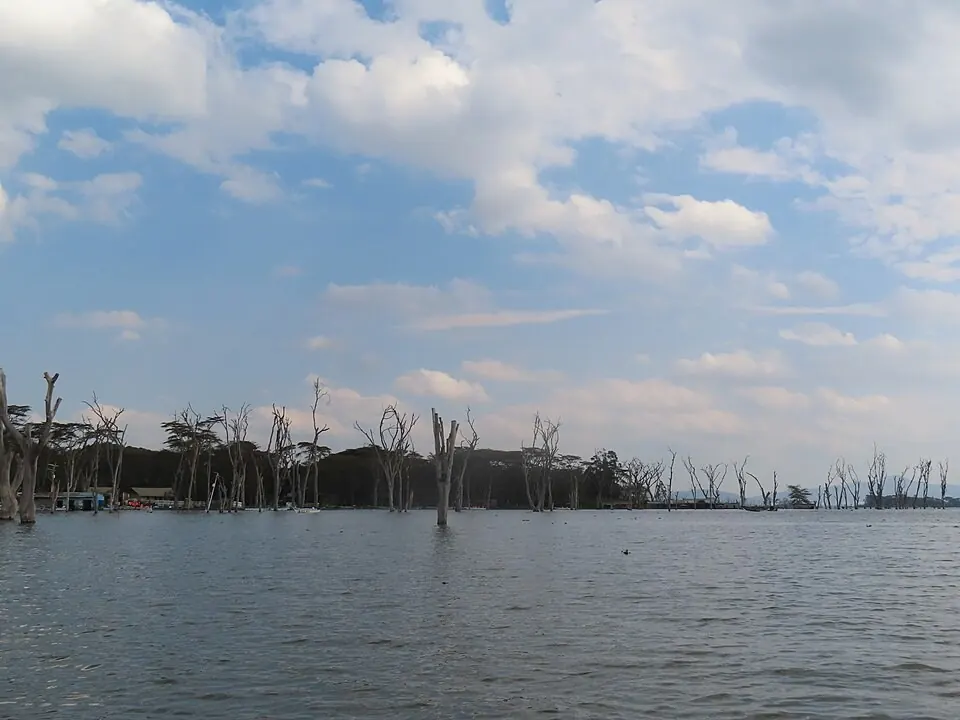
Lake Naivasha, Kenya, with flooded tree trunks and a distant wooded shore, photographed in August 2025. — Superchilum. Original photograph · CC BY-SA 4.0. Cropped for the cards; photographs do not establish snake occurrence.

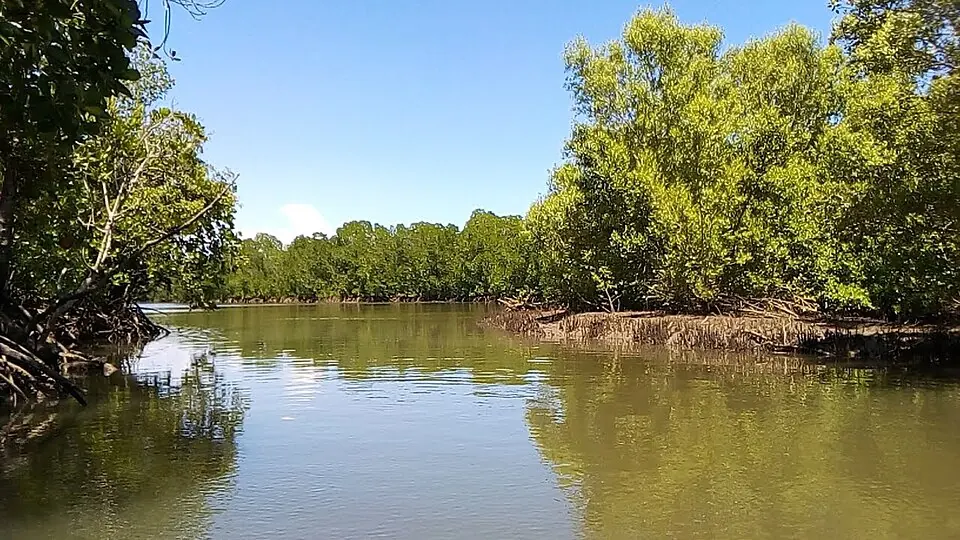
Mangrove creek at Robinson Island, Kinya'ole, Fundissa, Kilifi County, Kenya, with exposed roots along the water. — Thekasichana. Original photograph · CC BY-SA 4.0. Cropped for the cards; photographs do not establish snake occurrence.

The species catalogue

Snakes · Southern Rift & Nairobi.

Only records naming this place appear below. These are extracted locality records, not complete island or regional inventories.

31 species · showing 24

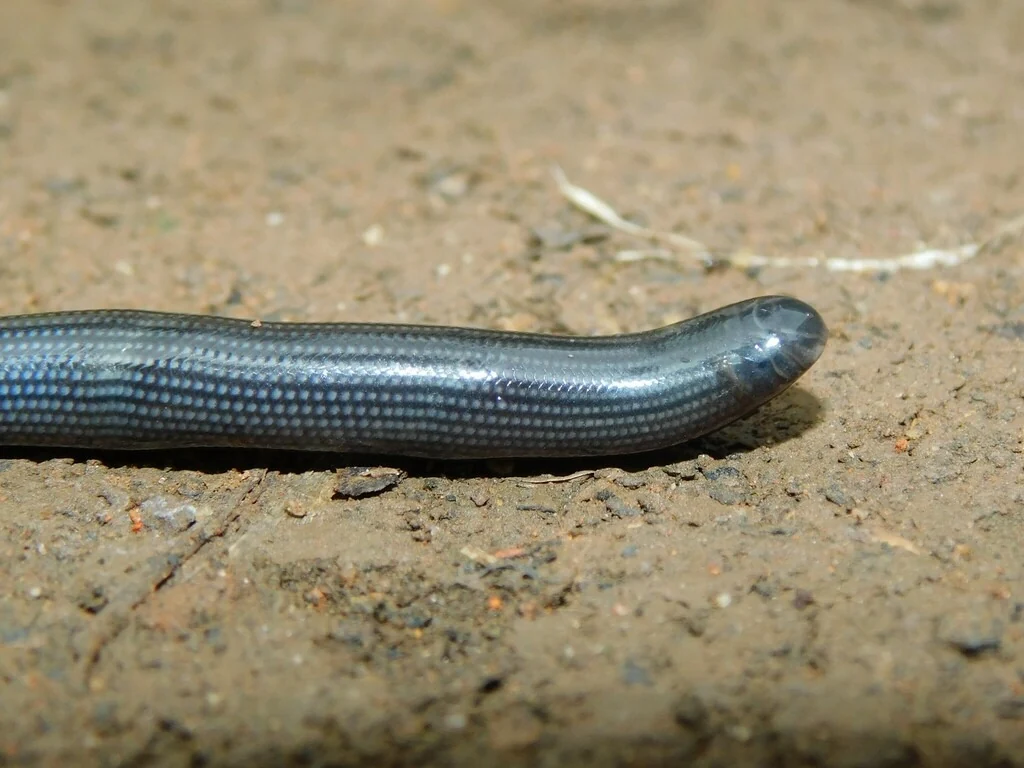
Afrotyphlops lineolatus; Hoima, Ouganda; photographed 2022-09-21.

001 · Typhlopidae

Common Lined Worm Snake, Lineolate Blind Snake

Afrotyphlops lineolatus

(JAN, 1864)

Non-venomous

The current taxonomic treatment explicitly lists this country. This is country-scale checklist evidence, not a claim of continuous occupancy or a complete regional inventory. Southern Rift & Nairobi: observation GBIF 4512296566 (2023). The original iNaturalist entry was rechecked for research-grade identification, wild status and unrestricted…

Read the species account →

Tommy Andriollo · CC BY 4.0 · https://creativecommons.org/licenses/by/4.0/
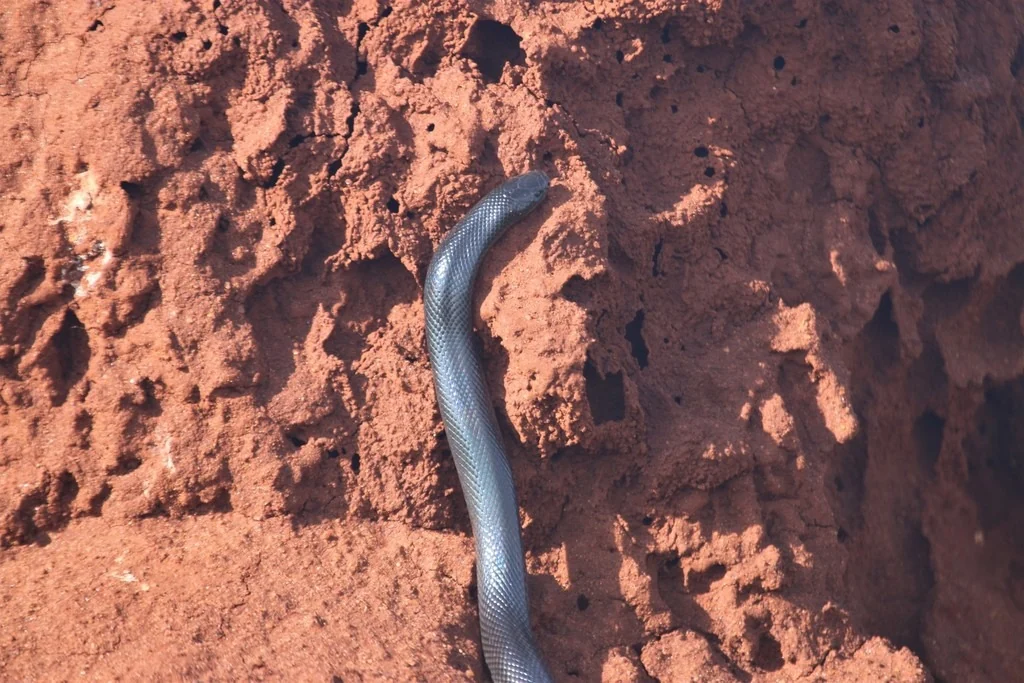
Atractaspis fallax; Kajiado, Kajiado, Rift Valley, KE; photographed 2020-12-09.

002 · Atractaspididae

Eastern Small-scaled Burrowing Asp, Peters’ Burrowing Asp, Mole Viper

Atractaspis fallax

PETERS, 1867

VenomousClinical severity not established

The current taxonomic treatment explicitly lists this country. This is country-scale checklist evidence, not a claim of continuous occupancy or a complete regional inventory. Coastal counties: museum voucher CM 53639 (1969). The museum record's reported coordinate uncertainty footprint lies within the mapped region. Coastal counties: observation GBIF…

Read the species account →

Stephanie Dolrenry · CC BY-SA 4.0 · https://creativecommons.org/licenses/by-sa/4.0/

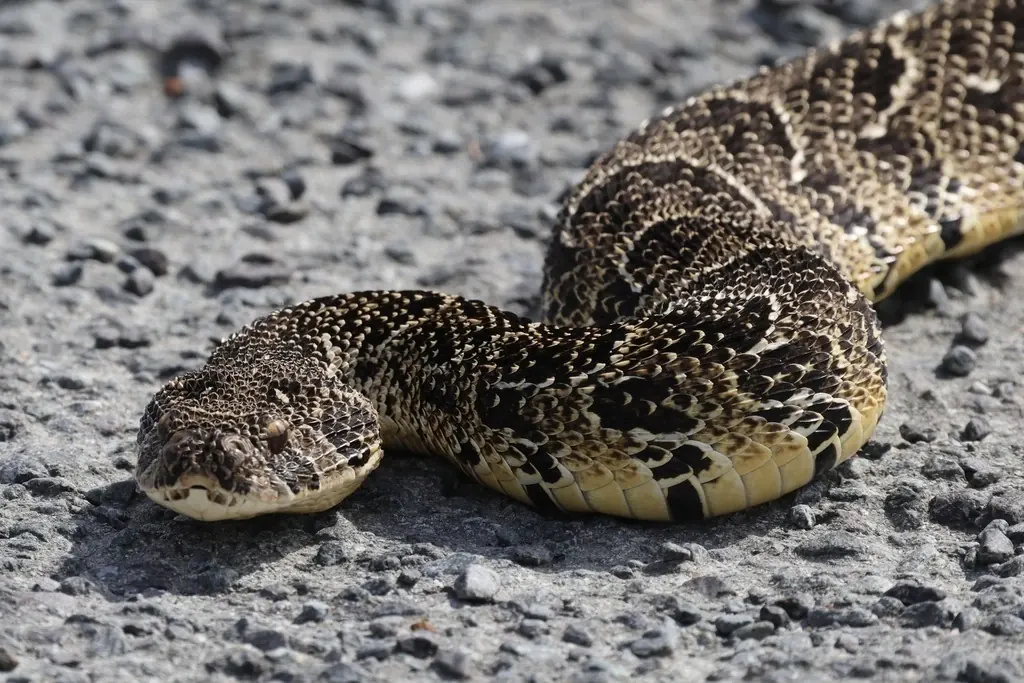
Bitis arietans. Identification follows the linked source community.

003 · Viperidae

Puff Adder

Bitis arietans

(MERREM, 1820)

VenomousClinical severity not established

Explicit country record in the current species treatment. The current taxonomic treatment explicitly lists this country. This is country-scale checklist evidence, not a claim of continuous occupancy or a complete regional inventory. Northern Rift counties: observation GBIF 6321049815 (2026). The original iNaturalist entry was rechecked for research-grade…

Read the species account →

Cricket Raspet · CC BY 4.0 · https://creativecommons.org/licenses/by/4.0/
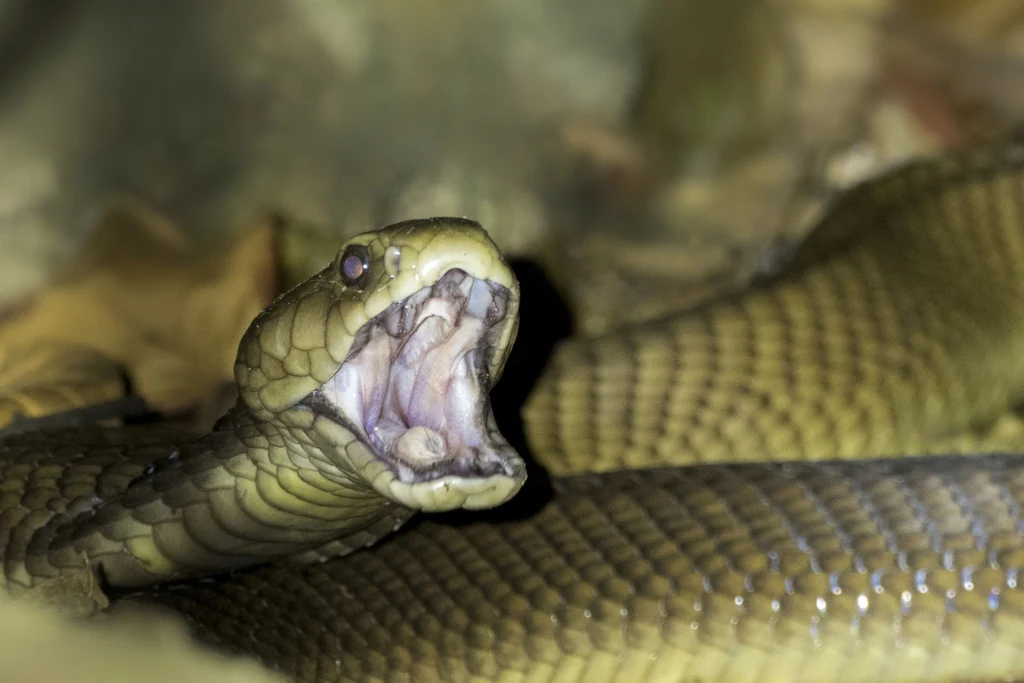
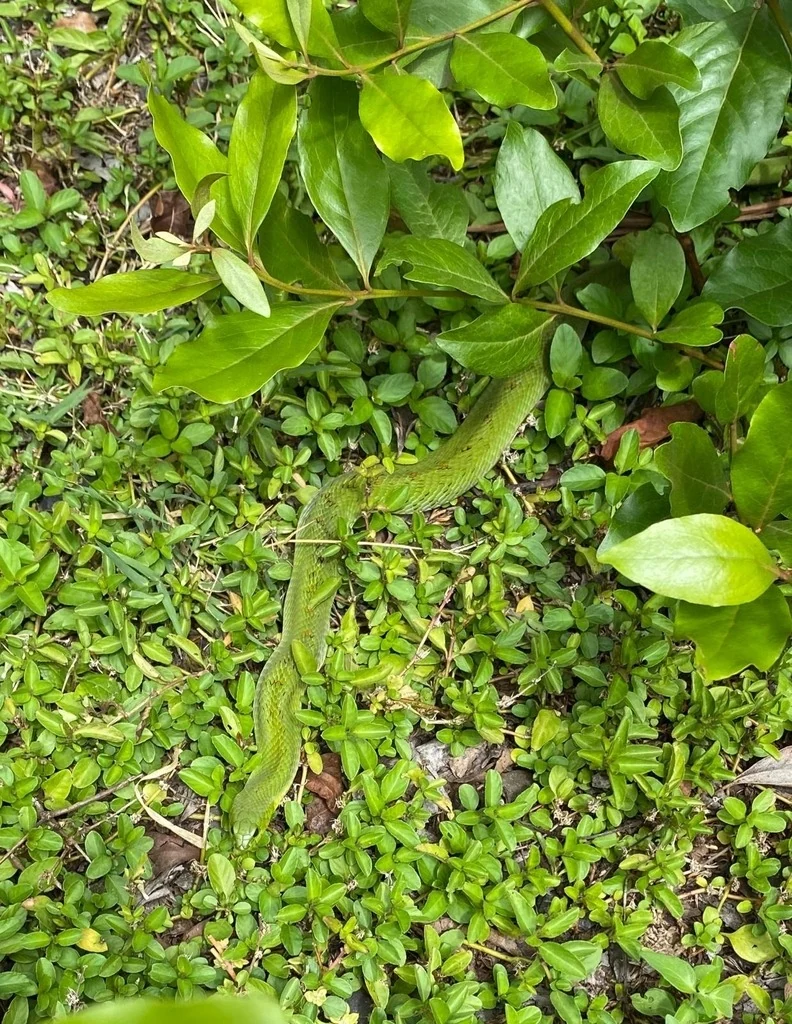
Causus resimus; C14, Kenia; photographed 2020-11-18.

004 · Viperidae

Green Night Adder

Causus resimus

(PETERS, 1862)

VenomousClinical severity not established

The current taxonomic treatment explicitly lists this country. This is country-scale checklist evidence, not a claim of continuous occupancy or a complete regional inventory. Southern Rift & Nairobi: observation GBIF 6195704710 (2026). The original iNaturalist entry was rechecked for research-grade identification, wild status and unrestricted…

Read the species account →

le0p0ld_d · CC BY 4.0 · https://creativecommons.org/licenses/by/4.0/
Causus rhombeatus, photographed 2014-11-21. Identification follows the linked research-grade observation.

005 · Viperidae

Common or Rhombic Night Adder

Causus rhombeatus

(LICHTENSTEIN, 1823)

VenomousClinical severity not established

The current taxonomic treatment explicitly lists this country. This is country-scale checklist evidence, not a claim of continuous occupancy or a complete regional inventory. Southern Rift & Nairobi: museum voucher UMMZ 61253 (1915). The museum record's reported coordinate uncertainty footprint lies within the mapped region. Southern Rift & Nairobi:…

Read the species account →

Nigel Voaden · CC BY 4.0 · https://creativecommons.org/licenses/by/4.0/
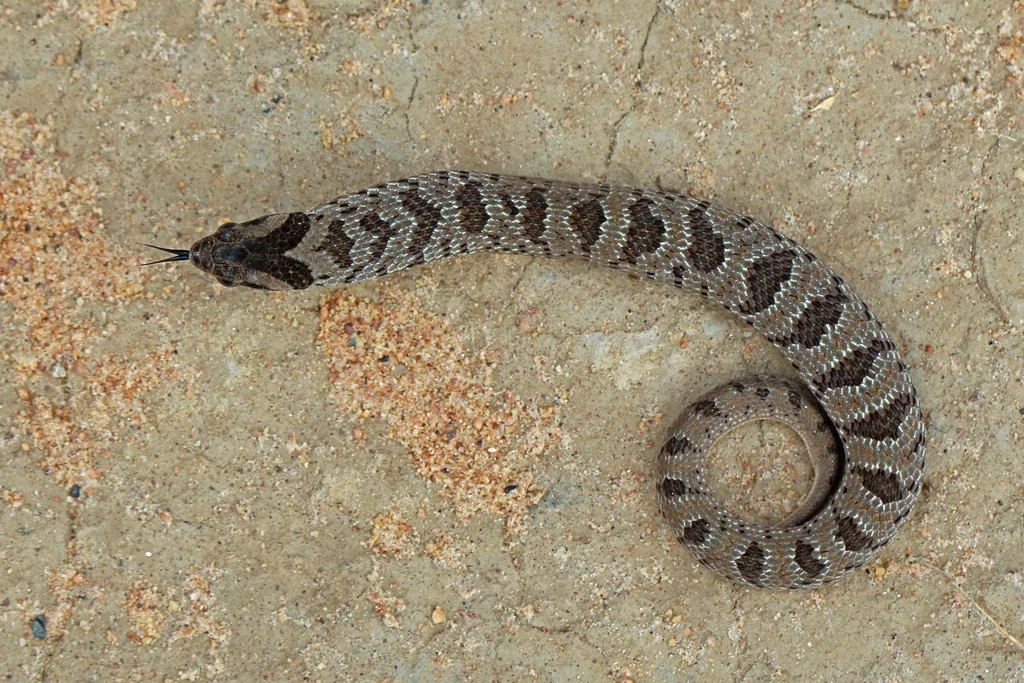
ColubridaeCrotaphopeltisPhotograph not yet documented

006 · Colubridae

Degen’s Herald Snake, Yellow-flanked snake

Crotaphopeltis degeni

(BOULENGER, 1906)

Venom unknownNot yet assessed

The current taxonomic treatment explicitly lists this country. This is country-scale checklist evidence, not a claim of continuous occupancy or a complete regional inventory. Southern Rift & Nairobi: observation GBIF 6195760289 (2026). The original iNaturalist entry was rechecked for research-grade identification, wild status and unrestricted…

Read the species account →
Crotaphopeltis hotamboeia; Campher's Drift, George, 6529, South Africa; photographed 2023-10-13.

007 · Colubridae

White-lipped Herald Snake, Red-lipped Snake

Crotaphopeltis hotamboeia

(LAURENTI, 1768)

Venom unknownNot yet assessed

The current taxonomic treatment explicitly lists this country. This is country-scale checklist evidence, not a claim of continuous occupancy or a complete regional inventory. Southern Rift & Nairobi: observation GBIF 6163347467 (2026). The original iNaturalist entry was rechecked for research-grade identification, wild status and unrestricted…

Read the species account →

no rights reserved · CC0 · https://creativecommons.org/publicdomain/zero/1.0/

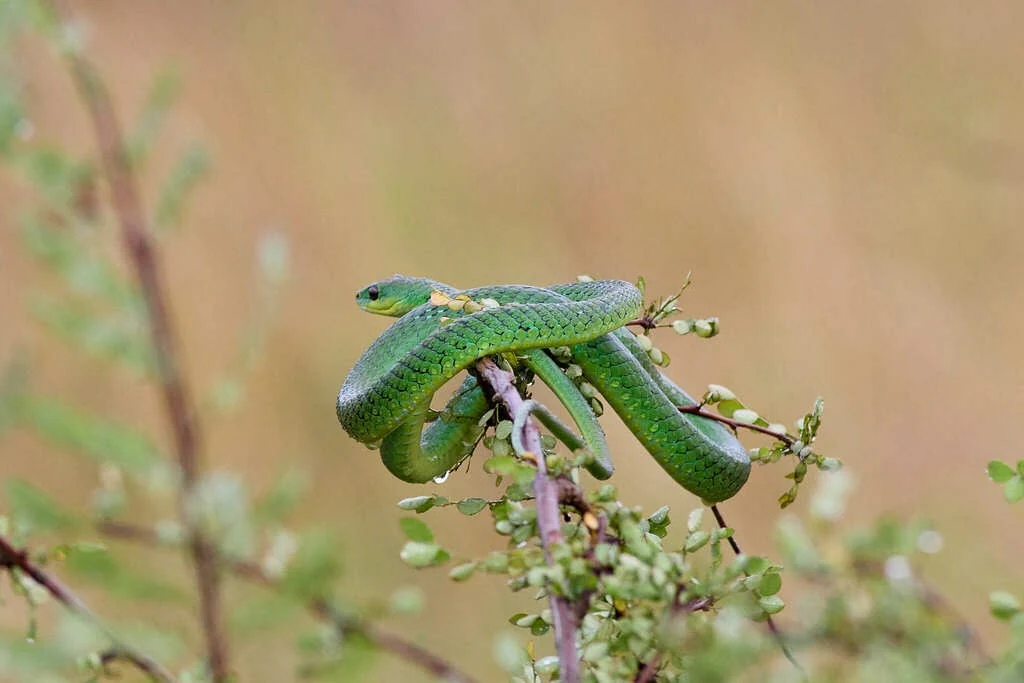
Dasypeltis atra; Karatu Simba Lodge, Karatu, Tanzania; photographed 2015-09-12.

008 · Colubridae

African Egg-eating Snake, Montane Egg-eater

Dasypeltis atra

STERNFELD, 1912

Venom unknownNot yet assessed

The current taxonomic treatment explicitly lists this country. This is country-scale checklist evidence, not a claim of continuous occupancy or a complete regional inventory. Southern Rift & Nairobi: observation GBIF 4525175075 (2024). The original iNaturalist entry was rechecked for research-grade identification, wild status and unrestricted…

Read the species account →

no rights reserved · CC0 · https://creativecommons.org/publicdomain/zero/1.0/

Dasypeltis scabra, photographed 2014-12-15. Identification follows the linked research-grade observation.

009 · Colubridae

Common Egg Eater, Rhombic Egg Eater

Dasypeltis scabra

(LINNAEUS, 1758)

Venom unknownNot yet assessed

The current taxonomic treatment explicitly lists this country. This is country-scale checklist evidence, not a claim of continuous occupancy or a complete regional inventory. Southern Rift & Nairobi: observation GBIF 6195682400 (2026). The original iNaturalist entry was rechecked for research-grade identification, wild status and unrestricted…

Read the species account →

Ryan van Huyssteen · CC BY 4.0 · https://creativecommons.org/licenses/by/4.0/
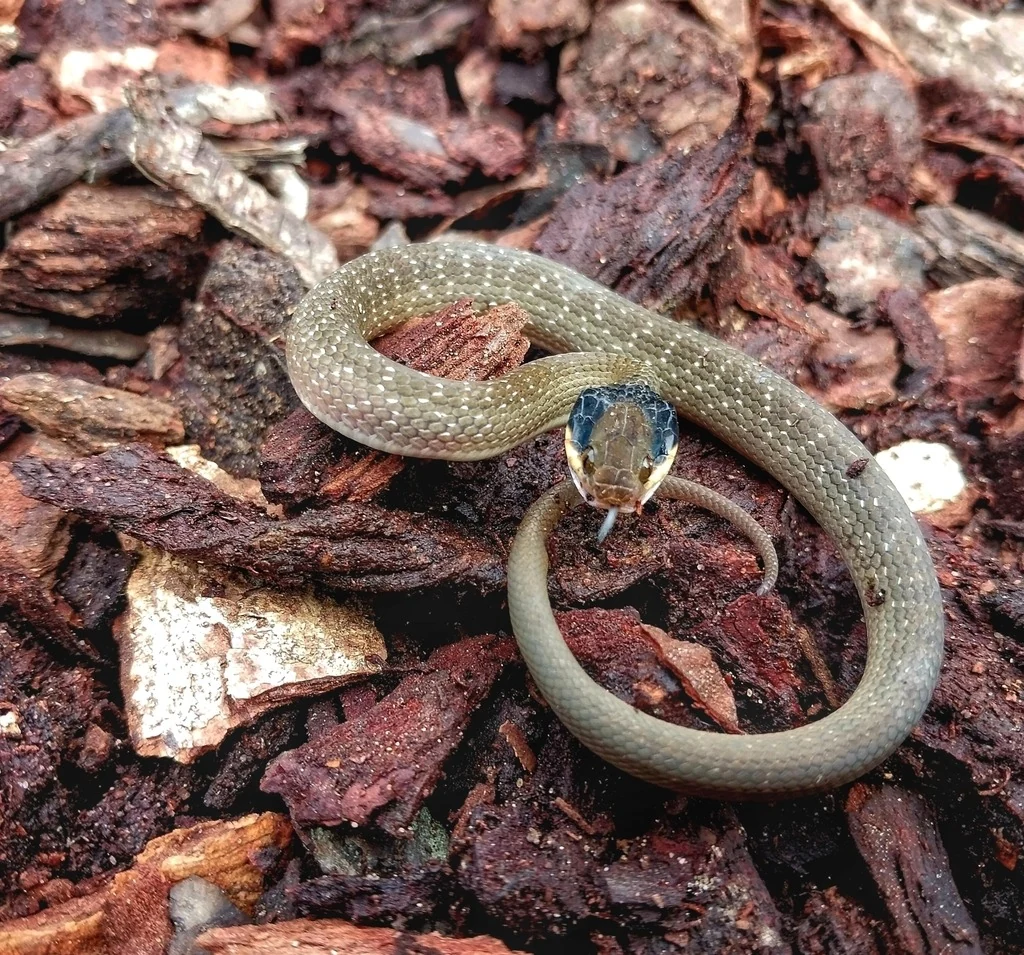
Dendroaspis polylepis; Blyde River bushveld and wetlands near Hoedspruit: Grassy woodland interspersed with seasonal pans, vleis and river channels.; photographed 2014-10-03.

010 · Elapidae

Black Mamba

Dendroaspis polylepis

GÜNTHER, 1864

VenomousPotentially life-threatening

The current taxonomic treatment explicitly lists this country. This is country-scale checklist evidence, not a claim of continuous occupancy or a complete regional inventory. Northern Rift counties: observation GBIF 6479638884 (2026). The original iNaturalist entry was rechecked for research-grade identification, wild status and unrestricted coordinates;…

Read the species account →

Wynand Uys · CC BY 4.0 · https://creativecommons.org/licenses/by/4.0/
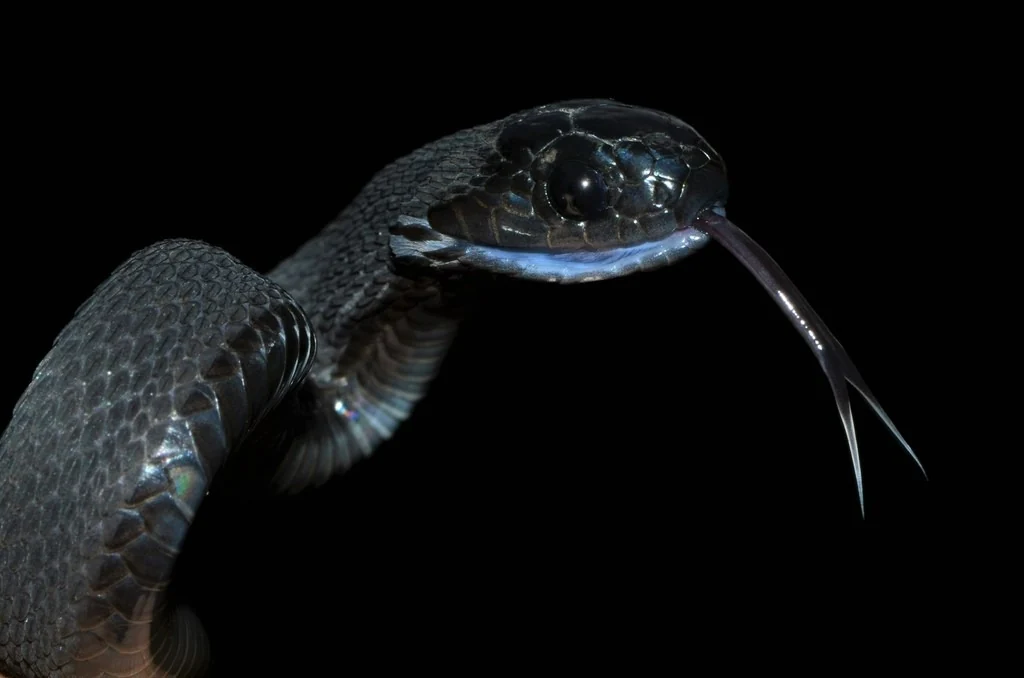
Dispholidus typus; South Cape DC, South Africa; photographed 2013-01-02.

011 · Colubridae

Boomslang

Dispholidus typus

(SMITH, 1828)

VenomousClinical severity not established

The current taxonomic treatment explicitly lists this country. This is country-scale checklist evidence, not a claim of continuous occupancy or a complete regional inventory. Coastal counties: museum voucher USNM USNM 49150 (1911). The museum record's reported coordinate uncertainty footprint lies within the mapped region. Coastal counties: observation…

Read the species account →

Karen Eichholz · CC BY 4.0 · https://creativecommons.org/licenses/by/4.0/
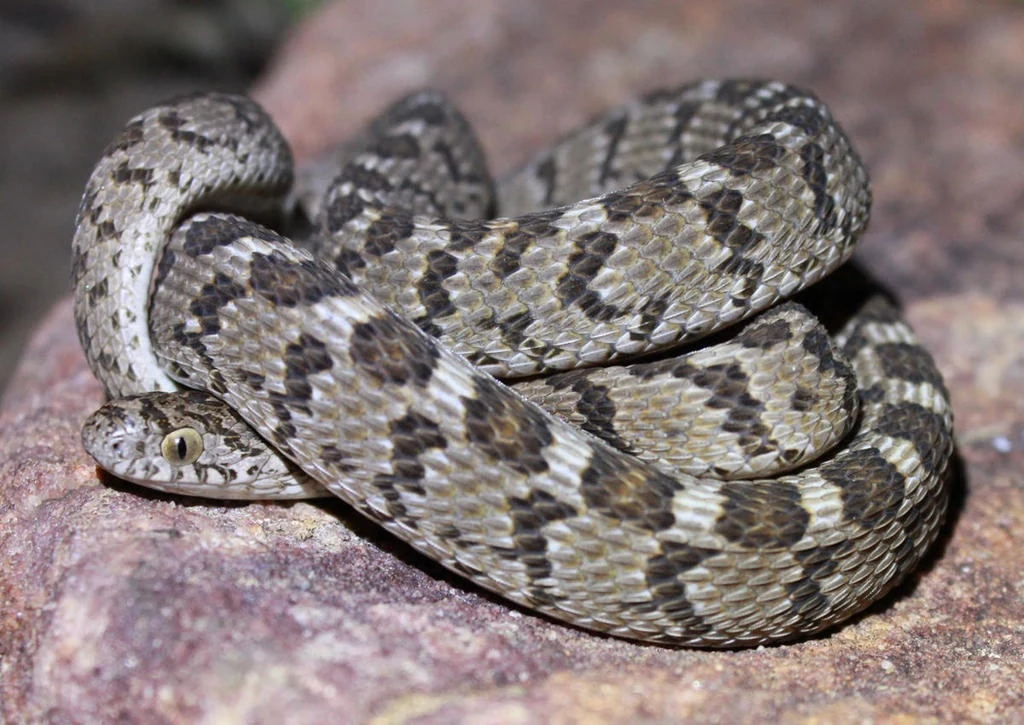
Duberria lutrix; Stonehurst Mountain Estate Entrance, Westlake, Cape Town, 7945, South Africa; photographed 2023-08-15.

012 · Pseudoxyrhophiidae

Common Slug Eater

Duberria lutrix

(LINNAEUS, 1758)

Venom unknownNot yet assessed

The current taxonomic treatment explicitly lists this country. This is country-scale checklist evidence, not a claim of continuous occupancy or a complete regional inventory. Central highlands: observation GBIF 6518917873 (2026). The original iNaturalist entry was rechecked for research-grade identification, wild status and unrestricted coordinates; its…

Read the species account →

Ryan van Huyssteen · CC BY 4.0 · https://creativecommons.org/licenses/by/4.0/
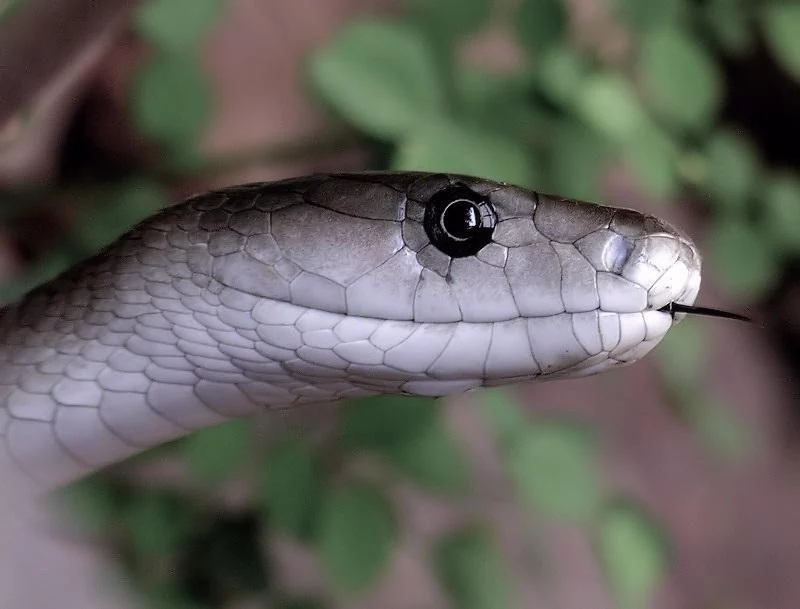
Elapsoidea loveridgei, photographed 2009-09-01. Identification follows the linked research-grade observation.

013 · Elapidae

Loveridge's Garter Snake, East African Garter Snake

Elapsoidea loveridgei

PARKER, 1949

VenomousClinical severity not established

The current taxonomic treatment explicitly lists this country. This is country-scale checklist evidence, not a claim of continuous occupancy or a complete regional inventory. Southern Rift & Nairobi: museum voucher UMMZ 61248 (1915). The museum record's reported coordinate uncertainty footprint lies within the mapped region. Southern Rift & Nairobi:…

Read the species account →

Doug Macaulay · CC BY 4.0 · https://creativecommons.org/licenses/by/4.0/
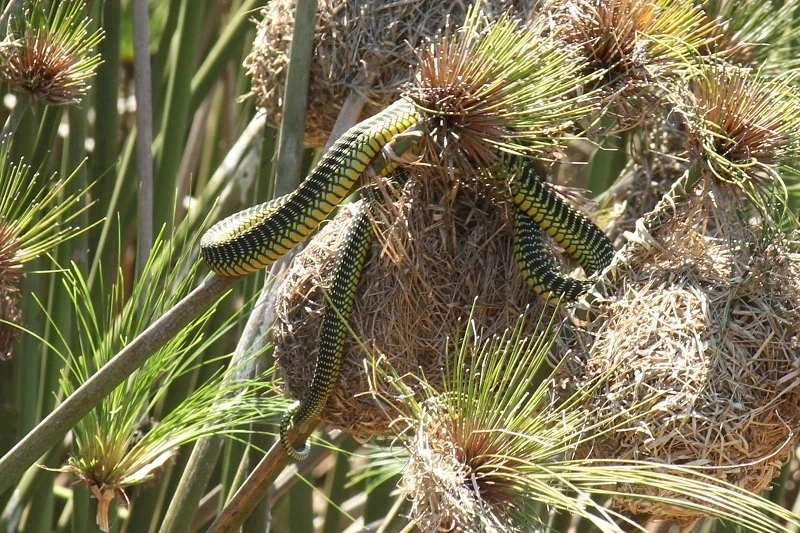
Eryx colubrinus, Kajiado, Kenya; photographed 2021-11-05.

014 · Boidae

Sand Boa

Eryx colubrinus

(LINNAEUS, 1758)

Non-venomous

The current taxonomic treatment explicitly lists this country. This is country-scale checklist evidence, not a claim of continuous occupancy or a complete regional inventory. Northern counties: observation GBIF 5198683474 (2025). The original iNaturalist entry was rechecked for research-grade identification, wild status and unrestricted coordinates; its…

Read the species account →

Stephanie Dolrenry · CC BY-SA 4.0 · https://creativecommons.org/licenses/by-sa/4.0/

Leptotyphlops merkeri. Photographed in Kenya; the complete original frame is retained. Original observation dated 2022-05-07; this portrait does not establish occurrence in other countries.

015 · Leptotyphlopidae

Merker’s Thread Snake

Leptotyphlops merkeri

(WERNER, 1909)

Non-venomous

The current taxonomic treatment explicitly lists this country. This is country-scale checklist evidence, not a claim of continuous occupancy or a complete regional inventory. Southern Rift & Nairobi: observation GBIF 4973876950 (2024). The original iNaturalist entry was rechecked for research-grade identification, wild status and unrestricted…

Read the species account →

Stephanie Dolrenry · CC BY-SA 4.0 · https://creativecommons.org/licenses/by-sa/4.0/

LeptotyphlopidaeLeptotyphlopsPhotograph not yet documented

016 · Leptotyphlopidae

Black-tip worm snake

Leptotyphlops nigroterminus

BROADLEY & WALLACH, 2007

Non-venomous

The current taxonomic treatment explicitly lists this country. This is country-scale checklist evidence, not a claim of continuous occupancy or a complete regional inventory. Southern Rift & Nairobi: museum voucher KU 172930 (1976). The museum record's reported coordinate uncertainty footprint lies within the mapped region. These are dated locality…

Read the species account →
Lycophidion capense. Identification follows the linked source community.

017 · Lamprophiidae

Cape Wolf Snake

Lycophidion capense

(SMITH, 1831)

Non-venomous

Explicit country record in the current species treatment. The current taxonomic treatment explicitly lists this country. This is country-scale checklist evidence, not a claim of continuous occupancy or a complete regional inventory. Northern Rift counties: observation GBIF 6235165890 (2026). The original iNaturalist entry was rechecked for research-grade…

Read the species account →

Rudolph Steenkamp · CC BY-SA 4.0 · https://creativecommons.org/licenses/by-sa/4.0/

Naja ashei, photographed 2015-10-22. Identification follows the linked research-grade observation.

018 · Elapidae

Ashe’s spitting cobra

Naja ashei

WÜSTER & BROADLEY, 2007

VenomousClinical severity not established

The current taxonomic treatment explicitly lists this country. This is country-scale checklist evidence, not a claim of continuous occupancy or a complete regional inventory. Central highlands: observation GBIF 6130484439 (2026). The original iNaturalist entry was rechecked for research-grade identification, wild status and unrestricted coordinates; its…

Read the species account →

Ewout Knoester · CC BY-SA 4.0 · https://creativecommons.org/licenses/by-sa/4.0/

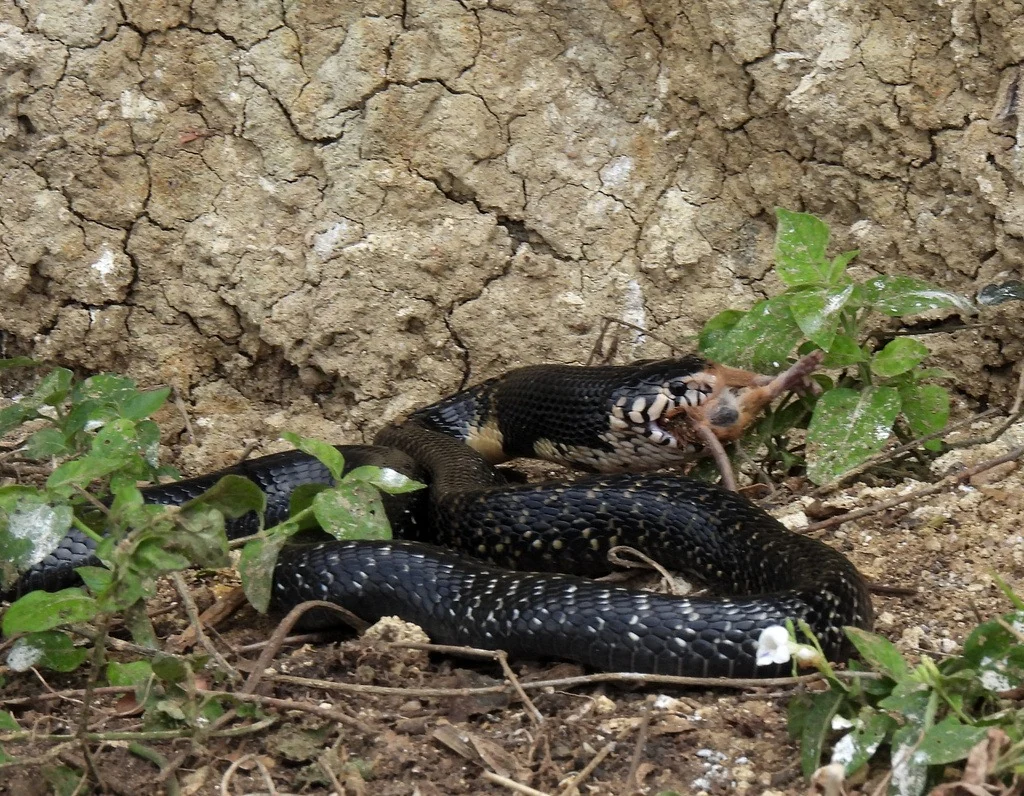
Naja nigricollis; Katanga Province, Democratic Republic of Congo; photographed 2014-08-20.

019 · Elapidae

Black-necked Spitting Cobra

Naja nigricollis

REINHARDT, 1843

VenomousClinical severity not established

The current taxonomic treatment explicitly lists this country. This is country-scale checklist evidence, not a claim of continuous occupancy or a complete regional inventory. Northern Rift counties: observation GBIF 6162768777 (2026). The original iNaturalist entry was rechecked for research-grade identification, wild status and unrestricted coordinates;…

Read the species account →

Nigel Voaden · CC BY 4.0 · https://creativecommons.org/licenses/by/4.0/
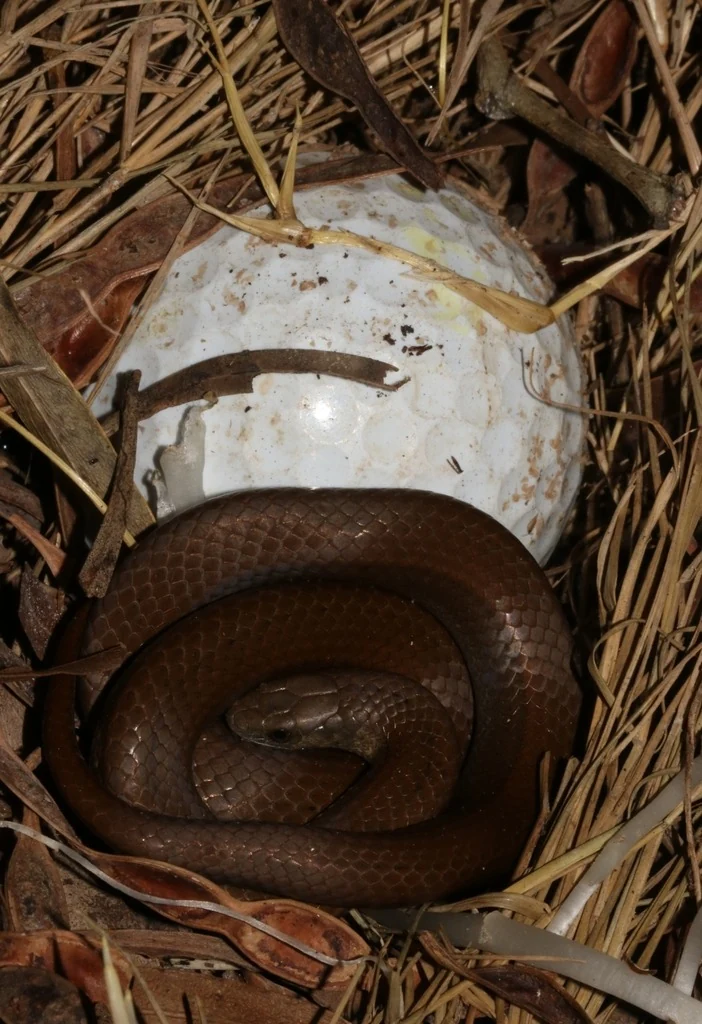
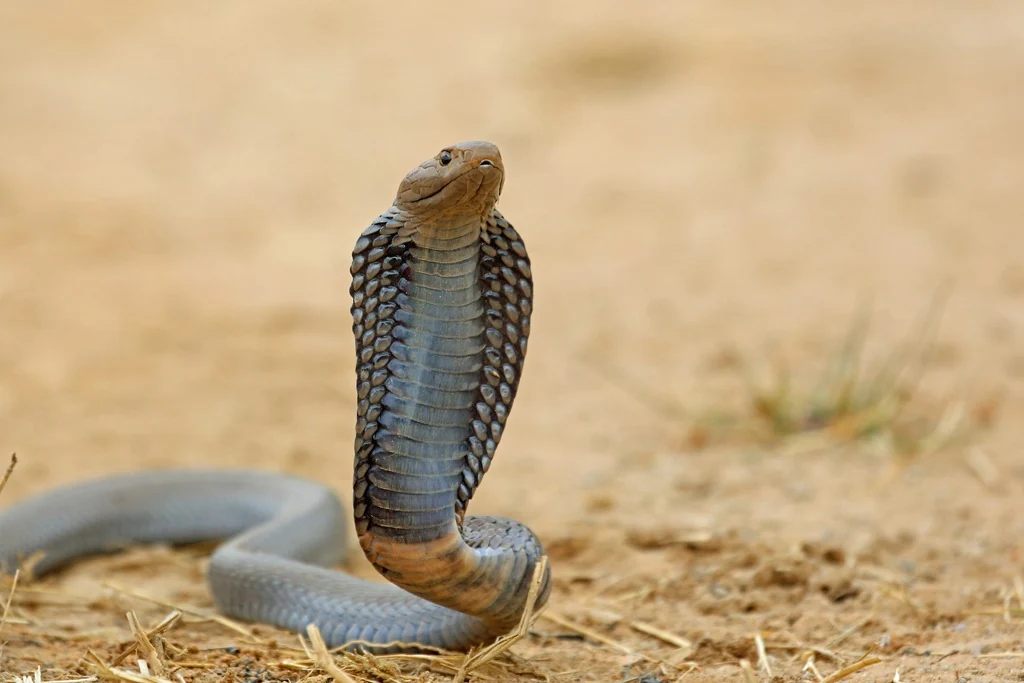
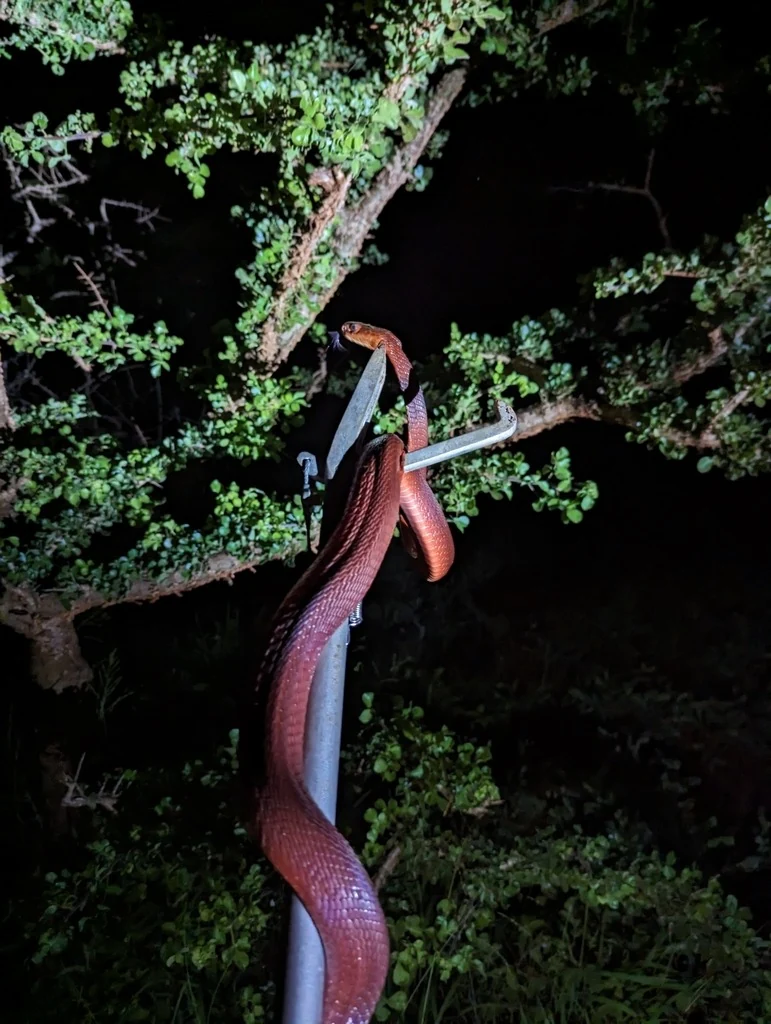
Naja pallida; Makwasinyi, Kenya; photographed 2023-11-21.

020 · Elapidae

African Cobra, Red Spitting Cobra

Naja pallida

BOULENGER, 1896

VenomousClinical severity not established

The current taxonomic treatment explicitly lists this country. This is country-scale checklist evidence, not a claim of continuous occupancy or a complete regional inventory. Southern Rift & Nairobi: observation GBIF 6147667744 (2026). The original iNaturalist entry was rechecked for research-grade identification, wild status and unrestricted…

Read the species account →

Theo Busschau · CC BY 4.0 · https://creativecommons.org/licenses/by/4.0/
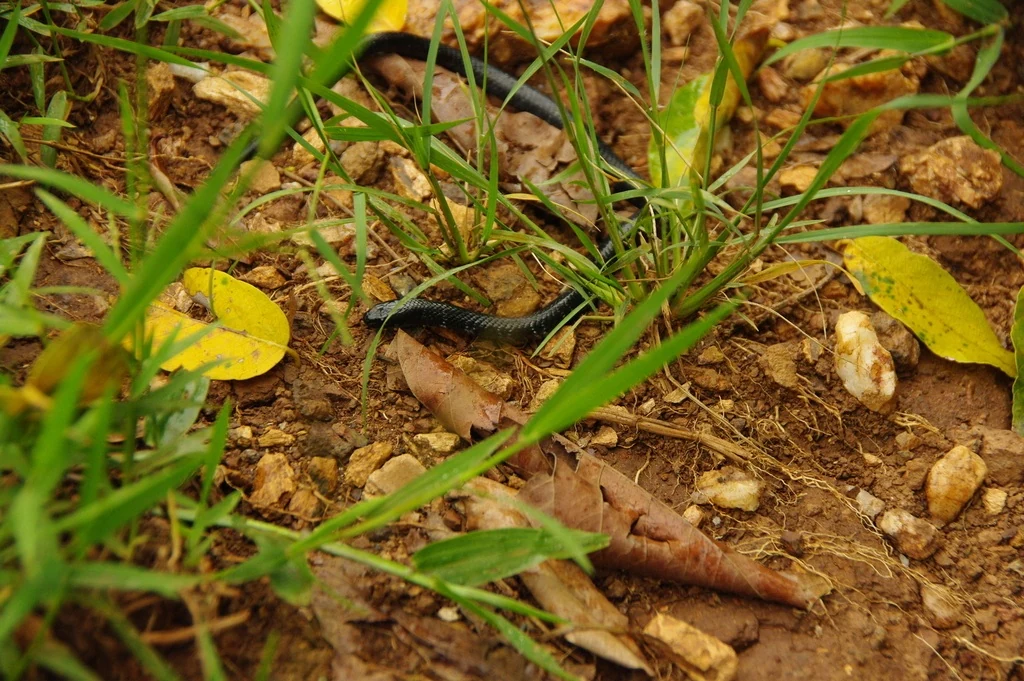
Naja subfulva; Katunguru Queen Elizabeth National Park, Katunguru, Uganda; photographed 2023-03-05.

021 · Elapidae

Brown forest cobra

Naja subfulva

LAURENT, 1955

VenomousClinical severity not established

The current taxonomic treatment explicitly lists this country. This is country-scale checklist evidence, not a claim of continuous occupancy or a complete regional inventory. Southern Rift & Nairobi: observation GBIF 6274091900 (2026). The original iNaturalist entry was rechecked for research-grade identification, wild status and unrestricted…

Read the species account →

Sidnei Dantas · CC BY-SA 4.0 · https://creativecommons.org/licenses/by-sa/4.0/

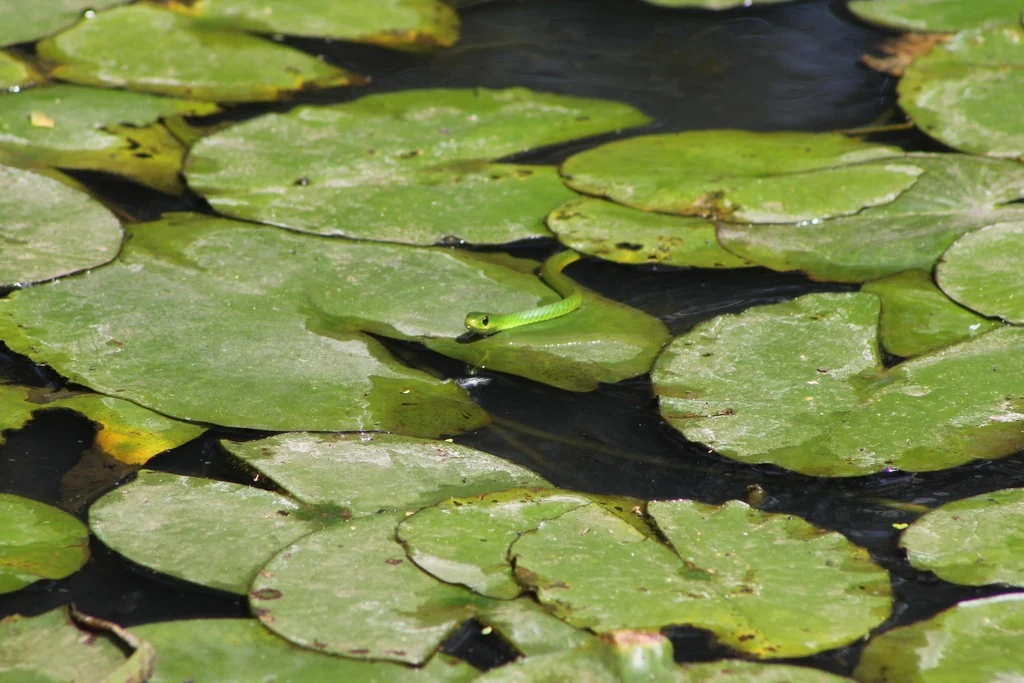
Philothamnus battersbyi; Mugumoini, Nairobi, Kenya; photographed 2024-02-25.

022 · Colubridae

Battersby's Green Snake

Philothamnus battersbyi

LOVERIDGE, 1951

Venom unknownNot yet assessed

The current taxonomic treatment explicitly lists this country. This is country-scale checklist evidence, not a claim of continuous occupancy or a complete regional inventory. Northern Rift counties: observation GBIF 6131520750 (2026). The original iNaturalist entry was rechecked for research-grade identification, wild status and unrestricted coordinates;…

Read the species account →

Nathan Mesnildrey · CC BY 4.0 · https://creativecommons.org/licenses/by/4.0/
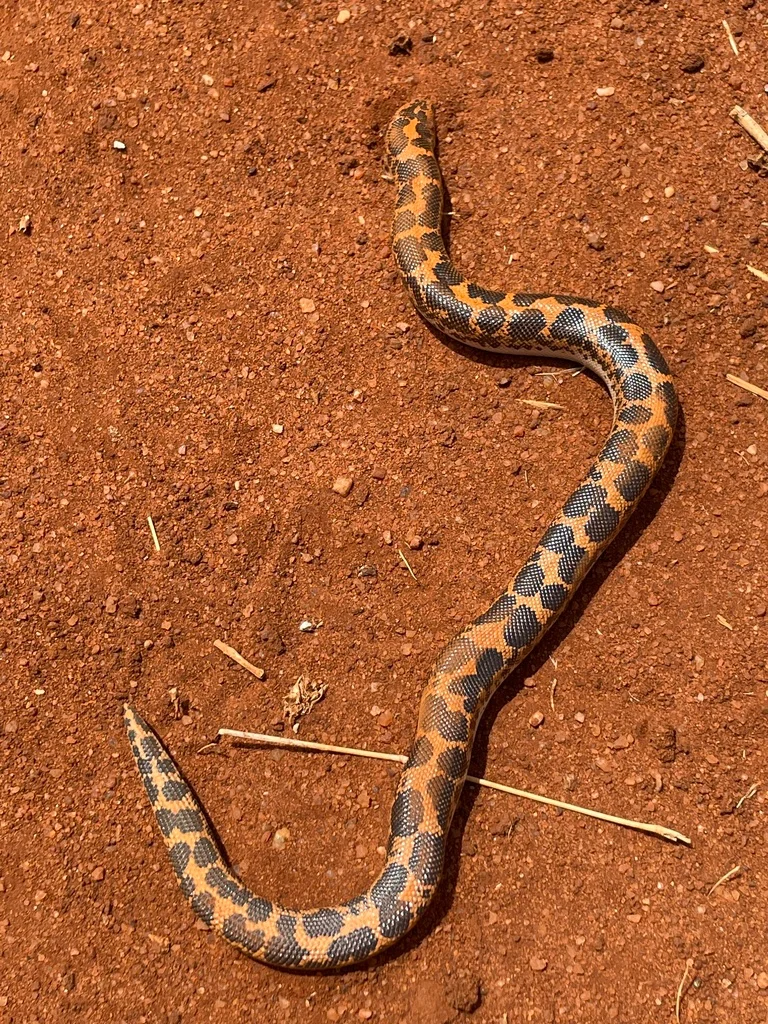
Philothamnus hoplogaster; National Park, Nairobi, Kenya; photographed 2017-07-01.

023 · Colubridae

Southeastern Green snake, Green Water Snake

Philothamnus hoplogaster

(GÜNTHER, 1863)

Venom unknownNot yet assessed

The current taxonomic treatment explicitly lists this country. This is country-scale checklist evidence, not a claim of continuous occupancy or a complete regional inventory. Coastal counties: observation GBIF 5167133949 (2025). The original iNaturalist entry was rechecked for research-grade identification, wild status and unrestricted coordinates; its…

Read the species account →

Ryan Donnelly · CC BY 4.0 · https://creativecommons.org/licenses/by/4.0/
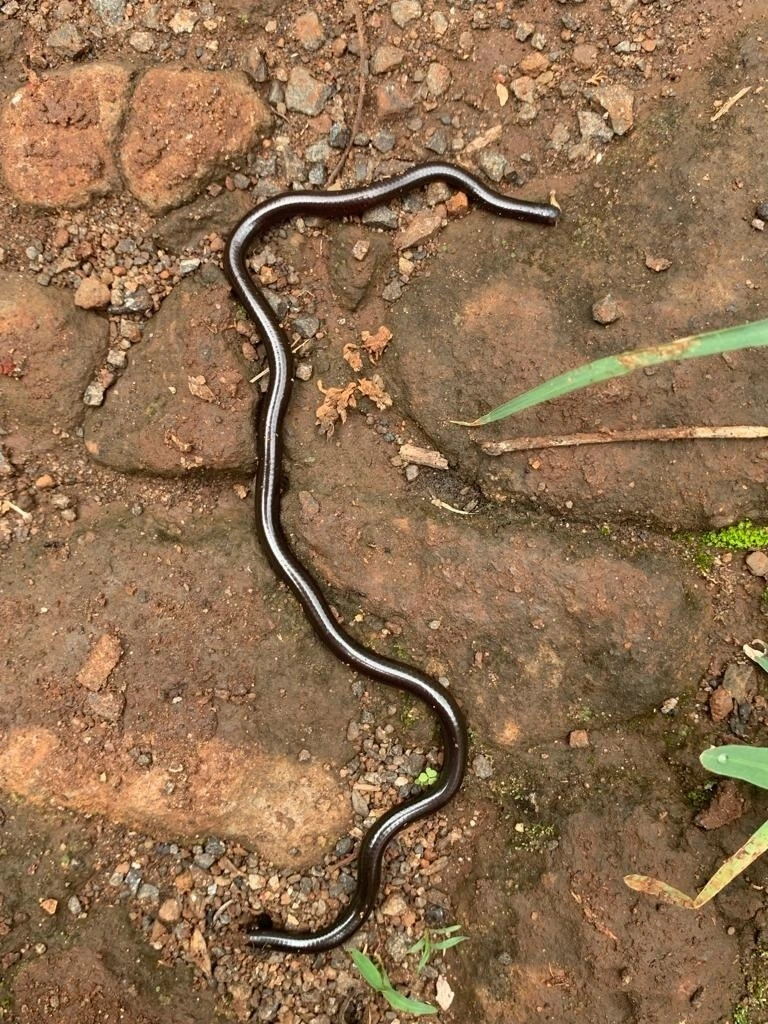
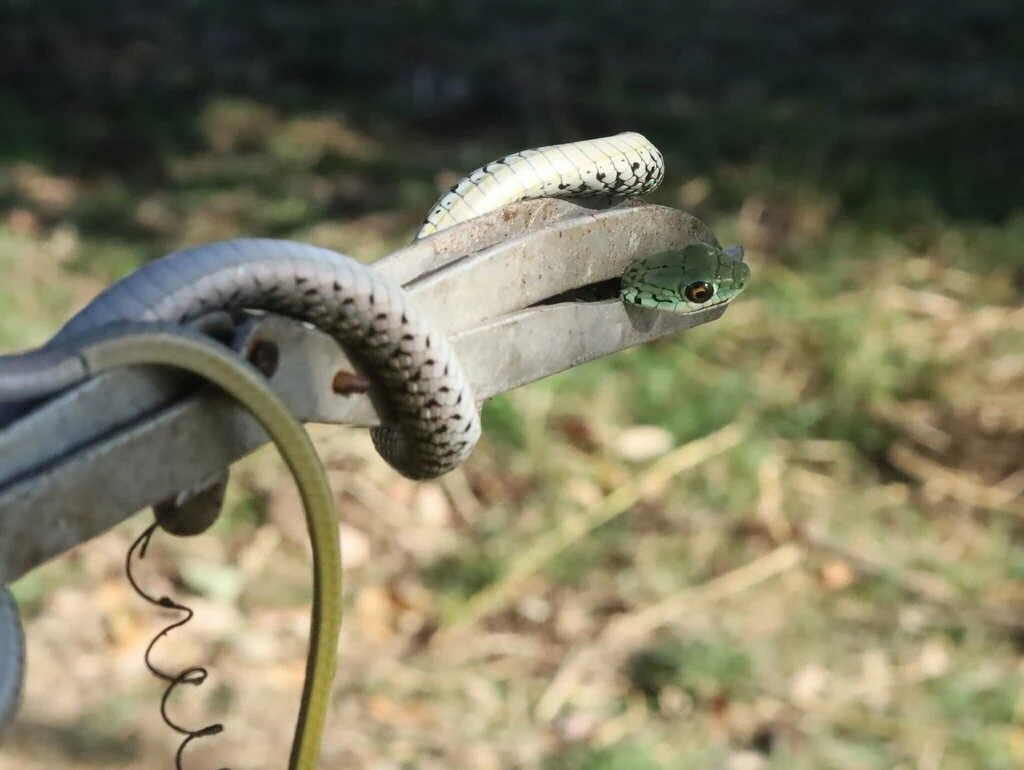
Philothamnus semivariegatus, photographed 2023-07-03. Identification follows the linked research-grade observation. The animal is temporarily held in the source photograph.

024 · Colubridae

Spotted Bush Snake, Spotted Green Snake, Variegated Green Snake

Philothamnus semivariegatus

(SMITH, 1840)

Venom unknownNot yet assessed

The current taxonomic treatment explicitly lists this country. This is country-scale checklist evidence, not a claim of continuous occupancy or a complete regional inventory. Northern Rift counties: observation GBIF 6133589768 (2026). The original iNaturalist entry was rechecked for research-grade identification, wild status and unrestricted coordinates;…

Read the species account →

Paul Hoekman · CC BY 4.0 · https://creativecommons.org/licenses/by/4.0/
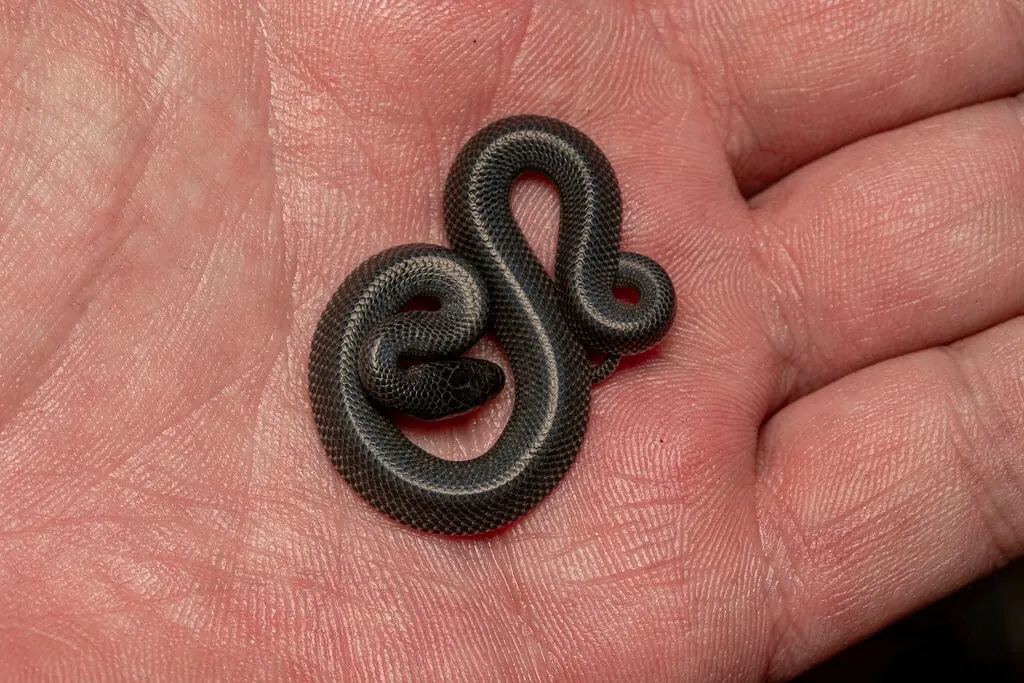
Explore all 136 country records →

The research library

Sources & the checklist.

This edition lists 136 species with supported country records from checked taxonomic treatments and cited field studies. It is not a claim of a complete national inventory. Each account retains its source and check date; individual evidence entries retain their own review dates.

Range and taxonomy review

Country links use a single accepted species identity. Revised names and disputed records are kept visible here; uncertain records do not enter the listed collection or regional totals.

Chilorhinophis butleri

Uncertain — excluded from the listed total

The checked treatment contains a conflicting, superseded or insufficiently corroborated country report. It is retained for review and excluded from positive counts; this is not an assertion of absence.

Source 1 ↗

How the map and counts work

Search results were checked against distribution text and taxonomic qualifications. A geographic name alone does not establish a political country: New Guinea, the Solomon archipelago and Micronesia span more than one country or territory. Introduced and unresolved records require separate interpretation.

Place counts require explicit named localities, including valid type localities. Counts can overlap where sources name multiple places. Regional maps group historical boundary snapshots for navigation, while island outlines use Natural Earth; neither is a species range or an observation map. Small islands can be below the outline dataset’s resolution, so geographic reference markers and the directory remain available.

RCMRD GeoPortal, Africa GeoPortal; geoBoundaries gbOpen ADM1, 2020 snapshot; Public Domain. Map provenance →

Exclusions & qualifications (1)

Chilorhinophis butleri

The checked treatment contains a conflicting, superseded or insufficiently corroborated country report. It is retained for review and excluded from positive counts; this is not an assertion of absence.

Read source 1 ↗
  1. Boundary source and declared group membership ↗

    Historical geography and navigation only.

  2. Convention on Biological Diversity · Kenya national profile ↗

    Historical draft prepared by the CBD Secretariat; awaiting Party approval. Used for landscape context; older statistics are not presented as current monitoring or a snake inventory.

  3. Map boundaries, snapshot and group membership ↗
  4. Convention on Biological Diversity · Kenya national profile ↗
  5. The Reptile Database

    Individual treatments and locality evidence are linked from each species account.

  6. Meiri (2024): SquamBase 1.0

    Species-level literature measurements and ecological traits. Exact-name matches only; imputed or ambiguous fields are omitted. These summaries are not local observations.

  7. Natural Earth: public-domain geographic data

Continue through the Africa atlas →