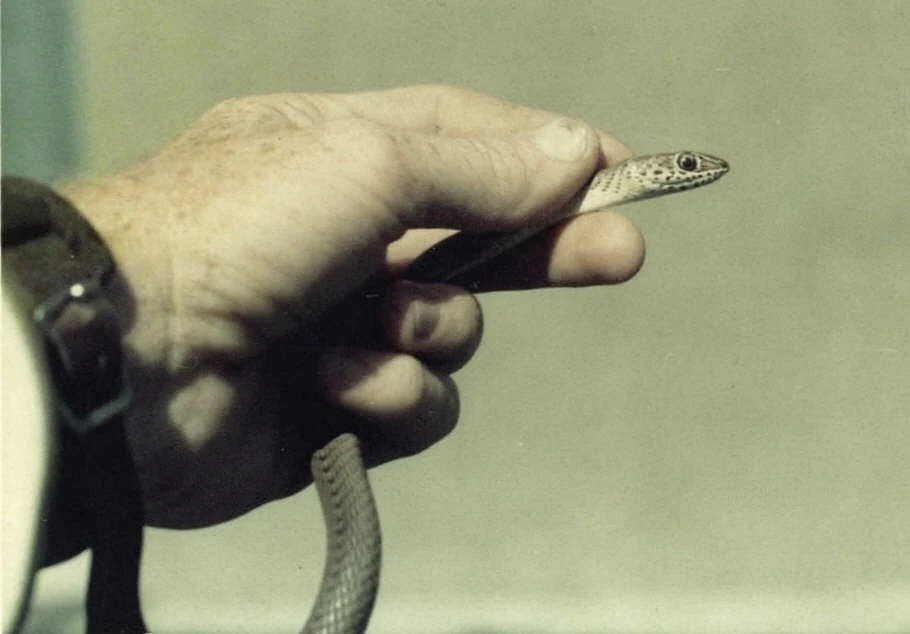
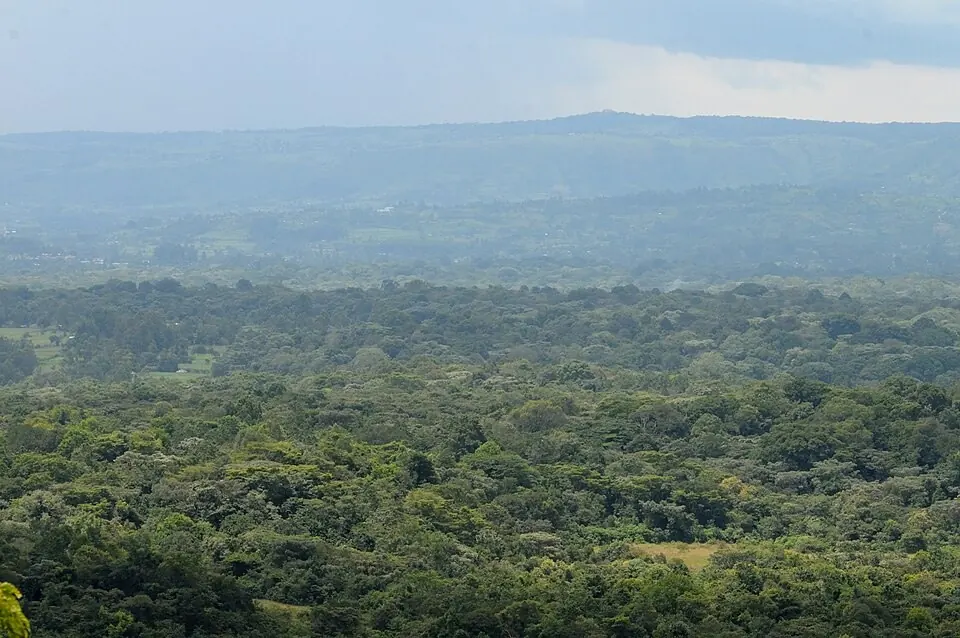
A broad canopy view over Kakamega Forest National Reserve, Kenya, photographed in 2012.

Kenya · Place guide

Western & Lake Victoria counties

Explore Western & Lake Victoria counties through the named places in its sourced species records.

27species with extracted evidence
8families
7region guides

A broad canopy view over Kakamega Forest National Reserve, Kenya, photographed in 2012.

Photograph: Josep M. Gracia · Image source · CC BY-SA 4.0. Cropped to fill the hero; darkened for text legibility.

Geography & biotopes

Read the landscape.

Explore Western & Lake Victoria counties through the named places in its sourced species records.

This navigation guide uses the credited boundary snapshot for Bungoma, Kakamega, Busia, Siaya, Tharaka, Kisumu, Homa Bay, Nyamira, Kisii, Migori. Its boundaries identify an atlas group, not a single vegetation type. RCMRD GeoPortal, Africa GeoPortal; geoBoundaries gbOpen ADM1, 2020 snapshot; Public Domain.

Ecological connections

The country habitat guides explain the environments documented in the landscape sources. Only species records assigned to this particular mapped area appear in the regional collection; a shared habitat elsewhere does not establish local occurrence.

Explore the setting

Open an individual species account to retain its original locality, observation or collection date, and source. Historical administrative names are preserved as aliases for this map snapshot.

This guide indexes these source names: Bungoma, Kakamega, Busia, Siaya, Tharaka, Kisumu, Homa Bay, Nyamira, Kisii, Migori. A country-only record is not automatically assigned to this place. Map markers identify navigation destinations, not collection sites.

Map boundaries, snapshot and group membership →

Convention on Biological Diversity · Kenya national profile →
Geography is part of the record

Find your way through Kenya.

Select a named region to open its evidence page. The complete directory below keeps every guide accessible, including places where locality evidence has not yet been extracted.

83 of 136 listed species have at least one indexed region record. 53 remain country-only. Even a nonzero count is not a complete regional inventory.

Habitats & living landscapes

Explore the living
landscapes.

Explore 4 guides to the environments, places and conservation pressures that shape this country. Each guide connects to the regional map and shared species accounts.

Landscape photographs & credits

A broad canopy view over Kakamega Forest National Reserve, Kenya, photographed in 2012. — Josep M. Gracia. Original photograph · CC BY-SA 4.0. Cropped for the cards; photographs do not establish snake occurrence.

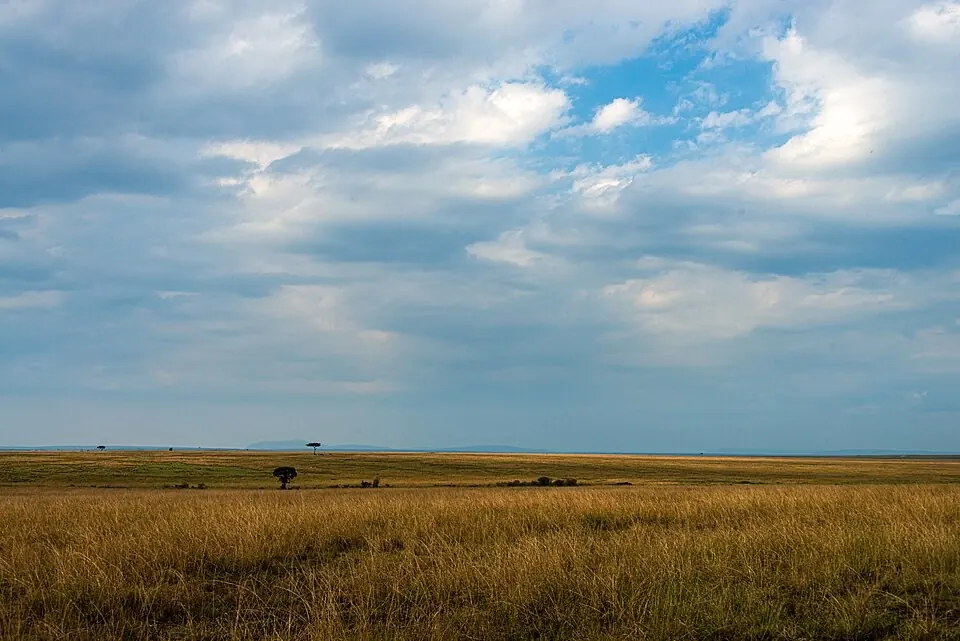
Open grassland and scattered trees in the Maasai Mara landscape, Kenya, photographed in August 2025. — Daniel Case. Original photograph · CC BY-SA 4.0. Cropped for the cards; photographs do not establish snake occurrence.

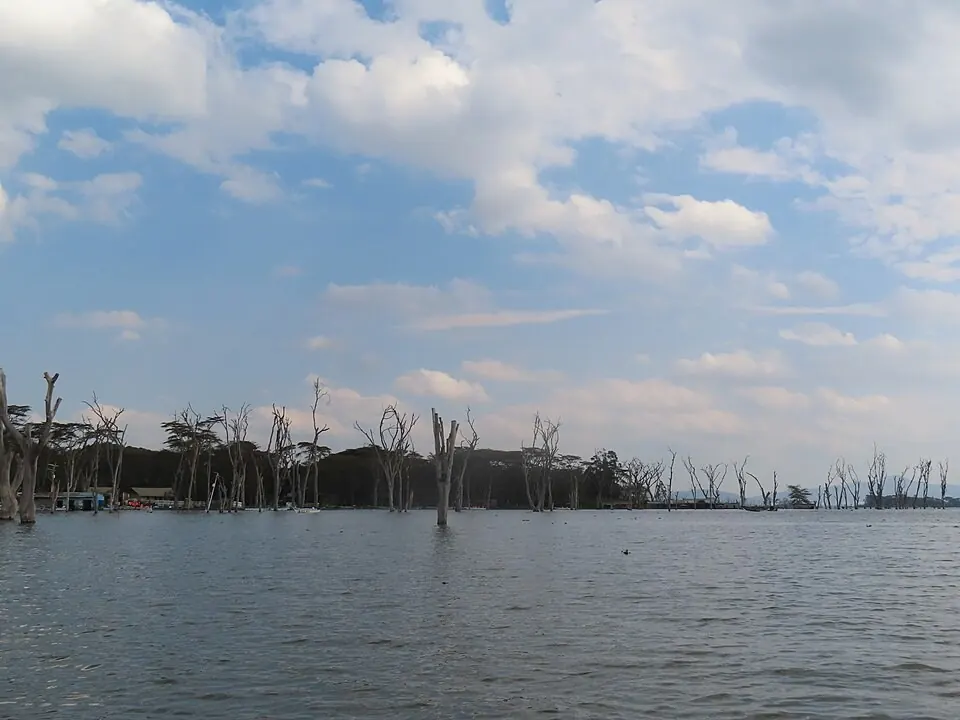
Lake Naivasha, Kenya, with flooded tree trunks and a distant wooded shore, photographed in August 2025. — Superchilum. Original photograph · CC BY-SA 4.0. Cropped for the cards; photographs do not establish snake occurrence.

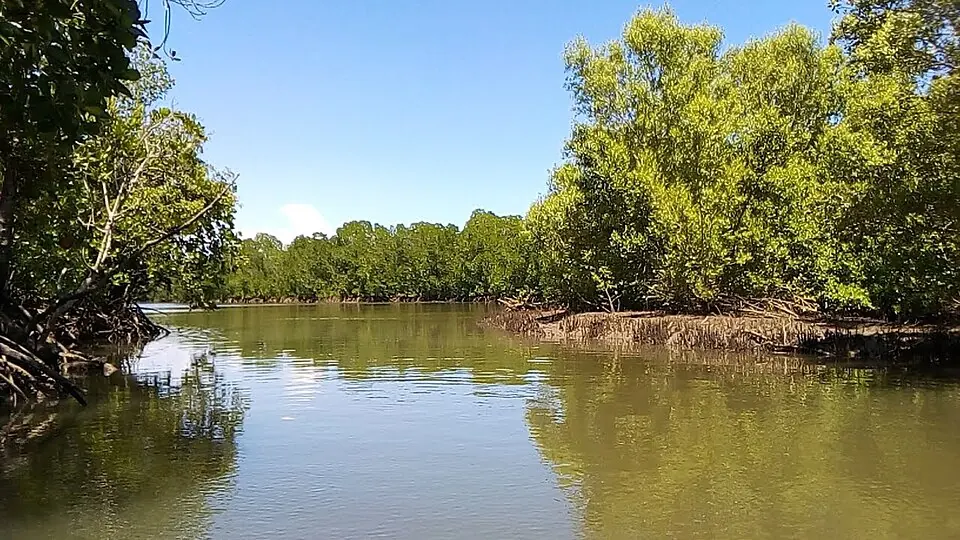
Mangrove creek at Robinson Island, Kinya'ole, Fundissa, Kilifi County, Kenya, with exposed roots along the water. — Thekasichana. Original photograph · CC BY-SA 4.0. Cropped for the cards; photographs do not establish snake occurrence.

The species catalogue

Snakes · Western & Lake Victoria counties.

Only records naming this place appear below. These are extracted locality records, not complete island or regional inventories.

27 species · showing 24

TyphlopidaeAfrotyphlopsPhotograph not yet documented

001 · Typhlopidae

Kakamega blind-snake

Afrotyphlops kaimosae

(LOVERIDGE, 1935)

Non-venomous

The current taxonomic treatment explicitly lists this country. This is country-scale checklist evidence, not a claim of continuous occupancy or a complete regional inventory. Western & Lake Victoria counties: museum voucher MCZ R-40060 (1934). The museum record's reported coordinate uncertainty footprint lies within the mapped region. These are dated…

Read the species account →
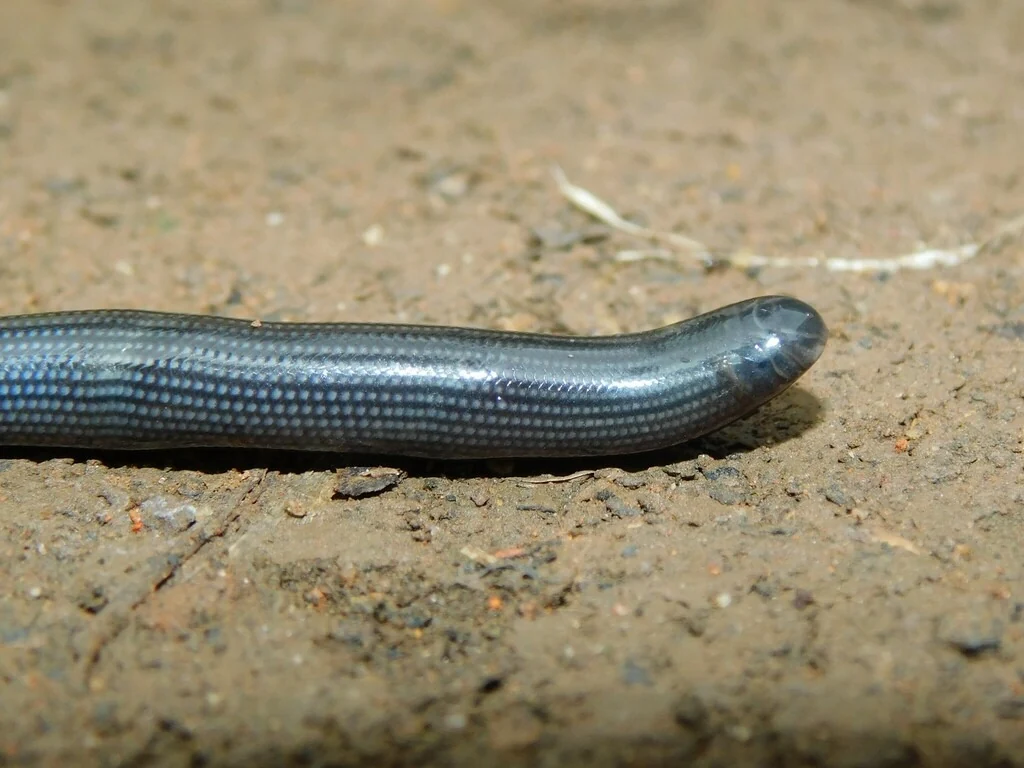
Afrotyphlops lineolatus; Hoima, Ouganda; photographed 2022-09-21.

002 · Typhlopidae

Common Lined Worm Snake, Lineolate Blind Snake

Afrotyphlops lineolatus

(JAN, 1864)

Non-venomous

The current taxonomic treatment explicitly lists this country. This is country-scale checklist evidence, not a claim of continuous occupancy or a complete regional inventory. Southern Rift & Nairobi: observation GBIF 4512296566 (2023). The original iNaturalist entry was rechecked for research-grade identification, wild status and unrestricted…

Read the species account →

Tommy Andriollo · CC BY 4.0 · https://creativecommons.org/licenses/by/4.0/

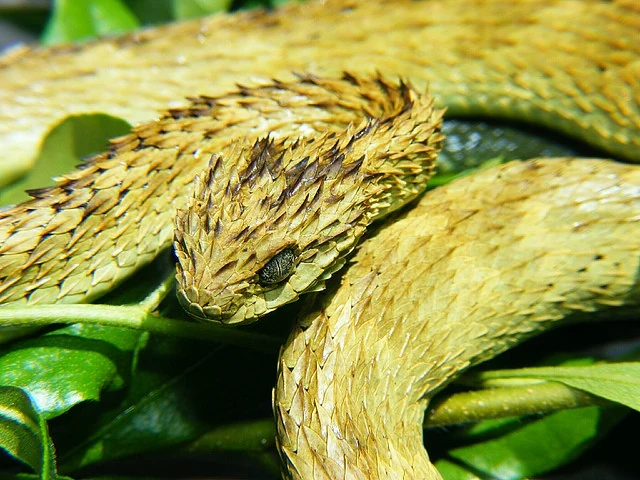
A Venomous African viper, photo taken 12 April, 2009

003 · Viperidae

African Hairy Bush Viper

Atheris hispida

LAURENT, 1955

VenomousClinical severity not established

The current taxonomic treatment explicitly lists this country. This is country-scale checklist evidence, not a claim of continuous occupancy or a complete regional inventory. Western & Lake Victoria counties: observation GBIF 6451939797 (2026). The original iNaturalist entry was rechecked for research-grade identification, wild status and unrestricted…

Read the species account →

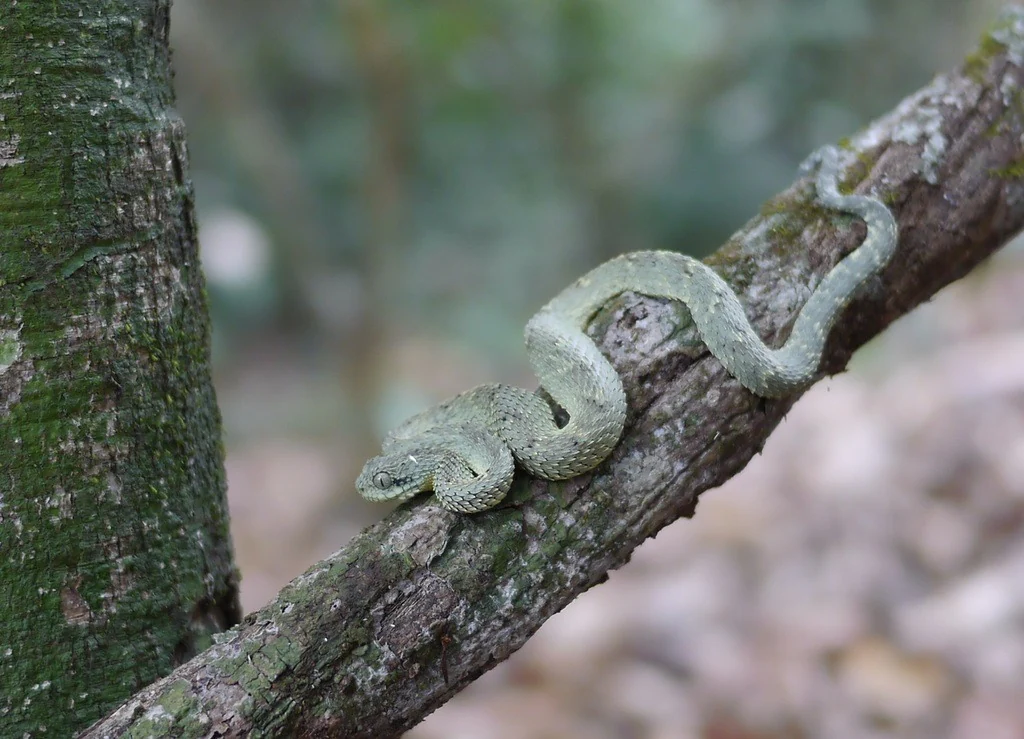
Bree Mc, soulsurvivor08 at flickr.com · CC BY 2.0 · https://creativecommons.org/licenses/by/2.0

Atheris squamigera; Mawendi Hills, Cameroon; photographed 2012-02-20.

004 · Viperidae

Variable Bush Viper, African Bush Viper, Rough-scaled Bush Viper

Atheris squamigera

HALLOWELL, 1854

VenomousClinical severity not established

The current taxonomic treatment explicitly lists this country. This is country-scale checklist evidence, not a claim of continuous occupancy or a complete regional inventory. Western & Lake Victoria counties: museum voucher CAS 141755 (1976). The museum record's reported coordinate uncertainty footprint lies within the mapped region. Western & Lake…

Read the species account →

Matt Muir · CC BY 4.0 · https://creativecommons.org/licenses/by/4.0/

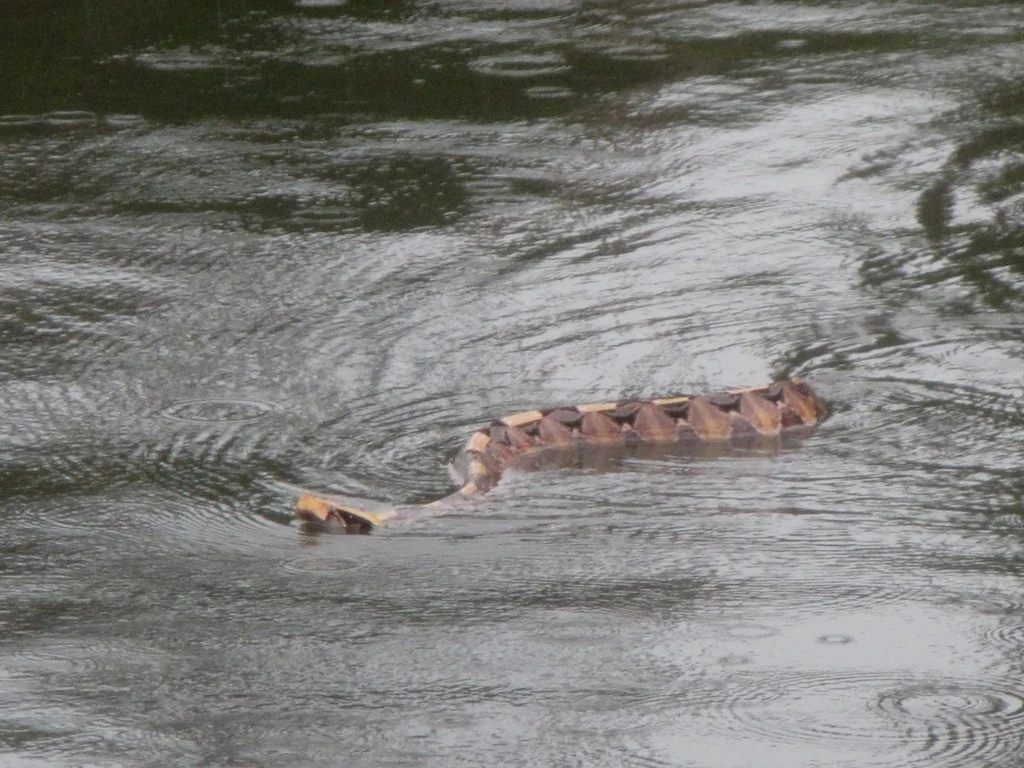
Bitis gabonica; Lake Tissongo, Cameroon; photographed 2016-05-18.

005 · Viperidae

Gaboon Adder, Gaboon Viper

Bitis gabonica

(DUMÉRIL, BIBRON & DUMÉRIL, 1854)

VenomousClinical severity not established

The current taxonomic treatment explicitly lists this country. This is country-scale checklist evidence, not a claim of continuous occupancy or a complete regional inventory. Western & Lake Victoria counties: observation GBIF 3044949150 (2021). The original iNaturalist entry was rechecked for research-grade identification, wild status and unrestricted…

Read the species account →

Lucy Keith-Diagne · CC BY 4.0 · https://creativecommons.org/licenses/by/4.0/

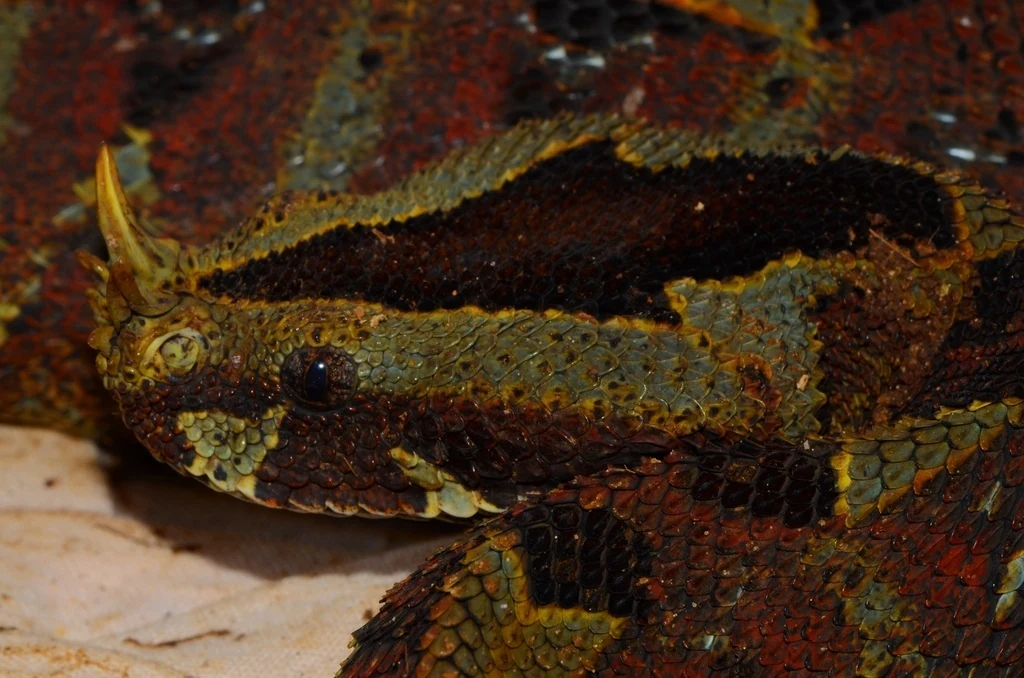
Bitis nasicornis, photographed 2012-10-08. Identification follows the linked research-grade observation.

006 · Viperidae

Rhinoceros Viper

Bitis nasicornis

(SHAW & NODDER, 1792)

VenomousClinical severity not established

The current taxonomic treatment explicitly lists this country. This is country-scale checklist evidence, not a claim of continuous occupancy or a complete regional inventory. Central highlands: museum voucher KU 175573 (1977). The museum record's reported coordinate uncertainty footprint lies within the mapped region. Central highlands: museum voucher KU…

Read the species account →

Marius Burger (iNaturalist contributor) · CC0 1.0 · https://creativecommons.org/publicdomain/zero/1.0/

Causus resimus; C14, Kenia; photographed 2020-11-18.

007 · Viperidae

Green Night Adder

Causus resimus

(PETERS, 1862)

VenomousClinical severity not established

The current taxonomic treatment explicitly lists this country. This is country-scale checklist evidence, not a claim of continuous occupancy or a complete regional inventory. Southern Rift & Nairobi: observation GBIF 6195704710 (2026). The original iNaturalist entry was rechecked for research-grade identification, wild status and unrestricted…

Read the species account →

le0p0ld_d · CC BY 4.0 · https://creativecommons.org/licenses/by/4.0/

ColubridaeCrotaphopeltisPhotograph not yet documented

008 · Colubridae

Degen’s Herald Snake, Yellow-flanked snake

Crotaphopeltis degeni

(BOULENGER, 1906)

Venom unknownNot yet assessed

The current taxonomic treatment explicitly lists this country. This is country-scale checklist evidence, not a claim of continuous occupancy or a complete regional inventory. Southern Rift & Nairobi: observation GBIF 6195760289 (2026). The original iNaturalist entry was rechecked for research-grade identification, wild status and unrestricted…

Read the species account →
Dasypeltis atra; Karatu Simba Lodge, Karatu, Tanzania; photographed 2015-09-12.

009 · Colubridae

African Egg-eating Snake, Montane Egg-eater

Dasypeltis atra

STERNFELD, 1912

Venom unknownNot yet assessed

The current taxonomic treatment explicitly lists this country. This is country-scale checklist evidence, not a claim of continuous occupancy or a complete regional inventory. Southern Rift & Nairobi: observation GBIF 4525175075 (2024). The original iNaturalist entry was rechecked for research-grade identification, wild status and unrestricted…

Read the species account →

no rights reserved · CC0 · https://creativecommons.org/publicdomain/zero/1.0/

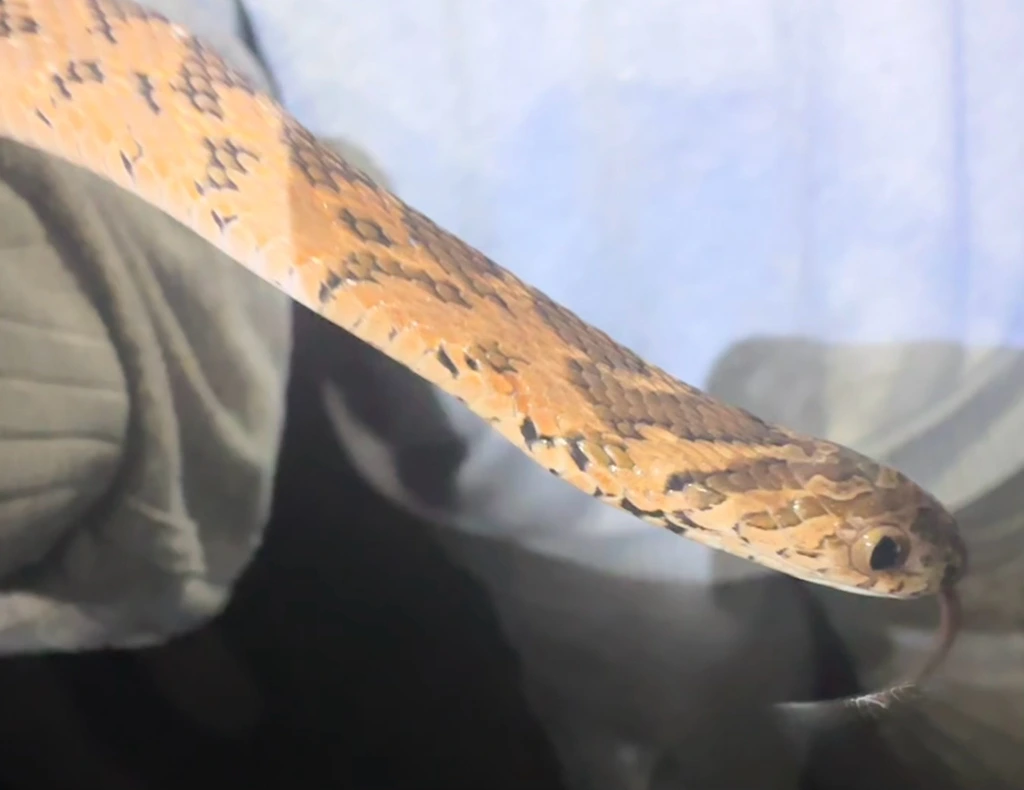
Dasypeltis confusa. Photographed through a transparent container in Angola; this is a handled specimen portrait. Original observation dated 2024-10-30; this portrait does not establish occurrence in other countries.

010 · Colubridae

Diamond-back Egg-eater, Confusing Egg Eater

Dasypeltis confusa

TRAPE & MANÉ, 2006

Venom unknownNot yet assessed

The current taxonomic treatment explicitly lists this country. This is country-scale checklist evidence, not a claim of continuous occupancy or a complete regional inventory. Western & Lake Victoria counties: museum voucher CAS 141784 (1975). The museum record's reported coordinate uncertainty footprint lies within the mapped region. These are dated…

Read the species account →

Robert Taylor · CC BY 4.0 · https://creativecommons.org/licenses/by/4.0/

Dasypeltis medici; Eastern Shores, isimangaliso Wetland Park; photographed 2019-03-30.

011 · Colubridae

Eastern Forest Egg-eater, East African Egg Eater

Dasypeltis medici

BIANCONI, 1859

Venom unknownNot yet assessed

The current taxonomic treatment explicitly lists this country. This is country-scale checklist evidence, not a claim of continuous occupancy or a complete regional inventory. Coastal counties: museum voucher YPM YPM HERR 013868 (1965). The museum record's reported coordinate uncertainty footprint lies within the mapped region. Coastal counties:…

Read the species account →

Nick Schaller · CC BY 4.0 · https://creativecommons.org/licenses/by/4.0/

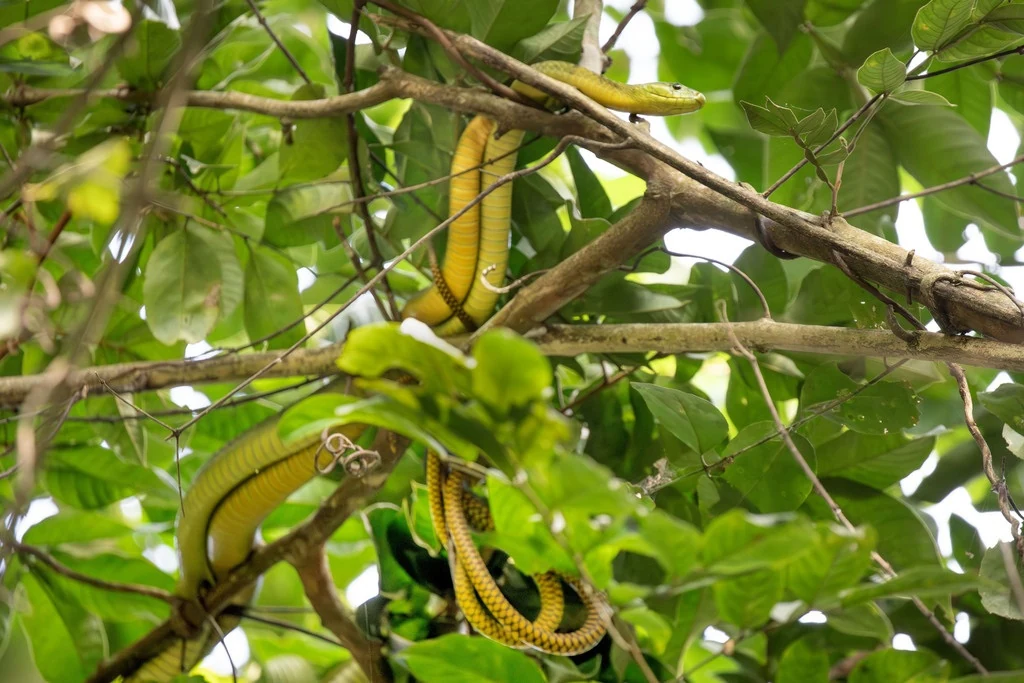
Dendroaspis jamesoni, photographed 2025-06-28. Identification follows the linked research-grade observation.

012 · Elapidae

Jameson’s (Green) Mamba

Dendroaspis jamesoni

(TRAILL, 1843)

VenomousClinical severity not established

The current taxonomic treatment explicitly lists this country. This is country-scale checklist evidence, not a claim of continuous occupancy or a complete regional inventory. Western & Lake Victoria counties: museum voucher MCZ R-40743 (1934). The museum record's reported coordinate uncertainty footprint lies within the mapped region. Western & Lake…

Read the species account →

Kristof Zyskowski · CC BY 4.0 · https://creativecommons.org/licenses/by/4.0/

Dispholidus typus; South Cape DC, South Africa; photographed 2013-01-02.

013 · Colubridae

Boomslang

Dispholidus typus

(SMITH, 1828)

VenomousClinical severity not established

The current taxonomic treatment explicitly lists this country. This is country-scale checklist evidence, not a claim of continuous occupancy or a complete regional inventory. Coastal counties: museum voucher USNM USNM 49150 (1911). The museum record's reported coordinate uncertainty footprint lies within the mapped region. Coastal counties: observation…

Read the species account →

Karen Eichholz · CC BY 4.0 · https://creativecommons.org/licenses/by/4.0/

Duberria lutrix; Stonehurst Mountain Estate Entrance, Westlake, Cape Town, 7945, South Africa; photographed 2023-08-15.

014 · Pseudoxyrhophiidae

Common Slug Eater

Duberria lutrix

(LINNAEUS, 1758)

Venom unknownNot yet assessed

The current taxonomic treatment explicitly lists this country. This is country-scale checklist evidence, not a claim of continuous occupancy or a complete regional inventory. Central highlands: observation GBIF 6518917873 (2026). The original iNaturalist entry was rechecked for research-grade identification, wild status and unrestricted coordinates; its…

Read the species account →

Ryan van Huyssteen · CC BY 4.0 · https://creativecommons.org/licenses/by/4.0/

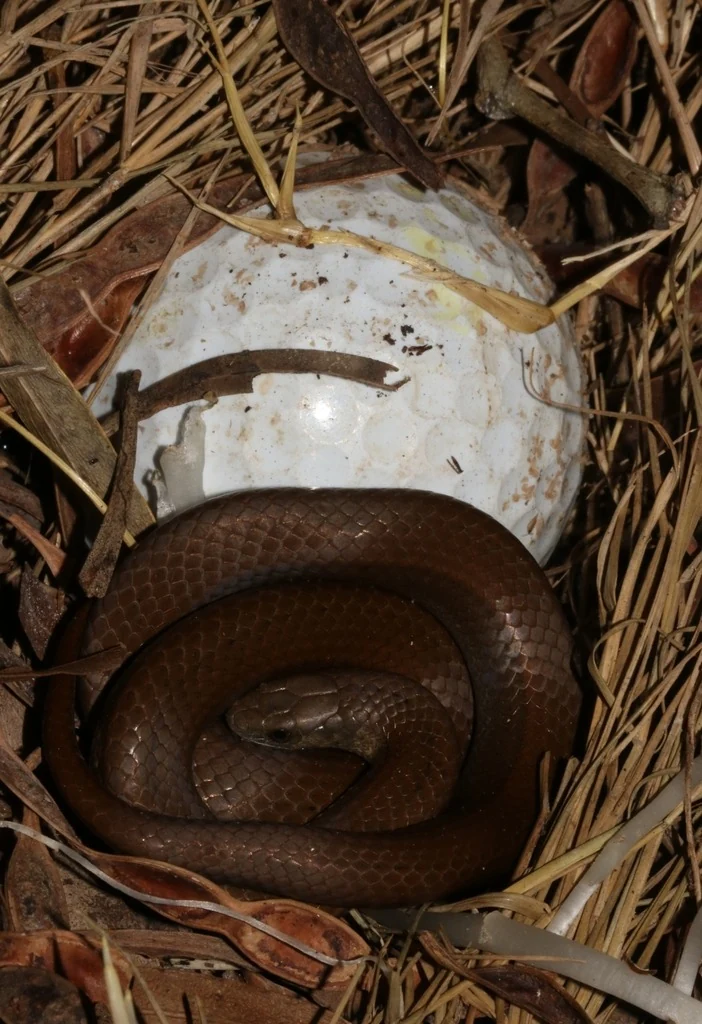
Elapsoidea loveridgei, photographed 2009-09-01. Identification follows the linked research-grade observation.

015 · Elapidae

Loveridge's Garter Snake, East African Garter Snake

Elapsoidea loveridgei

PARKER, 1949

VenomousClinical severity not established

The current taxonomic treatment explicitly lists this country. This is country-scale checklist evidence, not a claim of continuous occupancy or a complete regional inventory. Southern Rift & Nairobi: museum voucher UMMZ 61248 (1915). The museum record's reported coordinate uncertainty footprint lies within the mapped region. Southern Rift & Nairobi:…

Read the species account →

Doug Macaulay · CC BY 4.0 · https://creativecommons.org/licenses/by/4.0/

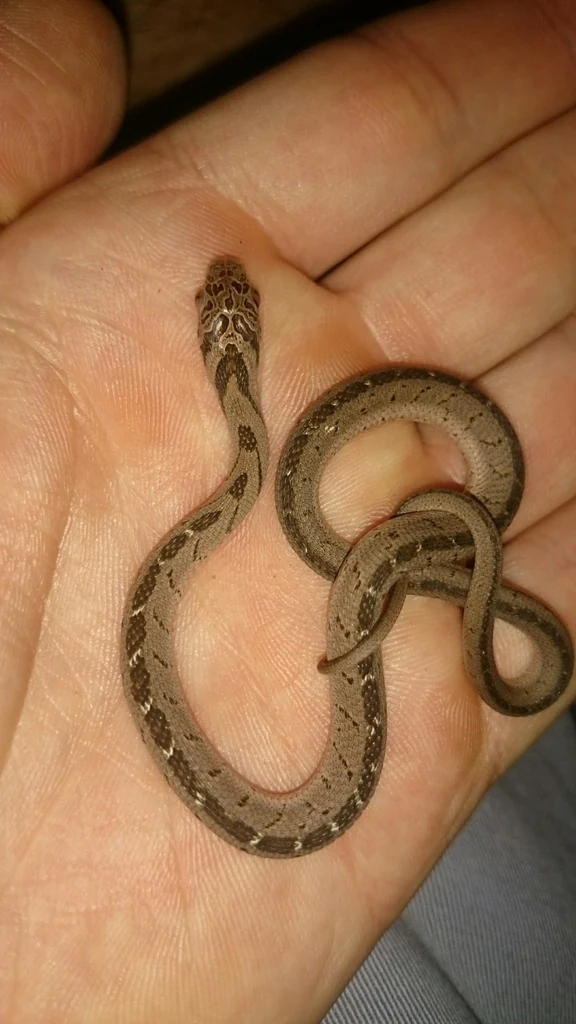
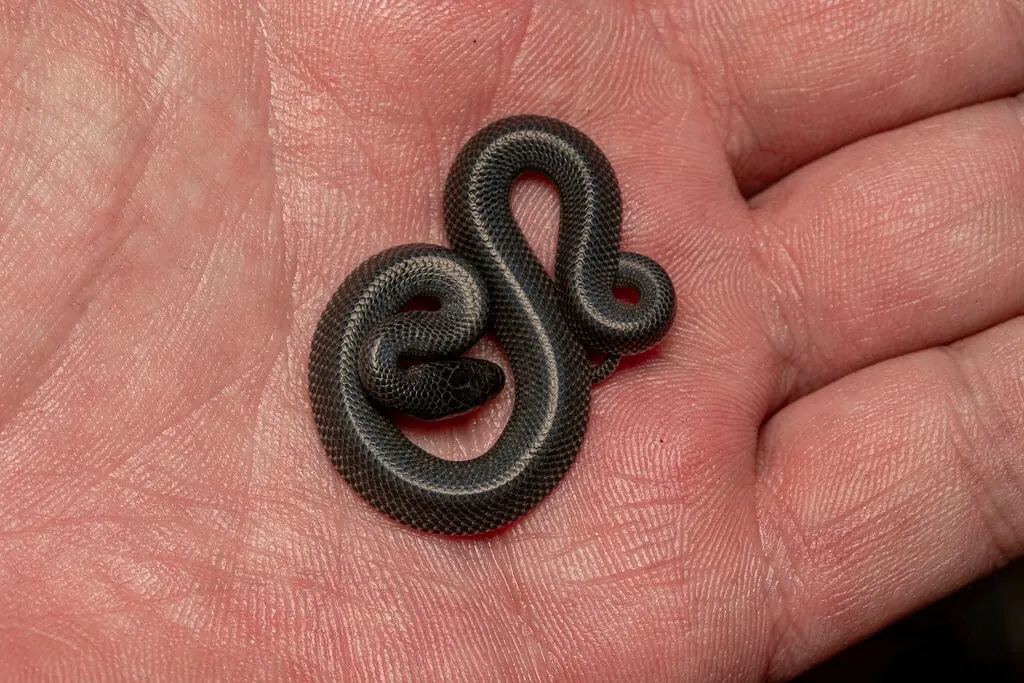
Limaformosa savorgnani; Mayoko, CG-NI, CG; photographed 2012-10-02.

016 · Lamprophiidae

Congo File Snake

Limaformosa savorgnani

(MOCQUARD, 1887)

Non-venomous

The current taxonomic treatment explicitly lists this country. This is country-scale checklist evidence, not a claim of continuous occupancy or a complete regional inventory. Western & Lake Victoria counties: museum voucher CAS 111795 (1967). The museum record's reported coordinate uncertainty footprint lies within the mapped region. These are dated…

Read the species account →

no rights reserved · CC0 · https://creativecommons.org/publicdomain/zero/1.0/

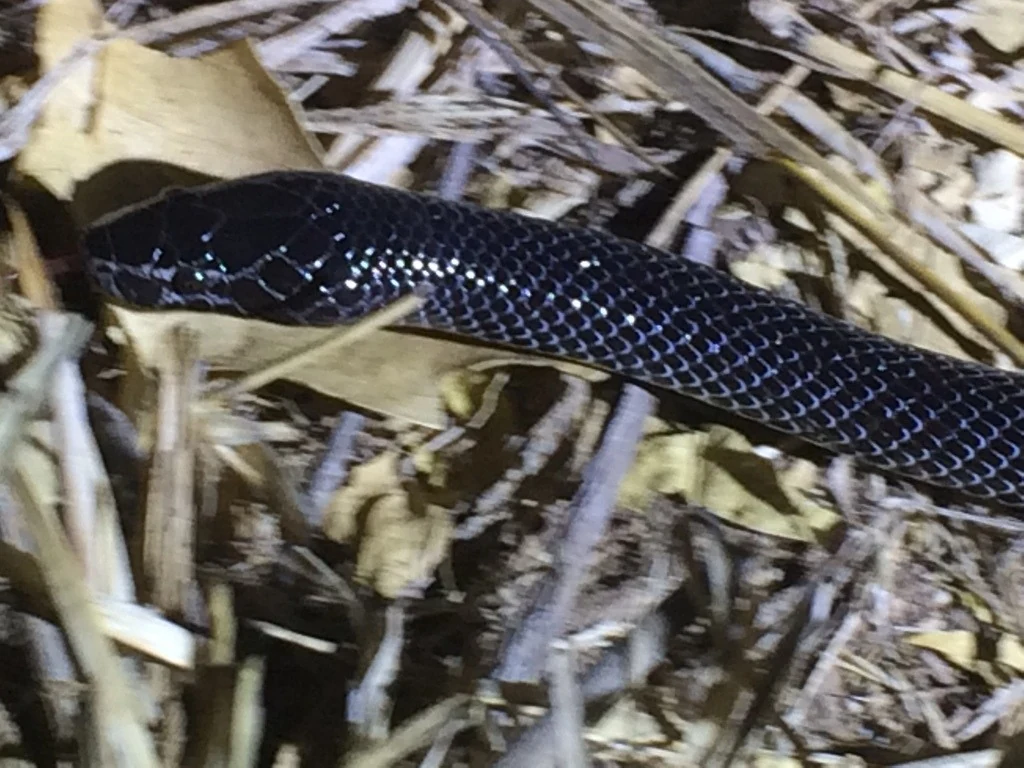
Lycophidion capense. Identification follows the linked source community.

017 · Lamprophiidae

Cape Wolf Snake

Lycophidion capense

(SMITH, 1831)

Non-venomous

Explicit country record in the current species treatment. The current taxonomic treatment explicitly lists this country. This is country-scale checklist evidence, not a claim of continuous occupancy or a complete regional inventory. Northern Rift counties: observation GBIF 6235165890 (2026). The original iNaturalist entry was rechecked for research-grade…

Read the species account →

Rudolph Steenkamp · CC BY-SA 4.0 · https://creativecommons.org/licenses/by-sa/4.0/

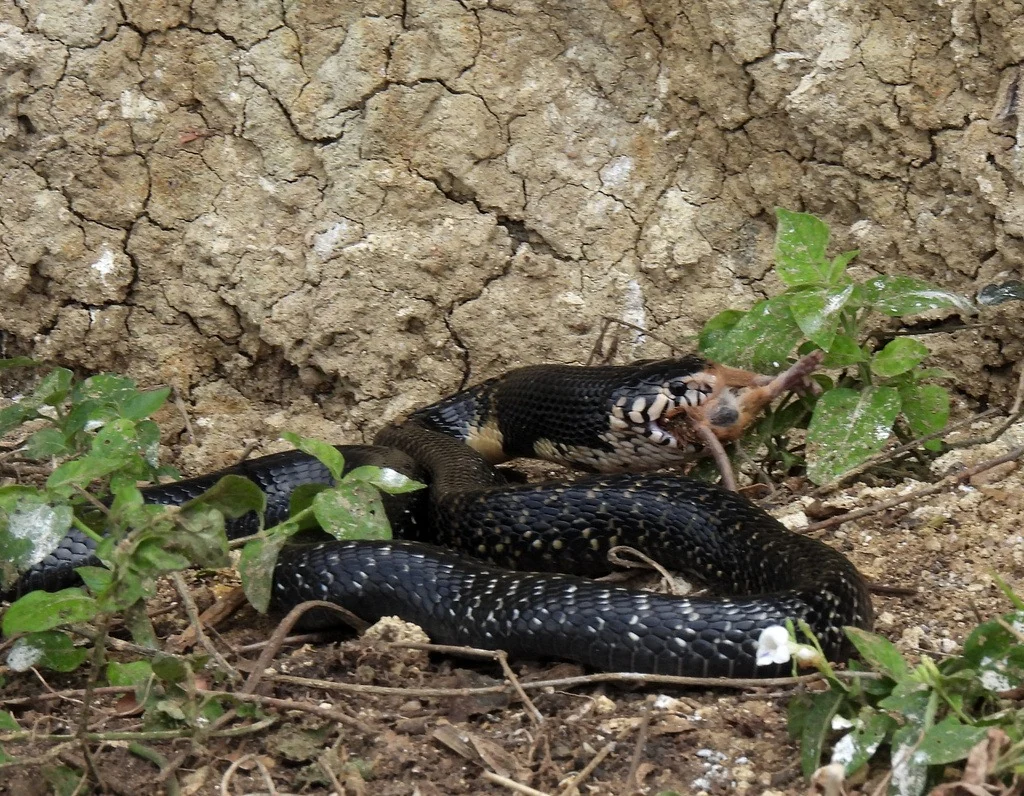
Lycophidion jacksoni; Loitokitok, Kenya; photographed 2015-09-14.

018 · Lamprophiidae

Western Jackson’s Wolf Snake

Lycophidion jacksoni

BOULENGER, 1893

Non-venomous

The current taxonomic treatment explicitly lists this country. This is country-scale checklist evidence, not a claim of continuous occupancy or a complete regional inventory. Coastal counties: observation GBIF 6400178314 (2026). The original iNaturalist entry was rechecked for research-grade identification, wild status and unrestricted coordinates; its…

Read the species account →

Stephanie Dolrenry · CC BY-SA 4.0 · https://creativecommons.org/licenses/by-sa/4.0/

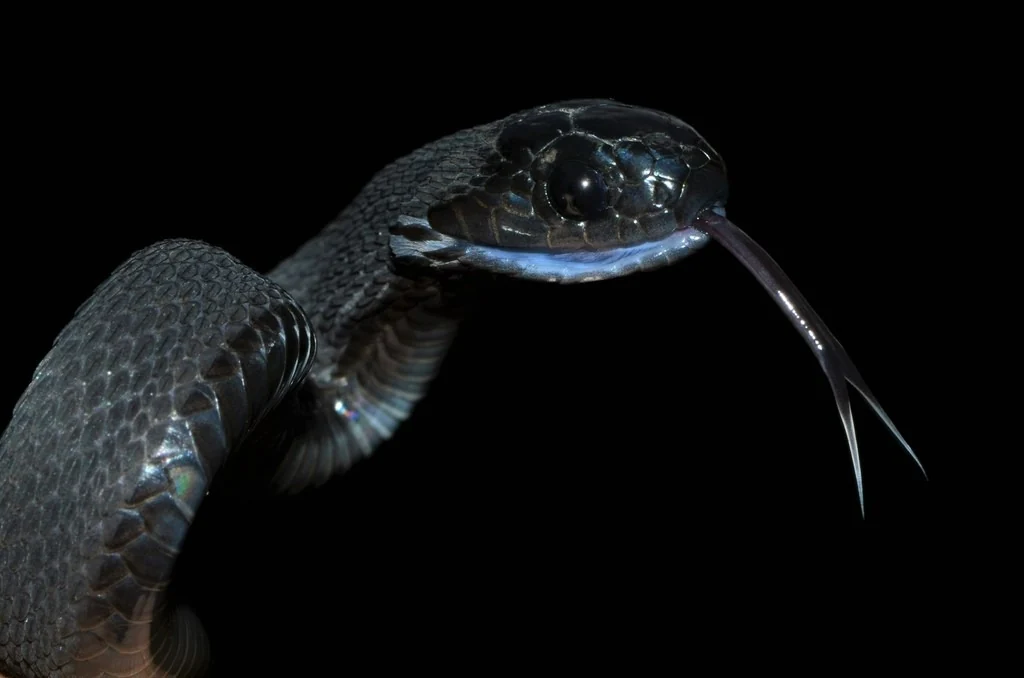
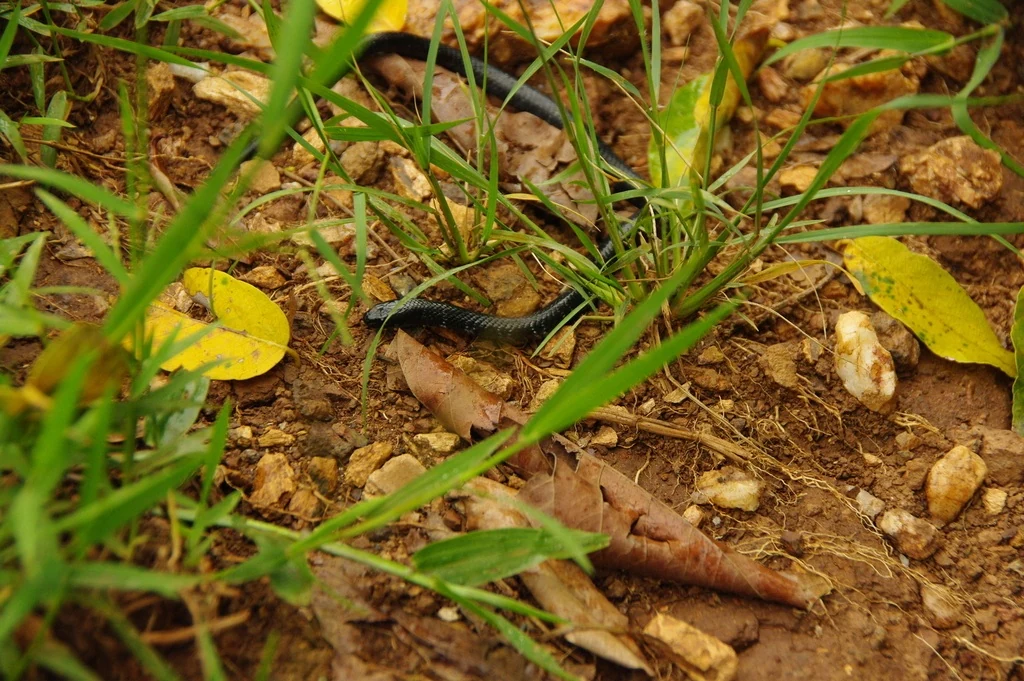
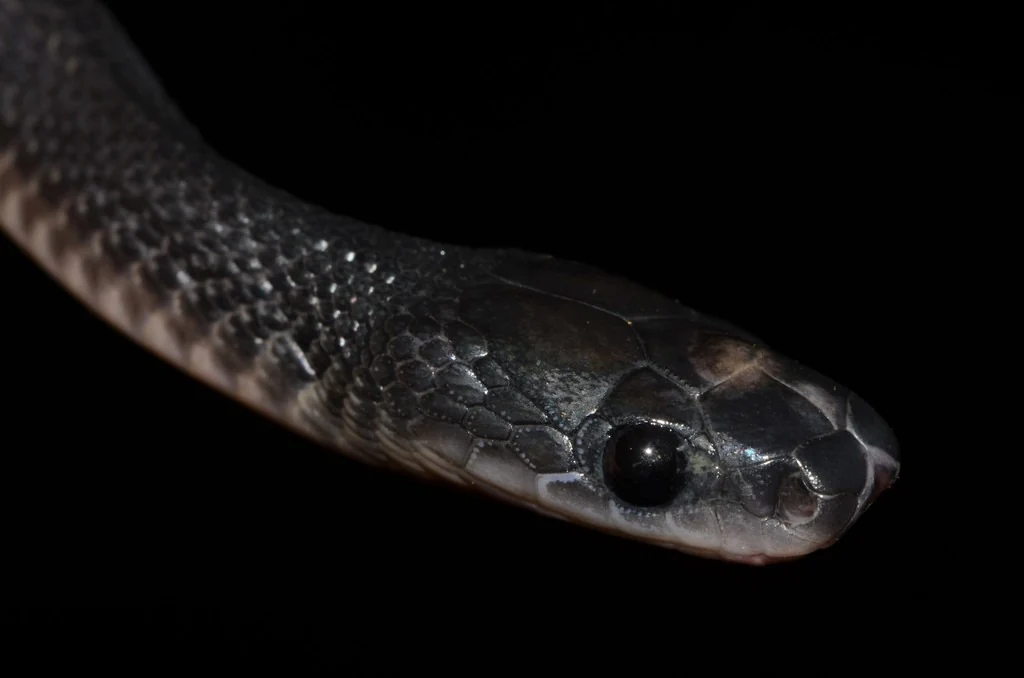
Naja subfulva; Katunguru Queen Elizabeth National Park, Katunguru, Uganda; photographed 2023-03-05.

019 · Elapidae

Brown forest cobra

Naja subfulva

LAURENT, 1955

VenomousClinical severity not established

The current taxonomic treatment explicitly lists this country. This is country-scale checklist evidence, not a claim of continuous occupancy or a complete regional inventory. Southern Rift & Nairobi: observation GBIF 6274091900 (2026). The original iNaturalist entry was rechecked for research-grade identification, wild status and unrestricted…

Read the species account →

Sidnei Dantas · CC BY-SA 4.0 · https://creativecommons.org/licenses/by-sa/4.0/

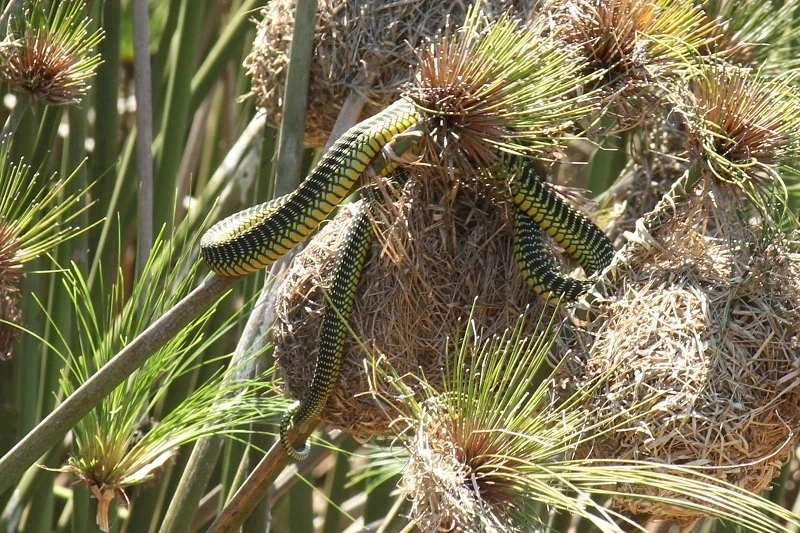
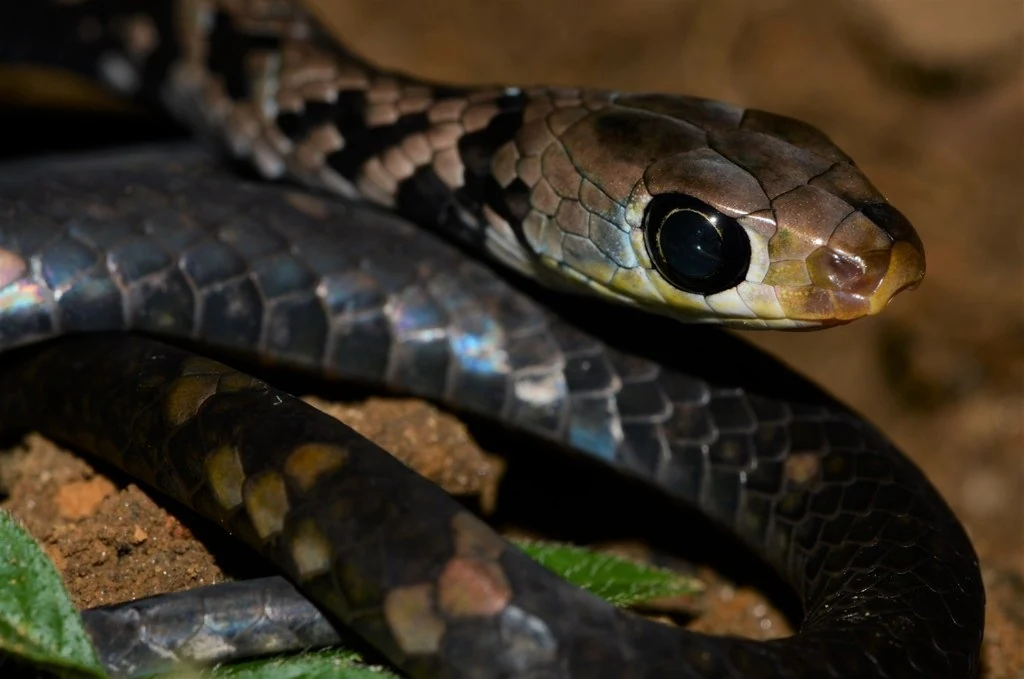
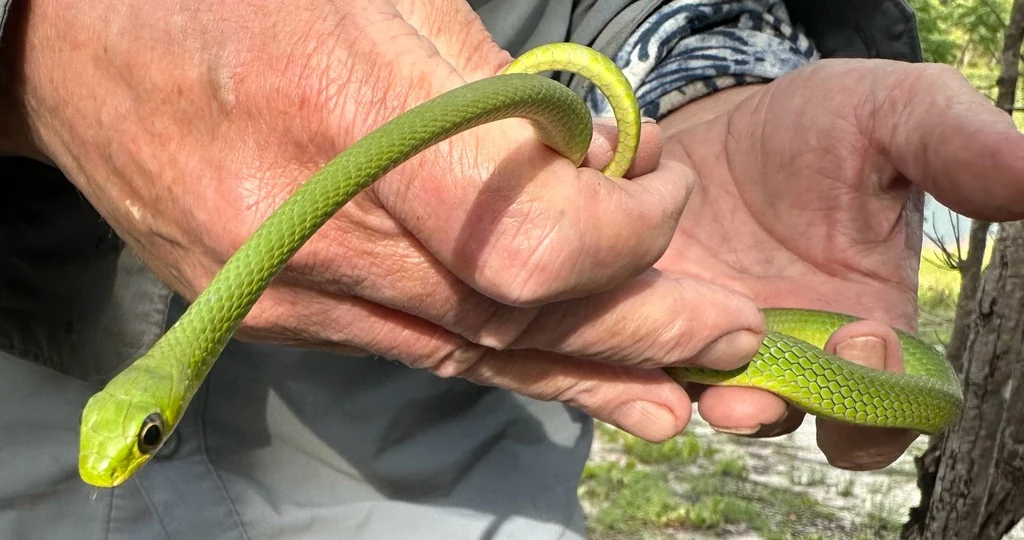
Philothamnus carinatus, photographed 2012-10-01. Identification follows the linked research-grade observation.

020 · Colubridae

Thirteen-scaled Green Snake

Philothamnus carinatus

(ANDERSSON, 1901)

Venom unknownNot yet assessed

The current taxonomic treatment explicitly lists this country. This is country-scale checklist evidence, not a claim of continuous occupancy or a complete regional inventory. Western & Lake Victoria counties: museum voucher MCZ R-40483 (1934). The museum record's reported coordinate uncertainty footprint lies within the mapped region. These are dated…

Read the species account →

Marius Burger (iNaturalist contributor) · CC0 1.0 · https://creativecommons.org/publicdomain/zero/1.0/

Philothamnus heterolepidotus; Luchazes, AO-MX, AO; photographed 2024-11-03.

021 · Colubridae

Slender Green Snake

Philothamnus heterolepidotus

(GÜNTHER, 1863)

Venom unknownNot yet assessed

The current taxonomic treatment explicitly lists this country. This is country-scale checklist evidence, not a claim of continuous occupancy or a complete regional inventory. Western & Lake Victoria counties: museum voucher CAS 147941 (1977). The museum record's reported coordinate uncertainty footprint lies within the mapped region. Western & Lake…

Read the species account →

Robert Taylor · CC BY 4.0 · https://creativecommons.org/licenses/by/4.0/

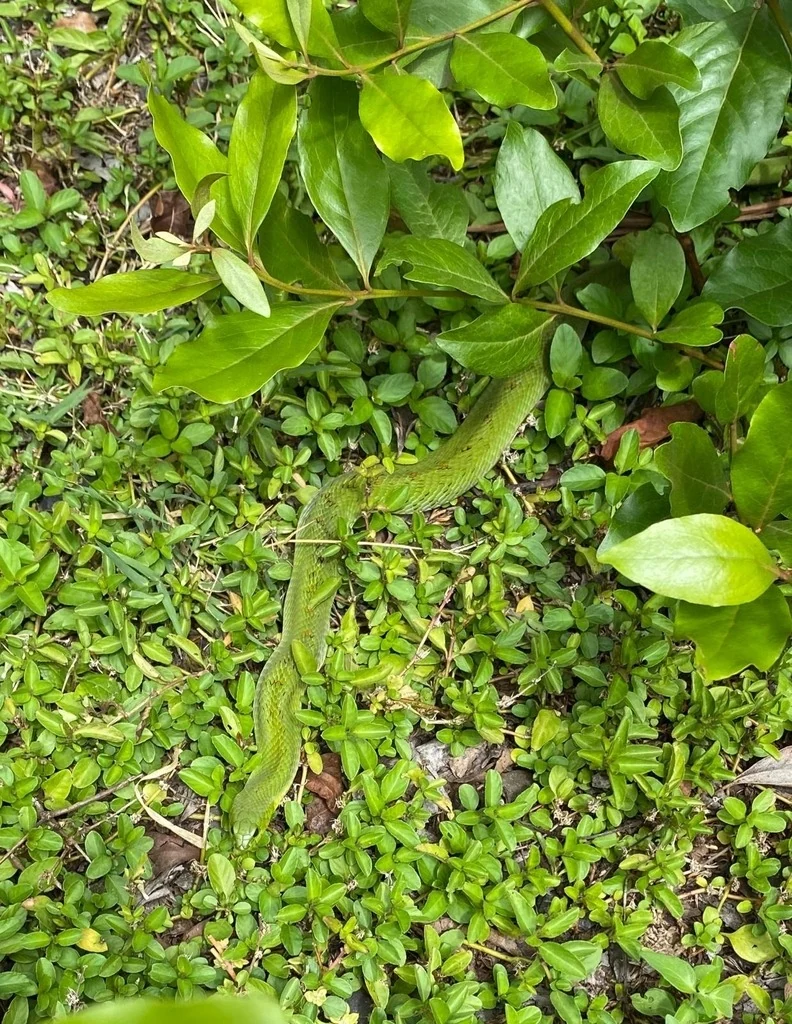
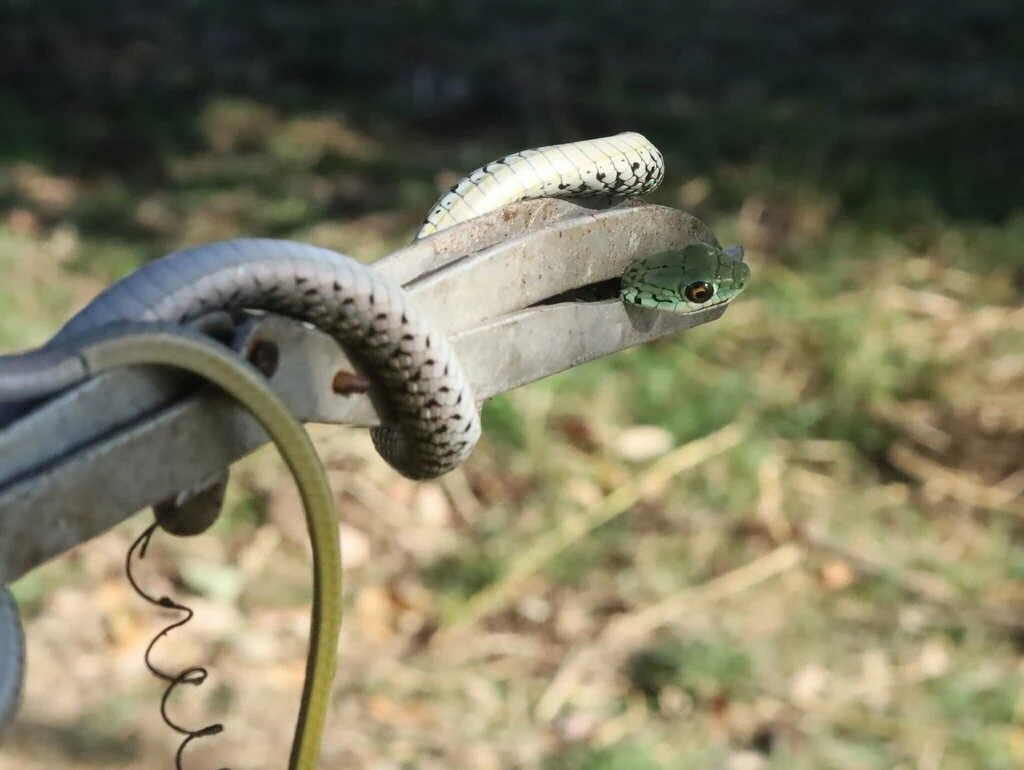
Philothamnus semivariegatus, photographed 2023-07-03. Identification follows the linked research-grade observation. The animal is temporarily held in the source photograph.

022 · Colubridae

Spotted Bush Snake, Spotted Green Snake, Variegated Green Snake

Philothamnus semivariegatus

(SMITH, 1840)

Venom unknownNot yet assessed

The current taxonomic treatment explicitly lists this country. This is country-scale checklist evidence, not a claim of continuous occupancy or a complete regional inventory. Northern Rift counties: observation GBIF 6133589768 (2026). The original iNaturalist entry was rechecked for research-grade identification, wild status and unrestricted coordinates;…

Read the species account →

Paul Hoekman · CC BY 4.0 · https://creativecommons.org/licenses/by/4.0/

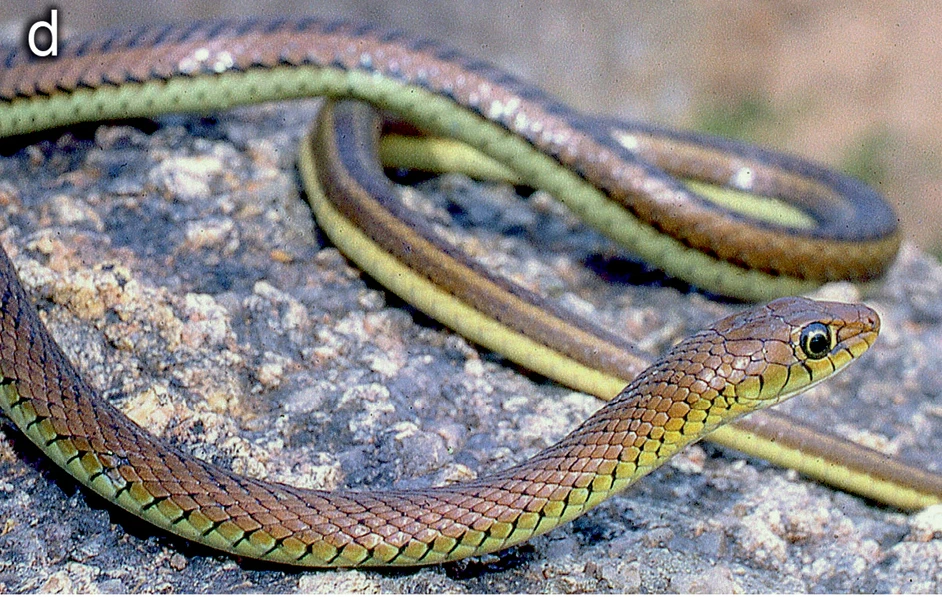
Šmíd et al. (2023), Figure 1d: Psammophis lineatus photographed in Nigeria.

023 · Psammophiidae

Gray Grass Snake, Lined Olympic Snake, Striped Swamp Snake

Psammophis lineatus

(DUMÉRIL, BIBRON & DUMÉRIL, 1854)

VenomousClinical severity not established

The current taxonomic treatment explicitly lists this country. This is country-scale checklist evidence, not a claim of continuous occupancy or a complete regional inventory. Western & Lake Victoria counties: observation GBIF 5154855123 (2020). The original iNaturalist entry was rechecked for research-grade identification, wild status and unrestricted…

Read the species account →

G. Dunger · CC BY 4.0 · https://creativecommons.org/licenses/by/4.0/

Psammophis mossambicus; Chizarira National Park; photographed 1980-11-30.

024 · Psammophiidae

Olive Whip Snake, Olive Grass Snake,

Psammophis mossambicus

PETERS, 1882

VenomousClinical severity not established

The current taxonomic treatment explicitly lists this country. This is country-scale checklist evidence, not a claim of continuous occupancy or a complete regional inventory. Coastal counties: observation GBIF 6147516877 (2026). The original iNaturalist entry was rechecked for research-grade identification, wild status and unrestricted coordinates; its…

Read the species account →

i_c_riddell · CC BY 4.0 · https://creativecommons.org/licenses/by/4.0/

Explore all 136 country records →

The research library

Sources & the checklist.

This edition lists 136 species with supported country records from checked taxonomic treatments and cited field studies. It is not a claim of a complete national inventory. Each account retains its source and check date; individual evidence entries retain their own review dates.

Range and taxonomy review

Country links use a single accepted species identity. Revised names and disputed records are kept visible here; uncertain records do not enter the listed collection or regional totals.

Chilorhinophis butleri

Uncertain — excluded from the listed total

The checked treatment contains a conflicting, superseded or insufficiently corroborated country report. It is retained for review and excluded from positive counts; this is not an assertion of absence.

Source 1 ↗

How the map and counts work

Search results were checked against distribution text and taxonomic qualifications. A geographic name alone does not establish a political country: New Guinea, the Solomon archipelago and Micronesia span more than one country or territory. Introduced and unresolved records require separate interpretation.

Place counts require explicit named localities, including valid type localities. Counts can overlap where sources name multiple places. Regional maps group historical boundary snapshots for navigation, while island outlines use Natural Earth; neither is a species range or an observation map. Small islands can be below the outline dataset’s resolution, so geographic reference markers and the directory remain available.

RCMRD GeoPortal, Africa GeoPortal; geoBoundaries gbOpen ADM1, 2020 snapshot; Public Domain. Map provenance →

Exclusions & qualifications (1)

Chilorhinophis butleri

The checked treatment contains a conflicting, superseded or insufficiently corroborated country report. It is retained for review and excluded from positive counts; this is not an assertion of absence.

Read source 1 ↗
  1. Boundary source and declared group membership ↗

    Historical geography and navigation only.

  2. Convention on Biological Diversity · Kenya national profile ↗

    Historical draft prepared by the CBD Secretariat; awaiting Party approval. Used for landscape context; older statistics are not presented as current monitoring or a snake inventory.

  3. Map boundaries, snapshot and group membership ↗
  4. Convention on Biological Diversity · Kenya national profile ↗
  5. The Reptile Database

    Individual treatments and locality evidence are linked from each species account.

  6. Meiri (2024): SquamBase 1.0

    Species-level literature measurements and ecological traits. Exact-name matches only; imputed or ambiguous fields are omitted. These summaries are not local observations.

  7. Natural Earth: public-domain geographic data

Continue through the Africa atlas →