Pressures and evidence limits
UNESCO records tourism pressure on coastal dunes and pollution or eutrophication concerns in lagoons. The forest photograph does not measure these impacts.
Sources: UNESCO · Circeo
Italy · Habitat field guide
Explore Circeo through the documented landscape and its visible structure. The named example anchors this guide; it does not represent every habitat in the country.
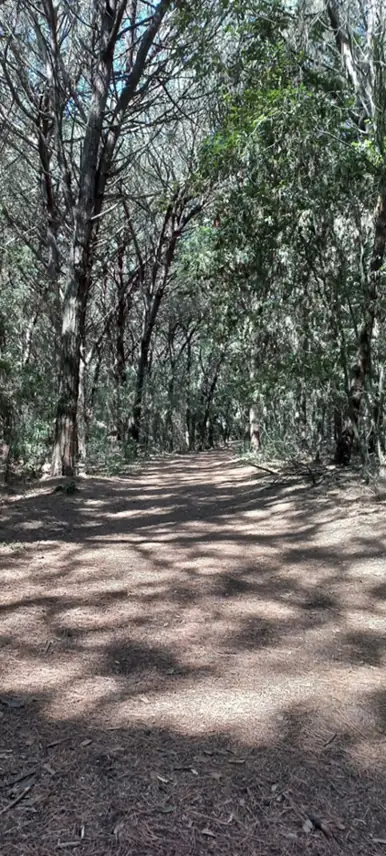
A woodland path in the Circeo landscape, Italy.
Understanding the environment
Explore Circeo through the documented landscape and its visible structure. The named example anchors this guide; it does not represent every habitat in the country.
Explore the structure · Canopy → edge → drainage
Select a zone to see what changes.
Shade and cover
Describe the structure that is visible: canopy continuity, understory and ground cover. Do not infer an animal community from tree cover alone.
Keep observation date, photographed place and the source description distinct.
A conceptual reading sequence, not a mapped transect or an invitation to enter restricted terrain.
Sources: UNESCO · Circeo
Field notes · 01
Circeo in southern Lazio retains lowland deciduous oak woodland with Mediterranean elements. Periodically flooded depressions contrast with drier forest, while planted pine and eucalyptus patches require separate interpretation from the surviving oak stands.
Sources: UNESCO · Circeo
Field notes · 02
Compare closed canopy, open woodland and planted trees. Record leaf litter, fallen wood and the width of exposed edges separately. A green satellite patch or distant treeline cannot establish forest quality.
Pressures on Italy’s habitats
UNESCO records tourism pressure on coastal dunes and pollution or eutrophication concerns in lagoons. The forest photograph does not measure these impacts.
Sources: UNESCO · Circeo
Keep landform, water, vegetation and land use separate when reading the landscape. Use the linked species accounts for independently sourced distribution evidence.
The connected collection
These 14 species have supported country occurrence and an explicit habitat association in the shared account. The association may come from elsewhere in their range. This is not a complete local habitat inventory; the places above are landscape examples, not asserted collecting sites.
14 species · showing 14
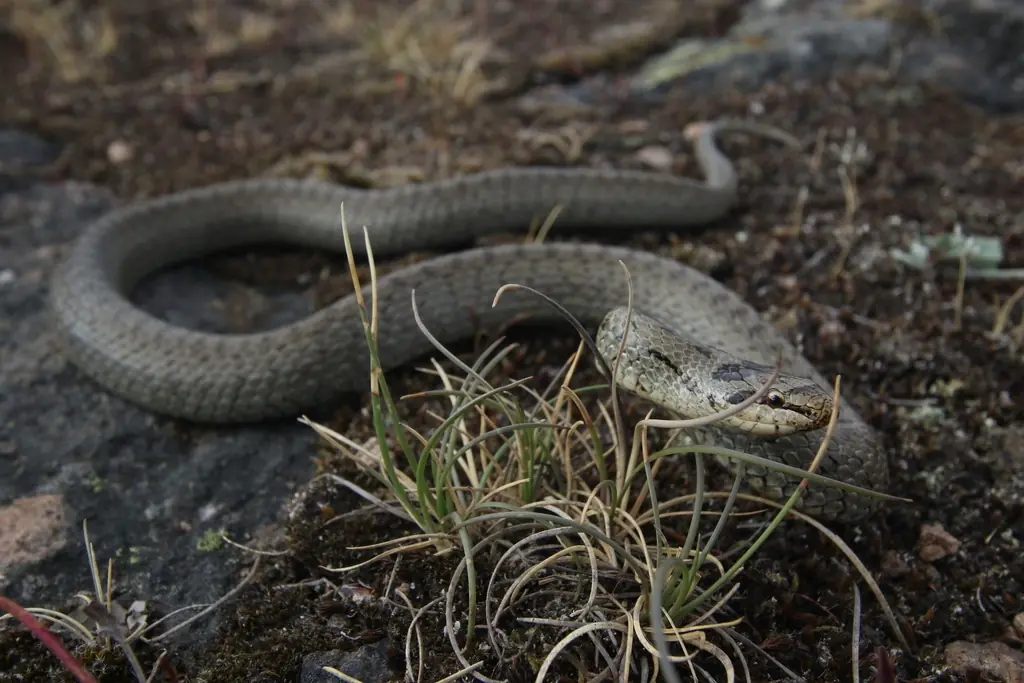
001 · Colubridae
Smooth Snake
Country explicitly listed in the checked taxonomic treatment.
Read the species account →B. P. White · CC BY-SA 4.0 · https://creativecommons.org/licenses/by-sa/4.0/
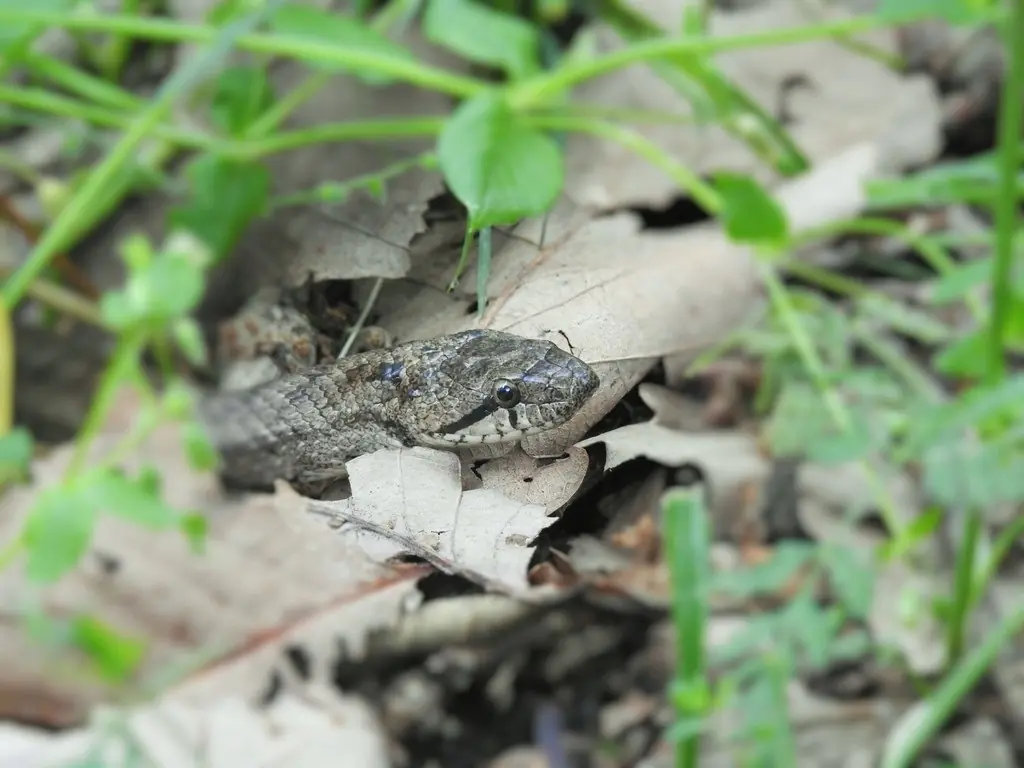
002 · Colubridae
Southern Smooth Snake
Country explicitly listed in the checked taxonomic treatment.
Read the species account →Karim Haddad · CC BY 4.0 · https://creativecommons.org/licenses/by/4.0/
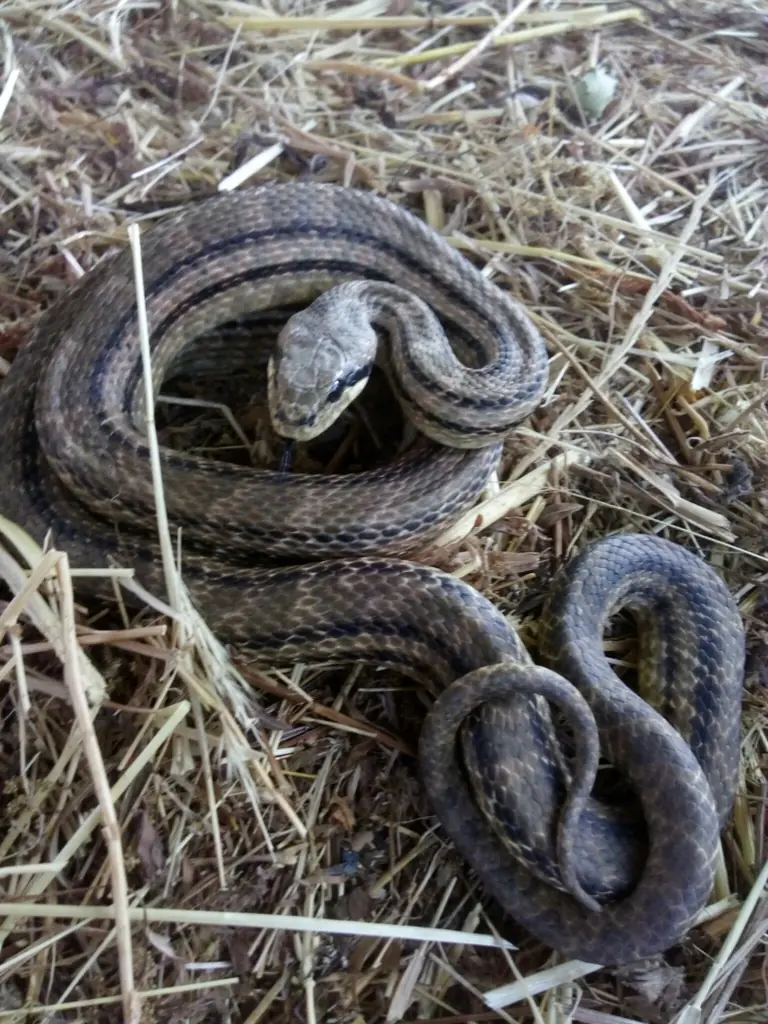
003 · Colubridae
Four-lined snake (or ratsnake)
Country explicitly listed in the checked taxonomic treatment. The paper documents surveys near Tor Lupara in 1989–1994; no recent census is implied. The paper documents surveys near Tor Lupara in 1989–1994; no recent census is implied.
Read the species account →andrea ungaro · CC BY 4.0 · https://creativecommons.org/licenses/by/4.0/
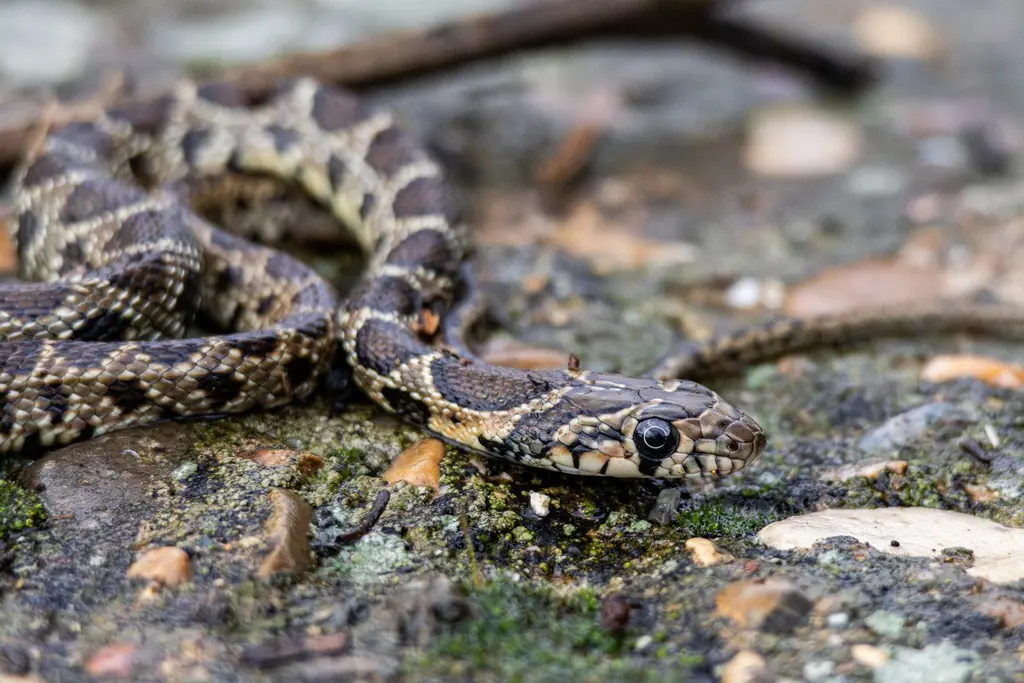
004 · Colubridae
Horseshoe Snake, Horseshoe Whip Snake
Country explicitly listed in the checked taxonomic treatment.
Read the species account →Diego González Dopico · CC BY 4.0 · https://creativecommons.org/licenses/by/4.0/
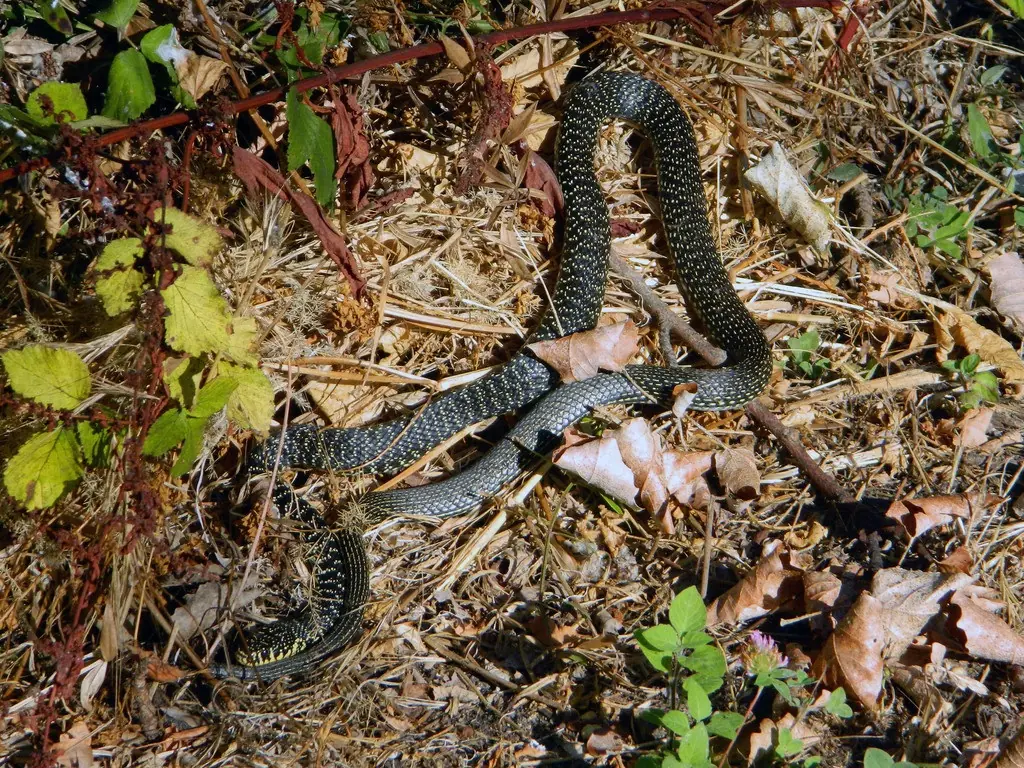
005 · Colubridae
Green Whip Snake, Western Whip Snake, Dark Green Snake
Country explicitly listed in the checked taxonomic treatment. The 2008 study reports fieldwork in Groane Regional Park during 1998–1999; this is historical study evidence. The 2008 study reports fieldwork in Groane Regional Park during 1998–1999; this is historical study evidence.
Read the species account →Louis Imbeau · CC BY 4.0 · https://creativecommons.org/licenses/by/4.0/
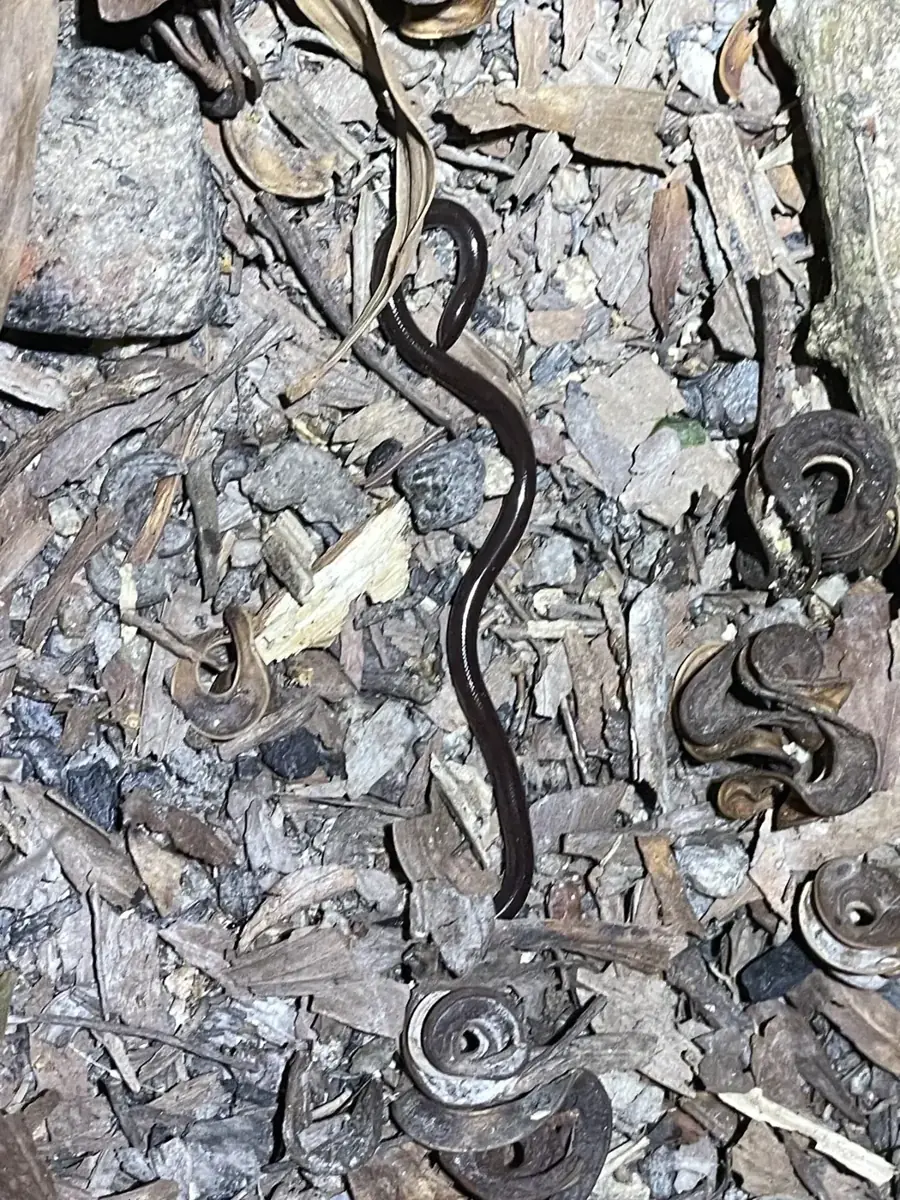
006 · Typhlopidae
Flowerpot Snake
Introduced populations; Portuguese evidence here is Madeira and Spanish evidence the Canary Islands, not mainland occurrence. The study confirms Paceco records with examined material and documents Pantelleria using a 2023 video and a 2024 specimen. Valderice imagery has identification limitations and is not mapped as a confirmed locality here.…
Read the species account →Cook-Price, Makchai & Suwanwaree (2026); photographs credited collectively to the author, James Covert and Vikas Kumar · CC BY 4.0 · https://creativecommons.org/licenses/by/4.0/
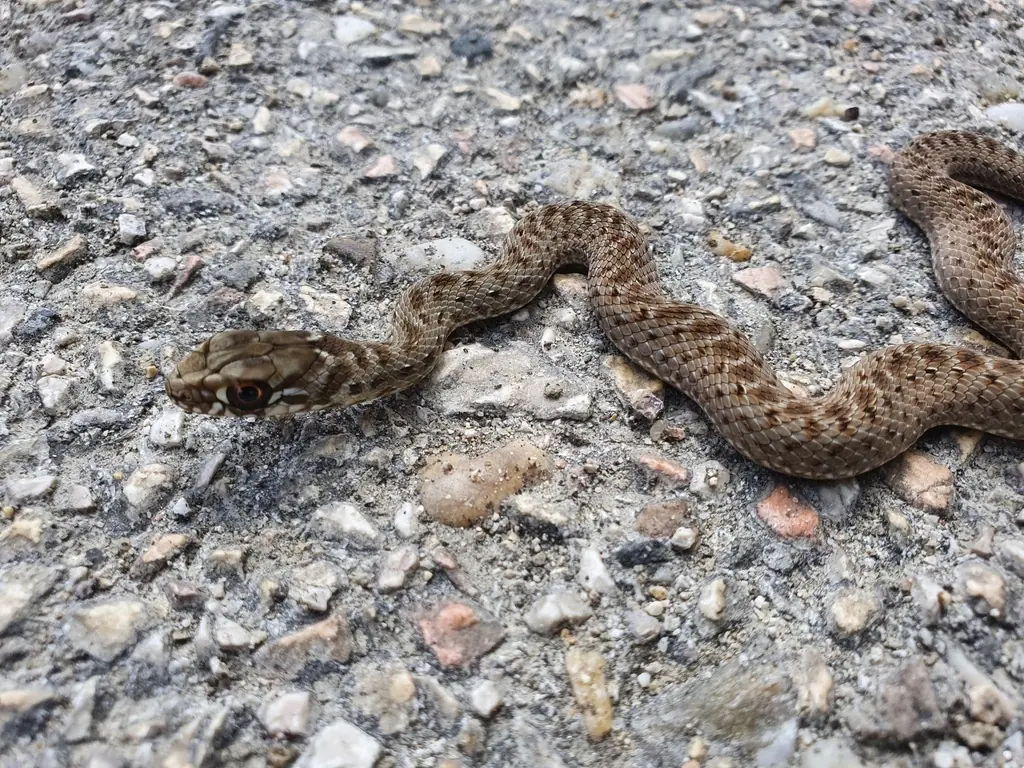
007 · Psammophiidae
Montpellier Snake
Country explicitly listed in the checked taxonomic treatment.
Read the species account →João Valença · CC BY-SA 4.0 · https://creativecommons.org/licenses/by-sa/4.0/
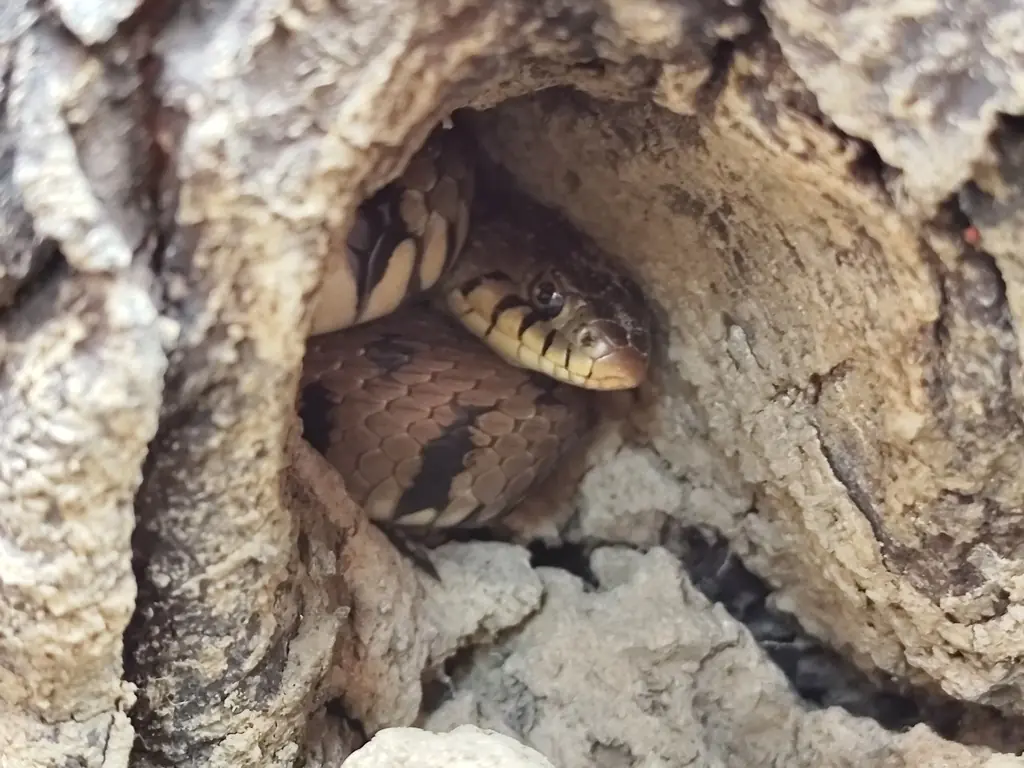
008 · Colubridae
Banded Grass Snake
Country explicitly listed in the checked taxonomic treatment.
Read the species account →Francesco Santoro · CC BY 4.0 · https://creativecommons.org/licenses/by/4.0/
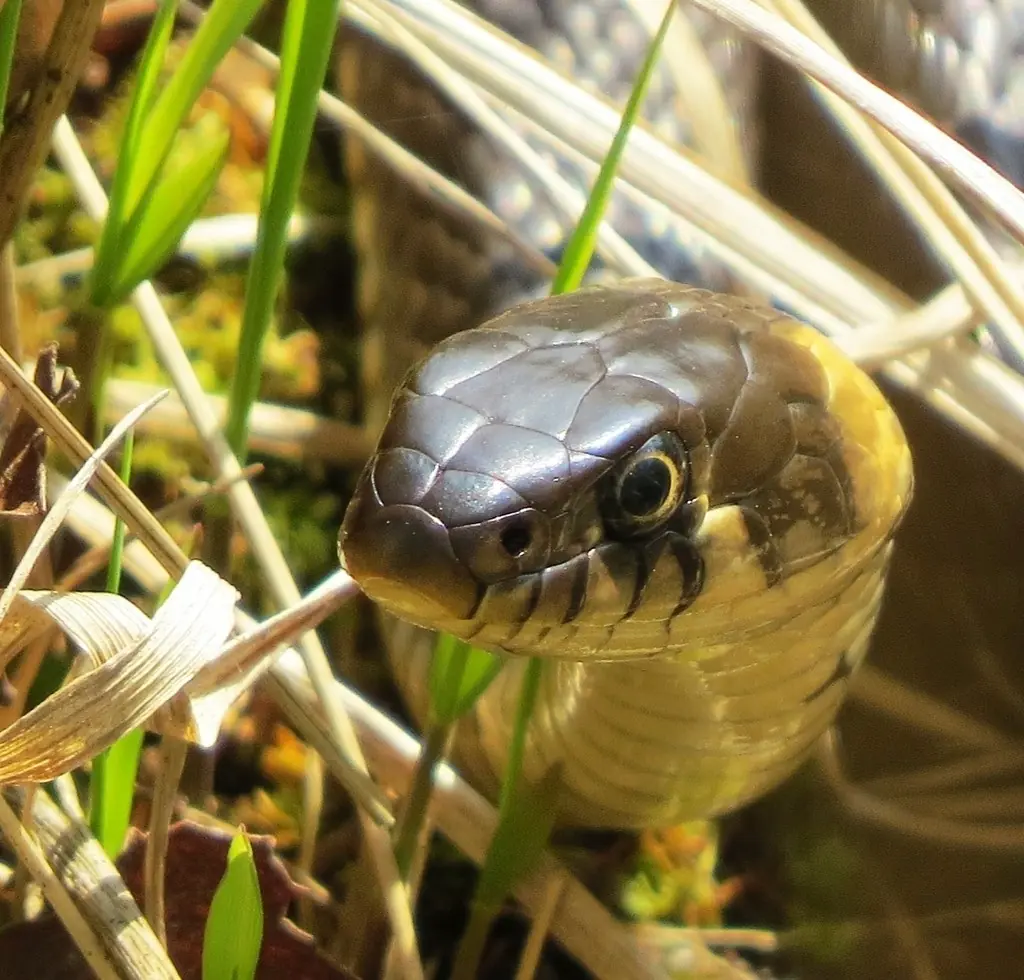
009 · Colubridae
Common Grass Snake
Country explicitly listed in the checked taxonomic treatment.
Read the species account →Micha Baum · CC BY-SA 4.0 · https://creativecommons.org/licenses/by-sa/4.0/
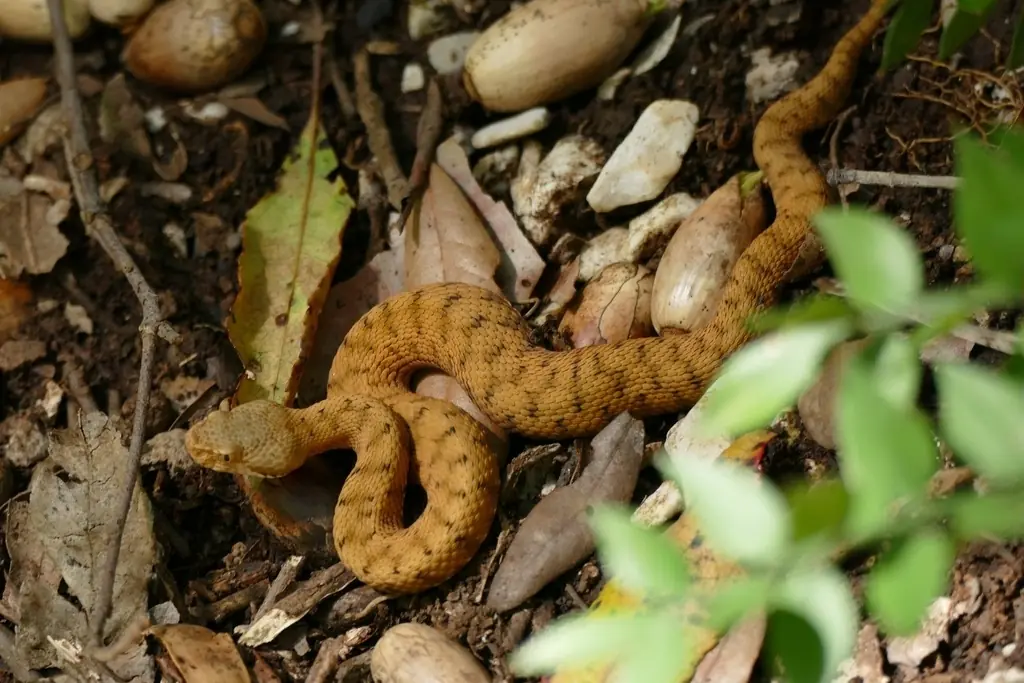
010 · Viperidae
Asp Viper
Country explicitly listed in the checked taxonomic treatment.
Read the species account →Paolo Giampaoletti · CC0 1.0 · https://creativecommons.org/publicdomain/zero/1.0/
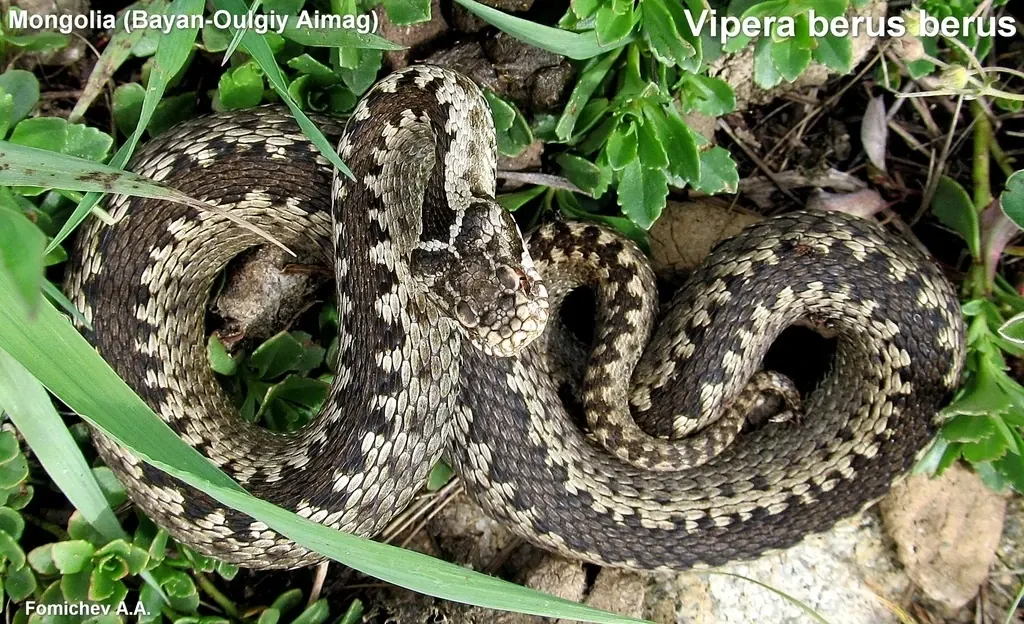
011 · Viperidae
Adder, Northern Viper
Country explicitly listed in the checked taxonomic treatment.
Read the species account →Alexander A. Fomichev · CC BY 4.0 · https://creativecommons.org/licenses/by/4.0/
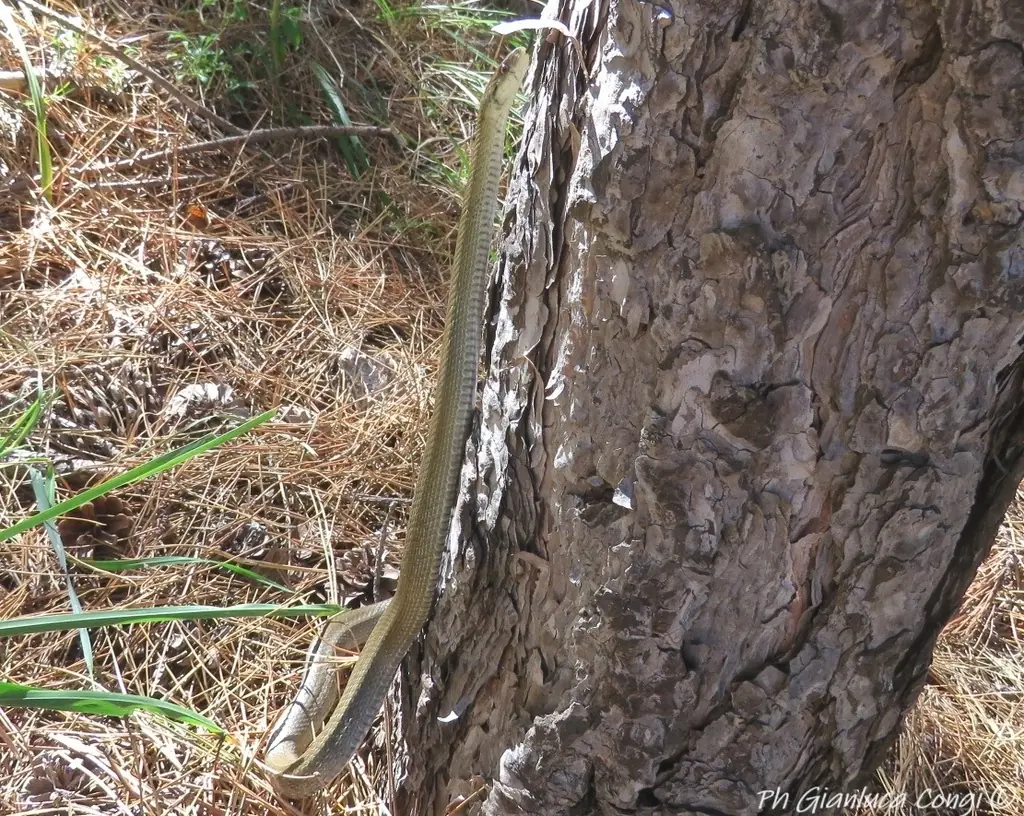
012 · Colubridae
Striped Aesculapian rat snake
Country explicitly listed in the checked taxonomic treatment. Sicily is included in the national assessment. The assessment cites published records from the inland Monti Lepini. Sicily is included in the national assessment. The assessment cites published records from the inland Monti Lepini.
Read the species account →Gianluca Congi🪶🦆🌲 · CC BY-SA 4.0 · https://creativecommons.org/licenses/by-sa/4.0/
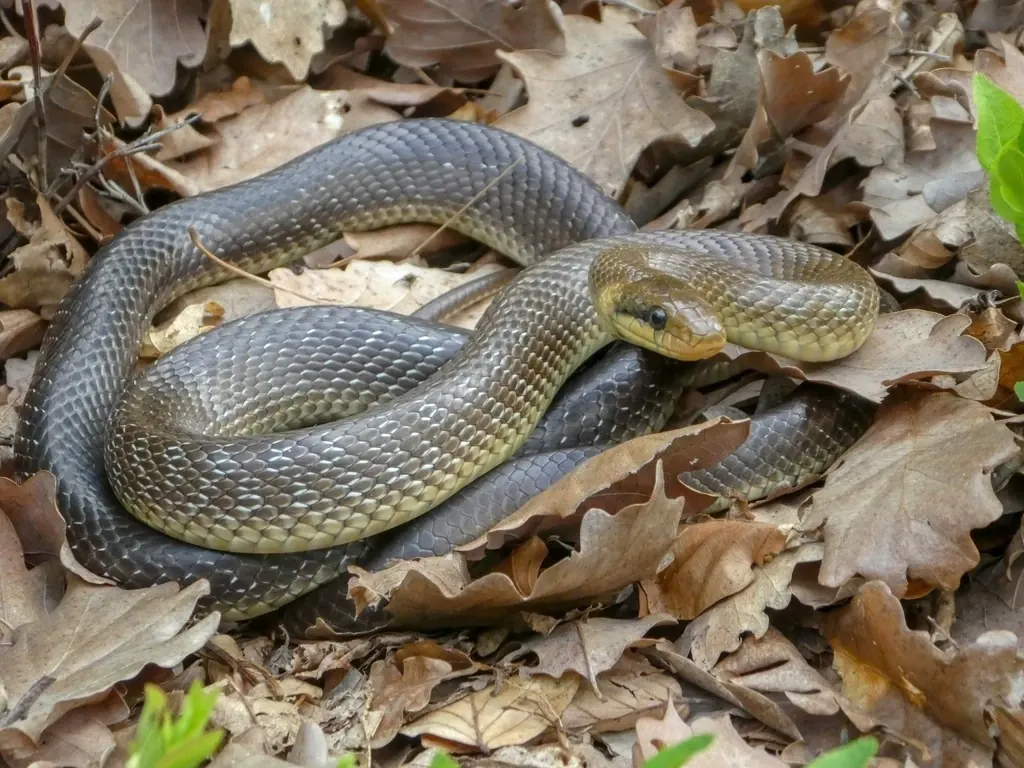
013 · Colubridae
Aesculapean Snake
Country explicitly listed in the checked taxonomic treatment.
Read the species account →Philipp Pavelka · CC BY 4.0 · https://creativecommons.org/licenses/by/4.0/
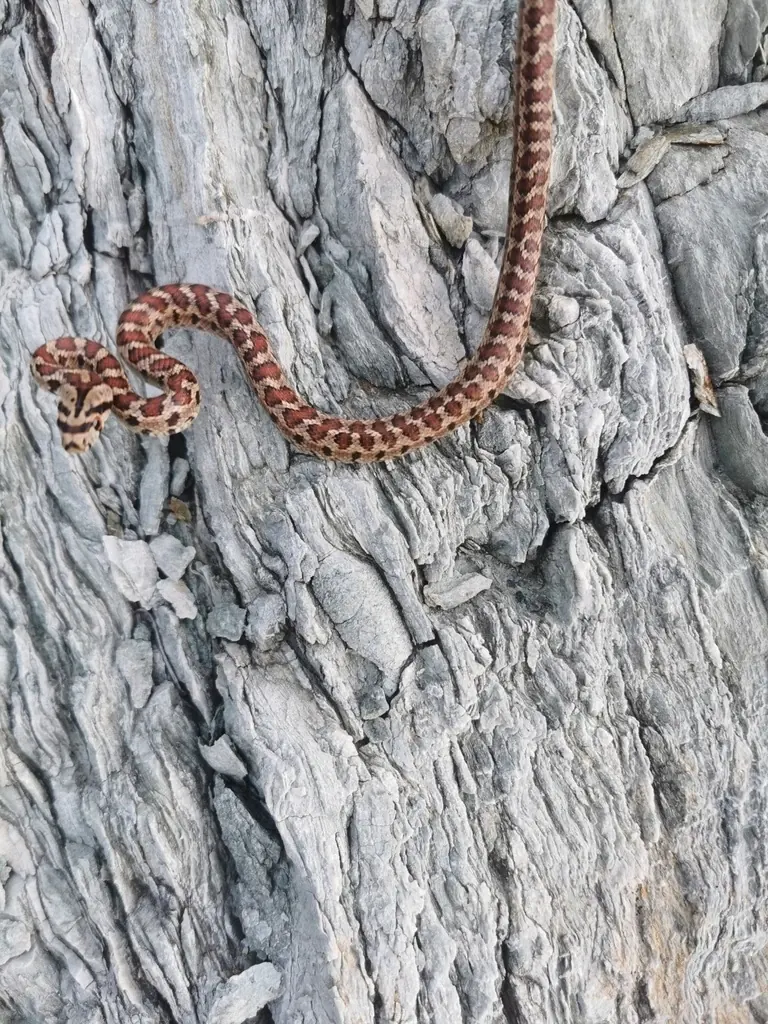
014 · Colubridae
Leopard Snakes, European Ratsnake, Leopard ratsnake
Country explicitly listed in the checked taxonomic treatment.
Read the species account →Chris Taklis · CC BY 4.0 · https://creativecommons.org/licenses/by/4.0/
Read further
Guide reviewed 11 October 2026. Source dates and geographic scope matter; landscape photographs do not establish species occurrence.
Named landscape description, read and checked 11 October 2026. Historic source dates remain explicit; not a snake survey or live access notice.
Continue through Italy