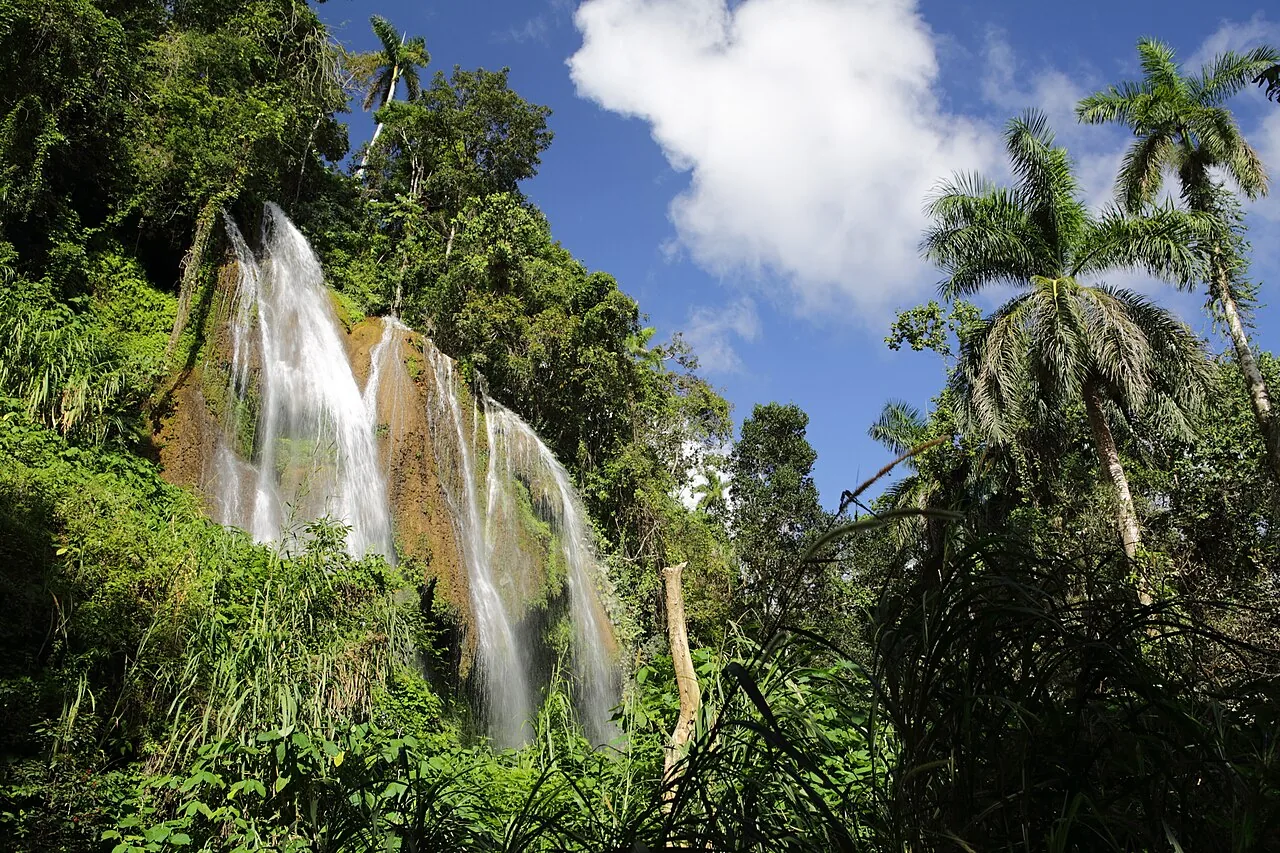
A waterfall and forest in Topes de Collantes, central Cuba.

Cuba · Place guide

Central Cuba

Explore Central Cuba through the places named in Cuba's sourced species records.

7species with extracted evidence
4families
4region guides

A waterfall and forest in Topes de Collantes, central Cuba.

Photograph: Martin Cígler · Image source · CC BY-SA 3.0. Cropped to fill the hero; darkened for text legibility.

Geography & biotopes

Read the landscape.

Explore Central Cuba through the places named in Cuba's sourced species records.

This navigation group follows the credited boundary snapshot for Villa Clara, Cienfuegos, Sancti Spiritus, Ciego de Avila, Camagüey, Camaguey. Its outline is geographic context, not a species range or a single vegetation type.

Ecological connections

Compare a regional locality with the country habitat guides. A species may occur in the country without a supported assignment to this group; those records remain available in the national collection.

Explore the setting

Open a species account to inspect the original place names and source. Map counts reflect extracted evidence and are not complete regional inventories.

This guide indexes these source names: Villa Clara, Cienfuegos, Sancti Spiritus, Ciego de Avila, Camagüey, Camaguey. A country-only record is not automatically assigned to this place. Map markers identify navigation destinations, not collection sites.

Map provenance and declared navigation groups →

Convention on Biological Diversity · Cuba national profile →

Geography is part of the record

Find your way through Cuba.

Select a named region to open its evidence page. The complete directory below keeps every guide accessible, including places where locality evidence has not yet been extracted.

21 of 45 listed species have at least one indexed region record. 24 remain country-only. Even a nonzero count is not a complete regional inventory.

Habitats & living landscapes

Explore the living
landscapes.

Explore 3 guides to the environments, places and conservation pressures that shape this country. Each guide connects to the regional map and shared species accounts.

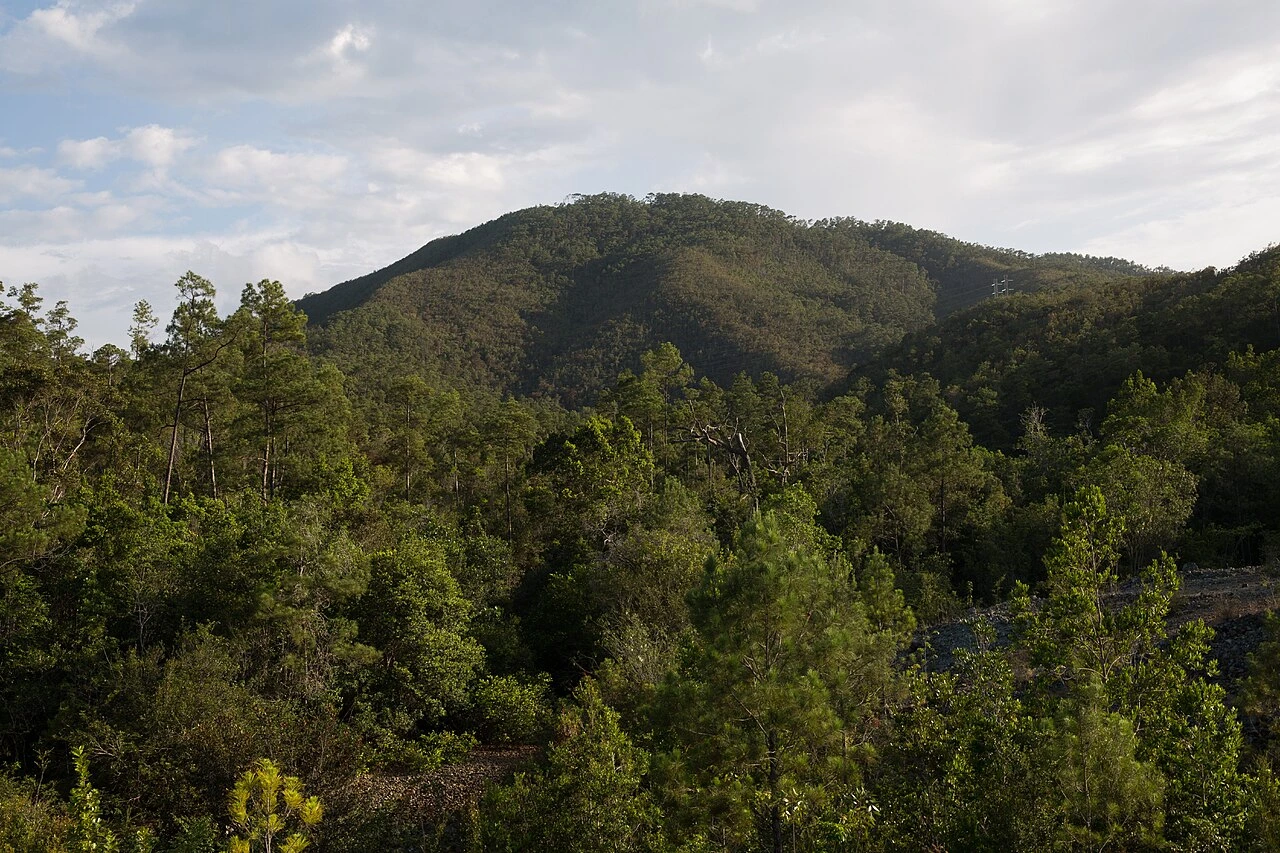
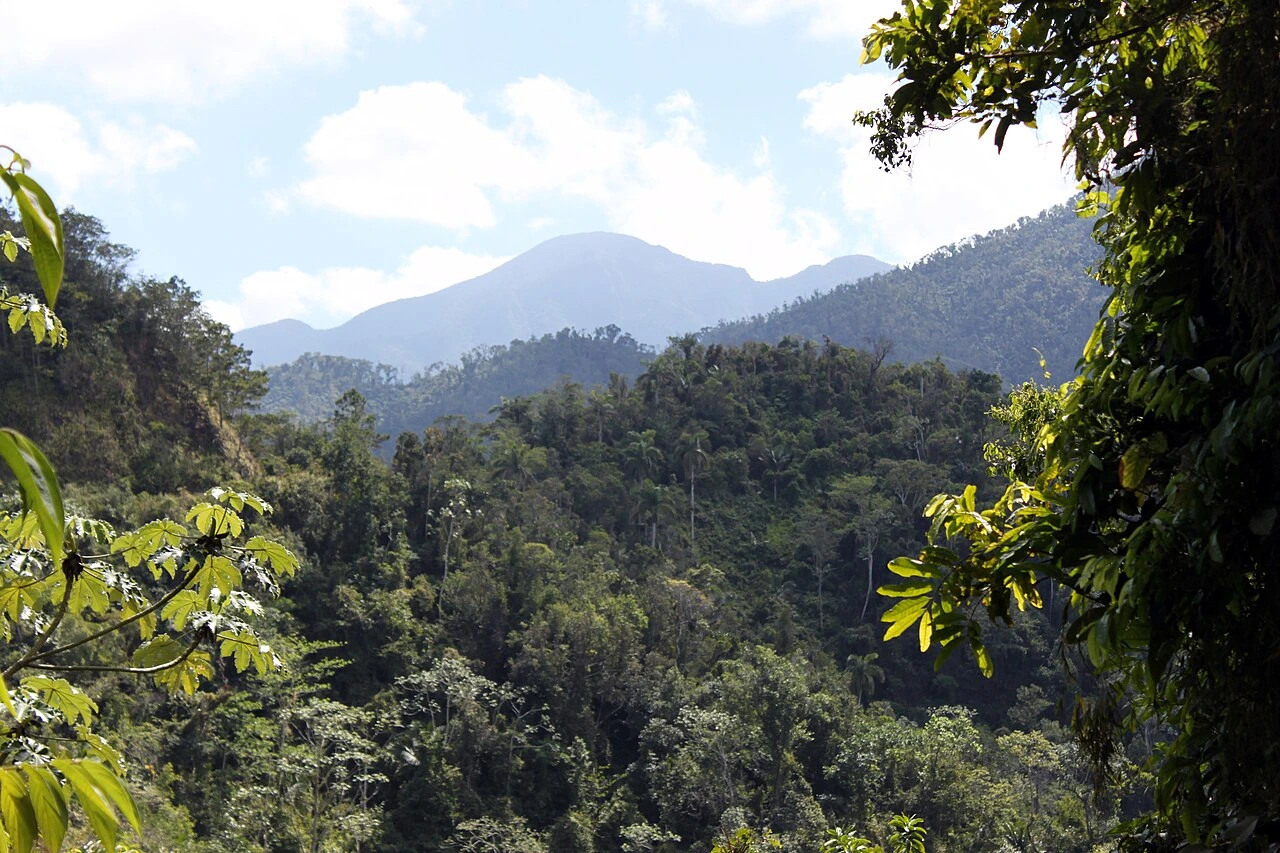
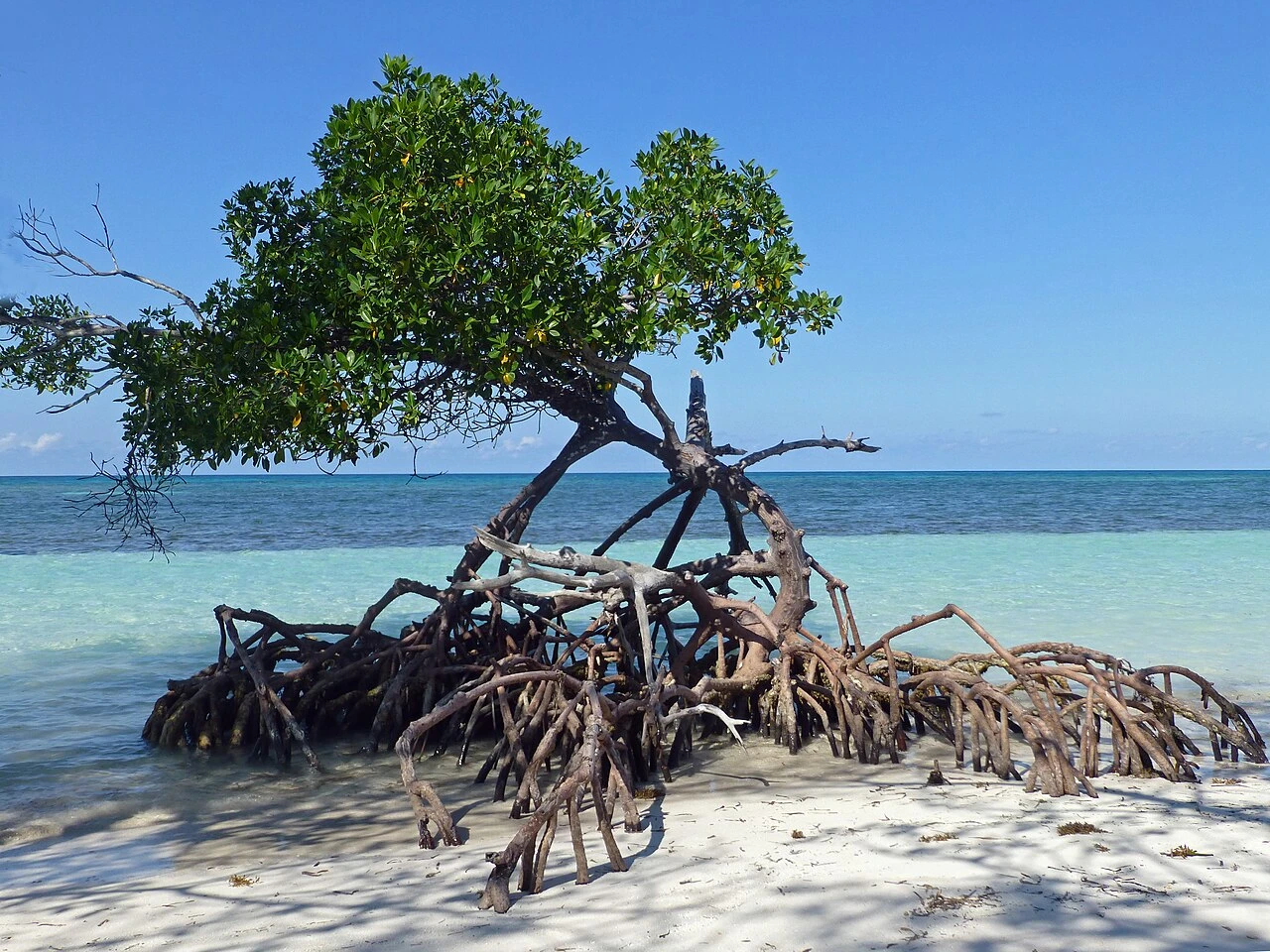
Landscape photographs & credits

Forested hills in Alejandro de Humboldt National Park, Cuba. — Christian Pirkl. Original photograph · CC BY-SA 4.0. Cropped for the cards; photographs do not establish snake occurrence.

Forested mountain slopes in Turquino National Park, Sierra Maestra, Cuba. — Anagoria. Original photograph · CC BY 3.0. Cropped for the cards; photographs do not establish snake occurrence.

Mangrove foliage and exposed prop roots on the shore of Cayo Jutias, Cuba. — Ji-Elle. Original photograph · CC BY-SA 4.0. Cropped for the cards; photographs do not establish snake occurrence.

The species catalogue

Snakes · Central Cuba.

Only records naming this place appear below. These are extracted locality records, not complete island or regional inventories.

7 species · showing 7

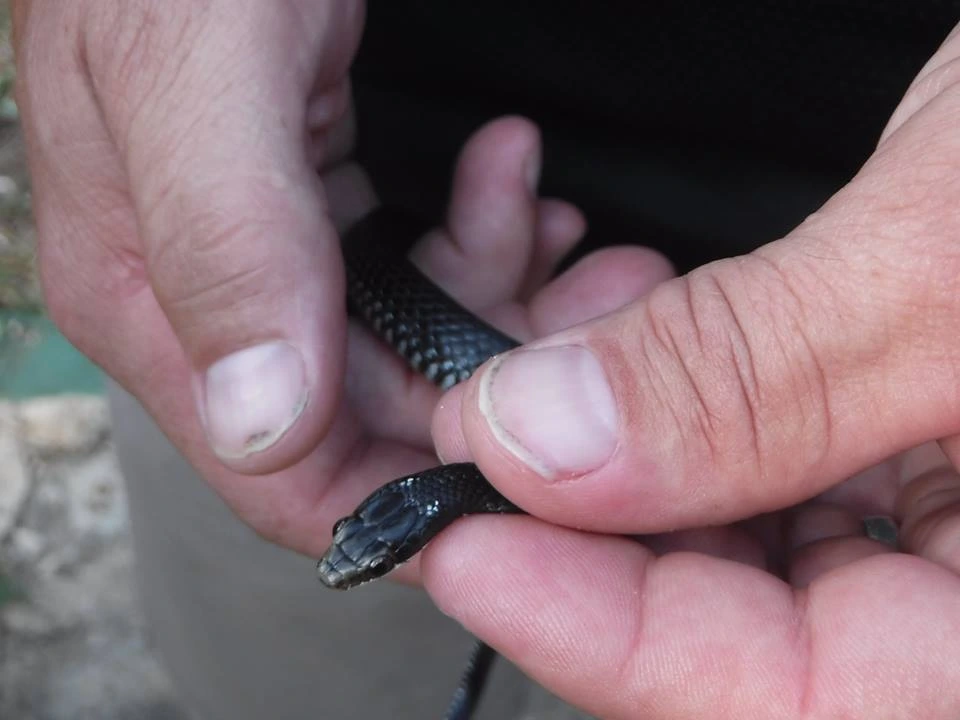
Caraiba andreae. Held animal with head visible. Original observation dated 2016-12-17. No additional geographic occurrence is inferred.

001 · Colubridae

Cuban Lesser Racer, Black and white Racer

Caraiba andreae

(REINHARDT & LÜTKEN, 1862)

Venom unknownNot yet assessed

The checked taxonomic distribution account explicitly lists Cuba. Country-level evidence does not establish continuous occupancy or a complete national inventory. The treatment names these subdivisions in its Cuba distribution clause: Camagüey, Camaguey. They are assigned to the declared atlas navigation groups; this is not a field observation, a…

Read the species account →

José Garrido · CC BY 4.0 · https://creativecommons.org/licenses/by/4.0/
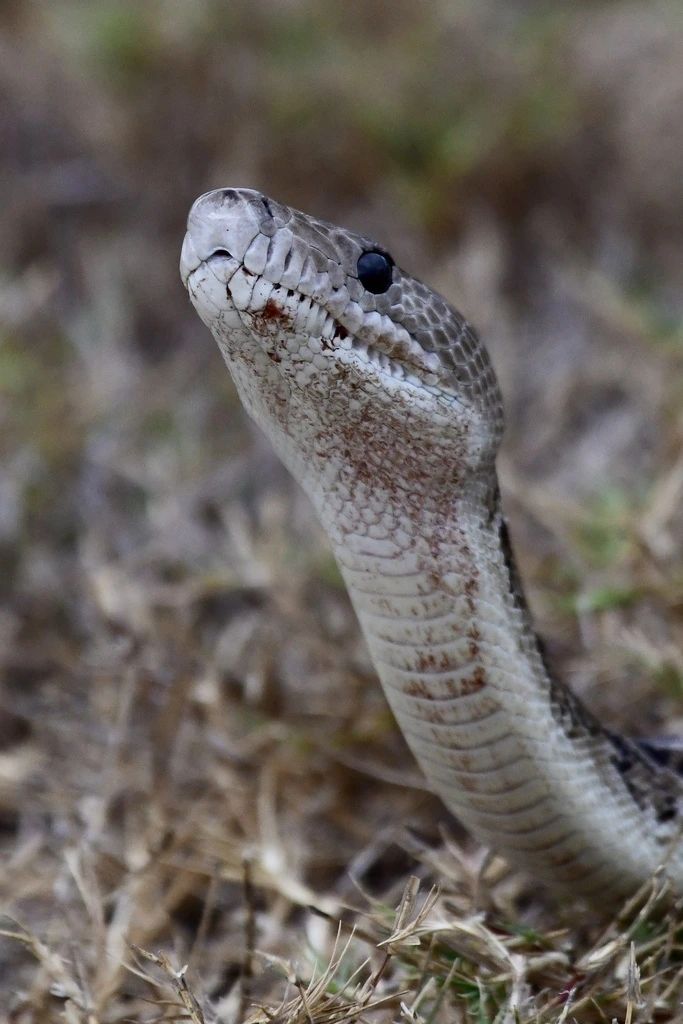
Chilabothrus angulifer. Close view of raised head and neck. Original observation dated 2023-03-15. No additional geographic occurrence is inferred.

002 · Boidae

Cuban Boa

Chilabothrus angulifer

(COCTEAU & BIBRON, 1840)

Non-venomous

The checked taxonomic distribution account explicitly lists Cuba. Country-level evidence does not establish continuous occupancy or a complete national inventory. The treatment names these subdivisions in its Cuba distribution clause: Camagüey, Camaguey. They are assigned to the declared atlas navigation groups; this is not a field observation, a…

Read the species account →

Robin White · CC BY 4.0 · https://creativecommons.org/licenses/by/4.0/
TyphlopidaeCubatyphlopsPhotograph not yet documented

003 · Typhlopidae

Cienfuegos Blindsnake

Cubatyphlops satelles

(THOMAS & HEDGES, 2007)

Non-venomous

The checked taxonomic distribution account explicitly lists Cuba. Country-level evidence does not establish continuous occupancy or a complete national inventory. The treatment names these subdivisions in its Cuba distribution clause: Cienfuegos. They are assigned to the declared atlas navigation groups; this is not a field observation, a whole-region…

Read the species account →
TropidophiidaeTropidophisPhotograph not yet documented

004 · Tropidophiidae

Escambray White-necked Trope, Pilsbry's Dwarf Boa

Tropidophis galacelidus

SCHWARTZ & GARRIDO, 1975

Venom unknownNot yet assessed

The checked taxonomic distribution account explicitly lists Cuba. Country-level evidence does not establish continuous occupancy or a complete national inventory. The treatment names these subdivisions in its Cuba distribution clause: Cienfuegos, Sancti Spiritus. They are assigned to the declared atlas navigation groups; this is not a field observation,…

Read the species account →
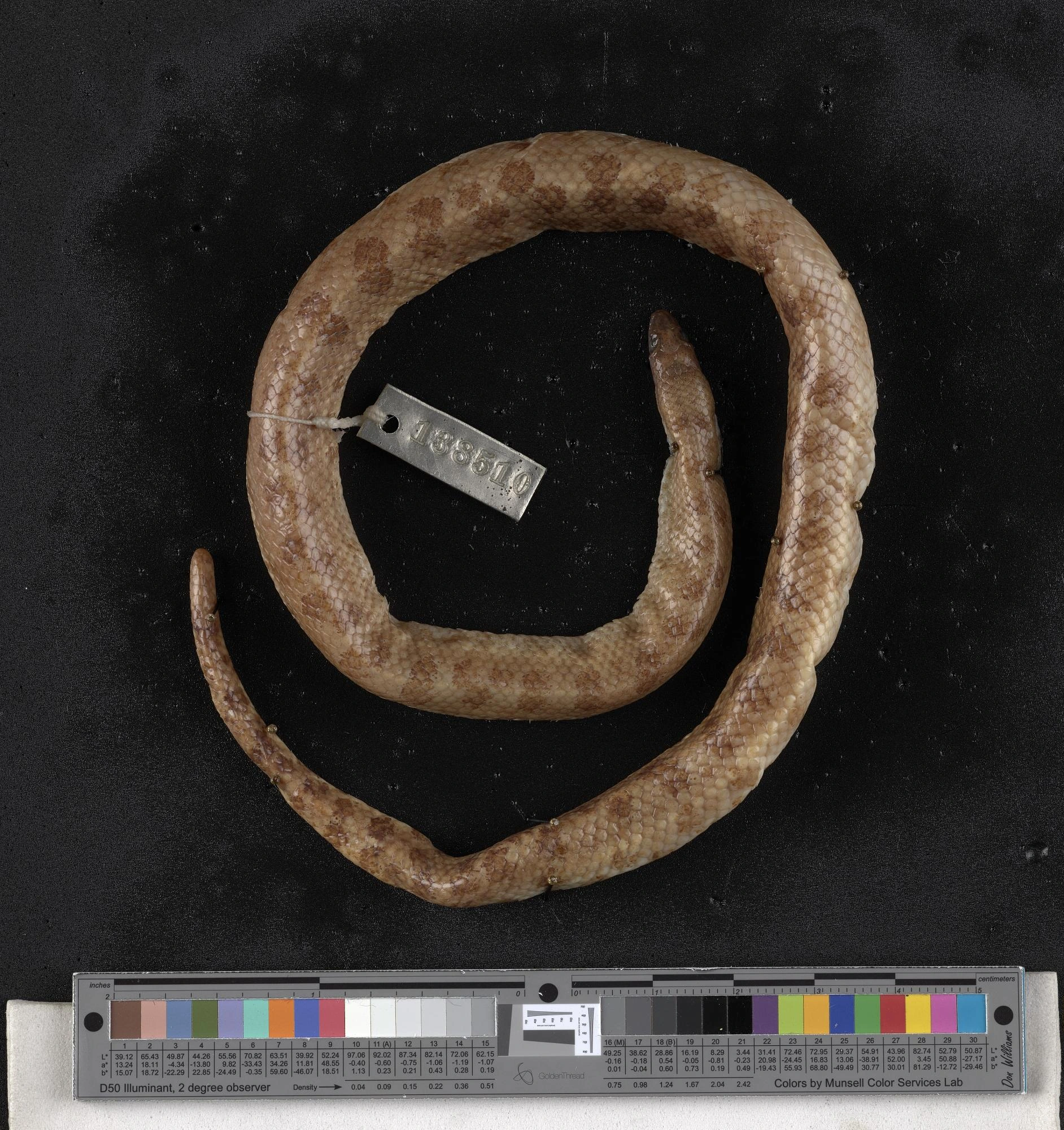
Tropidophis hardyi. Preserved museum specimen USNM 138510; coloration and posture may differ from a living animal. Portrait only; no locality or habitat record inferred.

005 · Tropidophiidae

Escambray Small-headed Trope, Blackbelly Dwarf Boa

Tropidophis hardyi

SCHWARTZ & GARRIDO, 1975

Venom unknownNot yet assessed

The checked taxonomic distribution account explicitly lists Cuba. Country-level evidence does not establish continuous occupancy or a complete national inventory. The treatment names these subdivisions in its Cuba distribution clause: Cienfuegos, Sancti Spiritus. They are assigned to the declared atlas navigation groups; this is not a field observation,…

Read the species account →

DPO imaging project, Division of Amphibians and Reptiles / Smithsonian National Museum of Natural History · CC0 1.0 · https://creativecommons.org/publicdomain/zero/1.0/

TropidophiidaeTropidophisPhotograph not yet documented

006 · Tropidophiidae

Dark-bellied Trope, Blackbelly Dwarf Boa

Tropidophis nigriventris

BAILEY, 1937

Venom unknownNot yet assessed

The checked taxonomic distribution account explicitly lists Cuba. Country-level evidence does not establish continuous occupancy or a complete national inventory. The treatment names these subdivisions in its Cuba distribution clause: Camagüey, Camaguey. They are assigned to the declared atlas navigation groups; this is not a field observation, a…

Read the species account →
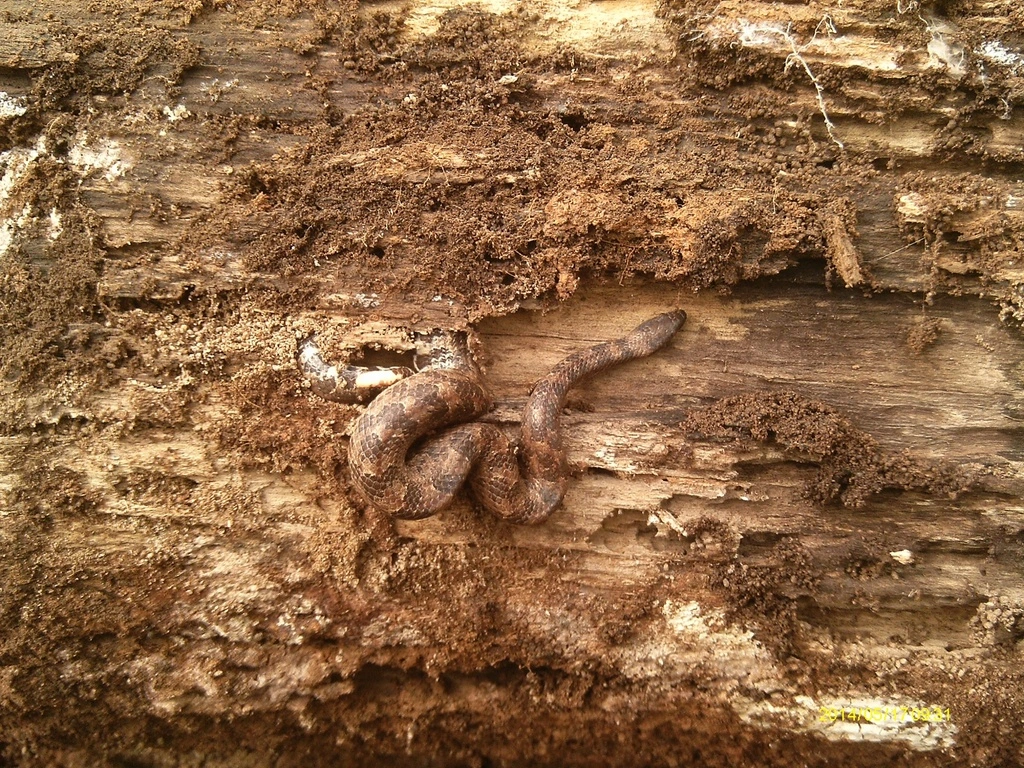
Tropidophis pardalis. Individual on decaying wood; the original camera date stamp is retained. Portrait only; no new locality or habitat record is inferred.

007 · Tropidophiidae

Spotted Brown Trope, Leopard Dwarf Boa

Tropidophis pardalis

(GUNDLACH, 1840)

Venom unknownNot yet assessed

The checked taxonomic distribution account explicitly lists Cuba. Country-level evidence does not establish continuous occupancy or a complete national inventory. The treatment names these subdivisions in its Cuba distribution clause: Camagüey, Camaguey. They are assigned to the declared atlas navigation groups; this is not a field observation, a…

Read the species account →

Dayron Breto · CC BY 4.0 · https://creativecommons.org/licenses/by/4.0/
Explore all 45 country records →

The research library

Sources & the checklist.

This edition lists 45 species with supported country records from checked taxonomic treatments and cited field studies. This total includes 1 record marked as introduced; it is not a native-species total. It is not a claim of a complete national inventory. Each account retains its source and check date; individual evidence entries retain their own review dates.

Range and taxonomy review

Country links use a single accepted species identity. Revised names and disputed records are kept visible here; uncertain records do not enter the listed collection or regional totals.

Indotyphlops braminus

Introduced occurrence

Explicitly introduced in the checked distribution source. The checked taxonomic distribution account explicitly lists Cuba. Country-level evidence does not establish continuous occupancy or a complete national inventory. The source population is treated as introduced.

Source 1 ↗

How the map and counts work

Search results were checked against distribution text and taxonomic qualifications. A geographic name alone does not establish a political country: New Guinea, the Solomon archipelago and Micronesia span more than one country or territory. Introduced and unresolved records require separate interpretation.

Place counts require explicit named localities, including valid type localities. Counts can overlap where sources name multiple places. Regional maps group historical boundary snapshots for navigation, while island outlines use Natural Earth; neither is a species range or an observation map. Small islands can be below the outline dataset’s resolution, so geographic reference markers and the directory remain available.

OpenStreetMap, Wambacher; geoBoundaries gbOpen ADM1, 2017 snapshot; Open Data Commons Open Database License 1.0. Map provenance →

Exclusions & qualifications (4)

Boaedon angolensis

Search candidate only: the leading current distribution account does not independently resolve this country. Retained for manual taxonomic/locality review; not evidence of absence.

Read source 1 ↗

Boaedon branchi

Search candidate only: the leading current distribution account does not independently resolve this country. Retained for manual taxonomic/locality review; not evidence of absence.

Read source 1 ↗

Cubatyphlops biminiensis

The treatment includes an explicit negative or conflicting country qualification. Resolve the cited revision before counting this report.

Read source 1 ↗

Typhlops lumbricalis

Search candidate only: the leading current distribution account does not independently resolve this country. Retained for manual taxonomic/locality review; not evidence of absence.

Read source 1 ↗
  1. Boundary provenance and declared grouping ↗

    Historical boundary snapshots are grouped for navigation, not ecological zones, species ranges or a statement of current administrative arrangements. Markers identify guide pages, not animal observations.

  2. Convention on Biological Diversity · Cuba national profile ↗

    Historical Secretariat draft, pending Party approval. Landscape context only; dated statistics and projections are not presented as current measurements. Checked 16 October 2026.

  3. Map provenance and declared navigation groups ↗
  4. Convention on Biological Diversity · Cuba national profile ↗
  5. The Reptile Database

    Individual treatments and locality evidence are linked from each species account.

  6. Meiri (2024): SquamBase 1.0

    Species-level literature measurements and ecological traits. Exact-name matches only; imputed or ambiguous fields are omitted. These summaries are not local observations.

  7. Natural Earth: public-domain geographic data

Continue through the North America atlas →