ColubridaeBoigaPhotograph not yet documented
001 · Colubridae
Arrowback Tree Snake
Boiga gocool
VenomousClinical severity not establishedBhutan is explicitly listed in the checked individual taxonomic treatment.
Read the species account →
Bhutan · Habitat field guide
Catchments link mountain streams with valley wetlands.
River beside Punakha Dzong, Bhutan; a developed riverbank setting.
Understanding the environment
Catchments link mountain streams with valley wetlands.
Explore the structure · Select a zone to compare its structure and details worth recording.
Select a zone to see what changes.
Name the system
Distinguish river, lake, pool and managed reservoir.
Observation prompts do not establish that a particular snake occurs in this zone.
Conceptual zones, not a measured transect or a map of snake occurrences.
Sources: Bhutan / UNESCO · Bumdeling proposal · Bhutan / UNESCO · Jigme Dorji proposal
Field notes · 01
Bumdeling includes Drangme Chu and Kholong Chu catchments and a valley wetland setting. Jigme Dorji supplies western river headwaters. Retain the named watercourse and elevation in a streamside record.
Sources: Bhutan / UNESCO · Bumdeling proposal · Bhutan / UNESCO · Jigme Dorji proposal
Field notes · 02
Keep the locality, date and habitat description together. A landscape source explains the setting; only a verified species record establishes occurrence. The collection below may be smaller than the variety of environments described here.
Pressures on Bhutan’s habitats
A site-specific assessment of pressures has not yet been extracted for this guide. The landscape sources below provide context; they do not establish a current threat level for each snake species.
Retain the local habitat mosaic and its connections. Interpret pressures using the cited site evidence and current local management guidance.
The connected collection
These 7 species have supported country occurrence and an explicit habitat association in the shared account. The association may come from elsewhere in their range. This is not a complete local habitat inventory; the places above are landscape examples, not asserted collecting sites.
7 species · showing 7
001 · Colubridae
Arrowback Tree Snake
Bhutan is explicitly listed in the checked individual taxonomic treatment.
Read the species account →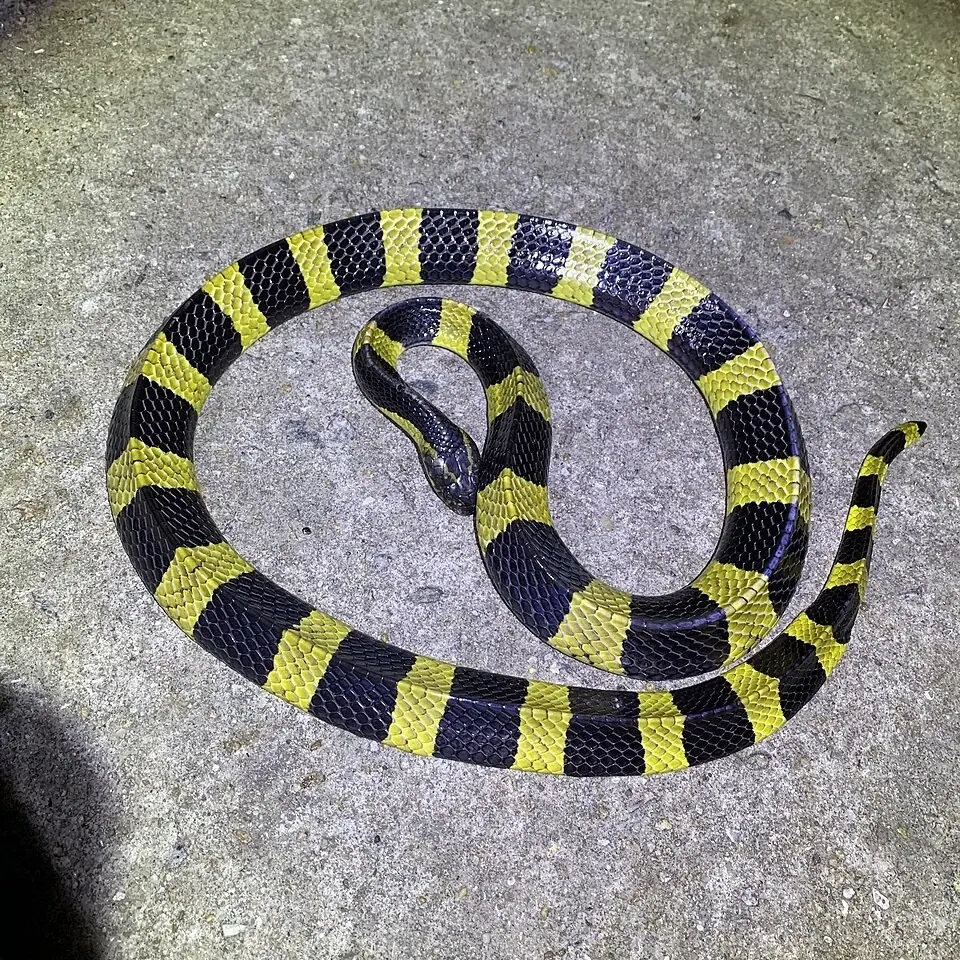
002 · Elapidae
Banded Krait
Bhutan is explicitly listed in the checked individual taxonomic treatment.
Read the species account →灯管儿 · CC BY 4.0 · https://creativecommons.org/licenses/by/4.0
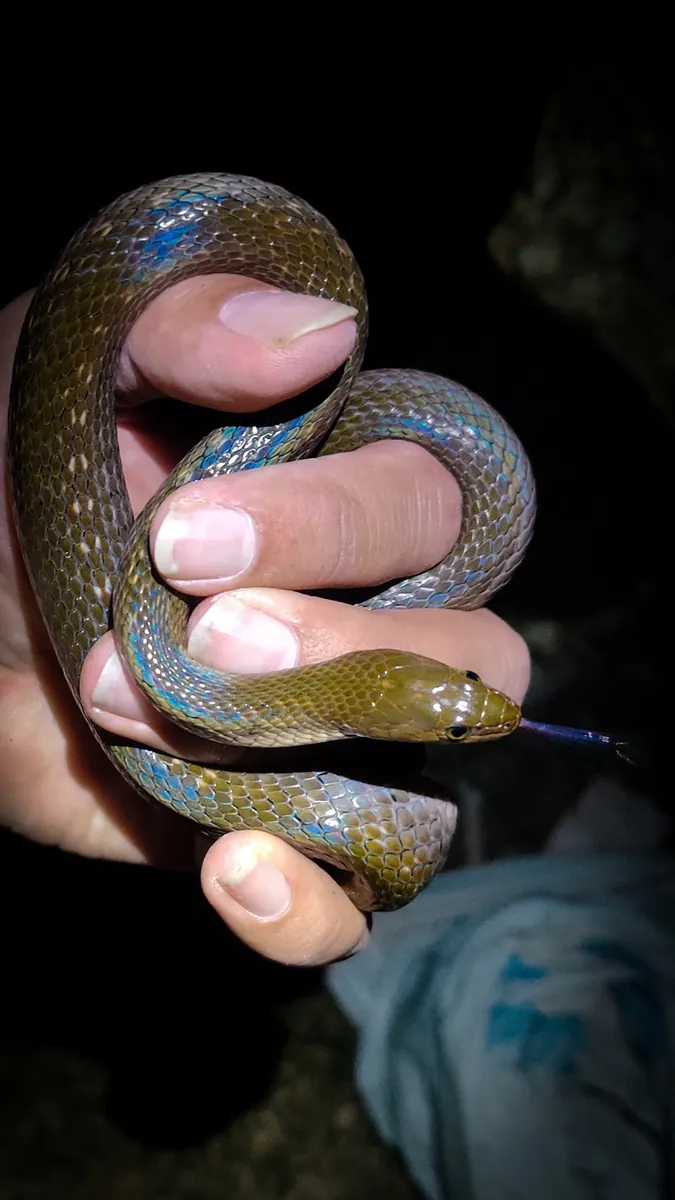
003 · Colubridae
Asiatic Water Snakes, Checkered Keelback
Bhutan is explicitly listed in the checked individual taxonomic treatment.
Read the species account →Chayant Gonsalves / iNaturalist · CC BY 4.0 · https://creativecommons.org/licenses/by/4.0/
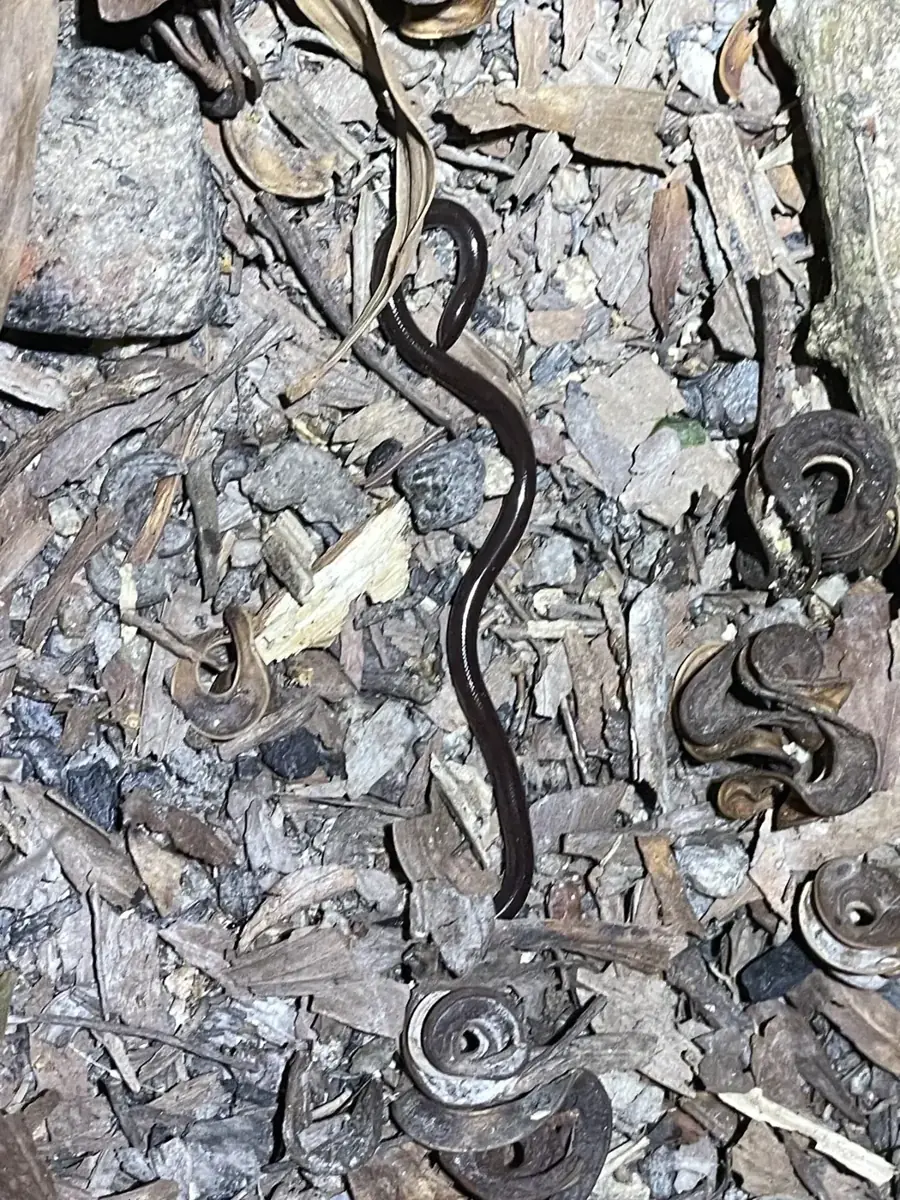
004 · Typhlopidae
Flowerpot Snake
Bhutan is explicitly listed in the checked individual taxonomic treatment.
Read the species account →Cook-Price, Makchai & Suwanwaree (2026); photographs credited collectively to the author, James Covert and Vikas Kumar · CC BY 4.0 · https://creativecommons.org/licenses/by/4.0/
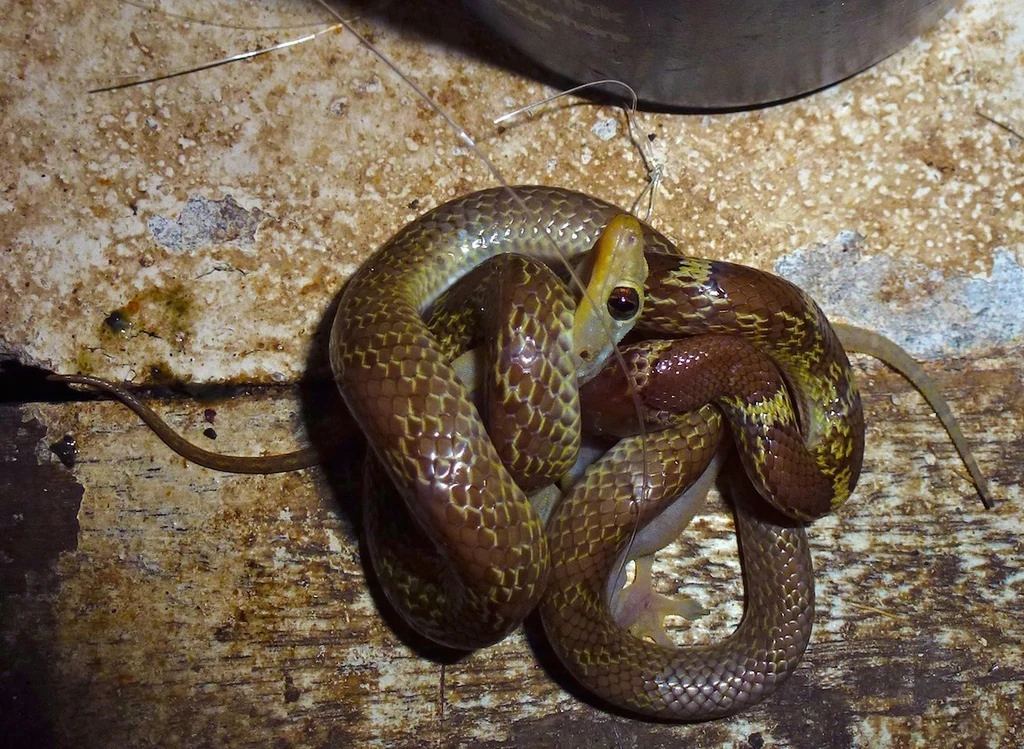
005 · Colubridae
Indian Wolf Snake, Common Wolf Snake
Bhutan is explicitly listed in the checked individual taxonomic treatment.
Read the species account →Eliane Küpfer · CC BY-SA 4.0 · https://creativecommons.org/licenses/by-sa/4.0/
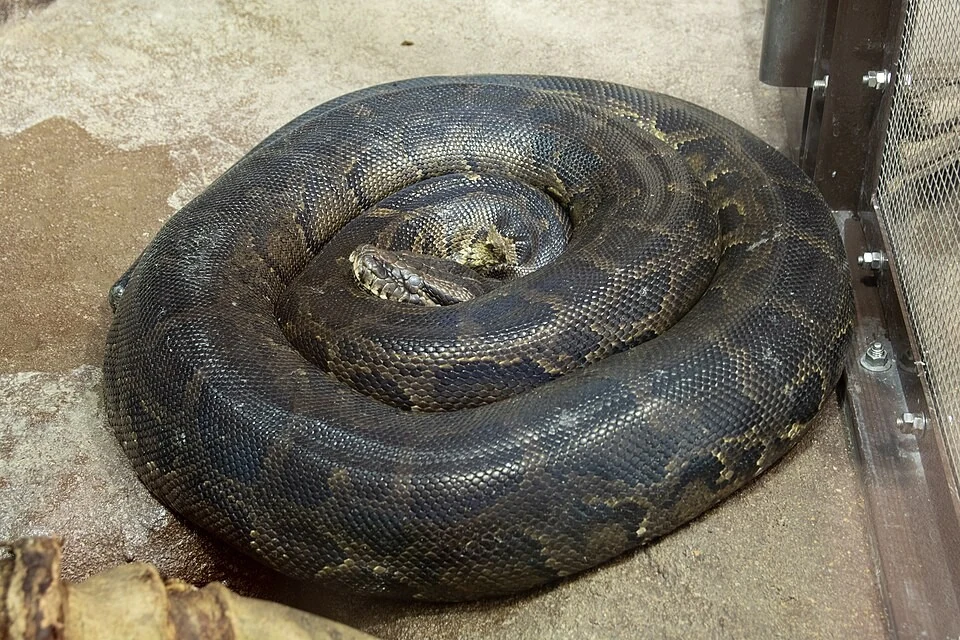
006 · Pythonidae
Burmese Python
Bhutan is explicitly listed in the checked individual taxonomic treatment.
Read the species account →Σ64 · CC BY 4.0 · https://creativecommons.org/licenses/by/4.0
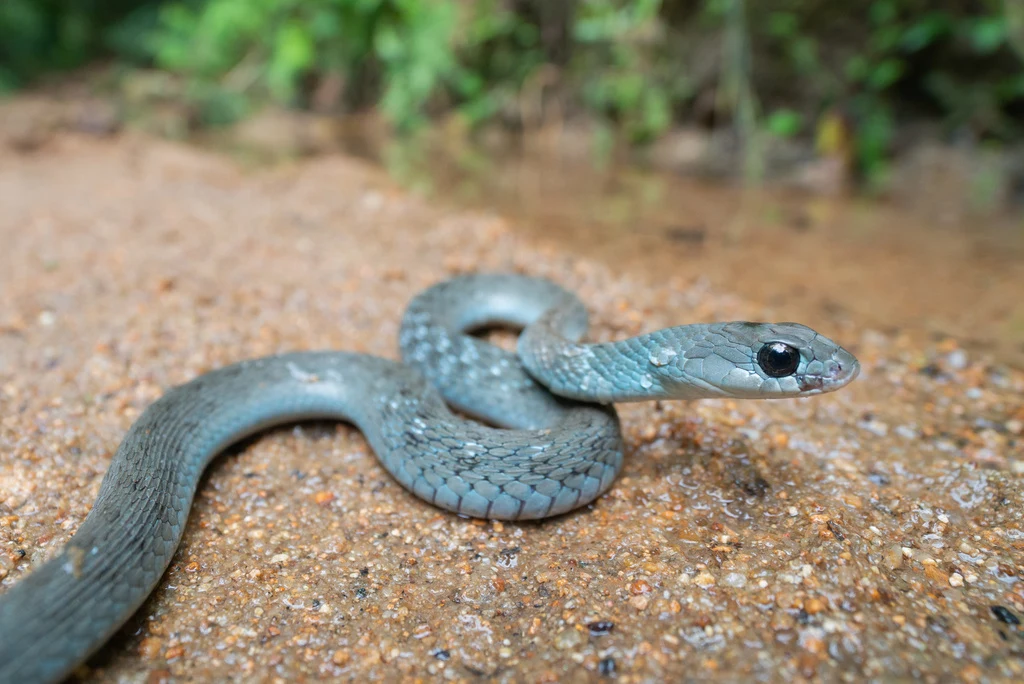
007 · Colubridae
Heller’s Red-necked Keelback
Bhutan is explicitly listed in the checked individual taxonomic treatment.
Read the species account →Lawrence Hylton · CC BY 4.0 · https://creativecommons.org/licenses/by/4.0/
Read further
Guide reviewed 11 October 2026. Source dates and geographic scope matter; landscape photographs do not establish species occurrence.
2012 Tentative List description of eastern catchments and valley wetland; not current species counts.
2012 Tentative List: forests, alpine meadows and watersheds; not an inscribed World Heritage property.
Continue through Bhutan