001 · Typhlopidae
Virgin Islands Blindsnake
Antillotyphlops richardii
Non-venomousNative species in the government conservation inventory. Older broad Antillotyphlops ranges are not applied across all islands.
Read the species account →
United States Virgin Islands · The country atlas
The territory’s four listed native snakes belong to the Puerto Rico Bank fauna, while St. Croix has an established introduced Central American boa. Country records and island-specific evidence remain separate.
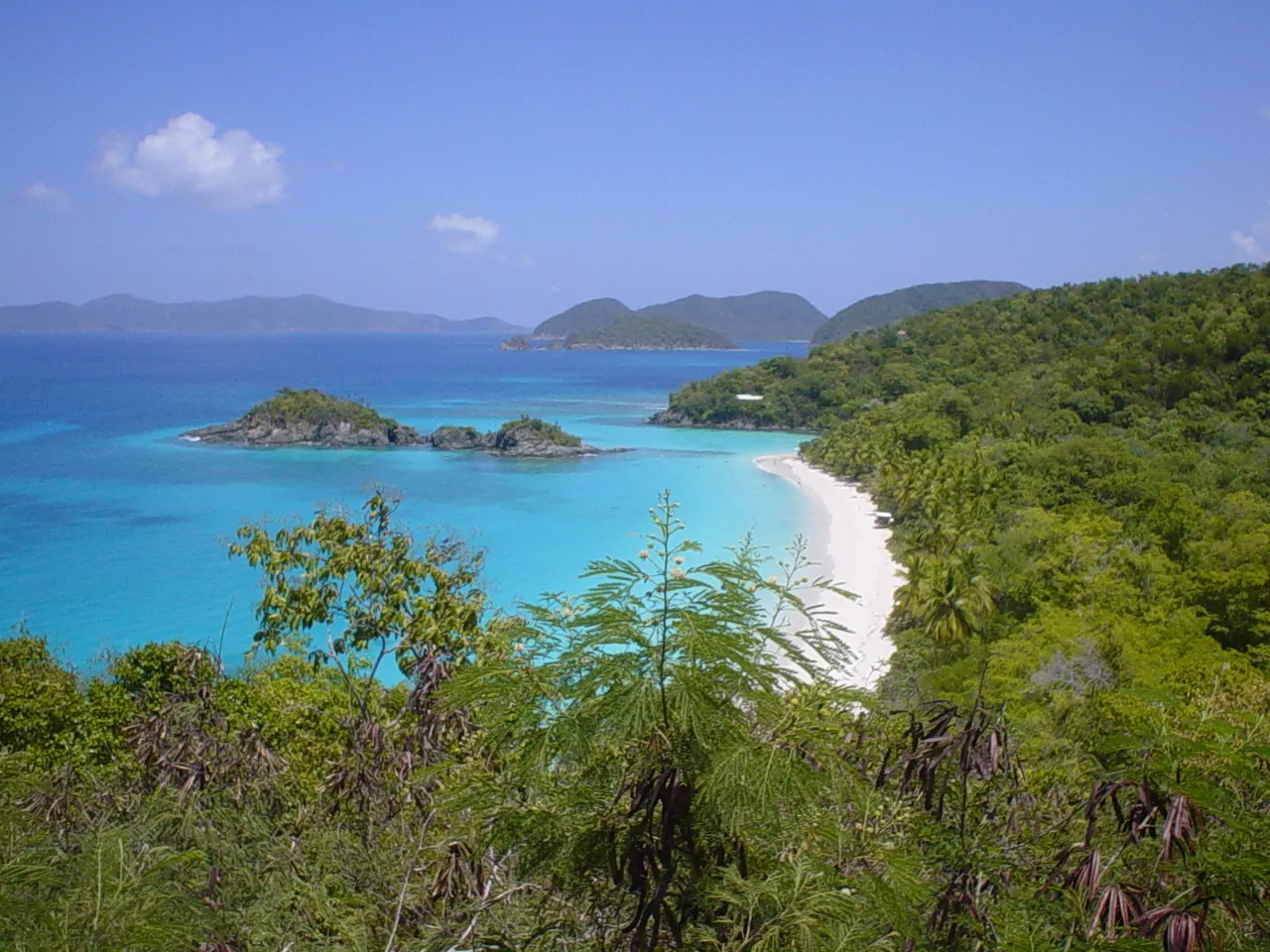
Trunk Bay on St John, United States Virgin Islands: beach and wooded coastal slopes.
Geography & biotopes
The territory’s four listed native snakes belong to the Puerto Rico Bank fauna, while St. Croix has an established introduced Central American boa. Country records and island-specific evidence remain separate.
St. Thomas and St. John have hill forest and coastal wetlands; St. Croix lies apart to the south. The endemic St. Croix racer is historical and is not presented as a confirmed surviving population.
USVI DPNR · Wildlife Action Plan, Volume 1 →
US Fish and Wildlife Service · Virgin Island Tree Boa →
USGS · Invasive Central American boas in the US Virgin Islands →
National Park Service · Plants of Virgin Islands National Park →
Wallach (2021) · global Brahminy blindsnake locality review →
Habitats & living landscapes
Explore 2 guides to the environments, places and conservation pressures that shape this country. Each guide connects to the regional map and shared species accounts.

Habitat · 01
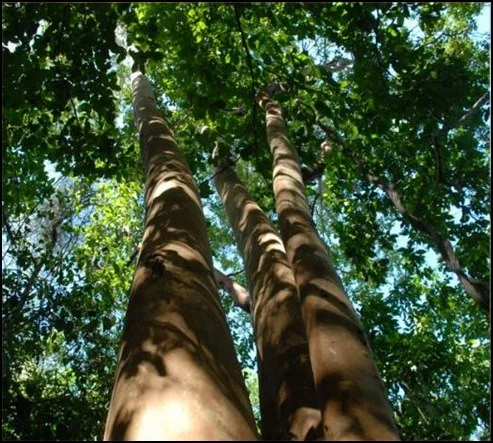
St. John’s secondary forests reflect plantation history, while connected woodland provides habitat for the native boa on St. Thomas. These different sources describe different islands.
Explore the habitat ↗
Habitat · 02
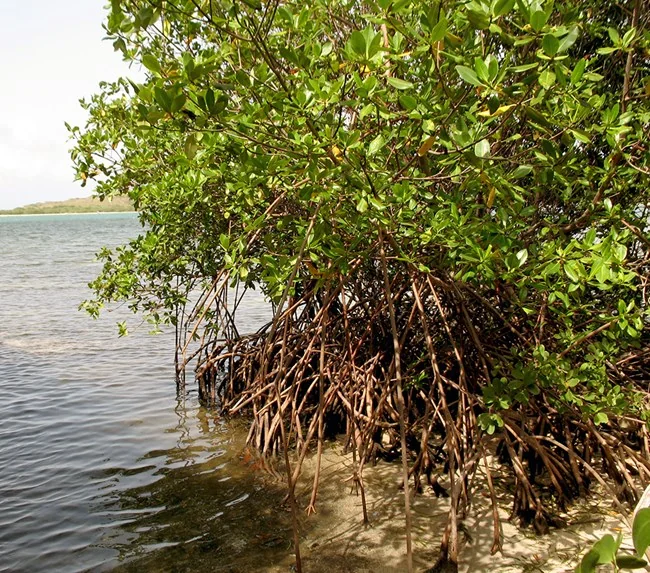
National Park Service monitoring includes mangrove and coastal forest settings. On St. John these occur near dry scrub, beaches and marine seagrass habitats.
Explore the habitat ↗An upland moist forest in Virgin Islands National Park, St John, viewed from below. — National Park Service / South Florida & Caribbean Network. Original photograph · Public domain. Cropped for the cards; photographs do not establish snake occurrence.
Mangroves at Salt River Bay, St Croix, United States Virgin Islands. — National Park Service. Original photograph · Public domain. Cropped for the cards; photographs do not establish snake occurrence.
The species catalogue
Search scientific names, historical names, common names and families. Every card opens one shared account across its documented countries.
This source review supports 4 native and 3 introduced species records. 0 additional historical or uncertain records are excluded from current counts. These are documented atlas records, not a claim of an exhaustive living population census. USVI DPNR · Wildlife Action Plan, Volume 1 ↗
7 species · showing 7
001 · Typhlopidae
Virgin Islands Blindsnake
Native species in the government conservation inventory. Older broad Antillotyphlops ranges are not applied across all islands.
Read the species account →
002 · Boidae
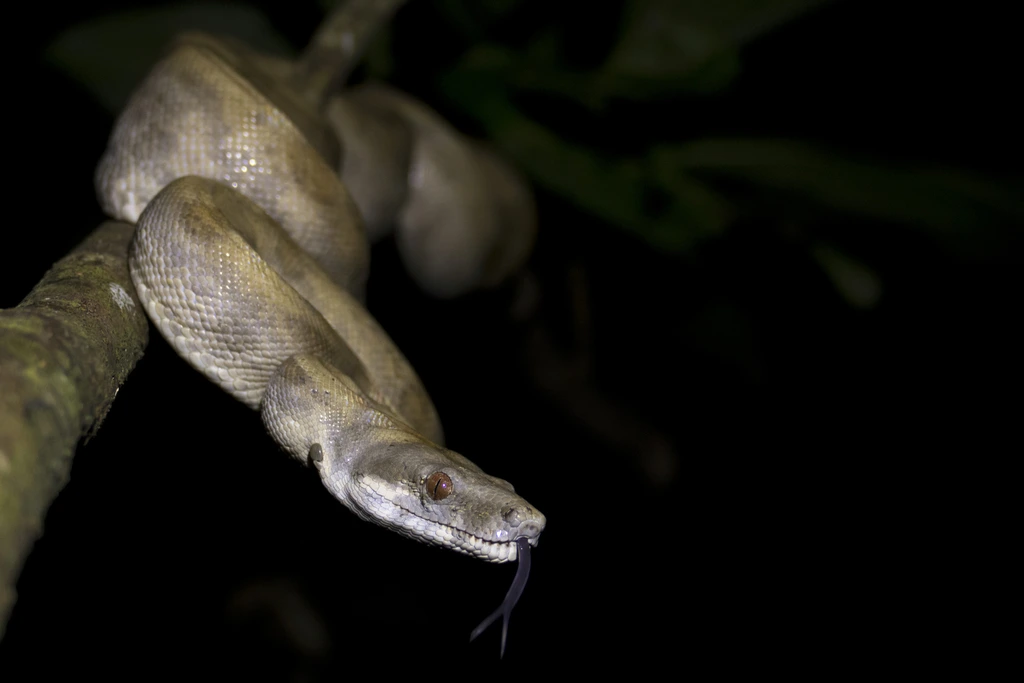
Central American Boa Constrictor
Established introduced Central American boa on St. Croix, explicitly identified as Boa imperator by current USGS research; older Boa constrictor labels are not double-counted.
Read the species account →Ewout Knoester · CC BY-SA 4.0 · https://creativecommons.org/licenses/by-sa/4.0/

003 · Colubridae
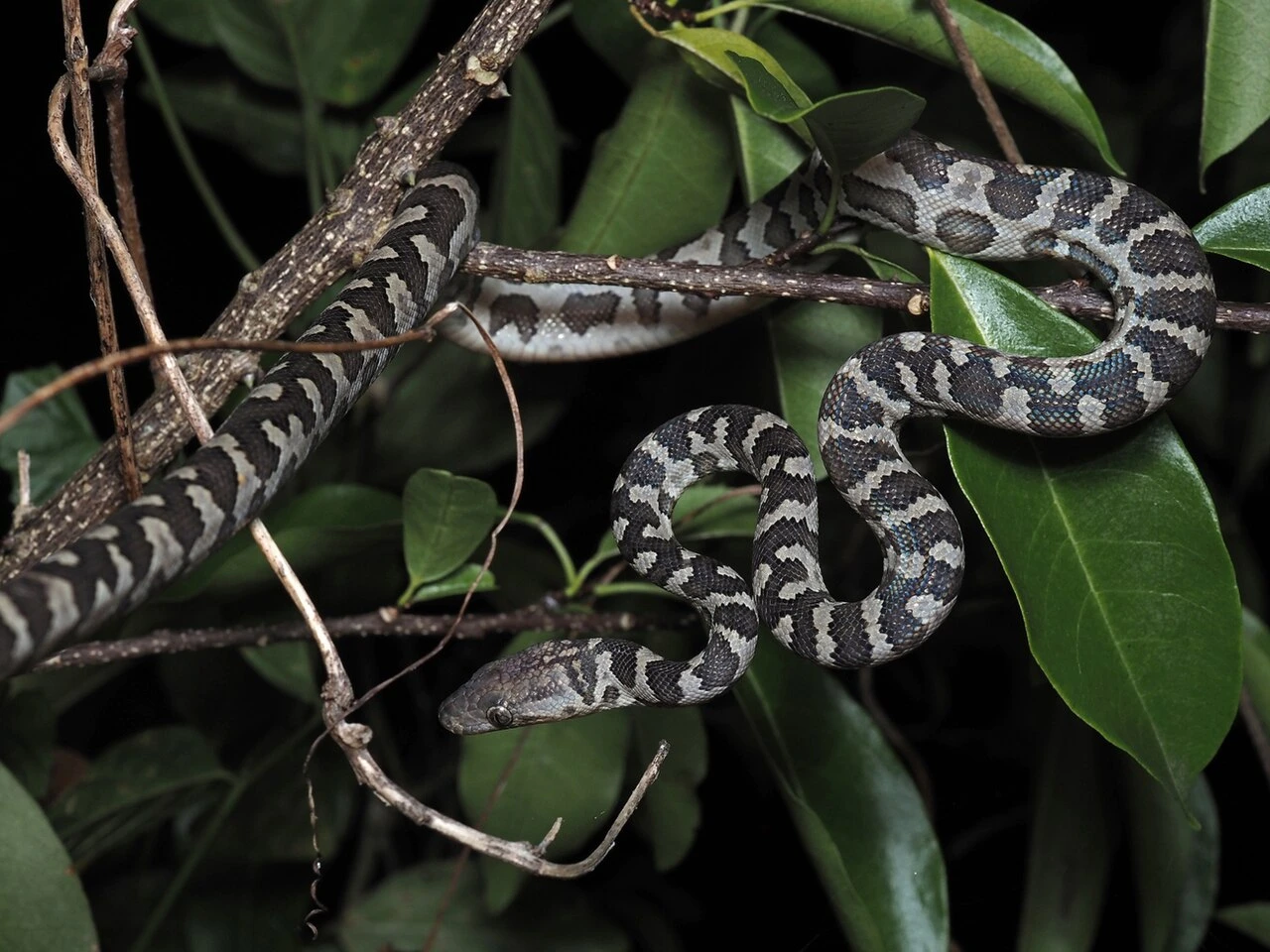
Puerto Rican Racer
Native species in the government conservation inventory. This review does not infer island-level records from the national list alone.
Read the species account →ritirene · CC BY 4.0 · https://creativecommons.org/licenses/by/4.0/

004 · Boidae
Virgin Islands boa
Native tree boa, explicitly supported in eastern St. Thomas. Unnamed restoration cays are not mapped or transferred to St. John/St. Croix.
Read the species account →Jan Zegarra/USFWS · Public domain · https://commons.wikimedia.org/wiki/File:Usfws-virgin-islands-tree-boa-large.jpg#Licensing

005 · Typhlopidae
Flowerpot Snake
Introduced; Wallach (2021) names St. Croix (Carambola) and St. Thomas. No St. John record is inferred.
Read the species account →Cook-Price, Makchai & Suwanwaree (2026); photographs credited collectively to the author, James Covert and Vikas Kumar · CC BY 4.0 · https://creativecommons.org/licenses/by/4.0/

006 · Colubridae
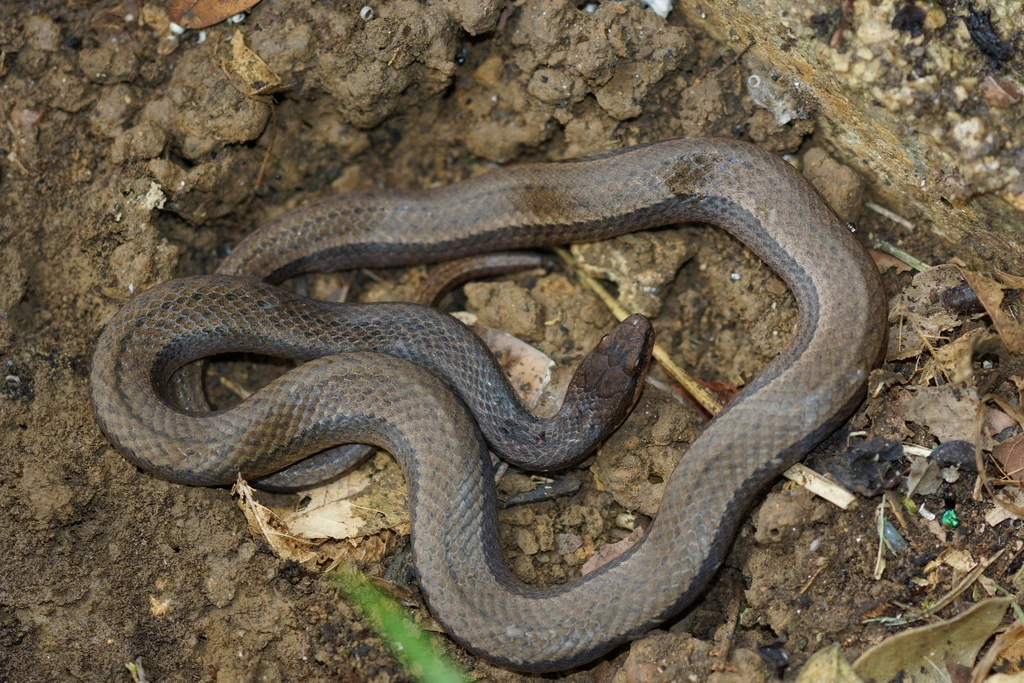
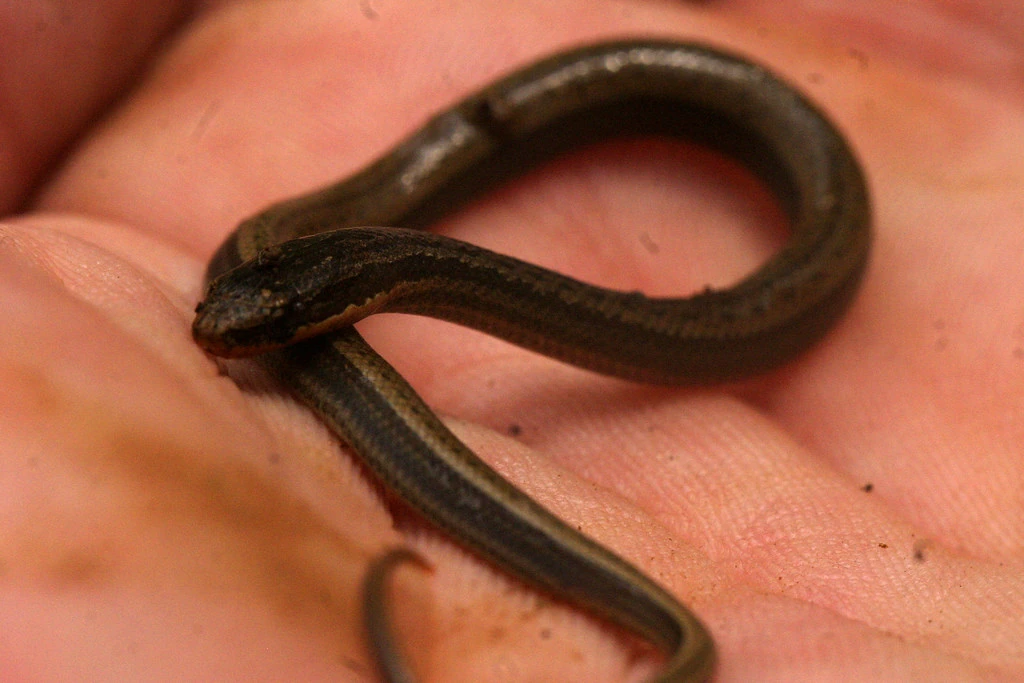
Virgin Islands Miniracer
Native species in the government inventory; the 2015 regional profile includes a documented St. Thomas photograph (Frenchman’s Bay, 2005). Other islands remain unassigned.
Read the species account →Wade Wilson / Agentex (Flickr account now displayed as J & E) · CC BY 2.0 · https://creativecommons.org/licenses/by/2.0/

007 · Colubridae
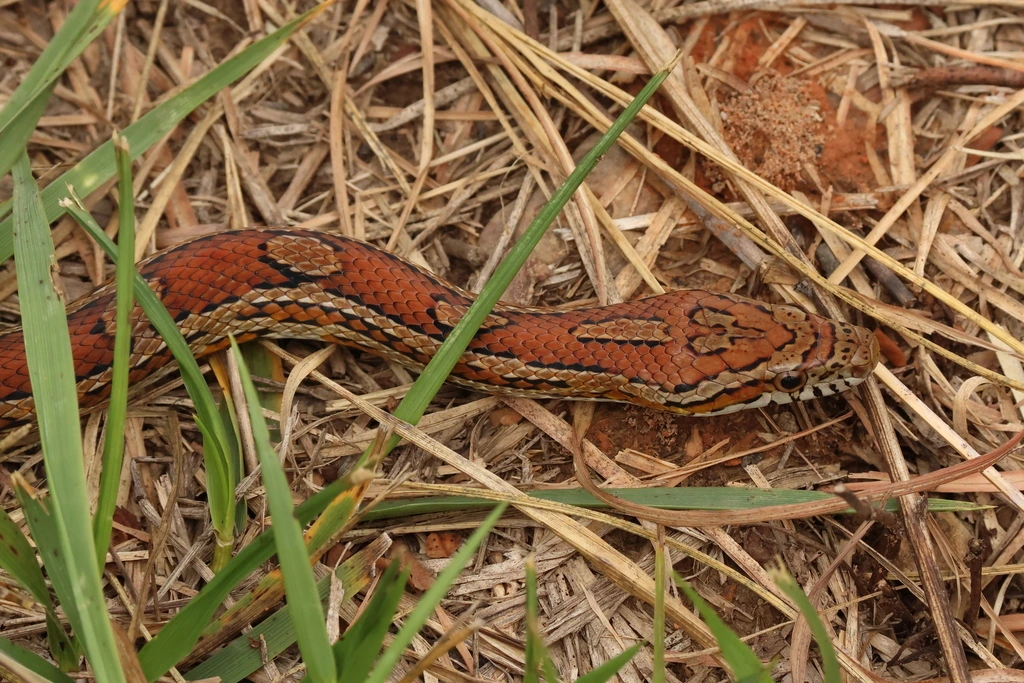
Red Cornsnake, Eastern Corn snake
Introduced; Reynolds and Niemiller (2010), p. 120, explicitly identify St. Thomas as an established population, contrasting it with non-established Grand Turk captures. This dated published record is not a 2026 abundance estimate.
Read the species account →Andre Knocklein · CC BY 4.0 · https://creativecommons.org/licenses/by/4.0/
The research library
This edition lists 7 species with supported country records from checked taxonomic treatments and cited field studies. This total includes 3 records marked as introduced; it is not a native-species total. It is not a claim of a complete national inventory. Each account retains its source and check date; individual evidence entries retain their own review dates.
Country links use a single accepted species identity. Revised names and disputed records are kept visible here; uncertain records do not enter the listed collection or regional totals.
Introduced occurrence
Established introduced Central American boa on St. Croix, explicitly identified as Boa imperator by current USGS research; older Boa constrictor labels are not double-counted.
Introduced occurrence
Introduced; Wallach (2021) names St. Croix (Carambola) and St. Thomas. No St. John record is inferred.
Introduced occurrence
Introduced; Reynolds and Niemiller (2010), p. 120, explicitly identify St. Thomas as an established population, contrasting it with non-established Grand Turk captures. This dated published record is not a 2026 abundance estimate.
Search results were checked against distribution text and taxonomic qualifications. A geographic name alone does not establish a political country: New Guinea, the Solomon archipelago and Micronesia span more than one country or territory. Introduced and unresolved records require separate interpretation.
Place counts require explicit named localities, including valid type localities. Counts can overlap where sources name multiple places. Regional maps group historical boundary snapshots for navigation, while island outlines use Natural Earth; neither is a species range or an observation map. Small islands can be below the outline dataset’s resolution, so geographic reference markers and the directory remain available.
Natural Earth country coastline with approximate geographic navigation anchors. Small islands may be omitted from the generalized outline; markers are not snake observations. Map provenance →
Historical St. Croix endemic, generally treated as extinct or possibly extinct. No verified modern observation in this review; no current occurrence or regional count created.
Read source 1 ↗Individual treatments and locality evidence are linked from each species account.
Species-level literature measurements and ecological traits. Exact-name matches only; imputed or ambiguous fields are omitted. These summaries are not local observations.