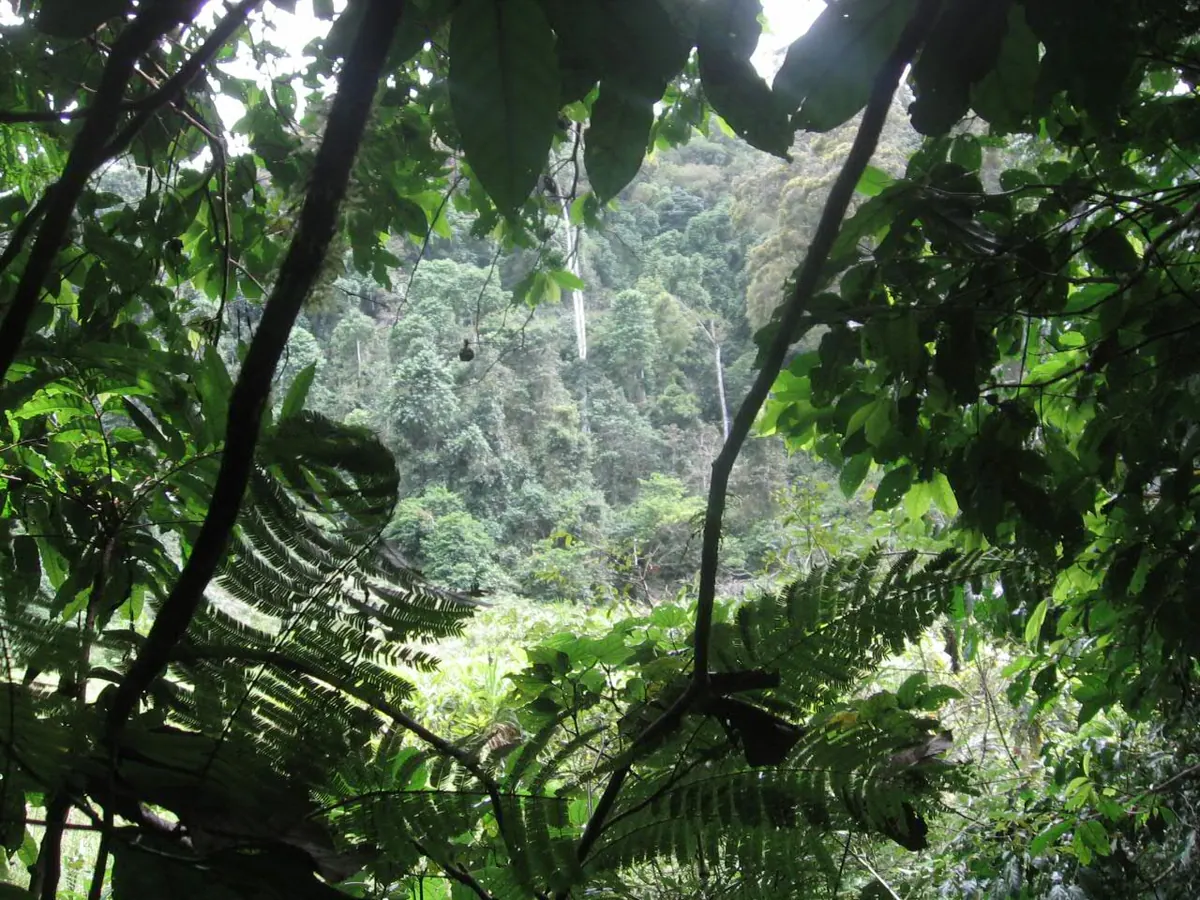
Rainforest canopy framed by nearby leaves and ferns in the Udzungwa Mountains, Tanzania.

United Republic of Tanzania · Habitat field guide

Forest & woodland

The national account distinguishes miombo, montane and coastal forest. Mountain catchments contribute to river systems but differ from lowland woodland.

Rainforest canopy framed by nearby leaves and ferns in the Udzungwa Mountains, Tanzania.

Photograph: andresfib · Image source · CC BY-SA 2.0. Cropped to fill the hero; darkened for text legibility.

Understanding the environment

A sense of the habitat.

The national account distinguishes miombo, montane and coastal forest. Mountain catchments contribute to river systems but differ from lowland woodland.

Geographic scope
United Republic of Tanzania; named examples and source scope matter.
Evidence scale
Landscape context is separate from species locality evidence.
Source chronology
Consult the original publication date; checked 12 October 2026.

Explore the structure · Select a layer to compare the details a locality record can preserve.

Read the setting in three layers.

Select a zone to see what changes.

Tree cover

Tree cover

Separate closed forest, open woodland and planted trees.

Compare this detail with the original field or museum record before assigning a habitat association.

These reading prompts explain how to interpret evidence; they do not assert that every feature occurs at every site.

Sources: Convention on Biological Diversity · United Republic of Tanzania national profile

Field notes · 01

The documented landscape

The national account distinguishes miombo, montane and coastal forest. Mountain catchments contribute to river systems but differ from lowland woodland.

Sources: Convention on Biological Diversity · United Republic of Tanzania national profile

Field notes · 02

Connect habitat and locality

Use the species account to check whether a habitat statement applies to this country or elsewhere in the species’ range. A landscape photograph illustrates its own named place; it is not evidence of snake presence.

Pressures on United Republic of Tanzania’s habitats

What is at risk?

A site-specific assessment of pressures has not yet been extracted for this guide. The landscape sources below provide context; they do not establish a current threat level for each snake species.

What helps this habitat

Retain natural vegetation and water connections where local conservation evidence supports them. Consult the linked national or site account for the pressures and management actions actually reported there.

The connected collection

Snakes with habitat evidence.

These 35 species have supported country occurrence and an explicit habitat association in the shared account. The association may come from elsewhere in their range. This is not a complete local habitat inventory; the places above are landscape examples, not asserted collecting sites.

35 species · showing 24

Afrotyphlops angolensis. Photographed alive. Figure 5, PEM R23357, en route to Cuito River source, Angola. Conradie et al. (2021), Amphibian & Reptile Conservation 15(2): 244–278 (e292). No new occurrence record is inferred.

001 · Typhlopidae

Angola blind snake

Afrotyphlops angolensis

(BOCAGE, 1866)

Non-venomous

The current taxonomic treatment explicitly lists this country. This is country-scale checklist evidence, not a claim of continuous occupancy or a complete regional inventory.

Read the species account →

Werner Conradie · CC BY 4.0 · https://creativecommons.org/licenses/by/4.0/
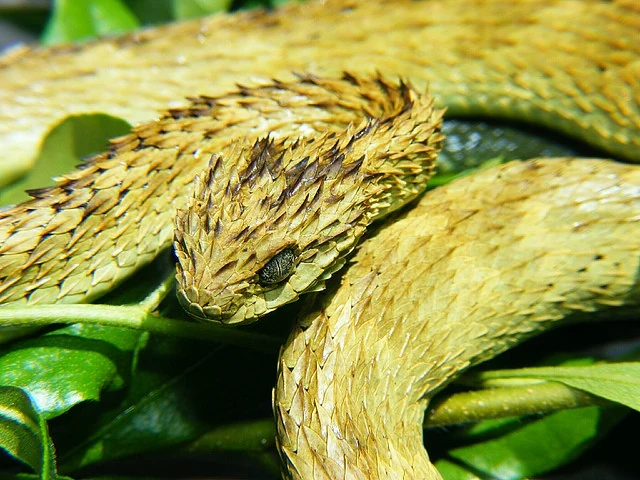
A Venomous African viper, photo taken 12 April, 2009

002 · Viperidae

African Hairy Bush Viper

Atheris hispida

LAURENT, 1955

VenomousClinical severity not established

The current taxonomic treatment explicitly lists this country. This is country-scale checklist evidence, not a claim of continuous occupancy or a complete regional inventory.

Read the species account →

Bree Mc, soulsurvivor08 at flickr.com · CC BY 2.0 · https://creativecommons.org/licenses/by/2.0

Atheris nitschei, photographed 2024-10-06. Identification follows the linked research-grade observation.

003 · Viperidae

Great Lakes Bush Viper

Atheris nitschei

TORNIER, 1902

VenomousClinical severity not established

The current taxonomic treatment explicitly lists this country. This is country-scale checklist evidence, not a claim of continuous occupancy or a complete regional inventory.

Read the species account →

Elliot Greiner · CC BY 4.0 · https://creativecommons.org/licenses/by/4.0/
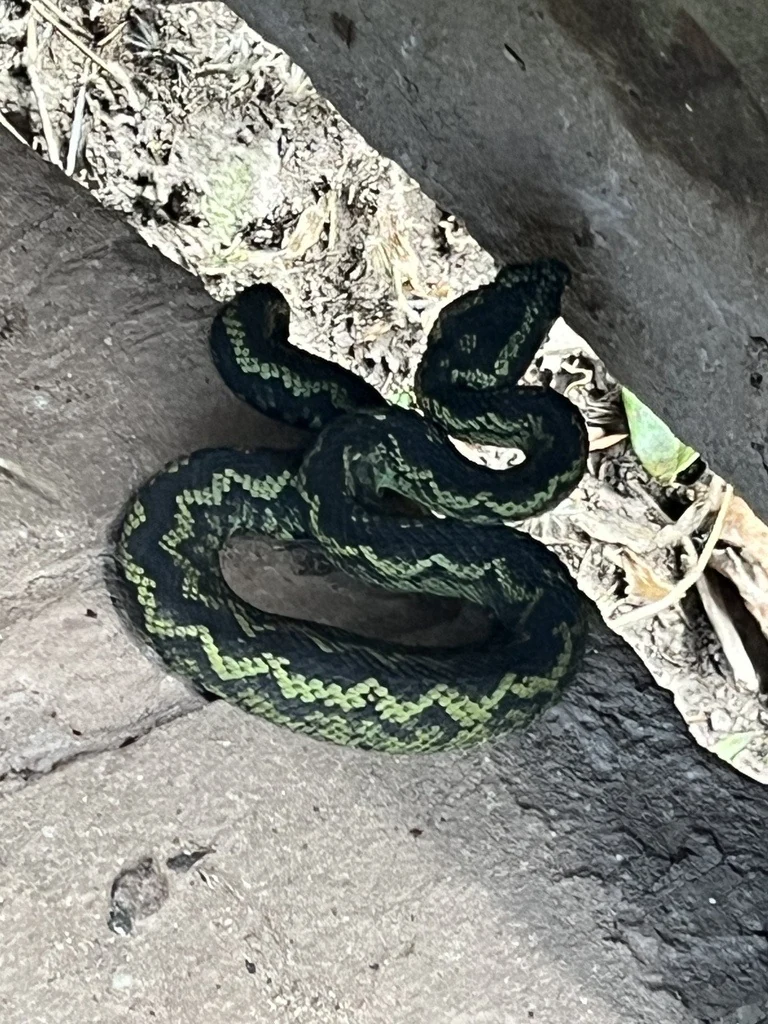
Atheris rungweensis. Photographed alive. Source community identification; no new geographic occurrence record is inferred.

004 · Viperidae

Mt Rungwe bush viper

Atheris rungweensis

BOGERT, 1940

VenomousClinical severity not established

The current taxonomic treatment explicitly lists this country. This is country-scale checklist evidence, not a claim of continuous occupancy or a complete regional inventory. Western mainland: observation 373013660, 2026-06-03. Western mainland: observation 334332193, 2026-01-08. Southern highlands: observation 331667487, 2024-11-12. Southern highlands:…

Read the species account →

Eric Matthews · CC BY 4.0 · https://creativecommons.org/licenses/by/4.0/
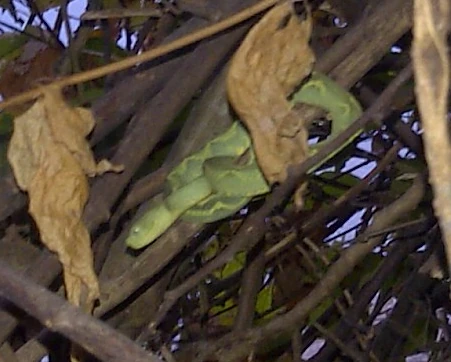
Bitis gabonica; Lake Tissongo, Cameroon; photographed 2016-05-18.

005 · Viperidae

Gaboon Adder, Gaboon Viper

Bitis gabonica

(DUMÉRIL, BIBRON & DUMÉRIL, 1854)

VenomousClinical severity not established

The current taxonomic treatment explicitly lists this country. This is country-scale checklist evidence, not a claim of continuous occupancy or a complete regional inventory. Mainland coast: observation 381977269, 2026-03-03. Original records have agreeing research-grade identifications, wild status and open coordinates. Points and sampled reported…

Read the species account →

Lucy Keith-Diagne · CC BY 4.0 · https://creativecommons.org/licenses/by/4.0/
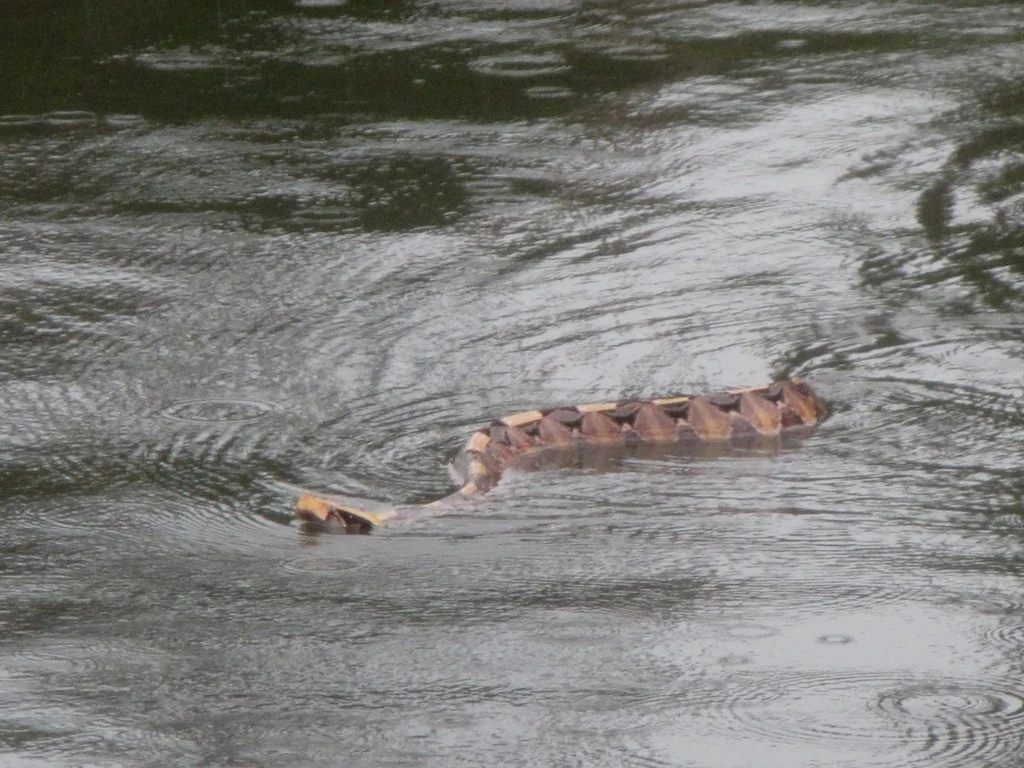
Bitis nasicornis, photographed 2012-10-08. Identification follows the linked research-grade observation.

006 · Viperidae

Rhinoceros Viper

Bitis nasicornis

(SHAW & NODDER, 1792)

VenomousClinical severity not established

The current taxonomic treatment explicitly lists this country. This is country-scale checklist evidence, not a claim of continuous occupancy or a complete regional inventory.

Read the species account →

Marius Burger (iNaturalist contributor) · CC0 1.0 · https://creativecommons.org/publicdomain/zero/1.0/

Crotaphopeltis hotamboeia; Campher's Drift, George, 6529, South Africa; photographed 2023-10-13.

007 · Colubridae

White-lipped Herald Snake, Red-lipped Snake

Crotaphopeltis hotamboeia

(LAURENTI, 1768)

Venom unknownNot yet assessed

The current taxonomic treatment explicitly lists this country. This is country-scale checklist evidence, not a claim of continuous occupancy or a complete regional inventory. Mainland coast: observation 335025895, 2026-01-16. Lake zone: observation 314283455, 2019-12-13. Northern mainland: observation 8978207, 2017-11-09. Western mainland: observation…

Read the species account →

no rights reserved · CC0 · https://creativecommons.org/publicdomain/zero/1.0/

Dasypeltis atra; Karatu Simba Lodge, Karatu, Tanzania; photographed 2015-09-12.

008 · Colubridae

African Egg-eating Snake, Montane Egg-eater

Dasypeltis atra

STERNFELD, 1912

Venom unknownNot yet assessed

The current taxonomic treatment explicitly lists this country. This is country-scale checklist evidence, not a claim of continuous occupancy or a complete regional inventory.

Read the species account →

no rights reserved · CC0 · https://creativecommons.org/publicdomain/zero/1.0/

Dasypeltis medici; Eastern Shores, isimangaliso Wetland Park; photographed 2019-03-30.

009 · Colubridae

Eastern Forest Egg-eater, East African Egg Eater

Dasypeltis medici

BIANCONI, 1859

Venom unknownNot yet assessed

The current taxonomic treatment explicitly lists this country. This is country-scale checklist evidence, not a claim of continuous occupancy or a complete regional inventory. Mainland coast: observation 333970588, 2026-01-03. Mainland coast: observation 329520678, 2025-12-04. Original records have agreeing research-grade identifications, wild status and…

Read the species account →

Nick Schaller · CC BY 4.0 · https://creativecommons.org/licenses/by/4.0/
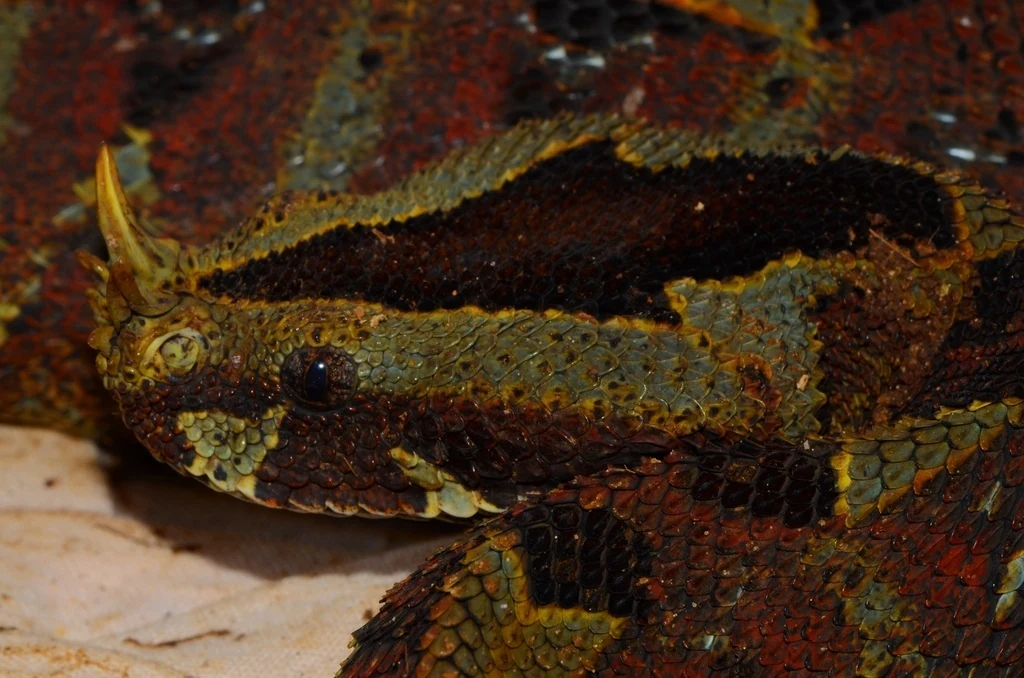
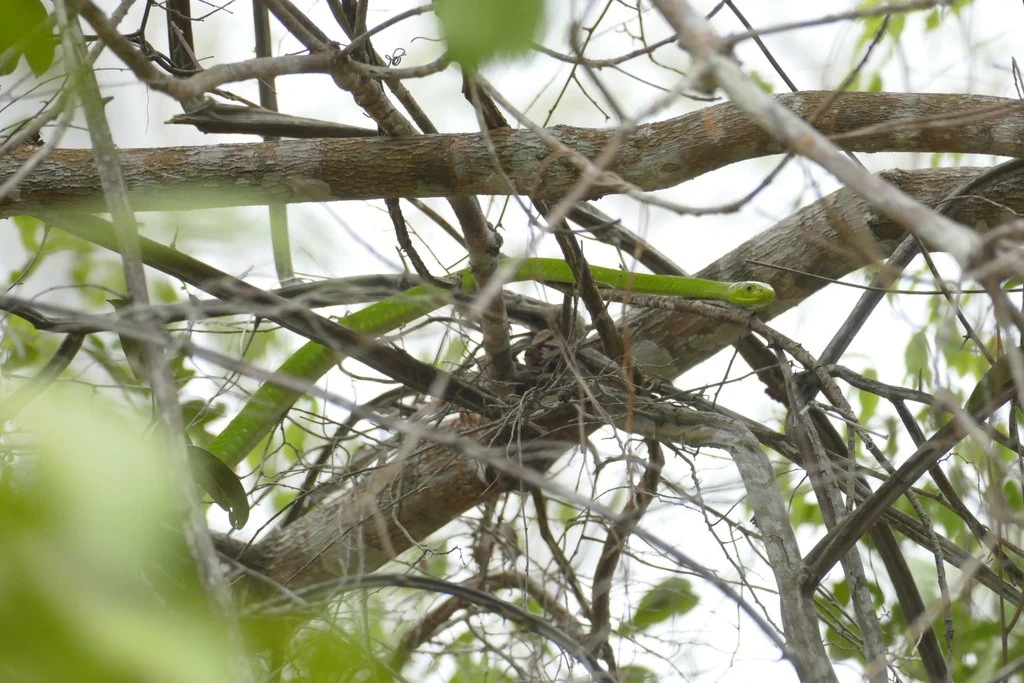
Dendroaspis angusticeps, photographed 2022-02-12. Identification follows the linked research-grade observation.

010 · Elapidae

Green Mamba

Dendroaspis angusticeps

(SMITH, 1849)

VenomousClinical severity not established

The current taxonomic treatment explicitly lists this country. This is country-scale checklist evidence, not a claim of continuous occupancy or a complete regional inventory. Unguja: observation 345841217, 2026-03-29. Unguja: observation 330190790, 2025-12-10. Original records have agreeing research-grade identifications, wild status and open…

Read the species account →

Ewout Knoester · CC BY-SA 4.0 · https://creativecommons.org/licenses/by-sa/4.0/

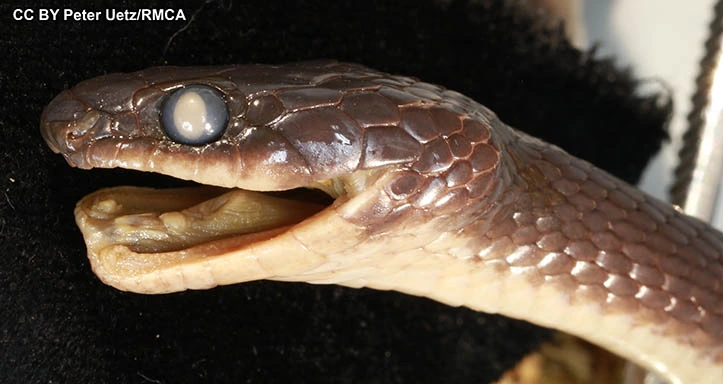
Dipsadoboa unicolor, preserved museum specimen RMCA 9386, head and anterior body, left lateral view. Photograph from the reference-image collection of Uetz et al. (2024).

011 · Colubridae

Günther's Green Tree Snake

Dipsadoboa unicolor

GÜNTHER, 1858

Venom unknownNot yet assessed

The current taxonomic treatment explicitly lists this country. This is country-scale checklist evidence, not a claim of continuous occupancy or a complete regional inventory.

Read the species account →

Peter Uetz / RMCA · CC BY 4.0 · https://creativecommons.org/licenses/by/4.0/
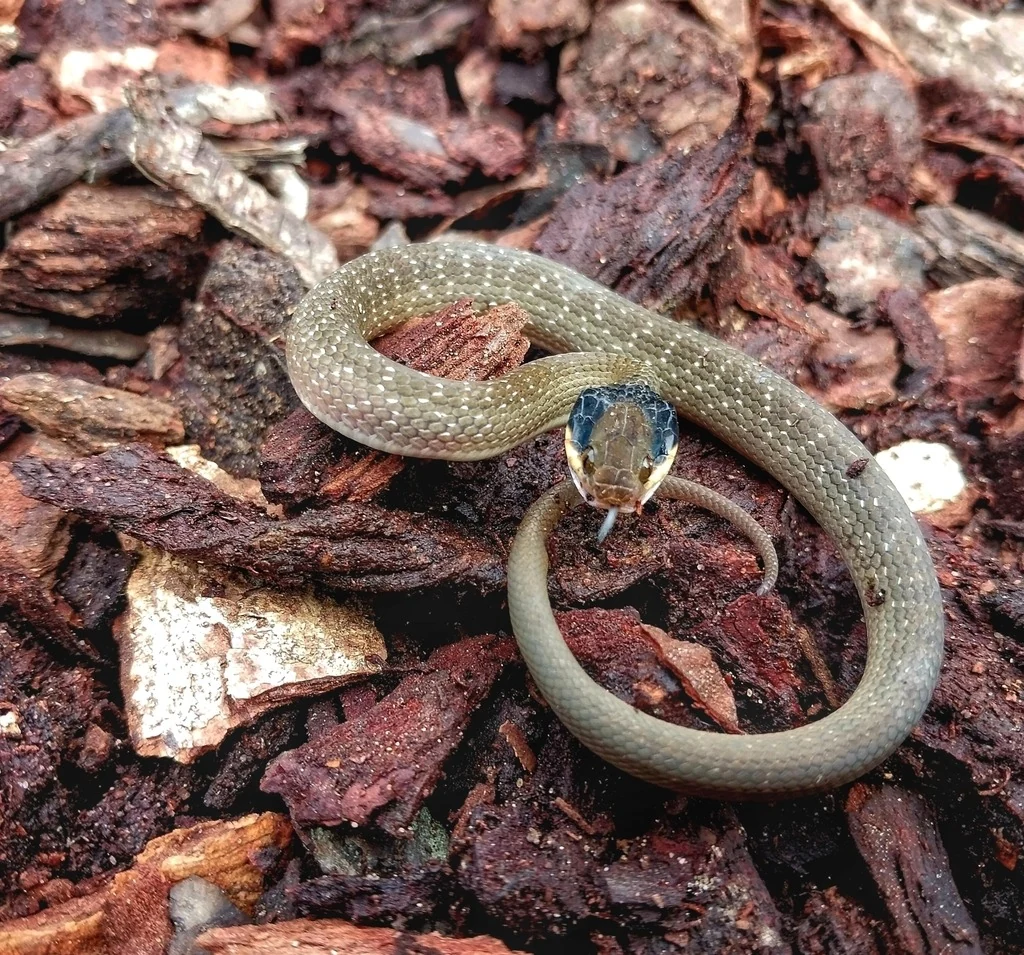
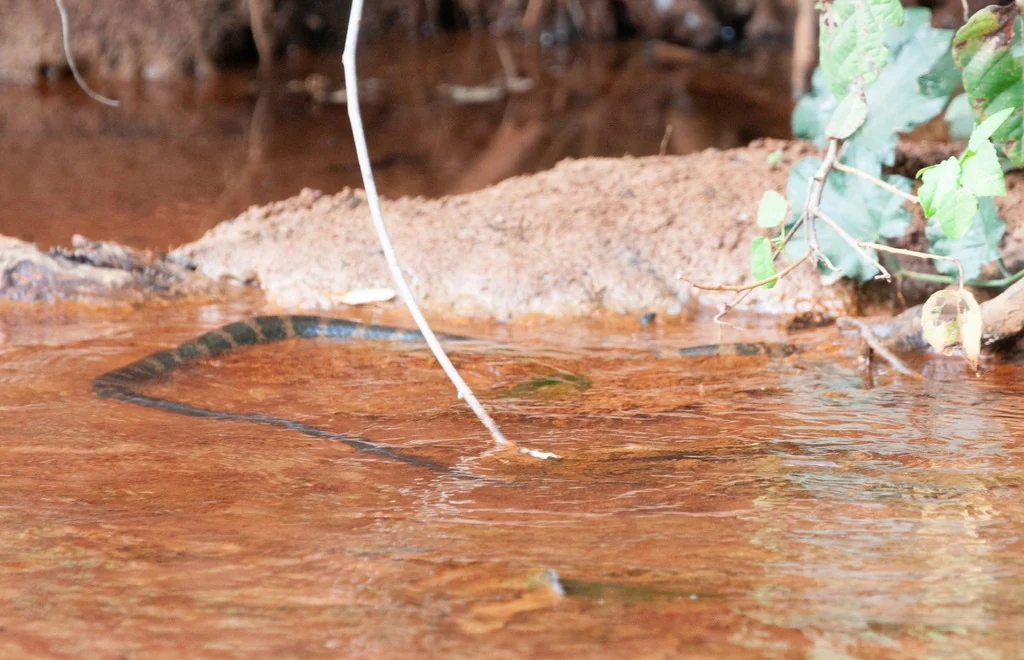
Grayia smithii; Forêt Classée du Kou, Burkina Faso; photographed 2010-02-09.

012 · Colubridae

Smith's African Water Snake

Grayia smithii

(LEACH, 1818)

Venom unknownNot yet assessed

The current taxonomic treatment explicitly lists this country. This is country-scale checklist evidence, not a claim of continuous occupancy or a complete regional inventory.

Read the species account →

martin ingemansson · CC BY 4.0 · https://creativecommons.org/licenses/by/4.0/
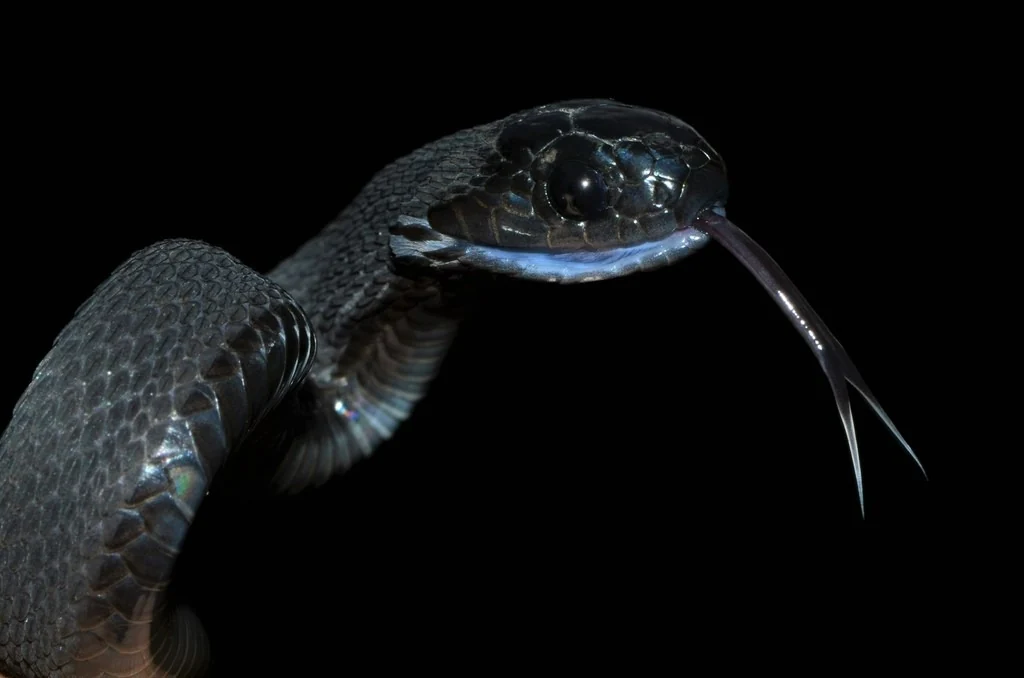
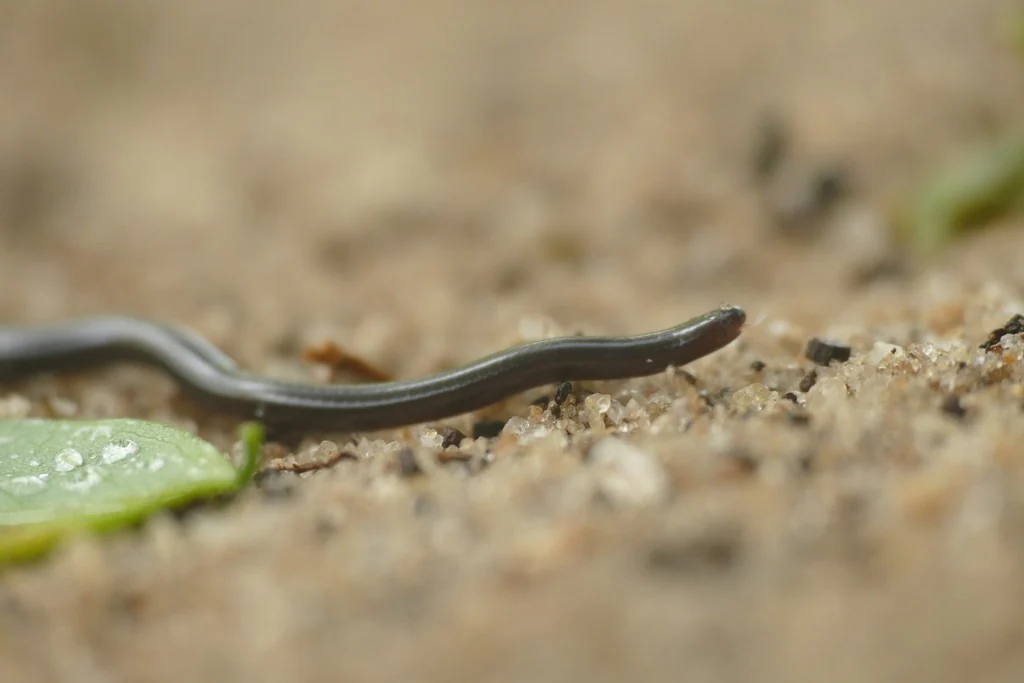
Indotyphlops braminus — photographed on Ko Pha-ngan, Thailand.

013 · Typhlopidae

Flowerpot Snake

Indotyphlops braminus

(DAUDIN, 1803)

Non-venomous

Cosmopolitan transported species: countries denotes supported occurrence, not a claim of native status. IntroducedCountries captures explicit source introductions; native/introduced status of the remaining localities is unresolved. Broad New Guinea and Micronesia are not converted to countries. The current taxonomic treatment explicitly lists this…

Read the species account →

Cook-Price, Makchai & Suwanwaree (2026); photographs credited collectively to the author, James Covert and Vikas Kumar · CC BY 4.0 · https://creativecommons.org/licenses/by/4.0/
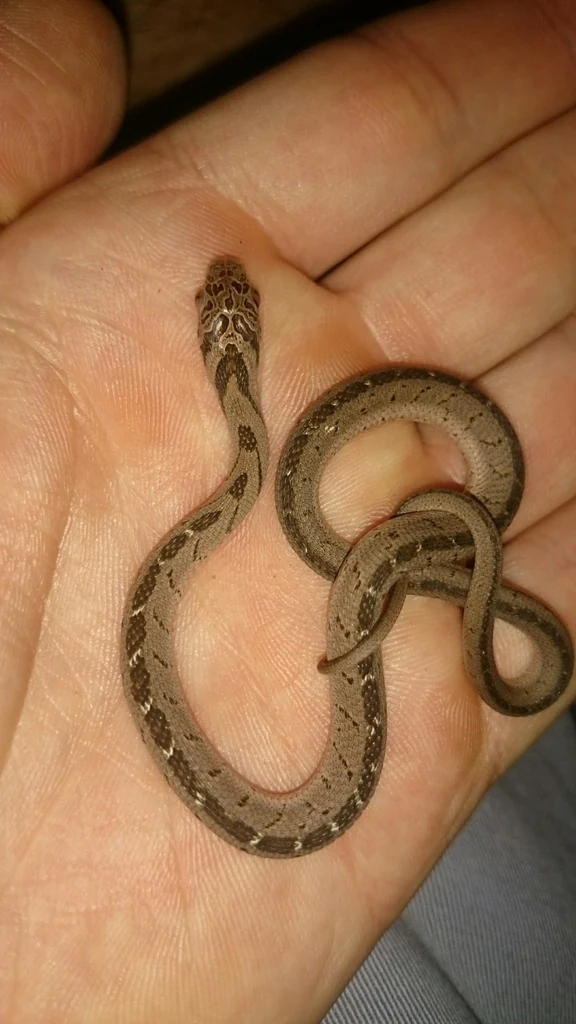
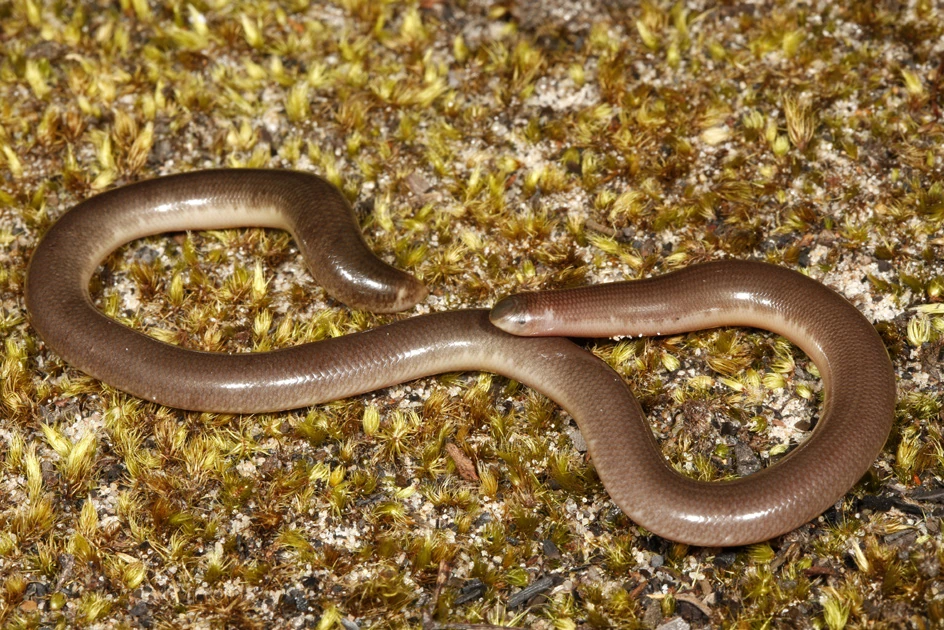
Leptotyphlops macrops; Lungalunga, KE-KW, KE; photographed 2015-11-18.

015 · Leptotyphlopidae

Goggle-eyed worm snake

Leptotyphlops macrops

(BROADLEY & WALLACH, 1996)

Non-venomous

The current taxonomic treatment explicitly lists this country. This is country-scale checklist evidence, not a claim of continuous occupancy or a complete regional inventory.

Read the species account →

Ewout Knoester · CC BY-SA 4.0 · https://creativecommons.org/licenses/by-sa/4.0/

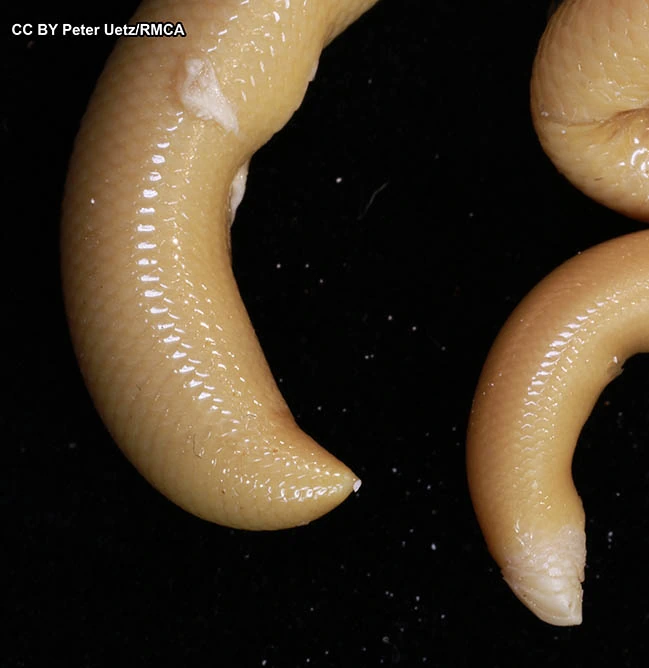
Letheobia graueri, preserved museum specimen RMCA 3787, head and tail detail. Photograph from the reference-image collection of Uetz et al. (2024).

018 · Typhlopidae

Sternfeld's Beaked Snake

Letheobia graueri

(STERNFELD, 1912)

Non-venomous

The current taxonomic treatment explicitly lists this country. This is country-scale checklist evidence, not a claim of continuous occupancy or a complete regional inventory.

Read the species account →

Peter Uetz / RMCA · CC BY 4.0 · https://creativecommons.org/licenses/by/4.0/
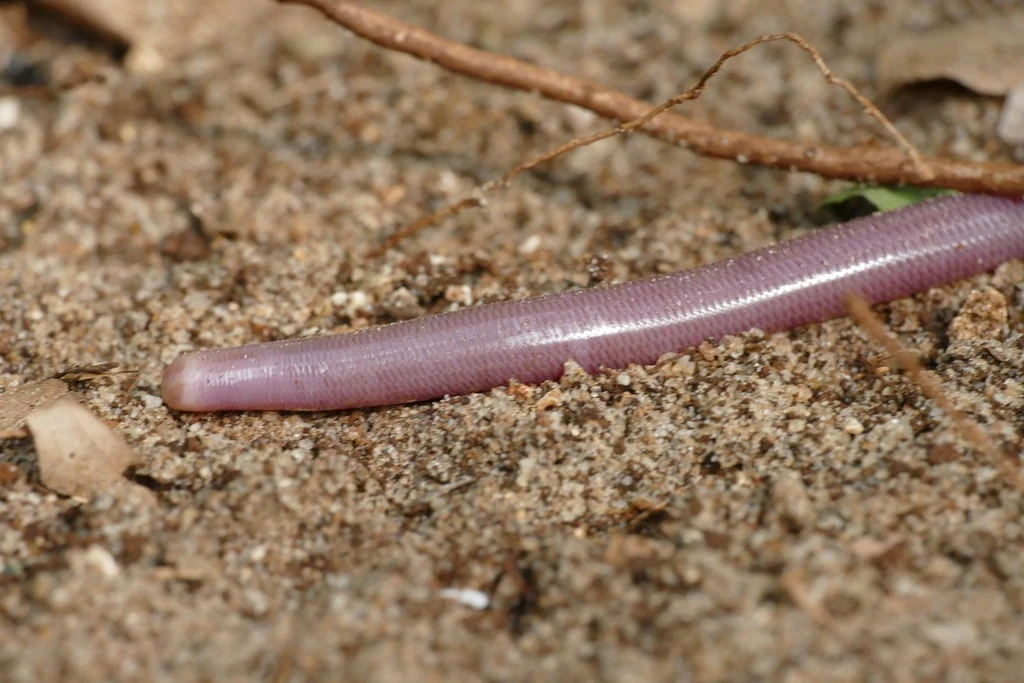
Letheobia swahilica, photographed 2018-03-18. Identification follows the linked research-grade observation.

020 · Typhlopidae

Swahili gracile blind-snake

Letheobia swahilica

(BROADLEY & WALLACH, 2007)

Non-venomous

The current taxonomic treatment explicitly lists this country. This is country-scale checklist evidence, not a claim of continuous occupancy or a complete regional inventory.

Read the species account →

Ewout Knoester · CC BY-SA 4.0 · https://creativecommons.org/licenses/by-sa/4.0/

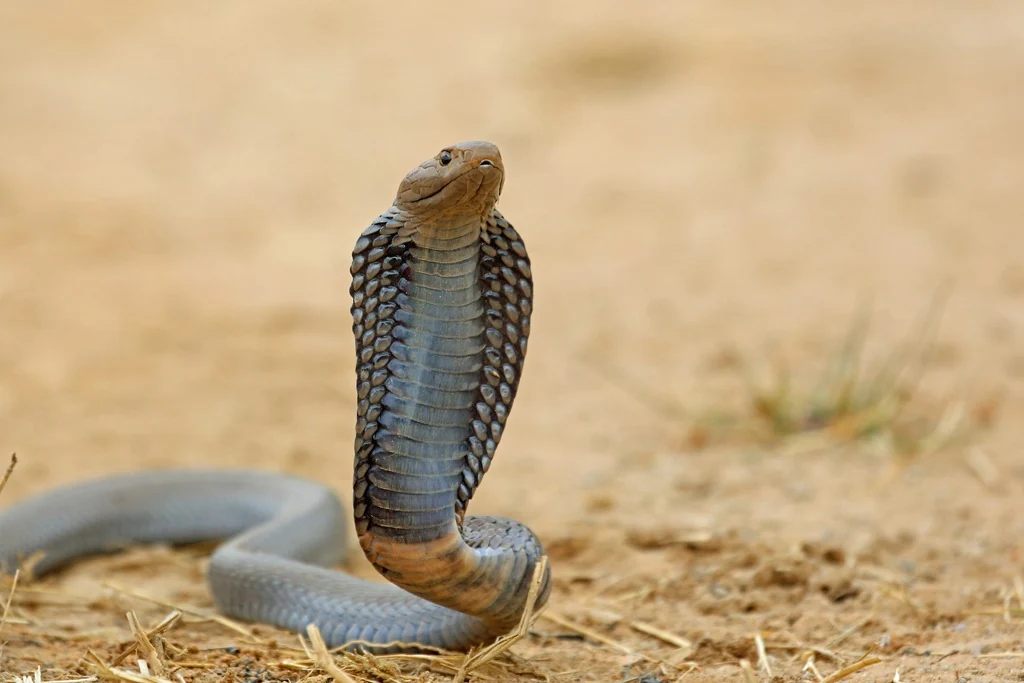
Naja nigricollis; Katanga Province, Democratic Republic of Congo; photographed 2014-08-20.

023 · Elapidae

Black-necked Spitting Cobra

Naja nigricollis

REINHARDT, 1843

VenomousClinical severity not established

The current taxonomic treatment explicitly lists this country. This is country-scale checklist evidence, not a claim of continuous occupancy or a complete regional inventory. Mainland coast: observation 336820836, 2026-01-24. Mainland coast: observation 335028658, 2026-01-13. Central mainland: observation 318248083, 2025-09-14. Lake zone: observation…

Read the species account →

Nigel Voaden · CC BY 4.0 · https://creativecommons.org/licenses/by/4.0/
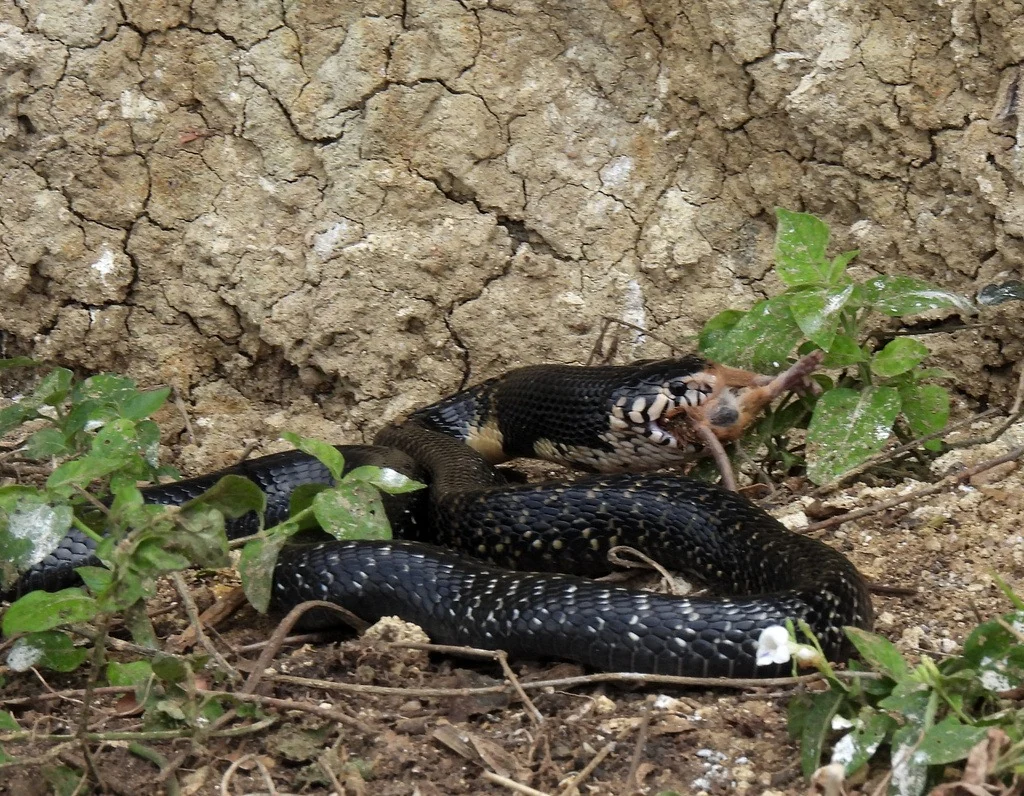
Naja subfulva; Katunguru Queen Elizabeth National Park, Katunguru, Uganda; photographed 2023-03-05.

024 · Elapidae

Brown forest cobra

Naja subfulva

LAURENT, 1955

VenomousClinical severity not established

The current taxonomic treatment explicitly lists this country. This is country-scale checklist evidence, not a claim of continuous occupancy or a complete regional inventory. Unguja: observation 392398620, 2026-08-18. Unguja: observation 316562183, 2025-09-25. Central mainland: observation 343938794, 2026-03-19. Mainland coast: observation 340325449,…

Read the species account →

Sidnei Dantas · CC BY-SA 4.0 · https://creativecommons.org/licenses/by-sa/4.0/

All 157 species in the country collection →

Read further

Evidence & sources.

Guide reviewed 12 October 2026. Source dates and geographic scope matter; landscape photographs do not establish species occurrence.

  1. Convention on Biological Diversity · United Republic of Tanzania national profile

    Historical draft prepared by the CBD Secretariat; awaiting Party approval. Used for landscape context; older statistics are not presented as current monitoring or a snake inventory.

Continue through United Republic of Tanzania

Explore another habitat.

01

Savanna & grassland

Grassland savanna, including the Serengeti landscape, differs from wooded and coastal environments. Regional boundaries do not trace vegetation edges.

02

Rivers, lakes & wetlands

Great Lakes and alkaline Rift Valley lakes represent different aquatic settings. Salinity and lake identity are essential locality context.

03

Mangroves & tidal woodland

Mangroves are one of Tanzania’s major forest formations, with tidal conditions distinct from inland forest and freshwater wetlands.