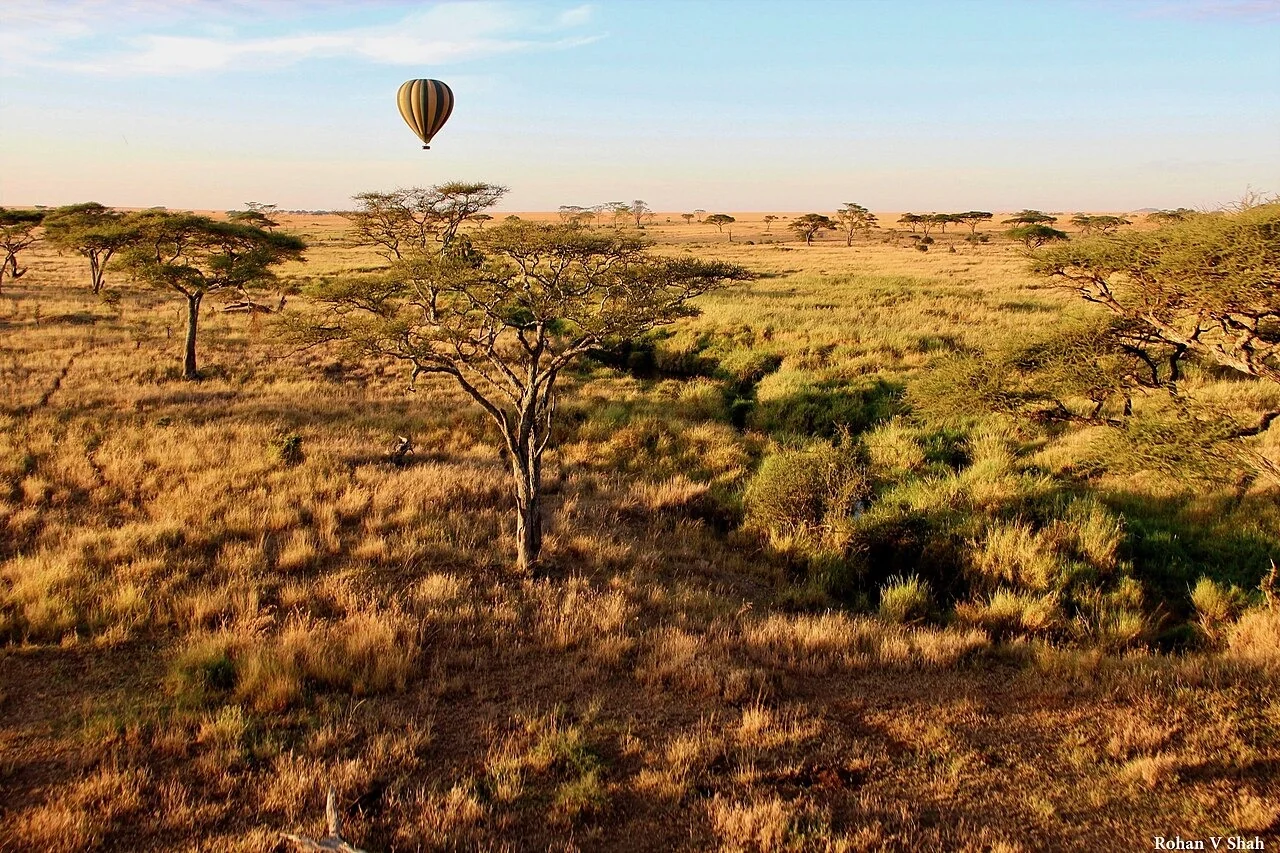
Savanna on the Serengeti plains, Tanzania, seen from a balloon.

United Republic of Tanzania · The country atlas

United Republic of Tanzania

Tanzania connects Eastern Arc forest, miombo woodland, savanna, Rift lakes and the Indian Ocean coast.

157species with extracted evidence
15families
8region guides

Savanna on the Serengeti plains, Tanzania, seen from a balloon.

Photograph: Rohan Shah · Image source · CC BY-SA 4.0. Cropped to fill the hero; darkened for text legibility.

Geography & biotopes

Discover United Republic of Tanzania.

Tanzania connects Eastern Arc forest, miombo woodland, savanna, Rift lakes and the Indian Ocean coast.

Historical administrative outlines are grouped for navigation. They are not ecological boundaries, species ranges or a statement of present administrative arrangements.

Map boundaries, snapshot and group membership →

Convention on Biological Diversity · United Republic of Tanzania national profile →

Geography is part of the record

Find your way through United Republic of Tanzania.

Select a named region to open its evidence page. The complete directory below keeps every guide accessible, including places where locality evidence has not yet been extracted.

51 of 157 listed species have at least one indexed region record. 106 remain country-only. Even a nonzero count is not a complete regional inventory.

Habitats & living landscapes

Explore the living
landscapes.

Explore 4 guides to the environments, places and conservation pressures that shape this country. Each guide connects to the regional map and shared species accounts.

Landscape photographs & credits

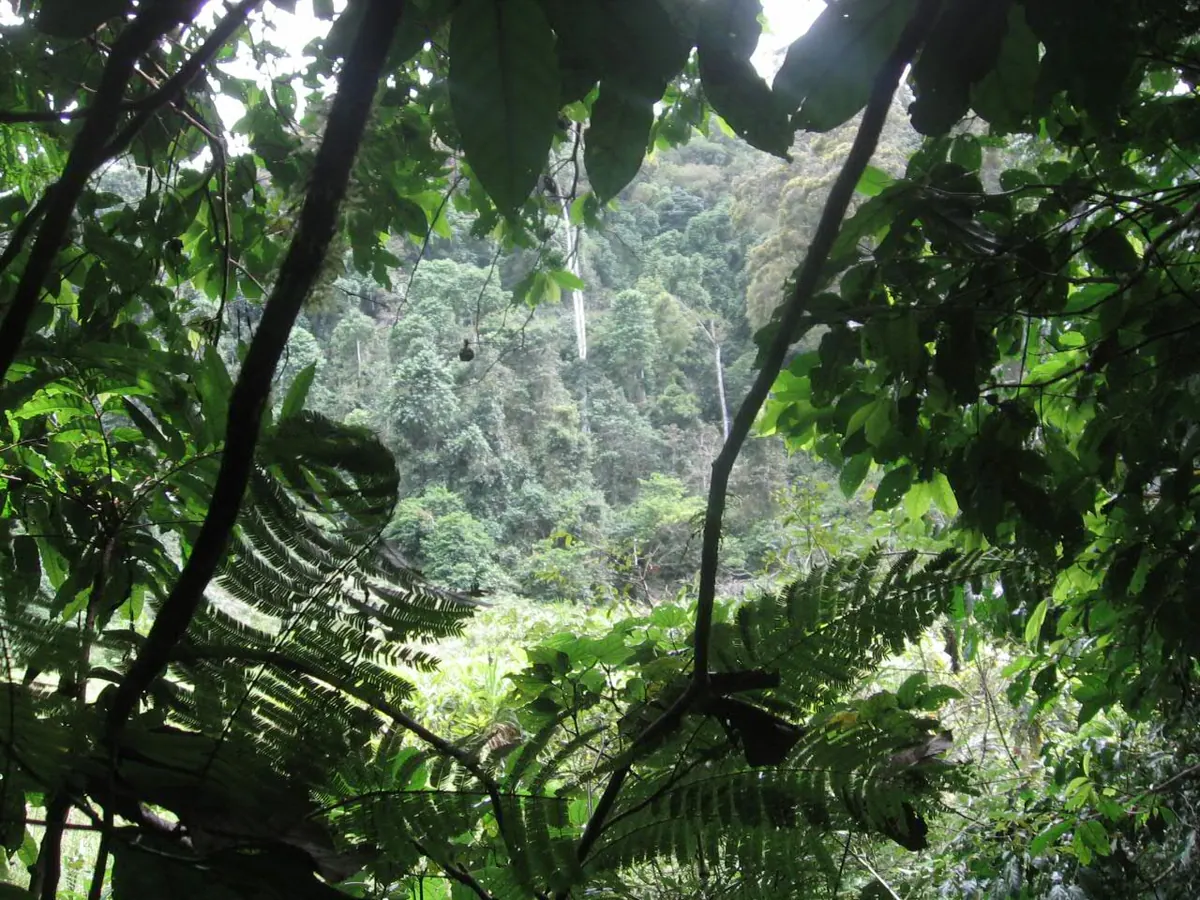
Rainforest canopy framed by nearby leaves and ferns in the Udzungwa Mountains, Tanzania. — andresfib. Original photograph · CC BY-SA 2.0. Cropped for the cards; photographs do not establish snake occurrence.

Savanna on the Serengeti plains, Tanzania, seen from a balloon. — Rohan Shah. Original photograph · CC BY-SA 4.0. Cropped for the cards; photographs do not establish snake occurrence.

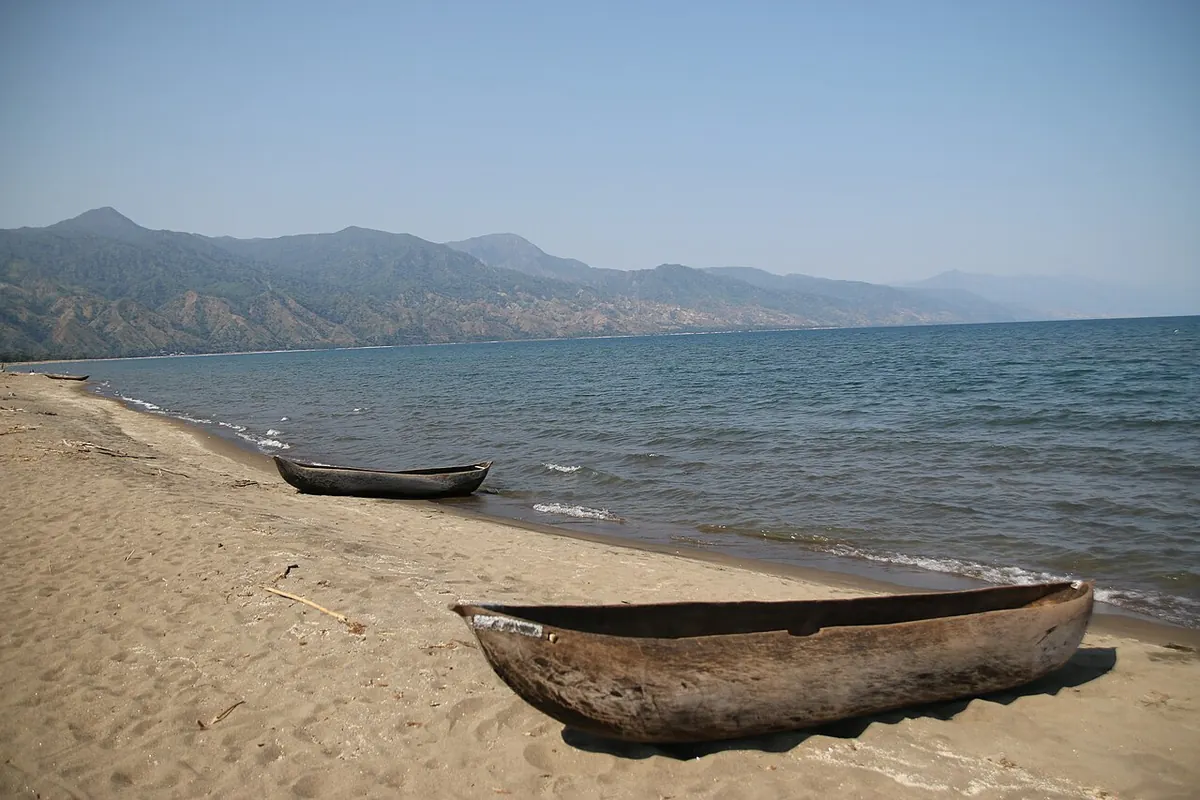
Fishing canoes on the shore of Lake Nyasa, Tanzania, with the Livingstone Mountains beyond. The boats document human use of this freshwater lakeshore. — Collinsalex2. Original photograph · CC BY-SA 4.0. Cropped for the cards; photographs do not establish snake occurrence.

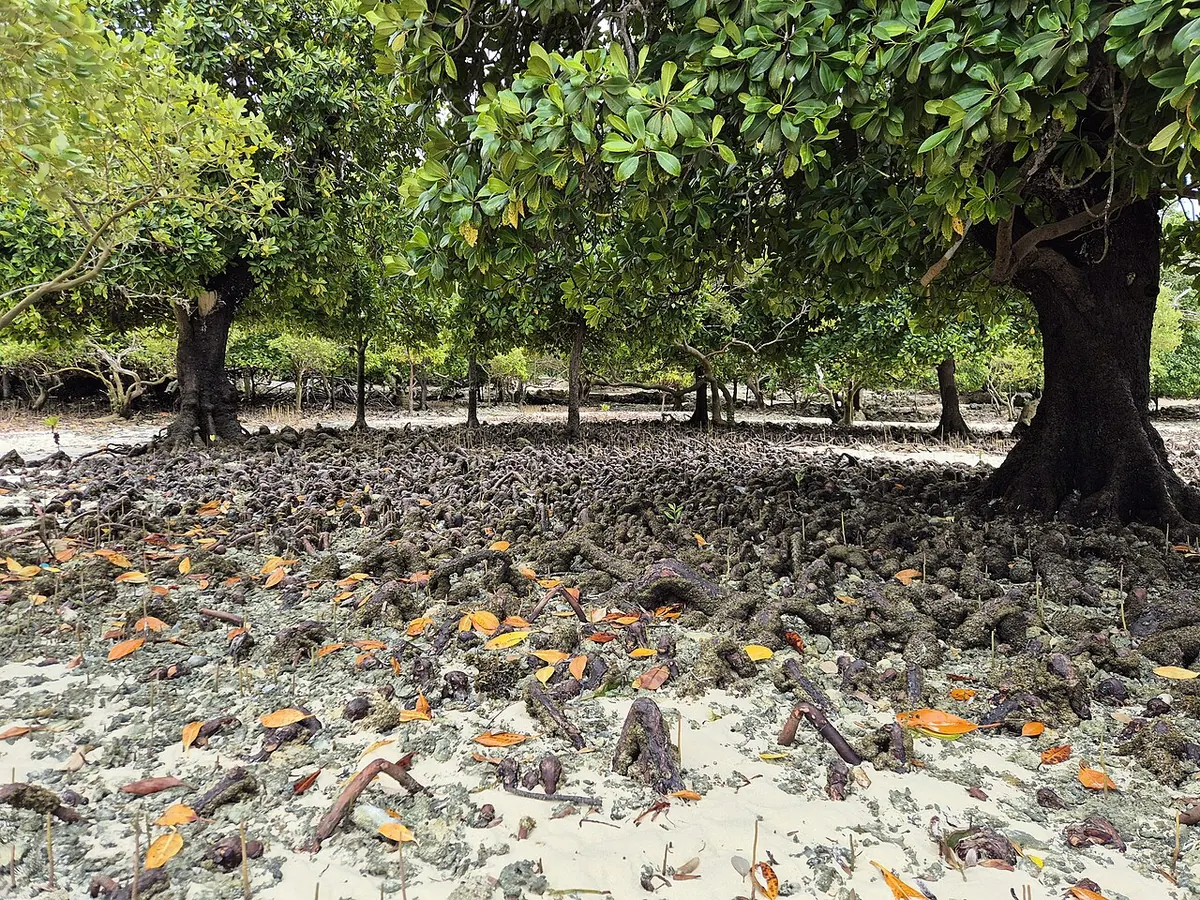
Mangrove trees and exposed aerial roots at Fish Eagle Point, Subutuni, in Tanzania's Tanga Region. The photograph shows an exposed stage of the coastal ground. — Fatih Renkligil. Original photograph · CC BY-SA 4.0. Cropped for the cards; photographs do not establish snake occurrence.

The species catalogue

Meet the snakes of United Republic of Tanzania.

Search scientific names, historical names, common names and families. Every card opens one shared account across its documented countries.

157 species · showing 24

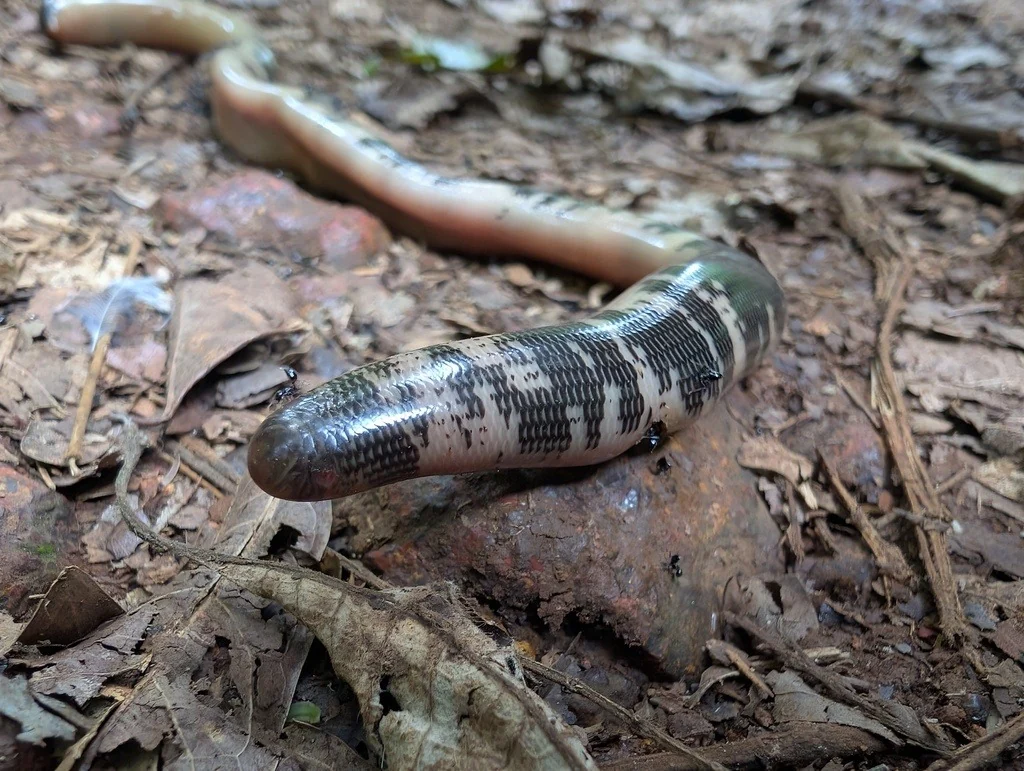
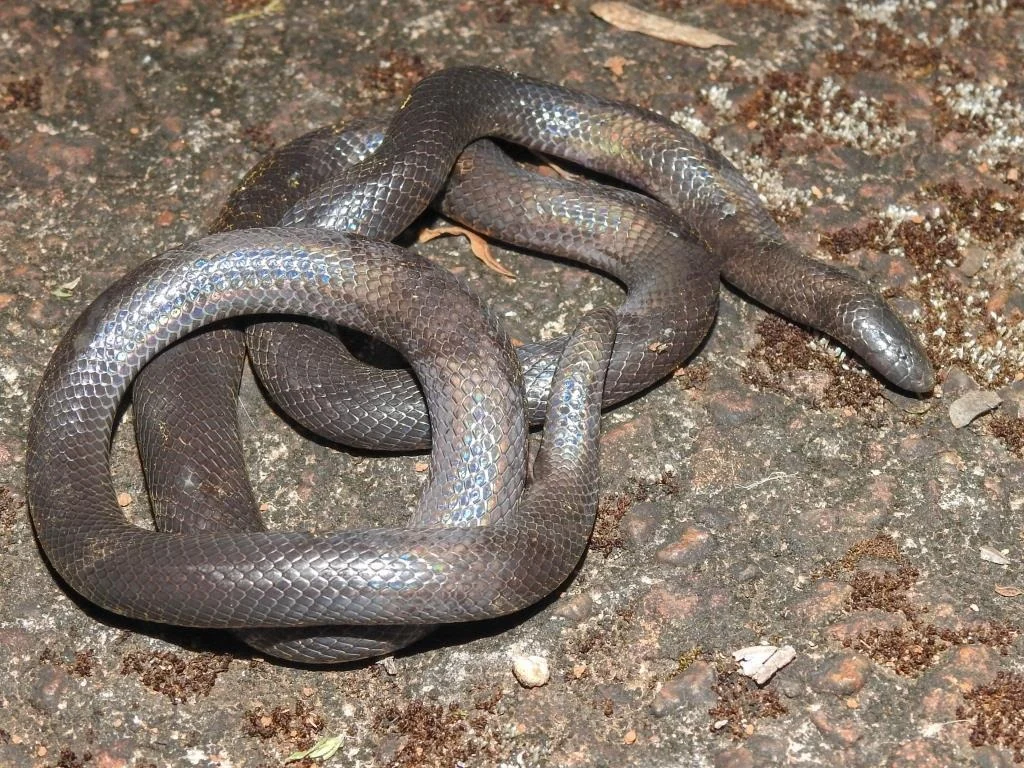
Afrotyphlops angolensis. Photographed alive. Figure 5, PEM R23357, en route to Cuito River source, Angola. Conradie et al. (2021), Amphibian & Reptile Conservation 15(2): 244–278 (e292). No new occurrence record is inferred.

001 · Typhlopidae

Angola blind snake

Afrotyphlops angolensis

(BOCAGE, 1866)

Non-venomous

The current taxonomic treatment explicitly lists this country. This is country-scale checklist evidence, not a claim of continuous occupancy or a complete regional inventory.

Read the species account →

Werner Conradie · CC BY 4.0 · https://creativecommons.org/licenses/by/4.0/

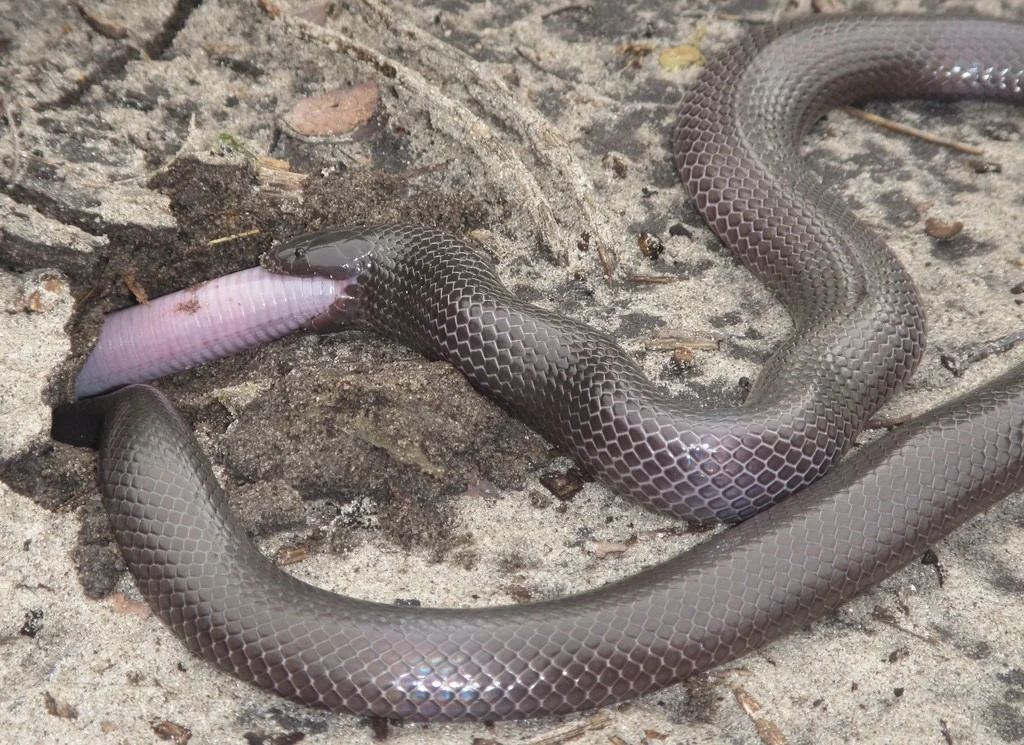
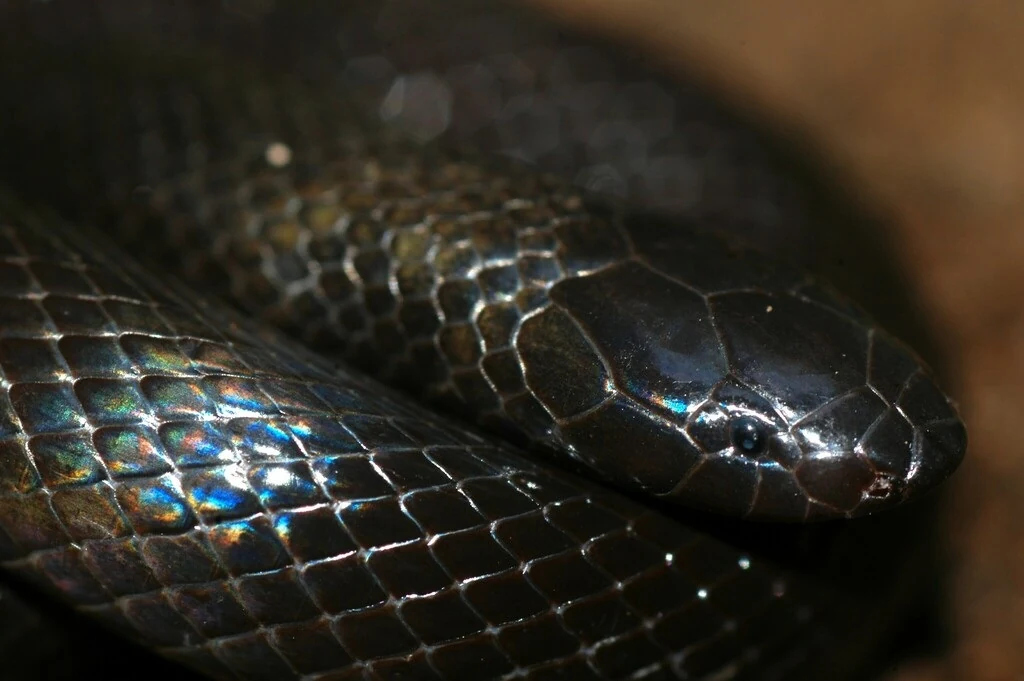
Afrotyphlops dinga, photographed 2020-10-15. Identification follows the linked research-grade observation.

002 · Typhlopidae

Zambezi Blind Snake

Afrotyphlops dinga

(PETERS, 1854)

Non-venomous

The current taxonomic treatment explicitly lists this country. This is country-scale checklist evidence, not a claim of continuous occupancy or a complete regional inventory.

Read the species account →

Jonathan Whitaker (iNaturalist contributor) · CC0 1.0 · https://creativecommons.org/publicdomain/zero/1.0/

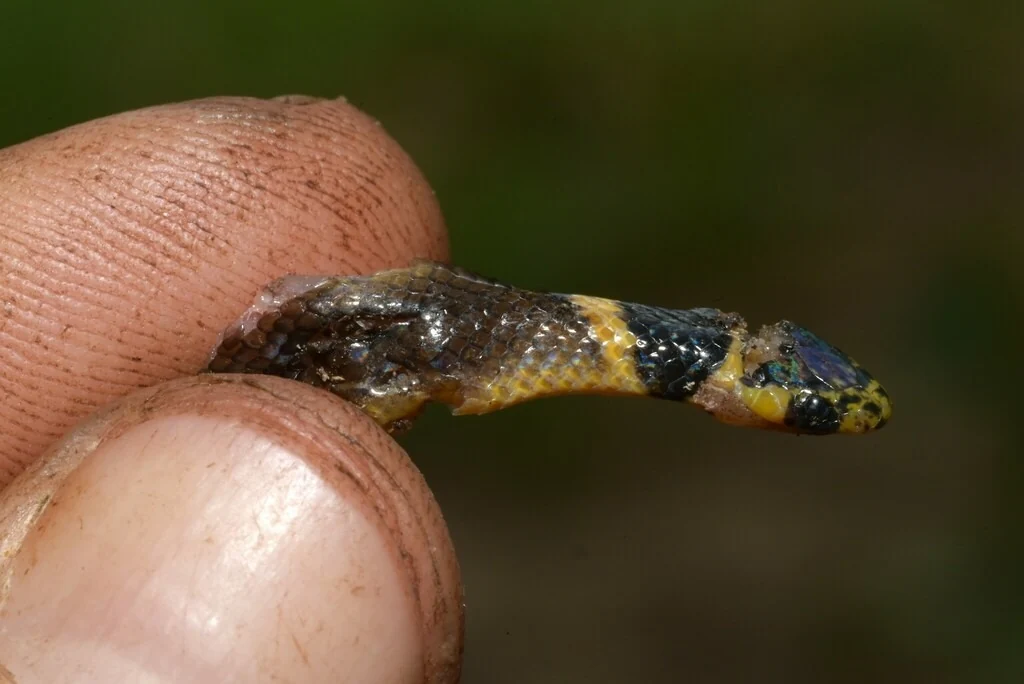
Afrotyphlops lineolatus; Hoima, Ouganda; photographed 2022-09-21.

004 · Typhlopidae

Common Lined Worm Snake, Lineolate Blind Snake

Afrotyphlops lineolatus

(JAN, 1864)

Non-venomous

The current taxonomic treatment explicitly lists this country. This is country-scale checklist evidence, not a claim of continuous occupancy or a complete regional inventory.

Read the species account →

Tommy Andriollo · CC BY 4.0 · https://creativecommons.org/licenses/by/4.0/

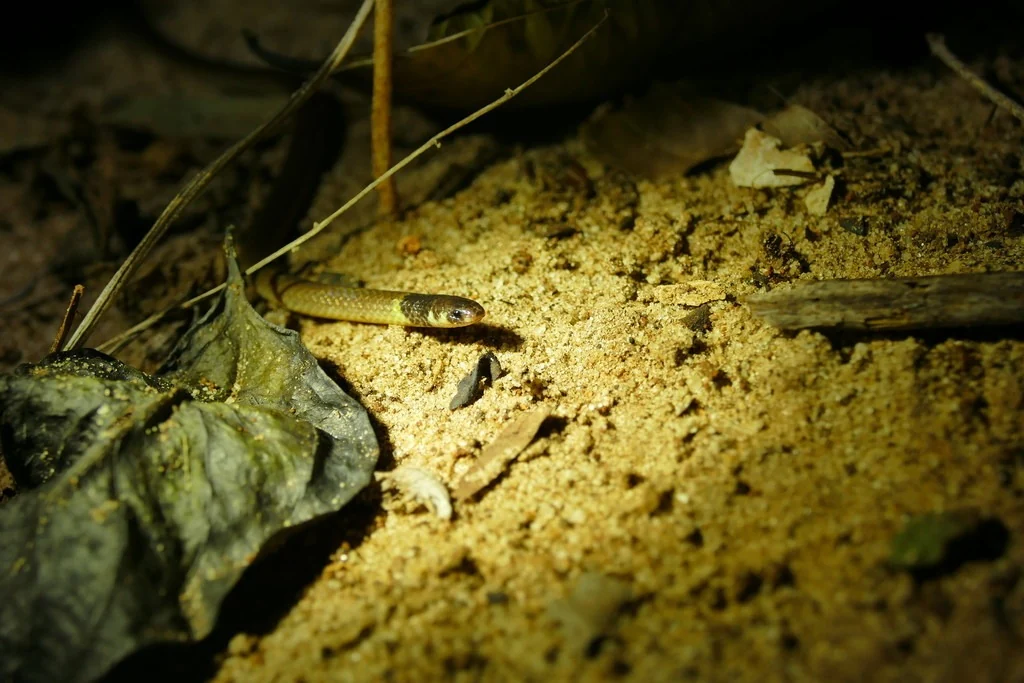
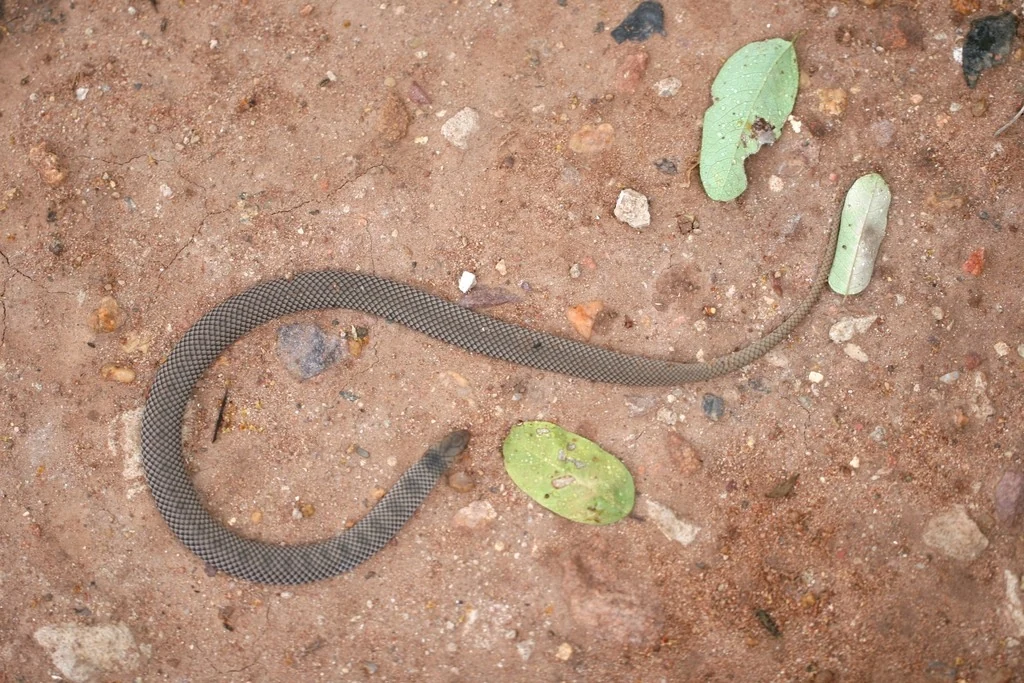
TyphlopidaeAfrotyphlopsPhotograph not yet documented

005 · Typhlopidae

Bicoloured blind skink

Afrotyphlops nigrocandidus

(BROADLEY & WALLACH, 2000)

Non-venomous

The current taxonomic treatment explicitly lists this country. This is country-scale checklist evidence, not a claim of continuous occupancy or a complete regional inventory. The checked taxonomic treatment gives Kiranzi-Kitungulu Forest Reserve as the type-locality area. Its published place or administrative label places it within this atlas group…

Read the species account →
Afrotyphlops punctatus; Atiwa West, Ghana; photographed 2025-02-27.

007 · Typhlopidae

Spotted Blind Snake

Afrotyphlops punctatus

(LEACH, 1819)

Non-venomous

The current taxonomic treatment explicitly lists this country. This is country-scale checklist evidence, not a claim of continuous occupancy or a complete regional inventory.

Read the species account →

Zac Peterson · CC BY 4.0 · https://creativecommons.org/licenses/by/4.0/

Amblyodipsas polylepis; Ngamiland South District, Botswana; photographed 2018-02-22.

012 · Atractaspididae

Species account

Amblyodipsas polylepis

(BOCAGE, 1873)

Venom unknownNot yet assessed

The current taxonomic treatment explicitly lists this country. This is country-scale checklist evidence, not a claim of continuous occupancy or a complete regional inventory. Unguja: observation 198865532, 2024-02-06. Original records have agreeing research-grade identifications, wild status and open coordinates. Points and sampled reported uncertainty…

Read the species account →

Robert Taylor · CC BY 4.0 · https://creativecommons.org/licenses/by/4.0/

Aparallactus guentheri; Mwenga, Tanzania; photographed 2024-01-24.

013 · Atractaspididae

Black Centipede Eater

Aparallactus guentheri

BOULENGER, 1895

VenomousClinical severity not established

The current taxonomic treatment explicitly lists this country. This is country-scale checklist evidence, not a claim of continuous occupancy or a complete regional inventory. Mainland coast: observation 268137320, 2025-03-30. Original records have agreeing research-grade identifications, wild status and open coordinates. Points and sampled reported…

Read the species account →

no rights reserved · CC0 · https://creativecommons.org/publicdomain/zero/1.0/

Aparallactus jacksonii; Lungalunga, KE-KW, KE; photographed 2016-05-30.

014 · Atractaspididae

Jackson’s centipede-eater

Aparallactus jacksonii

(GÜNTHER, 1888)

VenomousClinical severity not established

The current taxonomic treatment explicitly lists this country. This is country-scale checklist evidence, not a claim of continuous occupancy or a complete regional inventory. The checked taxonomic treatment gives Foot of Mount Kilimanjaro as the type-locality area. Its published place or administrative label places it within this atlas group (Northern…

Read the species account →

Ewout Knoester · CC BY-SA 4.0 · https://creativecommons.org/licenses/by-sa/4.0/

Aparallactus lunulatus; Mopani, South Africa; photographed 2014-01-05.

015 · Atractaspididae

Plumbeous or Reticulated Centipede Eater

Aparallactus lunulatus

(PETERS, 1854)

VenomousClinical severity not established

The current taxonomic treatment explicitly lists this country. This is country-scale checklist evidence, not a claim of continuous occupancy or a complete regional inventory. The checked taxonomic treatment gives Arusha as the type-locality area. Its published place or administrative label places it within this atlas group (Northern mainland). This is…

Read the species account →

Cole Wolf · CC BY 4.0 · https://creativecommons.org/licenses/by/4.0/

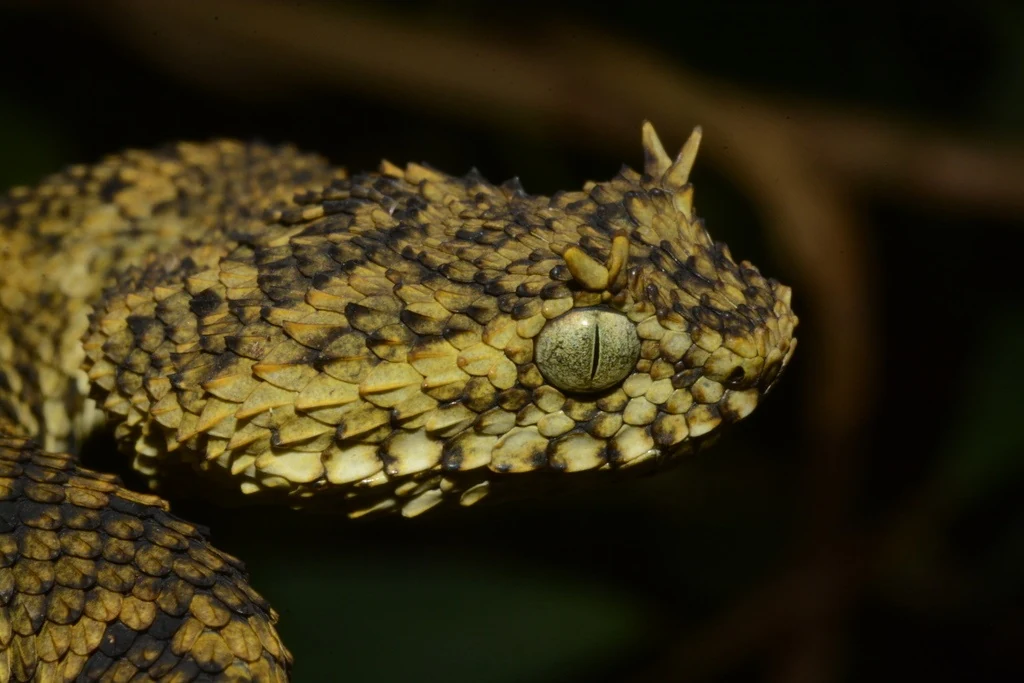
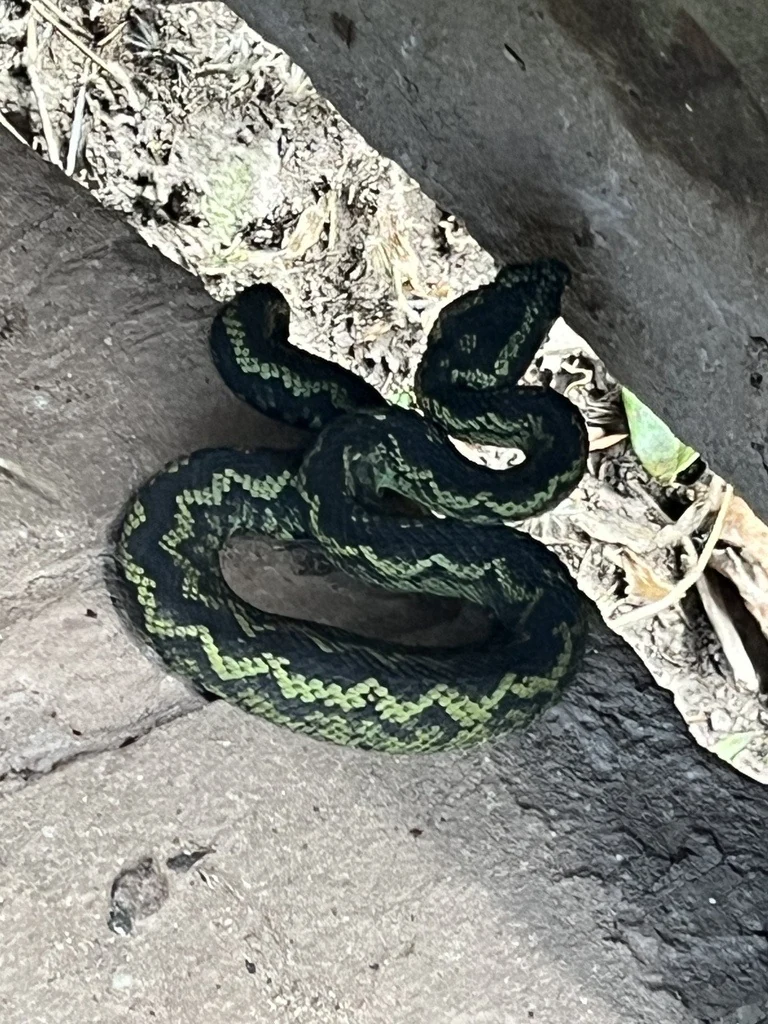
Atheris barbouri, photographed 2024-02-22. Identification follows the linked research-grade observation.

017 · Viperidae

Uzungwe Mountain Bush Viper

Atheris barbouri

LOVERIDGE, 1930

VenomousClinical severity not established

The current taxonomic treatment explicitly lists this country. This is country-scale checklist evidence, not a claim of continuous occupancy or a complete regional inventory. The checked taxonomic treatment gives Dabaga, Udzungwa Mountains as the type-locality area. Its published place or administrative label places it within this atlas group (Southern…

Read the species account →

Ryan van Huyssteen · CC BY 4.0 · https://creativecommons.org/licenses/by/4.0/

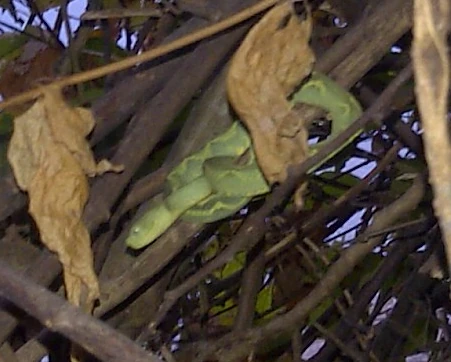
Atheris ceratophora, photographed 2022-04-05. Identification follows the linked research-grade observation.

018 · Viperidae

Usambara bush viper, horned bush viper

Atheris ceratophora

WERNER, 1896

VenomousClinical severity not established

The current taxonomic treatment explicitly lists this country. This is country-scale checklist evidence, not a claim of continuous occupancy or a complete regional inventory.

Read the species account →

John Lyakurwa · CC BY 4.0 · https://creativecommons.org/licenses/by/4.0/

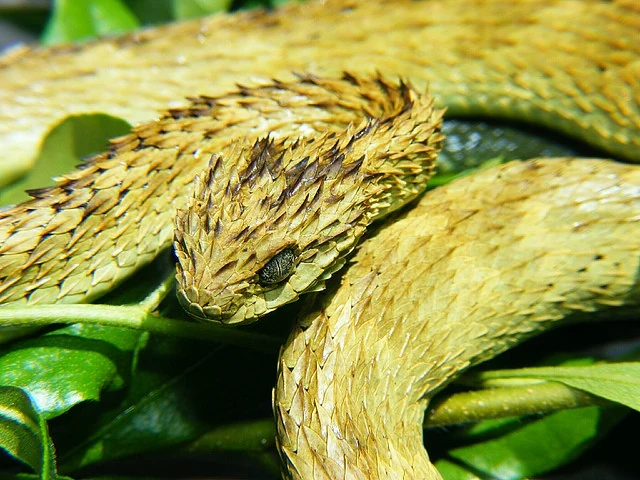
A Venomous African viper, photo taken 12 April, 2009

019 · Viperidae

African Hairy Bush Viper

Atheris hispida

LAURENT, 1955

VenomousClinical severity not established

The current taxonomic treatment explicitly lists this country. This is country-scale checklist evidence, not a claim of continuous occupancy or a complete regional inventory.

Read the species account →

Bree Mc, soulsurvivor08 at flickr.com · CC BY 2.0 · https://creativecommons.org/licenses/by/2.0

Atheris nitschei, photographed 2024-10-06. Identification follows the linked research-grade observation.

021 · Viperidae

Great Lakes Bush Viper

Atheris nitschei

TORNIER, 1902

VenomousClinical severity not established

The current taxonomic treatment explicitly lists this country. This is country-scale checklist evidence, not a claim of continuous occupancy or a complete regional inventory.

Read the species account →

Elliot Greiner · CC BY 4.0 · https://creativecommons.org/licenses/by/4.0/

Atheris rungweensis. Photographed alive. Source community identification; no new geographic occurrence record is inferred.

022 · Viperidae

Mt Rungwe bush viper

Atheris rungweensis

BOGERT, 1940

VenomousClinical severity not established

The current taxonomic treatment explicitly lists this country. This is country-scale checklist evidence, not a claim of continuous occupancy or a complete regional inventory. Western mainland: observation 373013660, 2026-06-03. Western mainland: observation 334332193, 2026-01-08. Southern highlands: observation 331667487, 2024-11-12. Southern highlands:…

Read the species account →

Eric Matthews · CC BY 4.0 · https://creativecommons.org/licenses/by/4.0/

Atractaspis aterrima; Man, Côte d'Ivoire; photographed 2019-11-19.

023 · Atractaspididae

Mole Viper, Slender Burrowing Asp

Atractaspis aterrima

GÜNTHER, 1863

VenomousClinical severity not established

The current taxonomic treatment explicitly lists this country. This is country-scale checklist evidence, not a claim of continuous occupancy or a complete regional inventory.

Read the species account →

Dérozier Violette · CC BY 4.0 · https://creativecommons.org/licenses/by/4.0/

Atractaspis bibronii, photographed 2010-12-10. Identification follows the linked research-grade observation.

024 · Atractaspididae

Bibron’s Stiletto Snake, Southern or Bibron's Burrowing Asp, Mole Viper

Atractaspis bibronii

SMITH, 1849

VenomousClinical severity not established

The current taxonomic treatment explicitly lists this country. This is country-scale checklist evidence, not a claim of continuous occupancy or a complete regional inventory.

Read the species account →

Marius Burger (iNaturalist contributor) · CC0 1.0 · https://creativecommons.org/publicdomain/zero/1.0/

The research library

Sources & the checklist.

This edition lists 157 species with supported country records from checked taxonomic treatments and cited field studies. This total includes 1 record marked as introduced; it is not a native-species total. It is not a claim of a complete national inventory. Each account retains its source and check date; individual evidence entries retain their own review dates.

Range and taxonomy review

Country links use a single accepted species identity. Revised names and disputed records are kept visible here; uncertain records do not enter the listed collection or regional totals.

Indotyphlops braminus

Introduced occurrence

Cosmopolitan transported species: countries denotes supported occurrence, not a claim of native status. IntroducedCountries captures explicit source introductions; native/introduced status of the remaining localities is unresolved. Broad New Guinea and Micronesia are not converted to countries. The current taxonomic treatment explicitly lists this country. This is country-scale checklist evidence, not a claim of continuous occupancy or a complete regional inventory. This population is treated as introduced rather than native.

Source 1 ↗

Amblyodipsas unicolor

Uncertain — excluded from the listed total

The checked treatment contains a conflicting, superseded or insufficiently corroborated country report. It is retained for review and excluded from positive counts; this is not an assertion of absence.

Source 1 ↗
Crotaphopeltis degeni

Uncertain — excluded from the listed total

The checked treatment contains a conflicting, superseded or insufficiently corroborated country report. It is retained for review and excluded from positive counts; this is not an assertion of absence.

Source 1 ↗
Duberria shirana

Uncertain — excluded from the listed total

The checked treatment contains a conflicting, superseded or insufficiently corroborated country report. It is retained for review and excluded from positive counts; this is not an assertion of absence.

Source 1 ↗
Hapsidophrys smaragdina

Uncertain — excluded from the listed total

The checked treatment contains a conflicting, superseded or insufficiently corroborated country report. It is retained for review and excluded from positive counts; this is not an assertion of absence.

Source 1 ↗
Lycophidion taylori

Uncertain — excluded from the listed total

The checked treatment contains a conflicting, superseded or insufficiently corroborated country report. It is retained for review and excluded from positive counts; this is not an assertion of absence.

Source 1 ↗
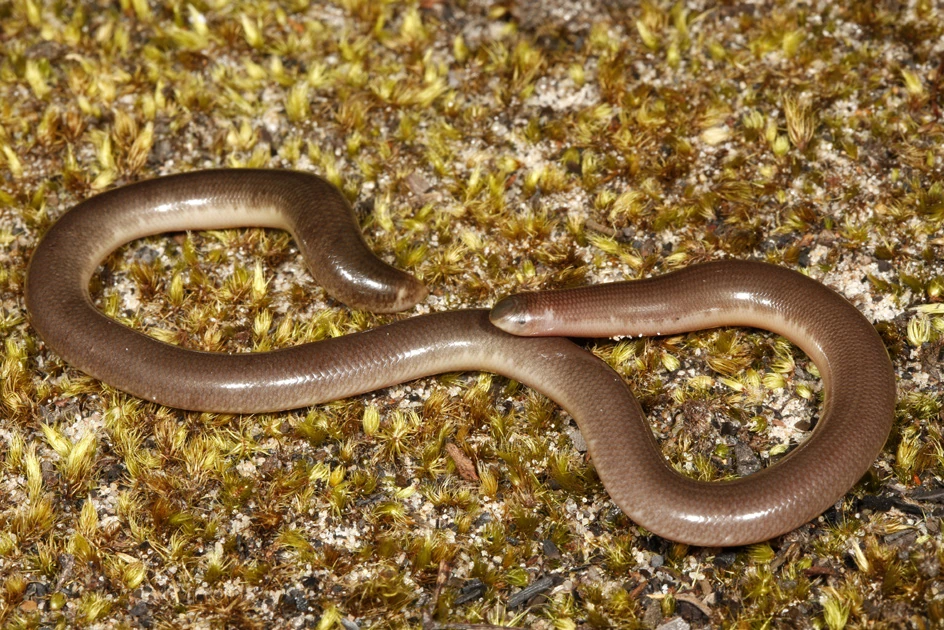
Platyceps smithii

Uncertain — excluded from the listed total

The checked treatment contains a conflicting, superseded or insufficiently corroborated country report. It is retained for review and excluded from positive counts; this is not an assertion of absence.

Source 1 ↗
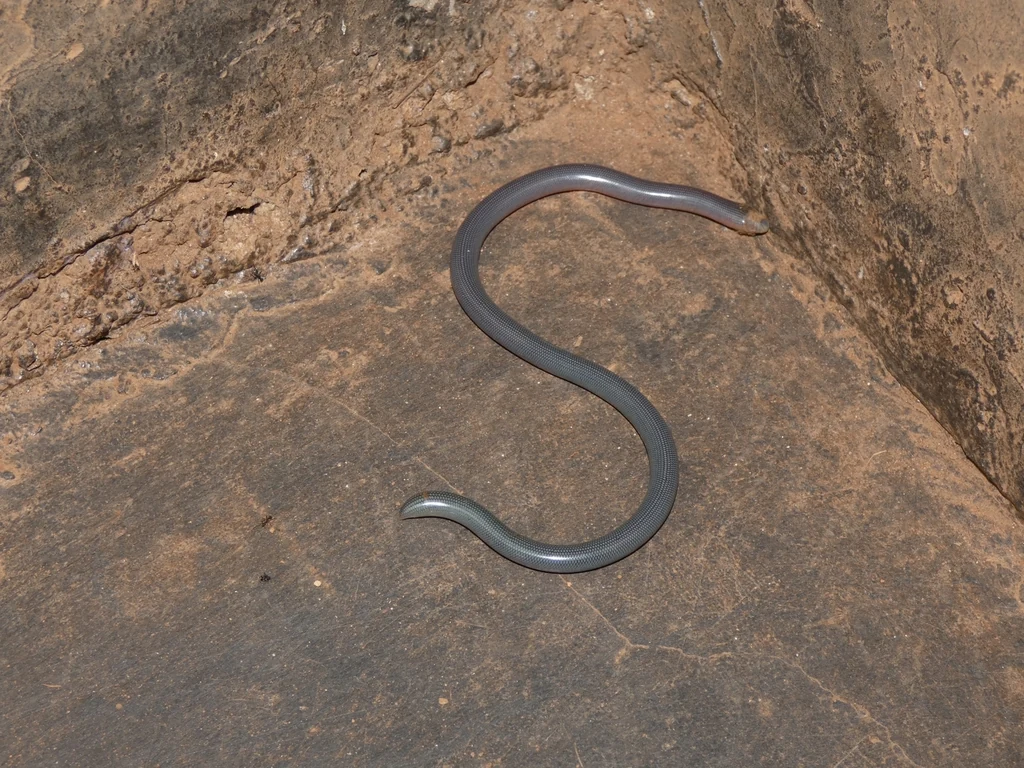
Prosymna ruspolii

Uncertain — excluded from the listed total

The checked treatment contains a conflicting, superseded or insufficiently corroborated country report. It is retained for review and excluded from positive counts; this is not an assertion of absence.

Source 1 ↗
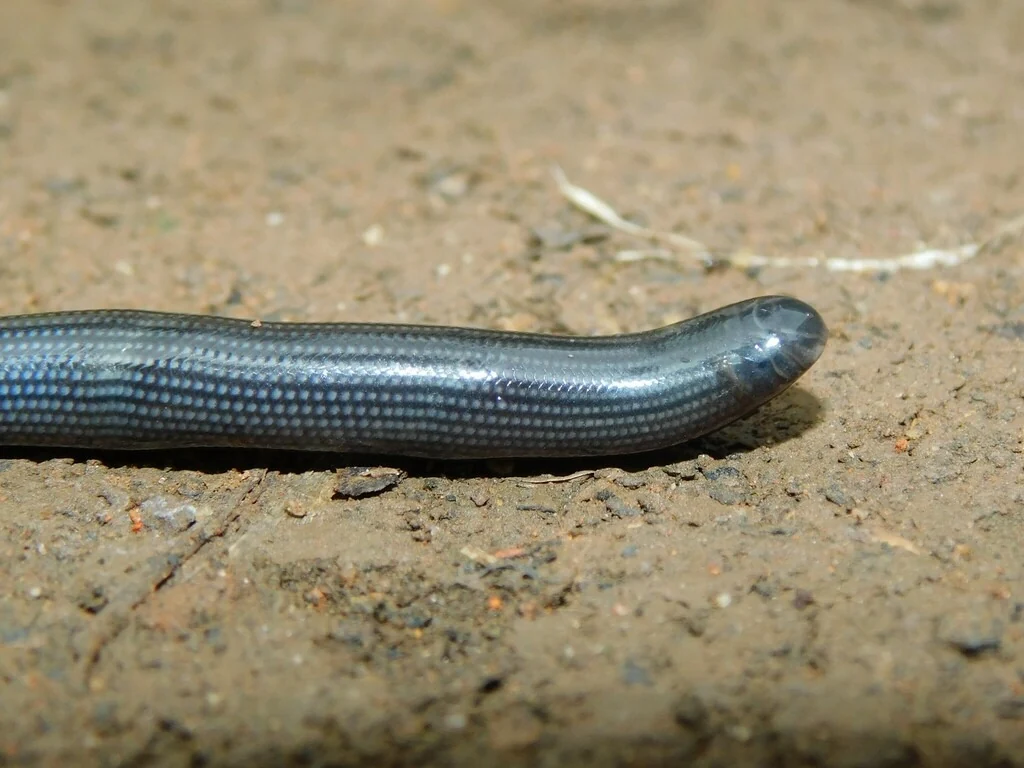
How the map and counts work

Search results were checked against distribution text and taxonomic qualifications. A geographic name alone does not establish a political country: New Guinea, the Solomon archipelago and Micronesia span more than one country or territory. Introduced and unresolved records require separate interpretation.

Place counts require explicit named localities, including valid type localities. Counts can overlap where sources name multiple places. Regional maps group historical boundary snapshots for navigation, while island outlines use Natural Earth; neither is a species range or an observation map. Small islands can be below the outline dataset’s resolution, so geographic reference markers and the directory remain available.

OpenStreetMap, Wambacher; geoBoundaries gbOpen ADM1, 2015 snapshot; Open Data Commons Open Database License 1.0. Map provenance →

Exclusions & qualifications (7)

Amblyodipsas unicolor

The checked treatment contains a conflicting, superseded or insufficiently corroborated country report. It is retained for review and excluded from positive counts; this is not an assertion of absence.

Read source 1 ↗

Crotaphopeltis degeni

The checked treatment contains a conflicting, superseded or insufficiently corroborated country report. It is retained for review and excluded from positive counts; this is not an assertion of absence.

Read source 1 ↗

Duberria shirana

The checked treatment contains a conflicting, superseded or insufficiently corroborated country report. It is retained for review and excluded from positive counts; this is not an assertion of absence.

Read source 1 ↗

Hapsidophrys smaragdina

The checked treatment contains a conflicting, superseded or insufficiently corroborated country report. It is retained for review and excluded from positive counts; this is not an assertion of absence.

Read source 1 ↗

Lycophidion taylori

The checked treatment contains a conflicting, superseded or insufficiently corroborated country report. It is retained for review and excluded from positive counts; this is not an assertion of absence.

Read source 1 ↗

Platyceps smithii

The checked treatment contains a conflicting, superseded or insufficiently corroborated country report. It is retained for review and excluded from positive counts; this is not an assertion of absence.

Read source 1 ↗

Prosymna ruspolii

The checked treatment contains a conflicting, superseded or insufficiently corroborated country report. It is retained for review and excluded from positive counts; this is not an assertion of absence.

Read source 1 ↗
  1. Map boundaries, snapshot and group membership ↗
  2. Convention on Biological Diversity · United Republic of Tanzania national profile ↗
  3. The Reptile Database

    Individual treatments and locality evidence are linked from each species account.

  4. Meiri (2024): SquamBase 1.0

    Species-level literature measurements and ecological traits. Exact-name matches only; imputed or ambiguous fields are omitted. These summaries are not local observations.

  5. Natural Earth: public-domain geographic data

Continue through the Africa atlas →