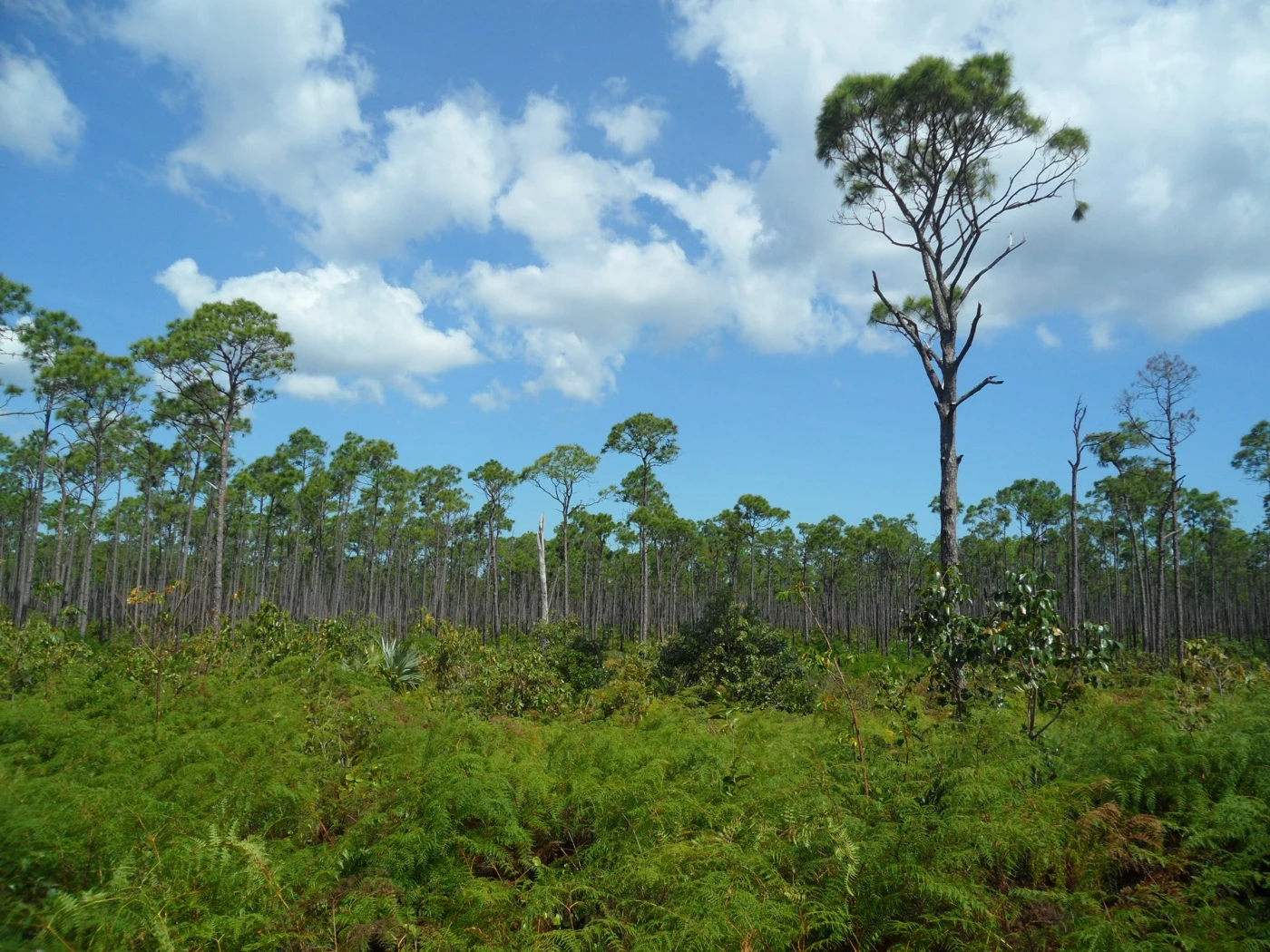
Pine woodland and undergrowth in the Bahamas.

The Bahamas · The country atlas

The Bahamas

Explore the archipelago through eight island groups, keeping national records separate from records naming a particular island or cay.

15species with extracted evidence
5families
8island guides

Pine woodland and undergrowth in the Bahamas.

Photograph: EgorovaSvetlana · Image source · CC BY-SA 4.0. Cropped to fill the hero; darkened for text legibility.

Geography & biotopes

Discover The Bahamas.

Explore the archipelago through eight island groups, keeping national records separate from records naming a particular island or cay.

Historical boundary snapshots are grouped for navigation, not ecological zones, species ranges or a statement of current administrative arrangements. Markers identify guide pages, not animal observations.

Map provenance and declared navigation groups →

Convention on Biological Diversity · The Bahamas national profile →

Geography is part of the record

Find your way through The Bahamas.

Select a named island to open its evidence page. The complete directory below keeps every guide accessible, including places where locality evidence has not yet been extracted.

5 of 15 listed species have at least one indexed island record. 10 remain country-only. Even a nonzero count is not a complete regional inventory.

Habitats & living landscapes

Explore the living
landscapes.

Explore 3 guides to the environments, places and conservation pressures that shape this country. Each guide connects to the regional map and shared species accounts.

Landscape photographs & credits

Pine woodland and undergrowth in the Bahamas. — EgorovaSvetlana. Original photograph · CC BY-SA 4.0. Cropped for the cards; photographs do not establish snake occurrence.

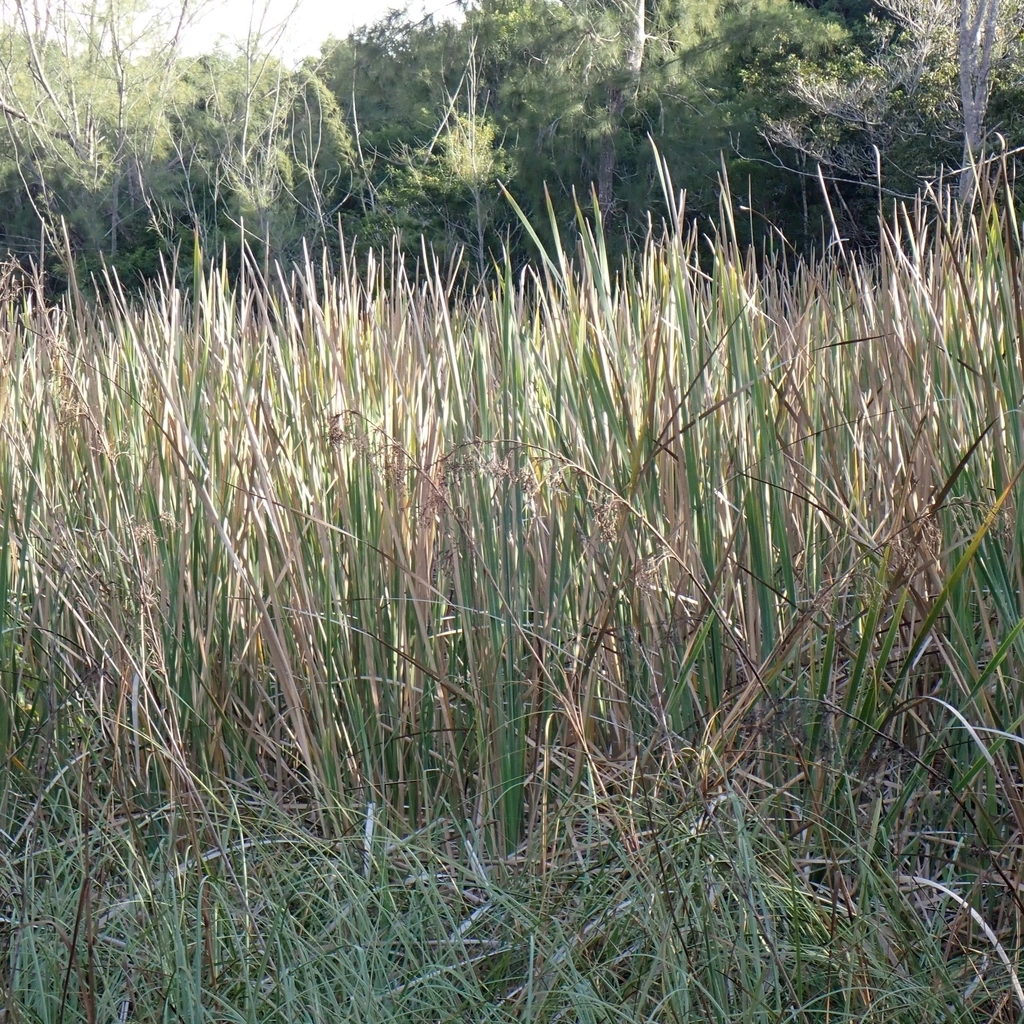
Cattail wetland vegetation in the Berry Islands, The Bahamas, photographed in January 2026. No plant species identification or water salinity is inferred. Habitat context only; no snake occurrence is inferred. — Peter Burka. Original photograph · CC BY-SA 4.0. Cropped for the cards; photographs do not establish snake occurrence.

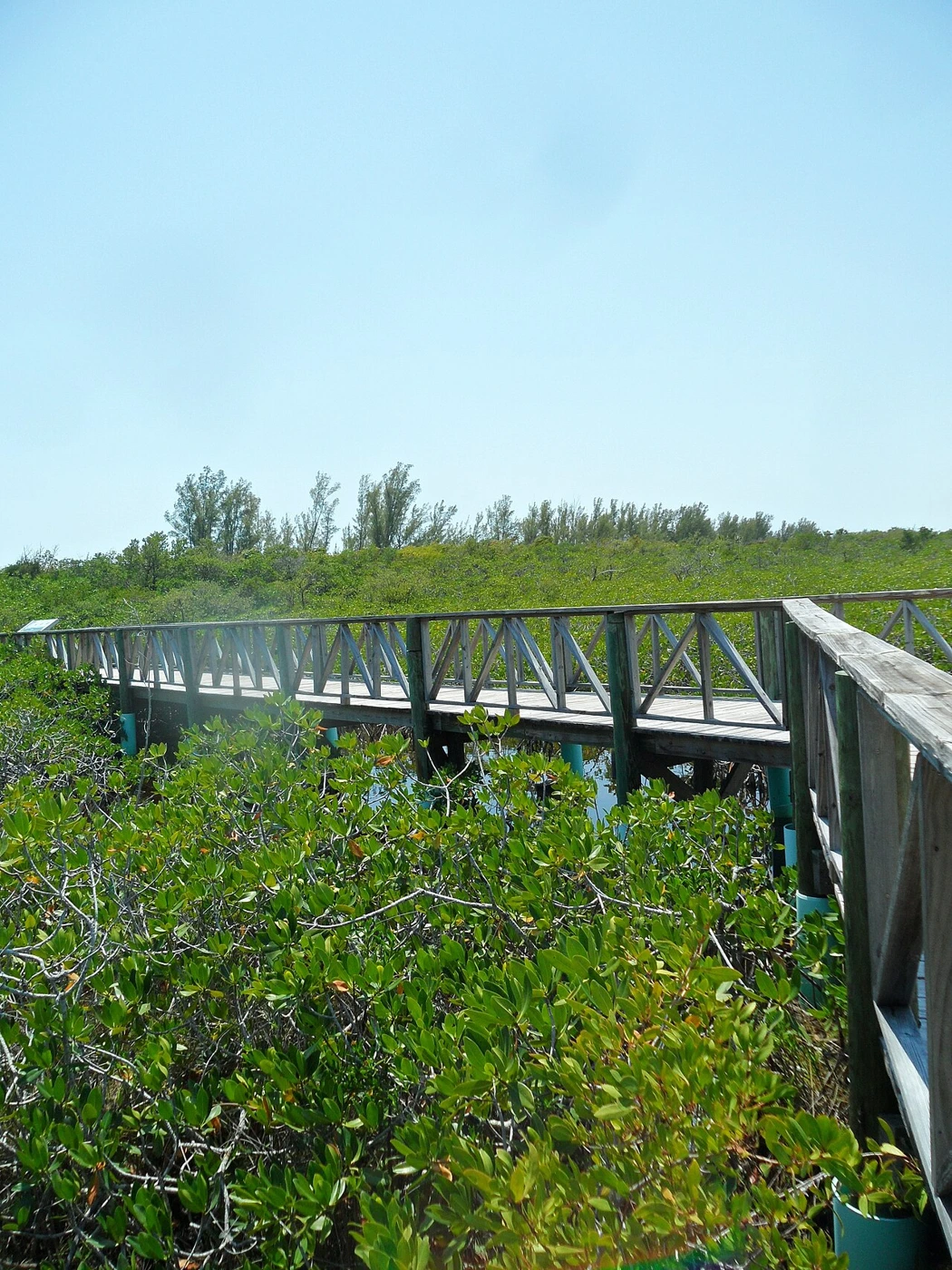
Mangrove vegetation beside the Gold Rock Creek boardwalk in Lucayan National Park, Grand Bahama. — EgorovaSvetlana. Original photograph · CC BY-SA 4.0. Cropped for the cards; photographs do not establish snake occurrence.

The species catalogue

Meet the snakes of The Bahamas.

Search scientific names, historical names, common names and families. Every card opens one shared account across its documented countries.

15 species · showing 15

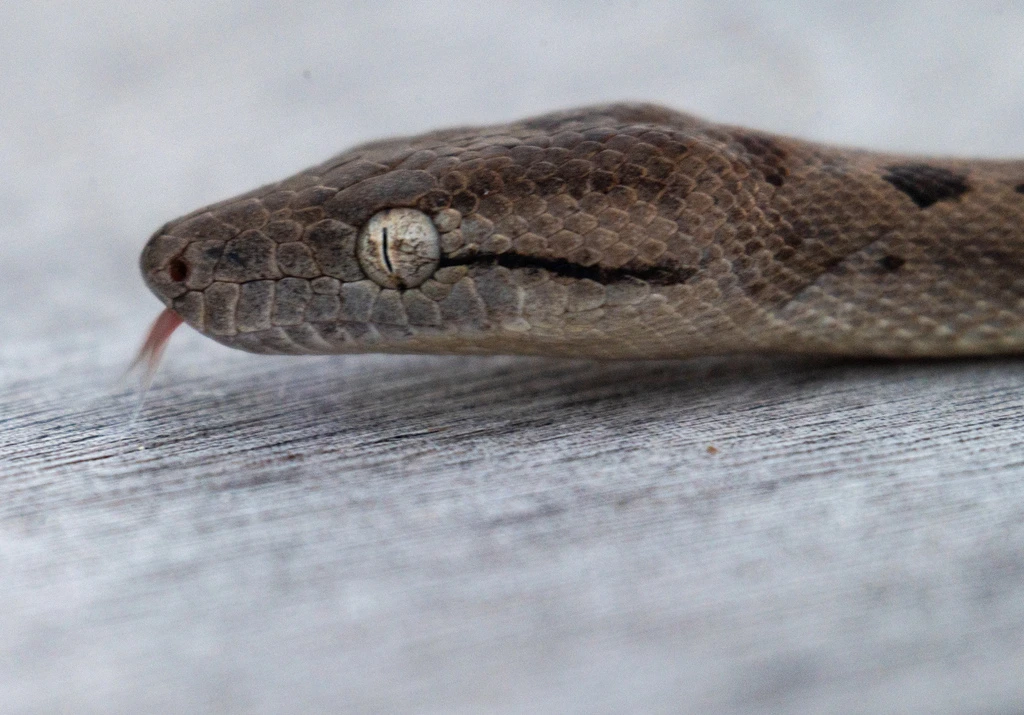
Chilabothrus chrysogaster. Side view of the head and eye. Original observation dated 2025-11-27. Portrait only; no new locality record is inferred.

002 · Boidae

Turk's Island Boa, South Bahamian Boa;

Chilabothrus chrysogaster

(COPE, 1871)

Non-venomous

The checked taxonomic distribution account explicitly lists The Bahamas. Country-level evidence does not establish continuous occupancy or a complete national inventory.

Read the species account →

gwar · CC BY 4.0 · https://creativecommons.org/licenses/by/4.0/

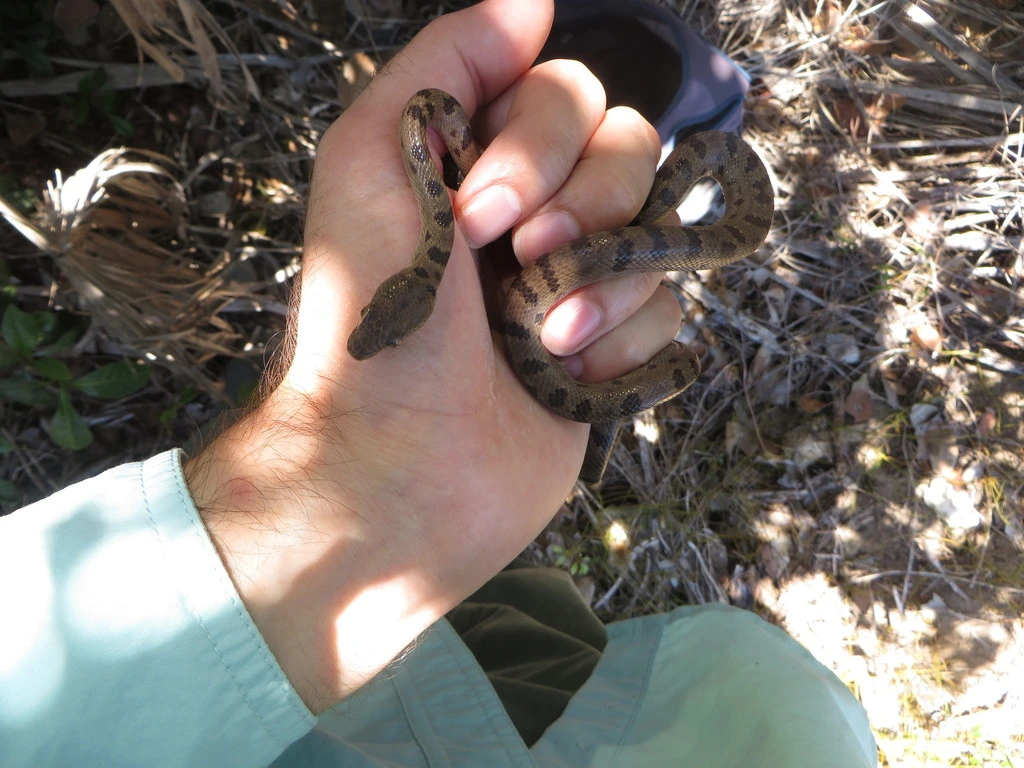
Chilabothrus exsul. An individual photographed while being handled; the head and blotched body are visible. Original observation dated 2019-04-22. Portrait only; no new locality record is inferred.

003 · Boidae

Abaco Islands Boa, Abaco Island Boa

Chilabothrus exsul

(NETTING & GOIN, 1944)

Non-venomous

The checked taxonomic distribution account explicitly lists The Bahamas. Country-level evidence does not establish continuous occupancy or a complete national inventory.

Read the species account →

Ben Machado · CC BY 4.0 · https://creativecommons.org/licenses/by/4.0/

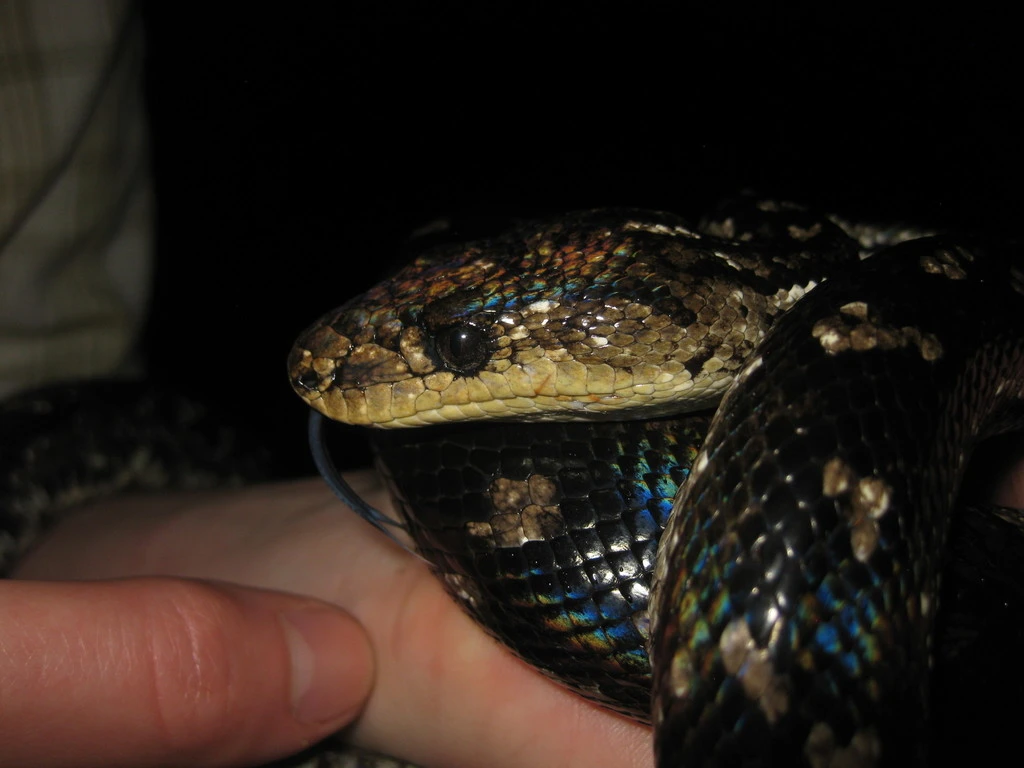
Chilabothrus strigilatus. Handled individual showing the head and tongue. Original observation dated 2012-05-15. Portrait only; no new locality record is inferred.

004 · Boidae

Bahamian Boa; strigilatus: Bahamian boa; ailurus: Cat Island boa; fosteri: Bimini boa; fowleri: Andros boa; maccraniei: Ragged Island boa

Chilabothrus strigilatus

(COPE, 1862)

Non-venomous

The checked taxonomic distribution account explicitly lists The Bahamas. Country-level evidence does not establish continuous occupancy or a complete national inventory. The treatment names these subdivisions in its The Bahamas distribution clause: Cat Island. They are assigned to the declared atlas navigation groups; this is not a field observation, a…

Read the species account →

Kevin Judge · CC BY 4.0 · https://creativecommons.org/licenses/by/4.0/

Coluber constrictor. Species portrait; the complete source frame is retained. Original observation dated 2020-05-30. This photograph does not establish occurrence in any additional state or province.

005 · Colubridae

Eastern Racer

Coluber constrictor

LINNAEUS, 1758

Venom unknownNot yet assessed

The checked taxonomic distribution account explicitly lists The Bahamas. Country-level evidence does not establish continuous occupancy or a complete national inventory. The source population is treated as introduced.

Read the species account →

Jonathan Eisen · CC BY 4.0 · https://creativecommons.org/licenses/by/4.0/

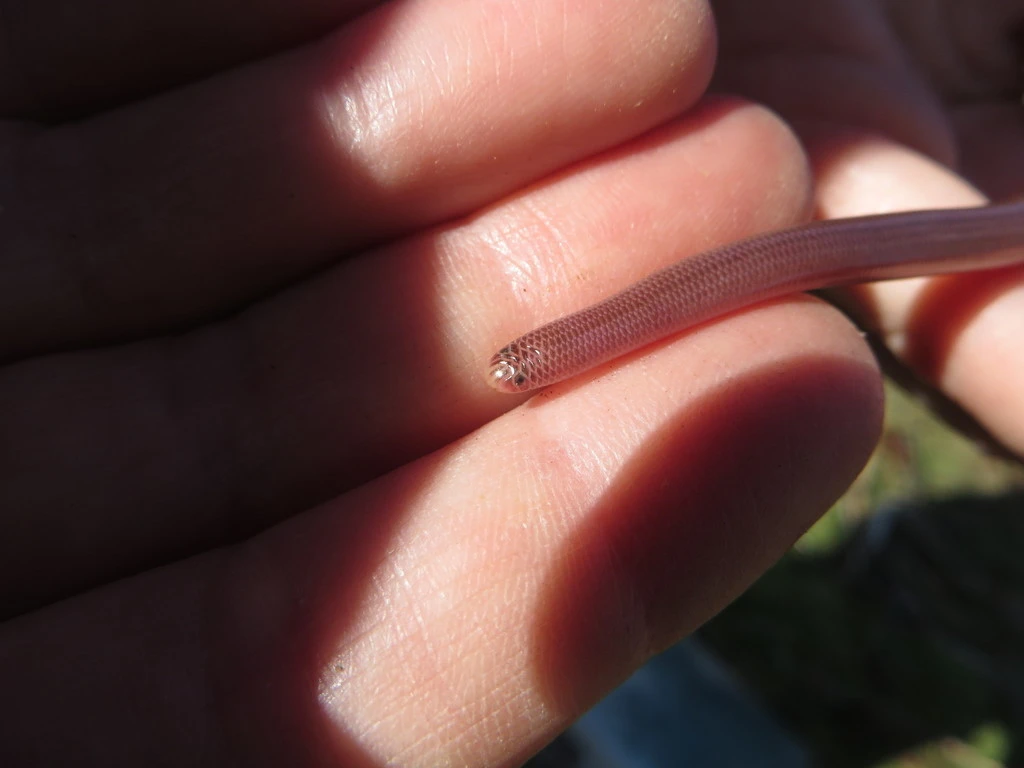
Cubatyphlops biminiensis. Close view of a small individual on a hand. Original observation dated 2018-03-05. Portrait only; no new locality record is inferred.

006 · Typhlopidae

Bahaman Slender Blindsnake

Cubatyphlops biminiensis

(RICHMOND, 1955)

Non-venomous

The checked taxonomic distribution account explicitly lists The Bahamas. Country-level evidence does not establish continuous occupancy or a complete national inventory.

Read the species account →

Ben Machado · CC BY 4.0 · https://creativecommons.org/licenses/by/4.0/

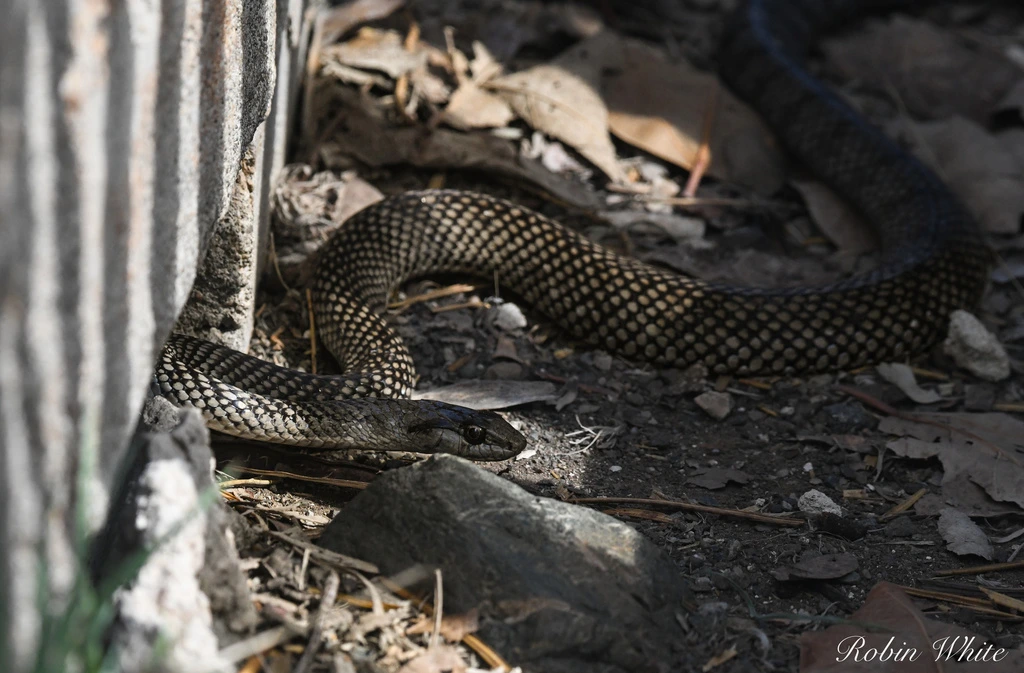
Cubophis cantherigerus. Whole animal beside a wall; original photographer watermark retained. Original observation dated 2023-11-09. No additional geographic occurrence is inferred.

007 · Colubridae

Cuban Racer

Cubophis cantherigerus

(BIBRON, 1843)

Venom unknownNot yet assessed

The checked taxonomic distribution account explicitly lists The Bahamas. Country-level evidence does not establish continuous occupancy or a complete national inventory.

Read the species account →

Robin White · CC BY 4.0 · https://creativecommons.org/licenses/by/4.0/

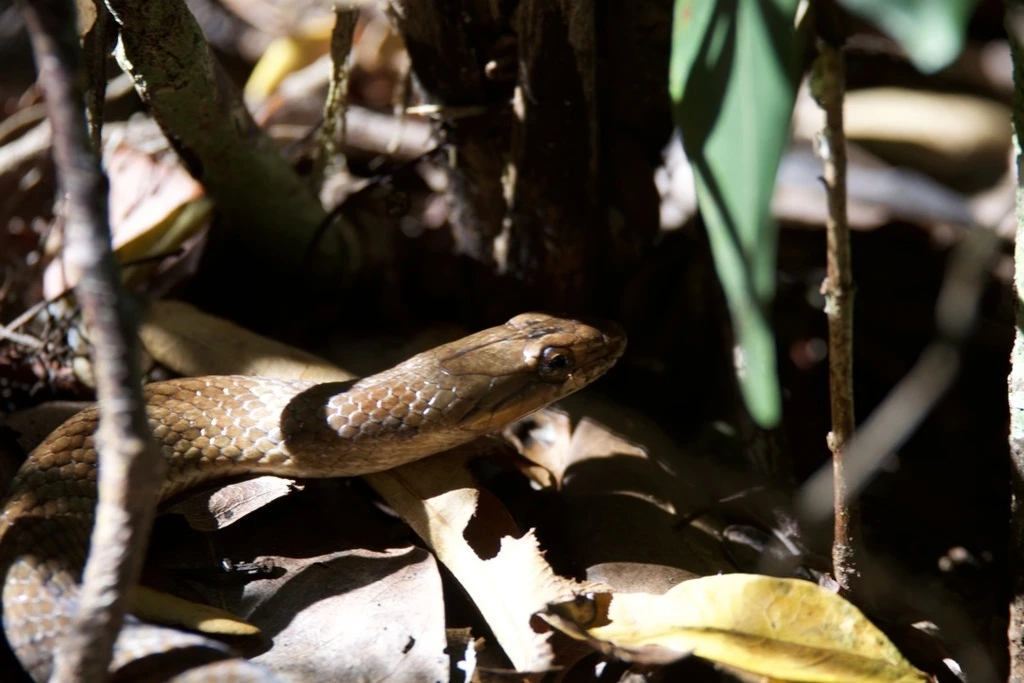
Cubophis vudii. Head raised among dry leaves. Original observation dated 2018-11-24. Portrait only; no new locality record is inferred.

008 · Colubridae

Bahamian Racer

Cubophis vudii

(COPE, 1862)

Venom unknownNot yet assessed

The checked taxonomic distribution account explicitly lists The Bahamas. Country-level evidence does not establish continuous occupancy or a complete national inventory. The treatment names these subdivisions in its The Bahamas distribution clause: San Salvador. They are assigned to the declared atlas navigation groups; this is not a field observation, a…

Read the species account →

otomops · CC BY 4.0 · https://creativecommons.org/licenses/by/4.0/

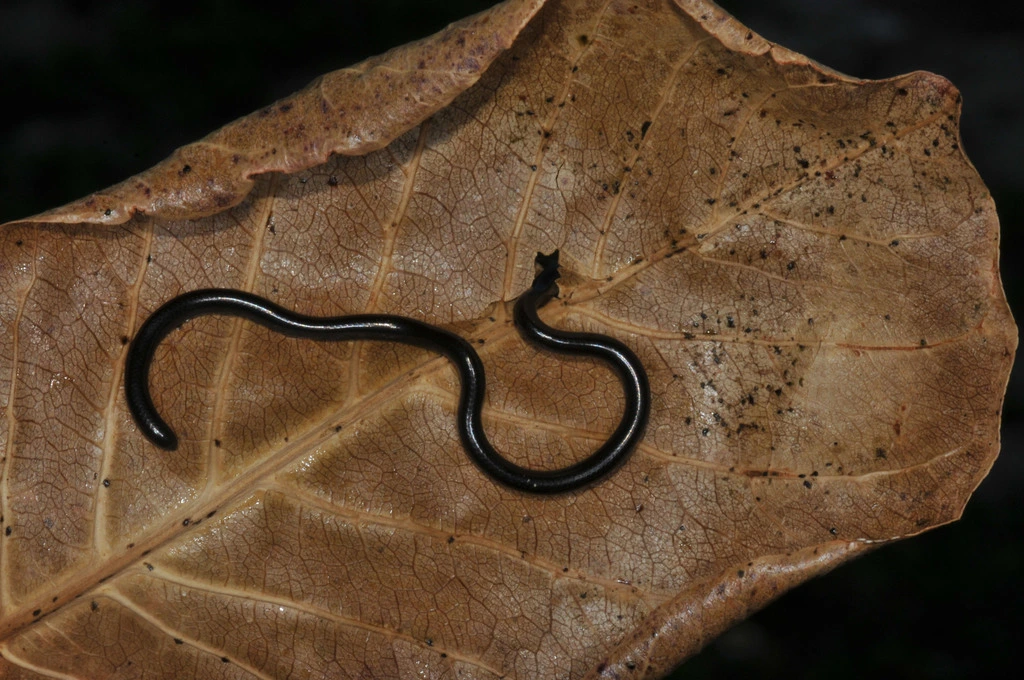
Epictia columbi. Whole dark animal on a brown leaf. Original observation dated 2012-05-10. No additional geographic occurrence is inferred.

009 · Leptotyphlopidae

Bahamian Threadsnake, San Salvador Blind Snake

Epictia columbi

(KLAUBER, 1939)

Non-venomous

The checked taxonomic distribution account explicitly lists The Bahamas. Country-level evidence does not establish continuous occupancy or a complete national inventory. The treatment names these subdivisions in its The Bahamas distribution clause: San Salvador. They are assigned to the declared atlas navigation groups; this is not a field observation, a…

Read the species account →

Tom Kennedy · CC BY 4.0 · https://creativecommons.org/licenses/by/4.0/

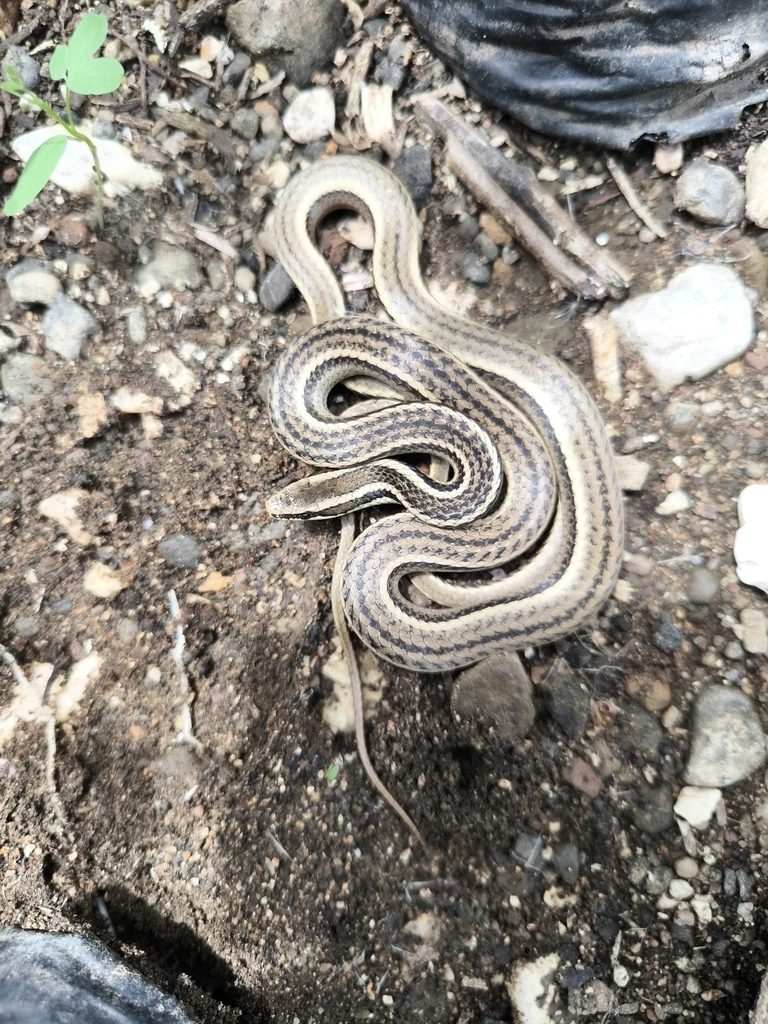
Hypsirhynchus parvifrons. Striped individual coiled on stony ground. Original observation dated 2026-04-24. Portrait only; no new locality record is inferred.

010 · Colubridae

Common Hispaniolan Racer, Cope's Antilles Snake, Hispaniolan black racer

Hypsirhynchus parvifrons

(COPE, 1862)

Venom unknownNot yet assessed

The checked taxonomic distribution account explicitly lists The Bahamas. Country-level evidence does not establish continuous occupancy or a complete national inventory. The treatment names these subdivisions in its The Bahamas distribution clause: Inagua. They are assigned to the declared atlas navigation groups; this is not a field observation, a…

Read the species account →

Brian Oakes Haiti Hunter · CC BY 4.0 · https://creativecommons.org/licenses/by/4.0/

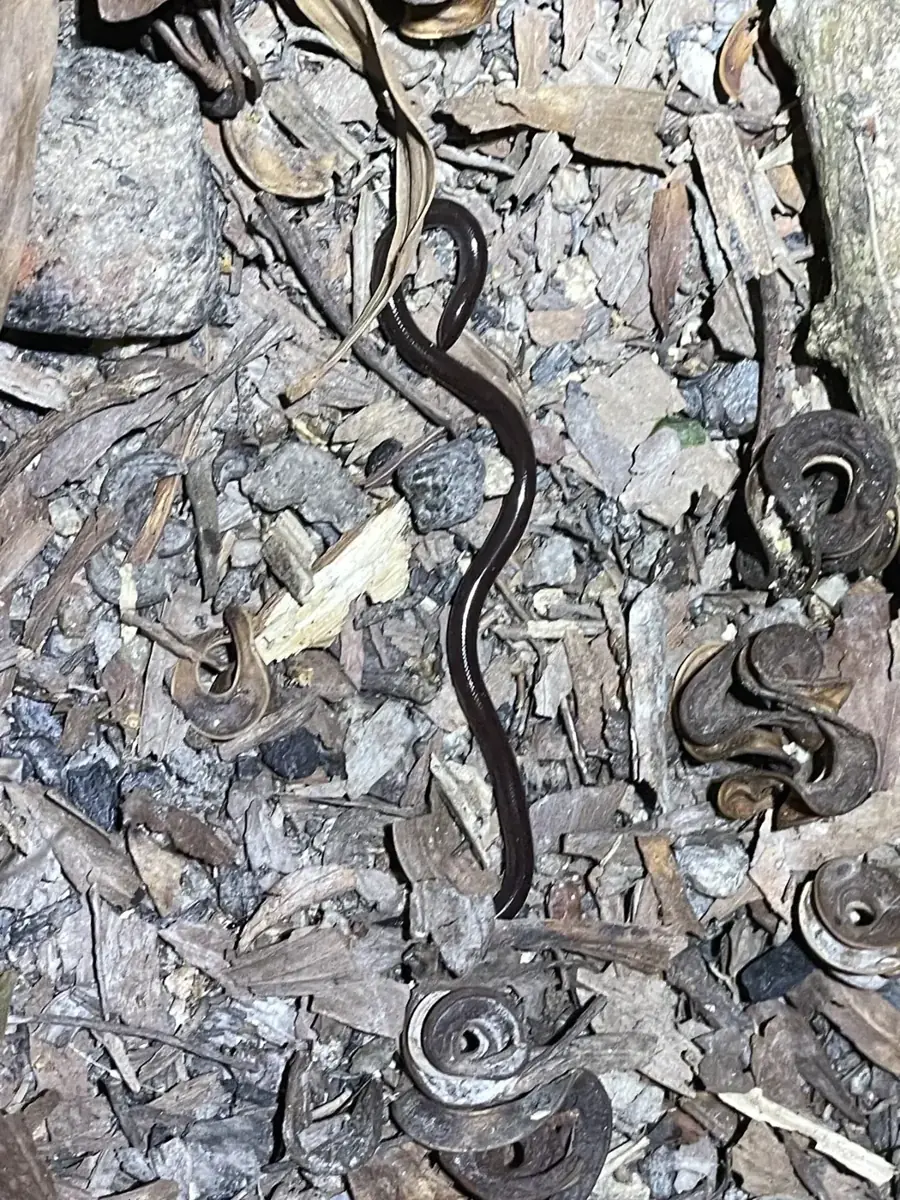
Indotyphlops braminus — photographed on Ko Pha-ngan, Thailand.

011 · Typhlopidae

Flowerpot Snake

Indotyphlops braminus

(DAUDIN, 1803)

Non-venomous

Explicitly introduced in the checked distribution source. The checked taxonomic distribution account explicitly lists The Bahamas. Country-level evidence does not establish continuous occupancy or a complete national inventory. The source population is treated as introduced.

Read the species account →

Cook-Price, Makchai & Suwanwaree (2026); photographs credited collectively to the author, James Covert and Vikas Kumar · CC BY 4.0 · https://creativecommons.org/licenses/by/4.0/

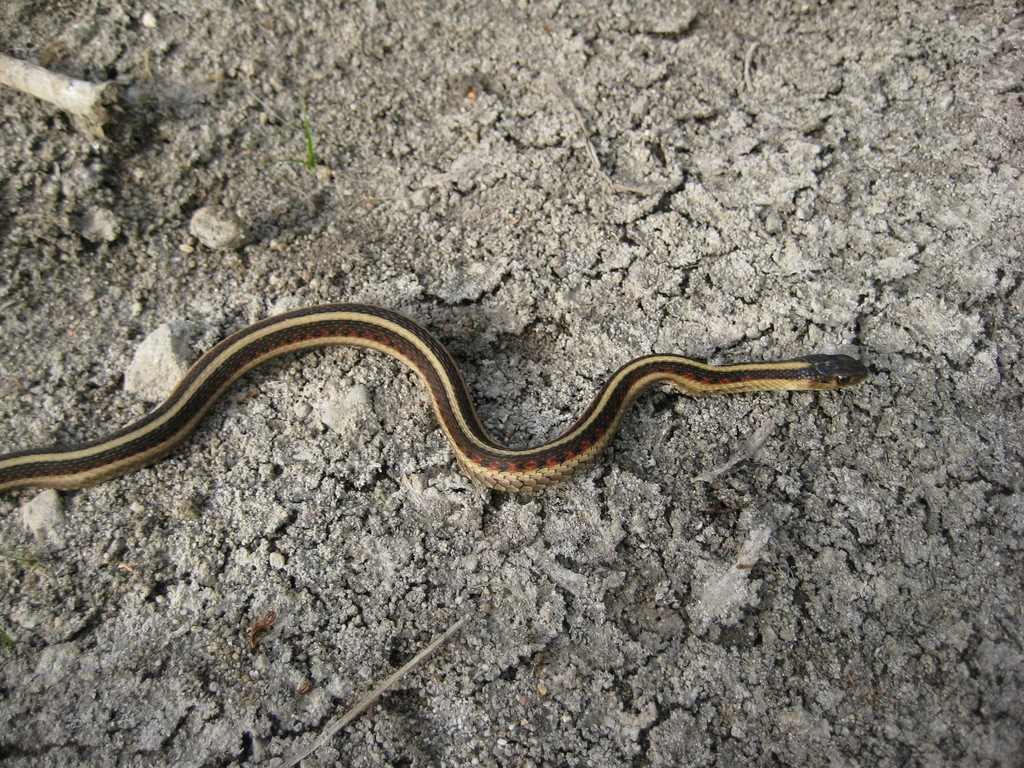
Thamnophis sirtalis. South-coast colour form; portrait use does not extend its locality to other regions. Original observation dated 2009-04-13. This photograph does not establish occurrence in any additional state or province.

012 · Colubridae

Common Garter Snake

Thamnophis sirtalis

(LINNAEUS, 1758)

VenomousClinical severity not established

The checked taxonomic distribution account explicitly lists The Bahamas. Country-level evidence does not establish continuous occupancy or a complete national inventory.

Read the species account →

kclarksdnhmorg · CC BY 4.0 · https://creativecommons.org/licenses/by/4.0/

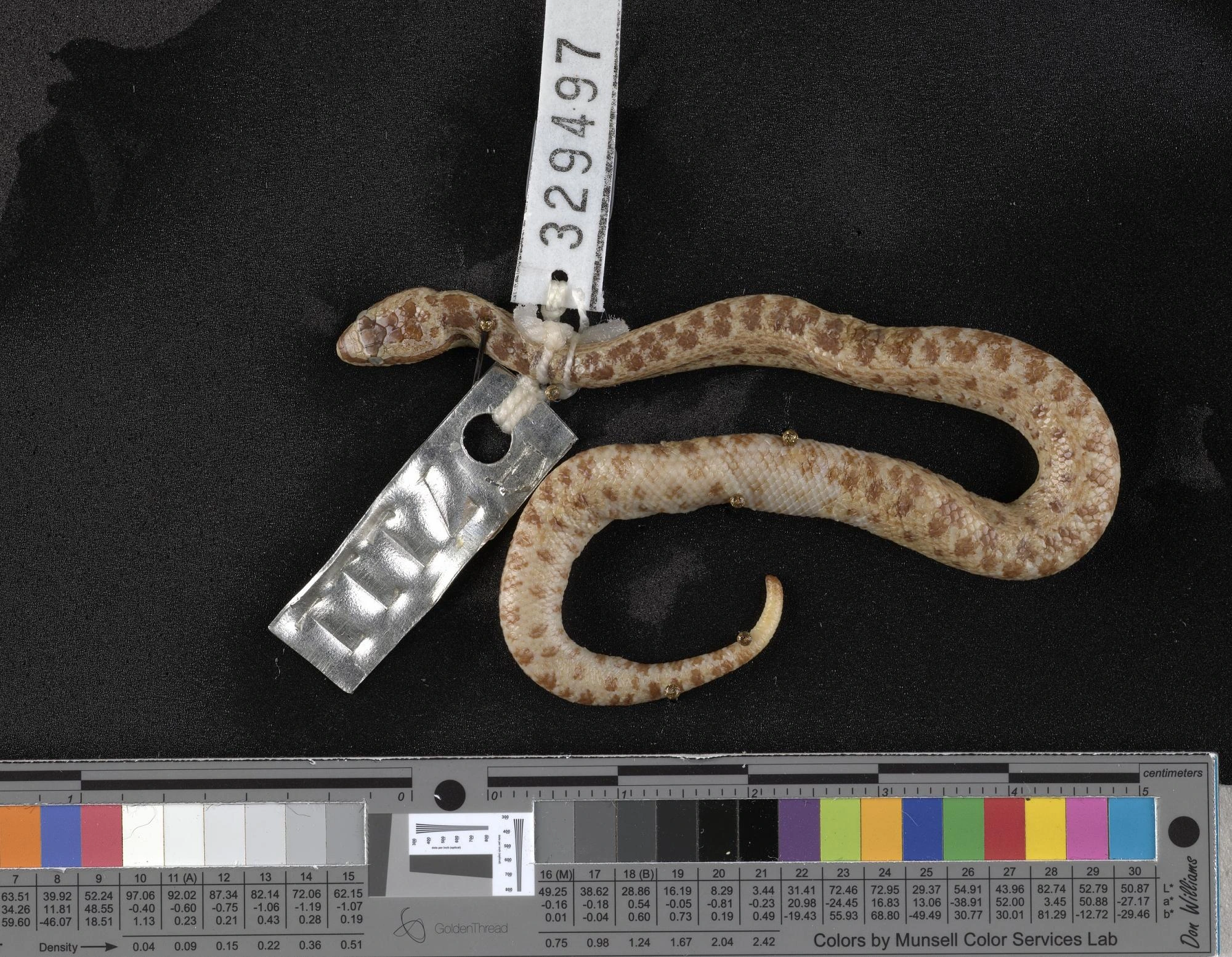
Tropidophis canus. Preserved museum specimen USNM 329497; coloration and posture may differ from a living animal. Portrait only; no locality or habitat record inferred.

013 · Tropidophiidae

Inagua Trope, Bahama-Wood Snakes

Tropidophis canus

(COPE, 1868)

Venom unknownNot yet assessed

The checked taxonomic distribution account explicitly lists The Bahamas. Country-level evidence does not establish continuous occupancy or a complete national inventory. The treatment names these subdivisions in its The Bahamas distribution clause: Inagua. They are assigned to the declared atlas navigation groups; this is not a field observation, a…

Read the species account →

DPO imaging project, Division of Amphibians and Reptiles / Smithsonian National Museum of Natural History · CC0 1.0 · https://creativecommons.org/publicdomain/zero/1.0/

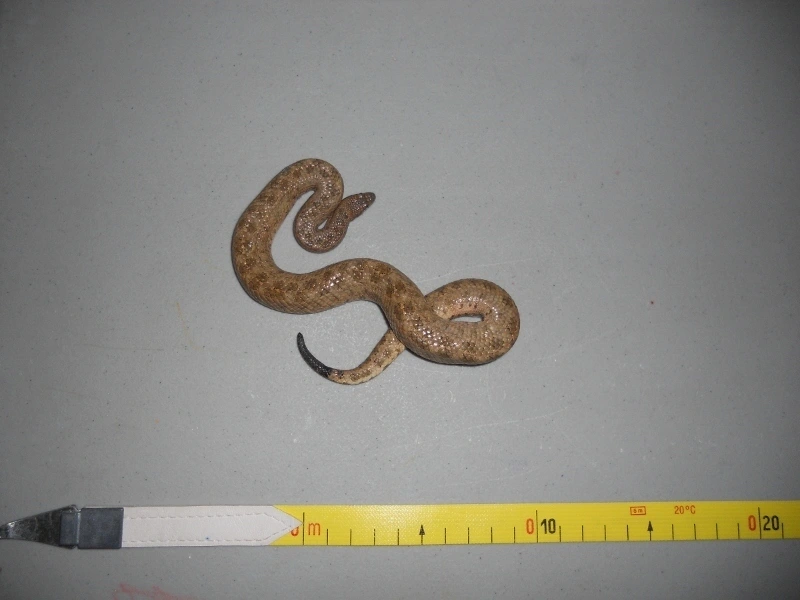
Tropidophis curtus. Portrait only; no new locality or habitat record inferred.

014 · Tropidophiidae

Northern Bahamas Trope, Bahama-Wood Snakes

Tropidophis curtus

(GARMAN, 1887)

Venom unknownNot yet assessed

The checked taxonomic distribution account explicitly lists The Bahamas. Country-level evidence does not establish continuous occupancy or a complete national inventory.

Read the species account →

ryan_potts · CC BY-SA 4.0 · https://creativecommons.org/licenses/by-sa/4.0/

The research library

Sources & the checklist.

This edition lists 15 species with supported country records from checked taxonomic treatments and cited field studies. This total includes 2 records marked as introduced; it is not a native-species total. It is not a claim of a complete national inventory. Each account retains its source and check date; individual evidence entries retain their own review dates.

Range and taxonomy review

Country links use a single accepted species identity. Revised names and disputed records are kept visible here; uncertain records do not enter the listed collection or regional totals.

Indotyphlops braminus

Introduced occurrence

Explicitly introduced in the checked distribution source. The checked taxonomic distribution account explicitly lists The Bahamas. Country-level evidence does not establish continuous occupancy or a complete national inventory. The source population is treated as introduced.

Source 1 ↗

Coluber constrictor

Introduced occurrence

The checked taxonomic distribution account explicitly lists The Bahamas. Country-level evidence does not establish continuous occupancy or a complete national inventory. The source population is treated as introduced.

Source 1 ↗

How the map and counts work

Search results were checked against distribution text and taxonomic qualifications. A geographic name alone does not establish a political country: New Guinea, the Solomon archipelago and Micronesia span more than one country or territory. Introduced and unresolved records require separate interpretation.

Place counts require explicit named localities, including valid type localities. Counts can overlap where sources name multiple places. Regional maps group historical boundary snapshots for navigation, while island outlines use Natural Earth; neither is a species range or an observation map. Small islands can be below the outline dataset’s resolution, so geographic reference markers and the directory remain available.

Haiti GeoPortal; geoBoundaries gbOpen ADM1, 09-09-2017 to 24-08-2020 snapshot; Creative Commons Attribution 4.0 International (CC BY 4.0). Map provenance →
Exclusions & qualifications (1)

Thamnophis saurita

Search candidate only: the leading current distribution account does not independently resolve this country. Retained for manual taxonomic/locality review; not evidence of absence.

Read source 1 ↗
  1. Map provenance and declared navigation groups ↗
  2. Convention on Biological Diversity · The Bahamas national profile ↗
  3. The Reptile Database

    Individual treatments and locality evidence are linked from each species account.

  4. Meiri (2024): SquamBase 1.0

    Species-level literature measurements and ecological traits. Exact-name matches only; imputed or ambiguous fields are omitted. These summaries are not local observations.

  5. Natural Earth: public-domain geographic data

Continue through the North America atlas →