


ColubridaeElaphePhotograph not yet documented
001 · Colubridae
Pere David's Rat Snake
Elaphe davidi
Non-venomousExplicitly marked as a North Korean record.
Read the species account →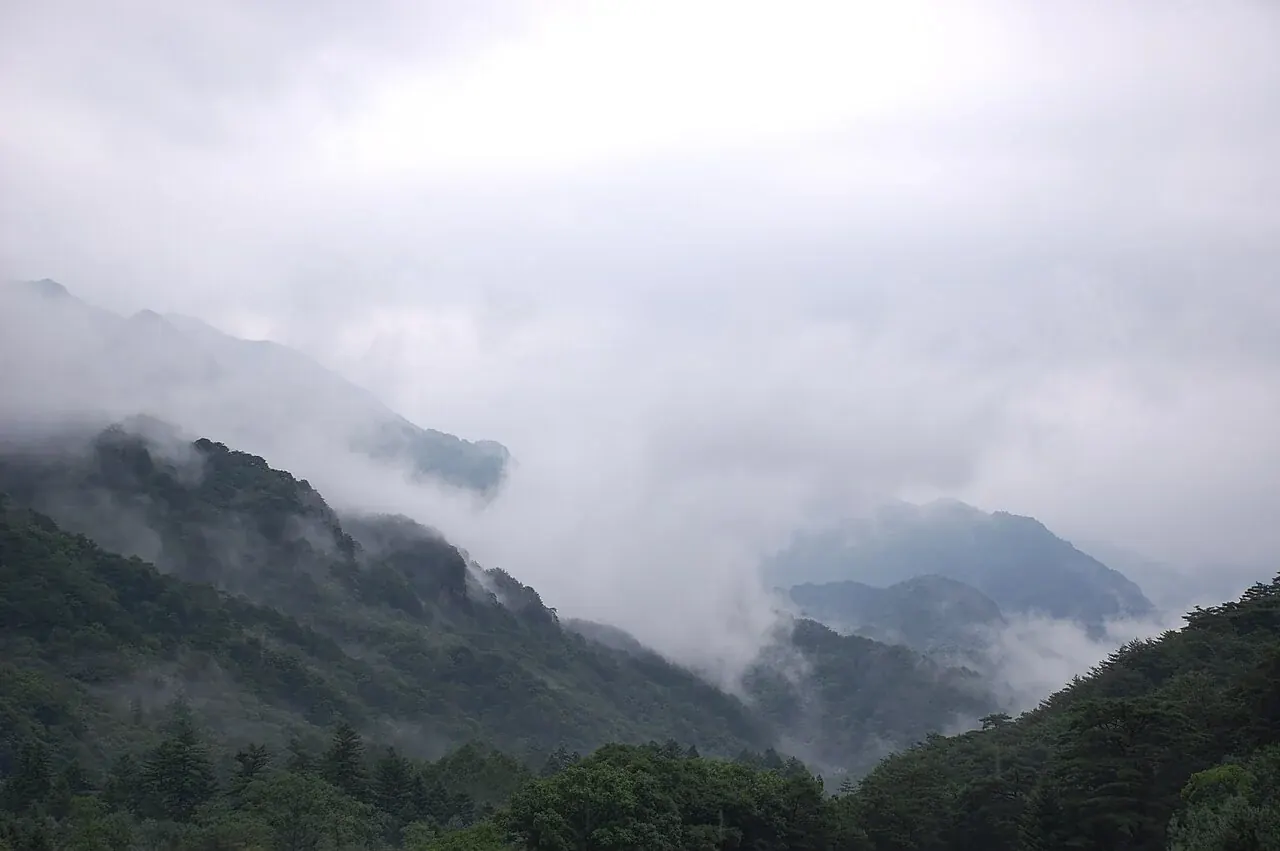
North Korea · The country atlas
The dated national strategy distinguishes northern coniferous uplands from more widespread lower-elevation forest types.
Forested slopes at Mount Myohyang, North Korea.
Geography & biotopes
The dated national strategy distinguishes northern coniferous uplands from more widespread lower-elevation forest types.
Regions group the administrative outlines in the credited historical snapshot; their names do not claim current administrative status. Each locality keeps its own country, island and habitat evidence. Country collections show supported atlas records, not an exhaustive national checklist.
Habitats & living landscapes
Explore 3 guides to the environments, places and conservation pressures that shape this country. Each guide connects to the regional map and shared species accounts.
Habitat · 01
Explore the documented landscape around Mount Myohyang. The named example anchors this guide; the country map and separately sourced species accounts answer different questions.
Explore the habitat ↗
Habitat · 02
Explore the documented landscape around Mount Paektu. The named example anchors this guide; the country map and separately sourced species accounts answer different questions.
Explore the habitat ↗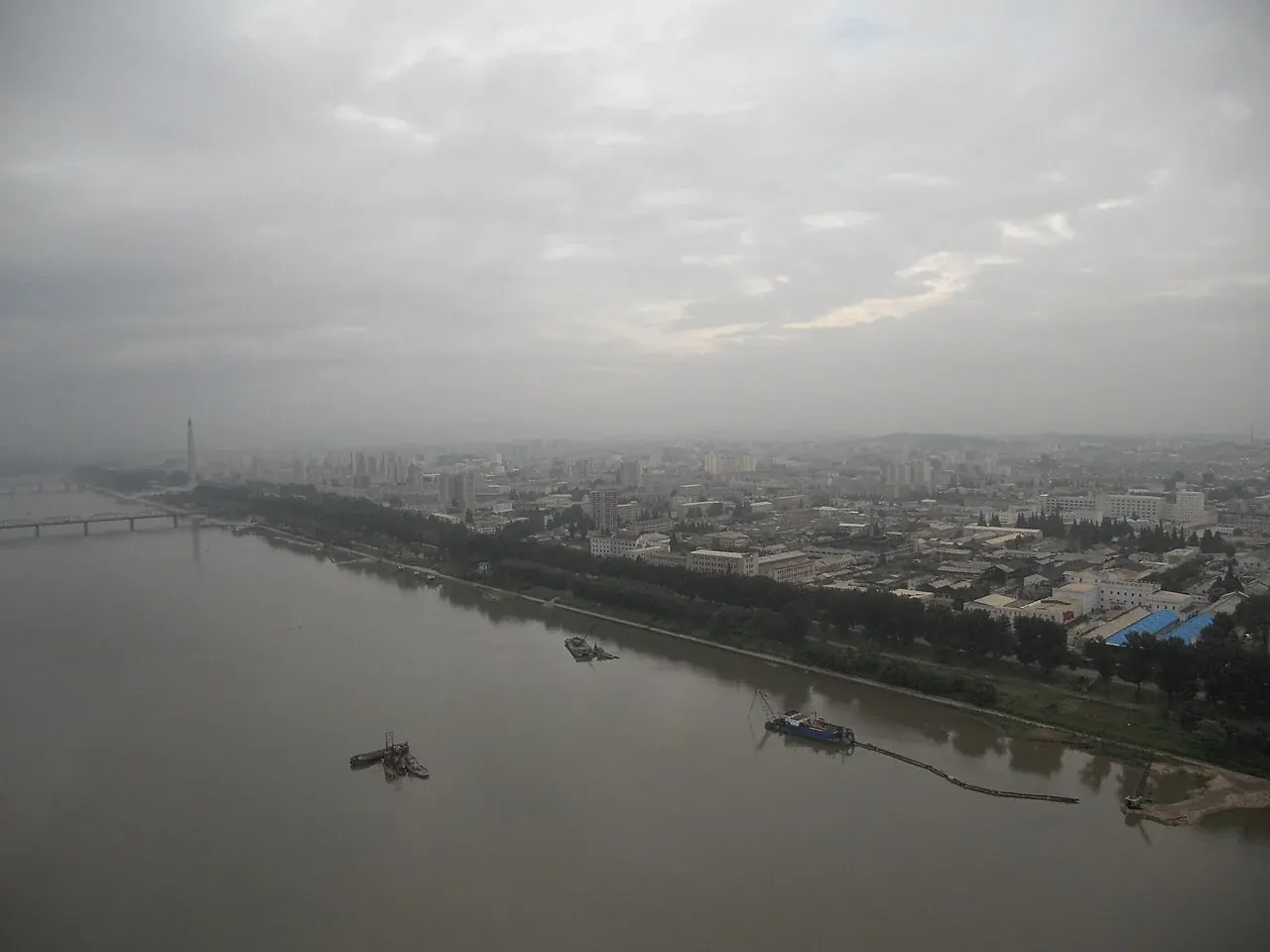
Habitat · 03
Explore the documented landscape around Myohyang streams. The named example anchors this guide; the country map and separately sourced species accounts answer different questions.
Explore the habitat ↗Forested slopes at Mount Myohyang, North Korea. — (stephan). Original photograph · CC BY-SA 2.0. Cropped for the cards; photographs do not establish snake occurrence.
Sunset over the crater rim of Mount Paektu, North Korea. — Roman Harak. Original photograph · CC BY-SA 2.0. Cropped for the cards; photographs do not establish snake occurrence.
Taedong River through Pyongyang, North Korea, with developed banks. — Laika ac from USA. Original photograph · CC BY-SA 2.0. Cropped for the cards; photographs do not establish snake occurrence.
The species catalogue
Search scientific names, historical names, common names and families. Every card opens one shared account across its documented countries.
7 species · showing 7
001 · Colubridae
Pere David's Rat Snake
Explicitly marked as a North Korean record.
Read the species account →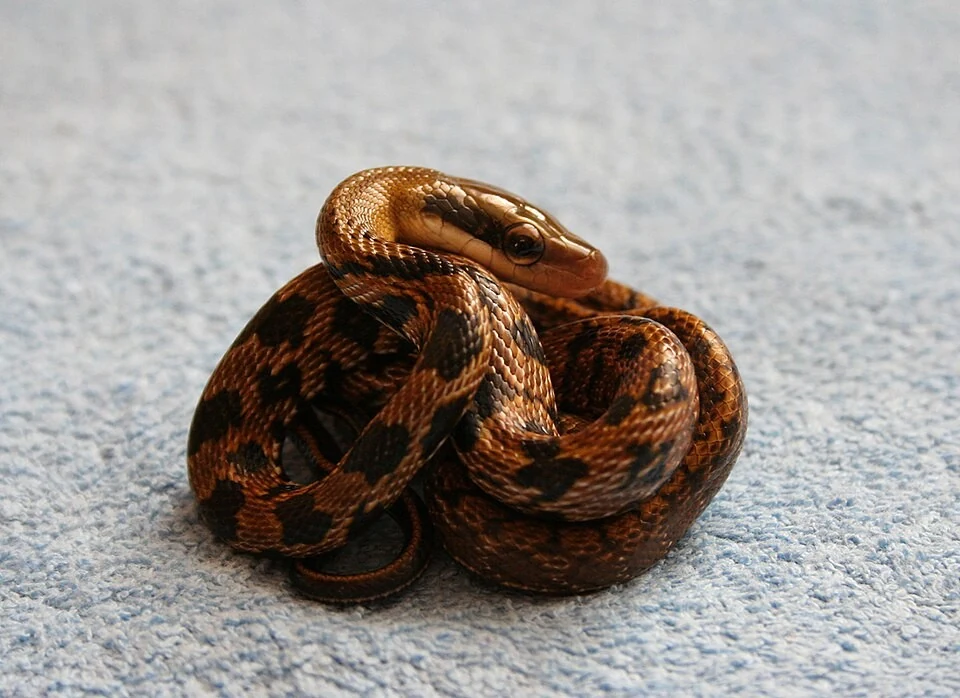
002 · Colubridae
Beauty Snake (friesei: Taiwan Beauty Snake; schmackeri: Sakishima Beauty Snake; callicyanous: Blue Beauty Ratsnake)
Explicitly marked as a North Korean record.
Read the species account →No machine-readable author provided. Hippocampus~commonswiki assumed (based on copyright claims). · CC BY-SA 2.5 · https://creativecommons.org/licenses/by-sa/2.5
003 · Viperidae
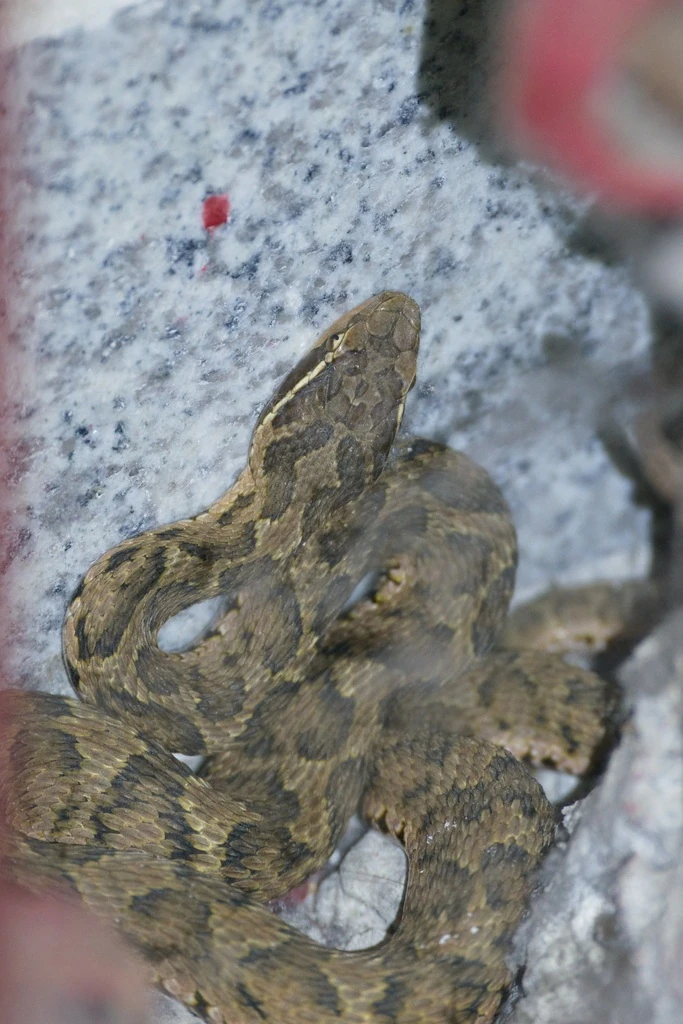
Short-tailed Mamushi
Explicit country record in the checked taxonomic treatment.
Read the species account →Jiao Sun (孙娇) · CC BY 4.0 · https://creativecommons.org/licenses/by/4.0/
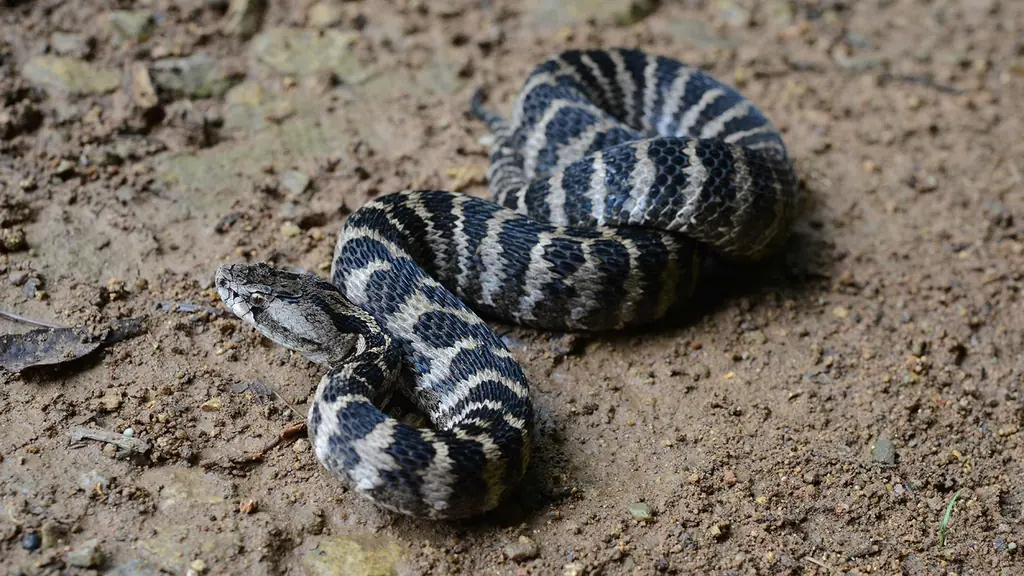
004 · Viperidae
Central Asian pitviper
Explicit country record in the checked taxonomic treatment. Northeastern mountains & coast: museum voucher NRM 7079 (1935). The published collecting label names Ryanggang; this is a locality-label assignment, not a reconstructed coordinate. Northeastern mountains & coast: museum voucher NRM 6988 (1935). The published collecting label names North…
Read the species account →Kim, Hyun-tae · CC BY 4.0 · https://creativecommons.org/licenses/by/4.0/
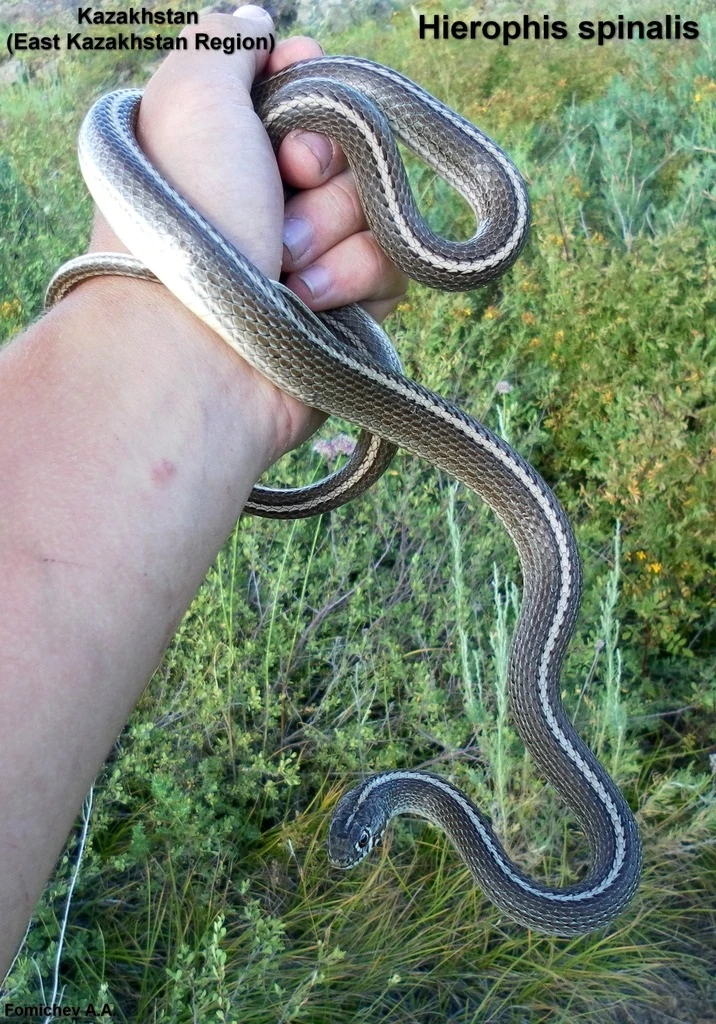
005 · Colubridae
Slender Racer
Explicit country record in the checked taxonomic treatment. Northeastern mountains & coast: observation GBIF 2626094352 (2018). The original iNaturalist entry was rechecked for research-grade identification, wild status and unrestricted coordinates; its reported uncertainty footprint lies within the mapped region. This is a community-reviewed…
Read the species account →Alexander A. Fomichev · CC BY 4.0 · https://creativecommons.org/licenses/by/4.0/
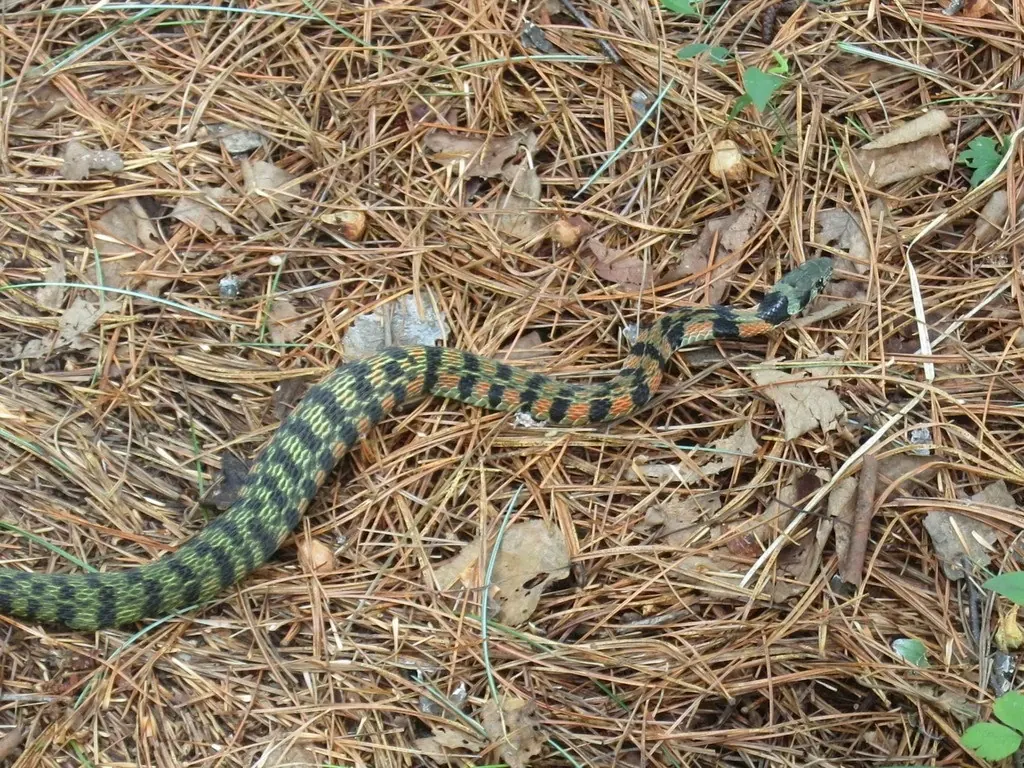
006 · Colubridae
Species account
Explicit country record in the checked taxonomic treatment.
Read the species account →Repina Tatyana · CC BY 4.0 · https://creativecommons.org/licenses/by/4.0/
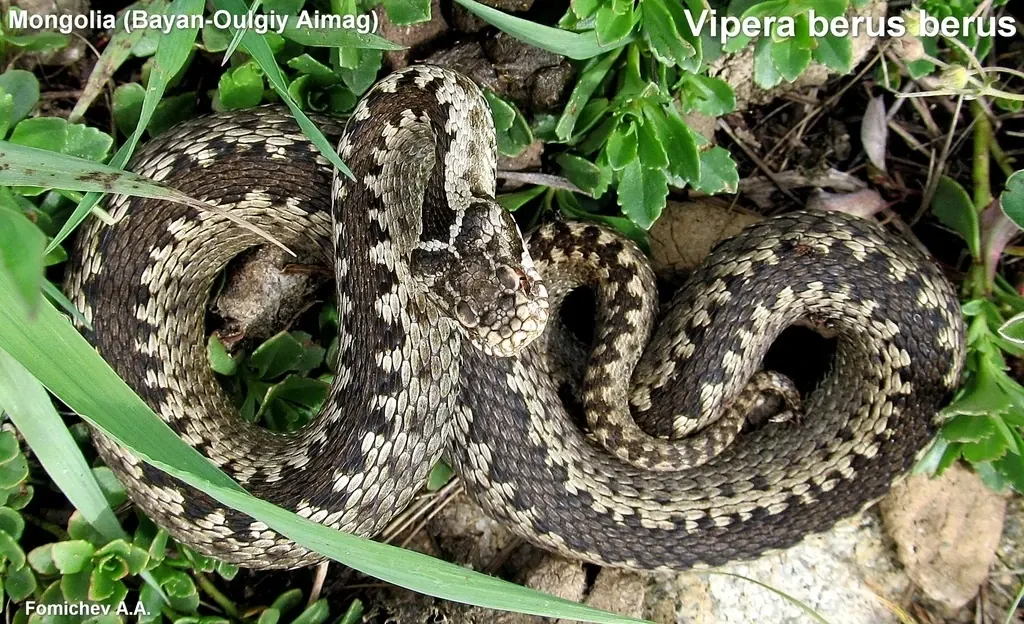
007 · Viperidae
Adder, Northern Viper
Explicitly marked as a North Korean record. Northeastern mountains & coast: museum voucher NRM 31449 (1935). The published collecting label names Ryanggang; this is a locality-label assignment, not a reconstructed coordinate. Northeastern mountains & coast: museum voucher NRM 31447 (1935). The published collecting label names Ryanggang; this is a…
Read the species account →Alexander A. Fomichev · CC BY 4.0 · https://creativecommons.org/licenses/by/4.0/
The research library
This edition lists 7 species with supported country records from checked taxonomic treatments and cited field studies. It is not a claim of a complete national inventory. Each account retains its source and check date; individual evidence entries retain their own review dates.
7 confirmed, introduced or explicitly qualified occasional country records. The three North-only annotations are explicit evidence. Other country records need independently scoped treatments; a bare Korea label does not prove both countries. A complete recent DPRK inventory was not verified.
Korean Society of Herpetologists: April 2025 checklist ↗
No unqualified country evidence in the current distribution; discovery hits and type localities alone do not establish occurrence.
No unqualified country evidence in the current distribution; discovery hits and type localities alone do not establish occurrence.
No unqualified country evidence in the current distribution; discovery hits and type localities alone do not establish occurrence.
No unqualified country evidence in the current distribution; discovery hits and type localities alone do not establish occurrence.
No unqualified country evidence in the current distribution; discovery hits and type localities alone do not establish occurrence.
The checked treatment or independent checklist questions this country assignment or uses an older species concept. A voucher under the current identity remains unresolved.
Country links use a single accepted species identity. Revised names and disputed records are kept visible here; uncertain records do not enter the listed collection or regional totals.
Uncertain — excluded from the listed total
The checked treatment or independent checklist questions this country assignment or uses an older species concept. A voucher under the current identity remains unresolved.
Search results were checked against distribution text and taxonomic qualifications. A geographic name alone does not establish a political country: New Guinea, the Solomon archipelago and Micronesia span more than one country or territory. Introduced and unresolved records require separate interpretation.
Place counts require explicit named localities, including valid type localities. Counts can overlap where sources name multiple places. Regional maps group historical boundary snapshots for navigation, while island outlines use Natural Earth; neither is a species range or an observation map. Small islands can be below the outline dataset’s resolution, so geographic reference markers and the directory remain available.
geoBoundaries; World Food Programme, OCHA ROAP · gbOpen ADM1 · 2018 snapshot · Creative Commons Attribution 3.0 Intergovernmental Organisations (CC BY 3.0 IGO). Generalised navigation boundaries, not snake ranges or territorial assertions. Map provenance →
Individual treatments and locality evidence are linked from each species account.
Species-level literature measurements and ecological traits. Exact-name matches only; imputed or ambiguous fields are omitted. These summaries are not local observations.