Water and land-use pressure
UNESCO’s 2022 oasis account describes drought, sand encroachment and intensive farming as pressures on cultivated oasis landscapes.
Sources: UNESCO · Moroccan oases: On the other side of the mirage
Morocco · Habitat field guide
Read southern Morocco as a mosaic of sand, rock and irrigated ground rather than a single uniform desert.
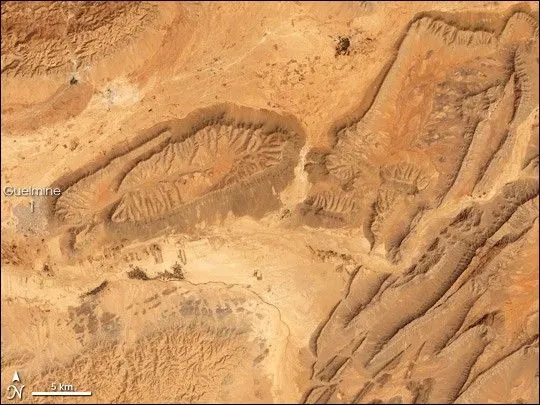
Anti-Atlas ridges near Guelmim, Morocco, imaged by Landsat 7 on 19 March 2002. Dated natural-colour orbital view; not a snake observation.
Understanding the environment
Read southern Morocco as a mosaic of sand, rock and irrigated ground rather than a single uniform desert.
Explore the structure · Open ground → Vegetated patch → Drainage
Select a zone to see what changes.
Substrate
Separate mobile sand, gravel pavement and exposed bedrock.
The word desert alone is too broad to describe a capture site.
A conceptual comparison, not a measured transect or an animal distribution model.
Field notes · 01
At Erg Chebbi, a relatively impermeable rock layer beneath the sand supports a shallow water table. Underground khettara channels bring water towards settlements such as Hassilabied; gravel-rich desert pavement lies west of the dunes.
Sources: NASA Earth Observatory · Shallow Aquifers of Erg Chebbi
Field notes · 02
The southern Moroccan biosphere reserve spans contrasting climates and includes date-palm cultivation, acacia stands and mountain vegetation. An oasis record should remain tied to its locality instead of becoming a blanket desert association.
Sources: UNESCO MAB · Oasis du sud marocain
Pressures on Morocco’s habitats
UNESCO’s 2022 oasis account describes drought, sand encroachment and intensive farming as pressures on cultivated oasis landscapes.
Sources: UNESCO · Moroccan oases: On the other side of the mirage
Retain the observation date, original habitat wording and source. Landscape protection and a confirmed snake occurrence are different kinds of evidence.
The connected collection
These 19 species have supported country occurrence and an explicit habitat association in the shared account. The association may come from elsewhere in their range. This is not a complete local habitat inventory; the places above are landscape examples, not asserted collecting sites.
19 species · showing 19
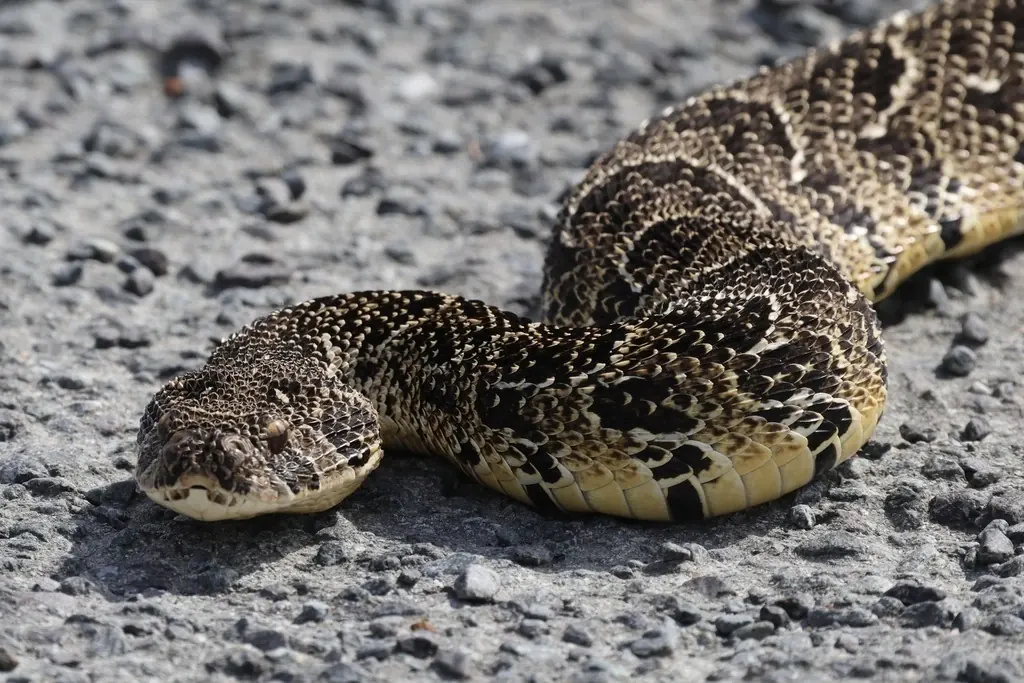
001 · Viperidae
Puff Adder
Listed in the reviewed taxonomic treatment. The cited regional study reports: Observed in October 2019.
Read the species account →Cricket Raspet · CC BY 4.0 · https://creativecommons.org/licenses/by/4.0/
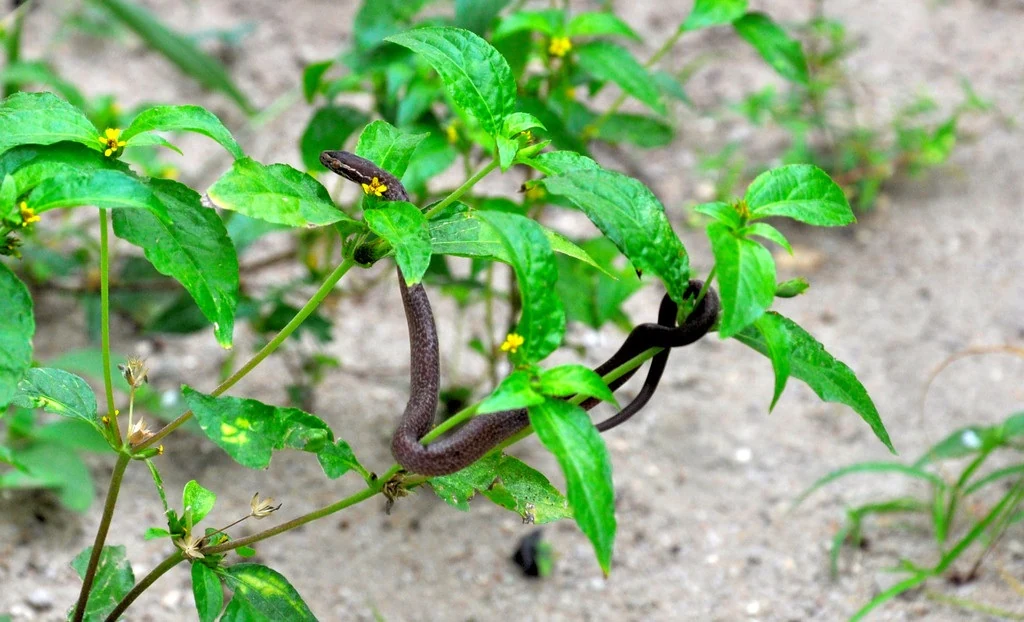
002 · Lamprophiidae
Brown House Snake, African House Snake
Listed in the reviewed taxonomic treatment. Regional summary in the specialist guide.
Read the species account →Diossina · CC BY 4.0 · https://creativecommons.org/licenses/by/4.0/
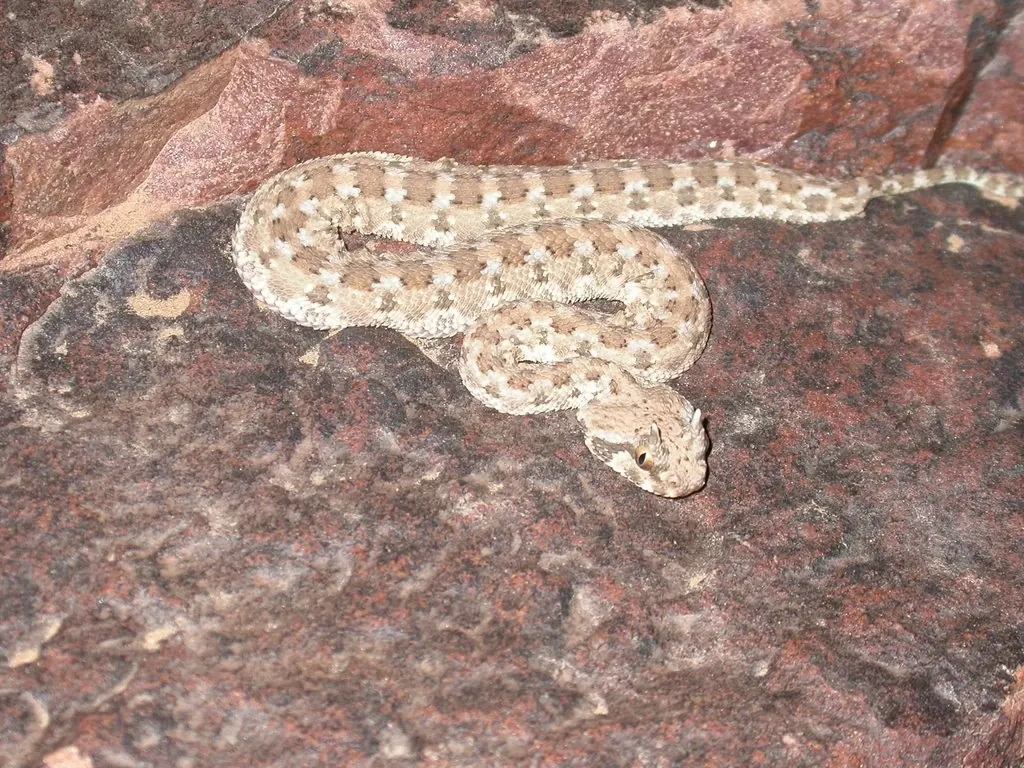
003 · Viperidae
Desert Horned Viper
Listed in the reviewed taxonomic treatment. The cited regional study reports: Observed in October 2019.
Read the species account →Julien Renoult · CC BY 4.0 · https://creativecommons.org/licenses/by/4.0/
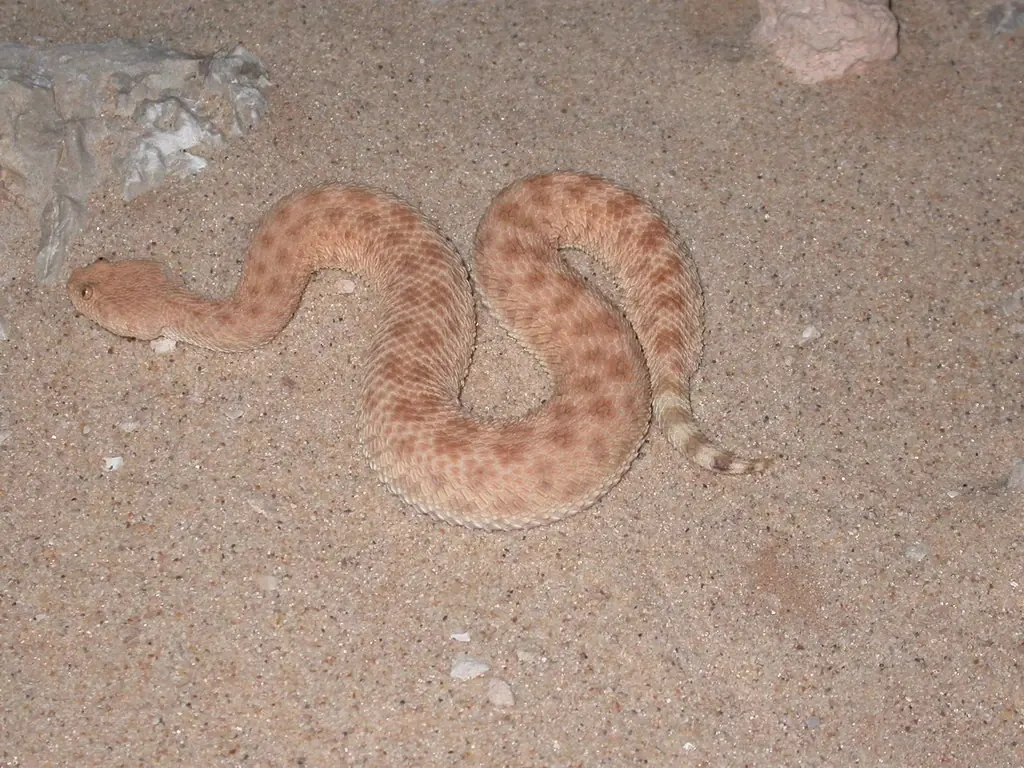
004 · Viperidae
Sahara Sand Viper
Listed in the reviewed taxonomic treatment. An adult was photographed beneath a shrub on 27 April 2019 at 1,300 m. The paper reports a northeastern range extension; no coordinate precision beyond the published record is added.
Read the species account →Julien Renoult · CC BY 4.0 · https://creativecommons.org/licenses/by/4.0/
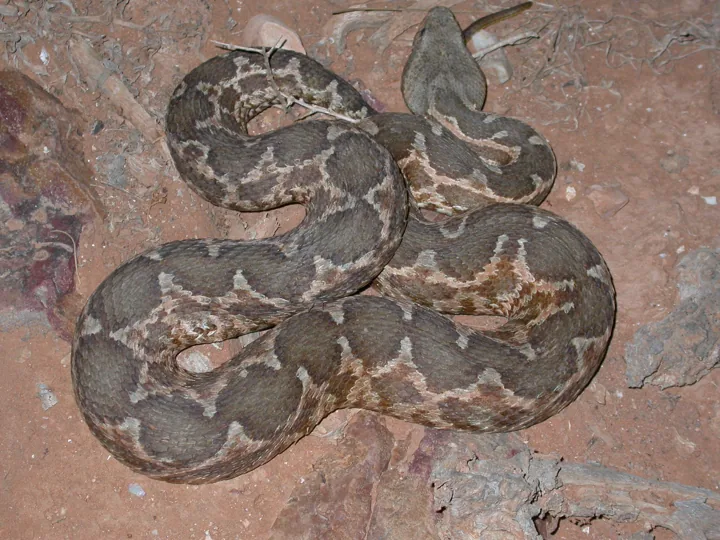
005 · Viperidae
Moorish Viper
Listed in the reviewed taxonomic treatment. The cited regional study reports: Observed in October 2019.
Read the species account →Julien Renoult · CC BY 4.0 · https://creativecommons.org/licenses/by/4.0/
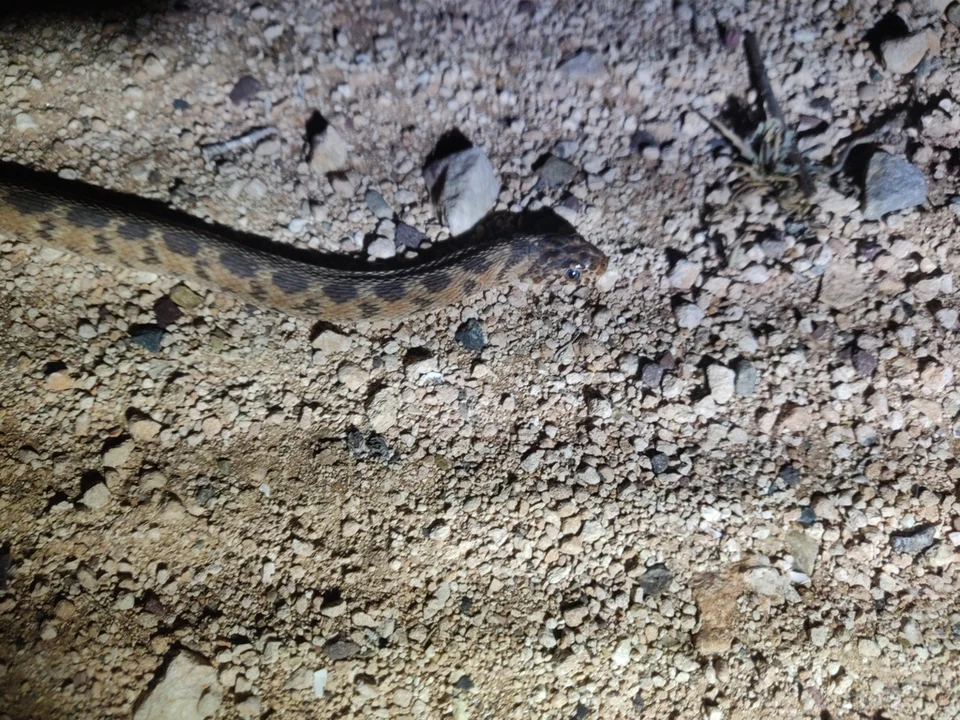
006 · Colubridae
Sahel Egg Eater
Listed in the reviewed taxonomic treatment. Regional summary in the specialist guide.
Read the species account →Teddy Gilbert · CC BY 4.0 · https://creativecommons.org/licenses/by/4.0/
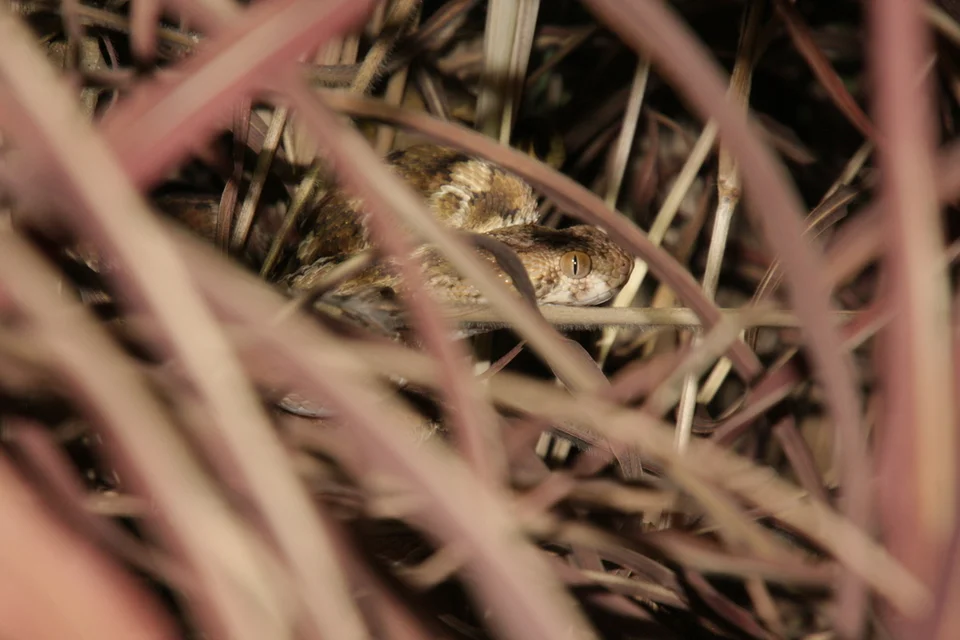
007 · Viperidae
Roman's Saw-scaled Viper
Listed in the reviewed taxonomic treatment. Regional summary in the specialist guide.
Read the species account →B. P. White · CC BY-SA 4.0 · https://creativecommons.org/licenses/by-sa/4.0/
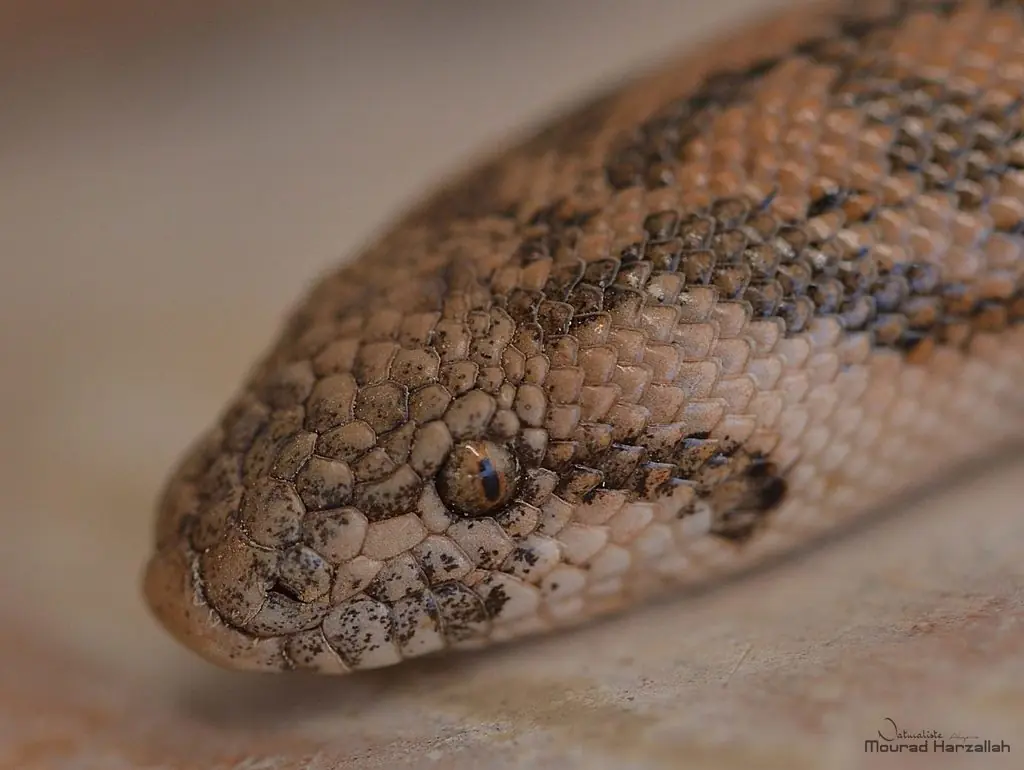
008 · Boidae
Javelin Sand Boa
Listed in the reviewed taxonomic treatment. Regional summary in the specialist guide.
Read the species account →Mourad Harzallah · CC BY 4.0 · https://creativecommons.org/licenses/by/4.0/
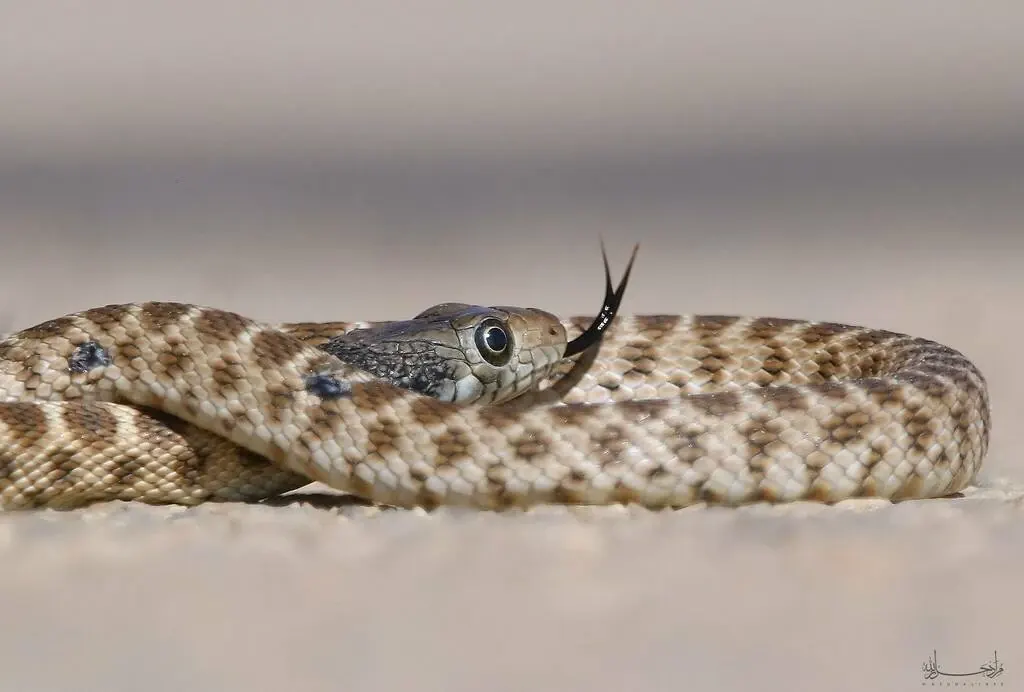
009 · Colubridae
Algerian Whip Snake
Listed in the reviewed taxonomic treatment. Souss, Draa & southern basins: observation GBIF 6163048764 (2026). The original iNaturalist entry was rechecked for research-grade identification, wild status and unrestricted coordinates; its reported uncertainty footprint lies within the mapped region. This is a community-reviewed observation, not a museum…
Read the species account →Mourad Harzallah · CC BY 4.0 · https://creativecommons.org/licenses/by/4.0/
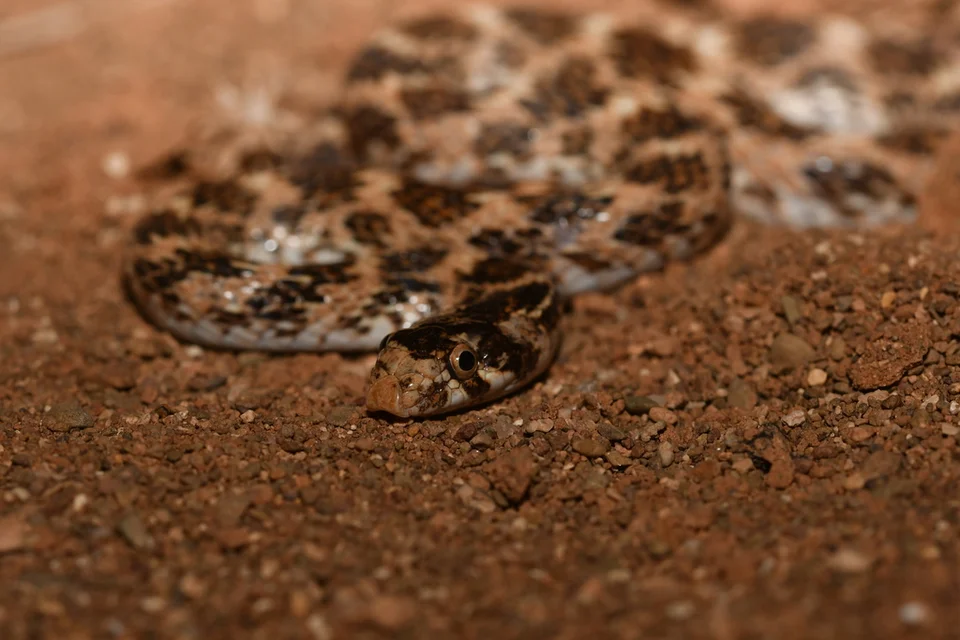
010 · Colubridae
Crowned Leafnose Snake, Diademed Sand Snake, Awl-headed Snake
Listed in the reviewed taxonomic treatment. An animal was active on the ground on 17 October 2019.
Read the species account →Justin Philbois · CC0 1.0 · https://creativecommons.org/publicdomain/zero/1.0/
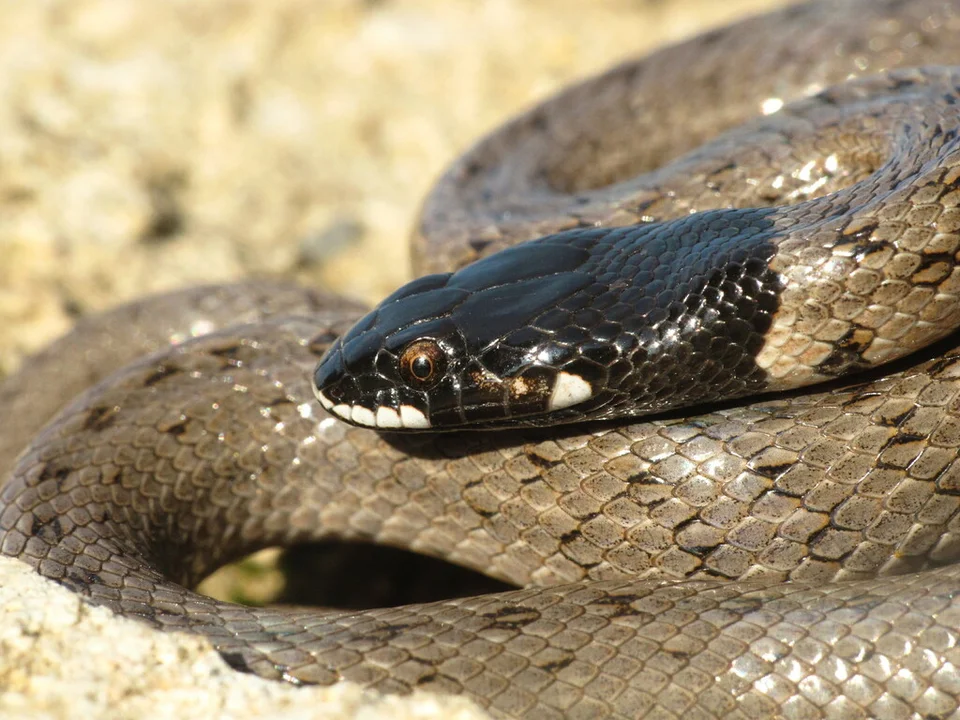
011 · Colubridae
Species account
Listed in the reviewed taxonomic treatment. Regional summary in the specialist guide.
Read the species account →Wouter Beukema · CC BY 4.0 · https://creativecommons.org/licenses/by/4.0/
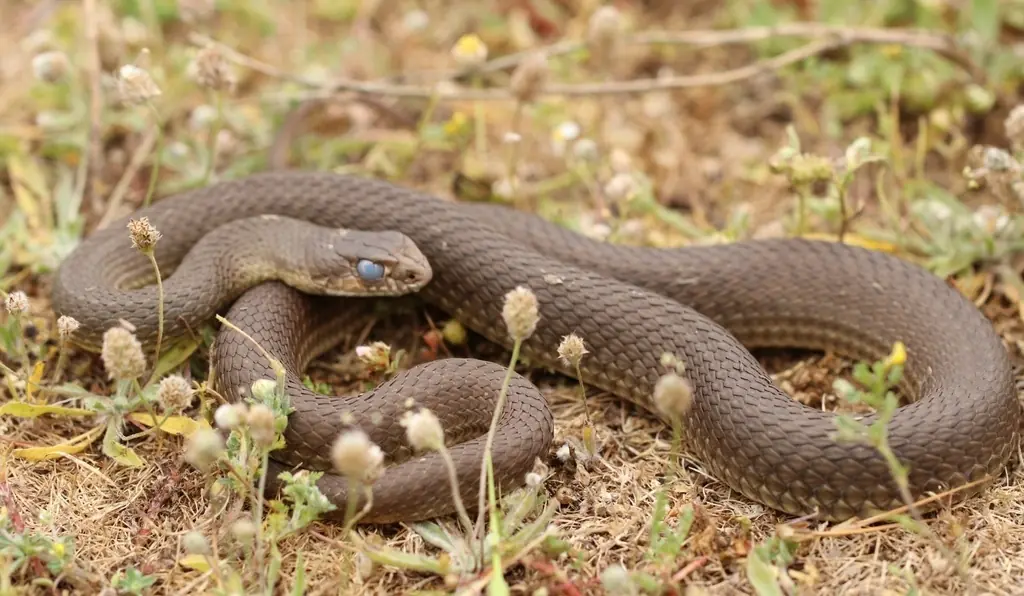
012 · Psammophiidae
Eastern Montpellier Snake
Listed in the reviewed taxonomic treatment. Regional summary in the specialist guide.
Read the species account →Ryan van Huyssteen · CC BY 4.0 · https://creativecommons.org/licenses/by/4.0/
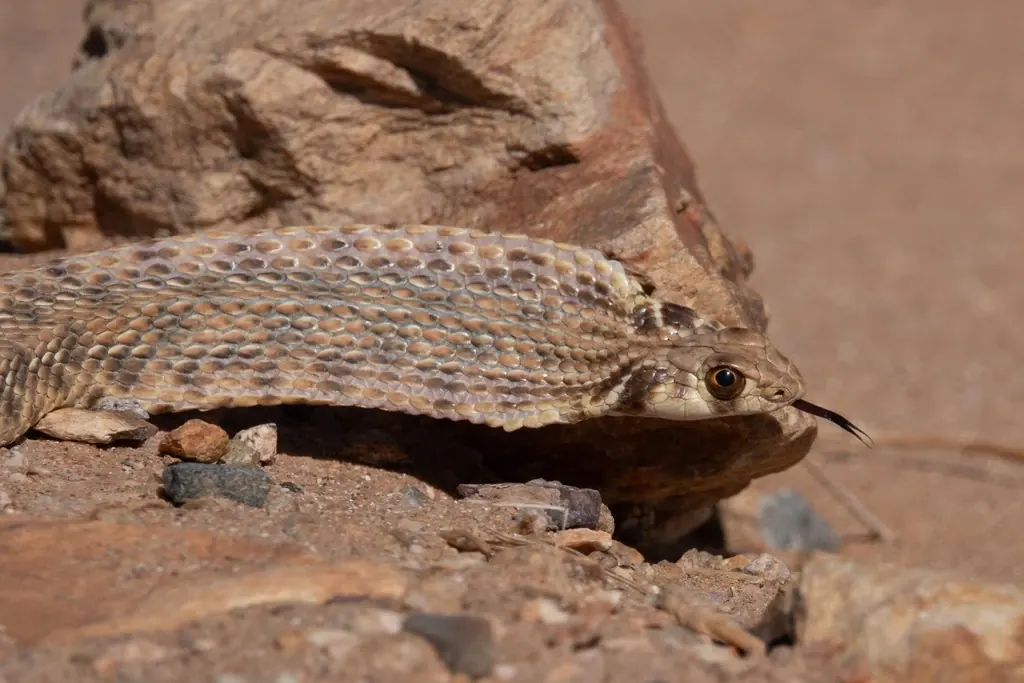
013 · Psammophiidae
Moila Snake
Listed in the reviewed taxonomic treatment. Regional summary in the specialist guide.
Read the species account →Demian Hiß · CC BY 4.0 · https://creativecommons.org/licenses/by/4.0/
014 · Leptotyphlopidae
Species account
Listed in the reviewed taxonomic treatment. Two active animals were documented on the night of 18–19 October 2019.
Read the species account →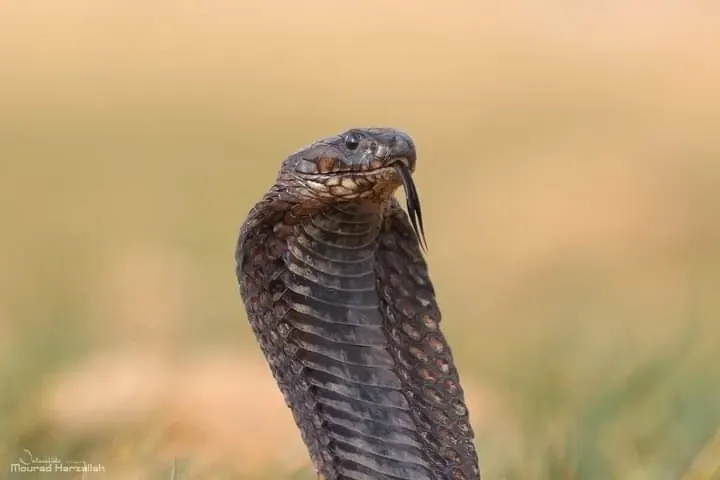
015 · Elapidae
Egyptian Cobra
Listed in the reviewed taxonomic treatment. The 2019–2020 survey documented this species in the park’s southern sector.
Read the species account →Mourad Harzallah · CC BY 4.0 · https://creativecommons.org/licenses/by/4.0/
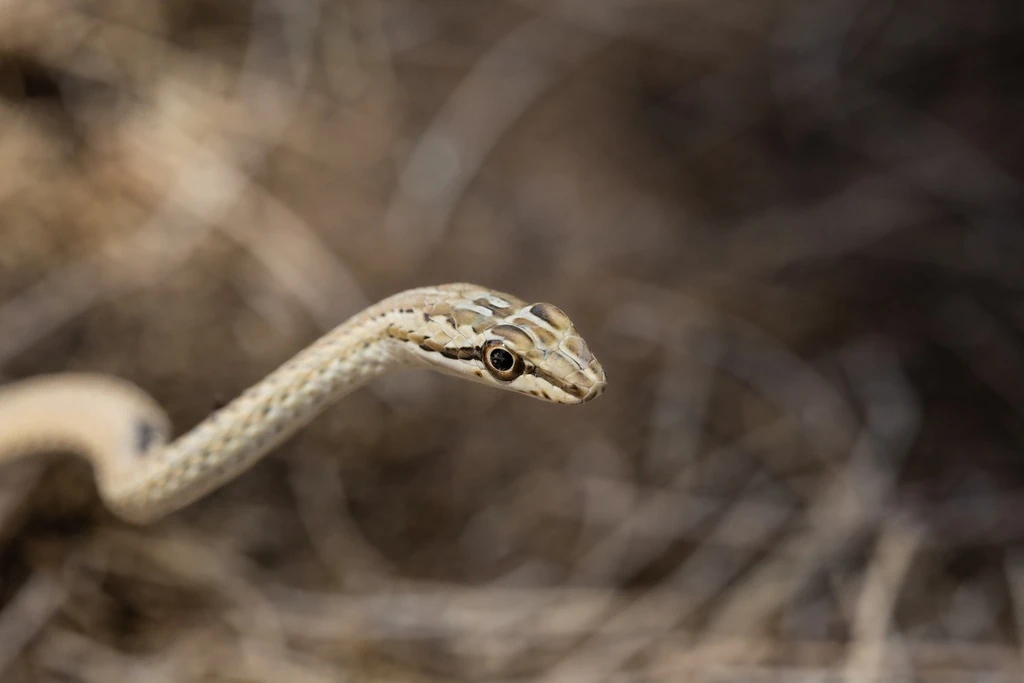
016 · Psammophiidae
Schokari Sand Racer, Forskal Sand Snake
Listed in the reviewed taxonomic treatment. The cited regional study reports: Observed in October 2019.
Read the species account →Mahomed Desai · CC BY 4.0 · https://creativecommons.org/licenses/by/4.0/
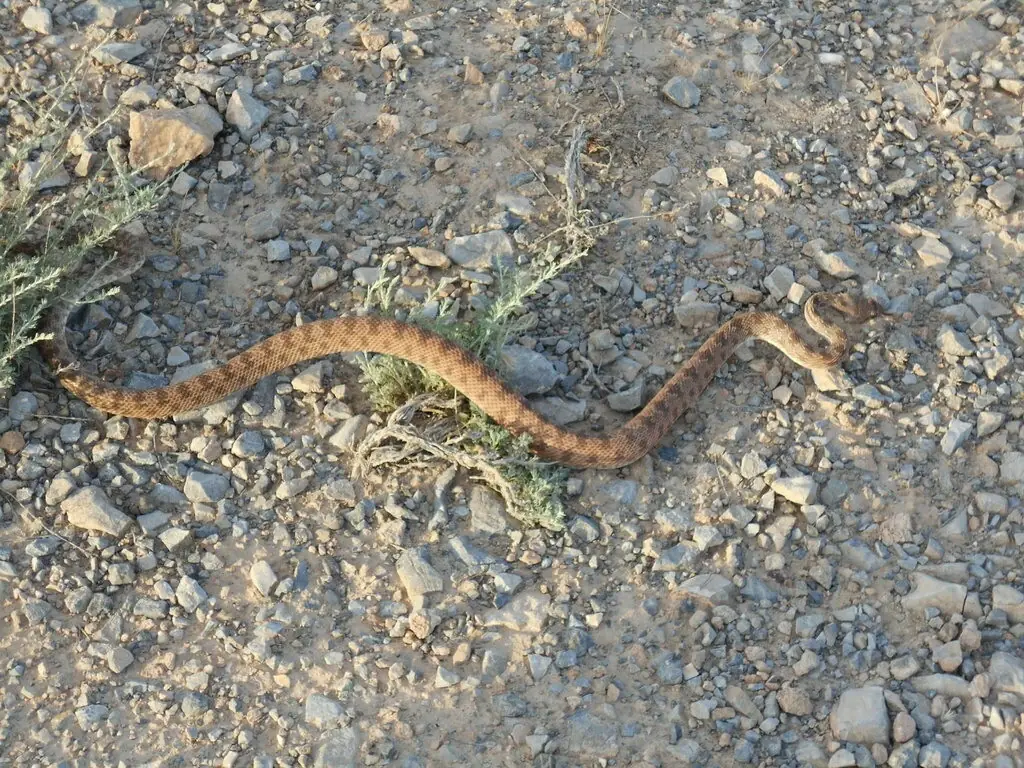
017 · Colubridae
Diadem Snake, Royal Snake
Listed in the reviewed taxonomic treatment. Souss, Draa & southern basins: museum voucher MHNG MHNG-HERP-2414.070 (1985). The published collecting label names Ouarzazate area (published label: El-Melint); this is a locality-label assignment, not a reconstructed coordinate. These are dated locality records, not evidence of occurrence throughout every part…
Read the species account →Askar Akhmedov · CC BY 4.0 · https://creativecommons.org/licenses/by/4.0/
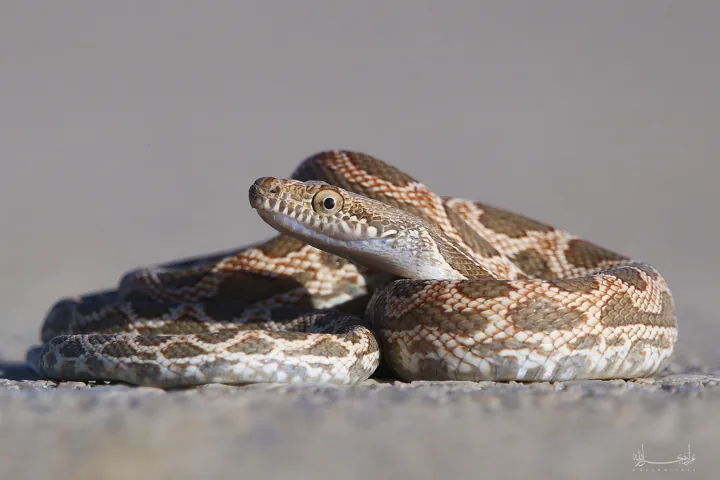
018 · Colubridae
Werner's Diadem Snake
Listed in the reviewed taxonomic treatment. October 2019 records comprise a roadkill, a live roadside snake and an active animal at site 8. Regional summary in the specialist guide.
Read the species account →Mourad Harzallah · CC BY 4.0 · https://creativecommons.org/licenses/by/4.0/
019 · Colubridae
Species account
Listed in the reviewed taxonomic treatment. Regional summary in the specialist guide.
Read the species account →Read further
Guide reviewed 12 October 2026. Source dates and geographic scope matter; landscape photographs do not establish species occurrence.
Published 10 December 2016; Landsat observation 31 October 2016. Geomorphology and groundwater context. Checked 12 October 2026.
Reserve-scale landscape account, not a species survey. Checked 12 October 2026.
Dated 2022 account; not a current quantitative trend. Checked 12 October 2026.
Continue through Morocco